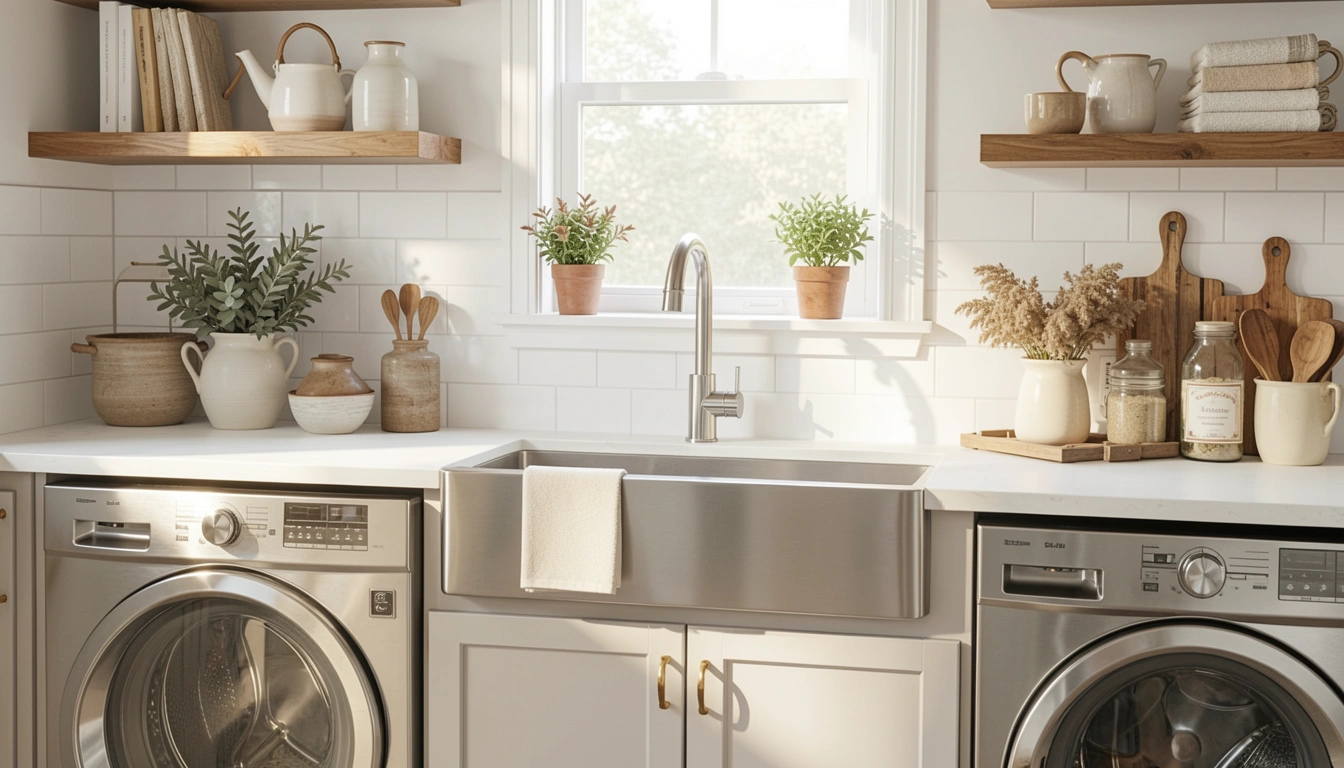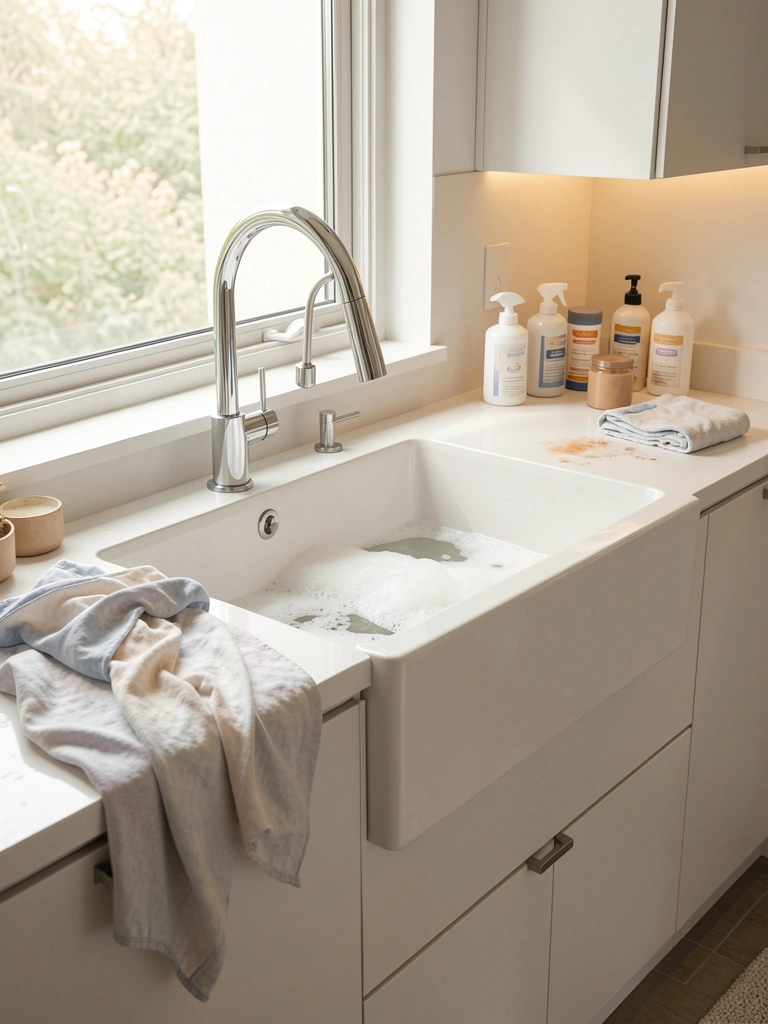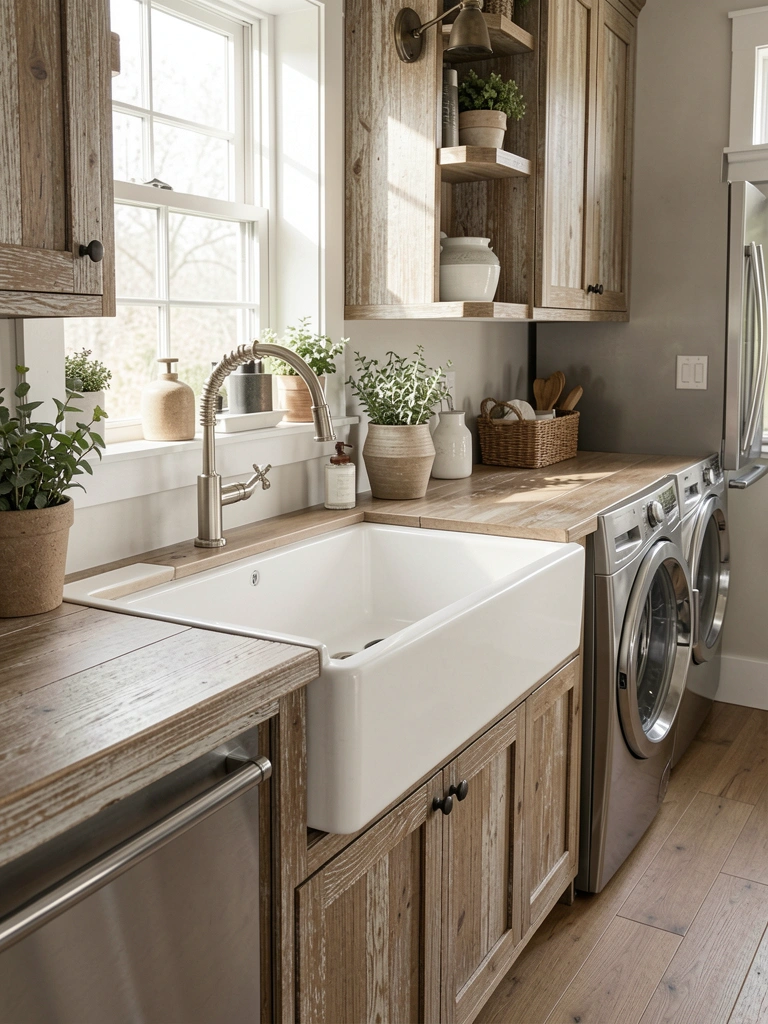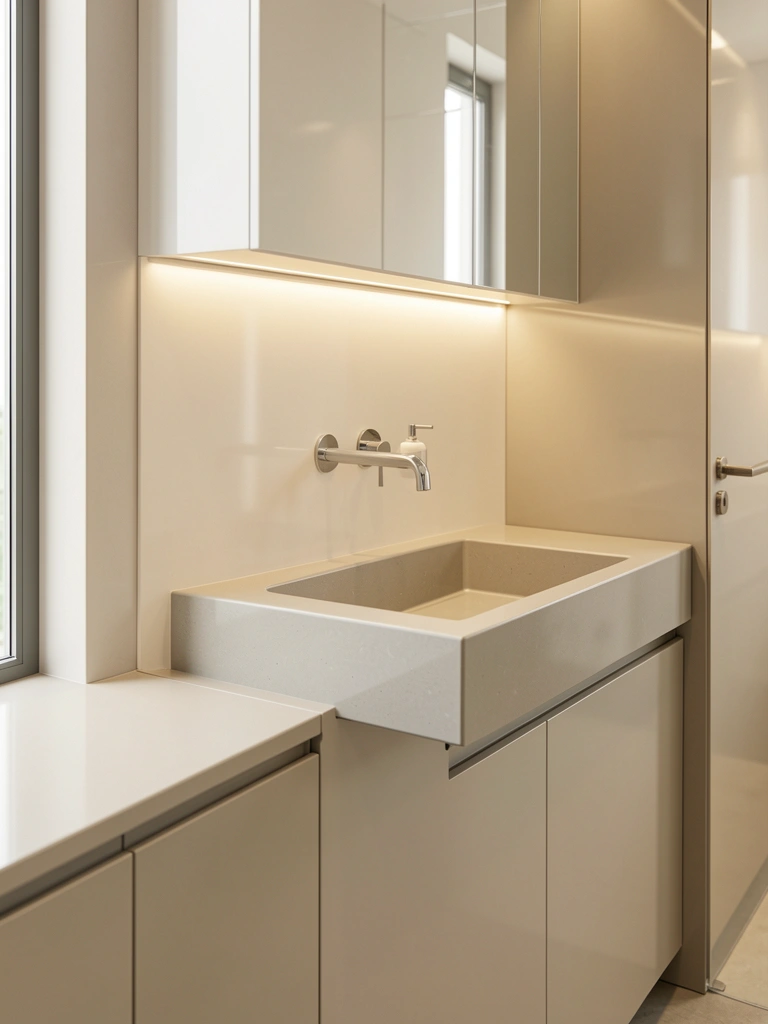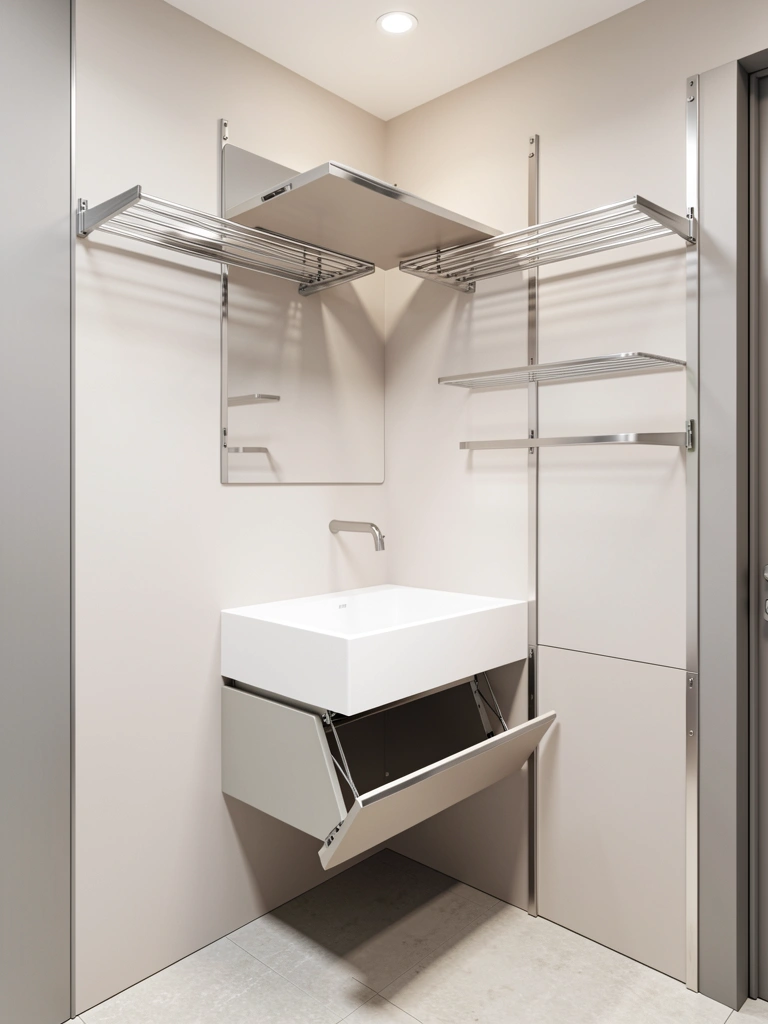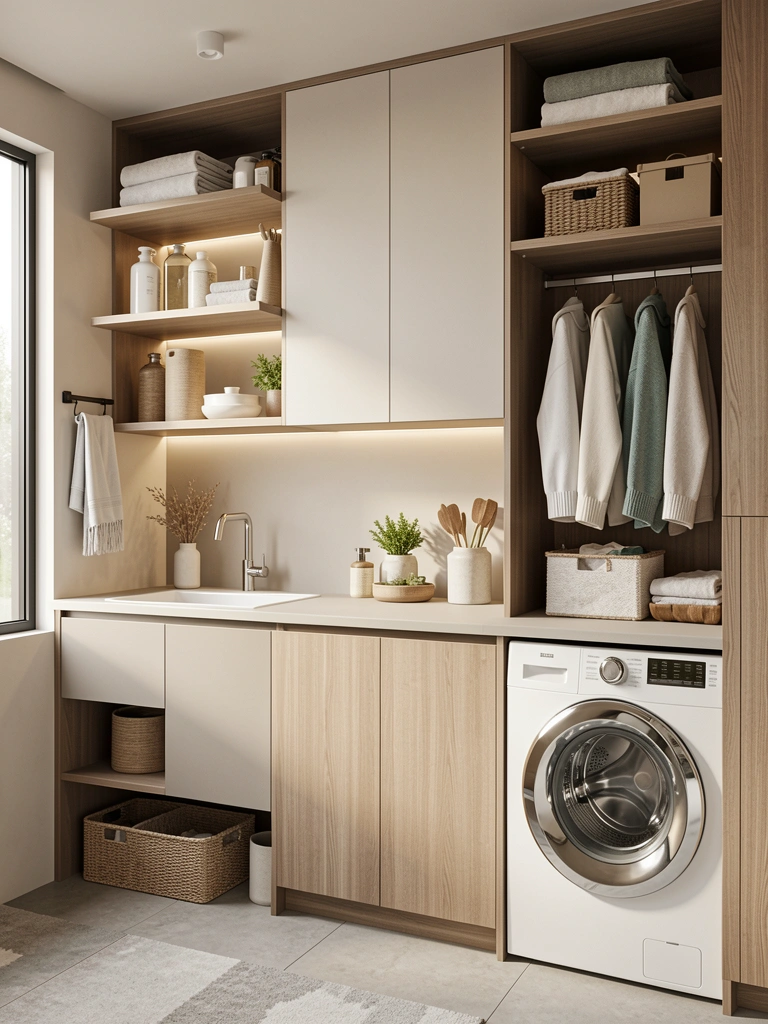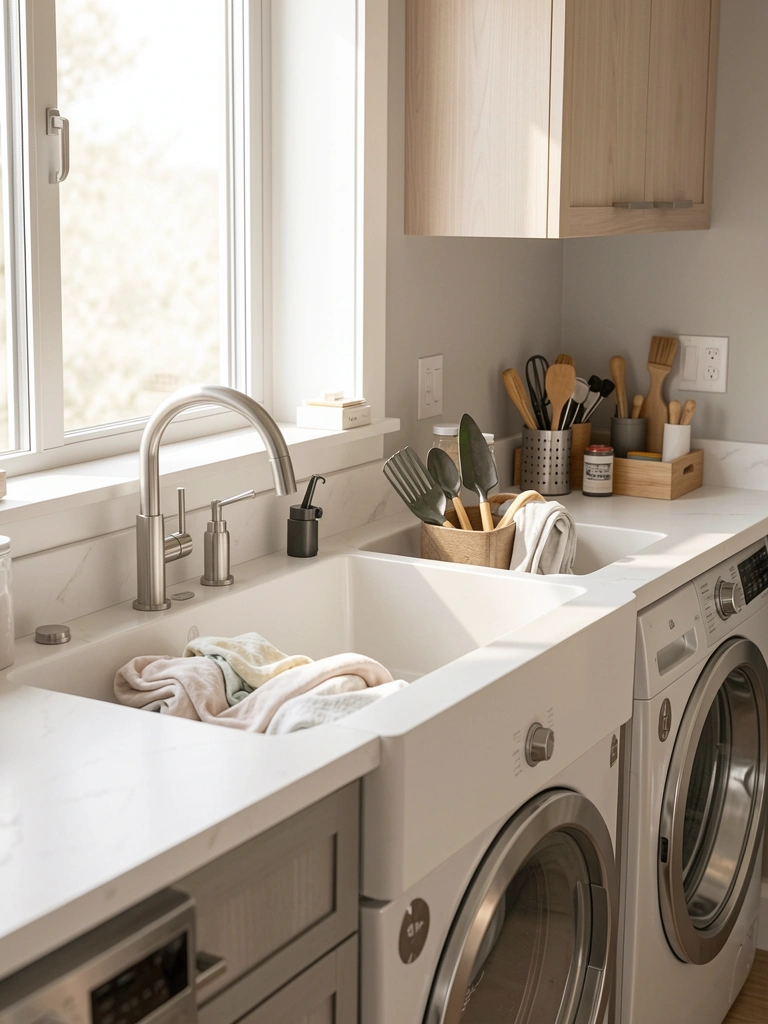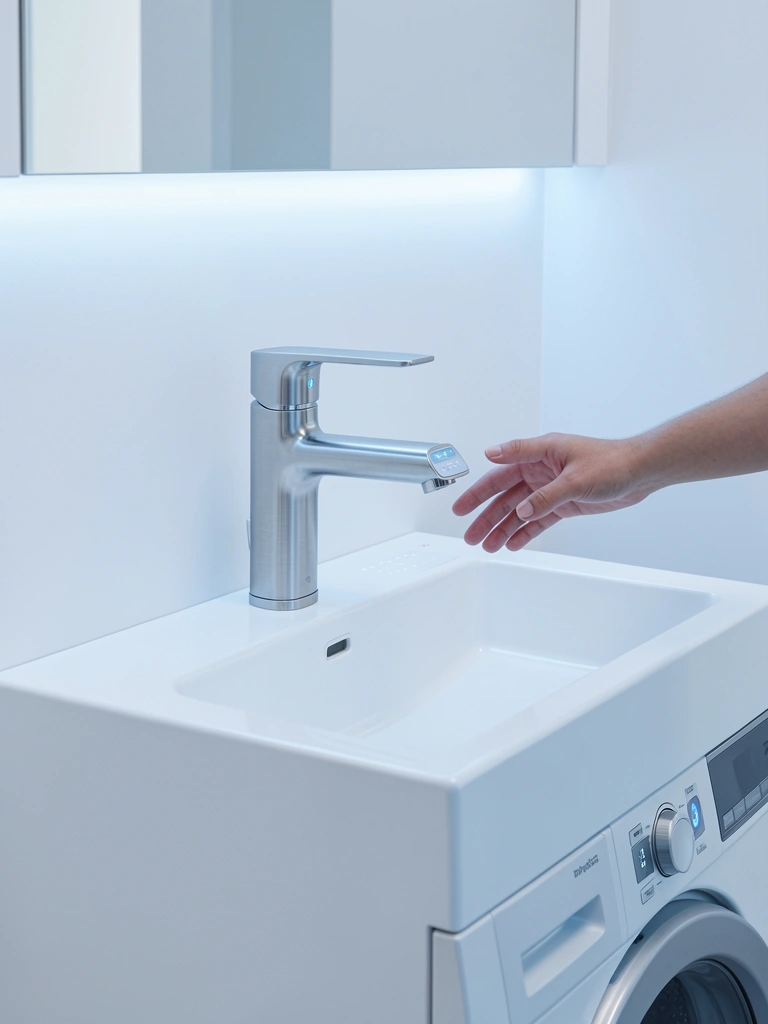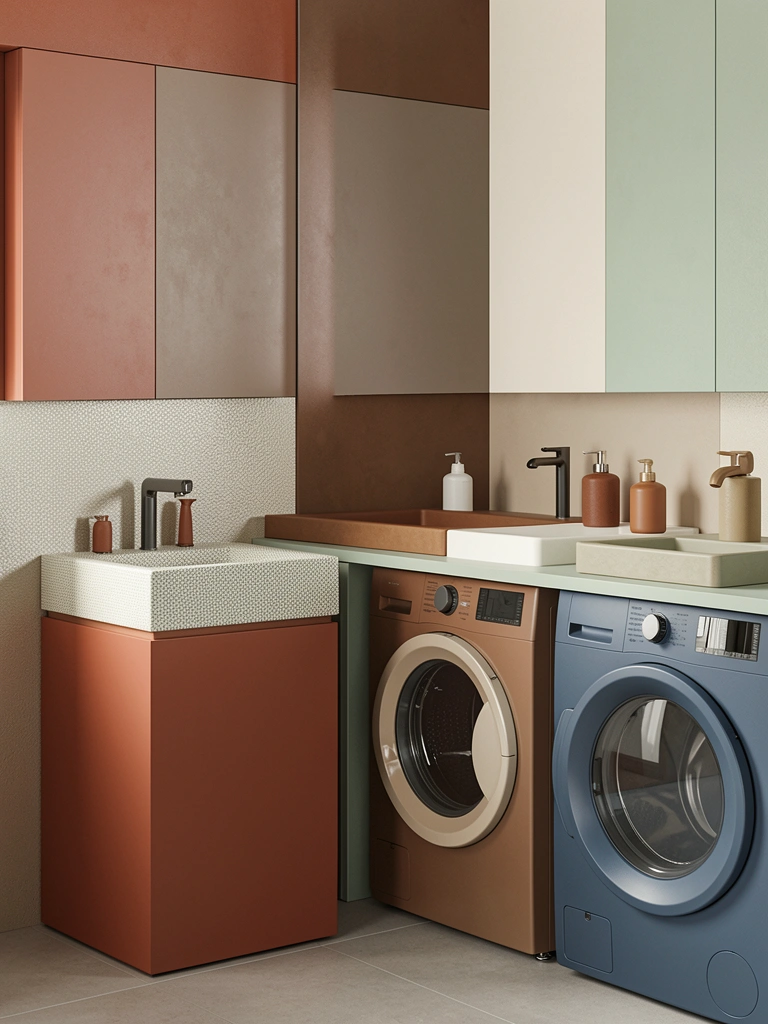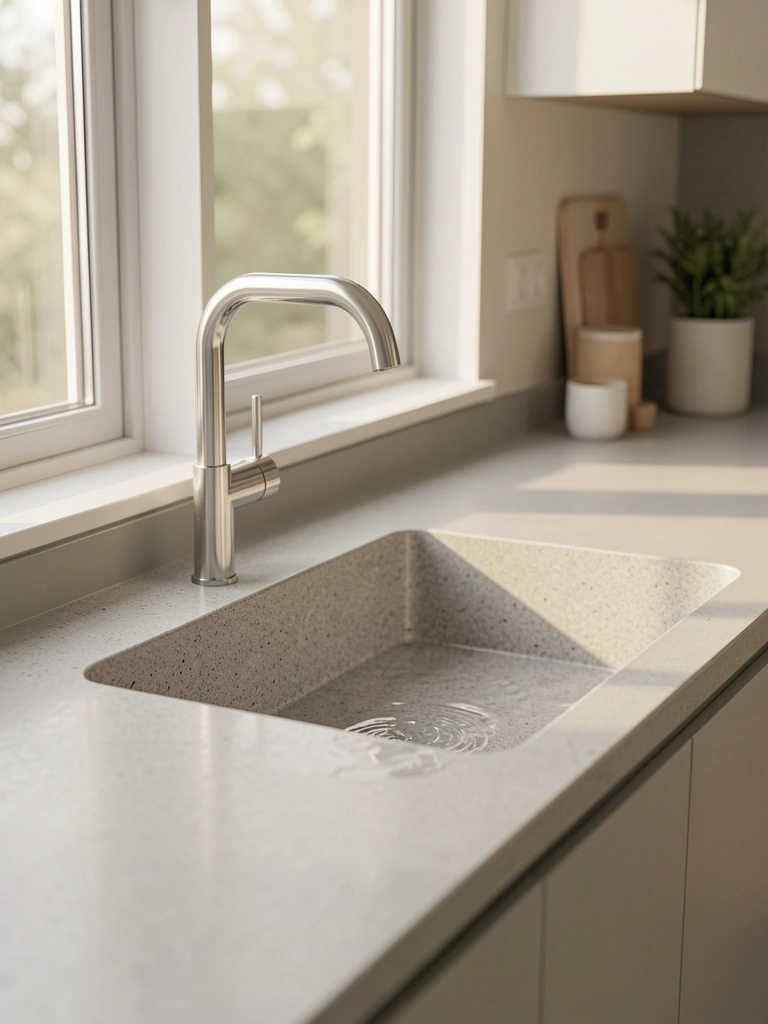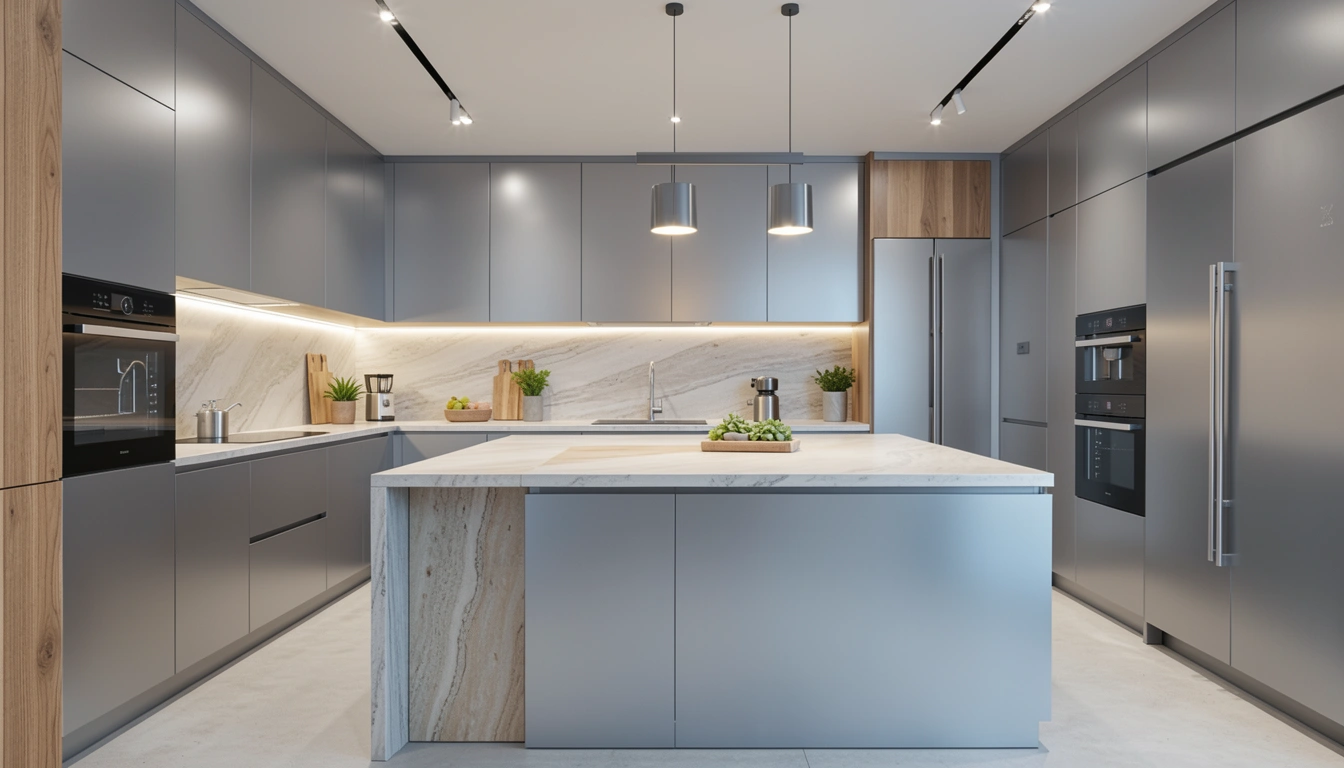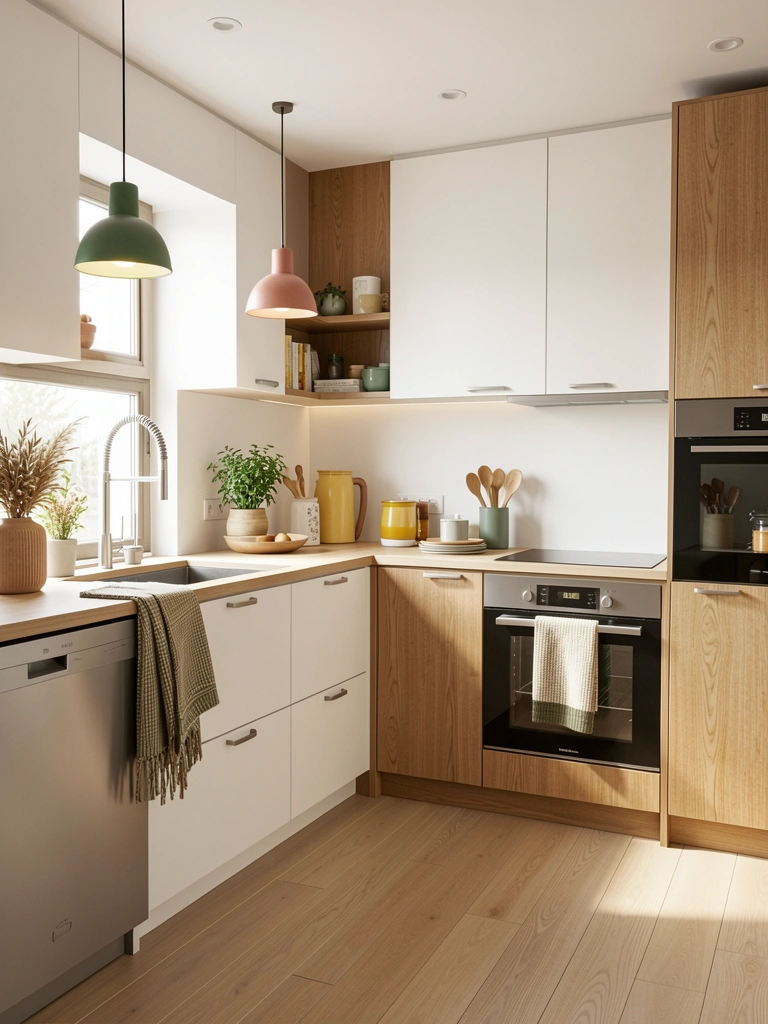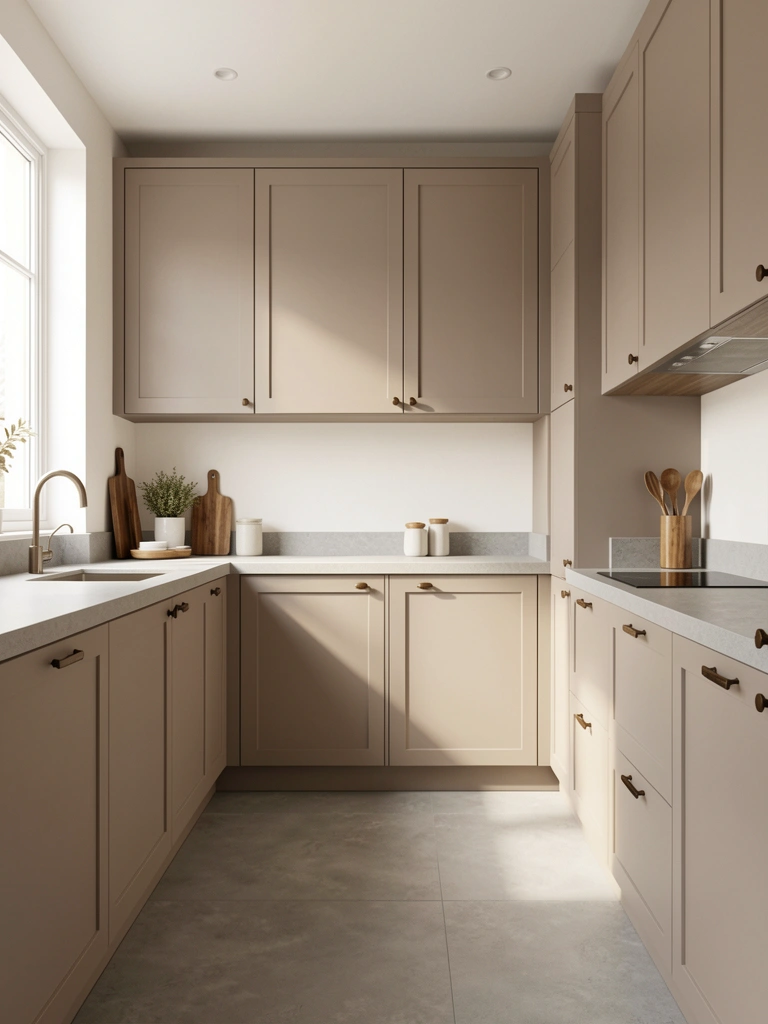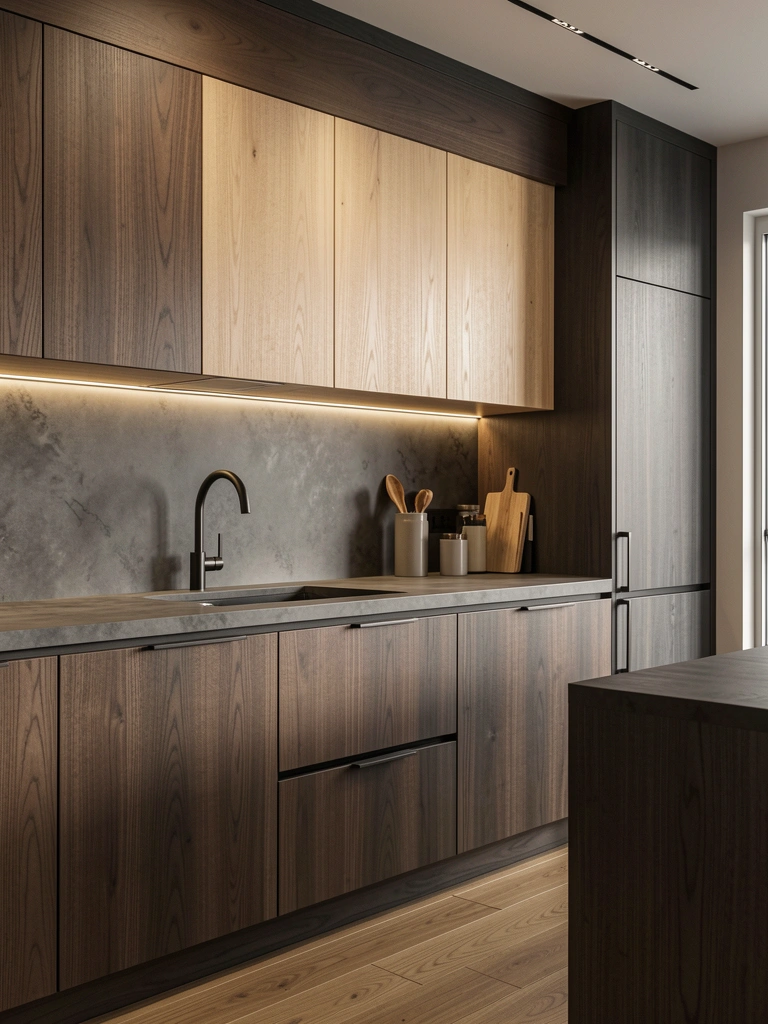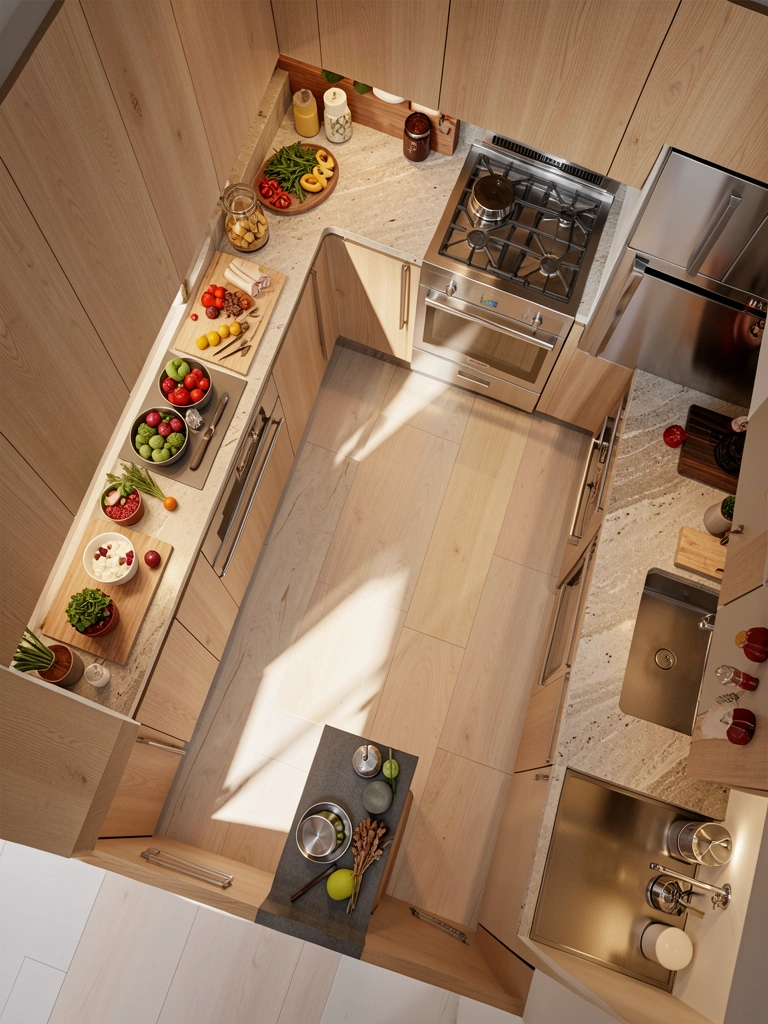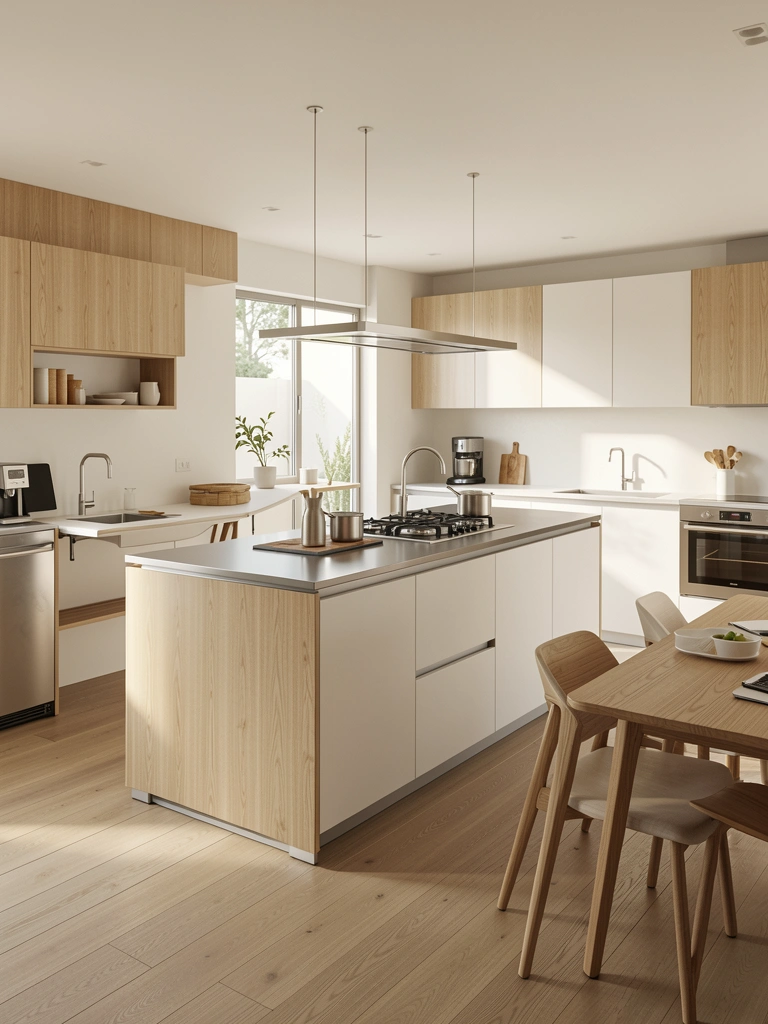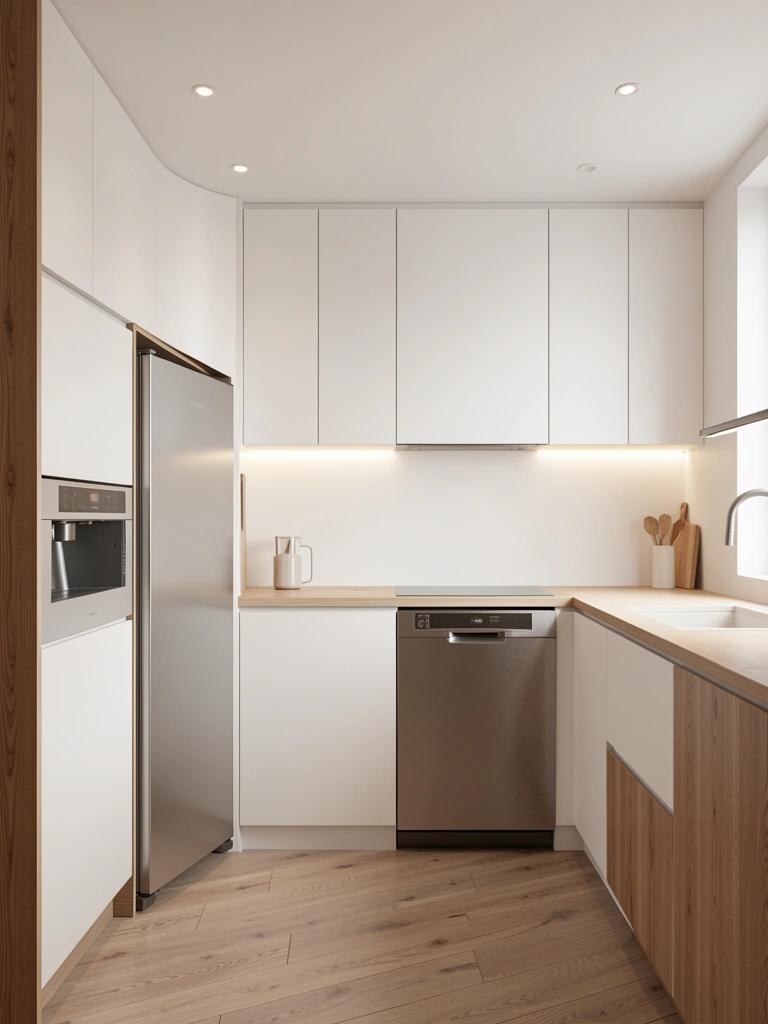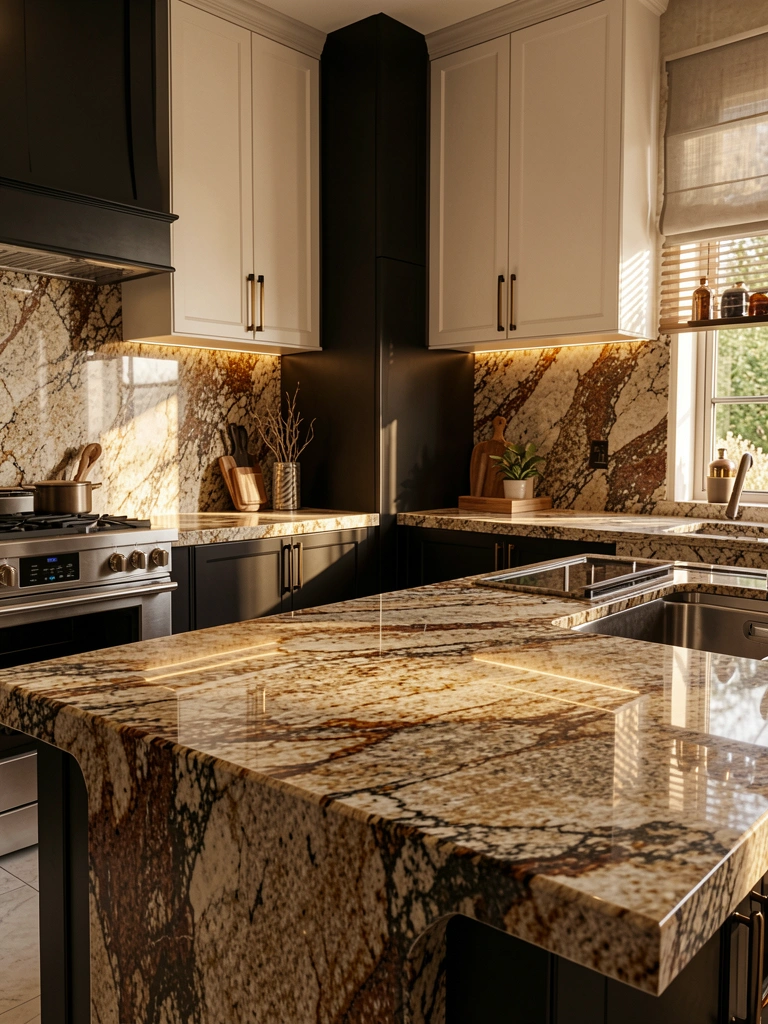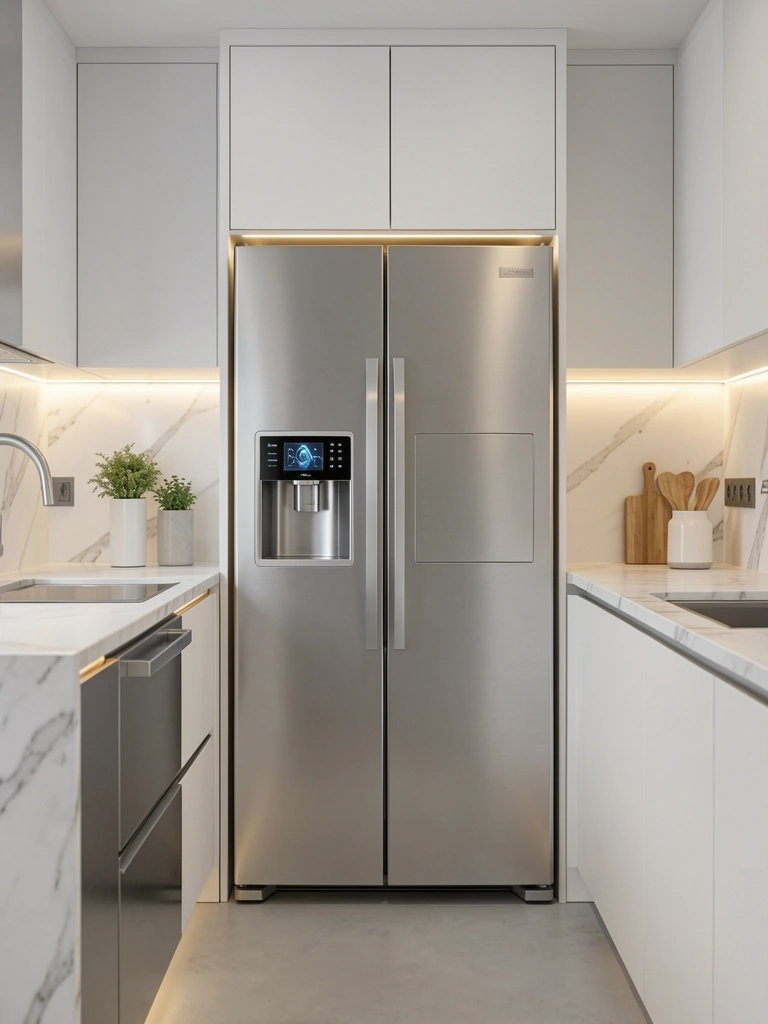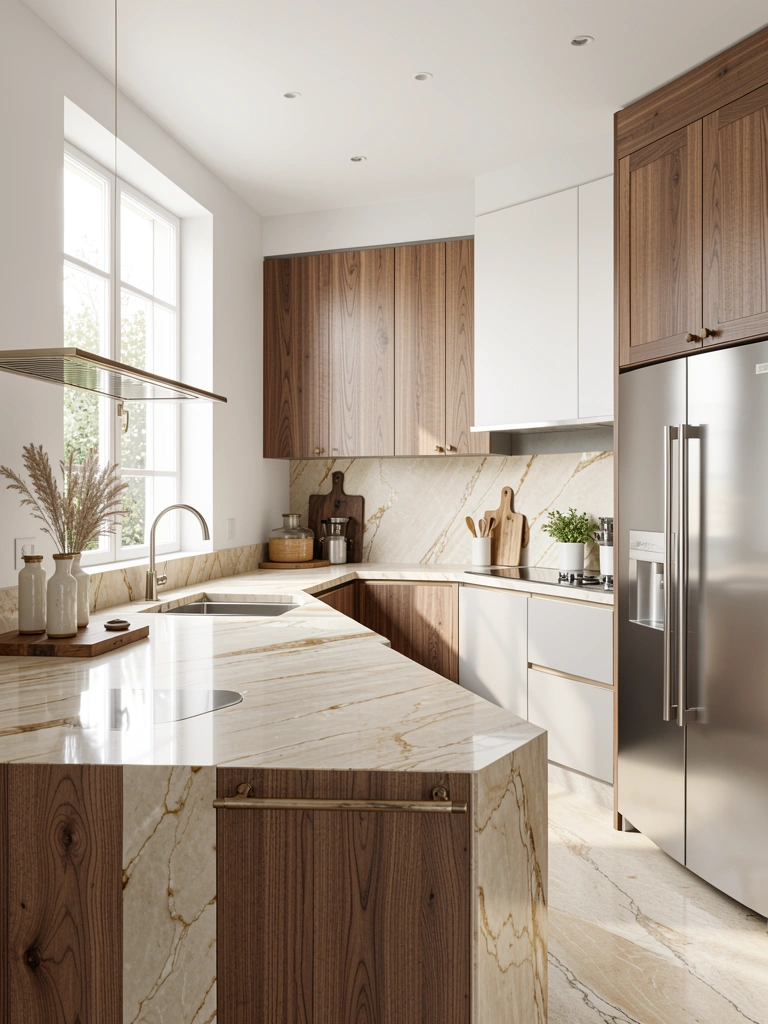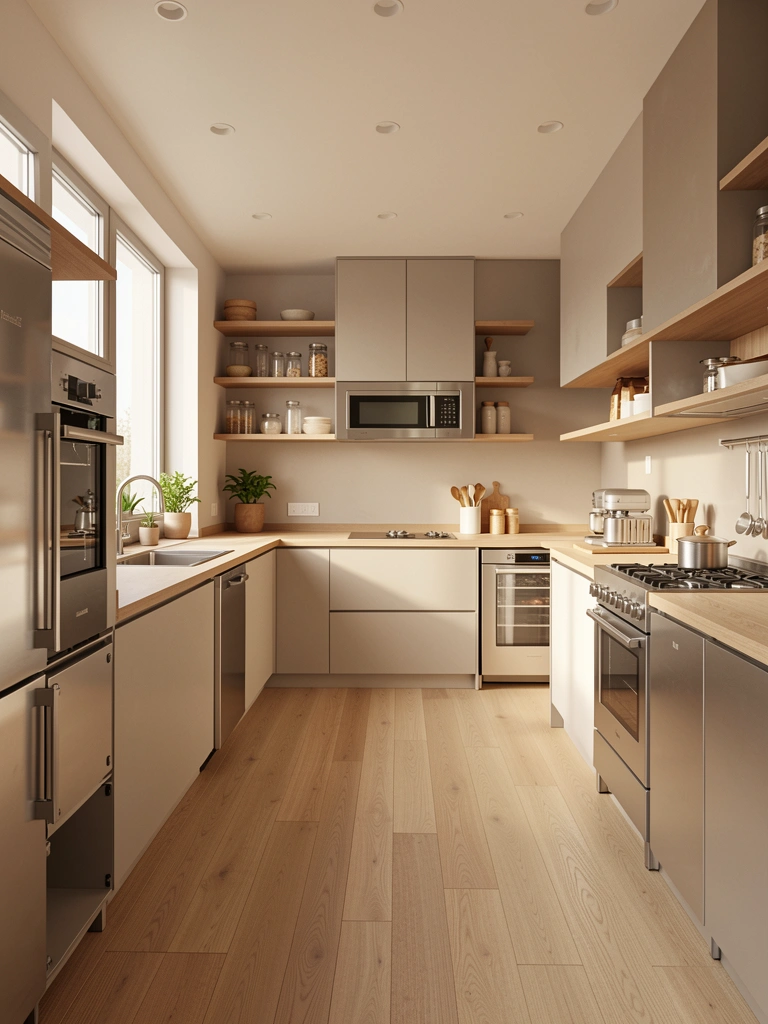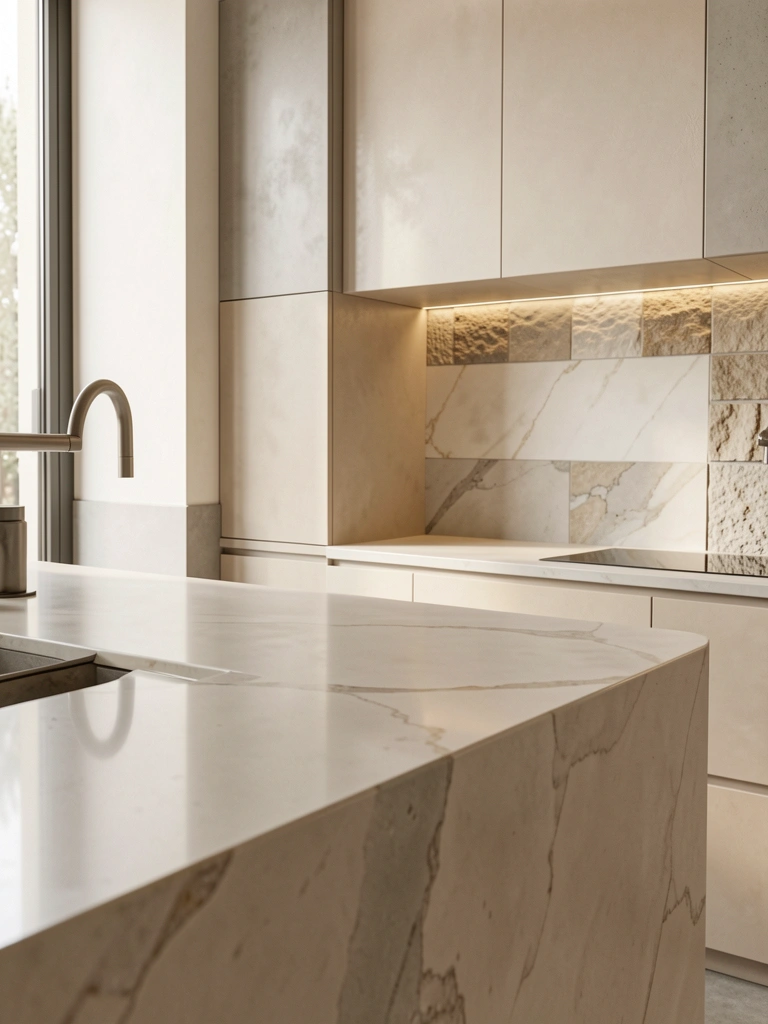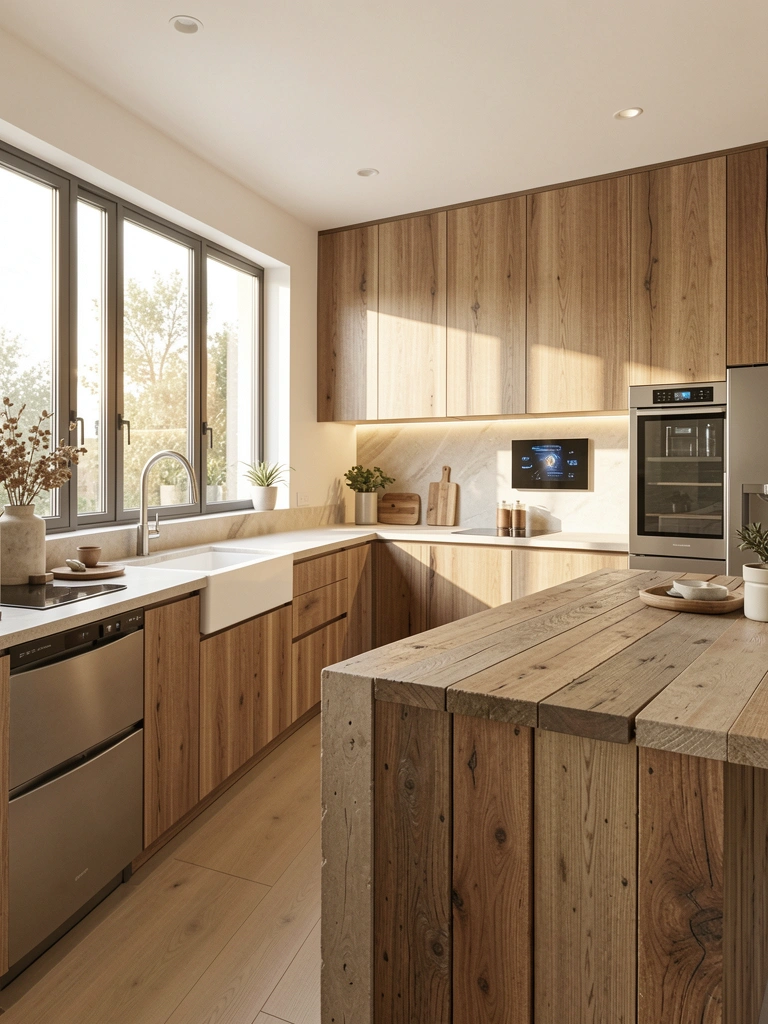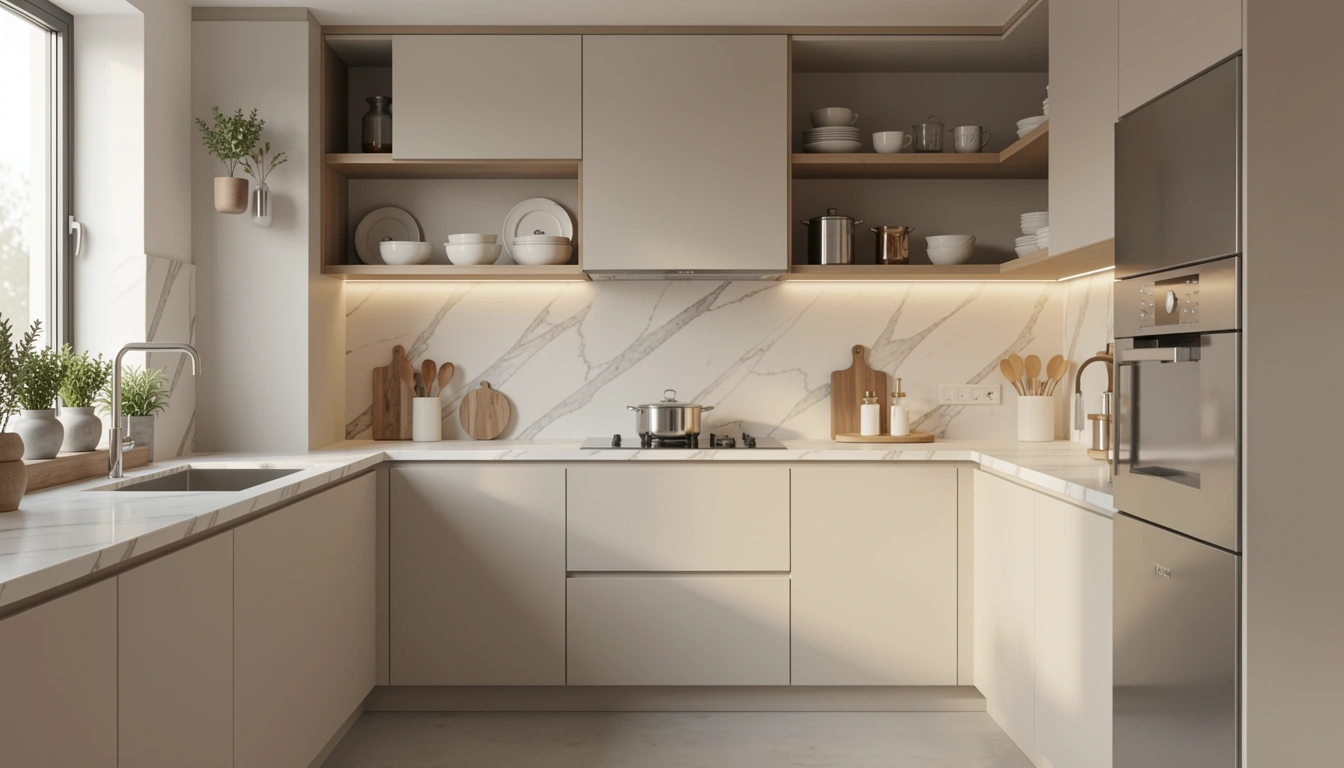
Your kitchen isn’t just a cooking space—it’s the heart of your home’s design narrative. Modern simplicity isn’t about stark emptiness, but strategic elegance that transforms functionality into art. Whether you’re a culinary enthusiast or design minimalist, the right approach can revolutionize how you experience this essential living environment. Imagine a kitchen that breathes with intentional design, where every element tells a story of efficiency and beauty. Curious how these 30 ideas could redefine your space?
Understanding Modern Kitchen Design Fundamentals
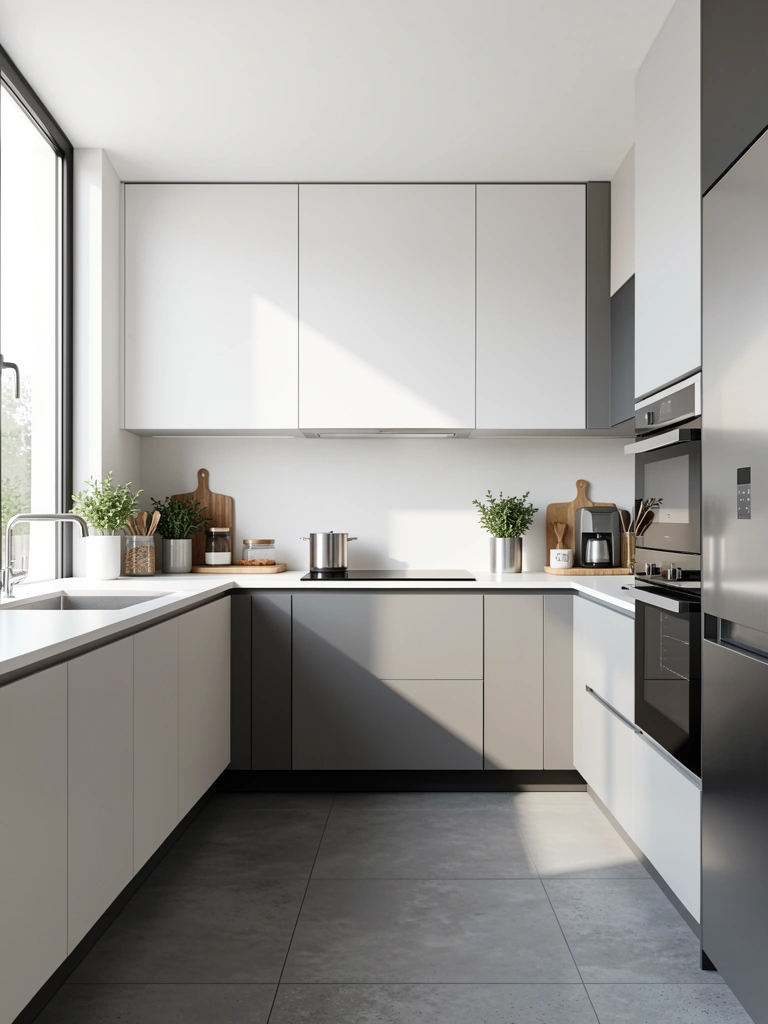
While modern kitchen design has evolved dramatically in recent years, it fundamentally centers on creating spaces that seamlessly blend functionality with aesthetic appeal.
You’ll want to embrace modern design principles that prioritize clean lines, minimalist layouts, and purposeful spaces that reflect your personal style while maximizing efficiency and visual harmony.
Defining Your Kitchen’s Design Philosophy
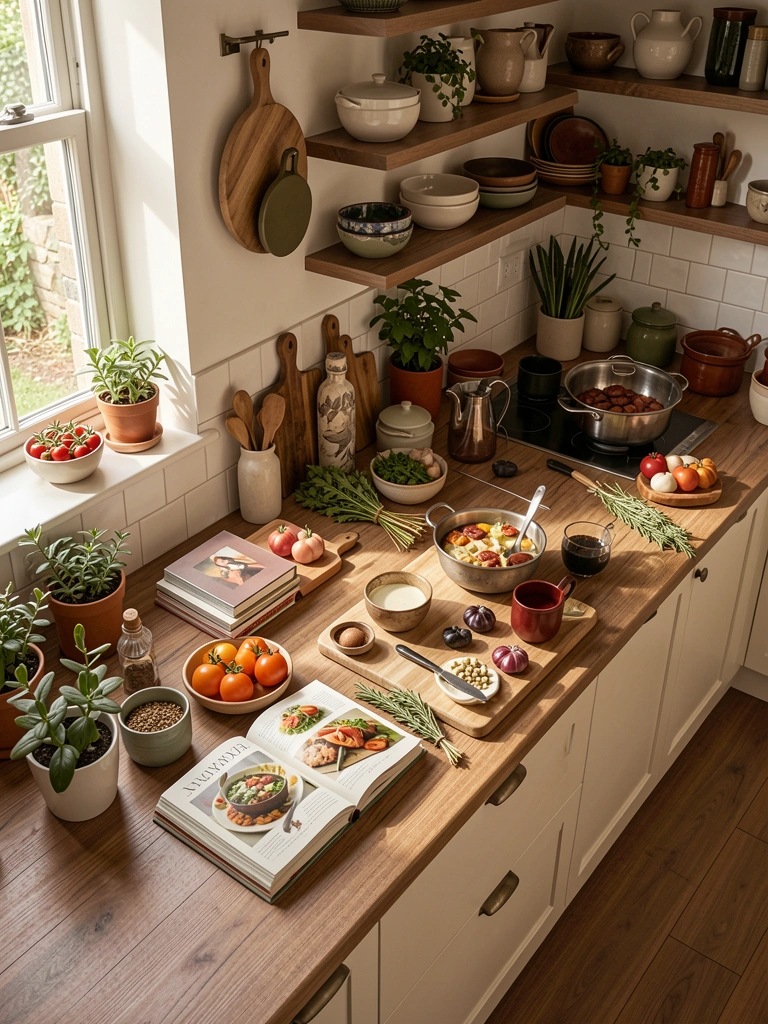
Moving beyond foundational design principles, your kitchen’s design philosophy represents a deeply personal blueprint that reflects your lifestyle, aesthetic preferences, and functional needs. Your kitchen style evolution emerges from the intersection of culinary art influence and personal expression, transforming this space into a dynamic environment that adapts to your unique culinary journey and design sensibilities.
Mapping Your Cooking and Living Needs
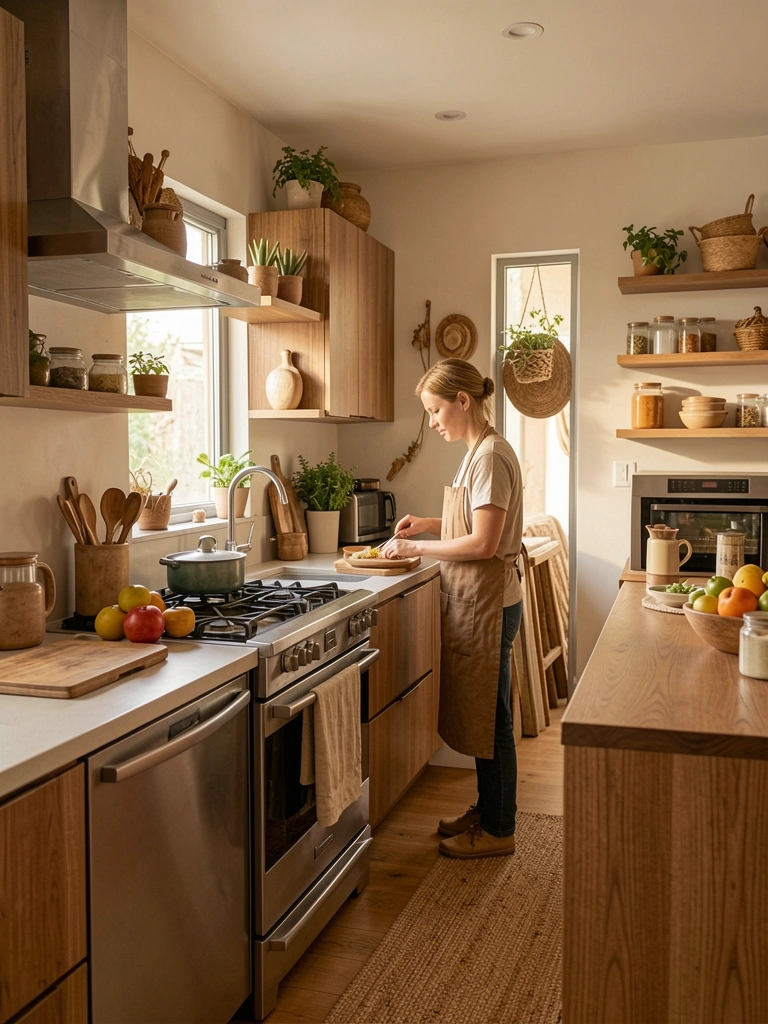
Because every kitchen design begins with understanding your unique lifestyle, mapping your cooking and living needs becomes a critical first step in creating a space that truly resonates with your daily rhythms. Analyze your cooking habits, evaluate lifestyle preferences, and design a kitchen that seamlessly integrates function with personal expression.
Selecting Your Kitchen’s Core Aesthetic

How do you transform a kitchen from a mere functional space into a personal sanctuary that reflects your unique style?
Your color scheme and style inspiration should harmonize with your lifestyle. Choose elements that speak to your personality—sleek minimalism, rustic warmth, or bold contemporary design.
Let your kitchen tell your story through intentional aesthetic choices.
Navigating Minimalist Cabinetry Styles
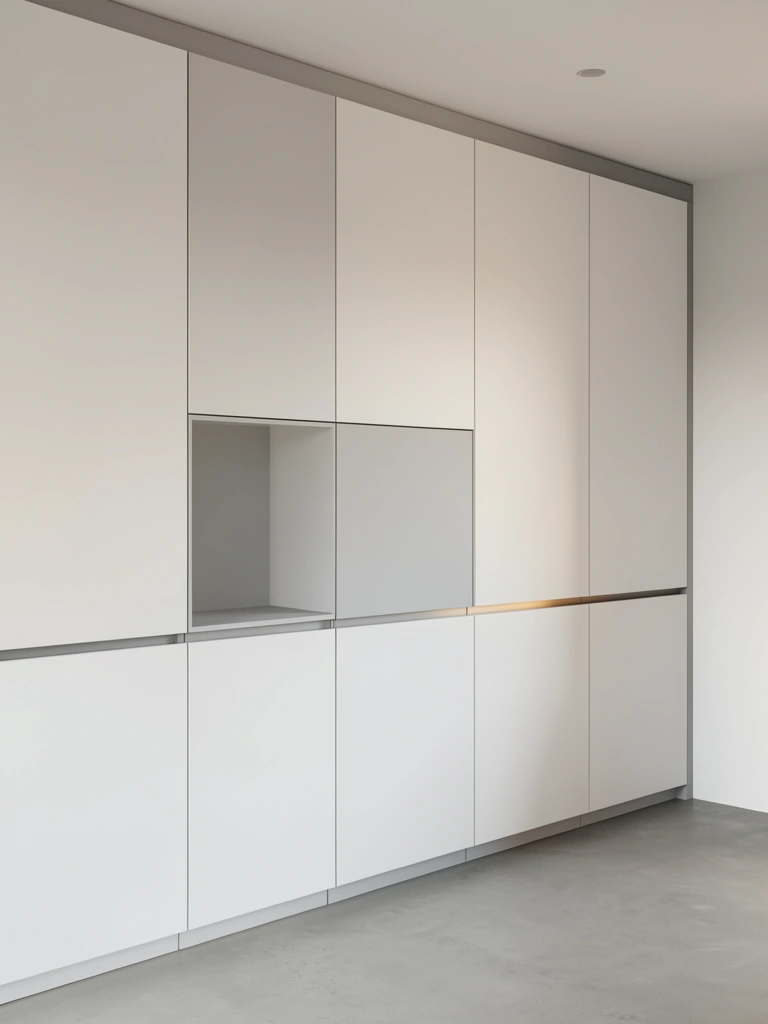
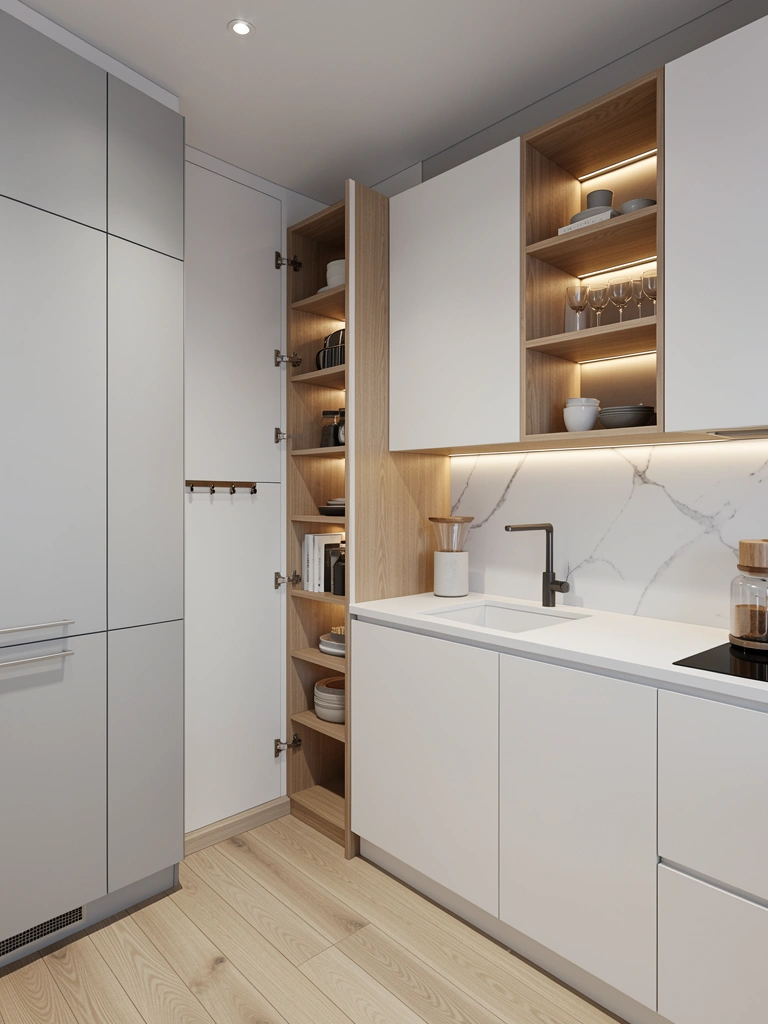
Once you’ve settled on a minimalist aesthetic, your cabinetry becomes the canvas for expressing clean, uncluttered design.
Choose sleek, handleless cabinets with smooth minimalist textures that emphasize simplicity.
Opt for neutral cabinetry finishes like matte white or soft gray, which create visual calm and maximize your space’s potential without unnecessary complexity.
Choosing Timeless vs. Trendy Design Elements
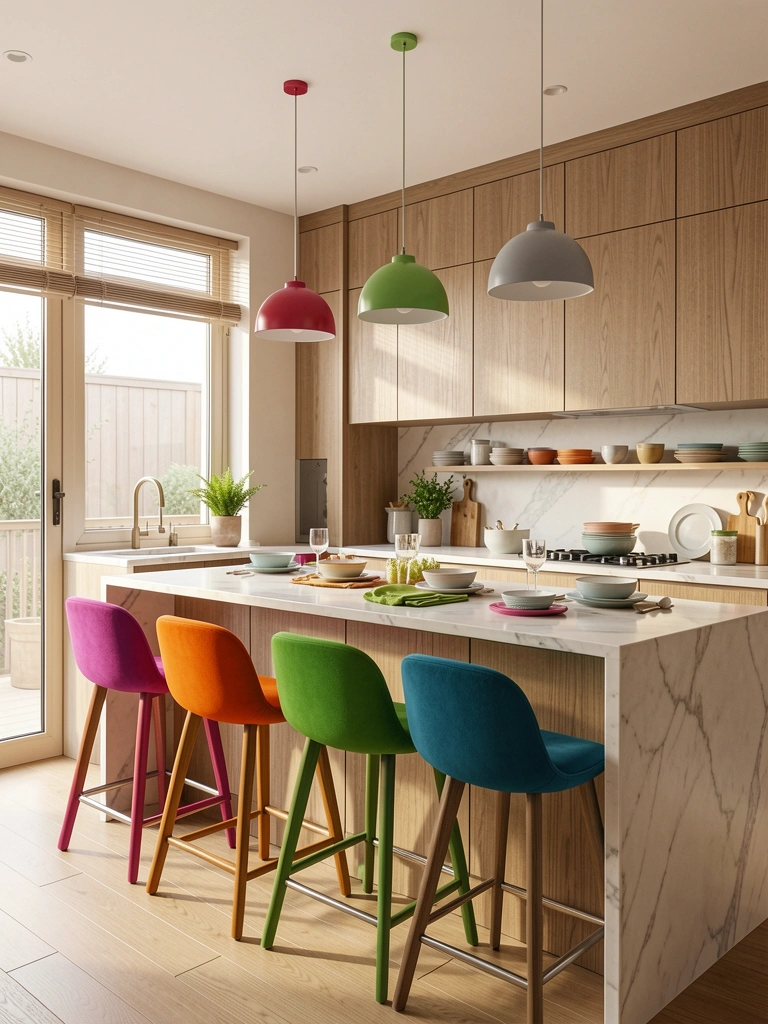
When designing your kitchen, should you chase fleeting trends or invest in enduring style? Balance is key. Choose timeless materials like marble or hardwood for foundational elements, then inject personality with trendy colors in easily replaceable accessories. This approach lets you refresh your space without major renovations, giving you design flexibility and long-term aesthetic satisfaction.
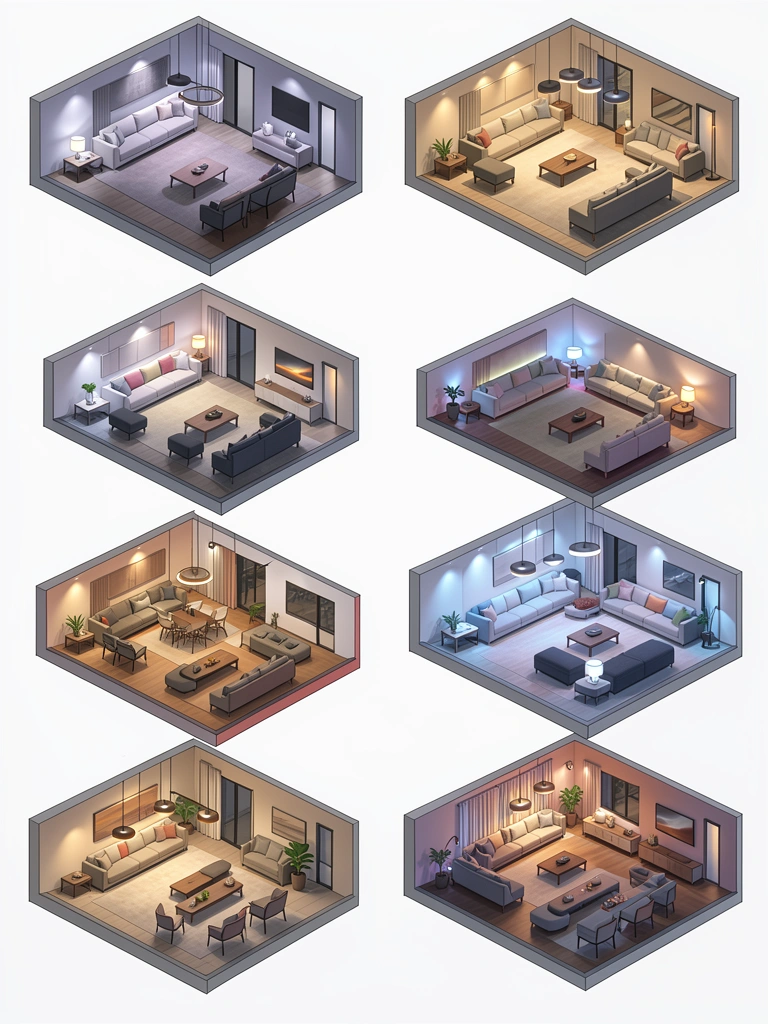
Designing Your Optimal Kitchen Layout
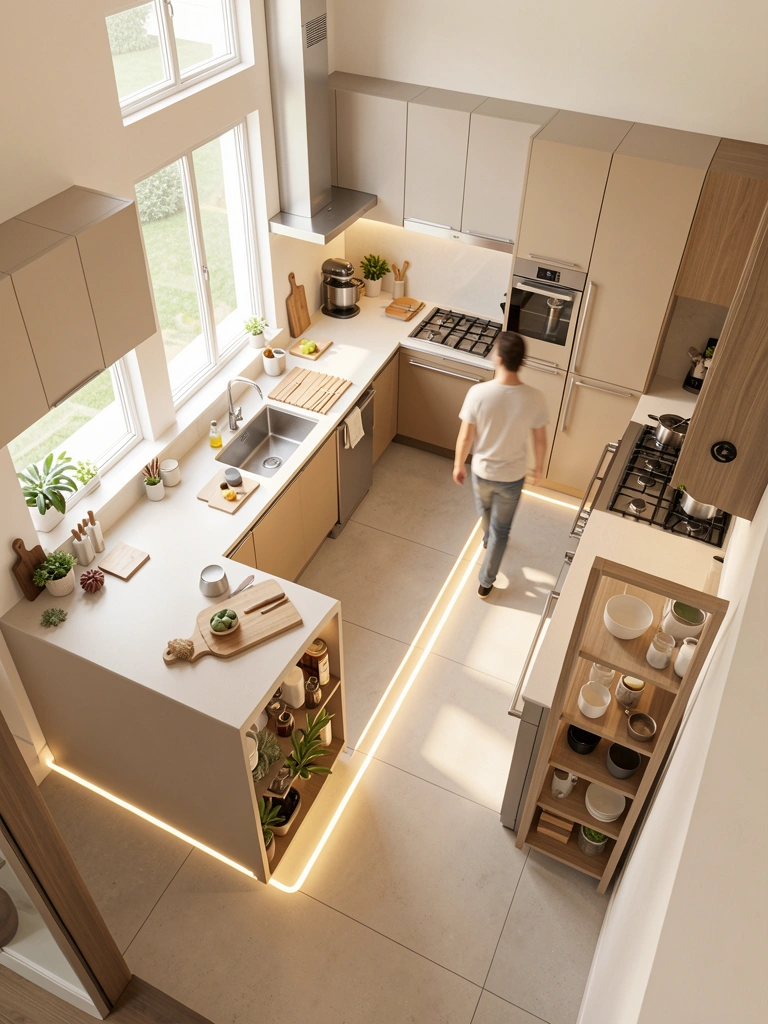
After selecting timeless design elements, the next step is optimizing your kitchen’s layout—a blueprint that transforms culinary spaces from merely functional to brilliantly efficient.
Creating Functional Workflow Zones
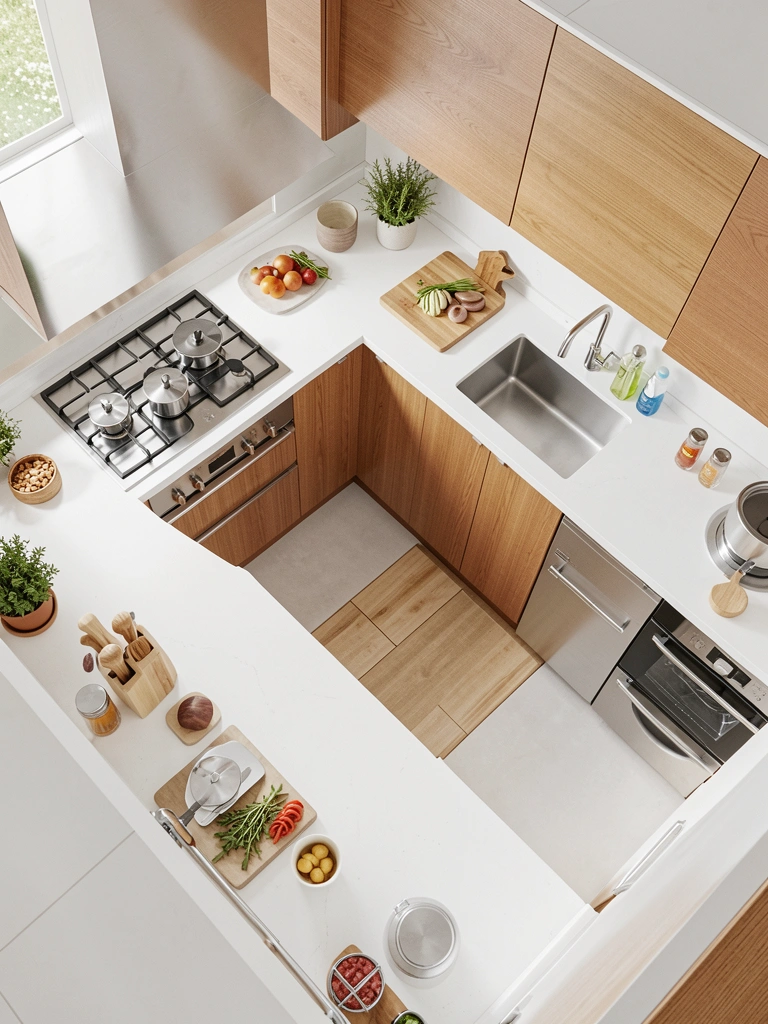
Because efficient kitchens are built on intelligent spatial organization, workflow zoning transforms your culinary environment into a harmonious, high-performance workspace.
You’ll optimize zone functionality by strategically positioning cooking, cleaning, and preparation areas.
Maximize workflow efficiency through thoughtful design that eliminates unnecessary movement and creates intuitive connections between kitchen tasks.
Selecting High-Performance Sustainable Materials
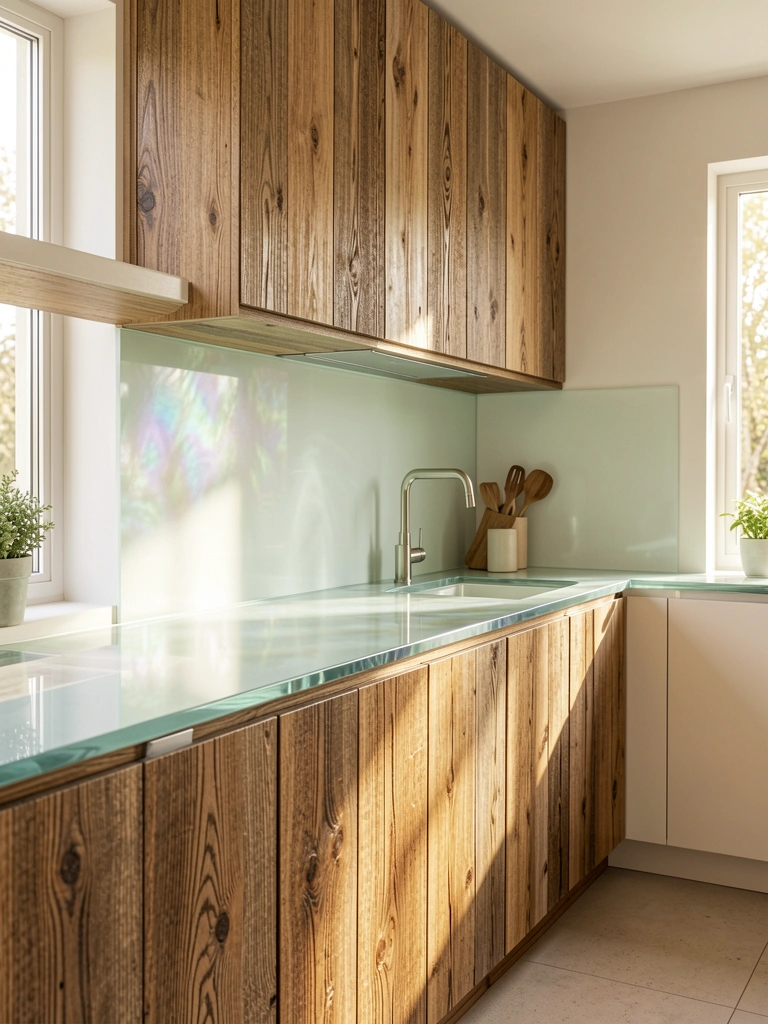
Three key considerations elevate sustainable kitchen materials from ordinary to exceptional: performance, environmental impact, and long-term durability.
You’ll want eco-friendly finishes that balance aesthetics with functionality. Reclaimed wood, recycled glass countertops, and low-VOC paints offer stylish solutions that minimize environmental footprint while delivering remarkable resilience and visual appeal.
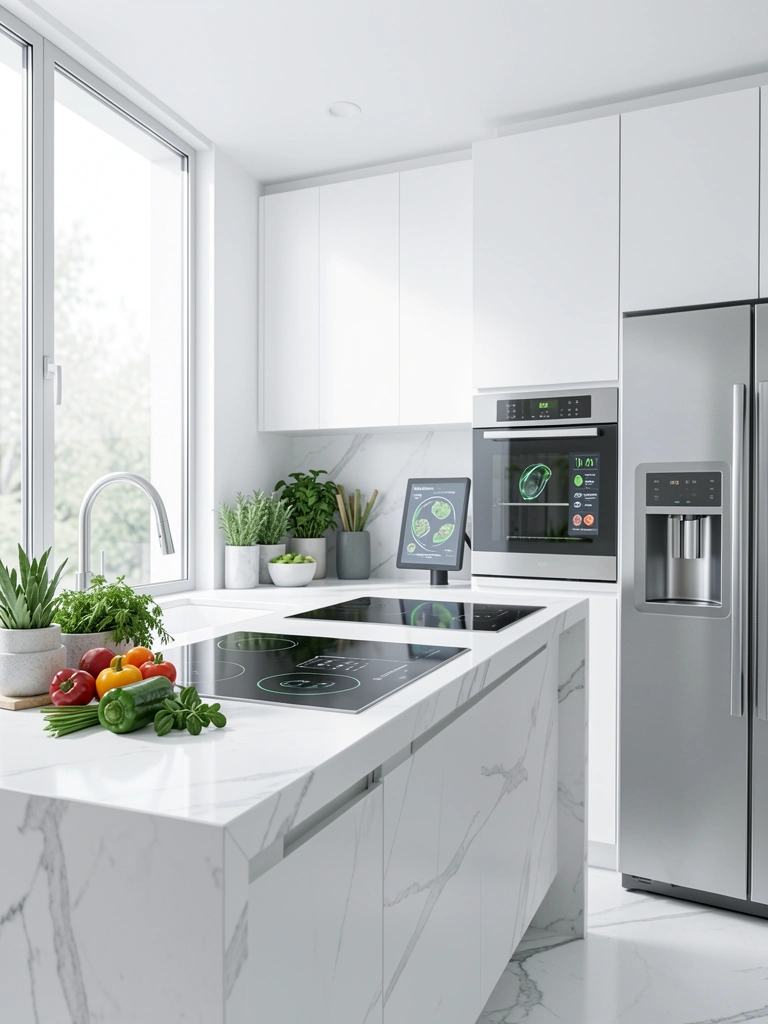
Integrating Smart Home Kitchen Technology
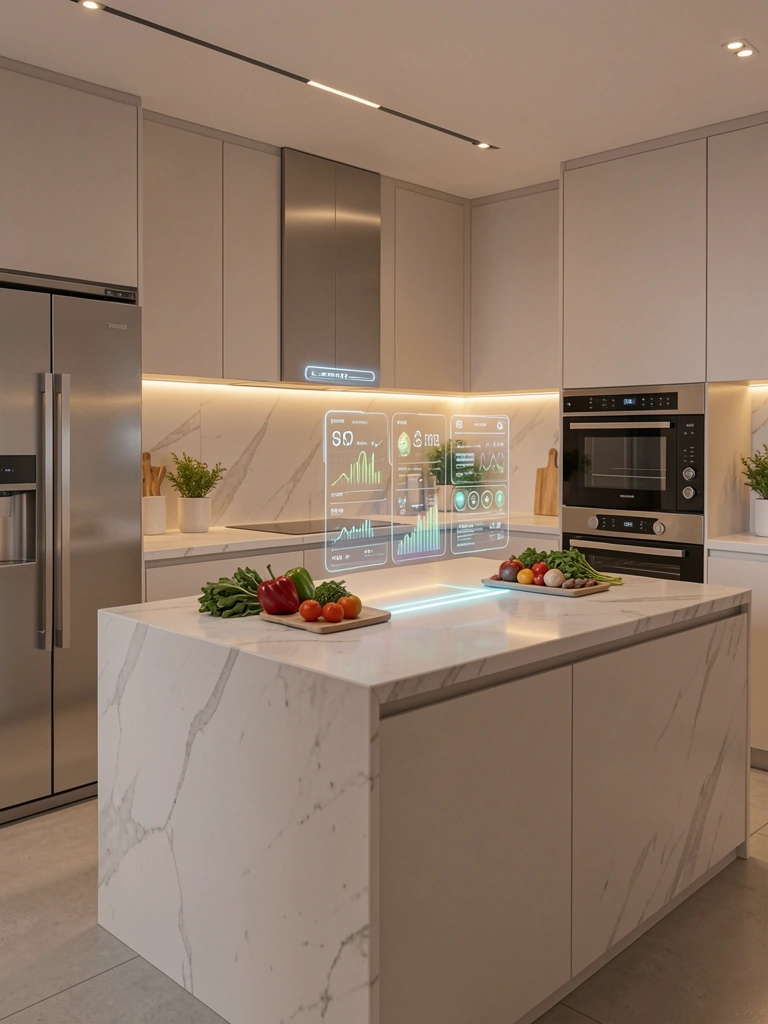
How can modern kitchens transform into intuitive, interconnected spaces that seamlessly blend technology with culinary creativity?
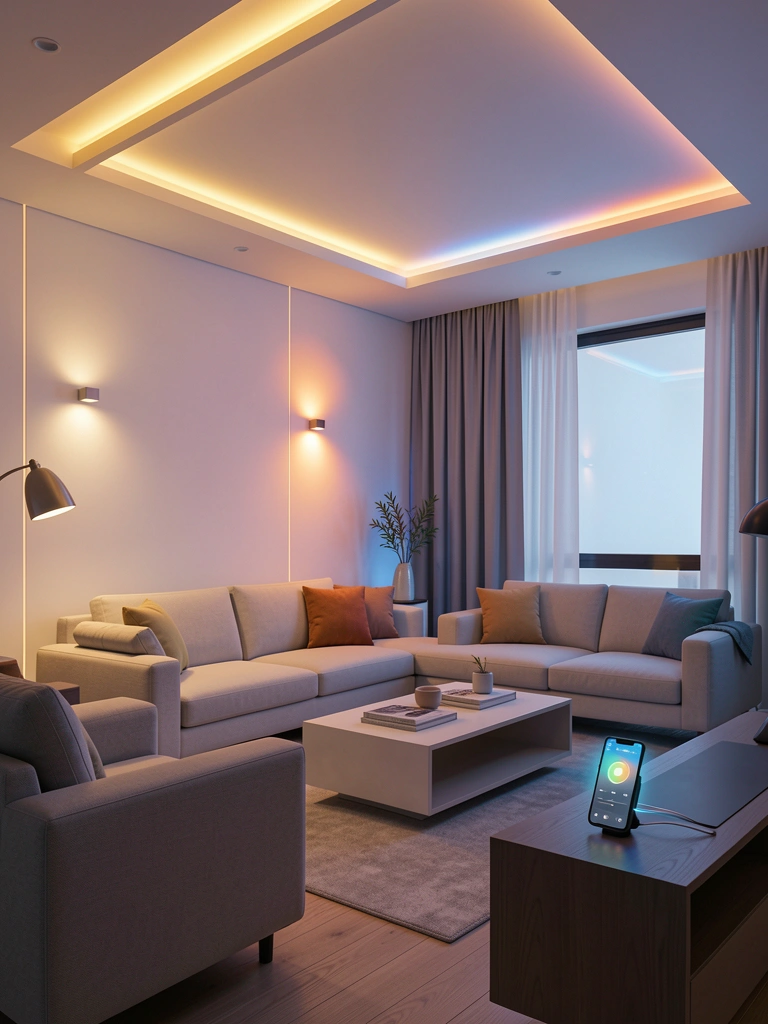
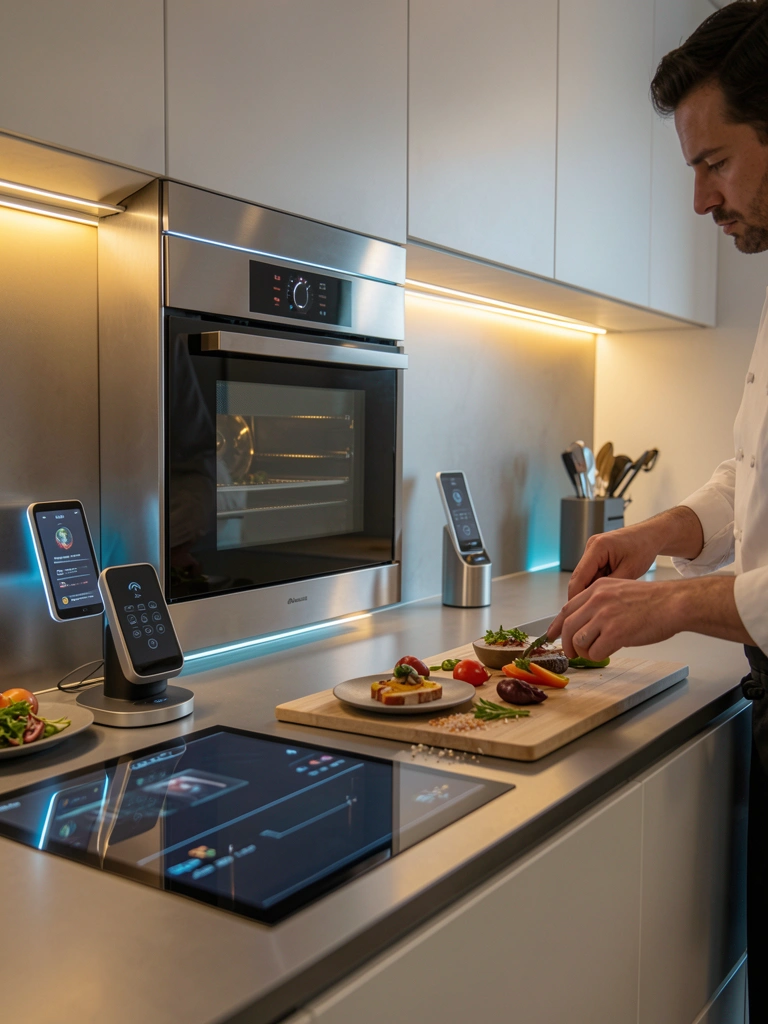
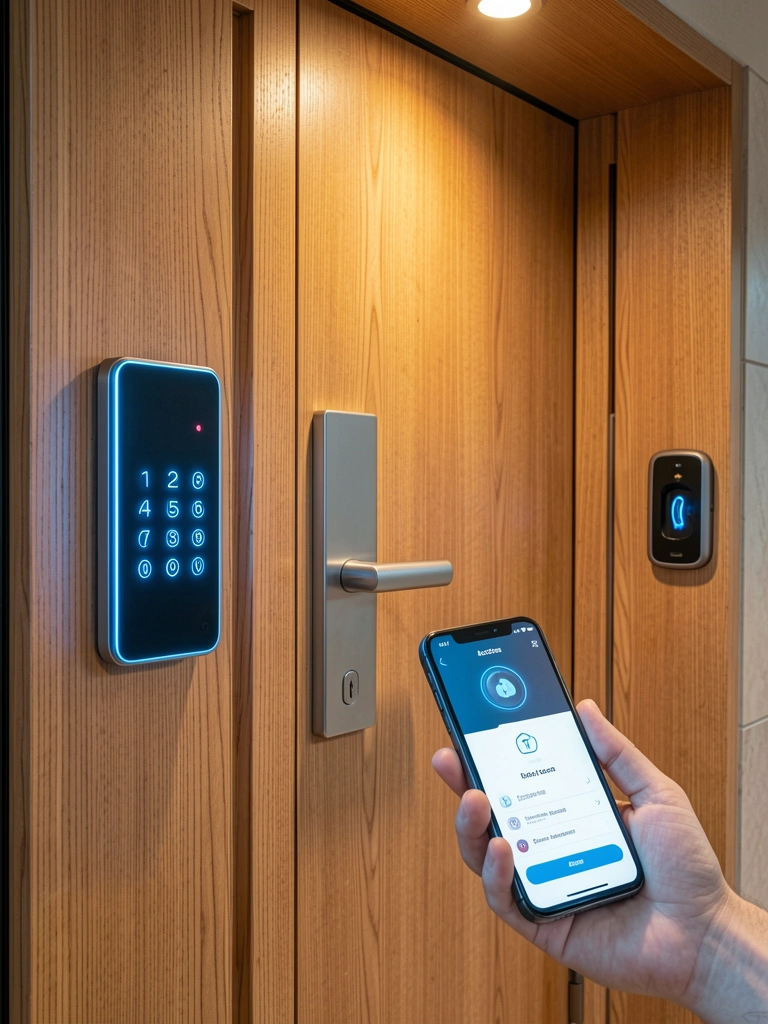
Smart appliances with voice control and automated systems now offer unprecedented kitchen functionality. You’ll enjoy energy management features, enhanced security, and extensive connectivity options.
App-integrated health monitoring transforms your cooking environment, giving you unprecedented control and convenience in your kitchen.
Balancing Aesthetics With Practical Functionality
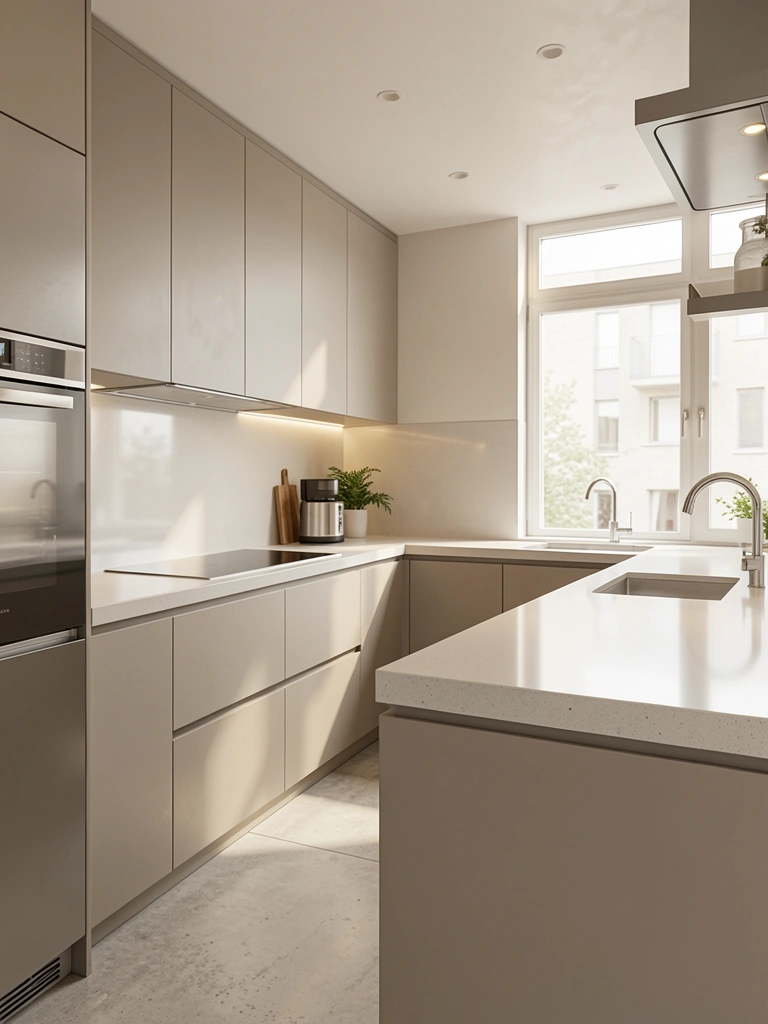
While modern kitchen design challenges designers to create spaces that are both visually stunning and supremely functional, the most successful approaches merge aesthetic elegance with practical intelligence.
You’ll want to prioritize practical elegance, selecting sleek surfaces that withstand daily use while maintaining functional beauty.
Strategic choices elevate your kitchen’s performance and visual appeal simultaneously.
Mastering Color Palette Selection
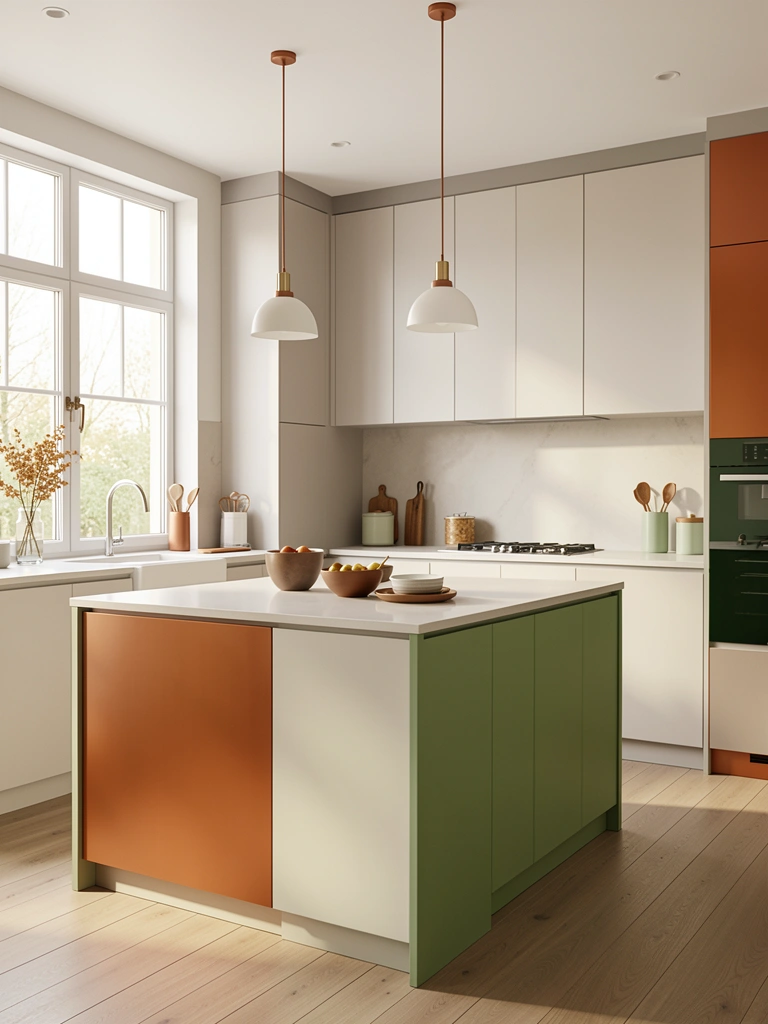
What transforms a kitchen from merely functional to truly enchanting? Color harmony.
By strategically selecting your palette, you’ll create a space that reflects your personality while influencing mood.
Soft neutrals can calm, while vibrant accents energize. Your color choices aren’t just aesthetic—they’re powerful design tools that shape how you experience and interact with your kitchen.
Incorporating Natural Textures and Surfaces
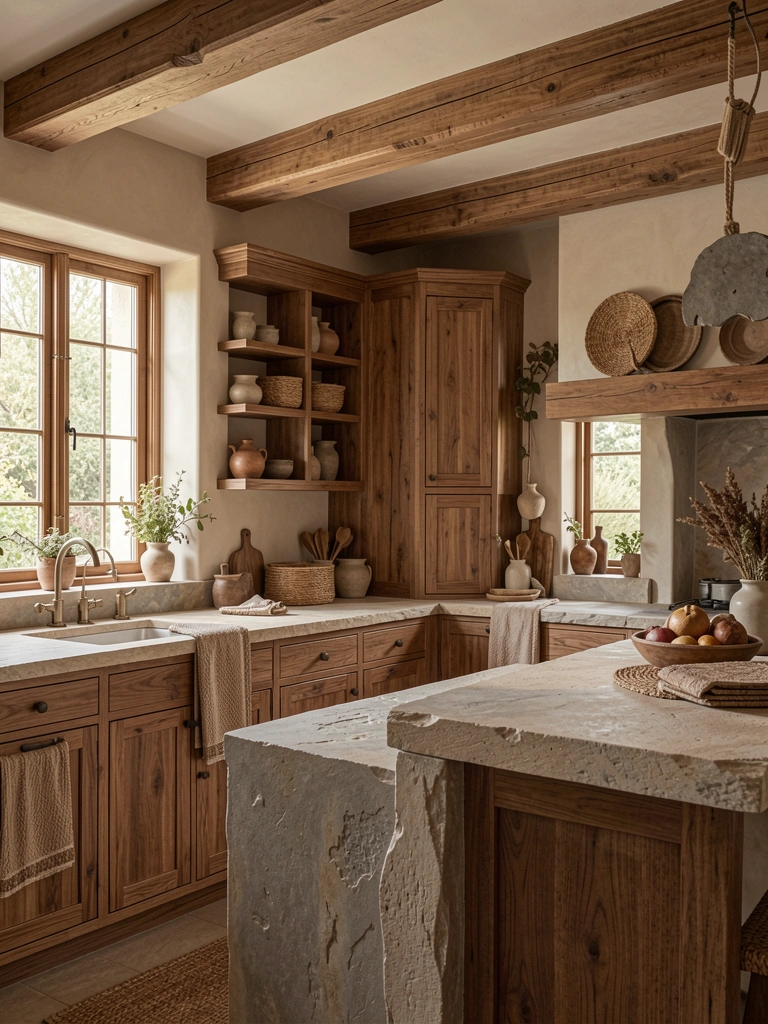
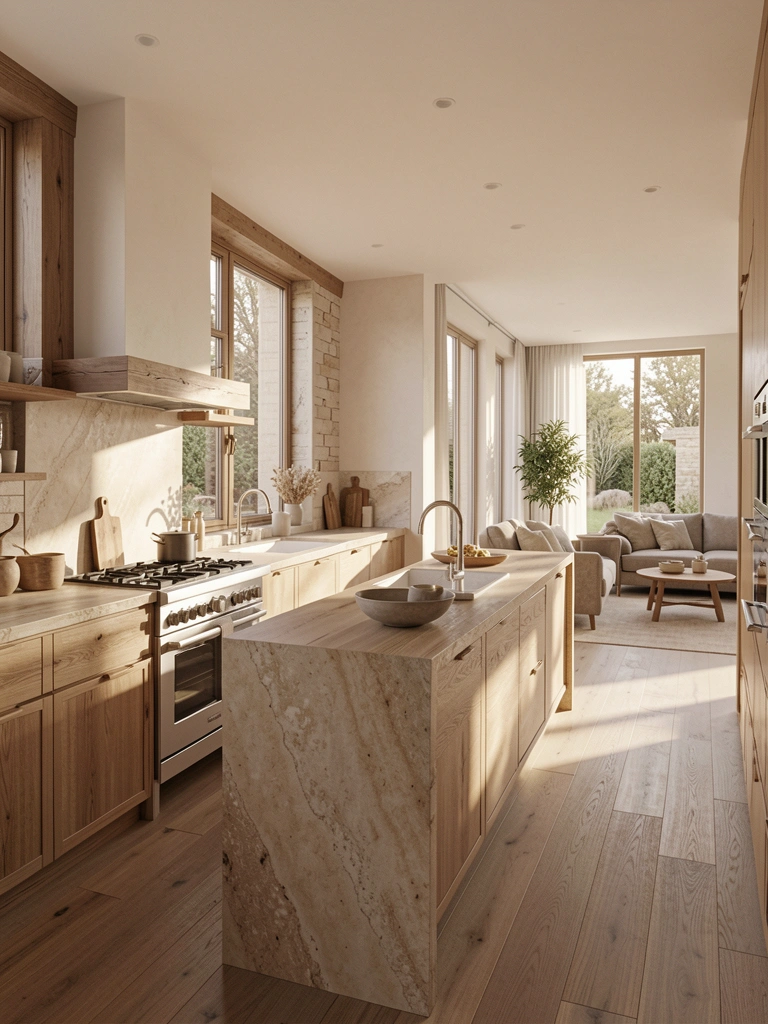
Three fundamental materials can transform your kitchen from sterile to sensational: wood, stone, and natural mineral surfaces.
Embrace wood finishes and sustainable woods for warmth, layer stone accents for depth, and integrate organic materials that create tactile experiences.
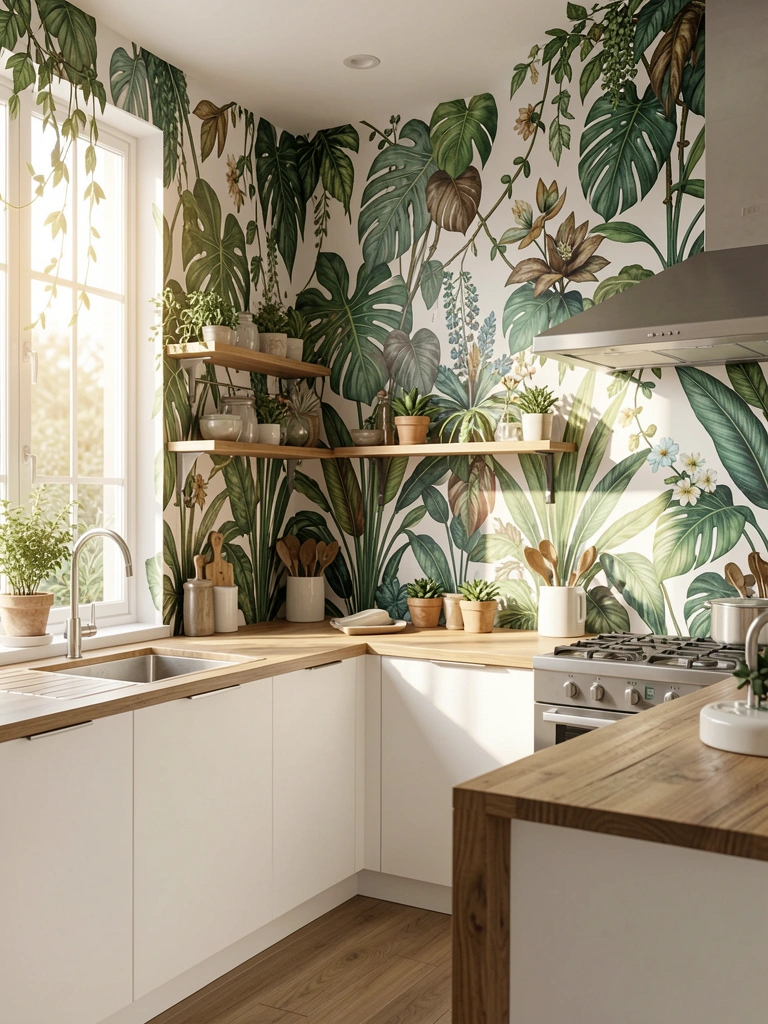
Artisanal touches and earthy tones invite biophilic design, connecting your space with natural light and texture.
Optimizing Storage and Organization Systems
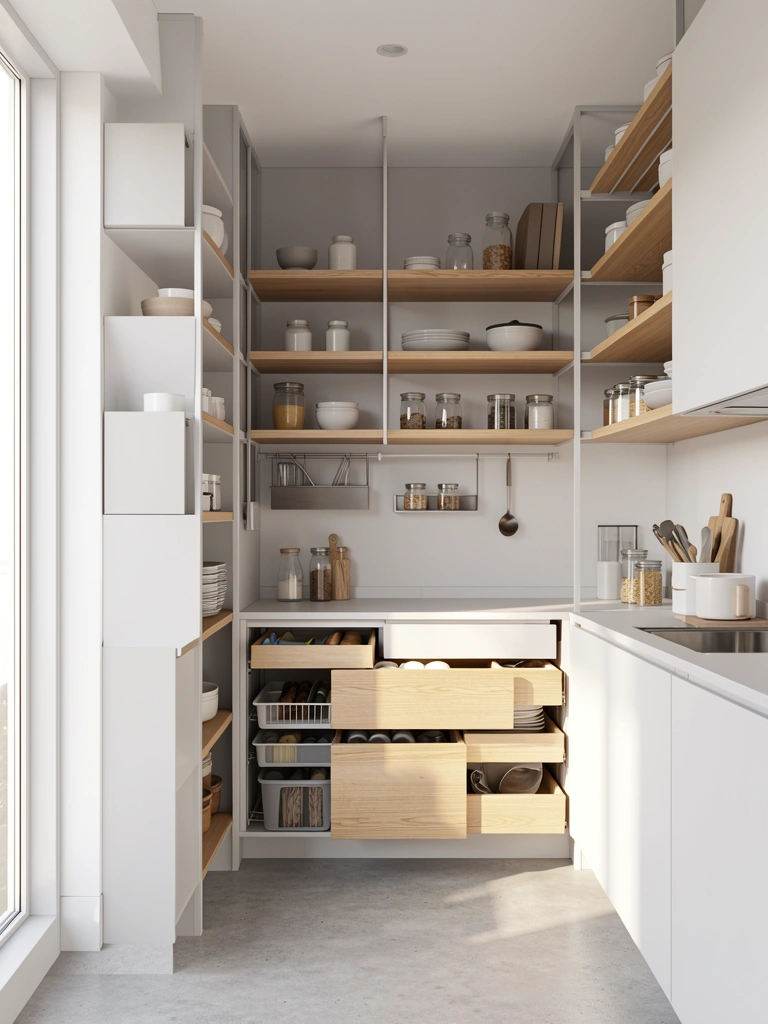
Because modern kitchens demand intelligent design, smart storage solutions have become essential for creating streamlined, efficient cooking spaces.
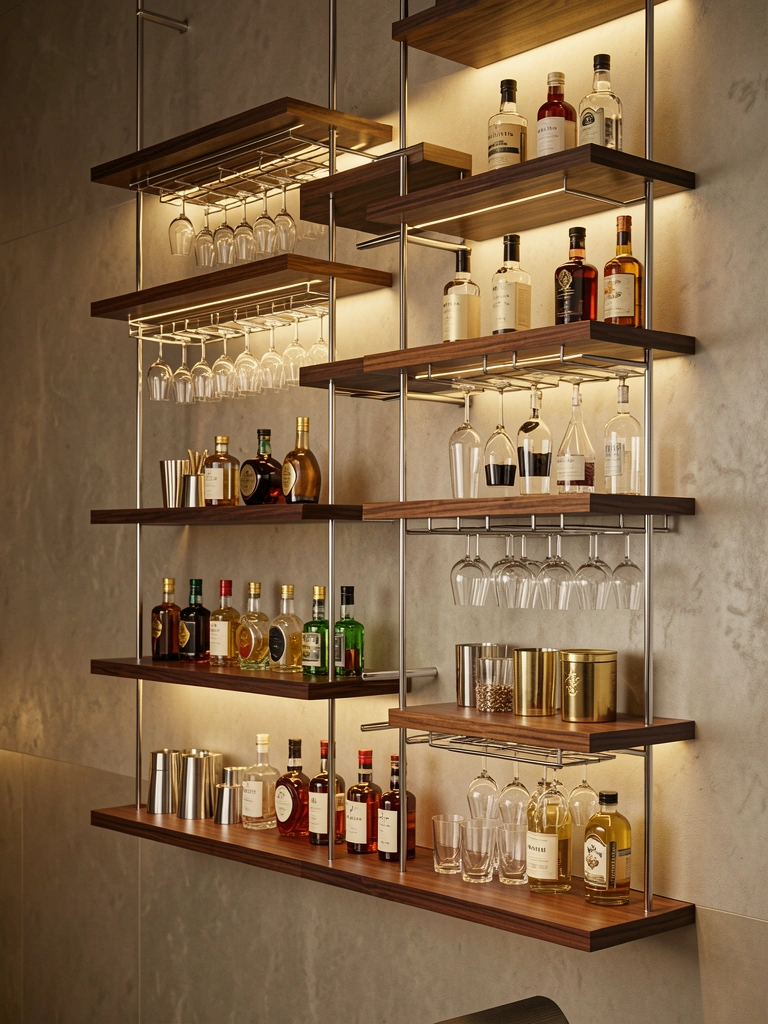
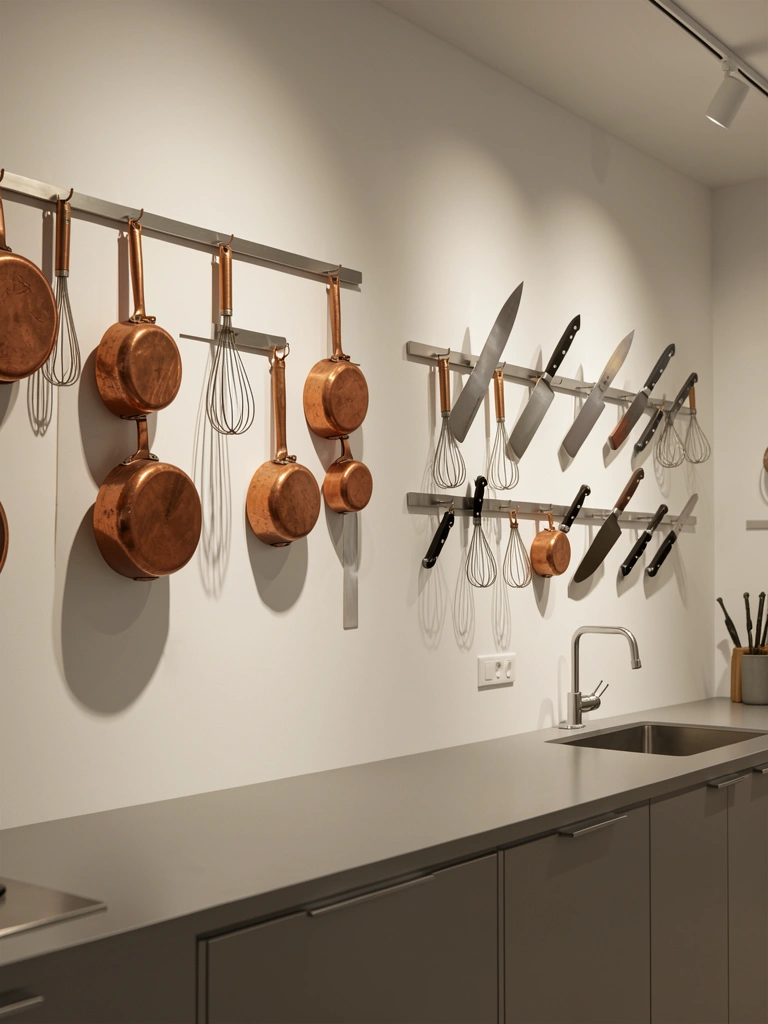
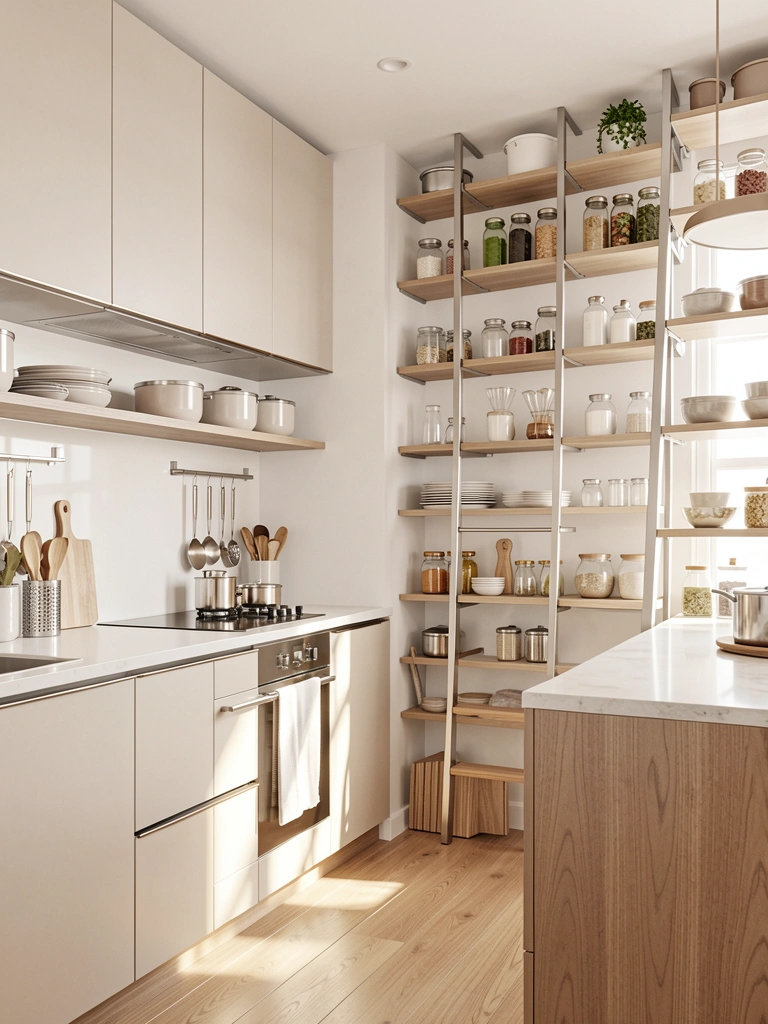
You’ll maximize functionality with vertical storage solutions, multifunctional furniture, and hidden compartments.
Modular shelves, creative drawer organizers, and overhead storage racks transform cluttered kitchens into sleek, organized environments that liberate your culinary potential.
Planning Efficient Cooking Workstations
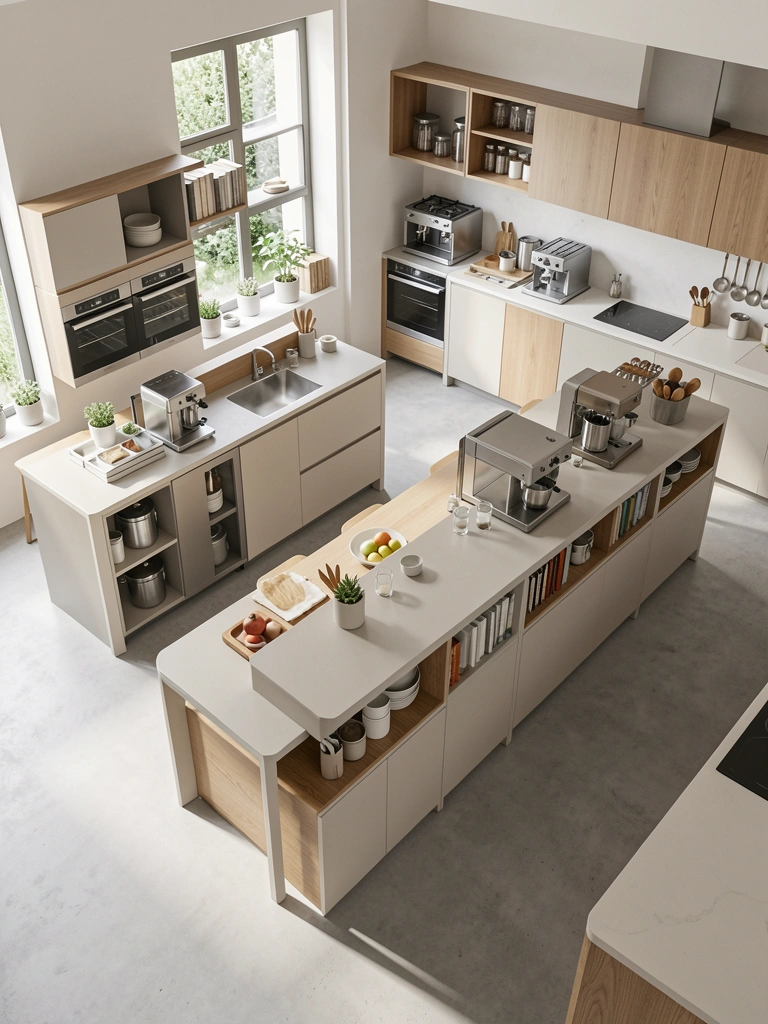
While efficient kitchen design hinges on strategic workspace organization, modern culinary enthusiasts can transform their cooking areas into highly productive zones by implementing thoughtful workstation layouts.
Designing Multi-Generational Kitchen Spaces

As modern families increasingly embrace multigenerational living, kitchen design has evolved to accommodate diverse age groups and functional needs.
You’ll want to prioritize inclusive design with adjustable countertops, rounded edges, and smart storage solutions that support independent living while fostering family interaction and shared responsibilities across generations.
Implementing Eco-Friendly Design Practices
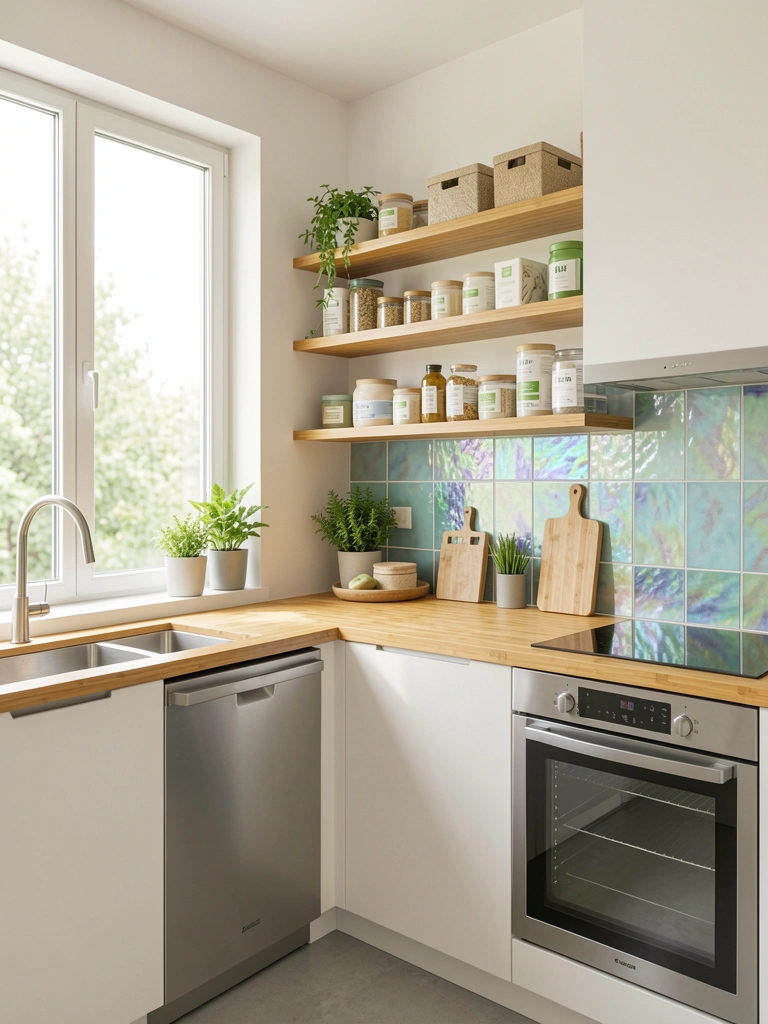
When sustainability meets kitchen design, you’ll discover innovative ways to minimize environmental impact without sacrificing style or functionality.
Choose sustainable materials like bamboo countertops and recycled glass backsplashes.
Invest in eco-friendly appliances that conserve energy, opt for natural ventilation, and integrate zero waste principles through smart storage and biodegradable product selections.
Selecting Energy-Efficient Appliances
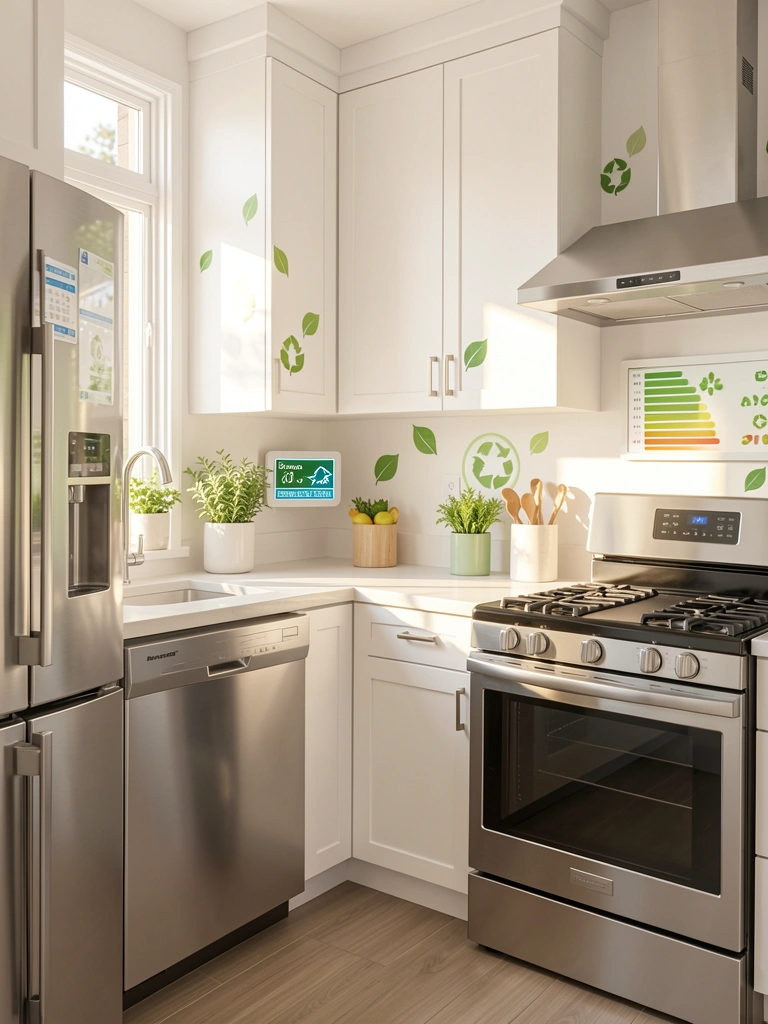
How can you transform your kitchen into an energy-saving powerhouse? Choose appliances that leverage cutting-edge energy saving technologies. Right-size your refrigerator, dishwasher, and range to match your household needs. Look for Energy Star ratings, prioritizing models that balance performance with efficiency. Your smart selections will reduce utility costs while supporting environmental sustainability.
Creating Seamless Open-Concept Configurations
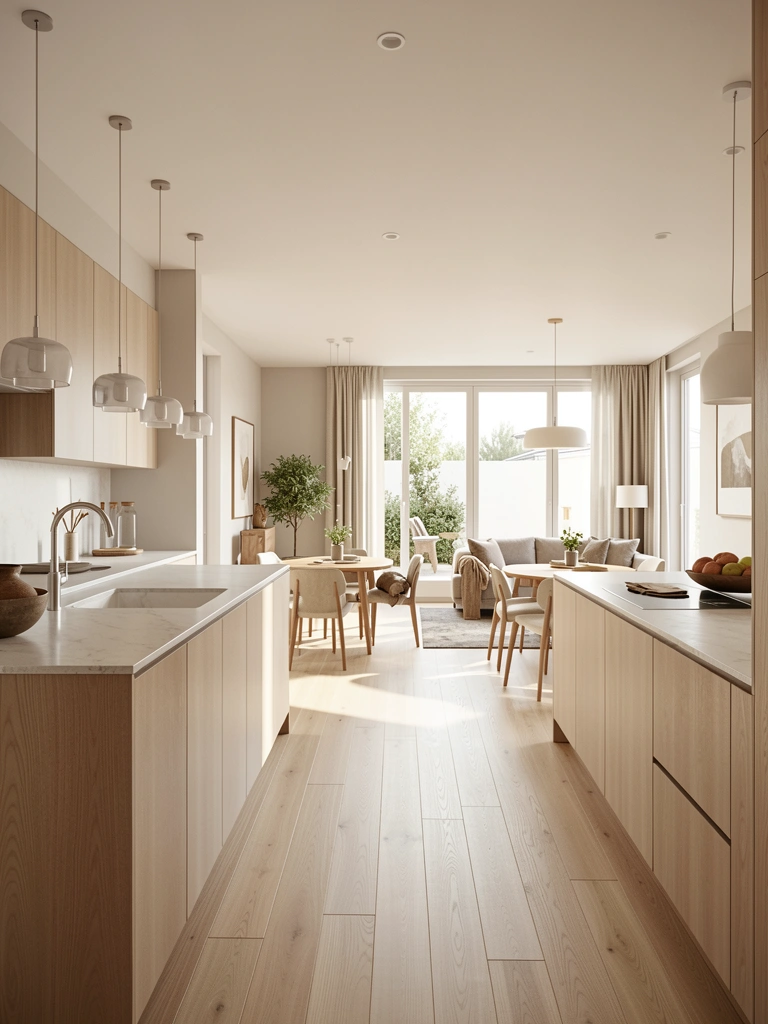
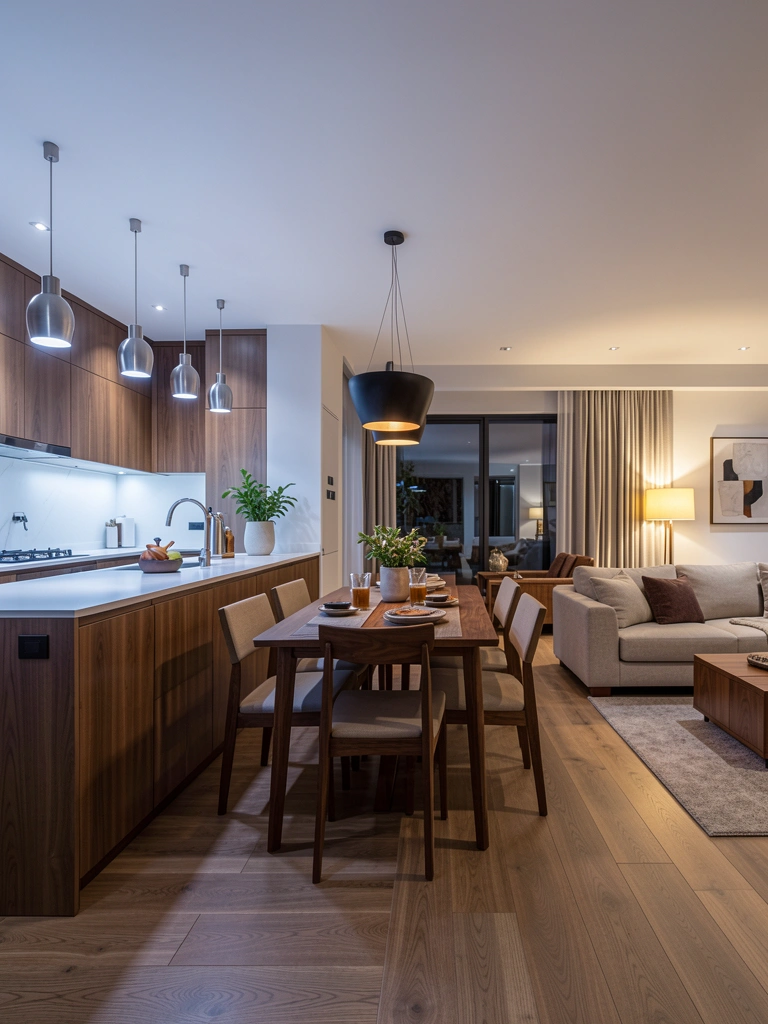
Because modern lifestyles demand fluid living spaces, open-concept kitchen designs have revolutionized home interiors by seamlessly integrating cooking, dining, and socializing areas.
You’ll enhance kitchen traffic flow by eliminating walls, creating an expansive environment that promotes interaction and freedom.
Open space integration allows natural movement and visual connectivity between culinary and living zones.
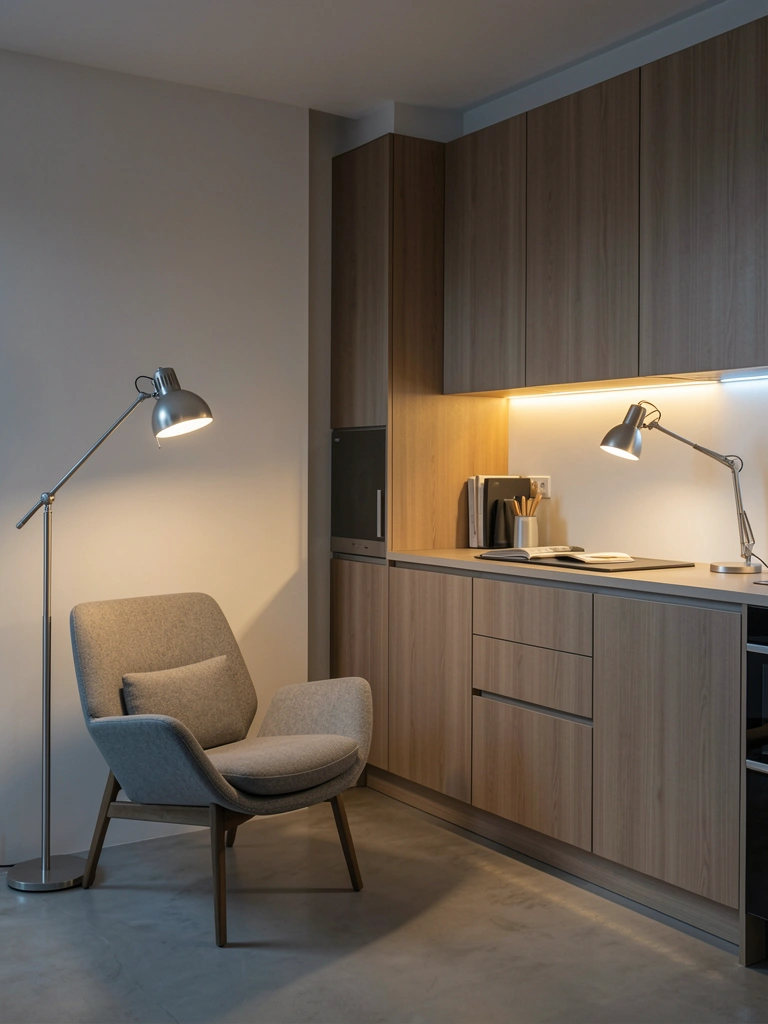
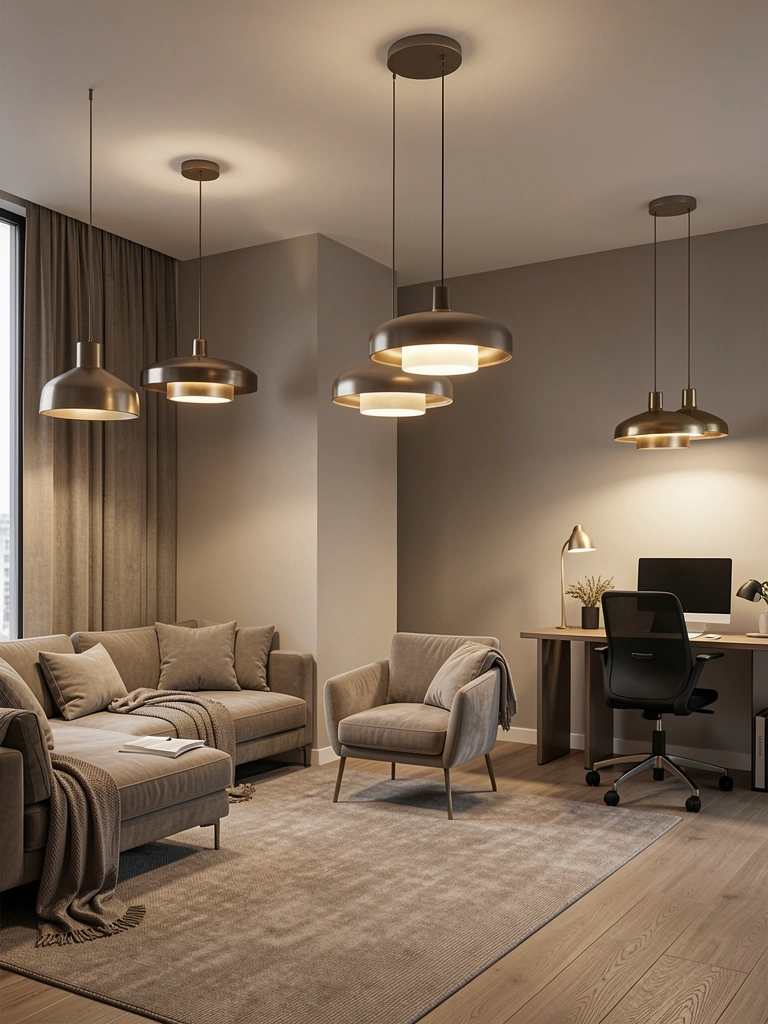
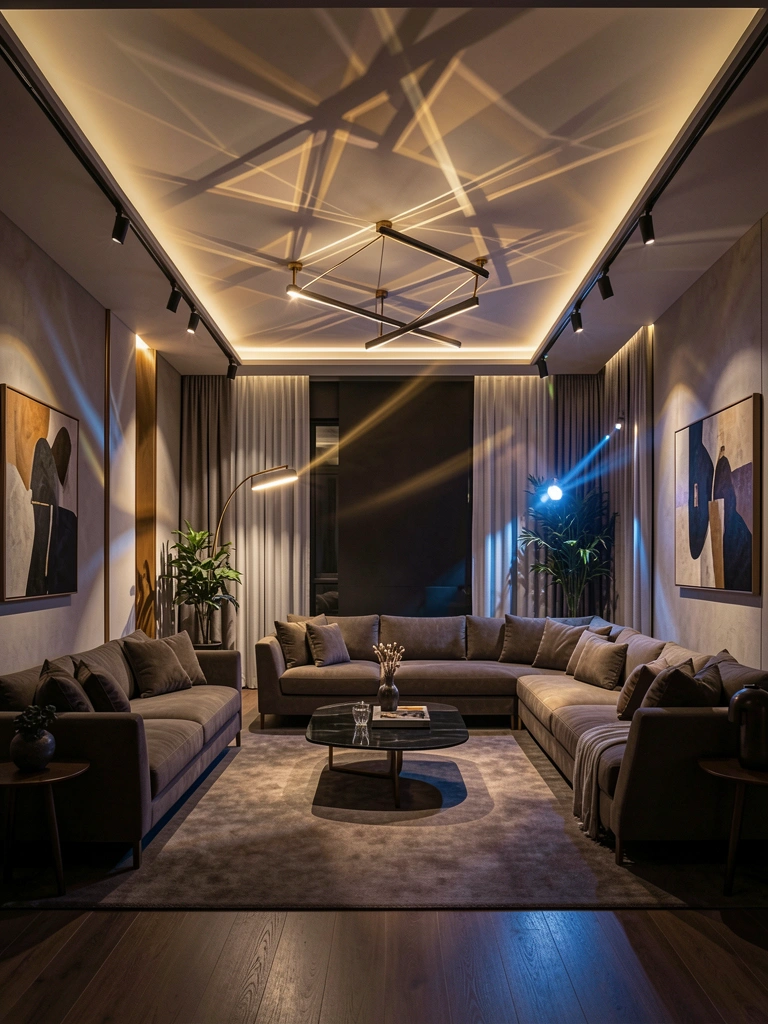
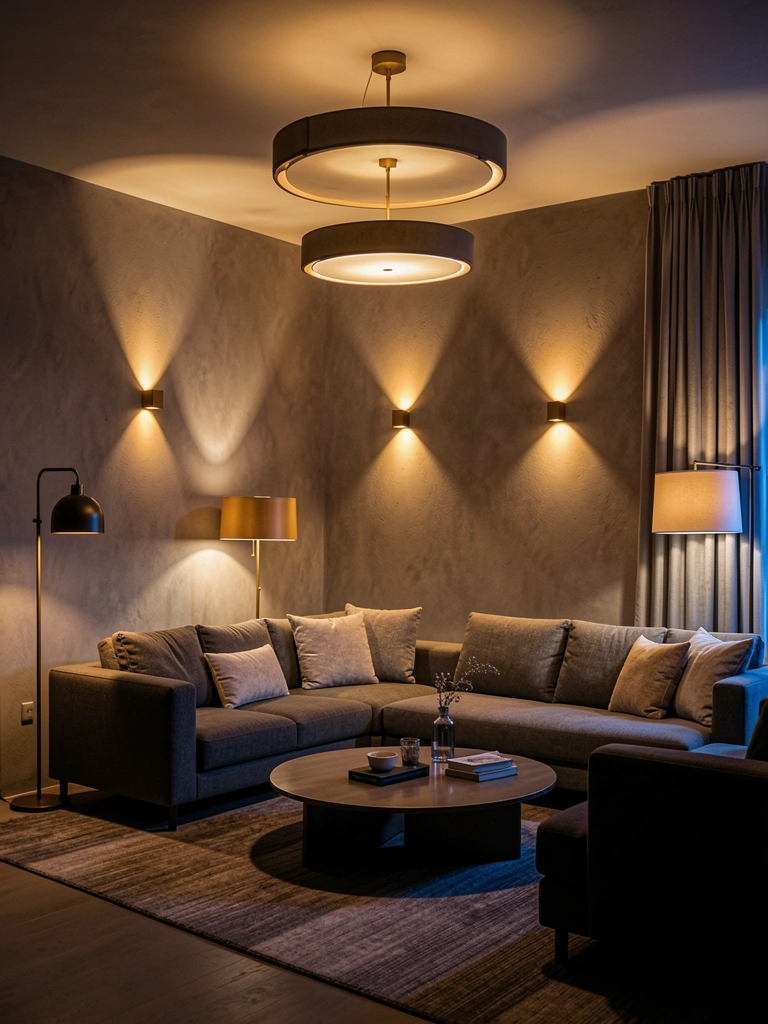
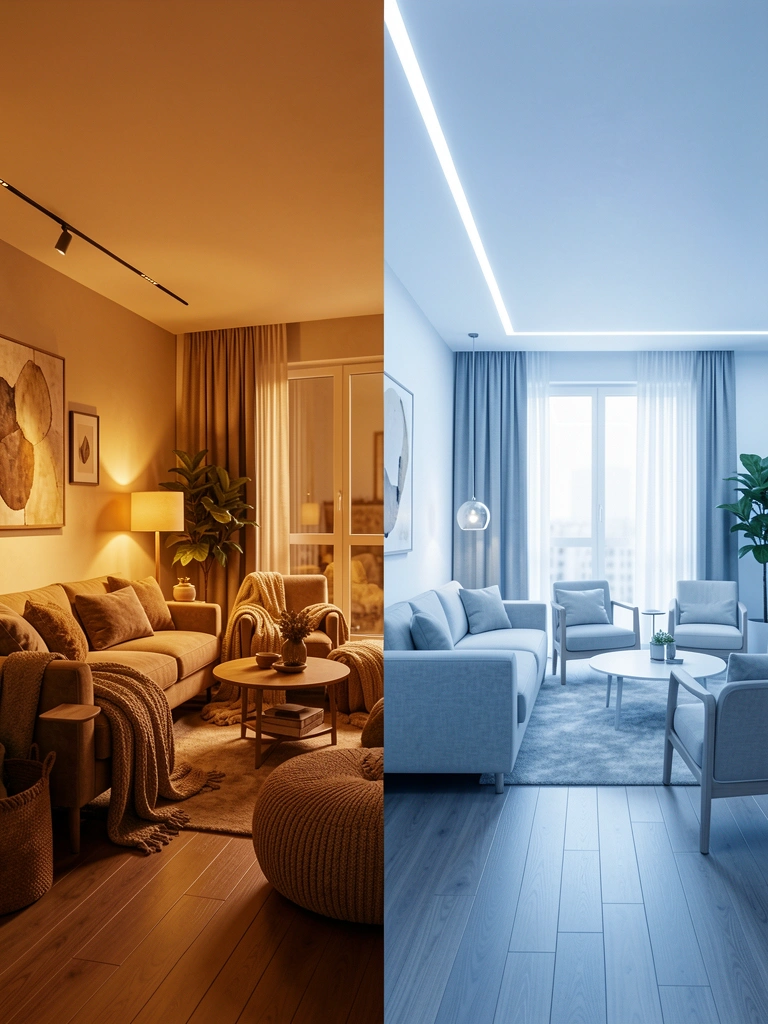
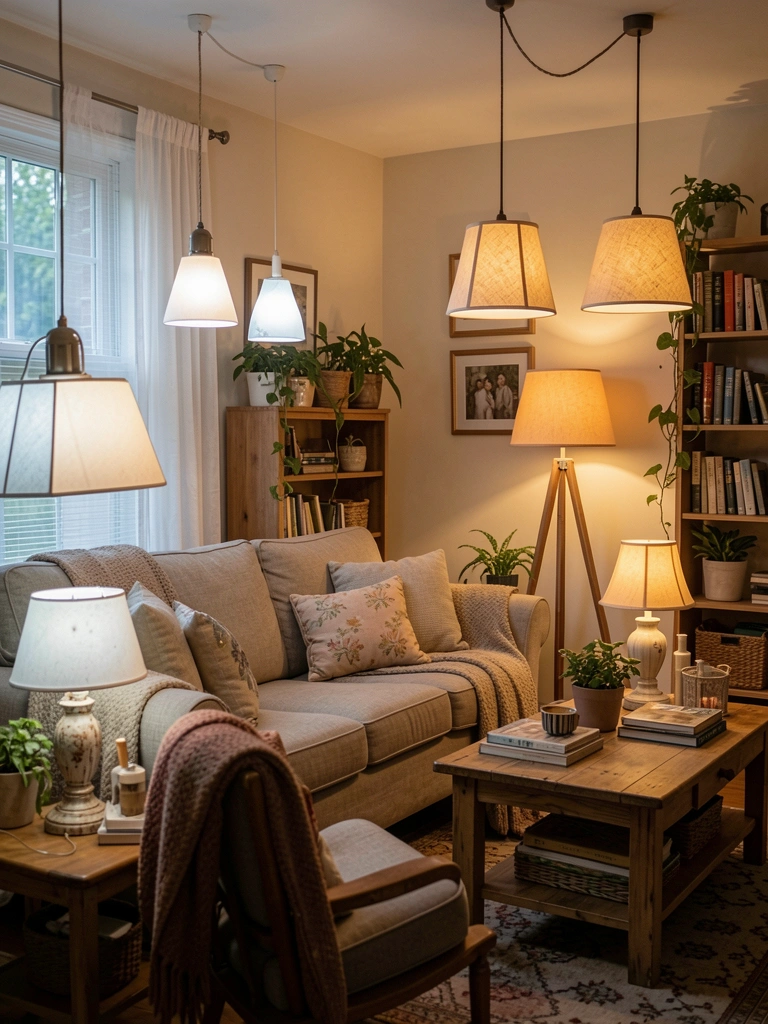
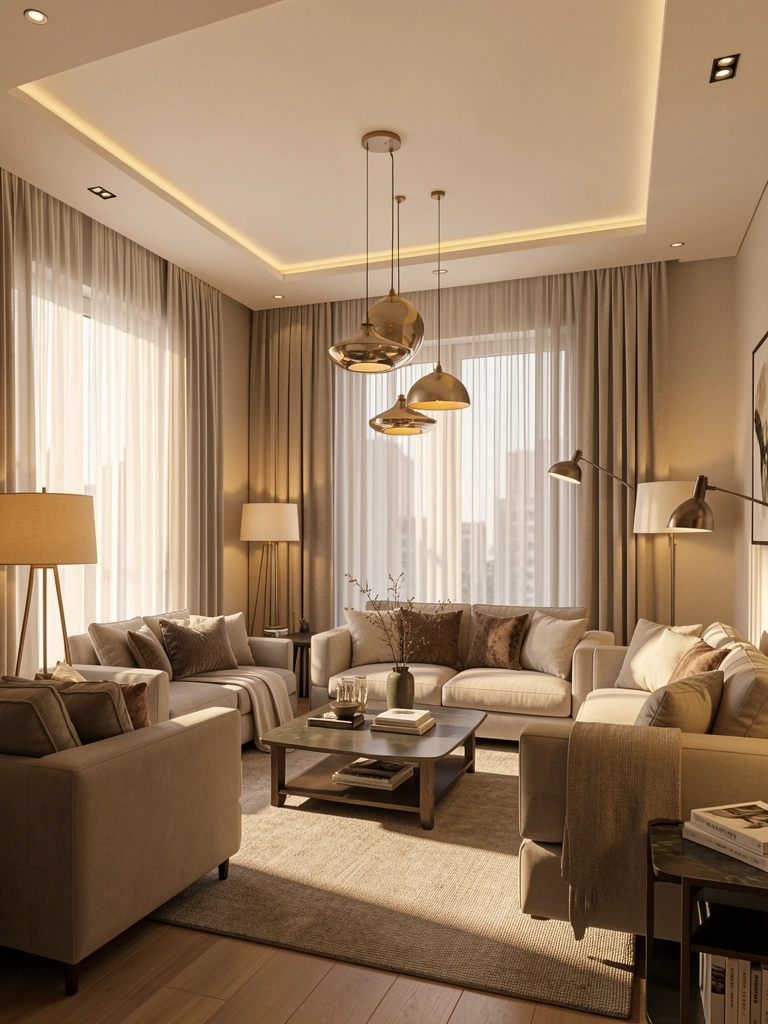
Developing Lighting Design Strategies
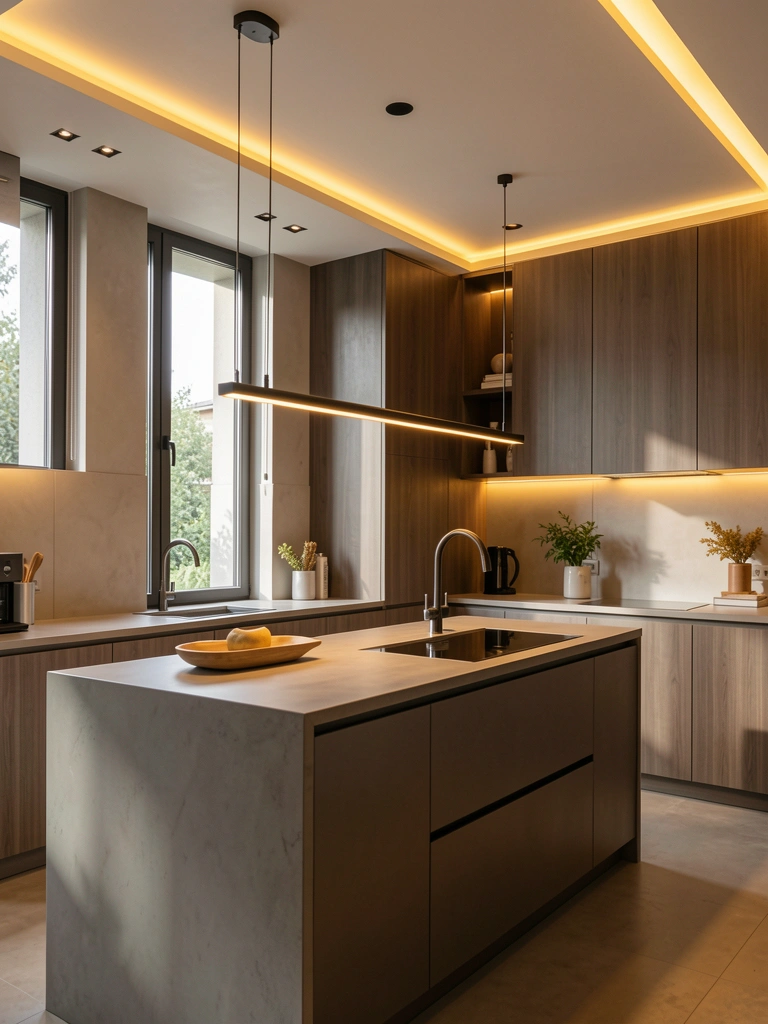
Strategic lighting transforms kitchen spaces from merely functional to dramatically aesthetic environments.
You’ll want to layer ambient, task, and accent lighting with dimmable options for maximum flexibility.
Prioritize natural light integration, consider color temperature, and select energy-efficient fixtures that enhance your kitchen’s design while providing precise illumination where you need it most.
Choosing Counter and Surface Materials
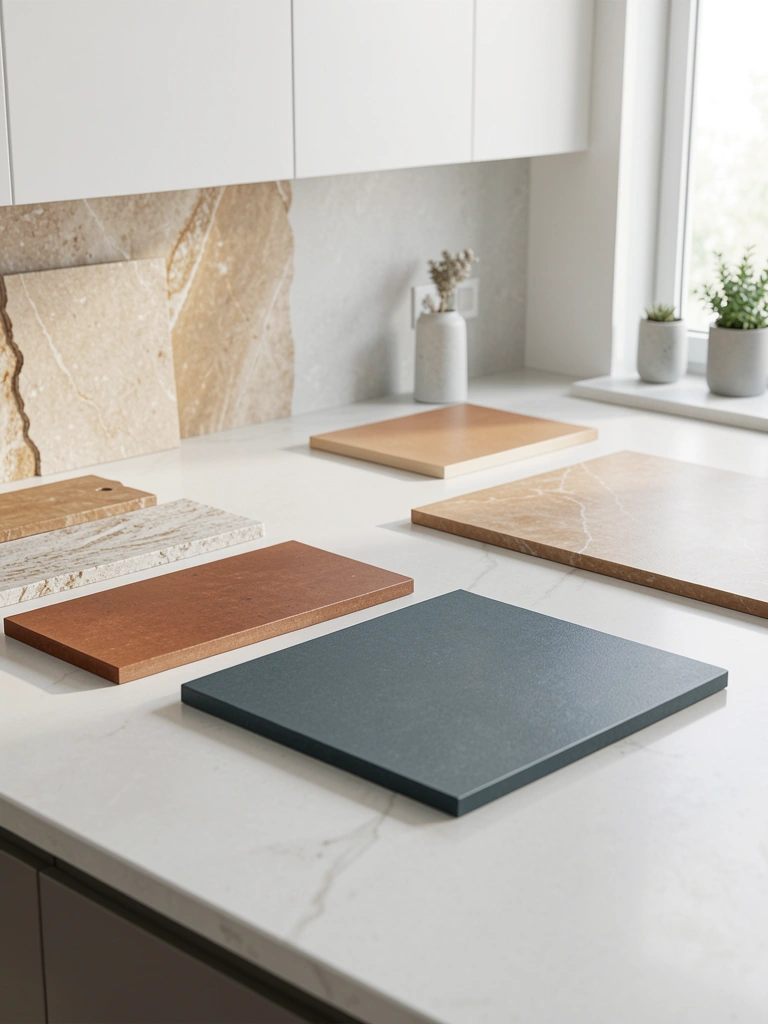
Three primary considerations will guide your selection of kitchen counter and surface materials: durability, aesthetic appeal, and maintenance requirements.
Stone surfaces and composite materials offer incredible versatility, balancing eco-friendly choices with design cohesion.
Consider surface finishes that match your lifestyle, budget, and aesthetic preferences while ensuring long-lasting countertop durability.
Integrating Indoor-Outdoor Kitchen Connections
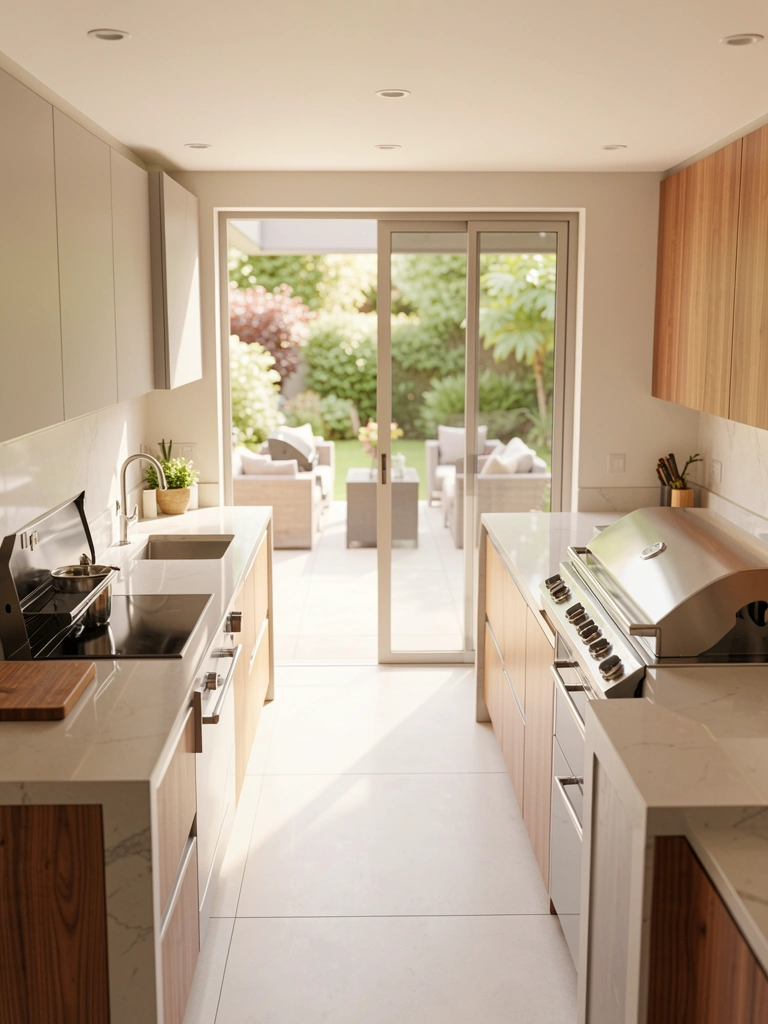
Modern kitchen design increasingly blurs the boundaries between interior and exterior spaces, creating seamless culinary environments that expand your cooking and entertaining potential.
Planning Budget-Conscious Design Upgrades
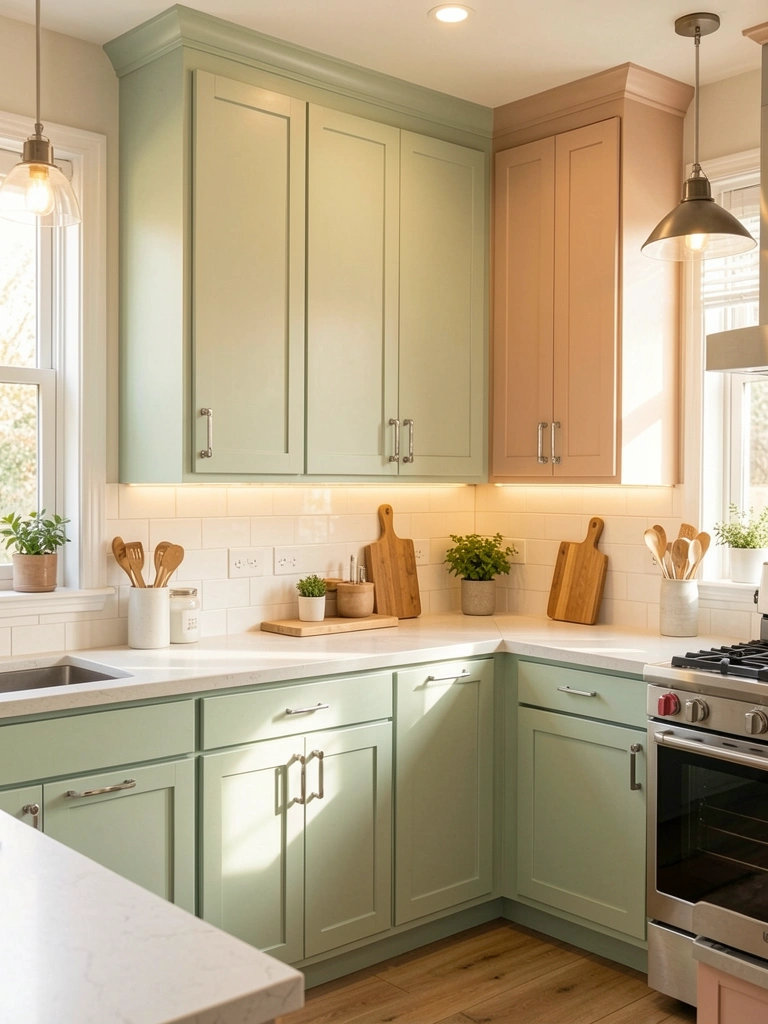
While kitchen renovations can quickly become expensive, smart homeowners can still achieve stunning design upgrades without breaking the bank.
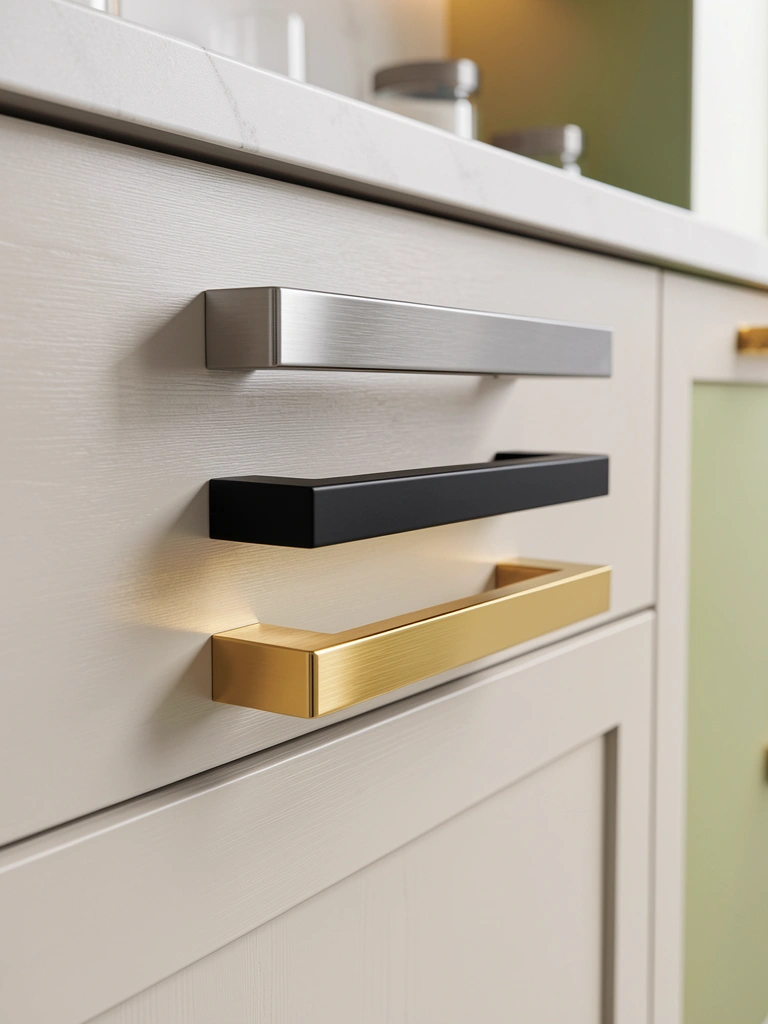
Focus on cost-effective upgrades like painting cabinets, swapping hardware, and using budget-friendly materials.
Strategic choices in countertops, backsplashes, and lighting can dramatically transform your space without draining your wallet.
Navigating Kitchen Renovation Challenges
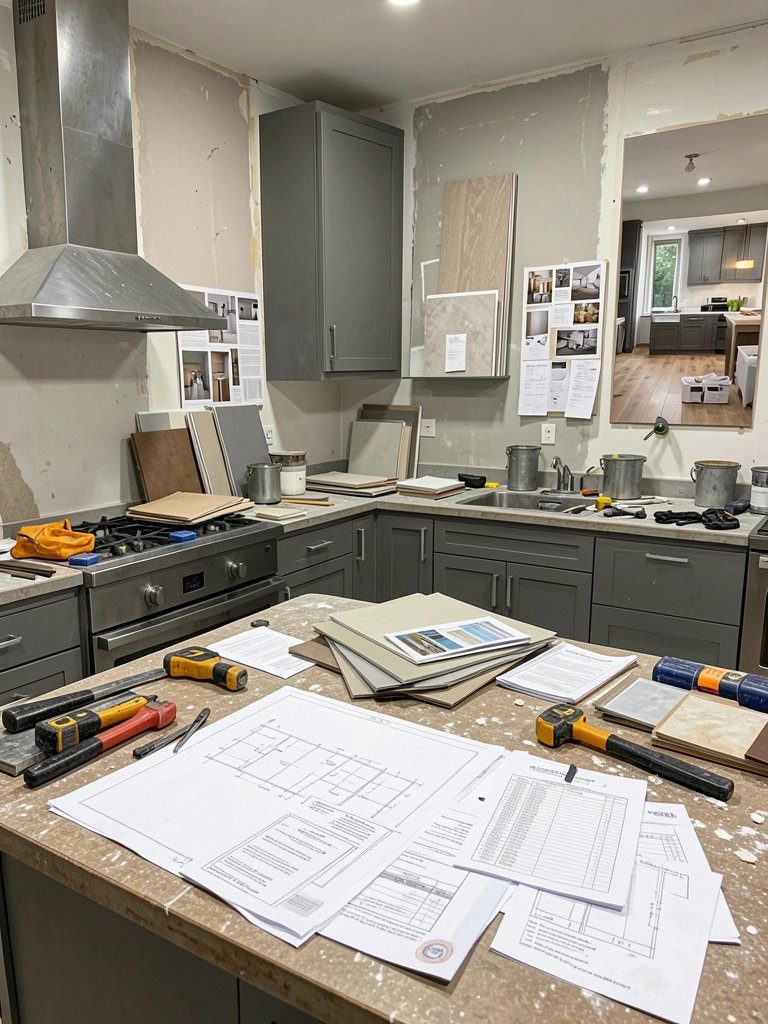
Because kitchen renovations can feel overwhelming, homeowners must anticipate potential obstacles before diving into a remodeling project.
Budget constraints, unexpected expenses, and construction delays often derail plans.
You’ll need strategic contractor selection, expert consultations, and careful project management to navigate design permits, material sourcing, and renovation timelines effectively.
Personalizing Your Kitchen’s Style
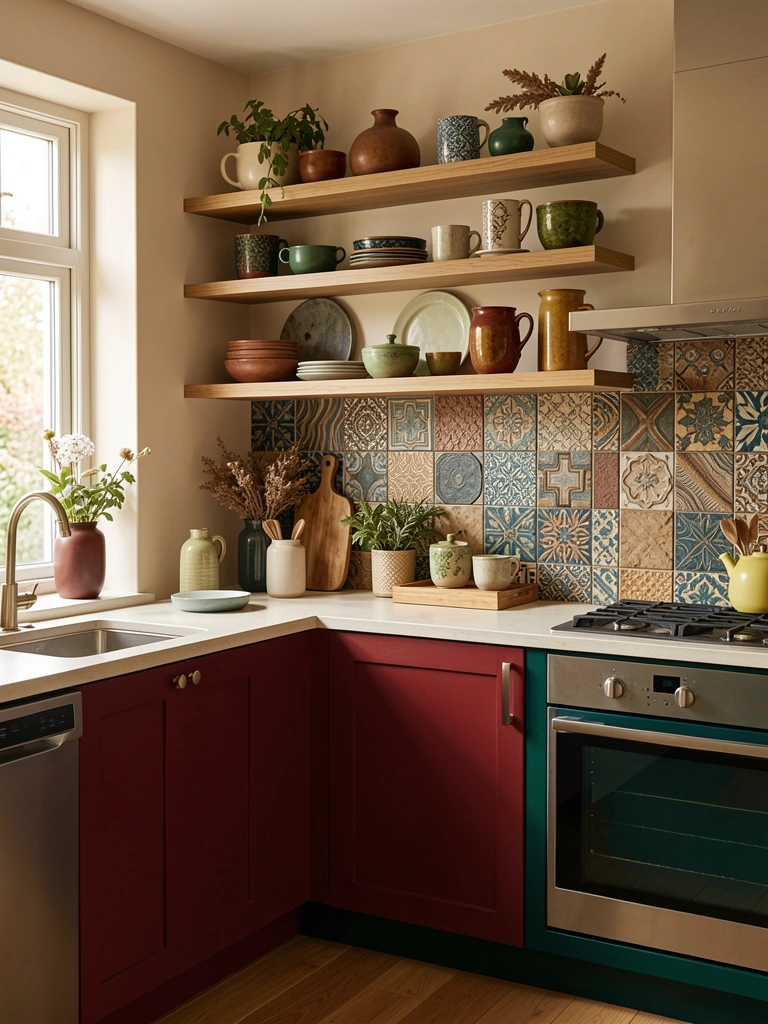
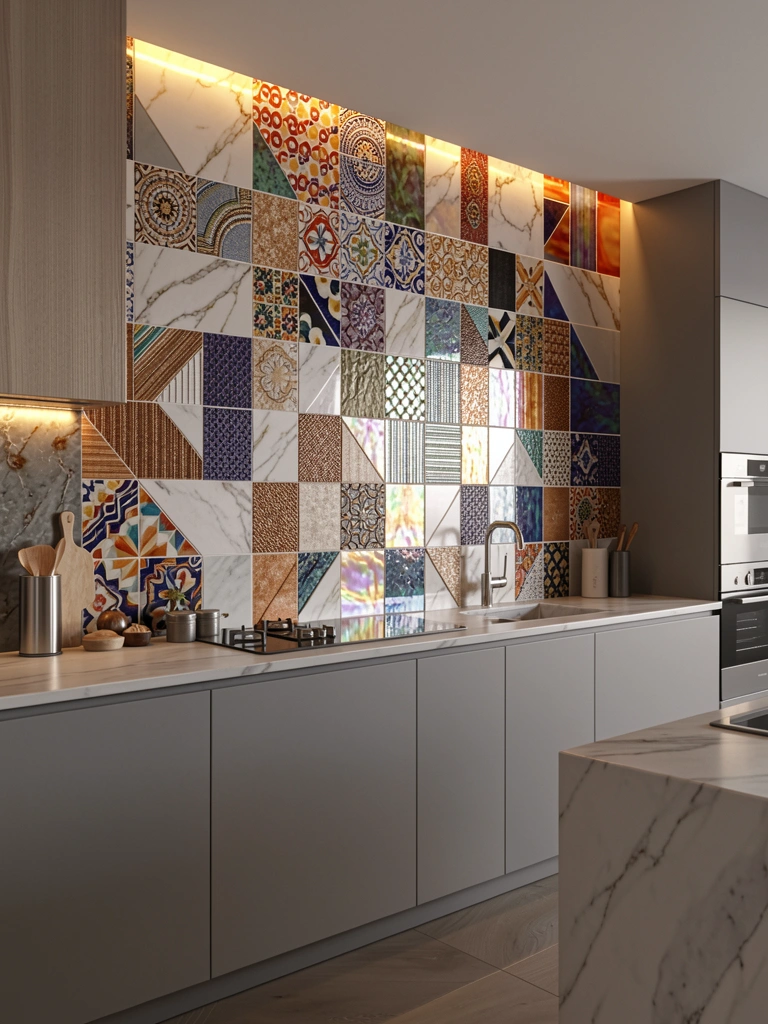
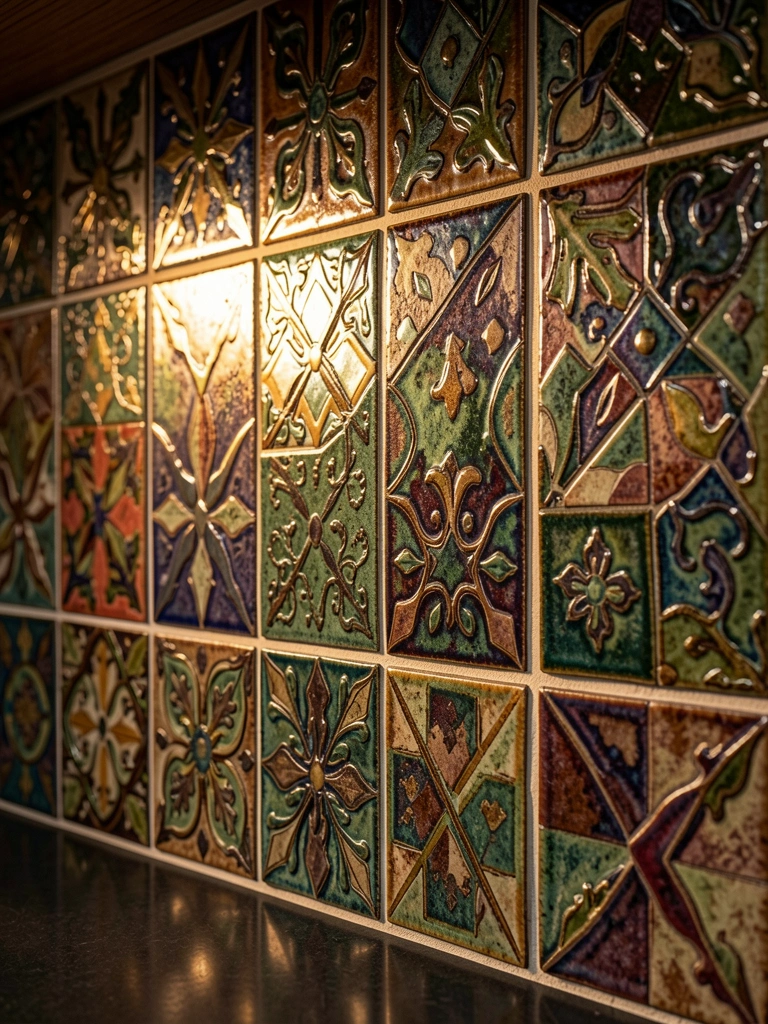
After wrestling with renovation logistics, you’ll want to transform your kitchen from a construction site to a personalized sanctuary that reflects your unique lifestyle and aesthetic preferences. Incorporating personal touches allows you to express individual taste through carefully chosen elements like statement backsplashes, meaningful decor, and color schemes that resonate with your personality.
Understanding Ergonomic Design Principles
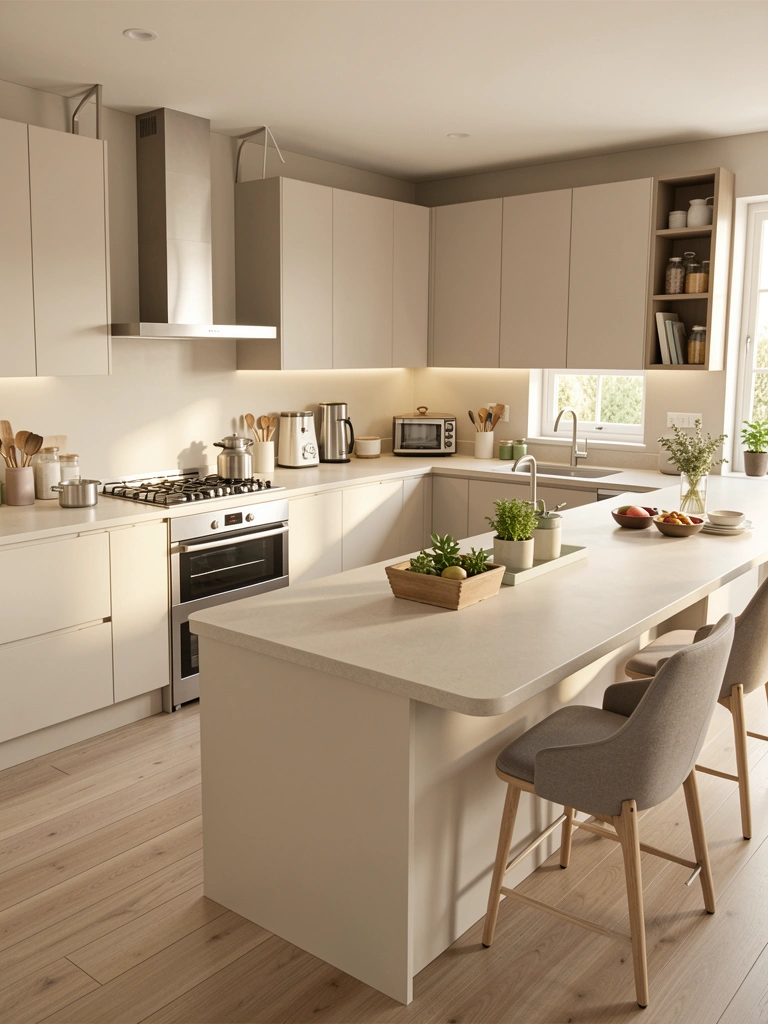
If efficient kitchen design were an art form, ergonomics would be its foundational brushstroke.
You’ll want to prioritize workflow efficiency by strategically positioning key areas like cooking, cleaning, and storage.
Ergonomic seating and carefully planned counter heights guarantee comfort and reduce physical strain, transforming your kitchen into a space that works as brilliantly as you do.
Exploring Innovative Kitchen Storage Solutions
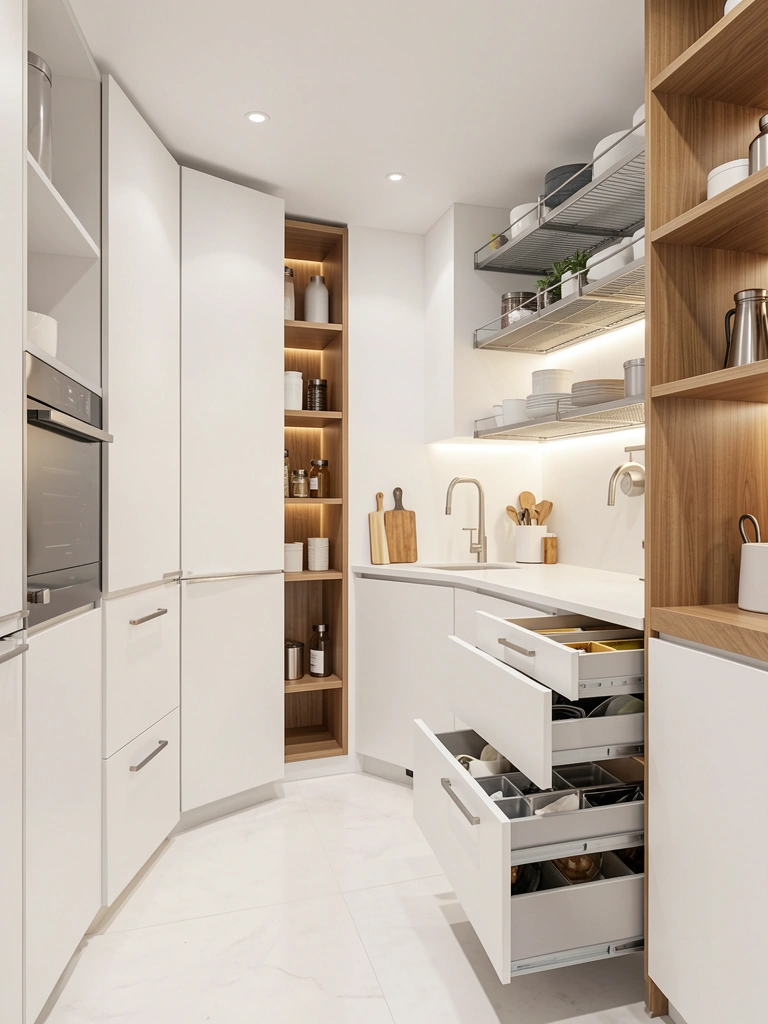
Smart kitchen design extends beyond ergonomic layout—it’s about maximizing every square inch through intelligent storage strategies.
You’ll want hidden storage, vertical shelves, and pull-out cabinets that transform wasted spaces.
Multi-functional units with drawer organizers, overhead racks, and modular systems give you unprecedented kitchen freedom, turning compact areas into efficient culinary zones.
Designing for Wellness and Comfort
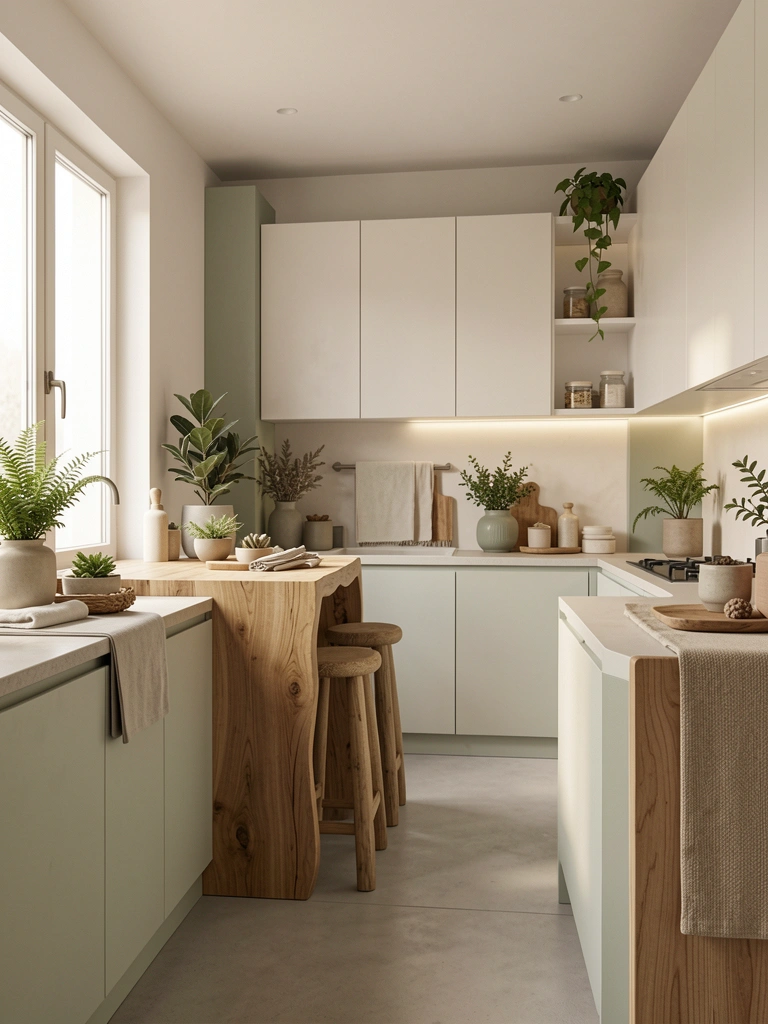
While wellness transforms from a trend to a lifestyle necessity, modern kitchen design now prioritizes creating spaces that nurture physical and mental well-being.
You’ll discover comfort elements like ergonomic designs, soothing colors, and cozy textures that turn your kitchen into a mindful, restorative zone where wellness features seamlessly blend with inviting layouts and tranquil atmospheres.
Maintaining Your Kitchen’s Long-Term Performance
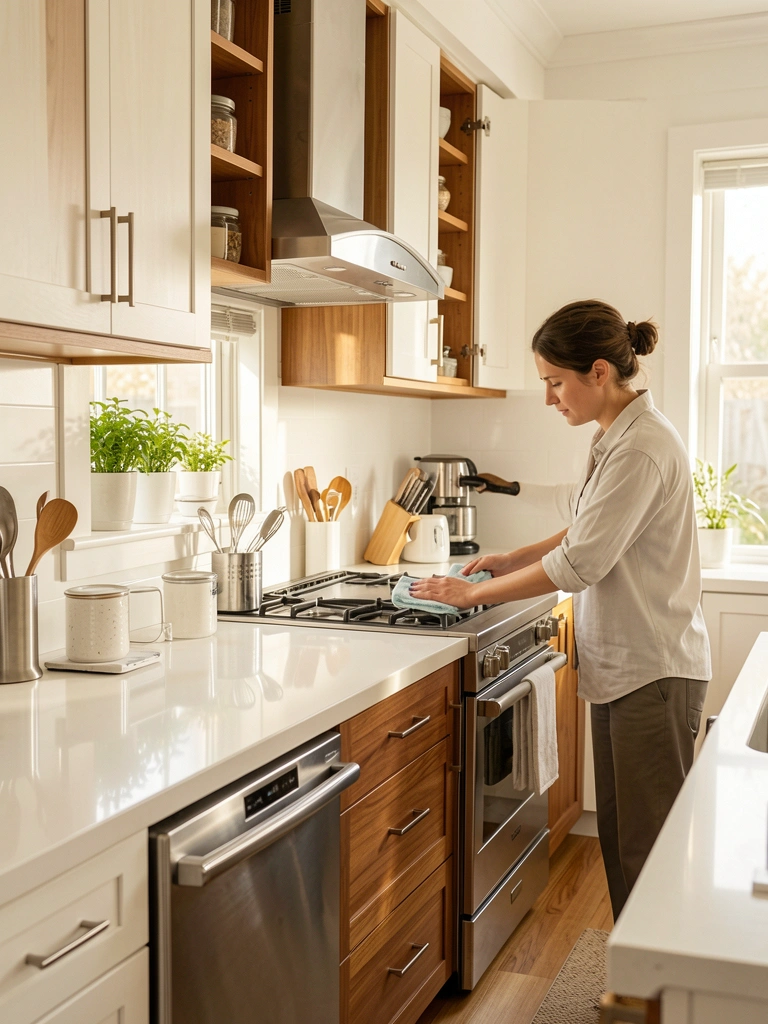
Because kitchen investments demand strategic care, maintaining your kitchen’s performance requires a proactive approach to preservation and thoughtful maintenance.
You’ll want to implement kitchen maintenance tips that protect surfaces, optimize functionality, and prevent wear.
Performance enhancement strategies like regular cleaning, prompt repairs, and mindful usage can greatly extend your kitchen’s aesthetic and practical lifespan.
Future-Proofing Your Kitchen Design

When designing a kitchen that withstands changing trends and technological advances, future-proofing becomes a critical strategic investment.
You’ll want to integrate sustainable innovations that adapt seamlessly to emerging design trends.
Consider flexible layouts, modular components, and smart technology infrastructure that can evolve with your lifestyle and technological capabilities.