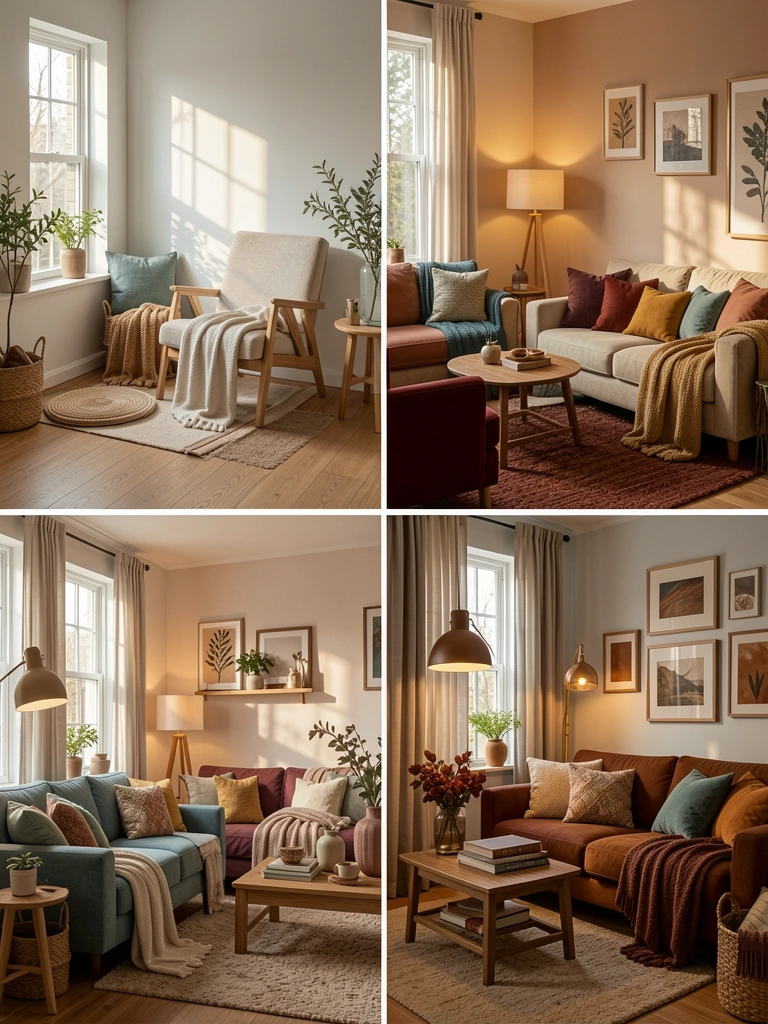
Blog

  • 30 Chic Stylish Doors Ideas That Feel Totally Inspiring

    30 Chic Stylish Doors Ideas That Feel Totally Inspiring

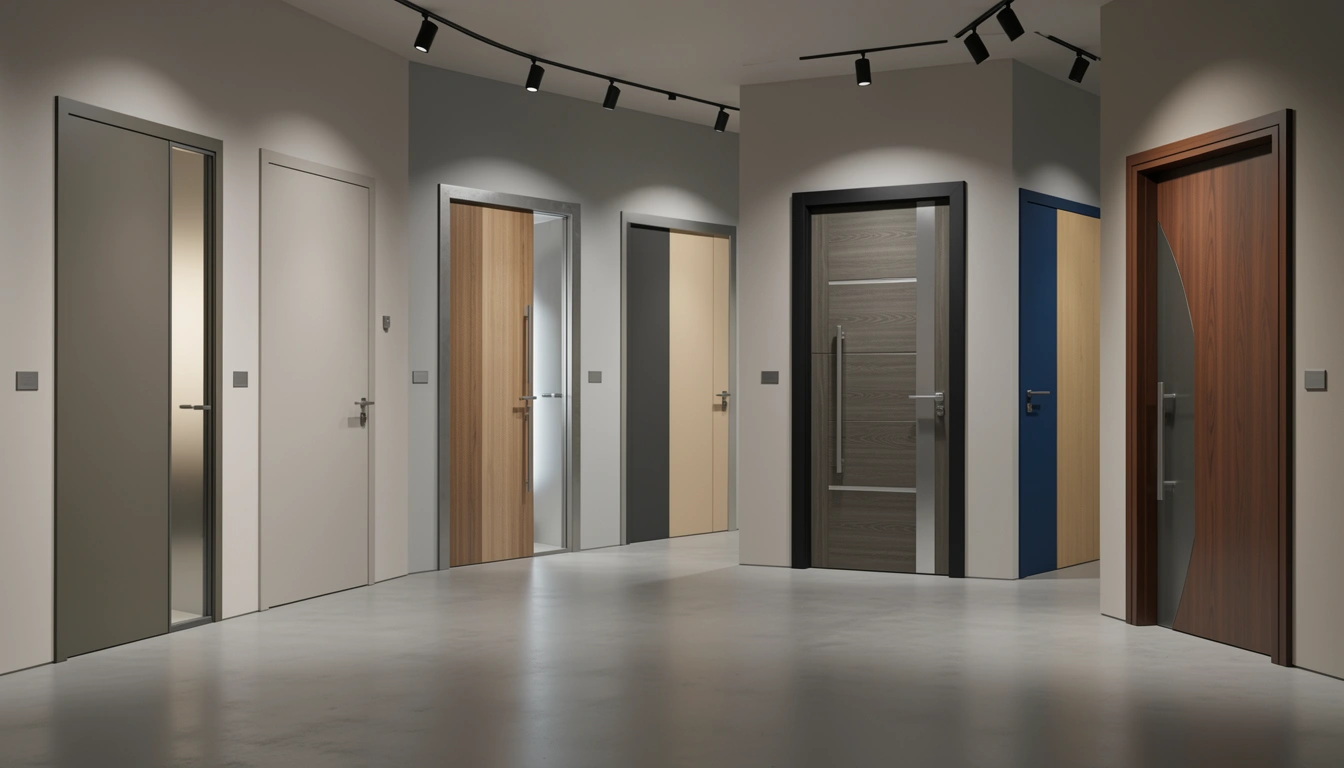
    You’re about to transform your living spaces with doors that are far more than functional barriers. From sleek minimalist designs to bold architectural statements, modern door solutions are redefining interior aesthetics. These aren’t just entryways—they’re canvases of personal expression that blend cutting-edge technology, sophisticated materials, and innovative design. Want to understand how a single door can completely revolutionize your home’s visual narrative? Keep exploring.

    Modern Door Design: The 2026 Aesthetic Revolution
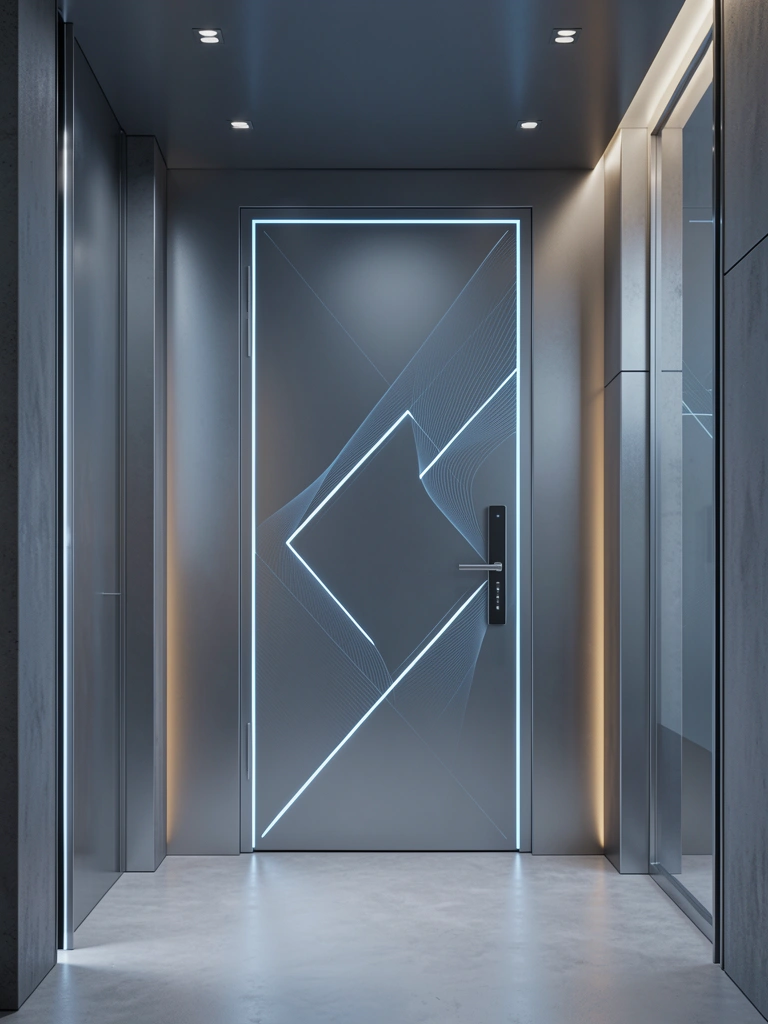
    While traditional door design has long been an afterthought in home decor, 2026’s aesthetic revolution is transforming entryways into bold statements of personal style and technological innovation.

    You’ll witness smart material innovations reshaping door experiences, with interactive door technology enabling seamless, personalized interactions that blur boundaries between functionality and artistic expression.

    Minimalist Doors: Defining Contemporary Interior Spaces
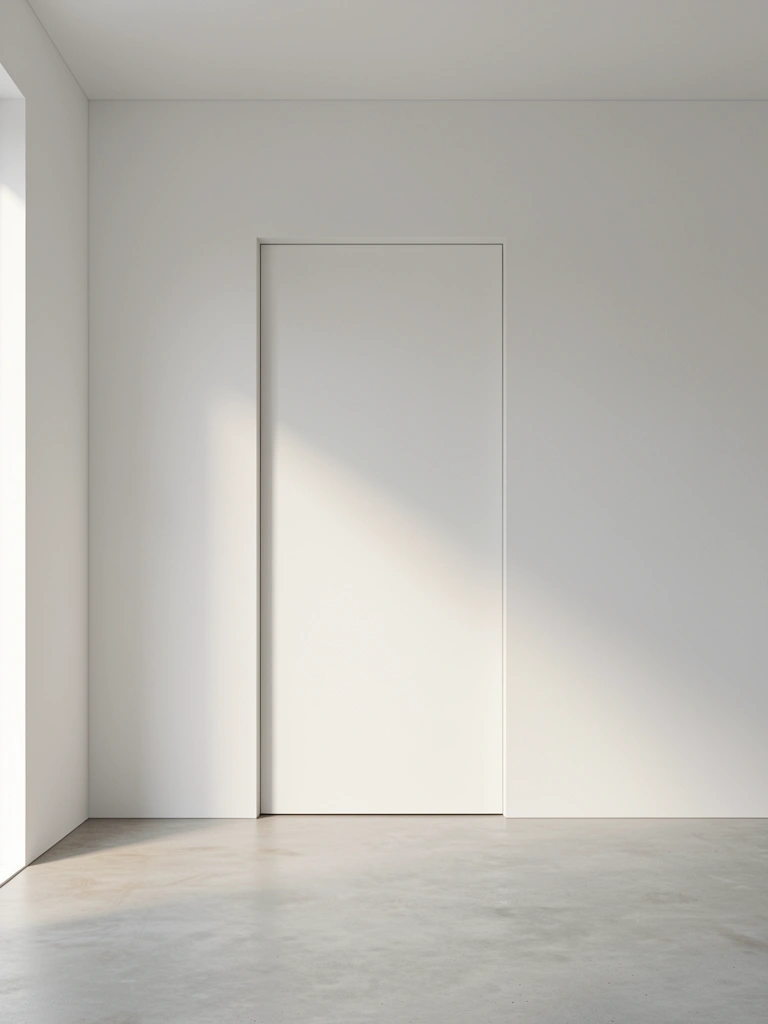
    As contemporary design continues to evolve, minimalist doors have emerged as transformative architectural elements that redefine interior spatial experiences.

    You’ll love how these sleek portals embody minimalist aesthetics, creating seamless shifts that elevate contemporary living. Frameless designs, flush surfaces, and understated hardware become visual statements of sophisticated simplicity and intentional spatial flow.

    Neutral Color Palettes: Creating Sophisticated Elegance
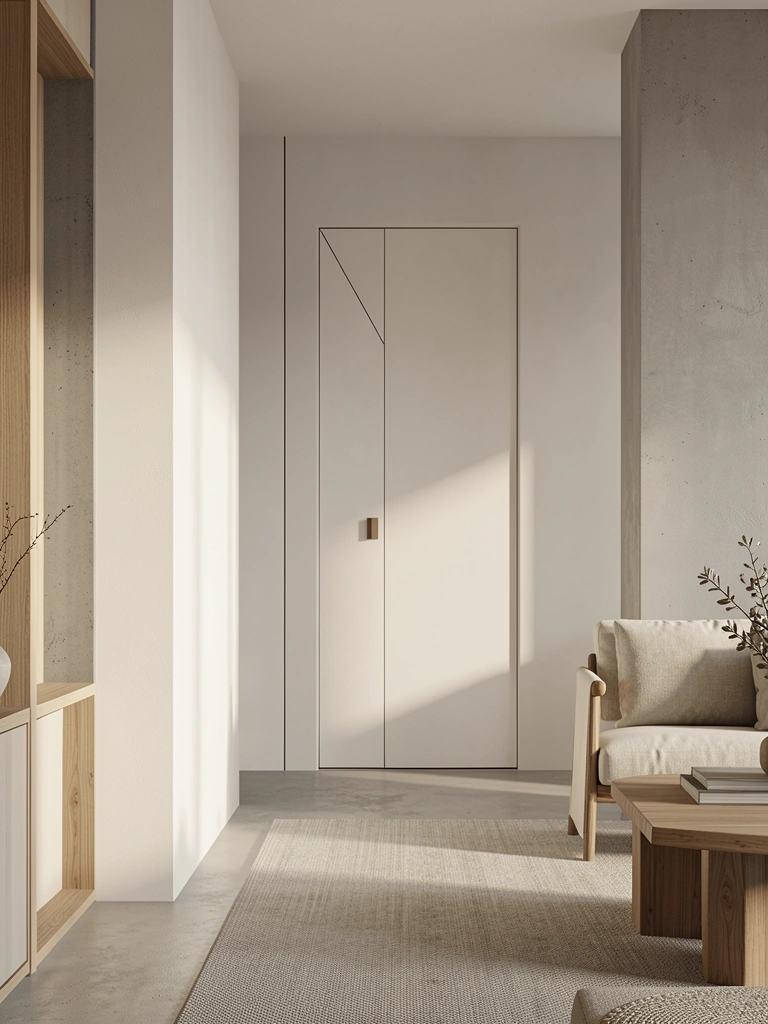
    Building upon the minimalist door’s clean lines and architectural precision, neutral color palettes emerge as the perfect complement to contemporary interior design.

    You’ll love how elegant textures and sophisticated finishes transform your space, creating a serene backdrop that amplifies architectural details while maintaining a sense of understated luxury and freedom.

    Flat-Panel Doors: Eliminating Visual Complexity
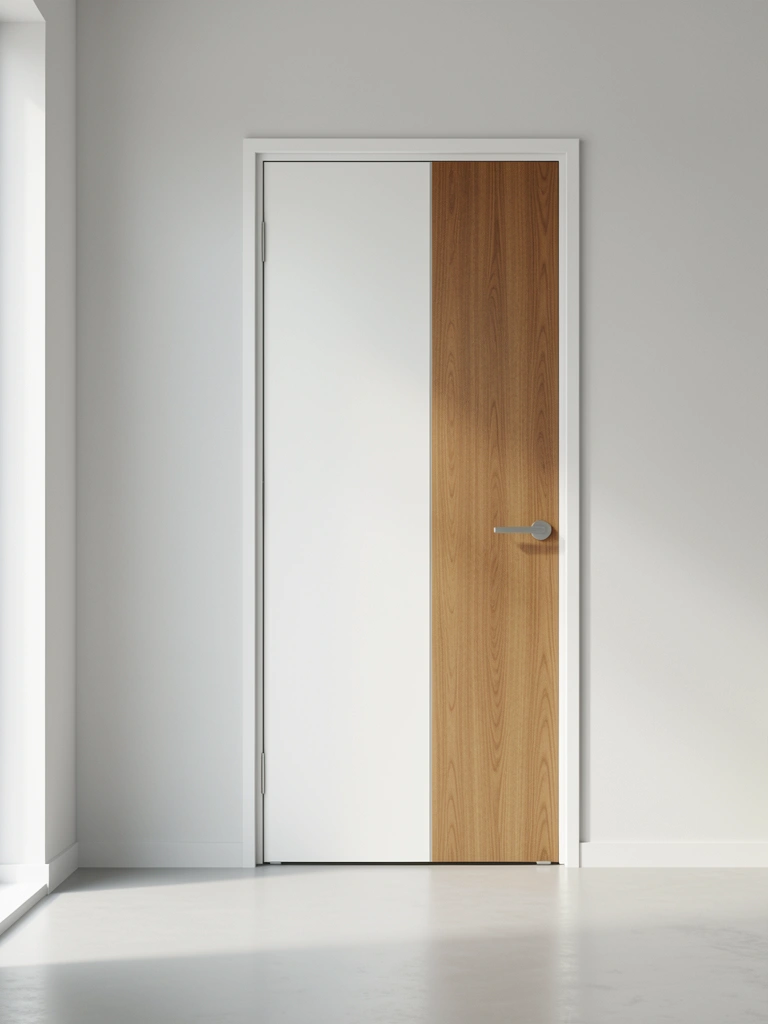
    Minimalist design reaches its pinnacle with flat-panel doors, stripping away ornamental distractions to reveal pure architectural elegance.

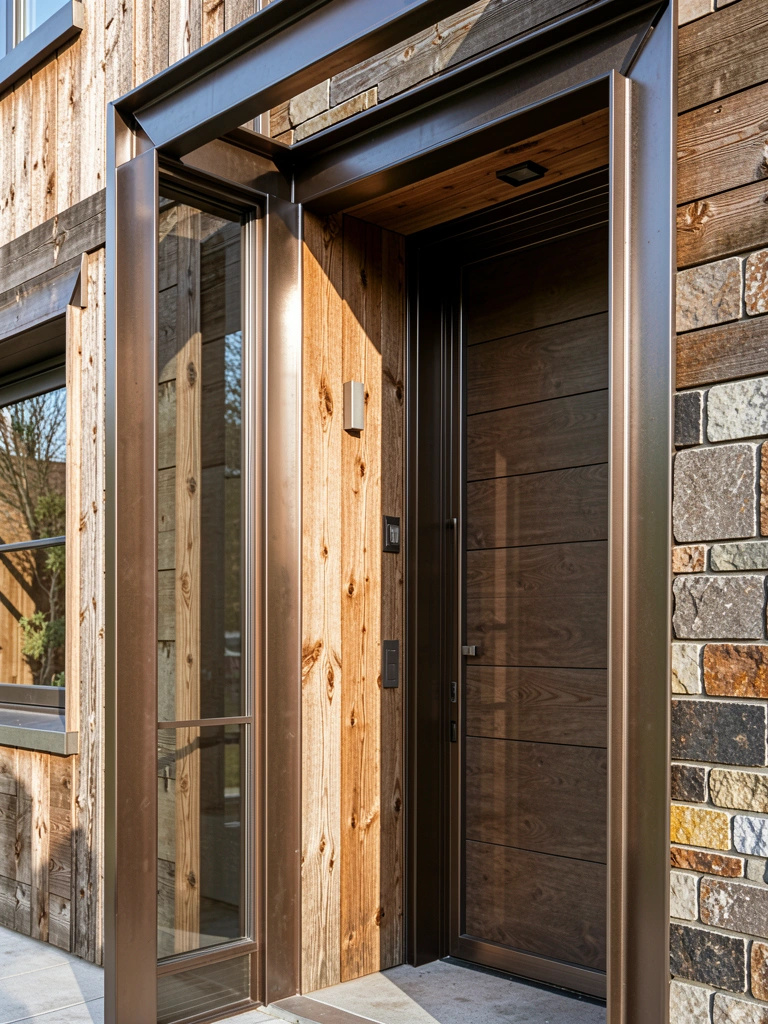
    You’ll appreciate how these sleek surfaces offer unparalleled design versatility, with panel finishes ranging from matte whites to rich wood tones. They transform spaces, creating clean lines that breathe sophistication and freedom into your environment.

    How Slim Frames Transform Architectural Perception?
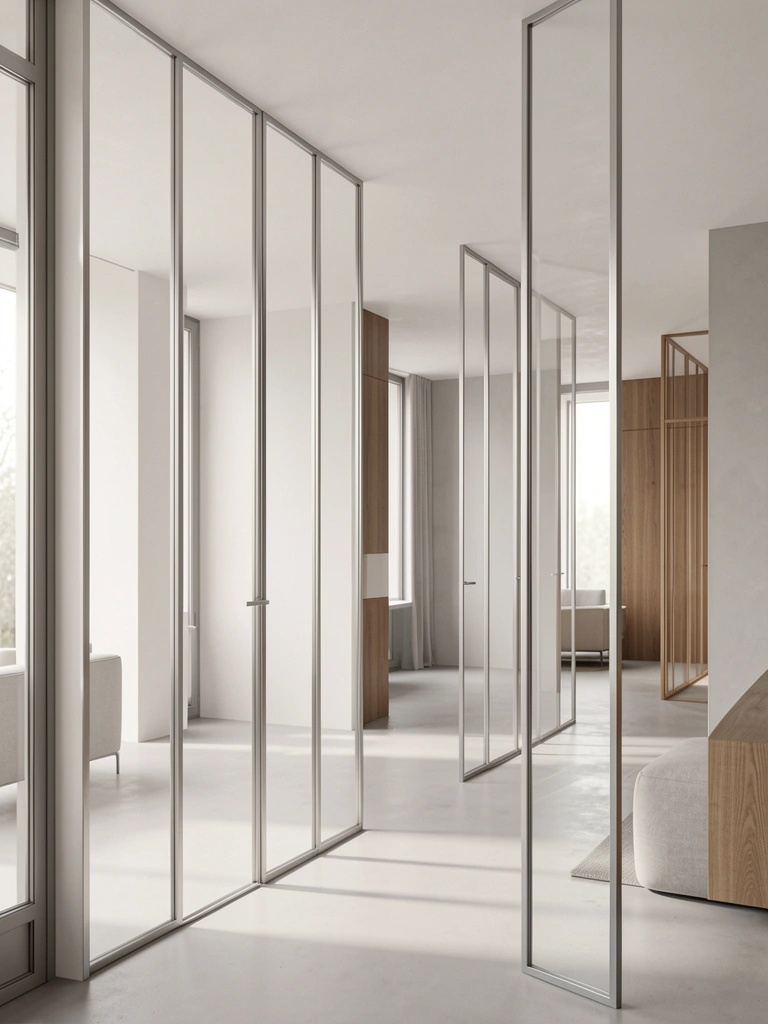
    When slim door frames enter the architectural dialogue, they redefine spatial boundaries with extraordinary subtlety.

    You’ll discover how slim lines create visual freedom, transforming rooms with minimal intervention.

    These architectural refinement techniques collapse perceived barriers, making spaces feel more expansive and interconnected, while maintaining a sleek, contemporary aesthetic that speaks to modern design sensibilities.

    Hidden Hinges: The Invisible Design Technique
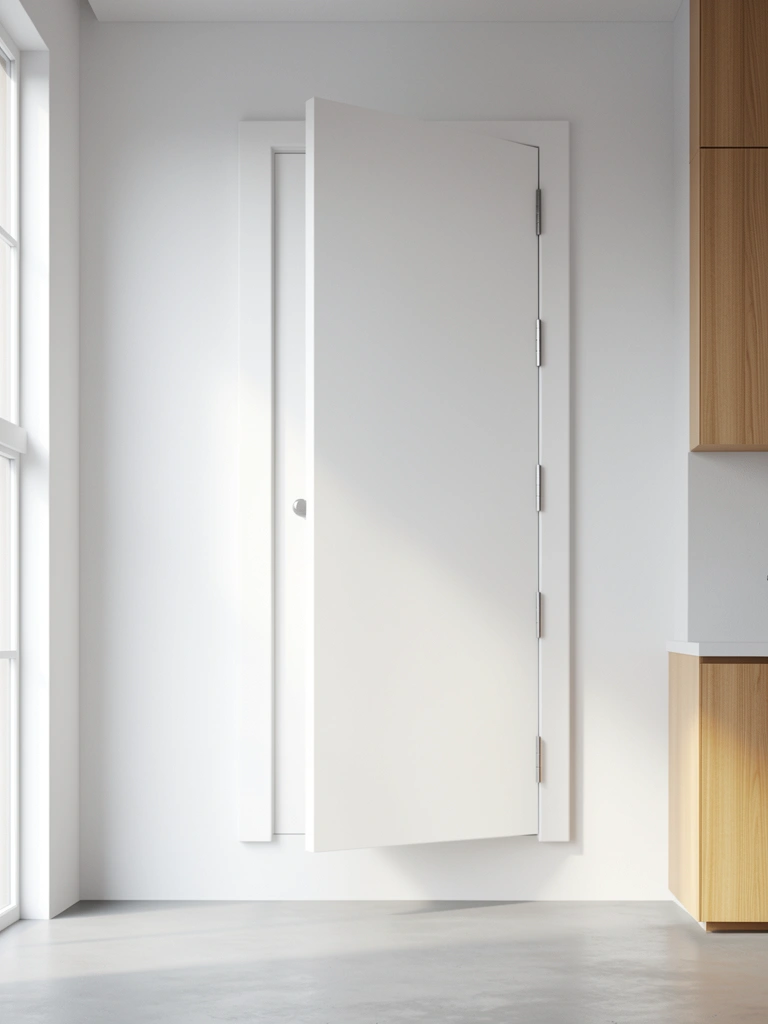
    Something extraordinary happens when door hinges disappear from view, transforming architectural aesthetics with near-magical precision. Hidden hinge mechanisms create a seamless design integration that’ll make your space feel effortlessly modern. You’ll love how these invisible technical details eliminate visual interruptions, allowing your doors to become pure architectural statements that breathe freedom and elegance.

    Black and Graphite: Dramatic Door Color Strategies
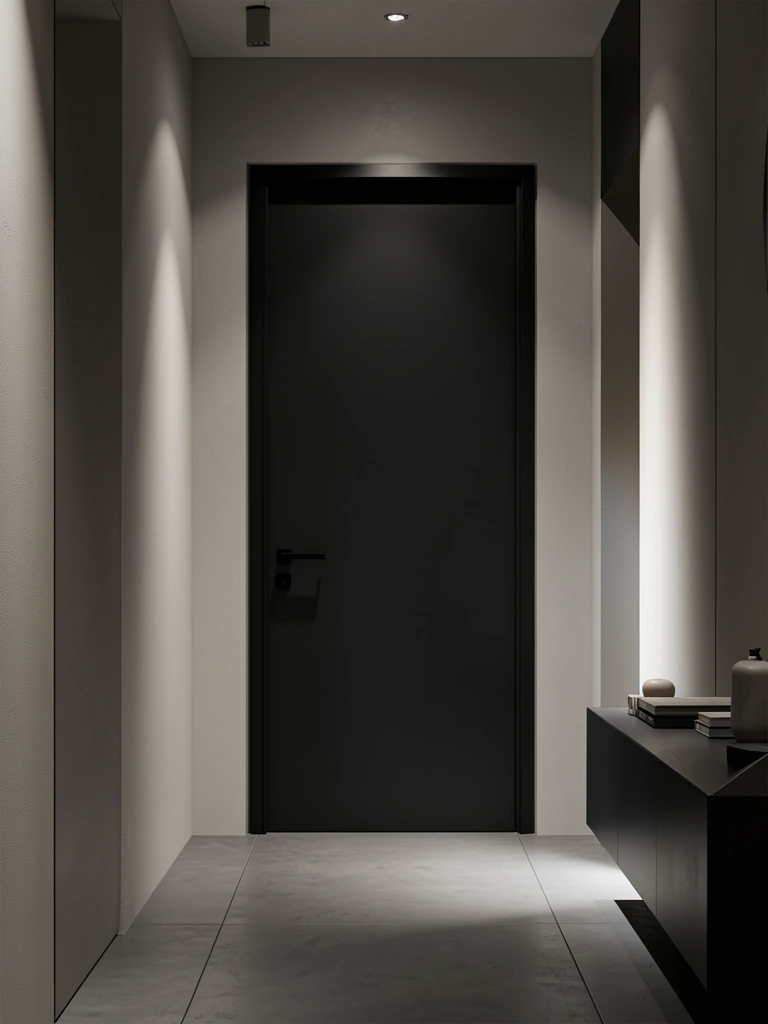
    Although black and graphite doors might seem intimidating, they’re actually transformative design elements that can dramatically elevate your interior aesthetic. Embrace black door aesthetics to create bold visual statements, while graphite door contrasts offer sophisticated depth. These dramatic color strategies instantly modernize spaces, giving you unprecedented freedom to redefine your home’s architectural personality.

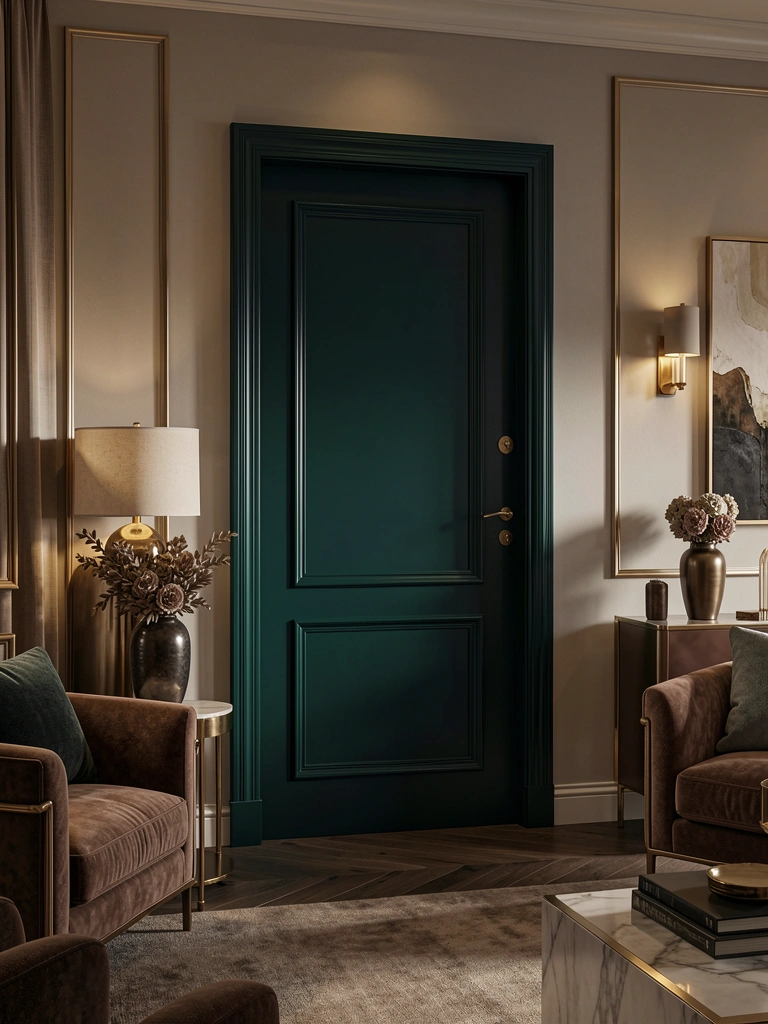
    Because luxury interior design continually evolves, navy and forest green have emerged as sophisticated door color trends that transform spaces with understated elegance.

    These luxurious color palettes tap into emotional color psychology, offering you a bold statement of refined taste. They’ll elevate your interior with depth, drama, and a sense of curated sophistication.

    Matte Black Hardware: Completing Modern Design Statements
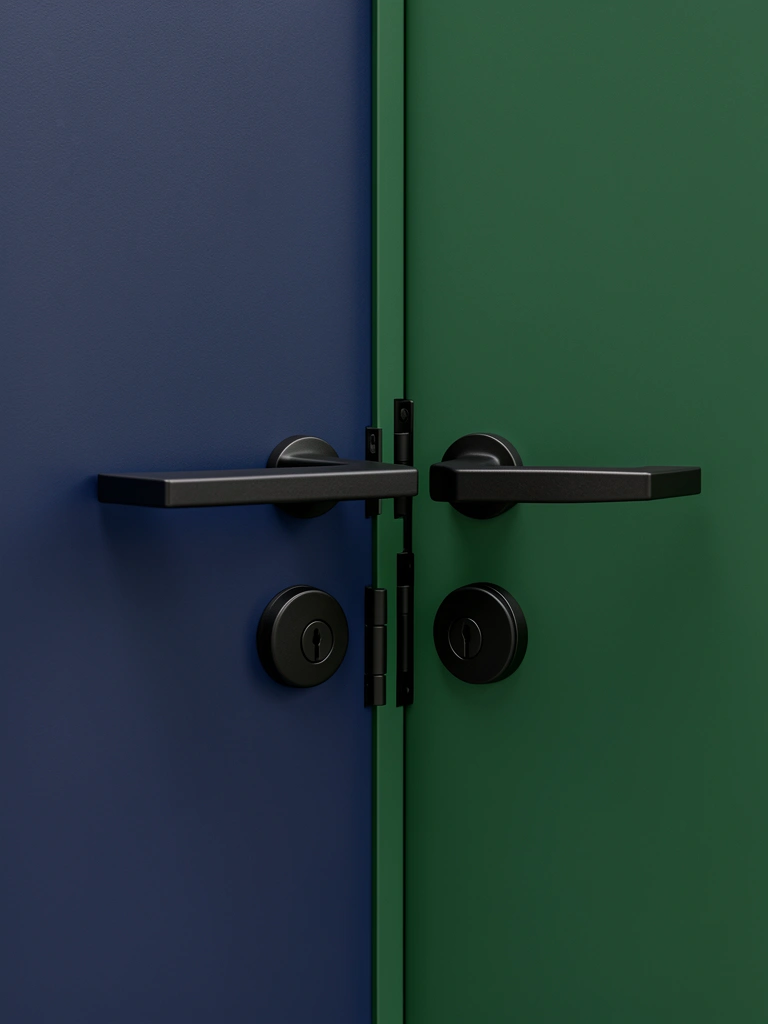
    Just as navy and forest green doors make bold design statements, matte black hardware emerges as the ultimate complementary element for modern interiors.

    You’ll love how these sleek design accents transform spaces, adding sophisticated contrast and contemporary edge.

    Matte black handles, hinges, and locks elevate your door’s aesthetic with minimalist precision and undeniable style.

    Natural Wood Textures: Bringing Warmth to Modern Interiors
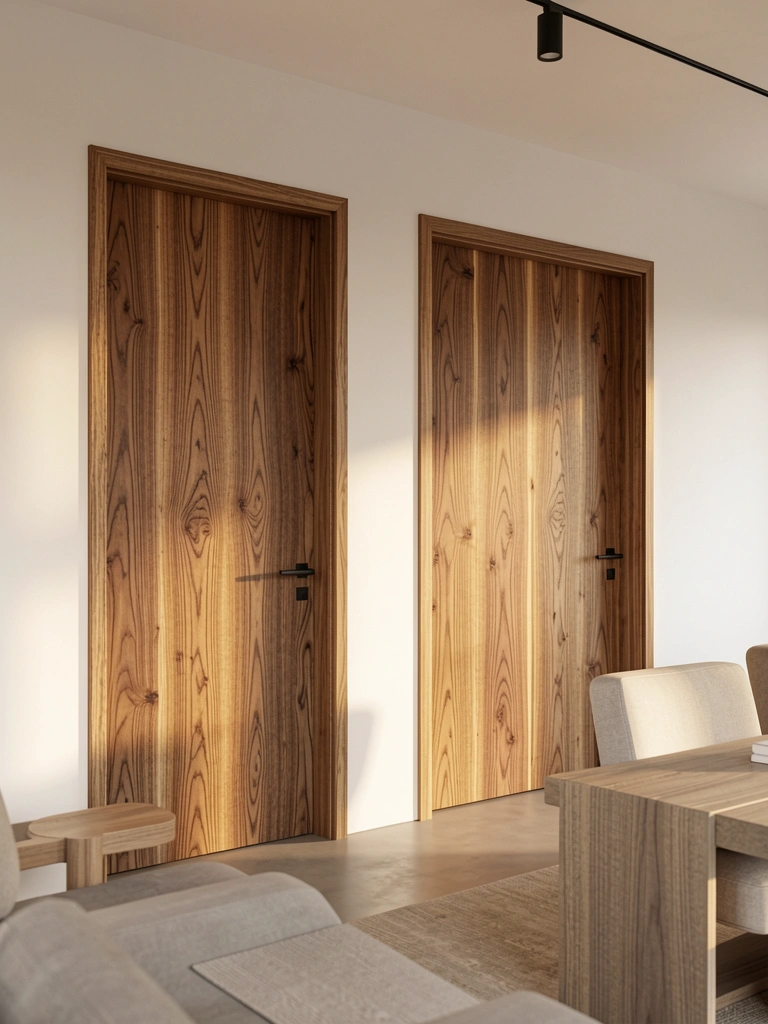
    While minimalist design trends continue to dominate interior spaces, natural wood textures are making a powerful comeback as the perfect counterpoint to sleek, modern aesthetics.

    You’ll love how rustic charm meets contemporary style through textured finishes that showcase color variations and eco-friendly materials. Custom wood doors offer aesthetic versatility that celebrates sustainability concepts with undeniable warmth.

    Oak and Walnut Veneers: Selecting Premium Door Materials
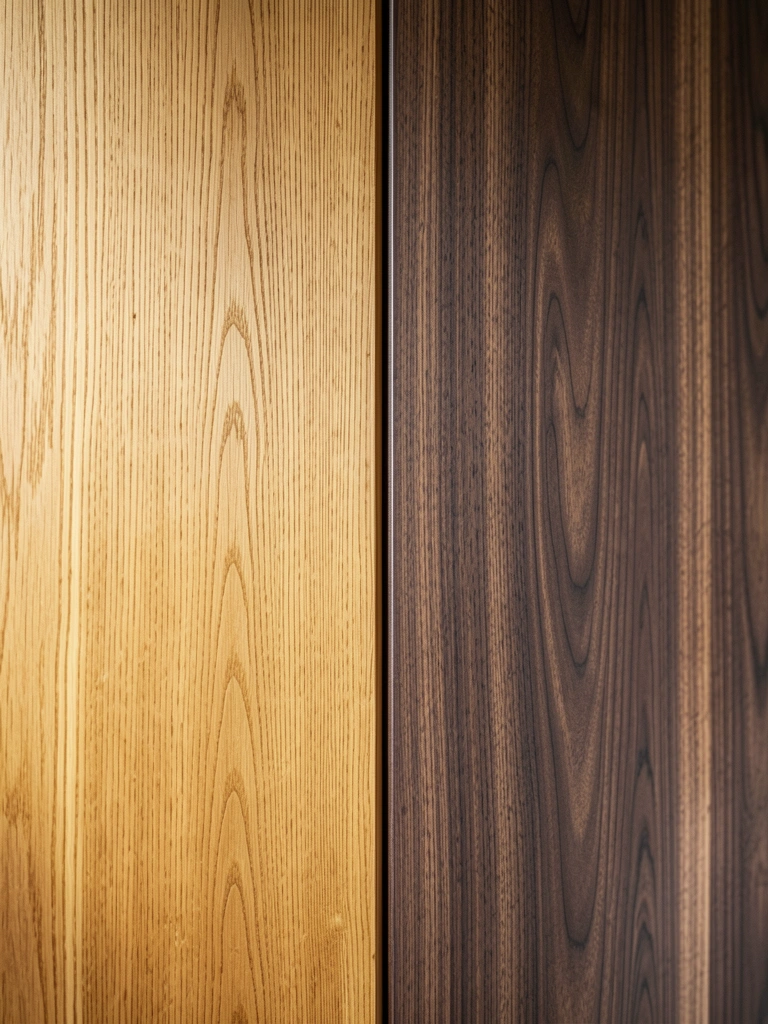
    Premium wood veneers like oak and walnut elevate door design from ordinary to extraordinary, offering homeowners sophisticated material choices that blend durability with unparalleled aesthetic appeal.

    You’ll love how oak finishes and walnut hues transform spaces, creating statement doors that reflect contemporary design sensibilities while maintaining timeless elegance and architectural integrity.

    Scandinavian Wooden Slat Doors: Minimalist Design Principles
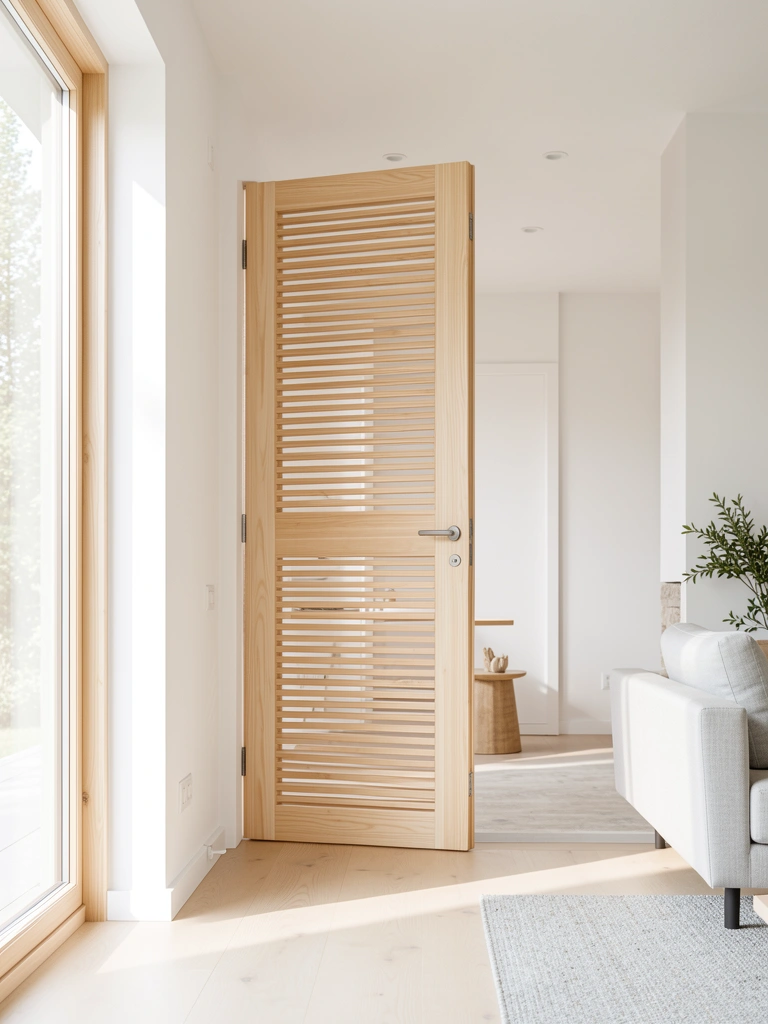
    When contemporary minimalism meets functional design, Scandinavian wooden slat doors emerge as architectural masterpieces that transform interior spaces.

    You’ll love how these doors blend natural finishes with sustainable materials, creating cozy interiors that optimize open concept living.

    Minimalist hardware and sleek wooden slats define Scandinavian aesthetics, offering a liberating approach to spatial design.

    Frameless Doors: Reimagining Open Concept Living
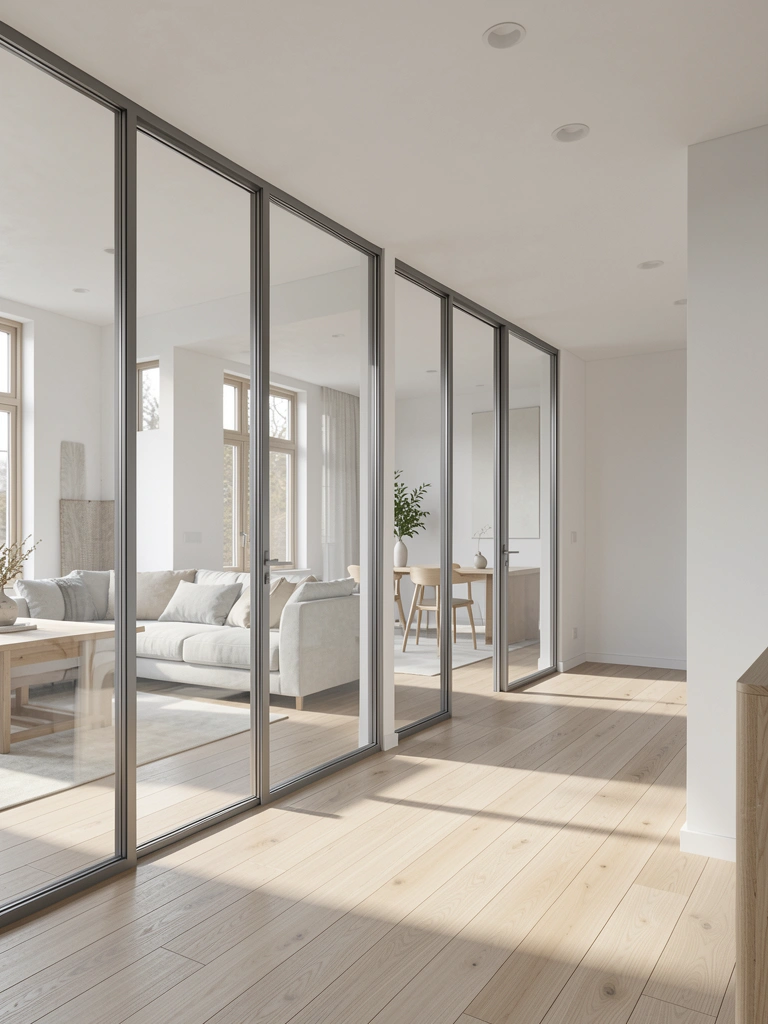
    Where Scandinavian wooden slat doors celebrate minimalist geometry, frameless doors push architectural boundaries even further, erasing visual boundaries and transforming interior spaces into fluid, uninterrupted environments.

    You’ll discover how frameless elegance creates seamless open flow, allowing rooms to breathe and connect without traditional constraints, inviting a sense of spaciousness and modern sophistication into your living spaces.

    Frosted Glass Inserts: Unifying Interior Spaces Seamlessly
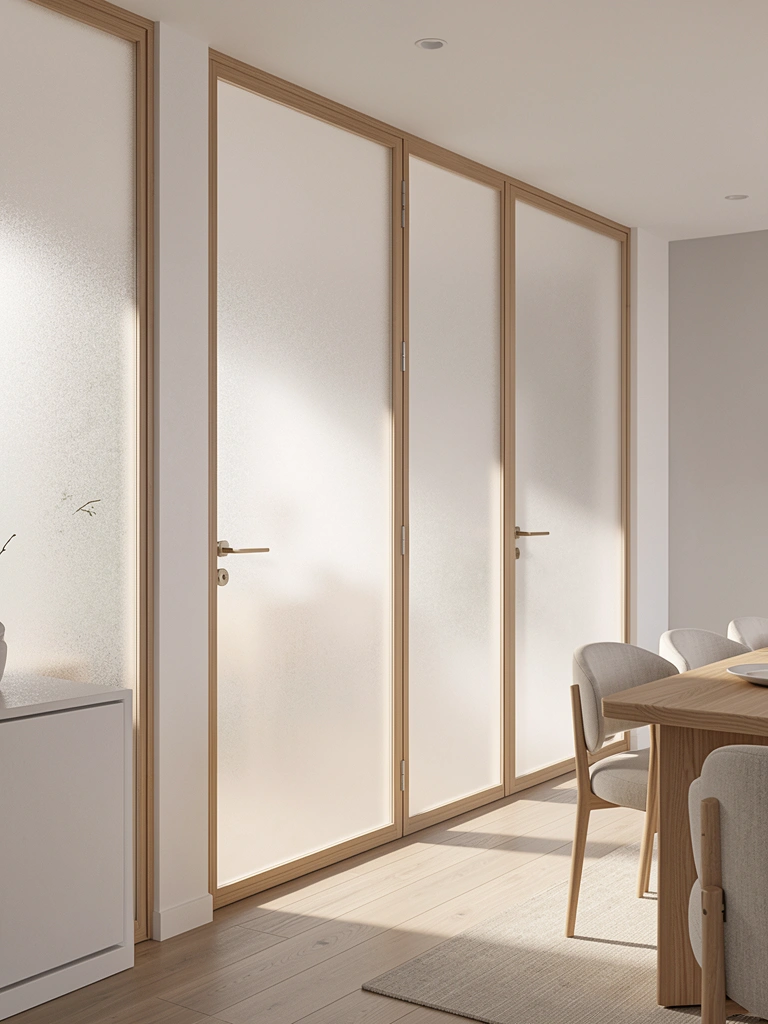
    Because privacy and design can coexist beautifully, frosted glass door inserts offer a sophisticated solution for homeowners seeking both visual intrigue and functional separation.

    You’ll love how these sleek frosted glass aesthetics create seamless interior movements, allowing light to flow while maintaining discrete personal spaces with understated elegance and modern charm.

    Crittall-Style Frames: Maximizing Natural Light
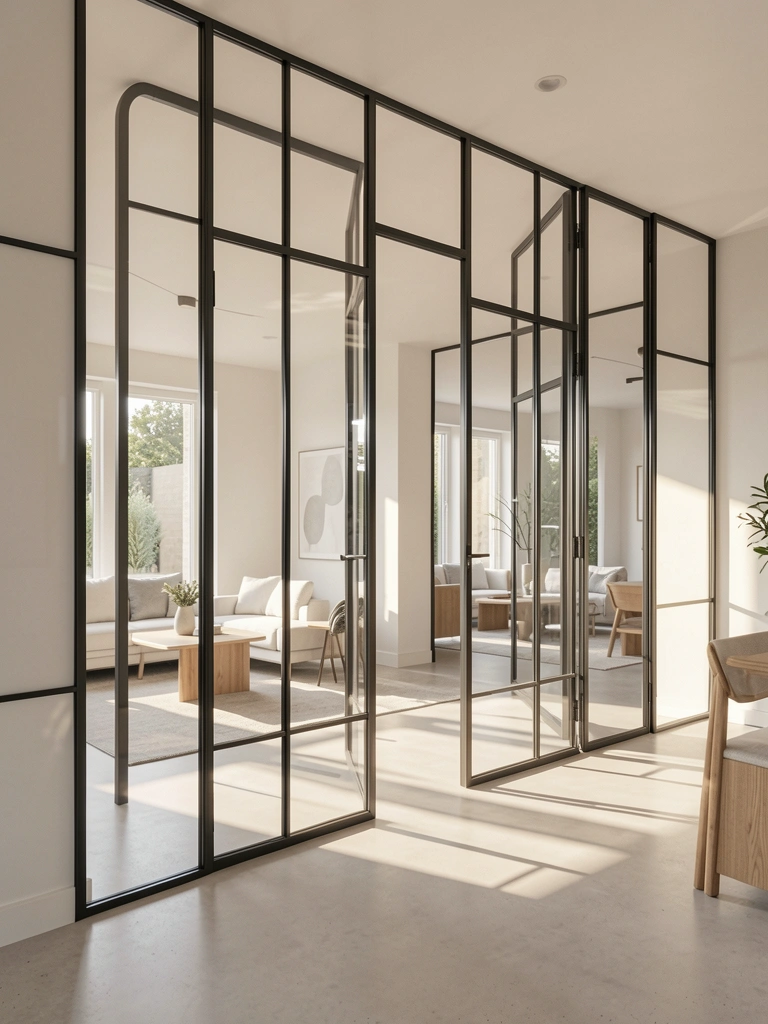
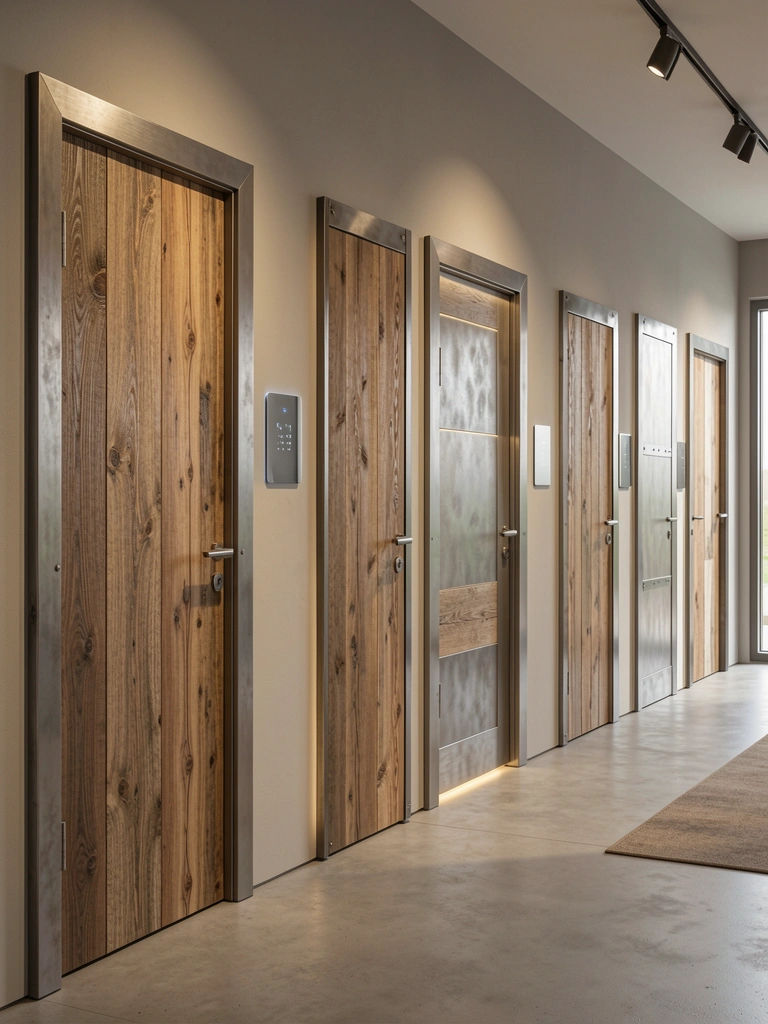
    Steel-framed Crittall-style doors have revolutionized modern interior design, transforming how homeowners interact with natural light and spatial boundaries.

    You’ll love how these sleek frames create expansive visual connections, allowing sunlight to flood your spaces effortlessly.

    Textured Glass Panels: Elevating Architectural Aesthetics
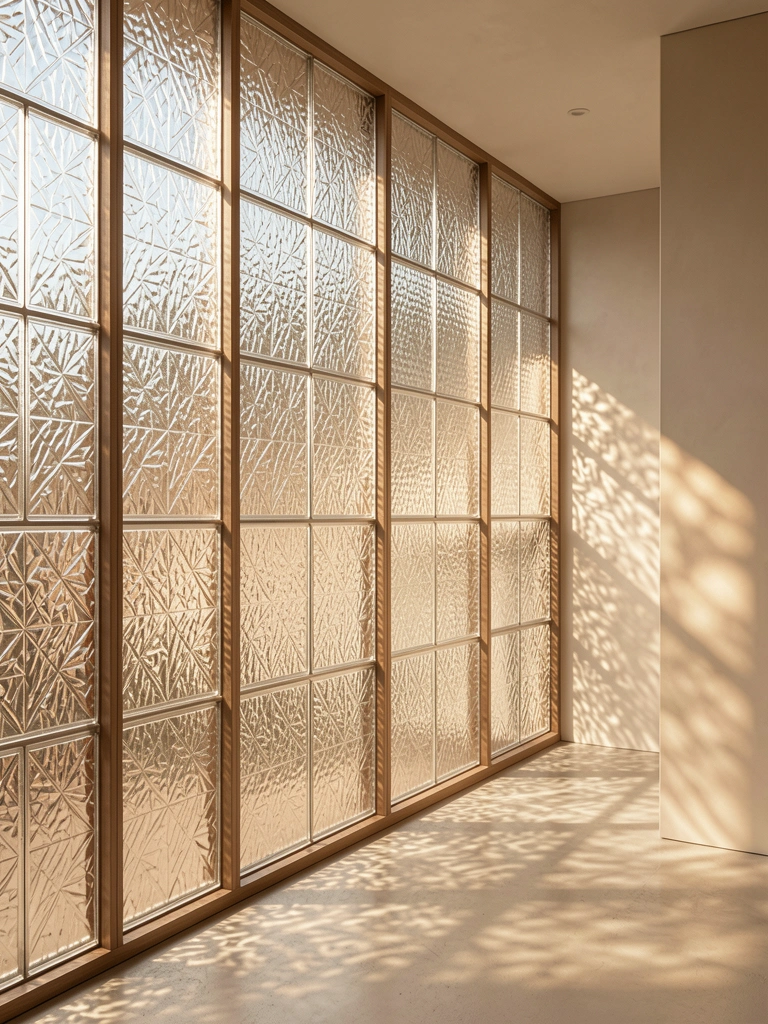
    Building upon the transparency and elegance of Crittall-style frames, textured glass panels emerge as another transformative design element that can dramatically elevate your architectural aesthetics.

    These panels add depth, visual intrigue, and sophisticated character to spaces, allowing light to dance through unique surface patterns while maintaining privacy and architectural elegance.

    Glass Dividers: Privacy Solutions for Modern Homes
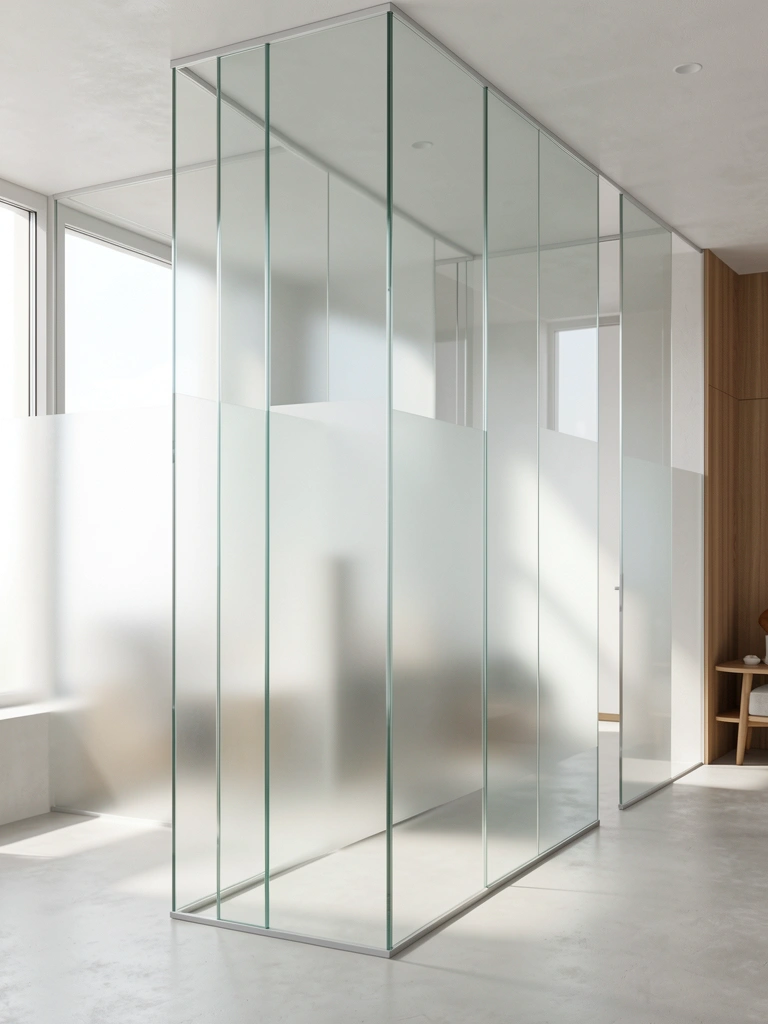
    How can you reimagine interior boundaries without sacrificing light and spatial openness? Glass dividers offer artistic transparency, transforming your home’s layout with sleek, minimalist solutions. They’ll help you optimize space, creating flexible zones that feel both intimate and expansive, while maintaining a sense of visual connectivity and modern elegance.

    Royal Classic Doors: Timeless Design Meets Contemporary Style
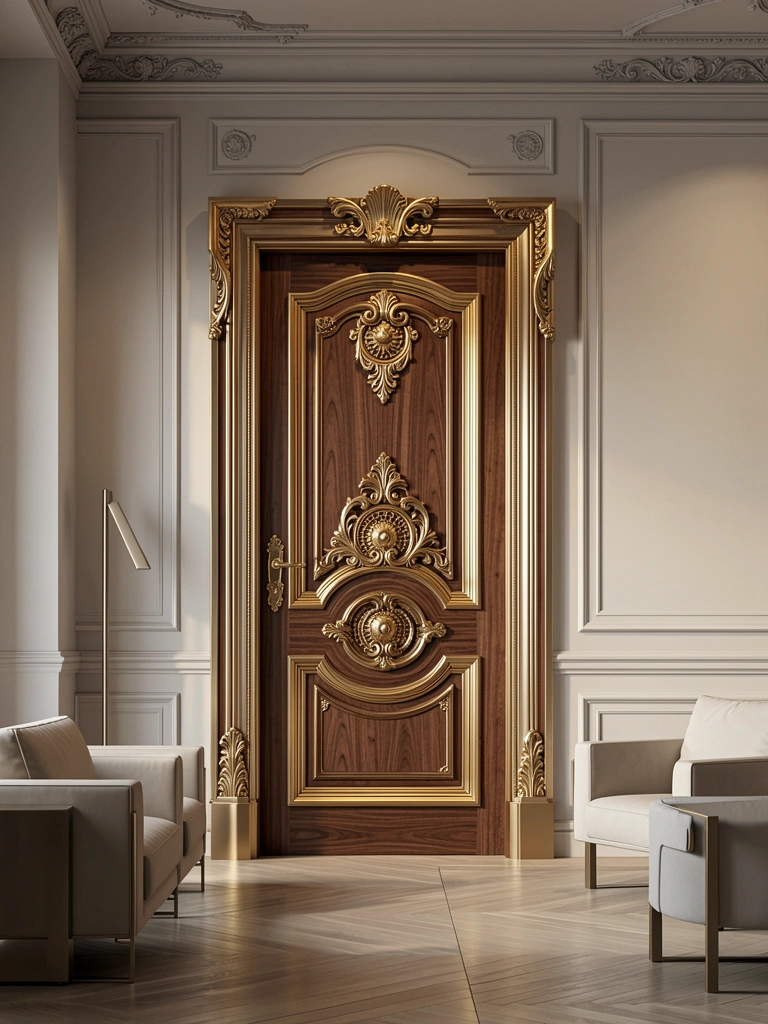
    While glass dividers showcase modern minimalism, royal classic doors represent a regal approach to interior design that seamlessly blends historical grandeur with contemporary sophistication. You’ll love how these doors feature elegant ornamentation and royal finishes that transform your space into a statement of timeless elegance, bridging traditional craftsmanship with sleek modern sensibilities.

    Carved Patterns and Metal Inlays: Premium Door Accents
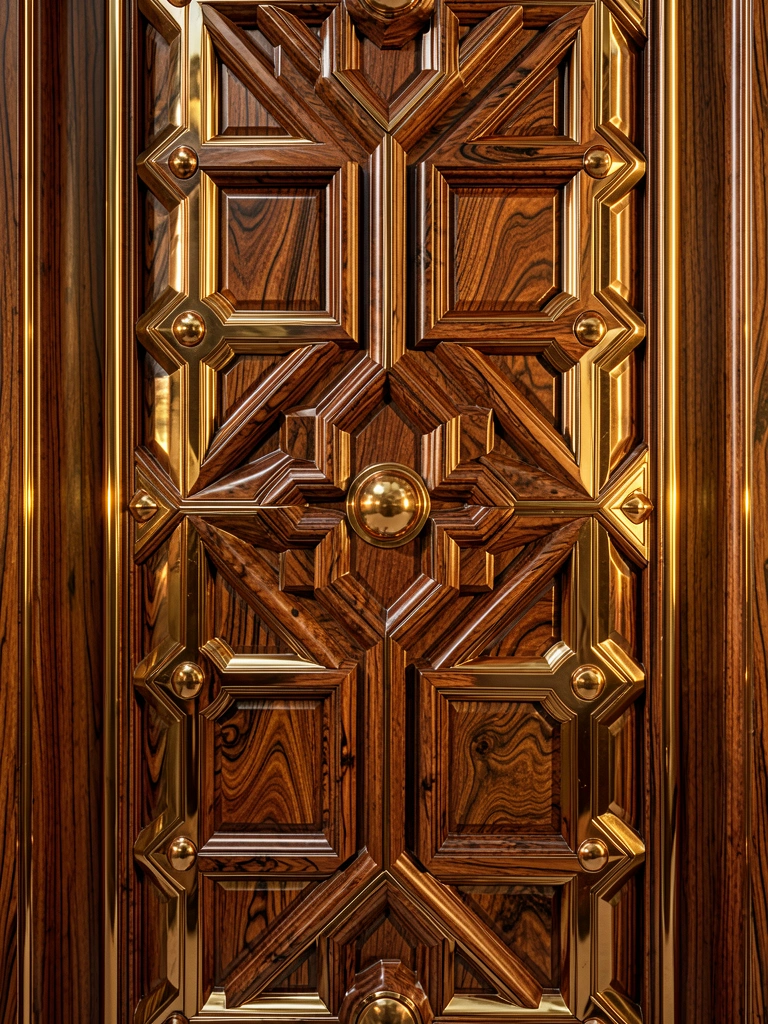
    Three exceptional door design techniques elevate custom entryways from ordinary to extraordinary through intricate carved patterns and gleaming metal inlays.

    You’ll discover stunning designs featuring exotic wood with precision-cut geometric shapes and polished metal elements that transform your entrance.

    These premium accents create bold statements, reflecting your unique aesthetic vision and sophisticated taste.

    Pivot Hinge Doors: Creating Architectural Statements
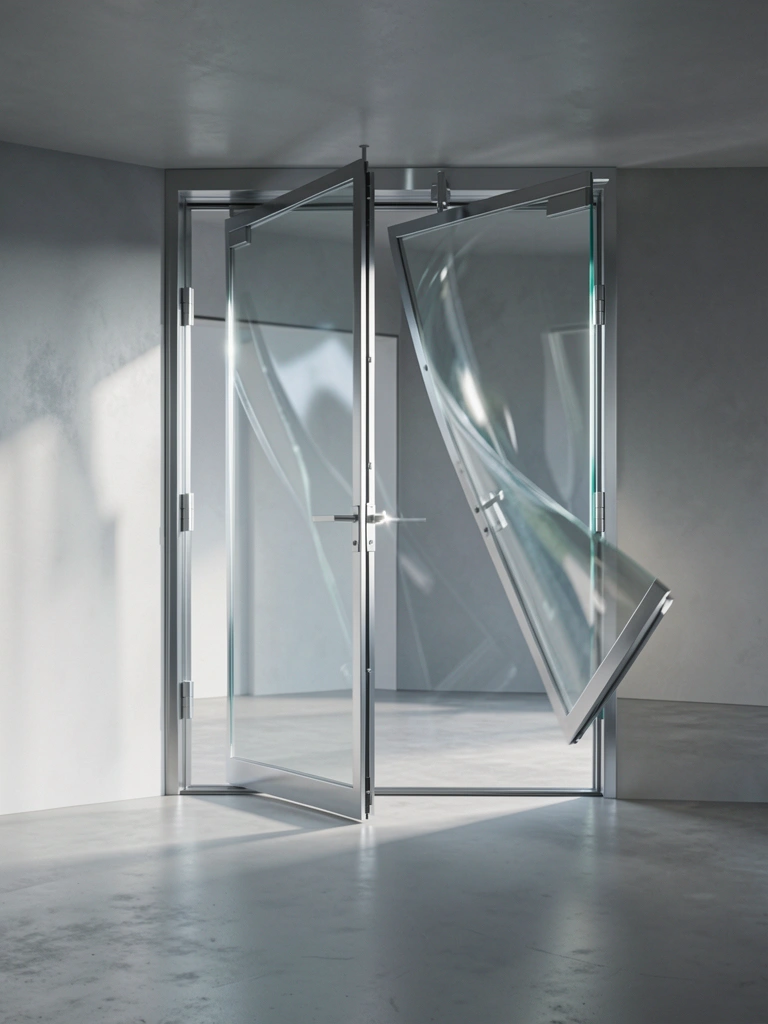
    Because pivot hinge doors represent a bold architectural innovation, they’re transforming modern entryways with dramatic, oversized designs that challenge traditional door conventions.

    You’ll love how pivot hinge functionality creates stunning architectural aesthetics, allowing expansive, frameless panels that swing smoothly from a central axis, delivering visual drama and spatial freedom in one elegant movement.

    Smart Digital Locks: Security Meets Design Innovation
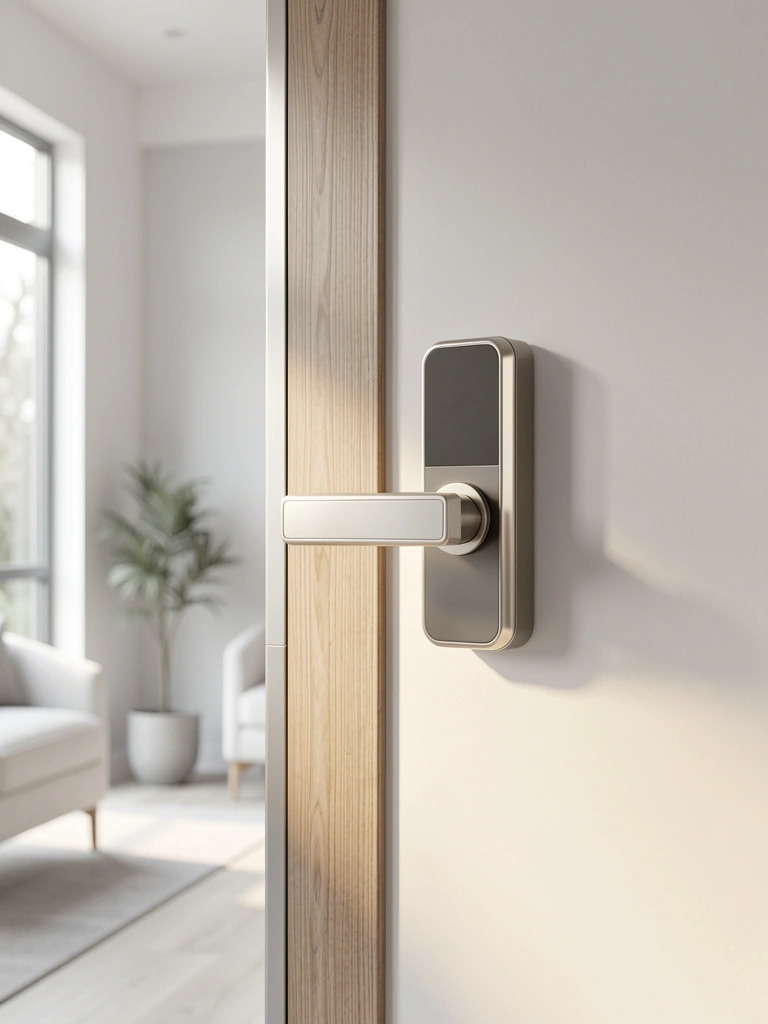
    As technology revolutionizes home security, smart digital locks are redefining the intersection of protection and design aesthetic.

    You’ll discover sleek, minimalist smart lock integration that transforms your entryway into a statement of modern sophistication.

    Cutting-edge design aesthetics blend seamlessly with advanced security features, giving you unparalleled control and style in one innovative solution.

    Oversized Doors: Making Bold Architectural Statements
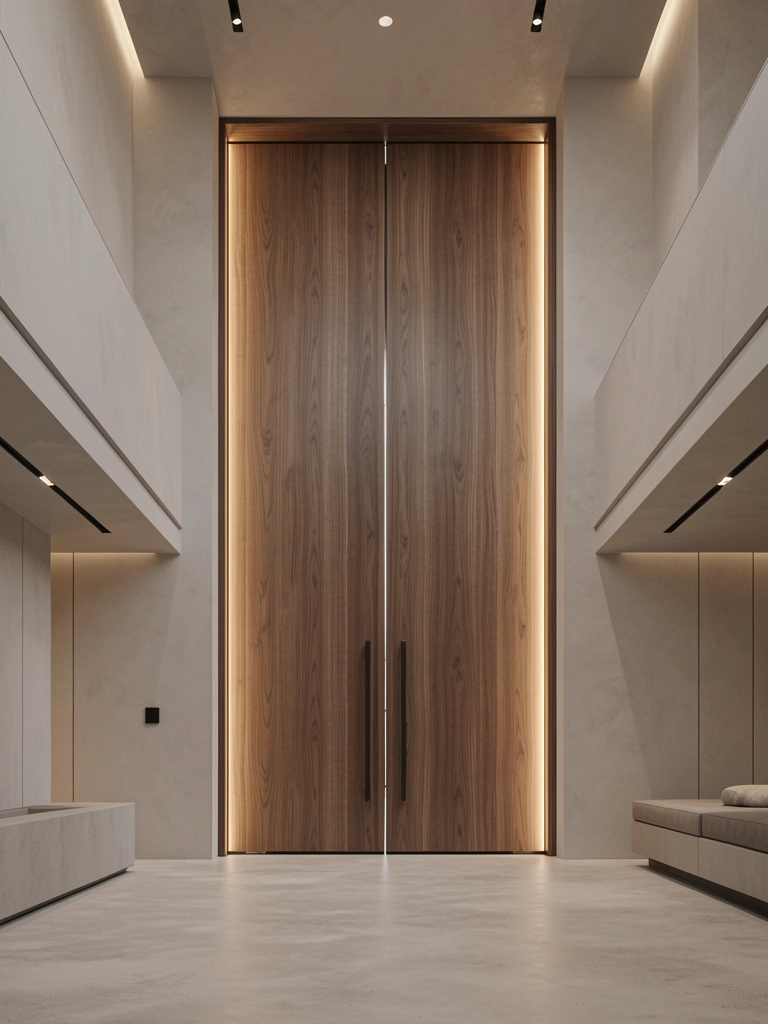
    Where smart digital locks introduce precision and innovation, oversized doors elevate architectural drama to an entirely new level. You’ll transform your space with bold scale entryways that command attention. These dramatic oversized doors aren’t just entrances—they’re statement pieces that break traditional design boundaries, reflecting your personal aesthetic and desire for architectural freedom.

    Biometric Locking: The Future of Home Security
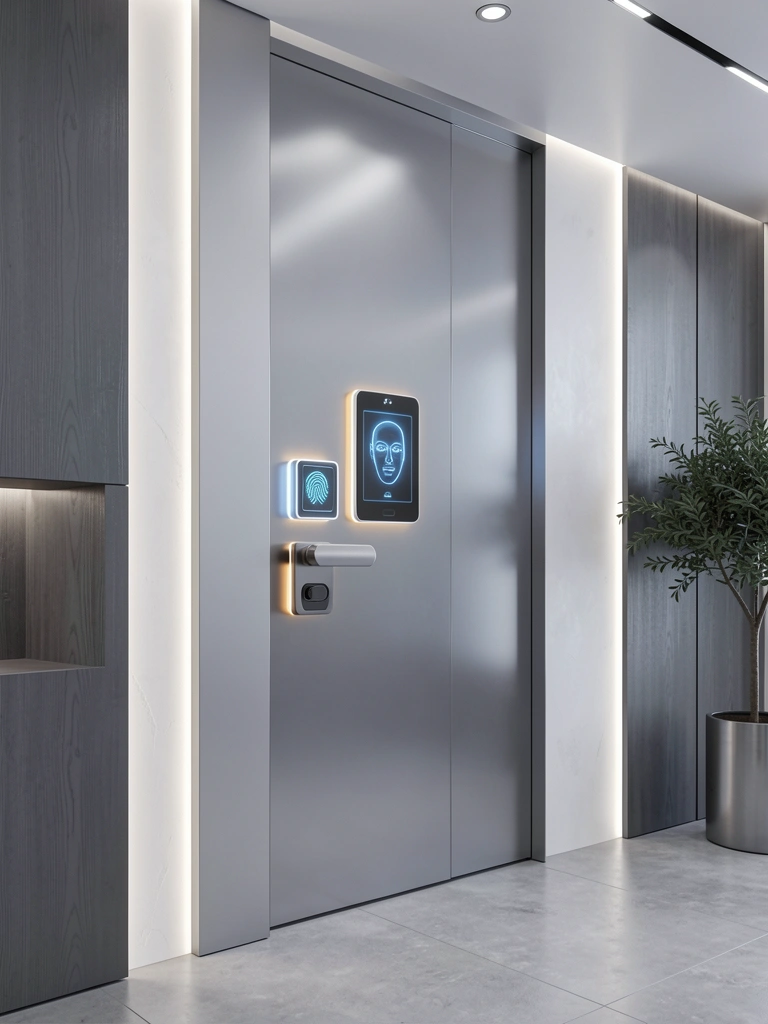
    When traditional keys become relics of the past, biometric locking systems emerge as the cutting-edge guardians of home security.

    You’ll love how smart home security integrates fingerprint, facial recognition, and retinal scan technologies.

    These innovative biometric technology solutions offer unprecedented access control, transforming your entryway into a personalized, high-tech sanctuary that balances style and protection.

    Energy-Efficient Door Materials Explained
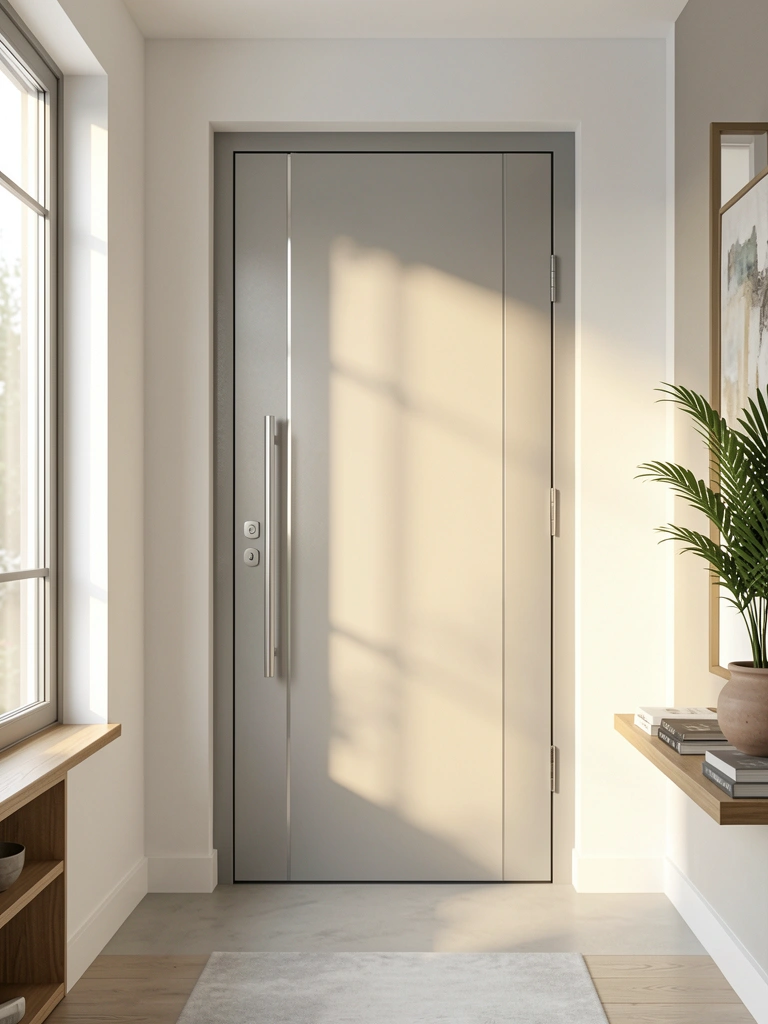
    Though energy efficiency has become a cornerstone of modern home design, selecting the right door materials can dramatically transform your home’s thermal performance and aesthetic appeal.

    Explore sustainable door materials like fiberglass and steel, which offer exceptional insulation and eco-friendly design, ensuring your entryway looks stunning while keeping energy costs low.

    Invisible Door Technologies for Seamless Spaces
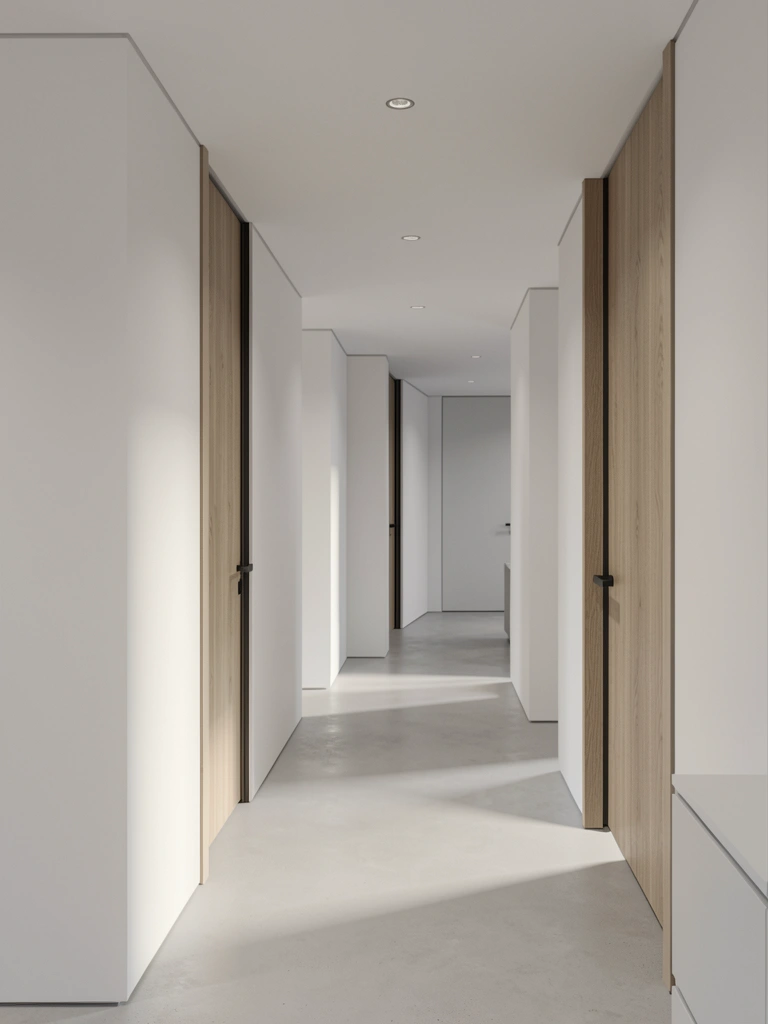
    As design boundaries continue to dissolve, invisible door technologies are revolutionizing interior spaces with their cutting-edge aesthetic and minimalist functionality.

    These seamless shifts blur architectural lines, transforming rooms into fluid environments.

    You’ll discover invisible doorways that integrate effortlessly, creating smooth visual landscapes where boundaries disappear and spatial freedom reigns supreme.

    Custom Door Solutions for Unique Architectural Challenges
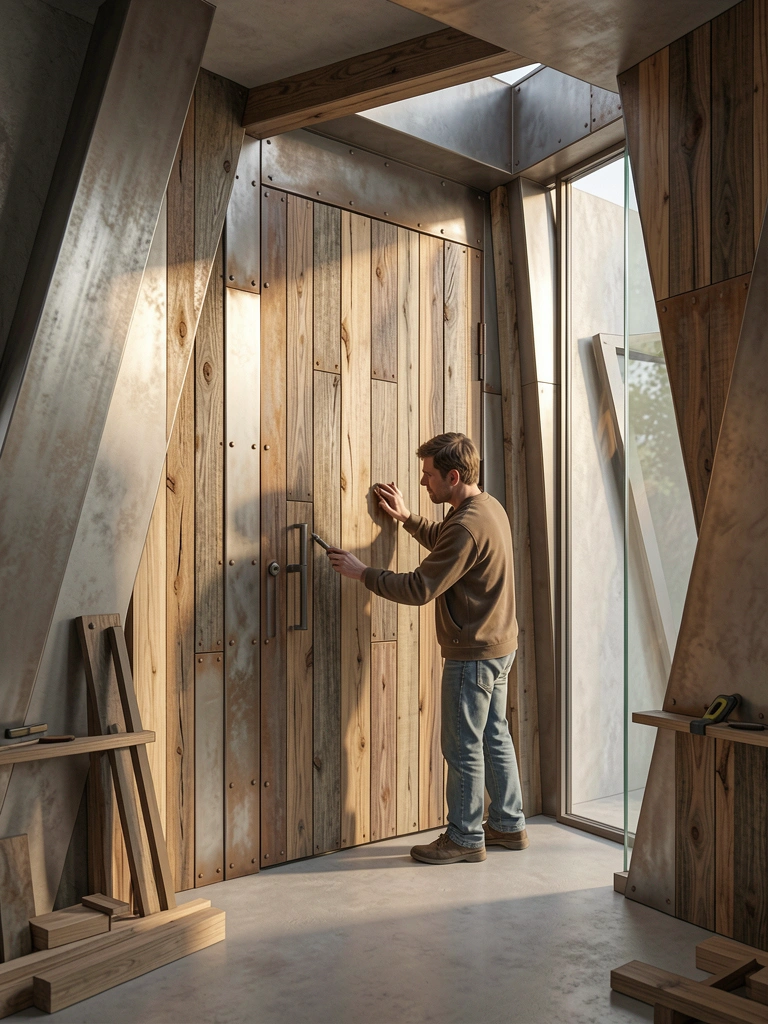
    Because architectural spaces rarely conform to standard dimensions, custom door solutions have emerged as transformative design strategies for resolving complex spatial challenges.

    You’ll discover innovative approaches using custom materials that adapt seamlessly to unconventional spaces.

    Architectural innovations now enable designers to craft doors that aren’t just functional, but beautifully integrated into unique structural environments.

    Mixing Door Styles: Creating Visual Interest
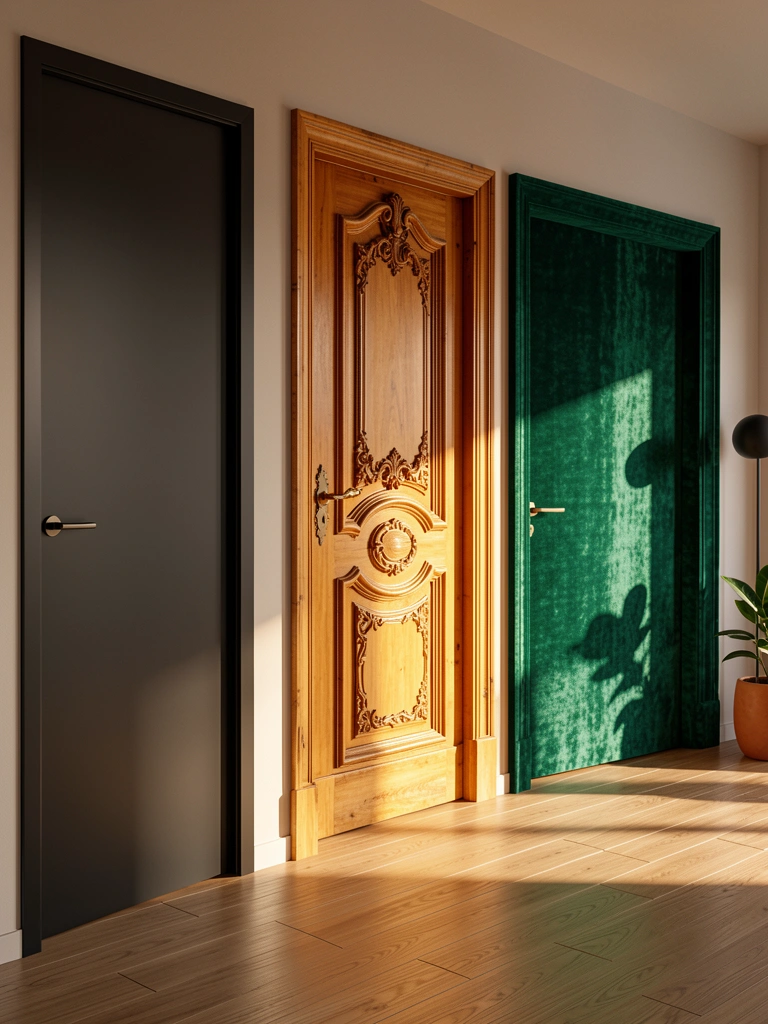
    Beyond standard architectural solutions, interior design now celebrates creative door style combinations that transform spaces from mundane to extraordinary.

    You’ll love mixing eclectic door styles, embracing unexpected color clashes that challenge traditional design norms.

    Bold contrasts in materials, finishes, and architectural periods can create stunning visual narratives within your living spaces.

    Selecting the Perfect Door Hardware
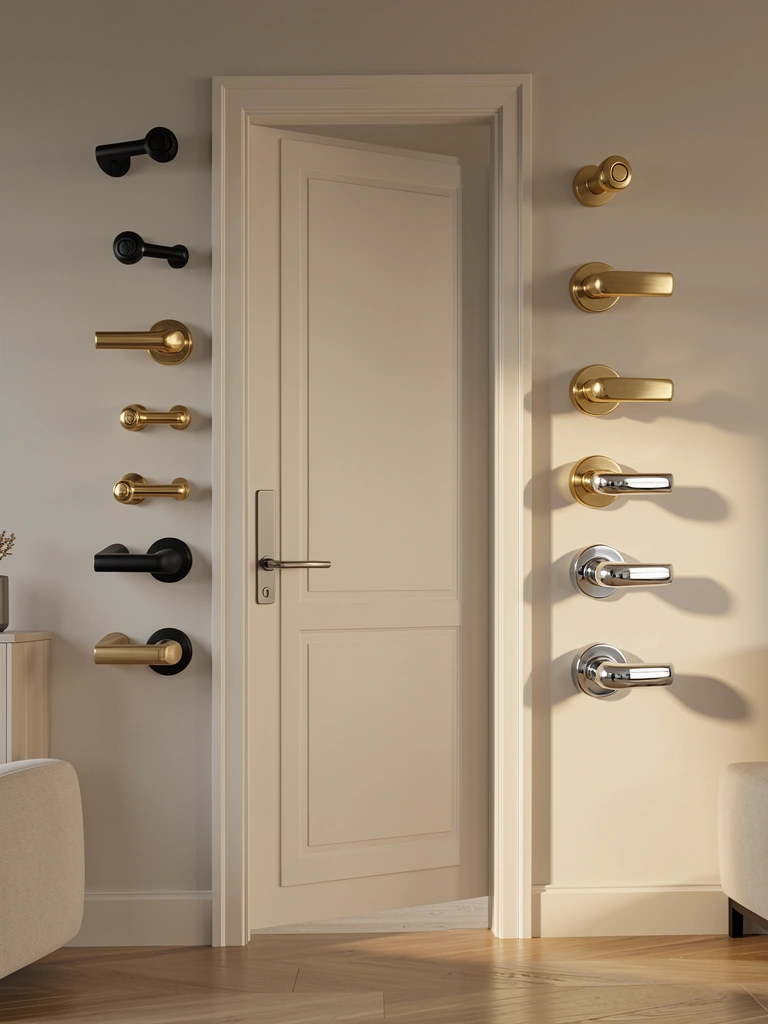
    While door hardware might seem like a minor detail, it’s the jewelry that can elevate your entire interior design aesthetic. Choose door finishes that complement your space’s personality, from matte black to brushed gold. Mix hardware styles strategically, creating visual depth and character. Your selections will transform ordinary doors into statement pieces that reflect your unique design vision.

    Budget-Friendly Door Design Strategies
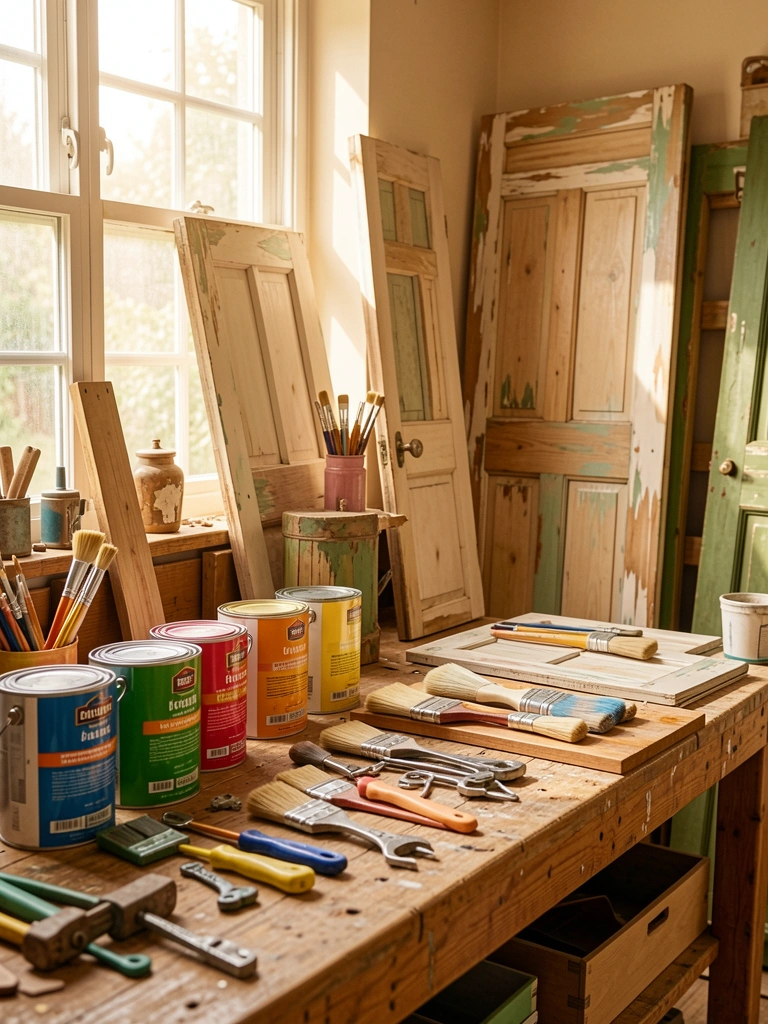
    Even if you’re working with a modest budget, transforming your doors can be an affordable design adventure.

    DIY door upgrades like creative painting, repurposing old doors, and thrift store finds can dramatically refresh your space.

    Upcycling door materials and swapping affordable hardware offer stylish solutions without breaking the bank.

    As budget-conscious design strategies pave the way for creative home transformations, door design trends in 2026 are set to push aesthetic boundaries with innovative materials and bold architectural statements.

    You’ll see sustainable materials like reclaimed wood and recycled metal seamlessly integrated with smart technology, creating doors that aren’t just entries, but dynamic, interactive experiences that reflect personal style and environmental consciousness.
  • 30 Chic Rustic House Exterior Ideas Ideas You’ll Love

    30 Chic Rustic House Exterior Ideas Ideas You’ll Love

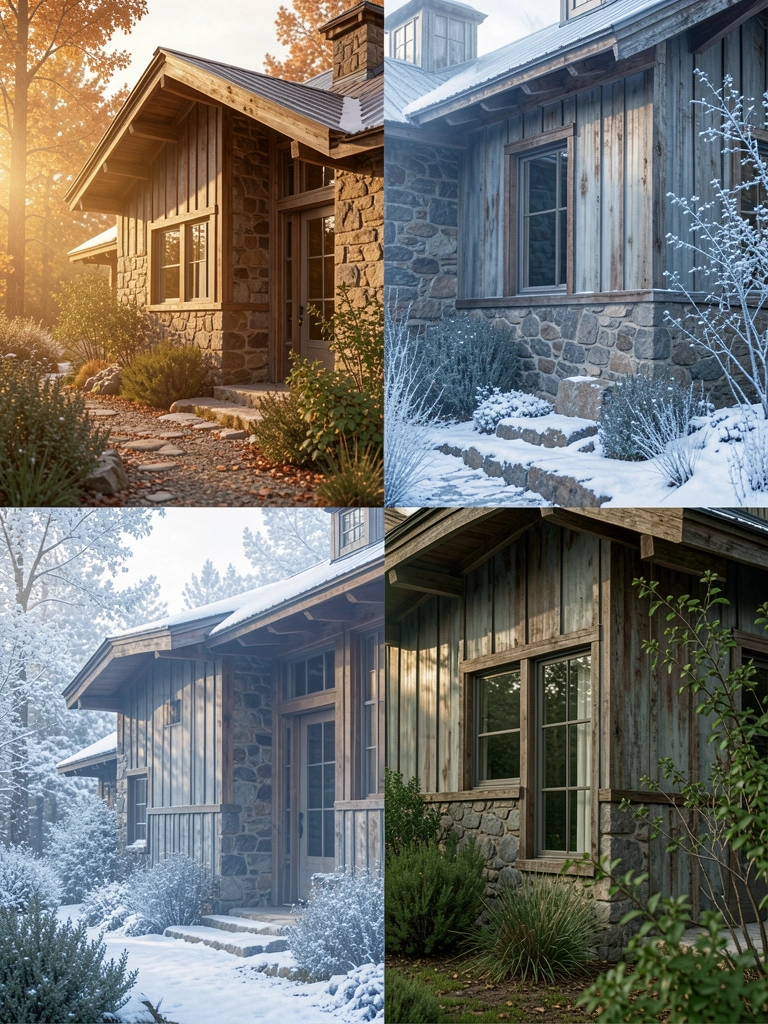
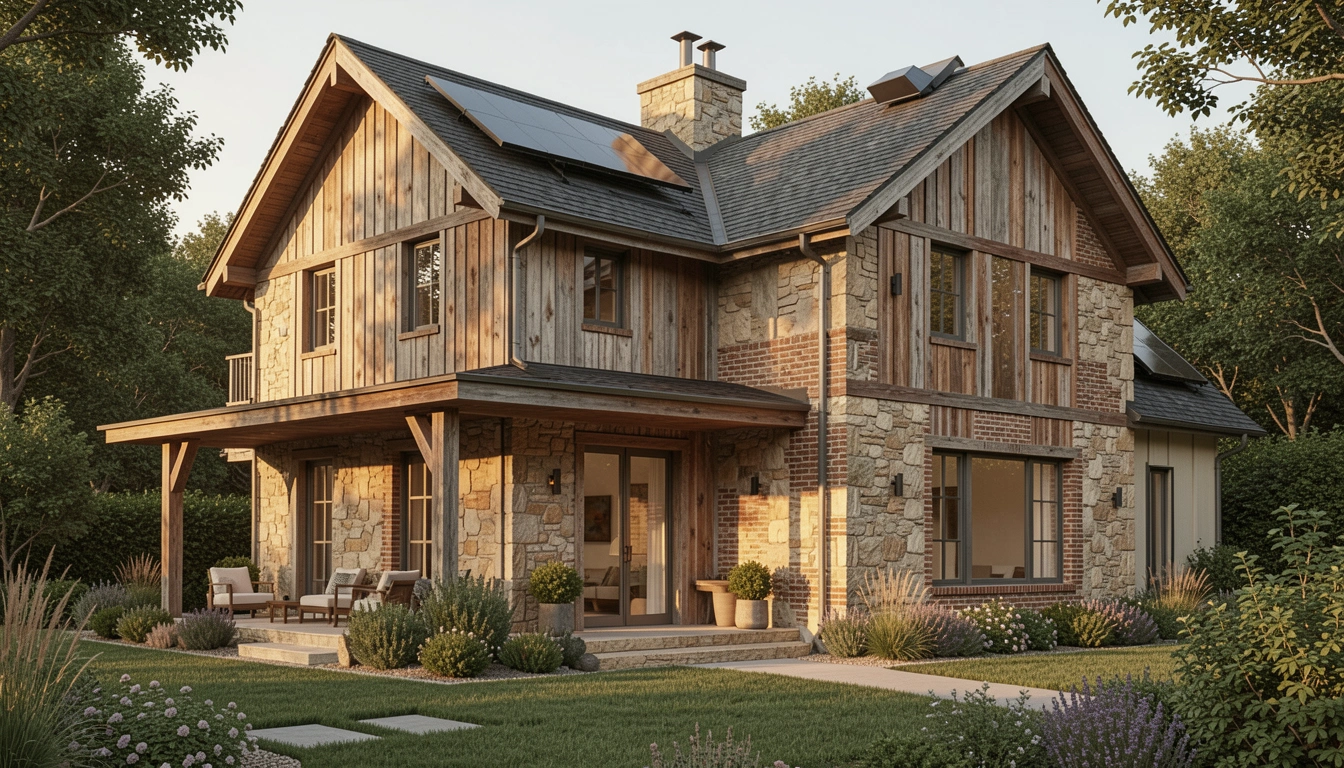
    You’re about to transform your home’s exterior from ordinary to extraordinary with rustic design principles that blend modern sophistication and natural charm. Today’s architectural trends demand more than just aesthetic appeal—they require intelligent integration of sustainable materials, smart technology, and timeless elegance. Whether you’re renovating or building from scratch, these 30 chic rustic house exterior ideas will challenge your perception of what’s possible, promising a stunning transformation that goes far beyond traditional expectations.

    Understanding Modern Rustic Design Principles

    Harmony defines the essence of modern rustic exterior design, blending contemporary aesthetics with timeless natural elements.

    You’ll embrace rustic minimalism by strategically integrating raw materials like stone, wood, and metal with clean architectural lines.

    Nature integration becomes your design compass, creating spaces that feel simultaneously sophisticated and organically connected to their surrounding landscape.

    Defining Your Home’s Architectural Personality

    While architectural personality emerges from a complex interplay of design elements, your home’s exterior narrative begins with a deliberate understanding of personal style and contextual environment. Your home facade communicates a unique architectural style, reflecting individual aesthetic preferences and regional design traditions that resonate with your sensibilities and lifestyle.

    Sustainable Materials: A Comprehensive Guide

    Because sustainable design has transformed contemporary architecture, selecting eco-friendly exterior materials represents a critical intersection of environmental responsibility and aesthetic innovation.

    You’ll want to prioritize recycled materials like reclaimed wood, recycled steel, and sustainable composite panels that minimize carbon footprint while delivering exceptional durability and visual appeal through eco-friendly finishes.

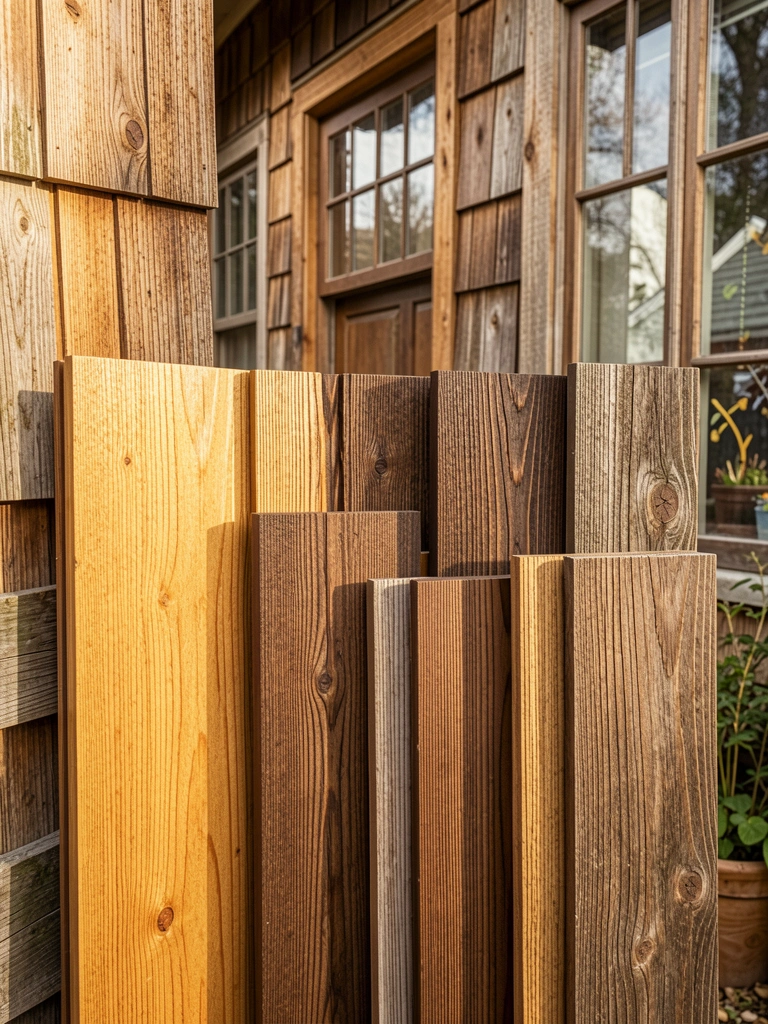
    How to Select the Perfect Wood Siding

    If you’re commencing a rustic home exterior renovation, selecting the perfect wood siding demands careful consideration of multiple technical and aesthetic factors. You’ll want to evaluate wood texture, durability, and regional climate compatibility.

    Proper siding installation techniques are essential for long-term performance, ensuring your chosen material withstands environmental challenges while maintaining visual integrity.

    Integrating Stone Accents for Timeless Elegance

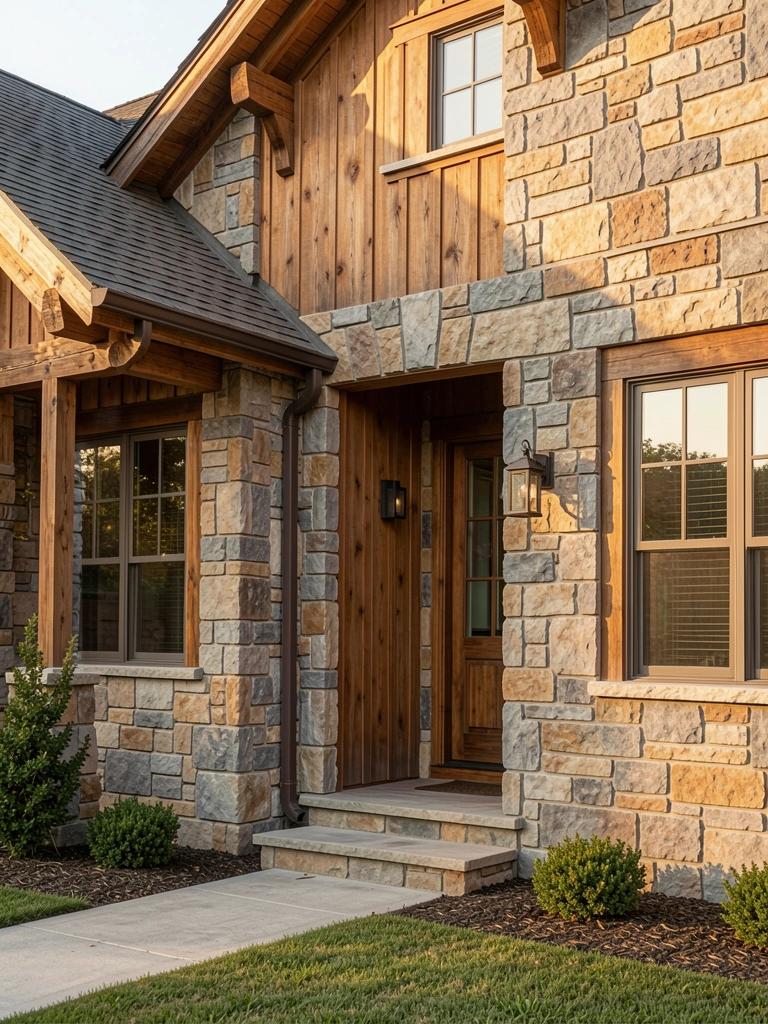
    Stone accents can transform a rustic home exterior from merely attractive to architecturally distinguished, offering visual depth and structural character that elevates the overall design aesthetic.

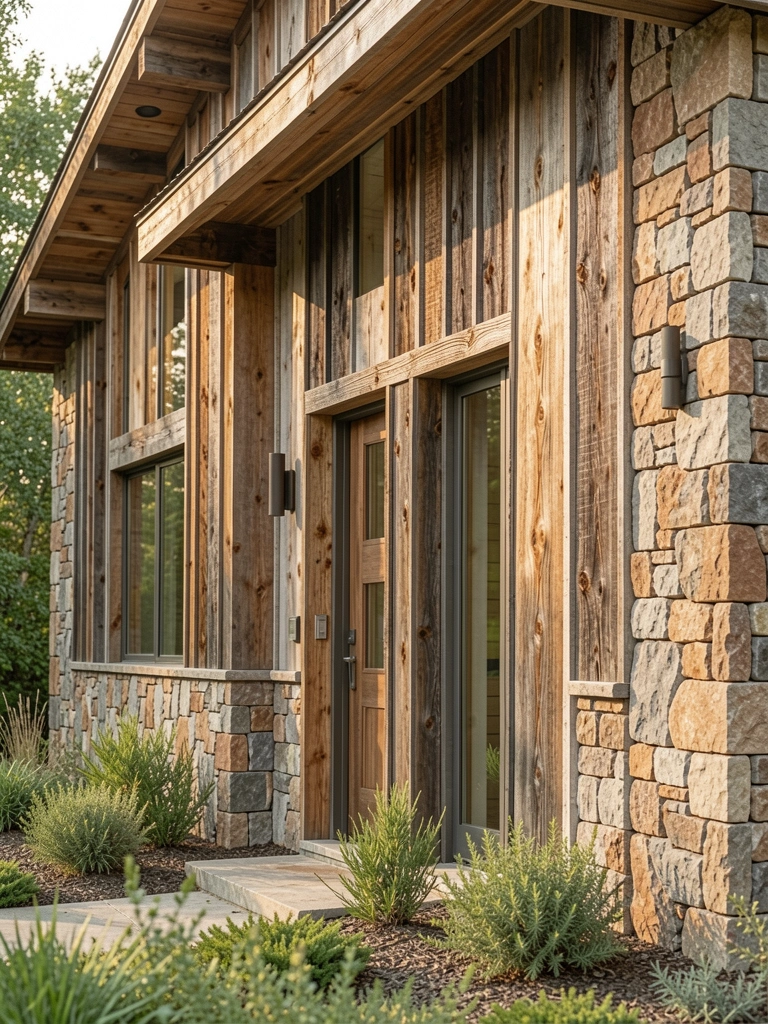
    You’ll want to strategically place natural stone textures that complement your wood siding, creating seamless connections that highlight rustic charm while enhancing architectural integrity and visual interest.

    Color Strategies for Rustic Exterior Palettes

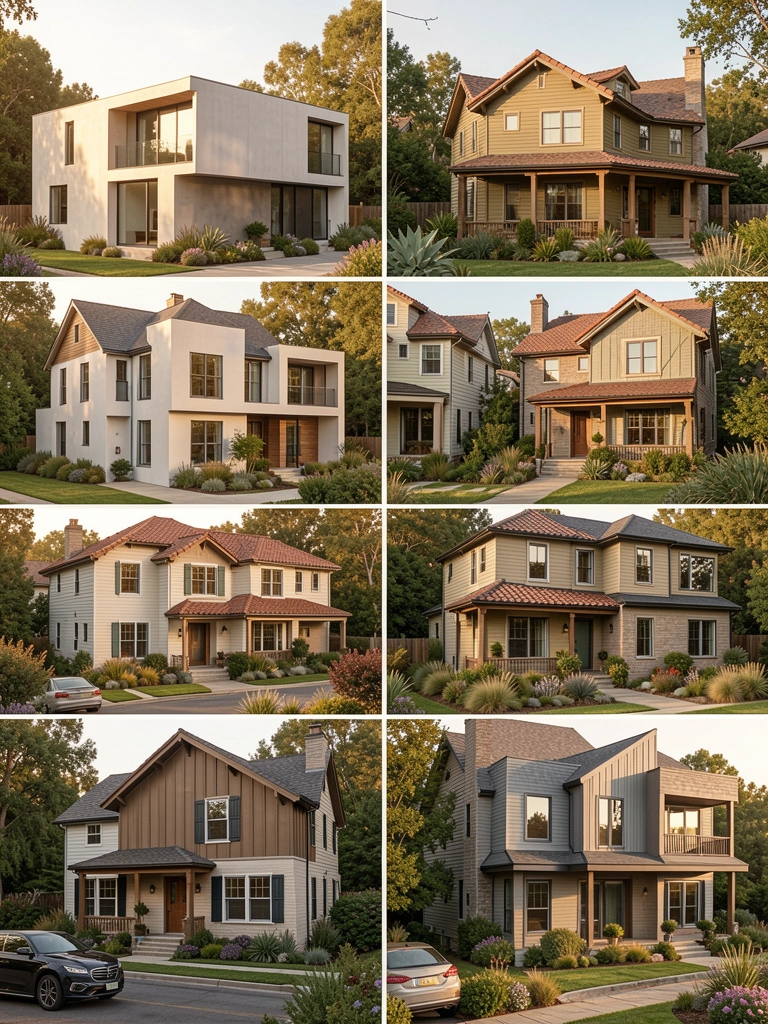
    When crafting a rustic exterior color palette, homeowners must thoughtfully balance earth-toned neutrals with strategic accent colors that reflect both natural landscapes and architectural character.

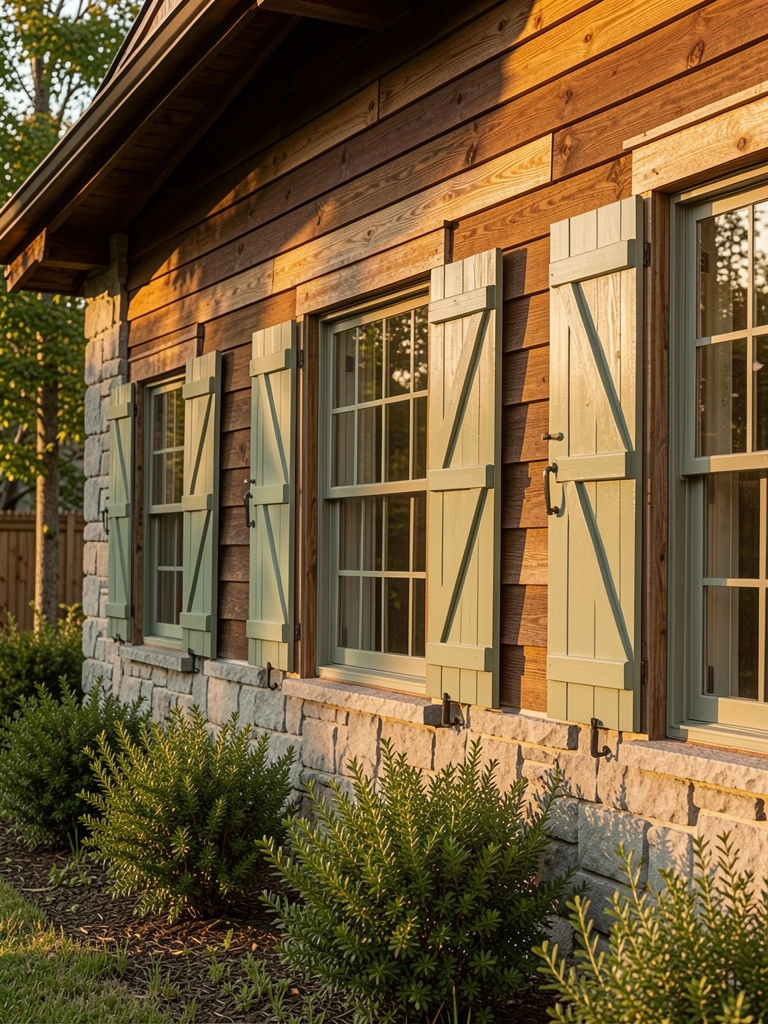
    Your palette should leverage color psychology to create visual depth, ensuring harmony between warm browns, soft grays, and muted greens that communicate organic sophistication and architectural integrity.

    Crafting Depth Through Exterior Textures

    Because texture transforms a rustic home’s exterior from ordinary to extraordinary, homeowners should strategically layer materials that create visual complexity and tactile richness.
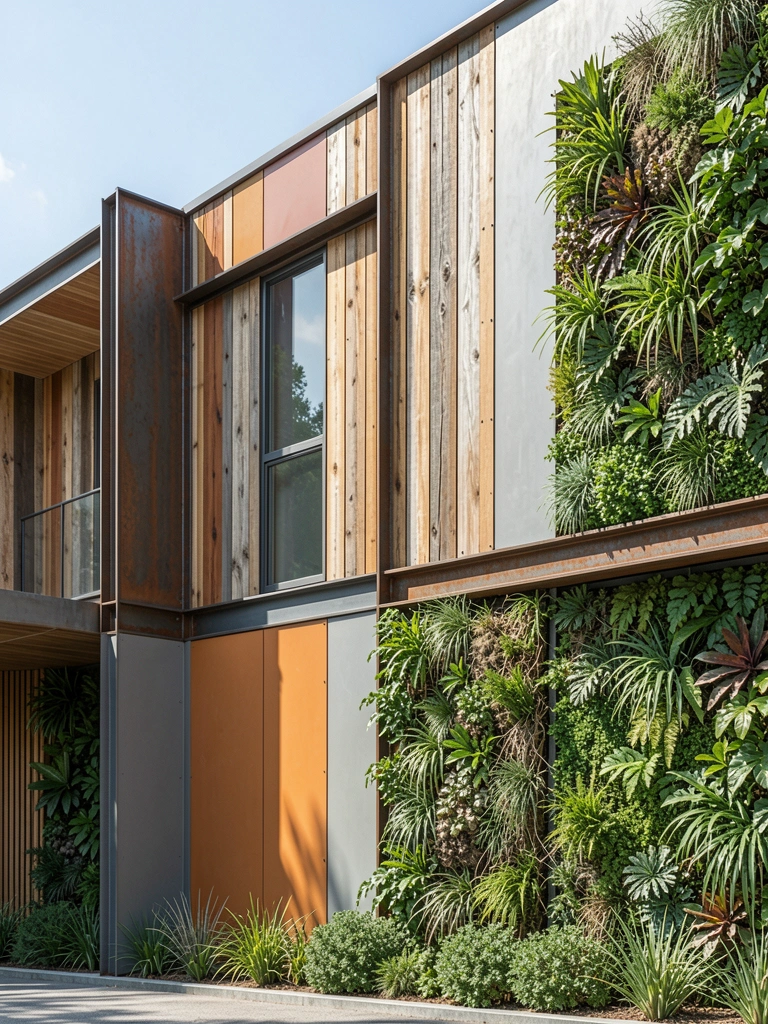
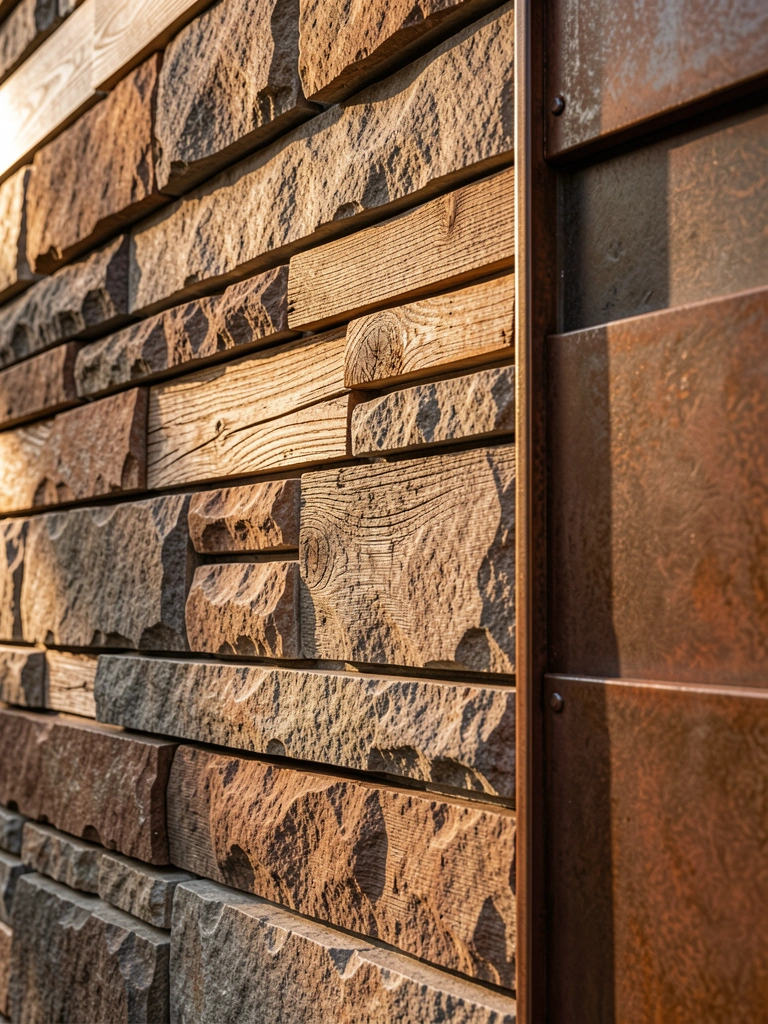
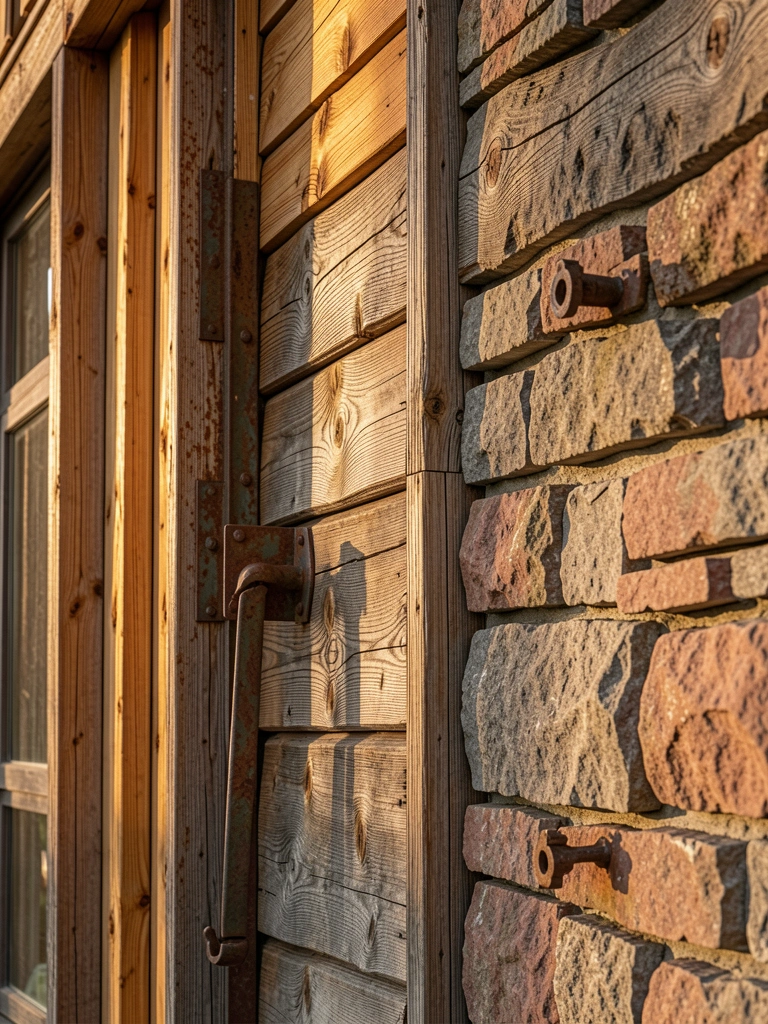
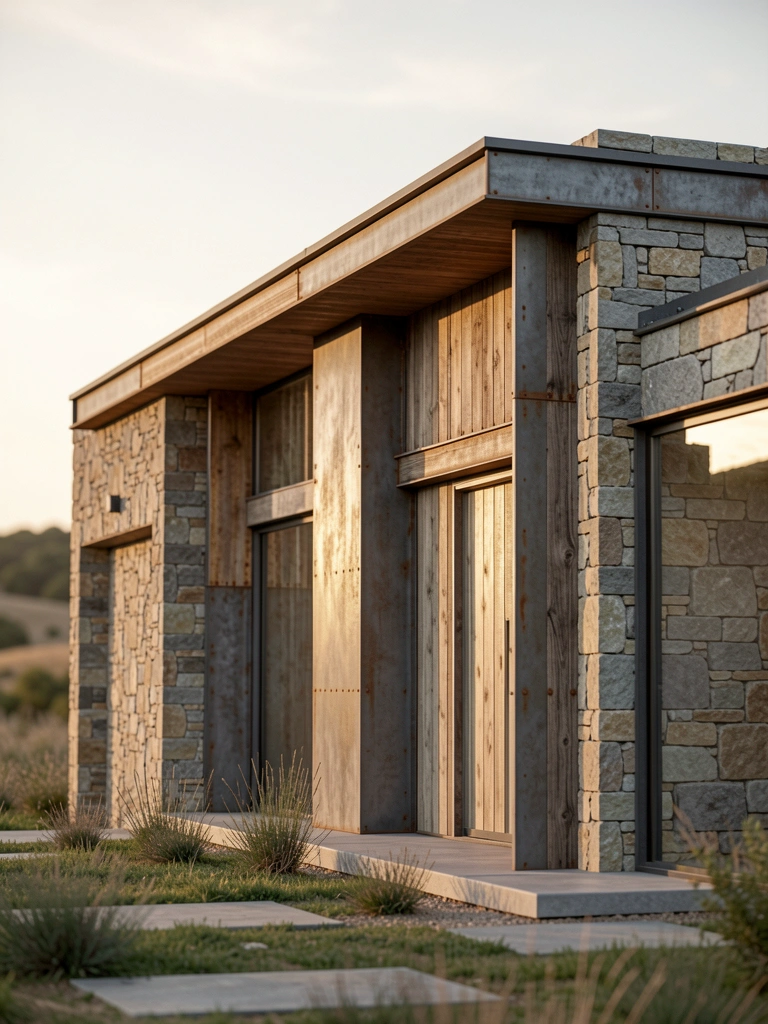
    Utilize textural contrast by combining rough stone, weathered wood, and smooth metal surfaces.

    This intentional layering of materials generates depth, visual interest, and a sense of architectural dynamism that elevates your rustic exterior design.

    Window Design for Maximum Natural Light

    Just as textural complexity breathes life into a rustic exterior’s surfaces, strategic window design transforms interior illumination and architectural character. You’ll maximize natural light through precise placement, expansive glass panels, and thoughtful design strategies that capture solar angles, frame landscape views, and create luminous, open spaces that blur indoor-outdoor boundaries.

    Energy-Efficient Exterior Solutions

    As sustainability becomes increasingly critical in modern home design, rustic exterior renovations now offer innovative energy-efficient solutions that dramatically reduce environmental impact while maintaining aesthetic integrity.

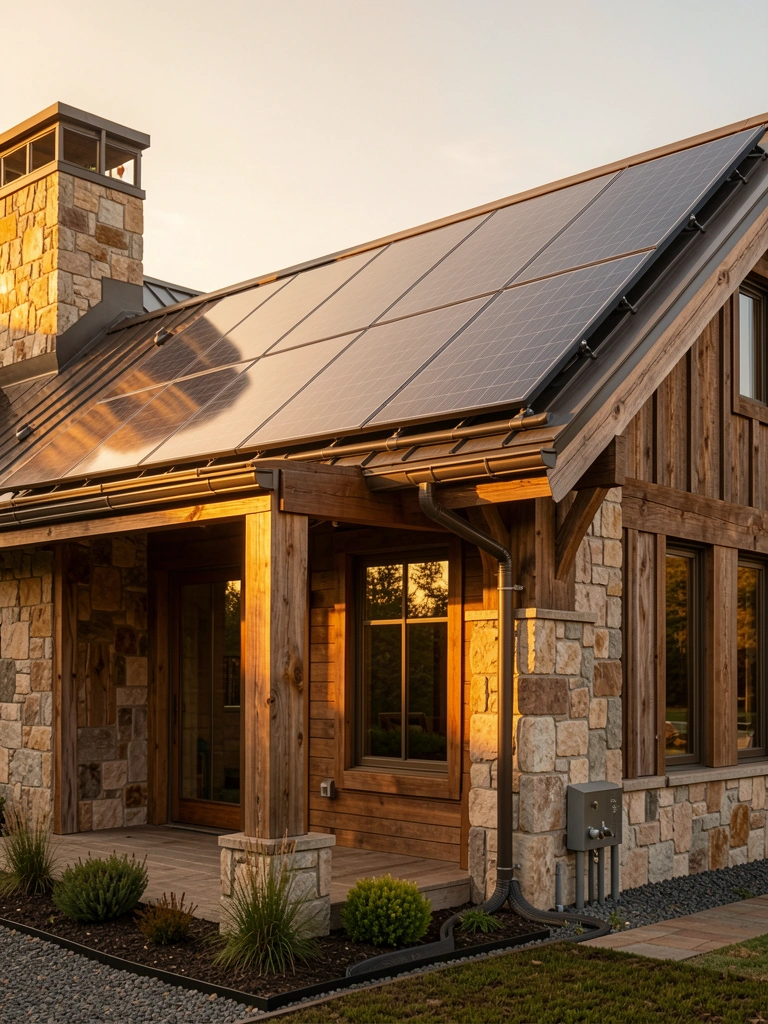
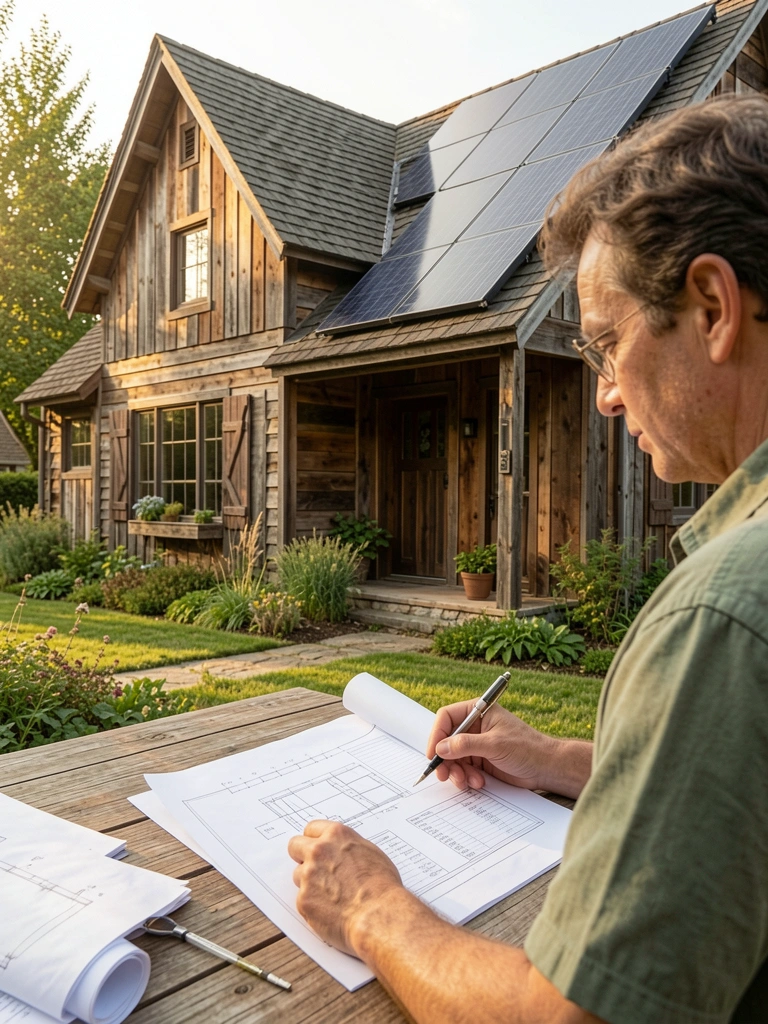
    You’ll maximize efficiency through strategic solar panel integration and rainwater harvesting systems, transforming your home’s exterior into an eco-conscious powerhouse that minimizes utility costs and environmental footprint.

    Blending Indoor and Outdoor Spaces

    When designing a chic rustic home, seamlessly integrating indoor and outdoor spaces transforms your living environment into a harmonious, dynamic sanctuary.

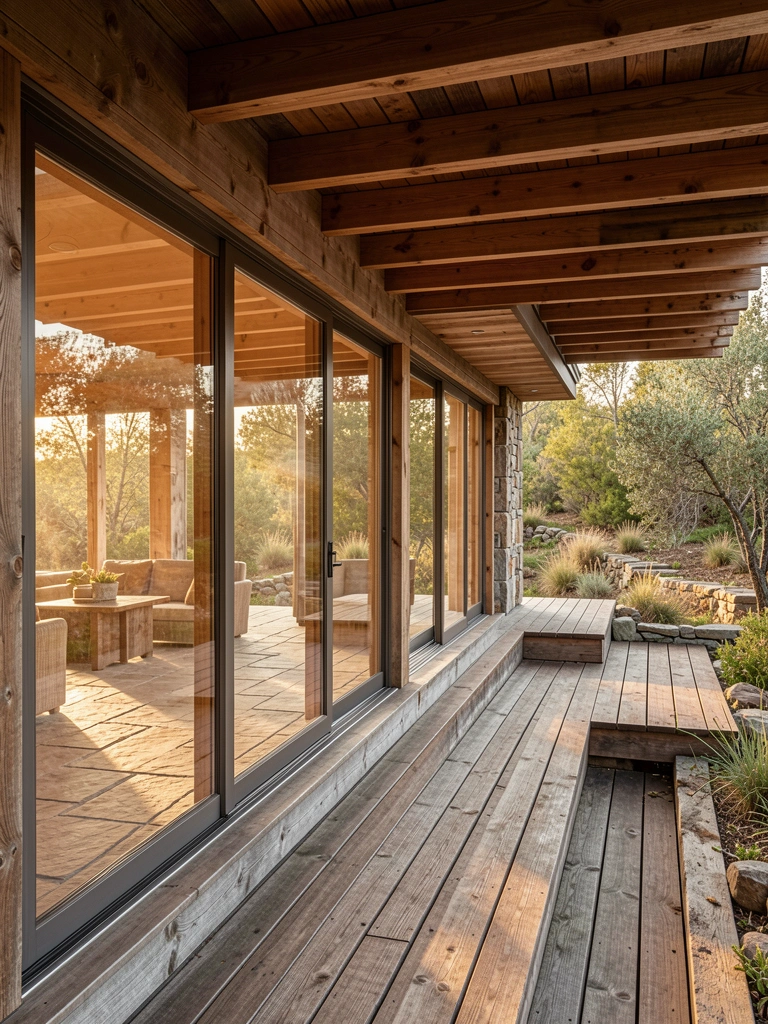
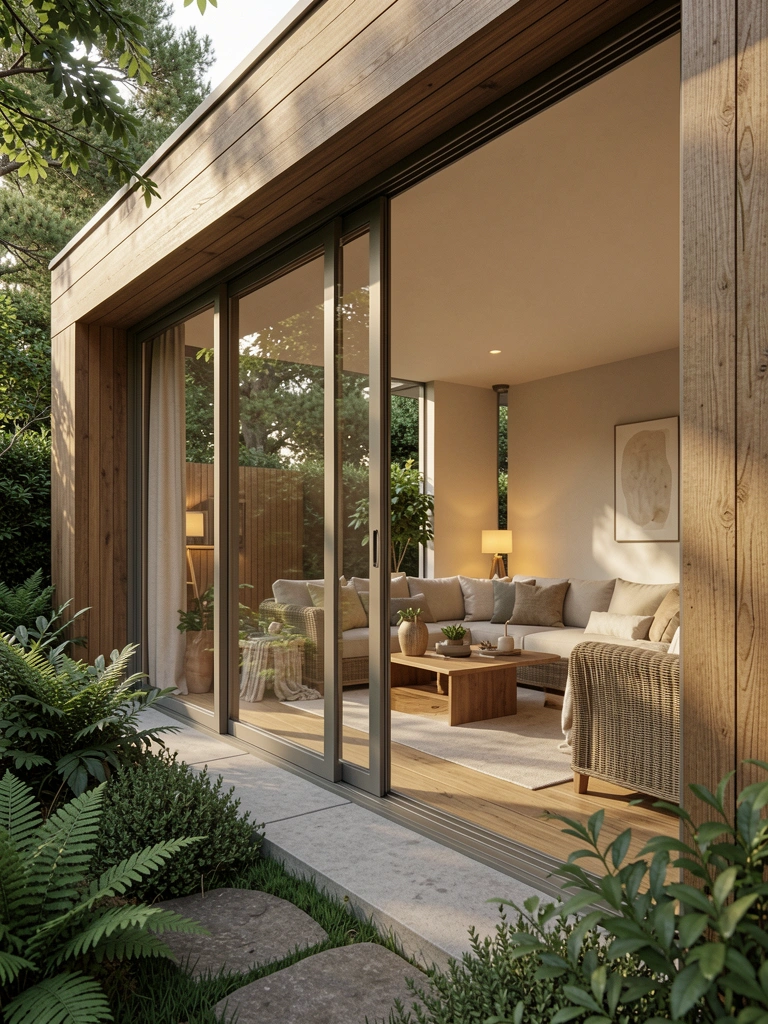
    Strategic architectural elements like expansive sliding glass doors, covered patios, and multi-level decking create fluid outdoor living connections.

    You’ll maximize spatial connectivity and natural light while preserving your home’s rustic aesthetic.

    Choosing Eco-Friendly Building Materials

    Because sustainable design has become increasingly critical in modern architecture, selecting eco-friendly building materials represents a fundamental strategy for creating a responsible and environmentally conscious rustic home.

    You’ll want to prioritize recycled materials and focus on sustainable sourcing, ensuring your exterior reflects both aesthetic appeal and environmental stewardship through strategic material selection.

    Metal Trim Techniques for Modern Homes

    After exploring sustainable material foundations, architectural metal trim emerges as a sophisticated design element that elevates rustic home exteriors with precision and contemporary flair.

    You’ll find metal accents strategically deployed to create industrial fusion, transforming traditional structures through crisp, angular trim profiles that articulate structural boundaries with minimalist precision and bold architectural expression.

    Creating Architectural Interest With Curves

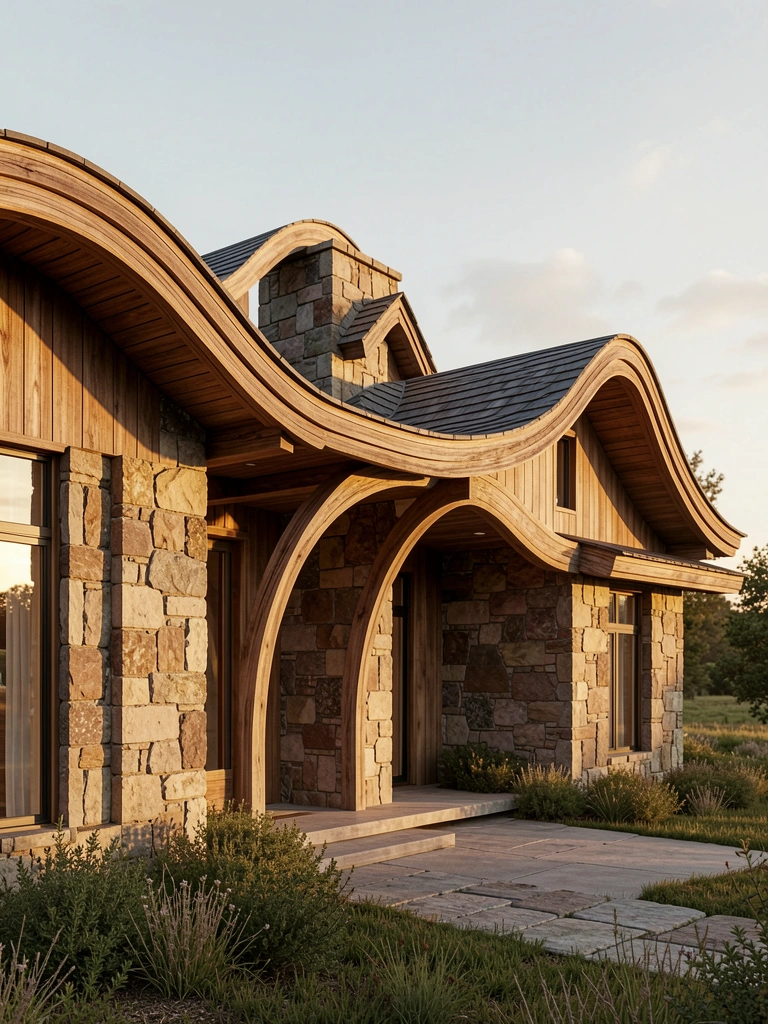
    Three essential design principles converge when architects introduce curved elements into rustic home exteriors, transforming angular structures into dynamic, fluid compositions. Curved entrances and flowing rooflines break traditional geometric constraints, creating visual movement. Your home’s exterior becomes a canvas of architectural freedom, where soft lines challenge structural norms and invite distinctive, expressive design narratives.

    Brick and Wood: Harmonizing Contrasting Textures

    While rustic home design celebrates textural complexity, the strategic integration of brick and wood creates a compelling visual dialogue that transcends traditional architectural boundaries.

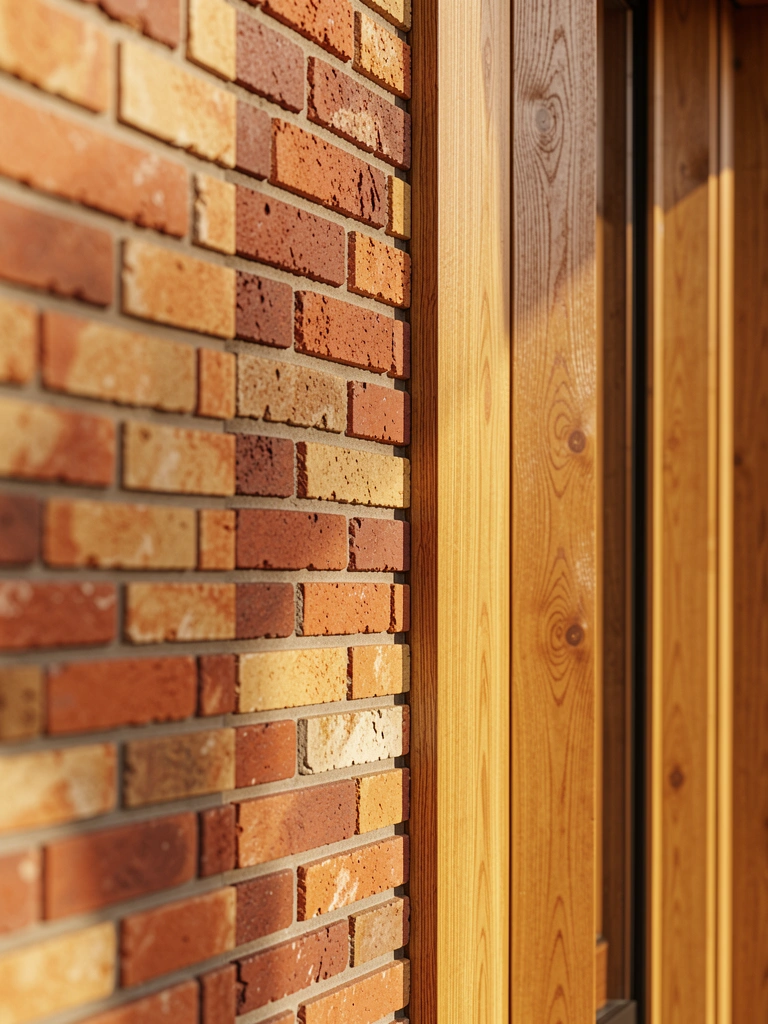
    You’ll discover that brick aesthetics paired with wood balance can transform your exterior, offering a nuanced interplay of rough and smooth surfaces that amplify architectural depth and sensory richness.
    Sustainable Landscaping for Rustic Homes

    The architectural harmony achieved through brick and wood materials naturally extends to the surrounding landscape, where sustainable design principles can elevate the rustic home’s ecological footprint and aesthetic appeal.

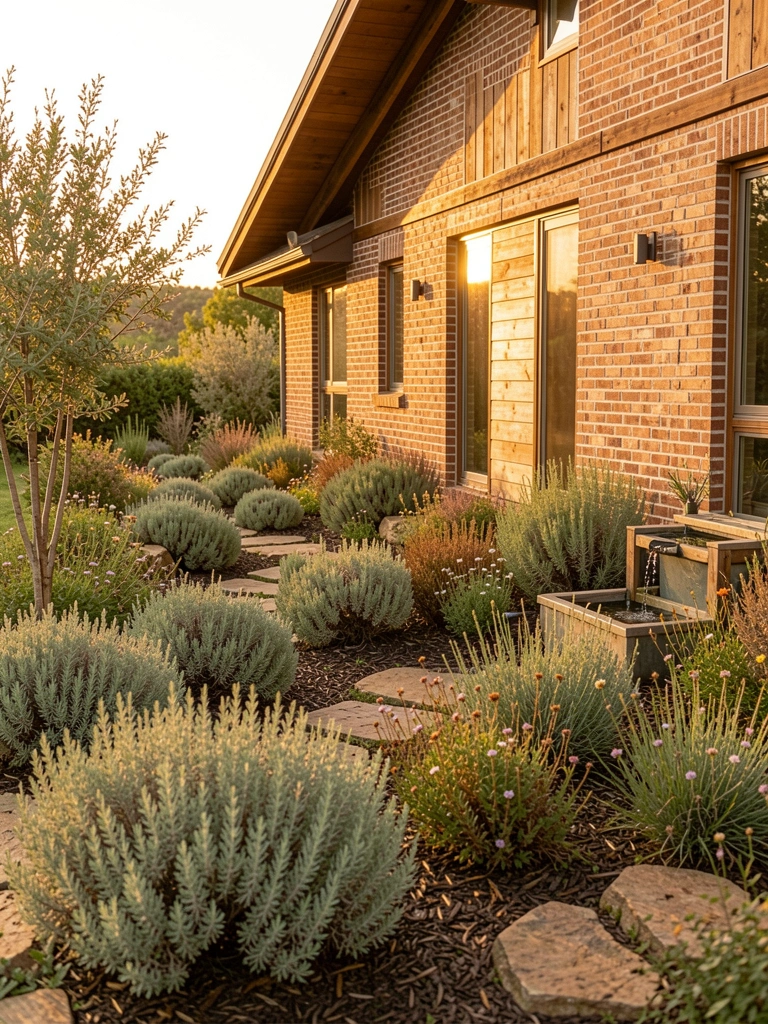
    You’ll want to prioritize native plant gardens that require minimal water and maintenance, implementing strategic water conservation techniques like rainwater harvesting and drought-resistant landscaping to create an eco-friendly exterior.

    Lighting Design for Exterior Spaces

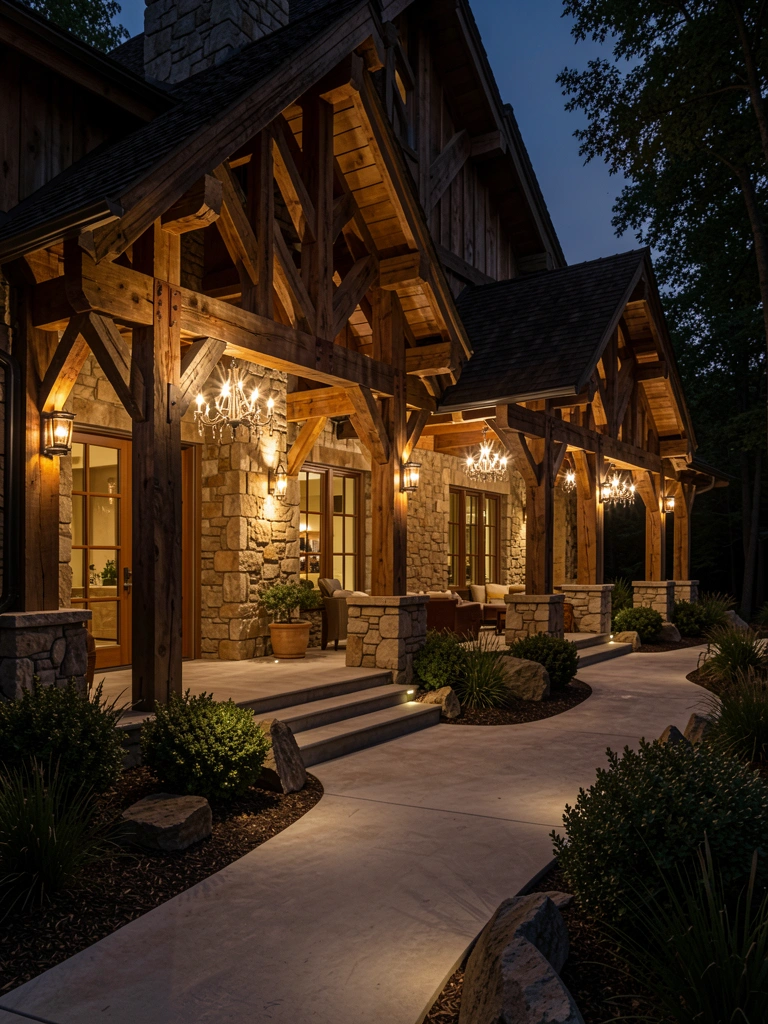
    Because exterior lighting transforms rustic homes from daytime structures into nighttime architectural statements, strategic illumination design becomes essential for enhancing architectural features and creating functional outdoor living spaces.

    You’ll want to layer ambient lighting with statement pieces like outdoor chandeliers, highlighting timber frames, stonework, and landscape contours while ensuring practical navigation and atmospheric depth.

    Courtyard and Entrance Design Principles

    As rustic home design pivots toward creating immersive first impressions, courtyard and entrance principles become critical architectural storytelling elements that seamlessly integrate landscape, structure, and personal aesthetic.

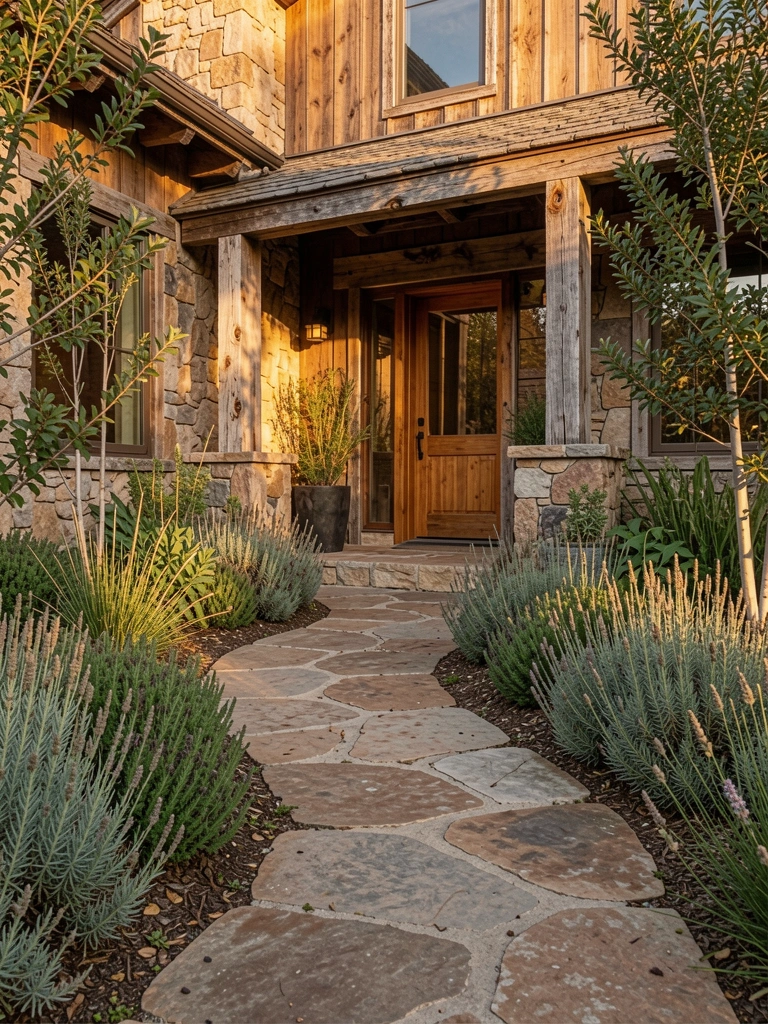
    Your entrance must balance courtyard aesthetics with entrance functionality, strategically positioning natural stone pathways, native plantings, and structural elements that communicate your home’s unique character and design philosophy.

    Maximizing Natural Material Combinations

    Throughout architectural design, natural material combinations emerge as a powerful strategy for crafting authentic, visually compelling rustic house exteriors.

    You’ll leverage material synergy by blending wood, stone, and metal, creating layered natural textures that harmonize structural integrity with aesthetic sophistication.

    This approach allows your exterior design to communicate organic complexity and architectural freedom.

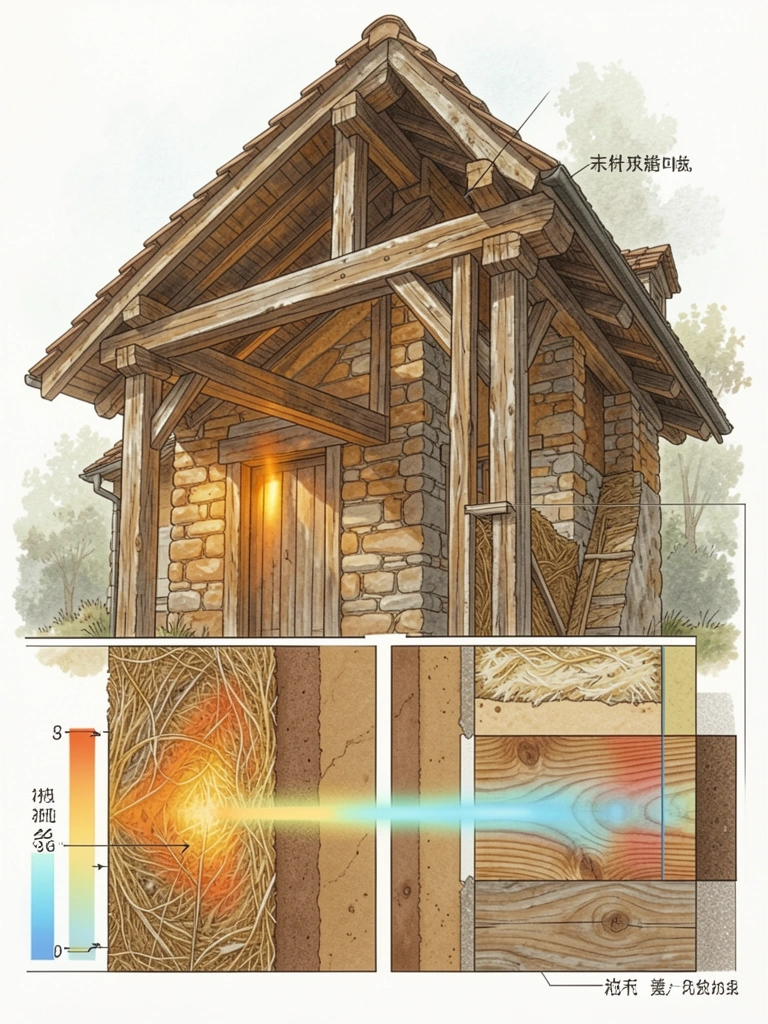
    Thermal Efficiency in Rustic Architecture

    When designing rustic house exteriors, thermal efficiency becomes a critical engineering challenge that demands strategic material selection and architectural innovation.

    You’ll need advanced thermal performance strategies that leverage natural materials’ inherent insulation properties while implementing energy conservation methods that reduce heat transfer and optimize structural integrity.

    Planter and Greenery Integration Strategies

    While rustic house exteriors traditionally emphasize architectural solidity, strategic planter and greenery integration can transform structural boundaries into dynamic, living ecosystems.

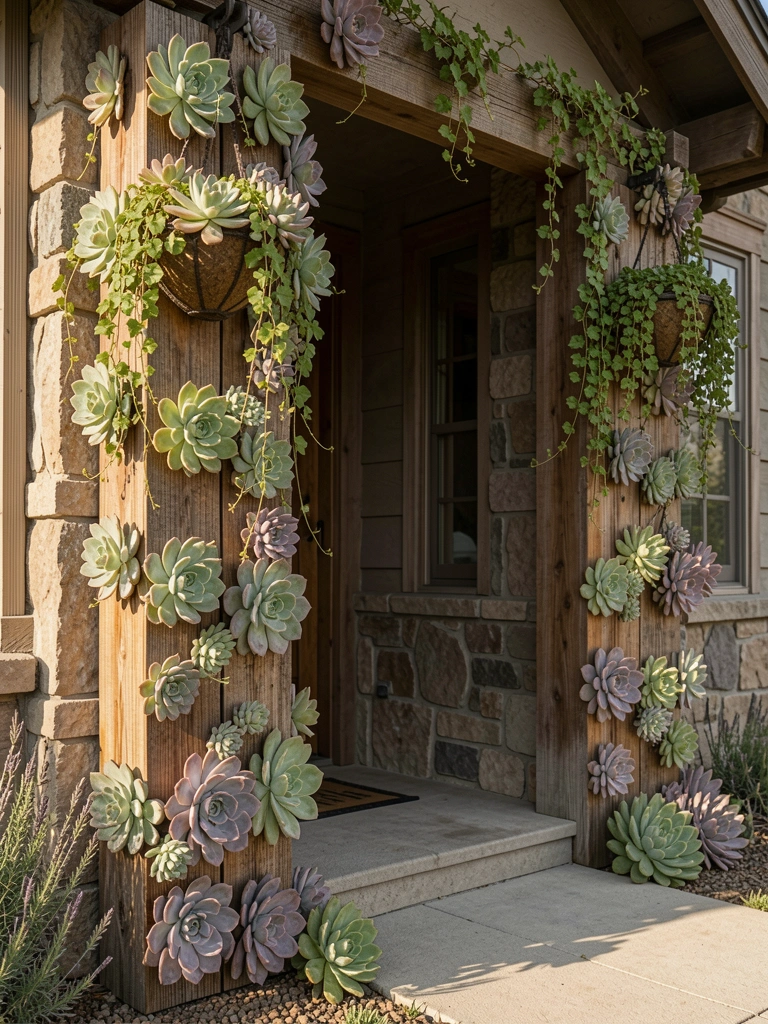
    Consider vertical cedar planters flanking entryways, native drought-resistant succulents, and hanging baskets that soften architectural lines.

    Precise planter placement can enhance visual texture and create seamless connections between built environments and natural landscapes.

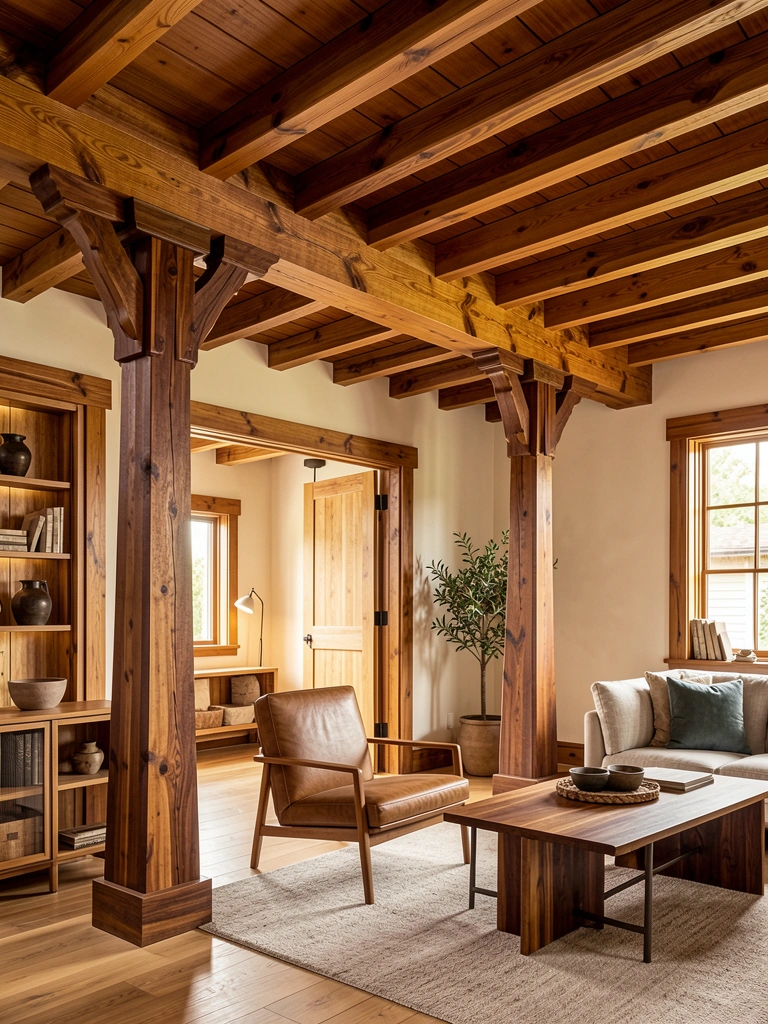
    Exposed Beam Construction Techniques

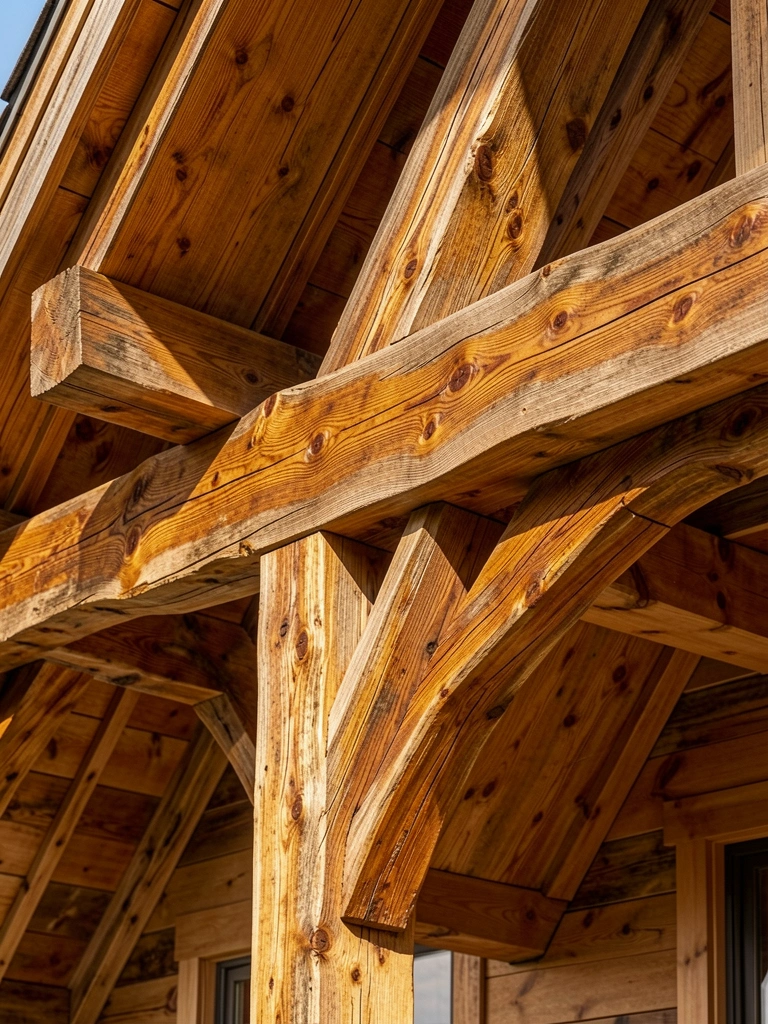
    The structural integrity and aesthetic appeal of rustic house exteriors often hinge on exposed beam construction—a technique that celebrates raw, unadorned craftsmanship.

    You’ll want to master traditional timber framing methods, selecting robust wood species like Douglas fir or reclaimed oak.

    Different exposed beam styles—from rustic hewn to clean-lined architectural—offer distinctive visual narratives for your exterior design.

    Cost-Effective Sustainable Design Approaches

    Because sustainable design intersects with fiscal responsibility, homeowners can strategically implement cost-effective approaches that minimize environmental impact and long-term construction expenses. You’ll discover affordable options like reclaimed timber, locally sourced renewable resources, and efficient insulation techniques that reduce both carbon footprint and building costs while maintaining structural integrity and aesthetic appeal.

    Sustainable home construction demands meticulous navigation through intricate building code requirements that vary considerably across jurisdictions, compelling homeowners and designers to conduct thorough research before initiating architectural plans.

    You’ll need to carefully understand local regulations, secure necessary permits, and guarantee your rustic design meets precise construction standards to avoid costly compliance challenges.

    Maintenance Tips for Natural Materials

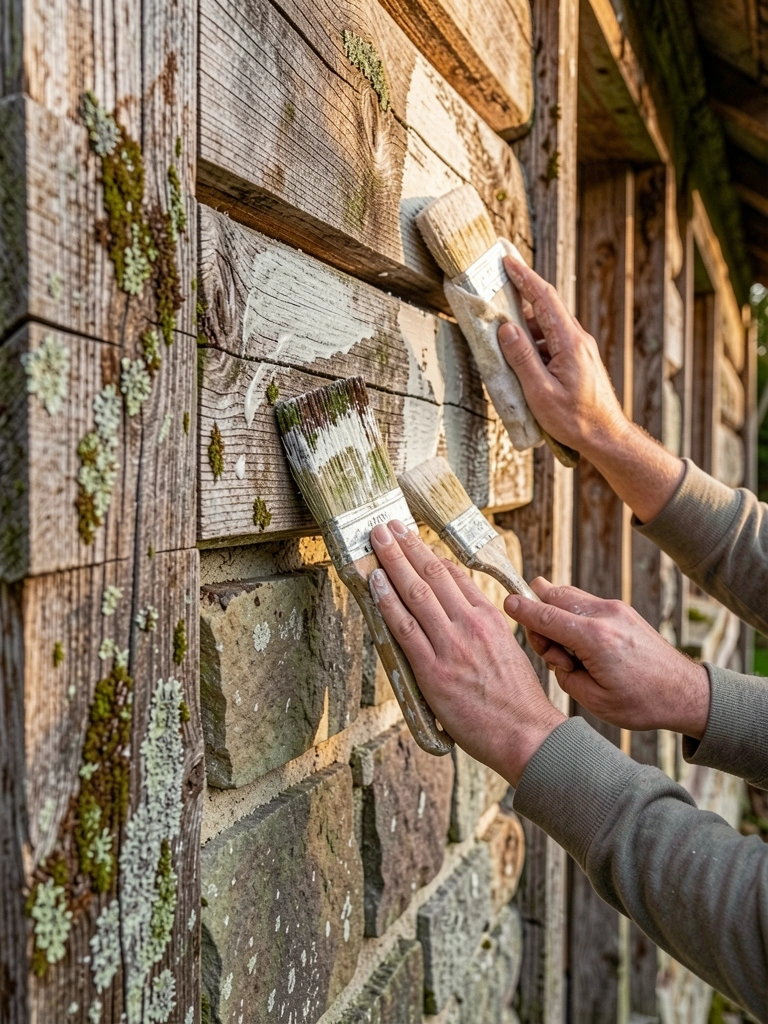
    Within the domain of rustic home exteriors, natural materials demand specialized maintenance strategies to preserve their aesthetic integrity and functional performance.

    You’ll need to proactively address weathering effects through regular sealing, cleaning, and protective treatments that enhance material longevity and prevent structural degradation from environmental exposure.

    Climate-Responsive Exterior Design

    As regional climatic variations considerably impact architectural design, rustic home exteriors must strategically integrate responsive elements that mitigate environmental challenges while preserving aesthetic authenticity.

    You’ll want to prioritize climate adaptation strategies using weather resistant materials that harmonize with local environmental conditions, ensuring your rustic home’s durability and visual integrity across diverse seasonal changes.

    Innovative Insulation for Rustic Homes

    Though traditional rustic homes often struggle with thermal efficiency, modern insulation techniques now offer home designers groundbreaking solutions for maintaining authentic aesthetic while dramatically improving energy performance.

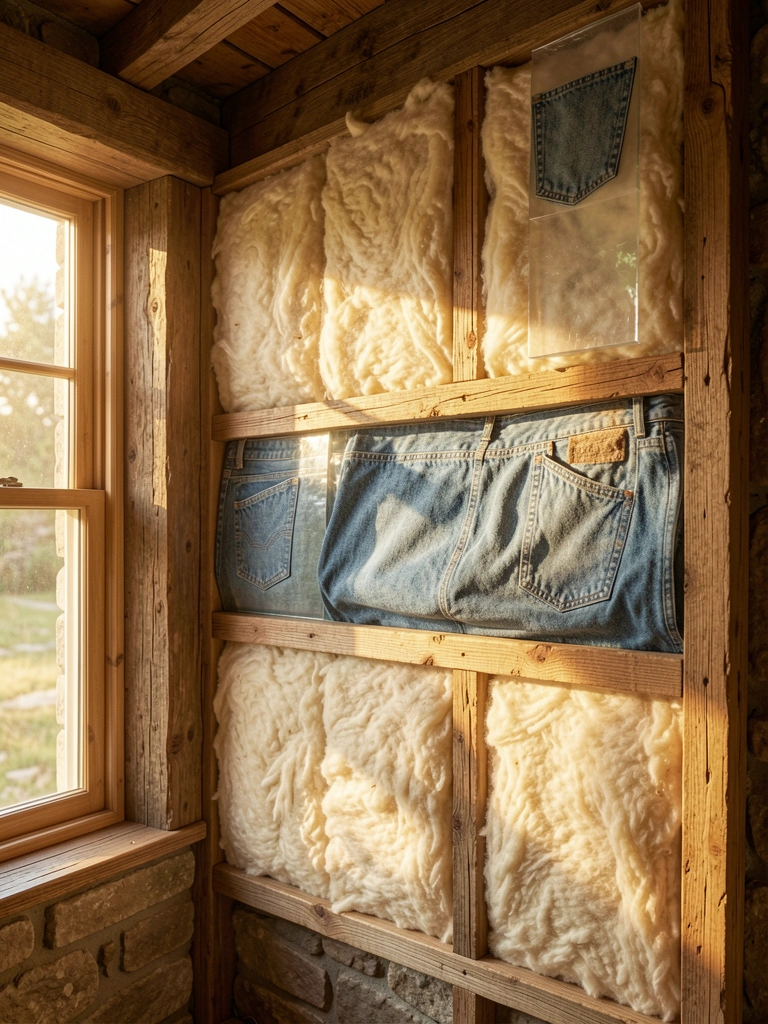
    You’ll find innovative insulation materials like sheep’s wool, recycled denim, and aerogel provide superior eco-friendly insulation methods that blend seamlessly with rustic architectural styles, ensuring peak thermal comfort.

    Smart Home Technology in Rustic Settings

    Integrating smart home technology into rustic architectural settings transforms traditional living spaces without compromising their authentic aesthetic.

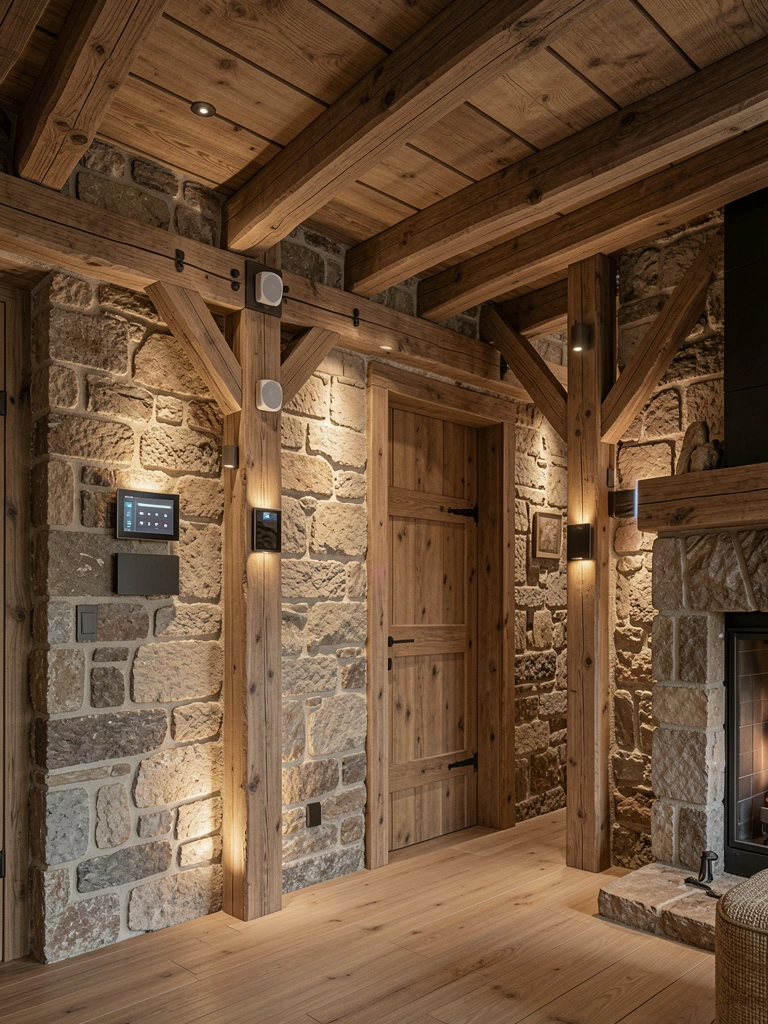
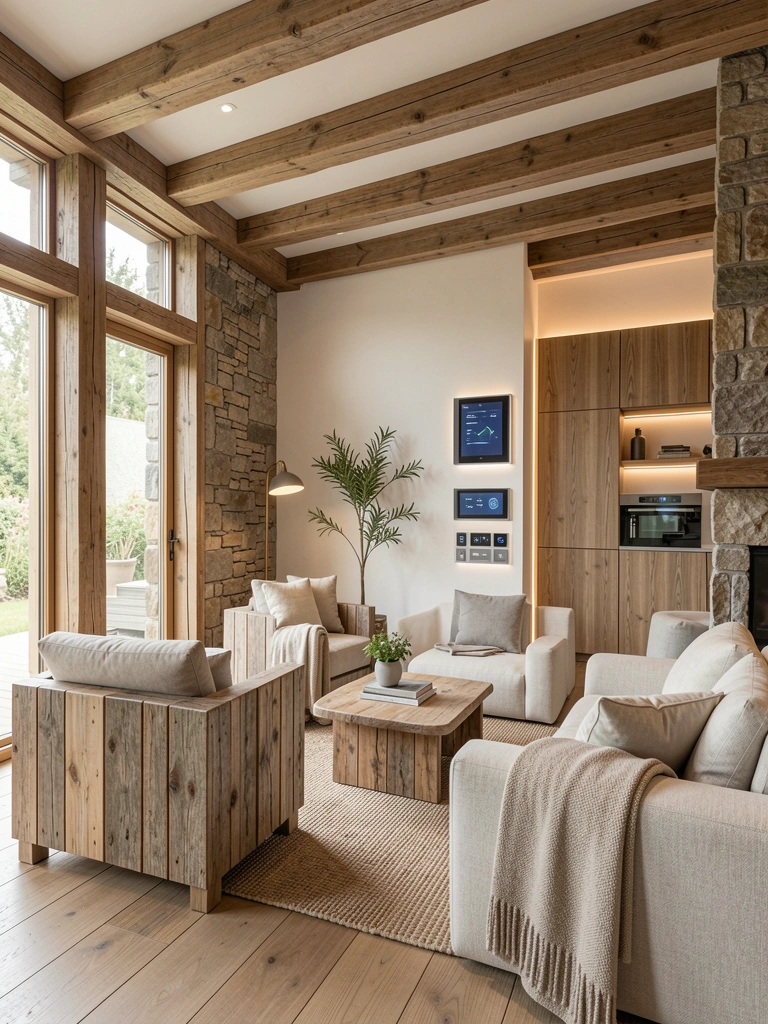
    You’ll discover seamless tech solutions that respect rustic harmony, enabling wireless controls, energy-efficient systems, and hidden smart devices that blend naturally with wooden textures and stone surfaces, creating an intelligent yet timeless environment.

    Preserving Architectural Integrity

    When preserving the architectural integrity of rustic homes, strategic design choices become paramount in maintaining the structure’s historical authenticity while accommodating modern technological interventions.

    You’ll need to carefully balance restoration techniques with contemporary needs, ensuring each modification respects the original architectural language and preserving history’s tangible narrative within the home’s structural framework.

    Budgeting for Sustainable Home Exteriors

    After meticulously preserving architectural integrity, homeowners must strategically approach the financial landscape of sustainable exterior renovations.

    You’ll need to leverage eco-friendly financing options and implement sustainable budgeting techniques that balance initial investments with long-term environmental and economic benefits.

    Strategic material selection and phased implementation can optimize your rustic home’s green transformation.

    Future-Proofing Your Rustic Home Design

    Because sustainable design transcends temporary trends, future-proofing your rustic home requires a holistic approach that anticipates technological advancements, environmental shifts, and evolving architectural methodologies.

    Implement design adaptability through modular construction techniques, flexible spatial configurations, and integrated smart home technologies that can seamlessly evolve with your changing lifestyle and emerging environmental demands.

  • 20 Unique Green Couch Styling Ideas That Upgrade Your Home

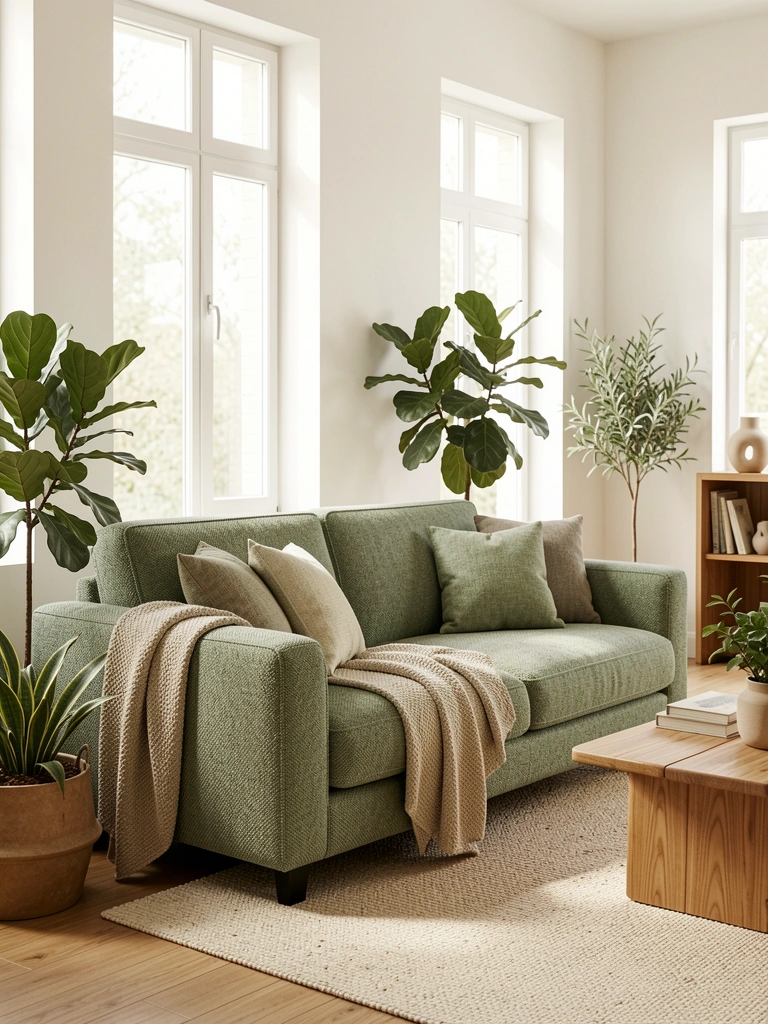
    20 Unique Green Couch Styling Ideas That Upgrade Your Home

    You’re about to transform your living space with a game-changing design element: the green couch. More than just furniture, it’s a statement piece that breathes life into any room. Imagine walking into a space where your sofa isn’t just seating, but a vibrant focal point that sparks conversation and sets a mood. Intrigued by how a single piece can redefine your home’s aesthetic? Let’s uncover the secrets of green couch styling that will make your interior design dreams a reality.

    Why Green Sofas Are Design Game-Changers?

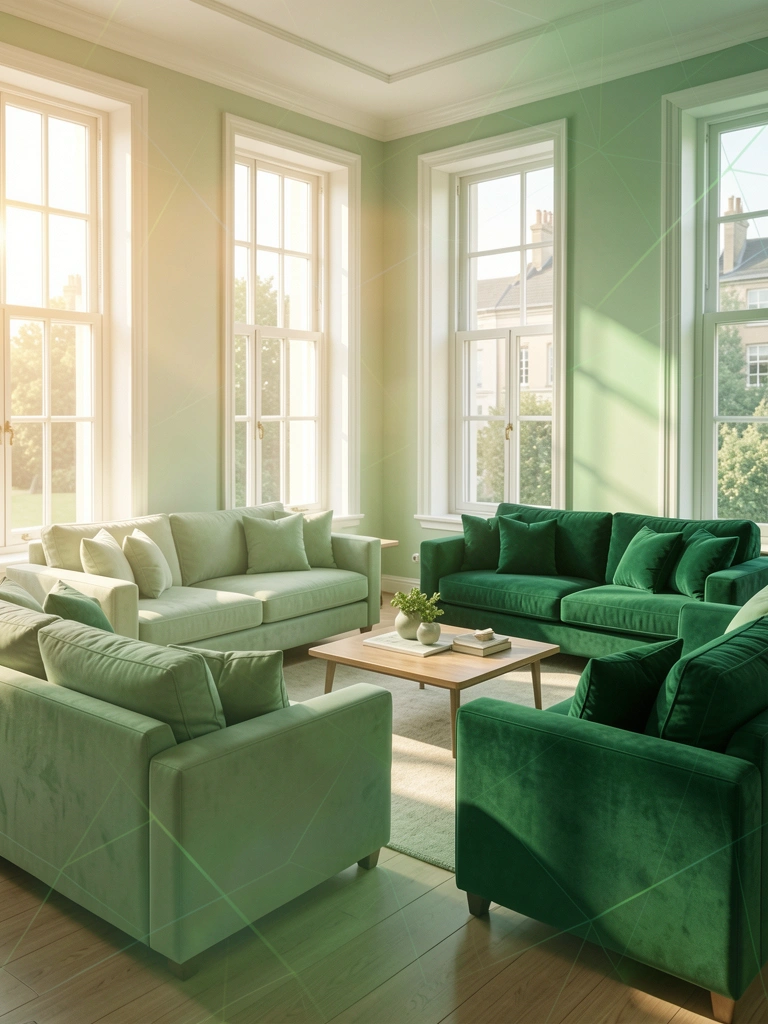
    While often overlooked, green sofas have emerged as transformative centerpieces in contemporary interior design.

    They symbolize nature’s emotional connection, bringing vibrant energy and unexpected sophistication to your living space.

    Your choice of a green couch isn’t just furniture—it’s a bold statement that reflects personal style, creativity, and a desire to break free from traditional design constraints.

    Decode Your Perfect Green Sofa Shade

    Green isn’t just a color—it’s a spectrum of emotional and design possibilities waiting to transform your living space. Your hue selection matters deeply, with shade psychology guiding you toward the perfect green sofa.

    Whether you’re drawn to sage’s calming whispers or emerald’s bold statement, choose a shade that resonates with your personal aesthetic and room’s energy.

    Match Green Sofas With Your Home’s Personality

    A sofa’s soul mirrors your home’s heartbeat, transforming living spaces from mere rooms into personalized sanctuaries.

    Your green couch isn’t just furniture; it’s a canvas for self-expression.

    Complement its personality with cozy accents and bold artwork that reflect your unique style, creating an environment that feels authentically you and breathes life into every corner of your living space.

    Small Space, Big Style: Green Sofa Solutions

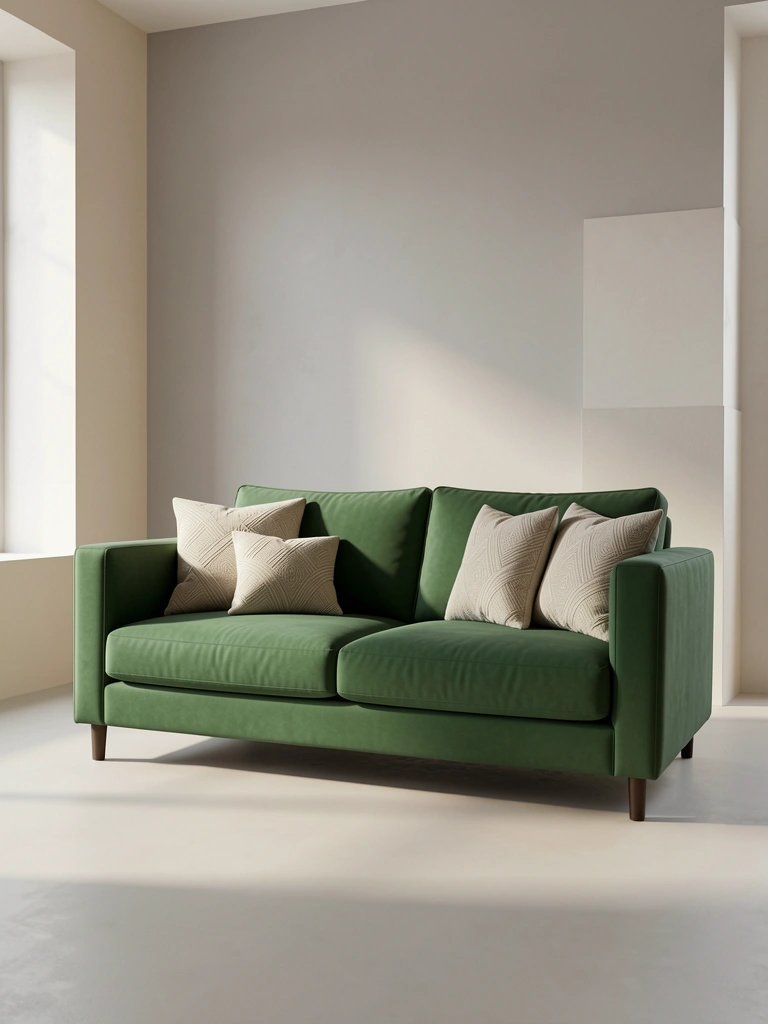
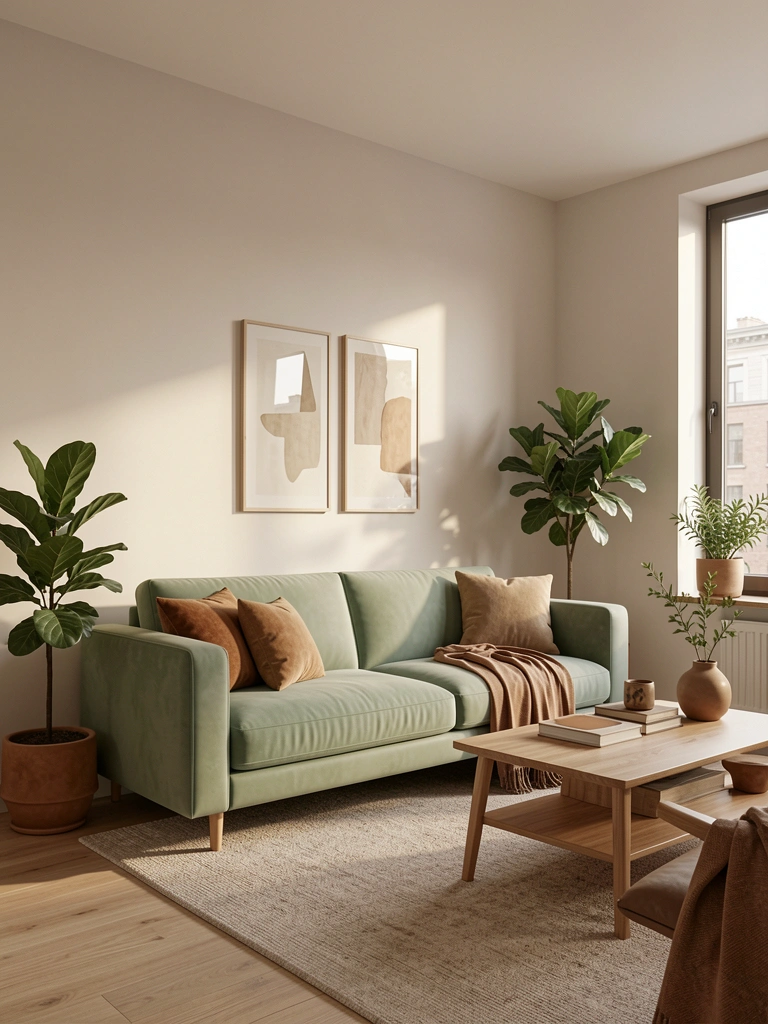
    Space constraints shouldn’t shrink your design ambitions—especially when a verdant emerald or sage green sofa can become your compact living area’s transformative centerpiece.

    Prioritize space efficiency by selecting sleek, minimalist green sofas with clean lines that enhance room flow and create visual breathing room.

    Your compact space can radiate style through strategic color harmony and comfort-focused design.

    Nature-Inspired Decor: Green Sofa Edition

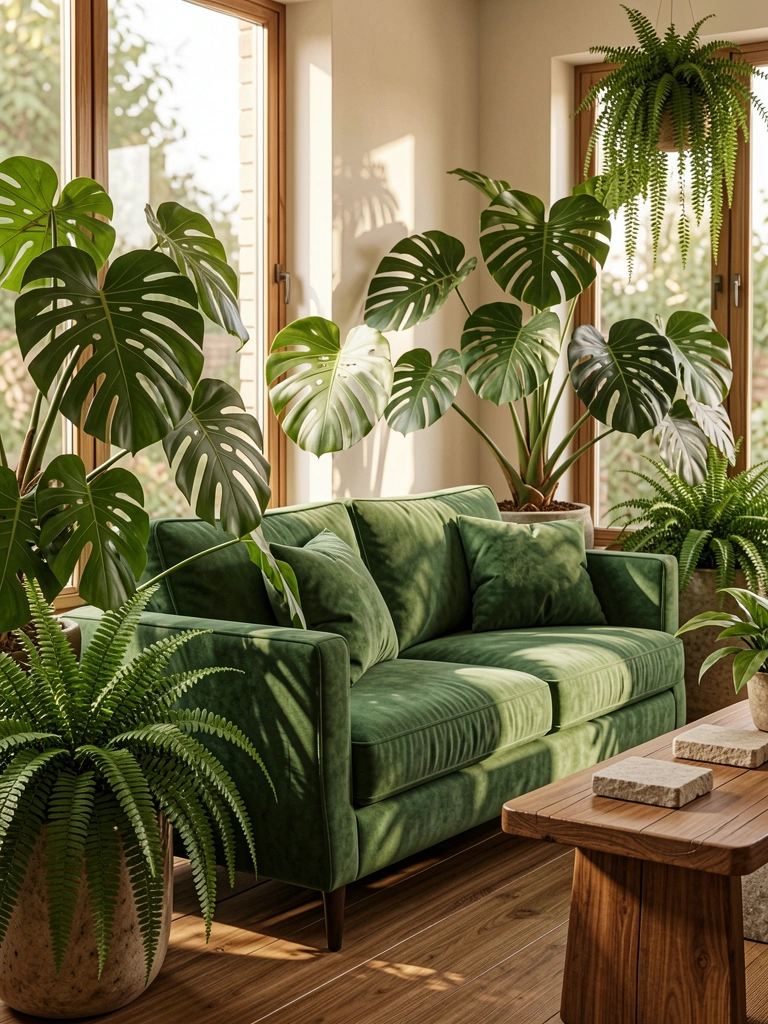
    While nature serves as the ultimate design muse, your green sofa can anchor a breathtaking indoor landscape that blurs the boundary between interior and exterior.

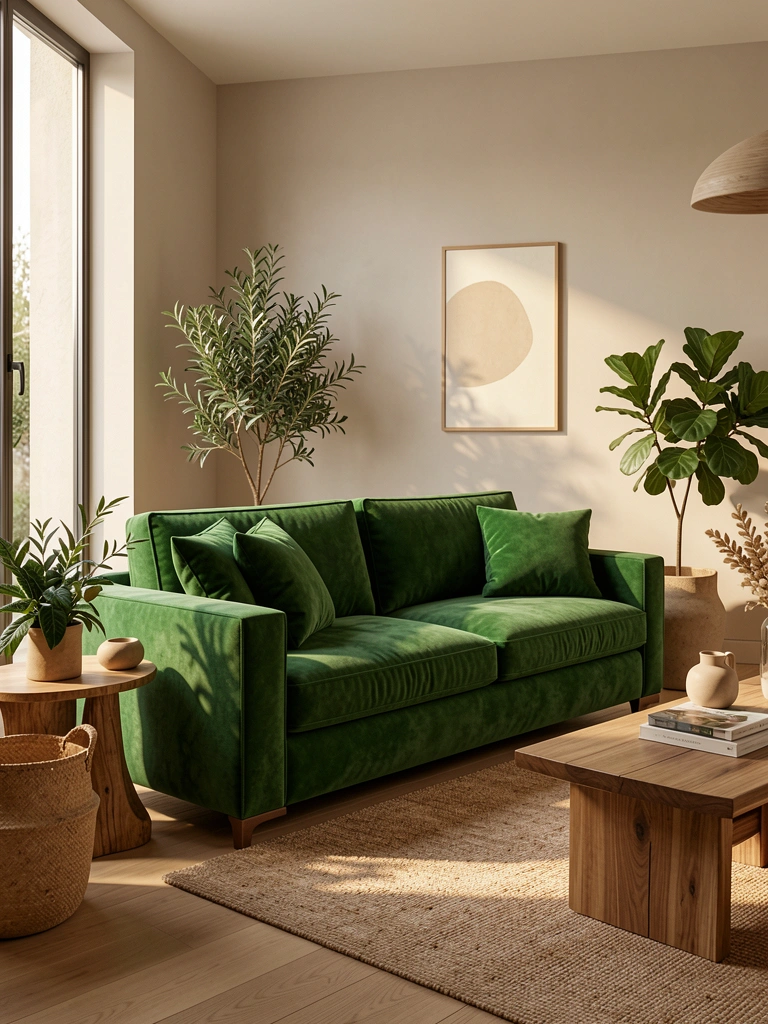
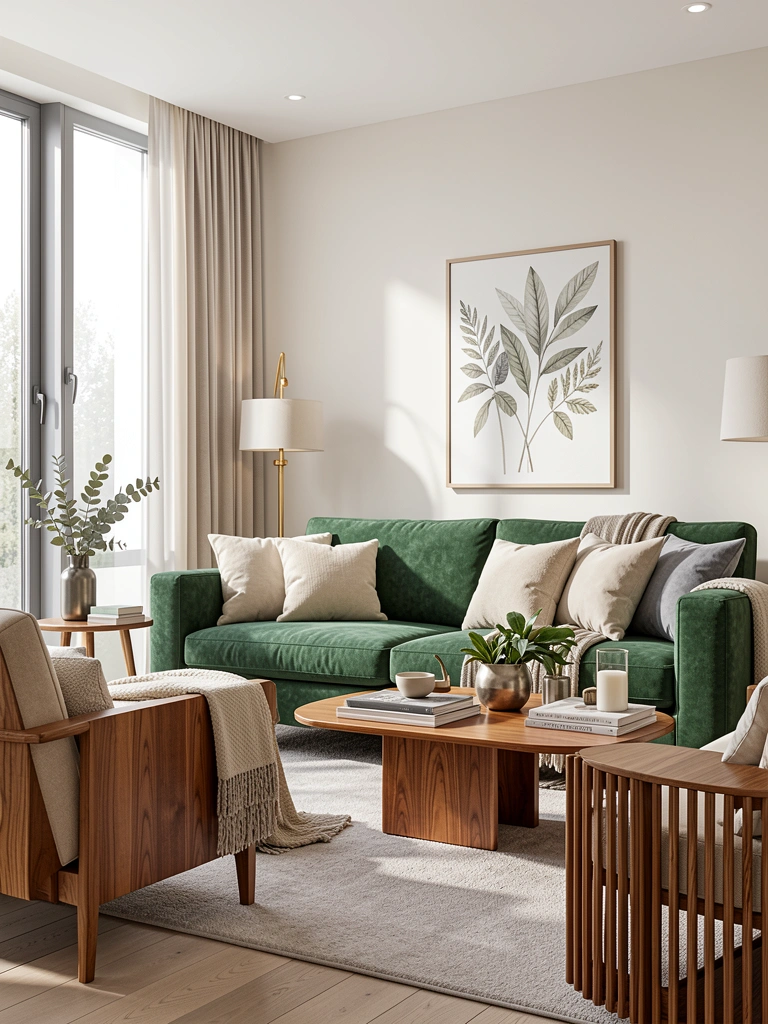
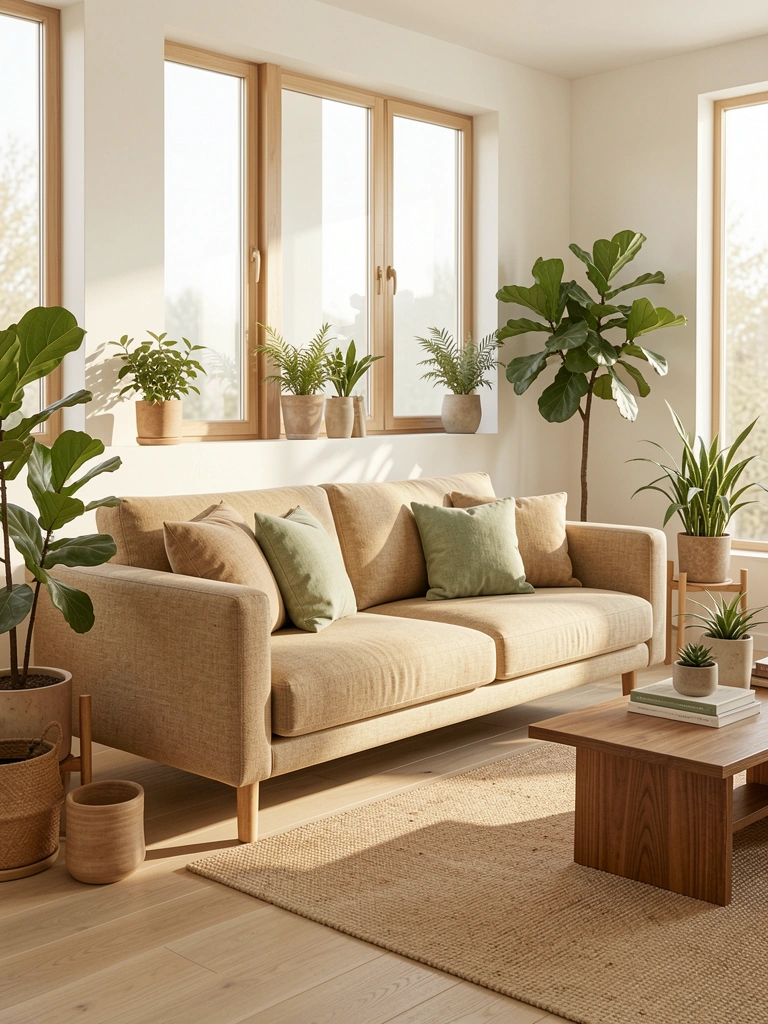
    Incorporate botanical accents like potted monstera plants and fern-inspired throw pillows.

    Layer earthy elements such as wooden side tables and stone coasters to create a seamless, organic connection that celebrates the natural world’s raw beauty.

    Color Pairing Secrets for Green Upholstery

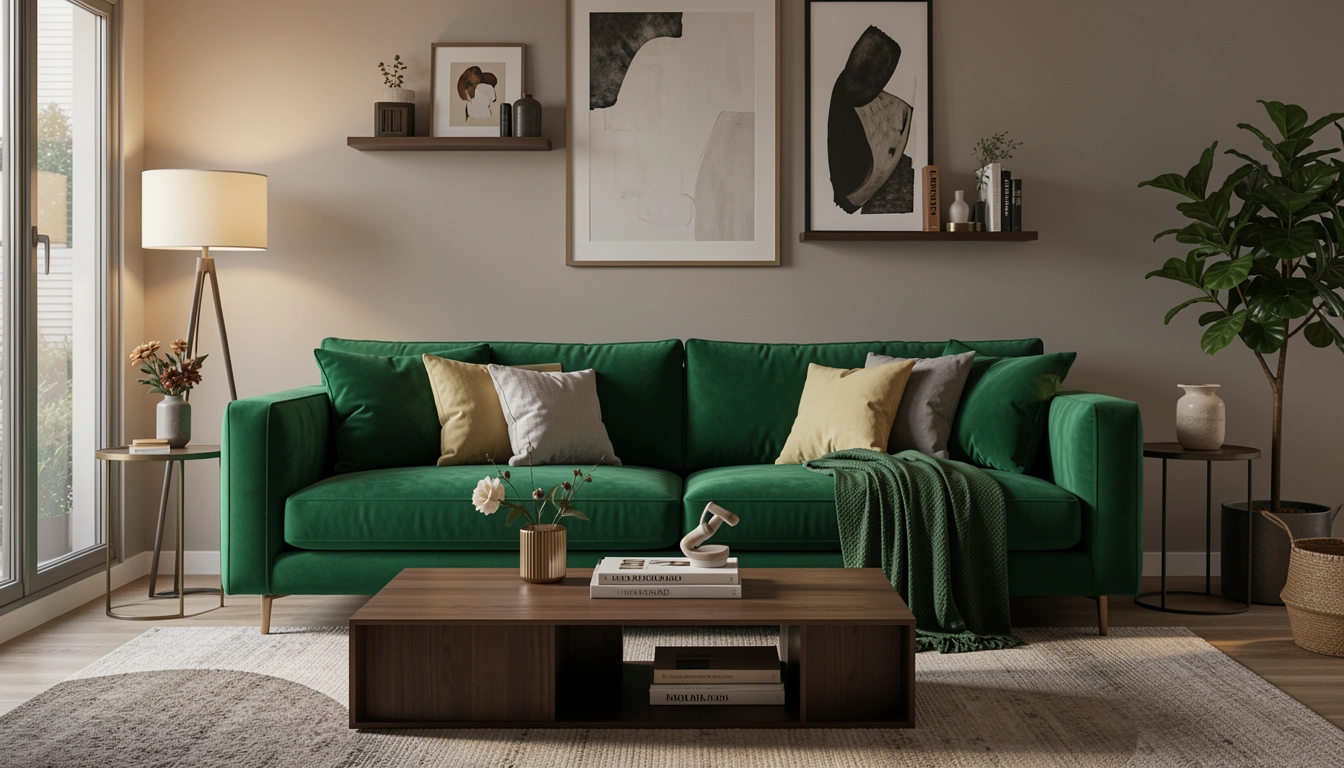
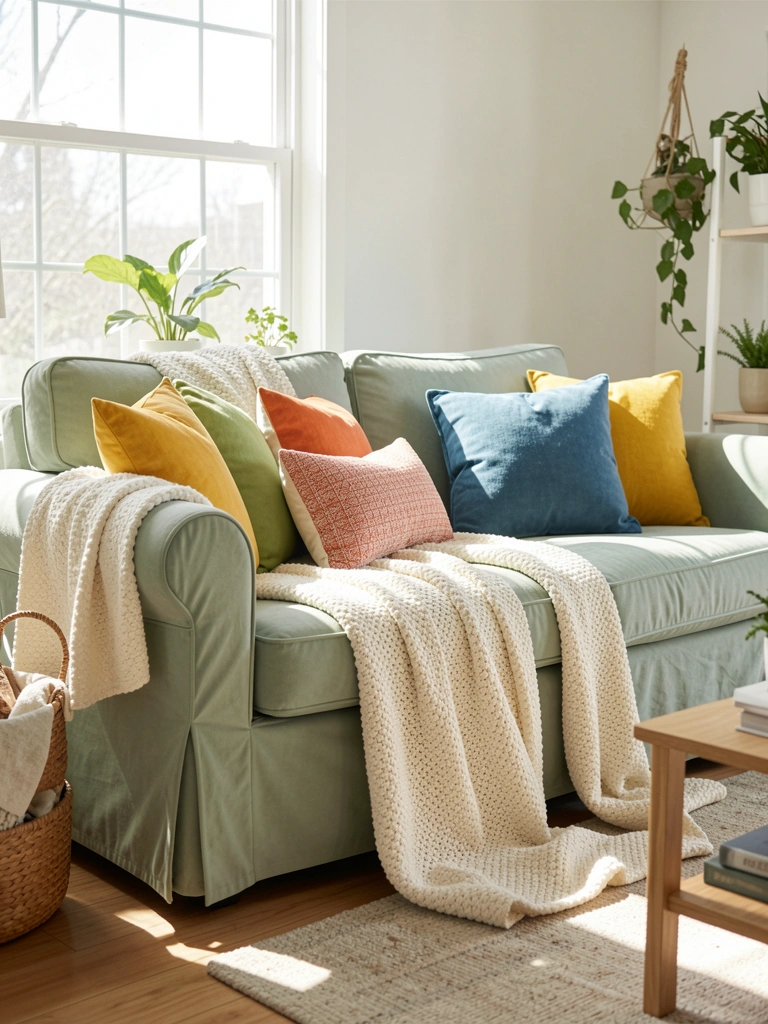
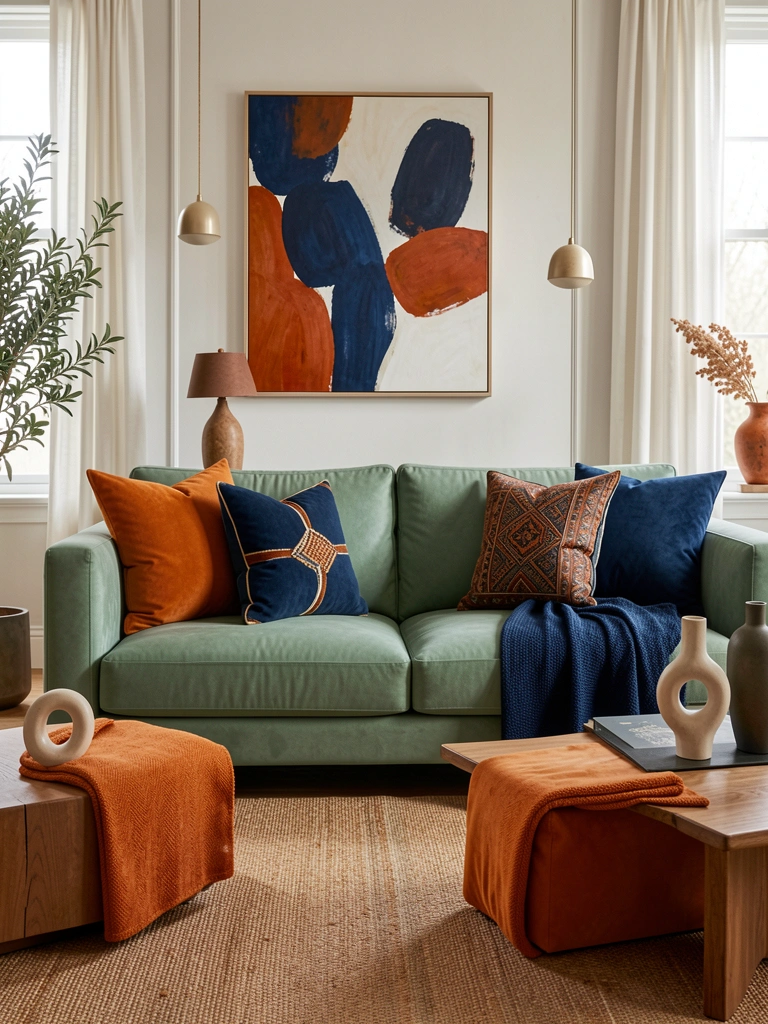
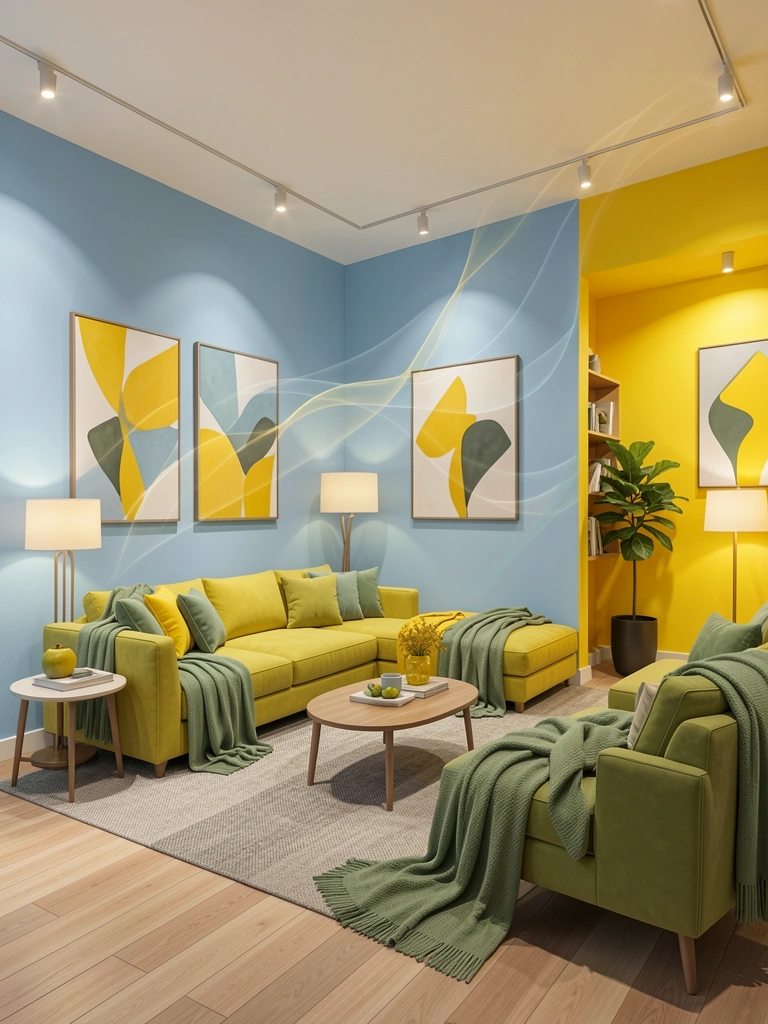
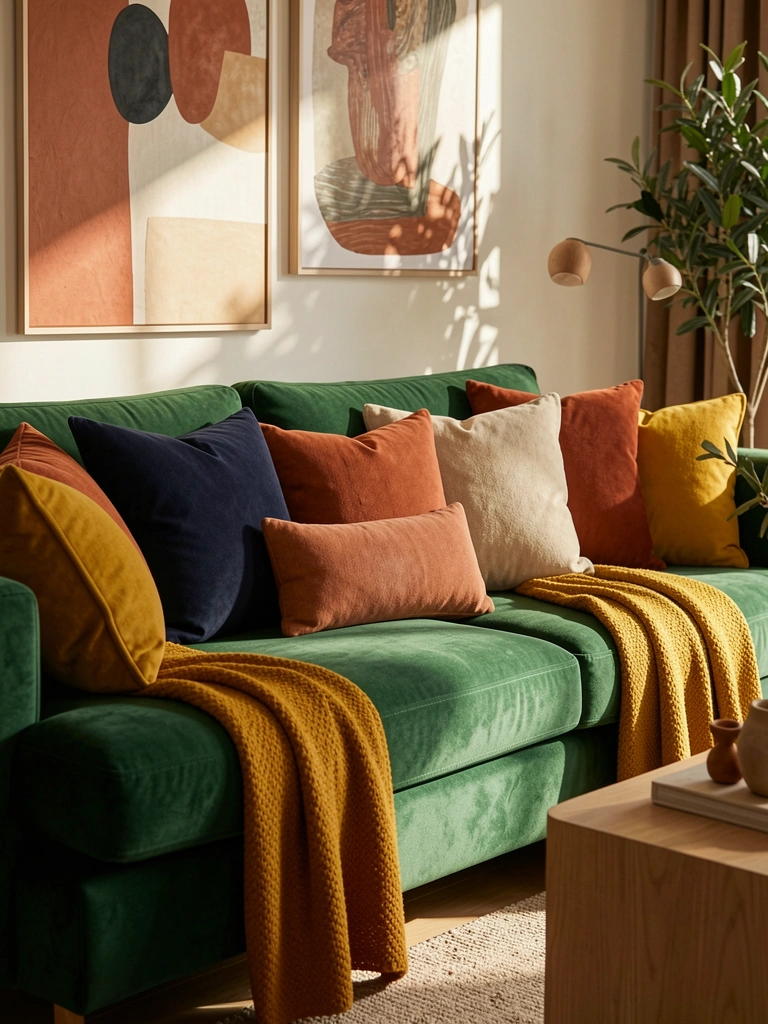
    Building on nature’s palette, your green sofa demands strategic color companions that elevate its visual impact. Explore earthy tones like warm terracotta and sandy beige to create organic harmony. Introduce contrasting accents of deep navy or mustard yellow to spark visual intrigue and transform your space with intentional, bold design choices.

    Texture Magic: Fabrics That Make Green Sofas Shine

    Though texture can dramatically transform a green sofa’s aesthetic, selecting the right fabric isn’t just about looks—it’s about creating a sensory experience that elevates your entire living space.

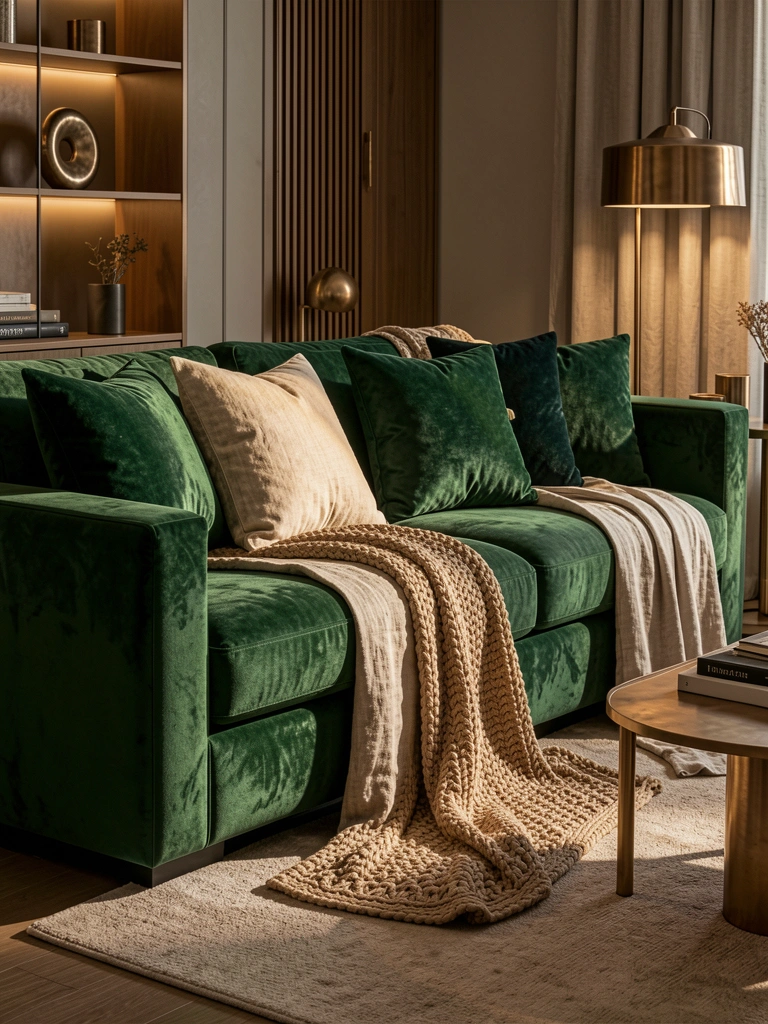
    Explore textural contrasts like velvet’s luxe sheen against a green sofa or linen’s organic roughness, ensuring your fabric choices reflect personal style and design sophistication.

    Minimalist Green Sofa Styling Tricks

    Minimalist design transforms a green sofa from mere furniture into a statement piece, where every element serves a deliberate purpose.

    You’ll achieve this by embracing clean lines and subtle accents.

    Choose sleek throw pillows in neutral tones, opt for geometric shapes, and let your green sofa breathe with intentional, uncluttered surrounding spaces that highlight its sophisticated silhouette.

    Bold Looks: Emerald and Forest Green Statements

    Where minimalist styling whispers, bold emerald and forest green sofas roar with dramatic flair.

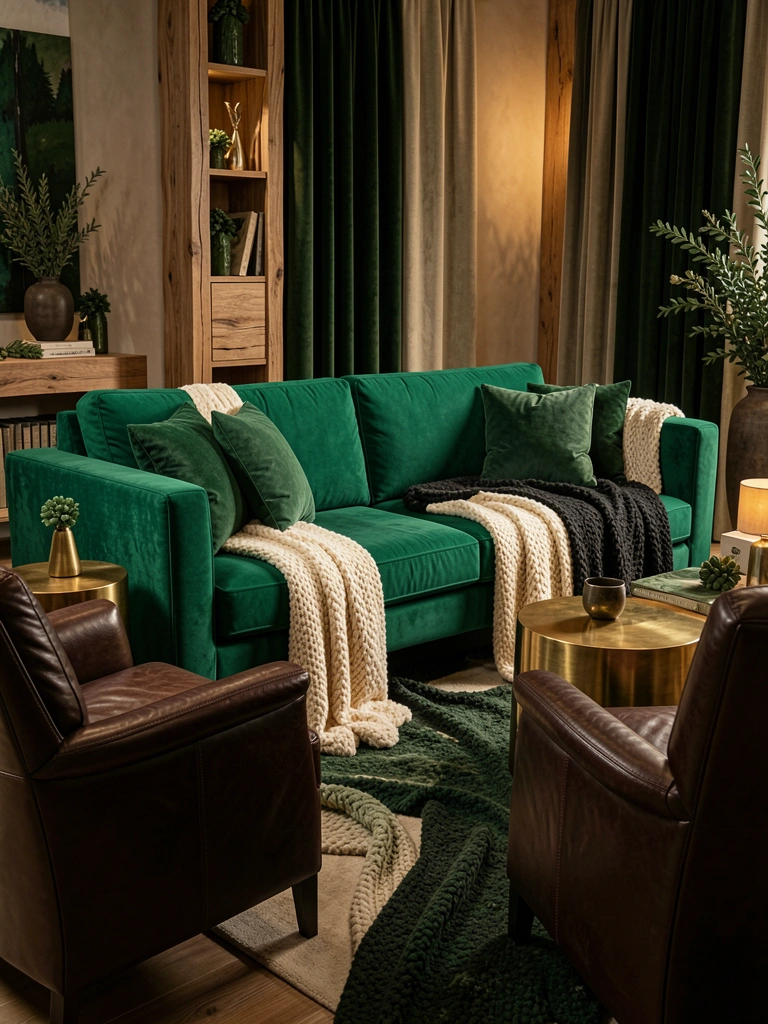
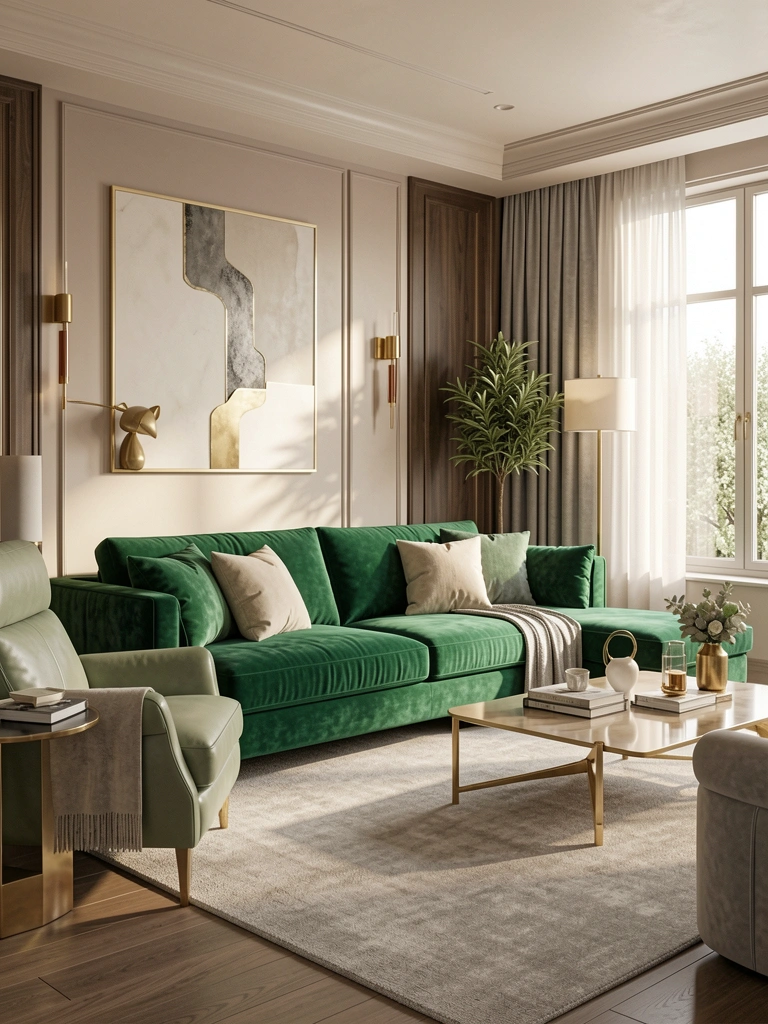
    You’ll transform spaces by pairing emerald accents with rich leather chairs or metallic side tables.

    Forest textures like wool throws and wooden elements amplify the sofa’s depth, creating a statement that reflects your confident design sensibility and unapologetic aesthetic.

    Pillow and Throw Layering Techniques

    When styling a green couch, pillow and throw layering becomes an art form that transforms your seating into a dynamic visual canvas.

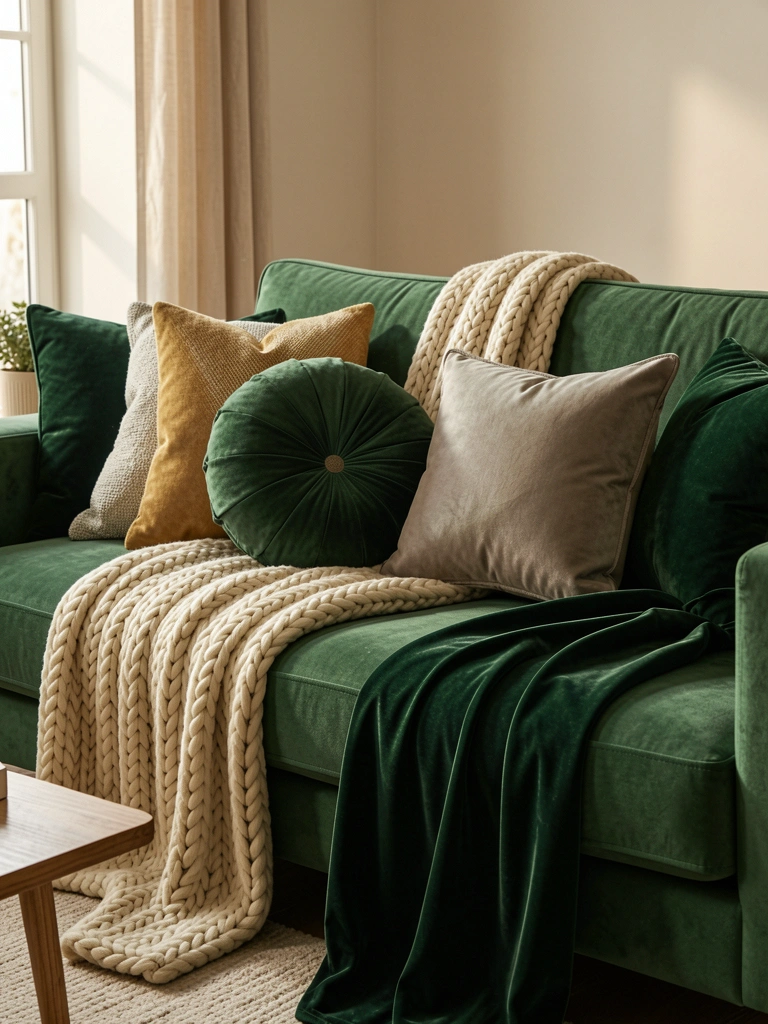
    Mix varied pillow shapes—round, lumbar, square—to create depth.

    Combine throw textures like chunky knits and smooth velvets for tactile contrast.

    Your green couch becomes a personalized statement that reflects your unique design aesthetic.

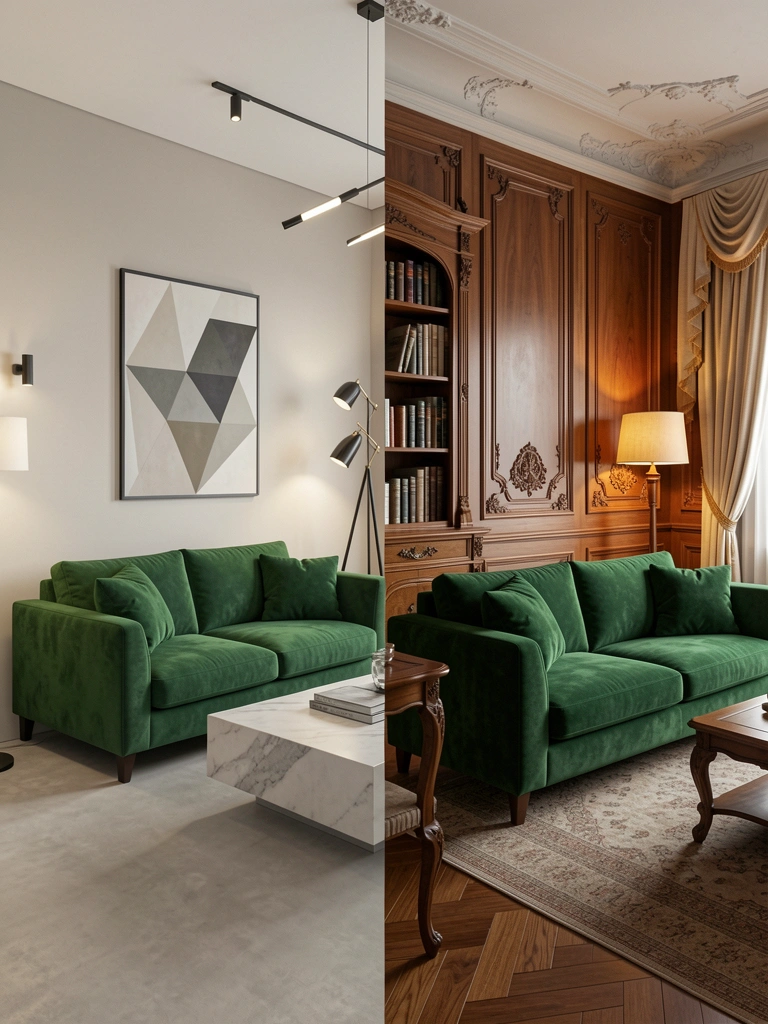
    Modern vs. Traditional: Green Sofa Design Versatility

    Because design trends evolve, green sofas have become a chameleon of interior styling—seamlessly bridging modern minimalism and classic elegance.

    Whether you’re drawn to sleek, modern aesthetics or timeless elegance, a green sofa adapts effortlessly. It can anchor a contemporary space with clean lines or add sophisticated charm to a traditional room, offering unprecedented design flexibility.

    Create Visual Balance With Green Furniture

    Although achieving visual harmony can seem challenging, creating balance with green furniture is an art form that transforms interior spaces. You’ll want to strategically place color accents that complement your green couch, using neutral tones or contrasting hues to anchor the room’s aesthetic and create a seamless, intentional design flow.

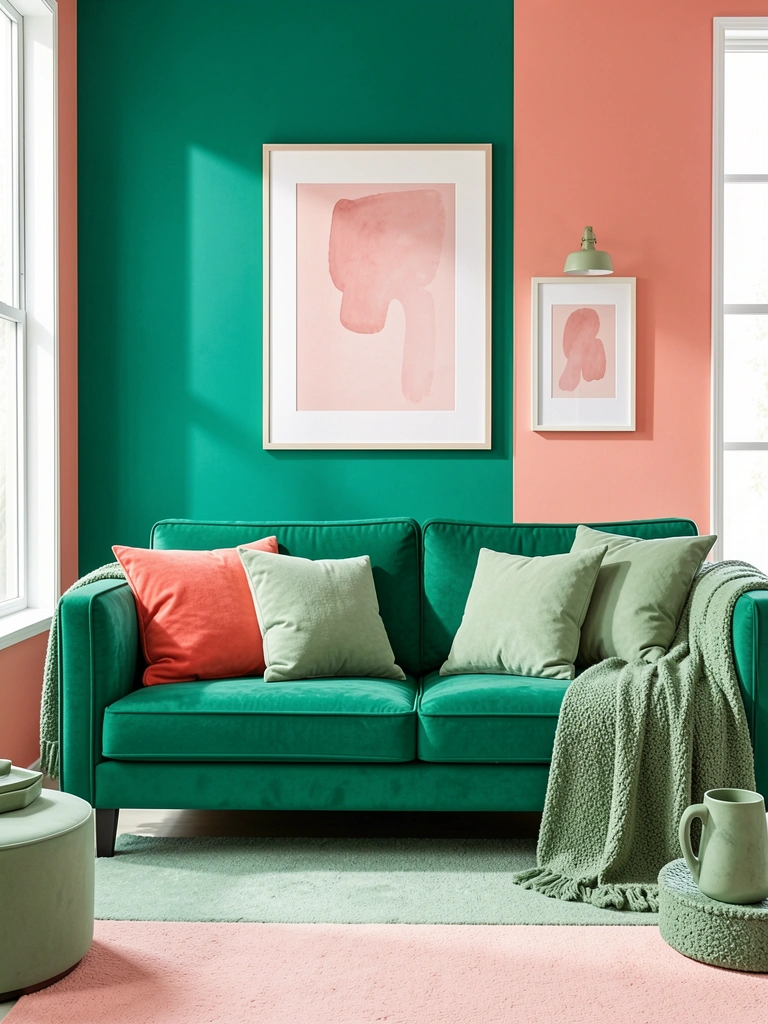
    Unexpected Color Combinations That Work

    Building on the principles of visual balance, color combinations for green couches can surprise and delight interior design enthusiasts. Color psychology reveals unexpected pairings like emerald with coral or sage with blush pink. Color blocking techniques let you fearlessly mix bold hues, transforming your space into a dynamic, personalized expression of your unique style.

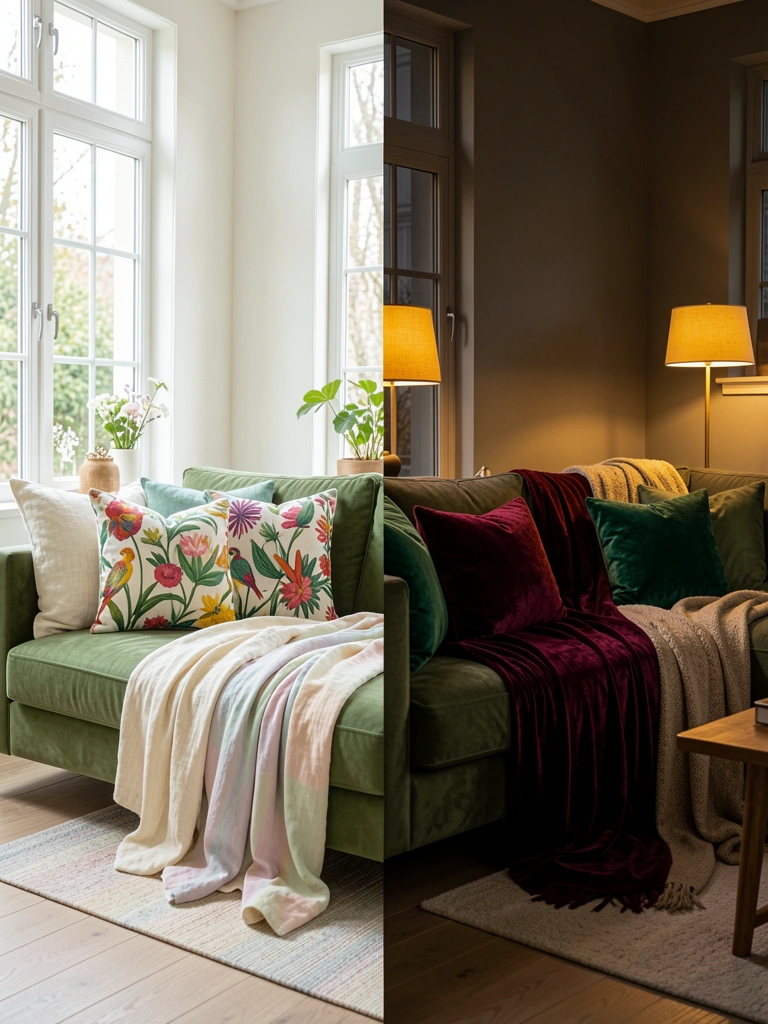
    Green Sofas for Every Season: Styling Hacks

    When shifting your green sofa’s style across seasons, strategic accessorizing becomes key to maintaining a fresh, dynamic living space.

    Choose lightweight linen or cotton throws for summer, then swap in rich velvet or wool textures during winter.

    Mix seasonal accessories like bold pillows and cozy blankets to transform your green sofa’s aesthetic effortlessly.

    Budget-Friendly Green Sofa Makeovers

    After exploring seasonal styling strategies, transforming your green sofa doesn’t have to drain your wallet.

    With smart budget tips and creative DIY upgrades, you can breathe new life into your furniture.

    Swap out throw pillows, add affordable slipcovers, or strategically place textured blankets to refresh your green sofa’s look without breaking the bank.

    Luxury Green Furniture: Designer Styling Secrets

    Though luxury green furniture might seem intimidating, top designers have masterful techniques for elevating this bold color choice into sophisticated interior statements. They’ll help you transform your space with emerald velvet sofas, sage leather armchairs, and strategic accent pieces that capture contemporary furniture trends while maintaining an elegant, refined aesthetic.

    Open Floor Plan Green Sofa Strategies

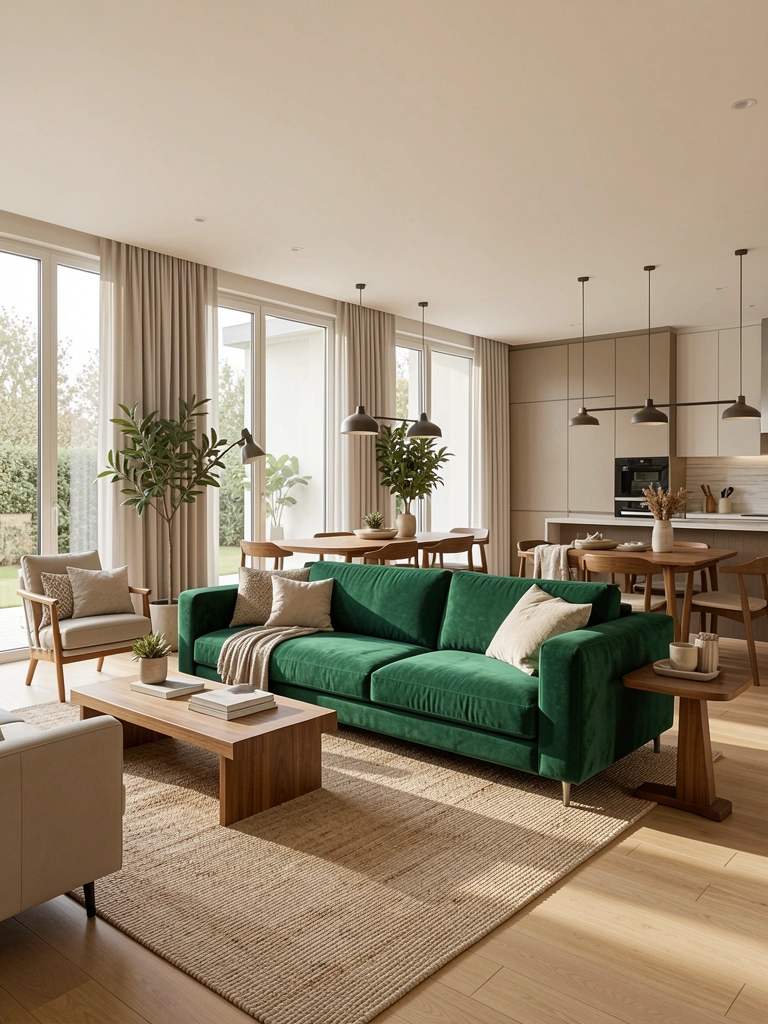
    Because open floor plans demand strategic furniture placement, positioning a green sofa requires thoughtful design consideration that balances visual flow and functional zoning. Your green sofa can define spaces subtly, creating natural boundaries without traditional walls. Clever open floor plan design leverages the sofa’s color and placement to enhance spatial dynamics and create an inviting, seamless environment.

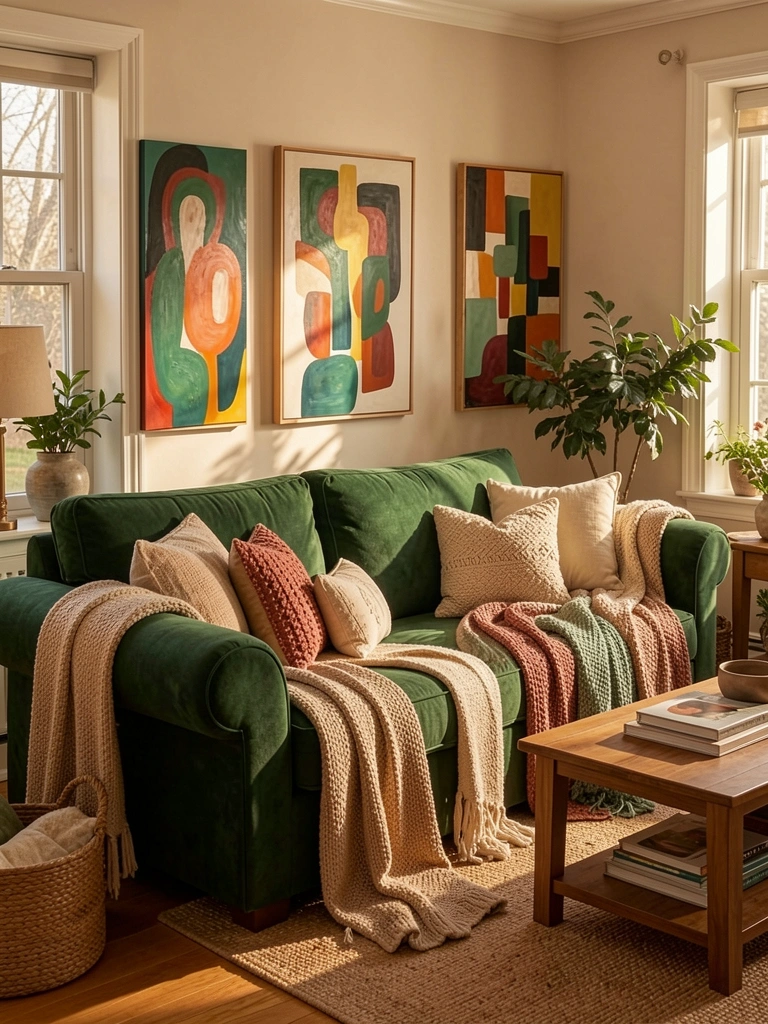
    Art and Decor That Complement Green Couches

    Color harmony transforms green couches from mere furniture into design statements, with art and decor serving as strategic visual companions.

    Your artful accessories should echo complementary colors like warm oranges, deep blues, or soft neutrals.

    Choose wall art that picks up green’s undertones, creating a cohesive, intentional space that feels both curated and effortless.
    Lighting Tricks to Elevate Green Furniture

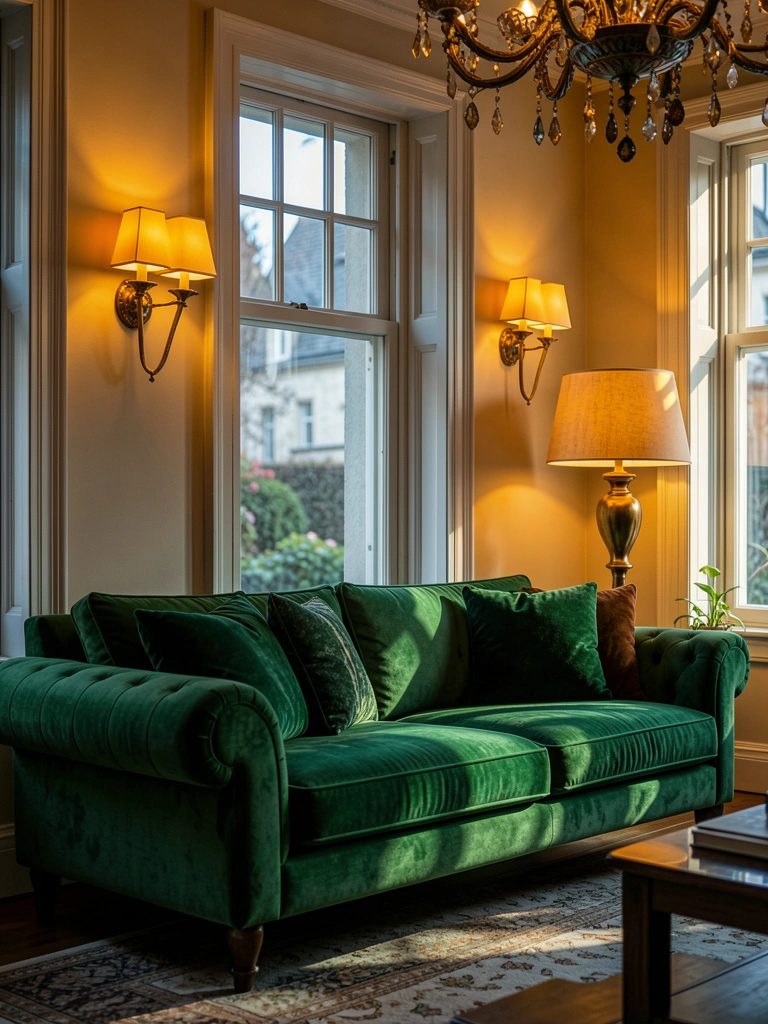
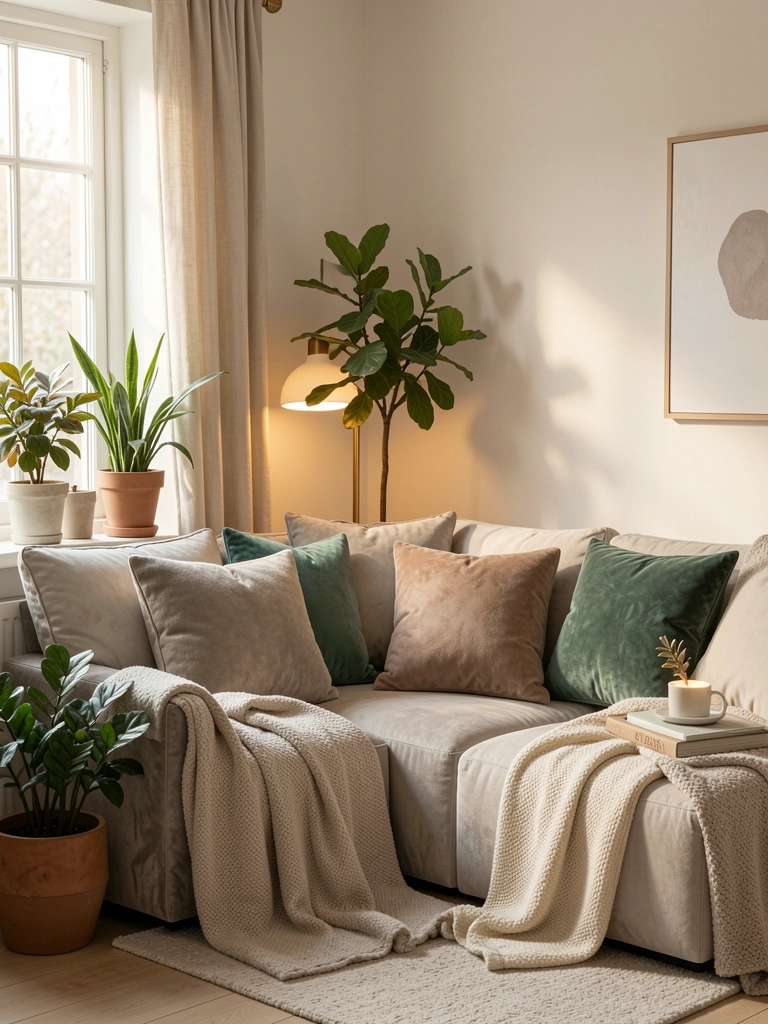
    Strategic lighting can dramatically transform how your green furniture interacts with a room’s atmosphere. Layer ambient and accent lighting to highlight your green couch’s unique tones. Use wall sconces, statement floor lamps, and a chandelier to create depth. Natural light and carefully selected color temperatures will enhance the furniture’s rich character.
    Sustainable Green Sofa Material Guide

    Eco-consciousness has revolutionized furniture design, transforming how we select sustainable sofas that minimize environmental impact.

    You’ll want to prioritize eco-friendly fabrics like organic cotton, hemp, and recycled polyester. These renewable resources offer durability and style while reducing your carbon footprint, giving you the freedom to create a conscientious living space that doesn’t compromise on aesthetic appeal.

  • 29 Unique Global-Inspired Home Decor Ideas For a Fresh New Look

    29 Unique Global-Inspired Home Decor Ideas For a Fresh New Look

    You’re about to revolutionize your living spaces with global design that transcends traditional decorating boundaries. International influences are reshaping home aesthetics, offering bold textures and unexpected color combinations that tell rich cultural stories. From Brazilian modernist inspirations to sustainable material choices, these 29 design concepts will transform your environment into a curated sanctuary that reflects your personal journey. Want to know how global design can redefine your home’s personality?

    Why Brazilian Modernism Is Transforming Interior Design?

    Although often overlooked, Brazilian Modernism has emerged as a groundbreaking force reshaping contemporary interior design.

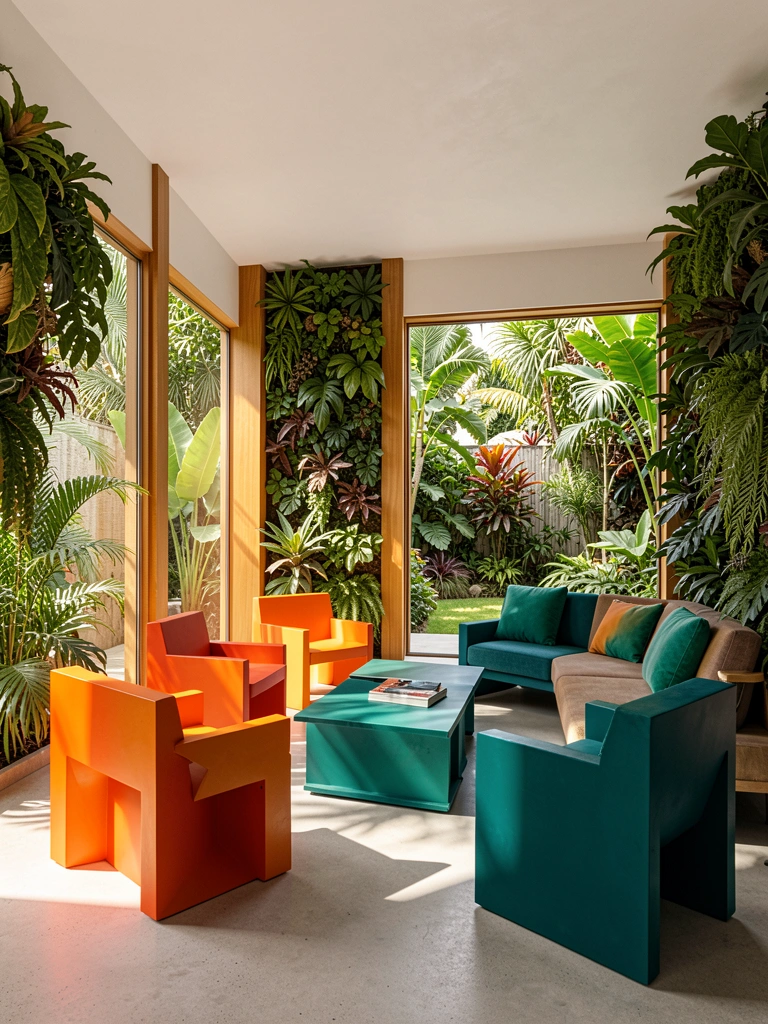
    You’ll discover its powerful blend of minimalist design and cultural influence, where functional art meets bold color gradients.

    Brazilian architecture seamlessly integrates nature, creating spaces that breathe artistic innovation and invite unprecedented creative freedom.

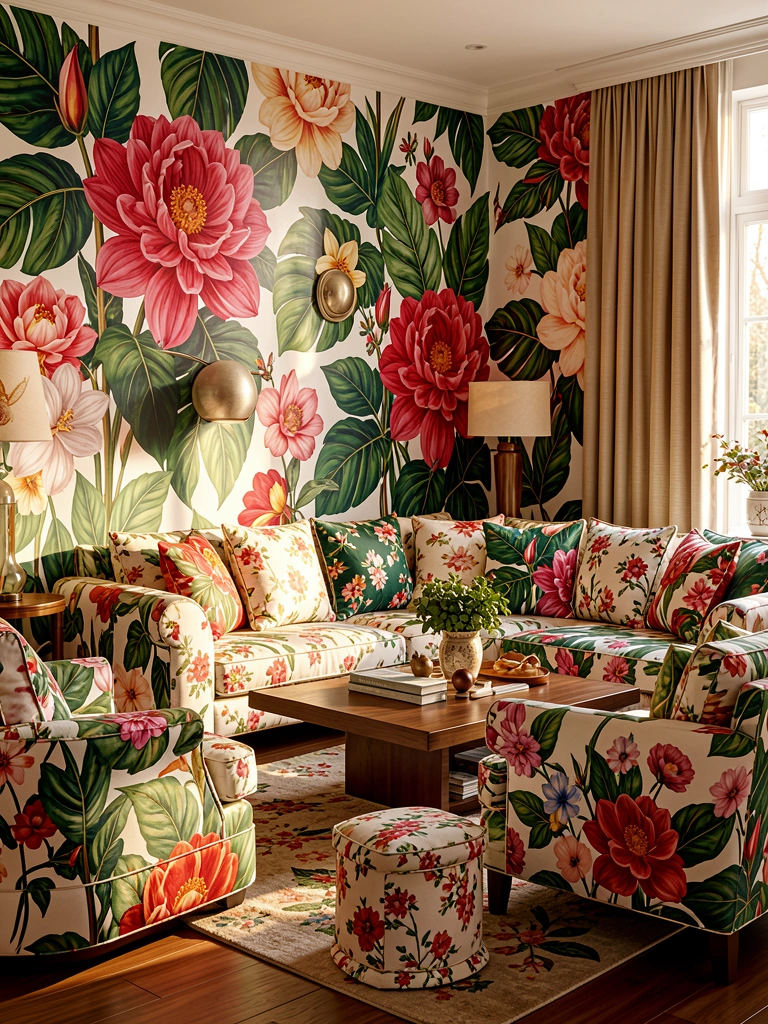
    Master Bold Floral Pattern Layering Techniques

    Mastering three core principles of bold floral pattern layering can transform your interior design from mundane to magnificent. Create dynamic floral juxtaposition by mixing scale and intensity, allowing large botanical prints to dance with delicate patterns. Establish pattern rhythm through strategic color coordination and strategic placement, ensuring visual harmony while maintaining a sense of adventurous design freedom.

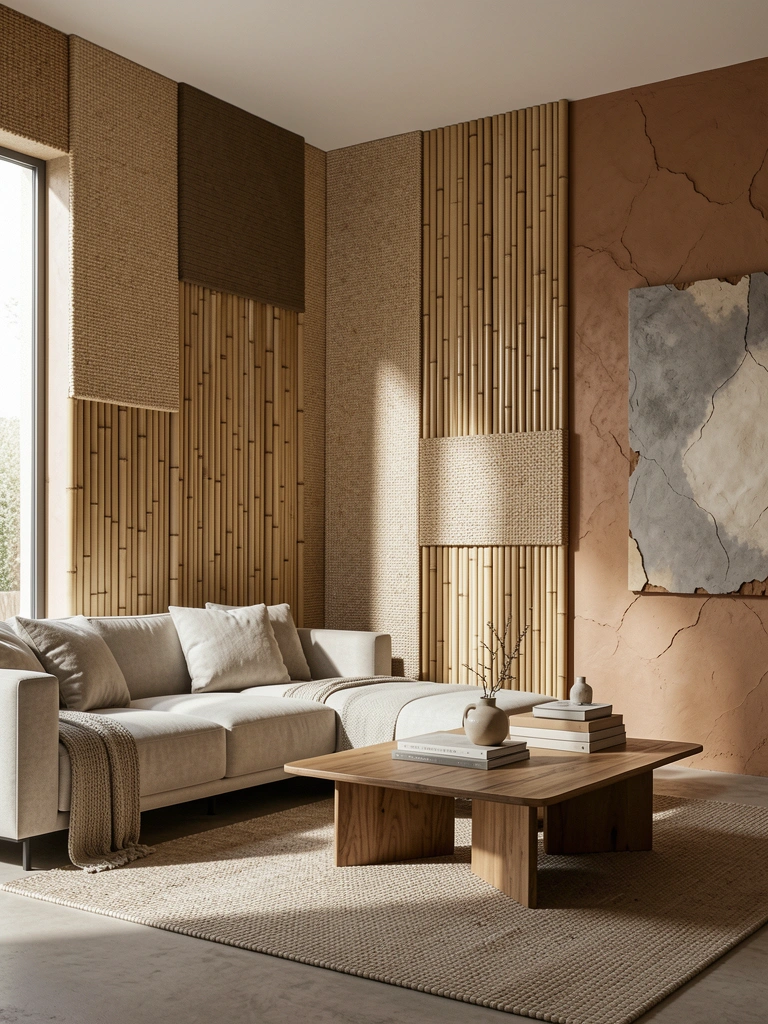
    Create Textural Walls With Organic Materials

    Because texture transforms living spaces, organic wall treatments offer designers and homeowners an innovative approach to creating depth and visual intrigue.

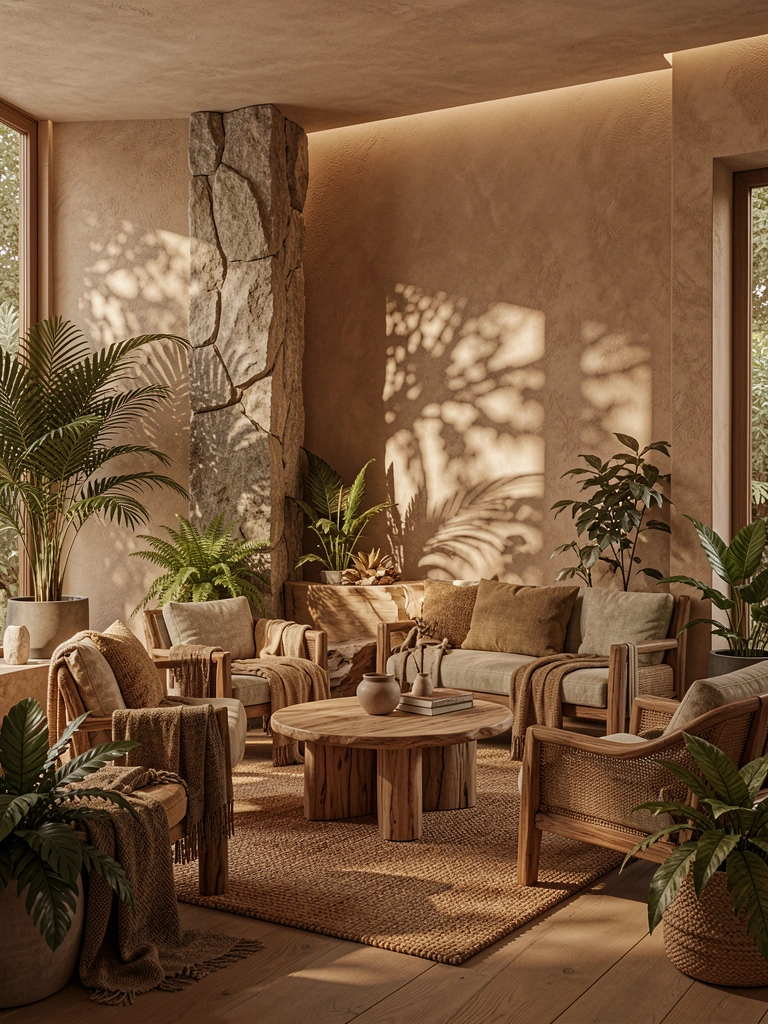
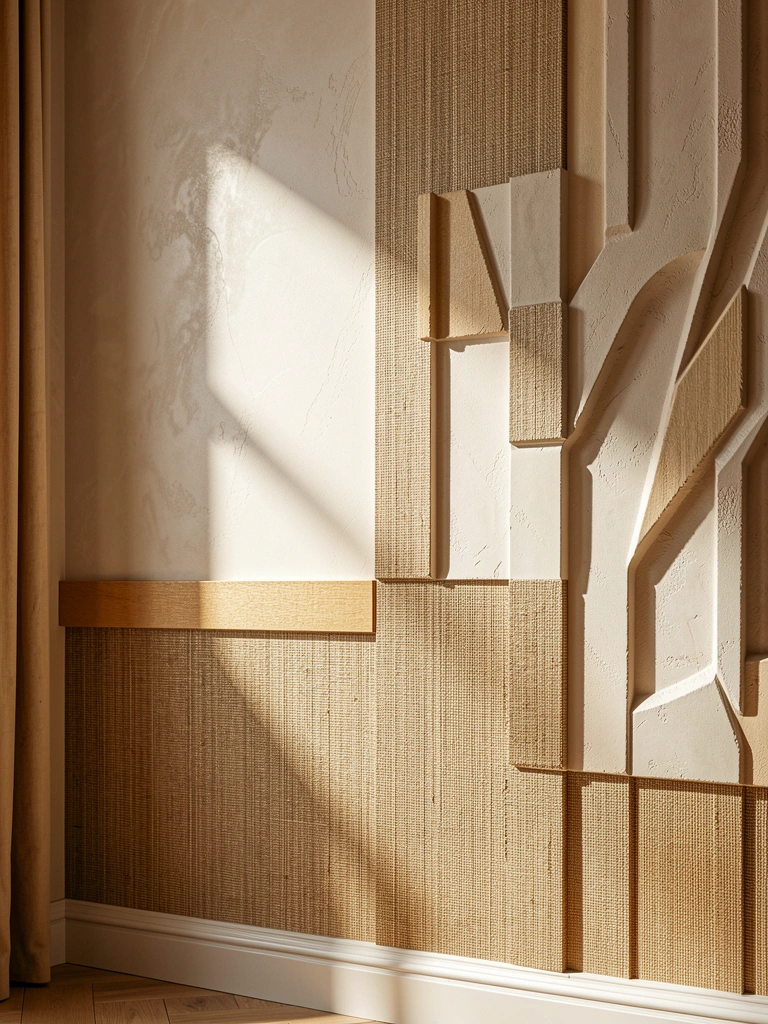
    You’ll elevate your interior by incorporating textured surfaces like woven grasscloth, raw bamboo panels, or handcrafted clay plasters that bring natural, tactile organic finishes to your walls, instantly adding sophisticated global-inspired character.

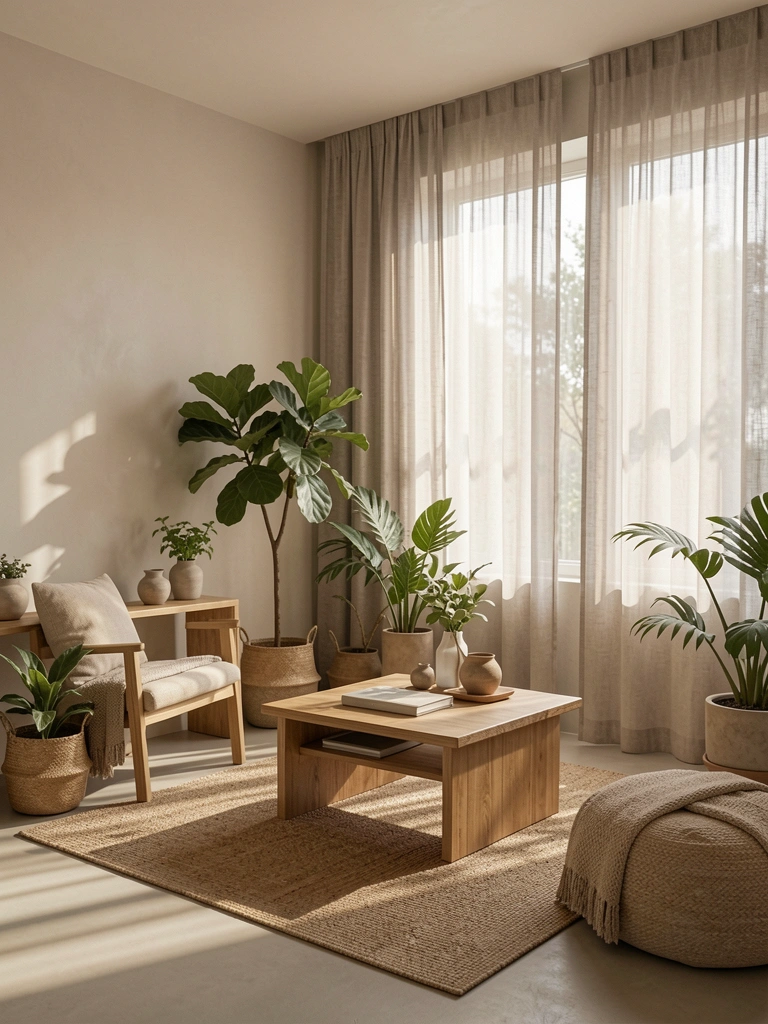
    Design Your Tech-Free Sanctuary Room

    When modern life’s constant digital bombardment leaves you craving genuine disconnection, creating a tech-free sanctuary room becomes an essential strategy for mental restoration and personal wellness.
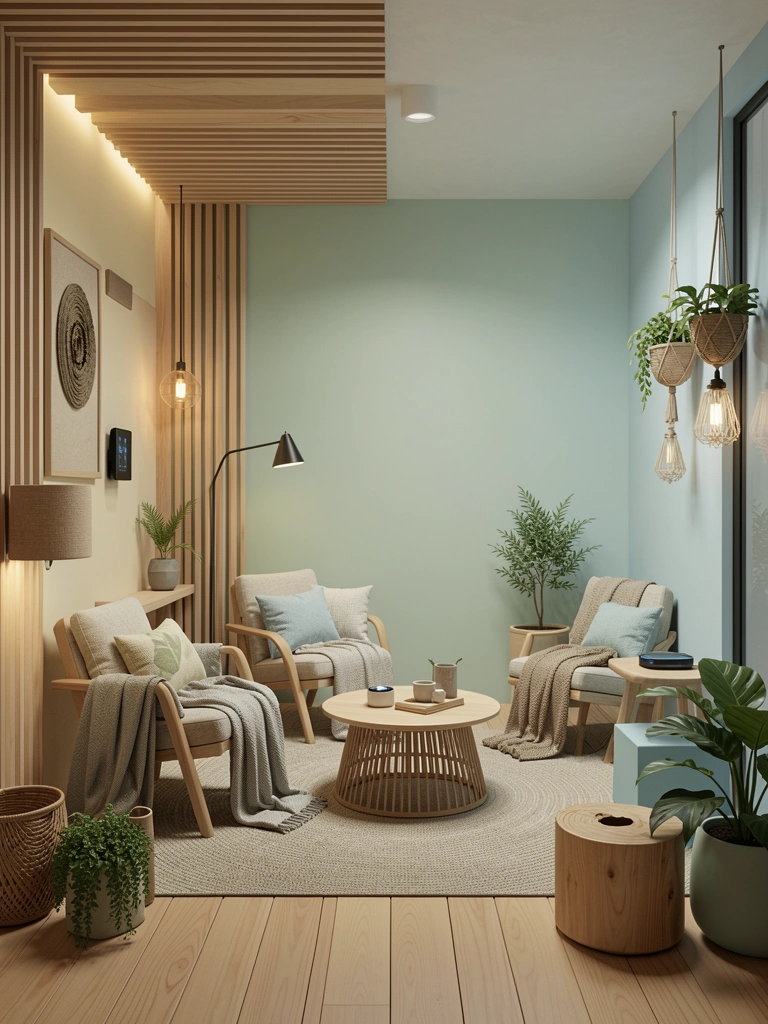
    Embrace mindful aesthetics with serene colorways that invite calm and introspection. Design a space where natural textures, soft lighting, and minimalist furniture replace screens and digital noise, allowing you to reclaim inner peace.

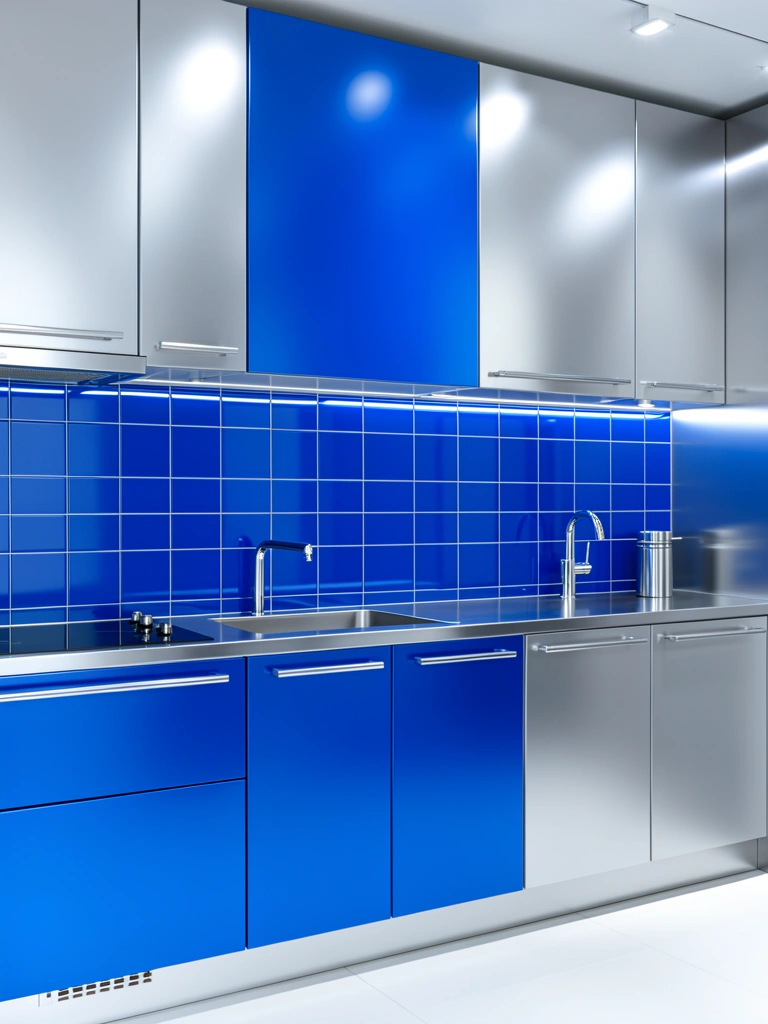
    Modernize Kitchens With Blue and Silver Accents

    How can you transform your kitchen into a sleek, contemporary masterpiece? Embrace blue accents and silver elements to elevate your kitchen aesthetics. Strategic metallic hardware, cobalt backsplashes, and stainless steel appliances create a modern, dynamic space. These cool-toned design choices will instantly modernize your culinary environment, reflecting sophistication and cutting-edge style.

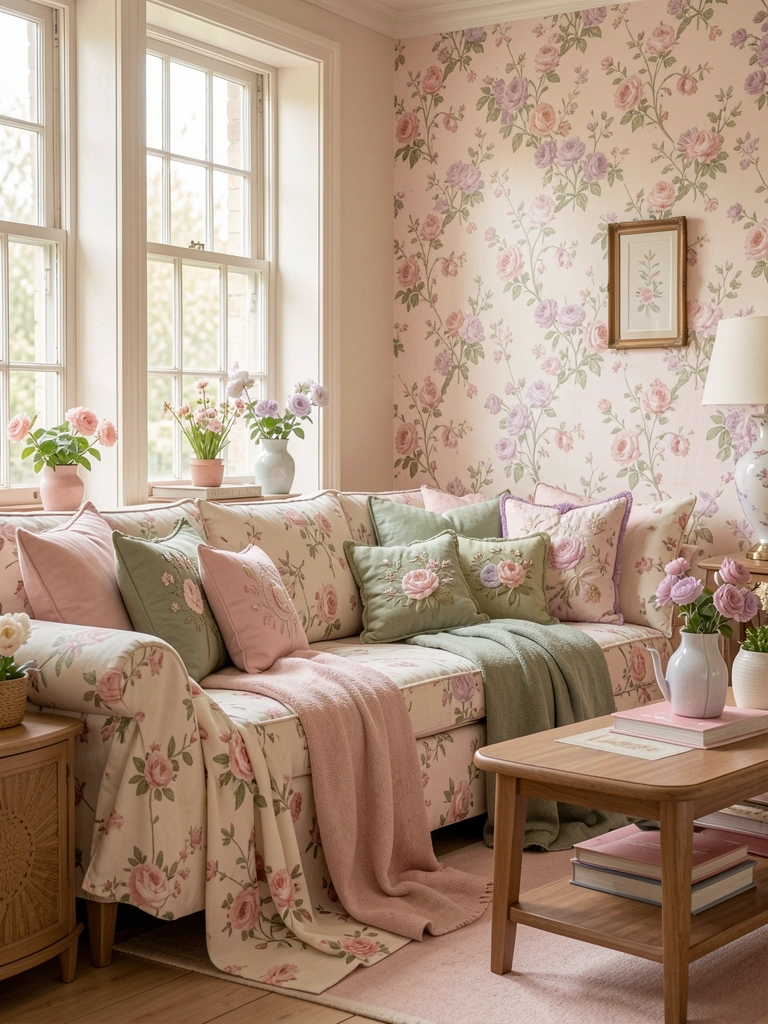
    Vintage Floral Styling: The Grandma Chic Revival

    While nostalgia and contemporary design intersect, vintage floral styling emerges as a charming trend transforming home interiors.

    You’ll love reviving grandma’s garden aesthetic with retro fabrics that blend soft, romantic patterns into modern spaces.

    Embrace delicate rose prints, embroidered cushions, and antique-inspired wallpapers that celebrate timeless elegance with a fresh, playful twist.

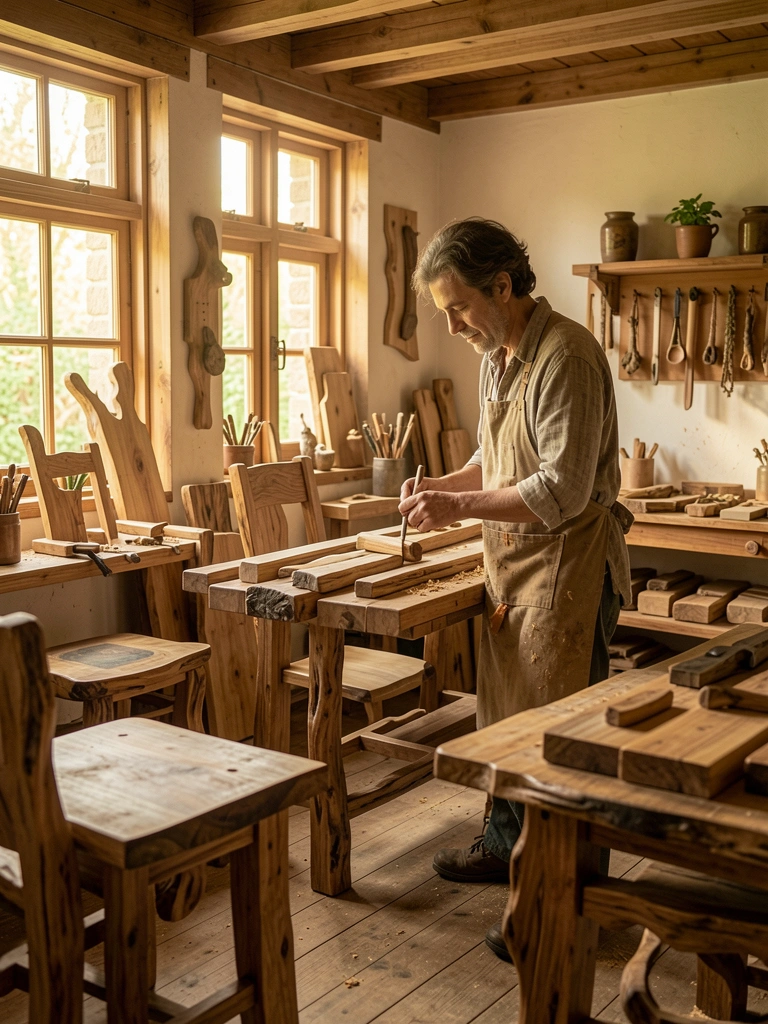
    Sustainable Furniture: Tracing Local Craftsmanship

    As vintage floral aesthetics celebrate heritage design, sustainable furniture now champions local craftsmanship with equal passion.

    You’ll discover artisanal techniques transforming eco-friendly designs, where ethical sourcing meets cultural heritage.

    Handcrafted furniture using local materials tells a story of sustainability trends, empowering craftspeople and reconnecting you with authentic, purposeful living spaces.

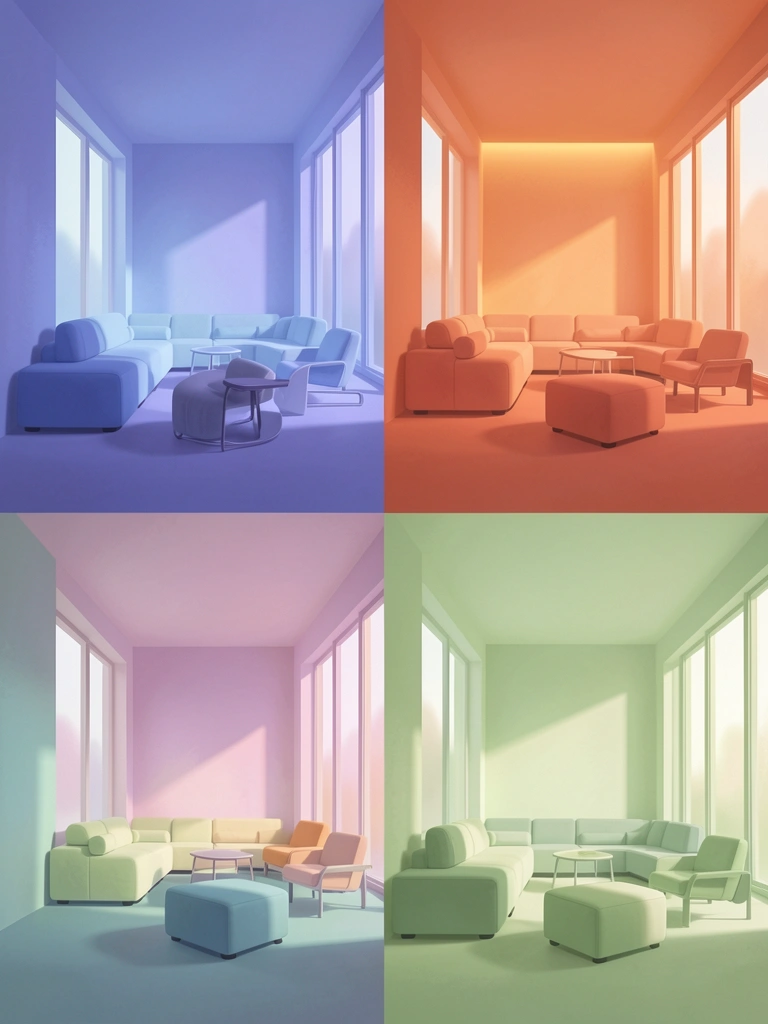
    Design Spaces That Adapt to Your Mood

    Transformative interior design now recognizes spaces as dynamic emotional landscapes that can shift and breathe with your personal rhythms. Your mood board becomes a powerful tool, using color psychology to create adaptable layouts that respond to your emotional state. Craft spaces that aren’t just rooms, but living, responsive environments that mirror your inner world.

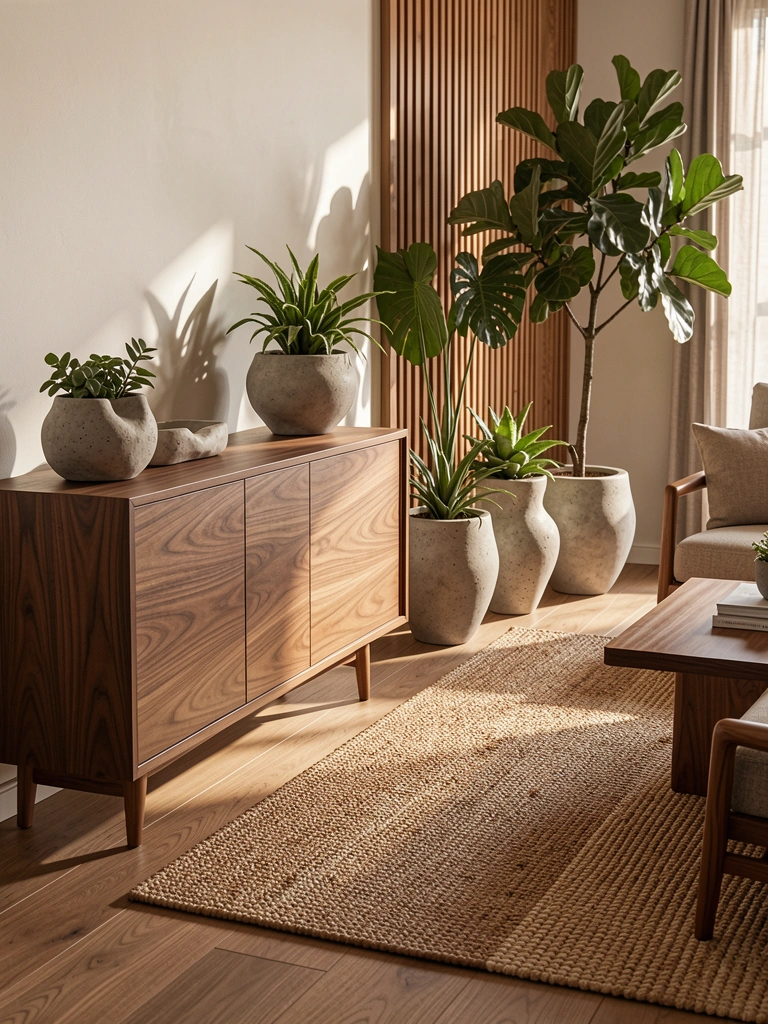
    Blending Midcentury Shapes With Natural Elements

    Because organic forms and geometric precision can coexist beautifully, midcentury modern design now embraces a nuanced dialogue between sleek architectural lines and raw, natural textures.

    You’ll elevate spaces by pairing vintage influences with eco-friendly materials—think walnut sideboards beside handwoven jute rugs, or concrete planters nestled against smooth teak furniture that celebrates both structure and spontaneity.

    Hollywood Cottage: A Timeless Living Room Style

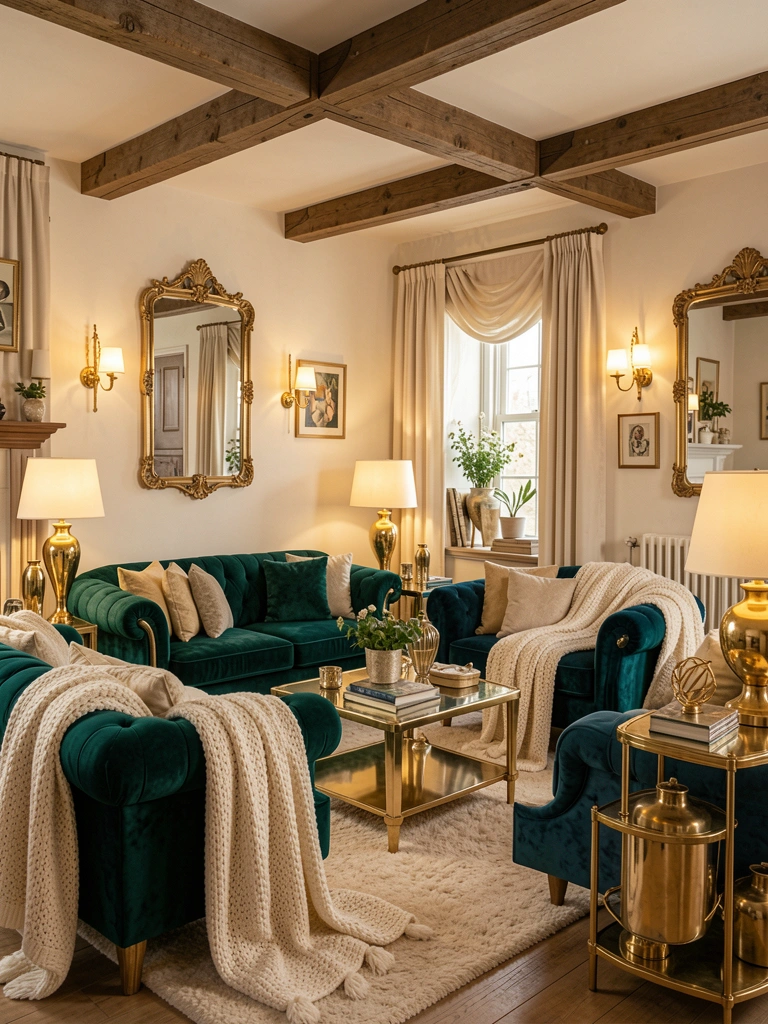
    When Hollywood’s golden era meets cozy cottage charm, you’ll discover a living room style that transcends time and trends. Blend Hollywood Glam’s sleek sophistication with soft, inviting cozy textiles. Think plush velvet sofas, metallic accents, and warm knit throws that create an elegant yet approachable space where vintage glamour and comfort effortlessly coexist.

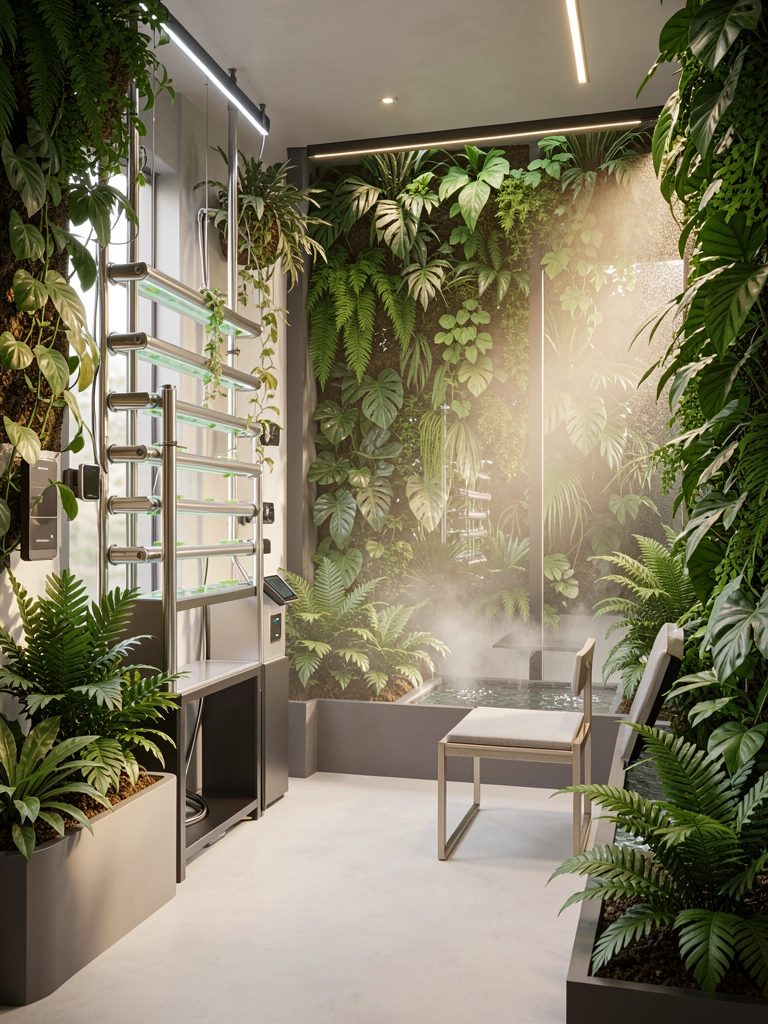
    Indoor Farming: Bringing Nature’s Soundscape Home

    Indoor farming isn’t just about growing herbs on your windowsill anymore—it’s a dynamic lifestyle trend that’s revolutionizing how we interact with nature inside our homes.

    Urban gardening now blends technology with greenery, creating immersive spaces where nature sounds harmonize with modern living, transforming your interior into a vibrant, oxygen-rich sanctuary.

    Sculptural Cork: Reimagining Sustainable Decor

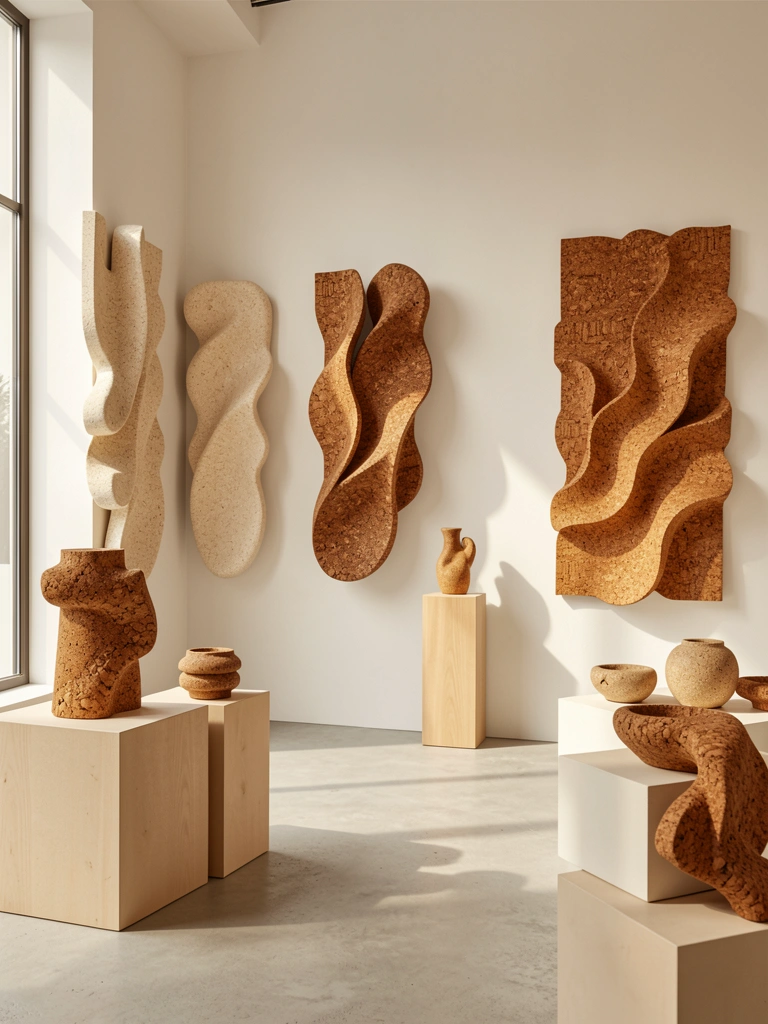
    Cork isn’t just a wine bottle’s best friend anymore—it’s emerging as a versatile, eco-conscious design material that’s transforming home decor with its sculptural potential.

    You’ll love how cork art elevates spaces with organic textures and sustainable style. Embrace these eco decor pieces that aren’t just visually striking, but also reflect your commitment to environmentally conscious design choices.

    Bold Bedding: Mastering Animal Print Layers

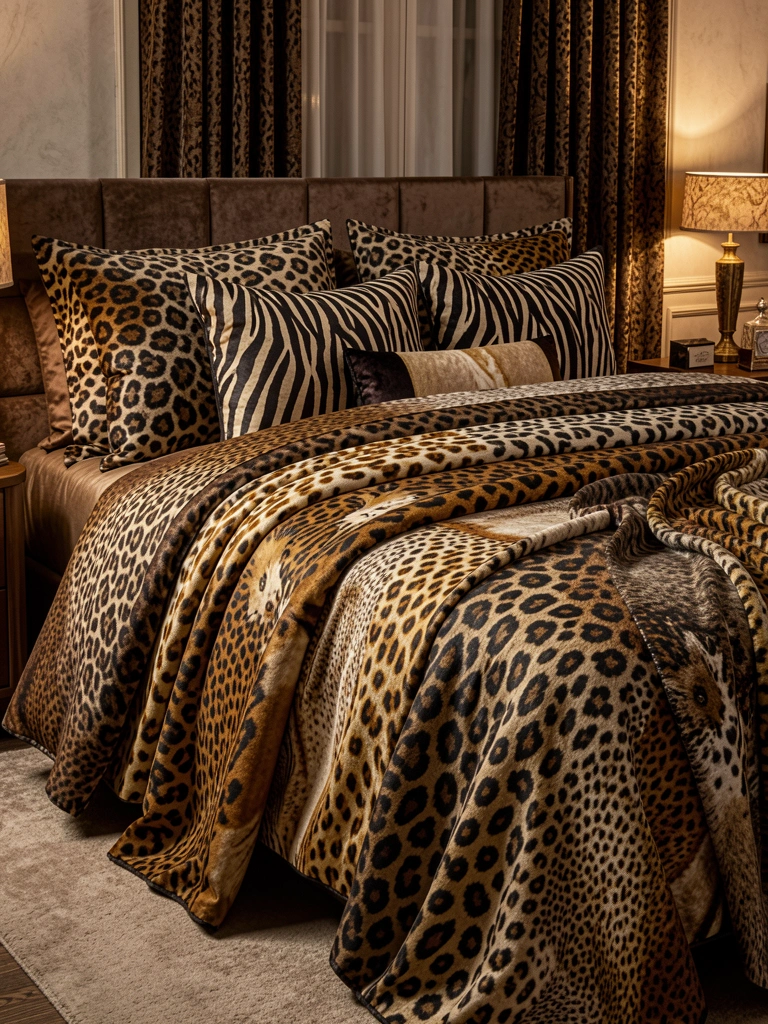
    Zebras and leopards aren’t just roaming the savanna—they’re now dominating bedroom design landscapes with fierce, untamed bedding patterns.

    You’ll want to layer animal print textures strategically, mixing scales and complementary colors.

    Bold leopard throws, zebra accent pillows, and cheetah-inspired duvet covers create depth, transforming your sleeping space into a wild, sophisticated sanctuary that screams individual expression.

    Biophilic Design: Textures That Transform Spaces

    While nature-inspired design continues to revolutionize interior spaces, biophilic textures are emerging as the ultimate transformative element for modern homes. You’ll discover organic furniture that blends seamlessly with natural materials, creating spaces that breathe life and energy. Biophilic lighting adds depth, casting organic shadows that connect your interior to the natural world’s rhythmic essence.

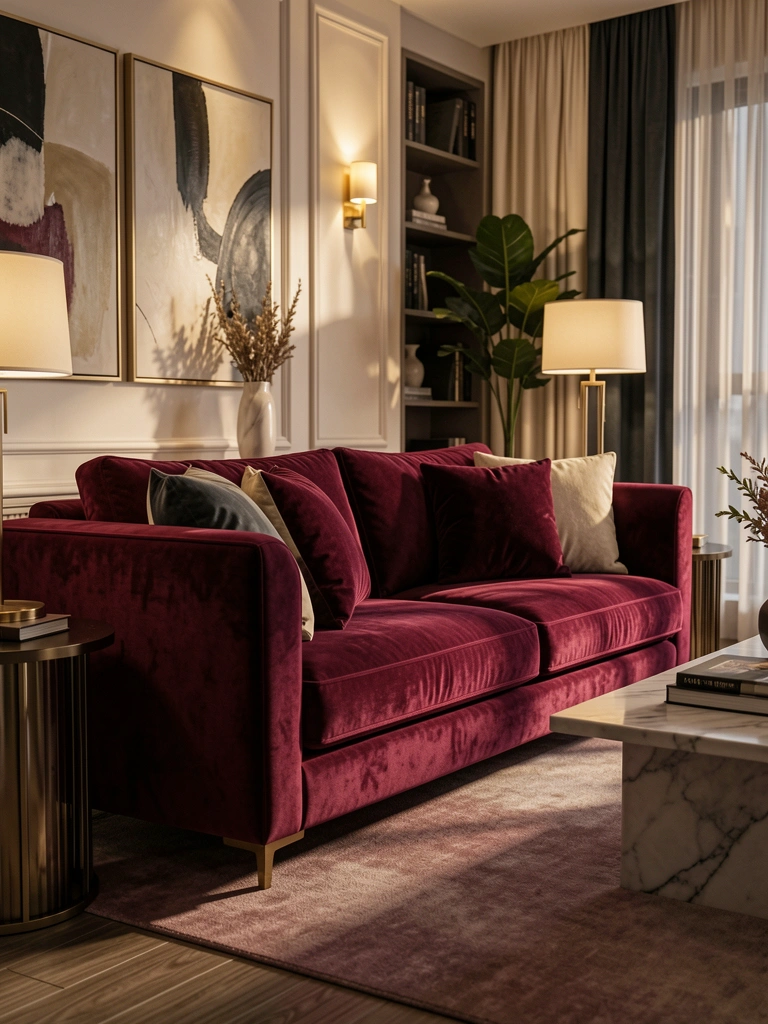
    Burgundy Velvet: The Drama of Rich Upholstery

    Luxury meets sophistication in the resurgence of burgundy velvet upholstery, transforming living spaces with its rich, commanding presence.

    You’ll elevate your home’s aesthetic with plush velvet textures that capture drama and depth. Burgundy accents create bold statements, inviting warmth and contemporary elegance into your personal sanctuary.

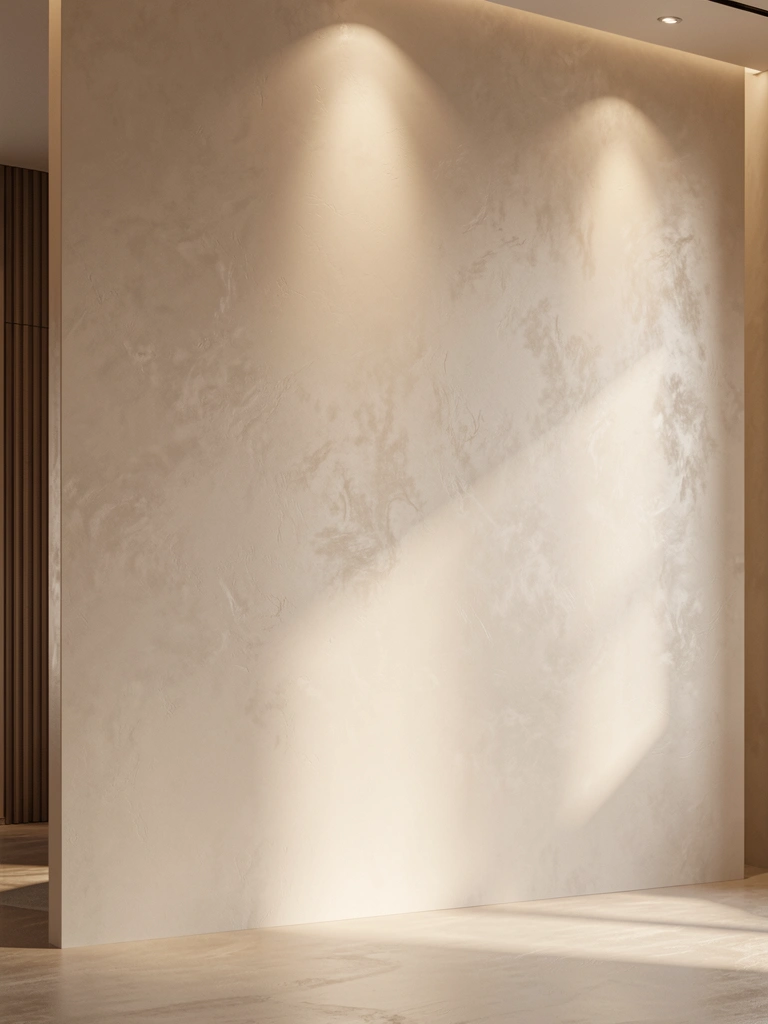
    Polished Plaster: Walls Beyond Flat Paint

    Because traditional wall finishes have lost their luster, polished plaster emerges as the ultimate design solution for transforming interior spaces.

    You’ll discover these textured wall techniques add depth, sophistication, and dramatic visual interest. Polished plaster finishes create luminous, seamless surfaces that reflect light uniquely, elevating your walls from mundane to magnificent.

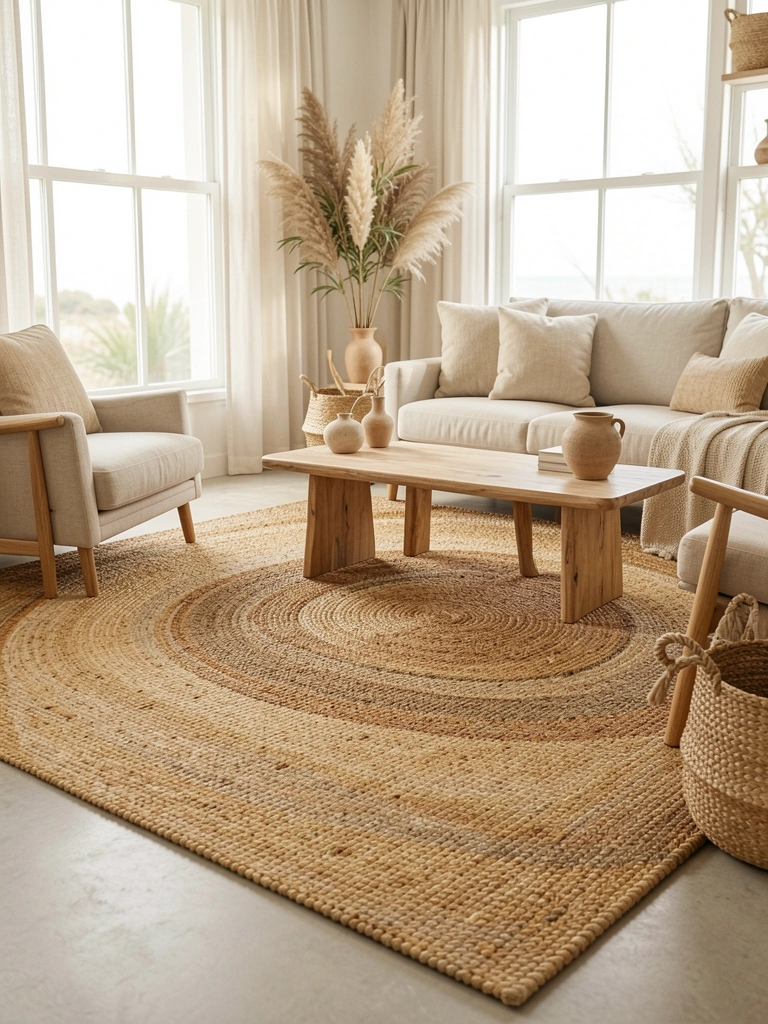
    Seagrass Rugs: Organic Texture Essentials

    The natural, earth-toned seagrass rug has become an essential design element for homeowners seeking organic texture and sustainable style.

    You’ll love how these eco-friendly floor coverings bring coastal aesthetics into your space, effortlessly blending durability with understated elegance.

    Seagrass sustainability meets chic design, creating a versatile statement piece that transforms any room.

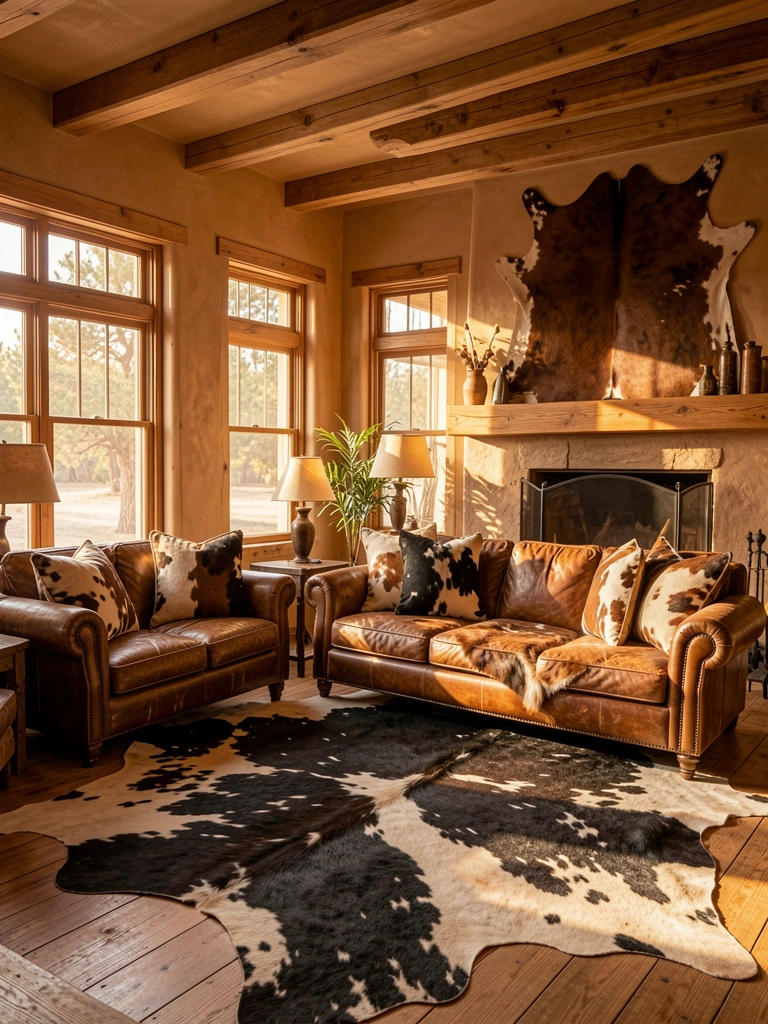
    Western-Inspired Decor: Styling Cowhide Accents

    Anyone seeking to infuse rustic charm and bold character into their living spaces will find cowhide accents an irresistible design strategy.

    These natural, textured pieces deliver instant rustic elegance, transforming rooms with their unique patterns and organic feel.

    Choose cowhide throw pillows, area rugs, or wall hangings to inject western-inspired cowhide charm into your home’s aesthetic.

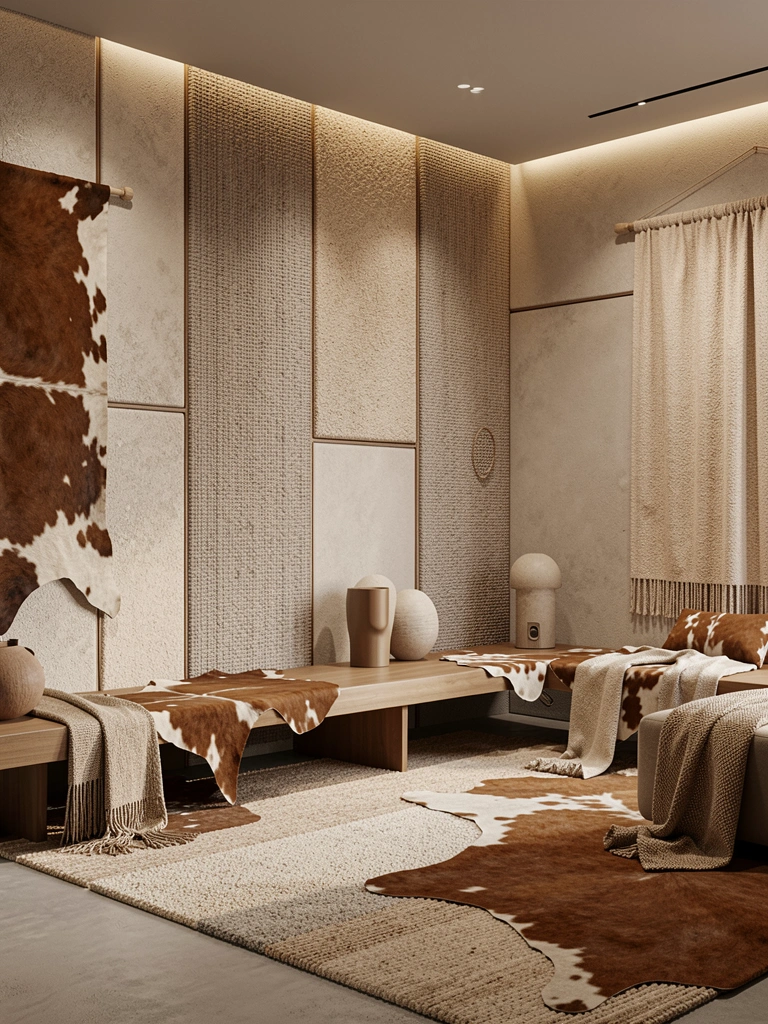
    Sound-Dampening Surfaces: Function Meets Design

    While cowhide’s organic textures elevate visual aesthetics, modern interior design demands more than just stunning looks—it requires smart acoustic solutions.

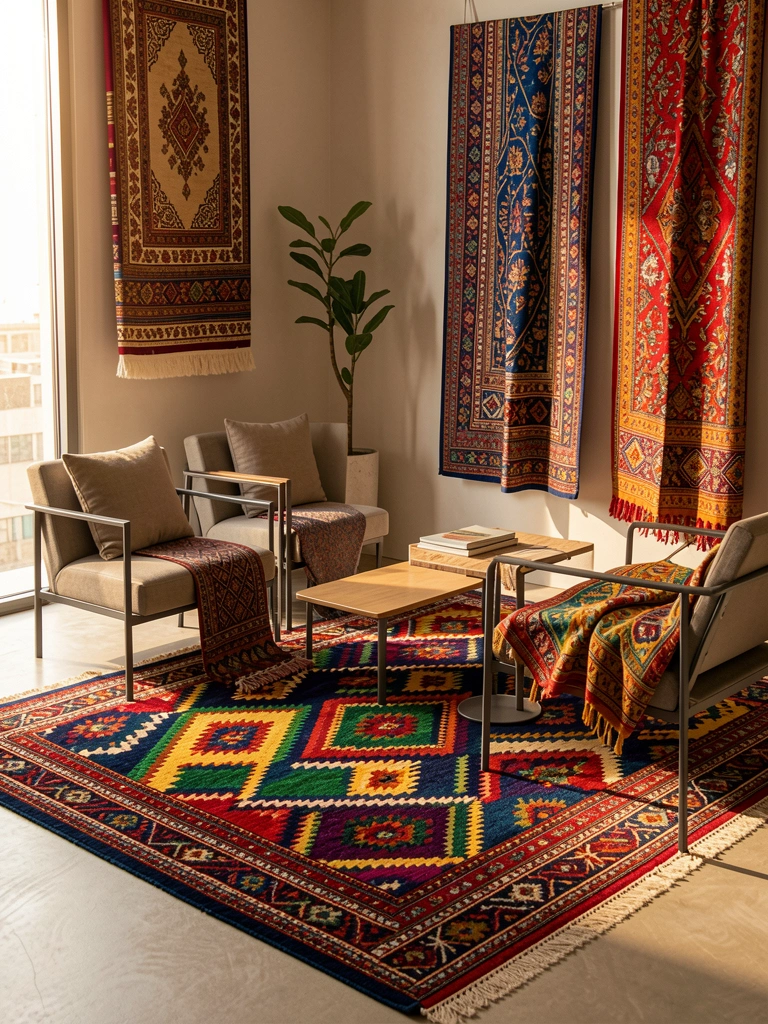
    You’ll love integrating sound-dampening surfaces that deliver soundproof elegance. Textured wall panels, plush area rugs, and strategically placed tapestries can transform your space, balancing acoustic aesthetics with contemporary design sensibilities.

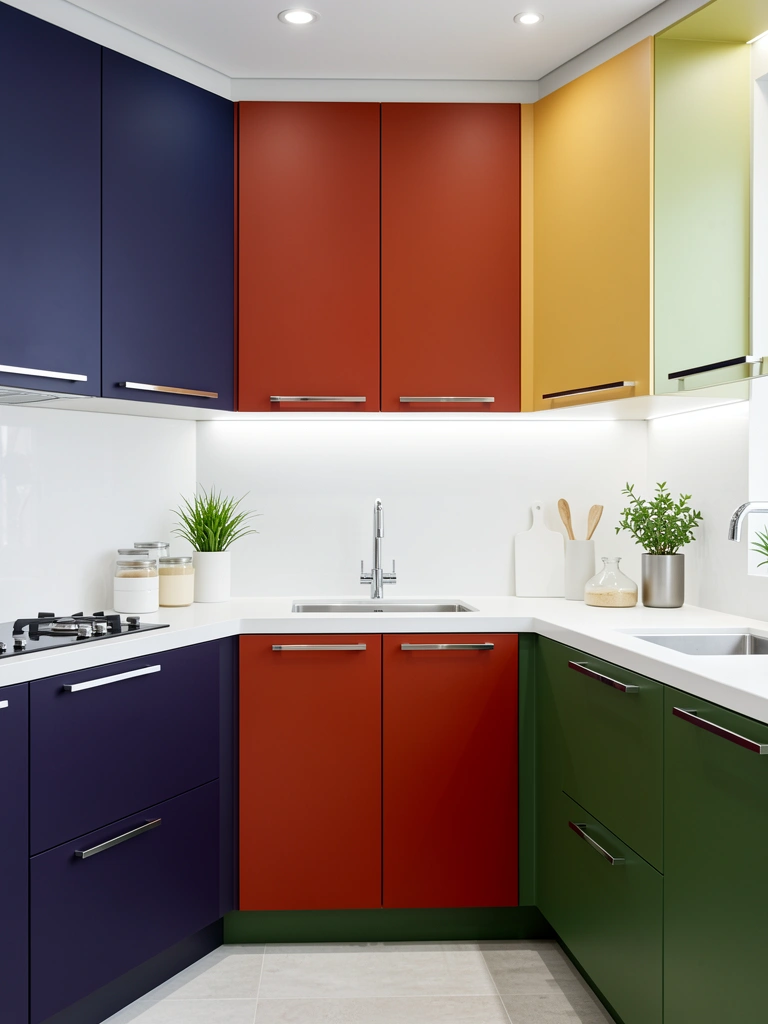
    Reinventing Kitchen Cabinets With Fresh Colors

    Three bold color choices can instantly transform your kitchen’s entire aesthetic, turning dated cabinetry into a contemporary design statement.

    Embrace color psychology by selecting hues that energize or calm your space. Pair vibrant cabinet colors with sleek hardware to elevate your kitchen’s visual impact and reflect your personal style, creating a dynamic, personalized environment.

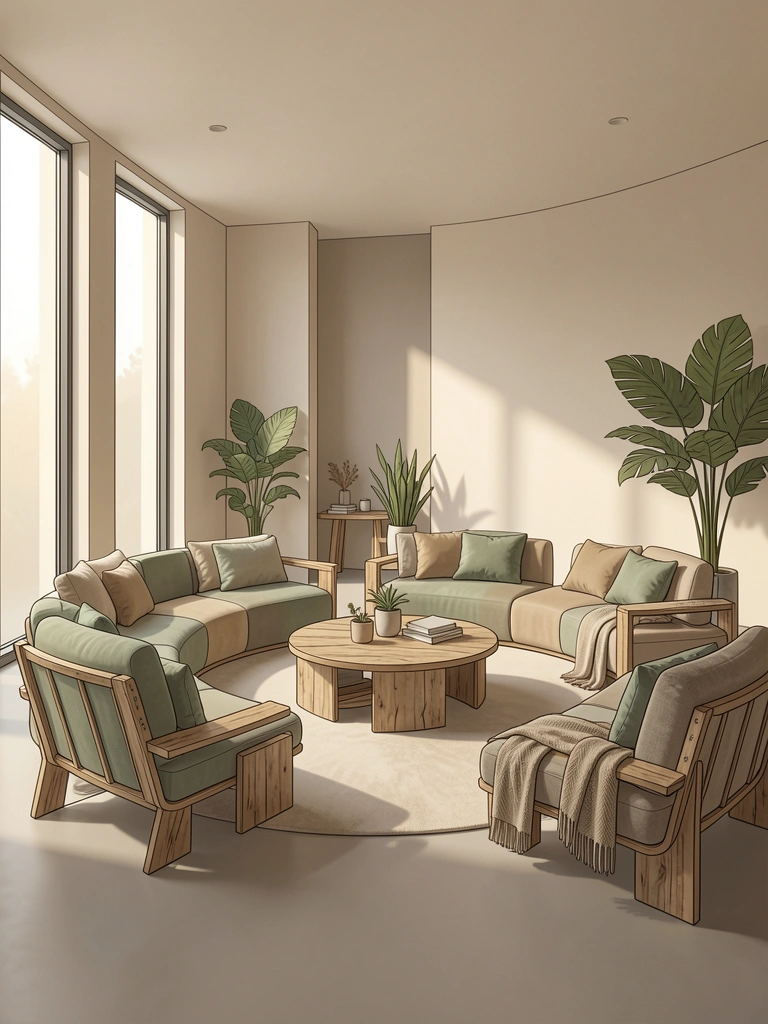
    Circular Design: The Future of Interiors

    As sustainable design continues to reshape interior spaces, circular design emerges as a transformative approach that reimagines how we create, use, and repurpose home environments.

    You’ll discover circular furnishings that blend sustainable aesthetics with innovative form, offering flexible, adaptable solutions that minimize waste and maximize beauty in your living spaces.

    Pattern Mixing: Traditional Meets Modern

    Pattern Mixing: Traditional Meets Modern

    Pattern mixing transforms traditional design principles into contemporary expressions, offering homeowners a bold canvas for personal storytelling.

    You’ll blend cultural textiles with contrasting colors, creating dynamic spaces that challenge conventional aesthetics.

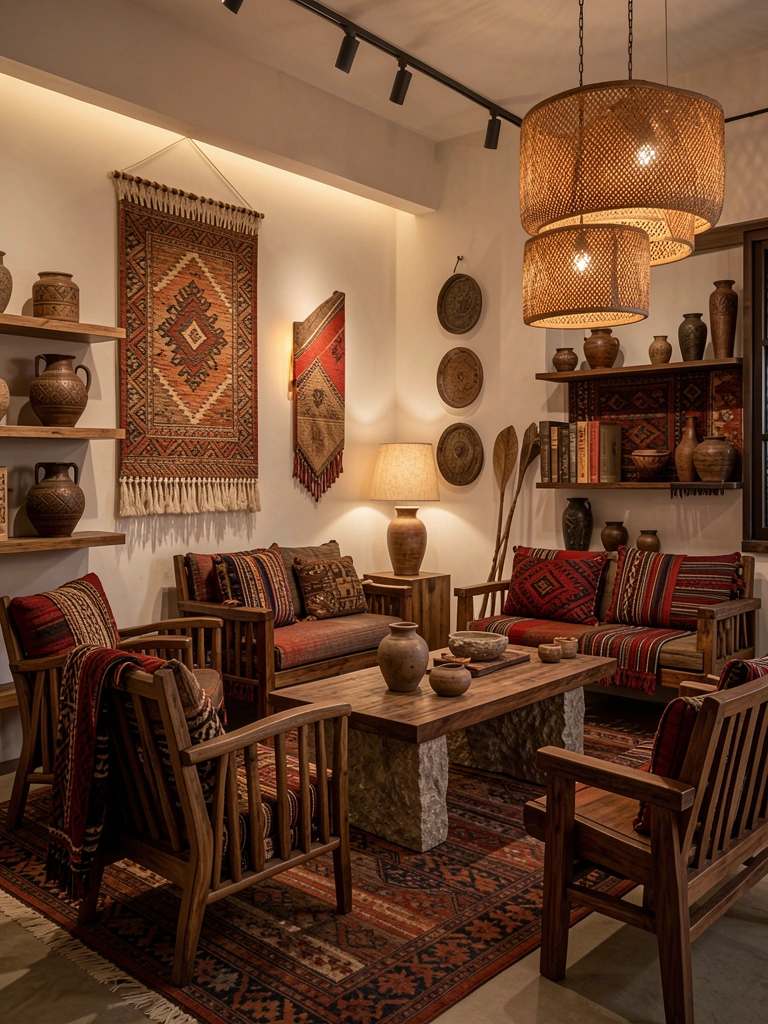
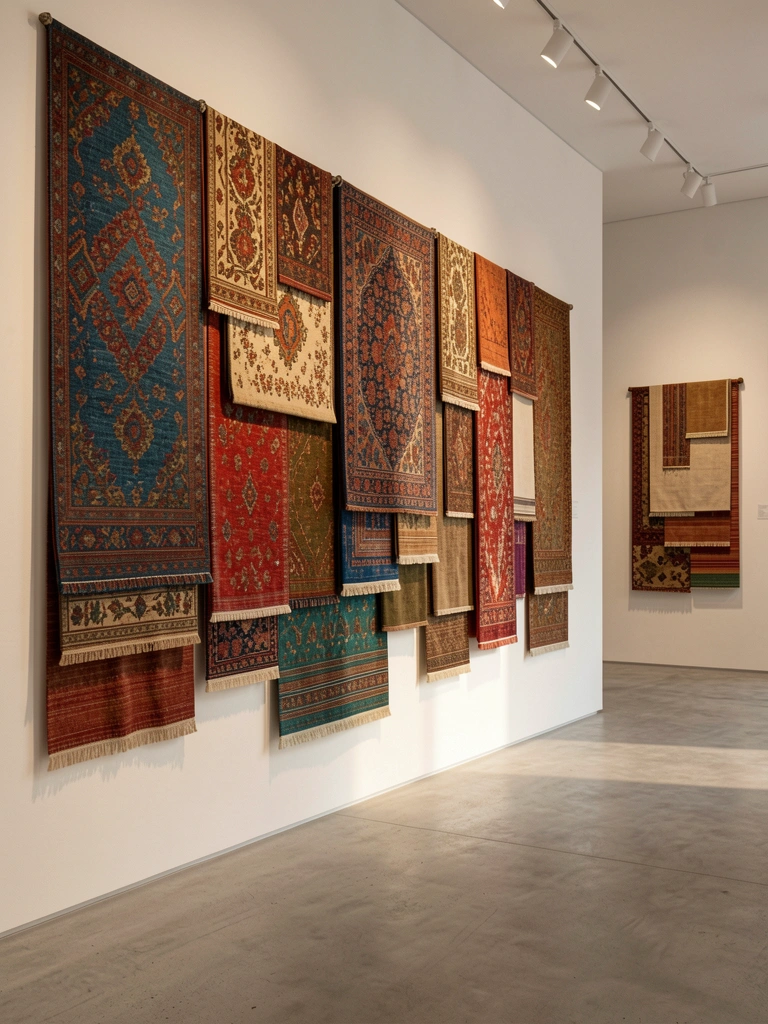
    Merge geometric Moroccan rugs with minimalist furniture, or pair intricate Indian prints with sleek modern surfaces, crafting an eclectic narrative that celebrates individual style.

    Luxury Interiors: The Hyper-Local Approach

    When luxury design embraces local heritage, interiors transform into personalized narratives that celebrate regional craftsmanship and cultural identity.

    You’ll elevate your space by blending global influences with local aesthetics, creating unique environments that reflect your personal story while honoring traditional design elements and contemporary sensibilities.

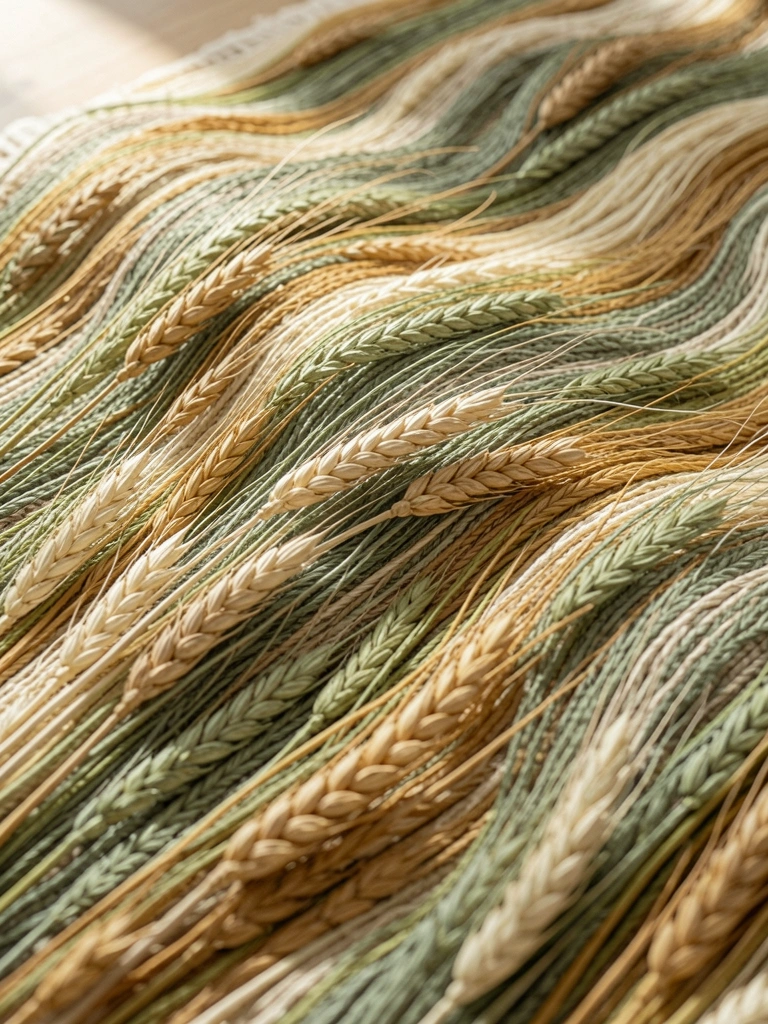
    Windblown Grass: Textural Rug Inspirations

    Textural rugs inspired by windblown grass capture the organic movement and natural elegance found in contemporary interior design, bridging the connection between local craftsmanship and sensory experiences.

    You’ll discover windblown textures that transform spaces, integrating nature-inspired patterns through handwoven techniques that evoke raw, untamed landscapes and celebrate individual design freedom.

    Creating Analog Spaces for Genuine Connection

    Though digital technology dominates modern life, creating analog spaces offers a profound antidote to screen-saturated experiences.

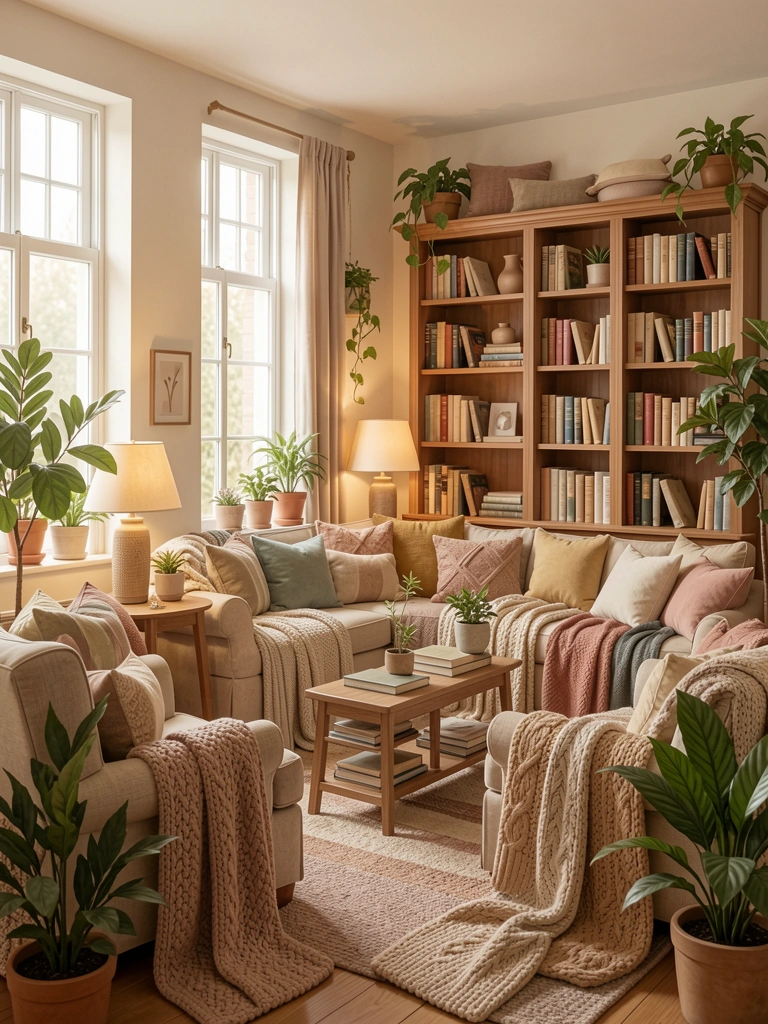
    Design community spaces that encourage genuine interactions—think cozy reading nooks, conversation-friendly furniture arrangements, and shared experiences that prioritize human connection over digital distractions.

    Your home can become a sanctuary of meaningful engagement.

    Beyond Flat Paint: Textural Wall Treatments

    Transform your walls from flat canvases into dynamic storytelling surfaces that captivate and intrigue.

    Explore textured finishes like Venetian plaster, grasscloth wallpapers, and three-dimensional wall reliefs that add depth and architectural interest.

    These tactile treatments aren’t just decorative—they’re sensory experiences that elevate your living spaces with global-inspired sophistication.

    Silver and Dark Wood: A Timeless Combination

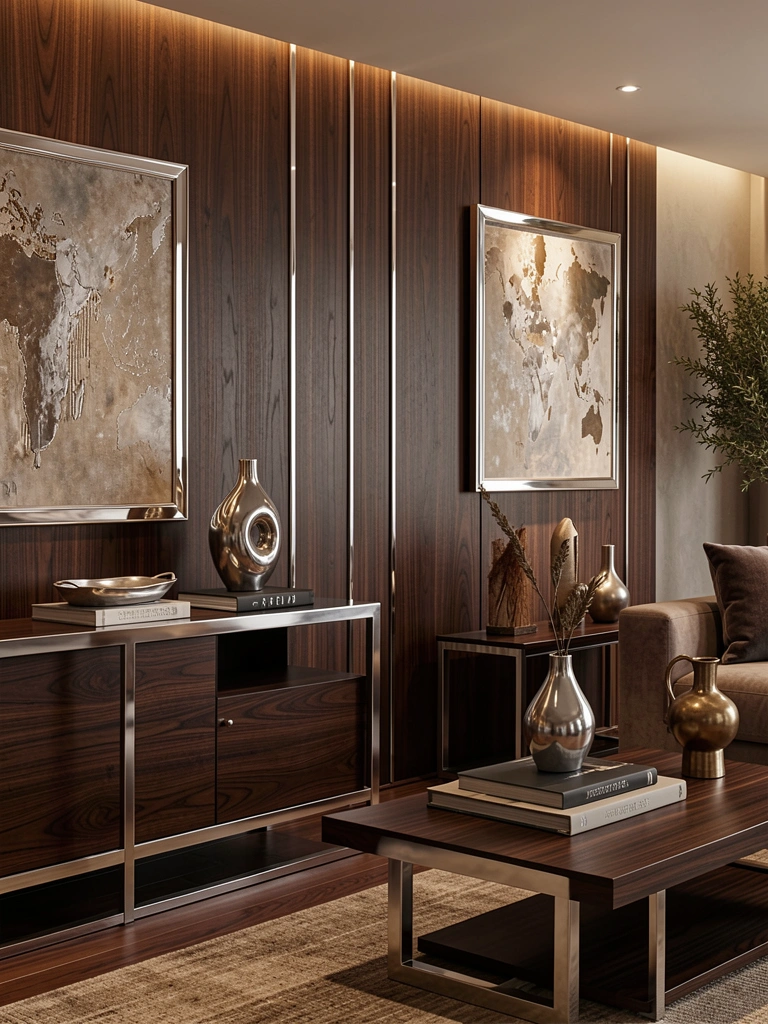
    While design trends ebb and flow, the elegant pairing of silver metallic accents with rich, dark wood remains a timeless interior design strategy that brings sophisticated contrast and visual depth to contemporary spaces.

    You’ll love how silver accents create a sleek, modern edge against dark wood’s warm, grounding presence, transforming rooms with effortless sophistication and global-inspired style.

    Global Design: Archival Influences Reimagined

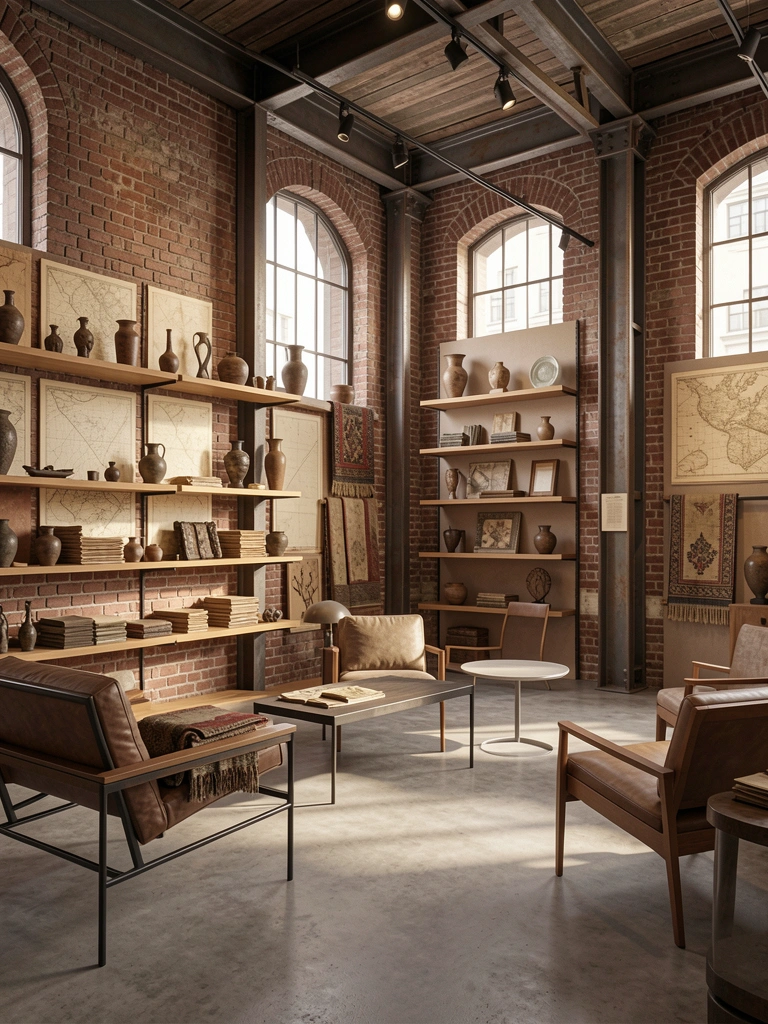
    As contemporary design enthusiasts seek deeper connections with cultural heritage, global design trends are masterfully reinterpreting archival influences through a modern lens.

    You’ll discover industrial elegance merging with eclectic collections, transforming spaces into narratives that honor traditional craftsmanship while celebrating innovative design perspectives that transcend geographical boundaries.

    Designing for Human Sensory Experience

    Beyond curated collections and industrial aesthetics, modern home design now prioritizes holistic sensory experiences that engage and transform living environments.

    You’ll create immersive environments by strategically layering sensory elements—textures that invite touch, soundscapes that calm, lighting that shifts mood, and materials that resonate with emotional depth and personal narrative.

  • 28 Gorgeous Relaxation Corner Setups Ideas You’ll Love

    28 Gorgeous Relaxation Corner Setups Ideas You’ll Love

    You crave a sanctuary within your home—a space that whispers tranquility and beckons you to unwind. Imagine transforming a neglected corner into a personal retreat that reflects your style and soothes your soul. From minimalist zen nooks to lush botanical hideaways, these 28 relaxation corner setups aren’t just design ideas—they’re your blueprint for daily rejuvenation. Want to discover how a simple arrangement can revolutionize your mental landscape?

    28 Gorgeous Relaxation Corner Setups Ideas You’ll Love

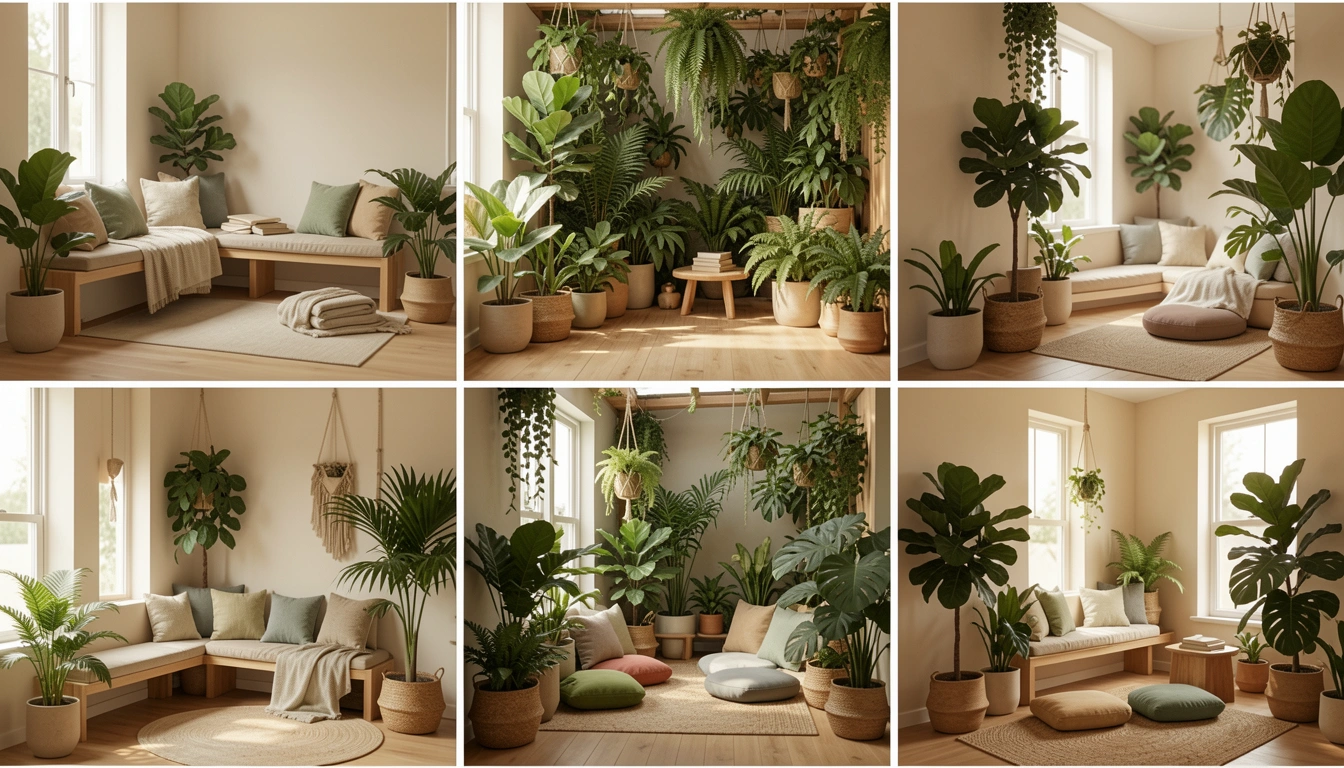
    Creating a relaxation corner is more than just arranging furniture—it’s about crafting a personal sanctuary that speaks to your soul.

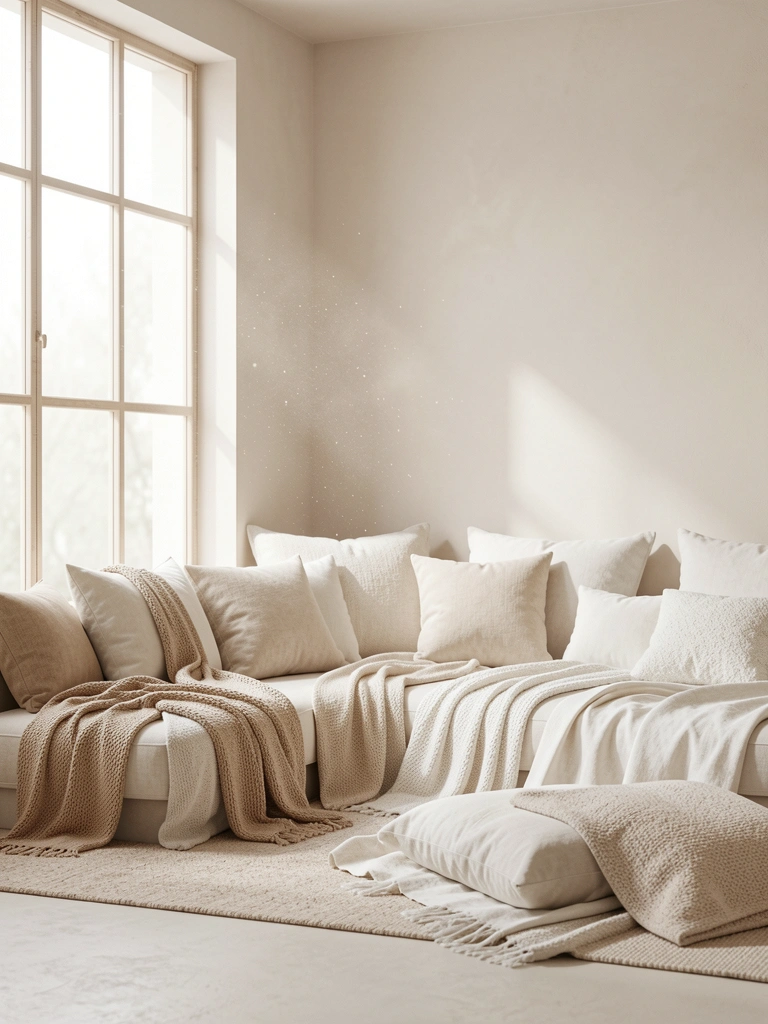
    Envision soft, muted colors and plush textures that transform cozy corners into zen spaces. Your retreat should reflect inner tranquility, with carefully chosen elements that invite peace and comfort, allowing you to escape daily pressures effortlessly.

    Understanding Relaxation Corners: Your Home Wellness Blueprint

    While wellness spaces have evolved beyond traditional design concepts, a relaxation corner represents a strategic, intentional approach to personal sanctuary creation within your home.

    Your mental wellness thrives when mindfulness practices intersect with intentional design, transforming ordinary spaces into rejuvenating retreats that reflect your inner calm and aesthetic sensibilities.

    Essential Design Principles for Comfort Spaces

    Because comfort transcends mere physical arrangement, design principles for wellness spaces demand a holistic approach that intertwines sensory experience with intentional aesthetic choices.

    Your relaxation corner’s texture balance creates depth through layered fabrics, while strategically placed cozy accessories transform ordinary spaces into personalized sanctuaries of tranquility and individual expression.

    Choosing the Perfect Location in Your Home

    Selecting the ideal spot for your relaxation corner requires thoughtful spatial awareness and an intuitive understanding of your home’s unique architectural flow.

    Consider areas with ideal sunlight exposure and minimal noise disruptions.

    Prioritize privacy concerns while ensuring the space feels open and inviting, allowing you to truly unwind and disconnect from daily stressors.

    Spatial Planning: Maximizing Small and Large Areas

    Whether your living space spans a cozy studio or a sprawling open-plan home, strategic spatial planning transforms any area into a sanctuary of relaxation.

    Smart space optimization requires layout creativity, utilizing vertical dimensions, multi-functional furniture, and thoughtful color selections that expand perceived boundaries and invite serene experiences.

    Minimalist Relaxation Strategies: Less Is More

    When embracing minimalist relaxation strategies, you’ll discover that architectural simplicity and intentional design can dramatically transform your living environment.

    Through mindful decluttering and intentional simplicity, you’ll create serene spaces that breathe tranquility.

    Soft neutral palettes, clean lines, and purposeful furniture selections become your pathway to mental clarity and aesthetic freedom.

    Boho-Inspired Comfort: Layered Textures and Colors

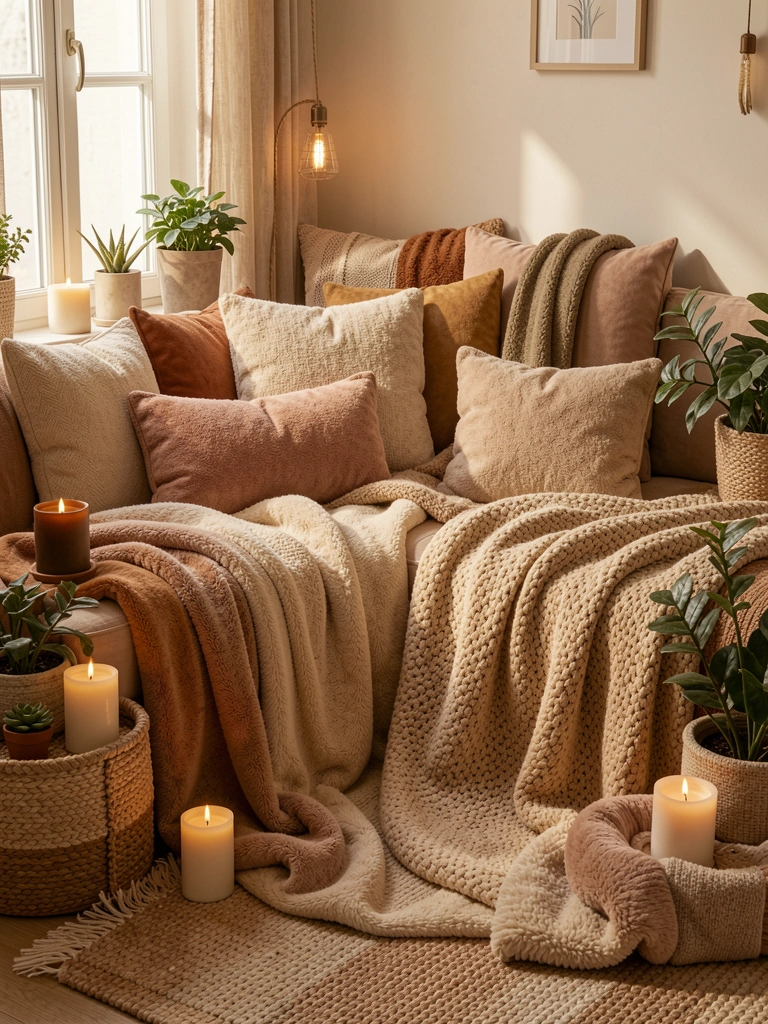
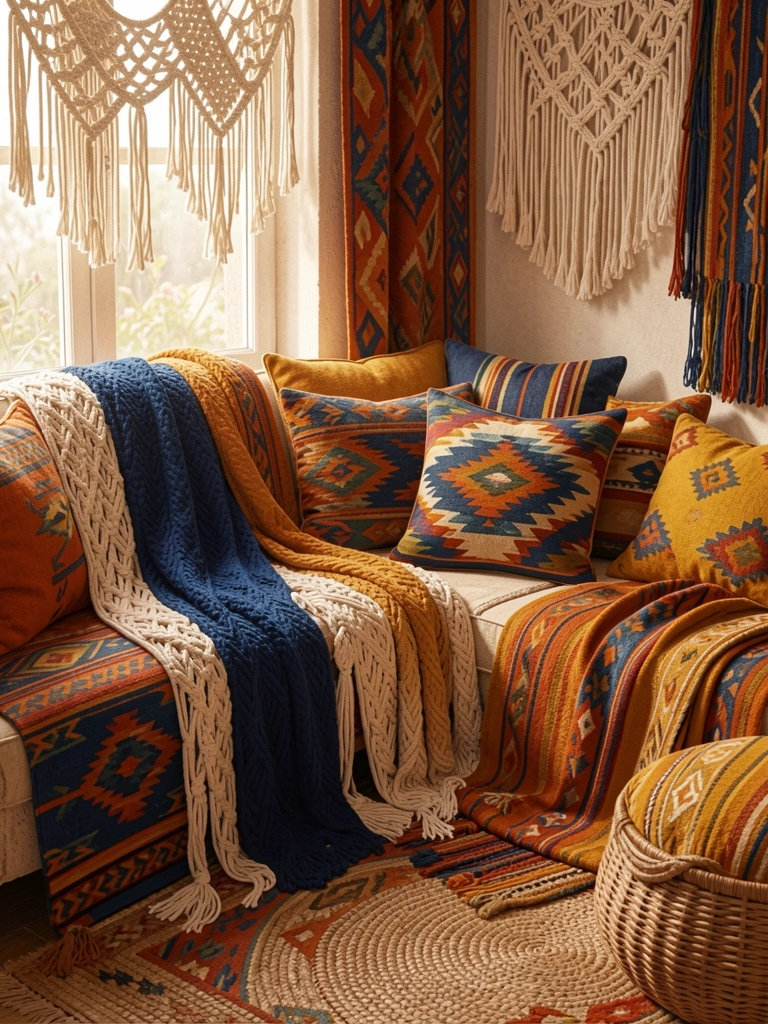
    Wanderlust meets comfort in the world of boho-inspired relaxation corners, where rich textures and vibrant colors create a sensory sanctuary.

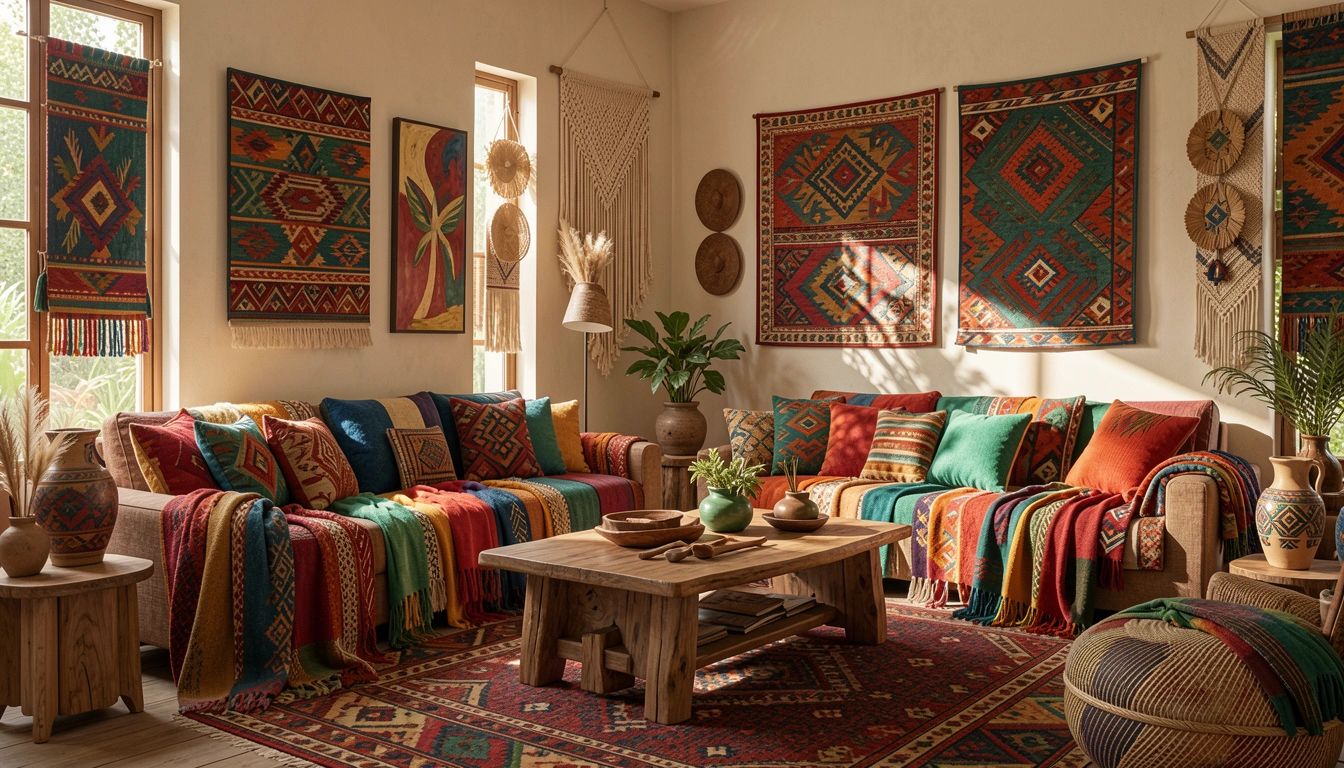
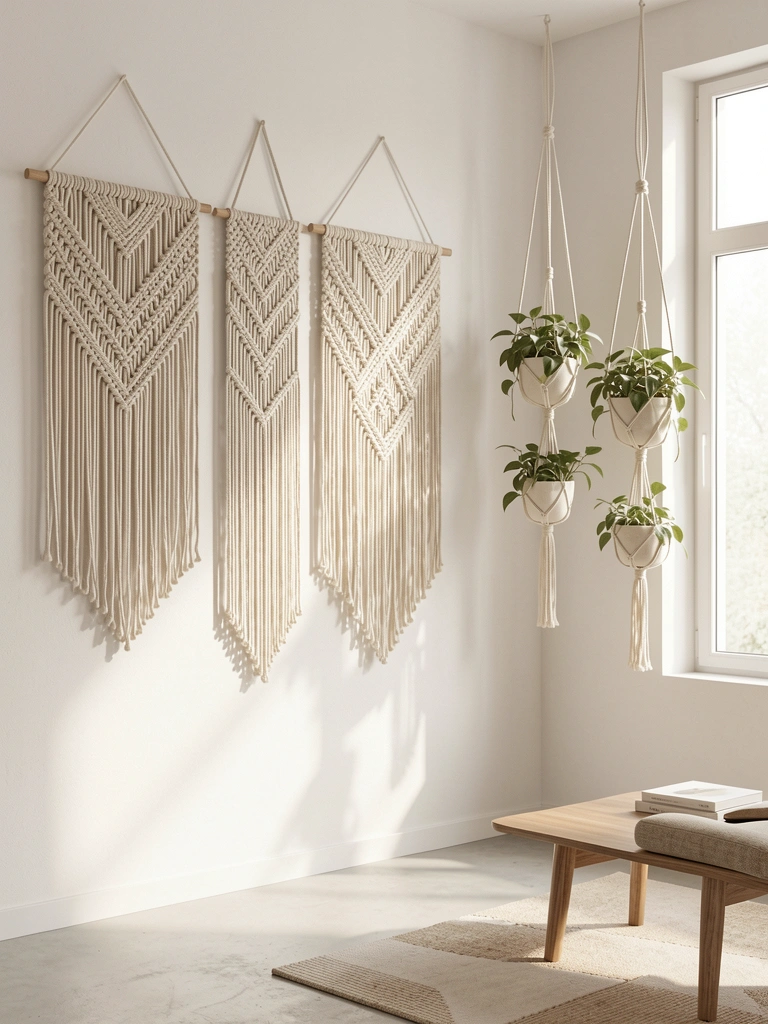
    Layer boho textiles like macramé throws, kilim pillows, and woven rugs to transform your space.

    Embrace vibrant hues—terracotta, indigo, and mustard—that spark joy and invite free-spirited relaxation.

    Natural Light and Relaxation: Designing Bright Retreats

    Building on the boho aesthetic’s warm embrace, natural light emerges as the ultimate designer of serene relaxation spaces.

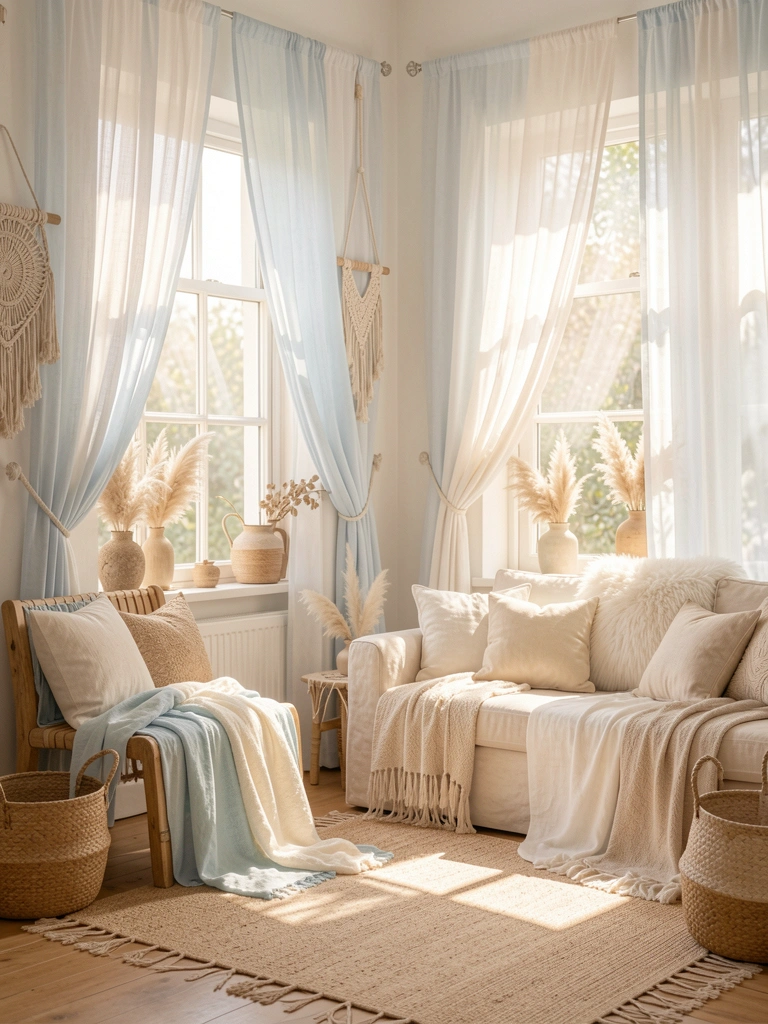
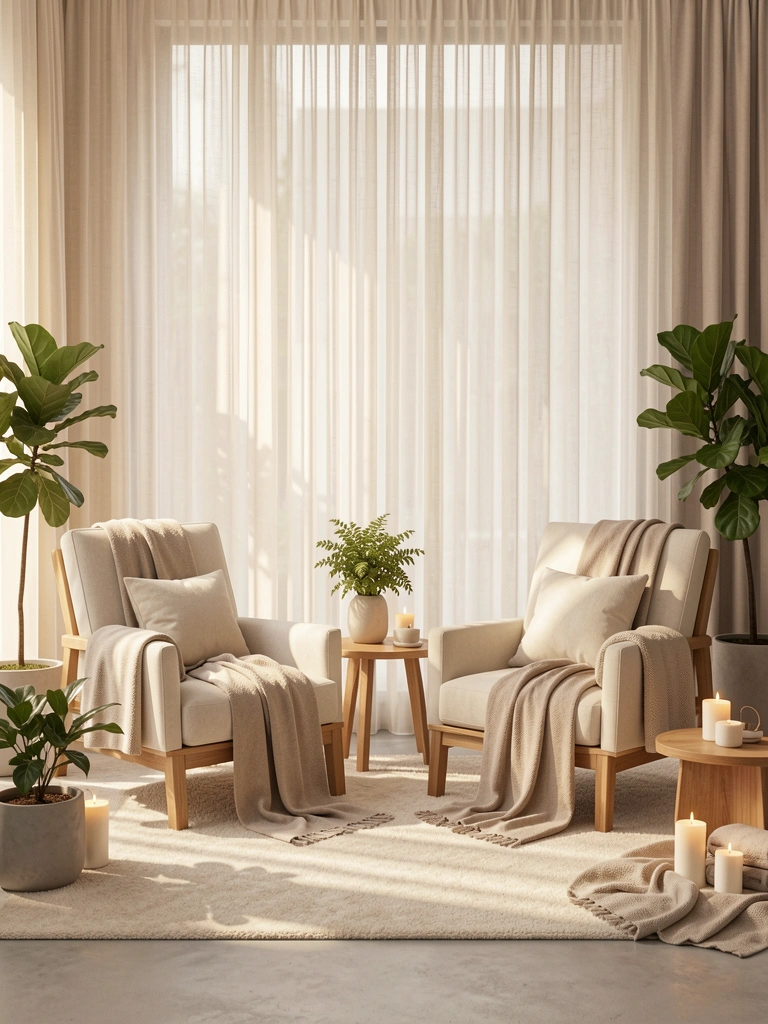
    You’ll transform your corner with strategically placed windows, sheer curtains, and calming colors that amplify brightness.
    Soft whites, gentle blues, and sun-kissed neutrals create an inviting atmosphere that breathes tranquility and freedom.

    Color Psychology for Calming Spaces

    Because colors whisper silent emotions, your relaxation corner’s palette becomes a powerful psychological tool for cultivating inner peace.

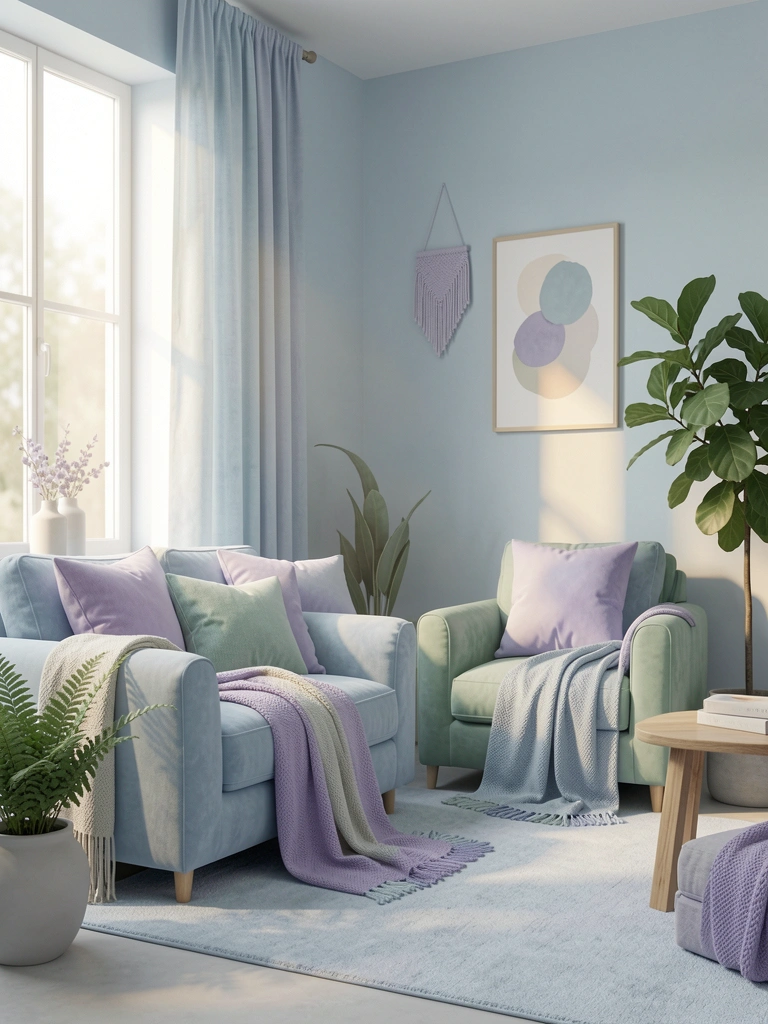
    Soft blues and muted greens create soothing hues that reduce stress, while lavender and pale gray calm color palettes invite tranquility.

    Choose tones that resonate with your personal sense of serenity and emotional freedom.

    Ergonomic Comfort: Seating and Support Essentials

    Whether you’re designing a meditation nook or a reading retreat, ergonomic seating transforms your relaxation corner from merely functional to profoundly comfortable.

    Choose chairs with excellent lumbar support that cradle your body’s natural curves.

    Opt for adjustable ergonomic chairs in soothing tones that invite relaxation while providing essential physical comfort and postural alignment.

    Sensory Design: Engaging All Five Senses

    When crafting a truly immersive relaxation space, sensory design transcends visual aesthetics by intentionally curating experiences that engage all five senses.

    You’ll transform your corner into a sanctuary by layering soft textures, introducing gentle ambient sounds, selecting calming scents, incorporating subtle temperature variations, and exploring tactile sensory elements that create deeply immersive experiences.

    Budget-Friendly Corner Transformations

    Although creating a luxurious relaxation corner might seem financially challenging, savvy design enthusiasts can transform their space without breaking the bank.

    Embrace budget-friendly decor through thrifted treasures, affordable textiles, and DIY projects. Explore secondhand finds, minimalist upgrades, and creative repurposing to craft a stylish, cost-effective sanctuary that reflects your unique aesthetic vision.

    Tech-Free Zones: Creating Digital Detox Spaces

    As you craft a mindful relaxation corner, consider carving out a sacred digital detox space that invites genuine human connection and inner peace.

    Choose soft, neutral tones and natural textures that signal tranquility. Incorporate distraction-free decor like woven baskets, linen throws, and wooden elements to create a serene sanctuary that supports digital mindfulness and emotional restoration.

    Plants and Wellness: Greenery as a Stress Solution

    Because indoor greenery can transform a relaxation corner into a living, breathing sanctuary of wellness, strategic plant placement becomes a powerful stress-reduction technique.

    You’ll discover that indoor gardening isn’t just aesthetic—it’s therapeutic. Lush green plants absorb negative energy, purify air, and create a tranquil atmosphere that whispers calm and invites genuine relaxation.

    Aromatherapy and Sound: Multisensory Relaxation

    When you design a multisensory relaxation corner, aromatherapy and sound become transformative elements that elevate your sanctuary from mere space to a holistic wellness experience.

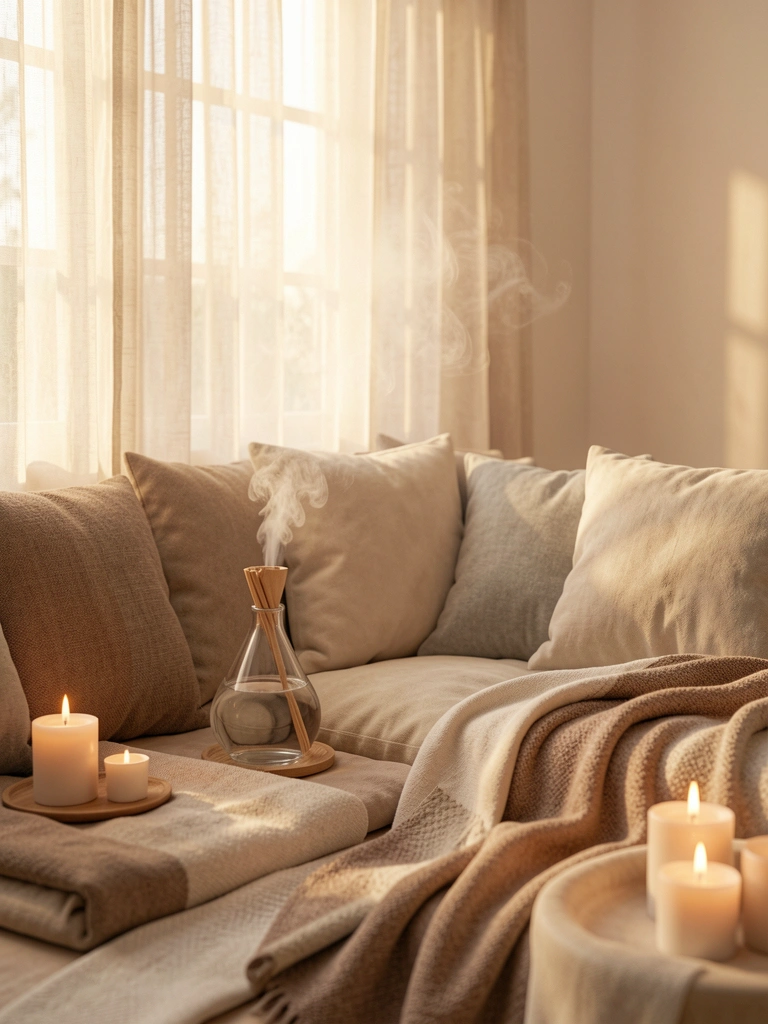
    Carefully curate your scent selection with lavender or eucalyptus essential oils, and craft immersive soundscapes that breathe tranquility into your personal retreat, creating a harmonious sensory landscape.

    Seasonal Space Adaptation Techniques

    While your relaxation corner should feel timeless, its design can beautifully evolve with seasonal shifts, transforming the space to reflect nature’s dynamic palette.

    Swap seasonal textiles like lightweight linen for winter’s plush throws, and incorporate outdoor adaptations with botanical prints or earth-toned cushions that mirror each season’s unique landscape and mood.

    Relaxation Corners for Different Living Spaces

    Seasonal adaptations breathe life into relaxation spaces, and this dynamic approach extends across diverse living environments.

    Whether you’re crafting cozy nooks in compact apartments or designing tranquil escapes in spacious homes, your relaxation corner can transform any area.

    Strategic furniture placement, thoughtful lighting, and intentional color selections create personalized sanctuaries that reflect your unique style and comfort needs.

    Storage Solutions for Wellness Areas

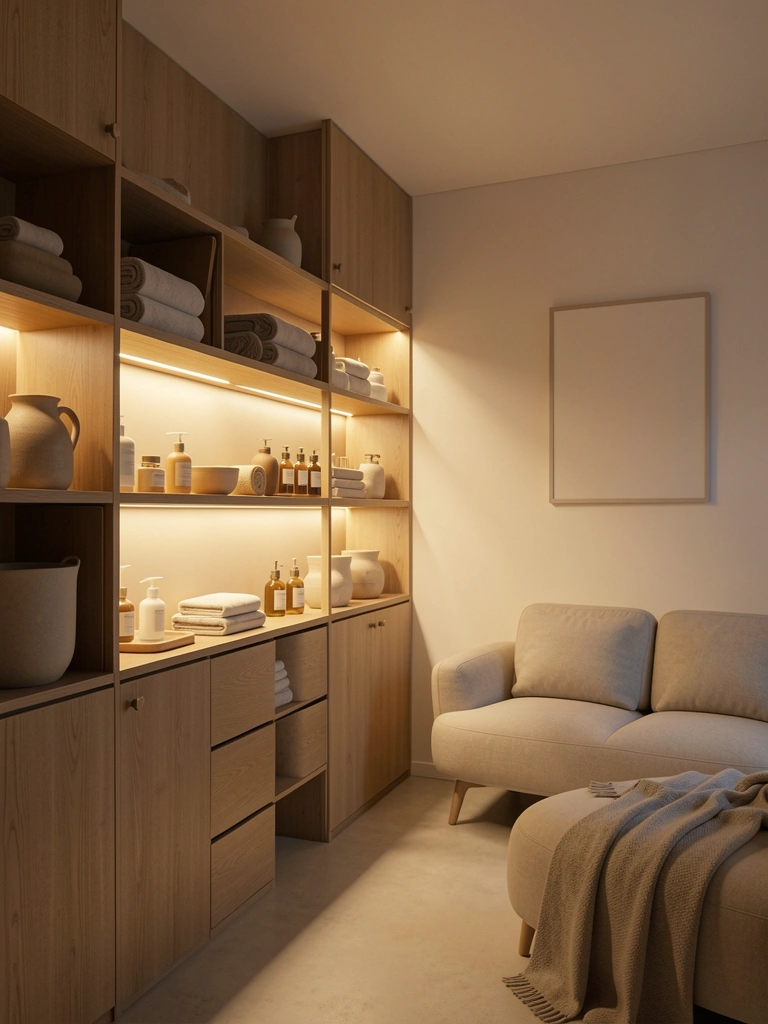
    Because wellness spaces thrive on seamless organization, smart storage solutions become the silent architects of tranquility.

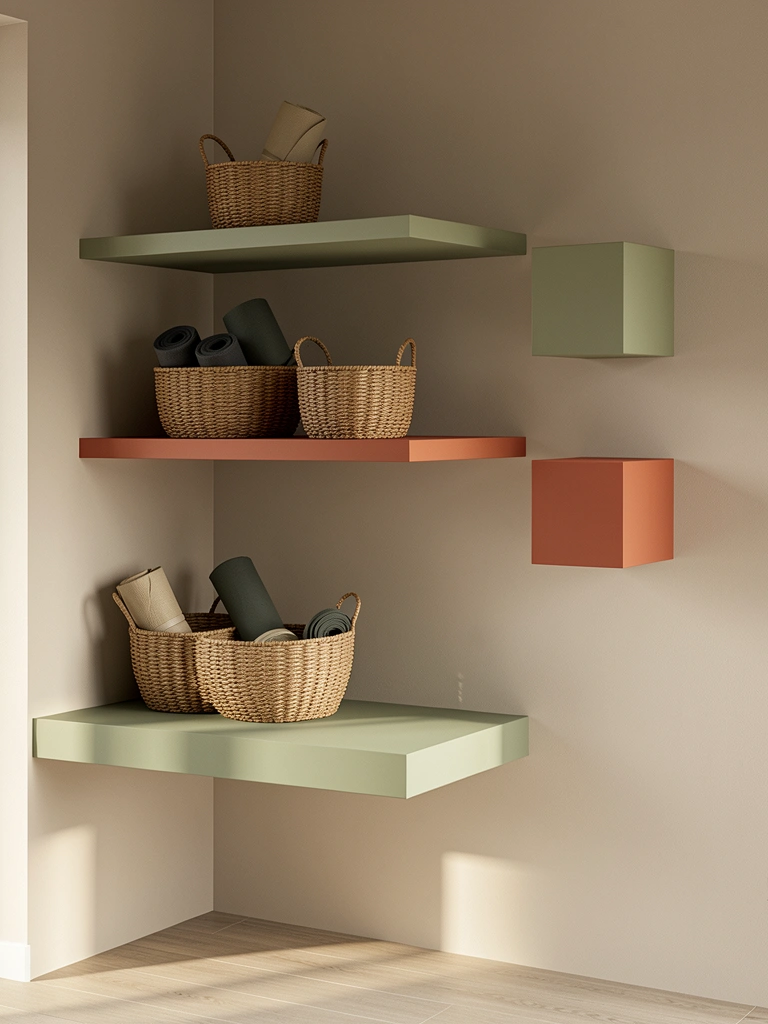
    You’ll want floating shelves in soft sage or warm terracotta, woven baskets for yoga props, and minimalist wall-mounted cubes that maintain clean lines.

    Strategically placed storage transforms wellness areas into streamlined sanctuaries of calm and intention.

    Lighting Strategies for Mood and Comfort

    After organizing your wellness space with thoughtful storage, lighting emerges as the next critical design element that can dramatically reshape your relaxation environment.

    Opt for ambient lighting with adjustable brightness to craft a personalized sanctuary.

    Soft, warm hues create intimate atmospheres, while dimmable options let you control intensity, transforming your corner into a fluid, responsive retreat.

    Textile Selection: Fabrics That Soothe

    While textiles serve as the tactile heart of any relaxation space, their selection transcends mere aesthetic—they’re sensory conduits that transform your wellness corner into a haven of comfort.

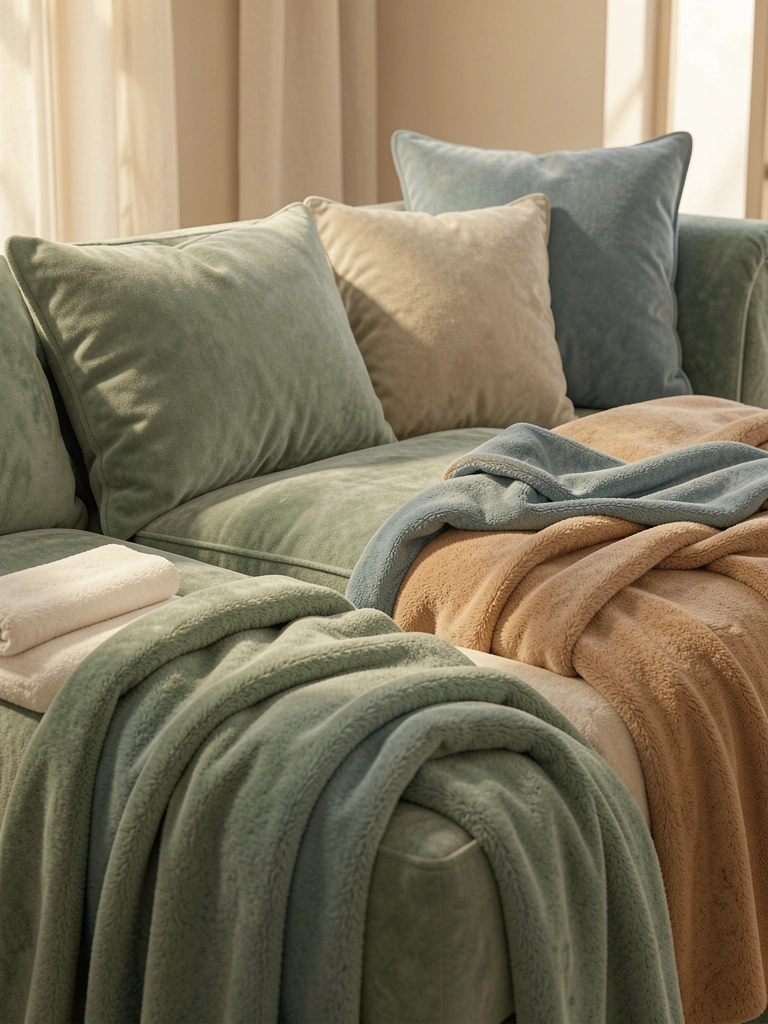
    Choose soothing textiles in soft, muted tones—think sage greens, dusty blues, and warm neutrals—that whisper tranquility and invite gentle touch, creating an atmosphere of serene liberation.

    Cultural Design Inspirations From Around the World

    As global design traditions weave rich narratives of relaxation, cultural inspirations offer transformative insights into creating serene spaces that transcend geographical boundaries.

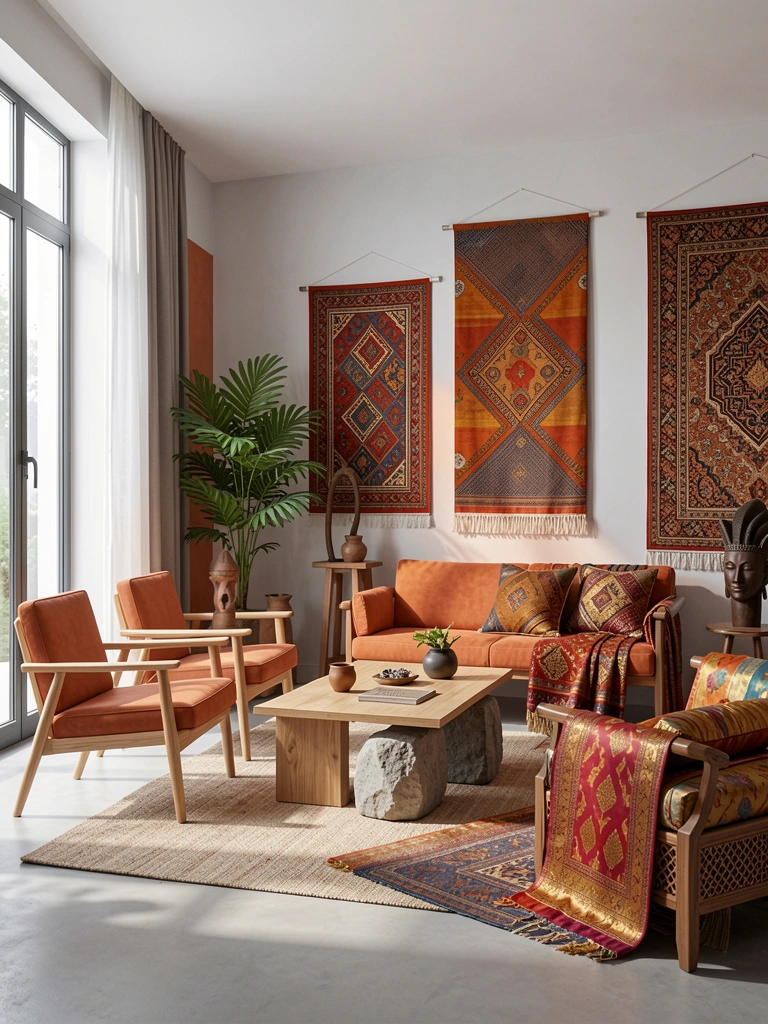
    You’ll discover how Scandinavian simplicity, Japanese minimalism, and Mediterranean warmth blend seamlessly.

    From Indian textiles to Moroccan patterns, African earthy tones to Thai silk, each cultural aesthetic breathes unique tranquility into your personal sanctuary.

    Maintaining Your Relaxation Space

    Every sanctuary requires thoughtful maintenance to preserve its tranquil essence and aesthetic integrity.

    Keep your relaxation corner pristine with strategic organization strategies that prioritize minimalism and flow.

    Regularly rotate soft textiles, dust delicate elements, and curate your space with intentional calm, ensuring your personal retreat remains a harmonious, rejuvenating environment that reflects your inner peace.

    Creating Shared Wellness Areas for Couples

    Cultivating a shared wellness sanctuary transforms individual relaxation spaces into intimate, harmonious retreats where couples can reconnect and recharge together.

    Design couples’ retreats with complementary seating, soft neutral palettes, and synchronized mindfulness elements that invite joint meditation, breathing practices, and gentle connection through intentional, calming environments.

    Kid-Friendly Relaxation Zones

    While traditional relaxation spaces often cater to adults, smart design can transform family areas into serene, playful zones that invite children’s sensory exploration and emotional well-being.

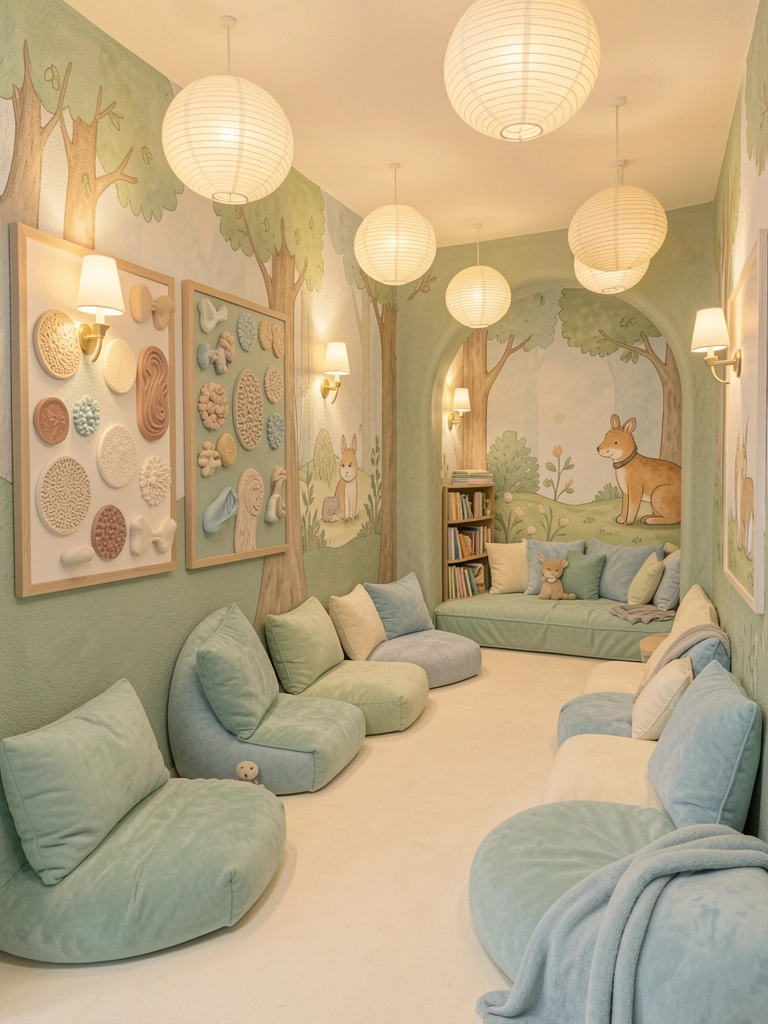
    Create cozy nooks with soft floor cushions, gentle lighting, and tactile textures that spark imagination.

    Incorporate playful elements like calming wall murals, interactive sensory panels, and comfortable reading corners that nurture children’s sense of peace.

    Outdoor and Indoor Hybrid Spaces

    Blending indoor comfort with outdoor freshness, hybrid relaxation spaces offer a seamless sanctuary that expands your wellness environment beyond traditional boundaries.

    You’ll love creating aesthetic zones that merge outdoor aesthetics with cozy interior design, using sliding glass doors, covered patios, and shiftable furniture that softens the line between inside and outside.

    Portable Relaxation Solutions

    Because modern lifestyles demand flexibility, portable relaxation solutions have emerged as game-changing design innovations for those seeking wellness spaces that can adapt to any environment.

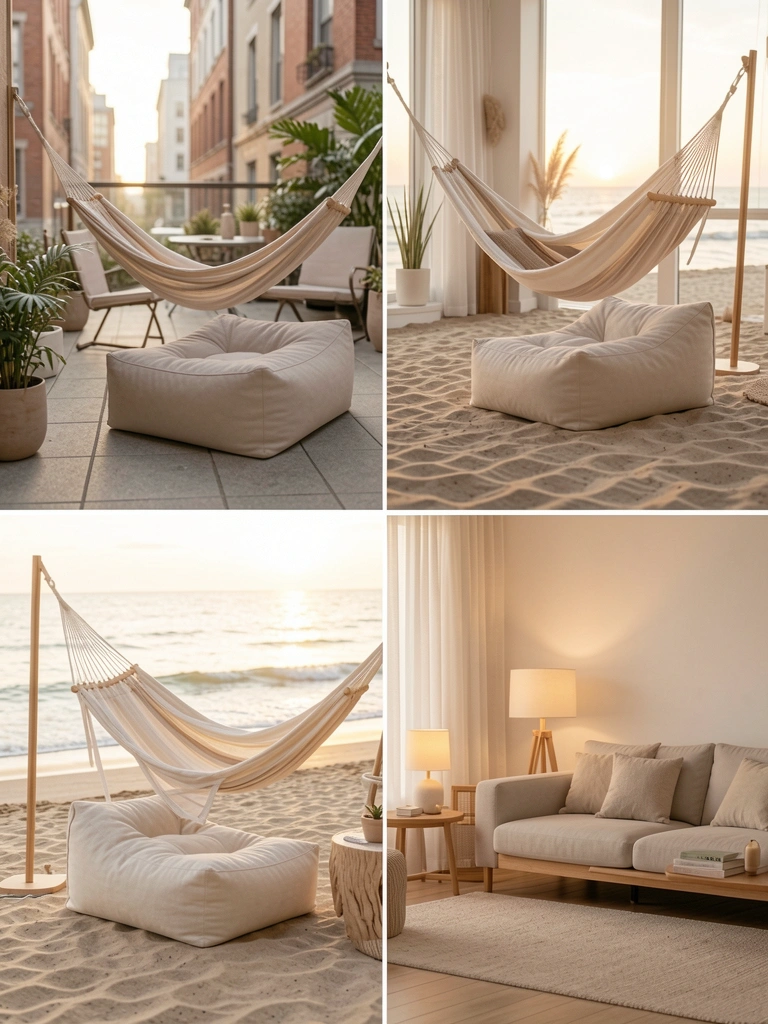
    Lightweight, foldable portable seating like compact floor cushions and travel hammocks let you create instant relaxation essentials anywhere – transforming urban patios, beach retreats, or minimalist living spaces into personal sanctuaries of calm and comfort.

    Advanced Design Techniques

    Elevating portable relaxation from mere functionality to an art form, advanced design techniques transform personal comfort spaces through intelligent material selection, ergonomic innovations, and strategic aesthetic considerations.

    You’ll discover sustainable materials and advanced technology merge seamlessly, creating adaptive spaces that reflect your unique style and desire for freedom.

    Personalization Strategies

    While personal relaxation spaces reflect individual essence, successful personalization transcends simple decoration—it’s an intentional dialogue between your inner landscape and physical environment.

    Curate meaningful decor that resonates with your spirit, selecting pieces that tell your story. Your personal touch transforms a space from generic to profoundly intimate, creating a sanctuary that breathes your unique identity.

  • 26 Inspiring Small House Design Exterior Ideas That Upgrade Your Home

    26 Inspiring Small House Design Exterior Ideas That Upgrade Your Home

    Your home’s exterior is more than just a facade—it’s a visual narrative that speaks volumes before anyone steps inside. First impressions matter, and the right design can transform a small house from ordinary to extraordinary. Whether you’re working with limited square footage or seeking to maximize architectural impact, strategic exterior choices can dramatically elevate your property’s aesthetic and market value. Curious about revealing your home’s hidden potential?

    Why Your Home’s Exterior Matters: First Impressions and Value

    How much do first impressions truly impact your home’s perceived value? Your home’s exterior isn’t just a facade—it’s a critical investment driver. Strategic curb appeal can dramatically elevate property worth, signaling meticulous maintenance and aesthetic sophistication. Potential buyers assess your property’s exterior within seconds, making visual impact a powerful determinant of home value and marketability.

    Decode Your Home’s Architectural Style: A Design Foundation

    Architecture speaks volumes about a home’s character, revealing its historical context and design philosophy through distinctive structural elements.

    You’ll want to recognize your home’s style—whether it’s craftsman, contemporary, or colonial—to guide modern interpretations that honor historical influences while expressing your personal aesthetic vision.

    Nature-Inspired Color Palettes: Choosing Your Exterior Palette

    Once you’ve identified your home’s architectural style, selecting an exterior color palette becomes an opportunity to harmonize with the natural landscape while amplifying your structure’s inherent design language.

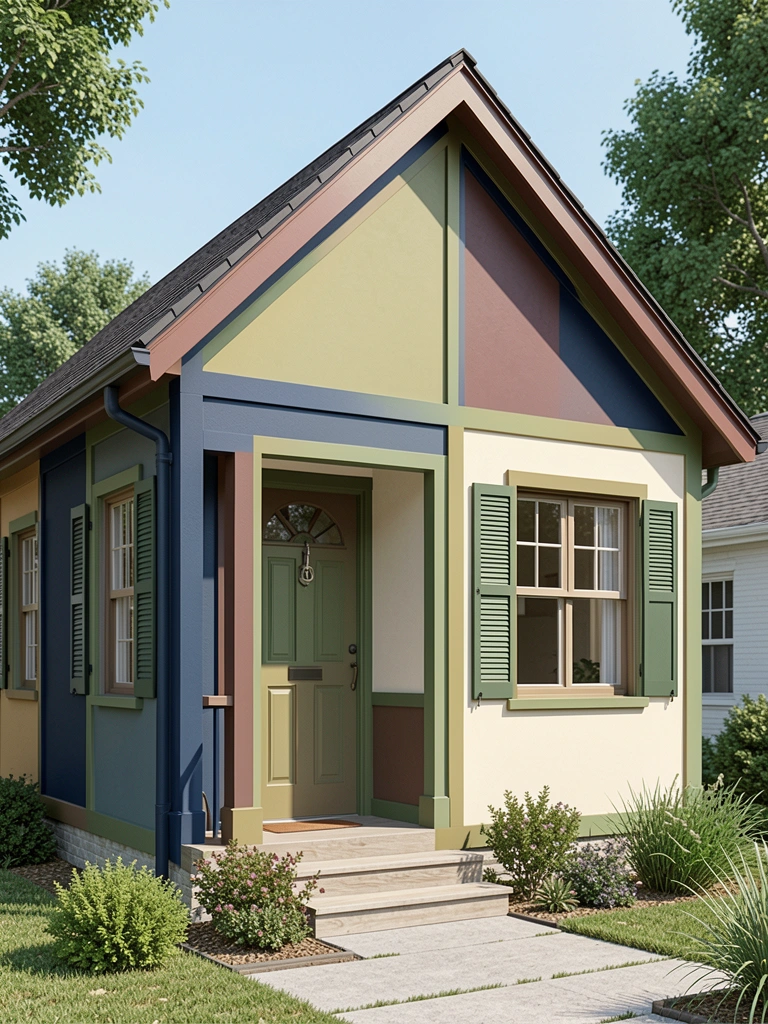
    Embrace nature-inspired hues that reflect local terrain—sage greens, clay reds, stone grays—creating earth tones that integrate your small house seamlessly into its surrounding environment.

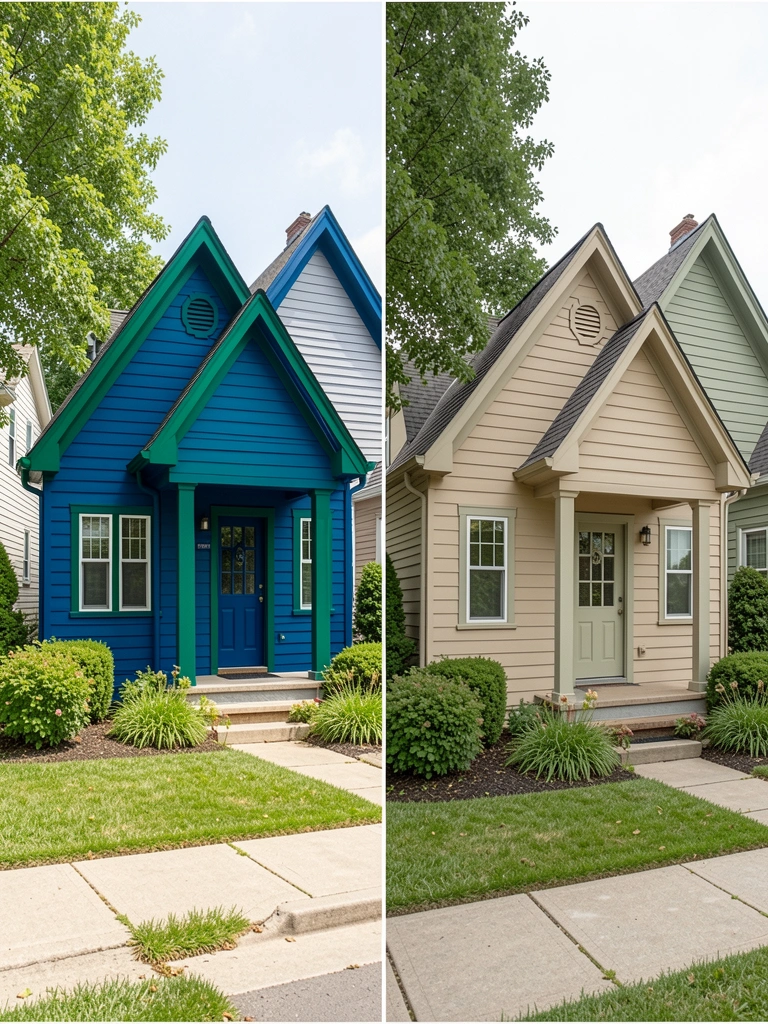
    Bold vs. Subtle: Selecting Your Exterior Color Strategy

    Whether you’re aiming to make a statement or blend seamlessly with the surroundings, your exterior color strategy can dramatically transform a small house’s visual impact.

    Bold statements capture attention through vibrant hues, while subtle elegance emerges through nuanced, harmonious tones.

    Your color choice reflects personal style, architectural integrity, and neighborhood context.

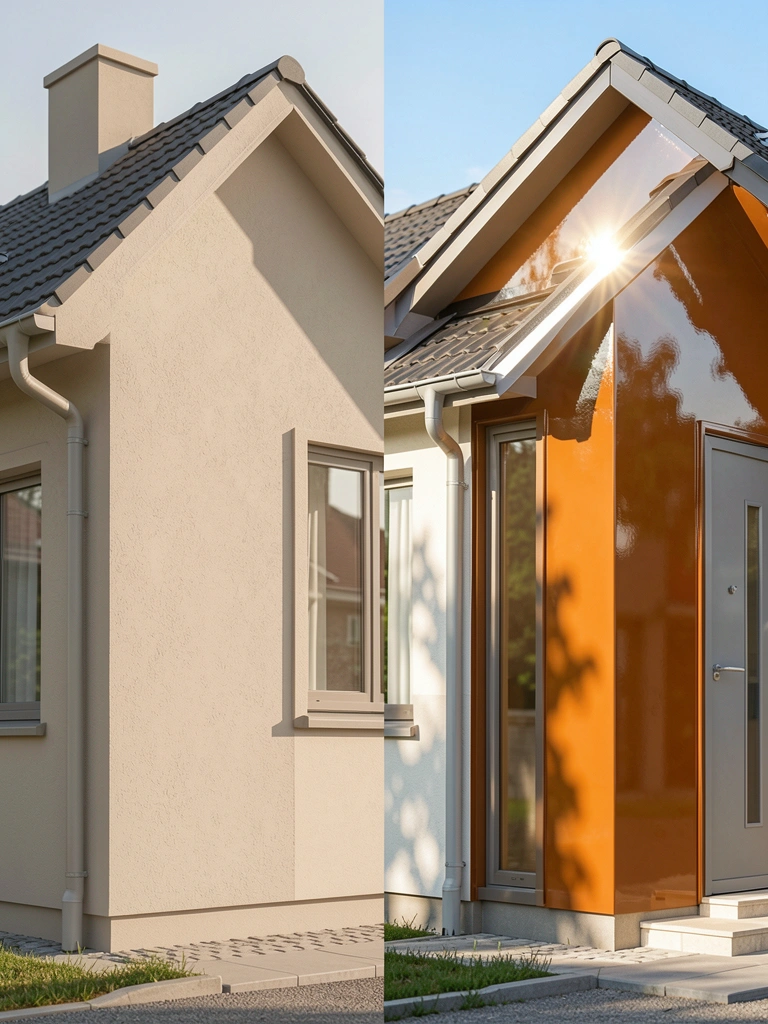
    Matte or Glossy? Understanding Modern Exterior Finishes

    While exterior paint finishes might seem like a subtle design choice, they profoundly influence a small house’s visual texture and perceived durability.

    Matte finishes offer a sophisticated, understated look that minimizes surface imperfections, whereas glossy textures reflect light dramatically, creating bold architectural statements.

    Your choice ultimately depends on your aesthetic vision and desired home expression.

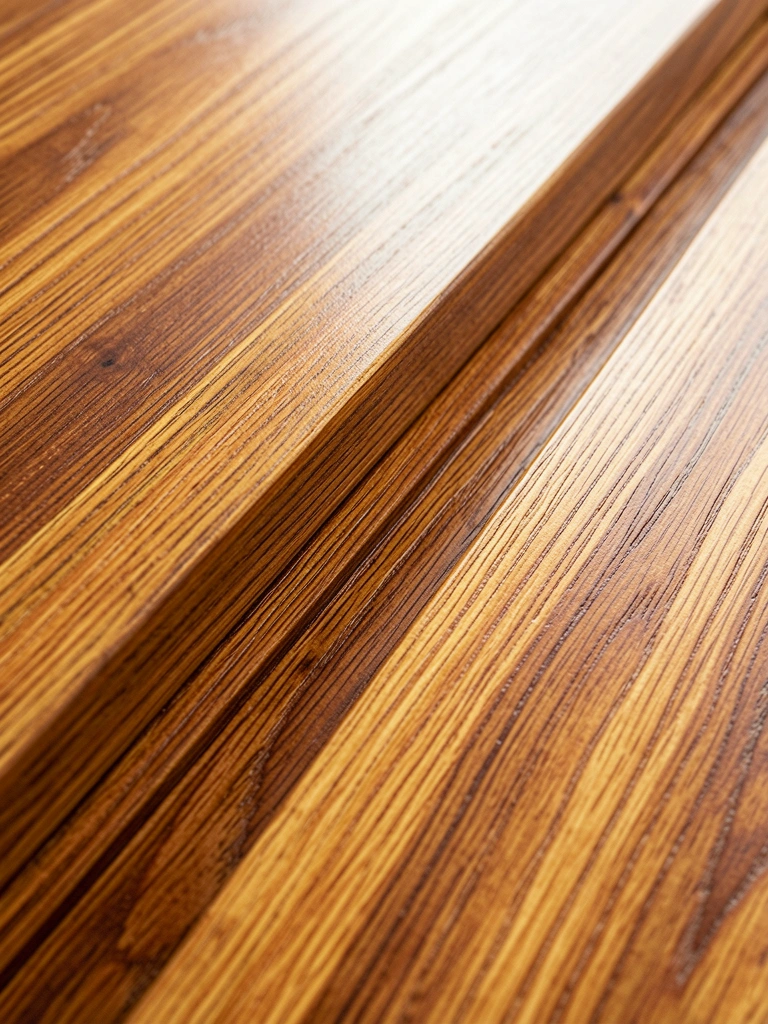
    Revealing Wood’s Natural Beauty: Texture and Stain Techniques

    Three distinct wood texturing techniques can transform your small house’s exterior and interior surfaces, revealing wood’s inherent elegance through strategic surface treatments.

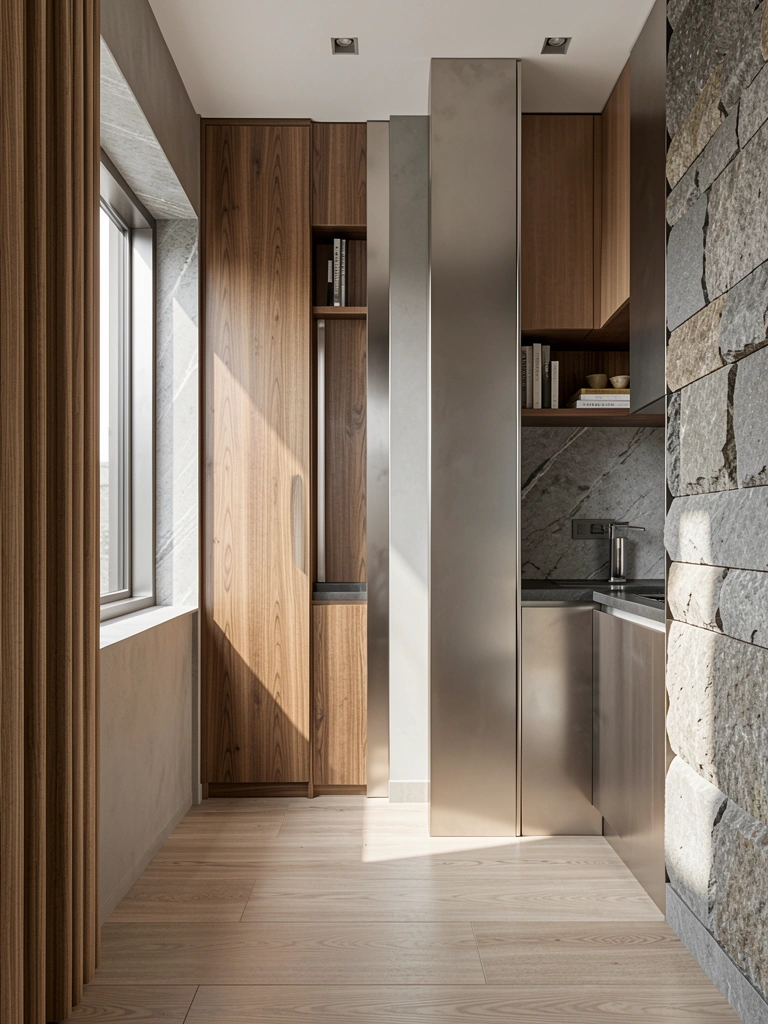
    Mixed Materials: Creating Depth in Your Home’s Design

    Just as wood’s natural textures can elevate design, combining diverse materials creates another sophisticated strategy for enhancing complexity of small house spaces.

    You’ll want to mix materials strategically—stone, metal, and timber—to exterior accents that transform architectural narrative, delivering visual intrigue and depth through intentional material selections.

    Architectural possibilities offer tactical freedom in palette.

    Layering Exteriors: Combining Wood, Stone, and Metal

    When designing small house exteriors, strategic material layering becomes a nuanced architectural technique for creating visual complexity and structural depth.

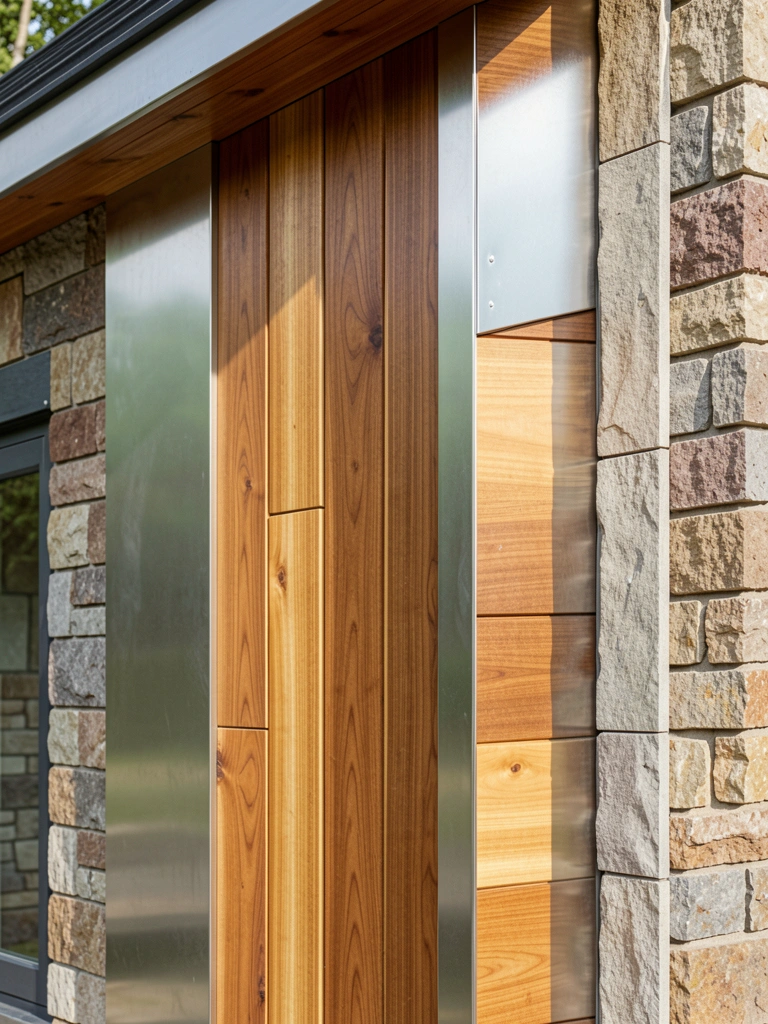
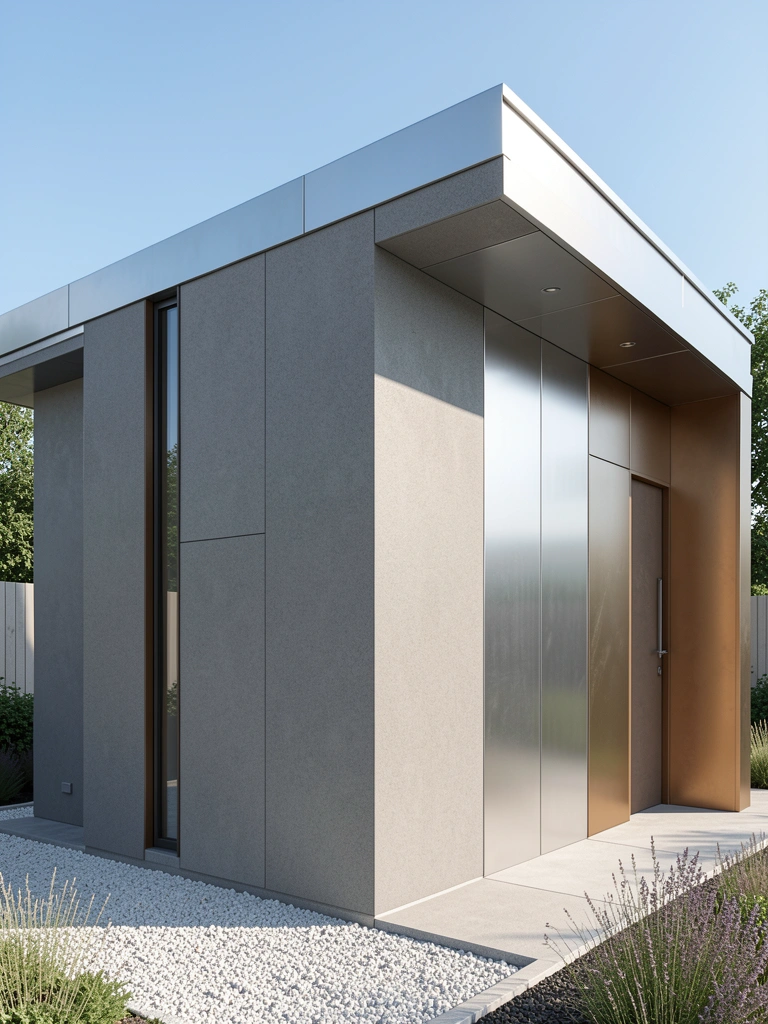
    You’ll achieve wood metal harmony by juxtaposing warm cedar planks against sleek metallic panels, while stone facade contrasts inject textural dynamism into your compact architectural canvas.

    Crafting a Welcoming Front Entrance: Design Principles

    Because the front entrance serves as your home’s initial point of contact, its design must strategically balance aesthetic appeal with functional clarity.

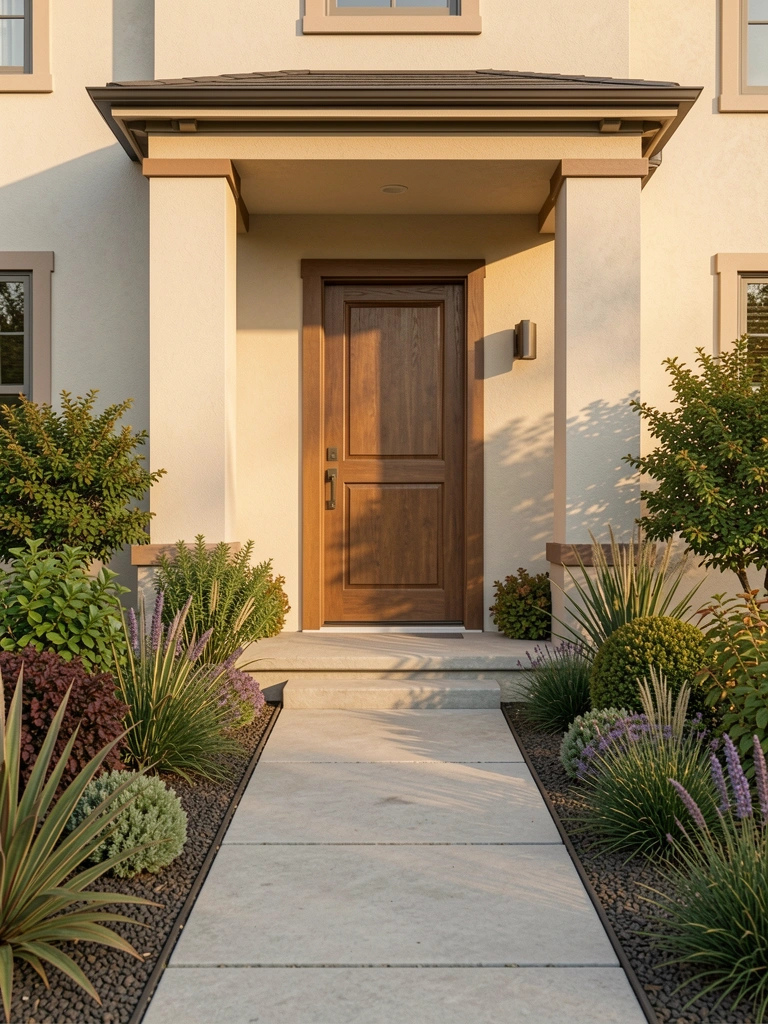
    Prioritize clean lines, proportional door hardware, and thoughtful entrance landscaping that frames your pathway.

    Select materials that complement your small house’s exterior palette, creating a cohesive, inviting passage from public space to personal sanctuary.

    Your Front Door: Making a Bold First Statement

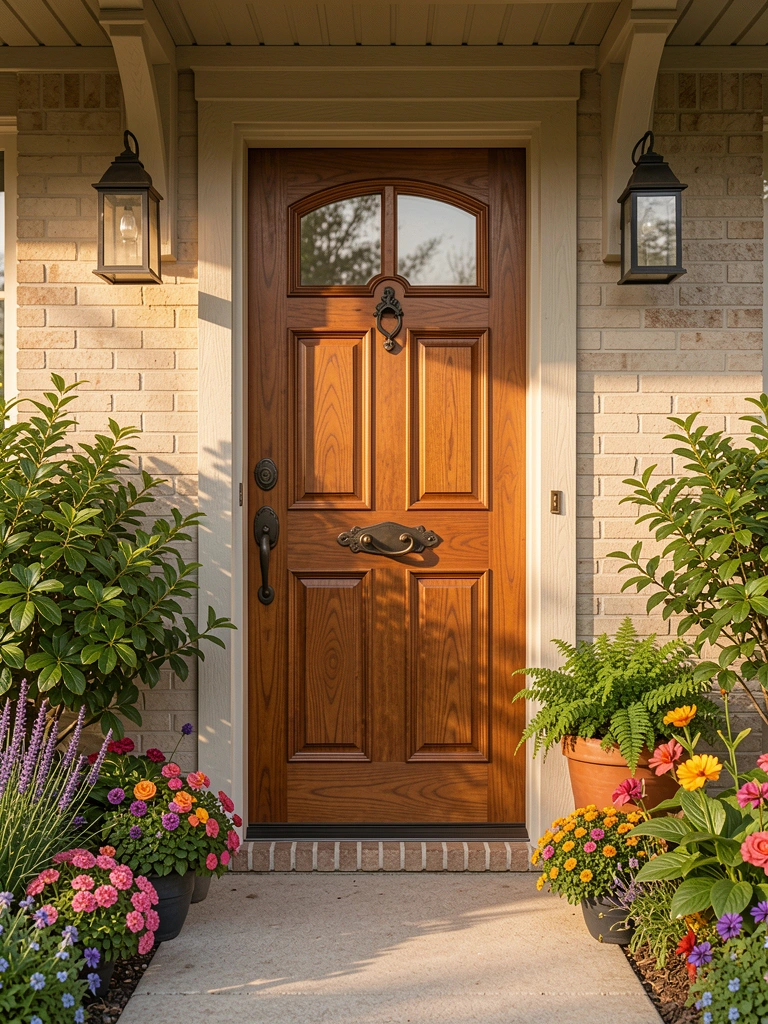
    Gateway to your home’s personality, the front door represents more than a mere entryway—it’s a critical architectural statement that defines your small house’s visual character. Select door hardware that reflects your design aesthetic, complementing your home’s architectural lines. Strategic entryway landscaping can enhance your door’s impact, creating a bold, welcoming first impression that speaks volumes.

    Porches Reimagined: Transforming Outdoor Living Spaces

    Although traditional porches once served as simple passageways, modern small house design transforms these areas into dynamic, multi-functional extensions of interior living.

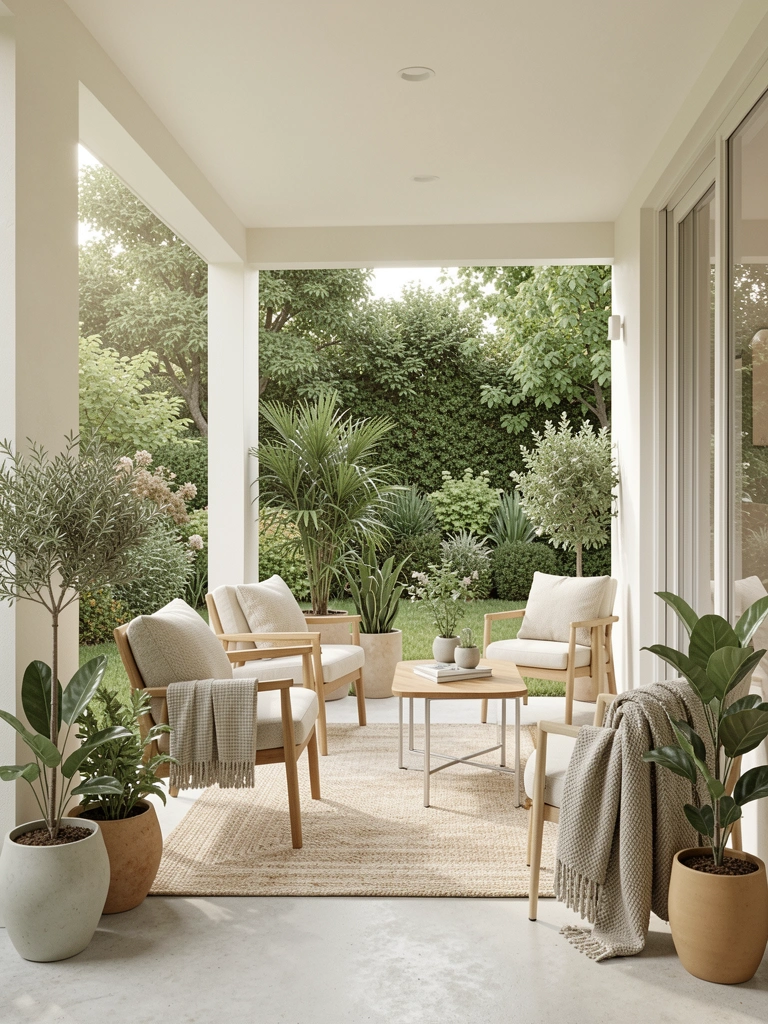
    You’ll maximize outdoor living potential by strategically selecting compact porch furniture that creates seamless passages between indoor and exterior spaces, reimagining these architectural elements as personalized sanctuaries of relaxation and connection.

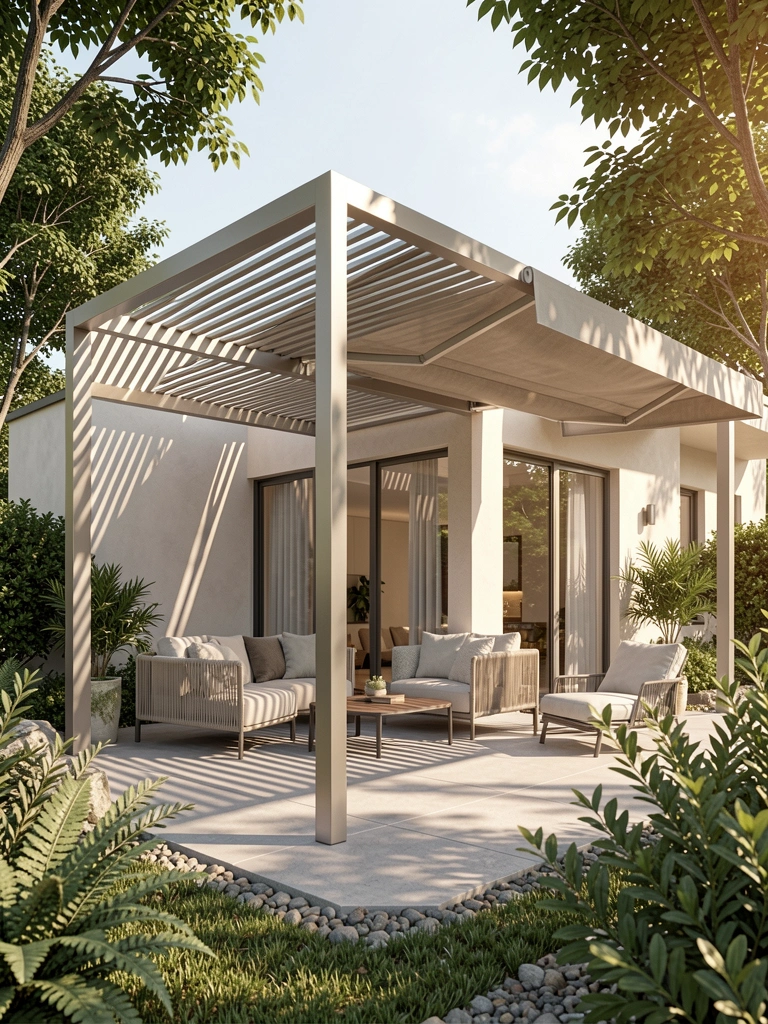
    Pergolas and Awnings: Extending Your Living Environment

    When strategically designed, pergolas and awnings become architectural extensions that dramatically expand your small house’s livable space, transforming exterior zones into sophisticated, functional environments.

    Select innovative pergola designs with sleek lines and lightweight materials to create dynamic shade structures.

    Choose performance-grade awning materials that resist UV degradation and provide temperature-modulating capabilities for seamless indoor-outdoor conversions.

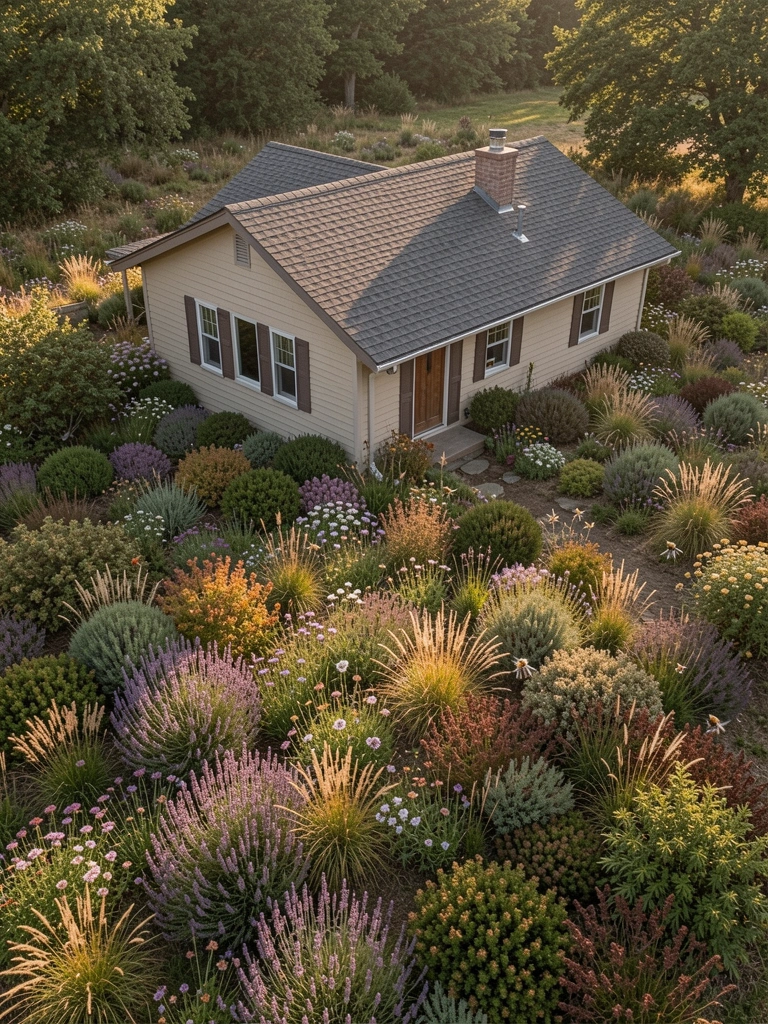
    Sustainable Landscaping: Native Plants for Your Region

    Why settle for resource-intensive, non-native landscaping when your small house can thrive with regionally adapted plant ecosystems?

    Embrace permaculture principles by selecting seasonal native species that naturally withstand local climate conditions.

    These strategic plantings reduce water consumption, minimize maintenance, and create resilient outdoor spaces that harmonize with your architectural design while supporting local biodiversity.

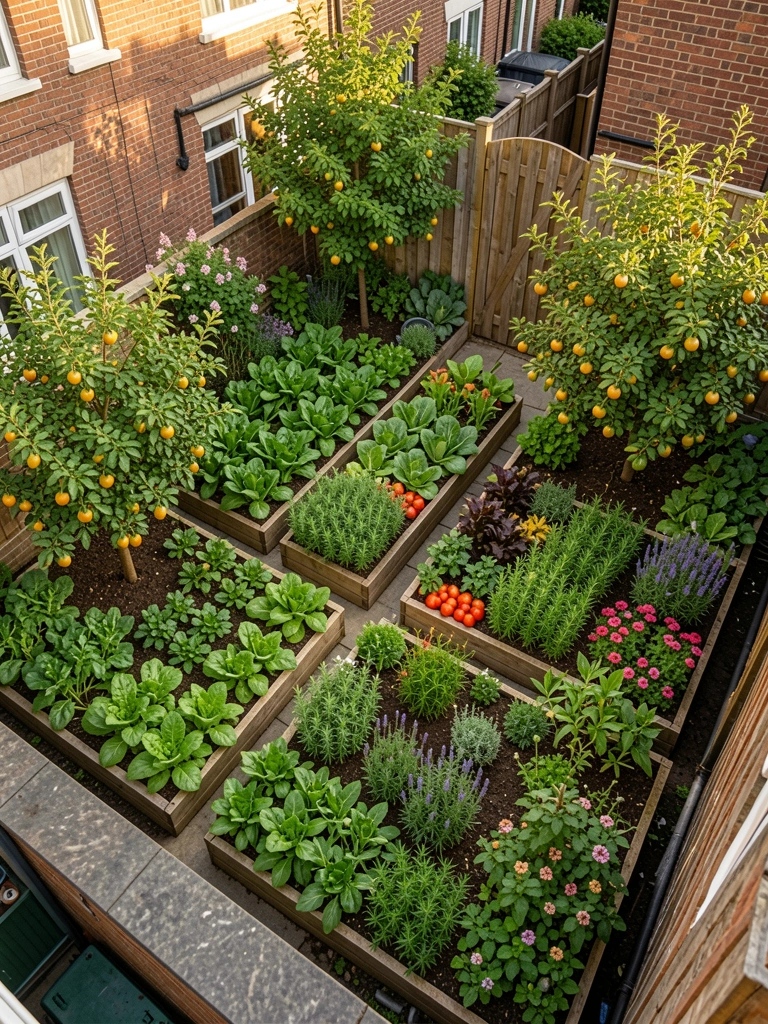
    Edible Landscaping: Beauty Meets Functionality

    Since traditional ornamental landscapes often sacrifice practicality, edible landscaping transforms small house outdoor spaces into dynamic, productive ecosystems that seamlessly blend aesthetic beauty with culinary potential.

    Eco-Friendly Driveways: Permeable Pavers Explained

    Countless homeowners seeking sustainable landscape solutions are turning to permeable pavers as an innovative alternative to traditional impermeable driveway surfaces.

    You’ll discover multiple paver types offering impressive permeable benefits, including enhanced water drainage, reduced runoff, and natural filtration.

    These eco-conscious solutions transform your exterior while supporting environmental sustainability.

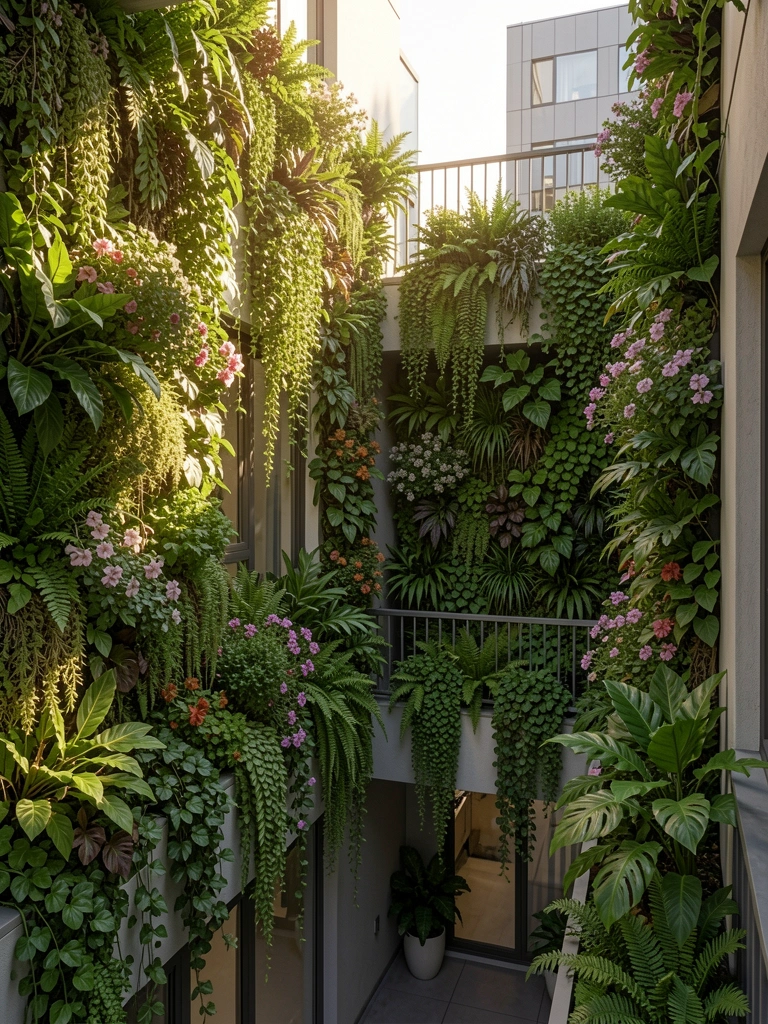
    Small Space Solutions: Vertical Garden Strategies

    Although urban dwellers often struggle with limited outdoor space, vertical gardening offers an ingenious solution for transforming compact areas into lush, green sanctuaries.

    Fire-Smart Landscaping: Protecting Your Home’s Perimeter

    When wildfires threaten residential zones, strategic landscaping becomes a critical defense mechanism for homeowners seeking to protect their property’s perimeter.

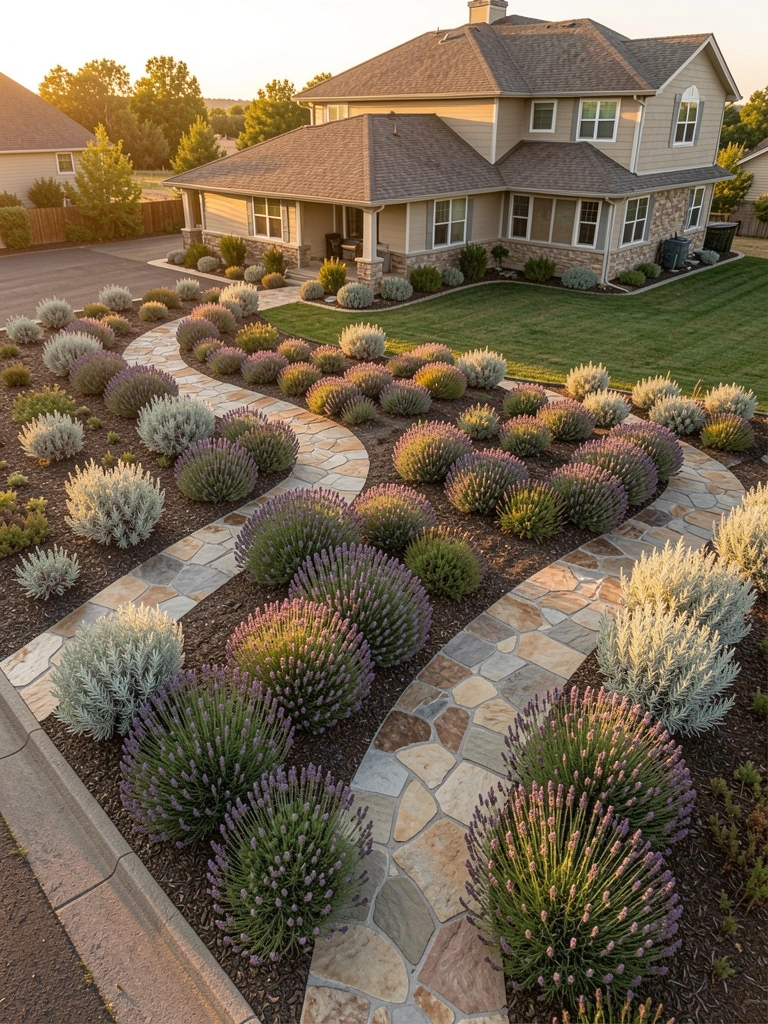
    Implement fire-resistant plants like succulents, lavender, and sage to create a natural barrier.

    Your perimeter design should incorporate stone pathways, minimal dry vegetation, and clear spacing between landscape elements to reduce fire risk.

    Craftsman Revival: Architectural Details That Elevate Design

    The contemporary Craftsman revival breathes new life into traditional architectural principles, reimagining historic design elements through a modern lens.

    You’ll discover elegant architectural nuances that transform small homes, integrating signature Craftsman features like exposed rafters, tapered columns, and handcrafted woodwork that celebrate structural integrity and artisanal craftsmanship.

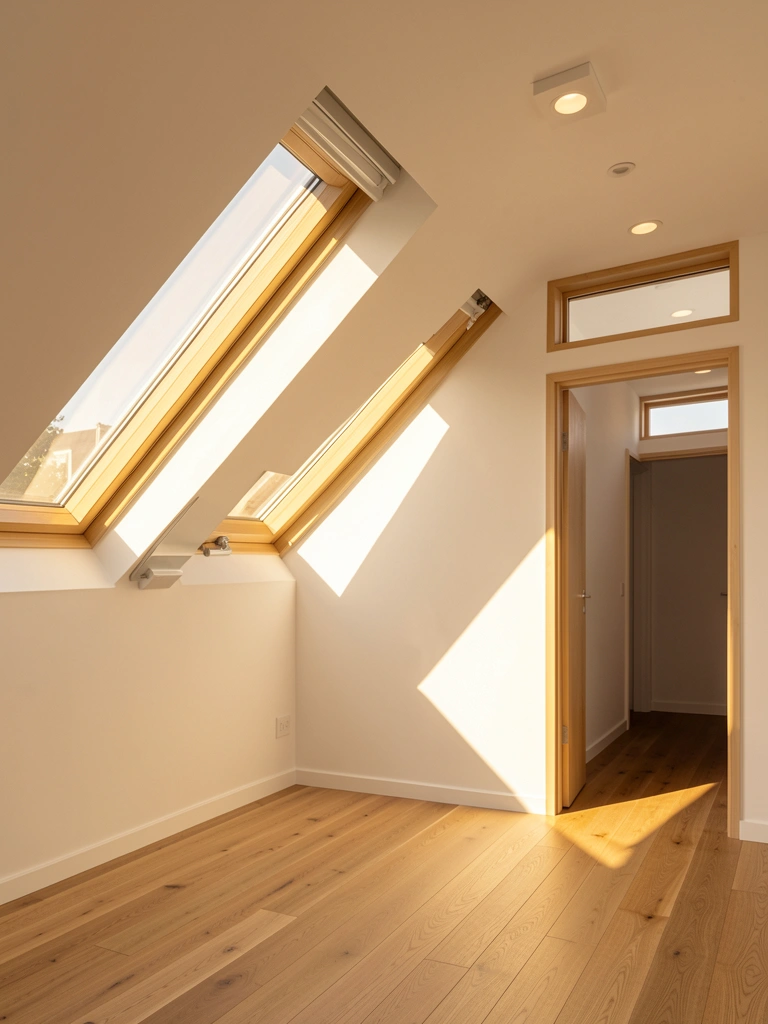
    Natural Light Strategies: Dormer Windows and Transom Design

    Strategic natural light amplification transforms small house design through sophisticated dormer window designs and transom light features. You’ll maximize interior illumination by positioning dormers to capture ideal sunlight angles. Thoughtfully integrated transom windows create vertical light channels, expanding perceived spatial dimensions while maintaining architectural integrity and design freedom.

    Architectural Accents: Brackets, Pediments, and Character

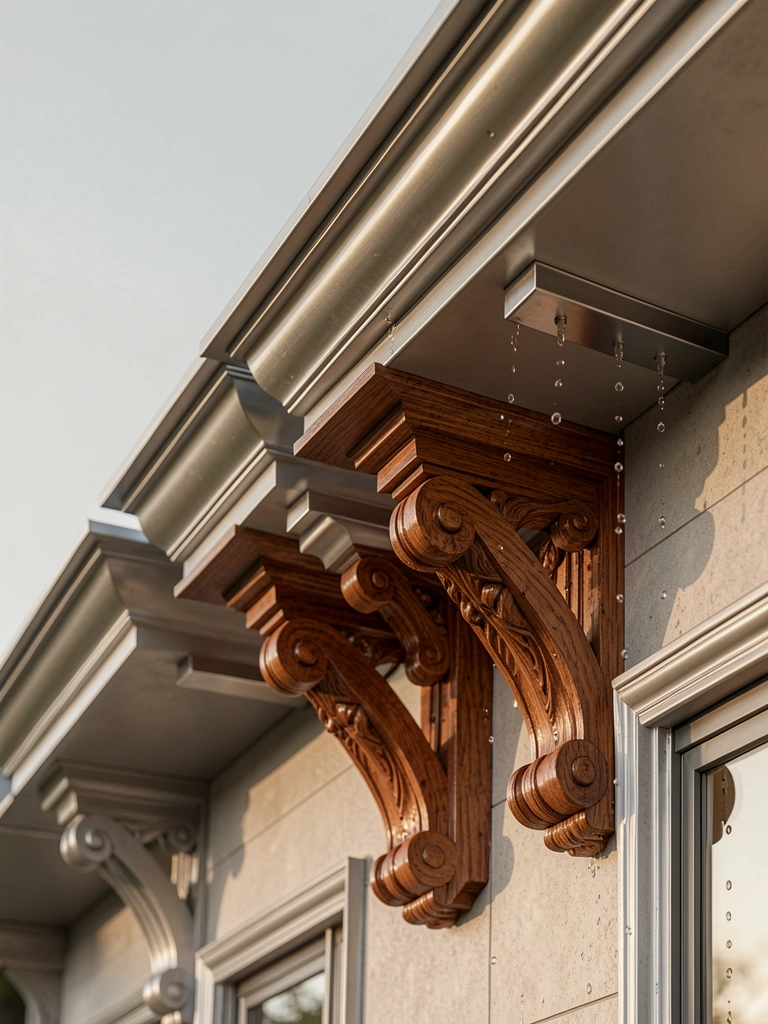
    Though small in scale, architectural accents like brackets, pediments, and decorative elements can dramatically elevate a home’s visual narrative and structural character.

    Bracket styles ranging from ornate Victorian to sleek modern designs transform exterior profiles.

    Pediment functions extend beyond aesthetic appeal, strategically channeling water runoff while creating architectural depth and visual interest.

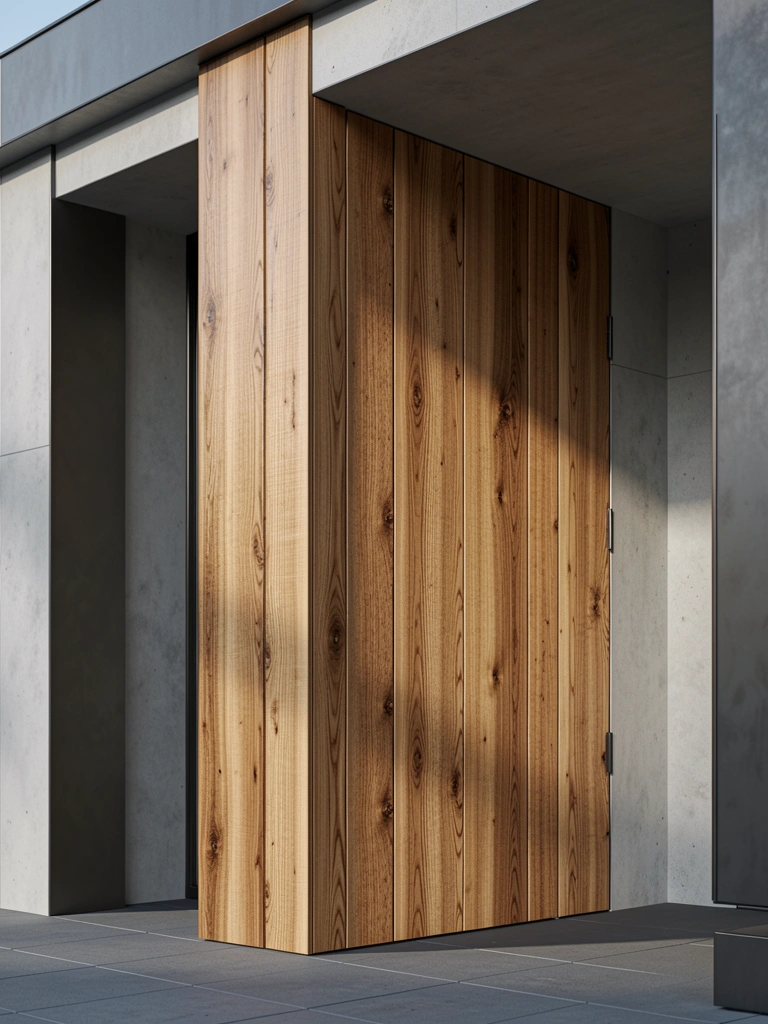
    Wood Accent Walls: Contemporary Exterior Design

    When designing contemporary exterior spaces, wood accent walls emerge as transformative architectural elements that seamlessly blend natural textures with modern design principles.

    You’ll discover accent styles that elevate your home’s visual language, integrating strategic wood finishes which create depth, visual interest, and sophisticated architectural character with minimal intervention.

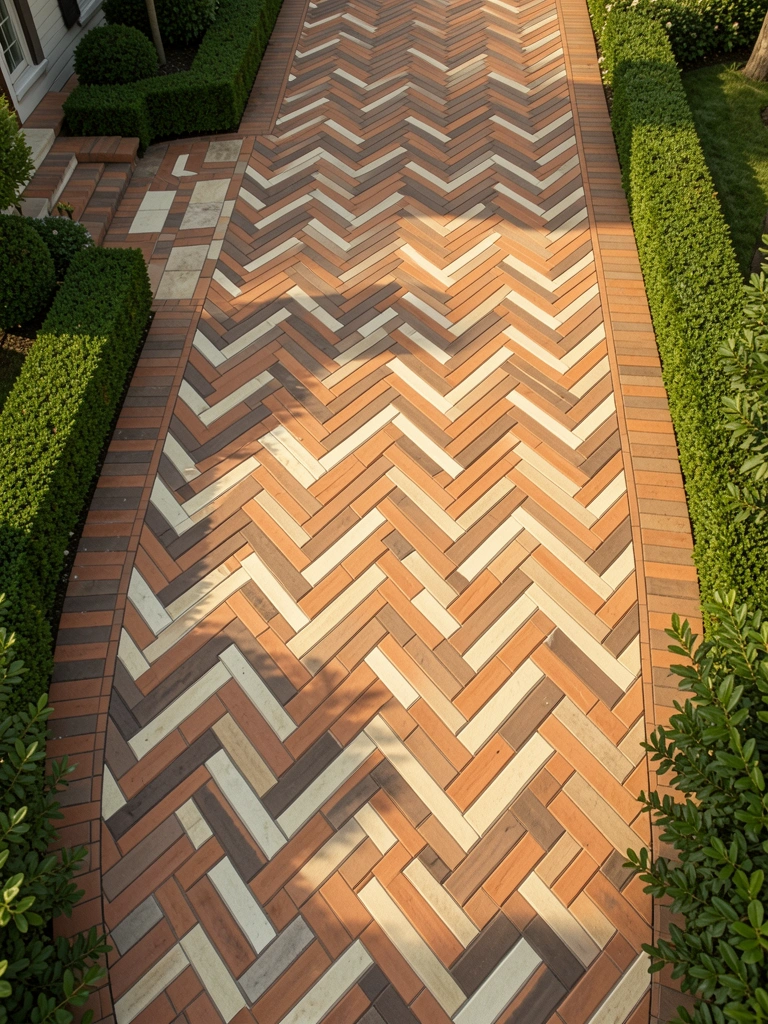
    Herringbone Patterns: Walkways and Driveway Design

    Herringbone patterns transform ordinary walkways and driveways into architectural statements of exceptional visual dynamism.

    Your herringbone driveway can elevate landscape aesthetics with interlocking brick or stone configurations.

    Patterned walkways create directional flow and spatial intrigue, strategically guiding movement while introducing geometric sophistication to your exterior design environment.

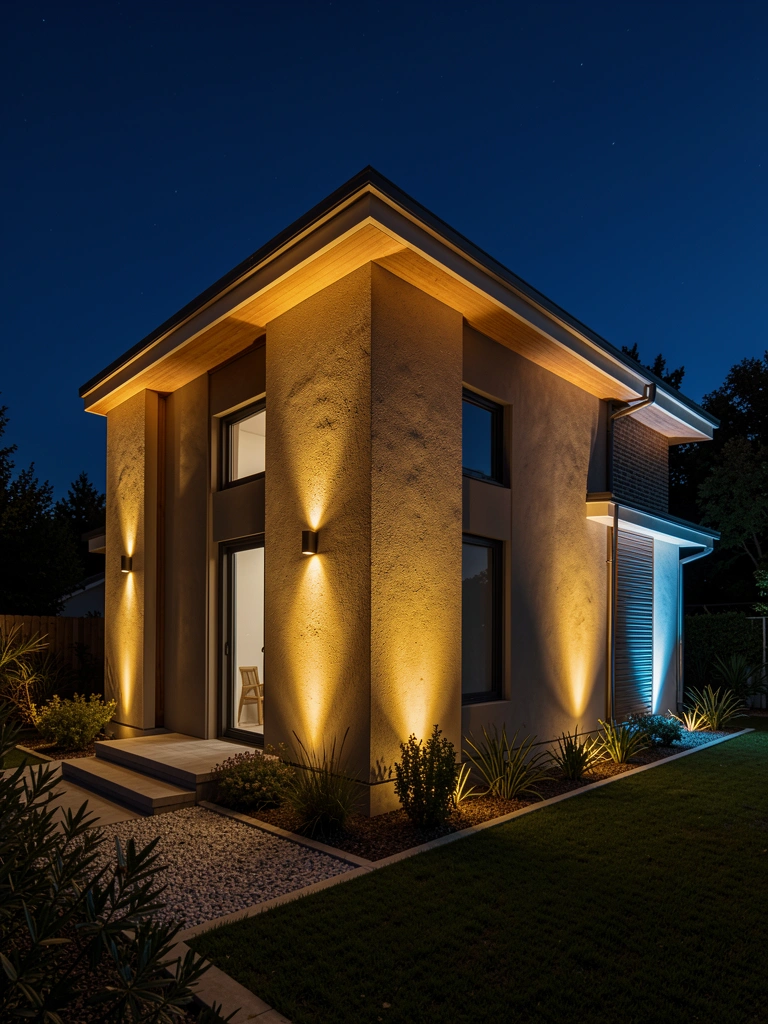
    Nighttime Curb Appeal: Strategic Exterior Lighting

    Just as herringbone patterns create visual movement across exterior surfaces, strategic exterior lighting transforms your home’s nighttime aesthetic, extending architectural narratives beyond daylight.

    Architectural illumination amplifies your small house’s character, using ambient lighting to highlight textures, angles, and landscape features, creating a dynamic nocturnal visual experience that speaks to your design sensibilities.

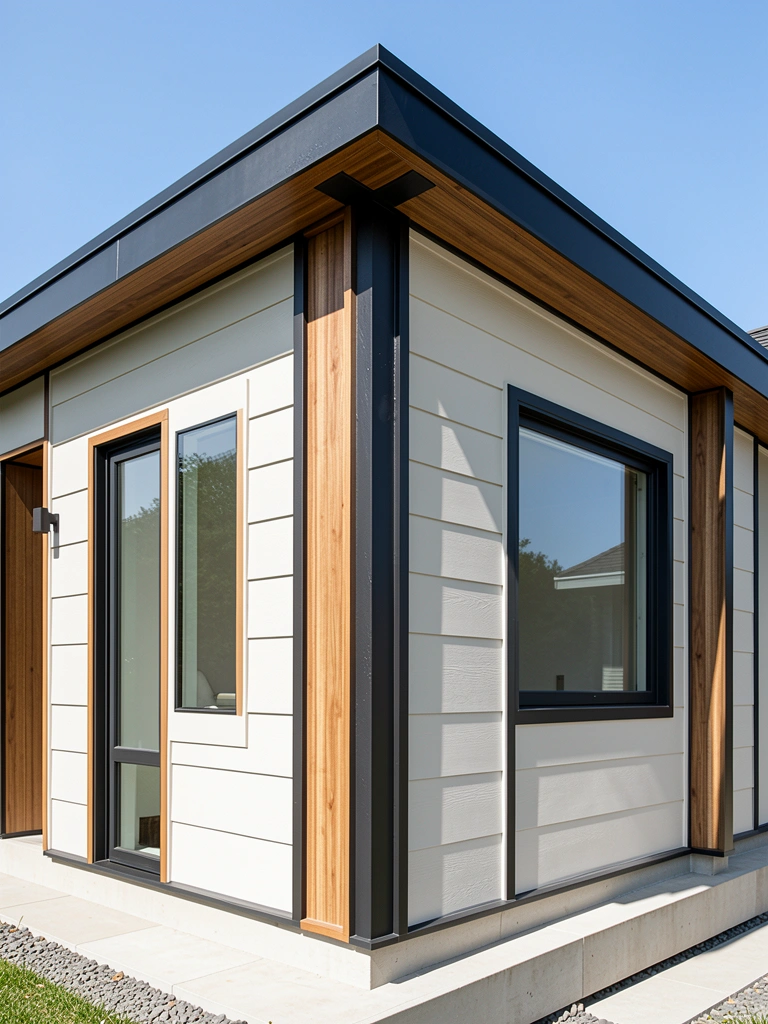
    Trim and Contrast: Modern Architectural Framing

    While contemporary small house design prioritizes clean lines and minimalist aesthetics, architectural framing through strategic trim and contrast becomes a critical design language that defines structural boundaries and visual hierarchy.

    You’ll elevate your home’s exterior by selecting trim styles that accentuate architectural details, creating bold visual statements through intentional material and color contrasts.

    Two-Tone Exteriors: Color Combination Secrets

    Nearly every transformative small house exterior design hinges on masterful two-tone color strategies that leverage visual contrast and architectural proportion.

    You’ll create design balance by selecting complementary colors that highlight your home’s structural lines.

    Strategic color harmony allows you to visually expand your space, making your small house feel more dynamic and intentionally crafted.

    Beyond Traditional: Modern Materials for Home Exteriors

    When exploring contemporary small house exterior design, innovative materials are revolutionizing architectural approaches beyond conventional wood and brick.

    Sustainable materials like fiber cement, metal panels, and composite cladding offer durability, low maintenance, and striking visual aesthetics that liberate homeowners from traditional design constraints.

  • 26 Fresh Latest Sofa Set Designs Ideas That Feel Totally Inspiring

    26 Fresh Latest Sofa Set Designs Ideas That Feel Totally Inspiring

    You’re standing at the crossroads of design evolution, where sofas transcend mere furniture and become sculptural statements of personal style. Contemporary living spaces demand more than traditional seating—they require adaptive, artistic expressions that reflect your unique aesthetic. From minimalist silhouettes to bold, curved configurations, today’s sofa designs challenge conventional boundaries. What if your next seating choice could transform not just a room, but your entire perception of home comfort? Prepare to reimagine possibility.

    The Evolution of Sofa Design: A Modern Perspective

    While design trends have continuously reshaped interior spaces, sofa design has undergone a remarkable transformation in recent decades.

    You’ll notice how luxury influences and cultural inspirations have dramatically redefined seating aesthetics.

    Modern sofas now blend functionality with artistic expression, offering you versatile pieces that reflect global design perspectives and personal style sensibilities.

    Understanding Sculptural Silhouettes in Contemporary Interiors

    Contemporary sofa designs have evolved beyond mere seating, transforming into architectural statements that sculpt interior spaces with fluid, artistic silhouettes.

    You’ll discover how sculptural elements redefine living areas, where each curve and angle creates a dynamic visual narrative.

    These innovative designs aren’t just furniture—they’re expressive pieces that challenge traditional boundaries and amplify your personal aesthetic.

    Curved Lines: Softening Modern Living Spaces

    As design trends embrace more organic forms, curved sofa lines are revolutionizing modern living spaces with their sensual, fluid aesthetic.

    You’ll find these sculptural furniture pieces transform rooms, introducing softer visual boundaries and creating inviting conversational zones.

    Curved furniture isn’t just a style—it’s a modern aesthetic that liberates interior design from rigid, angular constraints.

    Architectural Minimalism: Low-Profile Sofa Principles

    Where minimalist design meets functional elegance, low-profile sofas emerge as the pinnacle of architectural interior styling.

    You’ll discover low-profile principles transform spaces with clean lines and streamlined silhouettes.

    Minimalist aesthetics prioritize simplicity, reducing visual noise while maximizing spatial freedom.

    These sofas aren’t just furniture—they’re statements of intentional, uncluttered living.

    Modular Magic: Adaptive Seating Solutions

    Because flexible living demands innovative furniture solutions, modular sofas have revolutionized interior design with their adaptable, transformative capabilities.

    You’ll love how these versatile designs offer adaptive function, allowing you to reconfigure your seating space instantly.

    Embrace the freedom of personalized layouts that shift with your lifestyle, mood, and spatial constraints.

    The Science of Comfort: Ergonomic Design Insights

    Ergonomic sophistication transforms ordinary sofas into extraordinary comfort sanctuaries.

    You’ll discover how advanced comfort analysis drives innovative design, where ergonomic materials sculpt seating that adapts perfectly to your body’s unique contours.

    Strategic cushioning, intelligent frame engineering, and precision-crafted support zones redefine relaxation, ensuring your sofa isn’t just furniture—it’s a personalized comfort experience.

    Earth Tones: Creating Warmth Through Color

    As interior design trends embrace natural harmony, earth tones emerge as the transformative palette for contemporary sofa collections.

    You’ll discover how earthy palettes like terracotta, sage, and ochre create psychological warmth, inviting comfort and grounding your living space.

    These colors whisper connection to nature, bringing subtle sophistication to your sofa design.

    Texture as a Design Language: Beyond Visual Appeal

    Three key textures transform sofas from mere furniture into narrative experiences.

    You’ll discover that texture contrast creates dynamic visual dialogues, where plush velvets meet sleek leathers, and chunky knits interplay with smooth microfibers.

    These tactile experiences elevate your living space, inviting touch and evoking emotional connections beyond pure aesthetics.

    Fabric Selection: Balancing Aesthetics and Functionality

    You’ll discover that selecting the right fabric transforms your space while delivering lasting performance.

    Your choice matters—durable materials withstand daily wear, maintain color vibrancy, and resist pilling or fading.

    When you weave functionality into aesthetic decisions, you’re investing in longevity. High-quality fabrics offer superior durability, ensuring your selections remain beautiful for years.

    You’ll appreciate fabrics engineered for strength without compromising style, creating spaces reflecting both sophistication and practicality.

    Wellness-Driven Seating: Design That Supports Well-Being

    While wellness transforms how we perceive living spaces, modern sofa design has evolved to prioritize physical and mental comfort beyond traditional aesthetics.

    You’ll discover restorative designs that integrate mindful materials, creating seating that supports your body’s natural alignment and promotes relaxation through ergonomic contours and supportive structures.

    Pattern Play: Integrating Prints in Modern Interiors

    From ergonomic curves that cradle your body, contemporary sofa design now embraces visual storytelling through strategic pattern integration.

    You’ll find bold patterns transforming living spaces, where print combinations create dynamic visual narratives.

    Geometric, abstract, and organic motifs interplay, allowing you to express personal style through textural and chromatic interweaving of design elements.

    Deep Seating: Redefining Relaxation Spaces

    Because contemporary comfort demands more than mere functionality, deep seating has emerged as a transformative design philosophy redefining relaxation spaces.

    You’ll discover how plush cushions and expansive dimensions create sanctuaries of deep relaxation, where comfort aesthetics blend seamlessly with sophisticated style.

    These innovative designs invite you to sink into pure, unbridled tranquility.

    Monolithic Statements: Armchairs as Sculptural Art

    Sculptural silhouettes are redefining contemporary armchairs as more than mere seating—they’re becoming architectural statements that transform living spaces.

    You’ll discover artistic armchair concepts that blur lines between furniture and art, with bold, monolithic designs that challenge traditional boundaries.

    These sculptural seating trends invite you to reimagine comfort as a form of personal expression.

    Sectional Sofas: Flexibility for Family Dynamics

    How do modern families navigate evolving living spaces?

    Your sectional sofa isn’t just furniture—it’s a dynamic canvas for family gatherings.

    With versatile arrangements that adapt to changing needs, these modular designs let you reshape your living area effortlessly.

    Reconfigure, connect, disconnect; your seating becomes a flexible statement of contemporary family life.

    Urban Living: Compact Sofa Design Strategies

    Where expansive family rooms once reigned, urban dwellers now reimagine living spaces through strategic, space-saving sofa designs.

    You’ll discover modular sectionals that transform effortlessly, maximizing urban aesthetics while providing flexible seating.

    Sleek, compact sofas with hidden storage and multi-functional capabilities aren’t just furniture—they’re intelligent solutions for contemporary city living.

    Luxury Textures: Leather, Suede, and Beyond

    Tactile elegance transforms sofa design through premium material selections that elevate living spaces.

    You’ll discover luxury finishes in supple leather, rich suede, and innovative textiles that invite sensory exploration.

    These tactile experiences redefine comfort, offering sophisticated textures that blend visual drama with exceptional touch, making your seating a statement of personal style.

    Color Psychology in Sofa Selection

    Three essential color dimensions transform your sofa from mere furniture to a powerful emotional anchor within your living space. Your chosen hue influences mood, energy, and psychological perception.

    Bold blues calm, passionate reds energize, while neutral tones create serene environments. Color emotions aren’t just visual—they’re visceral experiences that reshape your interior’s narrative and personal expression.

    Storage Solutions: Multi-Functional Seating Designs

    Modern living spaces demand intelligent furniture solutions that maximize both comfort and functionality.

    You’ll love sofas with hidden storage compartments that transform seating into smart, versatile spaces.

    Ottomans with lift-up tops and sectionals with built-in drawers offer stylish, practical solutions for compact homes, giving you freedom to declutter while maintaining sleek, contemporary design aesthetics.

    Vintage Revival: Modernizing Mid-Century Inspirations

    While mid-century design continues to captivate interior enthusiasts, today’s sofa interpretations blend nostalgic silhouettes with contemporary sensibilities.

    You’ll find retro aesthetics reimagined through clean lines, tapered legs, and minimal profiles that honor design continuity.

    These vintage-inspired pieces transform living spaces, offering a sophisticated balance between timeless charm and modern functionality.

    Material Innovations in Sofa Manufacturing

    Groundbreaking material technologies are revolutionizing sofa manufacturing, transforming how we perceive comfort, durability, and sustainability.

    You’ll discover smart textiles and biodegradable upholstery that combine eco-conscious manufacturing with cutting-edge design. Innovative foam, recycled fabrics, and nano coatings are creating modular components that adapt to your lifestyle while respecting the environment.

    Sustainable Choices: Eco-Friendly Sofa Design

    As material innovations pave the way for smarter furniture design, eco-friendly sofas are emerging as a powerful statement of environmental consciousness and aesthetic sophistication.

    You’ll love how sustainable upholstery transforms recycled materials into stunning furniture pieces that reflect your commitment to both style and planetary wellness, creating living spaces that are as responsible as they’re beautiful.

    Metallic Accents: Adding Depth to Contemporary Styles

    Have you noticed how metallic accents can transform a sofa from ordinary to extraordinary?

    Contemporary design thrives on metallic textures that create bold contemporary contrasts. Chrome legs, brass trim, and silver-toned hardware elevate your sofa’s aesthetic, introducing sleek sophistication.

    These metallic elements aren’t just decorative—they’re statement pieces that reflect your unique style and design confidence.

    Negative Space: The Art of Minimalist Arrangement

    When minimalism meets strategic spatial design, negative space transforms from an empty backdrop to a powerful design element in contemporary sofa arrangements.

    You’ll discover spatial harmony emerges through thoughtful placement, where minimalist aesthetics breathe life into room compositions.

    Less becomes more, creating visual freedom and intentional breathing room around your furniture.

    Ergonomic Considerations in Sofa Design

    Beyond the serene emptiness of minimalist spaces, comfort demands precision in sofa engineering.

    You’ll want ergonomic support that adapts to your body’s natural curves. Smart seating posture isn’t just about looks—it’s about how deeply you can relax, how perfectly your spine aligns, and how intuitively a design understands your physical needs.

    Budget-Conscious Design: Quality Meets Affordability

    Five essential strategies can transform your sofa shopping from budget-busting to brilliantly economical.

    You’ll discover affordable luxury isn’t a myth, but a smart design choice.

    Seek versatile styles that blend durability with trendy aesthetics.

    Compare materials, explore online marketplaces, and consider modular options that adapt to your space without breaking the bank.

    Future Trends: The Next Wave of Sofa Innovation

    As technology and design converge, sofa innovation is rapidly transforming living spaces into dynamic, responsive environments.

    You’ll see smart textiles adapting to your body’s temperature, while immersive technology integrates seamlessly into modular designs.

    Imagine sofas that transform, connect, and enhance your lifestyle—breaking traditional boundaries and offering unprecedented comfort and connectivity.

  • 28 Creative Minimalist Bedroom Ideas That Feel Totally Inspiring

    28 Creative Minimalist Bedroom Ideas That Feel Totally Inspiring

    You’re standing at the threshold of bedroom transformation, where minimalism meets creativity. Imagine a space that whispers calm yet screams individuality—a sanctuary stripped down to essential beauty. Each design choice becomes a deliberate statement, from sculptural headboards to nuanced color palettes. Your bedroom isn’t just a room; it’s an intimate canvas waiting to reflect your most authentic self. Want to discover how 28 innovative concepts could revolutionize your personal retreat?

    Decode the NewNeutral Color Revolution

    Reimagining neutrals has become a game-changer in modern bedroom design.

    You’ll discover that neutral tones aren’t just beige anymore—they’re a sophisticated palette of soft whites, warm grays, and muted earth tones.

    These colors create an intentional color balance that feels both calming and dynamic, giving your space a sense of effortless elegance and personal freedom.

    Build Your Bedroom’s Sensory Palette

    When crafting a sensory sanctuary, your bedroom’s textural landscape becomes just as essential as its visual design. Layer soft linens, chunky knit throws, and smooth ceramic surfaces to engage your touch. Integrate color textures that whisper calm – muted sage, warm taupe, soft stone – creating a minimalist space that breathes tranquility and personal freedom.

    Create a Tech-Detox Sleeping Sanctuary

    Just as textural layers create sensory depth, your bedroom’s digital landscape requires intentional curation to preserve rest and mental clarity.

    Embrace a digital detox by banishing screens, charging stations, and sleep technology devices.

    Create boundaries that protect your nocturnal sanctuary, transforming your space into a restorative haven free from electronic interruptions and electromagnetic noise.

    Design a Statement Headboard That Transforms Spaces

    Because a headboard transcends mere functional furniture, it’s your bedroom’s architectural storyteller—a bold design statement that instantly elevates your minimalist sanctuary. Choose headboard styles that reflect your personality: sleek wooden platforms, geometric metal frames, or minimalist upholstered panels that create visual drama and transform your sleeping space with intentional, liberating design.

    Select Handcrafted Furniture With Soul

    Craftsmanship whispers where mass production shouts—handcrafted furniture breathes authentic character into your minimalist bedroom.

    Choose pieces with sustainable materials and artisan details that tell a story. A hand-carved wooden nightstand or ceramics-inspired side table won’t just furnish your space; they’ll liberate your design, connecting you to skilled makers and meaningful design.

    Master Textural Layering Techniques

    Where handcrafted furniture speaks volumes, textile compositions whisper nuanced design narratives. You’ll elevate your minimalist bedroom by strategically layering fabrics with intentional texture contrasts. Think linen throws draped over cotton sheets, wool runners atop smooth wooden floors, creating depth without overwhelming visual complexity. Your space becomes a tactile sanctuary of understated elegance.

    Curate a Minimalist Bedroom Aesthetic

    While minimalist design celebrates simplicity, curating a truly refined bedroom aesthetic requires thoughtful intentionality.

    You’ll want to focus on spatial harmony, selecting minimalist decor that speaks to your inner calm. Choose pieces that breathe, creating negative space that feels intentional and freeing, allowing each carefully chosen element to resonate with quiet sophistication.

    Unlock Soft Color Psychology

    The art of minimalist design extends beyond spatial arrangement—it’s deeply rooted in color psychology.

    You’ll find that soft color combinations create serene environments, transforming bedrooms into peaceful sanctuaries. Calming color palettes like muted sage, dusty blues, and warm neutrals invite tranquility, helping you design spaces that breathe freedom and emotional balance.

    Build Your Perfect Reading Nook

    Since minimalist design celebrates both function and comfort, crafting your perfect reading nook becomes an intentional exercise in personal sanctuary creation.

    Choose sleek book storage solutions like floating shelves or compact wall-mounted units.

    Position a streamlined armchair near natural light, layer soft throws, and create cozy corners that invite tranquil moments of literary escape.

    Choose Vintage Rugs That Tell Your Story

    Whispers of wanderlust and historical charm can transform a minimalist bedroom through carefully chosen vintage rugs. Your rug becomes more than decor—it’s a canvas of vintage stories, weaving emotional connections that reflect your unique journey.

    Select pieces that resonate with your spirit, telling tales of travels, heritage, and personal adventures.

    Illuminate Your Space Strategically

    While minimalist bedrooms thrive on carefully curated lighting, strategic illumination transforms your space from functional to extraordinary.

    Choose sleek wall sconces or pendant lights that save space and create soft, ambient lighting.

    You’ll craft an atmosphere that feels both intimate and expansive, letting each carefully placed light source define your bedroom’s minimalist aesthetic.

    Select Materials That Age Beautifully

    Because true minimalism celebrates materials that gracefully evolve, selecting timeless textures becomes an art form in your bedroom design. Choose sustainable materials like solid oak, linen, and raw leather that develop rich patinas. These timeless finishes transform with you, telling a story of subtle elegance and understated sophistication in your personal sanctuary.

    Elevate Ceilings From Bland to Grand

    When reimagining bedroom ceilings, you’ll discover they’re far more than passive architectural elements—they’re transformative canvases waiting to elevate your minimalist sanctuary.

    Strategic placement of ceiling mirrors creates depth and visual intrigue. Vertical stripes can elongate your space, making rooms feel more expansive and intentional.

    These design choices transform overhead surfaces from mundane to magnificent, reflecting your personal aesthetic freedom.

    Design Spaces That Connect Emotionally

    Should minimalist design be purely visual, or can it touch deeper emotional landscapes?

    Your bedroom isn’t just a space—it’s a personal oasis where emotional connection transforms bare walls into intimate storytelling.

    Style Your Bedding Like a Pro

    Styling bedding like a pro transforms an ordinary sleeping space into a visual masterpiece of comfort and design.

    Master minimalist bedding styles by embracing subtle layering techniques, selecting neutral tones, and combining textures that breathe sophistication.

    Choose crisp linens, lightweight throws, and strategic accent pillows that elevate your bedroom’s aesthetic with understated elegance.

    Integrate Tech Without Disrupting Design

    After perfecting your bedding’s minimalist aesthetic, integrating technology becomes an artful challenge of maintaining visual harmony.

    Choose smart home devices with sleek, understated designs that blend seamlessly into your space.

    Wireless chargers, hidden speakers, and minimalist smart displays can elevate your bedroom’s tech experience without compromising its clean, intentional look.

    Master the Monochrome Bedroom

    When exploring monochrome bedroom design, you’ll discover a sophisticated approach that transforms your space into a serene, visually cohesive sanctuary.

    Release monochrome magic by selecting a single color palette, playing with texture and tone. Your color cohesion creates depth, allowing minimalist elements to breathe and elegant shadows to define your personal retreat.

    Create Comfort Zones That Work

    Because comfort transcends mere aesthetics, strategic bedroom zoning transforms your space into a multifunctional haven that adapts to your lifestyle.

    Design cozy corners with relaxing textures that invite rest and rejuvenation. Layer soft throws, incorporate plush rugs, and create intentional spaces that breathe with your personal rhythm, ensuring your bedroom feels both purposeful and serene.

    Incorporate Artisan Textile Accents

    Textural poetry transforms minimalist bedrooms through artisan textile accents that whisper sophistication and crafted intention.

    Explore weave patterns that dance with subtle color hues, inviting textile inspiration through hand-loomed throws, delicately embroidered pillows, and refined woven runners.

    These intentional touches elevate your space, creating depth and warmth without overwhelming your minimalist sanctuary.

    Craft Mood-Enhancing Lighting Environments

    While minimalist bedrooms celebrate simplicity, lighting serves as the silent choreographer of mood and atmosphere.

    You’ll want to layer mood lighting with strategic ambient effects—think dimmable pendant lights, soft wall sconces, and understated LED strips. These nuanced illumination techniques transform your space, creating depth and emotional resonance without visual clutter.

    Choose Headboards That Make Statements

    Even though minimalism champions simplicity, your headboard can be a powerful design statement that anchors your bedroom’s aesthetic.

    Select statement materials like sleek wood, smooth leather, or sculptural metal that reflect your personal style.

    Explore minimalist headboard styles—from floating geometric designs to slim linear frames—that transform your bedroom’s visual narrative without overwhelming the space.

    Mix Materials Like a Design Expert

    Because minimalist design thrives on thoughtful contrast, mastering material mixing becomes your secret weapon for creating depth and visual intrigue in a bedroom. Pair natural wood with sleek metal, layer soft linens against rough stone accents, and blend bold textures that speak to harmonious pairings while maintaining simplified aesthetics. Your artful combinations will transform spaces.

    Transform Bedrooms Into Personal Retreats

    Material harmony sets the stage for something more profound: your bedroom as a sanctuary that reflects your innermost self.

    Transform your space into a personal retreat where minimalist design meets emotional depth.

    Create a bedroom escape that breathes with your unique spirit, curating carefully selected elements that whisper your authenticity and invite tranquil restoration.

    Embrace Organic Shapes and Soft Curves

    While stark geometric lines once dominated minimalist design, contemporary spaces now welcome the gentle embrace of organic shapes and soft curves.

    You’ll discover how organic sculptures transform bedrooms into fluid, harmonious environments.

    Gentle silhouettes in furniture and decor invite relaxation, creating a sense of natural movement that breaks traditional minimalist rigidity.

    Balance Minimalism With Personal Flair

    As organic forms soften minimalist spaces, your bedroom design can still reflect your unique personality.

    Integrate personal mementos sparingly, like a cherished photograph or distinctive sculpture.

    Select unique artwork that speaks to your soul, anchoring the room with meaningful pieces that complement—not clutter—your streamlined aesthetic.

    Use Drapes to Redefine Your Space

    Elegance cascades through a minimalist bedroom when drapes become more than mere window coverings.

    You’ll transform your space by selecting drape styles that complement clean lines and neutral palettes.

    Lightweight, flowing fabrics like linen or sheer cotton can create soft boundaries, adding depth without visual clutter while preserving your room’s serene aesthetic.

    Select Lighting That Doubles as Art

    Every minimalist bedroom craves lighting fixtures that transcend mere functionality, becoming sculptural statements of design.

    Choose artistic illumination that transforms your space—pendant lights with geometric shapes, sleek floor lamps with dramatic silhouettes, or minimalist wall sconces that radiate contemporary elegance.

    These sculptural fixtures aren’t just light sources; they’re provocative design elements that speak volumes.

    Design a Bedroom That Grows With You

    While maneuvering through the evolving landscape of personal style, your minimalist bedroom should adapt seamlessly to life’s changes.

    Choose furniture with growth potential—modular pieces that shift configuration, versatile storage solutions, and neutral palettes that welcome future transformations.

    Embrace adaptable décor that reflects your dynamic journey, ensuring your space remains both functional and elegantly minimal.

  • 25 Trendy Minimal Maximal Living Room Style Ideas That Make Decorating Easy

    25 Trendy Minimal Maximal Living Room Style Ideas That Make Decorating Easy

    You’re standing at the intersection of design revolution, where minimalism meets maximalism in unexpected harmony. Your living room isn’t just a space—it’s a canvas waiting to challenge conventional decorating wisdom. Imagine transforming mundane rooms into curated experiences that speak volumes about your personality, without overwhelming complexity. These 25 style ideas aren’t just trends; they’re your roadmap to creating living spaces that breathe, adapt, and tell your unique story. Want to know how?

    Minimalist Maximal Design: A Revolutionary Living Approach

    Although minimalism might seem contradictory to maximalism, a revolutionary design approach is emerging that beautifully blends these two seemingly opposite aesthetics.

    You’ll discover a minimalist contrast that allows maximalist expression through strategic color blocking, intentional statement pieces, and curated visual narratives.

    This approach transforms living spaces into dynamic, personal environments that celebrate individual creativity.

    Decoding the Minimalist Maximal Design Philosophy

    While design trends often oscillate between extremes, the minimalist maximal philosophy emerges as a nuanced approach that reconciles seemingly conflicting aesthetic principles.

    You’ll find this style celebrates minimalist contrasts with bold maximalist accents, creating spaces that feel intentional yet dynamic.

    It’s about strategic visual tension that transforms your living room into a curated, expressive environment.

    The Psychology of Space: Less Isn’t Always More?

    Psychological landscapes reveal that spatial perception isn’t a binary equation of minimalism versus maximalism.

    You’ll discover that space perception dramatically impacts emotional well-being, challenging traditional design assumptions.

    The psychological effects of your environment transcend aesthetic preferences, creating complex interactions between personal freedom, comfort, and visual complexity that transform living spaces.

    Mastering the 60-30-10 Color Strategy

    Three essential color proportions can transform your living room from chaotic to curated: the 60-30-10 color strategy offers designers and homeowners a foolproof method for creating harmonious, visually balanced spaces.

    Essential Design Decision Frameworks

    After mastering color proportions, designers recognize that strategic decision-making frameworks are the architectural backbone of intentional interior spaces. Your design principles transform aesthetic choices into functional art, balancing spatial awareness with comfort. Style evolution emerges through cohesion techniques that blend personal expression and practical elegance, creating visual storytelling within your living environment.

    Selecting Furniture That Tells Your Story

    While furniture selection transcends mere functional placement, it becomes a profound narrative canvas where each piece whispers fragments of your personal identity.

    Your living room’s furniture should reflect your journey, curating a personal narrative through carefully chosen pieces that resonate with your experiences, passions, and evolving aesthetic sensibilities.

    Creating Visual Harmony Through Strategic Contrast

    When designing a living room that captivates and delights, strategic contrast becomes your secret weapon for creating visual intrigue. By balancing bold elements with neutral tones, you’ll achieve visual cohesion that feels intentional yet effortless.
    Juxtapose sleek modern furniture with organic textures, letting each piece breathe and communicate its unique design language.

    Texture Layering: Beyond Surface-Level Design

    Though texture might seem like a subtle design element, it’s the secret ingredient that transforms a living room from flat to phenomenal.

    Lighting Techniques for Dimensional Spaces

    Because lighting can make or break a room’s atmosphere, strategic illumination transforms spaces from mundane to mesmerizing.

    You’ll want layered illumination that plays with ambient lighting and statement fixtures. Maximize natural light, incorporate task and mood lighting, and use accent shadows to enhance your ceiling height dynamically, creating dimensional depth that breathes life into minimal maximal spaces.
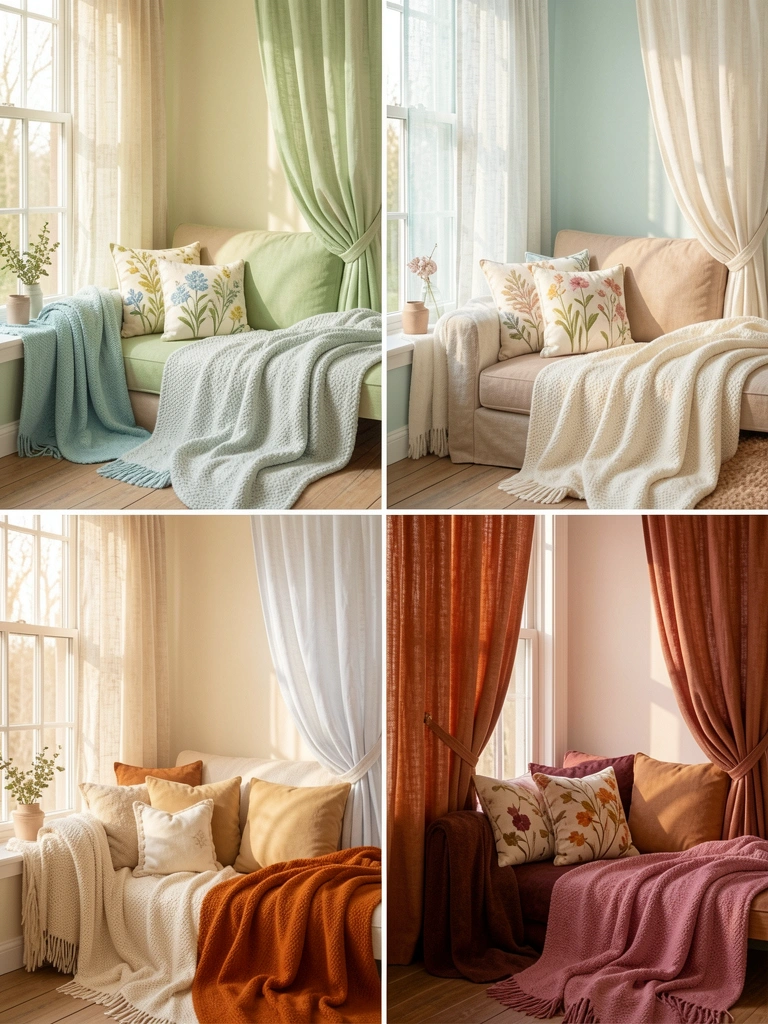
    Anchoring Rooms With Intentional Statement Pieces

    Gravity pulls the eye toward intentional statement pieces that transform minimal maximal living spaces from sterile to spectacular.

    Your statement piece selection defines room character, creating intentional focal points that anchor design narratives.

    Choose bold sculptures, oversized art, or unique furniture that reflects personal style while maintaining spatial harmony and visual intrigue.

    Geometric Design: Balancing Structure and Fluidity

    Where statement pieces create visual anchors, geometric design emerges as the architectural language of modern minimalist spaces.

    You’ll find geometric harmony in dynamic shapes that balance structure with fluidity, transforming your living room into an intentional canvas.

    Sharp angles blend with soft curves, creating a visual rhythm that speaks to both order and organic movement.

    Wall Design That Amplifies Your Living Space

    The art of wall design transforms ordinary living spaces into extraordinary visual narratives.

    You’ll elevate your room with accent walls featuring bold patterns, artistic murals, and color gradients.

    Experiment with texture contrasts, wall art, removable decals, and interactive decor that reflects your personal style while maximizing spatial potential through strategic design choices.

    Artwork Placement: Curating Visual Narratives

    Strategically curating artwork transforms your living room into a personal gallery that tells your unique story. Your art selection creates narrative consistency, weaving emotional resonance through carefully chosen pieces. By understanding color influence and spatial relationship, you’ll craft visual storytelling that reflects cultural context and establishes compelling focal points across diverse art genres.

    Multi-Functional Decor: Style Meets Practicality

    Smart living rooms now blur the lines between aesthetic appeal and functional necessity, transforming everyday furniture into dynamic design solutions.

    You’ll love how versatile pieces like ottoman storage, extendable coffee tables, and modular seating maximize your space.

    Functional accessories aren’t just practical—they’re statement elements that elevate your minimalist maximal style effortlessly.

    Integrating Natural Elements Strategically

    While minimalist maximal design celebrates curated sophistication, natural elements introduce organic warmth and textural depth that transform living spaces from sterile to soulful. You’ll elevate your room by strategically incorporating sustainable decor, indoor plants, and earthy textures that embrace biophilic design principles, creating light, nature-inspired accents that breathe life into your minimal maximal aesthetic.

    Textile Layering Without Visual Overwhelm

    Because textile layering is an art form in minimal maximal design, you’ll want to approach it with surgical precision and creative intuition.

    Select textile textures that complement each other without competing.

    Balance visual weight through strategic placement—think a chunky knit throw against sleek leather, creating depth without chaos.

    Hidden Storage Solutions for Clean Spaces

    Although minimalist-maximal design celebrates visual intrigue, strategic storage solutions are the unsung heroes of maintaining spatial elegance.

    You’ll want multifunctional furniture with hidden compartments that blend seamlessly into your living space. These clever design elements allow you to stash essentials without compromising your room’s aesthetic, keeping surfaces clean and your style intentionally curated.

    Color Palettes That Transform Mood

    Color psychology transforms living spaces from mere rooms into emotional landscapes, where each hue becomes a strategic design tool.

    You’ll harness color meaning to craft mood enhancement, selecting palettes that shift energy effortlessly.

    Soft blues calm, vibrant yellows energize, and muted greens ground—your walls become emotional choreographers, silently conducting your living room’s psychological symphony.

    Mastering Negative Space Design

    How can emptiness become your most powerful design ally? Negative space isn’t about absence, it’s strategic breathing room that amplifies your living room’s design dynamics. By intentionally leaving areas uncluttered, you’ll create visual balance, allowing key elements to breathe and stand out, transforming your space from chaotic to confidently curated.

    Displaying Personal Artifacts Meaningfully

    While minimalism celebrates simplicity, your personal artifacts aren’t just decorative clutter—they’re narrative anchors that transform stark spaces into deeply personal environments.

    Curate meaningful displays by selecting pieces that tell your story, strategically positioning them to create visual interest without overwhelming your living room’s clean aesthetic.

    Room Flow: Arrangement Principles for Balance

    Thoughtfully positioned artifacts set the stage for understanding room flow—a dynamic choreography where furniture placement becomes an art form of spatial harmony.

    Your living space’s flow dynamics depend on strategic positioning that creates visual pathways.

    Spatial rhythm emerges when you’ll intentionally balance movement, creating an intuitive landscape that guides perception and comfort.

    Technology Integration in Modern Living

    As technology increasingly blends with domestic design, modern living rooms are transforming into intelligent, adaptive environments that seamlessly integrate cutting-edge digital experiences.

    You’ll find smart home devices now elegantly complement minimalist décor, creating digital aesthetics that enhance both functionality and visual appeal.

    Wireless charging stations, hidden screens, and voice-activated systems become sophisticated design elements.

    Seasonal Design Refreshment Strategies

    Because living spaces breathe with the rhythm of changing seasons, your minimal maximal living room can evolve dynamically through strategic design refreshment techniques. Swap accent pieces, rotate textural elements, and embrace seasonal decor that maintains design simplicity. Lightweight throws, shifting color palettes, and versatile art can transform your space without overwhelming its core aesthetic.

    Budget-Friendly Minimalist Maximal Approaches

    Every savvy design enthusiast knows that creating a stunning minimalist maximal living room doesn’t require an endless budget.

    You’ll find sustainable decor and budget-friendly minimalism can transform your space through strategic thrifting, multipurpose furniture, and curated secondhand pieces that express individual style without breaking the bank.

    Creativity trumps cash.

    Breaking Design Rules Intentionally

    While traditional design principles often dictate strict aesthetic boundaries, minimalist maximal style thrives on strategic rule-breaking that transforms living spaces into personalized artistic statements. You’ll create intentional chaos by purposefully disrupting symmetry, mixing unexpected patterns, and challenging conventional color theories. Your living room becomes a canvas where purposeful imbalance reigns, celebrating individual creativity and design rebellion.

  • 23 Sleek Dream Rooms Ideas For a Fresh New Look

    23 Sleek Dream Rooms Ideas For a Fresh New Look

    Your bedroom isn’t just a sleeping space—it’s a personal sanctuary waiting to be transformed. In 2024, sleek design meets individual expression through innovative room concepts that blend minimalist aesthetics with sophisticated functionality. Imagine curated spaces where curved bed frames, layered textures, and strategic lighting converge to create environments that reflect your unique style. Ready to revolutionize your most intimate living space with cutting-edge design strategies that elevate comfort and visual harmony?

    As 2026 approaches, the color landscape for modern bedrooms is undergoing a transformative shift. You’ll see 2026 color palettes embracing bold minimalism with muted sage, deep terracotta, and slate gray. These modern bedroom aesthetics reflect a desire for calm sophistication, blending organic tones with architectural precision that speaks to your individual freedom and design sensibility.

    Curved Bed Frames: The New Comfort Revolution

    While traditional bed frames have long adhered to rigid geometric lines, the emerging design revolution of curved bed frames introduces an ergonomic and visually dynamic alternative for modern sleep environments.

    You’ll discover these innovative designs offer superior curved comfort, transforming bedroom aesthetics with fluid silhouettes that harmonize both form and function.

    Design Stress-Reducing Lighting Layouts

    Beyond the sculptural elegance of curved bed frames, lighting emerges as a powerful architectural element in crafting serene bedroom environments.

    You’ll want to strategically layer ambient luminescence with soft shadowing techniques, utilizing dimmable LED strips, adjustable pendant lights, and warm-toned floor lamps to create tension-dissolving visual landscapes that transform your personal sanctuary into a stress-neutralizing retreat.

    Texture Layering: 5 Professional Techniques

    Since texture transforms ordinary spaces into immersive sensory experiences, professional interior designers understand that strategic material layering represents more than aesthetic decoration—it’s a sophisticated architectural language.

    You’ll elevate rooms by combining fabric blends with intentional tactile contrasts, creating depth through carefully selected textural elements that communicate visual sophistication and sensory richness.

    Earthy Palettes: Timeless Bedroom Elegance

    Earthy color palettes transform bedrooms into serene sanctuaries, offering a timeless approach to interior design that connects inhabitants with natural, grounding aesthetics.

    You’ll discover nature-inspired decor that integrates warm terra-cotta, deep olive, and rich brown tones. These earthy textures create depth, promoting a sense of calm and introspective freedom within your personal space.

    Create Immersive Wallpaper Experiences

    Building on the organic foundations of earthy color palettes, wallpaper emerges as a transformative design element that can instantly reimagine bedroom environments. Select immersive designs with textural depth that speak to your aesthetic freedom. Explore wallpaper textures ranging from subtle organic patterns to bold geometric statements, creating visual narratives that transcend traditional wall treatments.

    Sculptural Lighting That Transforms Spaces

    When illumination transcends mere functionality, sculptural lighting emerges as an architectural art form that dramatically reshapes bedroom atmospheres.

    You’ll transform spaces with avant-garde sculptural pendants that serve as luminous centerpieces.

    Strategic placement of luxe fixtures creates dynamic visual narratives, manipulating light and shadow to redefine spatial perceptions with architectural precision.

    Macramé Styling for Contemporary Interiors

    Macramé has evolved far beyond its bohemian roots, emerging as a sophisticated design element that seamlessly integrates texture and structural elegance into contemporary interiors.

    You’ll transform spaces with intricate macramé wallhangings and minimalist macramé plant holders, creating visual depth and architectural interest that amplifies your room’s modern aesthetic with organic, tactile sophistication.

    Craft Romantic Bed Canopies Effortlessly

    Though bedroom sanctuaries deserve transformative design elements, creating a romantic bed canopy isn’t just about draping fabric—it’s an architectural statement that elevates intimate spaces through strategic textile engineering.

    Select lightweight, translucent canopy fabrics that flow gracefully, paired with soft romantic lighting to craft an ethereal atmosphere that amplifies personal freedom and aesthetic sophistication.

    Natural Materials: Your Wellness Design Guide

    Beyond fabric draping techniques that sculpt intimate bedroom spaces, wellness design emerges through intentional material selection that harmonizes human physiology with architectural environments.

    You’ll transform spaces by integrating natural wood elements and bamboo accents, creating environments that breathe tranquility and support holistic well-being through mindful, organic design strategies.

    Bold Color Moments in Neutral Spaces

    A strategic color intervention can electrify neutral bedroom environments, transforming understated palettes into dynamic visual landscapes.

    You’ll achieve neutral balance by introducing bold accent elements that punctuate minimalist design.

    Select saturated emerald, deep cobalt, or burnt sienna to create focal points that energize your space without overwhelming its foundational serenity.

    Seating Nooks: Design for Ultimate Relaxation

    While residential design increasingly prioritizes multifunctional spaces, seating nooks represent a nuanced approach to personal sanctuary creation within bedrooms and living areas.

    You’ll transform an unused corner into a cozy corner, crafting a reading oasis with strategic furniture placement, ergonomic cushioning, and intentional lighting.

    Maximize comfort through architectural precision and thoughtful spatial design.

    Headboards That Make a Statement

    When designing a bedroom sanctuary, headboards emerge as pivotal architectural elements that transcend mere functional boundaries, transforming sleeping spaces into personalized design statements.

    You’ll discover statement headboards aren’t just backdrop components—they’re bold design narratives. Upholstered designs with geometric patterns or luxe textural materials can dramatically redefine your bedroom’s aesthetic landscape.

    Multifunctional Furniture for Smart Spaces

    Nearly every contemporary bedroom design challenges traditional spatial limitations through ingenious multifunctional furniture solutions.

    You’ll discover transformative space-saving solutions that maximize your room’s potential, integrating versatile designs like Murphy beds, convertible sofas, and modular shelving systems that adapt seamlessly to your evolving lifestyle and aesthetic preferences.

    Acoustic Textiles: Comfort Meets Design

    Although acoustic textiles might seem like a niche design concept, they’re revolutionizing bedroom comfort and spatial dynamics.

    You’ll discover sound absorbing materials that seamlessly blend aesthetic comfort with technical precision. These innovative fabrics transform your space, reducing noise while enhancing visual appeal, giving you the freedom to curate a tranquil, design-forward environment.

    Vintage Textiles as Modern Wall Art

    Beyond acoustic performance, textiles offer rich storytelling potential through visual heritage.

    Transform your walls with vintage patterns that capture historical narratives.

    Textile layering creates depth and visual complexity, turning blank surfaces into dynamic art installations.

    Your space becomes a curated canvas where traditional craftsmanship meets contemporary design sensibilities, expressing personal style through textile art.

    Organic Shapes in Furniture Design

    When nature’s fluid contours inspire furniture design, organic shapes transform living spaces into sculptural experiences that blur boundaries between functionality and art.

    You’ll discover biomimetic design principles creating fluid furniture with curved silhouettes that flow seamlessly, challenging traditional geometric constraints and inviting dynamic spatial interactions within contemporary interiors.

    Your Guide to Eco-Friendly Bedroom Materials

    The organic, flowing forms of sculptural furniture naturally extend into material selection, where eco-conscious design meets sustainable performance.

    You’ll want sustainable textiles like organic cotton, hemp, and bamboo linens that minimize environmental impact.

    Recycled materials such as reclaimed wood, upcycled plastic, and repurposed metal offer innovative, responsible bedroom design solutions.

    Unexpected Texture Combinations Explained

    While texture might seem like a subtle design element, strategic layering transforms bedrooms from mundane to mesmerizing.

    You’ll discover textural contrasts elevate spaces through unconventional pairings: rough linen against smooth silk, weathered leather beside sleek metallic surfaces.

    These unexpected combinations create visual tension, liberating your design sensibilities and challenging traditional aesthetic boundaries.

    Transform Bedrooms Into Personal Retreats

    Textural complexity sets the stage for intimate sanctuary design, where personal bedrooms evolve beyond mere sleeping quarters into profound expressions of individual identity.

    You’ll craft cozy retreats that reflect your essence, integrating strategic spatial planning, curated textiles, and intentional color palettes that transform dormant spaces into dynamic personal sanctuaries of comfort and self-expression.

    Ceiling Design: Your Fifth Wall Strategy

    Elevating your bedroom’s design potential begins with reimagining the ceiling as a strategic architectural canvas, transforming what’s typically overlooked into a powerful aesthetic statement.

    Explore suspended designs and innovative ceiling textures that break conventional boundaries. Your fifth wall can become a dynamic expression of personal style, introducing depth, visual intrigue, and architectural sophistication to your intimate space.

    Metallic Accents in Earthy Interiors

    As design boundaries blur, metallic accents emerge as transformative elements within earthy interior landscapes, bridging raw natural textures with luminous, sophisticated touches. Bronze, copper, and brass finishes dance dynamically against clay, stone, and wood surfaces, creating depth and visual tension that liberate your space’s aesthetic potential through strategic metallic interventions.

    Soft Lighting for Dreamy Bedroom Atmospheres

    Where metallic gleams cascade across earthy landscapes, soft illumination emerges as the gentle architect of bedroom serenity. You’ll transform spaces through strategic ambient glow, positioning layered lighting fixtures that cast serene shadows. Dimmable LED strips, pendant clusters, and warm-toned sconces create dimensional luminescence, liberating your bedroom’s atmospheric potential with precision-engineered radiance.