Blog

  • 28 Creative DIY Bedroom Wall Art Ideas To Personalize Your Room

    28 Creative DIY Bedroom Wall Art Ideas To Personalize Your Room

    I used to leave walls bare because I didn’t know where to start. Then I began making art I actually loved—imperfect, personal, and within my budget. These ideas are things I’ve hung, re-hung, or returned until they felt right. You can do most of them in an afternoon.

    28 Creative DIY Bedroom Wall Art Ideas To Personalize Your Room

    These 28 ideas are hands-on, budget-friendly, and real—no showroom fluff. I include what worked, what I regret, and exactly what to buy. Use one or mix several; I’ll tell you how many pieces to start with and what tools made the process painless.

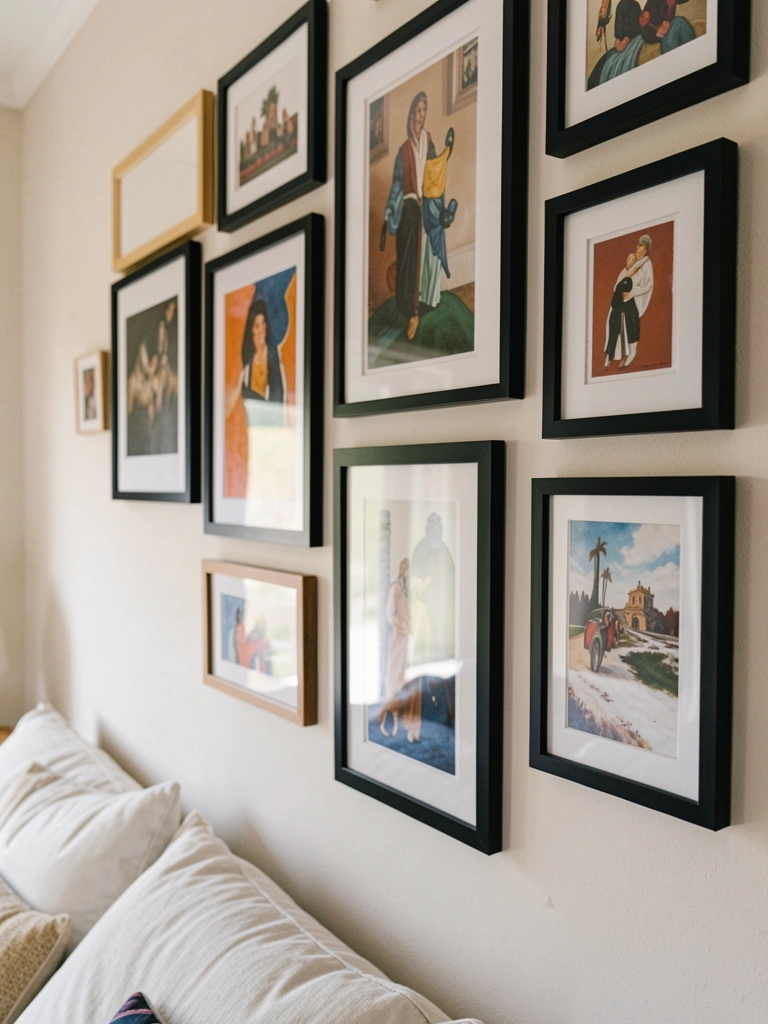
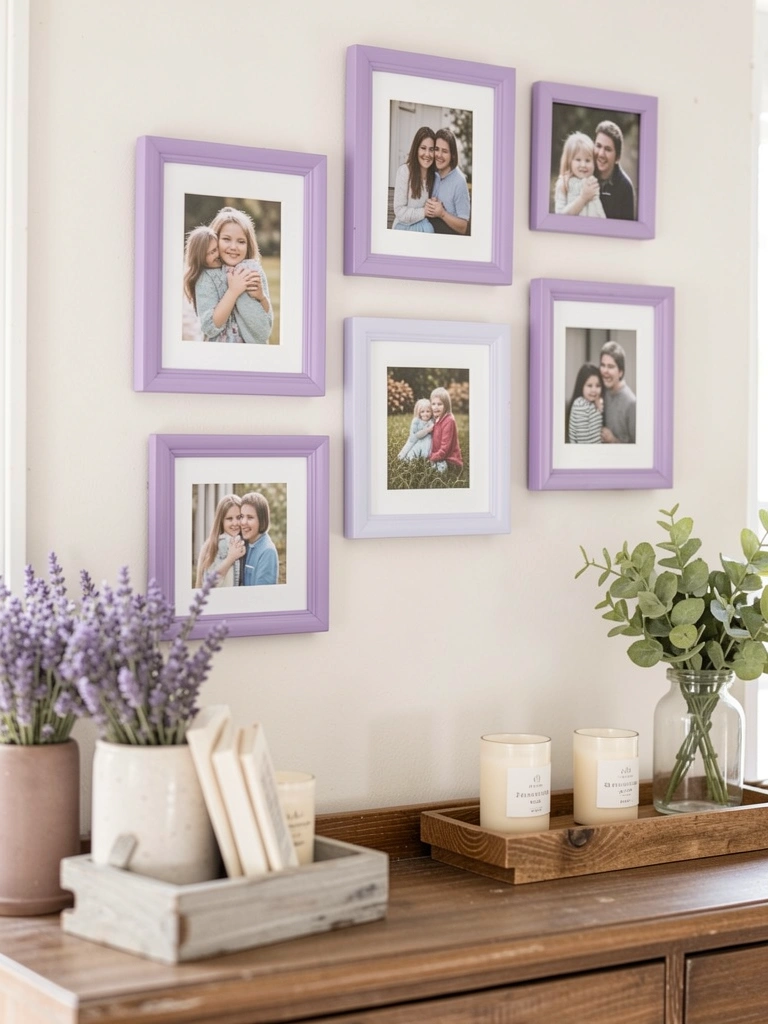
    1. Mixed-Frame Gallery Wall with Personal Photos

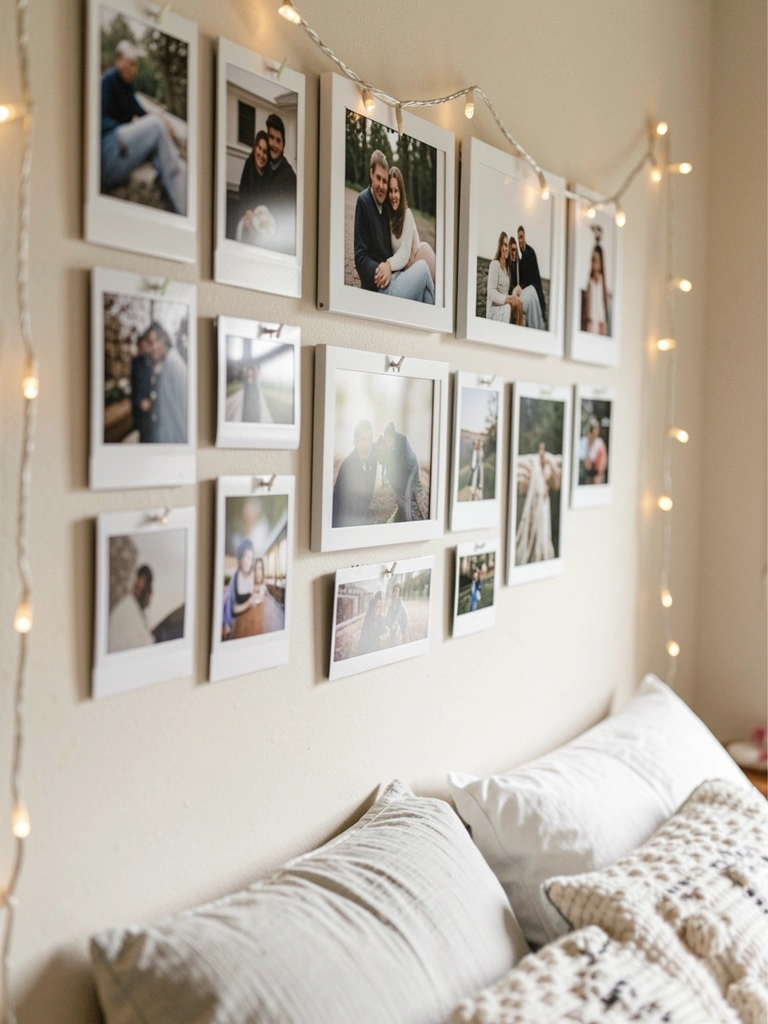
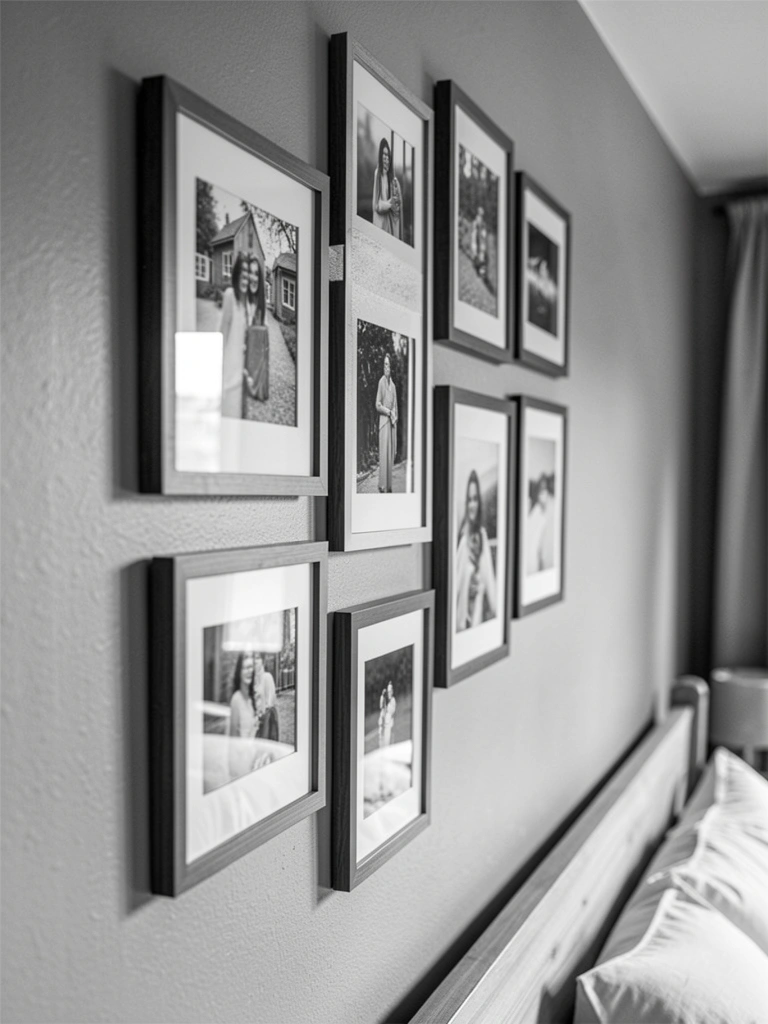
    I built my first gallery wall around photos from trips and messy candid shots. It instantly made the room feel like mine. I learned to start with a focal large frame, then layer smaller ones; I once hung everything symmetrically and it looked stiff. Now I mix frame textures and sizes for warmth.

    Visually it creates movement and personal history. I use scraps of kraft paper to map frames before hammering. Leave small gaps—crowding makes it feel busy.

    What You’ll Need for This Look

    2. Oversized Abstract Canvas Painted in Two Tones

    I painted my first large canvas because I couldn’t find the right size. I mixed two calming tones and dragged a dry brush to keep it airy. My early attempts were too busy; the trick was limiting the palette. Big scale makes a small room feel intentional.

    It becomes a statement without fuss. I leaned mine instead of hanging it the first month to see if the placement worked. That saved holes and stress.

    What You’ll Need for This Look

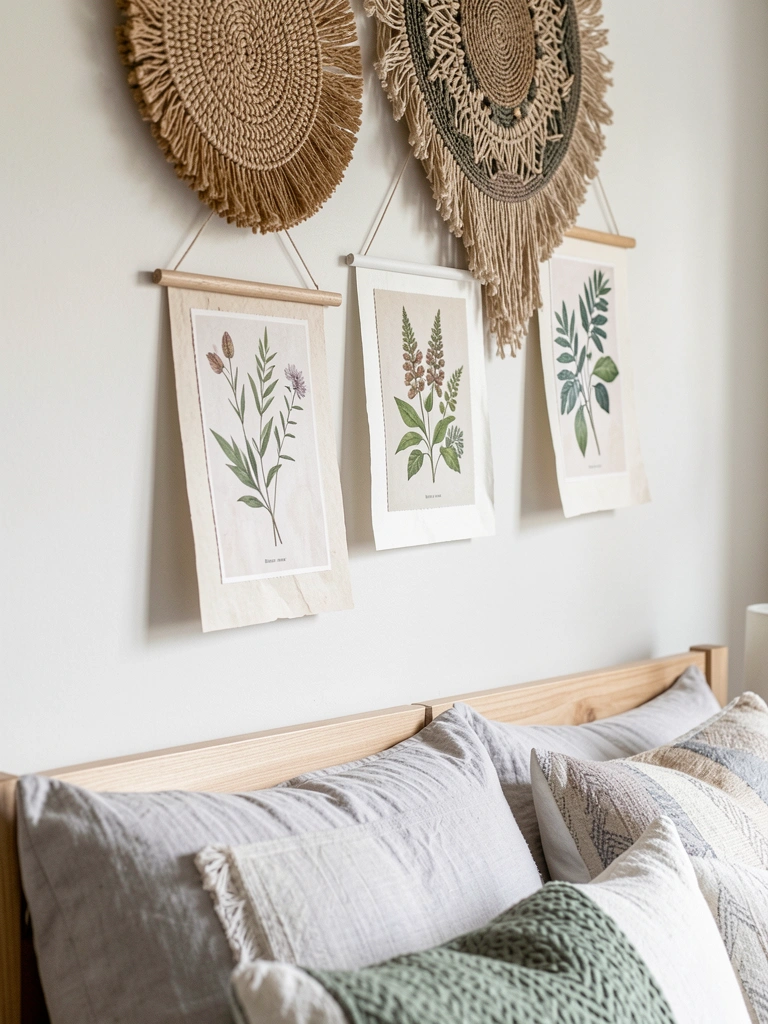
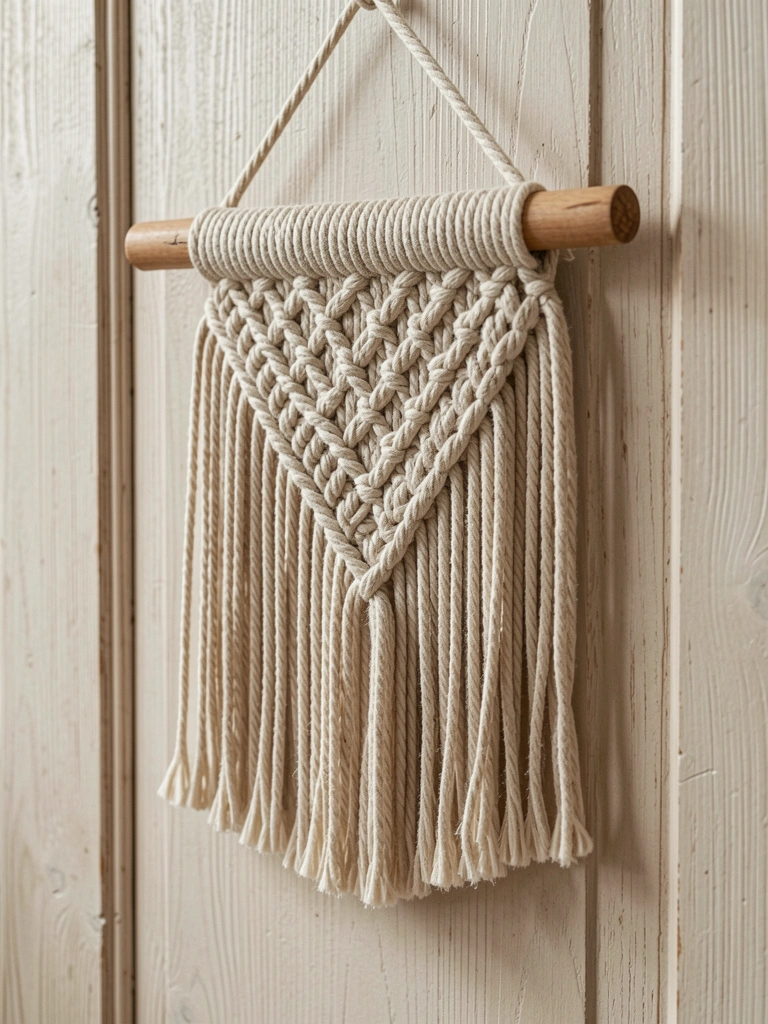
    3. Macramé Wall Hanging for Texture and Warmth

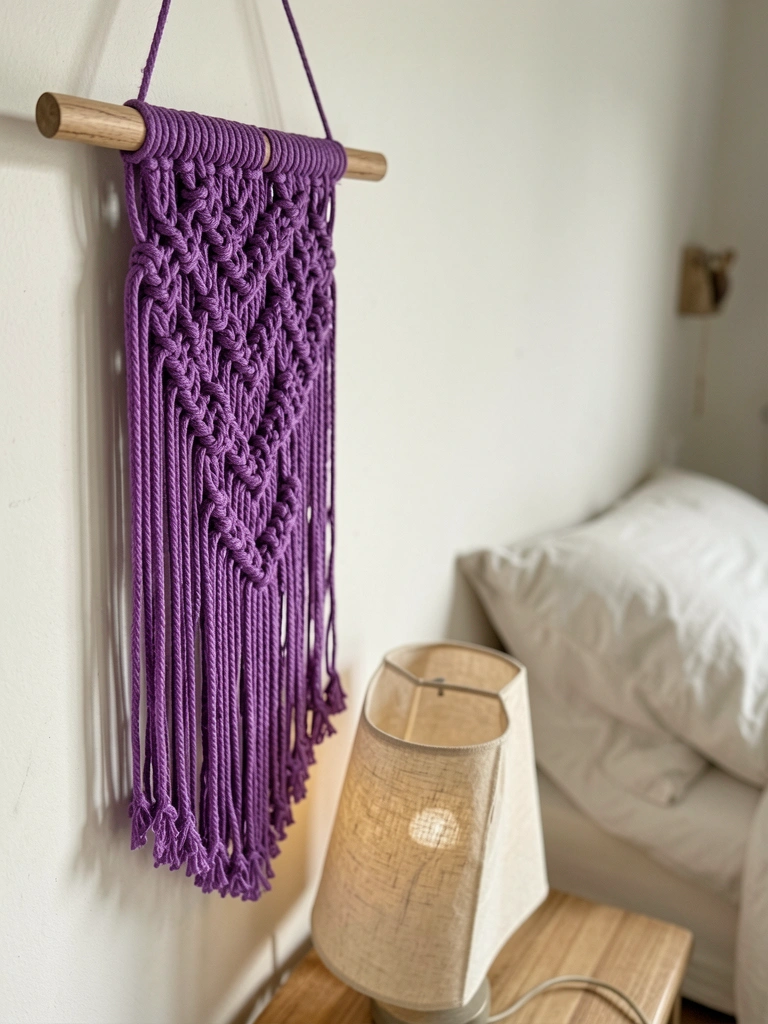
    I bought a macramé and then tried making one—handmade felt more personal. My first knots were uneven, so I kept it hanging on a lower wall until I learned tension. The texture softens plaster walls and pairs well with plants.

    It brings softness without color overload. I recommend a medium-sized piece above a bedside or dresser. If you’re new to knots, choose a simple pattern and chunky rope.

    What You’ll Need for This Look

    4. Framed Pressed Flowers for a Soft, Vintage Feel

    I pressed flowers from a bouquet and framed them; it felt like keeping a day. I learned the hard way that thick flowers need extra drying or they mold. Flat blooms between glass look delicate and add a vintage note.

    These are great near a window where light highlights the petals. Use archival paper to avoid yellowing. I swap blooms seasonally—it keeps the wall fresh.

    What You’ll Need for This Look

    5. Geometric Washi Tape Mural—Easy, Removable Pattern

    I decorated a rental wall with washi tape and loved how low-stakes it was. My first pattern used too many colors and looked busy. After that I stuck to two tones and simple angles. It reads modern and adds interest without paint.

    This is perfect for renters or indecisive makers. It peels off clean, so don’t stress about mistakes—just reposition.

    What You’ll Need for This Look

    6. Embroidery Hoop Gallery with Stitched Motifs

    I started stitching small motifs while watching a show. Framing them in hoops created a cozy, handmade wall that felt like me. I once used a bright thread that clashed with the room; now I pick threads that echo my textiles.

    These look great in clusters of three to five. Keep designs simple—small stitches look refined from a distance.

    What You’ll Need for This Look

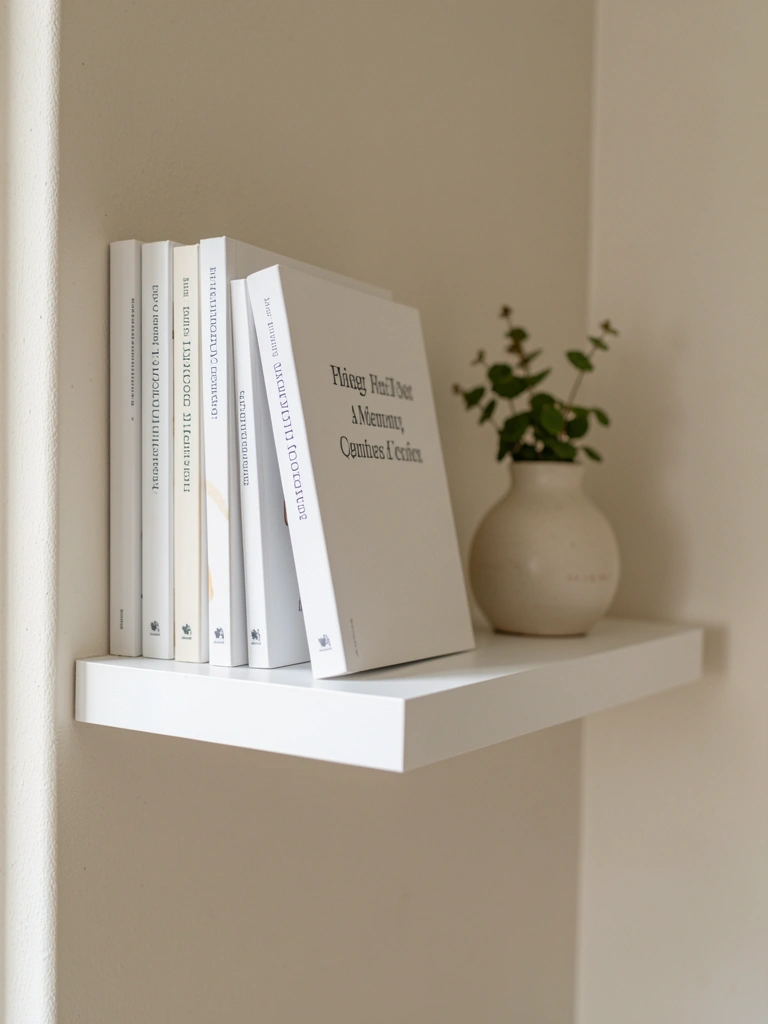
    7. Floating Shelves with Rotating Art and Plants

    I swapped a lone print for floating shelves and it changed everything. I can rotate art, add plants, or stash a candle. I initially overloaded one shelf and it looked cluttered—spacing matters.

    Shelves make layering easy and let you test compositions without committing. Start with two staggered shelves and edit often.

    What You’ll Need for This Look

    8. Yarn Wall Hanging with Ombre Color

    I made a yarn hanging with leftover skeins and learned ombre hides imperfect cuts. My first attempt had uneven lengths—trimming fixed it. The hanging added softness over my bed and introduced a subtle color shift.

    It’s forgiving and quick. Choose a gradient you love and knot yarn to a simple wooden rod. No weaving skill required.

    What You’ll Need for This Look

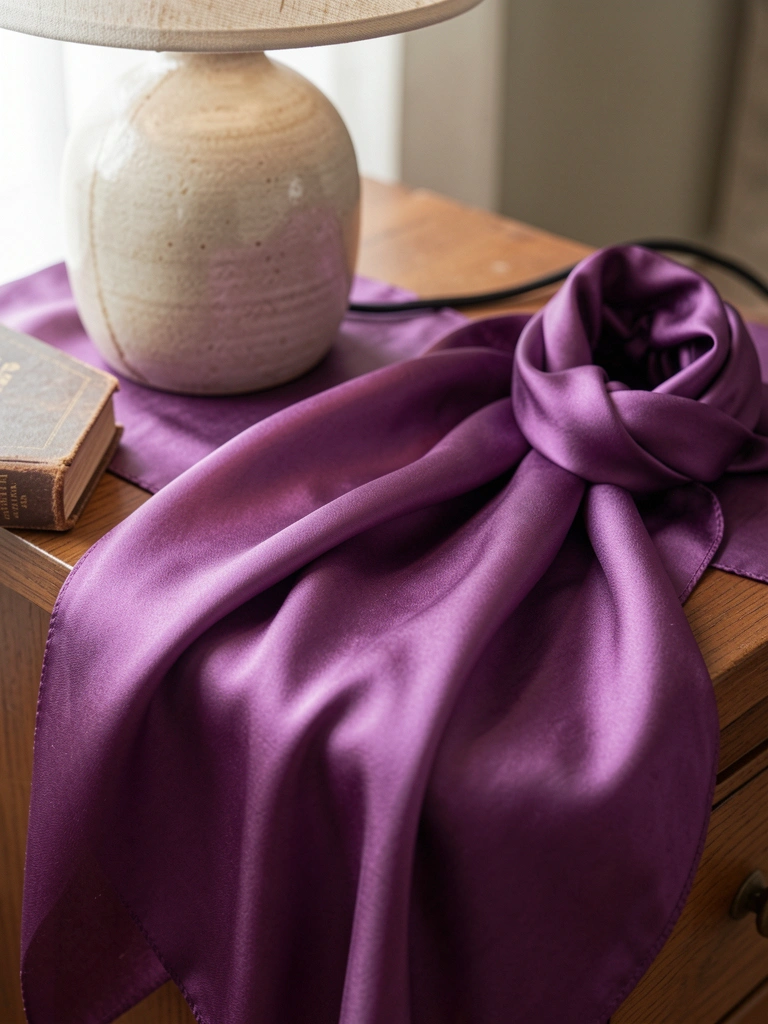
    9. Framed Textile or Vintage Scarf as Art

    I once framed a thrifted scarf and it became the room’s color story. I pinned it wrong and got creases—use acid-free backing to keep fabric flat. Fabric art adds pattern without loud prints.

    A single framed textile gives richness and ties in bedding colors. Try a slim frame so the fabric breathes.

    What You’ll Need for This Look

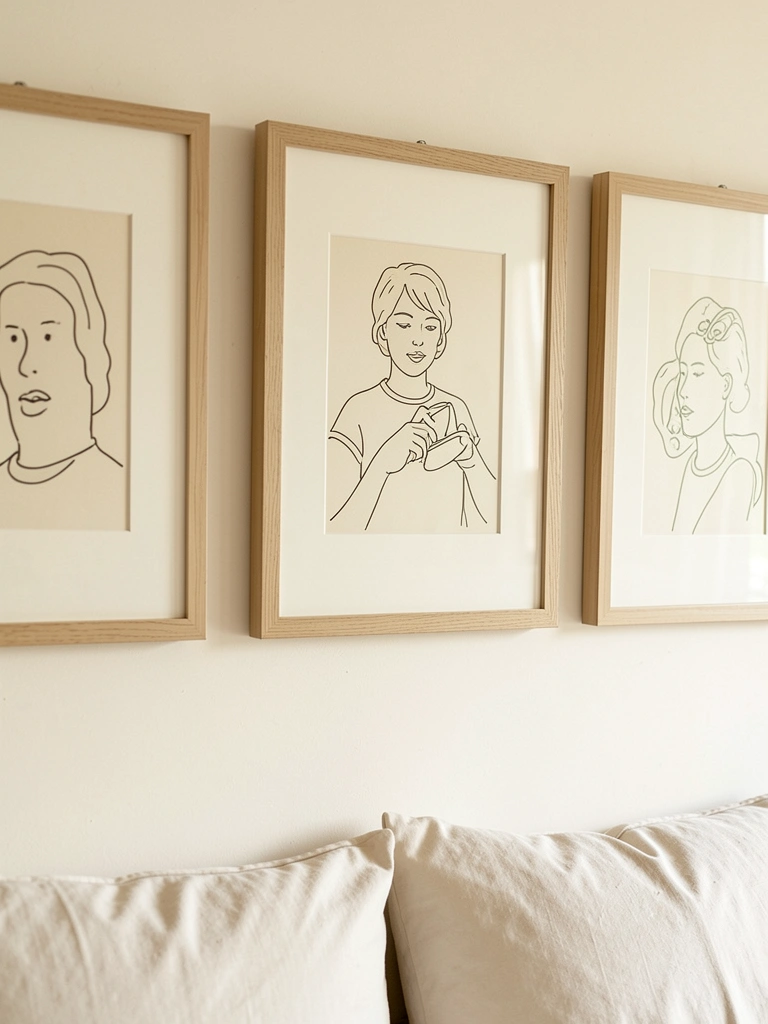
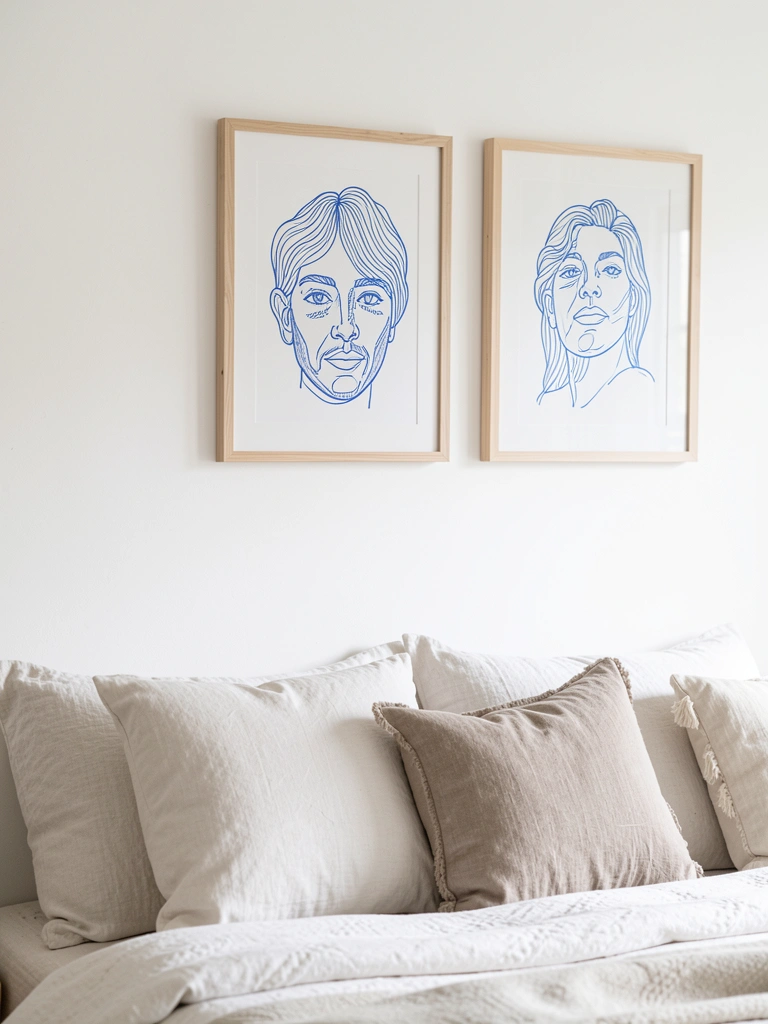
    10. Minimal Line Art Prints in Slim Frames

    I switched heavy art for three minimal line drawings—suddenly the room felt calmer. I had one print too big and it dominated; equal sizing keeps it balanced. These prints are easy to swap when taste changes.

    They work above a dresser or grouped at eye level. Choose frames that match your hardware for cohesion.

    What You’ll Need for This Look

    11. DIY Neon-Style LED Sign with Script

    I made a DIY neon-style sign using bendable LED rope for a subtle glow. My first wiring was messy; use battery-operated strips or a professional connector. The warm light reads cozy at night without being loud.

    Choose a short word that feels meaningful. Mount it on a painted backing to hide strips and create a clean look.

    What You’ll Need for This Look

    12. Layered Paper Collage in a Deep Frame

    I made a collage from magazine scraps and scrapbook paper. It felt chaotic at first until I edited to three dominant hues. I learned that layering adds depth—use foam spacers in a deep frame. It’s tactile and playful.

    Collage is forgiving and affordable. Frame it deeply so the layers don’t get squashed.

    What You’ll Need for This Look

    13. Driftwood Mobile with Hanging Prints and Charms

    I made a driftwood mobile from a beach trip and hung small prints and charms. It’s imperfect and breezy. I tried thin string at first and it tangled—switch to thicker jute for stability. The mobile adds organic lines and a calm movement when doors open.

    It works over a corner or above a reading chair. Keep the pieces light.

    What You’ll Need for This Look

    14. Painted Tape-Off Color Block Behind Bed

    I taped off a color block behind my bed and it felt like a built-in headboard. My first lines bled because I used old tape—fresh painter’s tape made the edges sharp. This is bold without taking much time.

    Pick two complementary shades and tape carefully. Use a lighter top and deeper bottom to anchor the bed.

    What You’ll Need for This Look

    15. Framed Map or City Print of a Meaningful Place

    I framed a map of a city I lived in and it made mornings feel nostalgic. I once bought a glossy print that reflected light—matte paper is better. The map is quiet but personal, and matches any style.

    Pick a simple frame and place it where you see it first thing. It’s a low-maintenance reminder of a favorite place.

    What You’ll Need for This Look

    16. DIY Plaster Relief Art for Subtle Dimension

    I tried a plaster relief panel and liked how it caught light. My first panel cracked because I applied it too thick—thin layers are key. The relief reads modern and calm, a tactile neutral statement.

    Mount one panel above a nightstand for sculptural interest without color. It’s more about shadow than paint.

    What You’ll Need for This Look

    17. Layered Shadowboxes with Small Keepsakes

    I used shadowboxes to hold tiny travel finds. I once packed too much into one and it read cluttered—spacing is important. The boxes let me tell mini-stories without needing big artwork.

    Group three in a row for cohesion. It’s a great way to keep sentimental items visible but tidy.

    What You’ll Need for This Look

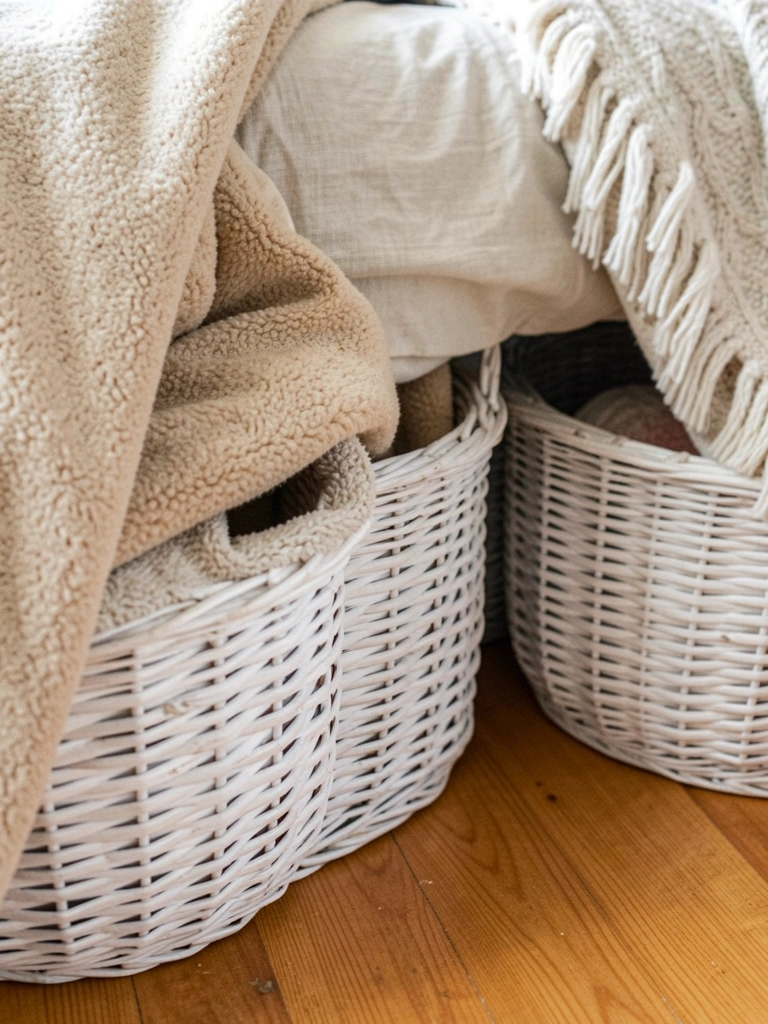
    18. Natural Fiber Basket Cluster for Organic Texture

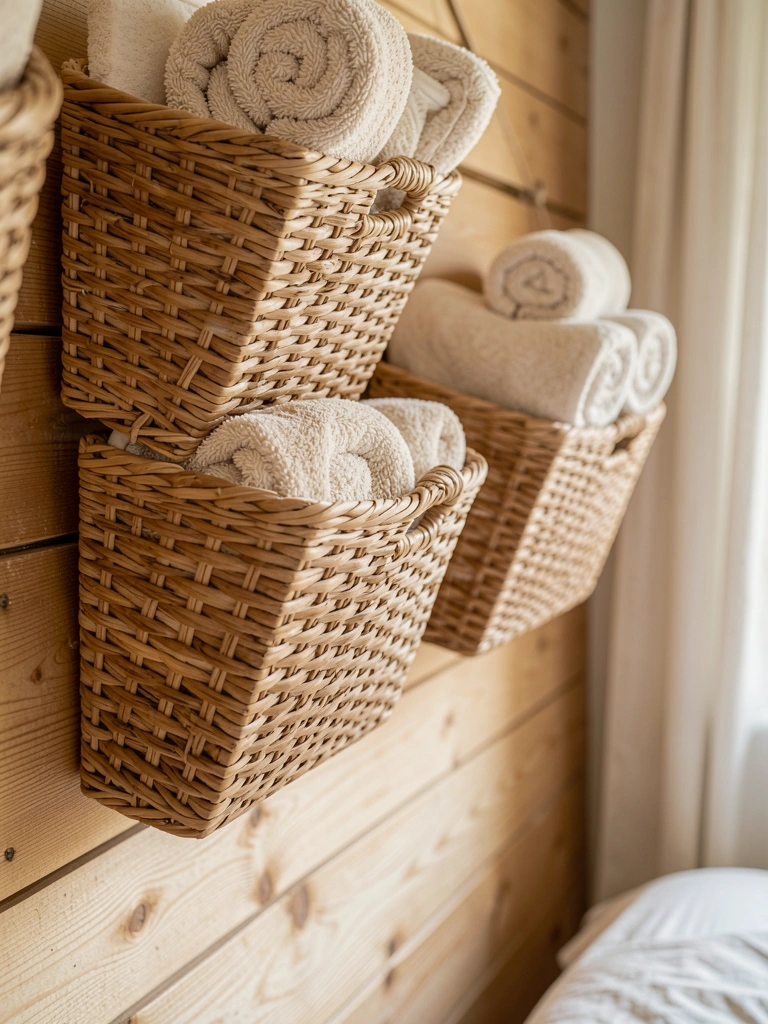
    I hung a cluster of woven baskets and it felt unexpectedly cozy. I initially matched tones too closely; mixing light and dark weaves gave it depth. Baskets add pattern without color and feel collected.

    Arrange them off-center for a relaxed look. They’re light and easy to move if you rework the room.

    What You’ll Need for This Look

    19. Tape-Off Wall Quote Painted in a Simple Script

    I stenciled a short quote in my handwriting style. My first attempt wobbled—use a thin brush and steady hand. Keep the phrase short; long quotes overwhelm. It becomes a quiet, daily reminder without shouting.

    Practice on paper first, then transfer with light pencil before painting.

    What You’ll Need for This Look

    20. Floating Frame with Rotating Minimal Collage

    I rotate small collages in a floating frame seasonally. It’s a neat way to update the wall without rehanging. My first frame had glare—matte glass solved that. The frame looks curated and modern.

    Make a new mini-collage on heavy paper and swap it monthly for freshness.

    What You’ll Need for This Look

    21. DIY Painted Ombre Headboard on the Wall

    I painted an ombre headboard directly on the wall and it felt luxe without buying furniture. I rushed the blending at first and saw harsh lines—work in sections and blend while paint is wet. It anchors the bed and acts as art.

    It’s a bold choice that’s surprisingly forgiving if you test colors first.

    What You’ll Need for This Look

    22. Mounted Plant Wall with Small Planters

    I added mounted planters to a sunny wall and it brightened the space instantly. My first pots were too heavy and pulled hooks out—use lightweight ceramic or plastic and proper anchors. Living art makes the room breathe.

    Choose easy-care plants like pothos for low maintenance.

    What You’ll Need for This Look

    23. Layered Mirrors of Different Shapes

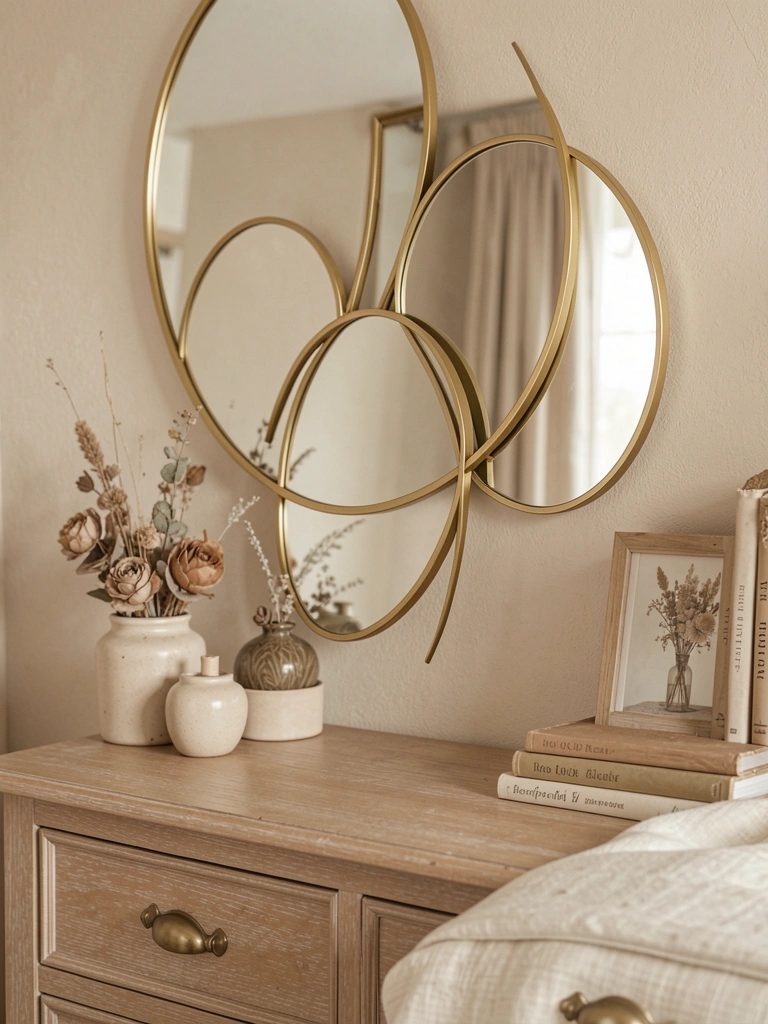
    I layered mirrors to bounce light around a dark room. My first placement showed awkward reflections—step back and check vantage points. Different shapes create visual interest and make the space feel bigger.

    Use one large mirror with two smaller companions for balance.

    What You’ll Need for This Look

    24. DIY Geode-Inspired Resin Art Panel

    I tried resin for the first time and loved how it mimicked stone. My mixing ratio was off initially and it bubbled—follow instructions closely and use a torch to remove bubbles. The glossy finish adds a luxe touch without heavy cost.

    A single panel above a dresser reads like a jewel.

    What You’ll Need for This Look

    25. Chalkboard Paint Accent with Monthly Doodles

    I painted a small chalkboard square and started writing monthly intentions. I scratched it with nails once—use proper chalkboard paint. I enjoy changing the doodle each week; it keeps the wall alive without commitment.

    It’s playful and functional—add a tiny shelf for chalk.

    What You’ll Need for This Look

    26. Tape-and-Thread Photo Display for an Airy Look

    I strung photos on twine using tiny clips. It’s light, changeable, and inexpensive. I once clipped heavy frames and the twine sagged—use small prints. The display reads casual and personal, great over a desk.

    It’s an effortless way to show rotating memories.

    What You’ll Need for This Look

    27. DIY Tile Mosaic on a Small Panel

    I made a small mosaic panel to hang above a bedside lamp. I was impatient with grout and it stained the edges—clean as you go. The tactile tiles add craftsmanship and subtle pattern without color overload.
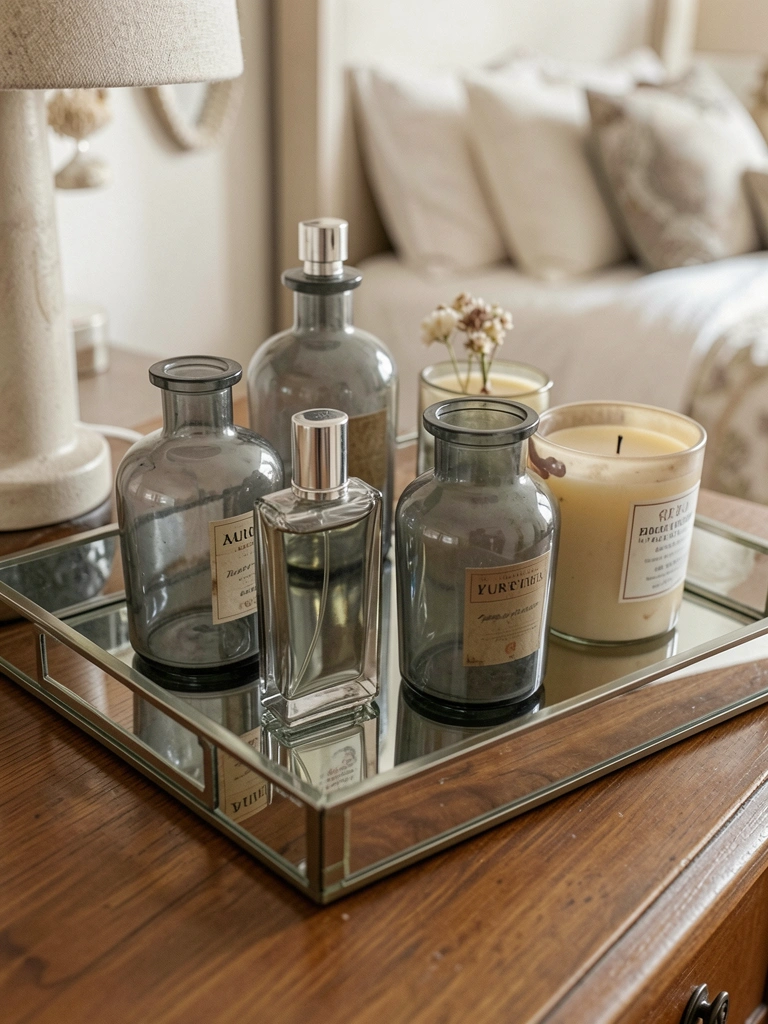
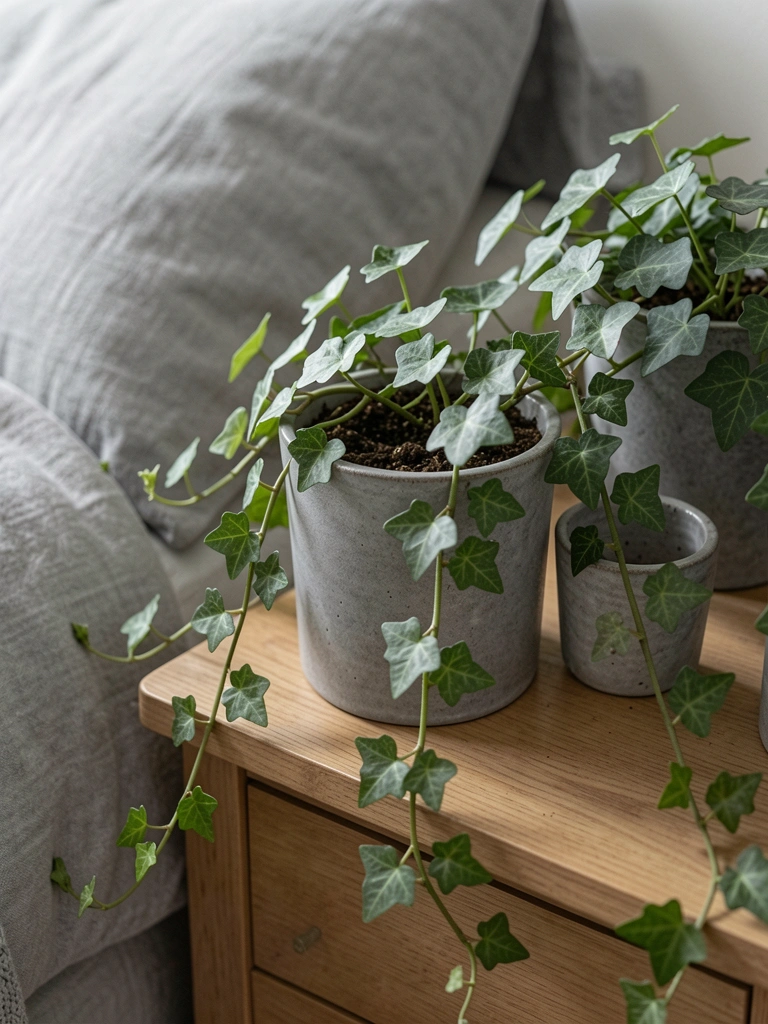
    Work small and pick tiles that complement your palette.
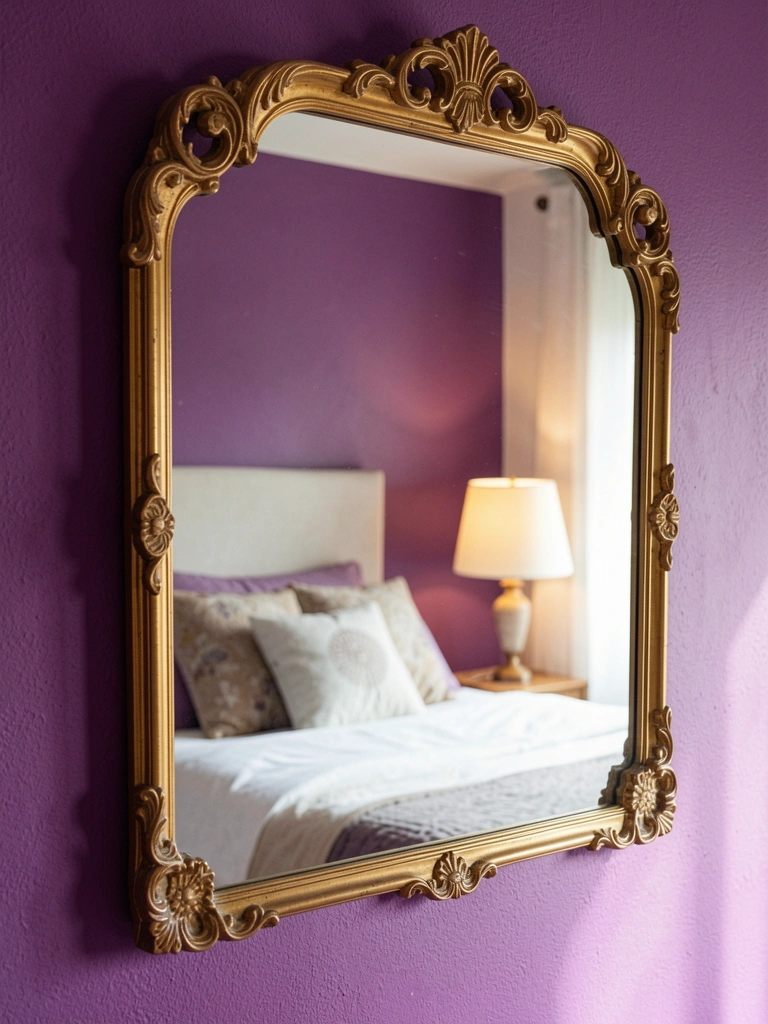
    What You’ll Need for This Look

    28. Shadowed Silhouette Portraits from Family Photos

    I cut silhouette portraits from photos and framed them. My first cuts were clumsy—use a printed profile guide. The silhouettes read classic and quiet, and they capture personality without detail.

    Try one large silhouette as a focal point or a small trio for rhythm.

    What You’ll Need for This Look

    Final Thoughts

    You don’t need to try all 28 ideas. Pick one that fits your time and the mood you want. I still return to a few favorites when a wall feels blank.

    Start small, live with it, and tweak. That’s how a bedroom becomes truly yours.

  • 25 Stunning Bedroom Wall Decor Ideas To Transform Your Space

    25 Stunning Bedroom Wall Decor Ideas To Transform Your Space

    I used to stare at the blank wall behind my bed and feel stuck. Then I started trying small, lived-in fixes instead of waiting for “the right piece.” These ideas are things I actually did, returned, or lived with. They’re practical, cozy, and intentional—25 ways to refresh your bedroom wall without overthinking it.

    25 Stunning Bedroom Wall Decor Ideas To Transform Your Space

    These 25 ideas are things I’ve used in real homes—small tweaks and bolder moves. Each idea includes what I learned, what to watch for, and the exact items that worked for me. You’ll get 25 concrete, buyable looks.

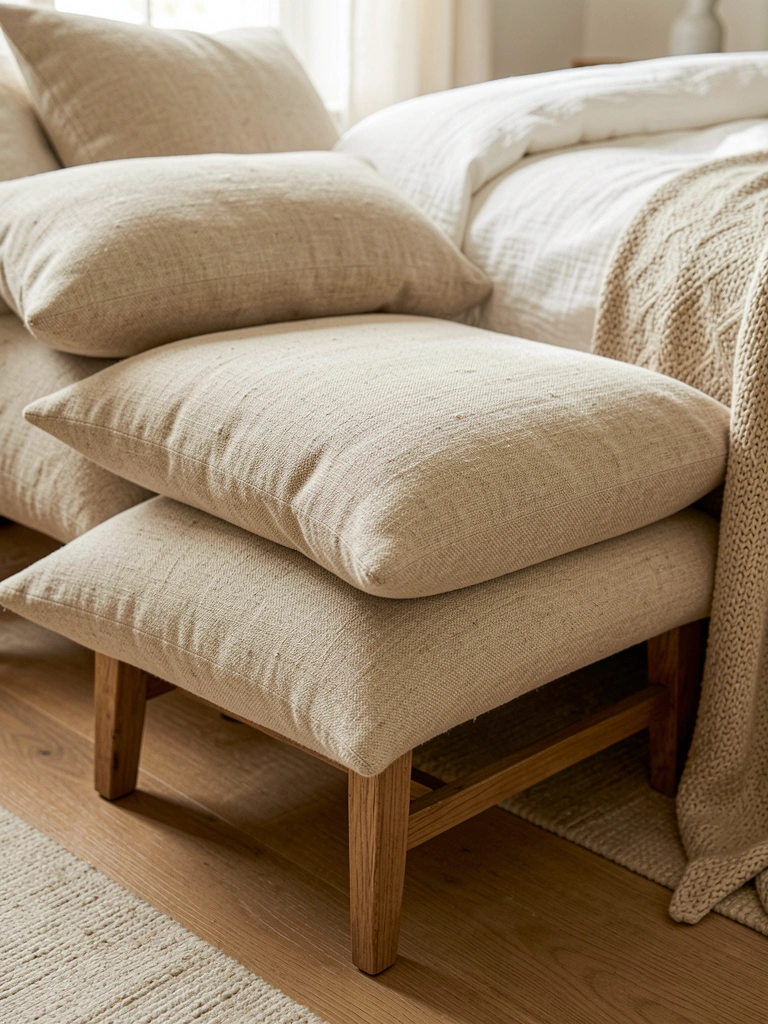
    1. Layered Neutral Textiles That Make a Room Feel Finished

    I mounted two linen panels above the bed and added a small macramé below. It softened the wall and made the bed feel grounded. I initially chose panels too narrow; they looked fussy until I swapped to wider ones. The room felt cozier overnight.

    Pay attention to scale. Bigger panels read calm; small ones look cluttered. I keep the palette neutral so the textures do the work.

    What You’ll Need for This Look
    Wide linen wall panels
    Small macramé wall hanging

    2. A Low Gallery Ledge for Swapping Prints

    I installed a 4-inch picture ledge above my dresser. It’s great because I swap art seasonally and never stress about holes. For months I leaned too many frames and it looked sloppy; trimming the number fixed it.

    This is perfect if you like change. Lean a large print and add a small plant for life. Height matters—keep it reachable so rotating art stays fun.

    What You’ll Need for This Look
    Wooden picture ledge (4-inch)
    Small ceramic vase

    3. Mismatched Frames in a Relaxed Grid

    I built a grid using frames in slightly different finishes. It looks intentional, not precious. My mistake was using frames that were all too shiny at first—switching to mixed matte finishes calmed it down.

    I measured one column and used a level for spacing. The slight variation keeps it human and unstyled, which I love.

    What You’ll Need for This Look
    Mixed 8×10 picture frames
    Neutral 8×10 art prints

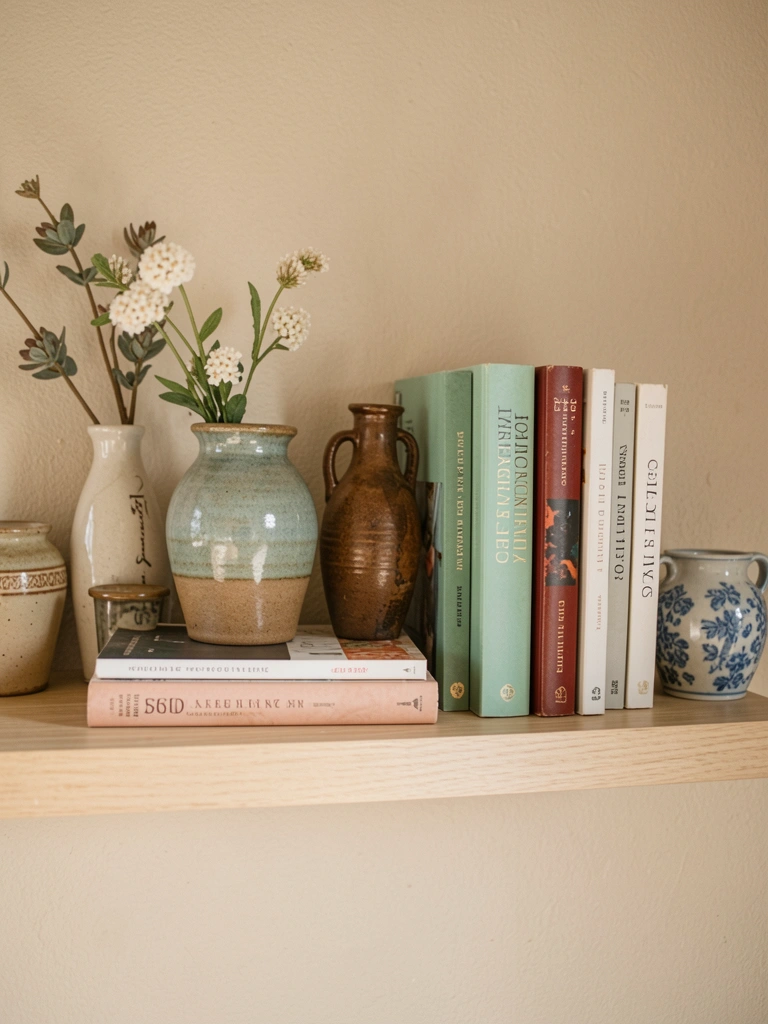
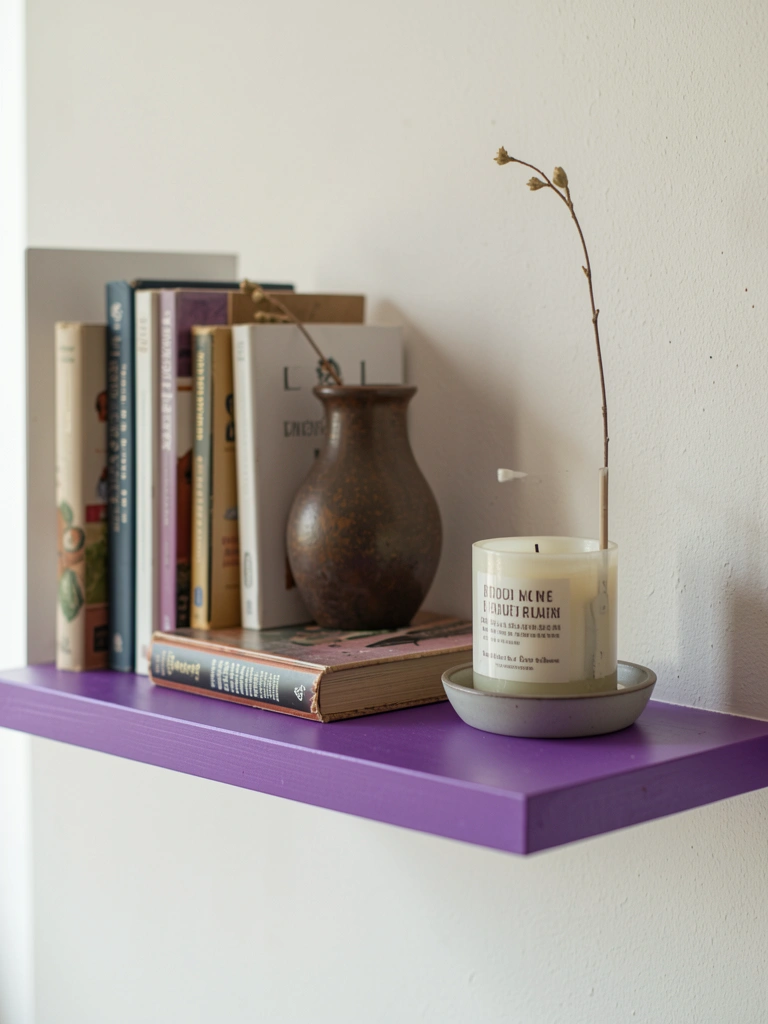
    4. Floating Shelves with Curated Objects

    Floating shelves saved me when I needed decor and storage. I mixed books, a candle, and a framed polaroid. At first I overloaded them and the wall looked heavy; paring back fixed that.

    Shelves give depth without taking floor space. Keep odd numbers of objects and vary heights. They make the wall feel curated, not staged.

    What You’ll Need for This Look
    24-inch floating shelf
    Small pothos plant

    5. Layered Mirrors to Bounce Light

    I leaned a round mirror over a rectangular one to double the reflected light. I once picked mirrors that were both too ornate—too busy. Swapping one for a simple wood frame calmed it.

    Mirrors make a small bedroom feel bigger. Lean them for an effortless look, or anchor with screws if you want secure hanging.

    What You’ll Need for This Look
    Round leaning mirror (30-inch)
    Rectangular simple mirror (40-inch)

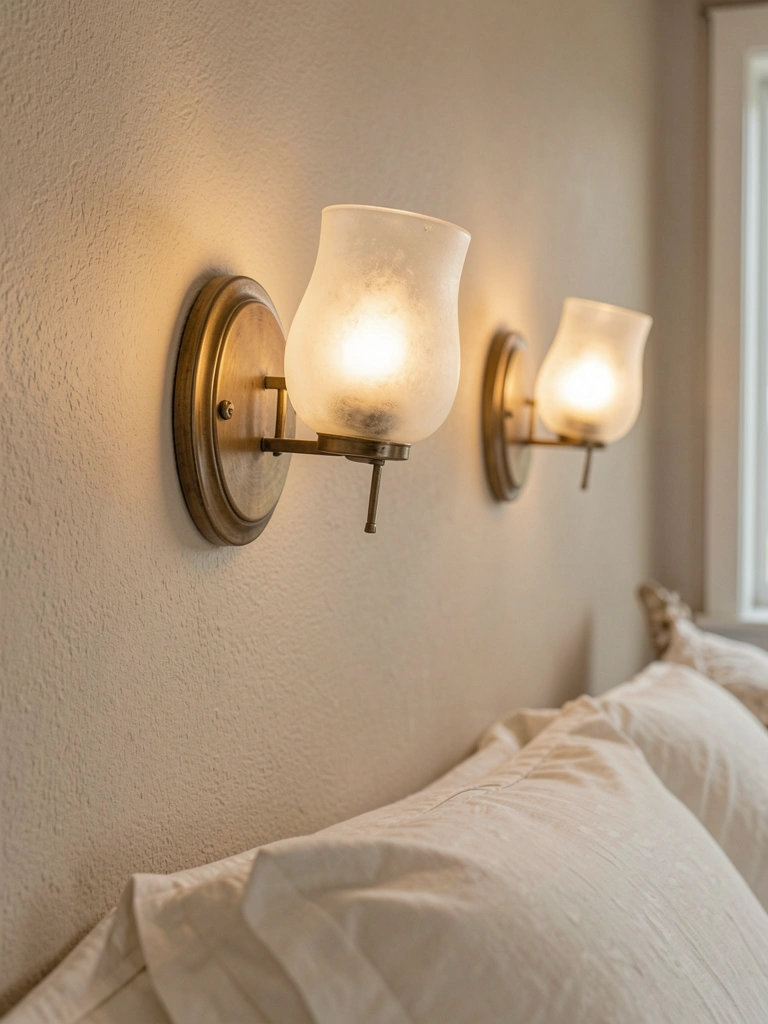
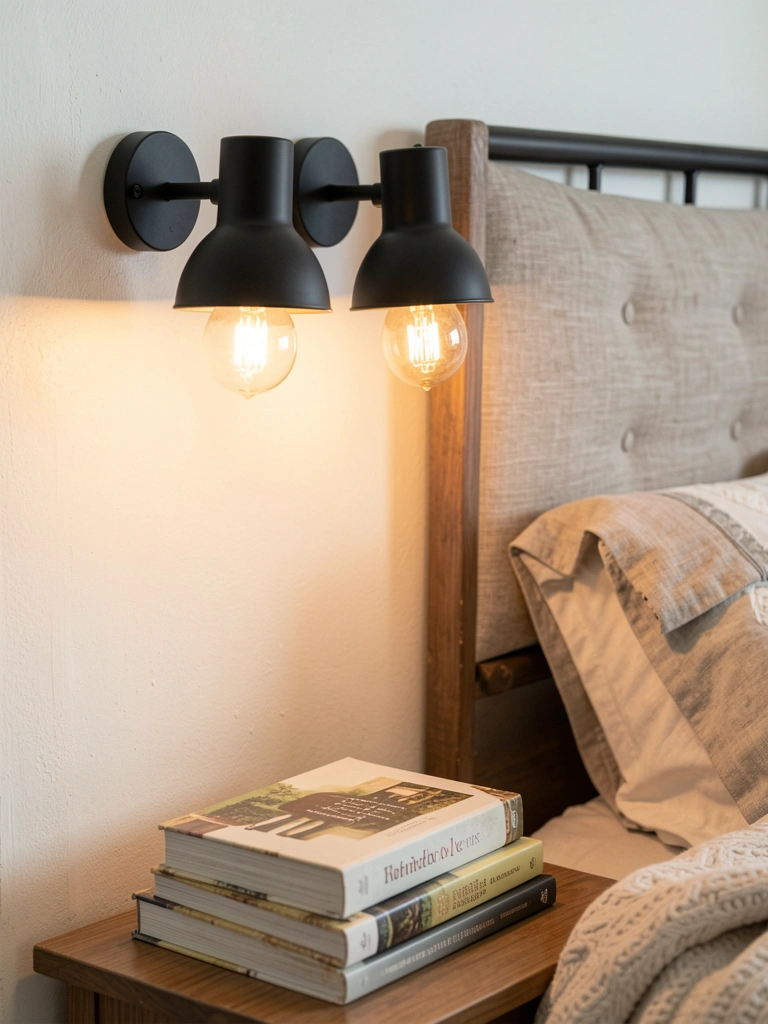
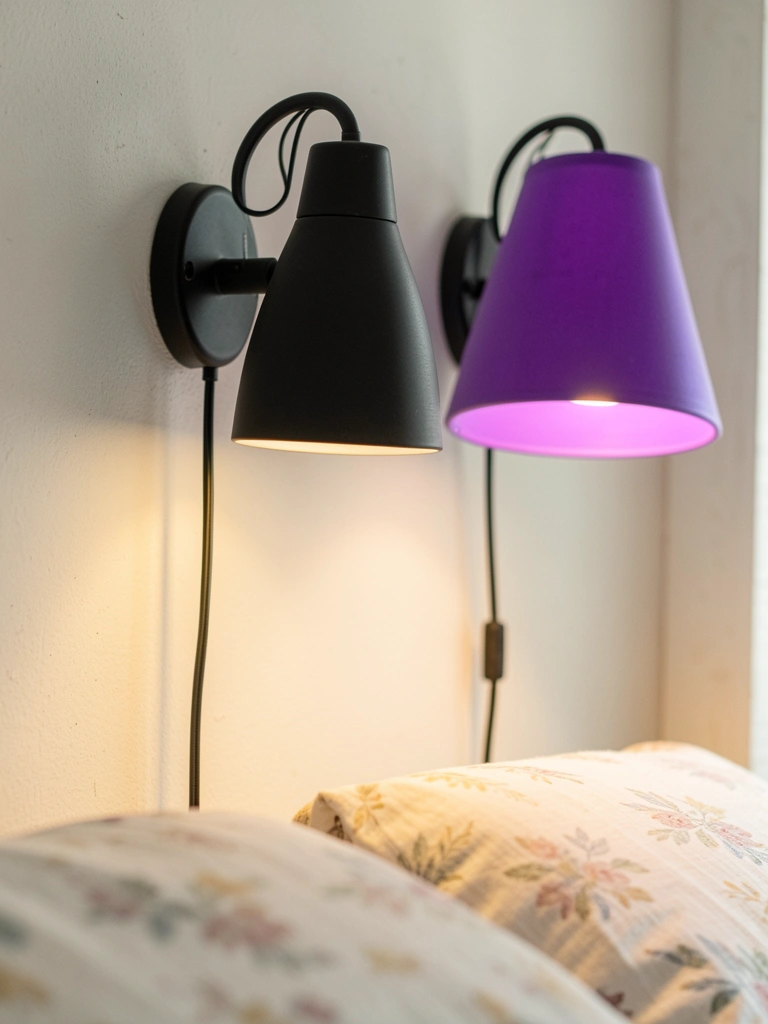
    6. Simple Sconces for Bedside Symmetry

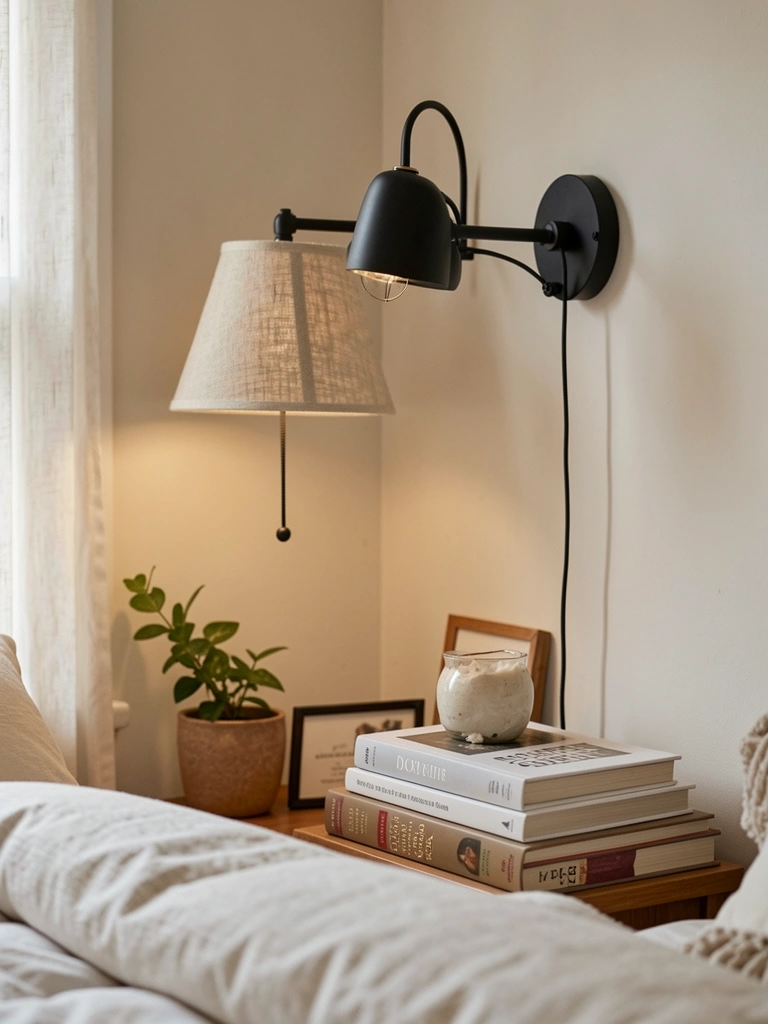
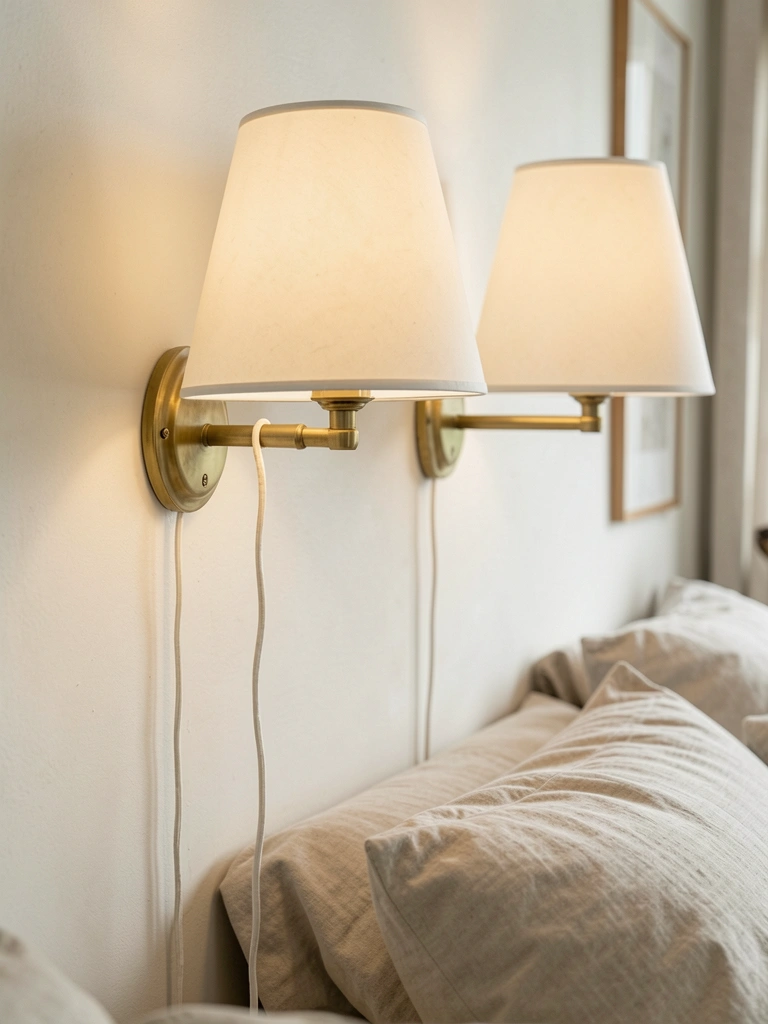
    I swapped table lamps for wall sconces. The room felt instantly tidier. My first pair hung unevenly; lesson learned—use a template and a level.

    Sconces free up nightstand space and add a soft glow. Choose an adjustable arm for reading. I use warm bulbs to keep the light cozy.

    What You’ll Need for This Look
    Matte black adjustable wall sconce
    Warm LED bulbs (soft white)

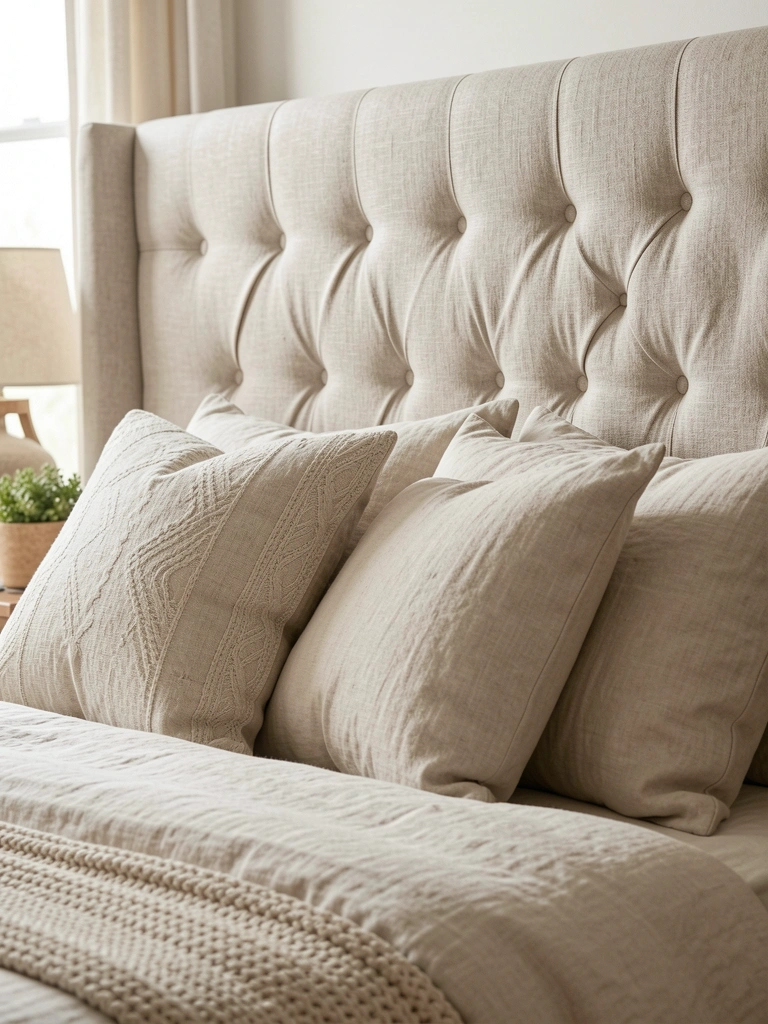
    7. Oversized Fabric Headboard Panel

    I made a tall fabric panel for my bed wall. It created a soft focal point and hid an imperfect wall. My first fabric was too shiny—swapping to matte linen made it look much better.

    A headboard panel adds quiet luxury without heavy furniture. Pick a washable fabric and anchor it securely.

    What You’ll Need for This Look
    Linen upholstery fabric by the yard
    Headboard mount brackets

    8. Wallpapered Accent Strip Behind Bed

    I put wallpaper in a vertical strip centered behind the bed instead of covering the whole wall. It felt less commitment and added character. I once picked a busy pattern and regretted it—now I stick to small-scale prints.

    A strip gives visual interest while keeping the room calm. Use removable paste if you rent.

    What You’ll Need for This Look
    Removable wallpaper (small pattern)
    Wallpaper paste brush

    9. Statement Rattan Panel for Warmth

    I hung a single rattan panel to add texture and warmth. It made the room feel more relaxed. My mistake was hanging it too high—bring it lower to connect to the bed.

    Rattan is forgiving and adds an organic touch. It’s great in both modern and boho spaces.

    What You’ll Need for This Look
    Rattan wall panel

    10. Neutral Tapestry with a Personal Pinboard

    I draped a neutral tapestry and pinned postcards and photos on one corner. It kept the look soft but personal. Initially I pinned too many items; fewer pieces read as intentional.

    Tapestry adds softness and a place to display memories without frames. Keep the color palette restrained for a restful vibe.

    What You’ll Need for This Look
    Neutral woven tapestry
    Mini photo clips

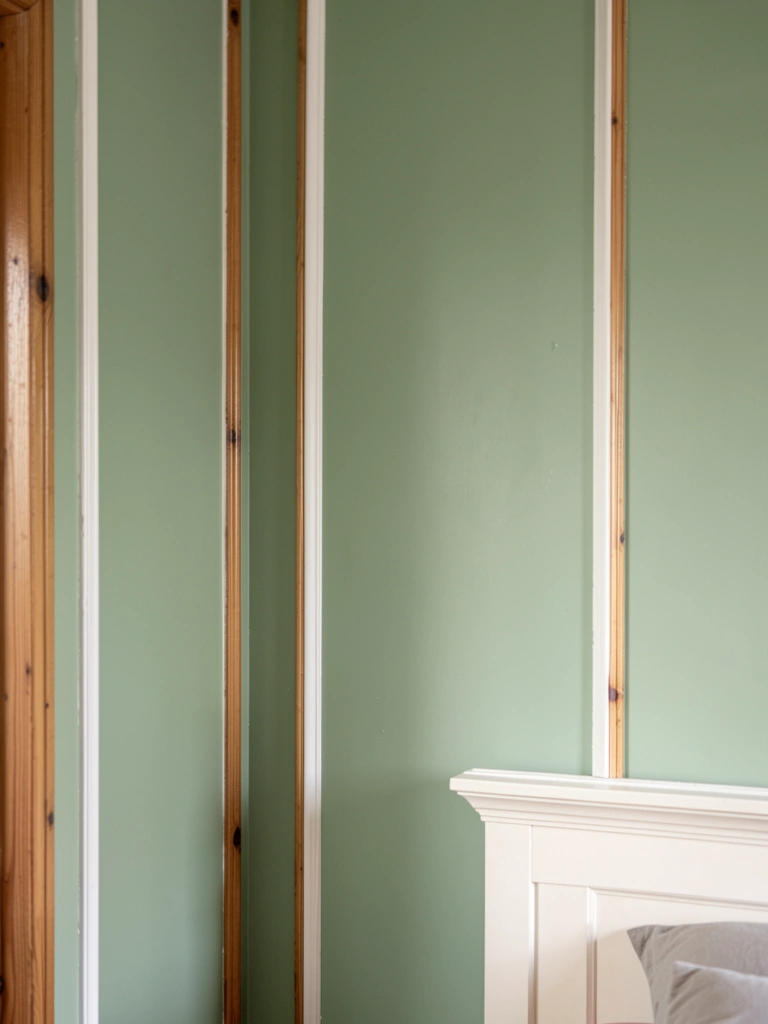
    11. Painted Molding to Create Faux Panels

    I painted simple molding in the same color as the wall to give depth without clutter. I over-lined my first attempt and it read busy—less was better.

    This trick makes any wall look custom. Use matte paint to keep it soft. It’s a small project with a big visual payoff.

    What You’ll Need for This Look
    Decorative wall molding (8ft)
    Matte wall paint (sample)

    12. Dry Bouquet Wall Vase Cluster

    I hung a trio of wall vases and filled them with dried stems. It feels fresh without maintenance. At first I used fresh flowers and ended up with dripping water—dried stems are the answer.

    This adds life and texture without floor space. Keep stems simple and varied in height.

    What You’ll Need for This Look
    Glass wall vase set
    Dried wheat stems

    13. Oversized Textile Art for a Soft Statement

    I bought an oversized textile and let it be the focal point. It made the room feel calm and collected. My first pick was too bright; choosing muted tones made it restful.

    Large textiles read as art and soften echoes in the room. Hang low enough to feel connected to the bed.

    What You’ll Need for This Look
    Oversized textile wall art

    14. Minimal Floating Desk with Wall Lamp

    I made a tiny floating desk for my phone and a notebook. Adding a slim wall lamp turned it into a useful nook. I once used a bulky chair that overwhelmed the space—now I keep a simple stool.

    It’s great for people who work light from bed. Keep cords tidy and choose a small lamp.

    What You’ll Need for This Look
    24-inch floating wall desk
    Slim LED wall lamp

    15. Half-Wall Paint in a Soft Tone

    I painted the lower half of my wall in a soft color to add interest without commitment. My first color was too dark and made the room feel smaller—lighter tones work best.

    This gives a cozy, grounded feel. Use painter’s tape for a crisp line. It’s low-cost but feels intentional.

    What You’ll Need for This Look
    Sample wall paint (muted blue)
    Painter’s tape (1.5 inch)

    16. Clustered Woven Baskets as Art

    I hung a mix of woven baskets in a loose cluster. It adds texture and a casual, collected vibe. I once bought identical sizes—mixing diameters is what gives it life.

    Baskets are lightweight and renter-friendly. Keep the color range natural for cohesion.

    What You’ll Need for This Look
    Woven basket set (varied sizes)

    17. Gallery Wall with a Mix of Photos and Object Art

    I made a gallery wall mixing photos, a small wooden sculpture, and a textile square. It feels personal. My mistake was trying to plan every frame—letting pieces breathe made it much better.

    Include a few non-frame elements for interest. It reads like a story, not a store display.

    What You’ll Need for This Look
    Small wooden sculpture
    Textile wall square

    18. Slim Pegboard for Nightstand Essentials

    I mounted a slim pegboard as a bedside organizer. It holds a lamp, a small shelf, and my glasses. I tried a complicated layout at first—simple hooks work best.

    A pegboard is functional and stylish. Choose neutral finishes to blend with bedroom decor.

    What You’ll Need for This Look
    Slim pegboard (12×24)
    Pegboard shelf kit

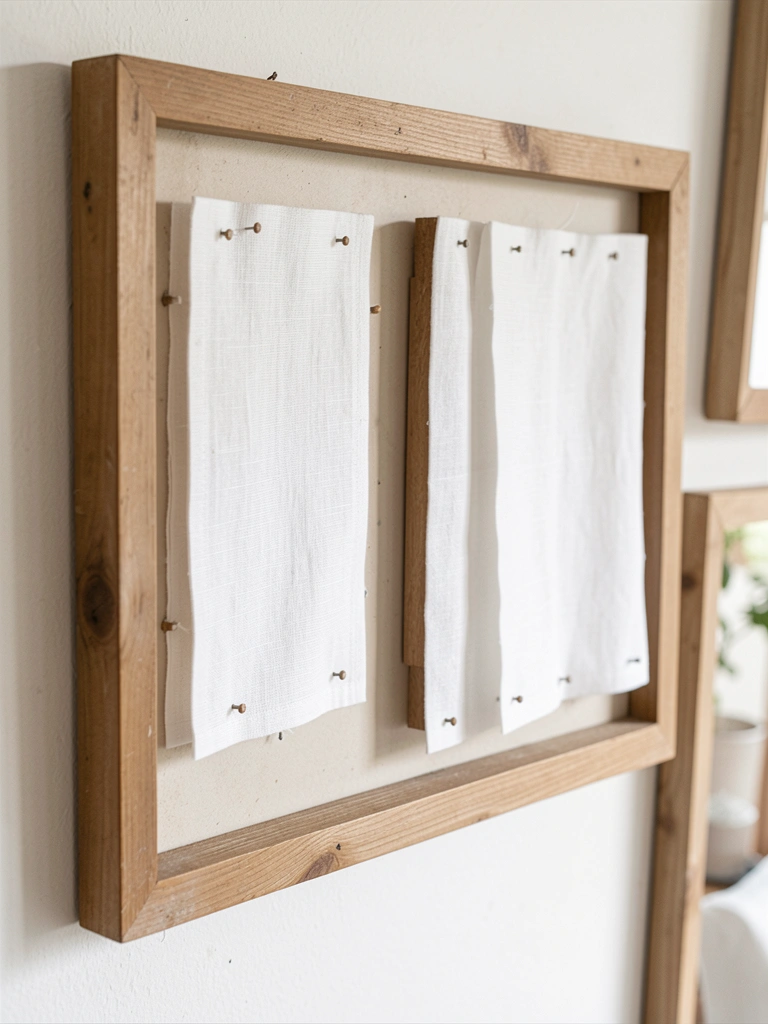
    19. Framed Textile Swatches for Color and Texture

    I framed small textile swatches from fabrics I loved. It’s an easy way to add texture and test colors. I once used tiny frames and they disappeared—larger mats made them readable.

    This is a good way to preserve fabric remnants and make them feel deliberate.

    What You’ll Need for This Look
    Large mat frames (11×14)
    Textile swatches pack

    20. Brass Picture Rail for an Old-House Look

    I installed a brass picture rail and hung art with cord. It gave the room an old-house charm without drilling many holes. I originally used cord that stretched—switching to waxed cord solved it.

    Picture rails let you adjust art easily and look quietly elegant.

    What You’ll Need for This Look
    Brass picture rail (48-inch)
    Waxed picture cord

    21. Mounted Plant Shelf for Lush Vertical Greenery

    I added a narrow plant shelf and filled it with trailing plants. It made the wall feel alive. My first plants were too thirsty for my schedule—switching to low-maintenance pothos and succulents helped.

    Plants soften the room and improve air. Keep the shelf reachable for watering.

    What You’ll Need for This Look
    Narrow wood plant shelf
    Pothos plant

    22. A Large Statement Print Hung Off-Center

    I hung a large print slightly off-center and it felt surprising and relaxed. I used to center everything; this broke the stiffness. Make sure the print size relates to the bed width.

    Off-center placement adds energy without chaos. Keep the frame simple.

    What You’ll Need for This Look
    Large framed abstract print

    23. Painted Accent Circle for Modern Interest

    I painted a single circle on the wall behind my bed. It’s playful but calm in a neutral tone. My first attempt had a wobbly edge—use a stencil for a crisp rim.

    A painted shape is low-commitment and adds a modern note. Use matte paint so it reads subtle.

    What You’ll Need for This Look
    Circle stencil for wall
    Matte sample paint (taupe)

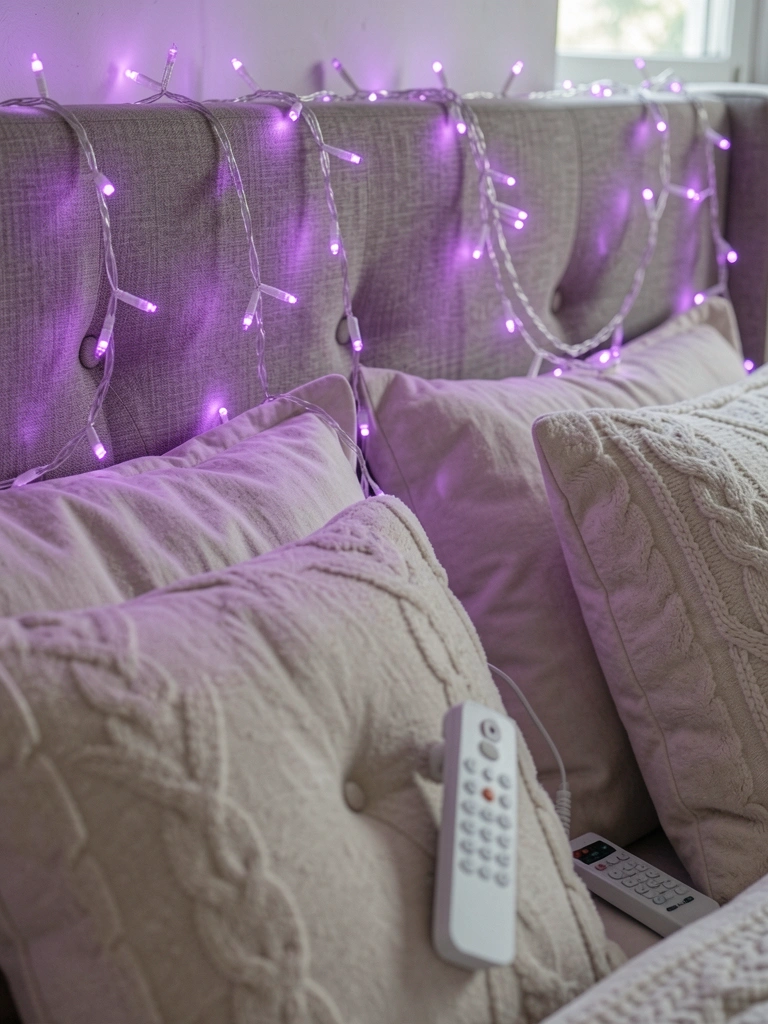
    24. Layered Lighting with String Lights and a Table Lamp

    I layered string lights with a table lamp for soft, layered glow. At first the lights were too bright—using warm bulbs and dimmer fairy lights fixed it.

    Layered lighting changes the mood. Keep the string lights subtle and pair with a lamp you like to touch.

    What You’ll Need for This Look
    Warm LED string lights
    Matte ceramic table lamp

    25. Simple Cork Strip for Notes and Inspiration

    I mounted a cork strip and use it for tickets, small photos, and notes. It’s surprisingly satisfying. I once filled it so much it became messy—now I rotate items monthly.

    Cork strips are low-profile and useful. They help a wall feel personal without permanent holes.

    What You’ll Need for This Look
    Thin cork strip (3 ft)
    Mini push pins

    Final Thoughts

    You don’t need to do all of these. I tried many and kept what felt right for my life. Pick one or two ideas, try them, and live with them for a month.

    Small changes add up. Make it comfortable, not perfect.

  • 24 Magical Aesthetic Bedroom Walls Ideas To Inspire Your Style

    24 Magical Aesthetic Bedroom Walls Ideas To Inspire Your Style

    I used to think walls were just background. Then I spent months swapping paint, returning frames, and finally learning what actually makes a bedroom feel like mine. These ideas are simple, honest, and tested in real rooms — not showrooms.

    They helped me sleep easier and made guests pause. Try one or mix a few.

    24 Magical Aesthetic Bedroom Walls Ideas To Inspire Your Style

    These 24 ideas are hands-on, budget-friendly, and very doable. I include materials I actually bought and small mistakes I made so you won’t repeat them. Use these to pick one look or combine a few to match your vibe.

    1. Soft Painted Accent Wall in a Muted Tone

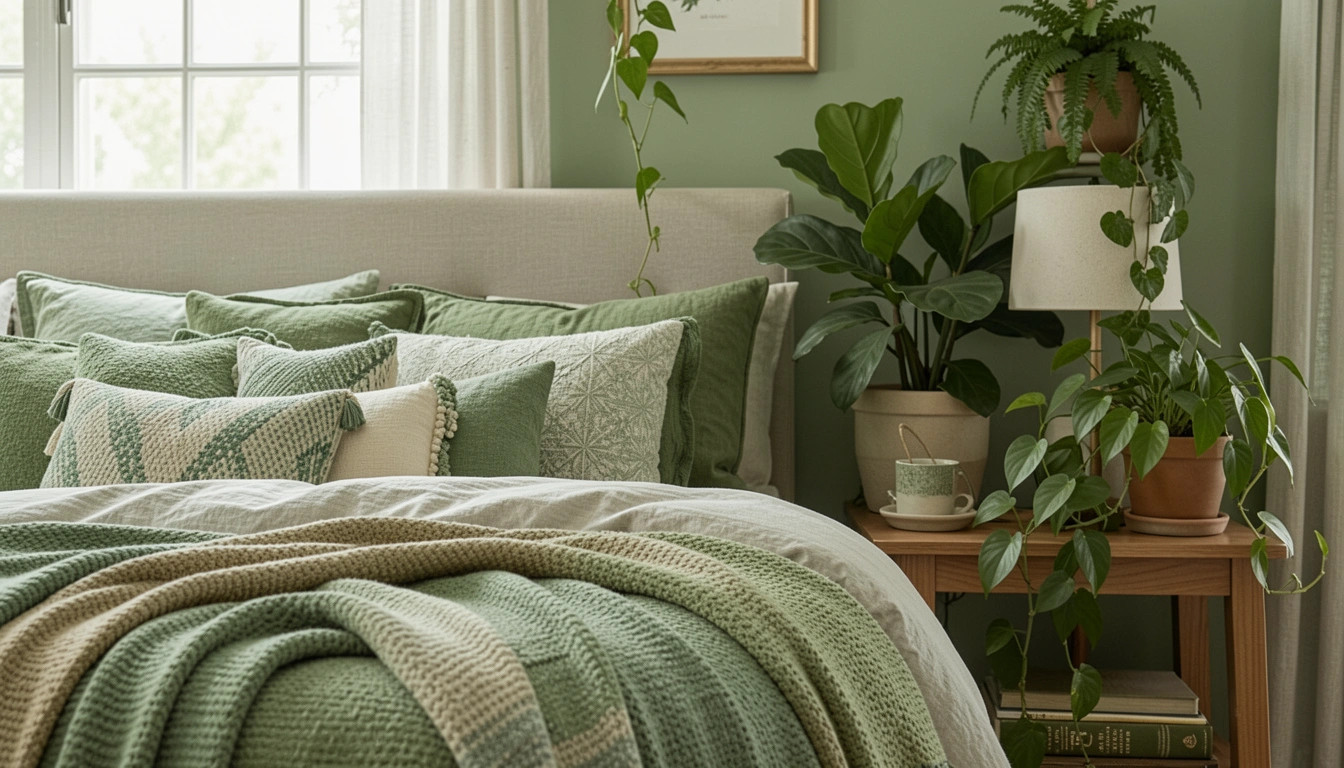
    I painted one wall in my bedroom a muted sage and it changed the whole mood. I used a matte finish and avoided glossy streaks. At first I over-sampled paint colors and returned two cans—lesson learned: view samples at different times of day.

    A single colored wall is calm and anchors the bed without feeling heavy. Keep trim and ceiling a soft white for contrast.

    What You’ll Need for This Look

    2. Mismatched Vintage Frame Gallery Wall

    I collected frames from thrift stores and mixed prints, photos, and a pressed flower. It looked chaotic at first until I kept the color palette consistent—cream, black, and muted gold. I mismeasured spacing and had to patch two holes. Measure twice.

    I taped paper templates to the wall to preview the layout. The result feels collected and personal, not staged.

    What You’ll Need for This Look

    3. Floating Shelves Styled with Books and Plants

    I installed two floating shelves and filled them with books, a candle, and a trailing plant. It’s an easy way to add depth without nails covering every inch. I learned the hard way that cheap brackets sag—upgrade the hardware.

    Rotate items seasonally and leave negative space so it never looks cluttered. This makes the wall functional and cozy.

    What You’ll Need for This Look

    4. Textured Wallpaper on One Accent Wall

    I put up grasscloth wallpaper to add warmth. It was forgiving of small wall flaws but hard to line up if you rush. I ordered an extra roll because seams can be picky. One wall is enough to feel luxe without overwhelming the room.

    Pick a natural tone to keep the look calm. It adds texture that paint can’t replicate.

    What You’ll Need for This Look

    5. Oversized Fabric Tapestry as a Headboard

    When I couldn’t decide on art, I hung a large linen tapestry. It softened echoes and created a focal point. I initially used tiny nails and the fabric drooped—switch to proper poster hangers or a hidden rod.

    A tapestry is washable and easy to swap. It’s a cozy way to get color and pattern without commitment.

    What You’ll Need for This Look

    6. Warm LED Strip Lighting Behind the Headboard

    I ran warm LED strips behind my headboard. It created a soft halo that made the room feel calmer at night. I bought cheap strips once and they flickered—spend a bit more for a dimmer function.

    Use warm white (2700–3000K) for bedroom coziness. It’s subtle but changes evening light dramatically.

    What You’ll Need for This Look

    7. Painted Geometric Tape Accent

    I used painter’s tape to create a geometric accent in terracotta and cream. My first attempt bled under the tape. I pressed the tape edge hard and did thin coats after that. Small shapes add interest without dominating the room.

    Keep the palette to two or three colors for cohesion. It’s a weekend project that feels custom.

    What You’ll Need for This Look

    8. Tall Wainscoting for Subtle Structure

    I added tall wainscoting to anchor low ceilings. It made the wall feel intentional. I miscalculated panel height once and had to trim boards—measure carefully. Painted it soft white and left the upper wall a warm beige.

    Wainscoting adds architectural interest without busy patterns. It’s classic and calming.

    What You’ll Need for This Look

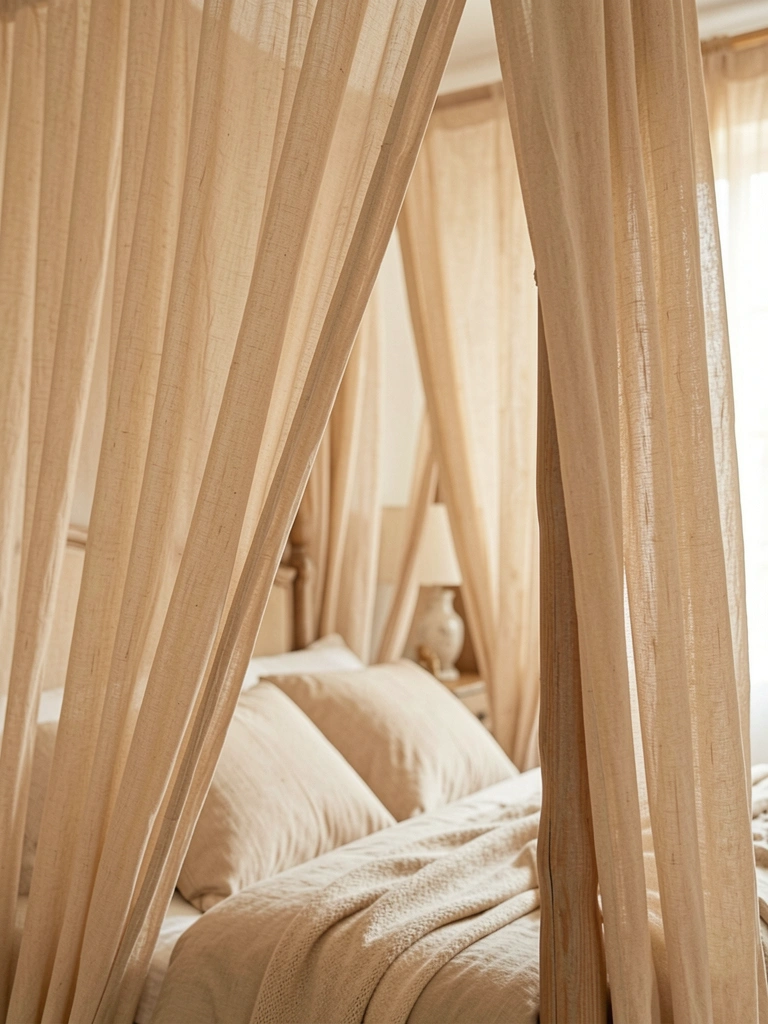
    9. Layered Neutral Textiles That Make a Room Feel Finished

    I draped neutral textiles on a simple rod above the bed. The layers hid small wall imperfections and made nights feel softer. I initially bought a too-thin fabric and it looked cheap—choose weightier linen or wool.

    This approach is forgiving, cozy, and easy to change. It’s less commitment than wallpaper.

    What You’ll Need for This Look

    10. Minimal Floating Nightstand and Wall Lamp Combo

    I swapped bulky nightstands for a small floating shelf and a wall lamp. The wall looks cleaner and the floor is easier to keep tidy. I once bought a lamp with the wrong cord length—check wiring before you buy.

    This is a modern, airy look that keeps the wall useful and uncluttered.

    What You’ll Need for This Look

    11. Gallery Ledge for Rotate-able Art

    A gallery ledge changed how often I rotate art. I can swap prints seasonally without new holes. I once overloaded a thin ledge and it sagged—choose a sturdy, wider shelf.

    Leave negative space between pieces for breathing room. It’s flexible and feels intentionally layered.

    What You’ll Need for This Look

    12. Mirror Cluster to Bounce Light and Make Space Feel Bigger

    I hung a cluster of small mirrors opposite the window. The room feels brighter and larger. I initially used cheap mirrors that warped—opt for flat, quality glass.

    Mix frame styles but keep a shared tone like black or brass. Mirrors are functional and decorative at once.

    What You’ll Need for This Look

    13. Vertical Wood Slat Accent for Warmth

    I installed vertical wood slats on one wall. It adds warmth and rhythm without being busy. My first slats had uneven spacing—use a spacer guide to keep lines straight.

    This look works with neutral bedding and a few plants. It feels modern and cozy.

    What You’ll Need for This Look

    14. Tape-On Fabric Panels for a Quieter Room

    I used adhesive fabric panels to dampen sound and add softness. They’re light to install and made evenings feel quieter. I once chose a pattern that competed with curtains—stick to solids or subtle textures.

    They’re great if you rent or don’t want heavy construction.

    What You’ll Need for This Look

    15. Botanical Prints in Thin Frames for a Calm Look

    I hung botanical prints in slim black frames and it read calm and curated. I once used too-large mats and the frames looked off—match mat size to frame scale.

    Botanical art pairs with plants for cohesion. It’s simple but personal if you choose prints you like.

    What You’ll Need for This Look

    16. Subtle Ombre Paint for a Soft Gradient

    I tried an ombre wall and it felt like a wake-up call for the room. My first gradient was too abrupt. I blended thin layers with a damp sponge to soften transitions. The effect is dreamy without being loud.

    Keep colors in the same family for a serene feel.

    What You’ll Need for This Look

    17. Large-Scale Wallpaper Mural for Personality

    I used a mural on one wall to add personality. It felt bold but not juvenile because I balanced it with simple textiles. I underestimated pattern scale and had to cut panels—measure carefully.

    Mural = instant character. Pair it with calm decor so the wall remains the star.

    What You’ll Need for This Look

    18. Chalkboard or Painted Memo Wall for Notes and Doodles

    I painted a slim chalkboard strip beside my desk wall for lists and doodles. It’s useful and playful. My chalkboard paint bumped into textured plaster badly—make sure your wall is smooth first.

    Use it small to avoid feeling cluttered. It’s practical and personable.

    What You’ll Need for This Look

    19. Macramé Wall Hanging for Boho Texture

    I bought a handmade macramé and it instantly softened the room. The texture makes everything feel more tactile. I initially hung it too low and it crowded the bed—raise it so it breathes.

    Macramé adds a touch of craft without feeling fussy. It’s great if you like natural materials.

    What You’ll Need for This Look

    20. Layered Rugs Hung on the Wall for Color

    I hung a vintage rug on the wall for color and pattern. It felt authentic and added warmth. I once used thin nails that didn’t hold—use proper anchors or a rail.

    This is a bold move but it grounds the bed and tells a story.

    What You’ll Need for This Look

    21. Simple Neon or LED Word Sign for Personality

    I tried a small LED word sign and it adds quiet personality in the evening. Avoid bright colors that compete with your lighting—I returned a neon-pink one for a warm white version.

    Choose a word that feels honest to you. It’s modern without being flashy.

    What You’ll Need for This Look

    22. Corkboard Strip for Functional Styling

    I added a narrow cork strip to pin tickets and small photos. It keeps memories visible and is easy to update. I once used a full cork tile that overwhelmed the space—scale down.

    It’s practical and decorative when styled with curated items.

    What You’ll Need for This Look

    23. Framed Textile Swatches for a Soft Collage

    I framed textile swatches from old throws to create a soft collage. It’s a tactile way to show texture without heavy decor. I initially stretched them too tight and lost texture—leave some natural drape.

    It’s budget-friendly and feels very personal.

    What You’ll Need for This Look

    24. Green Wall Corner with Hanging Plants

    I created a small plant corner with hanging planters and a macramé hanger. The living green against the wall feels alive and calming. I learned to pick low-light plants for that corner; fussy plants died on me.

    Use trailing plants like pothos for easy care and soft lines.

    What You’ll Need for This Look

    Final Thoughts

    You don’t need all 24 looks. Pick one that suits your daily life and try it out. I’ve kept the ones that felt right and tossed the rest.

    Start small. Swap one wall, one shelf, or one light. Little changes add up and make your room feel like home.

  • 22 Cozy Small Bedroom Wall Decor Ideas For Maximum Impact

    22 Cozy Small Bedroom Wall Decor Ideas For Maximum Impact

    I used to ignore wall space in tiny bedrooms. Then I learned that one well-chosen touch can make the whole room feel intentional.

    These 22 ideas are things I’ve actually used, tested, and returned when they didn’t work. They’re small-bedroom friendly and easy to shop for.

    22 Cozy Small Bedroom Wall Decor Ideas For Maximum Impact

    These 22 ideas are practical, lived-in fixes that won’t crowd your room. I give you what worked, what I’d skip, and exactly what to buy for each look. Each idea is small-space tested and ready to try.

    1. Layered Neutral Textiles That Make a Room Feel Finished

    I hung a narrow linen panel above my headboard and it instantly grounded the bed. The fabric softens the wall without taking visual space the way a big shelf would. I learned the hard way that cheap panels sag—get one with a rod pocket or linen blend.

    This adds warmth and a quiet focal point. It’s especially good if you have low ceilings and want softness, not height. Keep the colors muted for a calm look.

    What You’ll Need for This Look

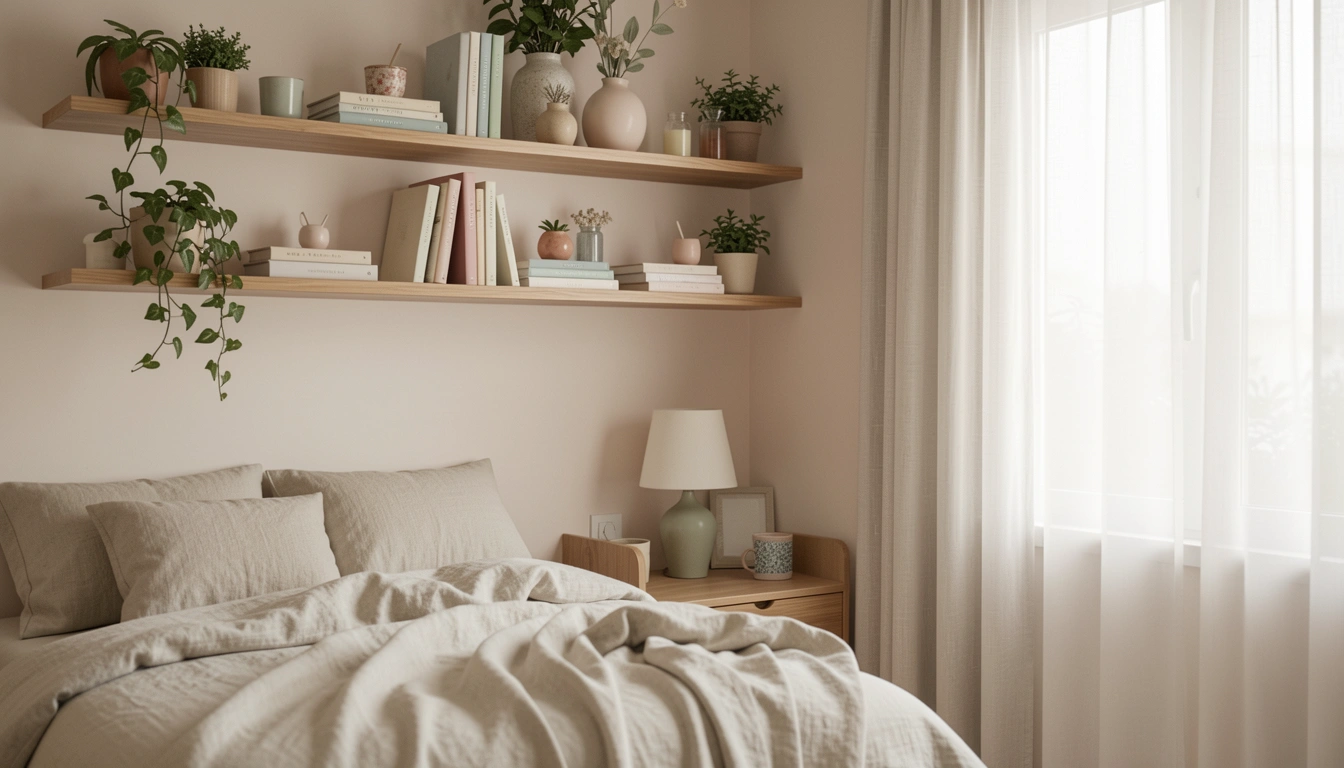
    2. Slim Floating Shelves for Books and Plants

    I swapped a bulky bookcase for two slim floating shelves and the room breathed. Shelves let me layer books vertically and add a trailing plant that softens sharp edges. My mistake was spacing them too close—leave 10–12 inches between shelves for a curated look.

    They’re great for showing things you actually use: a bedtime book, an alarm clock, a small lamp. Go shallow (6–8 inches) so they don’t stick into the walking space.

    What You’ll Need for This Look

    3. Gallery Rail with Leaned Art for Easy Swaps

    I installed a narrow picture ledge and started leaning art instead of hanging everything. It’s much easier to swap pieces and keeps holes to a minimum. I once hung a heavy frame directly into drywall and it pulled out—use anchors or a rail.

    Leaning art creates layered depth without crowding the room. Keep frame colors consistent for calm and vary art sizes for interest.

    What You’ll Need for This Look

    4. Vertical Mirror to Stretch a Small Room

    A slim vertical mirror was the best budget trick I used to make my narrow room feel taller. I placed it opposite the window and it bounced light without taking floor space. I learned not to pick an ornate frame—clean, slim frames read less visually heavy.

    Mirrors also double as art when you choose an interesting shape. Mount securely; when it fell once I re-anchored it and felt silly for not using the right hardware.

    What You’ll Need for This Look

    5. Woven Basket Cluster for Warmth and Texture

    I hung a cluster of woven baskets above my dresser and it felt like the room had finally settled. The texture brings warmth without color, which is handy in small spaces. Early on I spaced them randomly and it looked messy—plan the layout on the floor first.

    Baskets are light and easy to hang, and they add a cozy, handmade vibe. Mix sizes and shapes, but stick to a cohesive color family so the wall reads calm.

    What You’ll Need for This Look

    6. Small-Scale Gallery Wall with Consistent Frames

    I curated a tiny gallery wall using the same frame in different sizes. It felt orderly and intentional—exactly what clutter-prone walls need. My first attempt used mismatched frames and looked chaotic, so I returned half the frames and simplified.

    Arrange the frames on the floor first, then transfer to the wall. Keeping mats the same color makes the display read as one piece and keeps the room feeling calm.

    What You’ll Need for This Look

    7. Simple Sconce Lighting Flanking the Bed

    I removed bedside lamps to free up cramped nightstands and installed two small sconces. It gave the room a cleaner silhouette and saved surface clutter. I made the mistake of buying hardwired-only sconces once; choose plug-in if you can’t rewire.

    Sconces create layers of light and make even a tiny wall feel finished. Pick a slim profile so they don’t intrude on headspace.

    What You’ll Need for This Look

    8. Peel-and-Stick Removable Wallpaper Accent Strip

    I used a thin vertical strip of removable wallpaper behind my bed instead of painting a whole wall. It added personality without commitment. My early attempt used a busy print and made the room feel smaller—go subtle for tiny spaces.

    Peel-and-stick is forgiving and easy to reposition. Use a level and squeegee to avoid bubbles. This is a great renter-friendly way to add pattern.

    What You’ll Need for This Look

    9. Hanging Plant Corner to Soften Edges

    I added a trio of hanging plants in the corner and it softened the room’s angles instantly. Plants add life without taking floor space—crucial in a small bedroom. I once overwatered a hanging pothos and made a mess on the floor; use drip-tray liners or low-water plants.

    Choose lightweight pots and secure hooks into studs if possible. The greenery feels cozy and lived-in without shouting for attention.

    What You’ll Need for This Look

    10. Framed Fabric or Scarf as Affordable Wall Art

    I framed a scarf and now it’s one of my favorite inexpensive art pieces. It adds color and pattern without needing a lot of wall space. My early attempt used a standard frame without acid-free matting; the fabric wrinkled. Use a deep frame or archival mat for a flat finish.

    Framed textiles feel personal and are easy to swap seasonally. Pick a fabric with some body so it doesn’t sag inside the frame.

    What You’ll Need for This Look

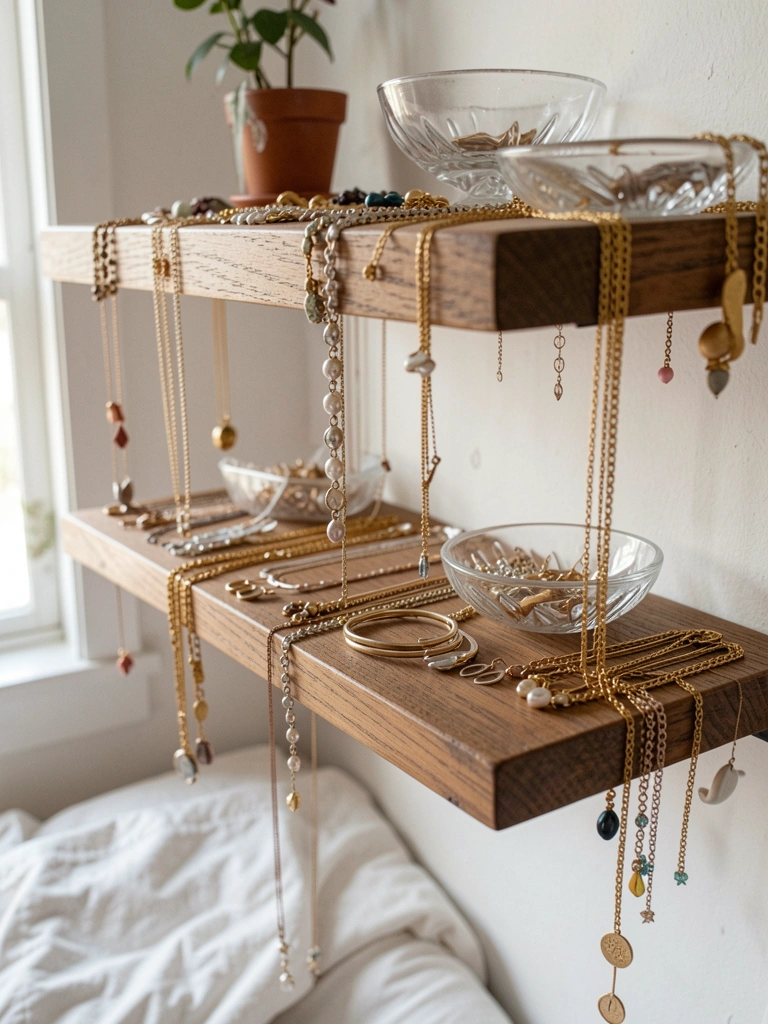
    11. Pegboard Jewelry and Accessory Display

    I installed a painted pegboard and it’s the neatest way I’ve organized jewelry. Everything is visible and feels like part of the decor. At first I drilled holes in the wrong spot—measure twice when you plan the layout.

    Pegboards are surprisingly decorative when painted a soft color. Use a mix of hooks and small shelves to hold earrings, watches, and perfume without clutter.

    What You’ll Need for This Look

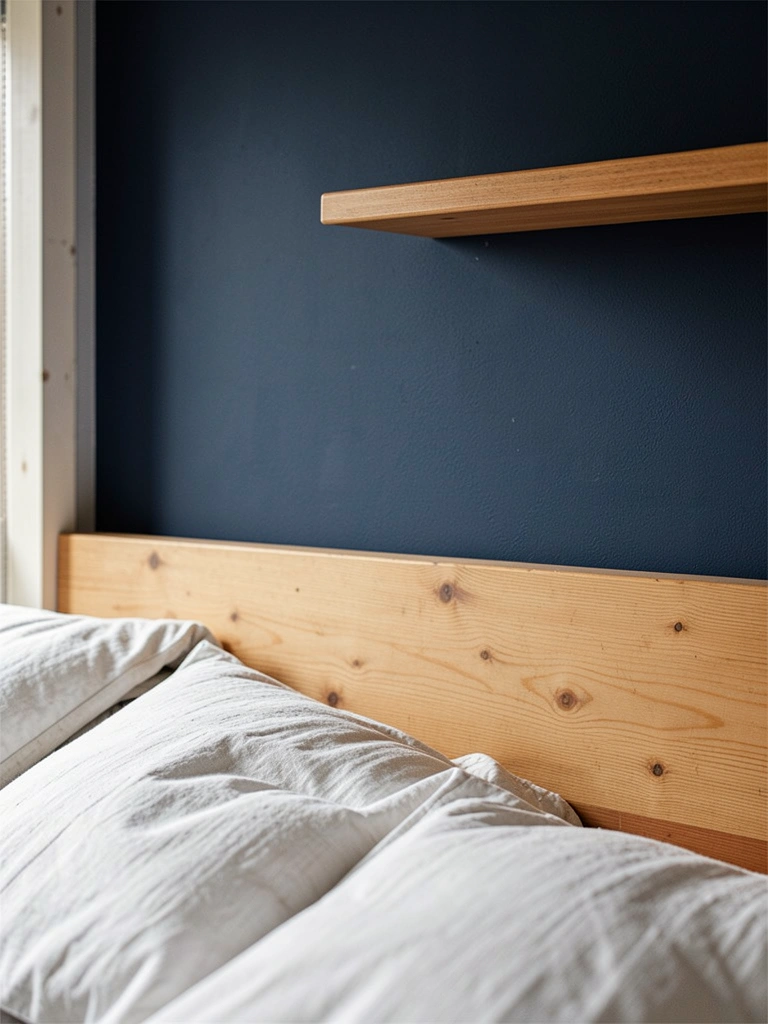
    12. Narrow Reclaimed Wood Headboard Panel

    I mounted a slim reclaimed wood panel as my headboard and it gave the bed presence without overwhelming the room. The wood adds texture and feels deliberate. I once bought wood with rough splinters—sand and seal reclaimed pieces before installing.

    A narrow headboard like this keeps the bed cozy and adds a tactile focal point. It’s low-profile but immediately feels intentional and warm.

    What You’ll Need for This Look

    13. Minimal Floating Nightstand Mounted to Wall

    I swapped my bulky nightstand for a slim floating shelf and gained walking space. It’s perfect for a book, phone, and small lamp. I made the mistake of choosing one too shallow—make sure it fits your bedtime essentials.

    Floating nightstands read modern but feel lived-in when you style them with a small tray and lamp. Anchor them well, they’ll hold more than you expect.

    What You’ll Need for This Look

    14. LED Picture Lights to Make Art Pop

    I added a slim LED picture light to a small print and suddenly it read like intentional decor. The focused light makes a small piece feel important without adding bulk. I once purchased a harsh, cool-toned LED that looked clinical—choose warm LEDs.

    These lights are plug-in or battery-operated, so they work in rentals. They make artwork feel like the centerpiece, even if it’s a small frame.

    What You’ll Need for This Look

    15. Painted Trim or Molding to Add Depth

    I painted a simple trim outline on my wall and it read like a built-in detail. It’s subtle but makes the wall feel layered. I did a crooked line once because I rushed—use painter’s tape and take your time.

    This is an affordable way to add architectural interest without construction. Choose a slightly darker or lighter shade than the wall for a quiet effect.

    What You’ll Need for This Look

    16. Vertical Photo Strip Using Washi Tape

    I started a vertical photo strip of weekend snapshots and it became my favorite low-key wall. It creates a personal timeline without needing big frames. My first tape choice left sticky residue—choose low-tack washi tape for photos.

    A vertical column saves horizontal space and draws the eye up. Swap photos often for a fresh look without extra holes in the wall.

    What You’ll Need for This Look

    17. Wall-Mounted Magnetic Nightstand for Small Items

    I attached a magnetic wall pocket beside my bed to hold keys, my phone, and a spare change bowl. It’s minimal and keeps surfaces clear. I once bought weak magnets and things slid off—get one with strong magnets or screws.

    This solution is perfect if you want a landing spot for small items without a nightstand. It’s a small detail that makes evenings easier.

    What You’ll Need for This Look

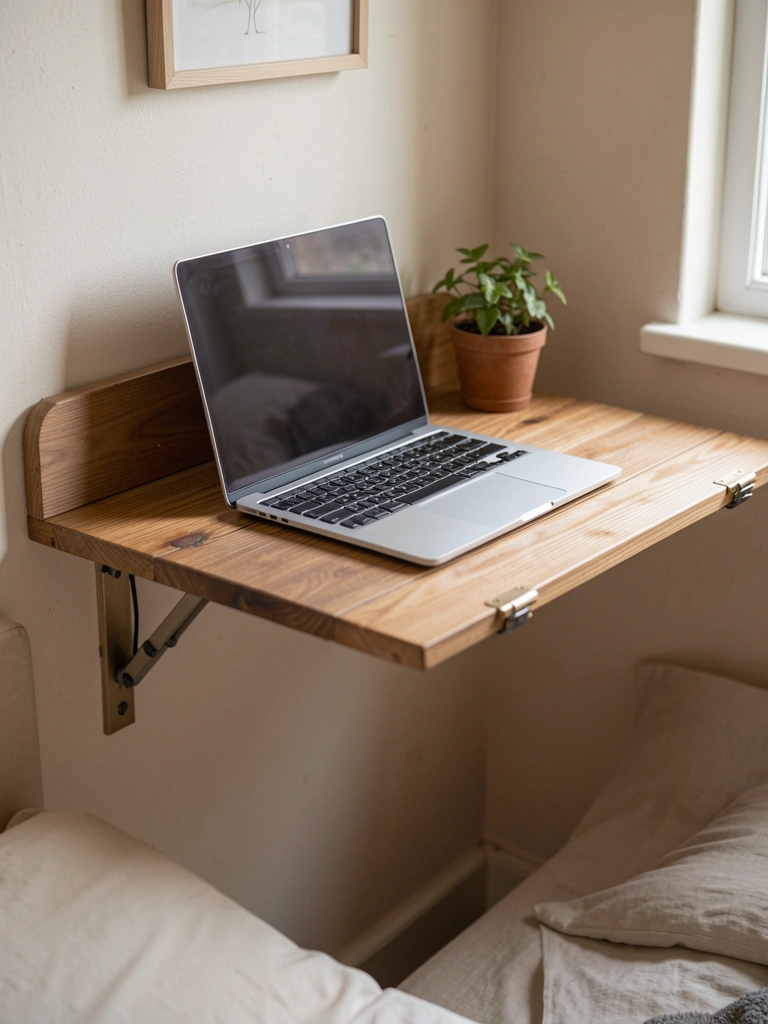
    18. Mounted Fold-Down Desk That Doubles As Wall Art

    I installed a narrow fold-down desk that looks like a panel when closed. It gives me a tiny workspace that disappears at night. I learned to measure clearance so it doesn’t block the walk path when open.

    It’s a practical way to add function without losing wall real estate. Use it as a nightstand alternative or a small vanity.

    What You’ll Need for This Look

    19. Warming Color Accent Band Instead of a Full Wall

    I painted a slim horizontal color band across my wall instead of the whole room and it felt intentional. It adds warmth without making the room feel boxed in. I once painted the band too high and it cut the window awkwardly—test tape placement first.

    A low, horizontal band keeps the eye moving and can visually widen a room. Stick to one warm, muted tone for cozy results.

    What You’ll Need for This Look

    20. Textile Tassel or Macramé Fringe as a Headboard

    I hung a macramé fringe as a headboard and the room felt softer immediately. The texture reads bigger than the piece actually is. I made the mistake of picking a heavy piece that sagged—choose lighter cotton or a well-supported rod.

    It’s cozy and bohemian without being busy. This is a great way to add pattern and softness while keeping the wall visually light.

    What You’ll Need for This Look

    21. Slim Corner Shelving Unit for Layered Styling

    I added a slim corner shelf and it used awkward space that was otherwise wasted. It’s perfect for layering small decor and a bedside book. My first corner shelf was too deep and crowded the walkway—choose a shallow profile.

    Corner shelving makes the room feel finished and intentionally styled without stealing floor space. Keep styling minimal so it doesn’t feel cluttered.

    What You’ll Need for This Look

    22. Statement Mirror Gallery with Mixed Shapes

    I grouped a few small mirrors in different shapes and it became a lively focal point. Mirrors reflect light and make tight spaces feel more open. I once balanced too many shiny frames and it felt chaotic—limit the cluster to 3–5 pieces.

    Mix metal and wood frames for contrast and keep overall scale small so the wall breathes. It’s decorative and doubles as a functional mirror.

    What You’ll Need for This Look

    Final Thoughts

    You don’t need to try everything. Pick one or two ideas that fit your life and start small.

    I promise small changes can make your tiny bedroom feel calm and used-in. Have fun tweaking until it feels like yours.

  • How To Make Bedroom Wall Art That Adds Personality

    How To Make Bedroom Wall Art That Adds Personality

    I’d been staring at the blank wall above my bed for weeks. It made the room feel unfinished, like someone stopped decorating halfway through. I wanted art that felt like the rest of the room: calm, a little personal, not showy.

    I tried random prints, then nothing. I learned a simple approach that makes the wall feel deliberate and lived-in.

    How To Make Bedroom Wall Art That Adds Personality

    This is the method I use every time a room feels unfinished. You’ll learn how to pick a mood, balance scale and texture, and arrange pieces so the wall reads like part of the room. The end result: art that feels personal, calm, and comfortably lived-in.

    What You’ll Need

    Step 1: Pick the wall’s role and scale

    I start by deciding if the wall should be a focal point or a quiet backdrop. In my room I wanted a calm focal point above the bed. That meant one larger piece or a balanced group, not lots of tiny frames.

    Visually, the change is obvious: the wall stops feeling empty and begins to anchor the bed. A common insight is to measure the furniture width and let the art sit at about two-thirds that span. A small mistake is choosing pieces that are too small; they read as clutter, not personality.

    Step 2: Choose a mood and a limited color story

    I decide the mood first—calm, warm, or slightly moody—and pick two main colors plus one accent. For me, neutral linen tones with a warm wood accent keep the room peaceful.

    What changes is cohesion: suddenly the art feels like it belongs. People often miss limiting the palette; too many colors fight. Avoid matching everything perfectly. The small mistake I see is picking pieces that are visually loud in a space meant for rest.

    Step 3: Layer textures and frame styles

    I mix frame materials and soft textures so the wall doesn’t look flat. A canvas, a wood frame, and a small woven piece create depth. Adding a small shelf or ledge lets me layer in a ceramic vase or plant.

    Visually it warms the flat surface. One insight people miss is scale contrast—pair a smooth print with a tactile piece. The mistake to avoid is overdoing matching frames; too uniform makes the display feel manufactured.

    Step 4: Arrange with breathing room, then live with it

    I arrange pieces with generous spacing and then step back. I move things at eye level and let larger items anchor the composition. I always leave a moment to live with it for a few days before finalizing.

    You’ll notice the room relax when spacing is right. A common insight is that negative space is part of the design. A small mistake is crowding everything tightly—walls need air to feel intentional.

    Step 5: Edit over time and add one personal touch

    I treat the wall as something to edit. After a week I swap one piece or add a small object that feels personal—a travel photo, a found print, or a dried stem.

    The visual shift is subtle but meaningful; the wall starts to tell a story. People often miss that art can evolve. Avoid keeping everything permanent; the mistake is treating your first layout as final when it can grow with you.

    Mixing scales and textures

    I prefer mixing one larger piece with smaller companions. It keeps the eye moving without chaos. Try one substantial canvas plus two or three smaller textured items.

    Bulleted habits I follow:

    • One large anchor, smaller accents
    • Vary heights and materials
      This keeps the wall balanced and comfortable.

    Working with color and mood

    I stick to two main tones and one accent. This keeps the bedroom calm and cohesive. If the room already has patterned bedding, I pull colors from that.

    If you’re unsure, start neutral and introduce a single colored accent. It’s easier to live with and swap later.

    Editing and living with your art

    Art isn’t finished the day it’s hung. I change one small piece seasonally or when I find something new. That keeps the wall feeling personal.

    Create a simple routine: live with the layout for a week, then tweak. Small edits keep the space feeling like yours.

    Final Thoughts

    Start small. Pick one wall, choose a mood, and add an anchor piece. Work in layers and give yourself time to live with it. The wall will start to feel like part of the room, not an afterthought. Trust the process and make tiny edits until it feels right.

  • How To Hang Wall Decor In Bedroom Without Damaging Walls

    How To Hang Wall Decor In Bedroom Without Damaging Walls

    I stared at a blank wall over my bed for weeks. I loved the pieces, but I hated the idea of new holes in fresh paint.

    I wanted the room to feel finished and calm. I also wanted the flexibility to move things later.

    This method helped me stop overthinking and start placing art with confidence—without damage.

    How To Hang Wall Decor In Bedroom Without Damaging Walls

    This is the method I use every time a room feels unfinished. You’ll learn how to plan placement, choose removable options, and style layers so the wall reads as intentional and lived-in, not labored or sparse.

    What You’ll Need

    Step 1: Map the space with templates before committing

    I start by mapping where the pieces will sit. I cut painter’s tape into frame-sized rectangles and stick them to the wall. That lets me try layouts without a single hole.

    The wall suddenly reads as a whole. You see how pieces relate to each other and the bed or nightstand.

    People often skip this and hang by guesswork. Don’t place tape too high—stand where you’ll normally view the art.

    Step 2: Pick your primary anchor and balance around it

    I choose one main anchor—a ledge, large print, or group of frames. Everything else balances off that point. For me, a shallow picture ledge becomes the room’s spine.

    When the anchor is set, smaller pieces can be layered or leaned. The wall feels intentional, not scattered.

    A common miss is equal spacing by measurement alone. Instead, let the visual weight guide you. Avoid crowding the anchor; give it a little breathing room.

    Step 3: Use removable hanging strips to avoid damage

    I use removable picture hanging strips for lightweight frames and prints. They keep the edges close to the wall and make swaps easy.

    Visually, the frames sit clean and flush. The room gains a polished look without committing to hardware.

    People assume removables look temporary. They don’t if you match scale and spacing. Mistake to avoid: trying strips on pieces that are too heavy—use them on lightweight frames only.

    Step 4: Lean and layer to avoid holes entirely

    Leaning art on a shelf or ledge gives warmth and depth. I layer a large print at the back, a medium frame in front, and a small object to anchor the corner.

    The wall reads layered and lived-in. It also lets me switch things quickly when I want a new vibe.

    People forget to add small non-art items for scale. Don’t overstack; keep one side slightly heavier so the eye moves naturally across the arrangement.

    Step 5: Step back, tweak spacing, and protect corners

    I always take a breath and step back. I look for alignment with furniture lines and that 6–12 inch gap above a headboard or 57–60 inch eye-level rule when there’s no furniture.

    Then I add felt bumpers to the frame corners and tweak small gaps. Those little fixes stop frames from shifting and keep edges from marking the wall.

    A mistake is rushing the final glance. Small shifts make a big difference in how comfortable the wall feels.

    Placement Basics For Bedrooms

    Bedrooms need calm, not competition. I place art to support the bed, dresser, or reading nook—not to fight them. Aim for one anchor and lighter companions.

    Keep the headboard line in mind. When art is above furniture, treat that furniture as part of the composition. Leave breathing room so the wall feels balanced and restful.

    When To Choose Removable Hanging Methods

    I pick removable hanging strips when I want flexibility or when walls are rented. They work best for lightweight frames and prints.

    Switch to ledges and leaning pieces for heavier objects or layered looks. If something’s sentimental or heavy, I’ll opt for a more permanent solution—after measuring and planning.

    Styling Tips For Small Walls

    On small walls, scale down frames and use vertical groupings to draw the eye up. A narrow ledge can hold multiple small frames without looking cluttered.

    Limit your palette to two or three tones so things read as a set. Tiny adjustments—an extra inch of space or a small vase—make the arrangement feel finished.

    Final Thoughts

    Start with one small area. Map it, pick an anchor, and use removables where possible. Take your time stepping back and editing.

    You can make a bedroom feel composed without new holes or big commitments. It’s about balance and how the wall makes you feel.

    Now pick one wall and try a simple layout—you’ll be surprised how quickly it feels like yours.

  • 23 Fresh Wooden Slat TV Wall Ideas Ideas That Make Decorating Easy

    23 Fresh Wooden Slat TV Wall Ideas Ideas That Make Decorating Easy

    Are you tired of bland TV walls that blend into the background? Wooden slat designs offer a transformative solution that’ll instantly elevate your living space. These versatile installations combine functionality with aesthetic appeal, turning your entertainment area into a design statement. From minimalist modern to warm rustic textures, wooden slat walls provide a stunning backdrop that adapts to your personal style. Curious how these innovative designs can revolutionize your home’s visual landscape? Your journey to a more enthralling living environment starts here.

    What Are Wooden Slat Walls? Design Fundamentals

    While modern interior design continues to evolve, wooden slat walls have emerged as a sophisticated and versatile architectural feature that transforms ordinary spaces.

    These decorative features utilize various slat wall materials like cedar, oak, or pine, creating dynamic textures and visual interest that’ll elevate your living environment with minimalist elegance and structural depth.

    Choosing the Right Wood for Your Space

    Several key considerations will guide you in selecting the perfect wood for your slat TV wall, transforming your space with both aesthetic appeal and functional durability. Consider wood types like oak, cedar, or walnut, each offering unique grain patterns that’ll enhance your room’s visual texture and create a personalized, dynamic backdrop for your entertainment area.

    Measuring Your Wall: A Foolproof Guide

    Because precise measurements are critical for a seamless slat wood TV wall installation, you’ll want to approach this process methodically and carefully.

    Use a laser measure or long metal tape to capture accurate wall dimensions. Measure height, width, and depth, accounting for outlets, baseboards, and potential obstructions that could impact your wooden slat design.

    Essential Tools and Materials Checklist

    Every successful wooden slat TV wall project demands a strategic arsenal of tools and materials that’ll guarantee precision, efficiency, and professional-grade results.

    You’ll need measuring tape, level, stud finder, power drill, saw, wood glue, sandpaper, and pneumatic nail gun.

    Select wood types like cedar, pine, or oak based on aesthetic preferences and durability requirements.

    Design Styles That Work Best With Slat Walls

    When crafting a wooden slat TV wall, design styles play an essential role in transforming your space from ordinary to extraordinary.

    Minimalist aesthetics shine with clean, parallel lines, while rustic charm embraces natural wood tones and textures.

    You’ll find mid-century modern and Scandinavian designs particularly complement slat walls, creating visual depth and architectural interest.

    Vertical vs. Horizontal: Picking Your Slat Direction?

    Although slat wall orientations might seem like a minor design decision, they dramatically impact your room’s visual perception and aesthetic flow.

    Vertical alignment can elongate spaces, while horizontal spans create visual width.

    Your choice depends on room dimensions, ceiling height, and personal style preferences, ultimately defining your space’s character and energy.

    Color Strategies: Staining and Painting Techniques

    While wood slat walls offer striking geometric designs, their visual impact dramatically transforms with strategic color treatments. You’ll want to explore staining techniques that highlight wood grain or painting styles that create bold, contemporary statements. Choose matte finishes for subtle elegance or high-gloss options for dramatic contrast in your TV wall design.

    Budget-Friendly DIY Installation Steps

    Because DIY wooden slat TV walls can transform your space without breaking the bank, you’ll find this installation process surprisingly manageable.

    Leverage budget tips like using affordable pine or cedar planks, and invest in basic tools like a miter saw and level.

    Precise measurements and strategic DIY techniques will guarantee a professional-looking result that reflects your creative vision.

    Professional vs. DIY: What You Need to Know?

    If you’re weighing the pros and cons of a wooden slat TV wall installation, understanding the key differences between professional and DIY approaches can save you time, money, and potential frustration.

    Professional installation offers precision and expertise, while DIY tips can empower you to create a custom look that reflects your personal style and budget constraints.

    Cutting Panels Like a Pro

    Three essential tools can transform your wooden slat TV wall panel cutting from amateur to professional-grade: a miter saw, a high-quality measuring tape, and sharp wood cutting blades.

    Master precise cutting techniques by measuring twice and cutting once, ensuring consistent panel thickness for a seamless, professional-looking installation that showcases your design vision.

    Achieving Perfect Panel Alignment

    When designing a wooden slat TV wall, achieving perfect panel alignment transforms your project from good to extraordinary.

    Use precision alignment tools to guarantee consistent panel spacing.

    Carefully measure and mark each slat’s position, maintaining equal gaps and straight lines.

    Your meticulous approach will create a professional, visually striking wooden feature wall.

    Securing Panels: Nailing and Adhesive Techniques

    After meticulously measuring and marking your wooden slats for perfect alignment, the next step is securing them with professional-grade techniques.

    Choose robust finishing nails for sturdy attachment, ensuring minimal surface damage.

    Combine strategic nailing with construction adhesive to create a seamless, durable wooden slat TV wall that’ll withstand time and showcase your design vision.

    Handling Outlets and Electrical Considerations

    Because electrical outlets can disrupt the sleek aesthetic of a wooden slat TV wall, you’ll need a strategic approach to seamlessly integrate them into your design.

    Consider repositioning outlets or using decorative covers that match your wood tones.

    Prioritize electrical safety by ensuring professional installation and proper voltage ratings for your specific setup.

    Acoustic Performance: Sound-Enhancing Designs

    Beyond managing electrical considerations, wooden slat walls offer remarkable acoustic properties that can dramatically improve your home theater or entertainment space.

    You’ll appreciate how strategically spaced slats enhance sound absorption while maintaining aesthetic appeal. Their natural wooden texture diffuses sound waves, creating a more balanced and immersive audio experience.

    Small Space Slat Wall Solutions

    In compact living spaces, wooden slat walls offer ingenious design solutions that maximize visual depth and functionality without overwhelming square footage.

    You’ll transform tight areas through space optimization techniques, using minimalist decor that creates vertical interest and integrates seamlessly with your TV display, making even the smallest rooms feel expansive and purposefully designed.

    Industrial and Modern Design Variations

    As compact spaces yield to more expansive design possibilities, industrial and modern wooden slat wall treatments offer striking visual narratives that transcend traditional TV mounting approaches. You’ll find industrial contrasts and modern minimalism blend seamlessly, creating bold statement walls that transform your entertainment space with clean lines and textured depth.

    Mixing Materials: Wood, Metal, and Glass Combinations

    When designers embrace material fusion, wooden slat TV walls transform into dynamic canvases that blend industrial elegance with contemporary sophistication. You’ll love how metal frames and glass accents complement warm wooden slats, creating rustic charm with contemporary elegance. These mixed-material designs offer visual depth and textural intrigue that elevate your living space’s aesthetic appeal.

    Lighting Tricks to Enhance Slat Walls

    Strategic lighting can transform your wooden slat TV wall from a mere background element into an enchanting focal point that breathes life and dimension into your living space.

    Use ambient lighting to softly illuminate the wall’s texture, and incorporate accent lighting to highlight specific slats, creating depth and visual intrigue that’ll make your TV area feel intentionally designed.

    Corner and Accent Wall Design Ideas

    Anyone looking to elevate their living space can transform a wooden slat TV wall into a stunning corner or accent feature that seamlessly blends functionality with aesthetic appeal. Strategic slat arrangements create dynamic visual interest, especially when you play with varying wood tones, depths, and orientations in corner accents that draw the eye and define spatial boundaries.

    Common Installation Mistakes to Avoid

    Though wooden slat TV wall installations can look stunning, DIY enthusiasts often encounter critical errors that compromise the project’s overall aesthetic and structural integrity.

    Watch for uneven surfaces that can distort your panel spacing, and guarantee precise measurements before mounting.

    Carefully level each slat to maintain a professional, clean appearance that enhances your living space’s design.

    Maintenance and Cleaning Guide

    While wooden slat TV walls add warmth and texture to your living space, maintaining their pristine appearance requires consistent and careful cleaning.

    Develop a maintenance schedule that includes dusting with a soft microfiber cloth and occasional gentle wood-safe cleaning solutions.

    Avoid harsh chemicals that might damage your wood’s delicate finish, preserving its natural beauty and integrity.

    Sustainable and Eco-Friendly Wood Options

    Sustainability is the cornerstone of modern design, and your wooden slat TV wall can be an eco-conscious statement. Consider reclaimed wood from old barns or warehouses, which adds character and reduces environmental impact. Bamboo planks offer another green alternative, growing rapidly and providing a sleek, contemporary aesthetic that’ll transform your space responsibly.

    As design continues to evolve, wooden slat TV walls are stepping into innovative territories that blend technology, aesthetics, and functionality.

    You’ll see minimalist aesthetics transforming spaces with sleek, adaptive wood configurations.

    Innovative textures and smart integration of digital screens will redefine how you experience wall design, creating immersive environments that feel both cutting-edge and naturally sophisticated.

  • 28 Sleek Glass-Front Cabinet Concepts Ideas That Upgrade Your Home

    28 Sleek Glass-Front Cabinet Concepts Ideas That Upgrade Your Home

    You’re about to transform your living spaces with glass-front cabinets that aren’t just storage—they’re design statements. These sleek solutions blur lines between functionality and artistry, turning everyday items into visual compositions. Whether you’re craving kitchen sophistication or living room elegance, glass-front cabinets offer a transparent revolution in home design. Curious how these luminous installations can reshape your interior narrative?

    Why Glass Cabinets Transform Kitchen Design

    While traditional kitchen cabinets blend into the background, glass-front cabinets shatter design limitations and introduce a transformative aesthetic experience.

    You’ll elevate storage solutions with transparent panels that showcase curated dishware, creating visual depth and expanding your kitchen’s perceived space. Glass cabinet aesthetics invite personal expression through strategic display.

    Understanding Glass Cabinet Fundamentals

    Nearly every design choice in glass-front cabinetry hinges on understanding core structural and aesthetic principles.

    You’ll want to explore various glass types—from clear and frosted to textured and tinted—that dramatically influence your cabinet’s visual impact.

    Matching design principles with your space’s unique character guarantees a transformative, personalized aesthetic.

    Clear vs. Frosted: Choosing Your Glass Transparency?

    How do you decide between clear and frosted glass when crafting the perfect visual narrative for your space?

    Clear visibility offers transparency, while frosted aesthetics provide subtle sophistication. Your choice depends on desired privacy levels, design intent, and personal style preferences.

    Balance openness with discretion, letting your cabinet doors reflect your unique design vision.

    Matching Glass Types to Your Kitchen Style

    Because kitchen design reflects personal aesthetics, selecting the right glass-front cabinet type demands careful consideration of your overall interior style.

    Your choice should harmonize with hardware finishes and complement cleaning techniques.

    Modern minimalist spaces might favor clear, frameless glass, while traditional kitchens could embrace seeded or textured options that add visual depth and character.

    Tempered Glass: Safety and Durability Explained

    When selecting glass-front cabinets, tempered glass emerges as the gold standard for residential kitchen applications, offering unparalleled safety and durability.

    You’ll appreciate its superior safety features, engineered to withstand significant impact without shattering dangerously. The strength-enhanced material provides a robust solution that protects your displays while maintaining an elegant, sophisticated aesthetic in your kitchen design.

    Frame Materials: Aluminum, Wood, and Hybrid Options

    While selecting the perfect frame for your glass-front cabinets can dramatically influence their overall aesthetic and performance, designers and homeowners have three primary material options that each deliver distinct advantages: aluminum, wood, and hybrid constructions.

    Aluminum frames offer sleek durability, wood finishes provide warmth, and hybrid materials blend performance with aesthetic appeal, giving you design flexibility with minimal maintenance requirements.

    Minimalist Modern: Frameless Glass Cabinet Designs

    As contemporary design trends continue to emphasize clean lines and unobstructed visual spaces, frameless glass cabinet designs have emerged as a pinnacle of minimalist sophistication.

    You’ll appreciate how these sleek aesthetics eliminate visual clutter, creating an expansive feel with their seamless, transparent panels that showcase your curated items with minimalist functionality and pure architectural elegance.

    Traditional Elegance: Shaker-Style Glass Fronts

    Despite contemporary design’s minimalist leanings, Shaker-style glass-front cabinets continue to represent a timeless approach to traditional kitchen and storage aesthetics.

    Rooted in Shaker history, these designs emphasize clean lines and functional beauty. Their glass aesthetics invite visual transparency, allowing you to showcase curated collections while maintaining elegant, uncluttered spaces that honor simplicity and craftsmanship.

    The architectural language of glass-front cabinets diverges distinctly between European and American design philosophies, extending beyond the Shaker tradition’s understated elegance. European elegance prioritizes minimalist lines and seamless integration, while American functionality emphasizes practicality and robust storage solutions. Your design choice reflects cultural design sensibilities, transforming kitchen spaces with nuanced aesthetic expressions.

    Budget-Friendly Glass Cabinet Transformation Strategies

    When homeowners seek economical glass cabinet makeovers, strategic transformations can dramatically elevate kitchen aesthetics without exhausting financial resources.

    You’ll discover inexpensive upgrades like repurposing old window frames, applying removable adhesive film, or painting existing cabinet frames for a fresh, modern look that maximizes style while minimizing spending.

    Measuring and Sizing: Getting the Perfect Fit

    How can precision measurements transform your glass-front cabinet installation from amateur to professional?

    Precise measuring techniques are essential when determining cabinet dimensions. You’ll want to use a quality tape measure, ensuring accuracy down to the millimeter.

    Double-check all measurements before cutting or installing, preventing costly mistakes and guaranteeing a seamless, polished glass-front cabinet design.

    Color Palettes That Complement Glass Cabinets

    While color selection can make or break your glass-front cabinet aesthetic, strategic palette choices transform ordinary storage into design statements.

    Opt for neutral base tones like soft grays or whites, then layer with bold accent colors.

    These intentional color combinations create visual depth, allowing your glass cabinets to become striking focal points that reflect your personal style and design sensibility.

    Lighting Techniques to Showcase Glass Cabinets

    Although strategic lighting can elevate glass-front cabinets from mere storage to enchanting design elements, the right illumination techniques transform these architectural features into stunning visual displays.

    You’ll want to leverage LED strip lighting beneath shelves and utilize spot lighting to highlight prized collectibles, creating dramatic depth and visual intrigue within your glass-front cabinet design.

    Open Concept Kitchens: Integrating Glass Cabinets

    The strategic lighting techniques that illuminate glass case-your-front cabinets create visual drama seamefbrilliintoantly into open design concept kitchen designs. You’ll discover how cabinet lighting’s complement open shelshelving, architectural transforming spaces into transparent design statements where architectural freedom meets aesthetic precision..

    62 735 1 Check:)

    Small Kitchen Glass Cabinet Solutions

    Strategically designed glass cabinets can transform cramped kitchen spaces, offering visual breathing room and sophisticated storage solutions for compact environments.

    You’ll discover space-saving solutions that maximize vertical real estate, with multifunctional designs that blend aesthetic elegance and practical functionality.

    These smart glass cabinet concepts liberate small kitchens from visual clutter.

    Installation: Professional vs. DIY Approaches

    When contemplating glass-front cabinet installation, homeowners face a critical decision between professional craftsmanship and personal DIY ambition.

    Professional insights guarantee precision and structural integrity, while DIY tips empower creative homeowners to customize their space.

    Your skill level, budget, and design complexity will ultimately determine whether you’ll tackle the project independently or seek expert assistance.

    Cutting Custom Glass Panels: A Comprehensive Guide

    Because precision defines exceptional glass-front cabinet design, cutting custom glass panels requires meticulous preparation and specialized techniques.

    You’ll need diamond-tipped glass cutters, safety glasses, and a stable work surface. Master glass cutting techniques carefully, prioritizing panel safety precautions to prevent dangerous fractures and guarantee clean, professional edges for your cabinet project.

    Hardware and Hinge Selection for Glass Cabinets

    The symphony of elegant glass-front cabinetry hinges on selecting hardware that complements both structural integrity and visual sophistication.

    You’ll want to explore hinge types that guarantee smooth movement and durability, while choosing hardware finishes that elevate your design aesthetic.

    Precision matters when matching metals, alignments, and weight-bearing capabilities.

    Maintaining and Cleaning Glass Cabinet Fronts

    After selecting premium hinges that marry form and function, your glass cabinet fronts demand meticulous maintenance to preserve their pristine appearance.

    Use specialized glass cleaning solutions and microfiber cloths to eliminate streaks and fingerprints.

    Regular, gentle maintenance guarantees your cabinet’s transparent surfaces remain impeccably clear, reflecting your sophisticated design sensibilities.

    Vintage Charm: Mullion and Decorative Glass Styles

    Nostalgic cabinet designs often feature three primary mullion styles that transform ordinary glass fronts into extraordinary vintage statements.

    You’ll discover decorative patterns ranging from classic diamond grids to elegant art deco lines, each adding retro aesthetics and timeless designs to your space.

    Antique finishes and vintage accents elevate these mullion styles beyond mere functionality.

    Modern Minimalist: Handleless Glass Cabinet Solutions

    While contemporary design continues to evolve, handleless glass cabinet solutions represent a pinnacle of minimalist sophistication.

    You’ll appreciate how these sleek finishes eliminate visual clutter, using innovative handleless mechanisms that respond to gentle touch or push mechanisms.

    The result? Seamless, uninterrupted surfaces that transform your space with understated elegance and functional precision.

    Retrofitting Existing Cabinets With Glass Fronts

    For homeowners seeking a transformative kitchen upgrade, retrofitting existing cabinets with glass fronts offers an elegant, cost-effective solution.

    By carefully selecting premium cabinet materials and embracing design inspiration, you’ll elevate your space’s aesthetic.

    Choose tempered glass that complements your current woodwork, ensuring a seamless, sophisticated transformation that reflects your personal style.

    Smart Storage Behind Glass Cabinet Doors

    After transforming a transforming your cabwithingleaming glass frontsts interior organization becomes paramount.

    You arrange your items with smart organization to curate stylish decnarrativeor.

    Prioritize elegant containers, coordinate color palettes, and showcase purposeful storage that elevates visual intrigue behind transparent barriers.

    Cost Breakdown: Glass Cabinet Investment Levels

    Maneuvering glass cabinet investments reveals three primary financial tiers that can transform your space without breaking the bank. Your cost analysis ranges from budget-friendly options around $500 to mid-range investments between $1,500-$3,000, and premium custom designs reaching $5,000+. Investment comparison shows strategic selections can dramatically elevate your home’s aesthetic.

    Matching Glass Cabinets to Kitchen Architecture

    While your kitchen’s architectural style serves as the foundational canvas, selecting glass cabinets requires a nuanced approach that harmonizes material, form, and visual language.

    Modern architecture demands aesthetic balance, where glass fronts seamlessly integrate with your space’s geometric lines, material palette, and structural integrity, transforming cabinetry from mere storage to expressive design elements.

    High-Traffic Kitchen Durability Considerations

    Because glass-front cabinets occupy high-visibility zones in dynamic kitchen environments, their durability isn’t just a technical consideration—it’s a strategic design imperative. You’ll want heavy duty materials like tempered glass and reinforced frames that withstand daily impacts. Smart maintenance tips—regular cleaning, protective edging—ensure your cabinets remain pristine, reflecting your commitment to both aesthetics and functionality.

    Beyond the Kitchen: Glass Cabinets in Living Spaces

    Although glass-front cabinets originated in kitchen design, their versatility extends seamlessly into broader living spaces, transforming storage solutions into curated visual experiences.

    You’ll discover elegant display options in living rooms and home offices, where these cabinets serve as decorative accents that create an airy ambiance while integrating modern aesthetics into your furniture design.

    As design innovation accelerates, glass cabinet trends are poised to revolutionize interior spaces with smart technology and sustainable materials. You’ll see futuristic materials like self-cleaning glass and recycled composites transforming storage solutions. Expect integrated LED lighting, touch-responsive surfaces, and designs that prioritize both aesthetic elegance and environmental consciousness.

  • 27 Sleek Kitchen Cabinets Design Ideas That Feel Totally Inspiring

    27 Sleek Kitchen Cabinets Design Ideas That Feel Totally Inspiring

    You’re standing at the threshold of kitchen transformation, where cabinets aren’t just storage—they’re statements. Imagine sleek surfaces that whisper modern elegance, transforming your culinary space from mundane to magnificent. These 27 design ideas aren’t just about appearances; they’re about reimagining how you interact with your kitchen’s most fundamental element. Curious how a simple cabinet can revolutionize your entire cooking experience? Turn the page and prepare to be inspired.

    Why Minimalist Kitchen Design Matters in 2026?

    Although minimalist kitchen design has been trending for years, 2026 marks a pivotal moment in how homeowners perceive functional aesthetics.

    You’ll discover that uncluttered spaces aren’t just visually appealing—they’re transformative. Minimalist aesthetics liberate your kitchen from unnecessary complexity, creating a serene environment where form meets function with elegant simplicity.

    Understanding Cabinet Styles: From Traditional to Modern

    While kitchen cabinet styles have evolved dramatically over decades, your design journey in 2026 demands a nuanced understanding of aesthetic progression from traditional cabinetry styles to modern design trends.

    You’ll discover that contemporary approaches prioritize clean lines, minimalist hardware, and seamless integration, liberating your space from ornate historical constraints.

    Flat Slab Cabinets: Simplicity Meets Sophistication

    The evolution from ornate traditional cabinetry leads directly into the domain of flat slab cabinets—a design philosophy that strips away decorative excess to reveal pure, architectural elegance.

    You’ll find these minimalist aesthetics transform kitchens with smooth, uninterrupted surfaces. Flat slab finishes deliver a contemporary statement that’s both bold and understated, letting form follow function with stunning simplicity.

    How Handleless Designs Transform Kitchen Functionality?

    When sleek kitchen design meets innovative functionality, handleless cabinets emerge as a transformative solution that reimagines spatial interaction.

    You’ll appreciate how these ergonomic designs eliminate protruding handles, creating smooth surfaces that invite seamless touch-to-open mechanisms.

    Handleless functionality transforms your kitchen’s aesthetic, delivering both minimalist elegance and intuitive user experience.

    Choosing the Right Cabinet Material for Your Lifestyle

    Have you considered how your cabinet material can dramatically influence both the durability and visual personality of your kitchen?

    Your lifestyle factors directly impact material selection, from heat-resistant laminates for busy households to luxe wood veneers for design enthusiasts seeking refined aesthetics.

    Choose wisely by evaluating material properties against daily usage demands.

    White Oak: The Versatile Centerpiece of Modern Kitchens

    White oak emerges as a sophisticated design material that seamlessly bridges functional durability with refined aesthetic sensibilities.

    You’ll love its versatile white oak benefits, offering stunning finishes that transform your kitchen into a modern sanctuary.

    Its natural grain patterns provide warmth and texture, creating an elegant backdrop that speaks to your design freedom and contemporary sensibilities.

    Because wood grain represents the architectural heartbeat of kitchen design, selecting the right texture becomes a nuanced art form that transforms cabinetry from mere functional storage to a sophisticated design statement.

    You’ll want to explore wood grain finishes that speak to your aesthetic, layering textures that create depth and visual intrigue in your culinary space.

    Color Strategies for Timeless Kitchen Design

    Just as wood grain reveals the intricate narrative of texture, color emerges as the symphonic element that orchestrates your kitchen’s visual harmony.

    Embrace timeless contrasts by balancing neutral palettes with bold accents. Your color combinations should speak to personal freedom while maintaining a sophisticated design aesthetic that transcends fleeting trends.

    Nature-Inspired Palettes: Beyond White and Gray

    The organic canvas of nature reveals a rich, nuanced color spectrum that transcends the minimalist white and gray palette dominating contemporary kitchen design. Embrace earthy tones like sage green, terracotta, and deep forest hues that infuse biophilic designs with warmth and organic sophistication. Your kitchen becomes a living, breathing space that connects you to the natural world.

    Creating Visual Interest With Mixed Cabinet Finishes

    Expanding beyond monochromatic color schemes, mixed cabinet finishes offer designers and homeowners a dynamic approach to kitchen aesthetics.

    By strategically combining contrast textures and harmonious colors, you’ll create depth and visual intrigue.

    Pair sleek matte black base cabinets with light wood uppers or blend metallic accents with soft neutral tones for a bold, personalized statement.

    Curved vs. Angular: Reimagining Kitchen Geometry

    How can geometric forms transform your kitchen’s visual narrative?

    Embrace the tension between curved aesthetics and angular precision.

    Soft, flowing lines can soften stark spaces, while sharp edges create bold architectural statements. Your kitchen’s geometry isn’t just functional—it’s a design language that speaks volumes about your aesthetic sensibilities and spatial creativity.

    Traffic Flow and Spatial Design in Modern Kitchens

    While modern kitchen design transcends mere functionality, strategic spatial planning transforms culinary spaces into seamless, intuitive environments.

    Your kitchen layout dictates movement, with spatial efficiency determining comfort and workflow.

    Thoughtful cabinet placement and strategic pathways guarantee you’ll navigate your cooking zone effortlessly, creating a dynamic, responsive space that adapts to your culinary rhythm.

    Seamless Appliance Integration Techniques

    Because contemporary kitchen design demands visual harmony, seamless appliance integration has become a hallmark of sophisticated modern spaces.

    You’ll want to disguise refrigerators, dishwashers, and ovens behind custom panel fronts that match your cabinetry, creating fluid, uninterrupted lines.

    Integrated appliances deliver sleek shifts that transform your kitchen into a minimalist masterpiece.

    Hidden Storage Solutions for Clutter-Free Spaces

    Want to transform your kitchen into a pristine, clutter-free sanctuary? Embrace hidden storage solutions that’ll revolutionize your space.

    Pull out drawers and clever hidden compartments can seamlessly conceal kitchen essentials, maintaining a sleek, minimalist aesthetic. Your design-conscious approach guarantees every inch of cabinetry works efficiently, giving you the freedom to enjoy a perfectly organized culinary environment.

    Modular Cabinets: Flexibility for Unique Spaces

    When designing kitchens with unconventional layouts, modular cabinets offer transformative solutions that adapt to your unique spatial challenges.

    These flexible systems let you customize modular layouts to maximize space optimization, giving you the freedom to create a kitchen that’s both functional and visually striking, perfectly tailored to your individual needs and aesthetic preferences.

    Lighting Strategies for Cabinet and Kitchen Design

    How can strategic lighting transform your kitchen’s visual and functional landscape? By layering lighting sources, you’ll create depth and ambiance. Ambient illumination beneath cabinets and targeted task lights will elevate your kitchen’s design, offering both practical functionality and aesthetic sophistication. Your space becomes a dynamic, adaptable environment that responds to your culinary and design needs.

    Sustainable Materials in Modern Kitchen Construction

    While sustainability has transformed contemporary kitchen design, eco-conscious materials are revolutionizing how homeowners approach interior spaces.

    You’ll find recycled materials like reclaimed wood, bamboo, and recycled glass emerging as stunning eco friendly alternatives.

    These options don’t just minimize environmental impact—they deliver sophisticated aesthetics that elevate your kitchen’s visual narrative with intentional, responsible design choices.

    Ergonomic Cabinet Design Principles

    Because ergonomic design transforms kitchen functionality, modern cabinet systems prioritize user comfort and efficiency.

    You’ll want cabinets at ergonomic heights that reduce strain and maximize accessibility. User-friendly layouts guarantee smooth movement, minimizing unnecessary stretching or bending.

    Smart design isn’t just about looks—it’s about creating spaces that work intuitively with your body’s natural motions.

    Cost-Effective Cabinet Renovation Strategies

    Smart cabinet renovations don’t require a complete overhaul to transform your kitchen’s aesthetic and functionality.

    Consider DIY cabinet renovations like painting existing surfaces, replacing hardware, or upcycling materials for a budget-friendly refresh.

    Strategic updates can dramatically elevate your space without breaking the bank, giving you design freedom and style on a modest budget.

    Balancing Aesthetics and Functionality

    Though kitchen cabinets serve a fundamental storage purpose, they’re also pivotal design elements that define your culinary space’s character and visual harmony.

    Striking a balance between aesthetic appeal and practical design means selecting sleek, minimalist styles that maximize storage efficiency while reflecting your personal taste and spatial dynamics.

    Avoiding Common Kitchen Design Mistakes

    When designing kitchen cabinets, even seasoned homeowners can fall prey to aesthetic missteps that compromise both functionality and visual appeal.

    You’ll want to carefully consider your kitchen layout and color coordination to prevent common pitfalls.

    Strategic planning guarantees your cabinets aren’t just stylish, but intelligently designed to maximize space and create a harmonious culinary environment.

    Customization Options for Personalized Spaces

    Because personalization transforms ordinary kitchens into extraordinary spaces, modern cabinetry offers an impressive array of customization options that allow homeowners to craft truly unique culinary environments.

    You’ll discover endless possibilities with versatile cabinet finishes and personalized layouts that reflect your individual style, enabling you to design a kitchen that’s both functional and authentically yours.

    Technology Integration in Modern Cabinetry

    As personalized design continues to revolutionize kitchen spaces, smart technology now seamlessly merges with cabinetry, transforming storage solutions into intelligent, responsive environments.

    You’ll discover tech innovations like motion-sensor drawers, LED lighting, and integrated charging stations that elevate your kitchen’s functionality.

    These smart features aren’t just convenient—they’re a statement of modern living and design freedom.

    Maintenance and Longevity of Cabinet Materials

    While durability defines premium kitchen cabinetry, material selection determines long-term performance and aesthetic resilience.

    You’ll want to choose materials that resist wear, moisture, and daily use.

    Prioritize finishes that offer easy maintenance, like sealed wood or high-gloss laminate.

    Your cabinet durability depends on proper care, regular cleaning, and strategic material selection that balances style with practicality.

    Future-Proofing Your Kitchen Design

    Should evolving design trends inspire your kitchen’s longevity, future-proofing demands strategic planning that transcends momentary aesthetic whims.

    You’ll want to invest in smart kitchen technologies and adaptable cabinet designs that can seamlessly integrate emerging trends.

    Prioritize modular configurations and neutral color palettes that’ll effortlessly shift with your changing lifestyle and design preferences.

    Budget-Friendly Design Alternatives

    Three strategic approaches can transform your kitchen’s aesthetic without breaking the bank.

    Consider affordable laminate cabinet fronts, which mimic high-end finishes.

    Explore DIY upgrades like repainting existing cabinets or adding modern hardware.

    These budget-friendly alternatives let you refresh your space creatively, maximizing style while minimizing expenses, giving you design freedom without financial constraints.

    Making Your Final Kitchen Cabinet Selection

    How do you transform kitchen cabinet selection from overwhelming choice to confident decision? By focusing on your cabinet color and layout preferences, you’ll streamline the process.

    Trust your design instincts, visualize the space, and choose cabinets that reflect your personal style. Your kitchen’s aesthetic hinges on making selections that resonate with your vision and lifestyle.

  • 20 Creative Accent Wall Painting Styles Ideas To Transform Your Space

    20 Creative Accent Wall Painting Styles Ideas To Transform Your Space

    Your home’s personality begins with its walls, and accent painting techniques are the ultimate design secret. Whether you’re craving bold geometric patterns or subtle texture transformations, the right wall treatment can completely revolutionize a space. From minimalist color blocking to intricate stencil work, these design strategies aren’t just about aesthetics—they’re about creating emotional landscapes that reflect your unique style. Curious how a single wall can become your room’s most enchanting feature?

    Understanding Accent Wall Design Fundamentals

    While accent walls have become a staple in modern interior design, understanding their core principles is essential for creating a truly transformative space.

    You’ll want to contemplate spatial considerations and diverse accent wall materials that complement your room’s architecture and personal style. Your choice can dramatically reshape the visual dynamics of any interior.

    Geometric Patterns: Creating Visual Dynamic Spaces

    Geometric patterns transform accent walls from simple color statements into dynamic visual experiences that capture architectural imagination.

    You’ll create bold contrasts using precise lines, triangles, and hexagons that break traditional design boundaries.

    Embrace geometric symmetry to introduce depth, movement, and contemporary energy into your living spaces with strategic pattern placement.

    Color Theory for Accent Walls: Psychological Impact

    Nearly every color you choose for an accent wall carries profound psychological implications that can dramatically transform a room’s emotional atmosphere.

    Choosing Your Primary Wall Color Strategically

    Three primary considerations will guide you in selecting the perfect accent wall color: room functionality, existing décor, and desired emotional impact.

    Your color selection strategies should align with the space’s purpose, complementing furniture and architectural elements while leveraging wall color psychology to create the ambiance you’re seeking.

    Complementary Color Techniques for Maximum Impact

    Color wheels aren’t just for art class—they’re your secret weapon in creating accent walls that captivate and transform spaces.

    By strategically leveraging complementary color combinations, you’ll access powerful visual impact strategies that make your walls pop.

    Choose bold opposites on the color wheel to create dramatic, eye-catching contrasts that energize any room’s aesthetic.

    Jewel Tones vs. Neutral Palettes: Design Decisions

    While complementary colors create dramatic visual tension, your accent wall’s ultimate personality emerges through thoughtful palette selection.

    Jewel tones like sapphire blue or emerald green make bold statements, whereas neutral palettes offer sophisticated subtlety.

    Your design choice depends on the room’s mood, lighting, and your personal style—each approach transforming spaces with unique visual impact.

    Texture Techniques: Beyond Simple Paint Application

    Painters are breaking out of traditional flat finishes, experimenting with innovative texture techniques that transform accent walls from mere backgrounds into compelling design statements.

    You’ll discover texture layering methods using unusual materials that create tactile contrasts, elevating paint finishes beyond conventional applications and allowing your space to speak volumes through subtle, sophisticated dimensional elements.

    Creating Depth With Color Washing Methods

    When decorating an accent wall, color washing emerges as a dynamic technique that instantly transforms flat surfaces into rich, nuanced visual landscapes.

    Gradient and Ombré: Sophisticated Color Transitions

    Building upon the textured artistry of color washing, gradient and ombré techniques offer another sophisticated approach to transforming accent walls.

    You’ll love how these color blending methods create stunning visual depth, allowing smooth shifts between hues that capture dynamic energy.

    Gradient techniques empower you to design walls that feel both modern and uniquely personal.

    Geometric Patterns: Herringbone and Chevron Designs

    Precision meets creativity with herringbone and chevron geometric patterns, transforming accent walls into dynamic visual statements.

    You’ll love herringbone variations that create depth and chevron contrasts that add bold energy.

    These geometric designs let you break free from traditional painting techniques, offering a modern, artistic approach to personalizing your space with striking angular lines.

    Modern Accent Wall: Hexagon and Diamond Layouts

    While geometric patterns continue to evolve in interior design, hexagon and diamond layouts offer a cutting-edge approach to accent walls that’ll transform your space with contemporary sophistication.

    These dynamic hexagon layouts and diamond patterns create visual depth, breaking traditional wall design boundaries.

    You’ll love how they infuse modern artistry and architectural interest into any room.

    Bold Statements: Diagonal and Triangular Approaches

    When you’re ready to make a dramatic design statement, diagonal and triangular accent wall approaches offer an electrifying solution for transforming ordinary spaces into extraordinary visual experiences.

    Diagonal stripes and triangular prisms can break traditional design boundaries, creating dynamic depth and movement that’ll energize any room with bold, contemporary flair.

    Sustainable Wall Design: Eco-Friendly Material Options

    Because sustainability is becoming increasingly important in interior design, eco-friendly accent wall materials are revolutionizing how we approach home decor.

    You’ll love exploring recycled materials like reclaimed wood, bamboo panels, and cork that offer natural finishes with minimal environmental impact.

    These innovative solutions let you create stunning walls while supporting sustainable practices.

    3D Textured Panels: Adding Architectural Interest

    Beyond sustainable materials, three-dimensional textured panels offer another dynamic approach to creating show-stopping accent walls.

    You’ll love how these architectural elements transform your space, introducing depth and visual drama through innovative textured surfaces that catch light and create stunning dimensional effects in contemporary interiors.

    Wood Accent Walls: Rustic to Modern Approaches

    Although wood accent walls have long been a staple of interior design, today’s approaches range from ultra-rustic reclaimed barn planks to sleek, minimalist engineered panels that redefine contemporary aesthetics.

    You’ll find rustic charm blends seamlessly with modern elegance, transforming spaces with textured warmth or smooth sophistication that reflects your unique design sensibility and personal style.

    Black and Bronze: Bold Neutral Wall Strategies

    When interior designers seek to make a dramatic yet sophisticated statement, black and bronze accent walls emerge as powerful neutral strategies that transform ordinary spaces into stunning visual experiences.

    Black hues provide depth and drama, while bronze accents introduce warmth and metallic sophistication, creating a bold, contemporary aesthetic that speaks to modern design sensibilities.

    Removable Wall Decals: Temporary Design Solutions

    Homeowners seeking flexible design solutions will find removable wall decals an innovative and cost-effective way to personalize spaces without permanent commitment.

    Wall decal trends offer dynamic, expressive options that transform rooms instantly. You’ll love how these temporary designs let you experiment with bold patterns, abstract art, or nature-inspired graphics without risking long-term aesthetic regrets.

    Stress-Reducing Color Psychology in Wall Design

    Just as removable wall decals offer visual flexibility, color selection provides powerful psychological impact in wall design.

    Your color choices directly influence emotional wellbeing, creating space harmony through calming shades and warm tones.

    Cool hues and strategic light effects can transform your environment, aligning with personal preferences to reduce stress and enhance inner peace.

    Budget-Friendly DIY Accent Wall Techniques

    Five budget-conscious DIY techniques can transform your accent wall without breaking the bank.

    You’ll need minimal paint materials and tool essentials to create stunning visual impacts. Stenciling, color blocking, ombré effects, geometric patterns, and textured painting techniques let you personalize spaces affordably, giving you creative freedom to express your unique style without costly professional intervention.

    Professional Finishing: Advanced Wall Design Tips

    After mastering budget-friendly DIY techniques, you’ll want to elevate your accent wall with professional design strategies that transform good ideas into exceptional interior statements. Explore advanced color layering techniques and wall mural inspiration to create bold, personalized spaces that reflect your unique aesthetic and design confidence.