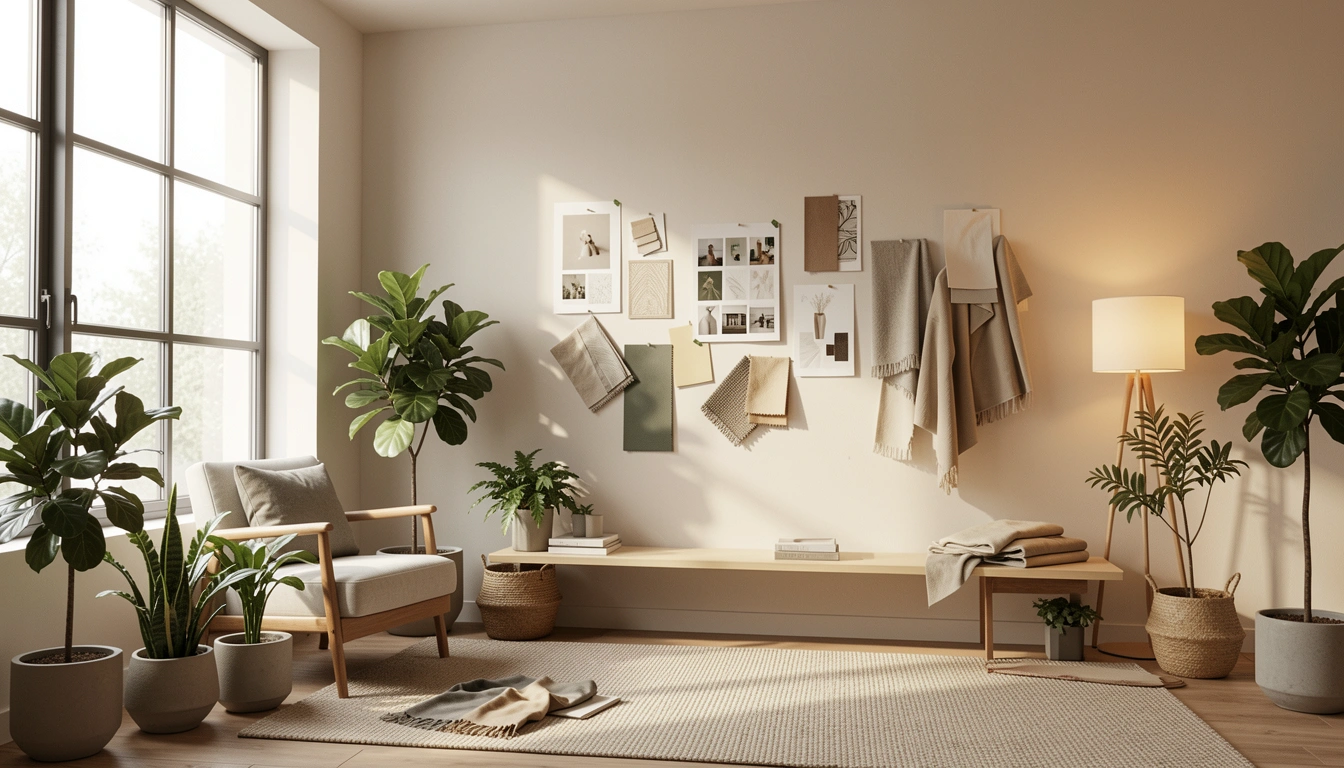
You’re standing at the crossroads of design transformation, where your living space isn’t just a room—it’s a canvas waiting to be reimagined. Modern aesthetics aren’t about perfection, but about creating environments that breathe with your personal style. Each design choice tells a story, and these 28 fresh aesthetic room ideas are your roadmap to crafting spaces that aren’t just visually stunning, but deeply personal. Are you ready to unleash the potential hidden within your walls?
Understanding Modern Bedroom Design Challenges

Although modern bedroom design seems straightforward, contemporary spaces present unique aesthetic and functional challenges.
You’ll encounter modern challenges that require innovative design solutions, balancing personal expression with practical constraints.
Your room must reflect individual style while maintaining versatility, comfort, and visual harmony in increasingly compact living environments.
The New Neutrals: Transforming Your Color Palette

While color trends continually evolve, contemporary bedroom design now embraces a sophisticated, nuanced approach to neutrals that transcends traditional monochromatic palettes.
Your neutral color schemes can now blend versatile neutral tones with subtle accent pieces, creating spaces that enhance natural light and deliver emotional color impact with understated elegance and modern sophistication.
Creating Depth Beyond White Interiors
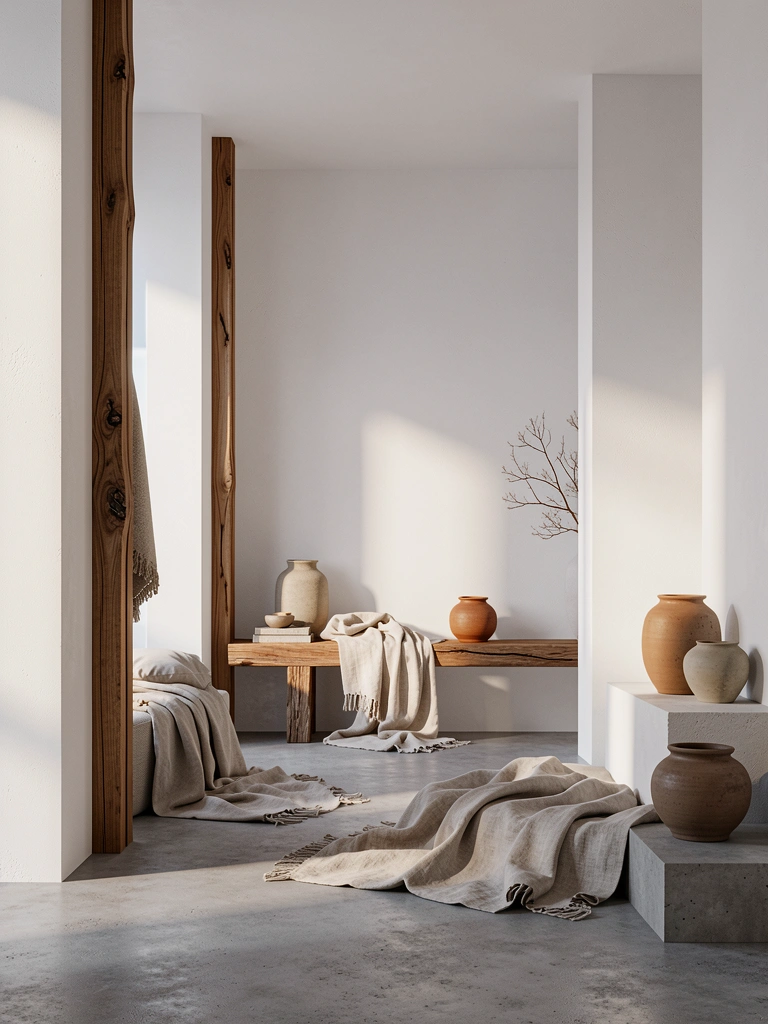
Transforming white interiors from flat and lifeless to dynamically engaging requires strategic layering of textures, tones, and architectural elements.
You’ll elevate your space through intentional layered lighting and spatial illusion techniques that break monotony.
Introduce depth with varied material contrasts, sculptural furnishings, and nuanced shadow play that breathe visual complexity into minimalist environments.
Selecting Muted Tones for Emotional Resonance
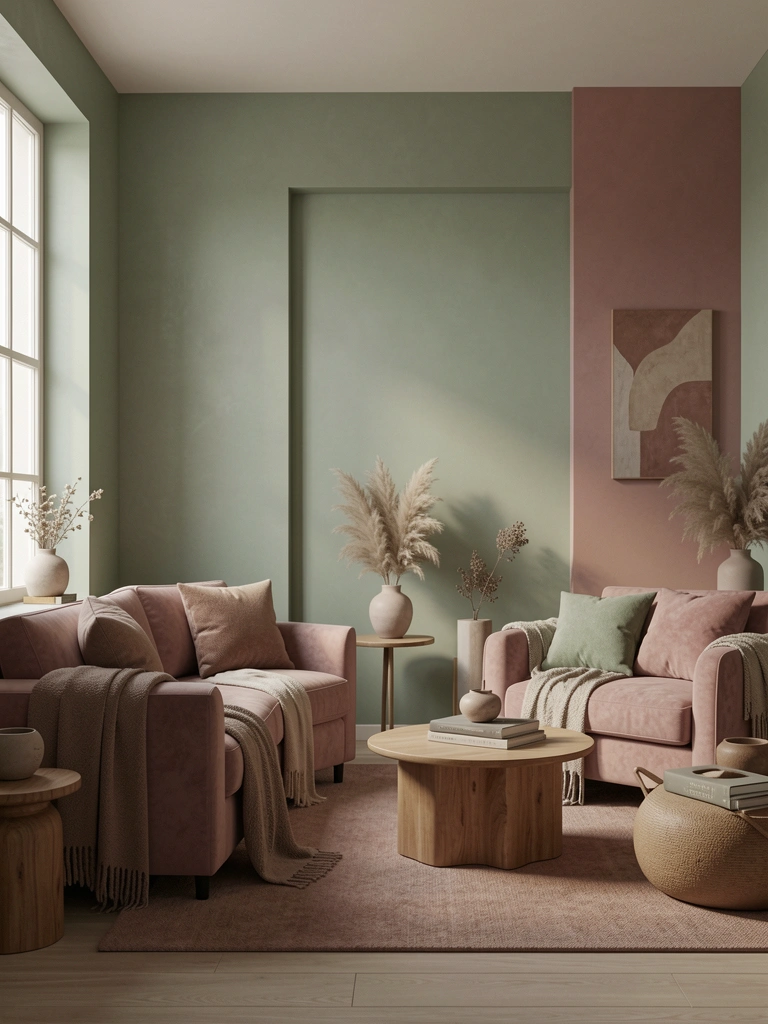
Beyond pure architectural structure, color psychology plays a profound role in crafting emotional landscapes within interior spaces.
You’ll discover that muted palettes aren’t just visual backdrops, but emotional conduits.
Soft sage, dusty rose, and warm taupe invite tranquility, creating emotional harmony that transforms rooms from mere spaces into personal sanctuaries of calm and introspection.
Texture as a Design Language
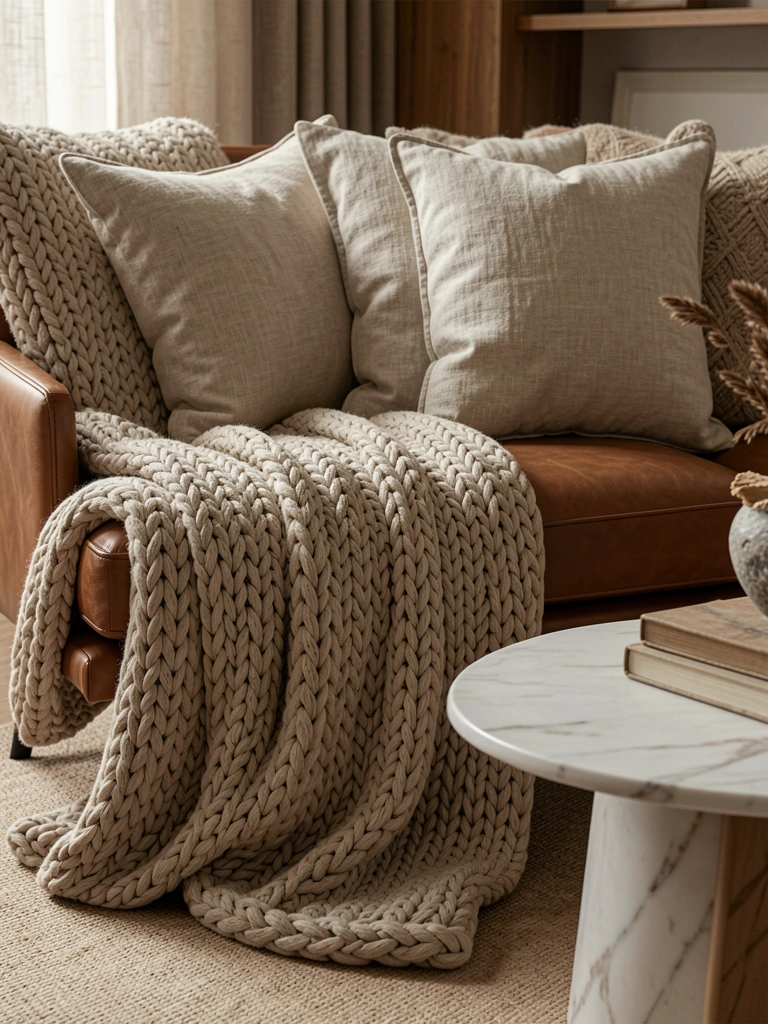
Texture emerges as the silent storyteller in aesthetic room design, weaving emotional depth through tactile interactions.
You’ll transform spaces by layering texture contrast—think chunky knit throws against smooth leather chairs.
Embrace varied materials that invite touch, creating sensory experiences that elevate your room’s aesthetic narrative with intentional, dynamic tactile interactions.
Layering Fabrics for Sensory Richness

When crafting an intimate interior sanctuary, layering fabrics becomes an art form that transcends mere decoration.
You’ll transform spaces by thoughtfully combining textures—think chunky knit throws against smooth linen, velvet cushions nestled on cotton weaves.
These fabric combinations create dynamic tactile experiences that invite touch and evoke emotional resonance within your personal environment.
Canopy Beds: Designing Your Personal Retreat

As modern design continues to blur the lines between sanctuary and style, canopy beds have emerged as a quintessential focal point for creating intimate, personalized retreats. Experiment with diverse canopy styles—from minimalist metal frames to romantic sheer drapes—that’ll transform your bedroom. Choose fabric choices that reflect your unique aesthetic, whether it’s luxe velvet or lightweight linen.
Choosing the Perfect Canopy Bed Frame
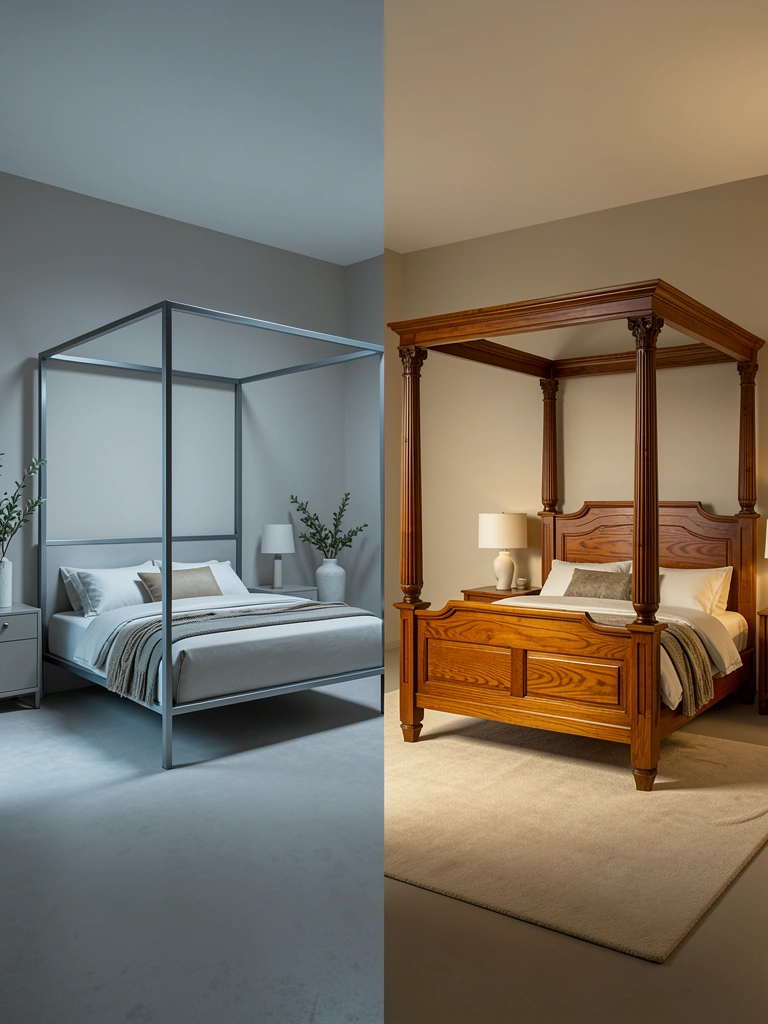
Because your bed frame serves as the architectural cornerstone of your bedroom’s design, selecting the right canopy bed requires thoughtful consideration of both aesthetic and functional elements.
Explore diverse canopy styles and frame materials that reflect your personality. Metal frames offer sleek modernity, while wooden frames provide warmth. Choose a design that empowers your unique aesthetic vision.
Sculptural Elements: Adding Dynamic Interest

Though interior design trends continually evolve, sculptural elements remain a timeless strategy for transforming ordinary bedroom spaces into extraordinary personal sanctuaries.
Curved Furniture for Fluid Room Transitions
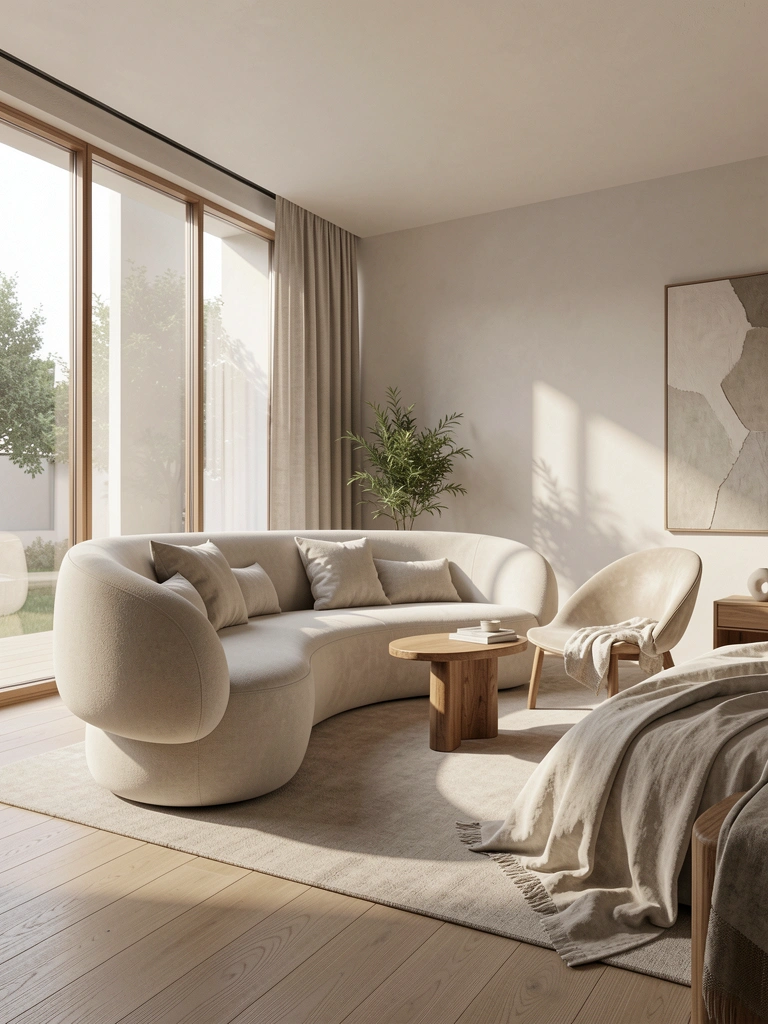
The sculptural narrative of your bedroom continues beyond standalone art pieces, extending into furniture design that embraces organic, flowing silhouettes.
Curved seating transforms rigid spaces into fluid layouts, allowing your room to breathe with graceful, dynamic movements that invite relaxation and visual harmony.
Pattern Drenching: Immersive Wall Designs
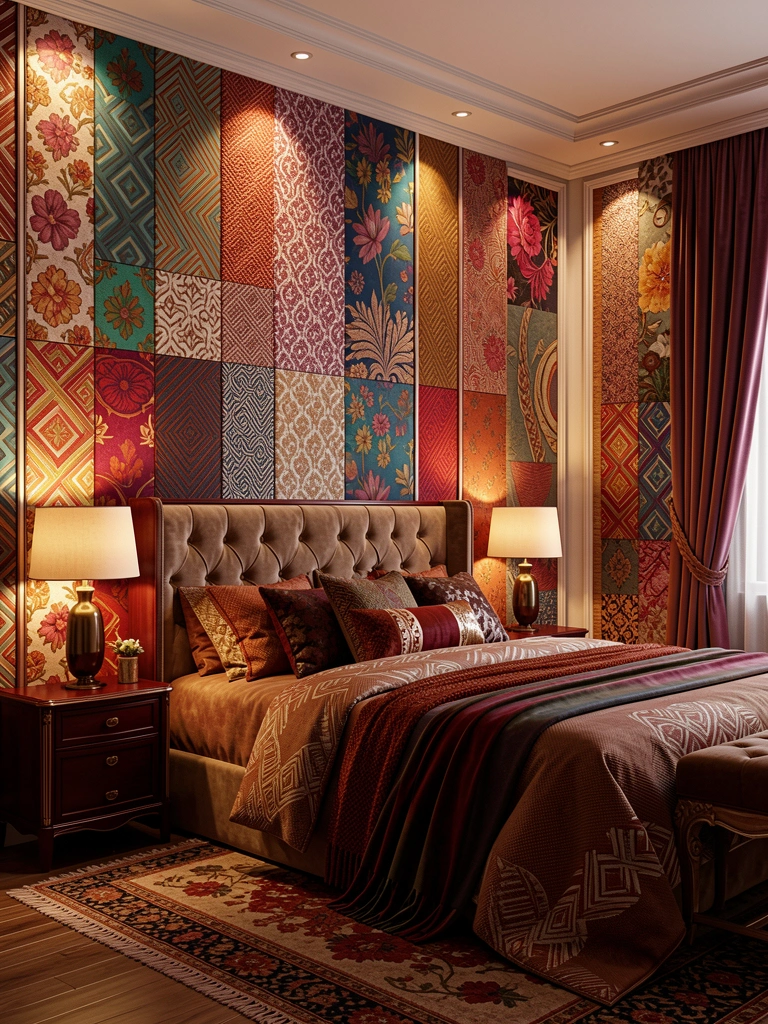
Sensory immersion transforms bedroom walls from mere structural boundaries into enchanting canvas experiences that envelop your personal space.
Pattern drenching releases bold, immersive textures that transcend traditional design.
Selecting Wallpaper for Maximum Impact
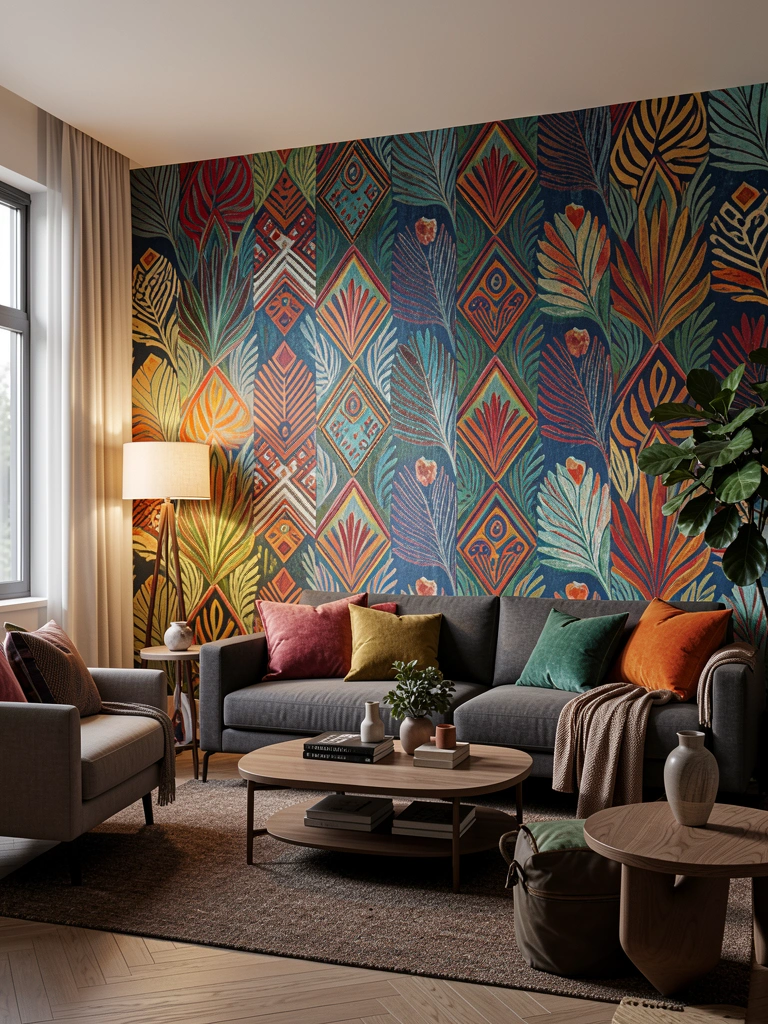
Wallpaper selection transforms pattern drenching from conceptual vision to tangible room design, serving as your primary artistic medium for creating immersive environments.
You’ll want to choose bold patterns that reflect your personality, strategically placing them on accent walls to maximize visual impact.
Select designs that speak to your individual style and amplify your space’s aesthetic potential.
Botanical and Geometric Pattern Strategies
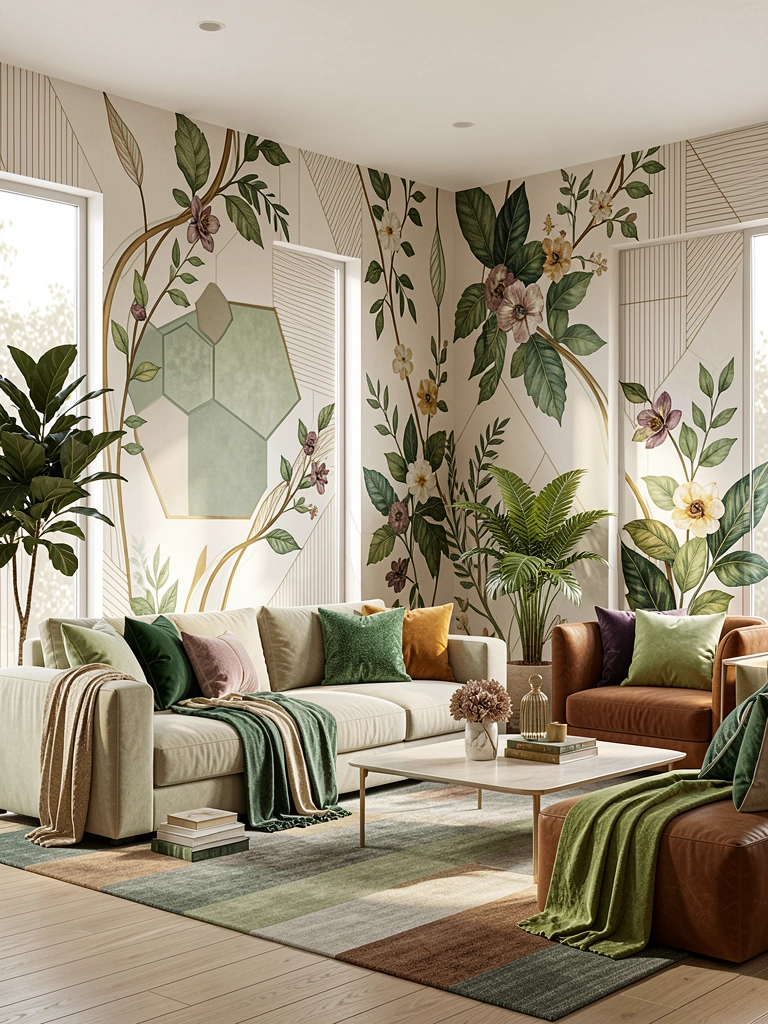
Enthralling botanical and geometric patterns offer transformative design strategies that’ll elevate your interior aesthetic from mundane to extraordinary. Blend botanical motifs with geometric accents to create dynamic visual interest. Your space becomes a canvas where nature’s organic lines intersect with structured shapes, producing a sophisticated, personalized environment that reflects your unique design sensibility.
Sensory Design: Beyond Visual Aesthetics
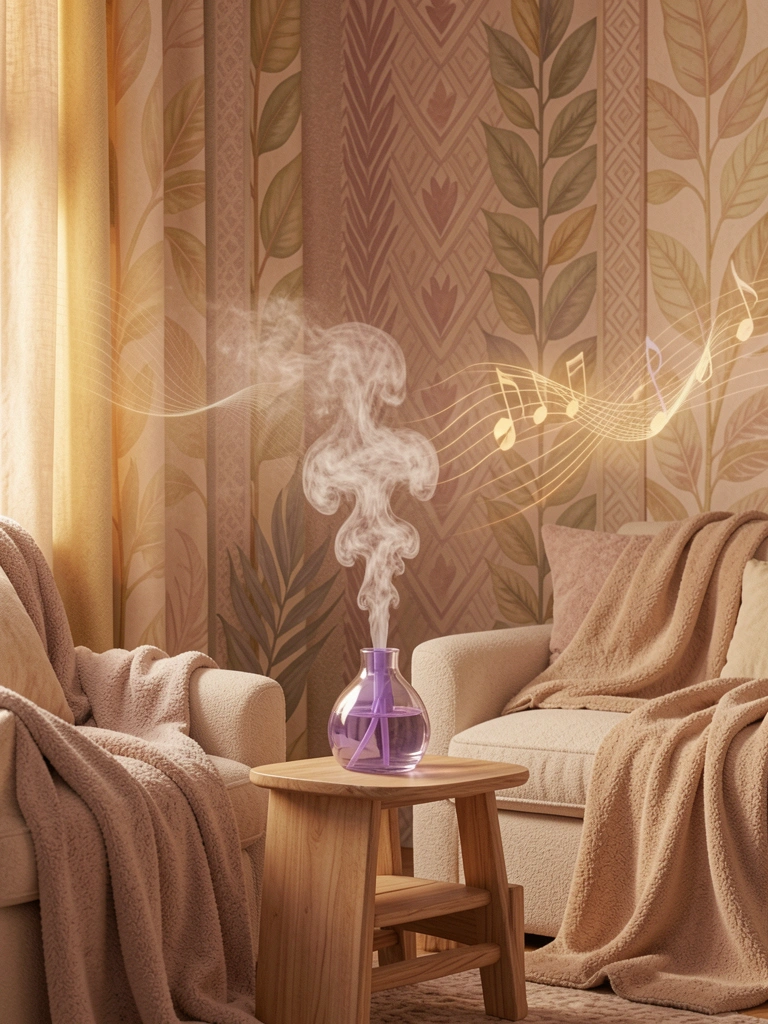
While botanical and geometric patterns create visual intrigue, true room design transcends mere visual perception.
You’ll elevate your space by integrating scent design and intentional soundscapes that engage multiple senses.
Lavender diffusers, soft ambient music, and textural fabrics transform rooms from static environments into dynamic, immersive experiences that resonate deeply.
Creating Tech-Free Relaxation Zones
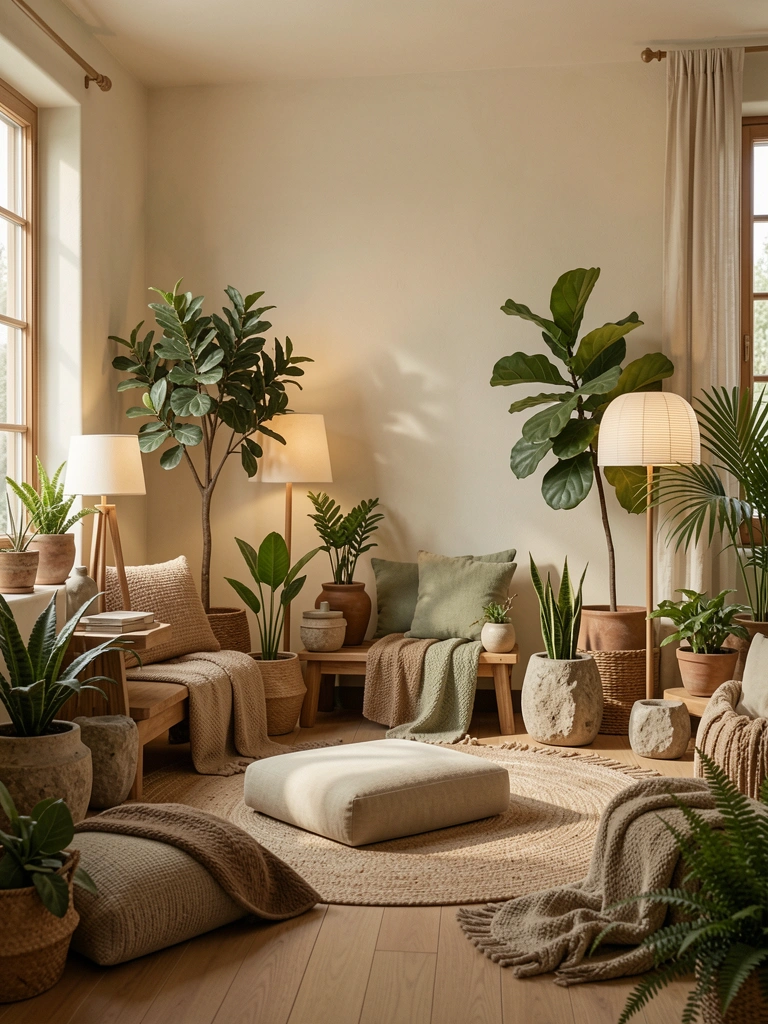
Although our digital devices dominate most spaces, creating a tech-free relaxation zone can restore mental clarity and emotional balance.
Design a sanctuary where mindfulness practices thrive by removing screens, installing soft lighting, and incorporating natural textures.
Your digital detox space becomes a peaceful retreat, nurturing inner calm and disconnecting from constant digital stimulation.
Lighting Techniques for Mood and Atmosphere
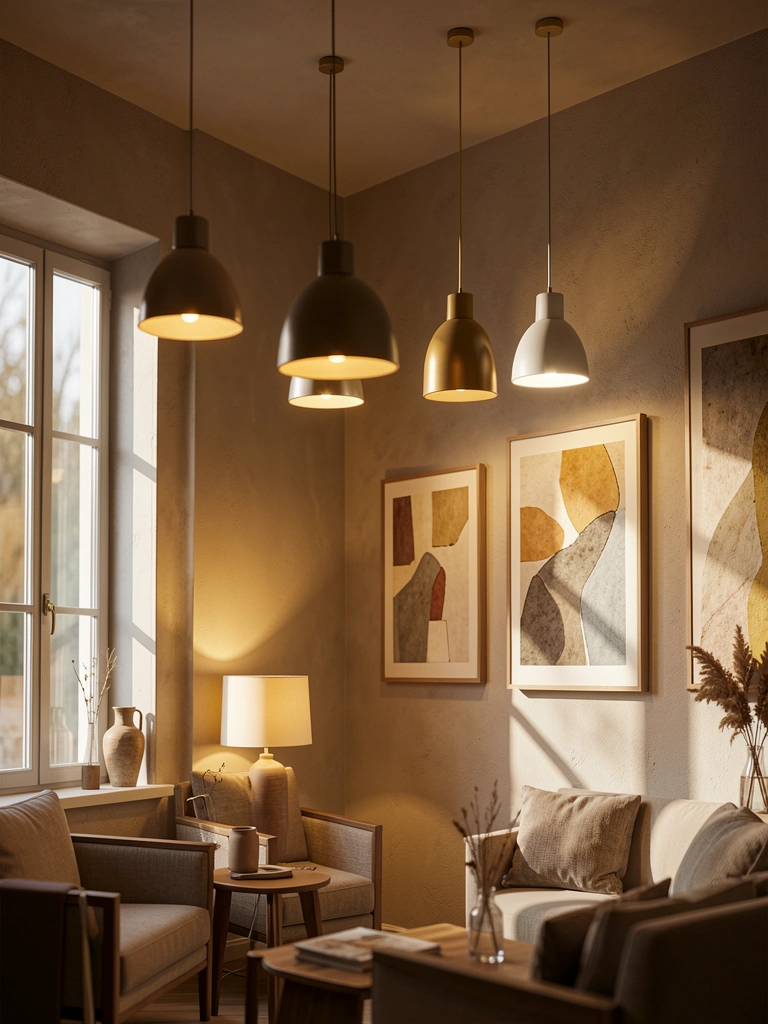
How can lighting transform your room’s emotional landscape?
By strategically layering ambient light and accent lighting, you’ll create depth and mood enhancement.
Dimmable fixtures and pendant placement allow precise light control, while varying color temperature creates soft glow and depth.
Natural light complements artificial sources, generating dynamic, nuanced shadows that breathe life into your space.
Natural Materials in Modern Bedroom Design
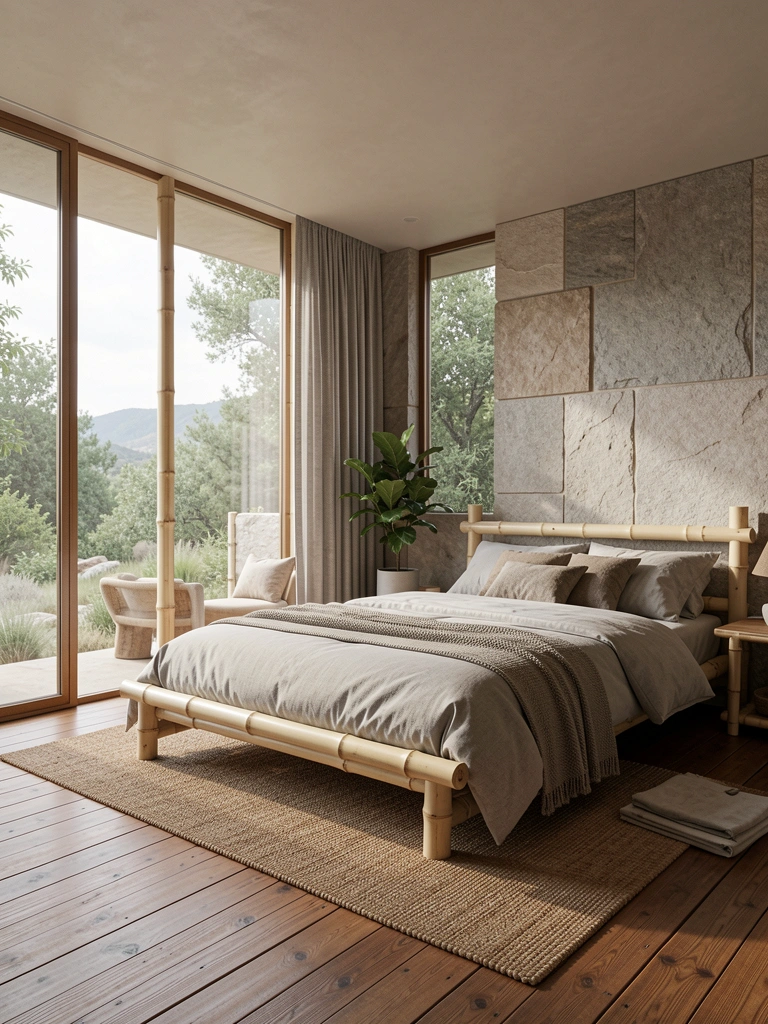
Because modern design increasingly embraces organic connections between interior spaces and natural environments, integrating natural materials into bedroom aesthetics has become a sophisticated approach to creating serene, harmonious living spaces.
You’ll transform your bedroom by selecting eco-friendly materials like bamboo, reclaimed wood, and stone, which add texture and sustainable design elements that reflect contemporary environmental consciousness.
Stone and Texture: Adding Organic Elements
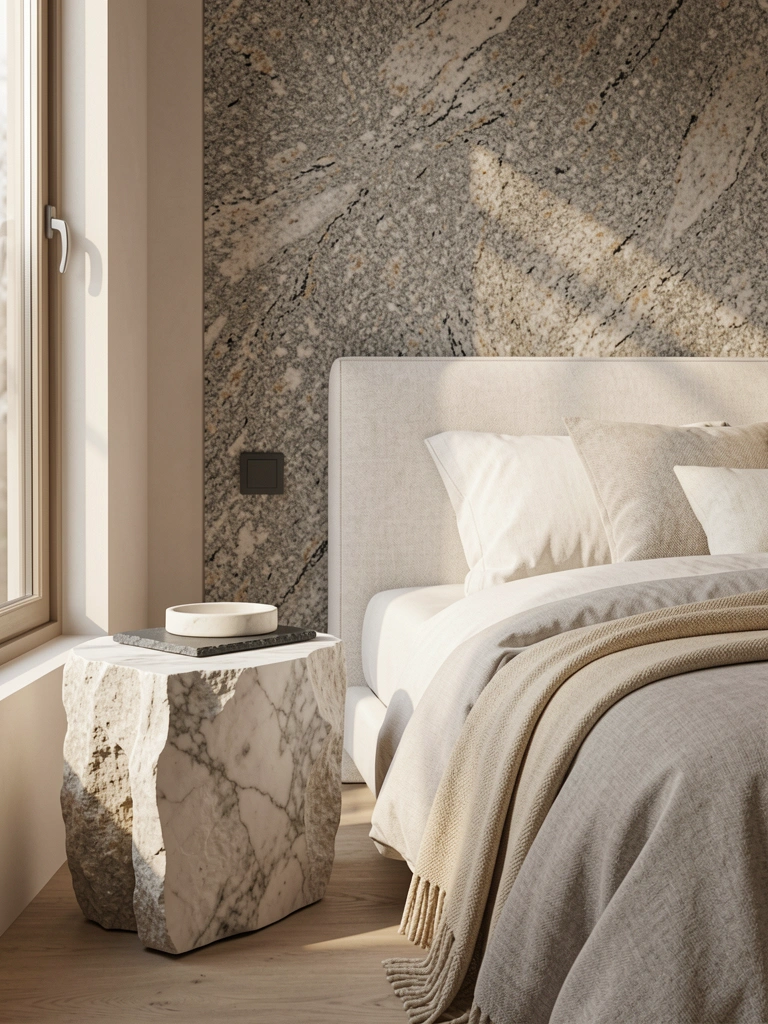
Stone’s raw, tactile beauty elevates bedroom design by introducing organic textures that ground contemporary spaces with natural authenticity.
You’ll transform your room by strategically placing stone accents like slate coasters, marble side tables, or granite wall features.
These organic materials create depth, visual interest, and a sophisticated connection to nature’s timeless elegance.
Maximalist vs. Minimalist: Finding Your Balance
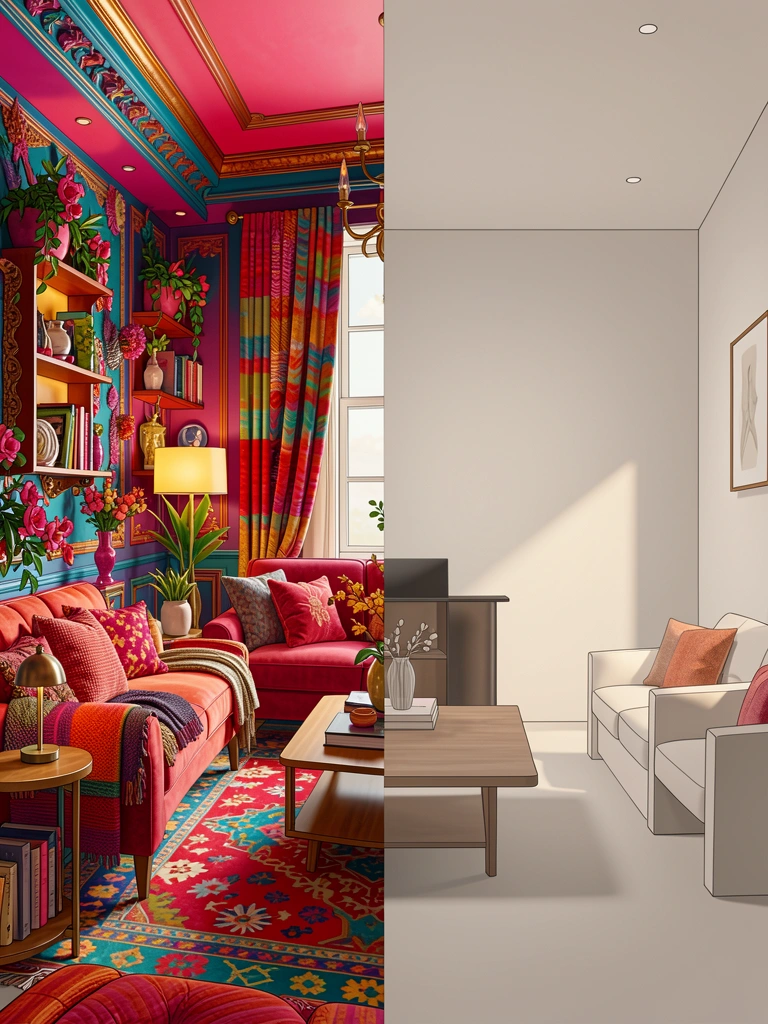
While personal style often oscillates between bold statements and understated elegance, the art of room design isn’t about choosing sides between maximalism and minimalism—it’s about crafting a space that authentically reflects your personality.
Your color influences and style preferences guide this journey, allowing you to blend dramatic elements with serene simplicity in a way that feels uniquely yours.
Color Psychology in Bedroom Design
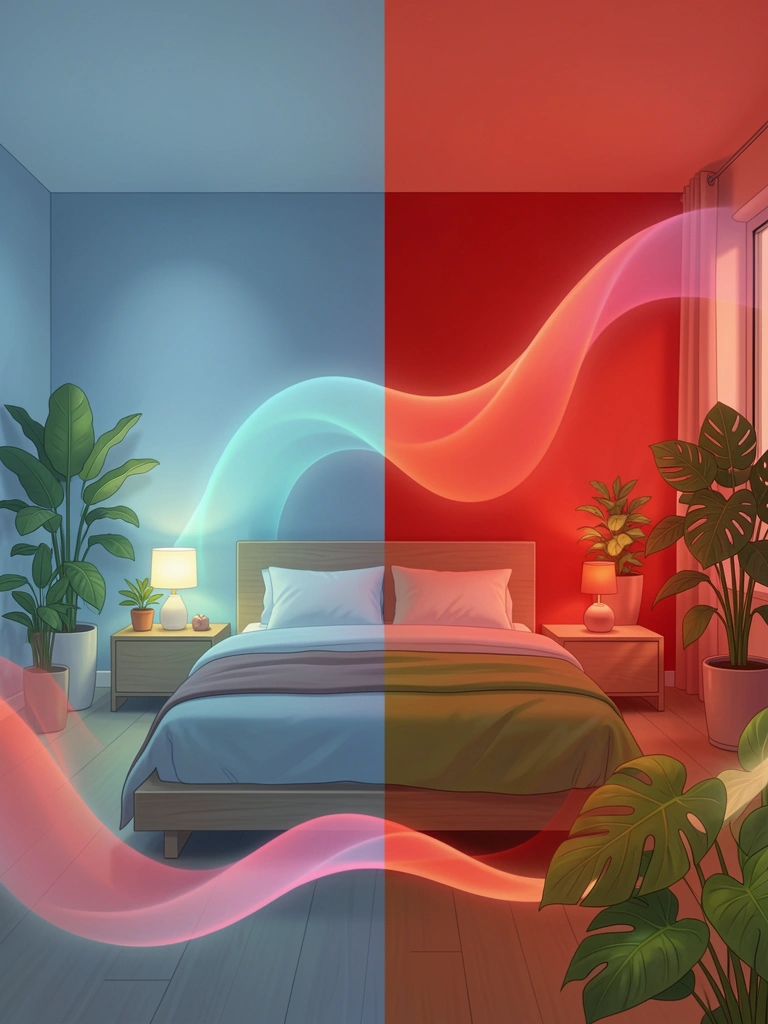
Colors aren’t just visual elements; they’re emotional architects that shape your bedroom’s psychological landscape.
Your color choices trigger specific emotional responses, creating an environment that reflects your inner world.
Blue calms, red energizes, green restores—each hue carries unique color associations that transform your personal space into a sanctuary of self-expression.
Implementing Metallic and Tonal Accents
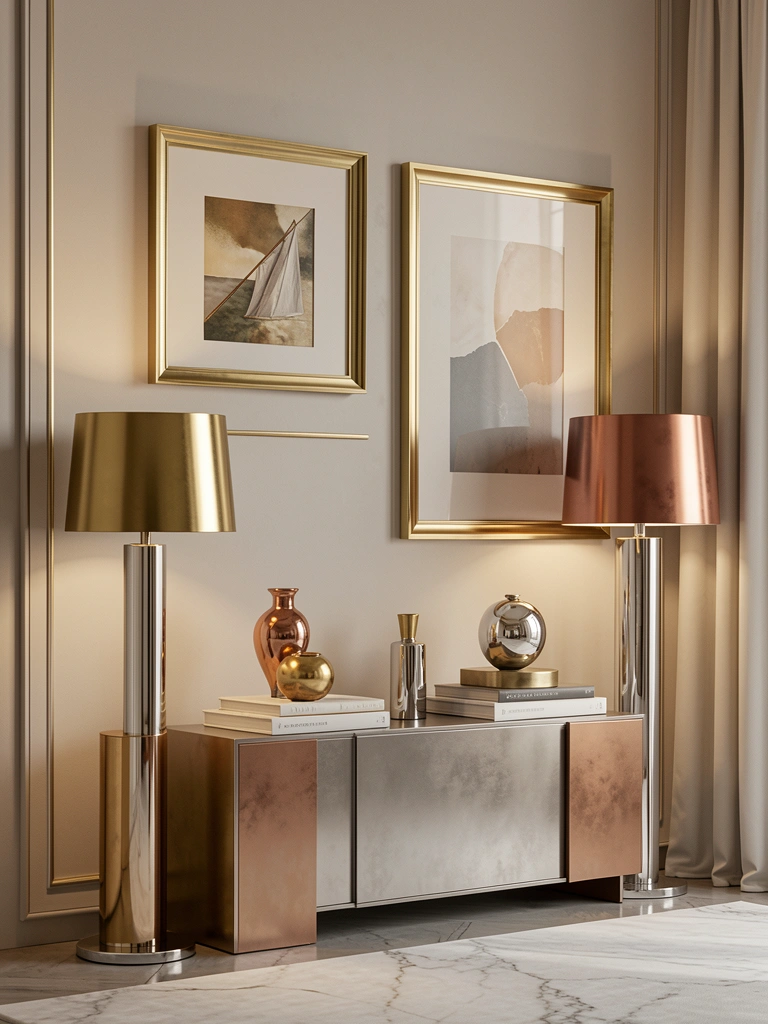
As metallic and tonal accents transform ordinary rooms into curated spaces, they’ve become essential design elements for creating depth and visual intrigue in modern aesthetic interiors. You’ll want to strategically layer gold, copper, and silver pieces to establish tonal harmony. Subtle metallic touches—like brass picture frames or chrome lamp bases—can elevate your room’s sophistication without overwhelming the aesthetic.
Headboard Styles for Statement Bedrooms
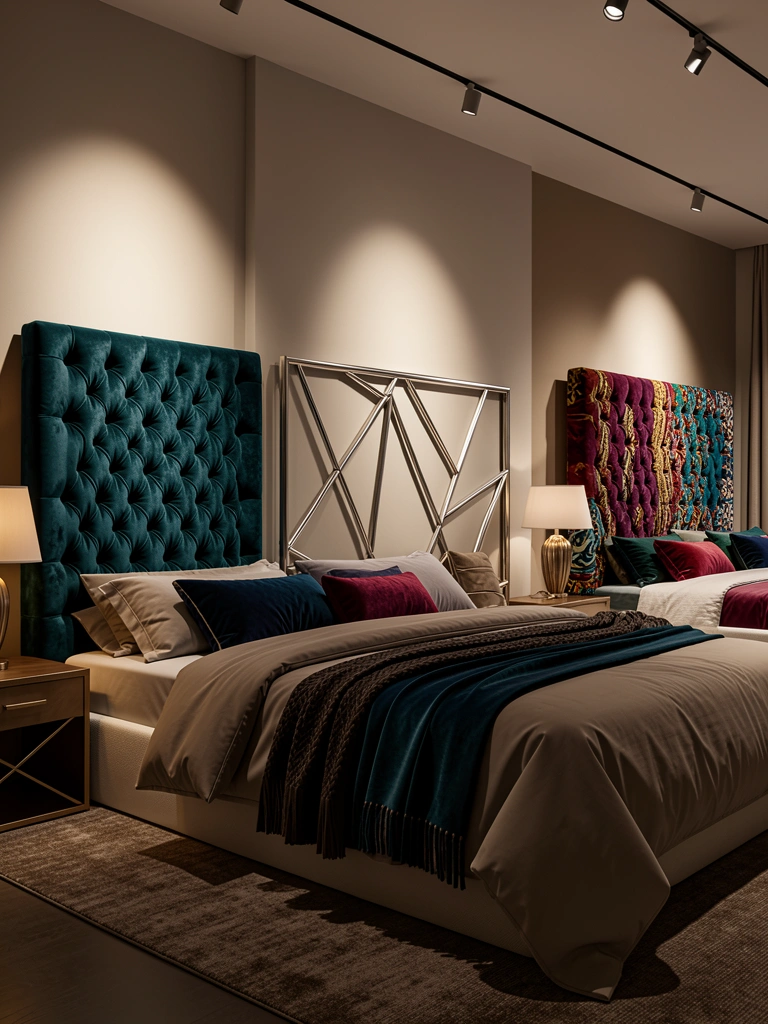
The headboard isn’t just a functional bedroom element; it’s a powerful design statement that can transform your sleeping space from ordinary to extraordinary.
Choose eclectic embellishments like tufted velvet, geometric metal frames, or bold fabrications that reflect your personal style and create visual intrigue in your sanctuary.
Designing Reading Nooks and Intimate Spaces
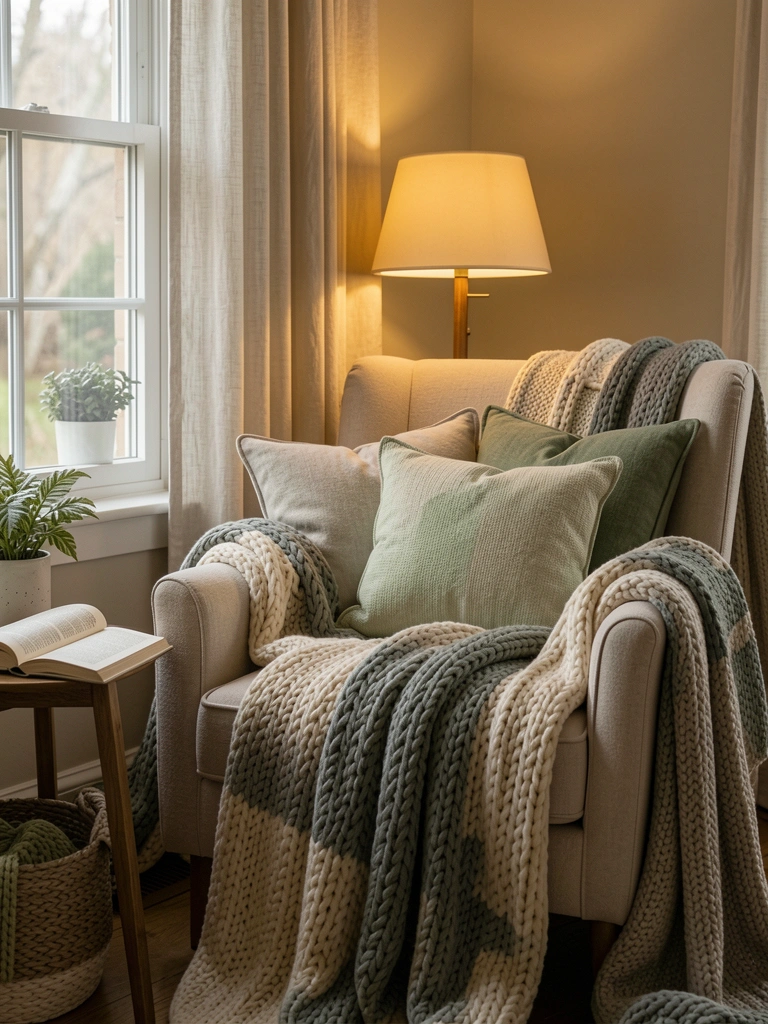
Beyond dramatic headboards, your bedroom can extend its personality into intimate, personalized spaces that invite relaxation and contemplation.
Create cozy corners with plush armchairs, soft throws, and strategic lighting.
These reading retreats transform overlooked spaces into sanctuaries of comfort, allowing you to escape, recharge, and immerse yourself in personal moments of tranquility.
Mixing Textures for Rich Interior Environments
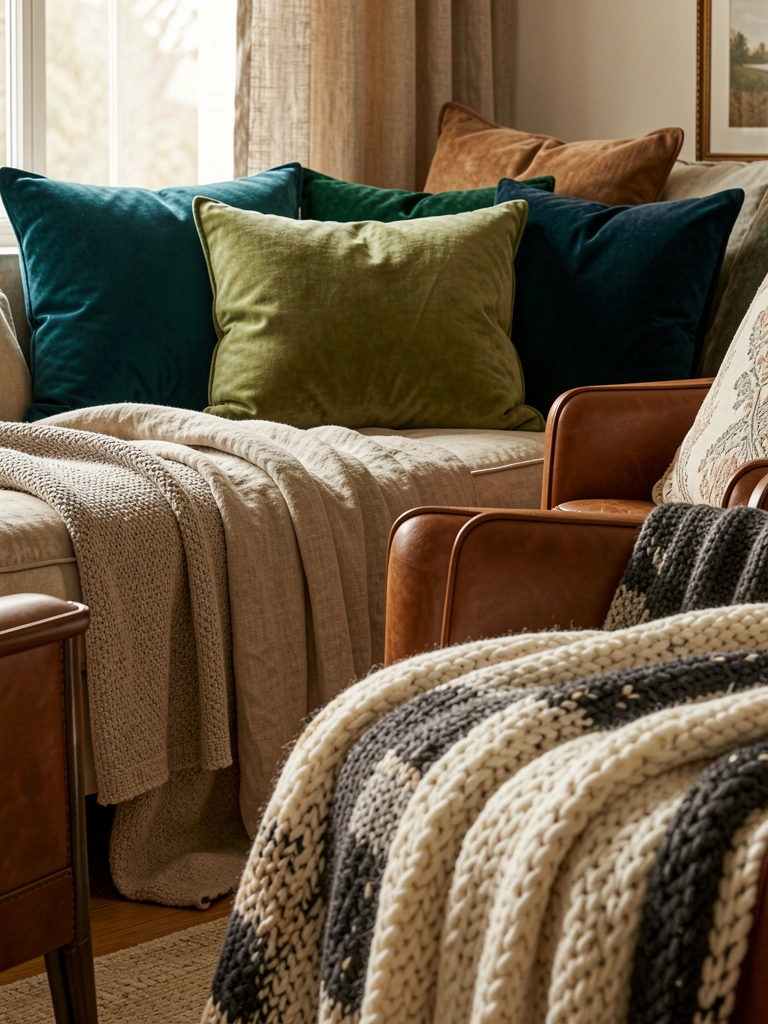
Textural alchemy transforms ordinary rooms into sensory landscapes that captivate and comfort.
You’ll craft visual harmony by blending textile contrasts—think velvet cushions against rough linen throws, sleek leather chairs near chunky knit blankets.
Layered finishes create tactile experiences that invite touch, balance surfaces, and elevate your space with sophisticated sensory depth.
Soft Lighting Techniques for Relaxation
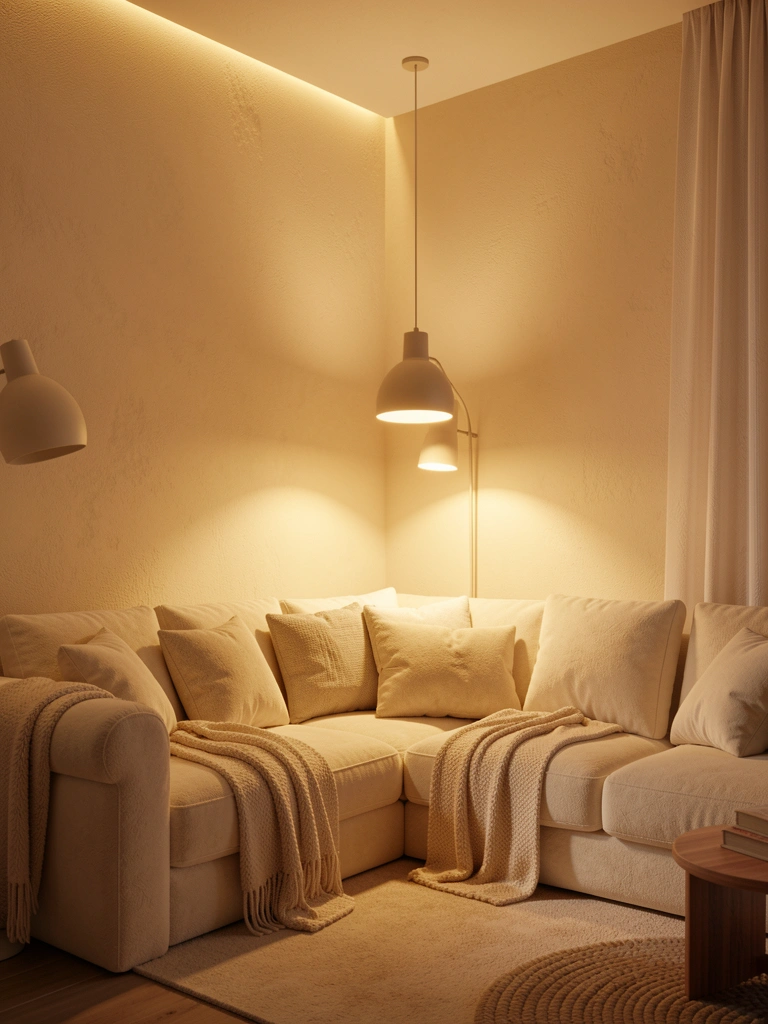
Luminescence transforms rooms into sanctuaries of serenity, where soft lighting becomes an art form of emotional curation. You’ll craft calming ambience through adjustable fixtures that cast warm hues and soft shadows. Radiant accents in cozy corners create tranquil highlights, inviting relaxation with an ambient glow that whispers comfort and freedom.
Practical Tips for Small Bedroom Transformations
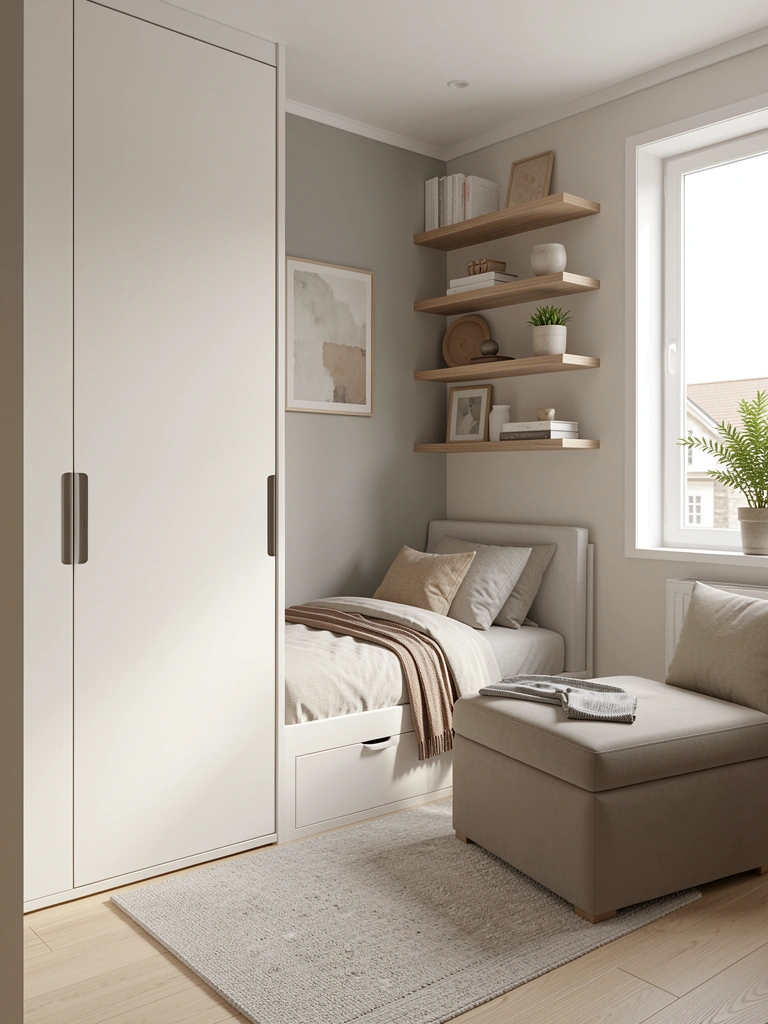
When designing small bedrooms, strategic space optimization can transform cramped quarters into stylish, functional retreats.
You’ll want to invest in multifunctional furniture like Murphy beds, storage ottomans, and wall-mounted shelves.
These small space solutions maximize every inch, allowing you to create a streamlined, personalized environment that feels both spacious and intentionally curated.
Maintaining Design Cohesion
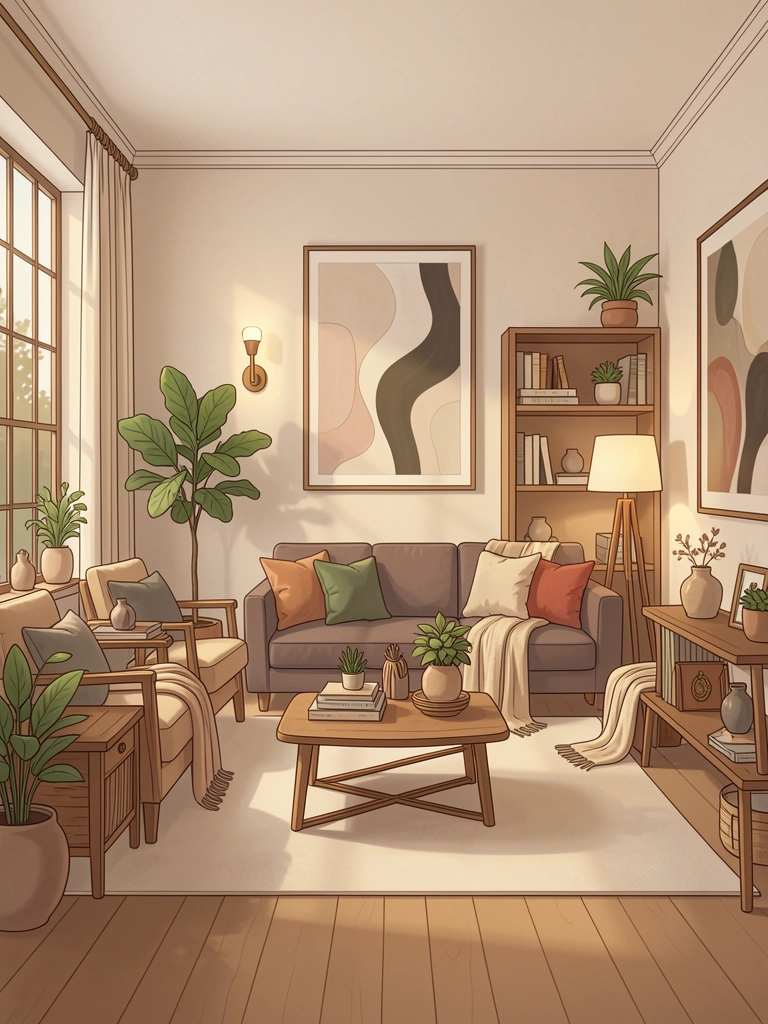
Because design cohesion transforms individual elements into a harmonious whole, your aesthetic room should tell a unified visual story.
Choose cohesive themes that align with your personal style, ensuring color harmony and spatial balance.
Strategically place focal points that reinforce unified aesthetics, creating a seamless design narrative that reflects your unique perspective.
Your Bedroom, Your Sanctuary: Final Design Considerations
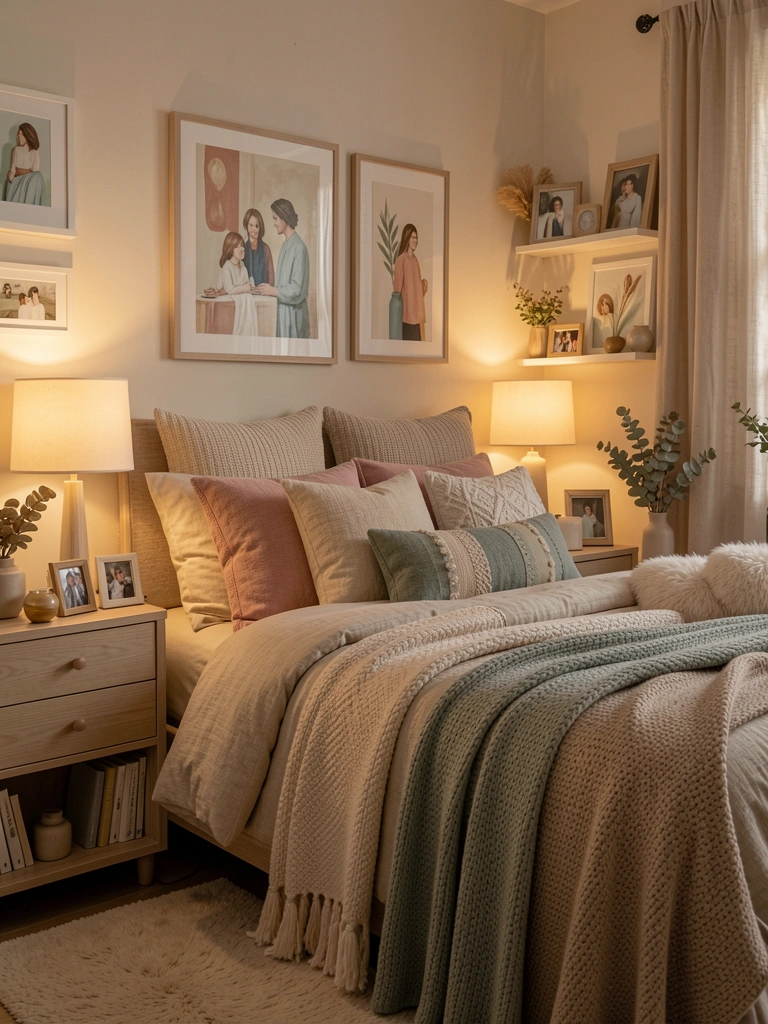
After achieving design cohesion, your bedroom becomes more than just a space—it’s a personal sanctuary that reflects your innermost aesthetic sensibilities.
Your sanctuary design should prioritize comfort and self-expression, integrating personal touches that resonate with your unique style.
Let each element tell your story, transforming your bedroom into a deeply meaningful and personalized retreat.
Leave a Reply