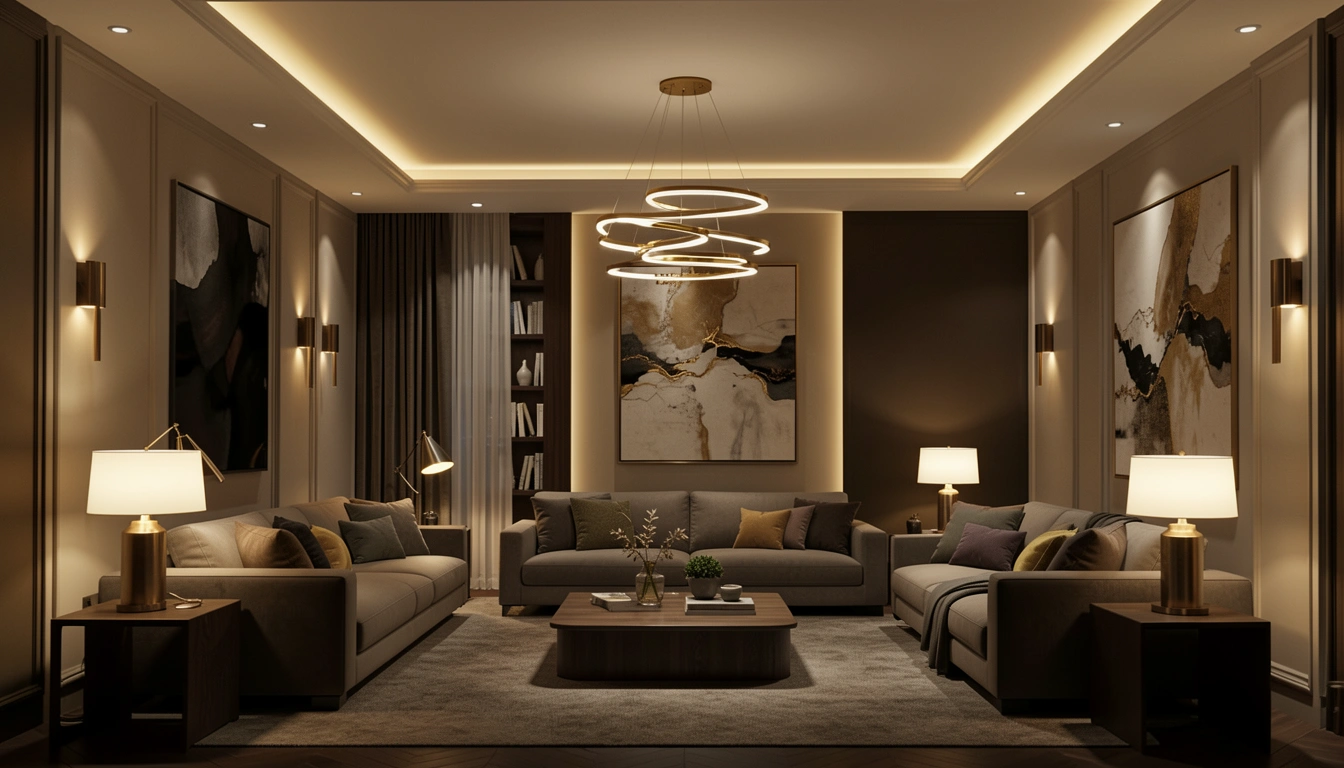
You’ve likely overlooked the transformative power of strategic lighting in your living room. Beyond basic illumination, layered lighting creates depth, drama, and functionality that can completely reimagine your space. Each carefully positioned light source—from ambient ceiling fixtures to targeted task lamps—works in concert to sculpt atmosphere and enhance architectural details. Curious how professional designers craft these luminous environments? The next few pages will reveal design secrets that will forever change how you perceive room lighting.
Why Layered Lighting Transforms Living Rooms
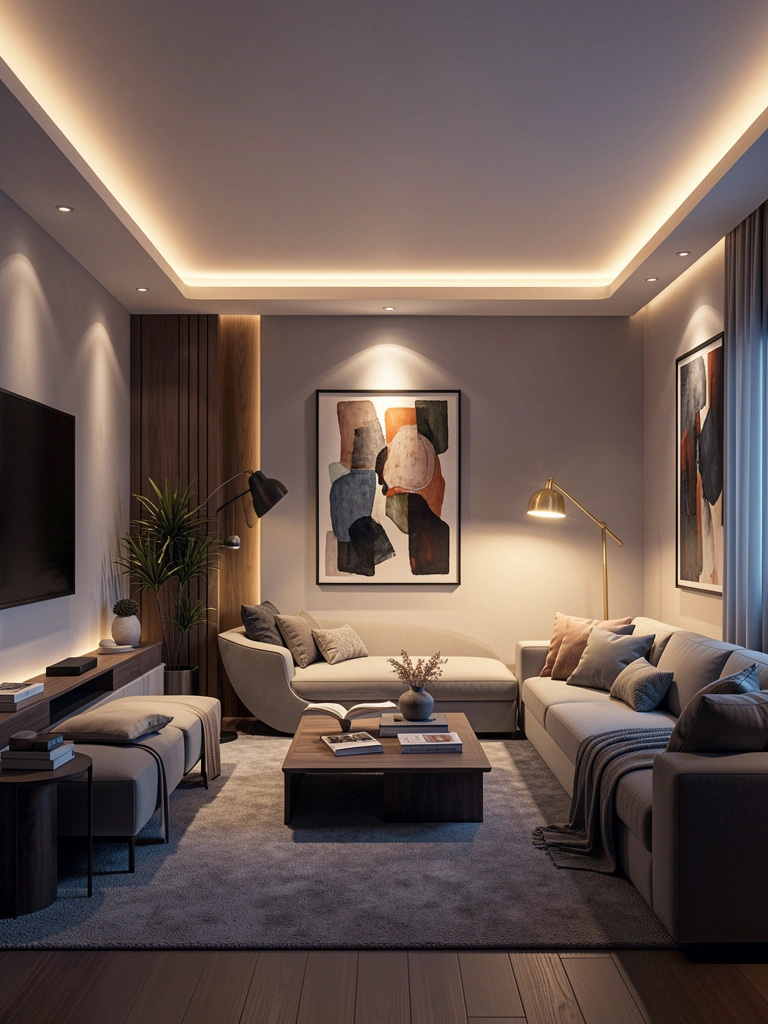
Although often overlooked, layered lighting is a transformative design strategy that can dramatically elevate a living room’s aesthetic and functionality.
Understanding the Three Pillars of Living Room Illumination
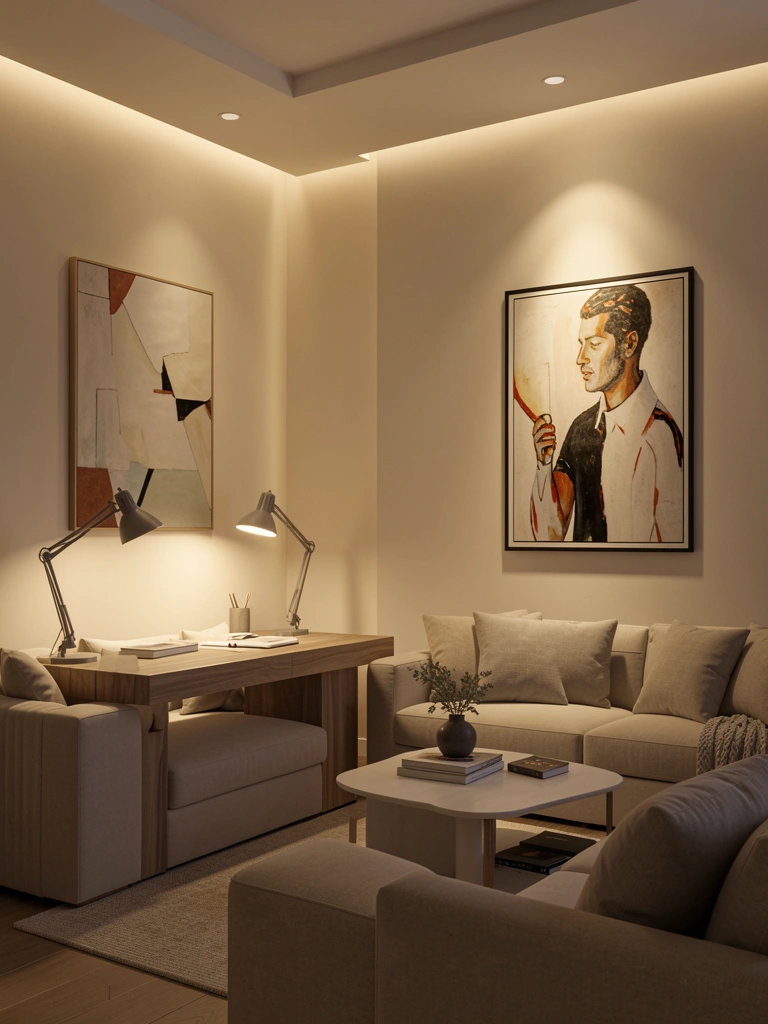
When designing an exceptional living room lighting scheme, you’ll need to master three fundamental illumination layers: ambient, task, and accent lighting.
Ambient light provides overall room brightness, establishing a foundational glow. Task lighting targets specific functional zones, enabling precision activities. Accent lighting adds dramatic visual interest, highlighting architectural features or artwork with strategic illumination.
Ambient Lighting: Creating a Foundational Glow
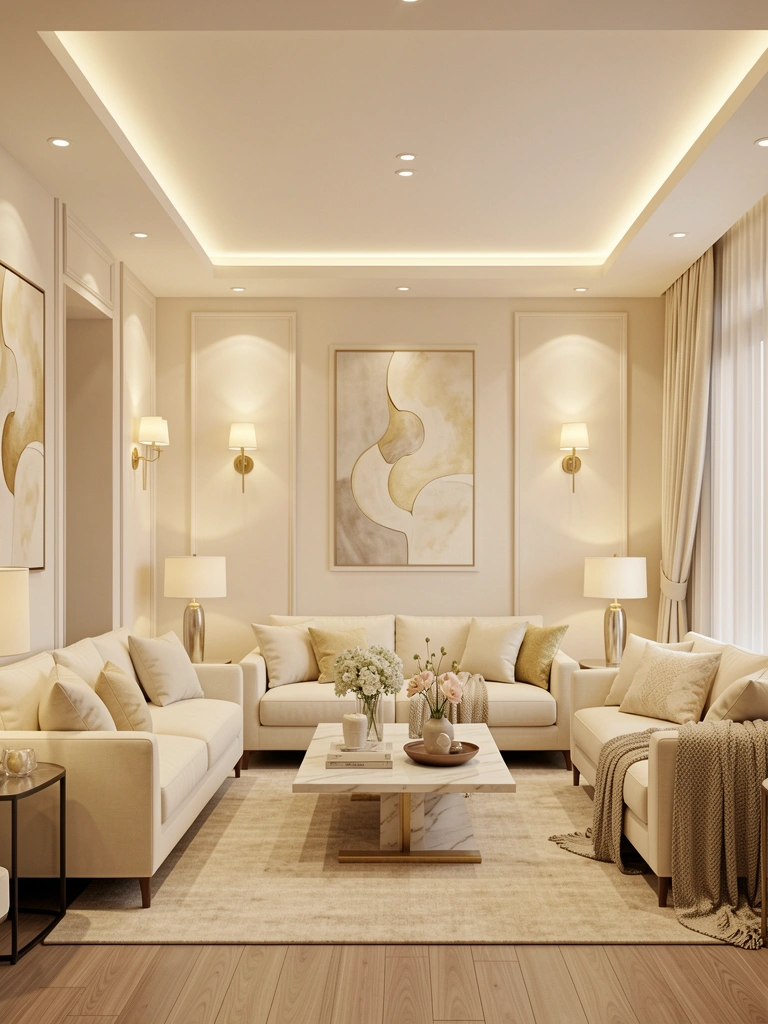
Because ambient lighting forms the backbone of any successful living room illumination strategy, you’ll want to create a soft, uniform glow that fills the entire space without creating harsh shadows or uneven brightness.
Strategically positioned ambient light sources like ceiling fixtures, recessed lights, and wall sconces will help you modulate glow intensity and establish a versatile, inviting atmosphere.
Choosing the Perfect Ceiling Fixtures for Every Space
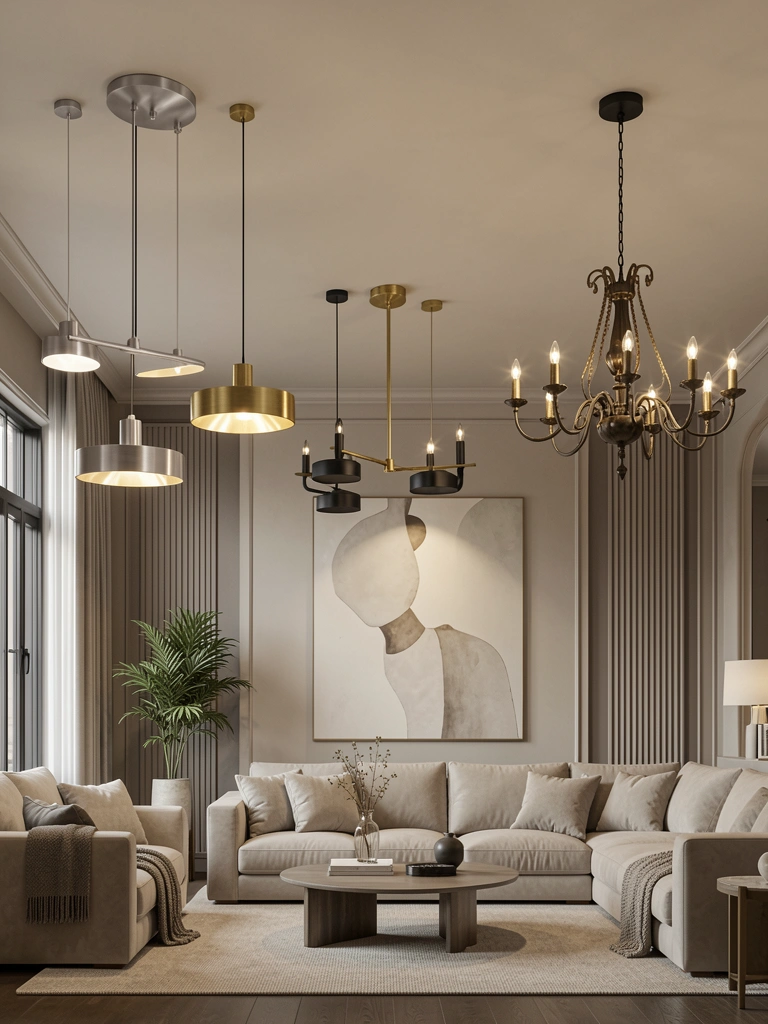
How do you select the ideal ceiling fixtures that transform your living room’s lighting landscape?
Consider materials like brushed nickel, brass, or matte black that complement your space’s architectural style.
Explore fixture styles ranging from minimalist pendants to ornate chandeliers, ensuring they balance visual drama with functional illumination and reflect your personal design aesthetic.
Task Lighting Strategies for Maximum Functionality
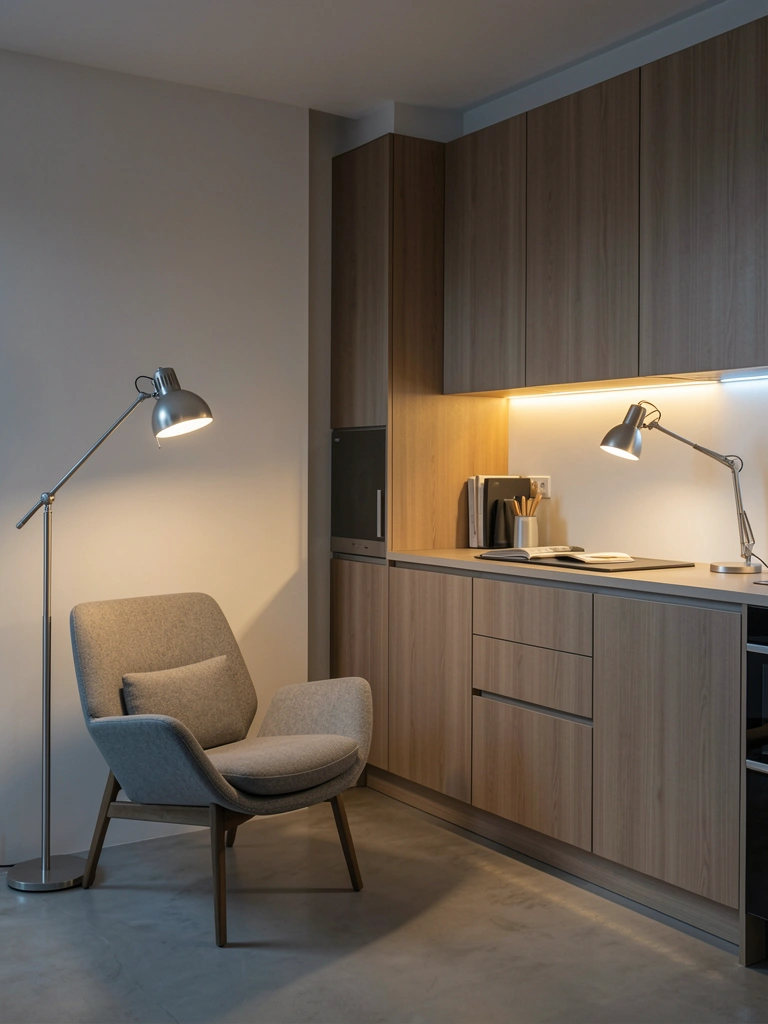
Strategic task lighting transforms living spaces from merely illuminated to functionally brilliant, enabling precision and comfort in every activity.
You’ll maximize room utility by implementing task-oriented lighting that highlights specific work zones.
Strategically placed floor lamps, adjustable reading lights, and under-cabinet illumination create functional aesthetics that support your lifestyle’s dynamic demands.
Accent Lighting: Adding Drama and Dimension

While task lighting illuminates functional spaces, accent lighting elevates your room’s aesthetic by sculpting visual narratives through strategic light placement.
You’ll create compelling shadow play by positioning directional fixtures near artwork, architectural features, or textural elements.
Light layering transforms ordinary spaces into dynamic visual experiences, giving you creative freedom to dramatize your living environment.
How to Select the Right Chandelier for High Ceilings?
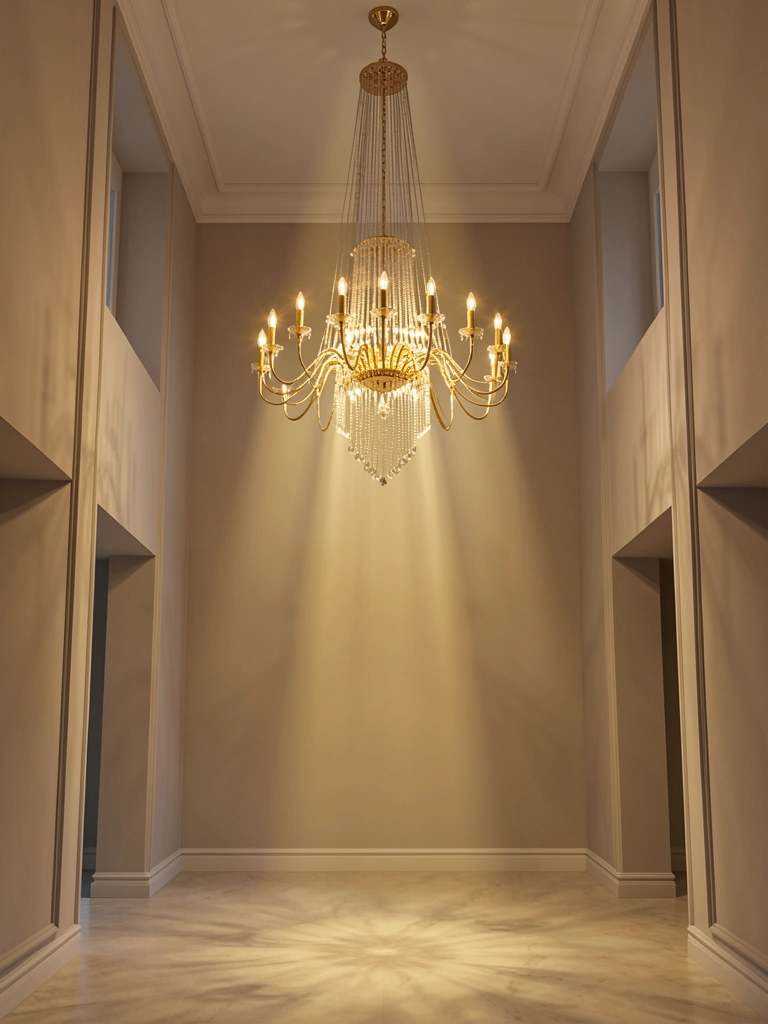
Because high ceilings demand proportional lighting solutions, selecting the right chandelier requires careful architectural consideration and dimensional planning.
You’ll want to match chandelier styles to your ceiling height, ensuring visual balance.
Consider drop length, scale, and diameter—typically, your fixture should hang 7 feet above the floor, creating dramatic yet functional illumination without overwhelming the space.
Mixing Metallic Finishes in Your Lighting Design

After exploring chandelier proportions for high ceilings, lighting design naturally extends to the nuanced art of metallic finish coordination.
You’ll want to strategically blend metallic combinations like brushed nickel, bronze, and gold.
Assess finish compatibility by considering undertones, maintaining visual harmony while allowing intentional contrast that elevates your lighting’s sophisticated aesthetic.
Floor Lamps That Double as Decor Statements
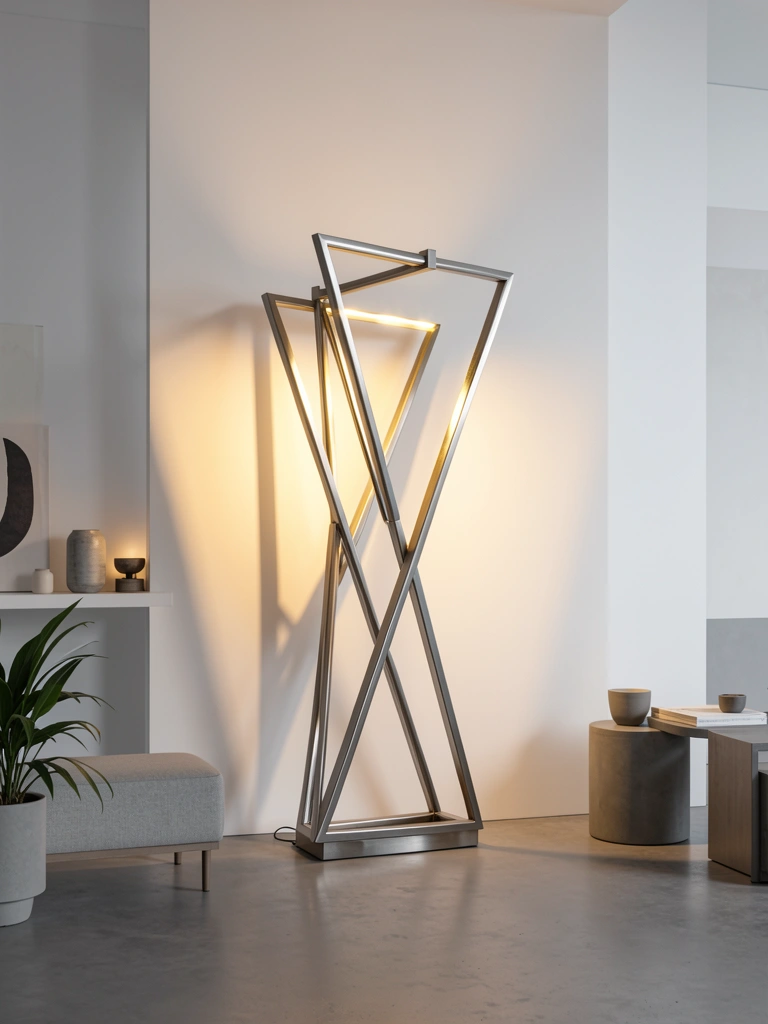
Should you desire lighting that transcends mere functionality, floor lamps have evolved into architectural sculptural elements that command visual attention in contemporary interior design.
These design aesthetics blend functional artistry, transforming illumination into bold statement pieces that elevate living spaces with sculptural silhouettes and innovative material combinations.
Wall Sconces: Sculptural Lighting Solutions
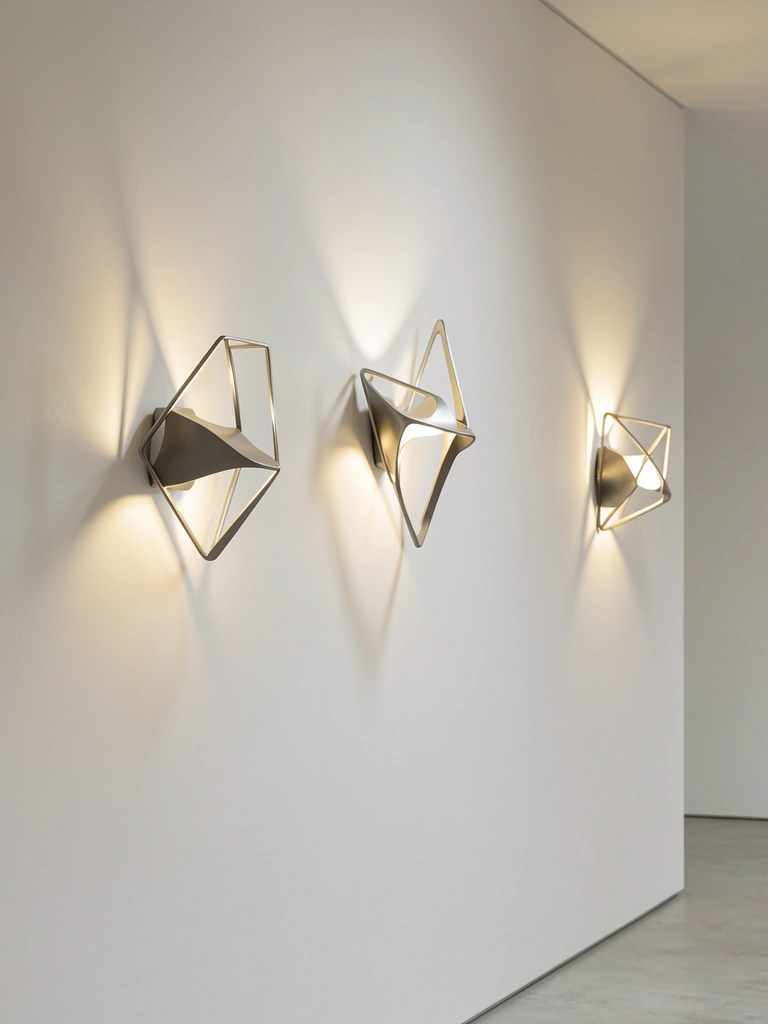
While floor lamps carve architectural statements through vertical illumination, wall sconces offer lateral design opportunities that transform vertical planes into dynamic lighting canvases. Modern sconces become sculptural elements, casting intricate lighting textures that enhance spatial depth. You’ll discover how strategically positioned wall-mounted fixtures can redefine room ambiance with minimal visual intervention.
Creating Reading Nooks With Targeted Illumination?

Since reading transforms spaces into personal sanctuaries, targeted illumination becomes essential for creating intimate, functional literary retreats.
Choose adjustable floor or swing-arm lamps that provide focused reading comfort.
Strategic placement near seating guarantees ideal illumination styles, allowing you to customize light intensity and direction for your perfect reading environment.
Pendant Lights: Modern Zoning Techniques
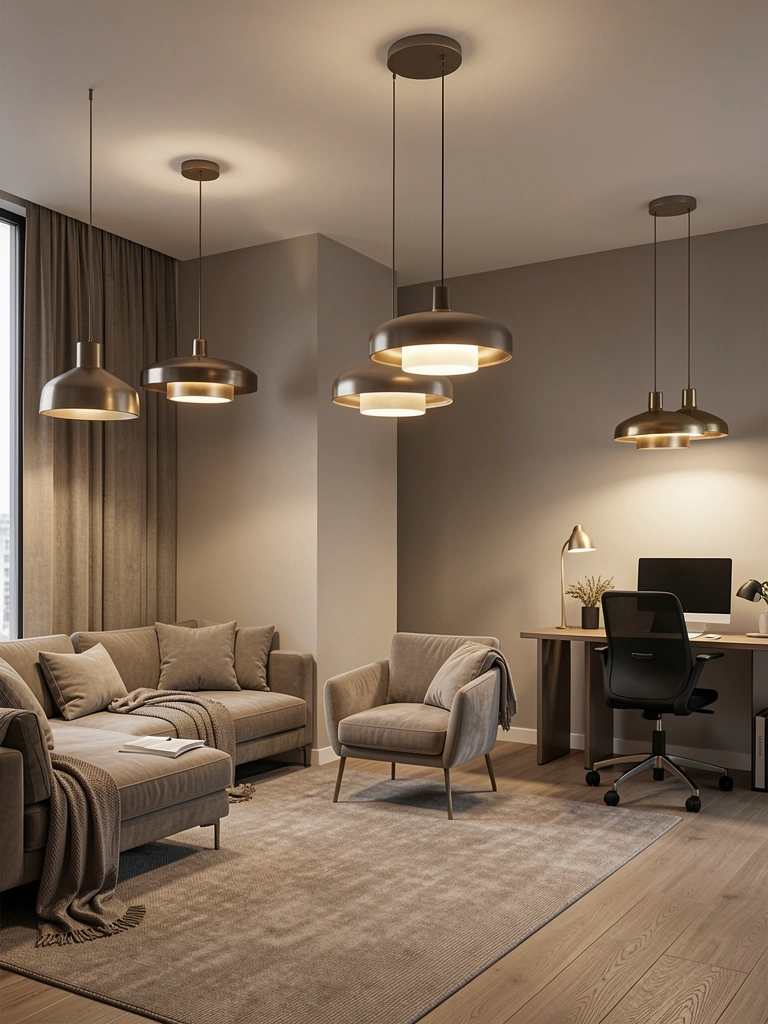
As reading nooks illuminate personal spaces, pendant lights offer sophisticated solutions for architectural zoning in contemporary living rooms.
You’ll leverage strategic pendant placements to define functional areas, using varied design styles that articulate spatial boundaries.
Precise hanging heights and intentional clustering create visual hierarchy, transforming open-concept environments into dynamic, purposeful landscapes.
Vintage vs. Contemporary Lighting Design Approaches
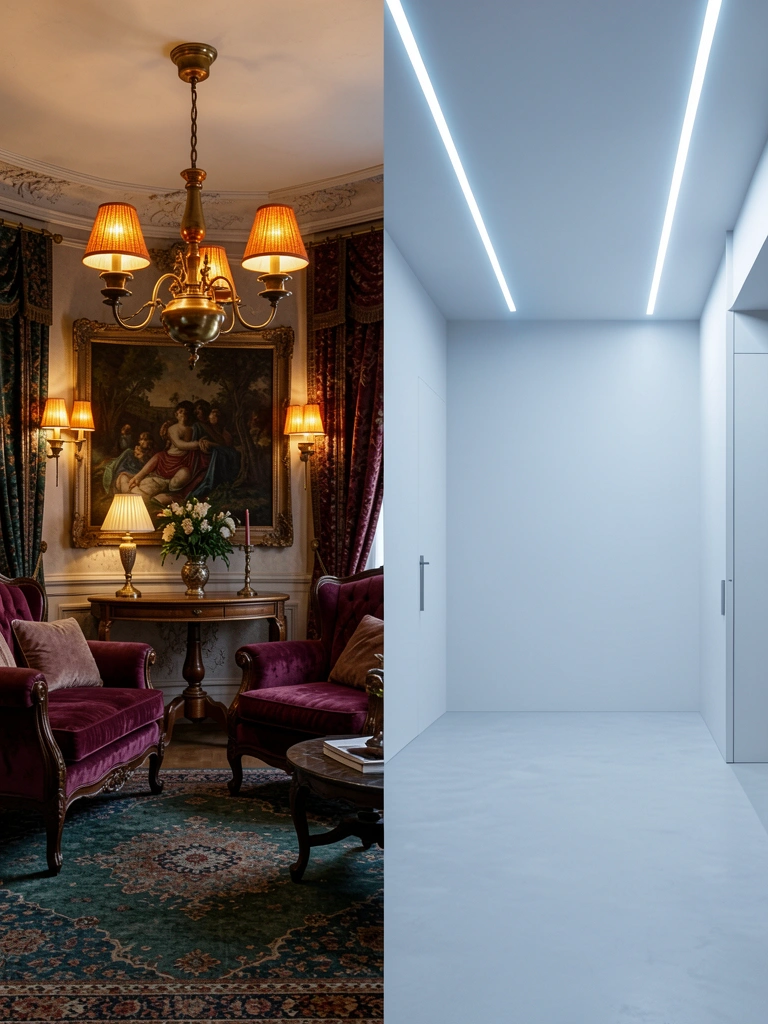
Should lighting design be viewed through a lens of historical evolution or contemporary innovation?
Vintage charm and contemporary elegance represent distinct approaches, each offering unique spatial narratives.
Your design philosophy determines whether you’ll embrace nostalgic warmth or sleek minimalism, transforming living spaces through strategic illumination techniques that reflect personal aesthetic sensibilities and functional requirements.
Dimmer Switches: The Secret to Mood Transformation
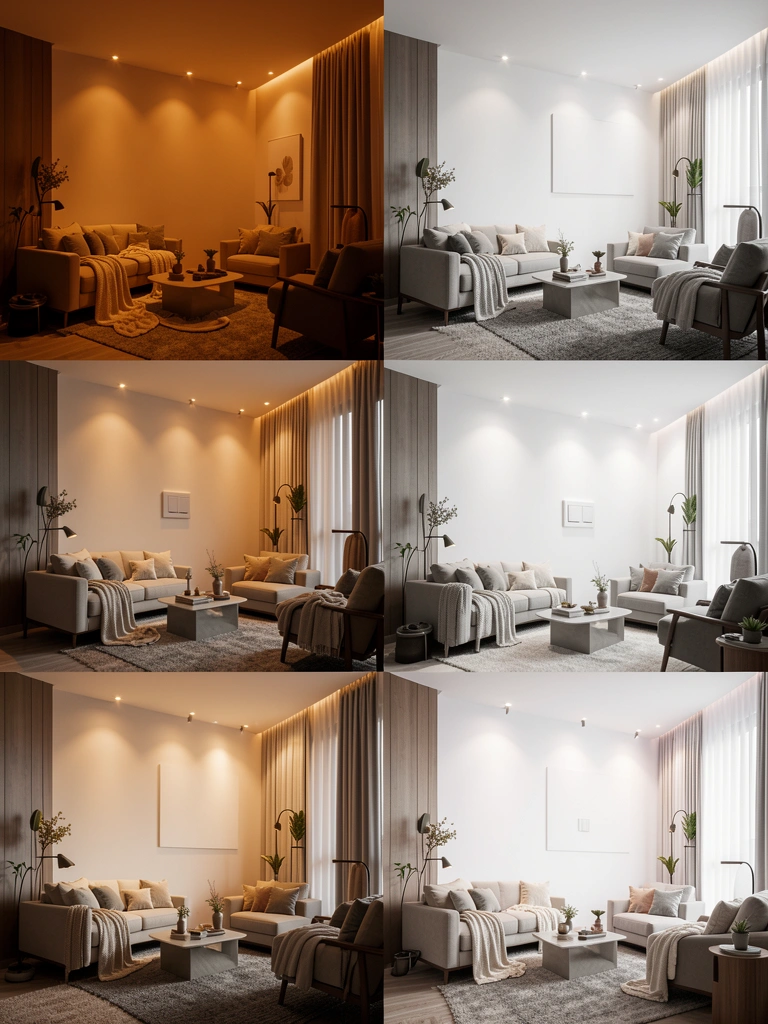
While lighting technology continues to evolve, dimmer switches emerge as a transformative tool in contemporary interior design, enabling precise control over ambient illumination and emotional atmosphere.
You’ll appreciate how switch styles and dimming benefits can instantly alter room dynamics, providing unparalleled flexibility to modulate light intensity and create personalized spatial experiences that reflect your unique aesthetic preferences.
Balancing Light Intensities in Open Concept Spaces
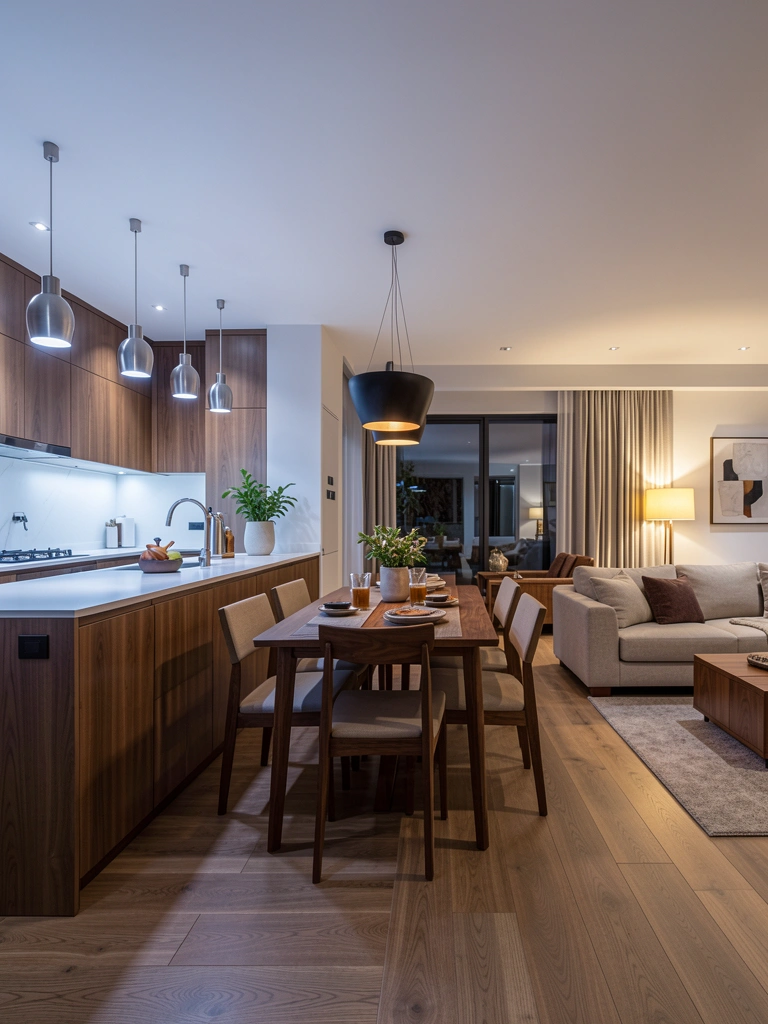
Because open concept spaces present unique lighting challenges, homeowners must strategically layer illumination across interconnected zones to maintain visual harmony and functional versatility. You’ll want to calibrate light temperature balance across different areas, ensuring smooth flows between kitchen, dining, and living spaces while respecting open floor dynamics without creating visual fragmentation.
Table Lamps: Sculptural Elements Beyond Illumination
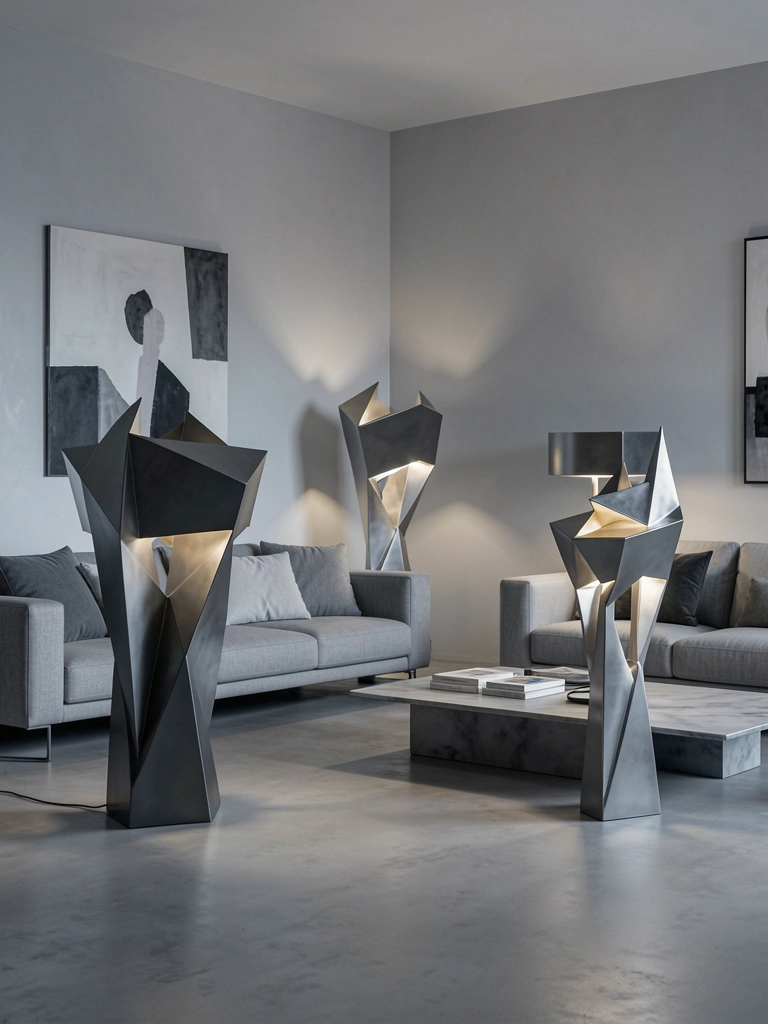
When selecting table lamps for contemporary interiors, designers increasingly view these fixtures as multifunctional sculptural artifacts that transcend mere illumination.
You’ll find sculptural lamps that transform spaces, blending artistic illumination with architectural form.
These strategic design elements create visual intrigue, introducing dynamic texture and sophisticated silhouettes that elevate your living environment’s aesthetic complexity.
Architectural Lighting Techniques for Visual Interest
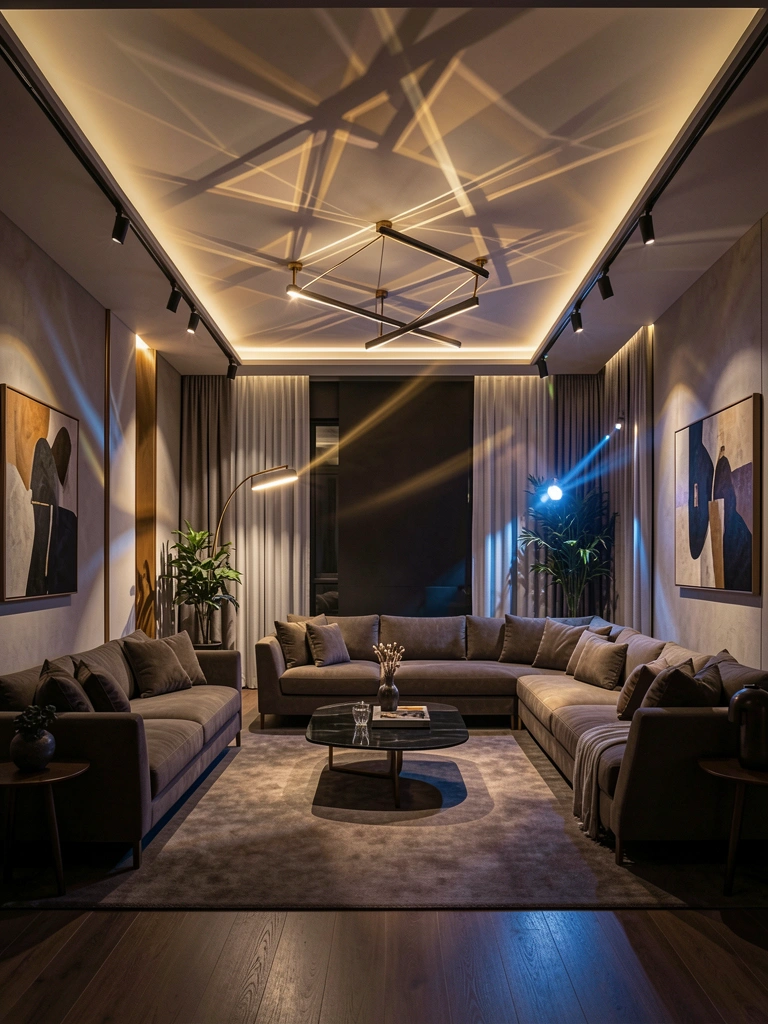
As architectural lighting transforms spatial perceptions, strategic illumination techniques can dramatically reshape your living room’s visual dynamics. Dynamic fixture placement along artistic ceiling designs creates depth and dimension, directing attention through calculated light trajectories that emphasize architectural features and sculpt perceived spatial boundaries with intentional luminous precision.
Layering Light: Height, Scale, and Placement Secrets
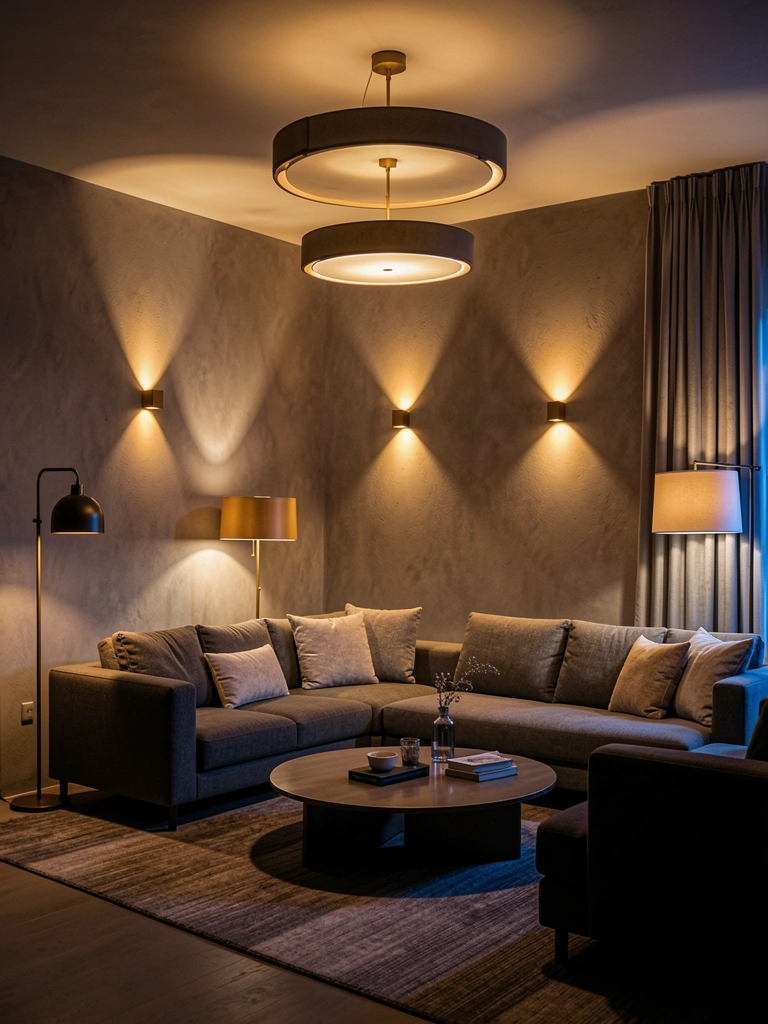
Should you desire to transform your living room’s illumination, understanding light layering becomes critical for creating sophisticated, dynamic spatial experiences. Strategic color layering and light textures help you manipulate perception, using vertical planes and varied fixture heights to sculpt dimensional ambiance. Precise placement orchestrates visual hierarchy and emotional resonance.
Textural Lamp Bases That Elevate Room Design
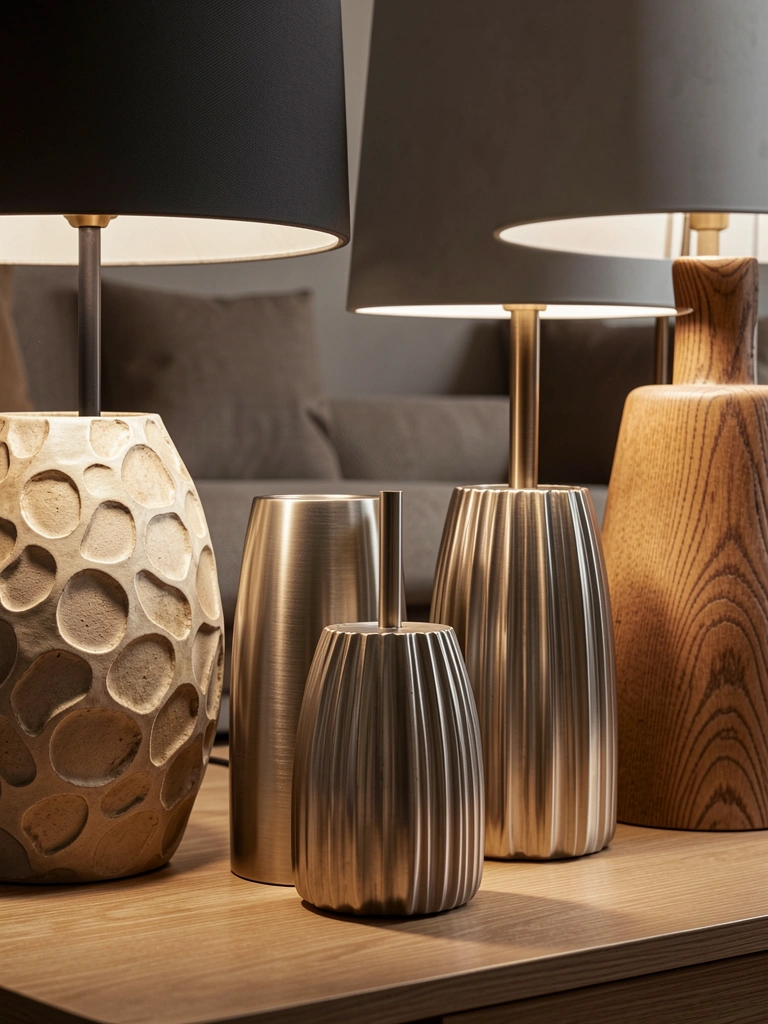
Texture transforms lamp bases from mere functional objects into sculptural design statements that dramatically elevate living room aesthetics. You’ll want textured finishes that catch light uniquely, creating visual intrigue. Sculptural shapes in ceramic, metal, or wood offer dimensional complexity, ensuring your lighting becomes a deliberate design element that transcends pure illumination.
Smart Lighting Solutions for Flexible Living Spaces
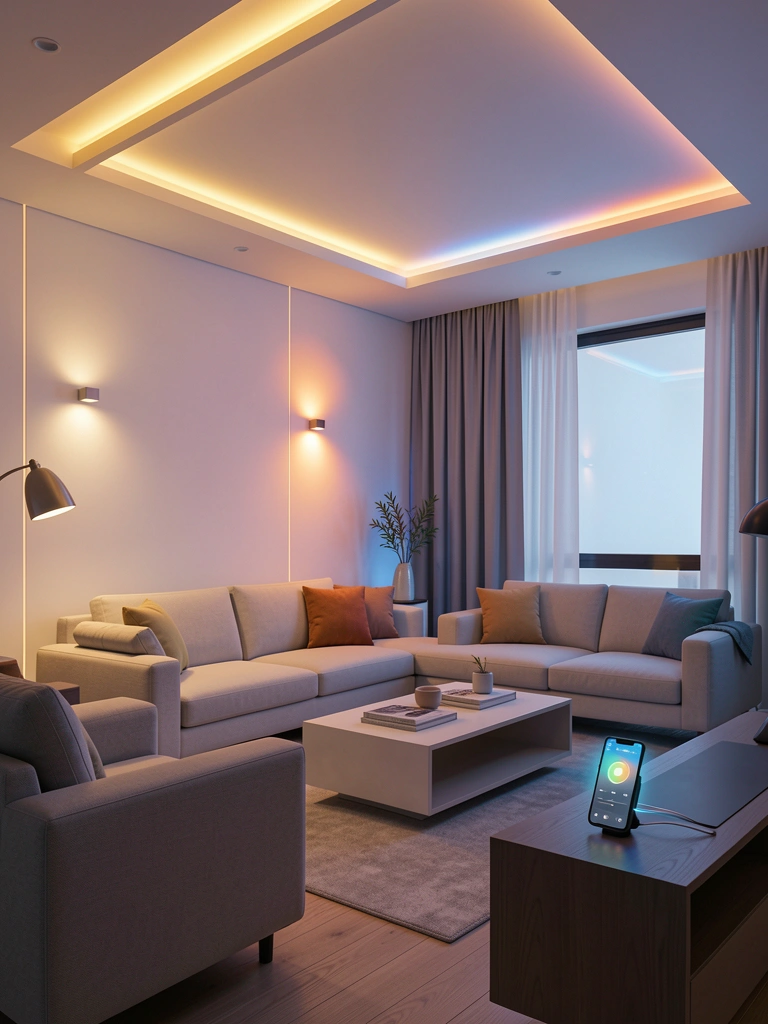
While modern living demands adaptable environments, smart lighting technology has revolutionized how we illuminate and configure residential spaces.
You’ll discover ambient control systems that transform your living room through programmable LED networks, smartphone-integrated switches, and adaptive color temperatures that dynamically respond to your lifestyle and spatial requirements.
Color Temperature and Its Emotional Impact
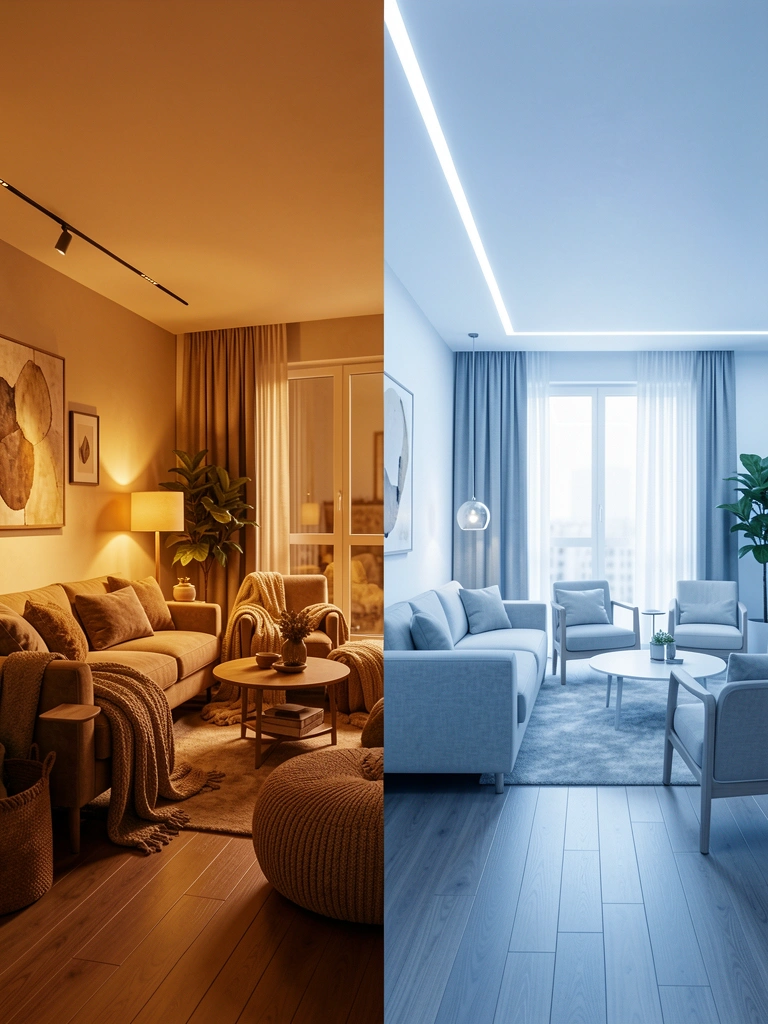
Because color temperature profoundly influences psychological perception and spatial ambiance, understanding its nuanced impact becomes essential in designing emotionally resonant living environments.
Warm tones (2700-3000K) evoke comfort and intimacy, while cool temperatures (4000-5000K) stimulate alertness and productivity.
Strategically manipulating color psychology allows for crafting your desired emotional ambience.
Budget-Friendly Lighting Transformation Strategies
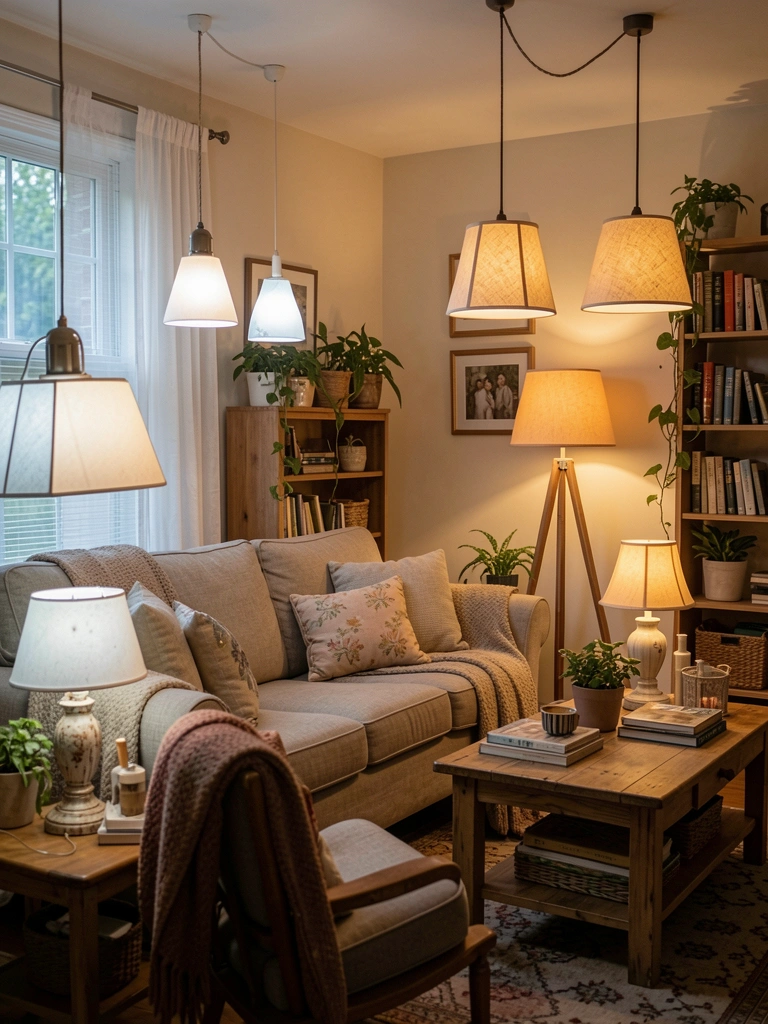
Understanding color temperature’s psychological impact sets the stage for reimagining your living room’s illumination without breaking the bank. Explore budget-friendly IKEA lighting solutions and thrift store finds. DIY lampshade modifications and strategic bulb replacements can dramatically transform your space’s ambiance. Strategically invest in key statement pieces that maximize visual impact while minimizing expenditure.
Avoiding Common Layered Lighting Mistakes

Although layered lighting can elevate a living room’s aesthetic, many homeowners inadvertently sabotage their design through common technical missteps.
You’ll want to avoid uneven light distribution, harsh shadows, and mismatched color temperatures. By strategically placing ambient, task, and accent lighting, you’ll create a dynamic, visually compelling space that enhances both functionality and mood.
Seasonal Lighting Adjustments for Year-Round Appeal

Crafting a dynamic lighting scheme means adapting your living room’s illumination to match seasonal shifts and changing natural light conditions.
You’ll want to experiment with layered lighting themes that accommodate shorter winter days and bright summer evenings.
Strategic seasonal adjustments can transform your space’s ambiance, using dimmable fixtures and color temperature variations to enhance comfort and visual interest.
Lighting Design for Different Living Room Layouts
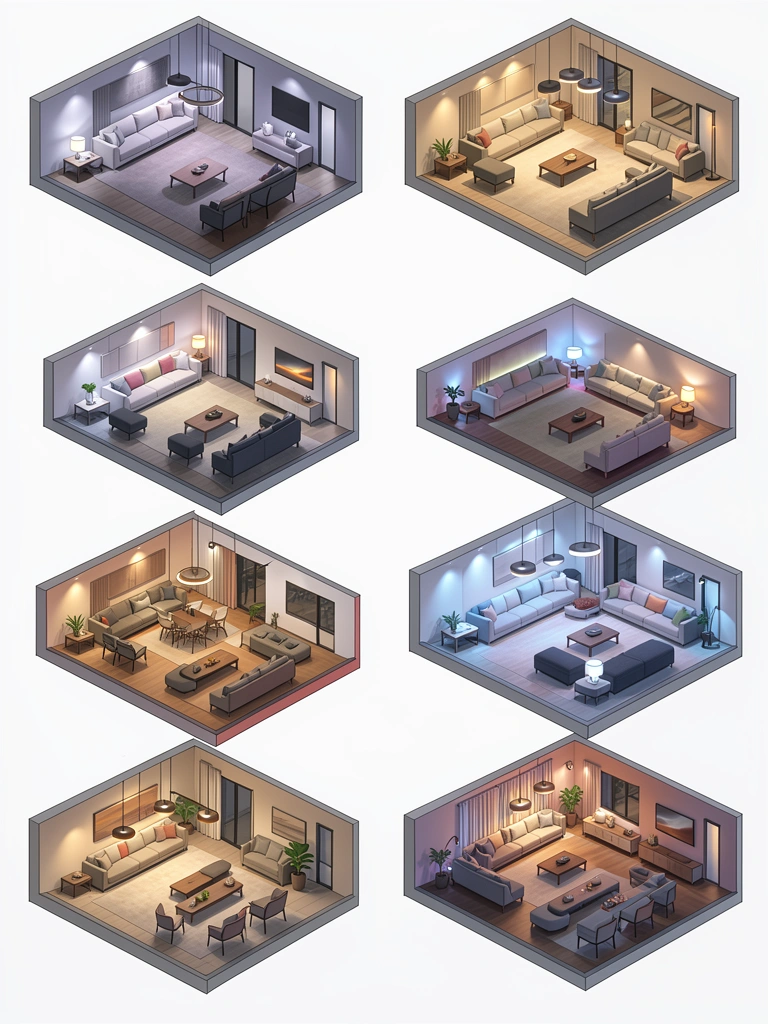
When designing lighting for various living room layouts, you’ll need to contemplate the unique spatial characteristics and functional requirements of each floor plan. Whether you’re steering through minimalist layouts or sprawling spaces, your lighting strategy must adapt to shifting styles, eclectic designs, and multifunctional areas with strategic placement of modular furniture and accent illumination.
Integrating Natural and Artificial Light Sources
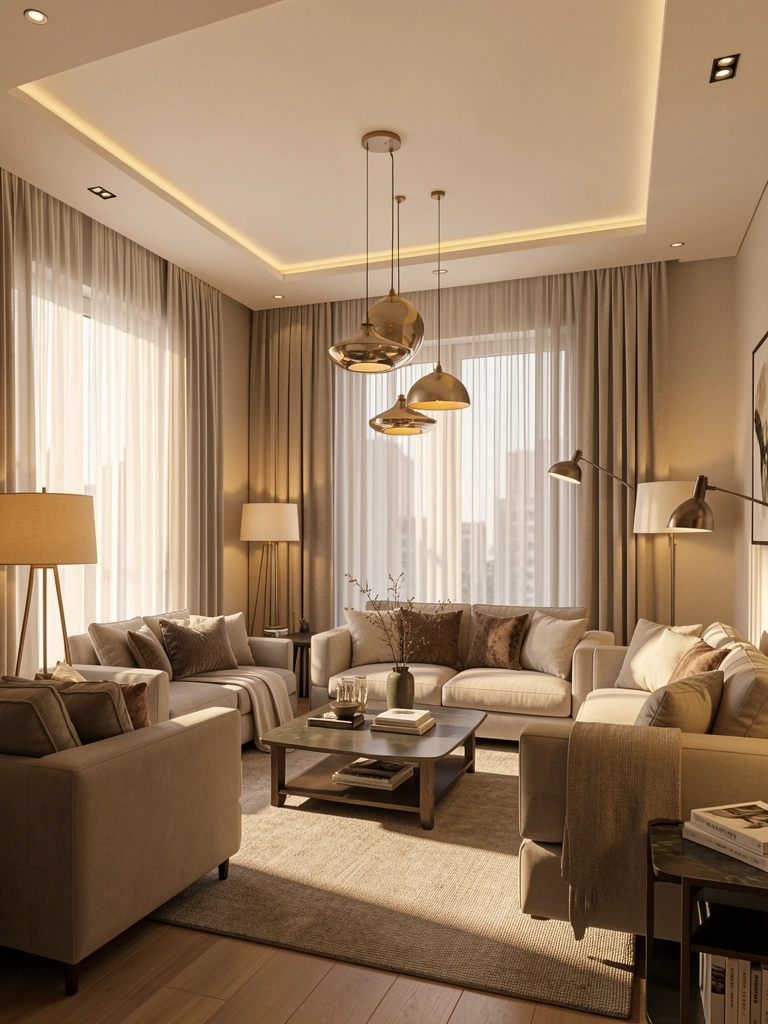
Because successful living room illumination transcends mere fixture selection, designers must strategically harmonize natural daylight with artificial lighting systems to create dynamic, adaptable environments.
You’ll want to maximize window placements, utilizing sheer curtains to diffuse natural light while complementing artificial sources like recessed LEDs, pendant fixtures, and adjustable floor lamps for thorough, layered illumination.
Energy-Efficient Lighting Without Compromising Style
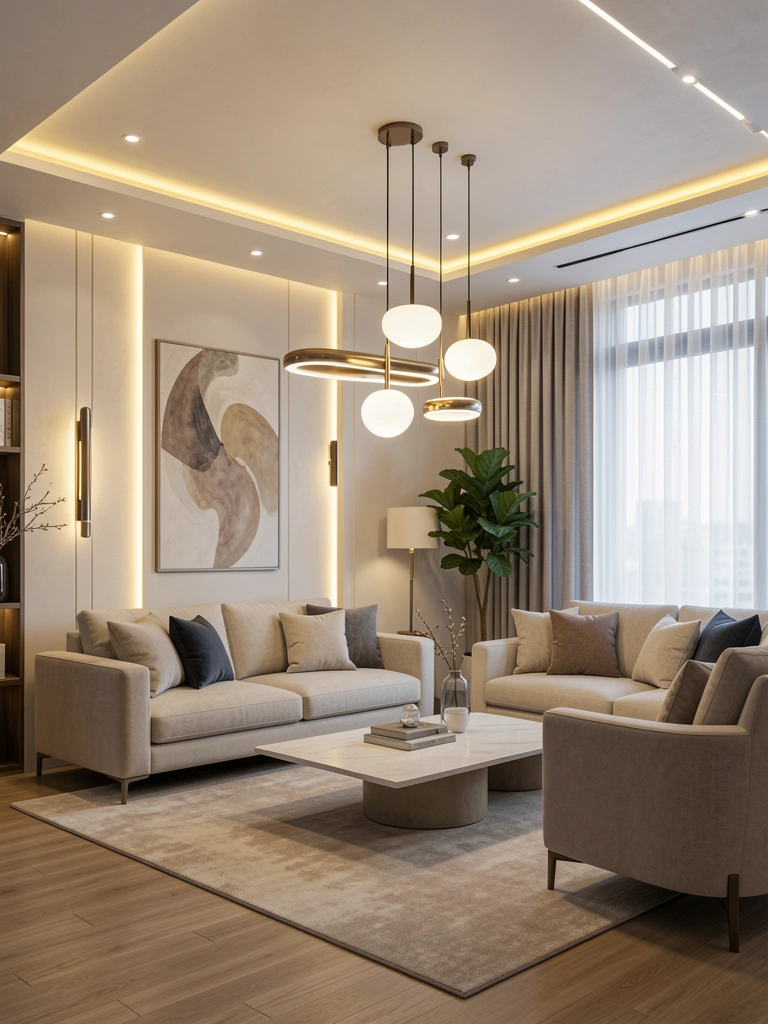
Although energy efficiency has traditionally been perceived as a constraint on aesthetic design, modern lighting technologies have revolutionized this paradigm for living room illumination.
You’ll discover stylish alternatives that seamlessly integrate energy-efficient solutions, transforming your space with LED fixtures, smart bulbs, and innovative design approaches that reduce electricity consumption while maintaining sophisticated visual appeal.
Matching Lighting to Your Interior Design Aesthetic
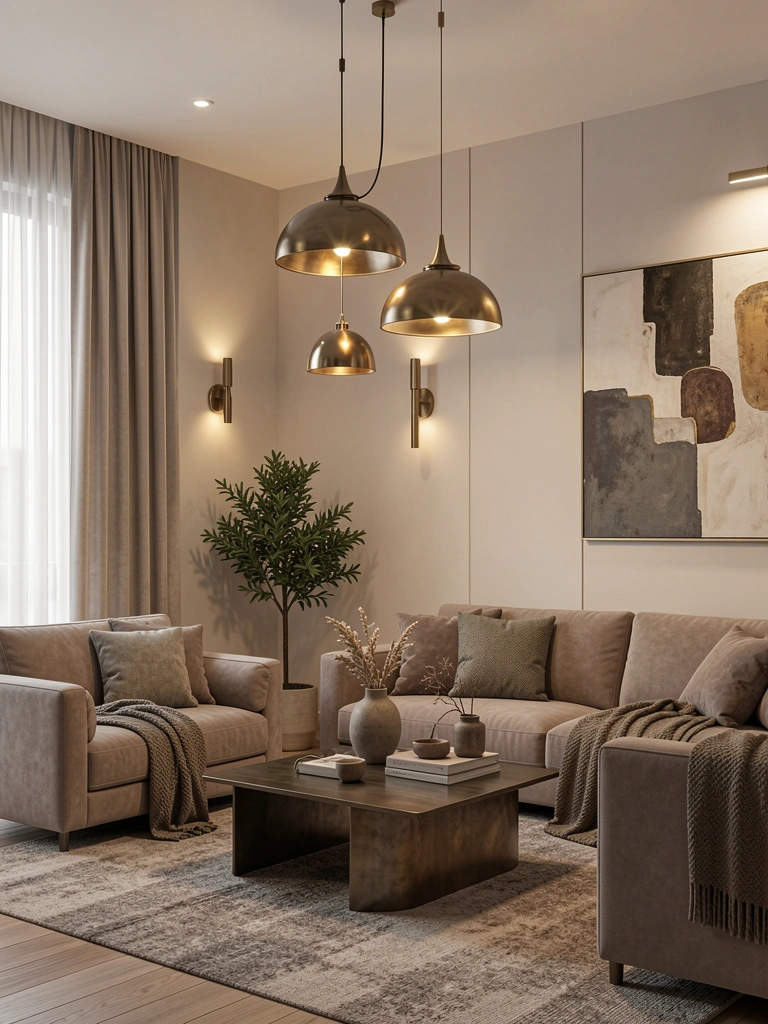
Since interior design is fundamentally about creating cohesive visual narratives, your lighting choices should elegantly complement and amplify your living room’s specific aesthetic framework.
Select fixtures that embody style complementarity, ensuring aesthetic cohesion through intentional design elements that seamlessly integrate illumination with your room’s architectural and decorative character.
Professional Designer Tips for Perfect Illumination
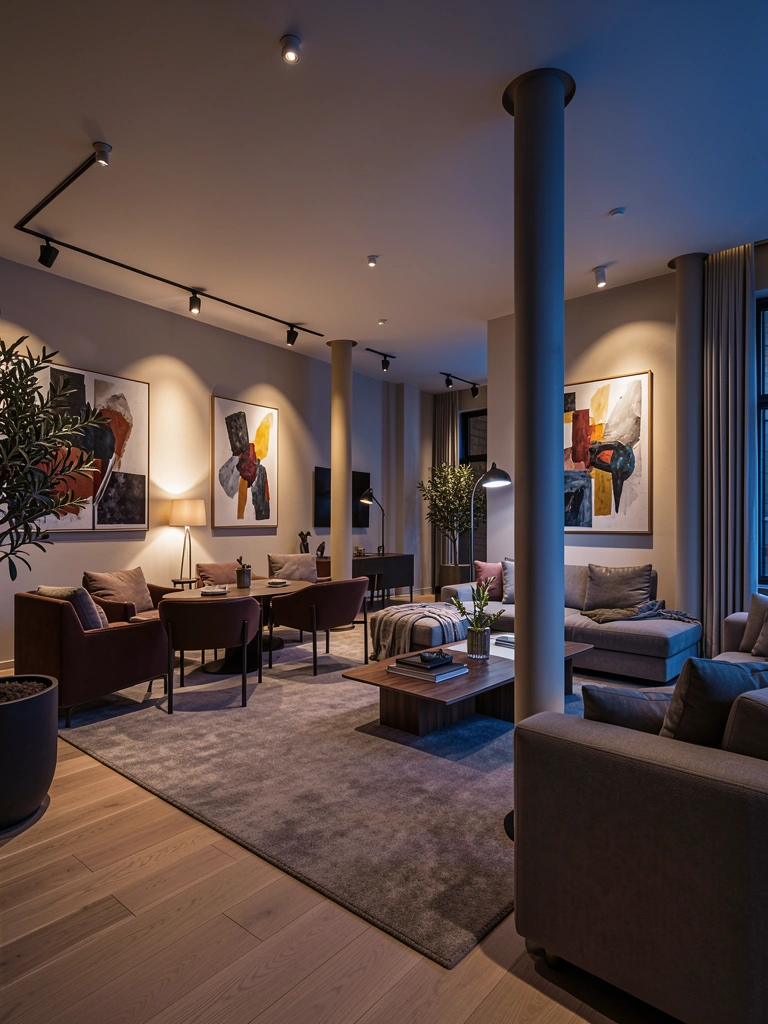
Professional lighting designers recognize that masterful illumination transcends mere functionality, transforming living spaces through strategic layering and precise fixture placement.
You’ll want to focus on creating layered ambiance by carefully selecting light placement that highlights architectural features and defines spatial zones.
Each lighting element should serve a distinct purpose, enhancing both form and function.
Future Trends in Living Room Lighting Technology
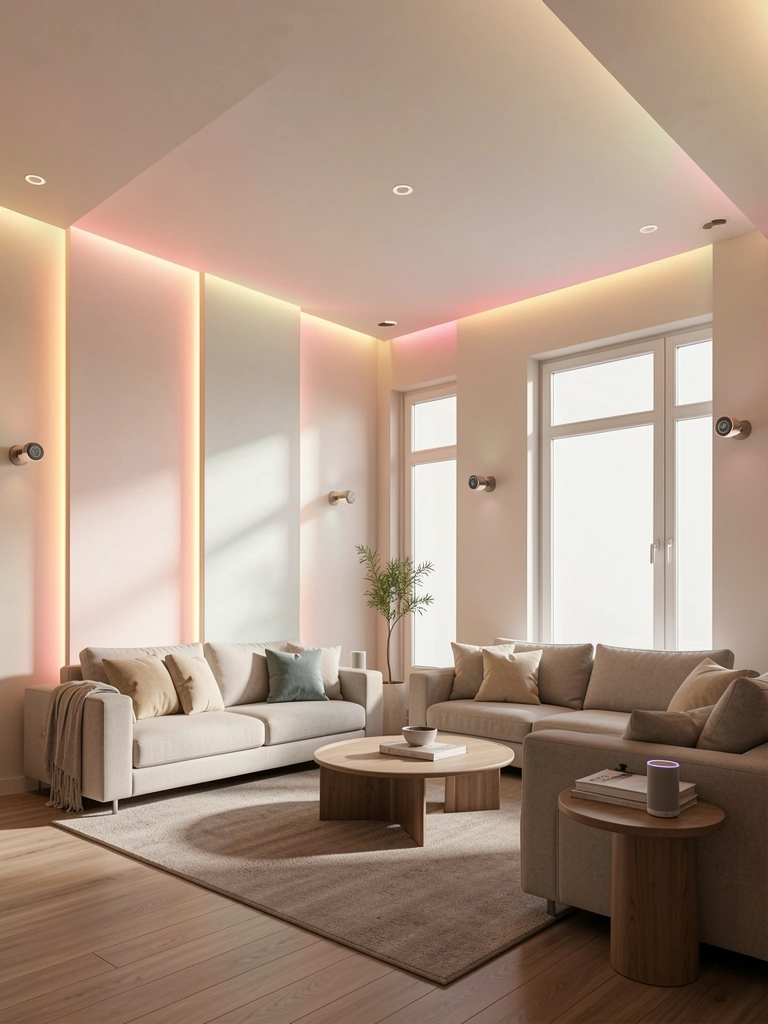
While smart home technologies continue to revolutionize interior design, living room lighting is poised for transformative innovations that will redefine ambient illumination.
You’ll witness lighting automation systems integrating seamlessly with voice-activated controls, color-changing LEDs, and adaptive sensors that dynamically adjust brightness based on natural light and room occupancy, creating personalized, energy-efficient environments.
Leave a Reply