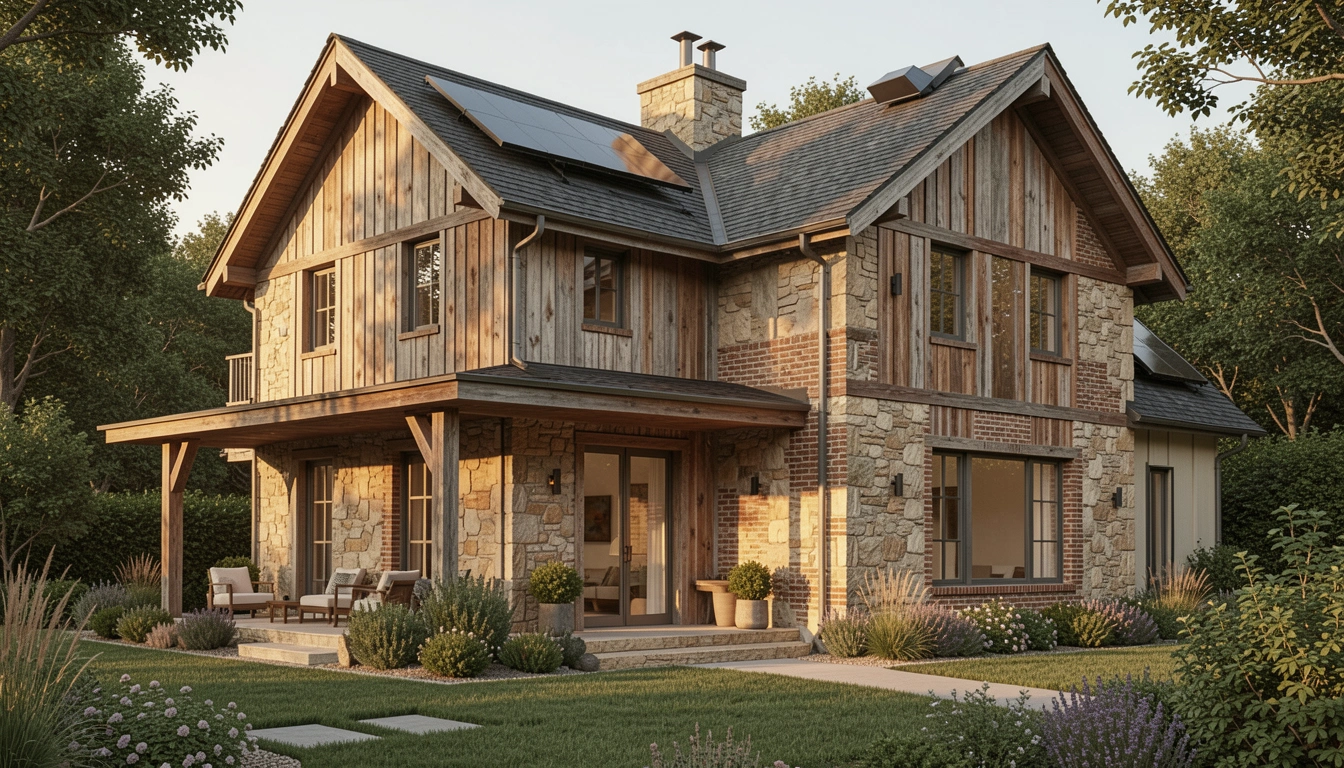
You’re about to transform your home’s exterior from ordinary to extraordinary with rustic design principles that blend modern sophistication and natural charm. Today’s architectural trends demand more than just aesthetic appeal—they require intelligent integration of sustainable materials, smart technology, and timeless elegance. Whether you’re renovating or building from scratch, these 30 chic rustic house exterior ideas will challenge your perception of what’s possible, promising a stunning transformation that goes far beyond traditional expectations.
Understanding Modern Rustic Design Principles
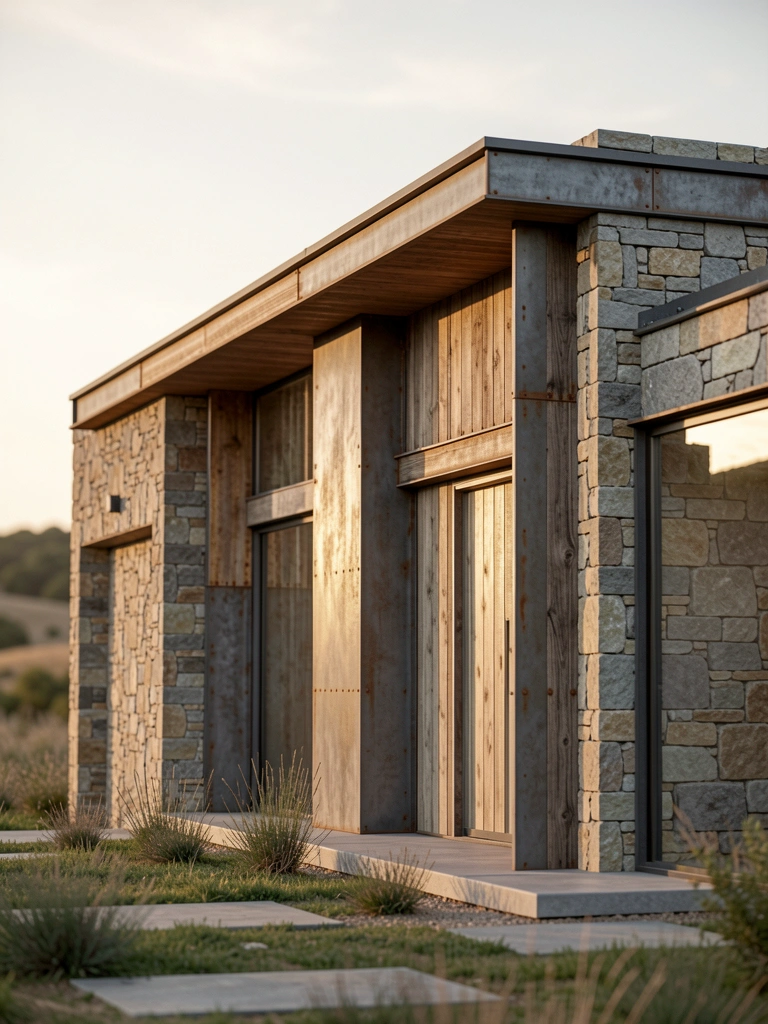
Harmony defines the essence of modern rustic exterior design, blending contemporary aesthetics with timeless natural elements.
You’ll embrace rustic minimalism by strategically integrating raw materials like stone, wood, and metal with clean architectural lines.
Nature integration becomes your design compass, creating spaces that feel simultaneously sophisticated and organically connected to their surrounding landscape.
Defining Your Home’s Architectural Personality
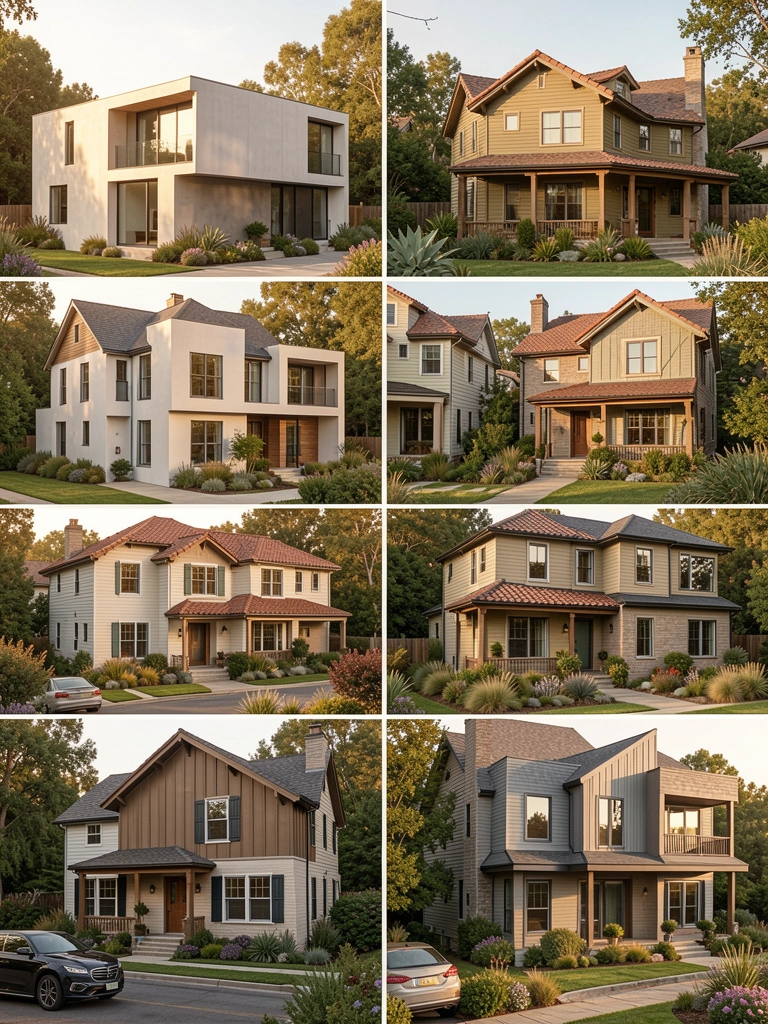
While architectural personality emerges from a complex interplay of design elements, your home’s exterior narrative begins with a deliberate understanding of personal style and contextual environment. Your home facade communicates a unique architectural style, reflecting individual aesthetic preferences and regional design traditions that resonate with your sensibilities and lifestyle.
Sustainable Materials: A Comprehensive Guide
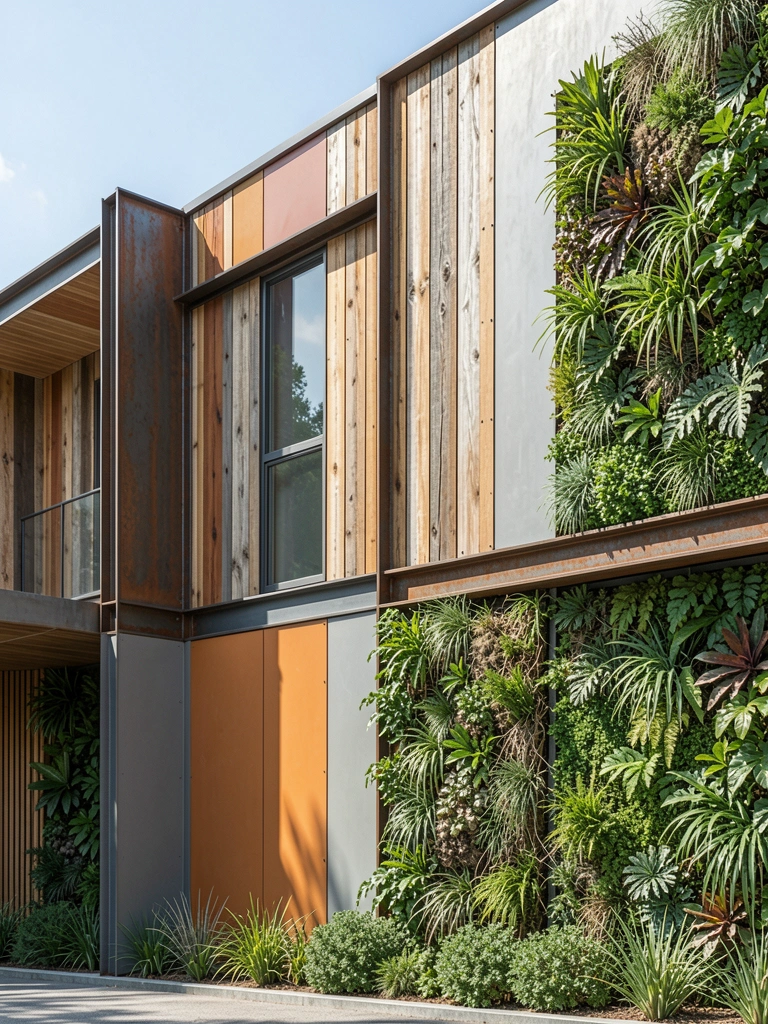
Because sustainable design has transformed contemporary architecture, selecting eco-friendly exterior materials represents a critical intersection of environmental responsibility and aesthetic innovation.
You’ll want to prioritize recycled materials like reclaimed wood, recycled steel, and sustainable composite panels that minimize carbon footprint while delivering exceptional durability and visual appeal through eco-friendly finishes.
How to Select the Perfect Wood Siding
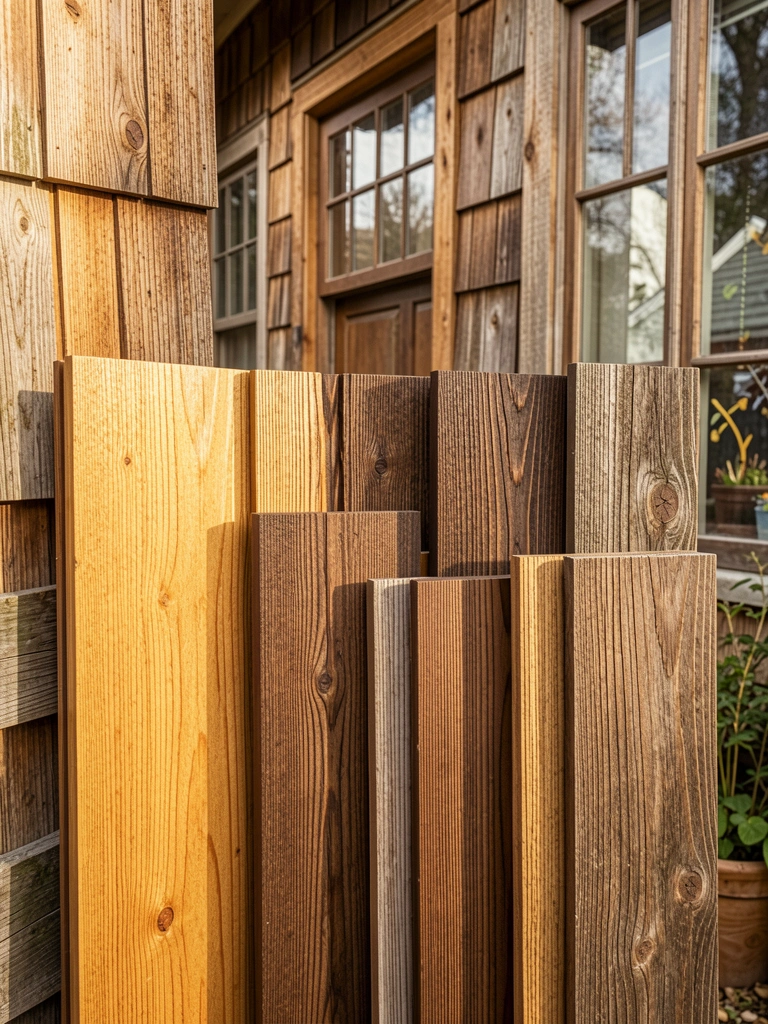
If you’re commencing a rustic home exterior renovation, selecting the perfect wood siding demands careful consideration of multiple technical and aesthetic factors. You’ll want to evaluate wood texture, durability, and regional climate compatibility.
Proper siding installation techniques are essential for long-term performance, ensuring your chosen material withstands environmental challenges while maintaining visual integrity.
Integrating Stone Accents for Timeless Elegance
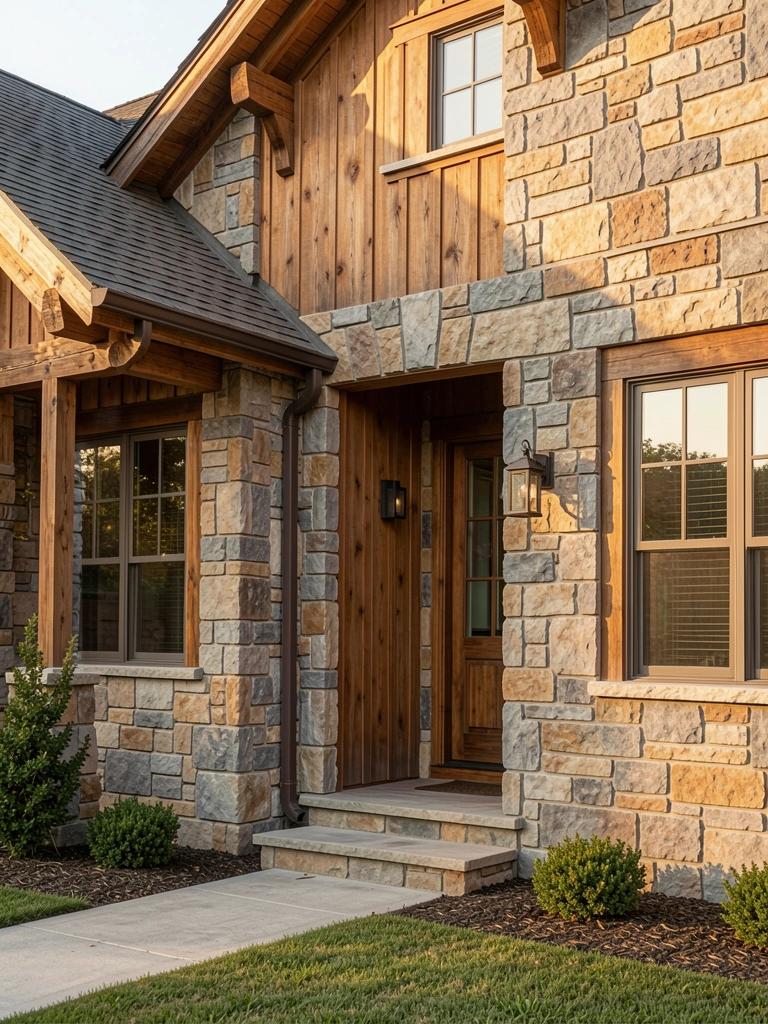
Stone accents can transform a rustic home exterior from merely attractive to architecturally distinguished, offering visual depth and structural character that elevates the overall design aesthetic.
You’ll want to strategically place natural stone textures that complement your wood siding, creating seamless connections that highlight rustic charm while enhancing architectural integrity and visual interest.
Color Strategies for Rustic Exterior Palettes
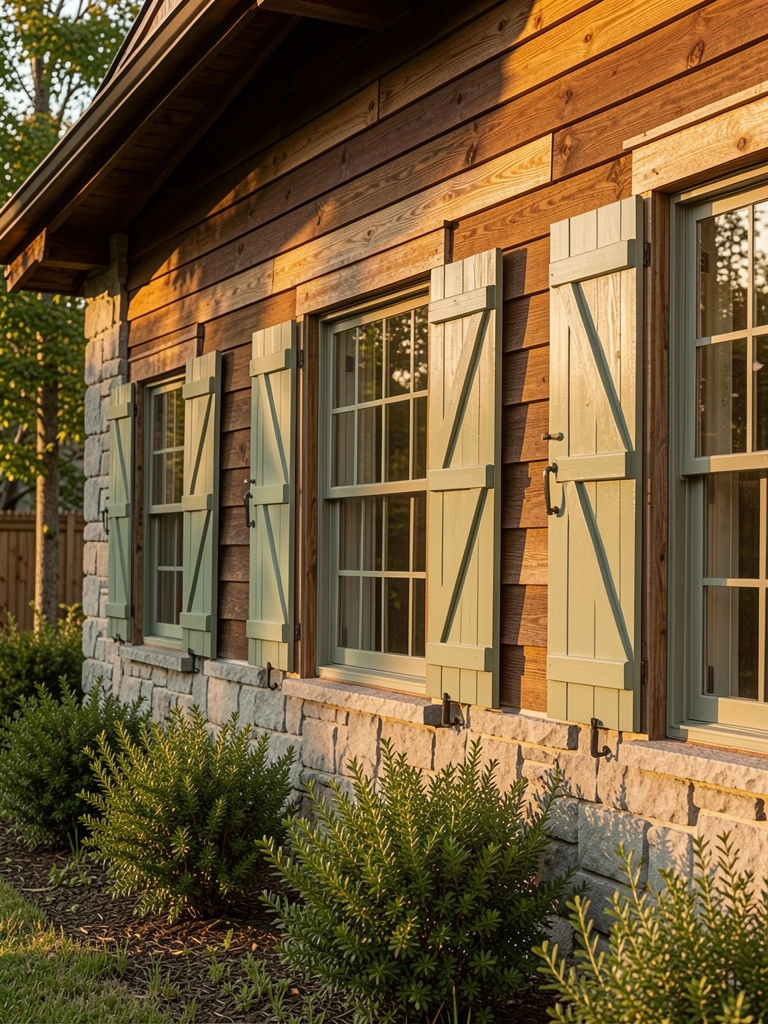
When crafting a rustic exterior color palette, homeowners must thoughtfully balance earth-toned neutrals with strategic accent colors that reflect both natural landscapes and architectural character.
Your palette should leverage color psychology to create visual depth, ensuring harmony between warm browns, soft grays, and muted greens that communicate organic sophistication and architectural integrity.
Crafting Depth Through Exterior Textures
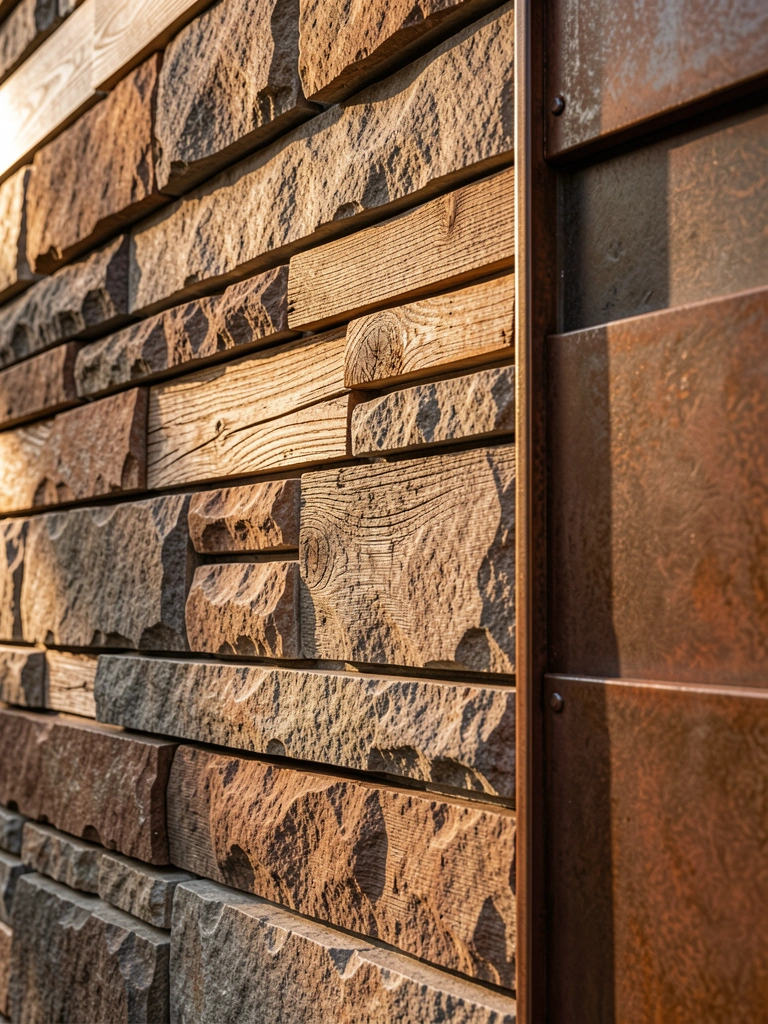
Because texture transforms a rustic home’s exterior from ordinary to extraordinary, homeowners should strategically layer materials that create visual complexity and tactile richness.
Utilize textural contrast by combining rough stone, weathered wood, and smooth metal surfaces.
This intentional layering of materials generates depth, visual interest, and a sense of architectural dynamism that elevates your rustic exterior design.
Window Design for Maximum Natural Light
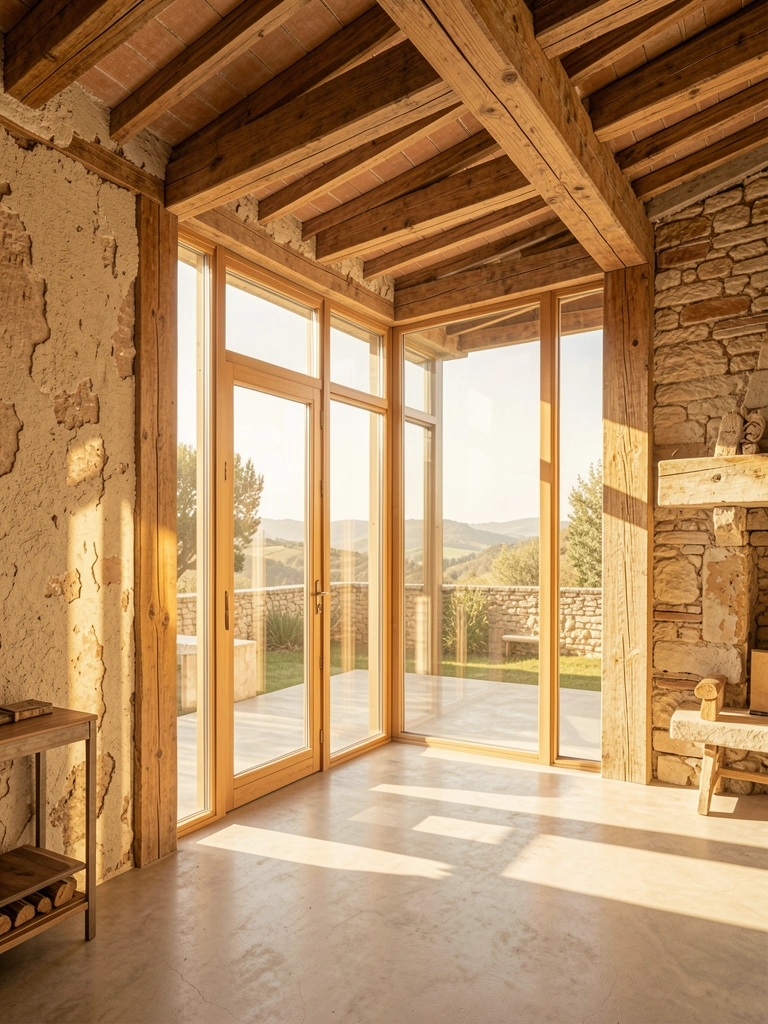
Just as textural complexity breathes life into a rustic exterior’s surfaces, strategic window design transforms interior illumination and architectural character. You’ll maximize natural light through precise placement, expansive glass panels, and thoughtful design strategies that capture solar angles, frame landscape views, and create luminous, open spaces that blur indoor-outdoor boundaries.
Energy-Efficient Exterior Solutions
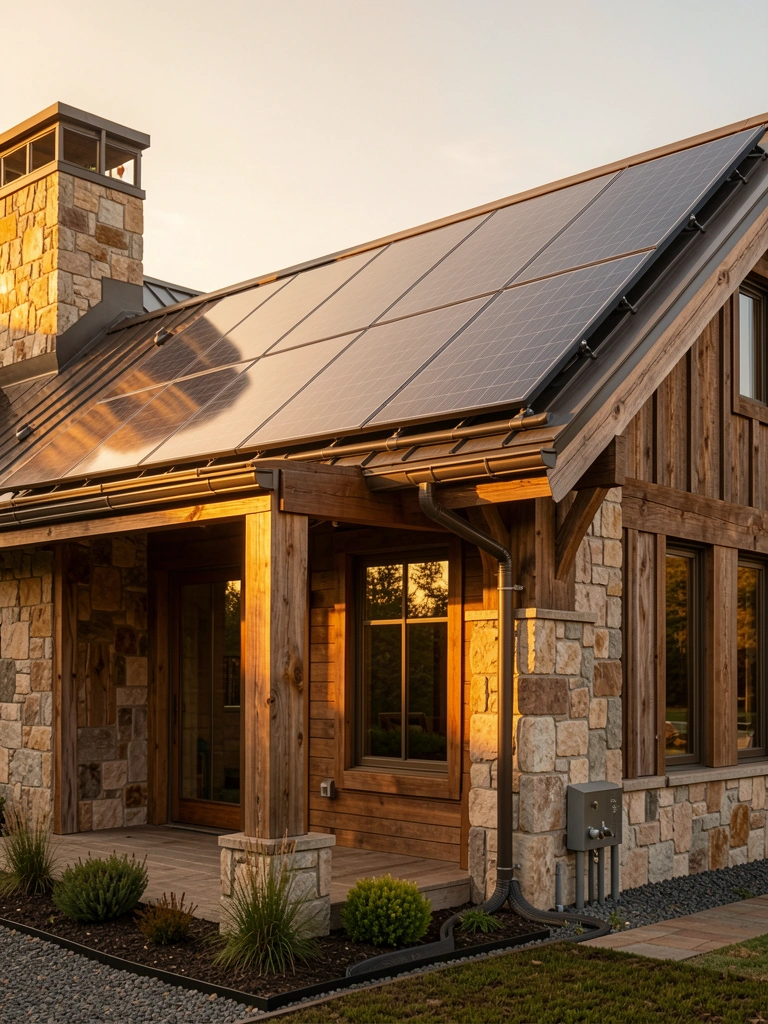
As sustainability becomes increasingly critical in modern home design, rustic exterior renovations now offer innovative energy-efficient solutions that dramatically reduce environmental impact while maintaining aesthetic integrity.
You’ll maximize efficiency through strategic solar panel integration and rainwater harvesting systems, transforming your home’s exterior into an eco-conscious powerhouse that minimizes utility costs and environmental footprint.
Blending Indoor and Outdoor Spaces
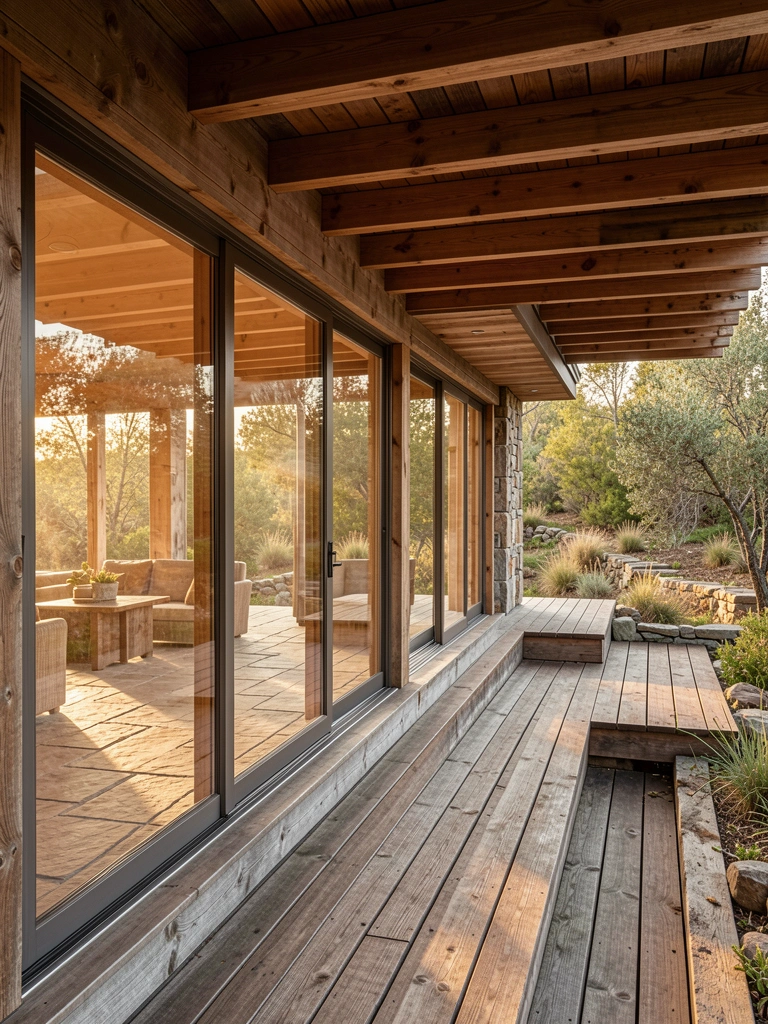
When designing a chic rustic home, seamlessly integrating indoor and outdoor spaces transforms your living environment into a harmonious, dynamic sanctuary.
Strategic architectural elements like expansive sliding glass doors, covered patios, and multi-level decking create fluid outdoor living connections.
You’ll maximize spatial connectivity and natural light while preserving your home’s rustic aesthetic.
Choosing Eco-Friendly Building Materials
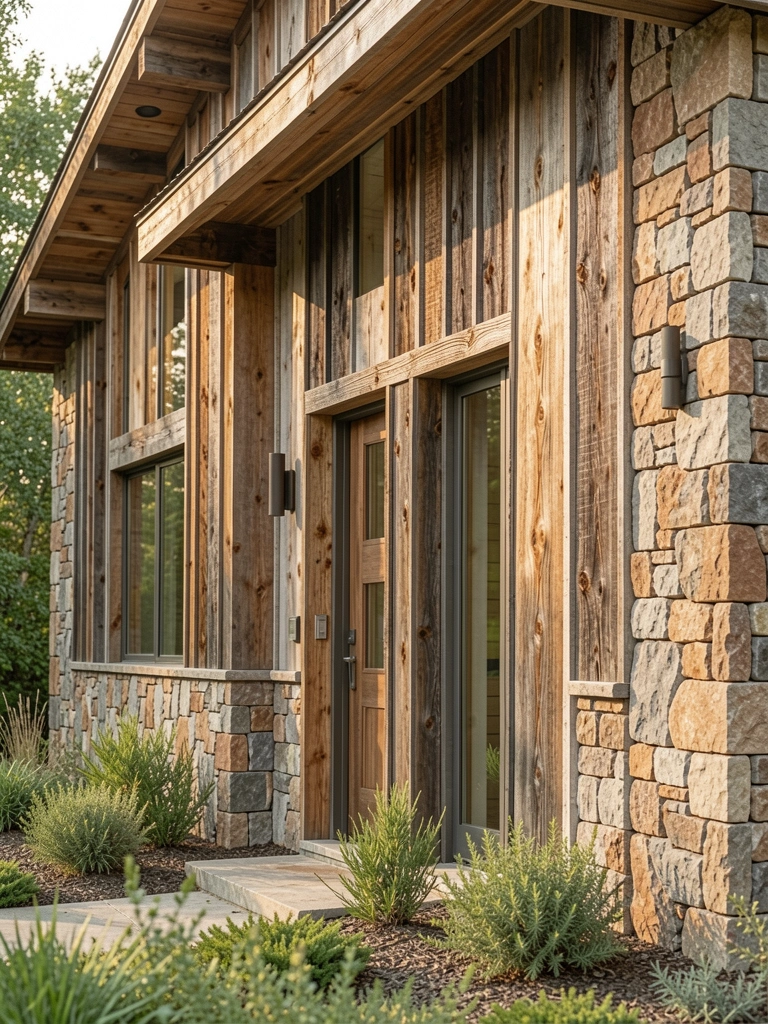
Because sustainable design has become increasingly critical in modern architecture, selecting eco-friendly building materials represents a fundamental strategy for creating a responsible and environmentally conscious rustic home.
You’ll want to prioritize recycled materials and focus on sustainable sourcing, ensuring your exterior reflects both aesthetic appeal and environmental stewardship through strategic material selection.
Metal Trim Techniques for Modern Homes
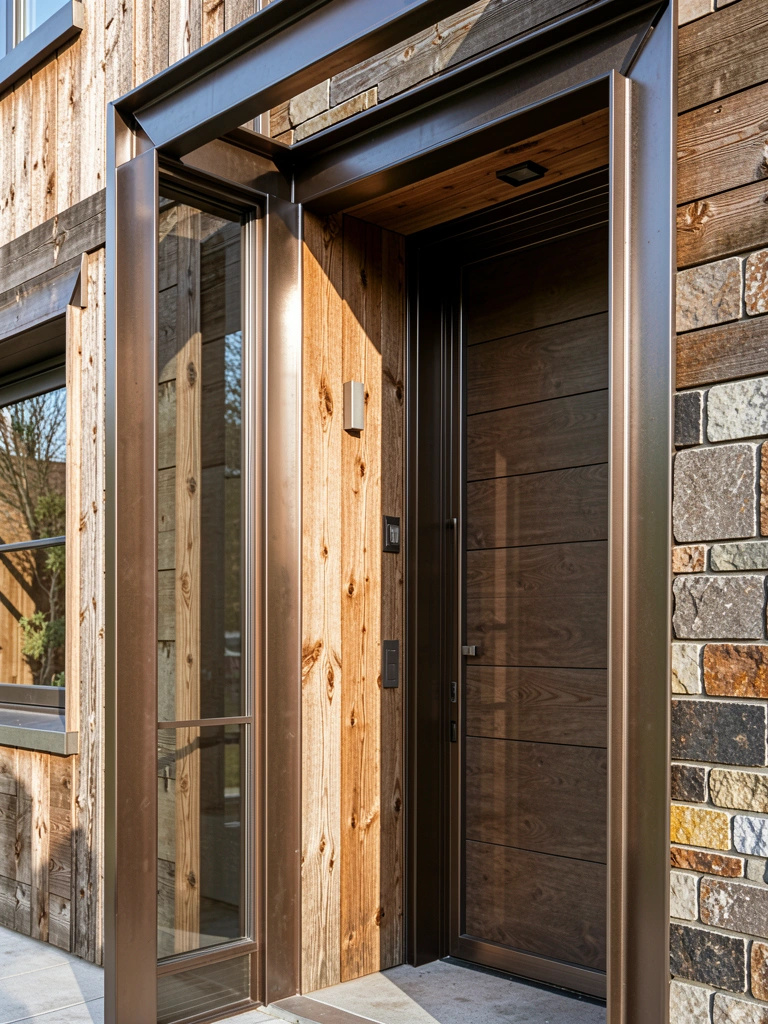
After exploring sustainable material foundations, architectural metal trim emerges as a sophisticated design element that elevates rustic home exteriors with precision and contemporary flair.
You’ll find metal accents strategically deployed to create industrial fusion, transforming traditional structures through crisp, angular trim profiles that articulate structural boundaries with minimalist precision and bold architectural expression.
Creating Architectural Interest With Curves
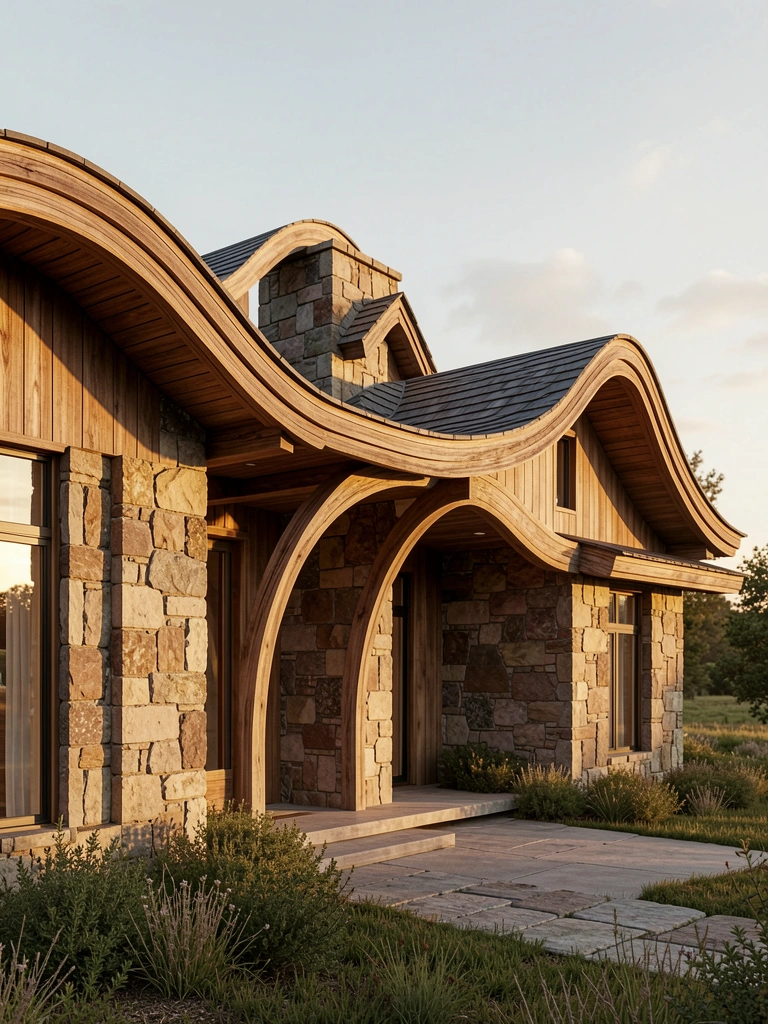
Three essential design principles converge when architects introduce curved elements into rustic home exteriors, transforming angular structures into dynamic, fluid compositions. Curved entrances and flowing rooflines break traditional geometric constraints, creating visual movement. Your home’s exterior becomes a canvas of architectural freedom, where soft lines challenge structural norms and invite distinctive, expressive design narratives.
Brick and Wood: Harmonizing Contrasting Textures
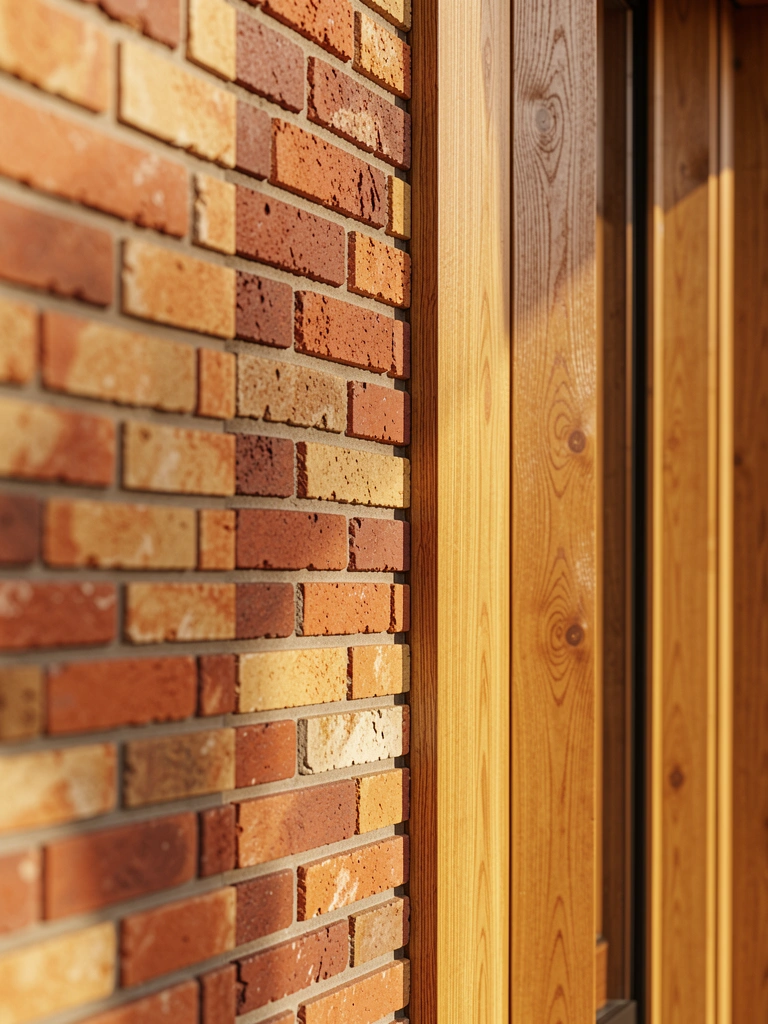
While rustic home design celebrates textural complexity, the strategic integration of brick and wood creates a compelling visual dialogue that transcends traditional architectural boundaries.
You’ll discover that brick aesthetics paired with wood balance can transform your exterior, offering a nuanced interplay of rough and smooth surfaces that amplify architectural depth and sensory richness.
Sustainable Landscaping for Rustic Homes
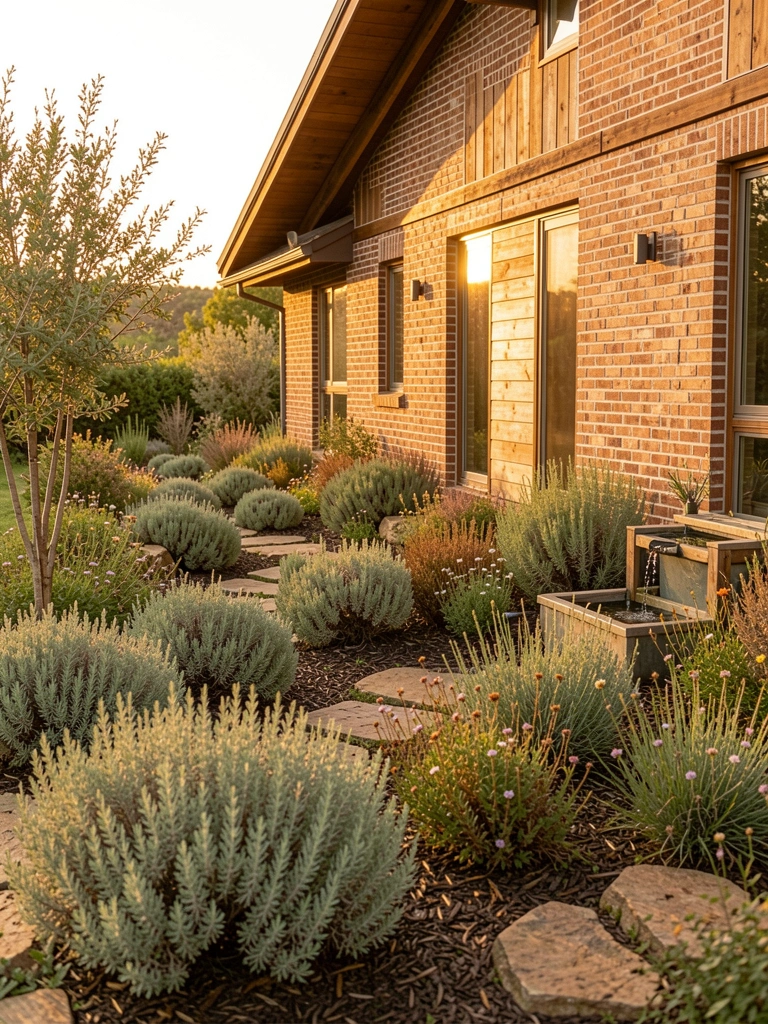
The architectural harmony achieved through brick and wood materials naturally extends to the surrounding landscape, where sustainable design principles can elevate the rustic home’s ecological footprint and aesthetic appeal.
You’ll want to prioritize native plant gardens that require minimal water and maintenance, implementing strategic water conservation techniques like rainwater harvesting and drought-resistant landscaping to create an eco-friendly exterior.
Lighting Design for Exterior Spaces
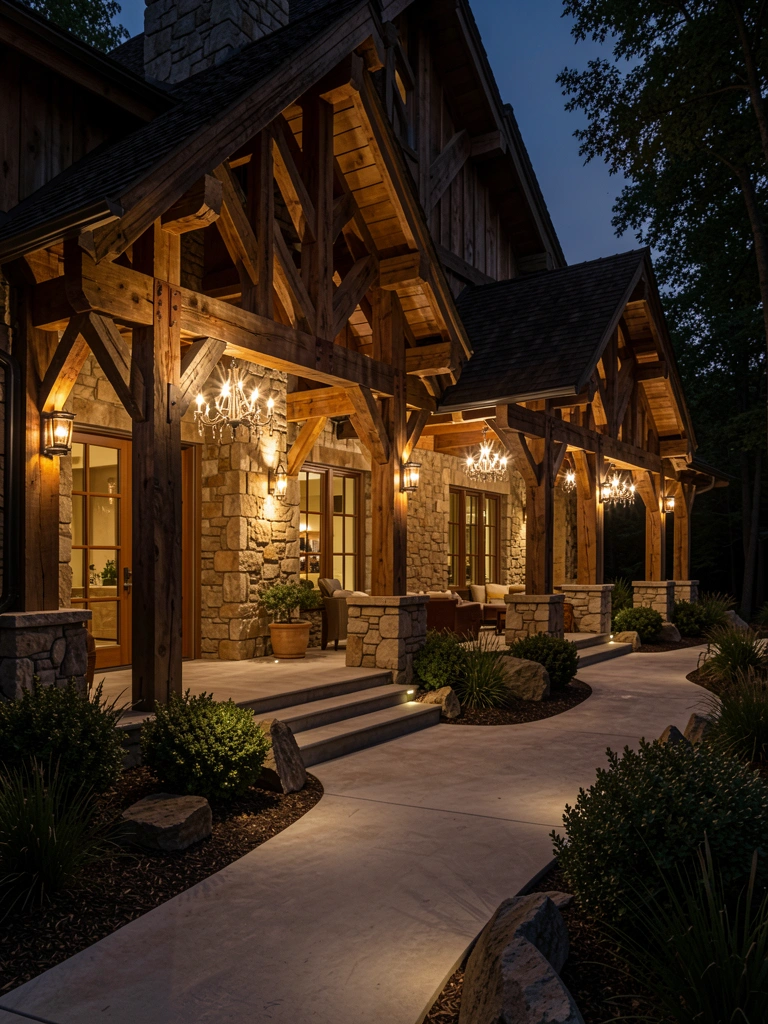
Because exterior lighting transforms rustic homes from daytime structures into nighttime architectural statements, strategic illumination design becomes essential for enhancing architectural features and creating functional outdoor living spaces.
You’ll want to layer ambient lighting with statement pieces like outdoor chandeliers, highlighting timber frames, stonework, and landscape contours while ensuring practical navigation and atmospheric depth.
Courtyard and Entrance Design Principles
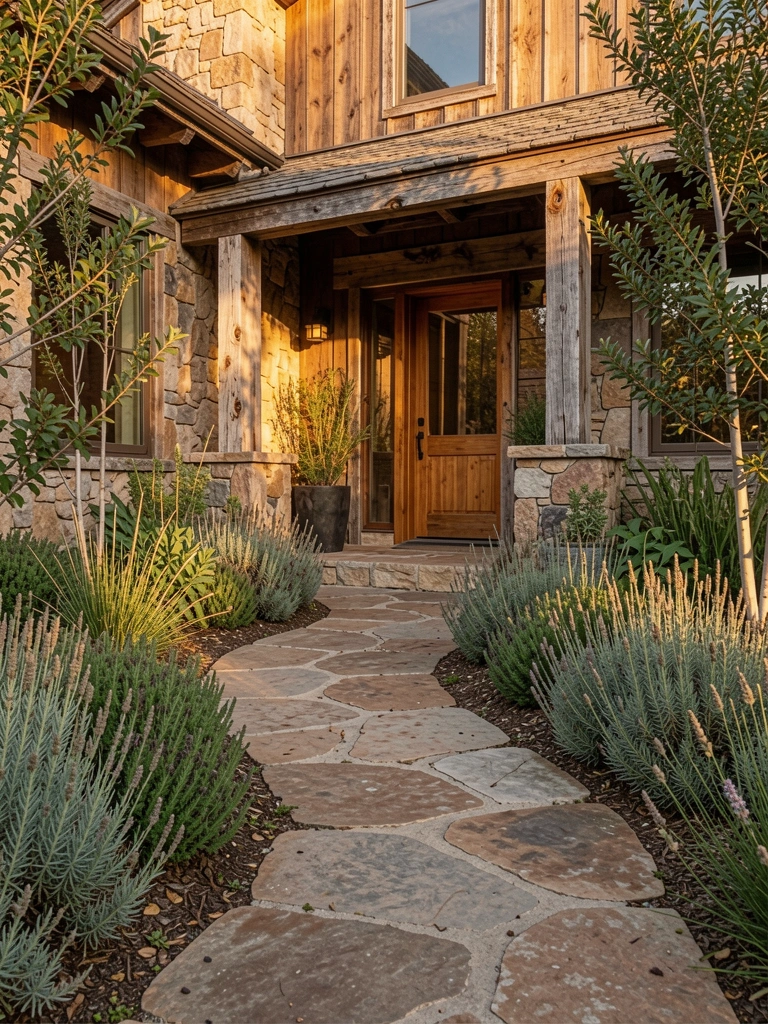
As rustic home design pivots toward creating immersive first impressions, courtyard and entrance principles become critical architectural storytelling elements that seamlessly integrate landscape, structure, and personal aesthetic.
Your entrance must balance courtyard aesthetics with entrance functionality, strategically positioning natural stone pathways, native plantings, and structural elements that communicate your home’s unique character and design philosophy.
Maximizing Natural Material Combinations
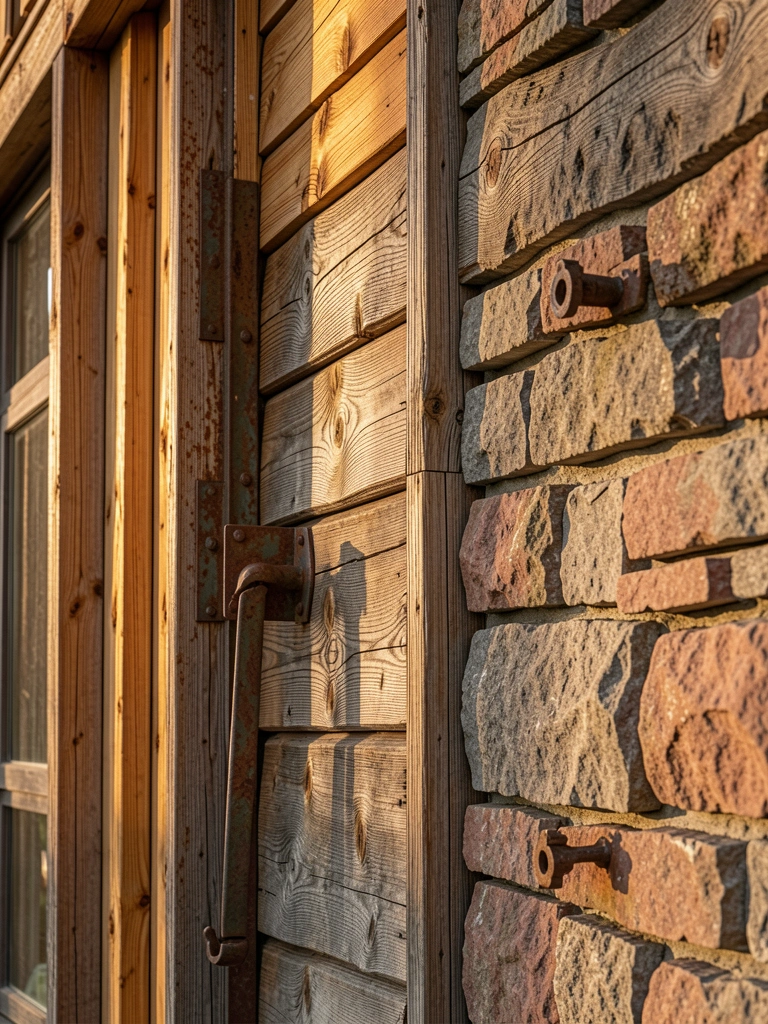
Throughout architectural design, natural material combinations emerge as a powerful strategy for crafting authentic, visually compelling rustic house exteriors.
You’ll leverage material synergy by blending wood, stone, and metal, creating layered natural textures that harmonize structural integrity with aesthetic sophistication.
This approach allows your exterior design to communicate organic complexity and architectural freedom.
Thermal Efficiency in Rustic Architecture
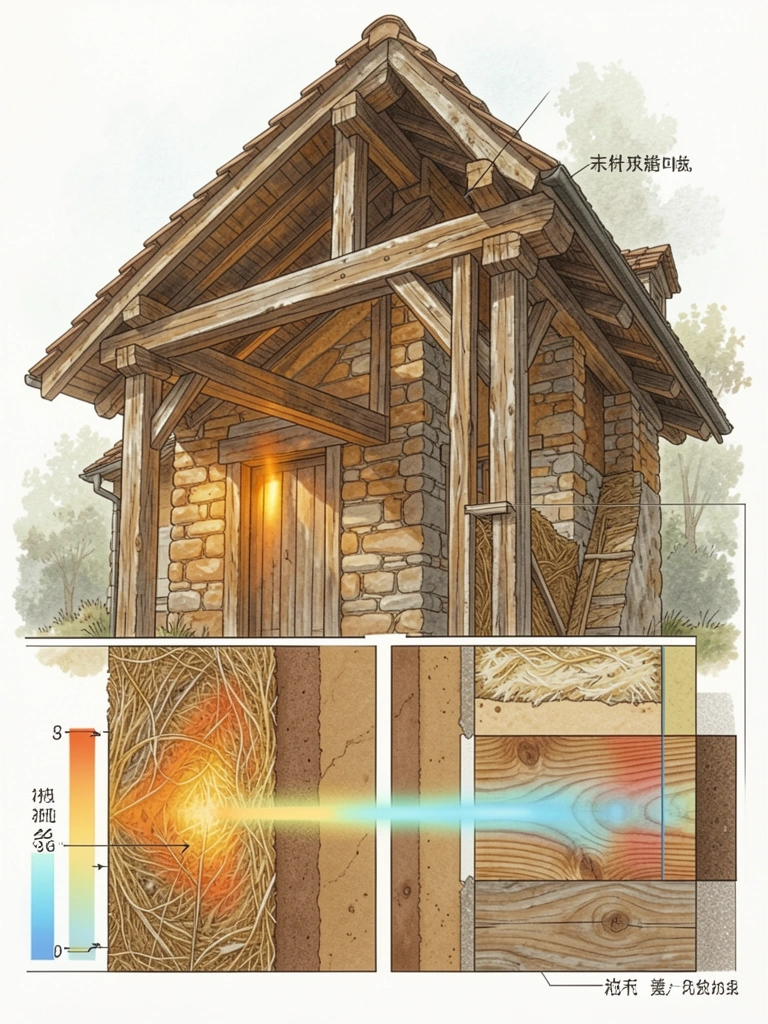
When designing rustic house exteriors, thermal efficiency becomes a critical engineering challenge that demands strategic material selection and architectural innovation.
You’ll need advanced thermal performance strategies that leverage natural materials’ inherent insulation properties while implementing energy conservation methods that reduce heat transfer and optimize structural integrity.
Planter and Greenery Integration Strategies
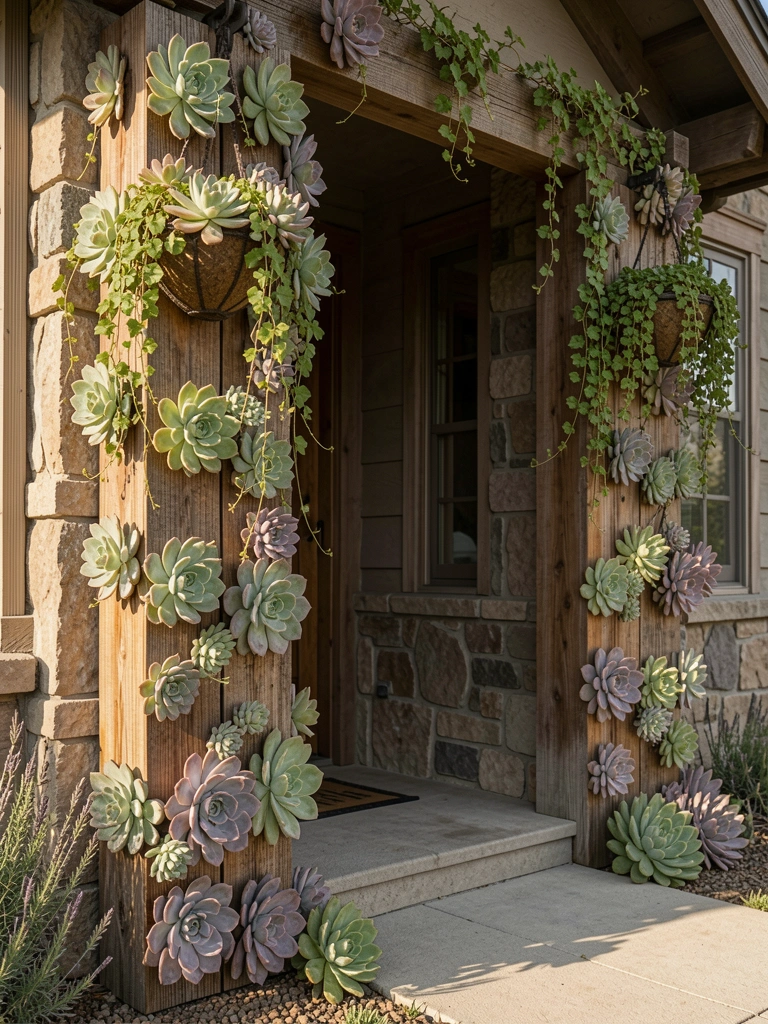
While rustic house exteriors traditionally emphasize architectural solidity, strategic planter and greenery integration can transform structural boundaries into dynamic, living ecosystems.
Consider vertical cedar planters flanking entryways, native drought-resistant succulents, and hanging baskets that soften architectural lines.
Precise planter placement can enhance visual texture and create seamless connections between built environments and natural landscapes.
Exposed Beam Construction Techniques
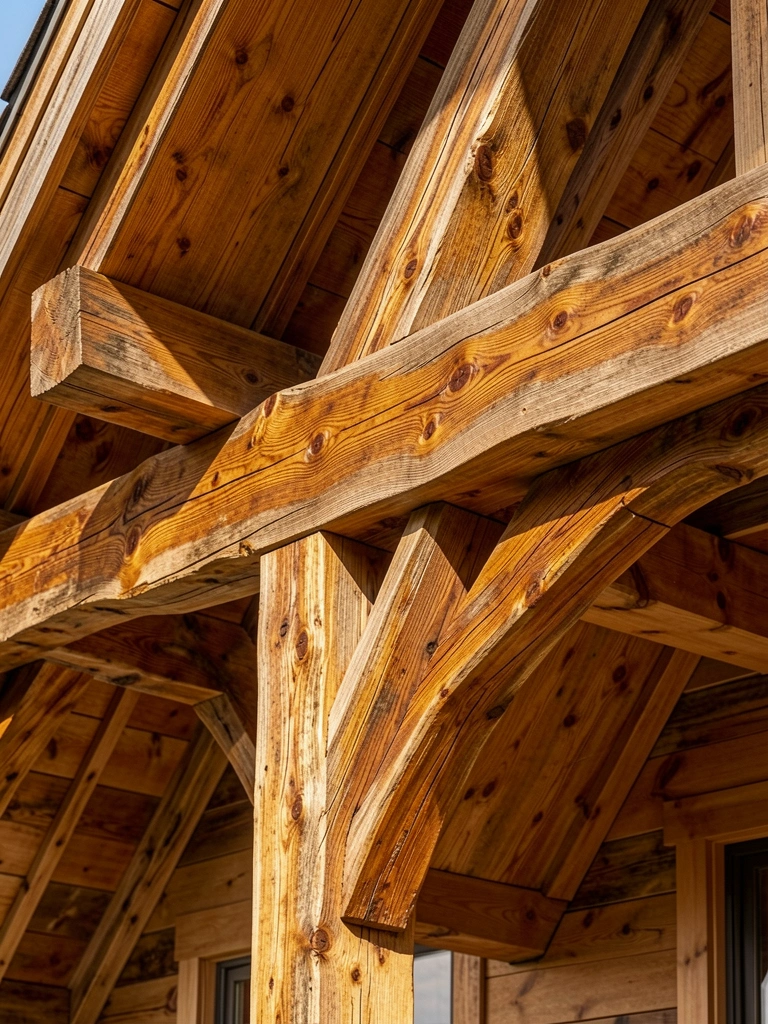
The structural integrity and aesthetic appeal of rustic house exteriors often hinge on exposed beam construction—a technique that celebrates raw, unadorned craftsmanship.
You’ll want to master traditional timber framing methods, selecting robust wood species like Douglas fir or reclaimed oak.
Different exposed beam styles—from rustic hewn to clean-lined architectural—offer distinctive visual narratives for your exterior design.
Cost-Effective Sustainable Design Approaches
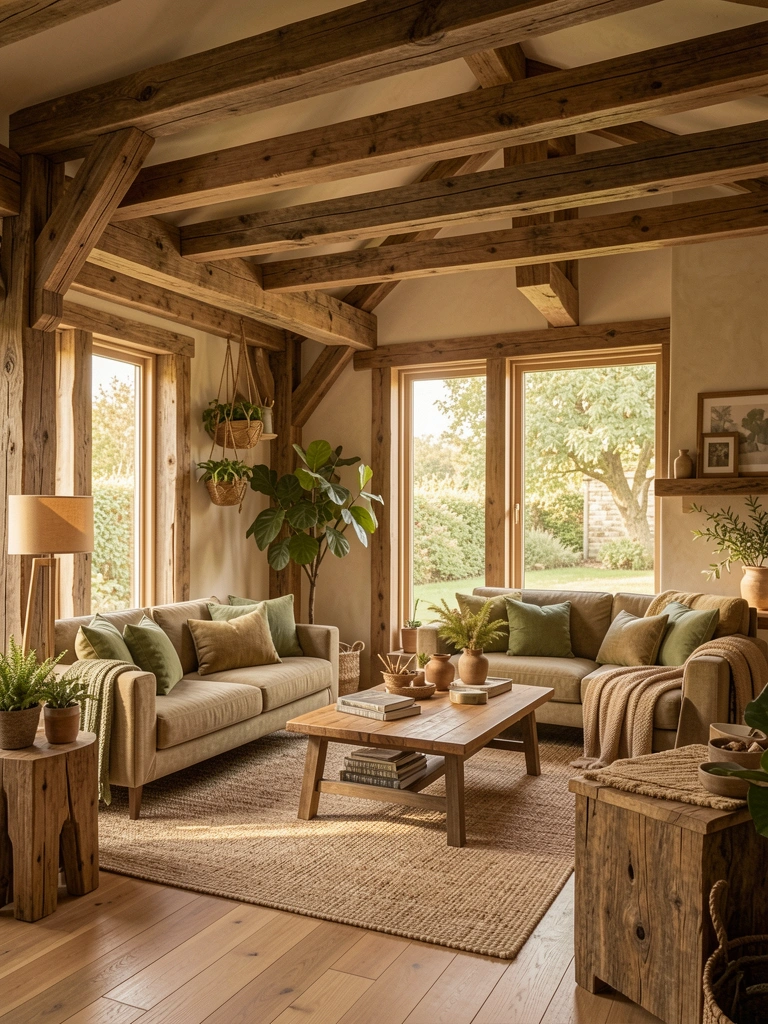
Because sustainable design intersects with fiscal responsibility, homeowners can strategically implement cost-effective approaches that minimize environmental impact and long-term construction expenses. You’ll discover affordable options like reclaimed timber, locally sourced renewable resources, and efficient insulation techniques that reduce both carbon footprint and building costs while maintaining structural integrity and aesthetic appeal.
Navigating Building Code Requirements

Sustainable home construction demands meticulous navigation through intricate building code requirements that vary considerably across jurisdictions, compelling homeowners and designers to conduct thorough research before initiating architectural plans.
You’ll need to carefully understand local regulations, secure necessary permits, and guarantee your rustic design meets precise construction standards to avoid costly compliance challenges.
Maintenance Tips for Natural Materials
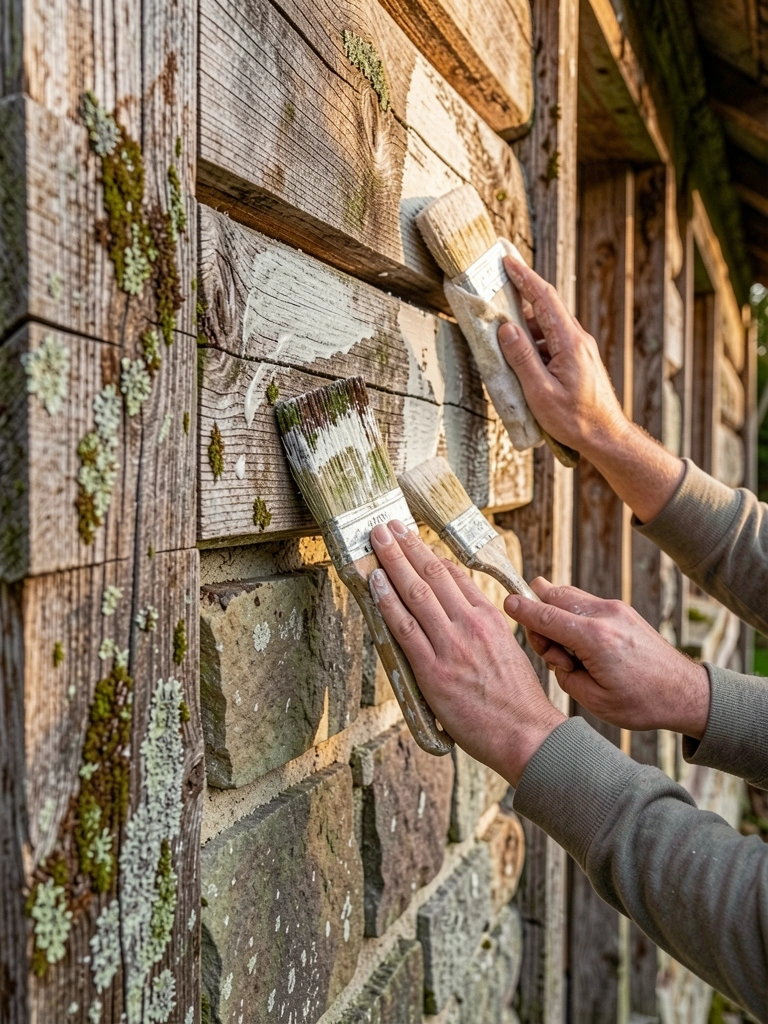
Within the domain of rustic home exteriors, natural materials demand specialized maintenance strategies to preserve their aesthetic integrity and functional performance.
You’ll need to proactively address weathering effects through regular sealing, cleaning, and protective treatments that enhance material longevity and prevent structural degradation from environmental exposure.
Climate-Responsive Exterior Design
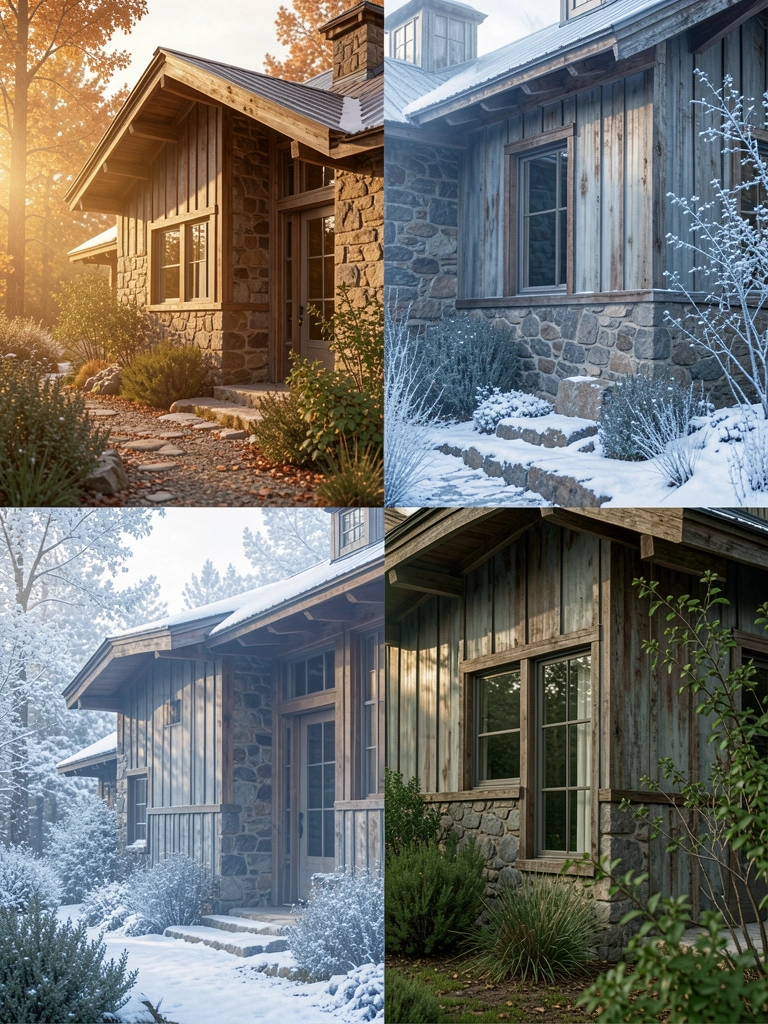
As regional climatic variations considerably impact architectural design, rustic home exteriors must strategically integrate responsive elements that mitigate environmental challenges while preserving aesthetic authenticity.
You’ll want to prioritize climate adaptation strategies using weather resistant materials that harmonize with local environmental conditions, ensuring your rustic home’s durability and visual integrity across diverse seasonal changes.
Innovative Insulation for Rustic Homes
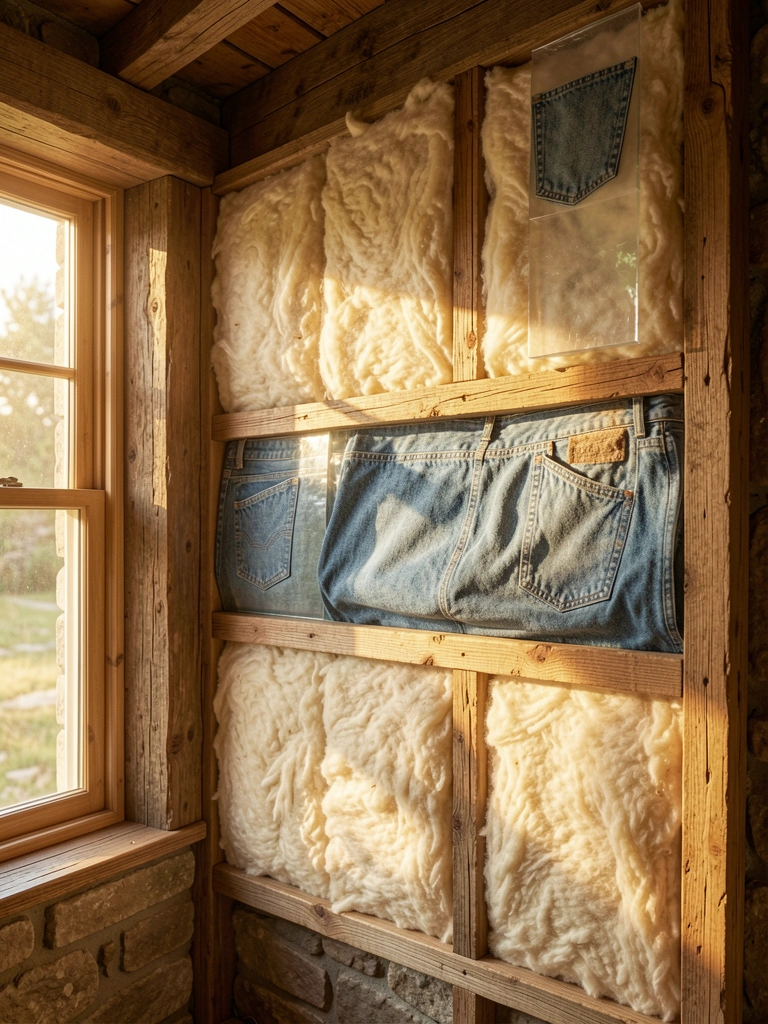
Though traditional rustic homes often struggle with thermal efficiency, modern insulation techniques now offer home designers groundbreaking solutions for maintaining authentic aesthetic while dramatically improving energy performance.
You’ll find innovative insulation materials like sheep’s wool, recycled denim, and aerogel provide superior eco-friendly insulation methods that blend seamlessly with rustic architectural styles, ensuring peak thermal comfort.
Smart Home Technology in Rustic Settings
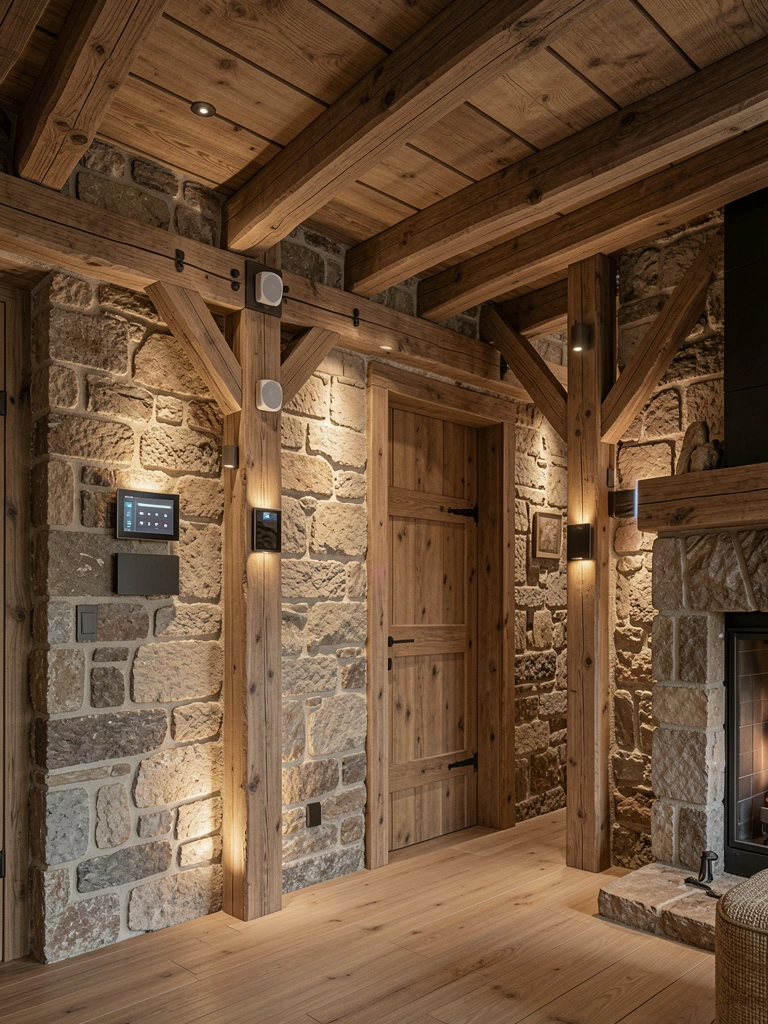
Integrating smart home technology into rustic architectural settings transforms traditional living spaces without compromising their authentic aesthetic.
You’ll discover seamless tech solutions that respect rustic harmony, enabling wireless controls, energy-efficient systems, and hidden smart devices that blend naturally with wooden textures and stone surfaces, creating an intelligent yet timeless environment.
Preserving Architectural Integrity
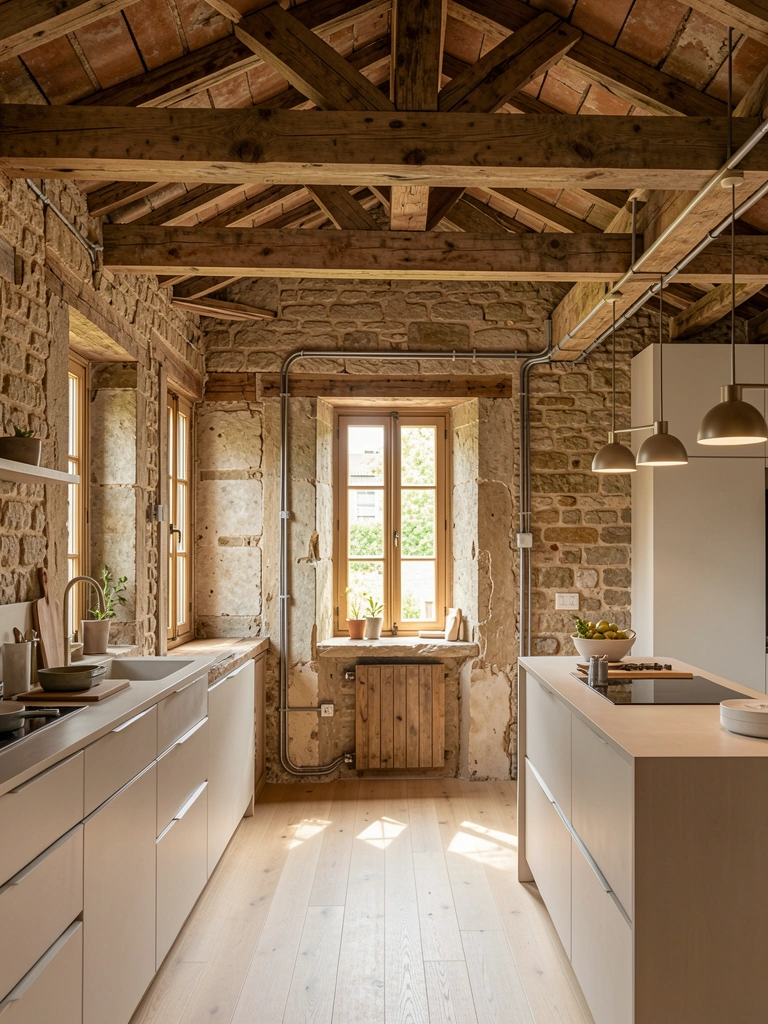
When preserving the architectural integrity of rustic homes, strategic design choices become paramount in maintaining the structure’s historical authenticity while accommodating modern technological interventions.
You’ll need to carefully balance restoration techniques with contemporary needs, ensuring each modification respects the original architectural language and preserving history’s tangible narrative within the home’s structural framework.
Budgeting for Sustainable Home Exteriors
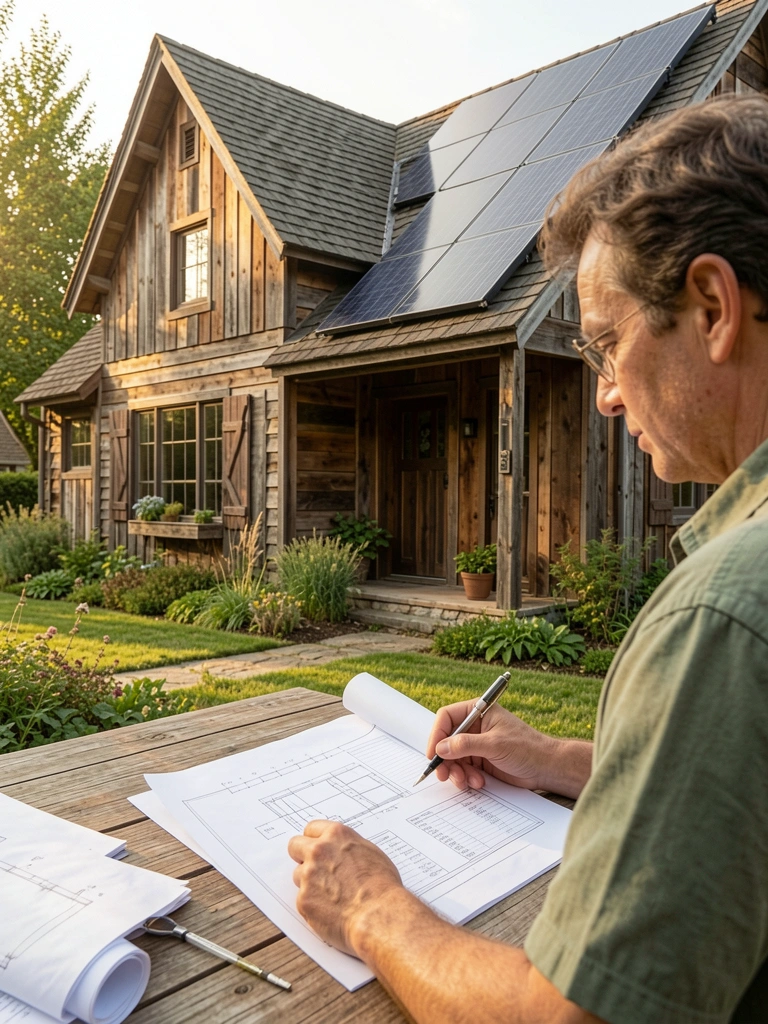
After meticulously preserving architectural integrity, homeowners must strategically approach the financial landscape of sustainable exterior renovations.
You’ll need to leverage eco-friendly financing options and implement sustainable budgeting techniques that balance initial investments with long-term environmental and economic benefits.
Strategic material selection and phased implementation can optimize your rustic home’s green transformation.
Future-Proofing Your Rustic Home Design
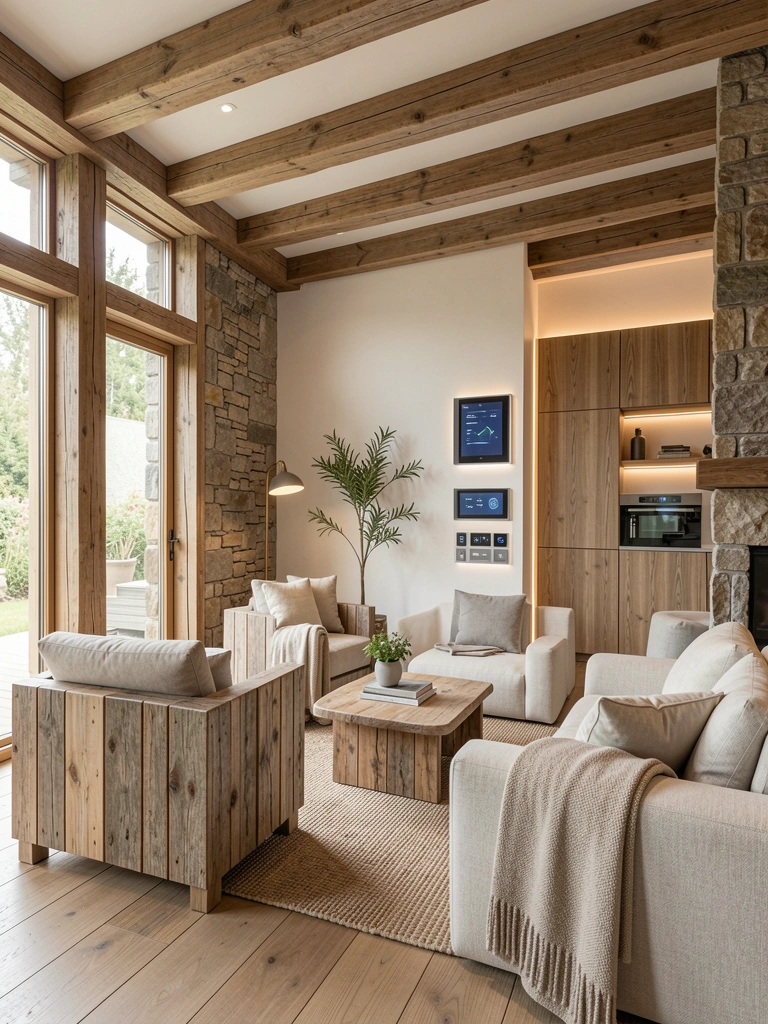
Because sustainable design transcends temporary trends, future-proofing your rustic home requires a holistic approach that anticipates technological advancements, environmental shifts, and evolving architectural methodologies.
Implement design adaptability through modular construction techniques, flexible spatial configurations, and integrated smart home technologies that can seamlessly evolve with your changing lifestyle and emerging environmental demands.
Leave a Reply