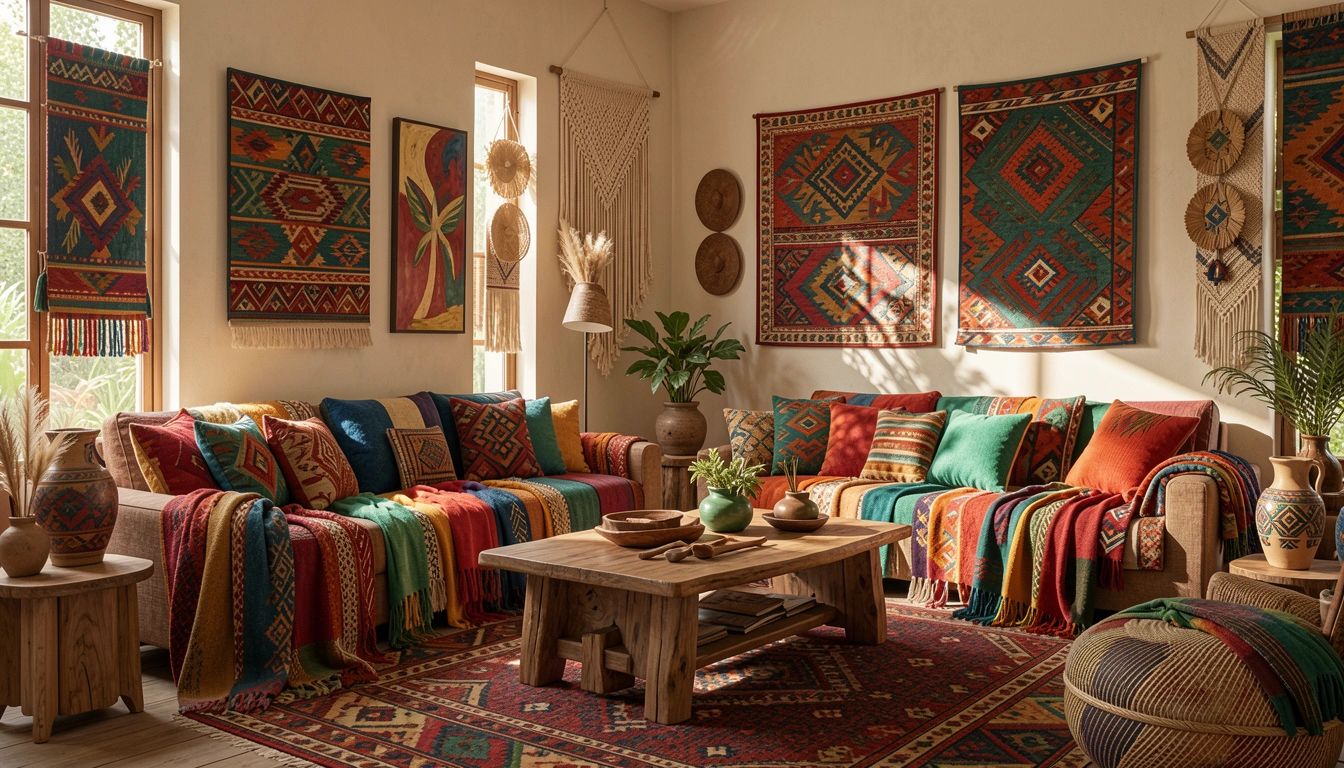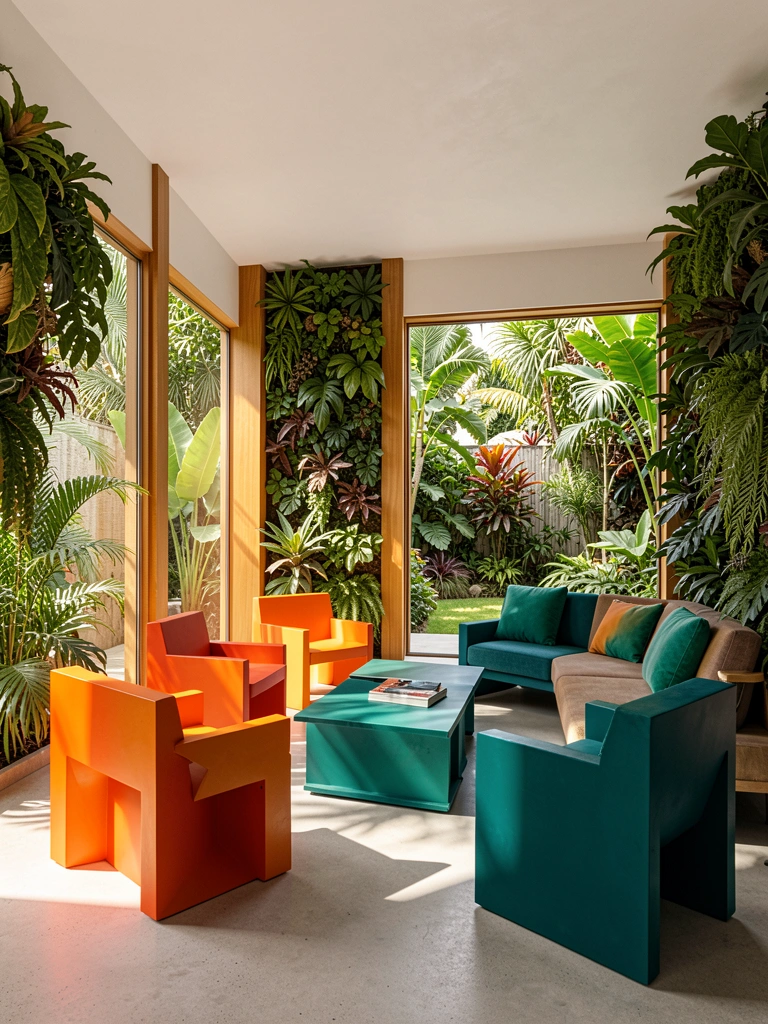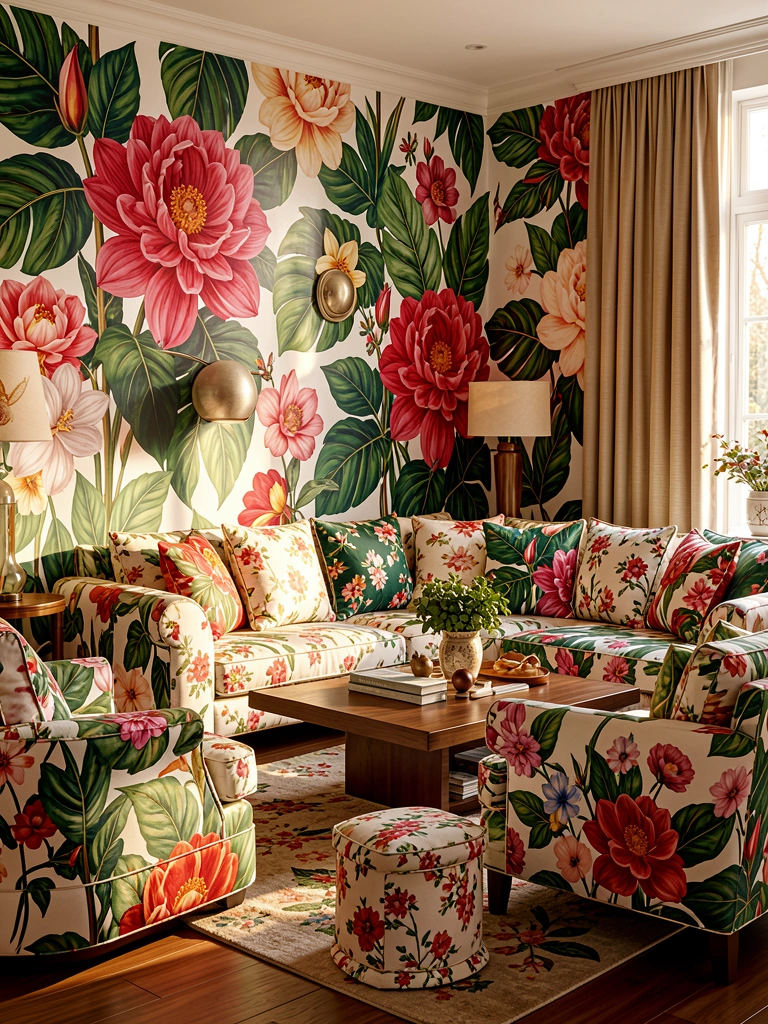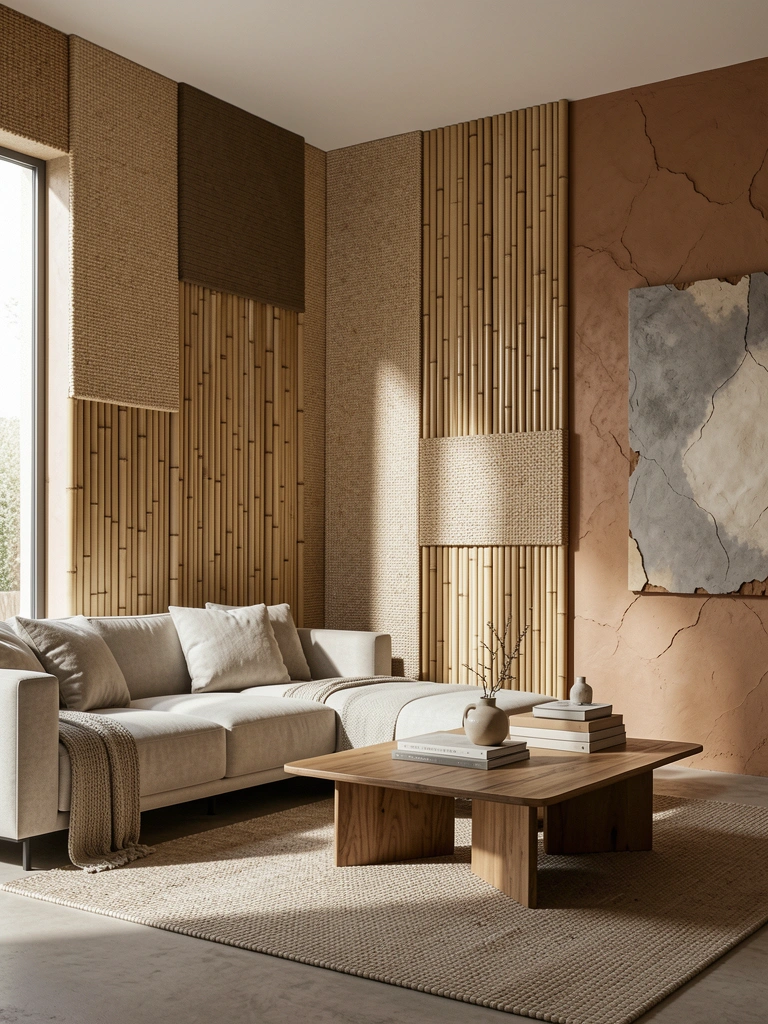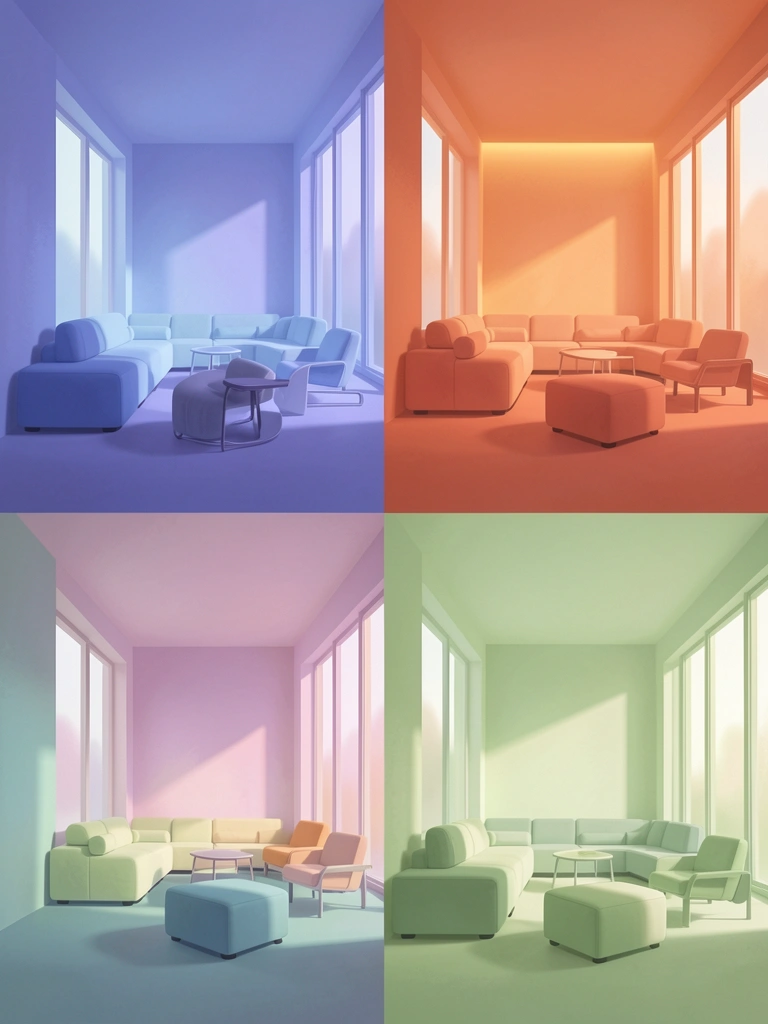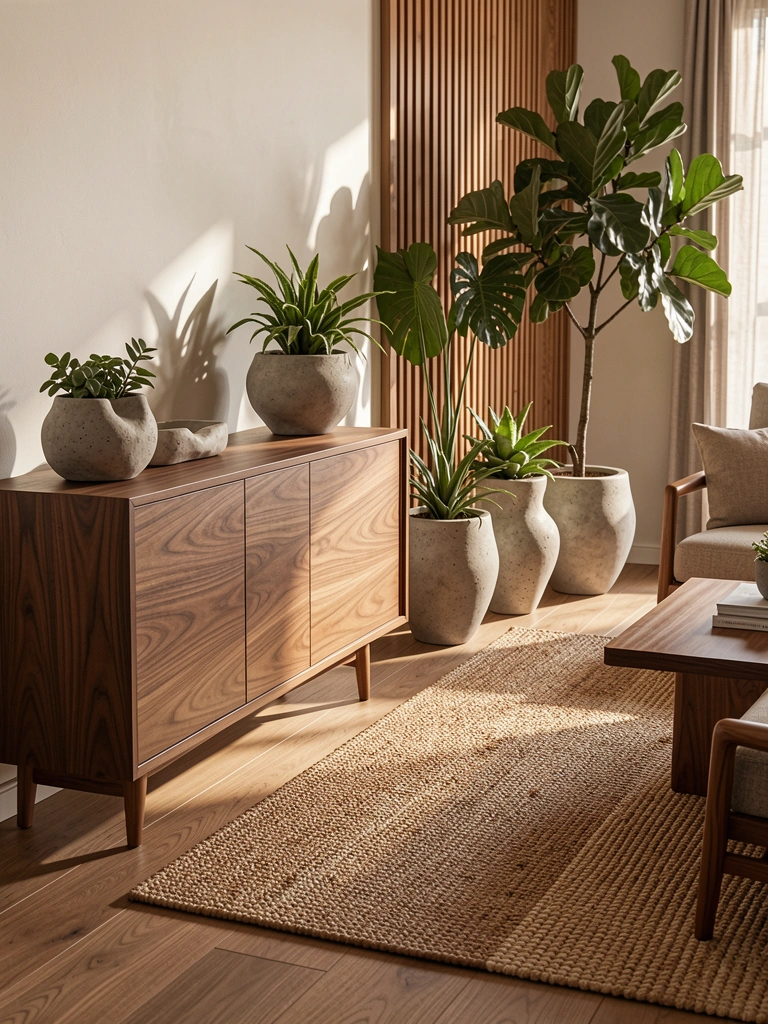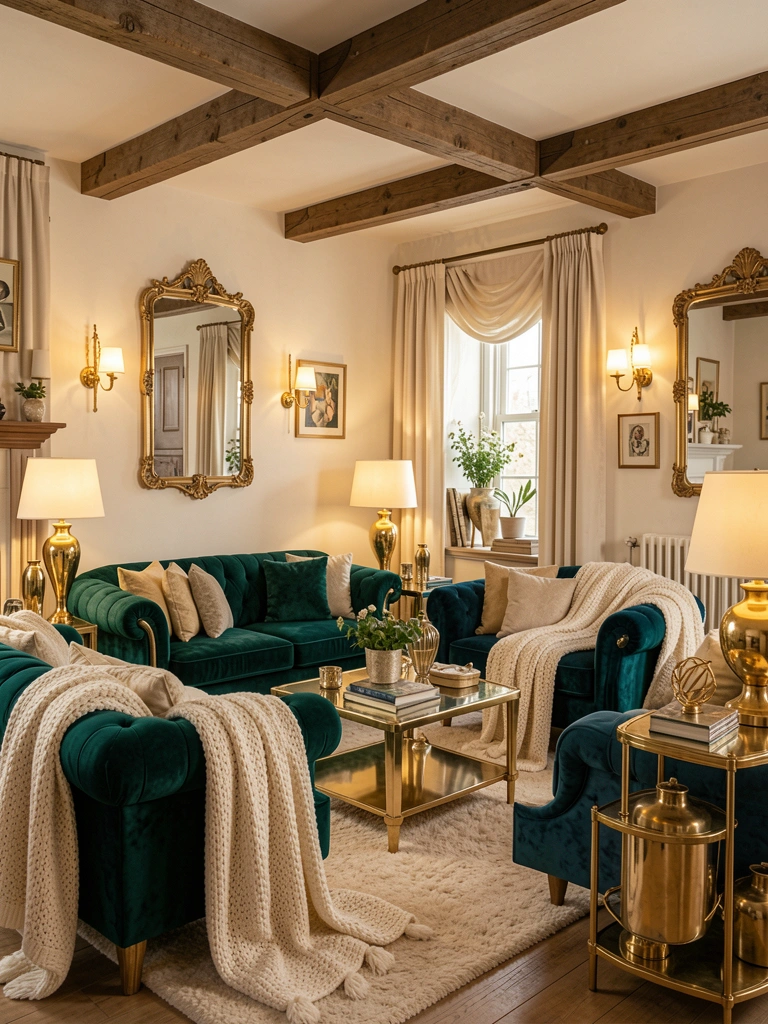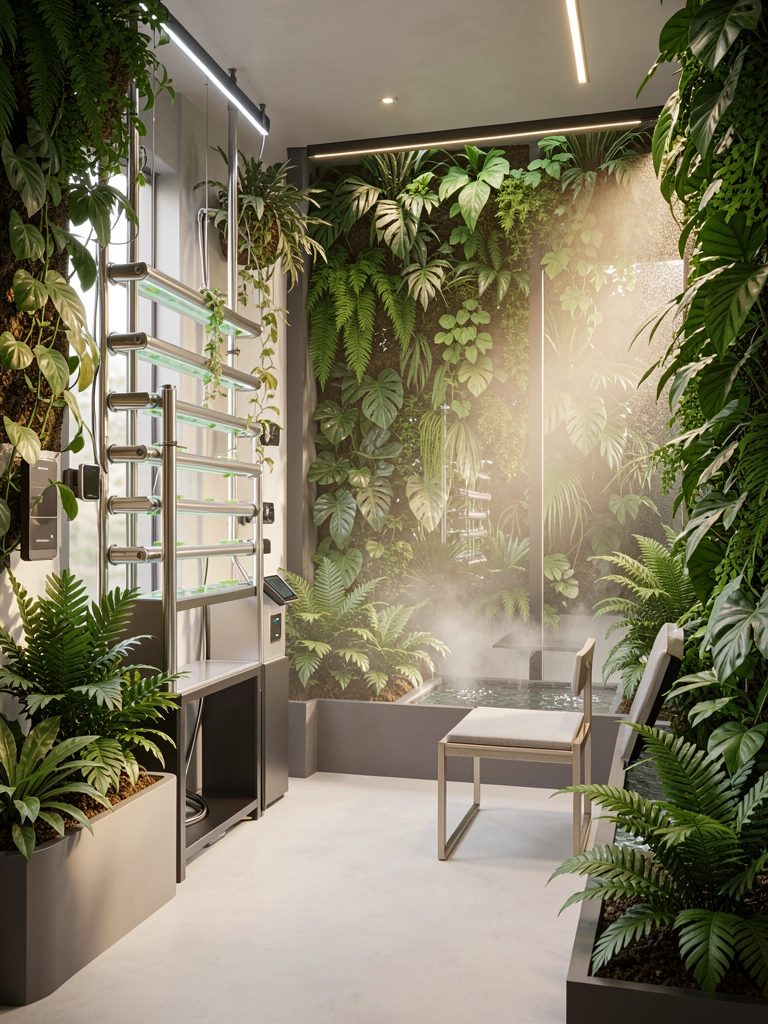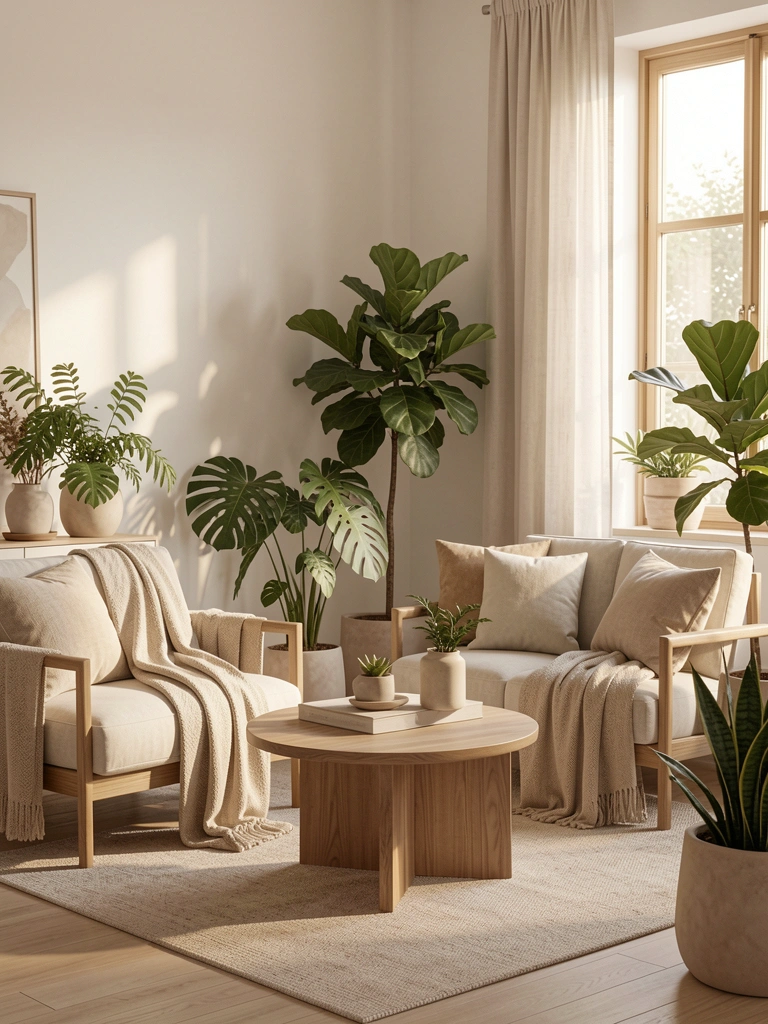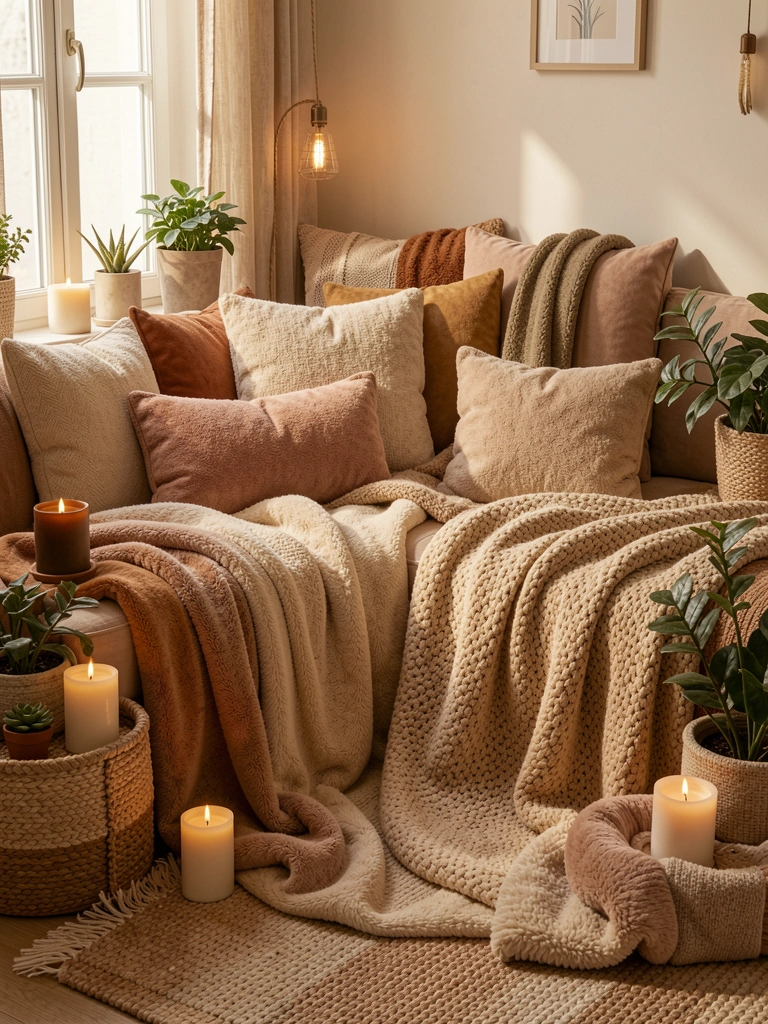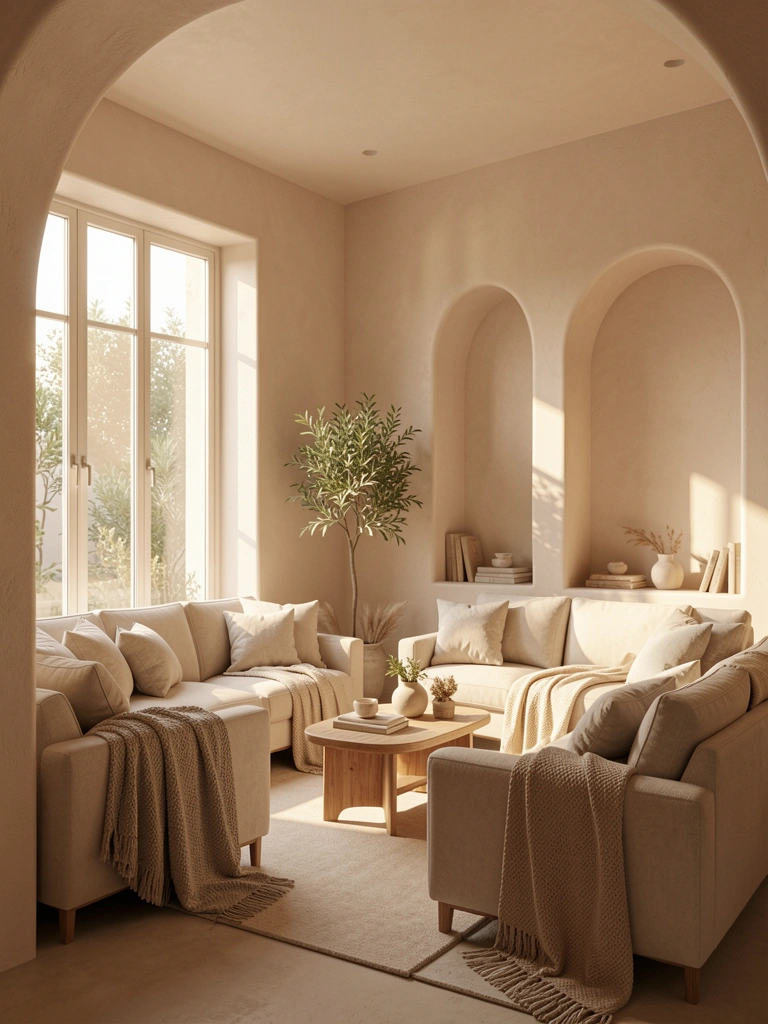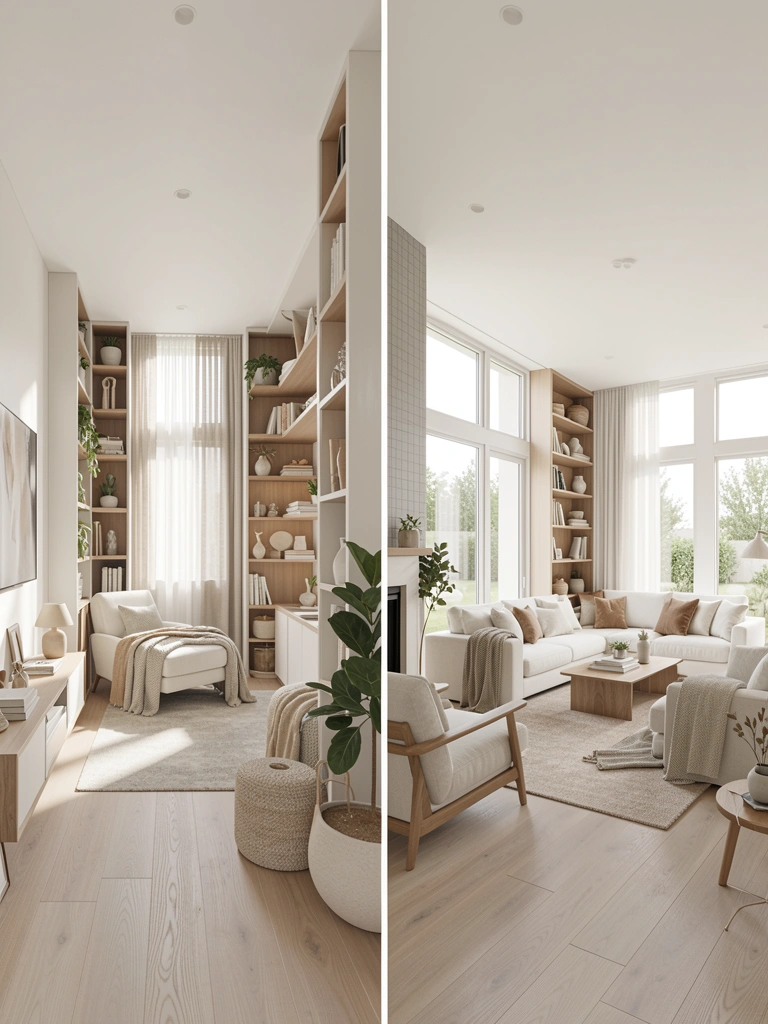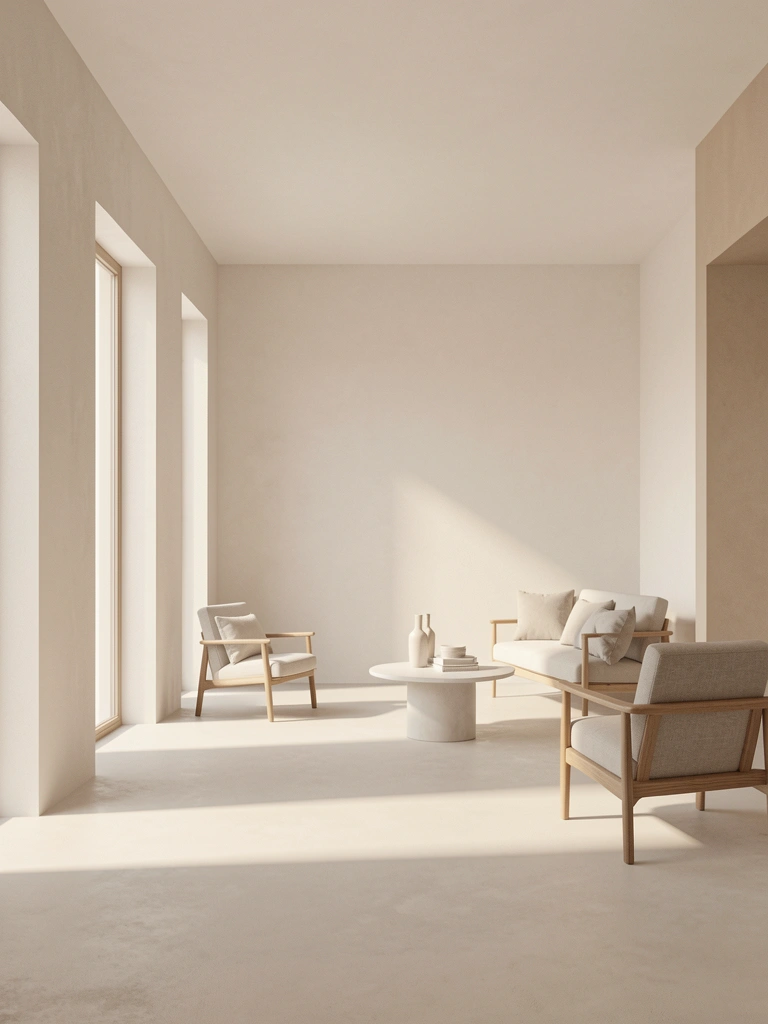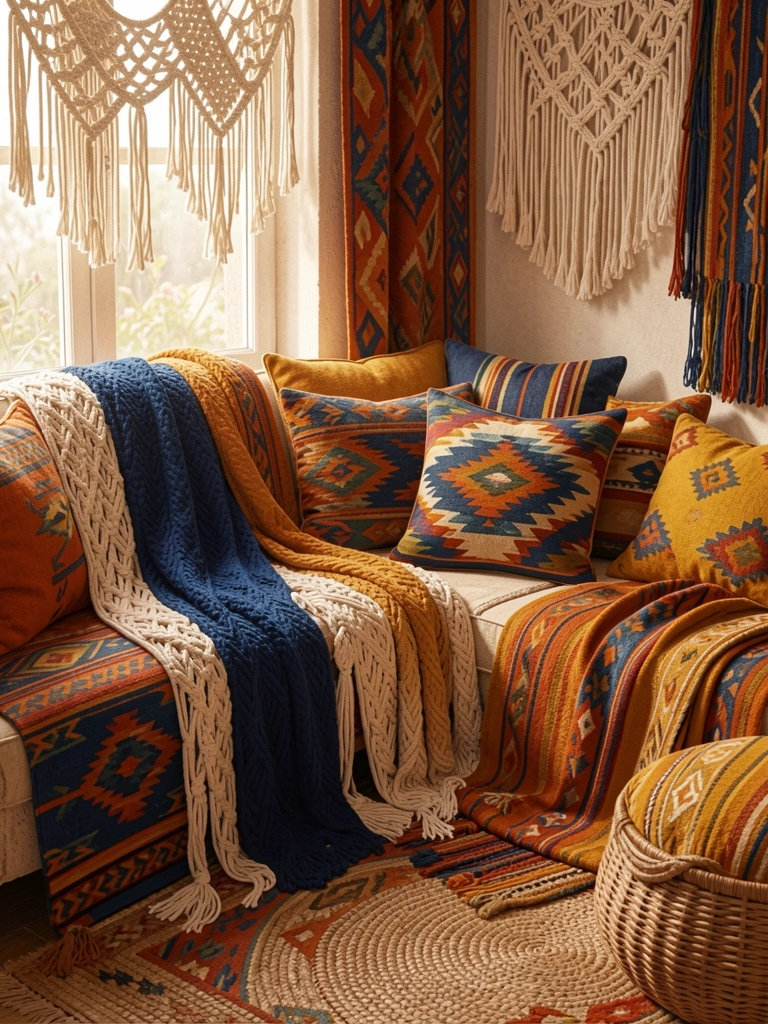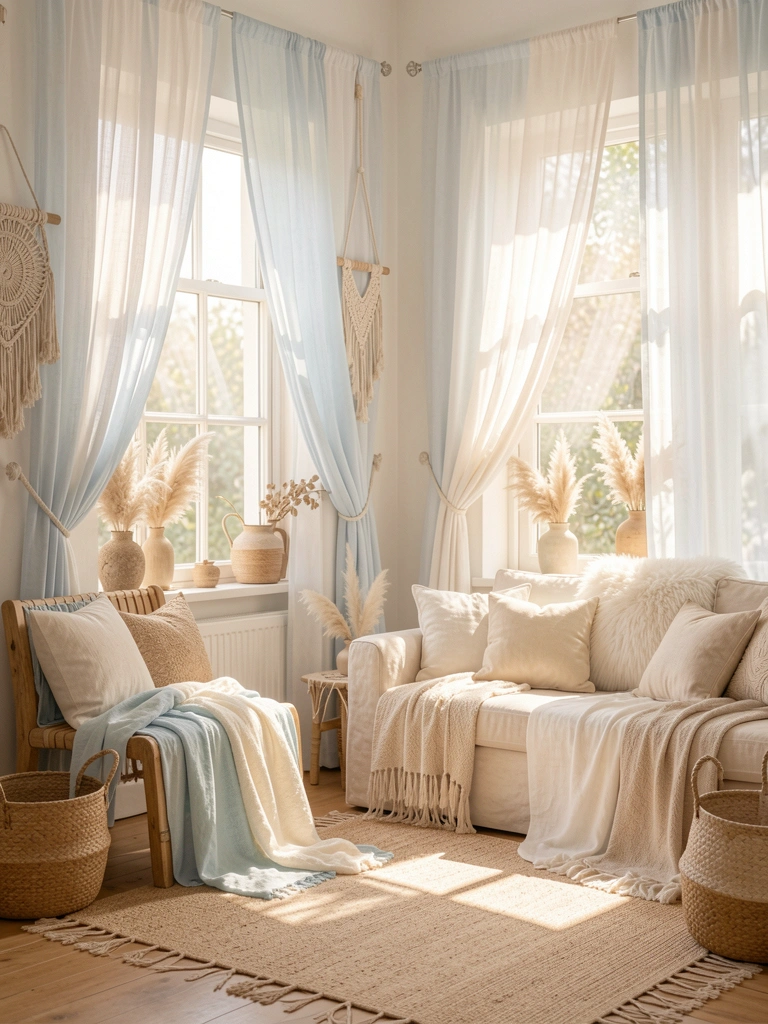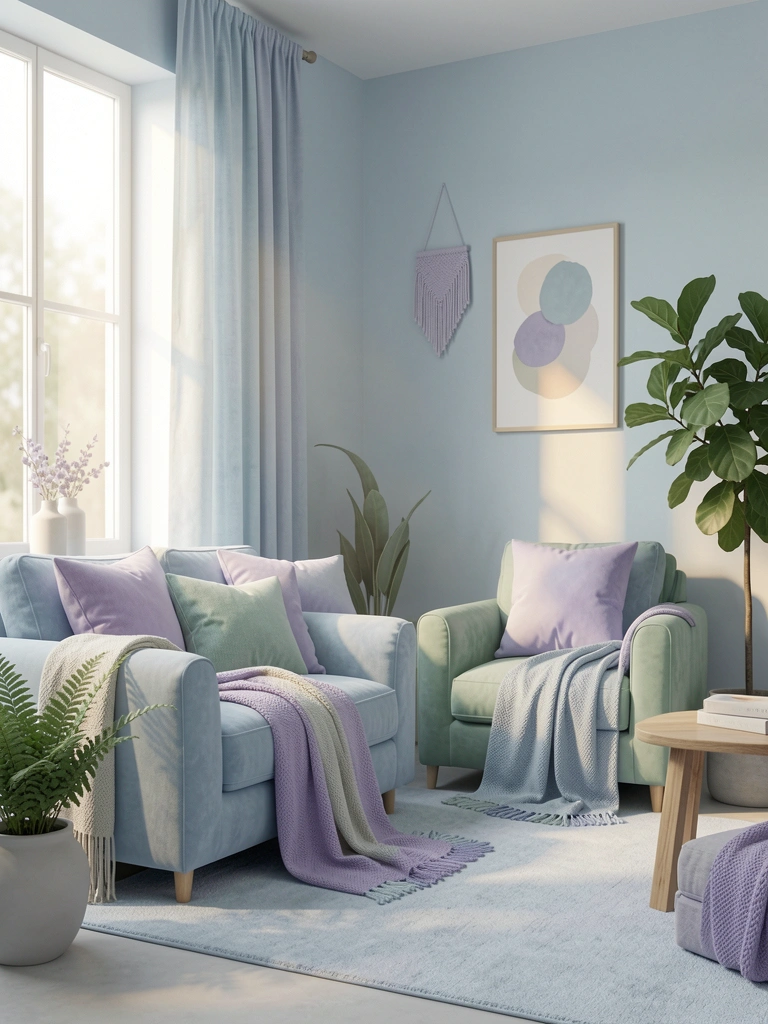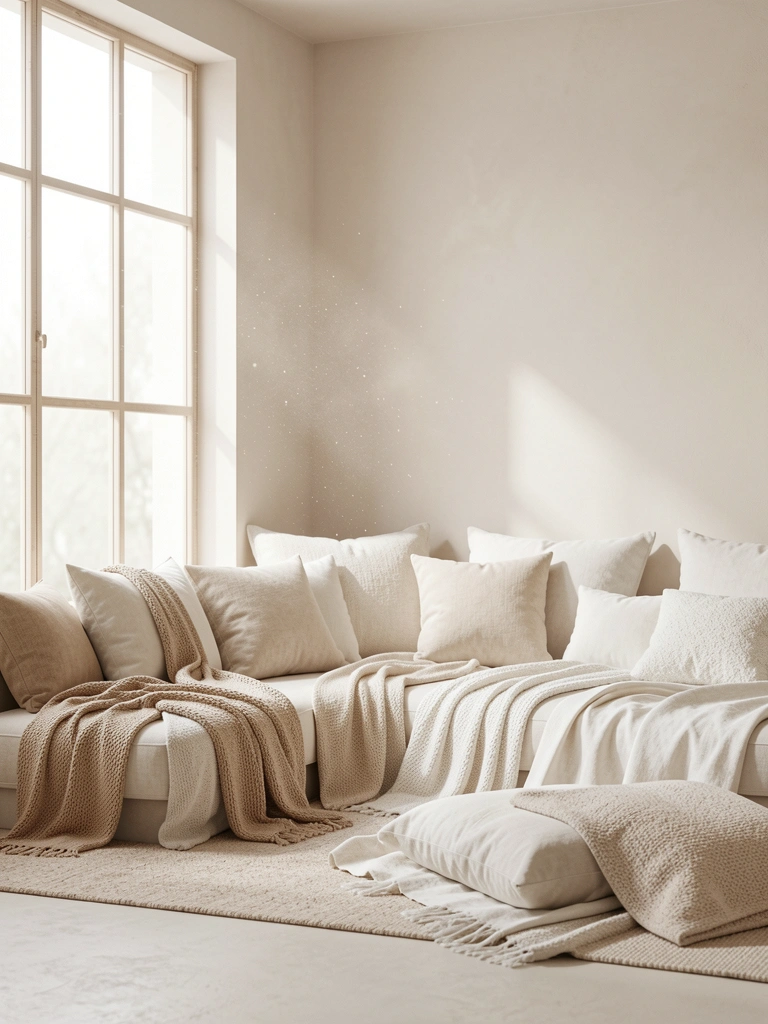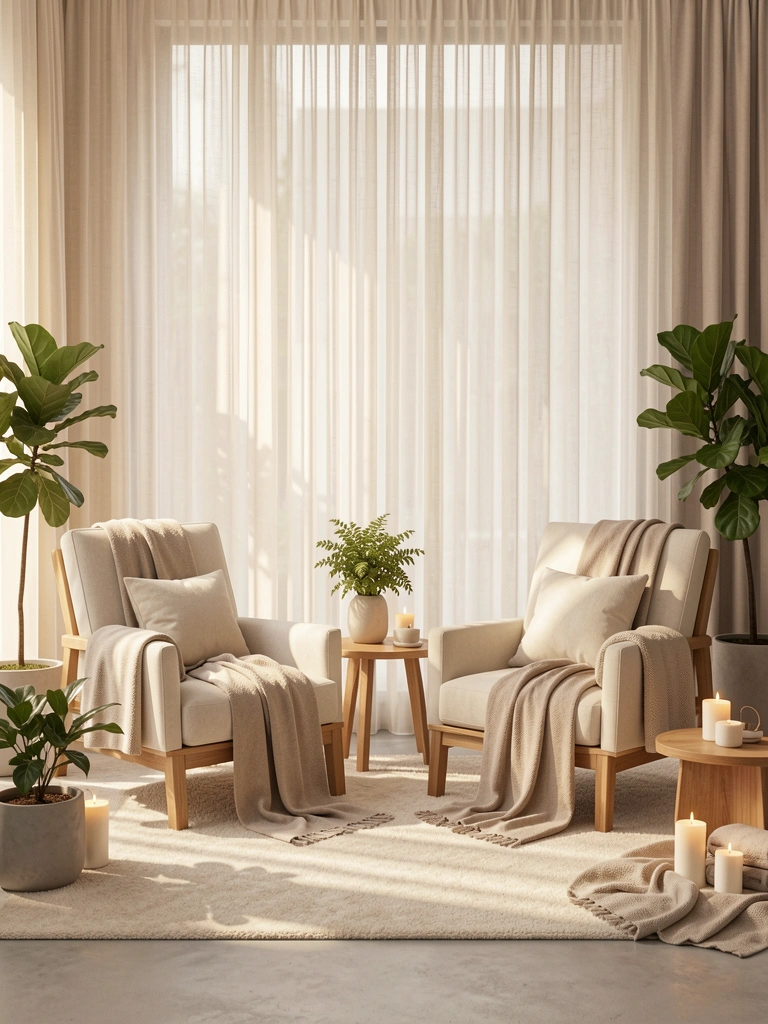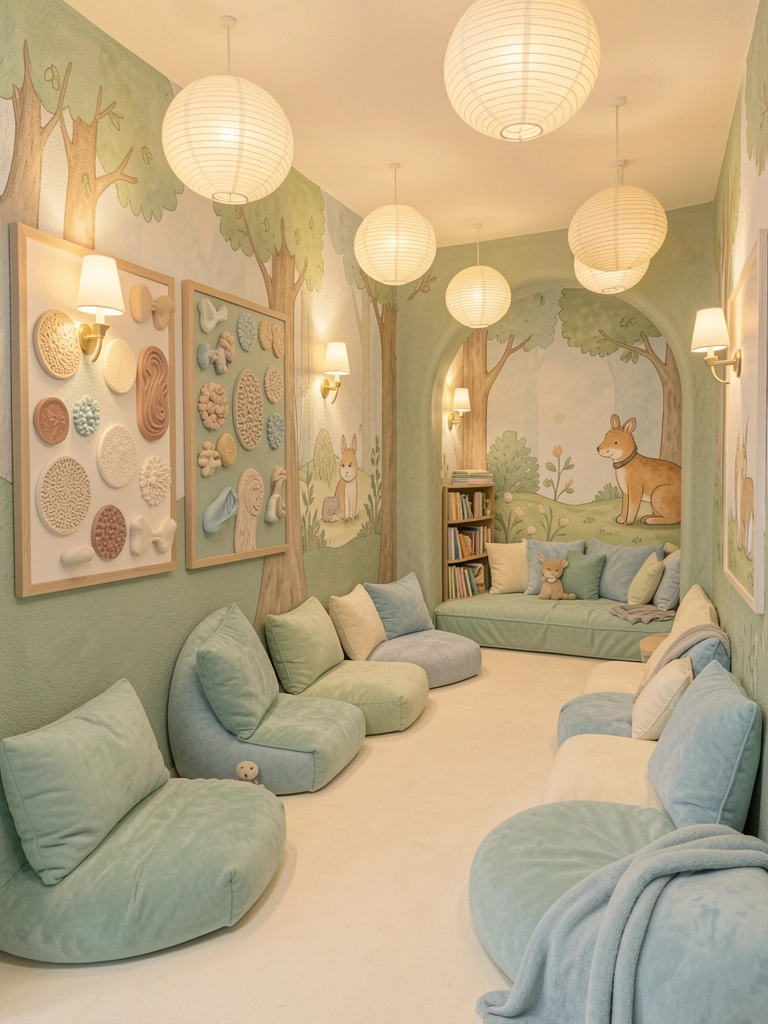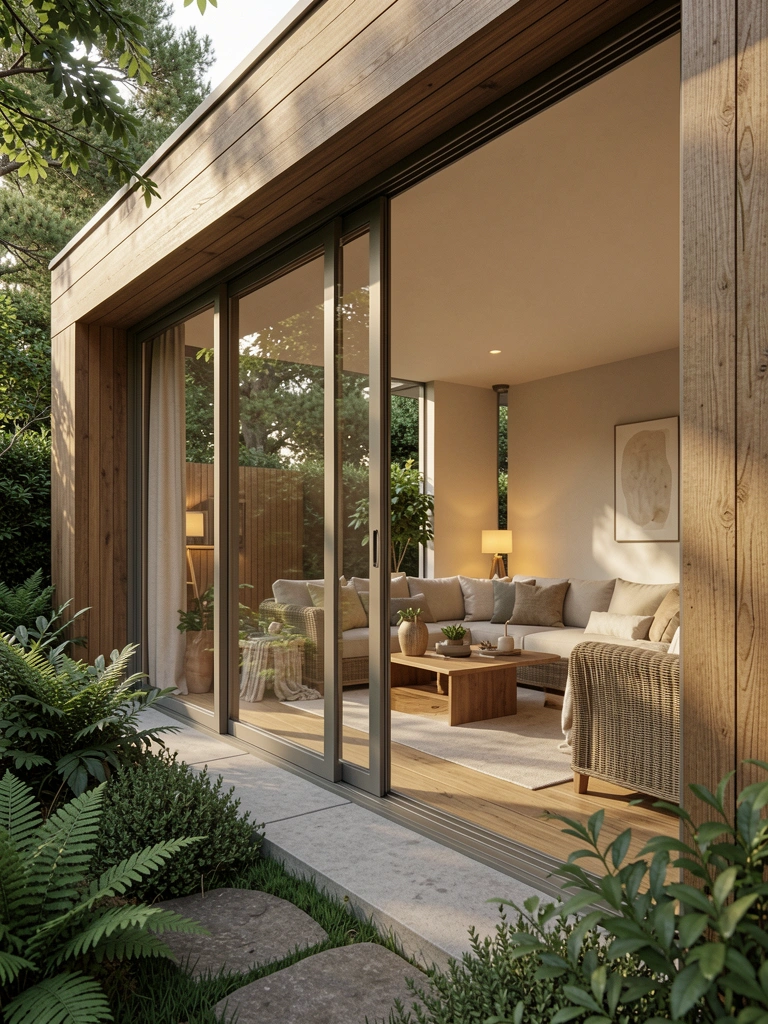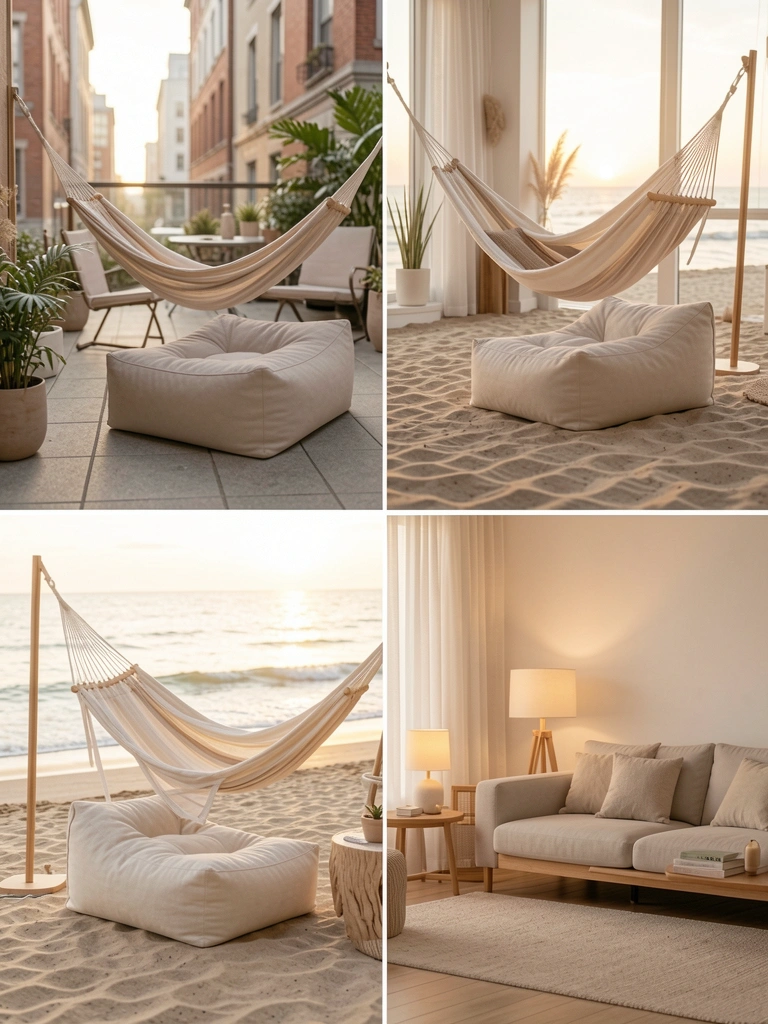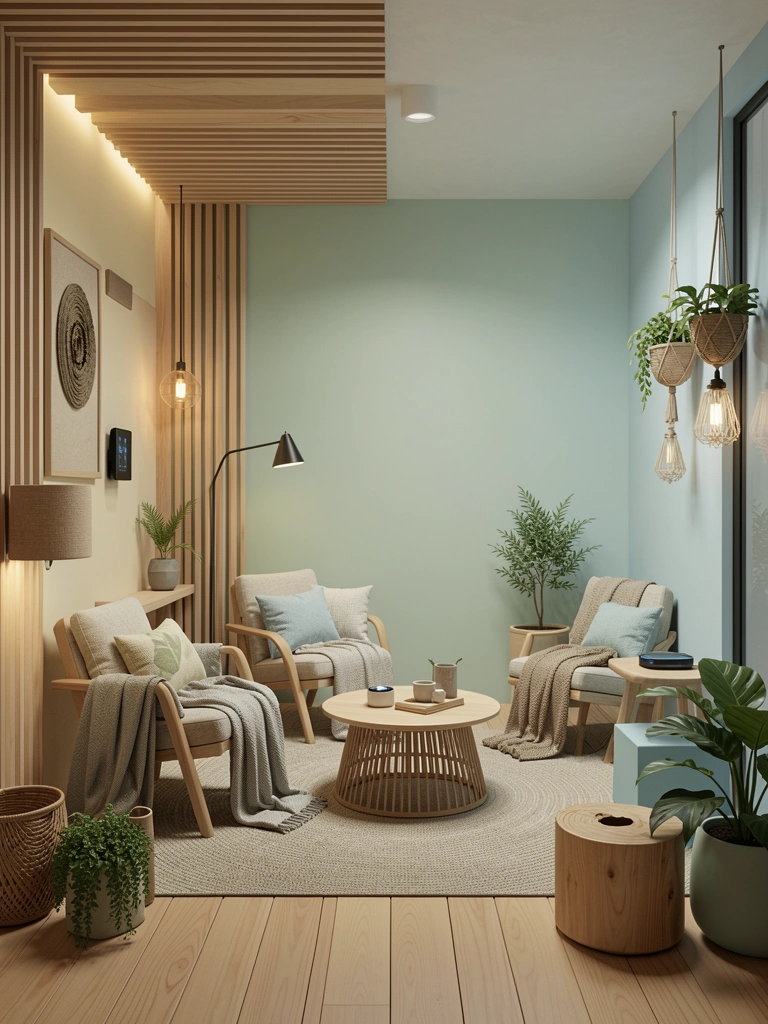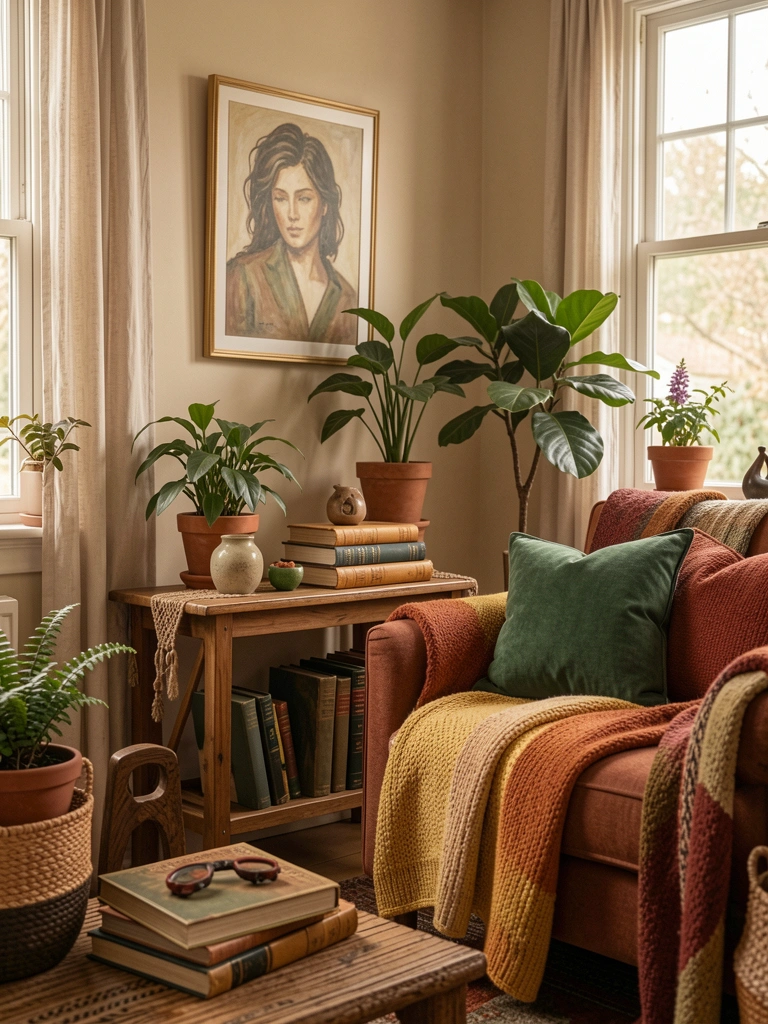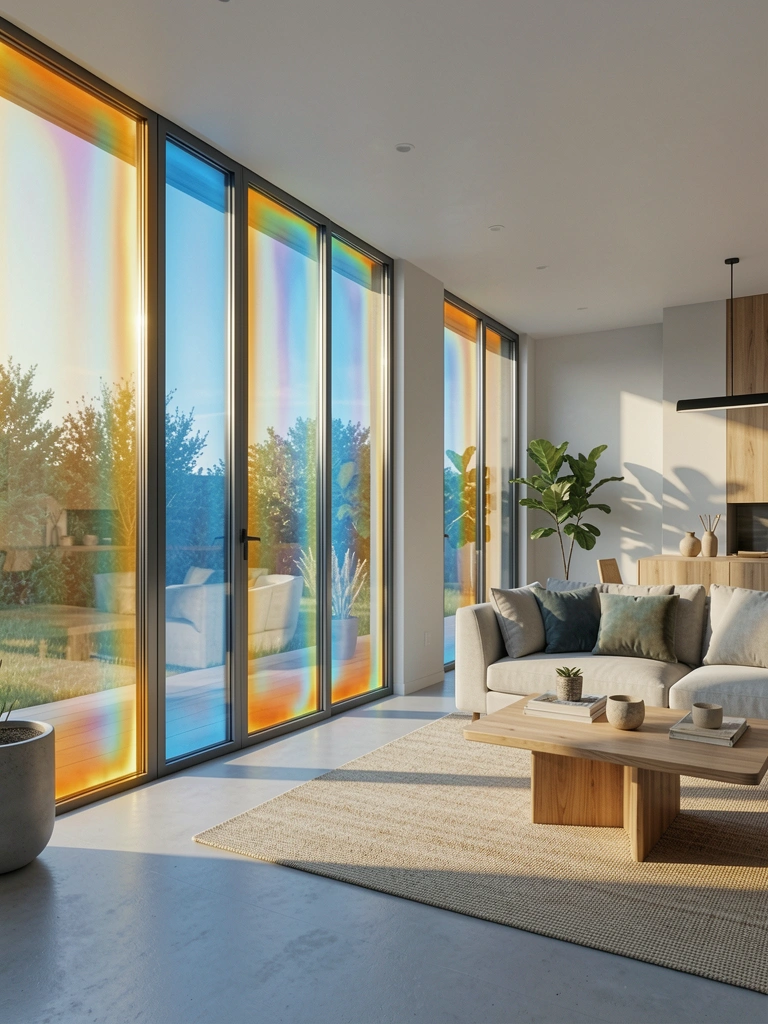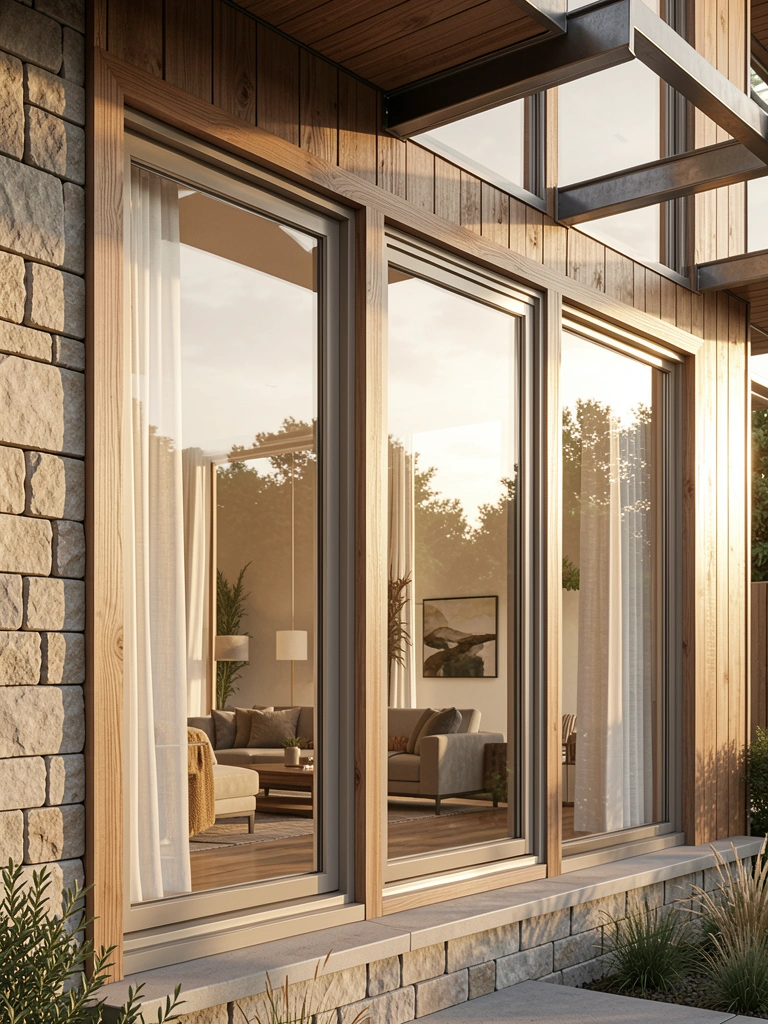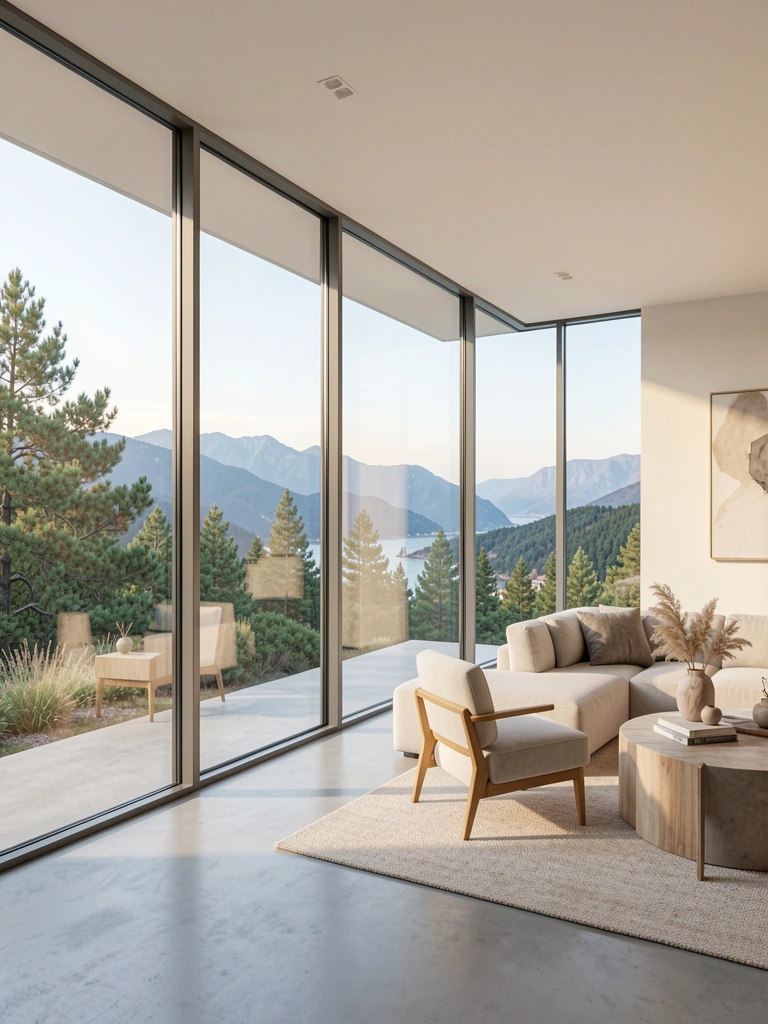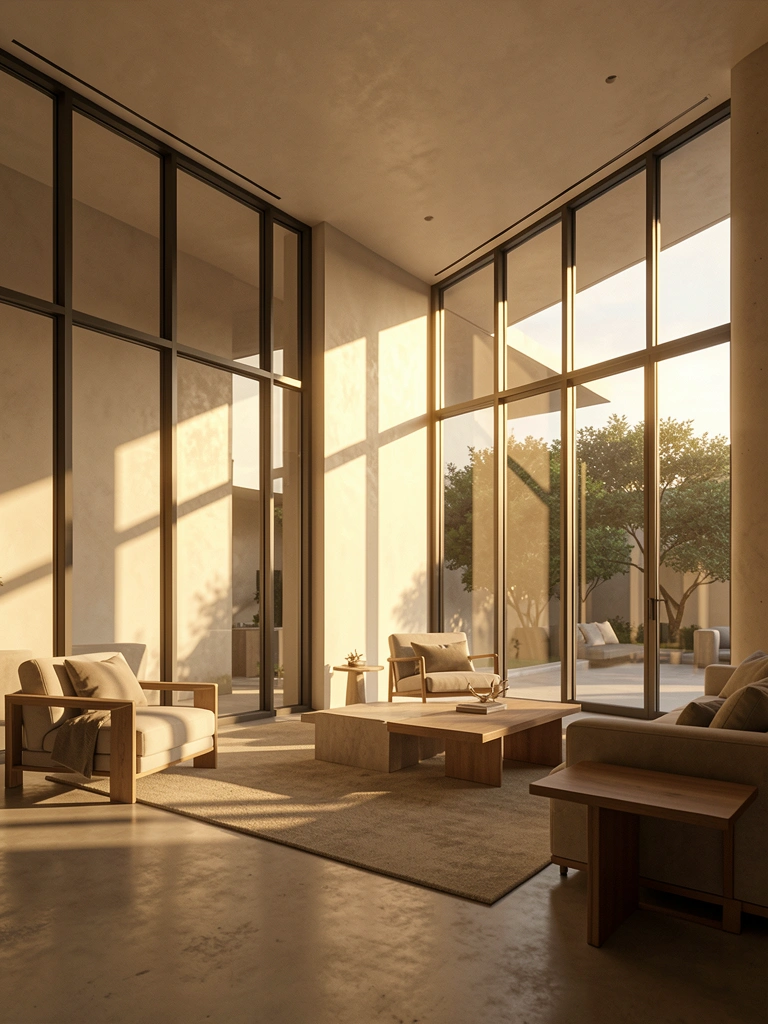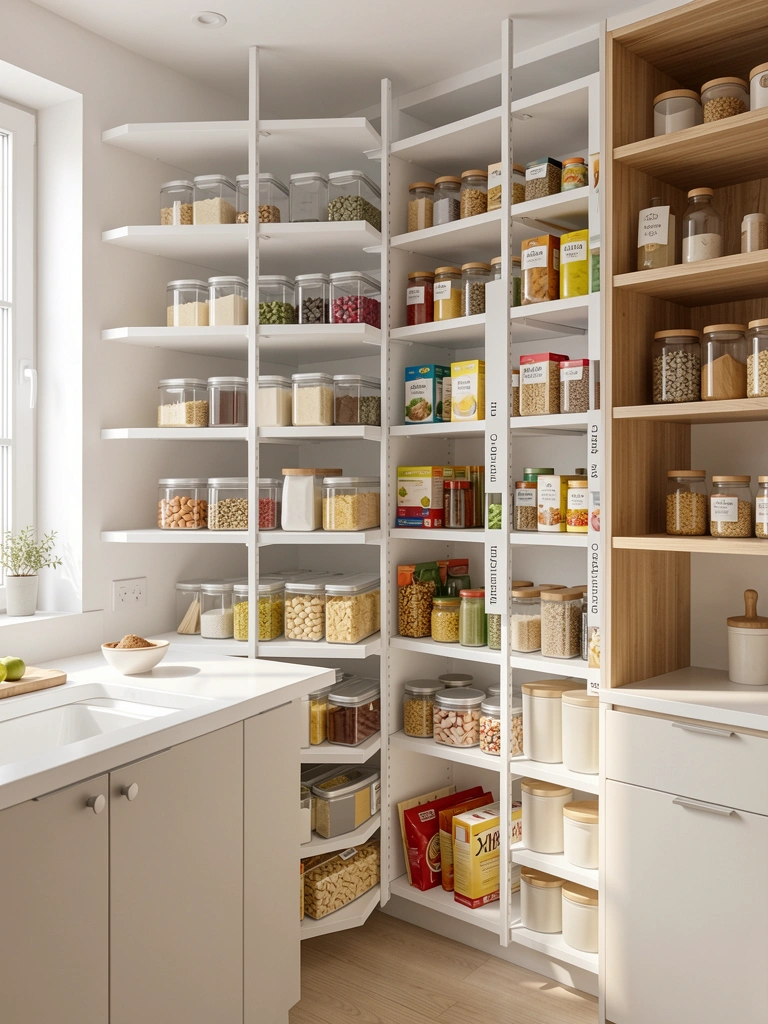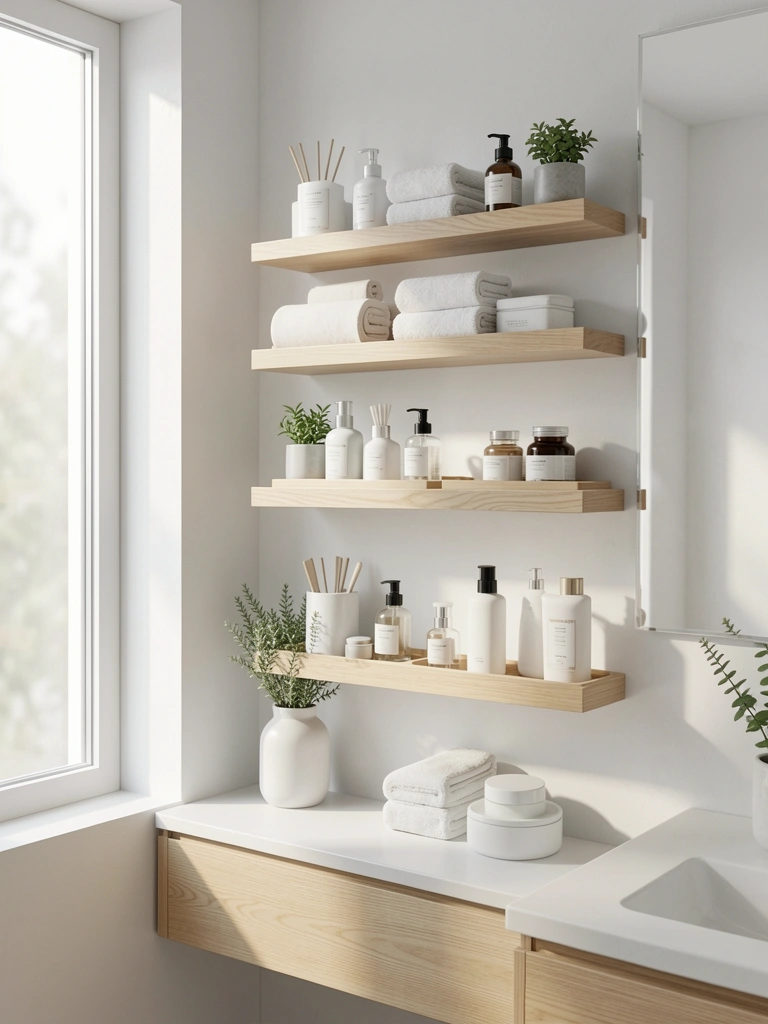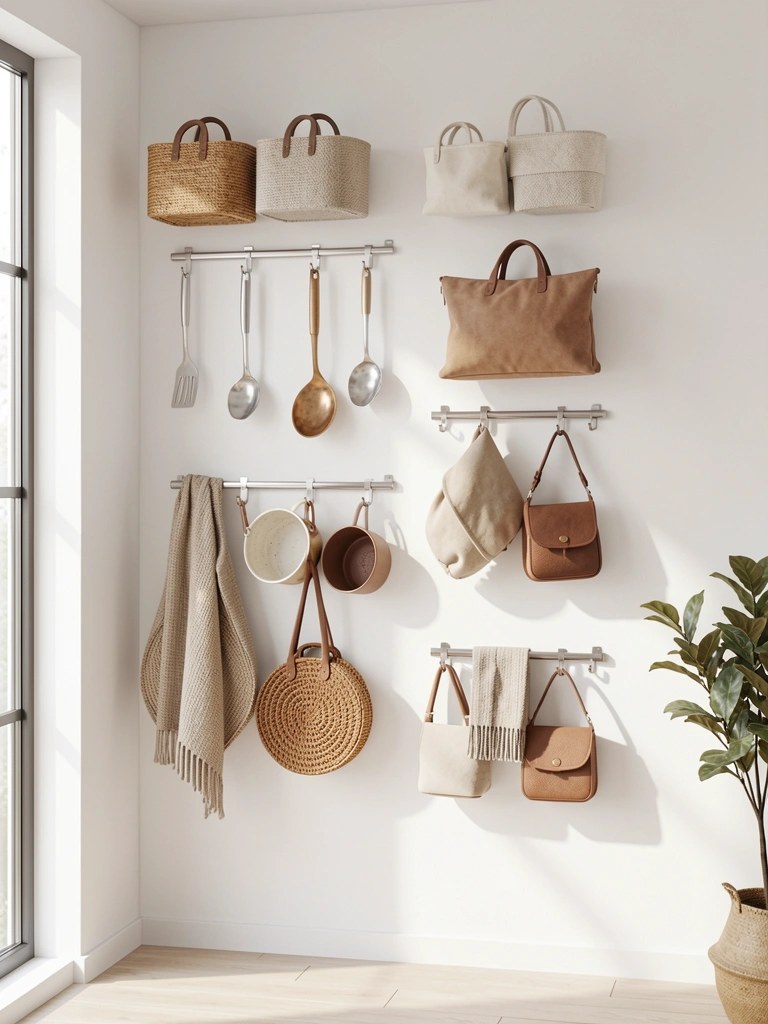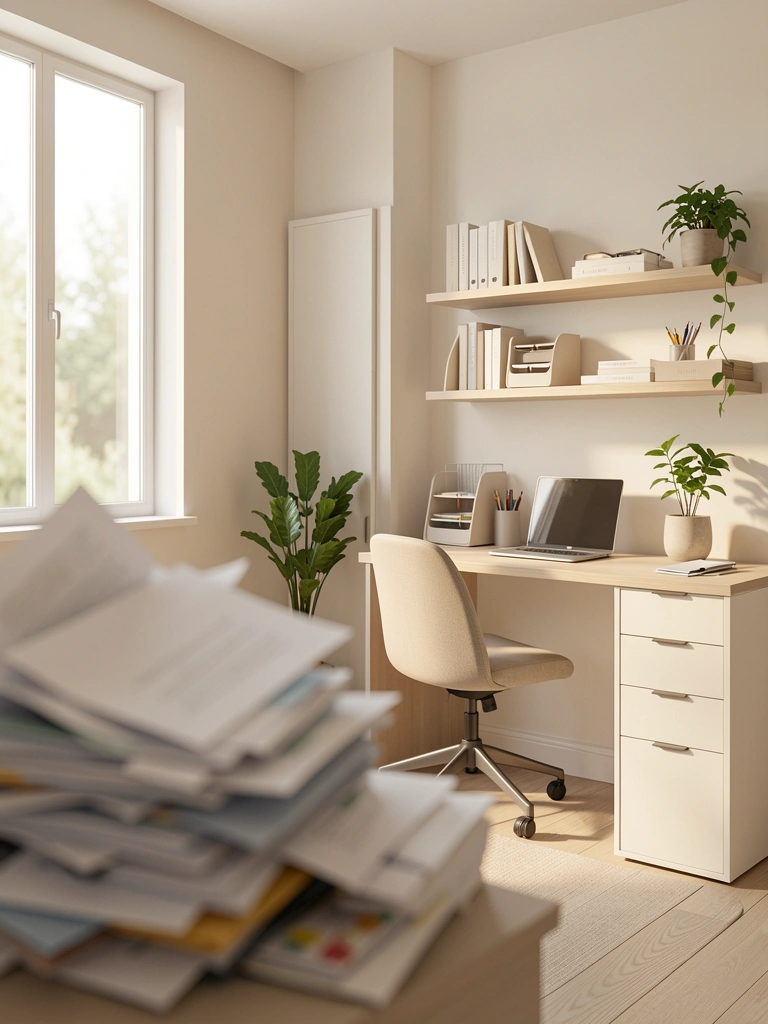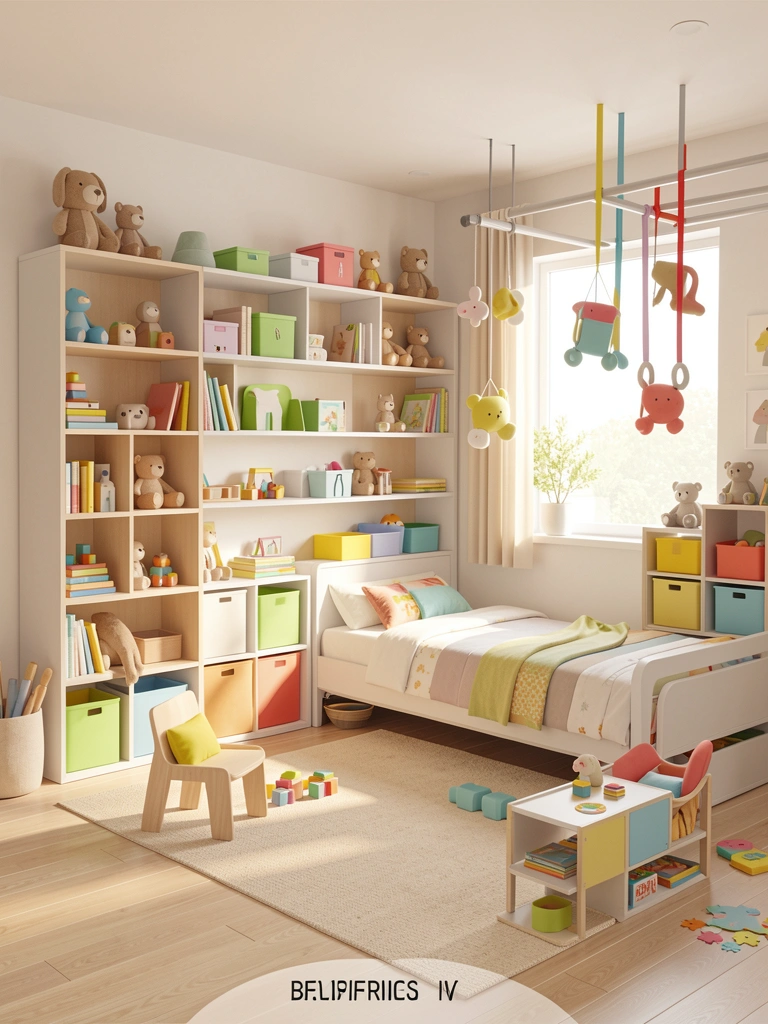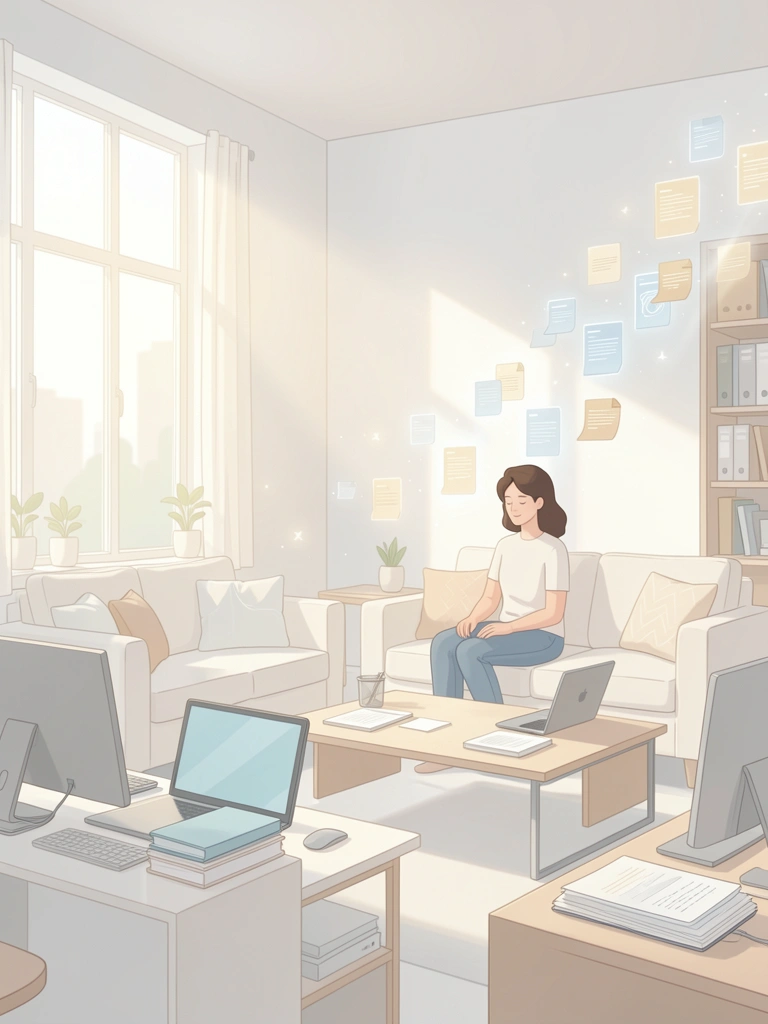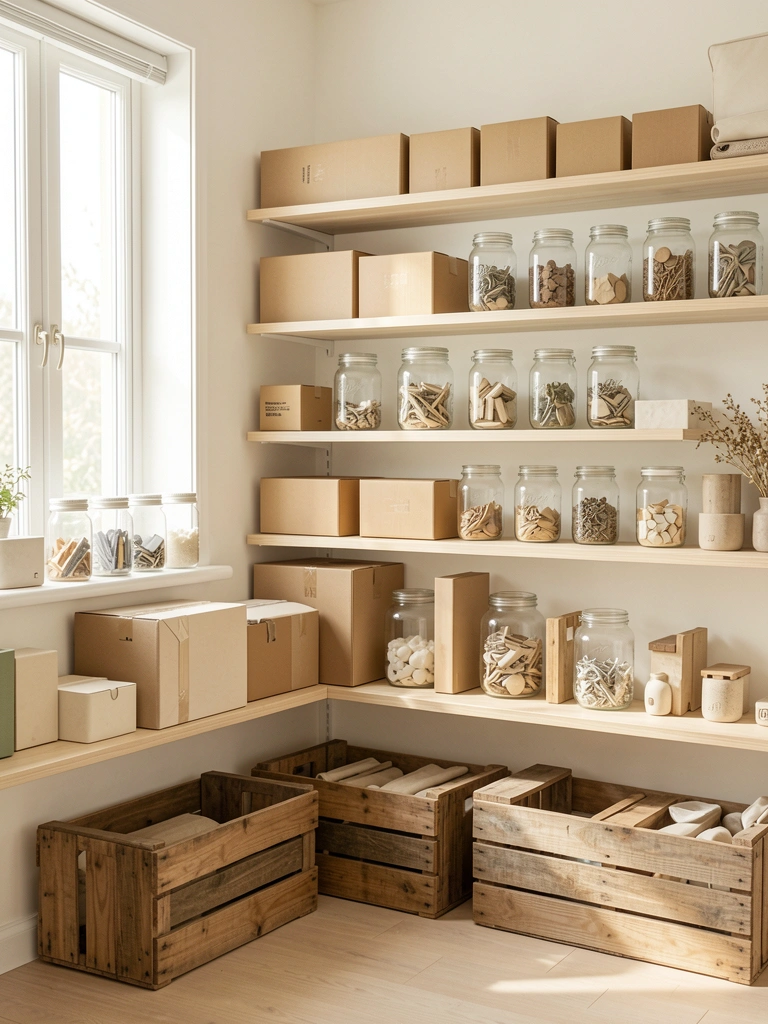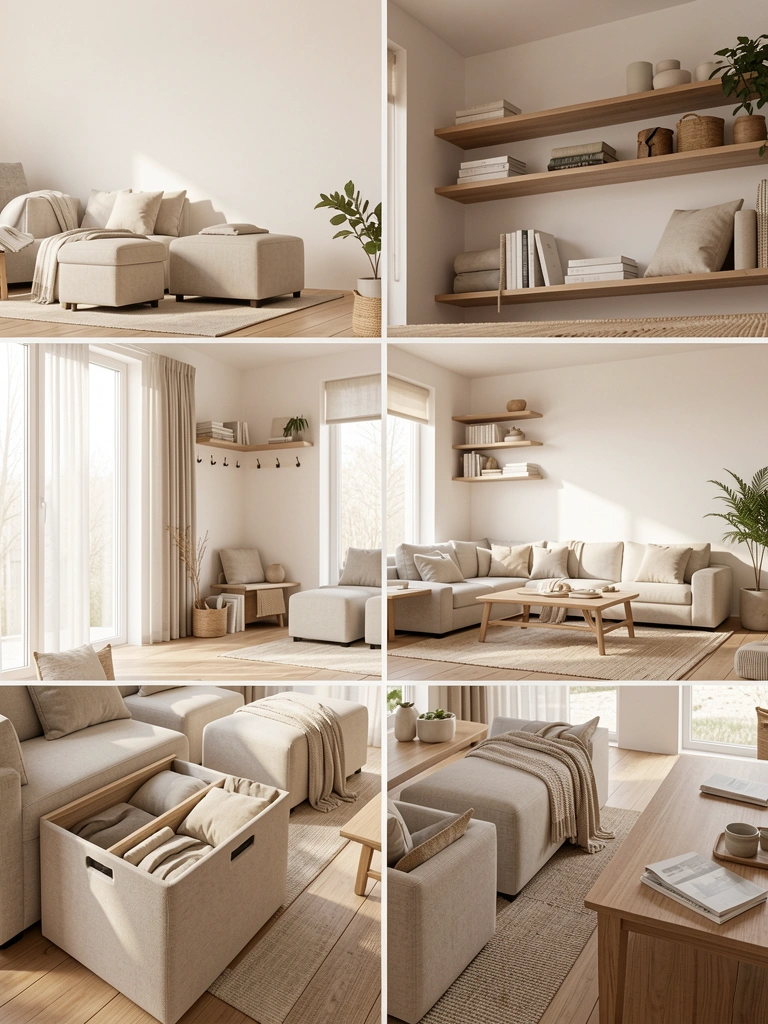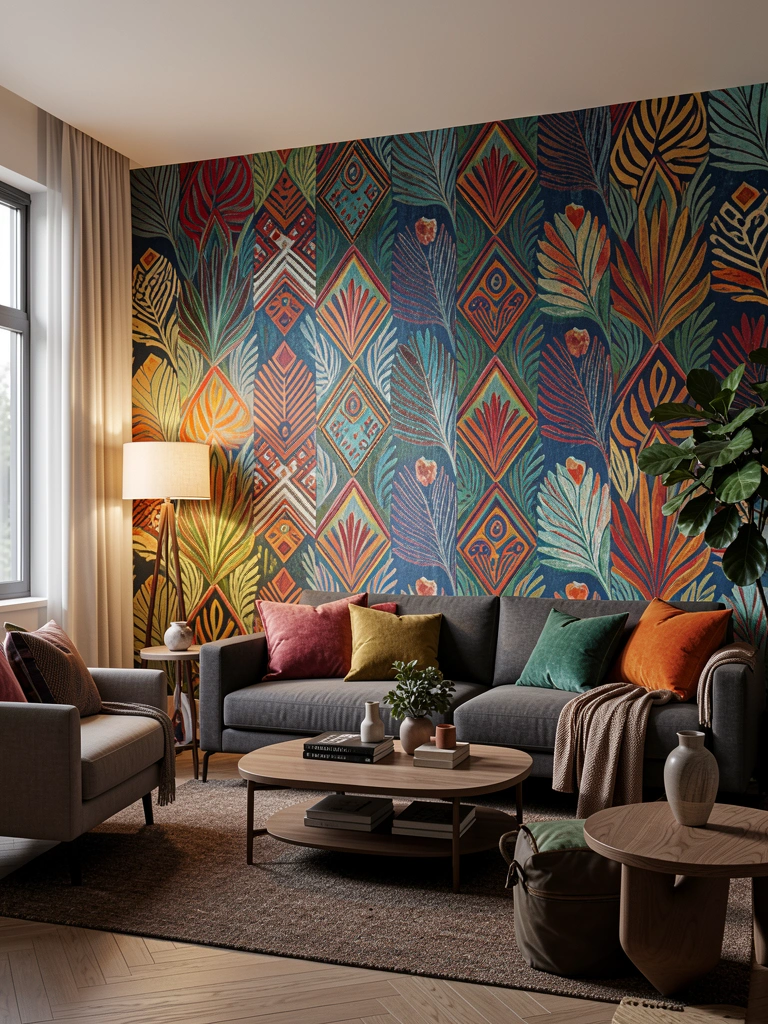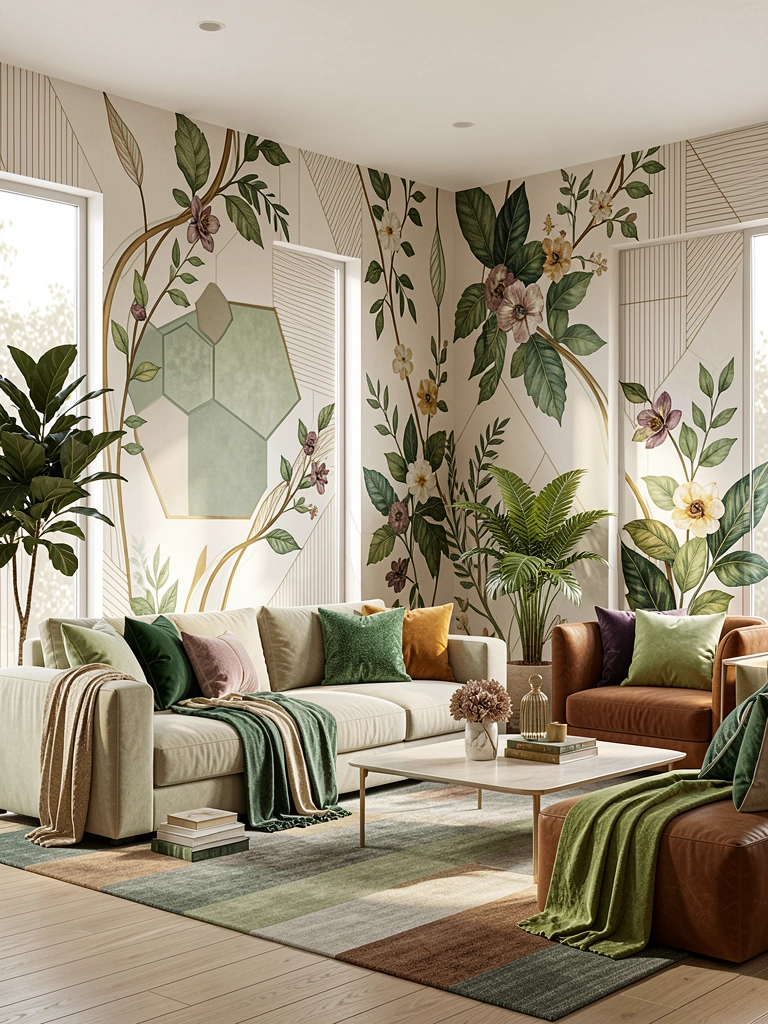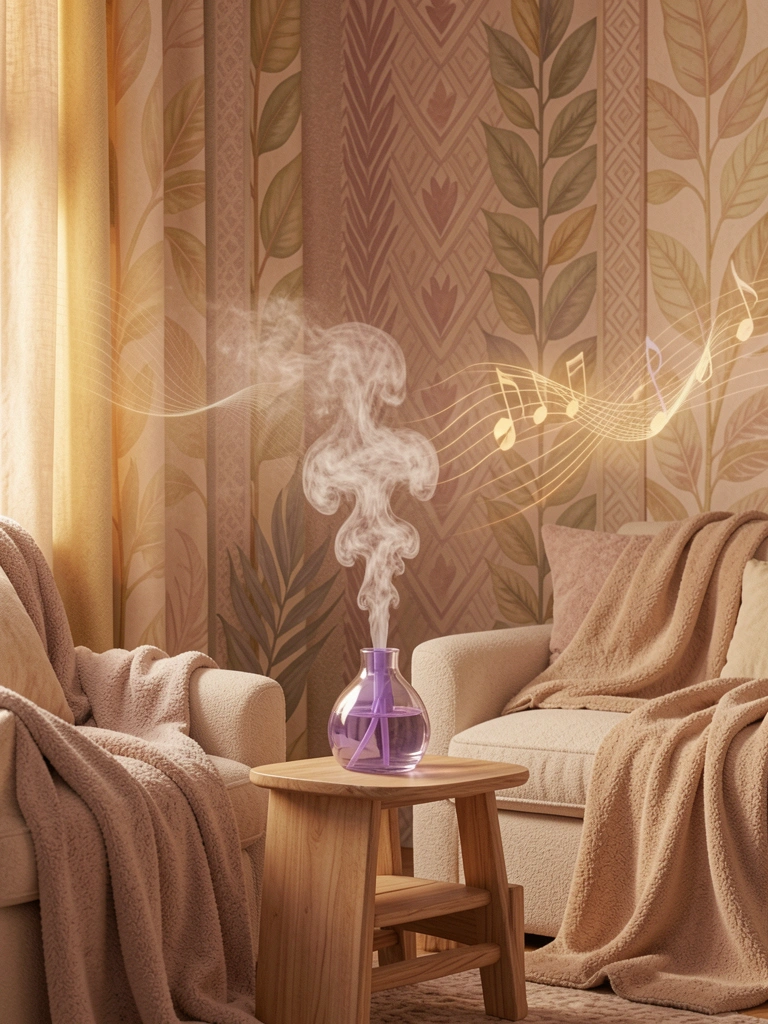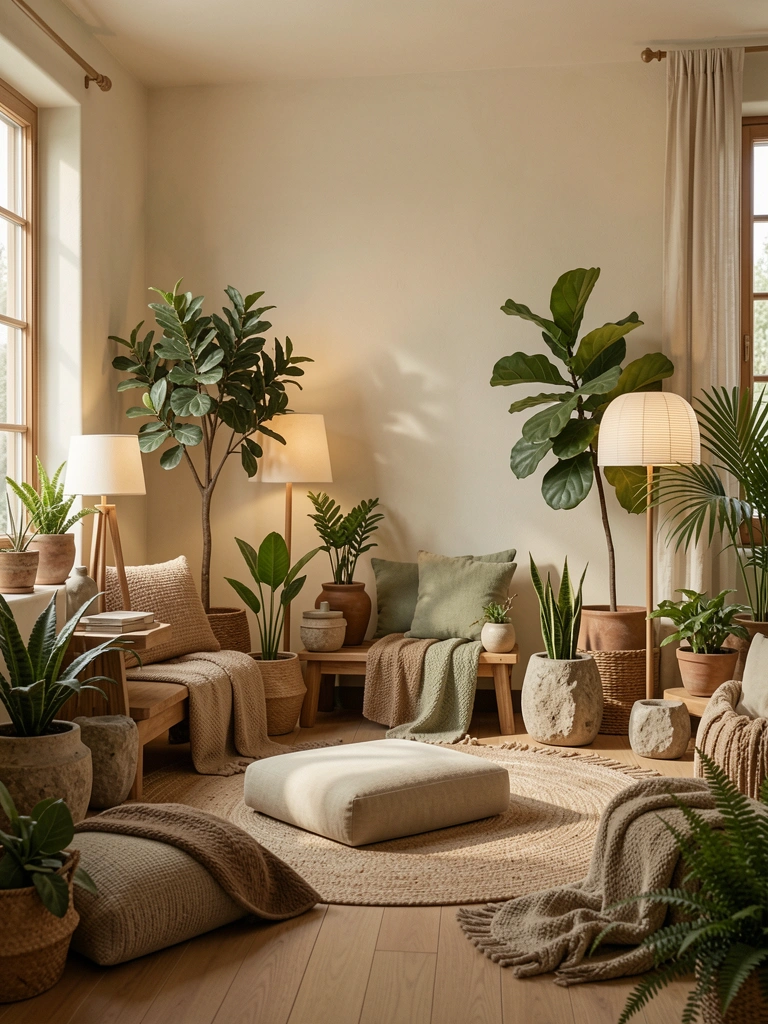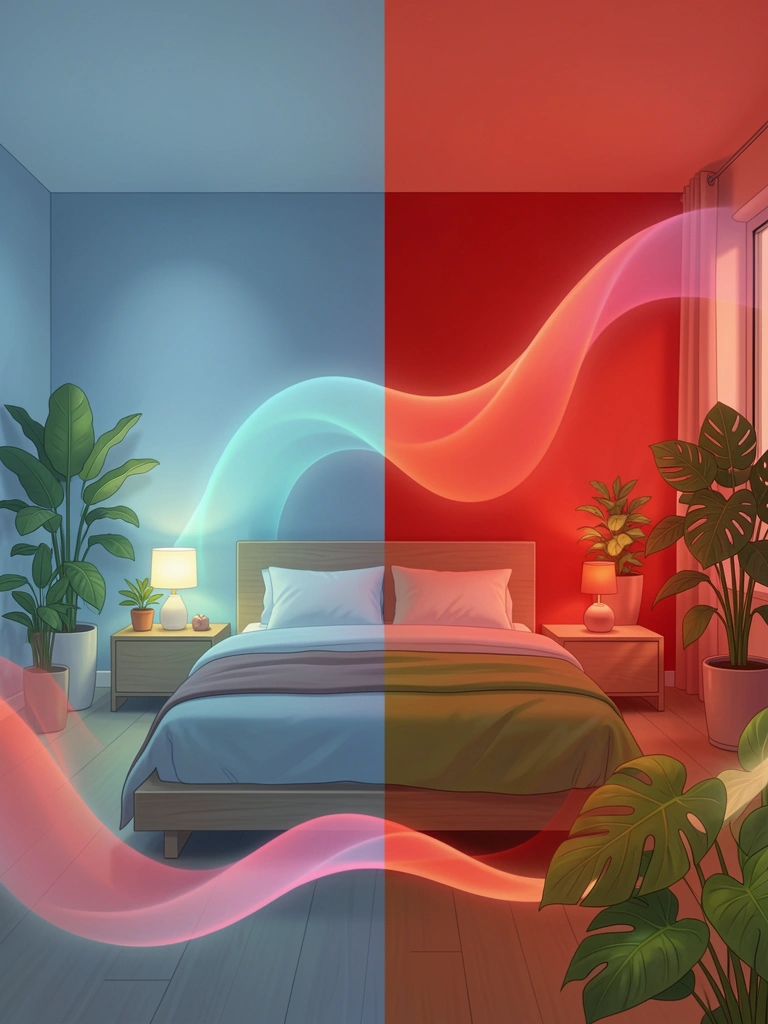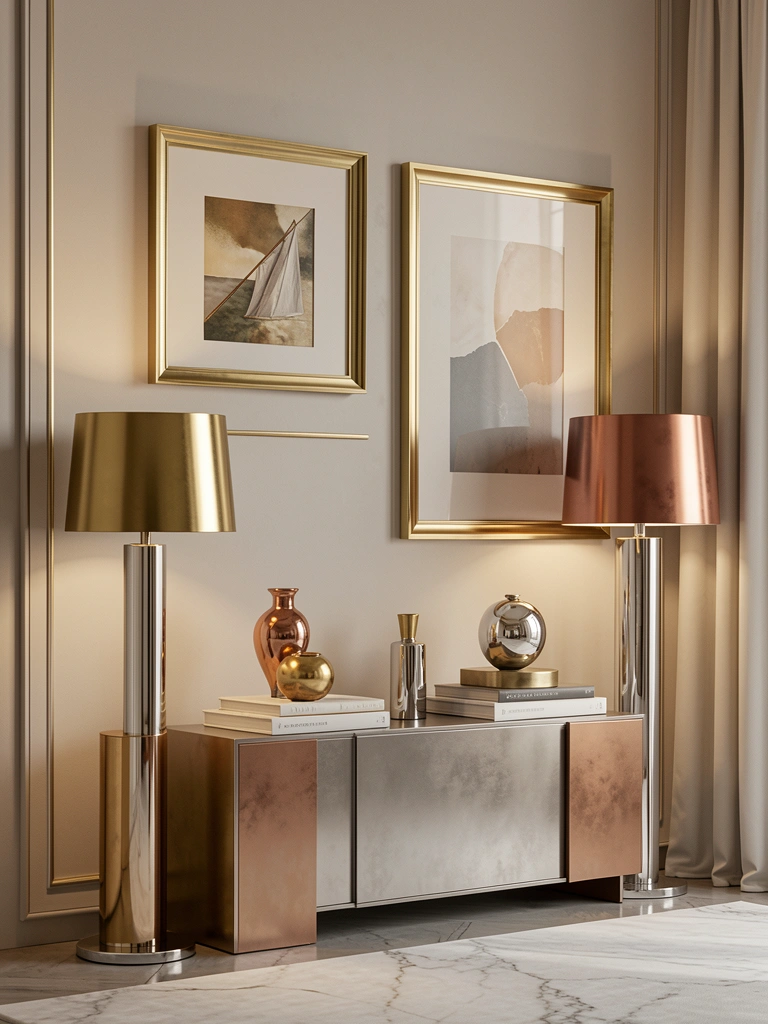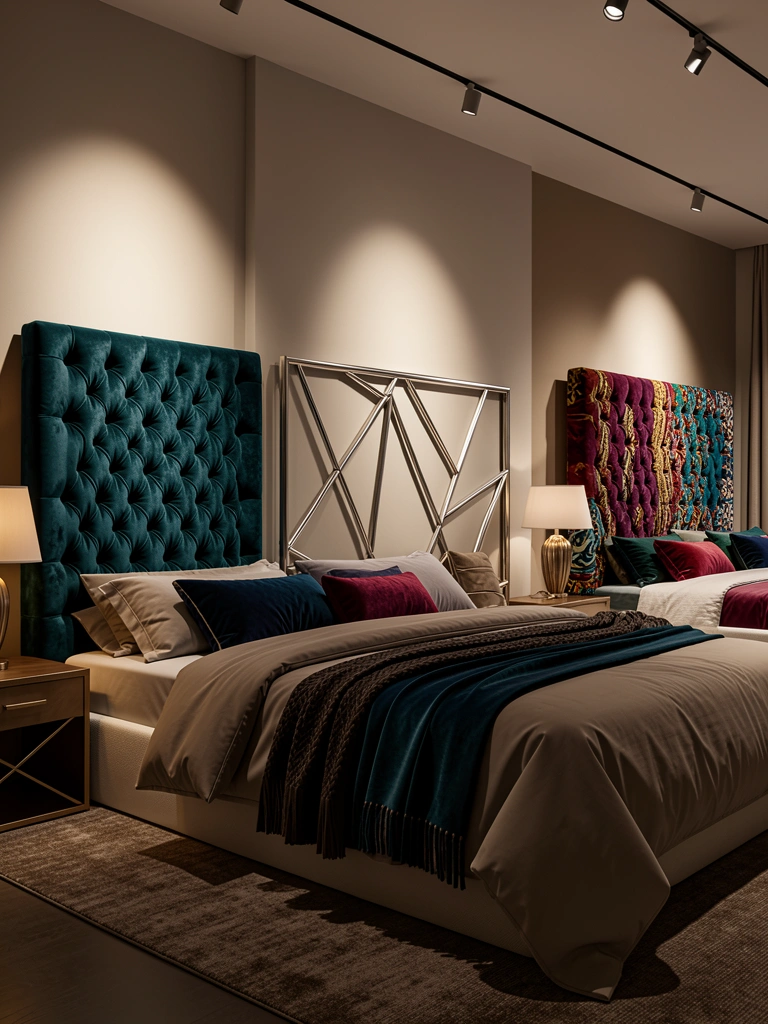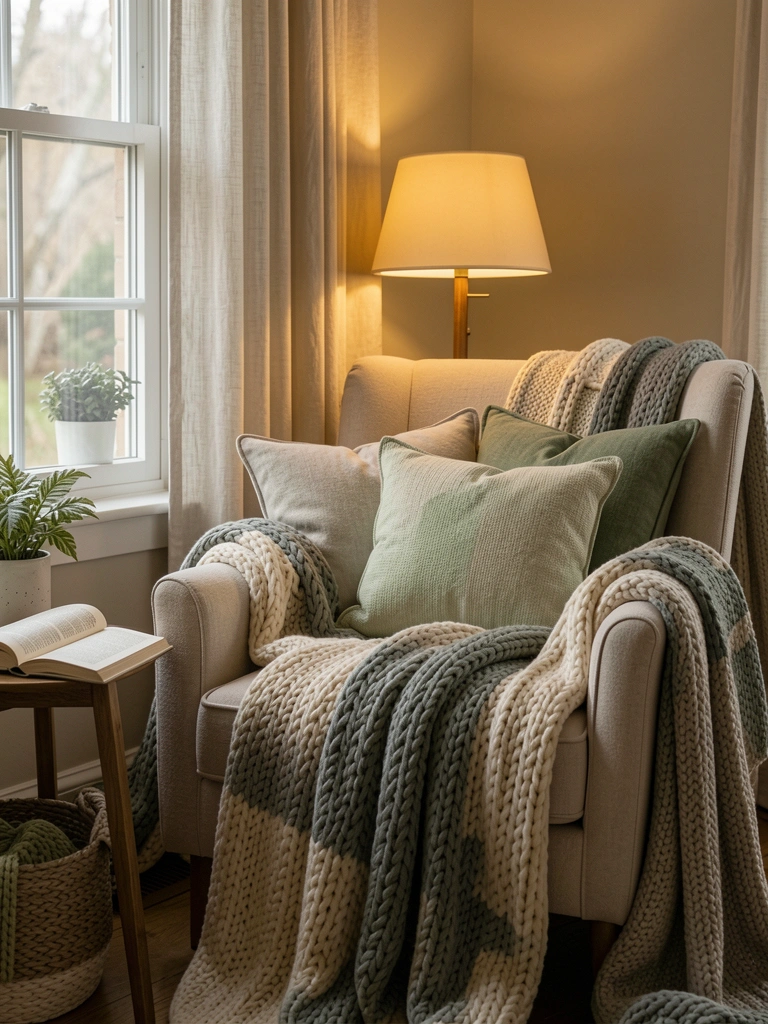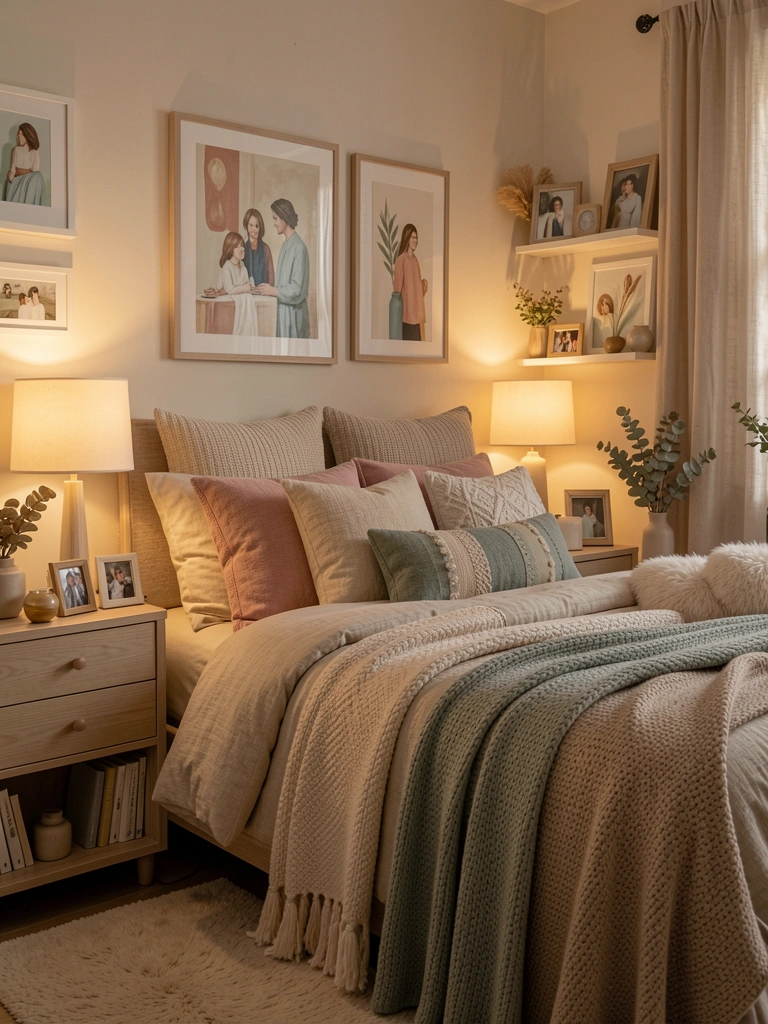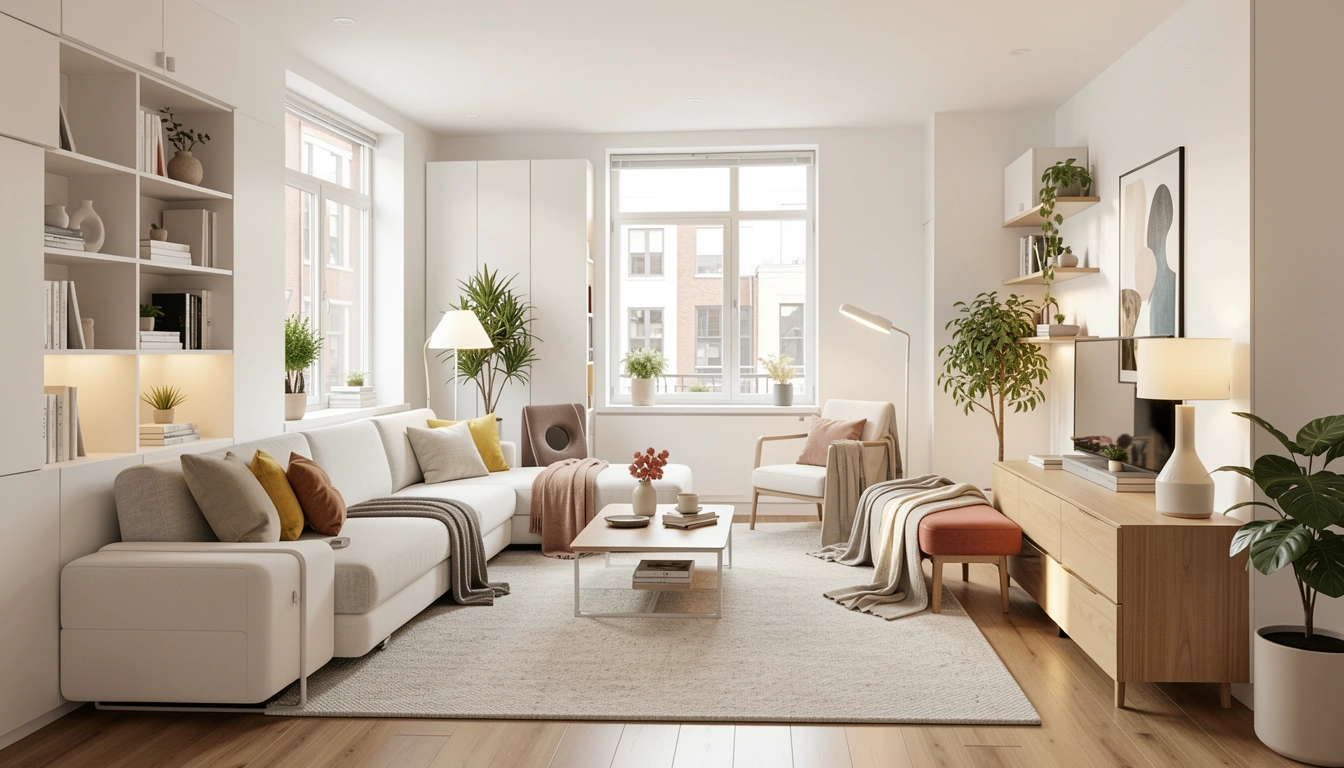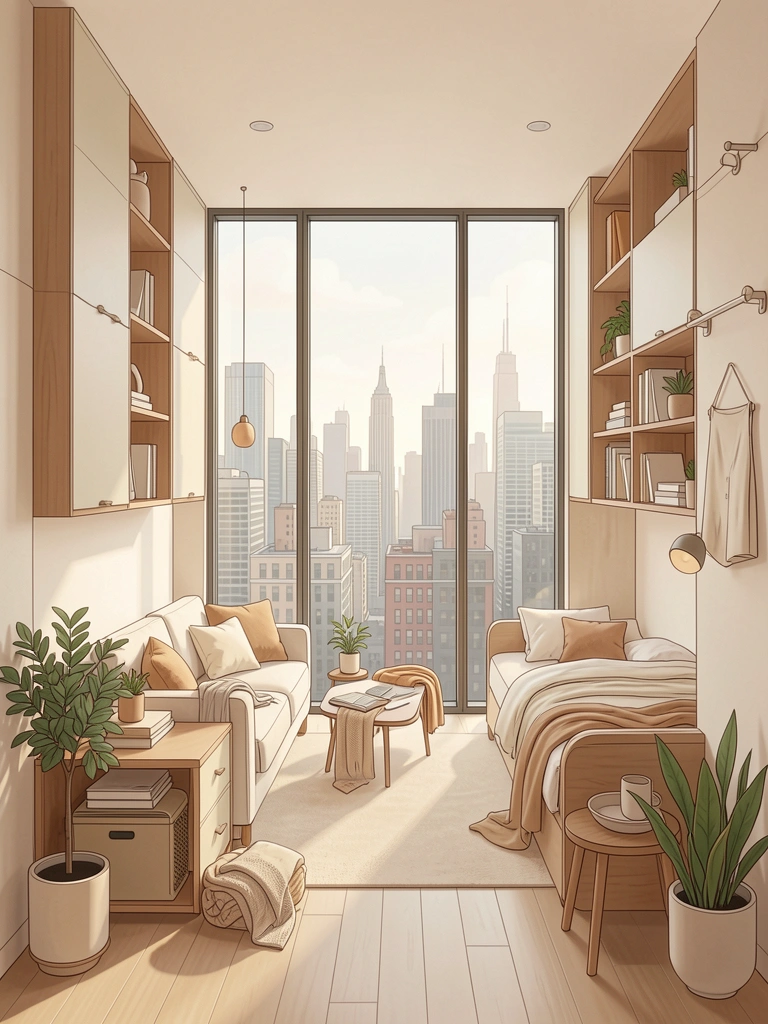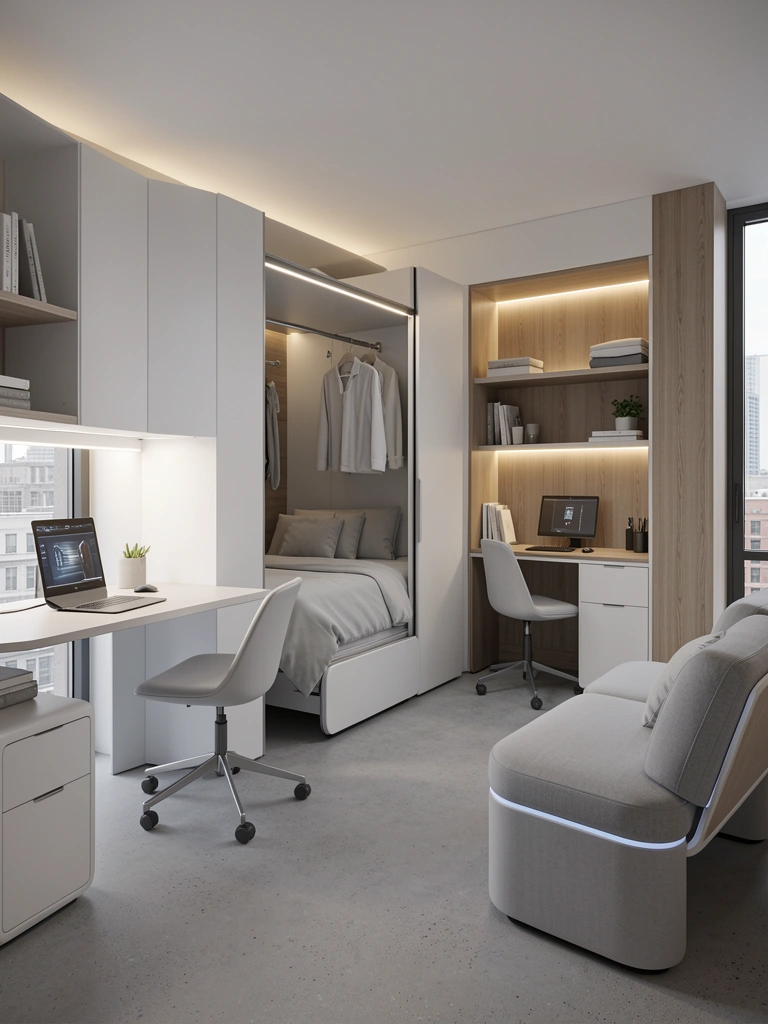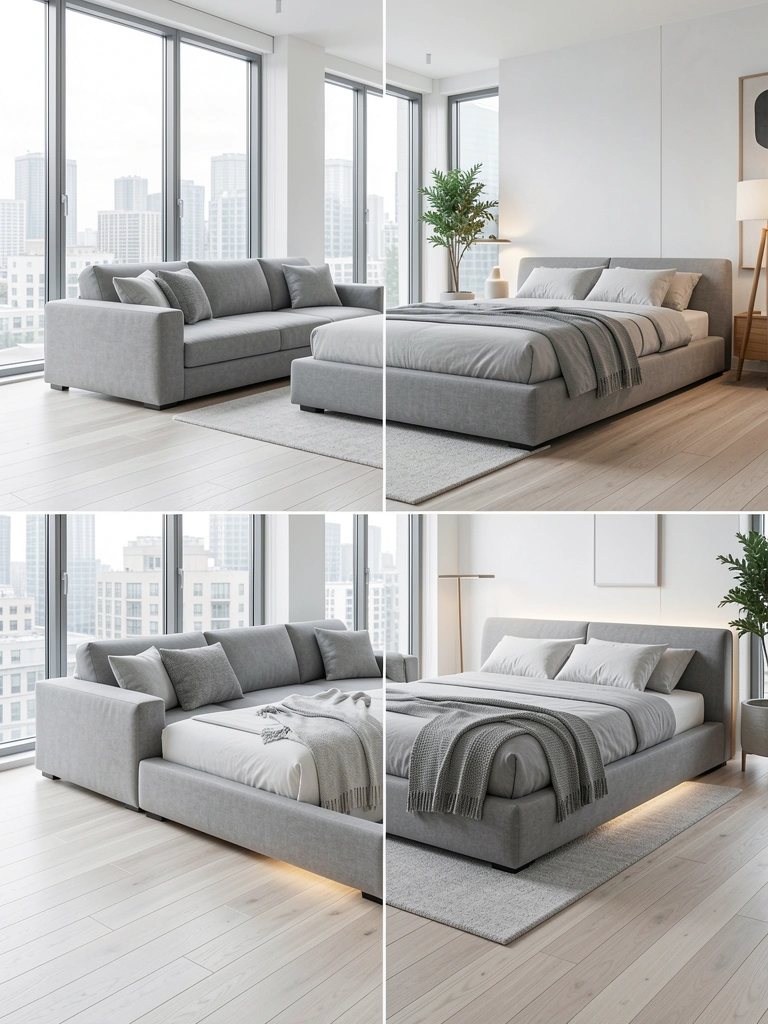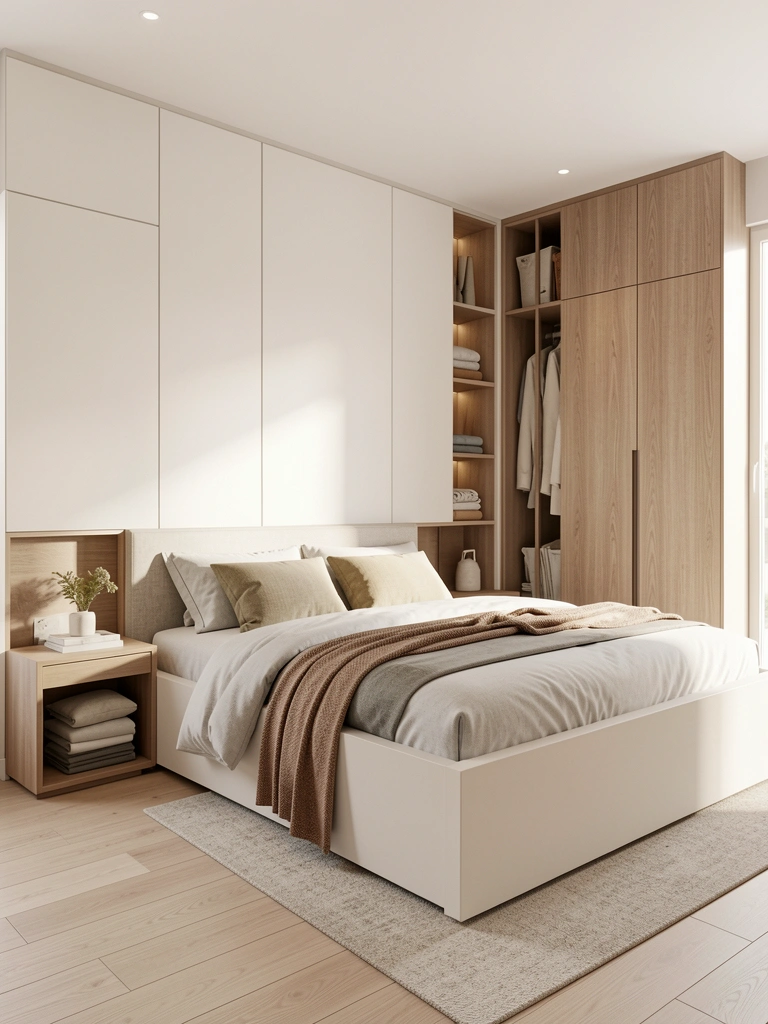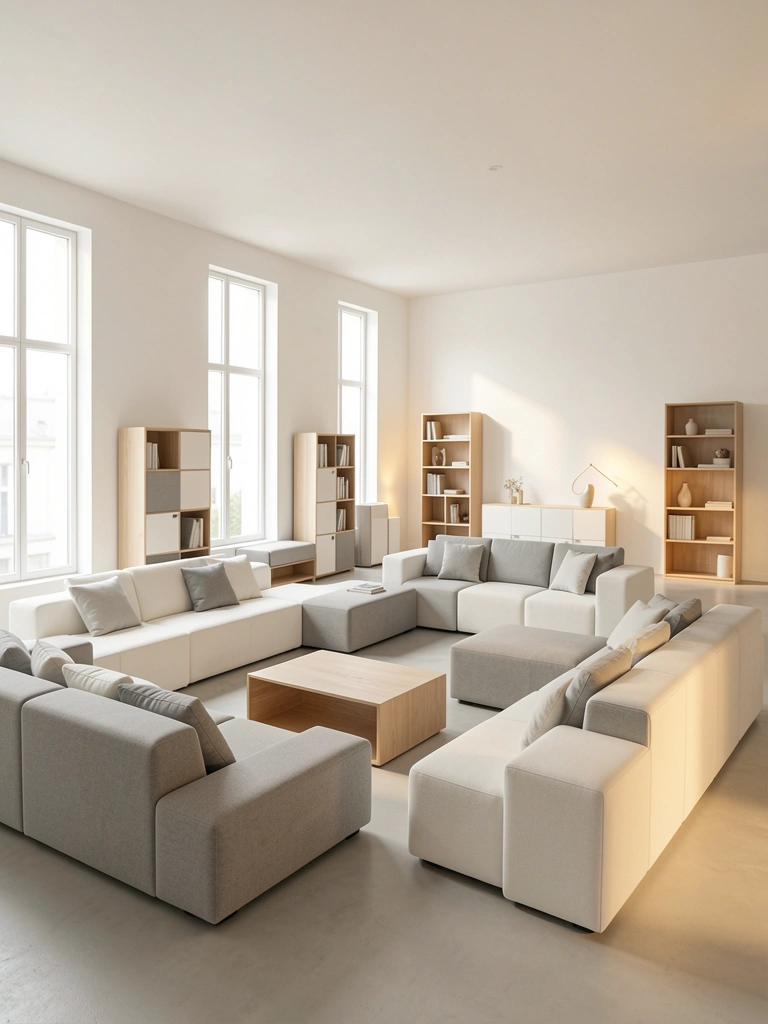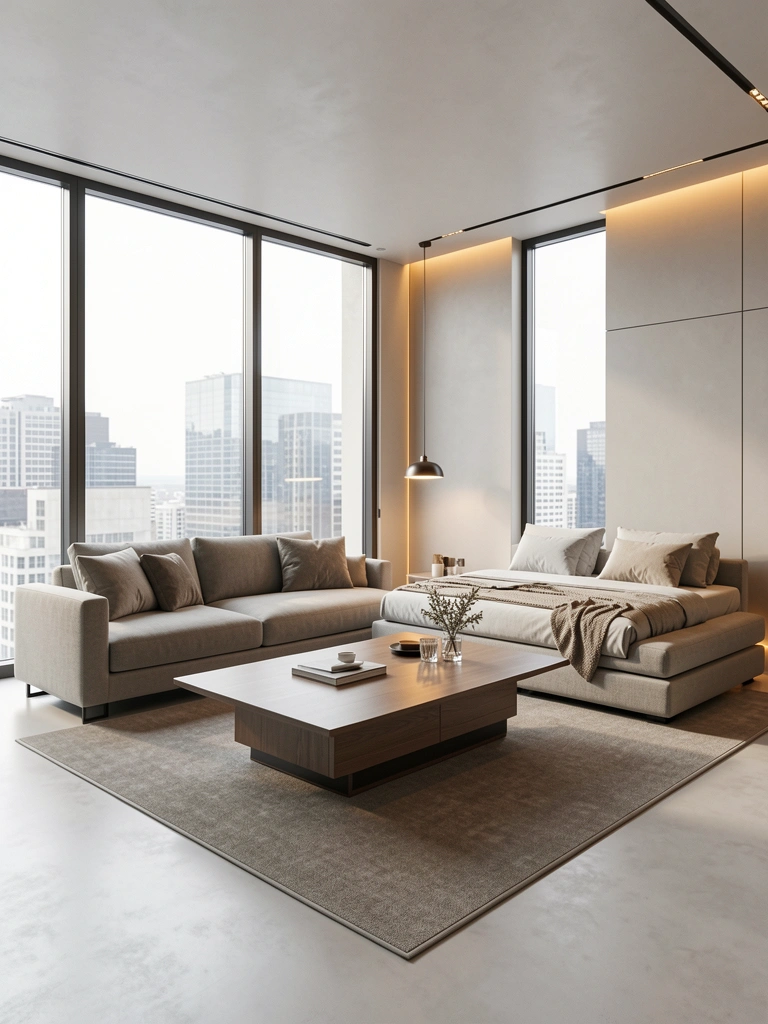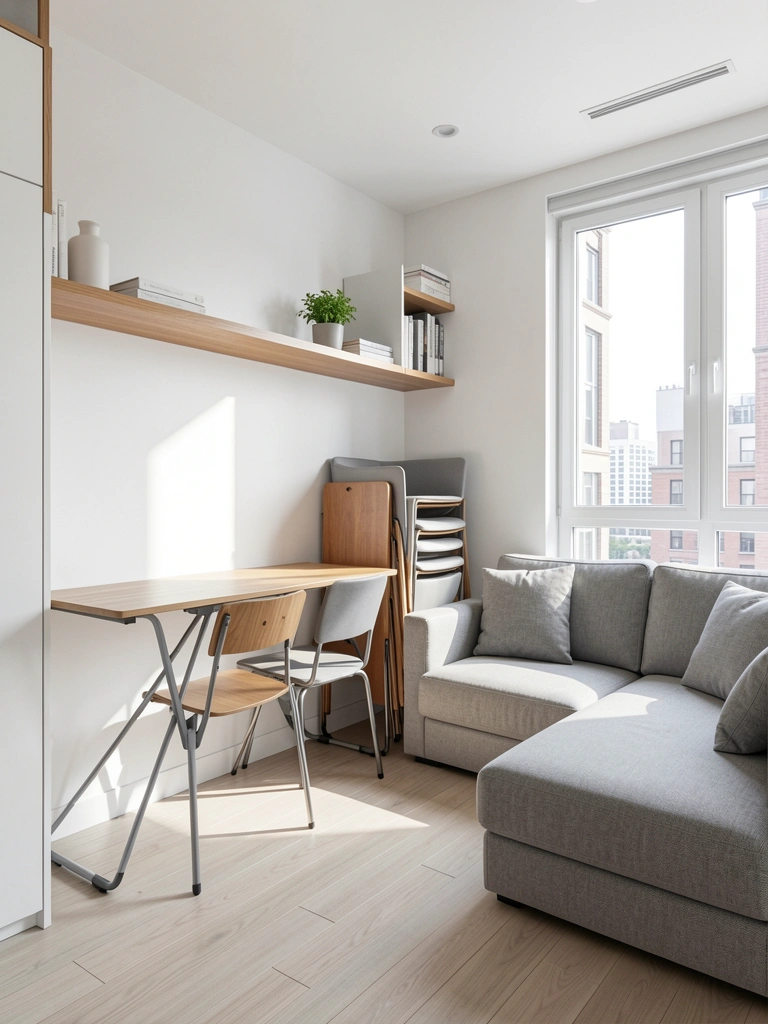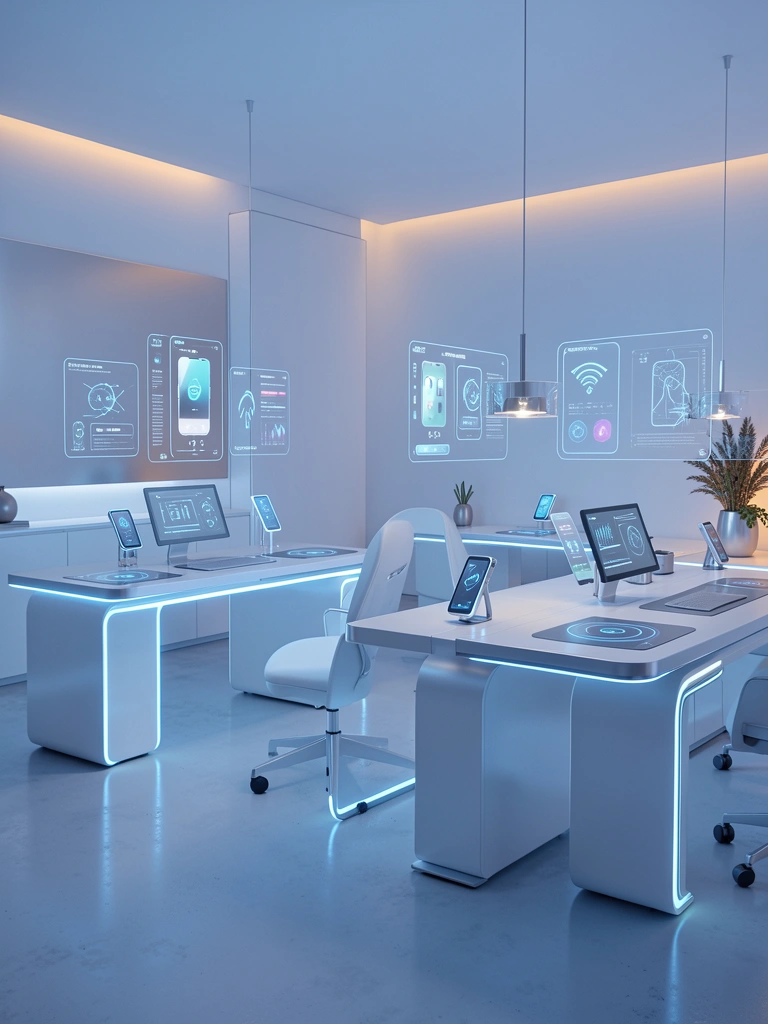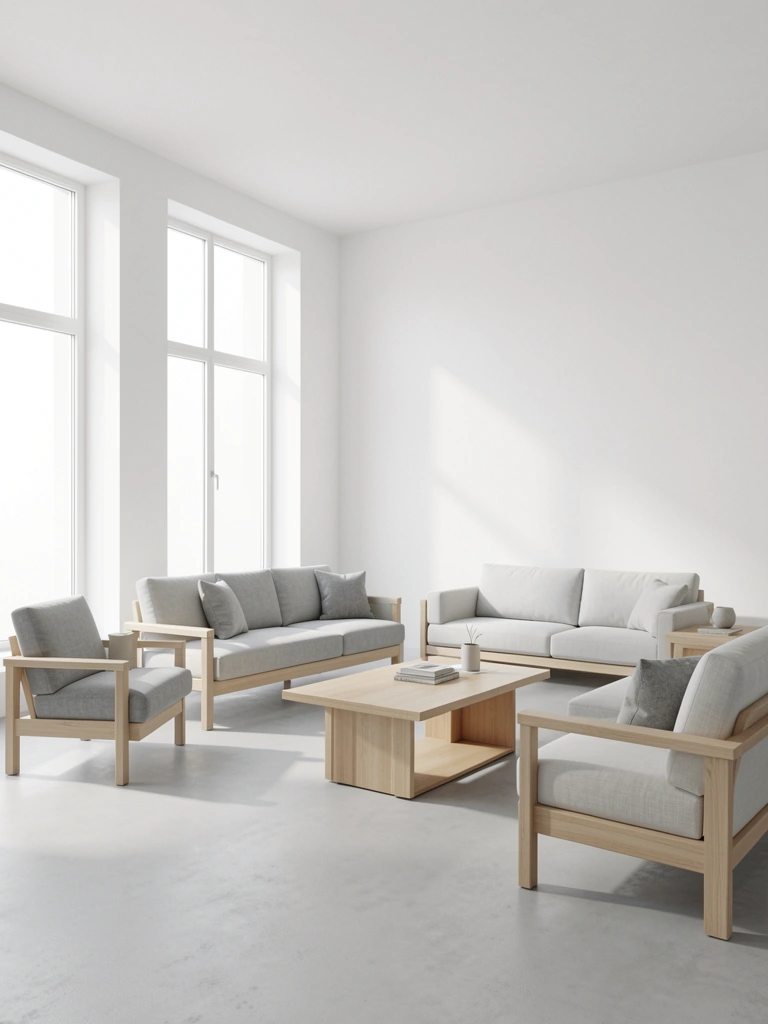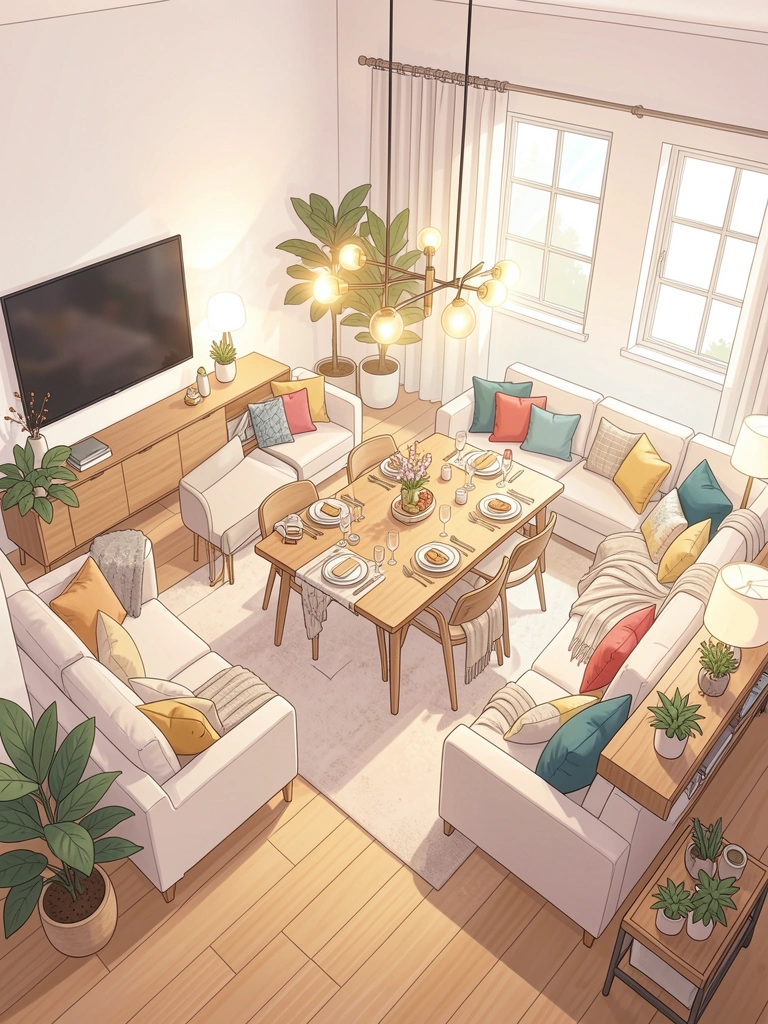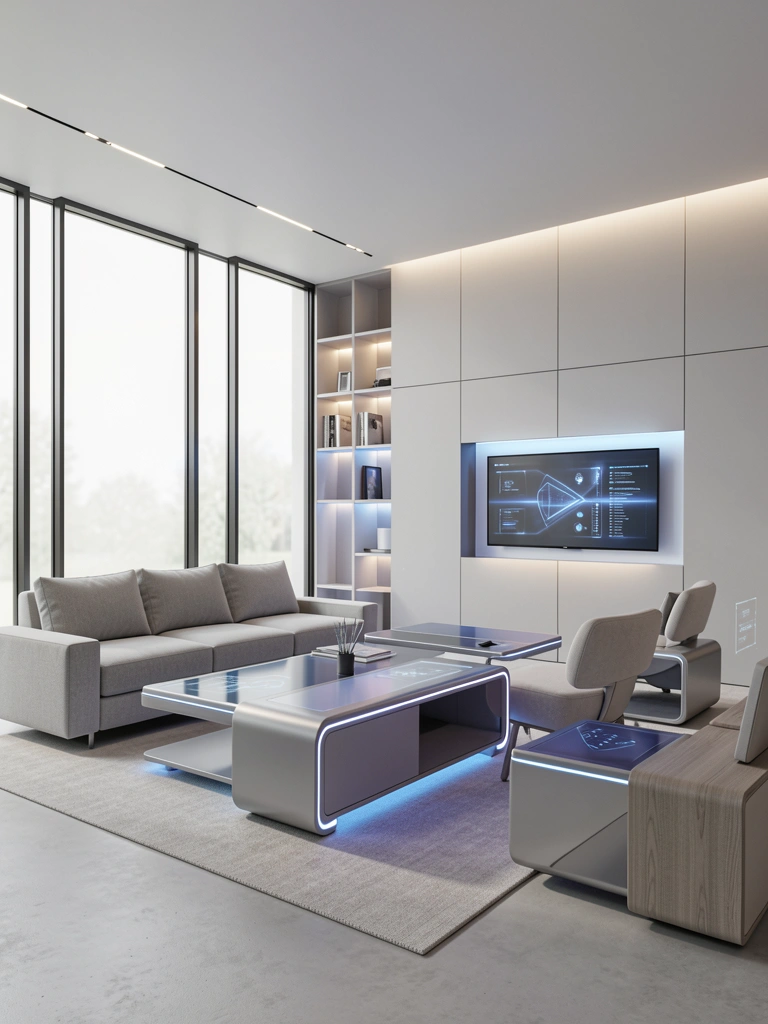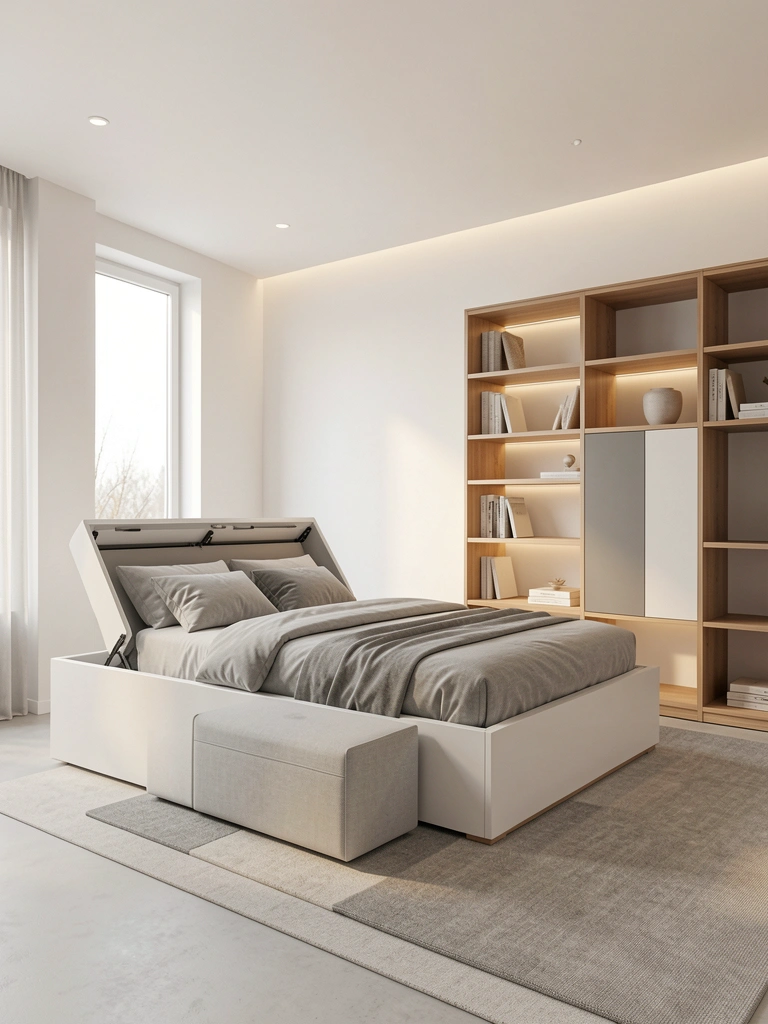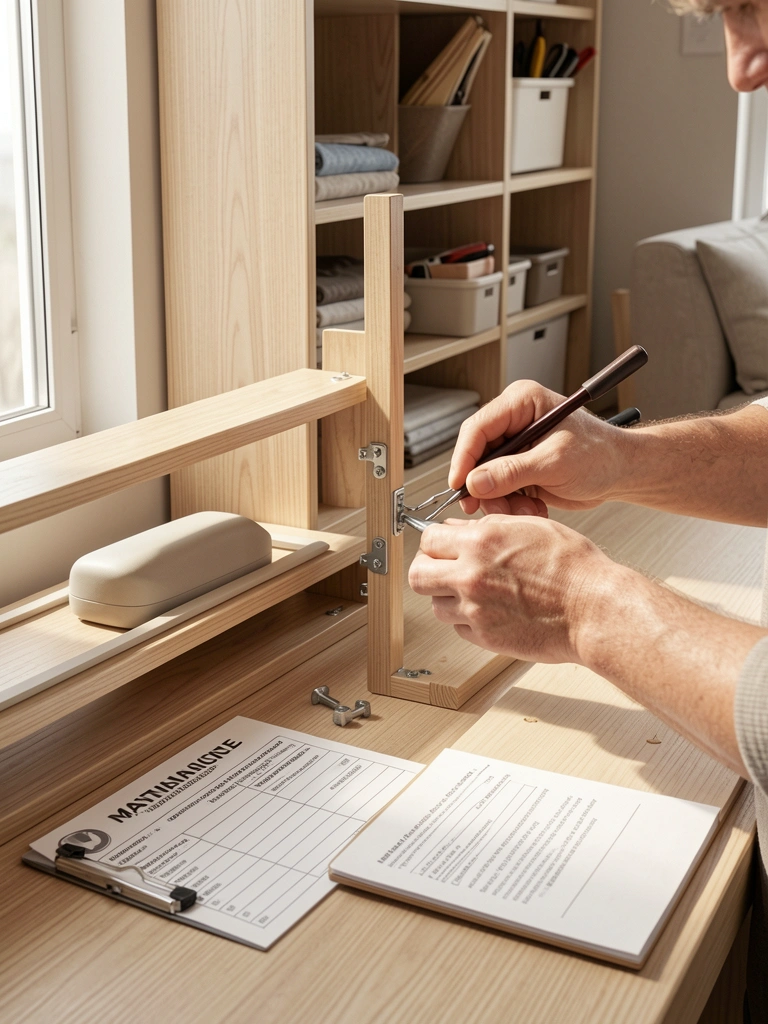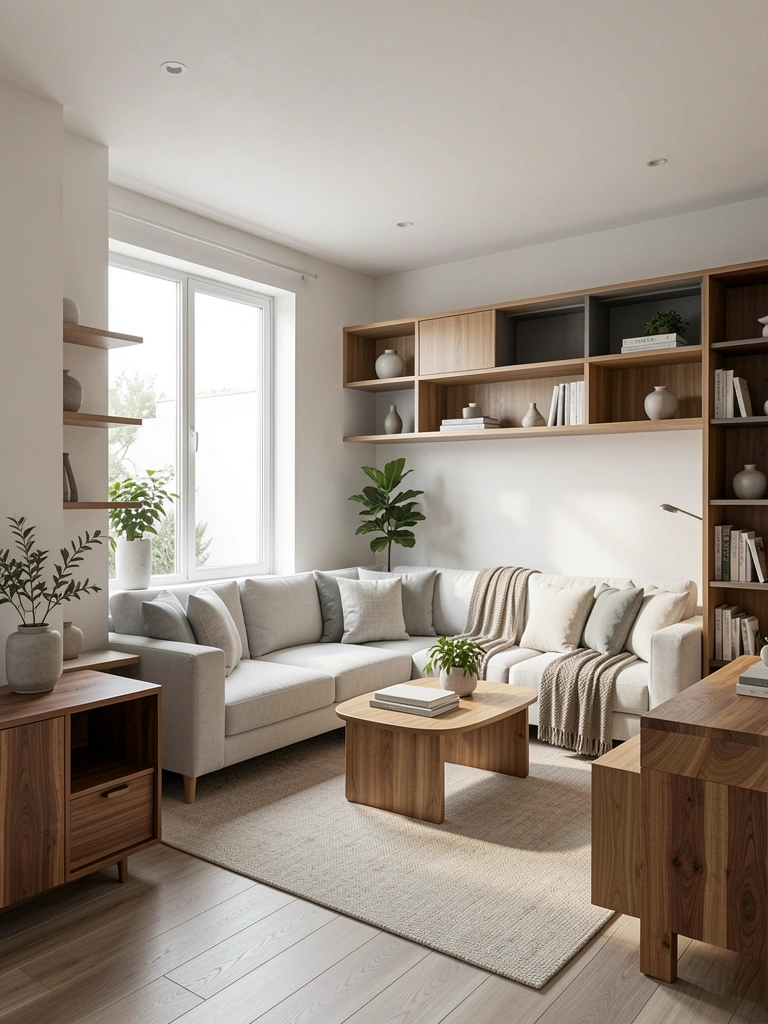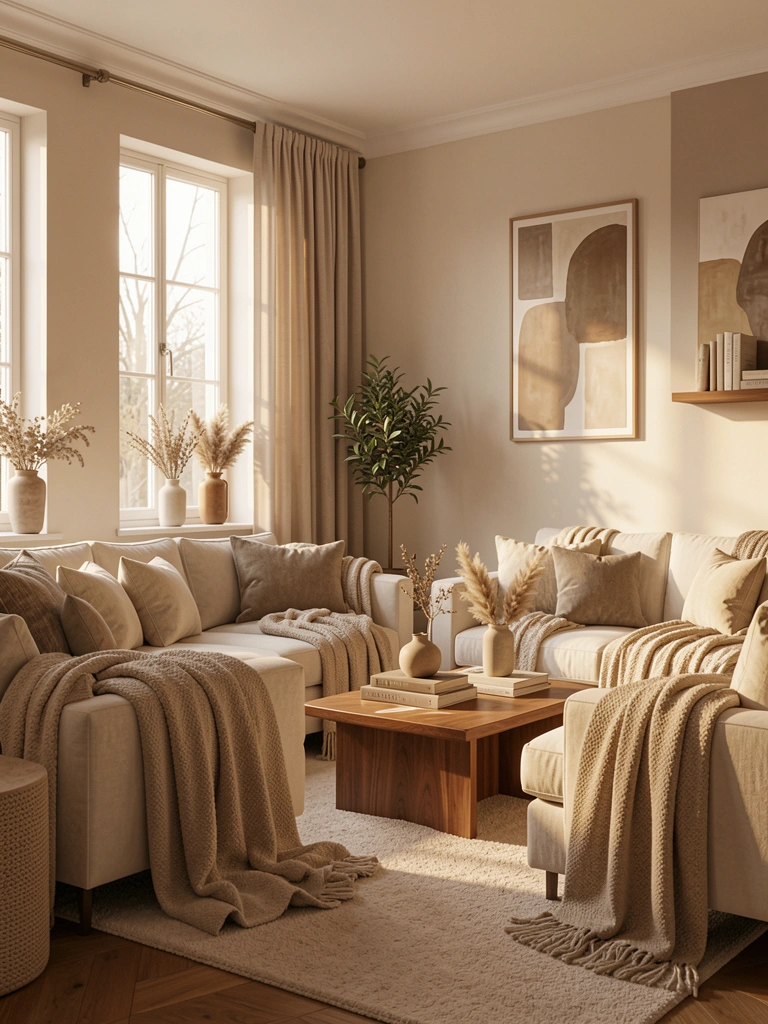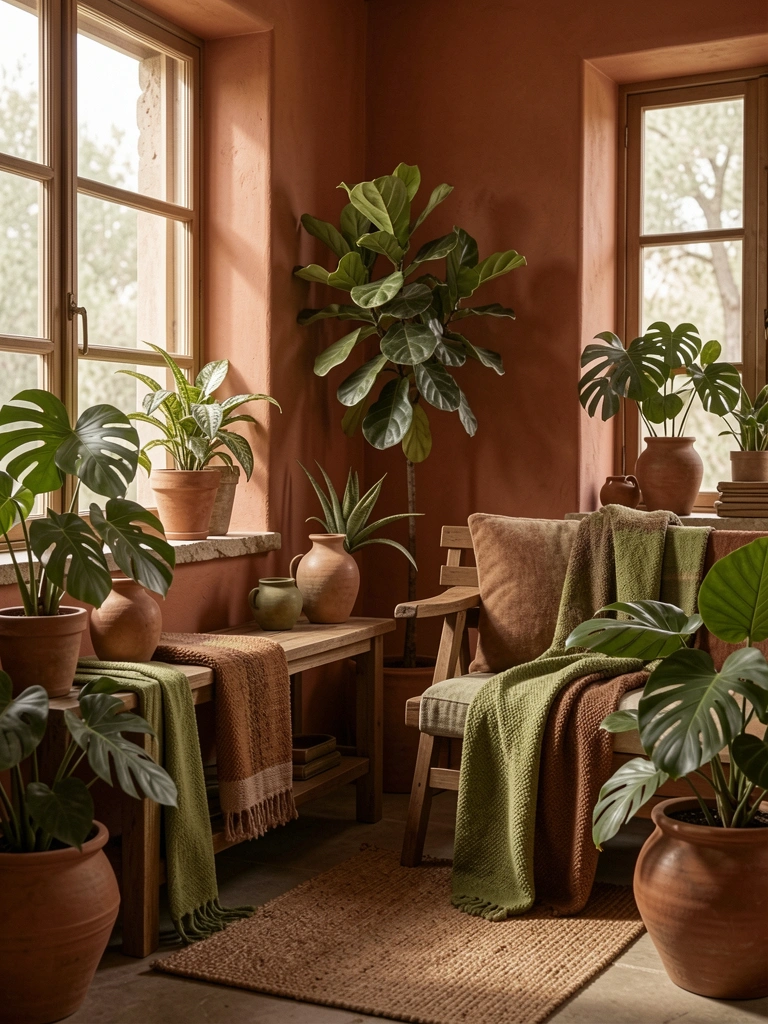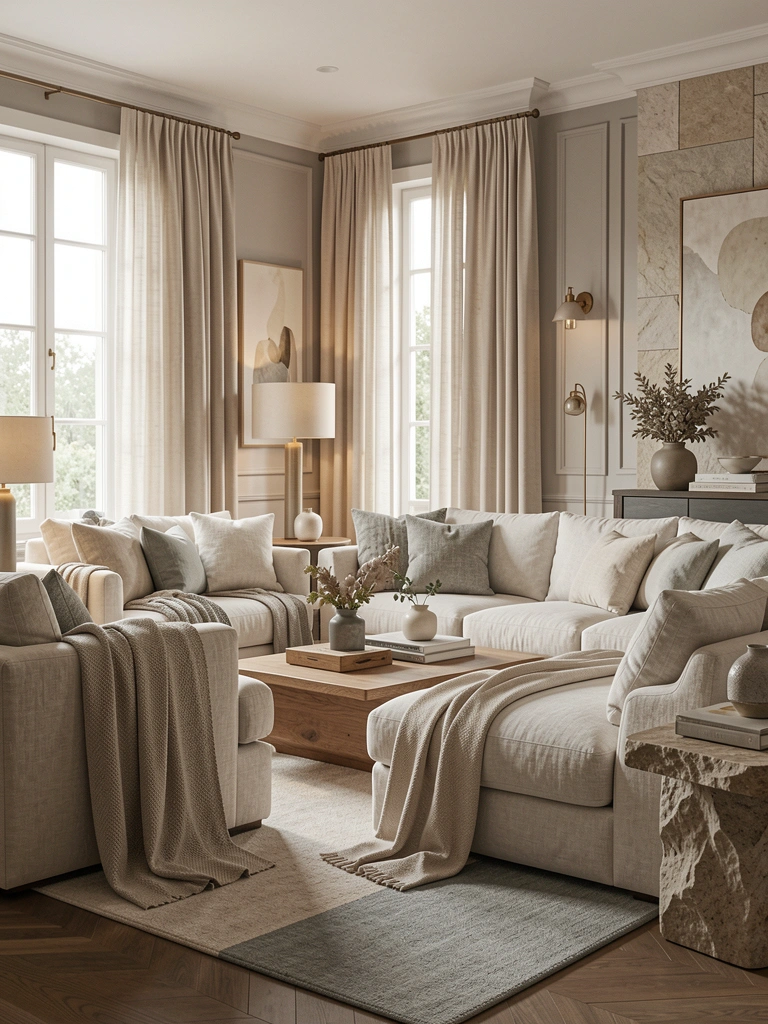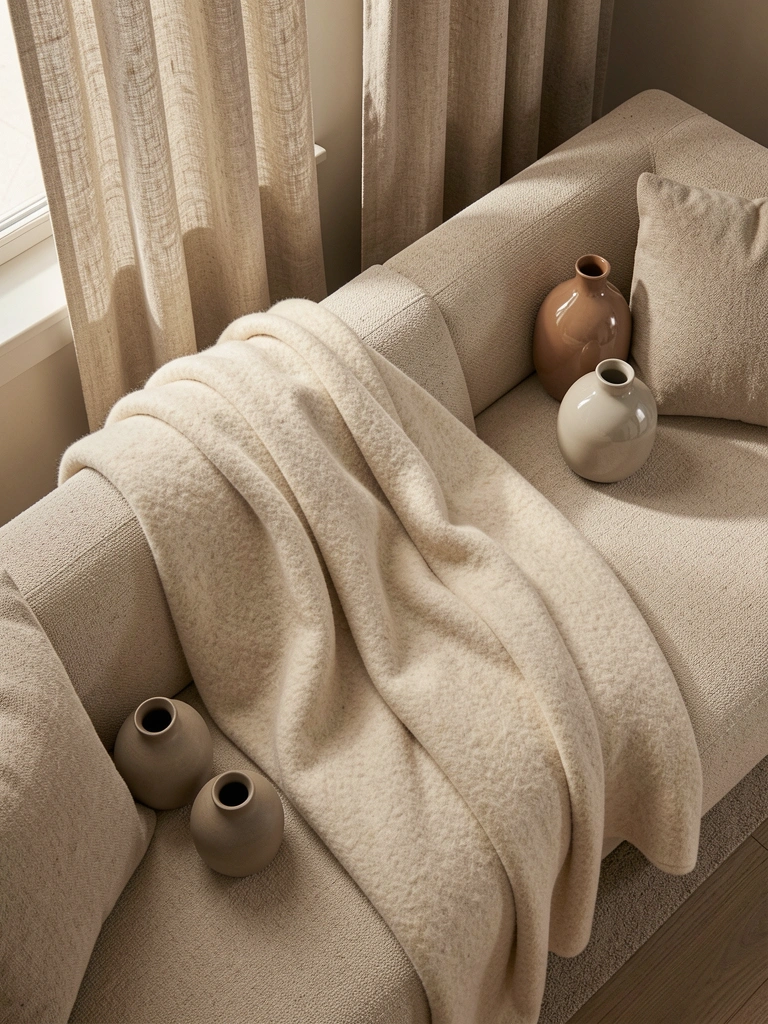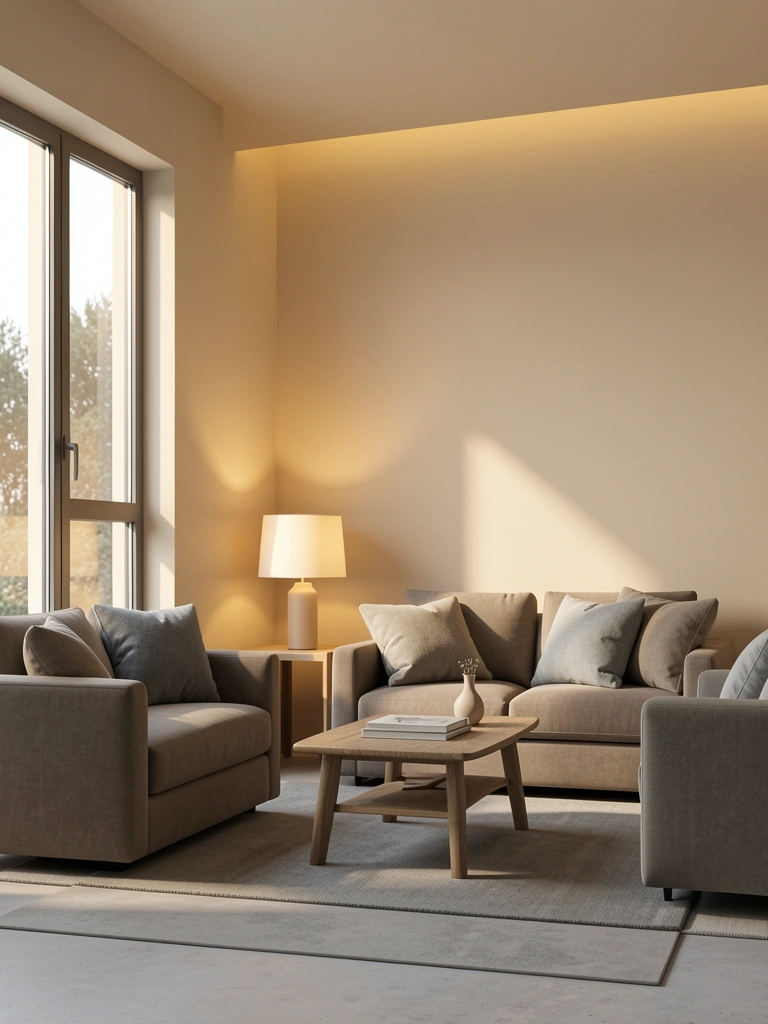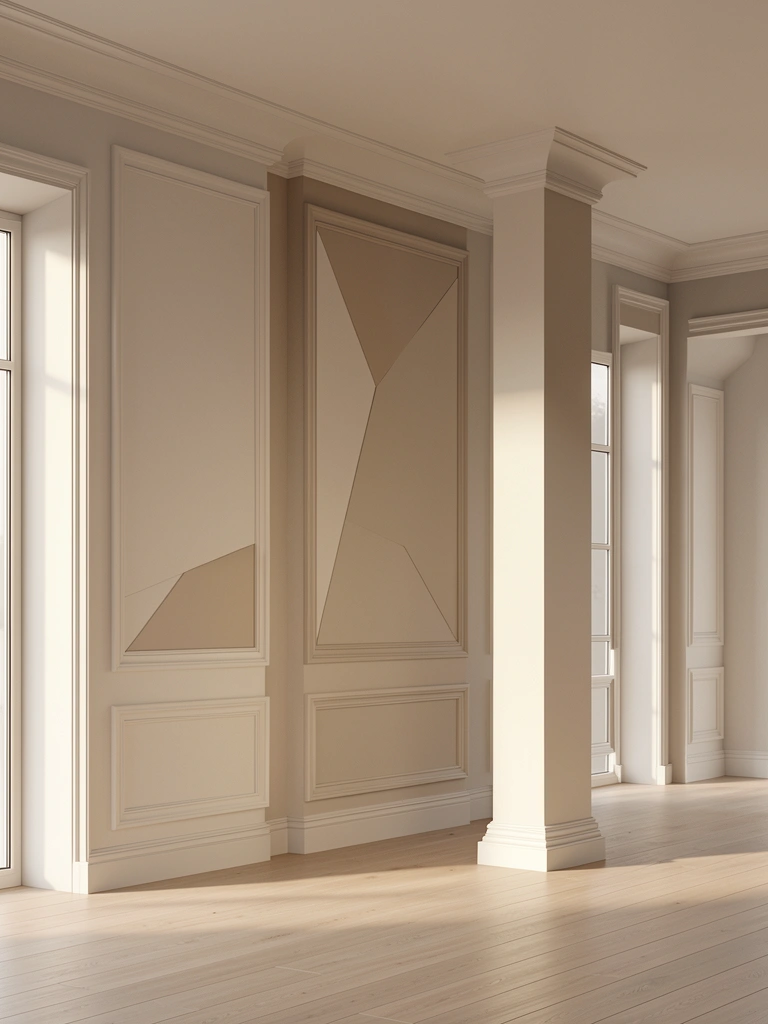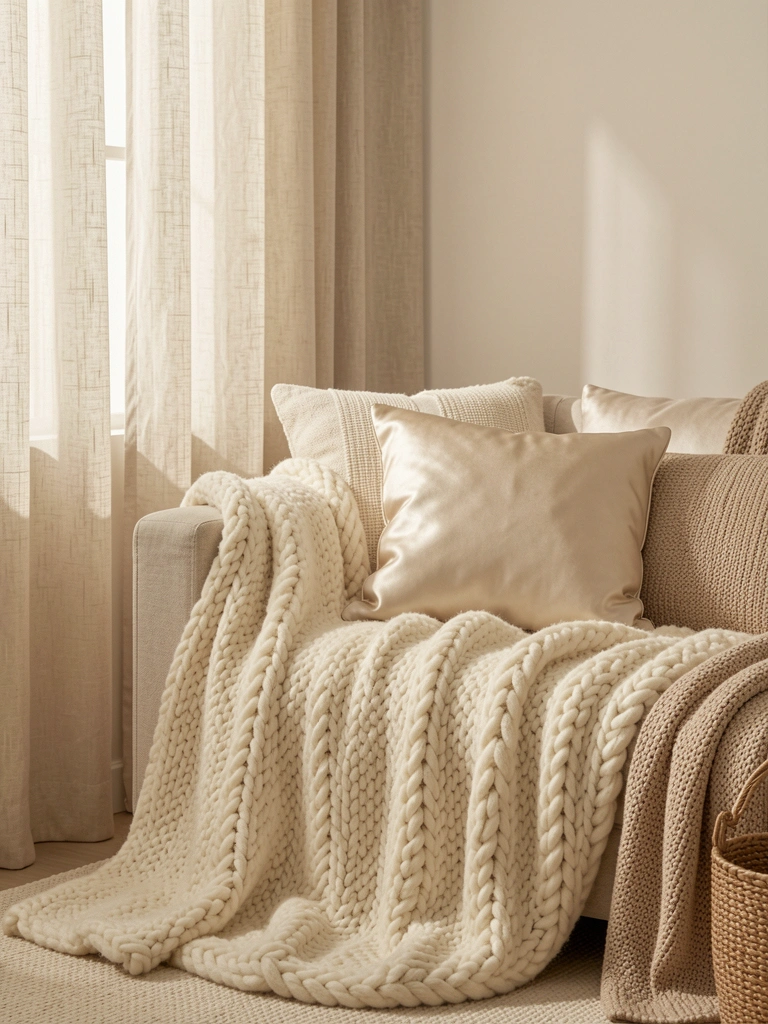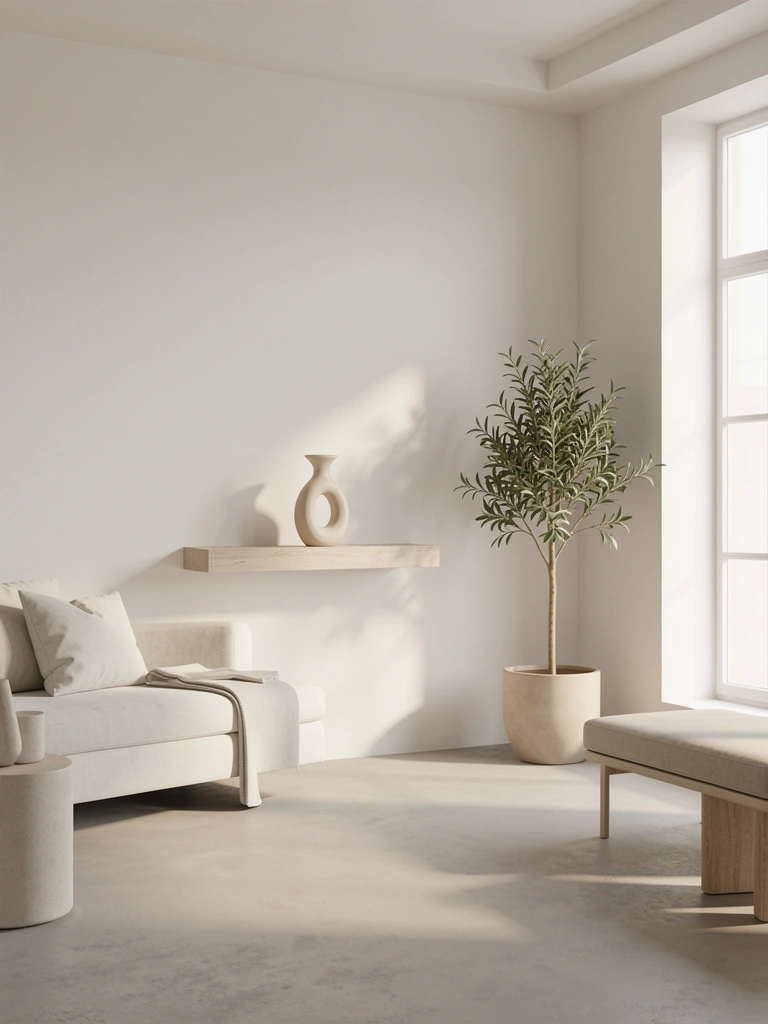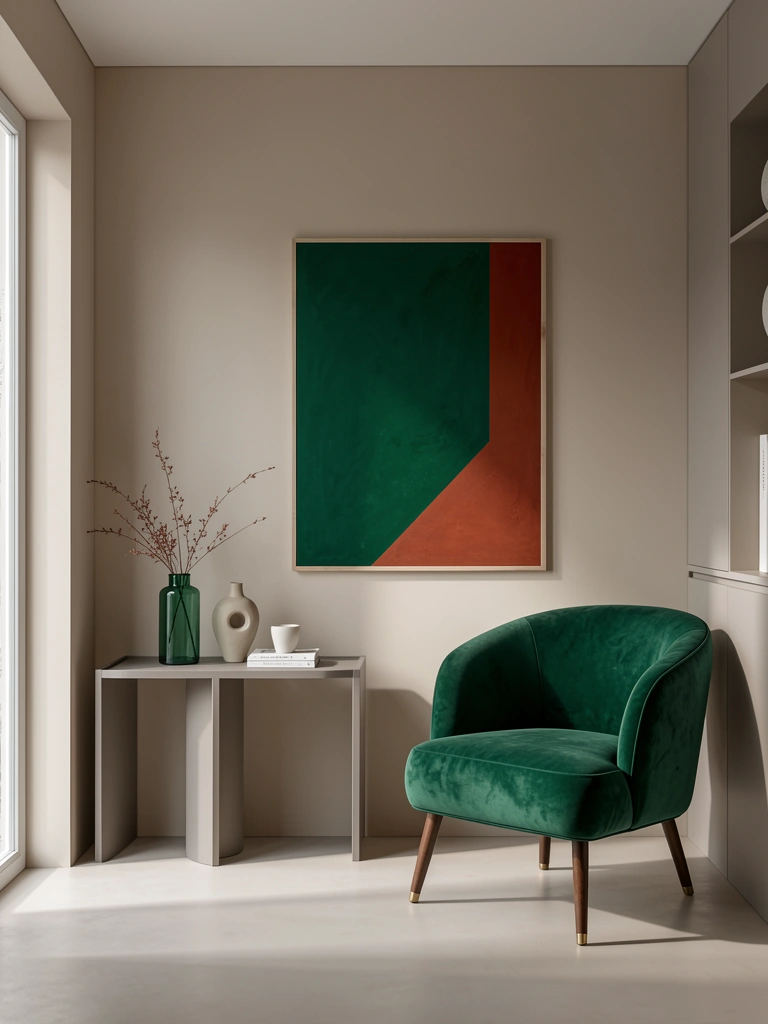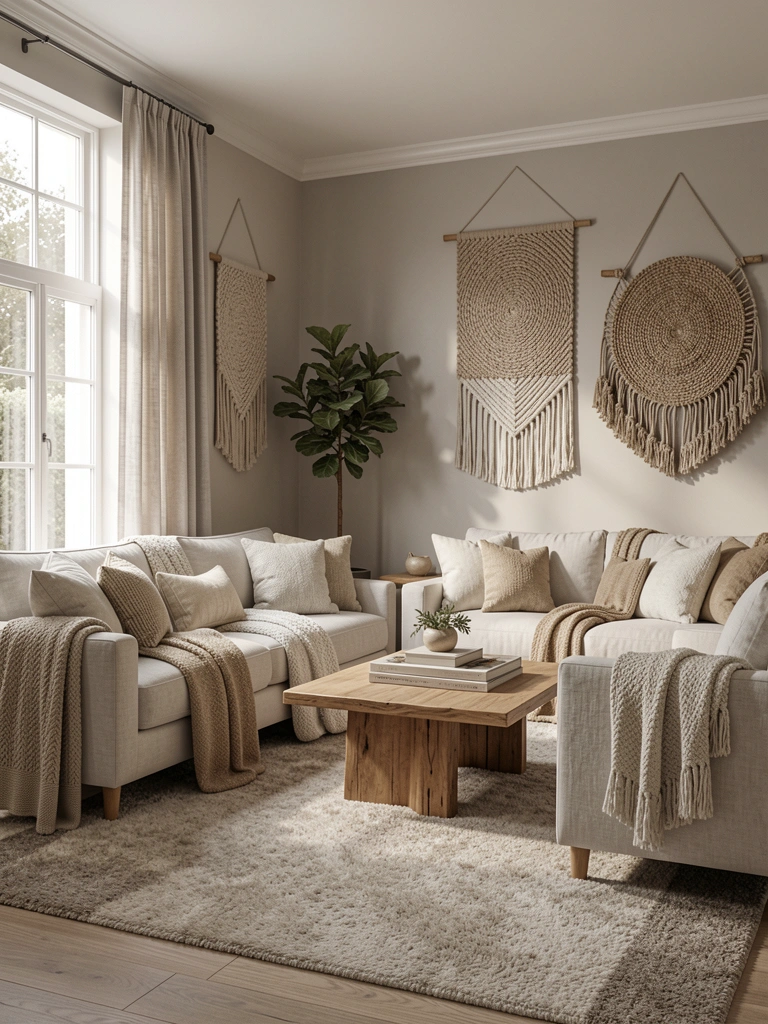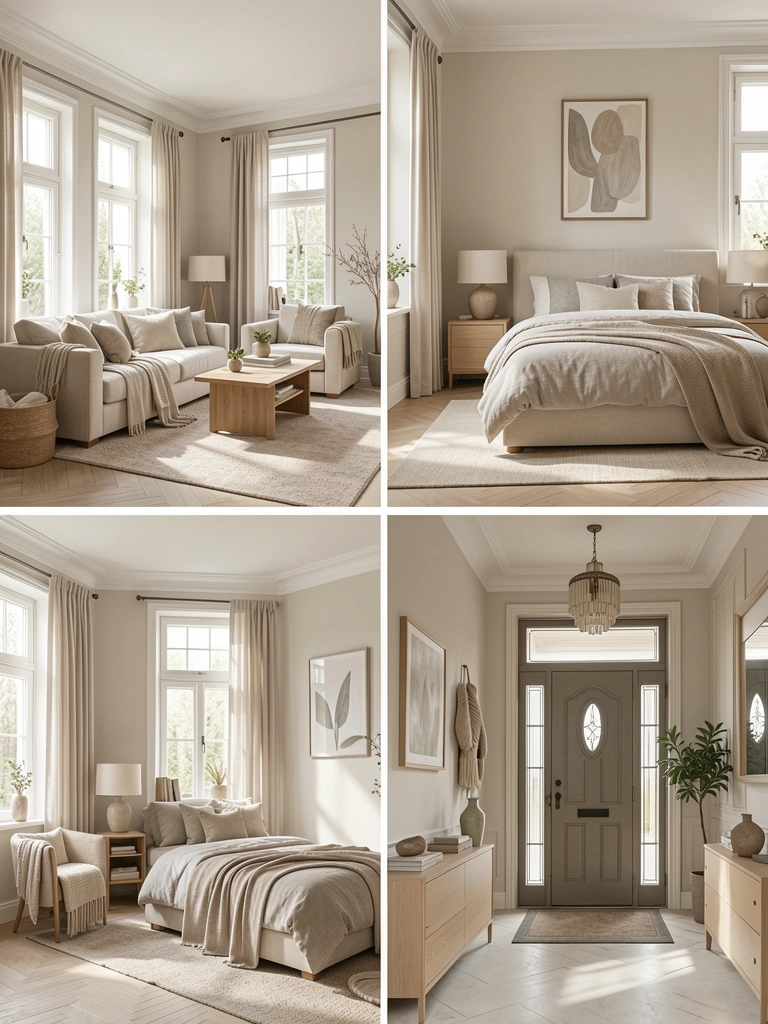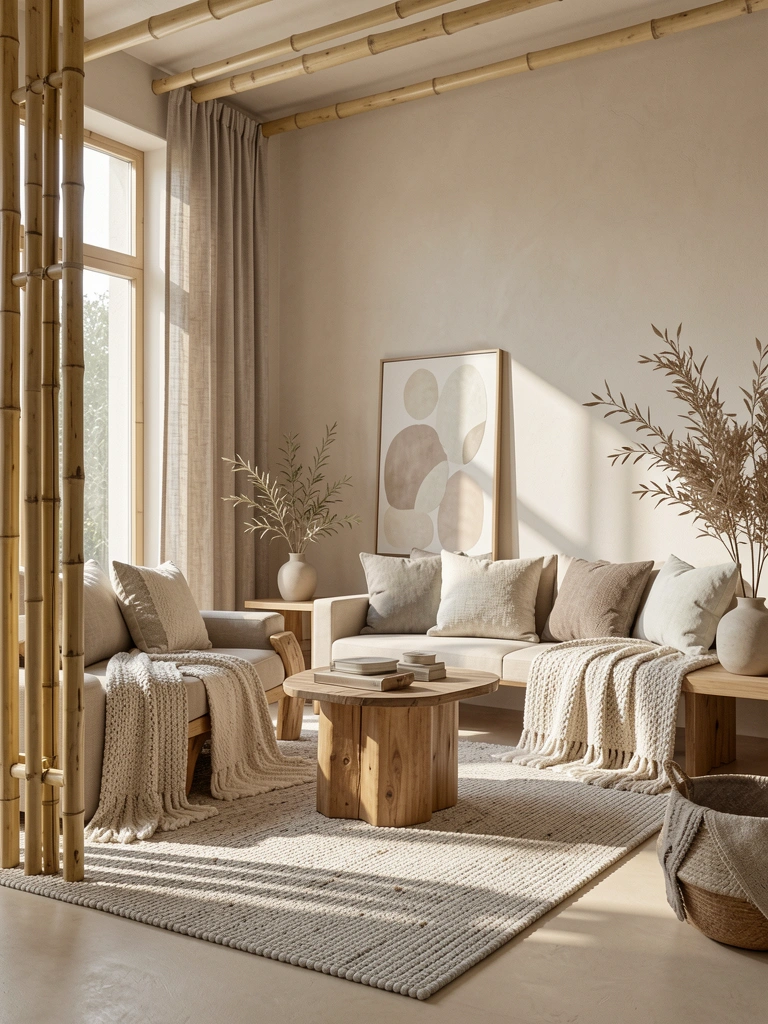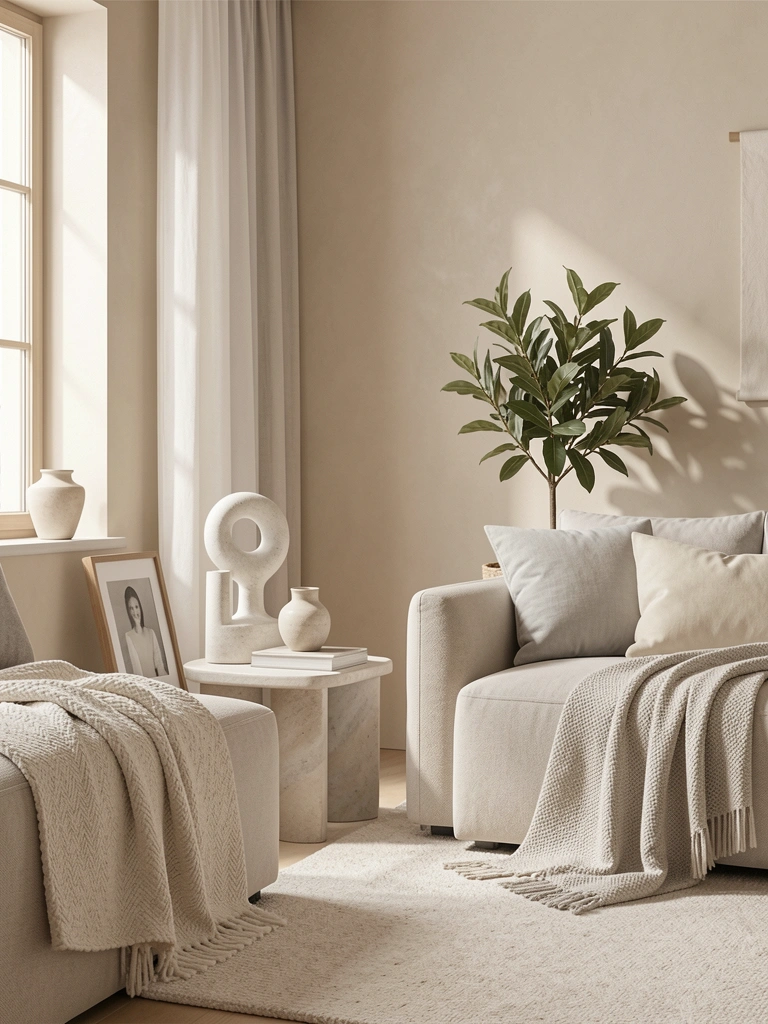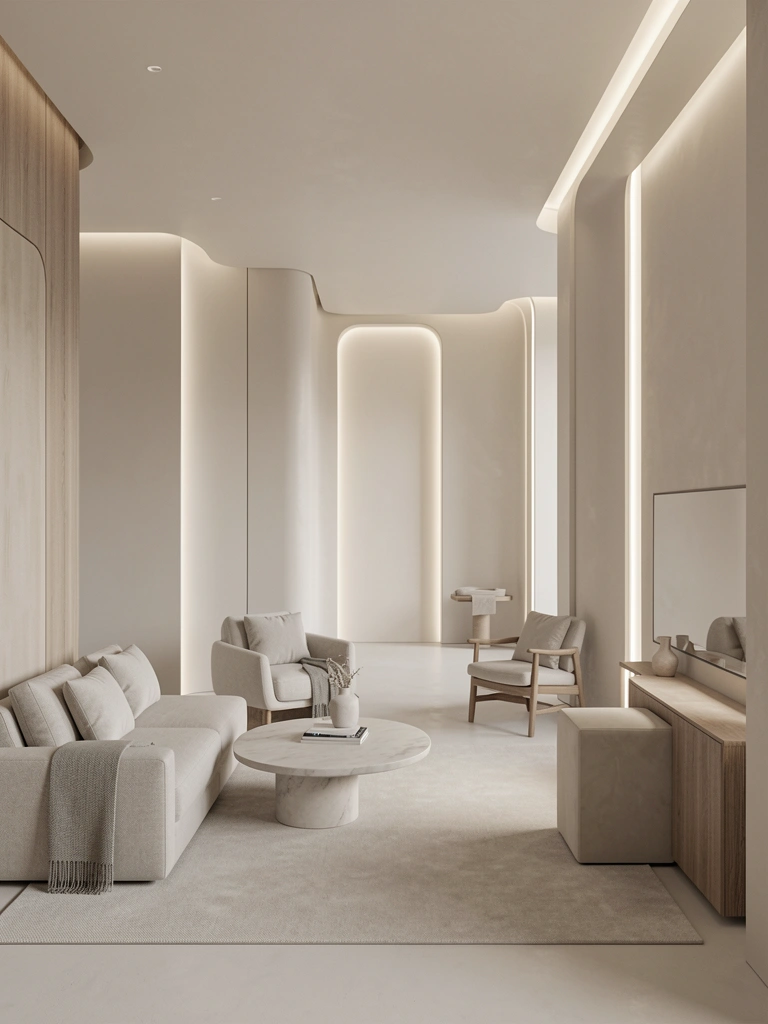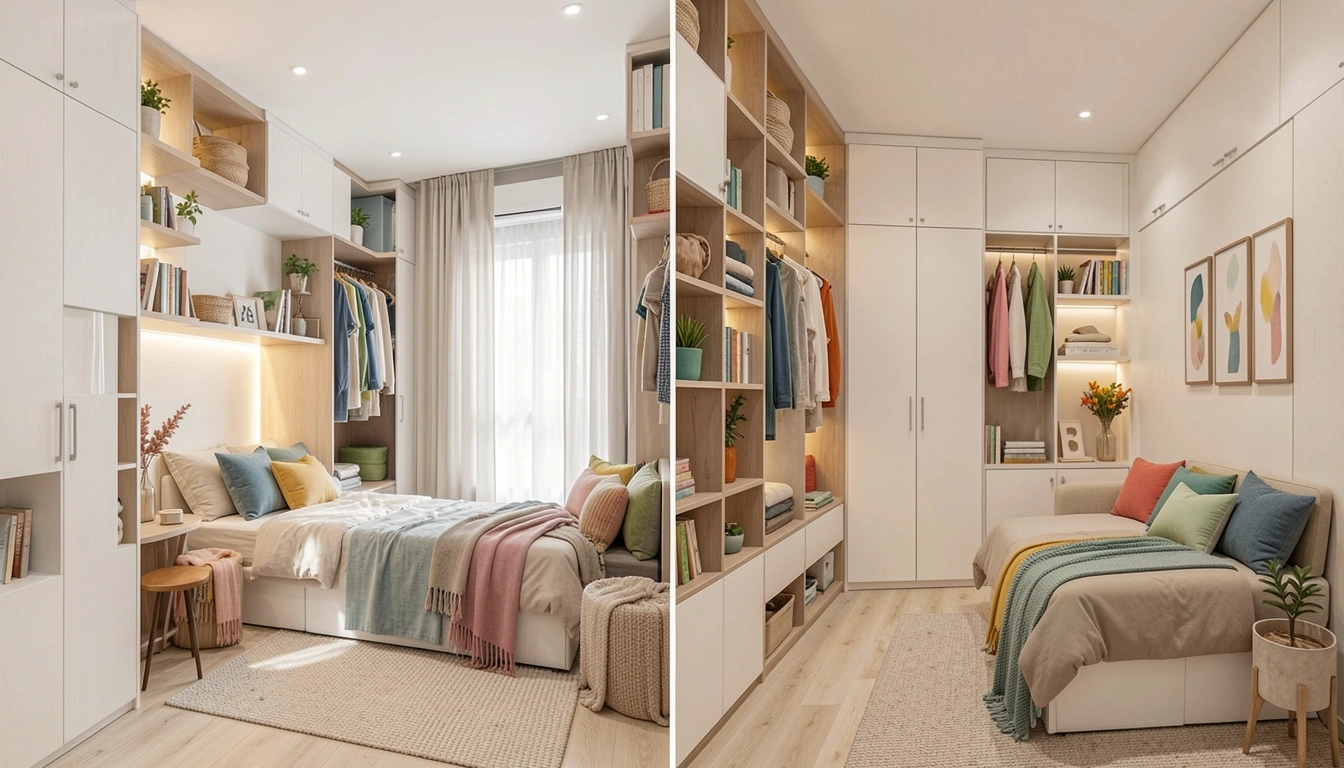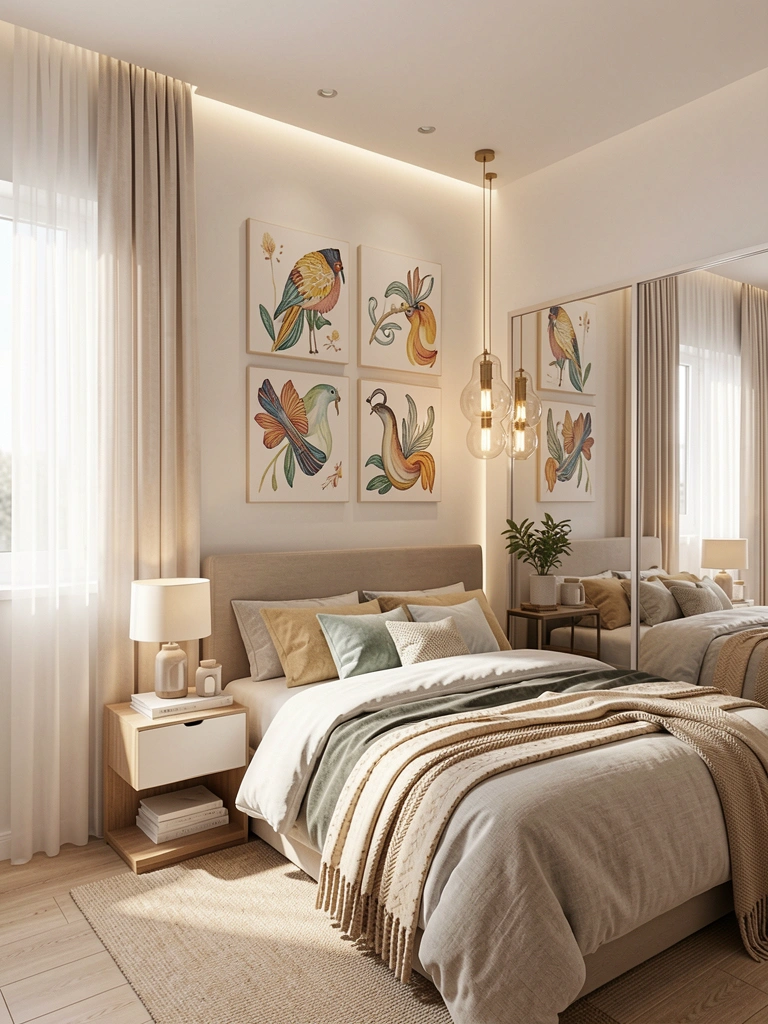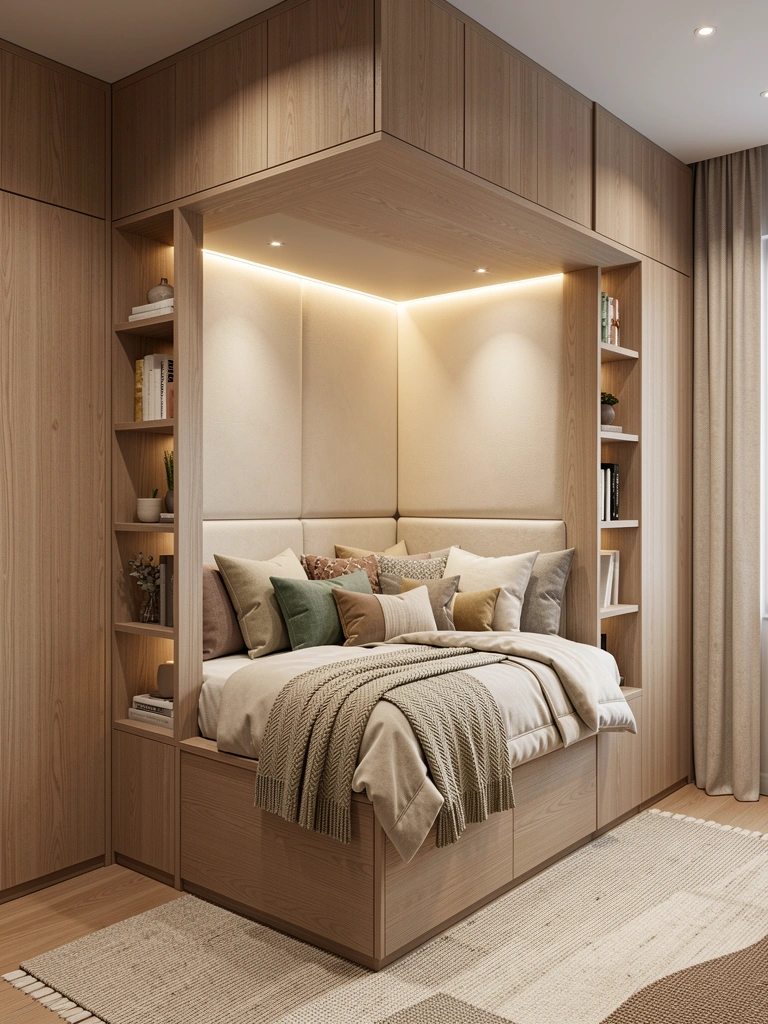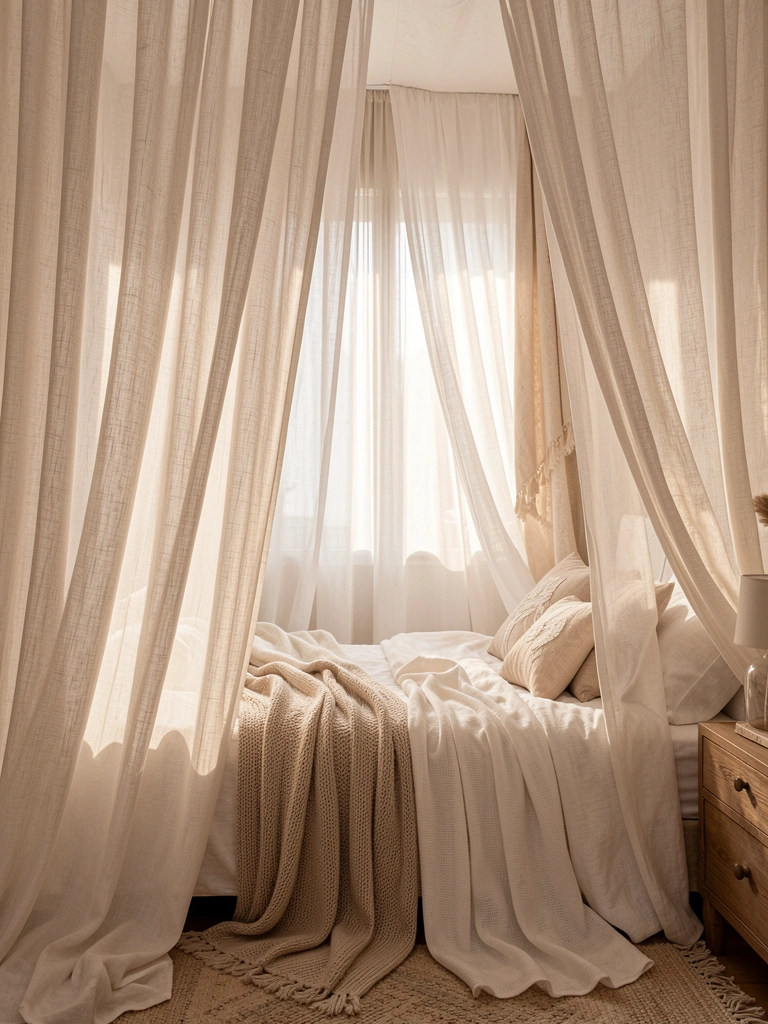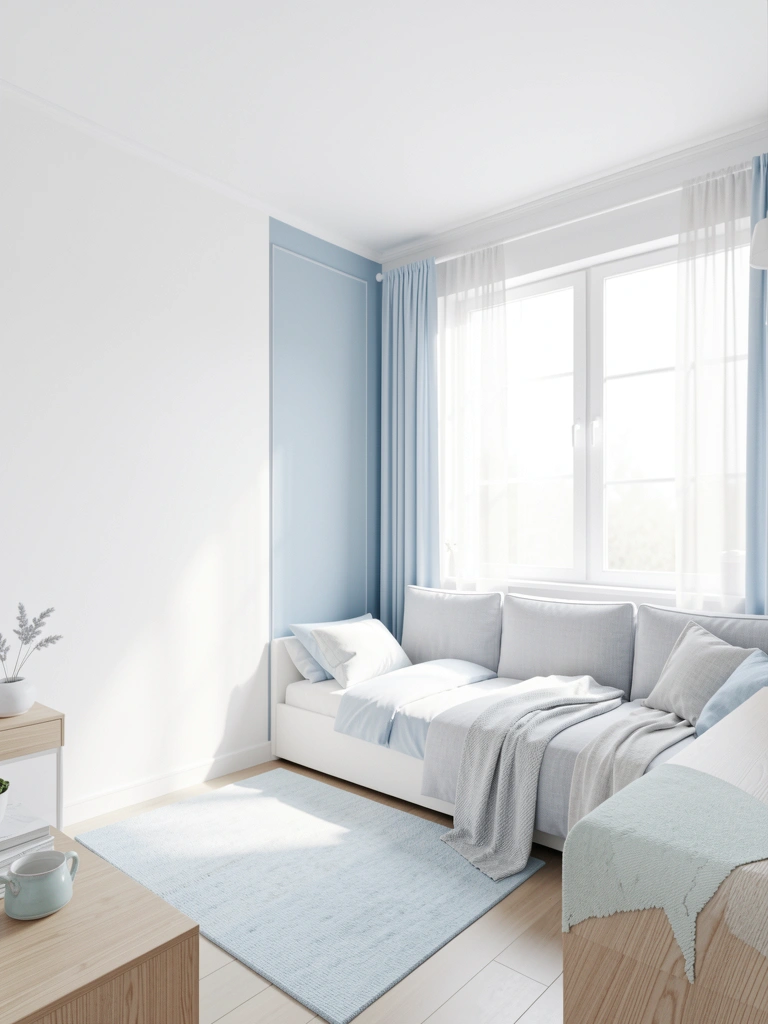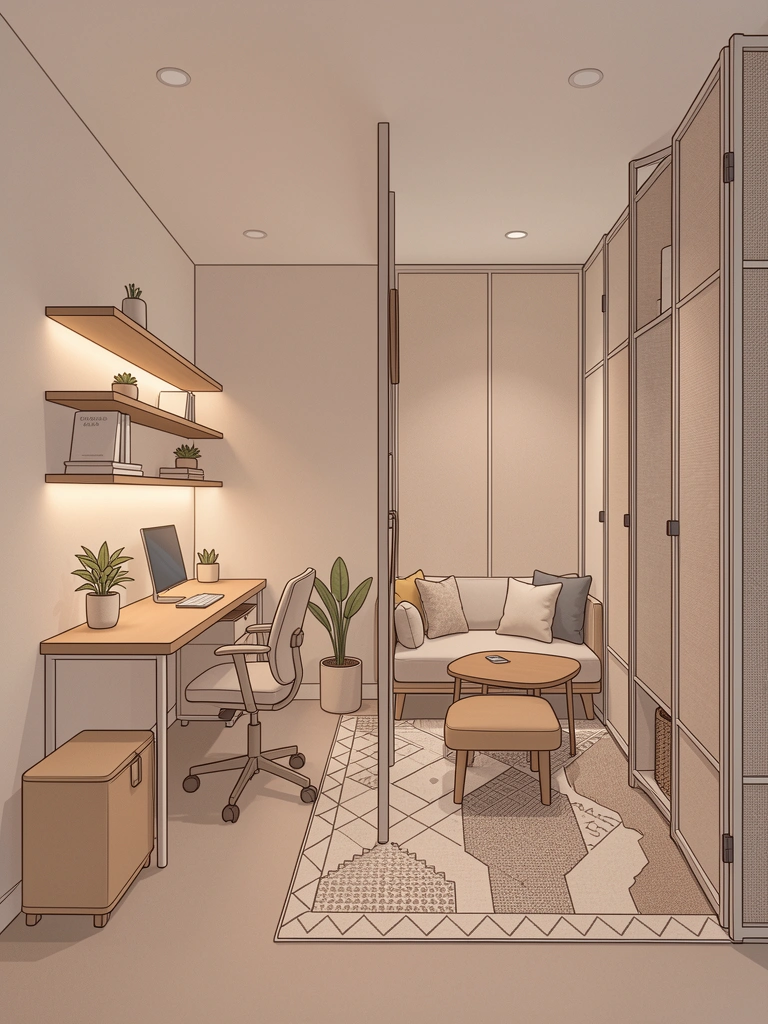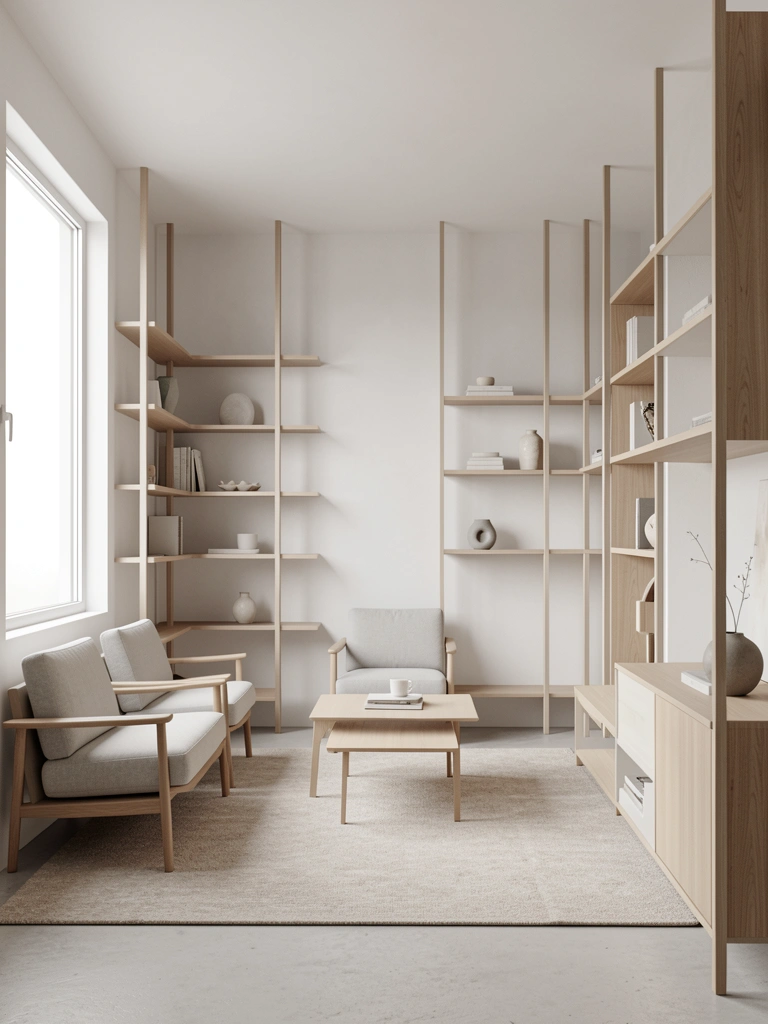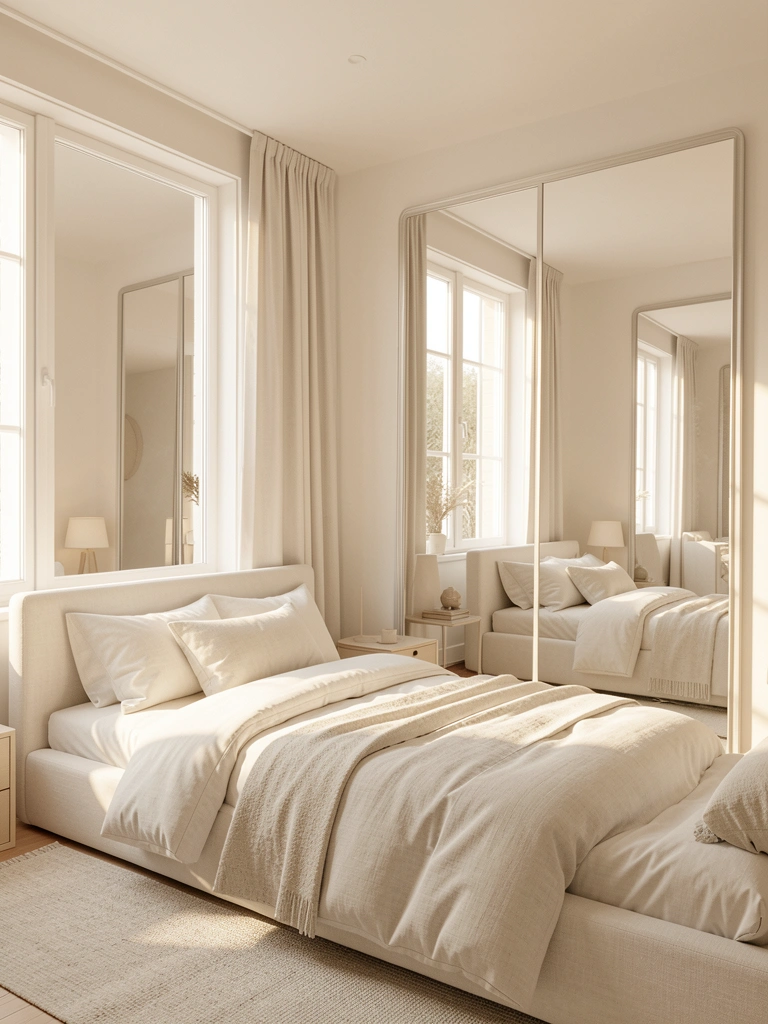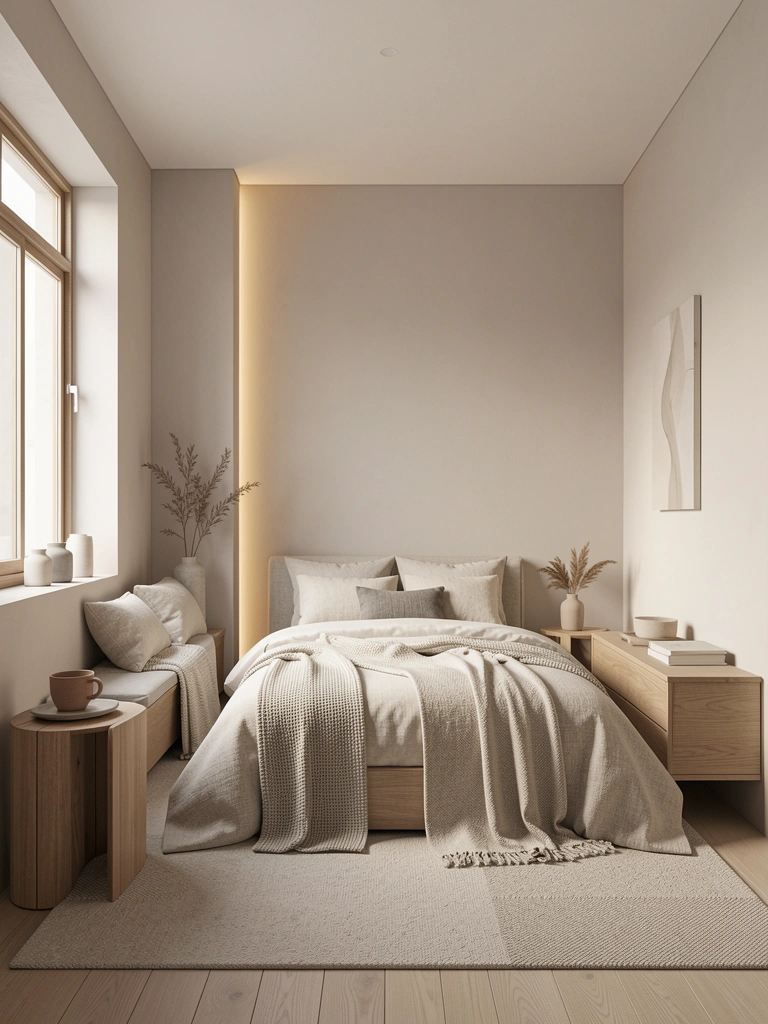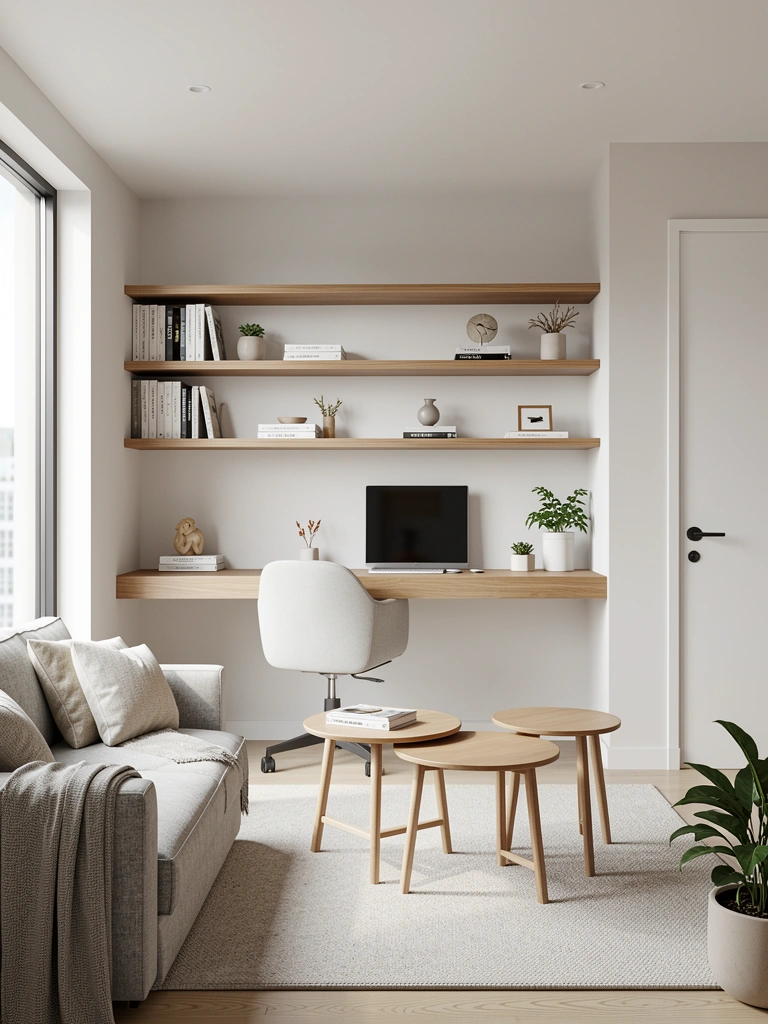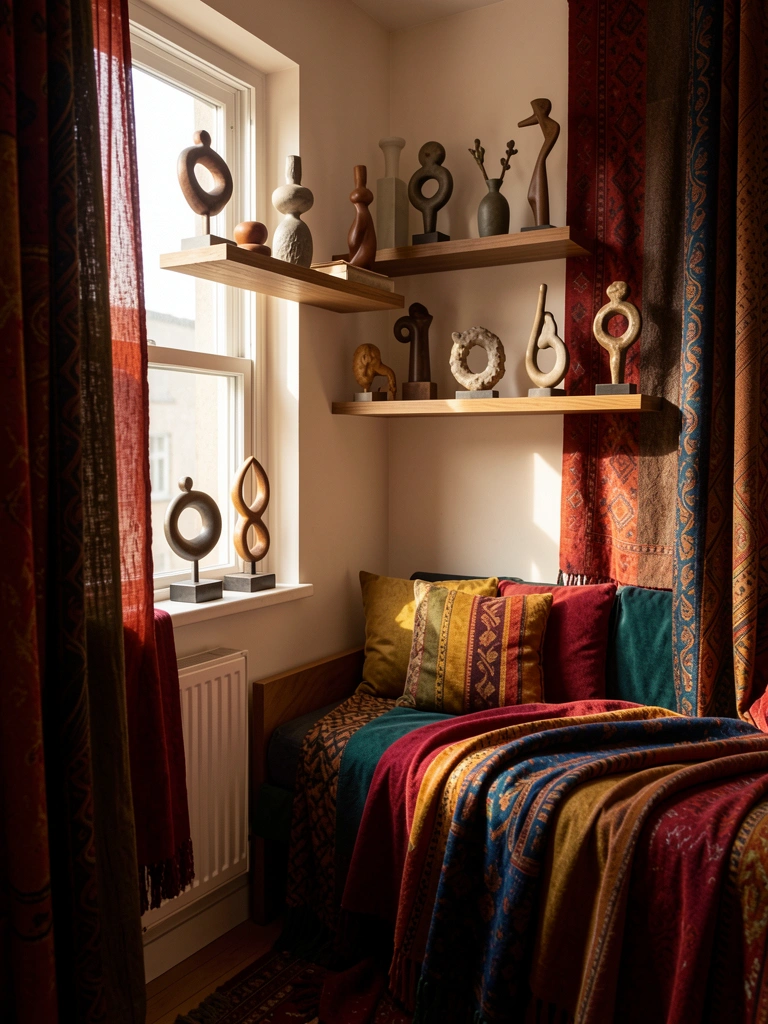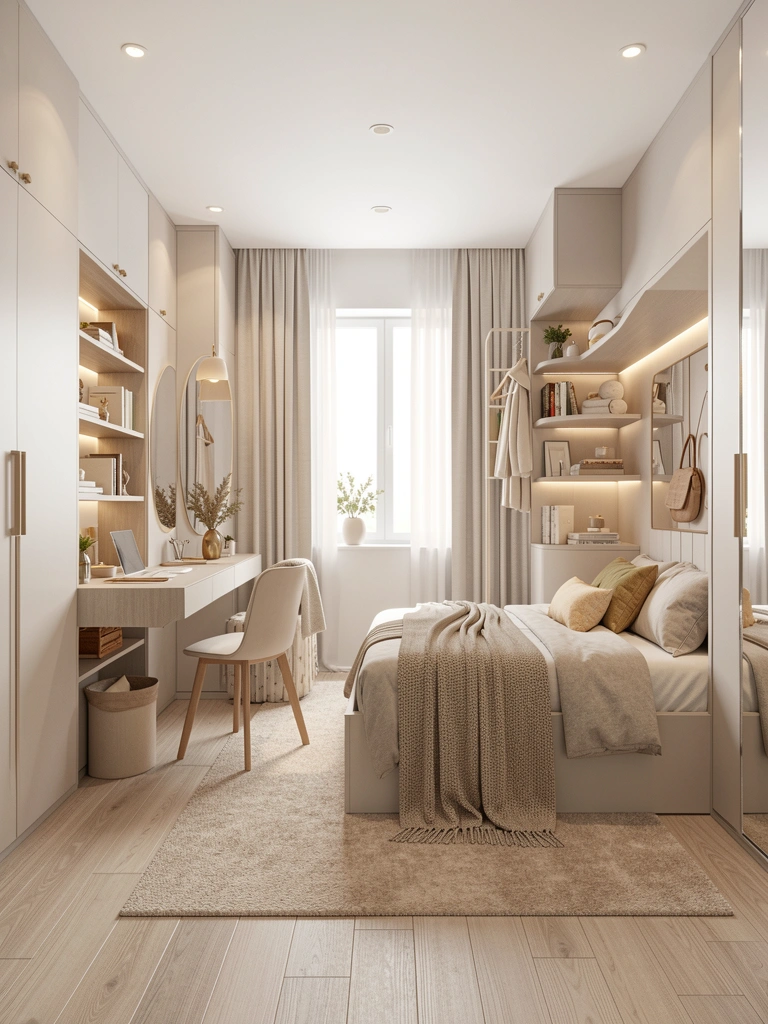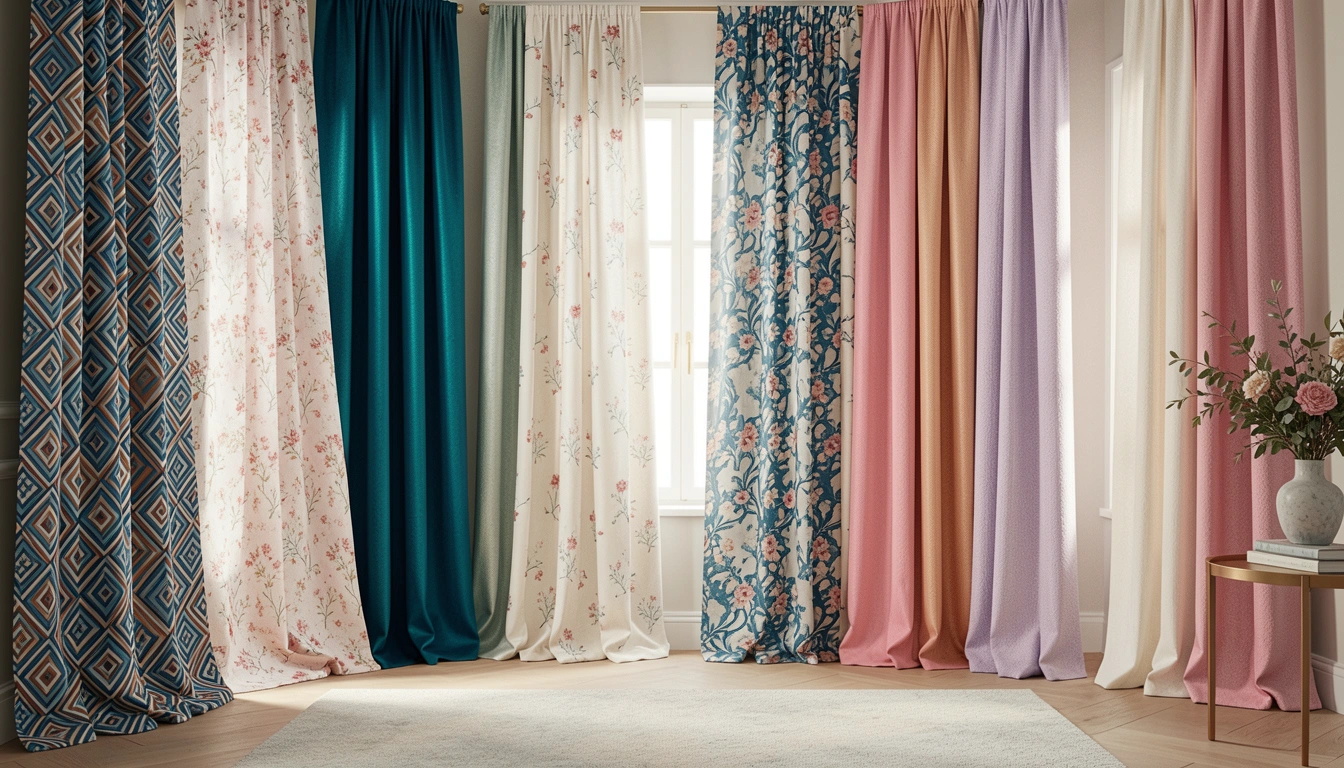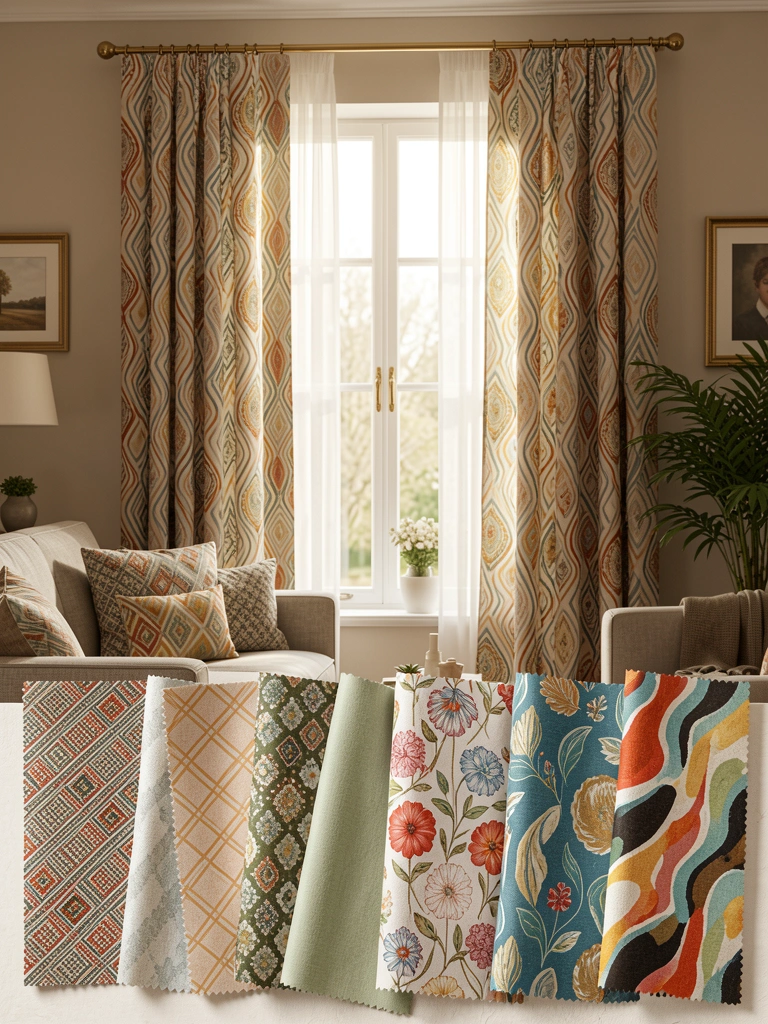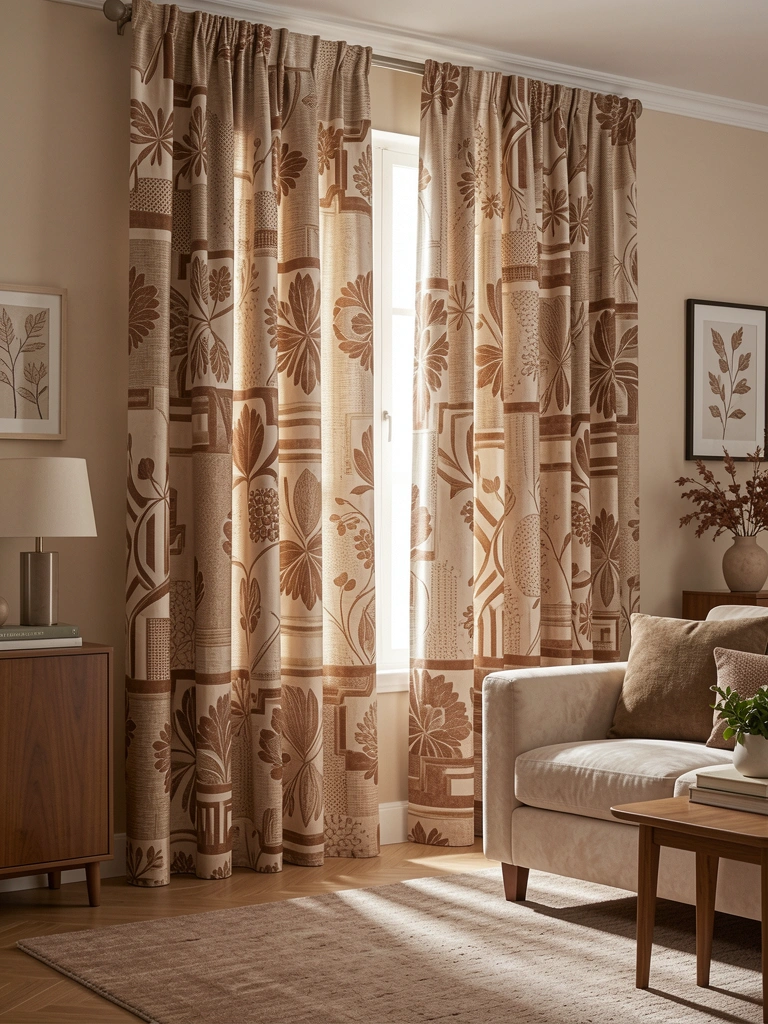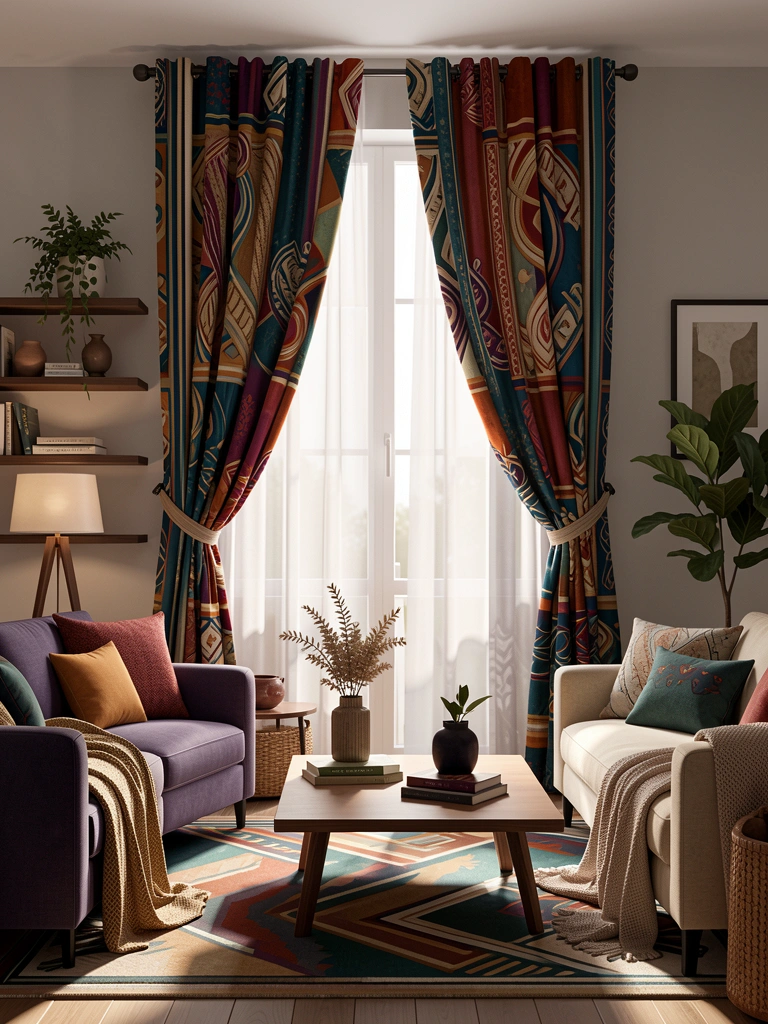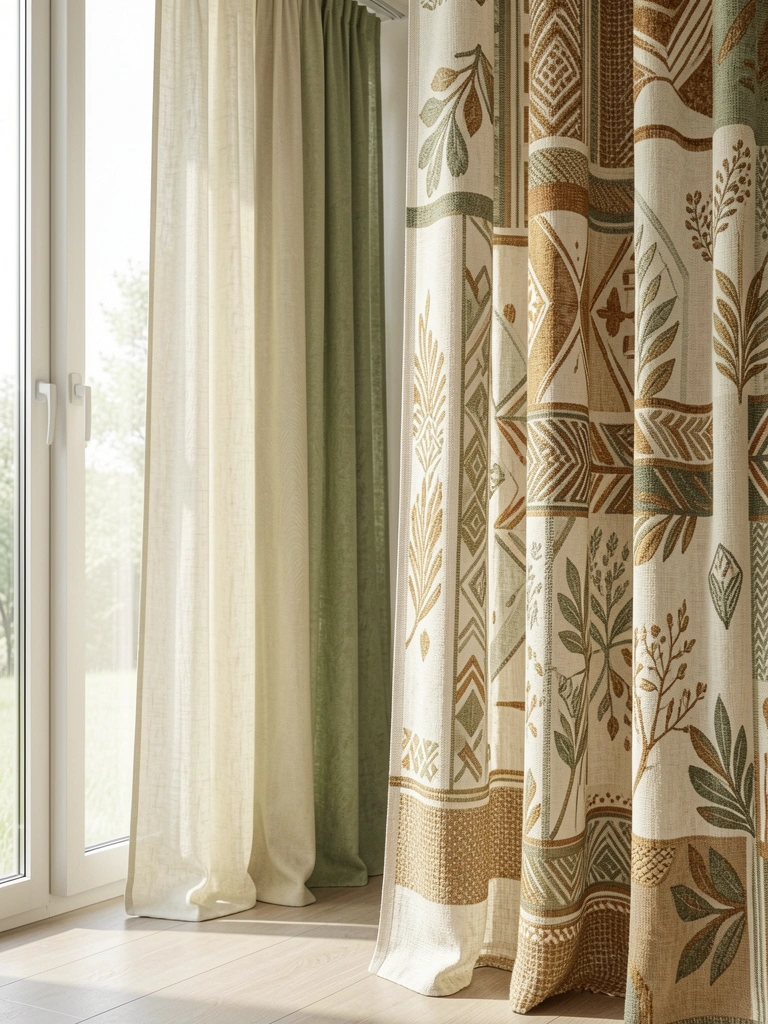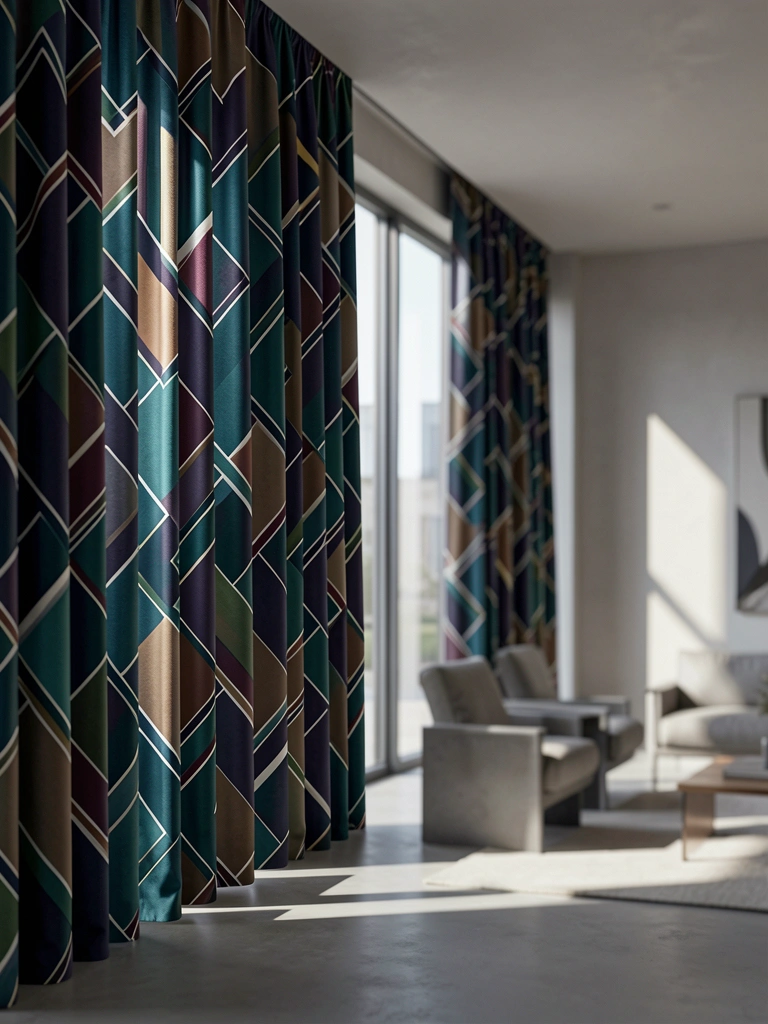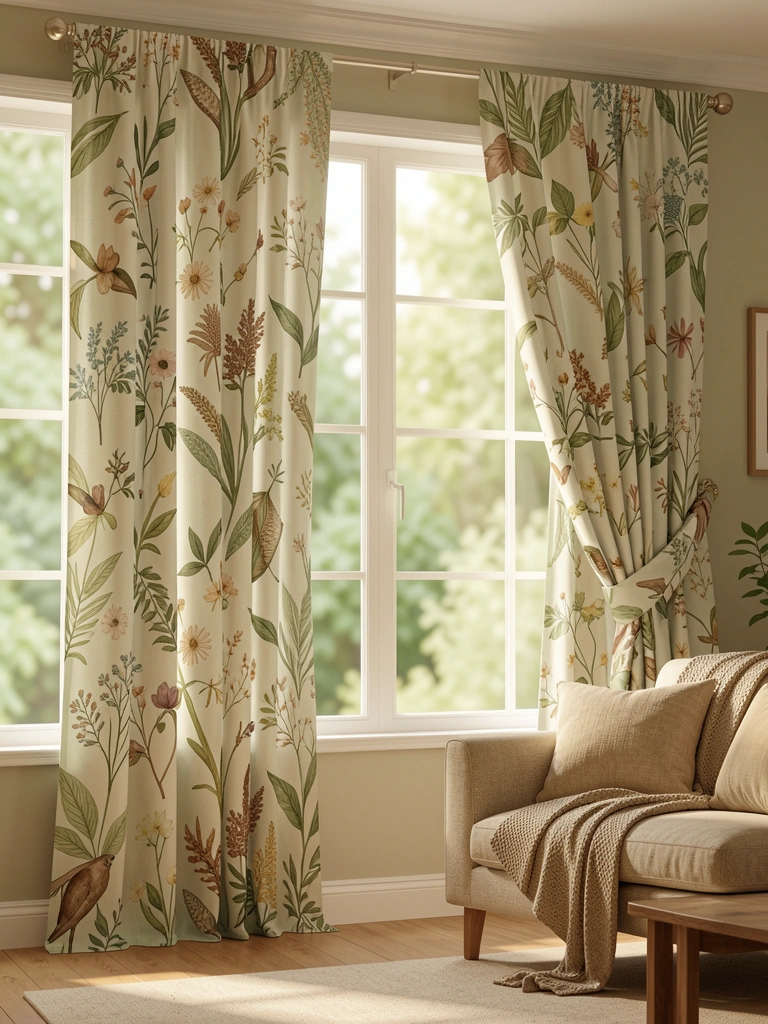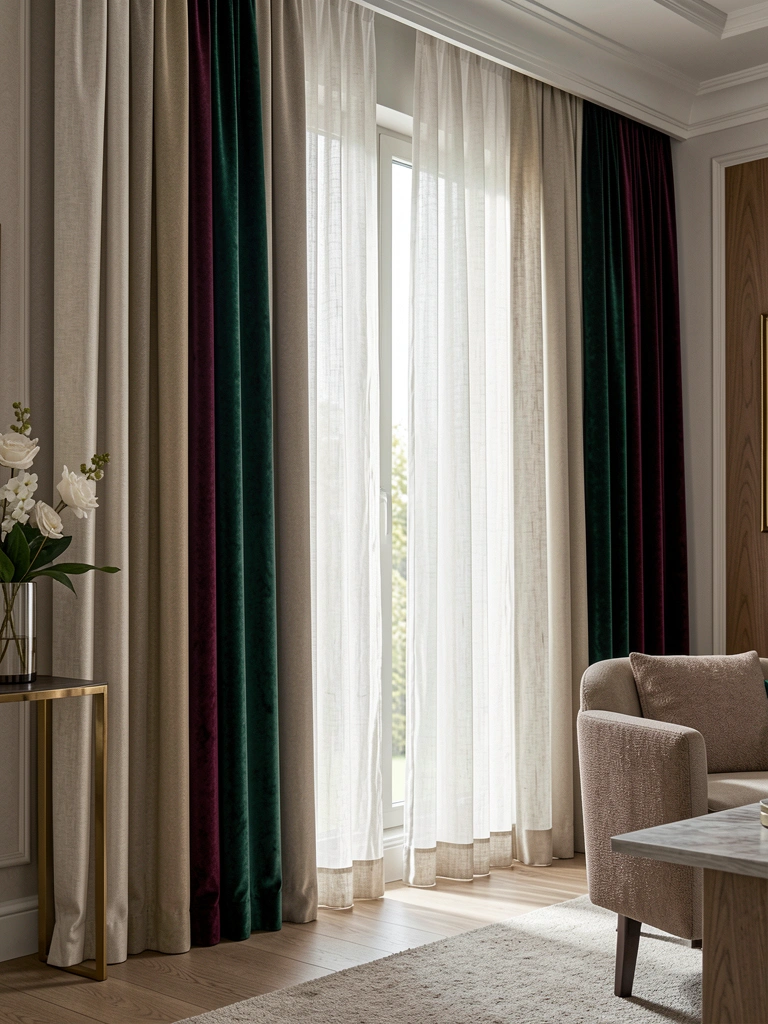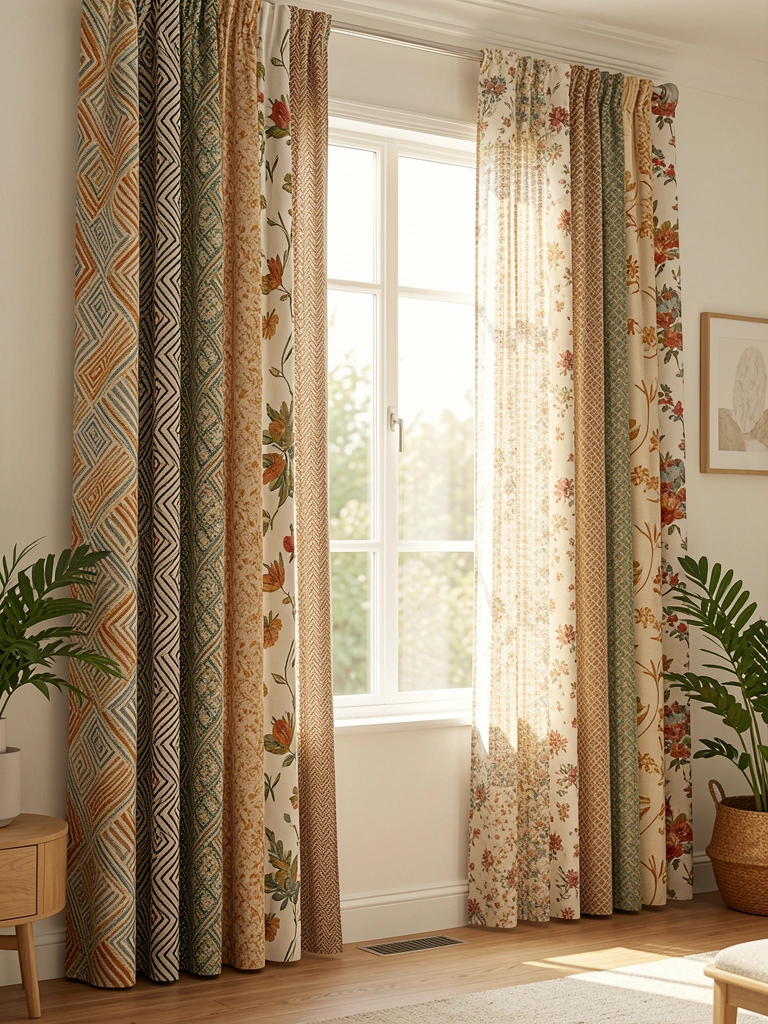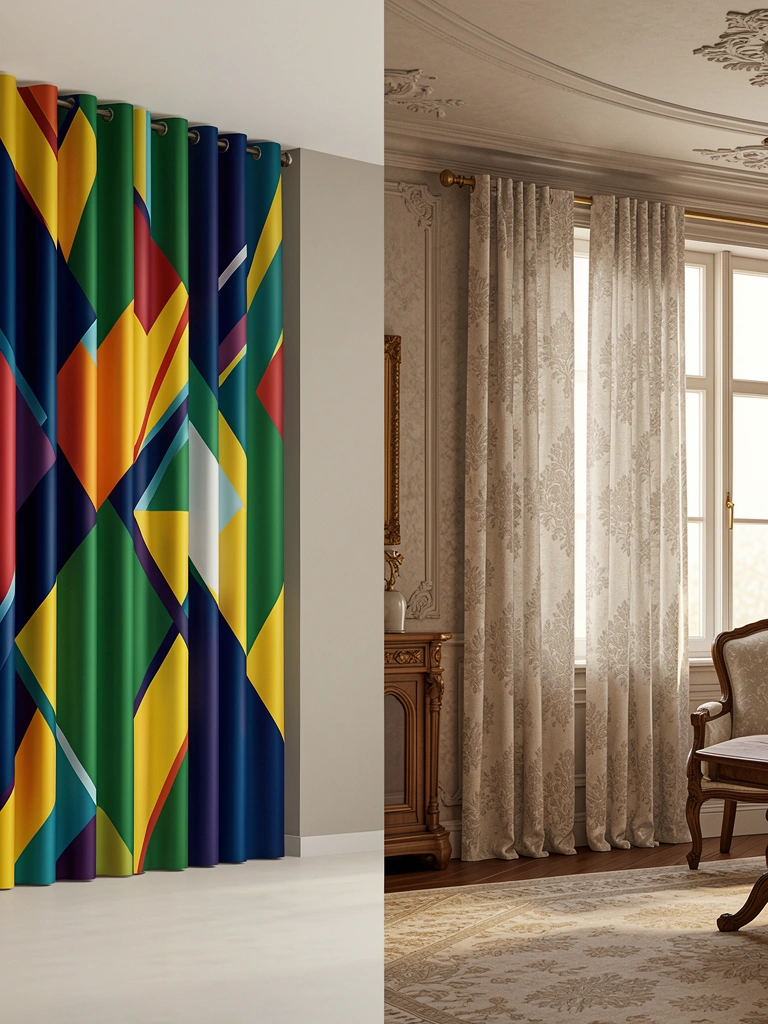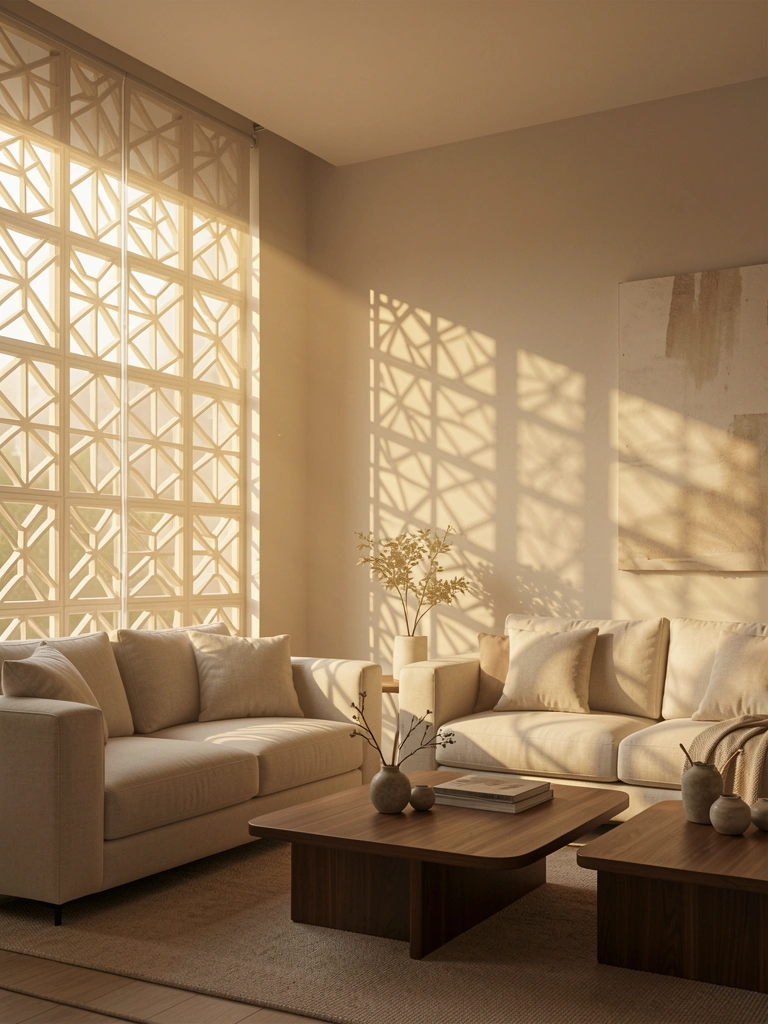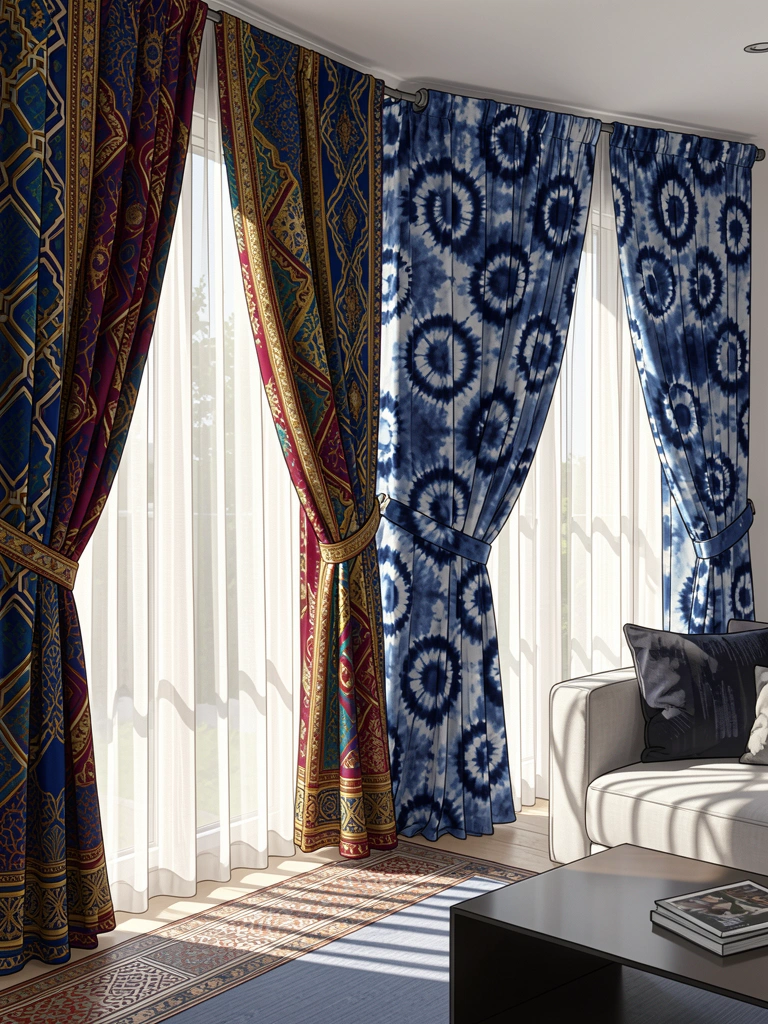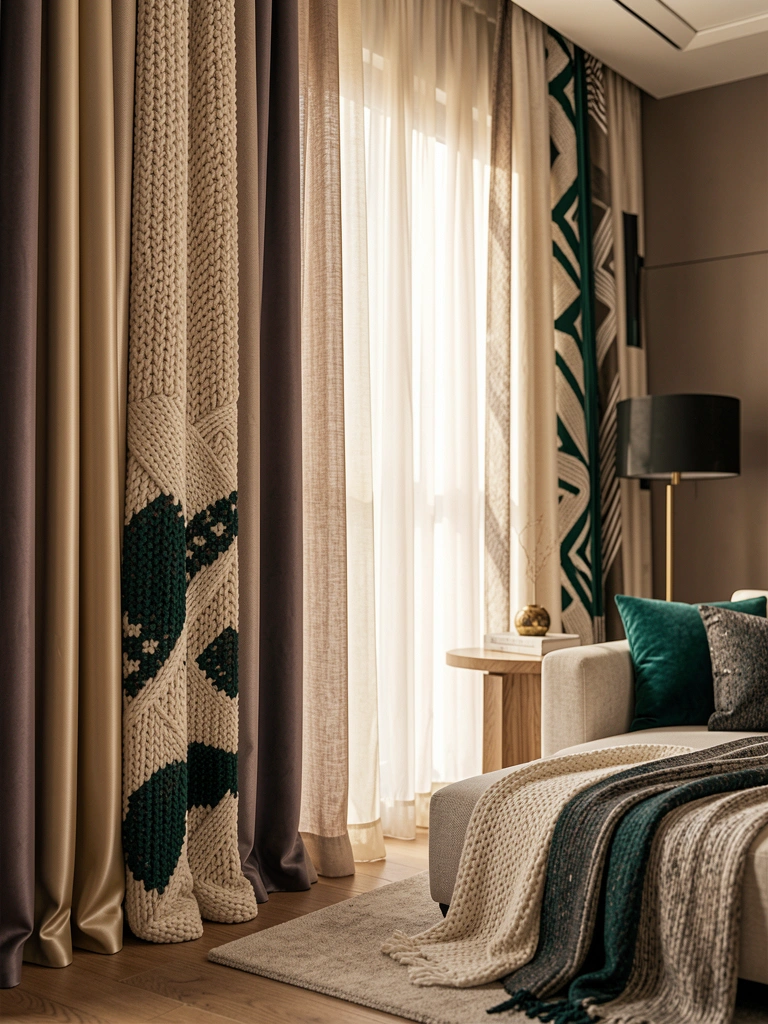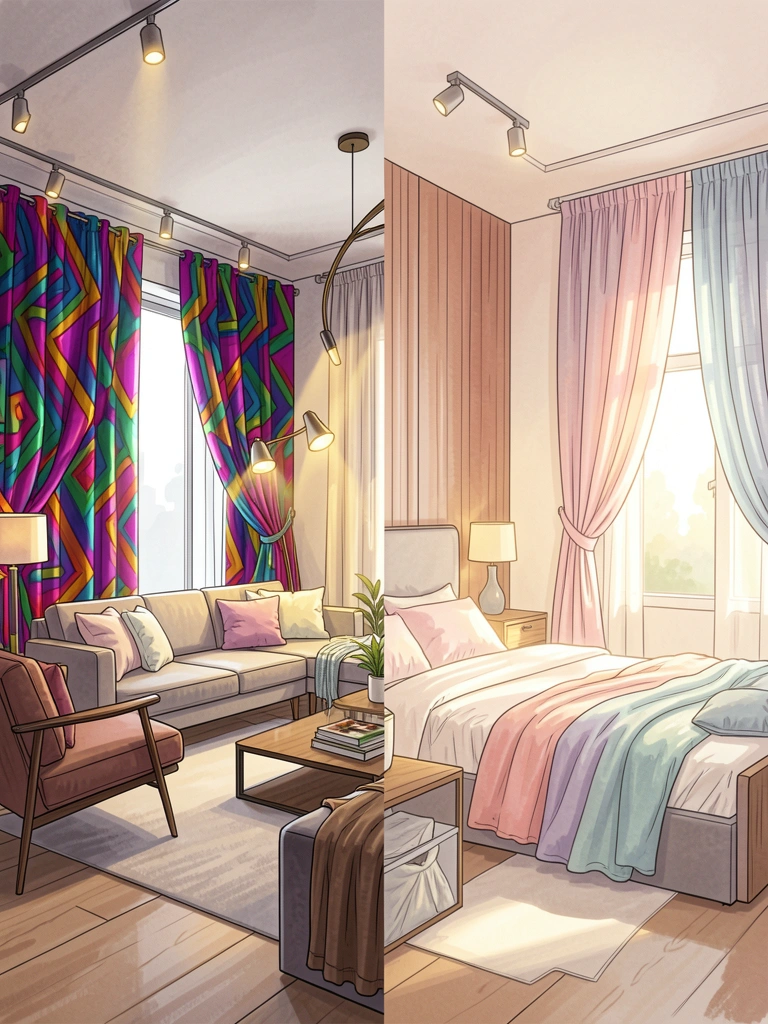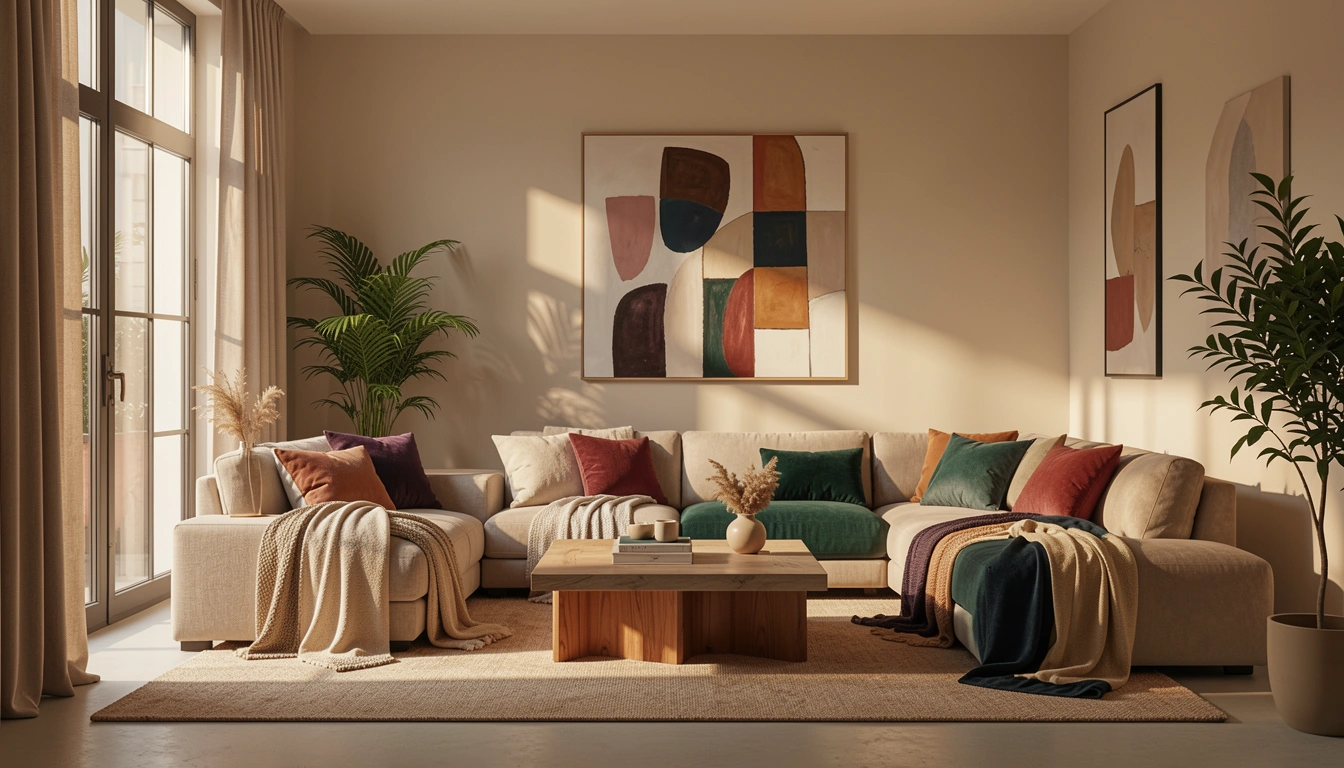
Your living space isn’t just a backdrop—it’s a dynamic canvas waiting to be transformed. Every room holds untapped potential, where design meets personal narrative. Imagine strategic interventions that can revolutionize how you experience your environment: lighting that shifts mood, textures that invite touch, colors that whisper emotional stories. What if your next design choice could redefine your daily experience? The journey to reimagining your space starts with understanding its hidden possibilities.
Why Multisensory Design Matters in Modern Homes?
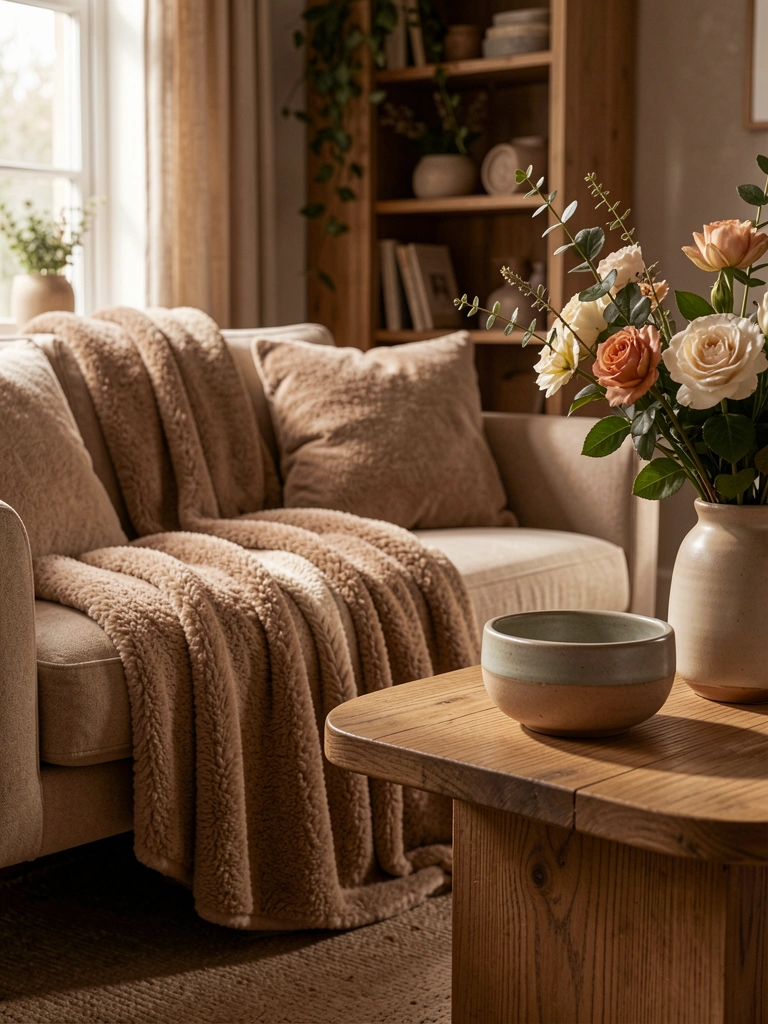
While traditional interior design focused solely on visual aesthetics, multisensory design has emerged as a transformative approach that engages all of a person’s sensory experiences.
You’ll discover how intentional textures, sounds, and scents create profound emotional responses. By thoughtfully curating each sensory element, you’ll craft living spaces that don’t just look beautiful, but feel deeply personal and immersive.
The Science Behind Calming Light: Design Strategies Explained
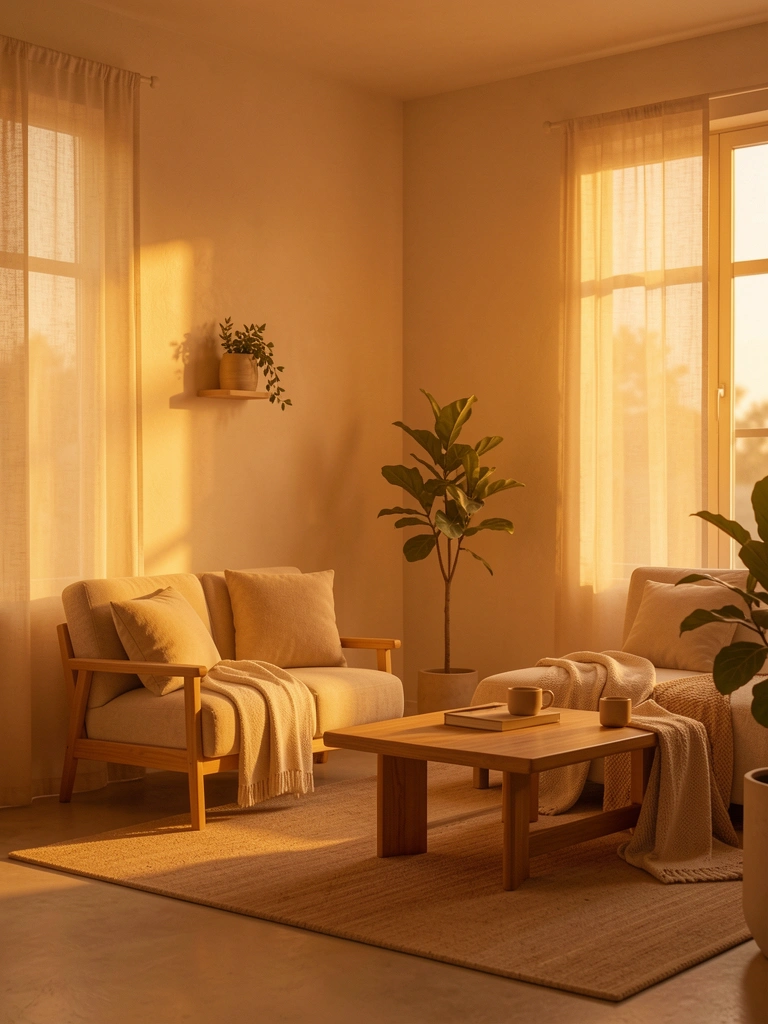
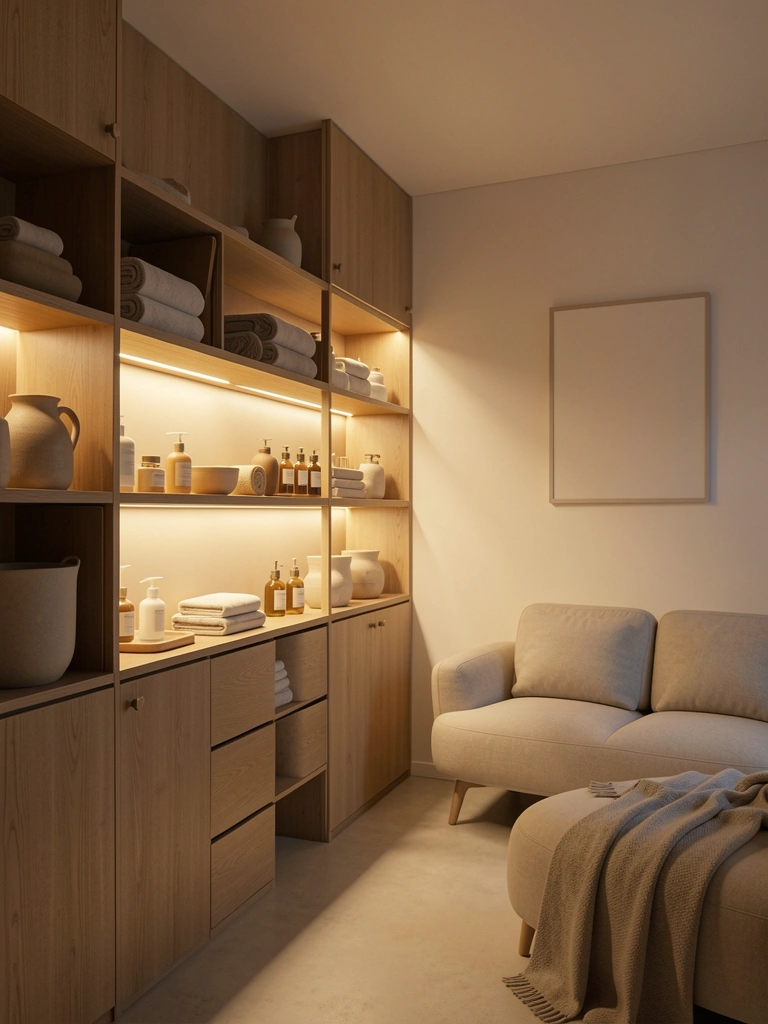
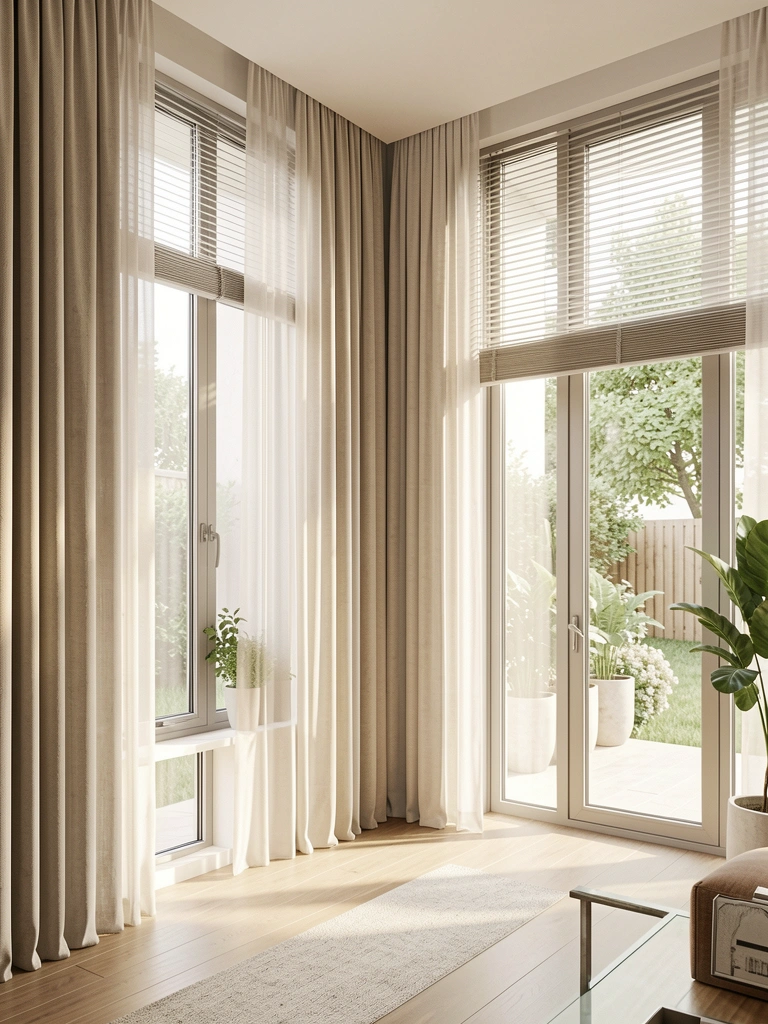
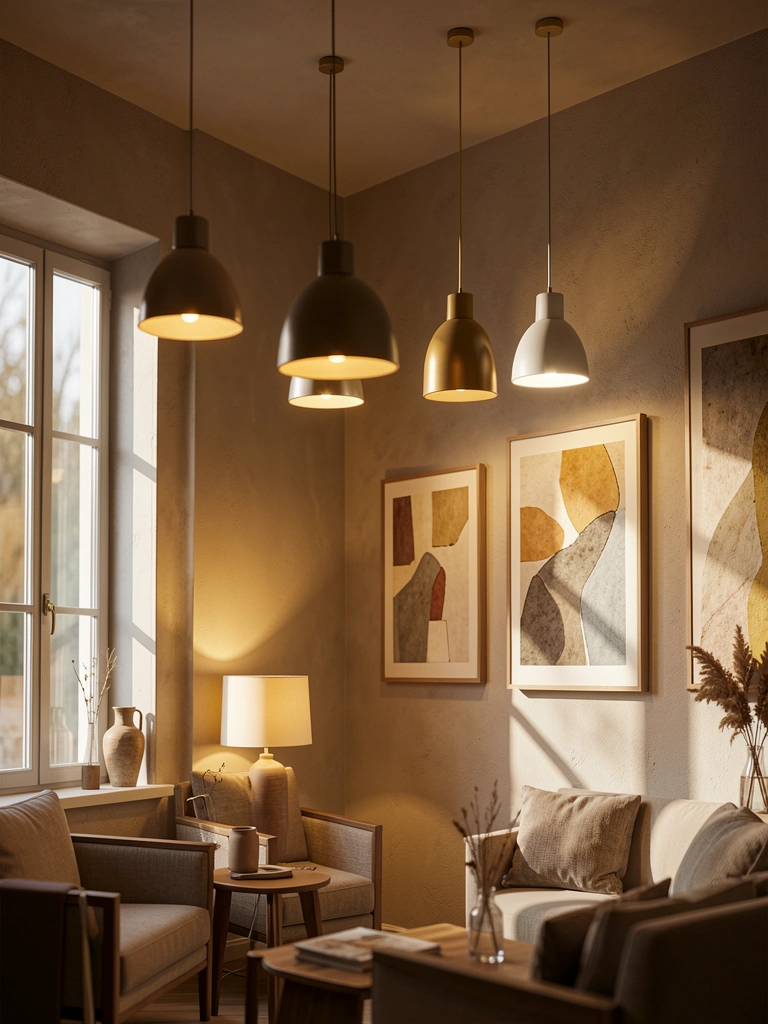
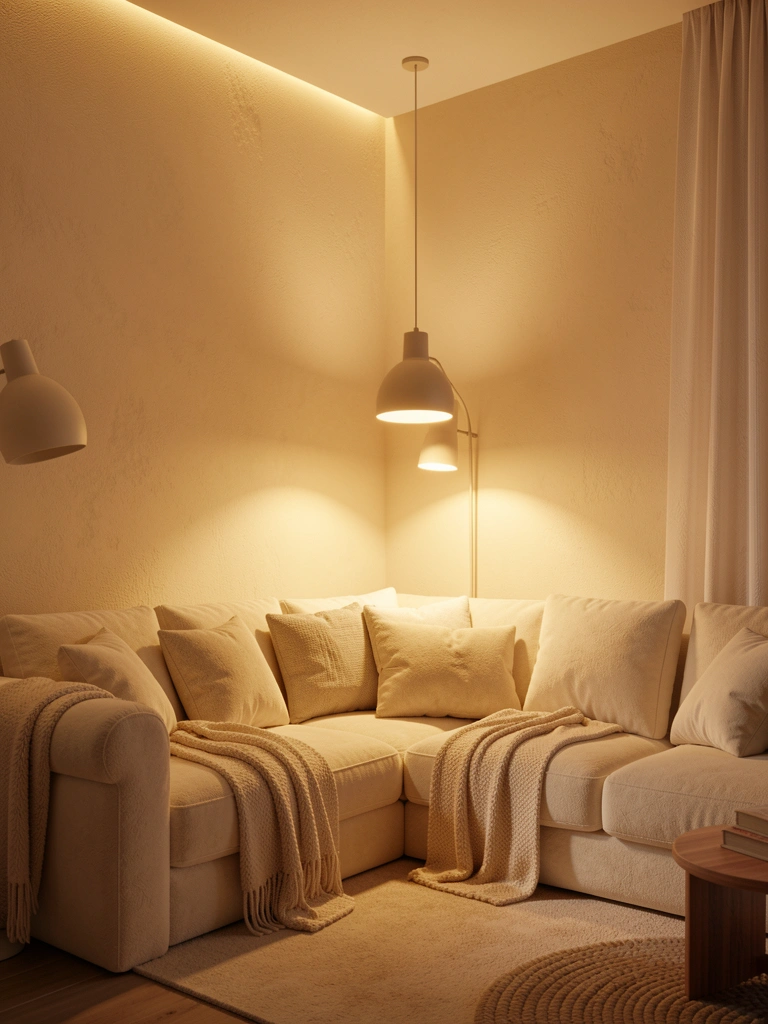
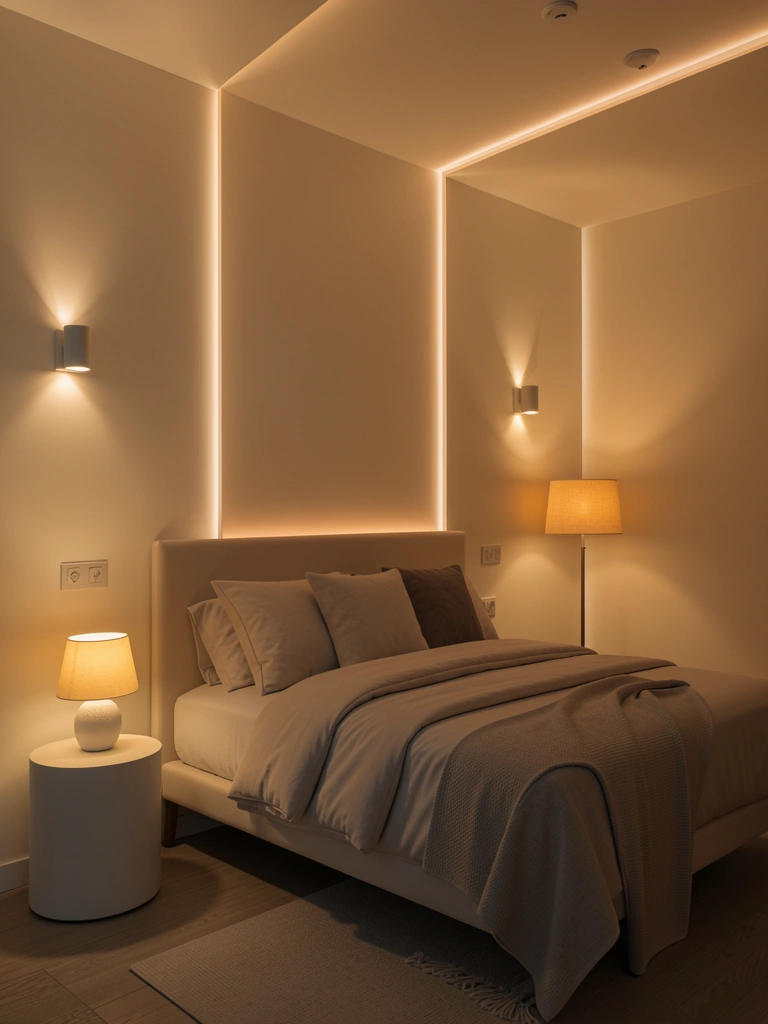
Because human perception of light profoundly influences psychological and physiological states, understanding the neurological mechanisms of illumination becomes essential in design. Ambient lighting strategically calibrated to mimic natural wavelengths can trigger relaxation responses, modulating cortisol levels and enhancing thermal comfort. Soft, warm-toned illumination creates neurological pathways that signal safety and tranquility.
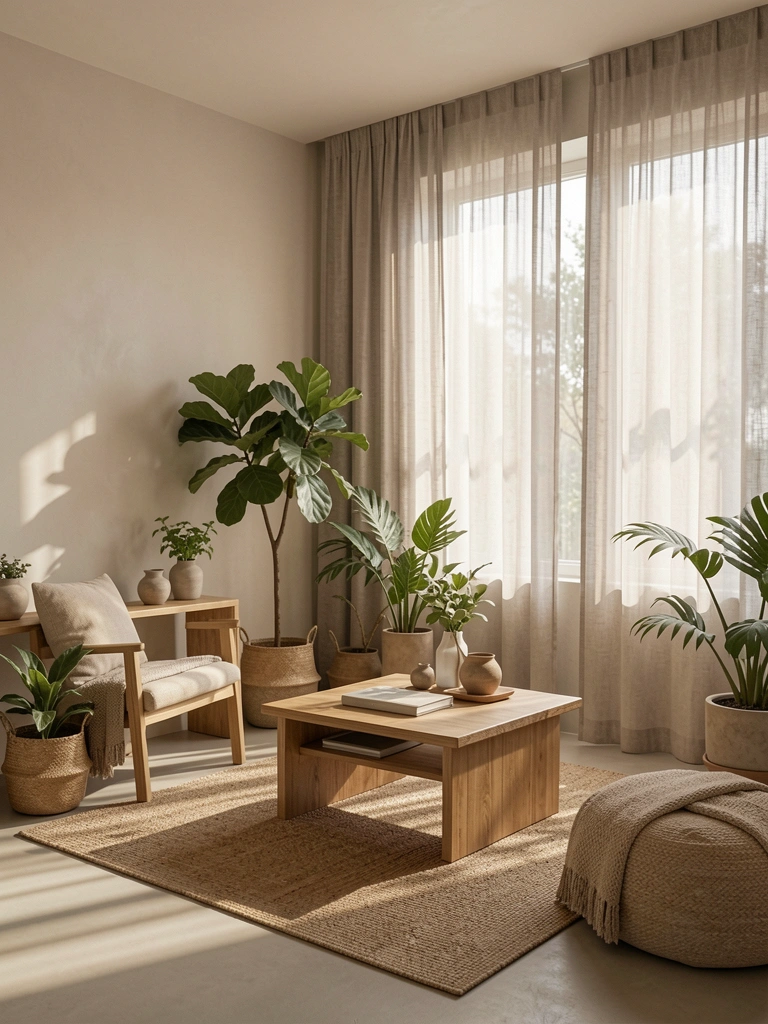
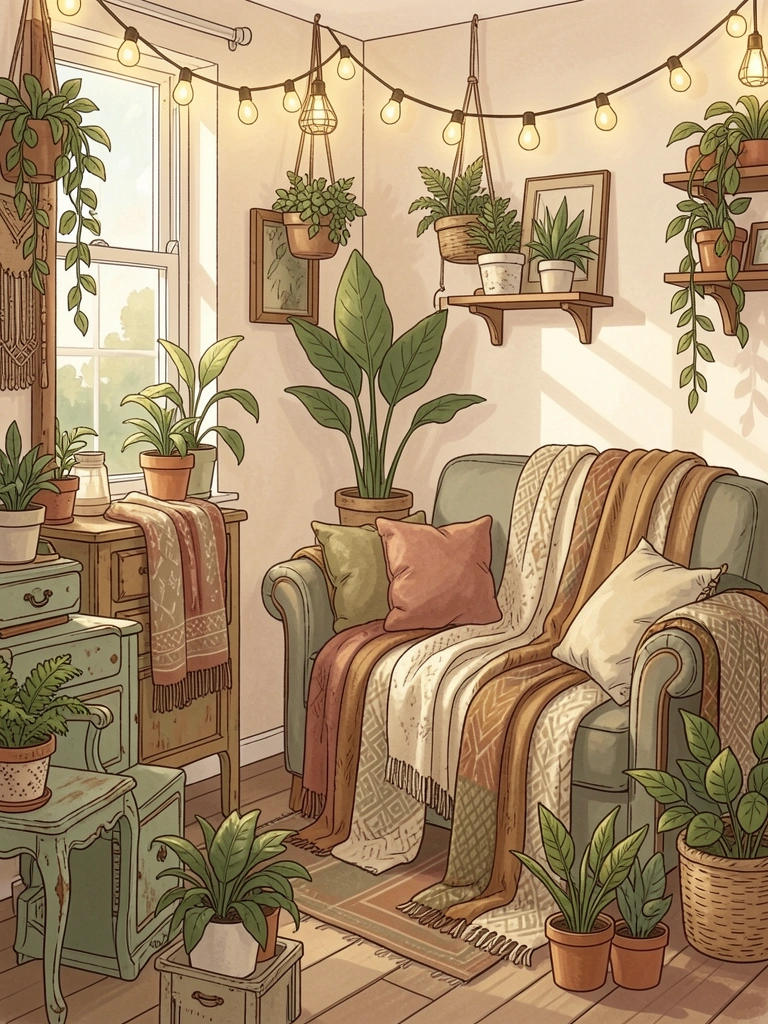
Bring Nature Indoors: Biophilic Design for Wellness
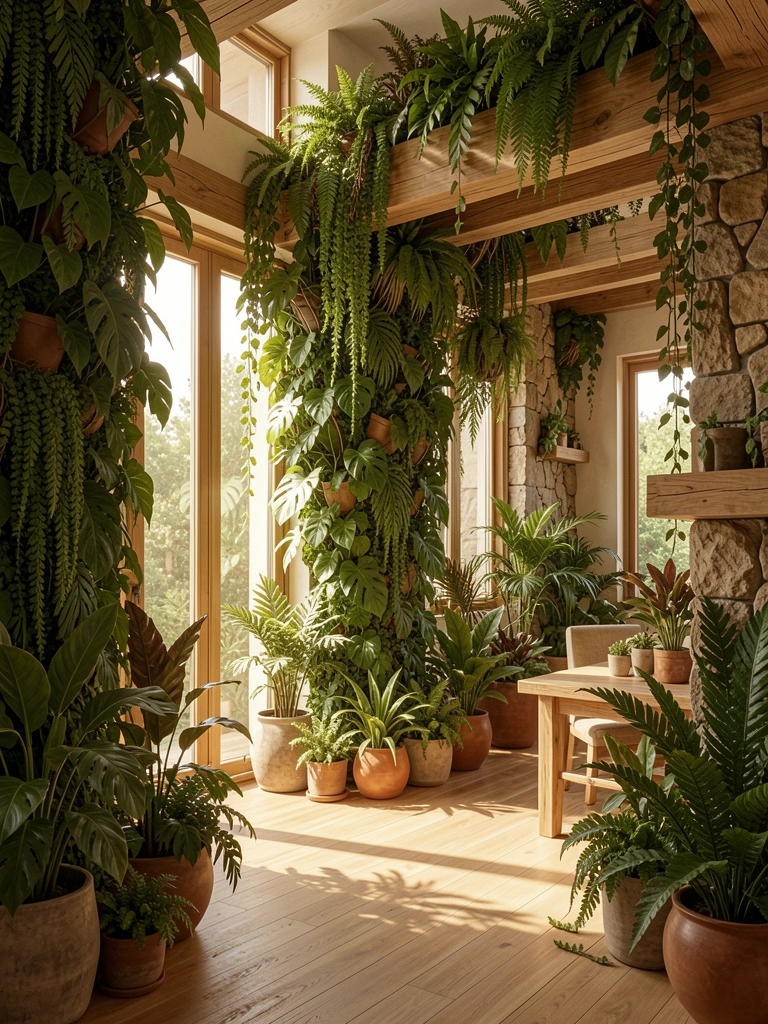
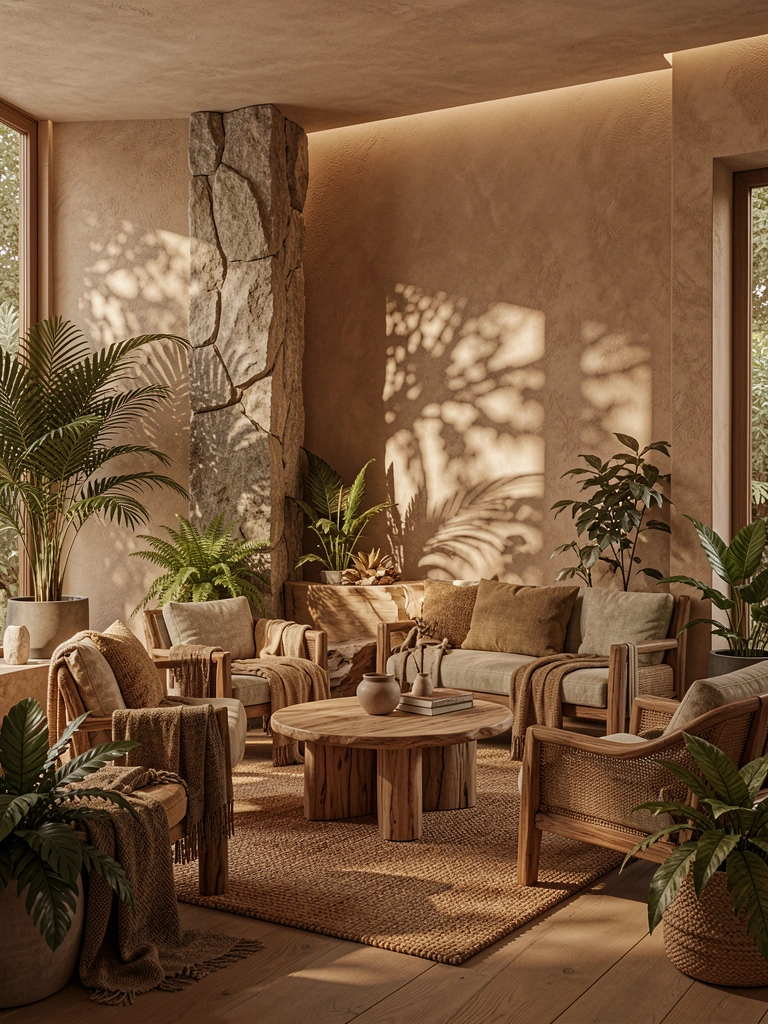
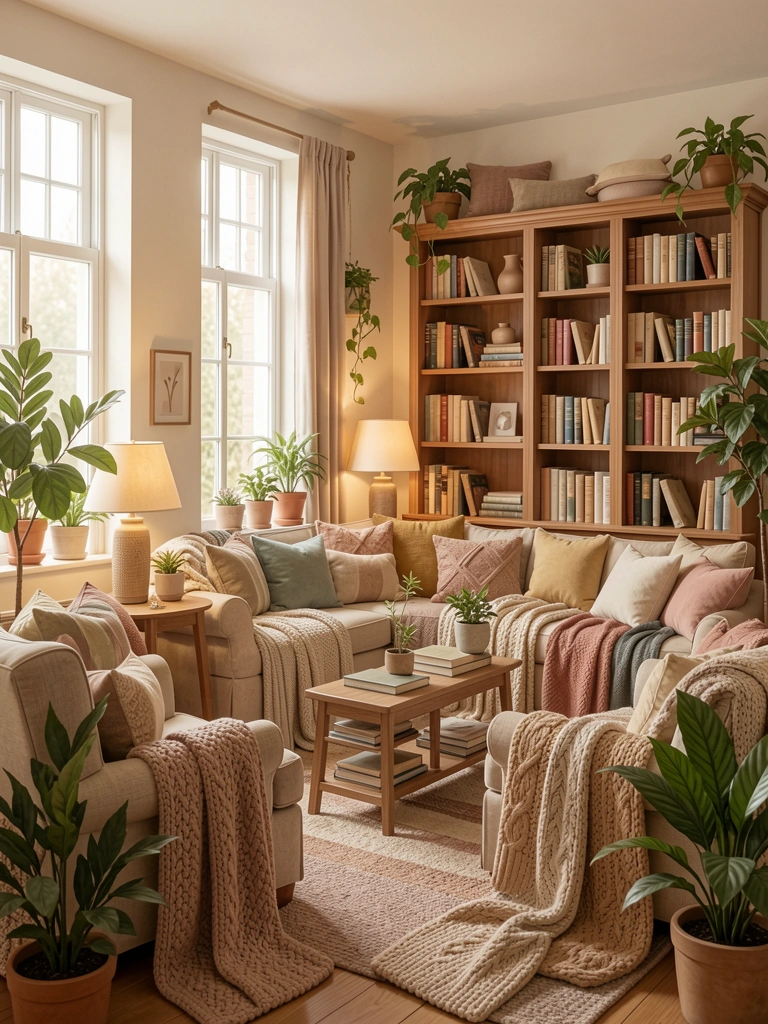
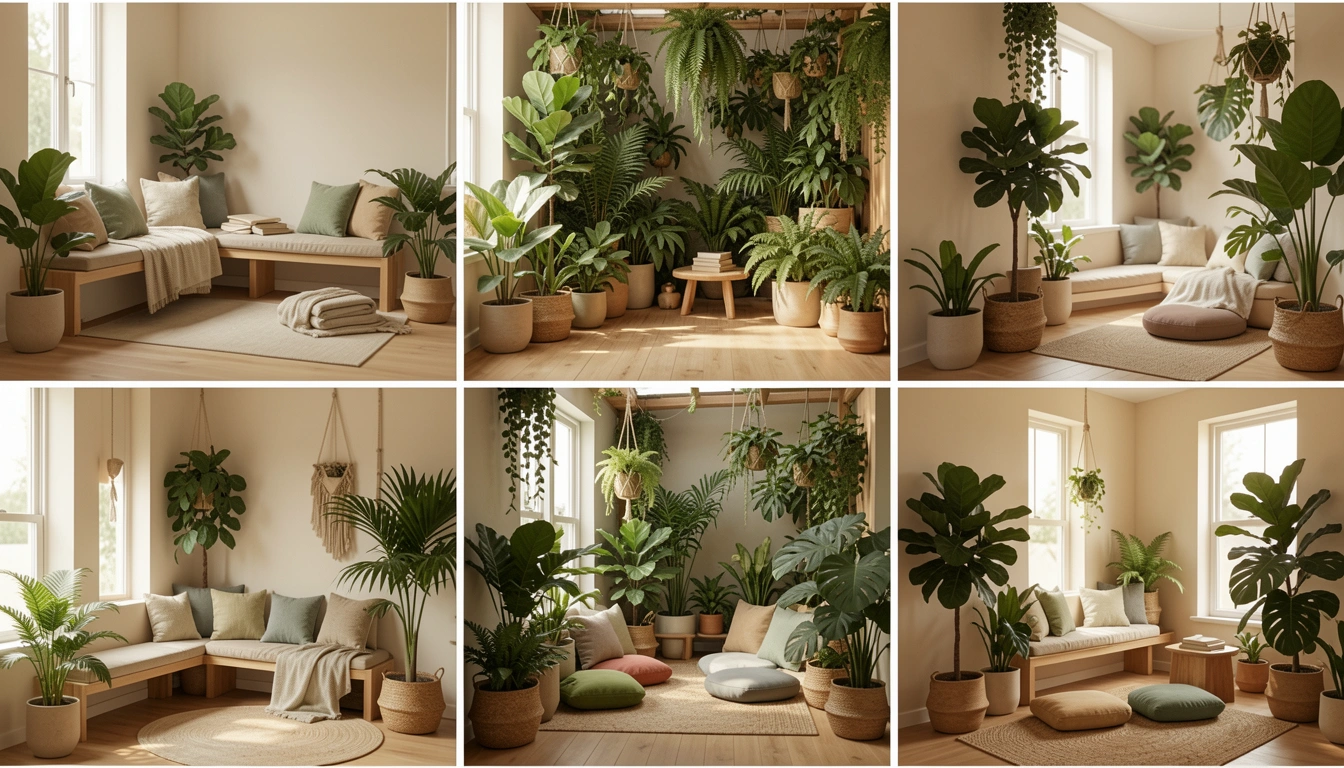
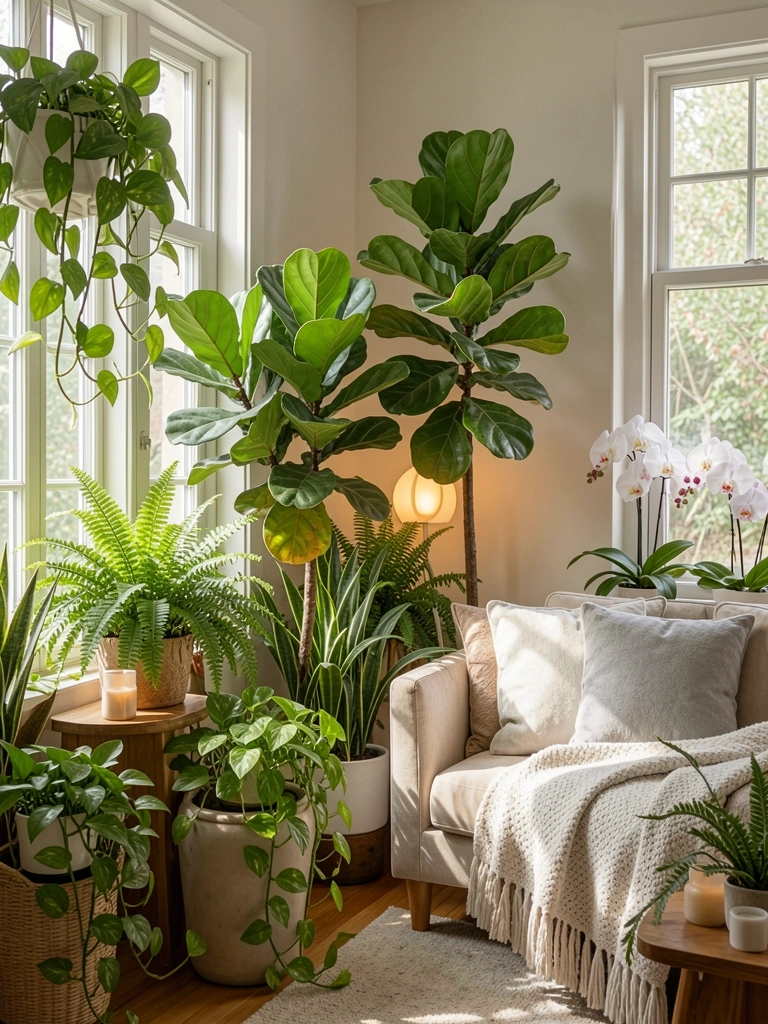
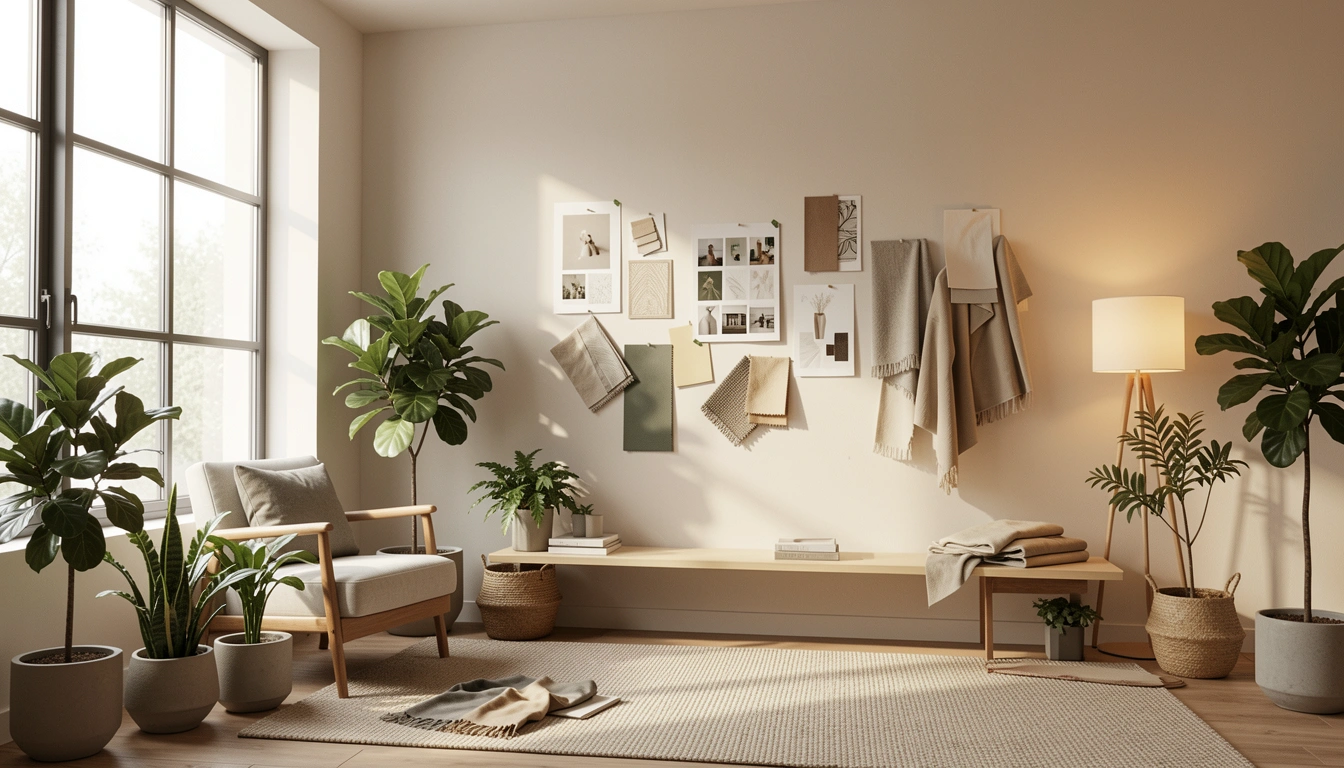
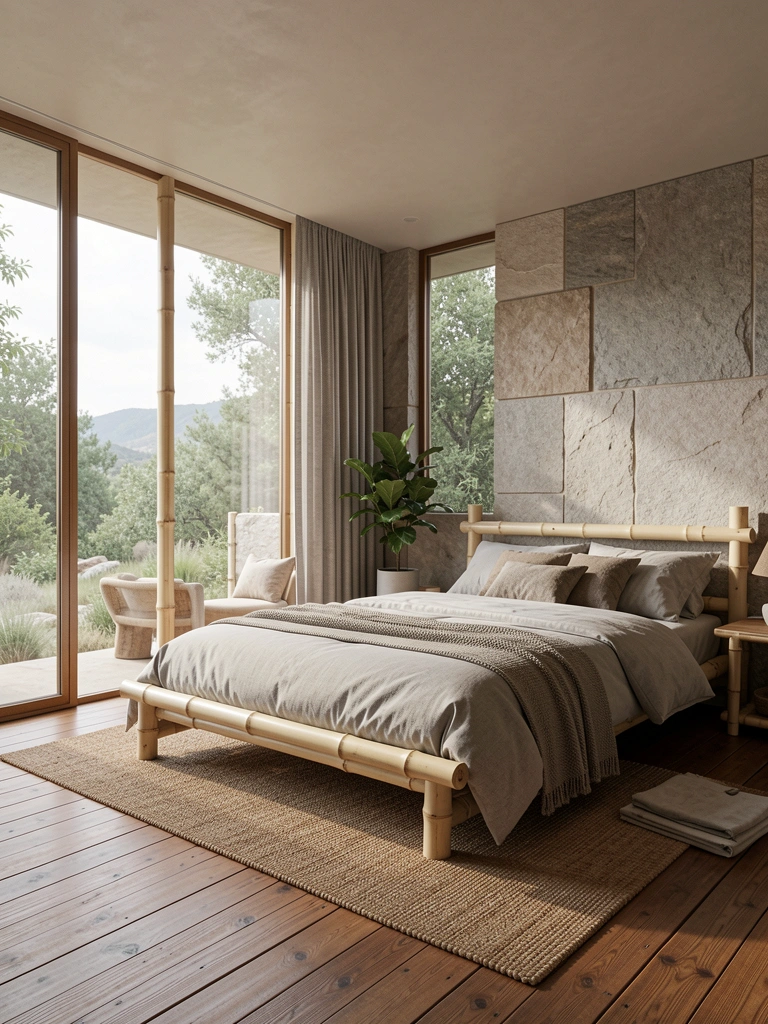
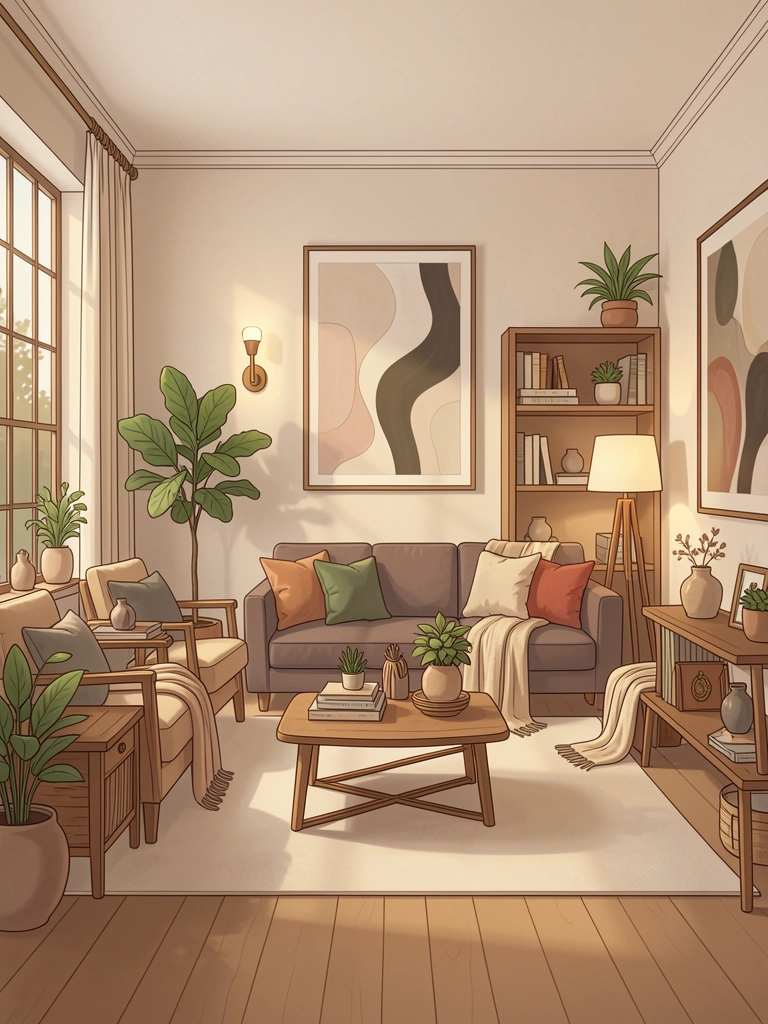
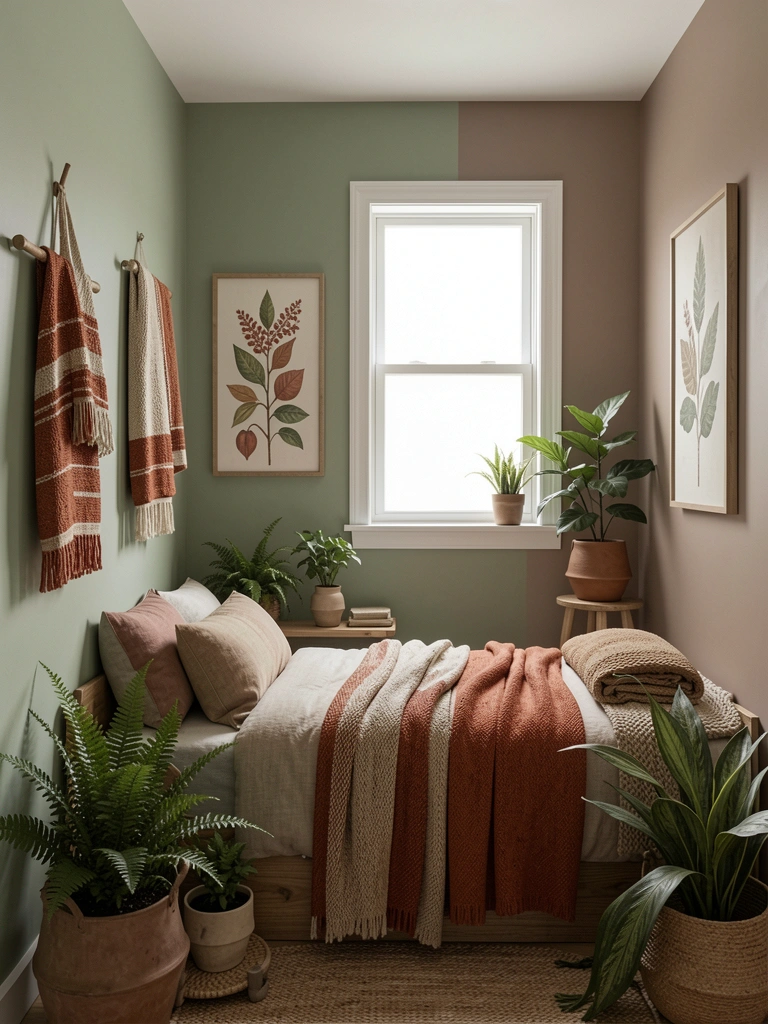
Nature’s symphony resides within the delicate intricacies of biophilic design, transforming interior spaces into living ecosystems that nurture human wellness. You’ll breathe life into your home through strategic indoor gardens and nature-inspired decor that reconnect you with organic environments. By integrating natural textures, living walls, and organic materials, you’ll create spaces that heal and energize.
Timeless Materials: Choosing Surfaces That Age Beautifully
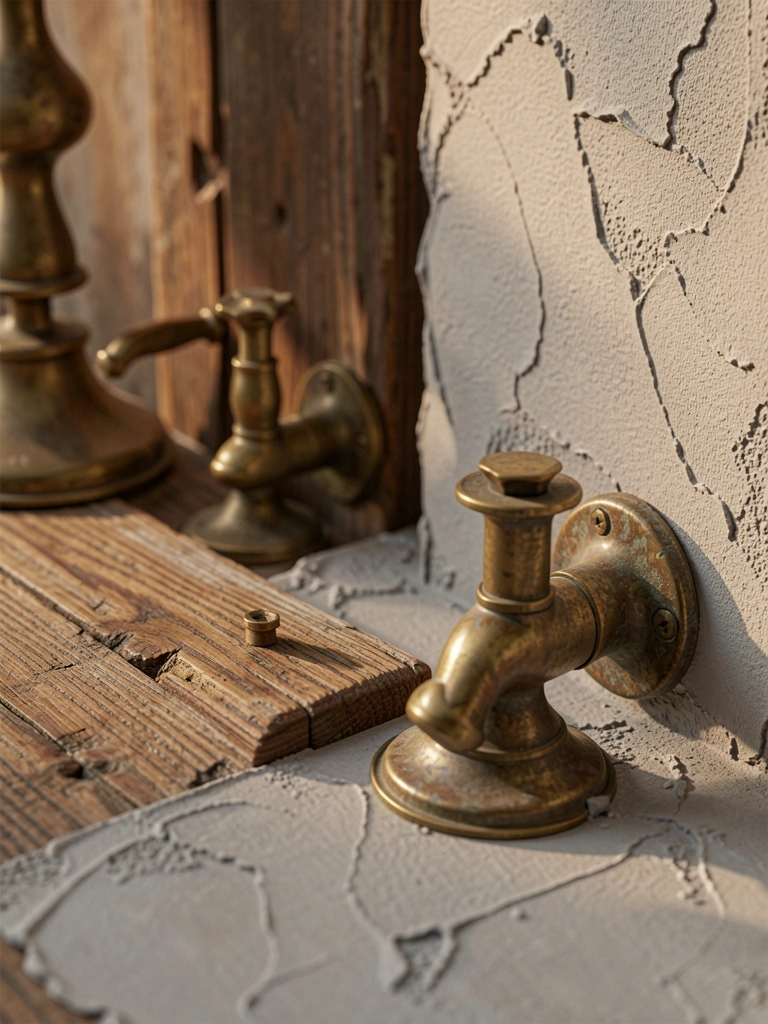
As design evolves, material selection becomes a critical narrative of durability and aesthetic sophistication.
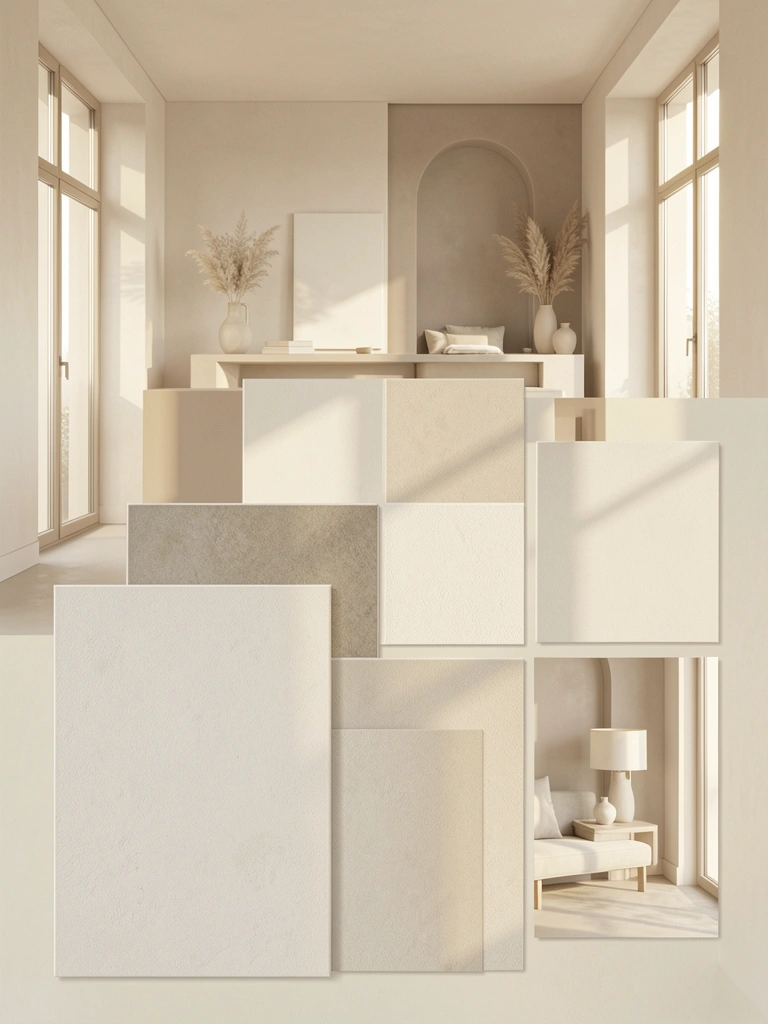
You’ll want surfaces that reveal natural finishes and enduring elegance.
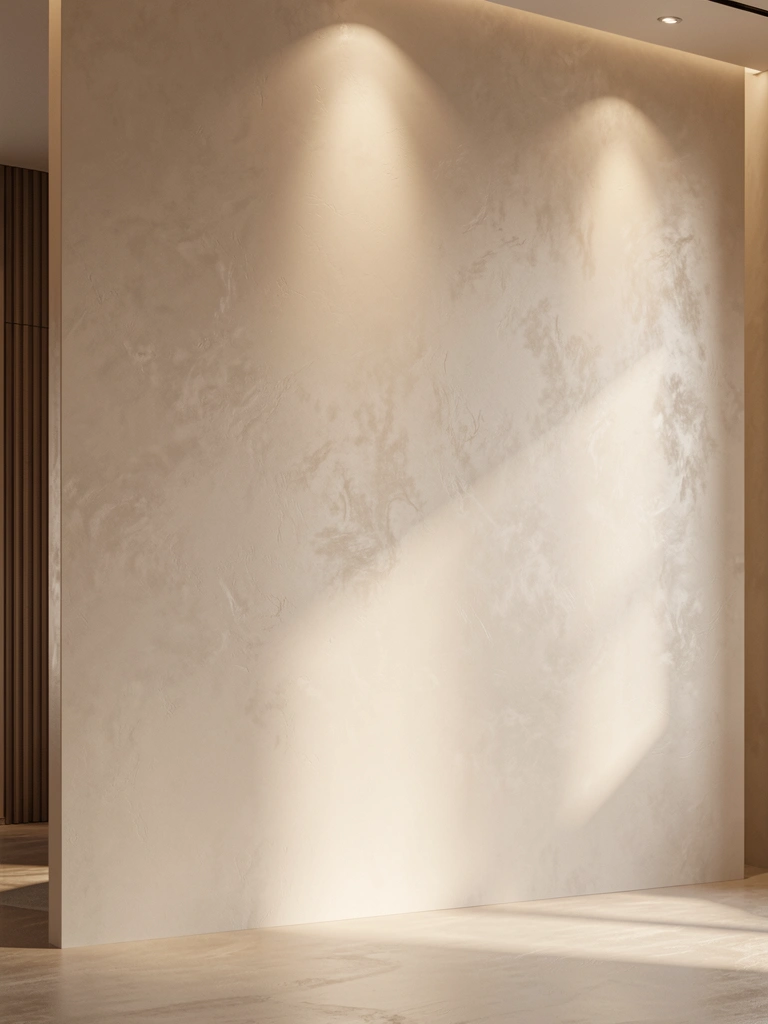
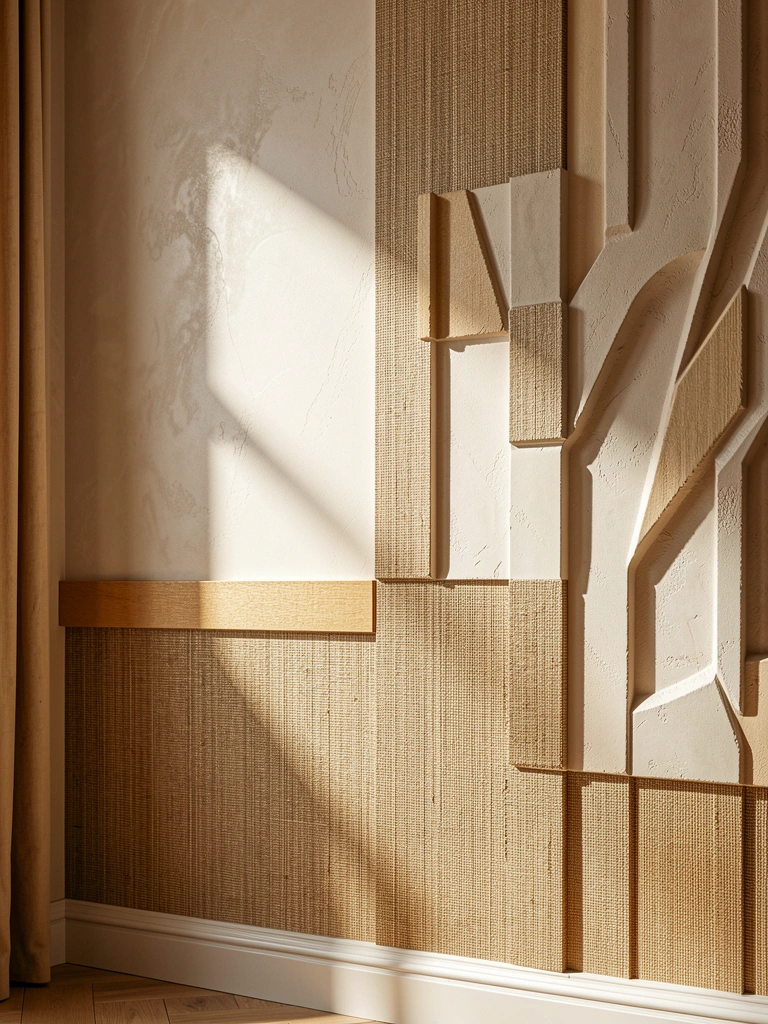
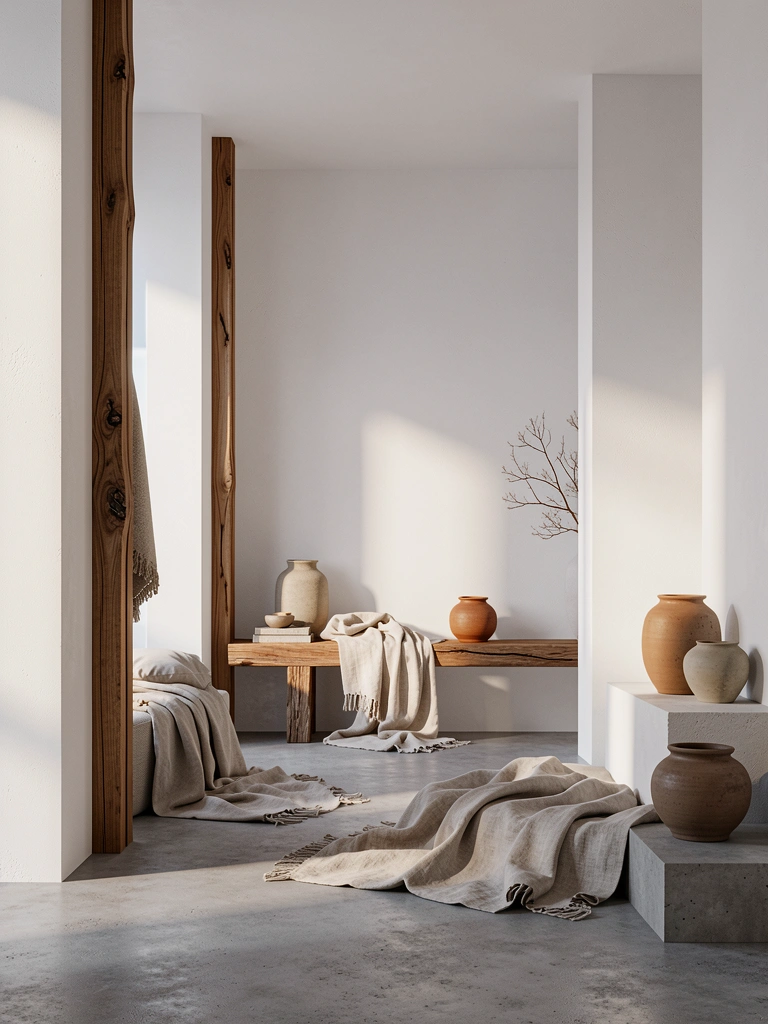
Consider materials like aged brass, weathered oak, and hand-troweled plaster—elements that transform gracefully, telling stories of time’s subtle touch while maintaining structural integrity and visual depth.
Color Psychology: Crafting Serene Spaces With Mineral Tones
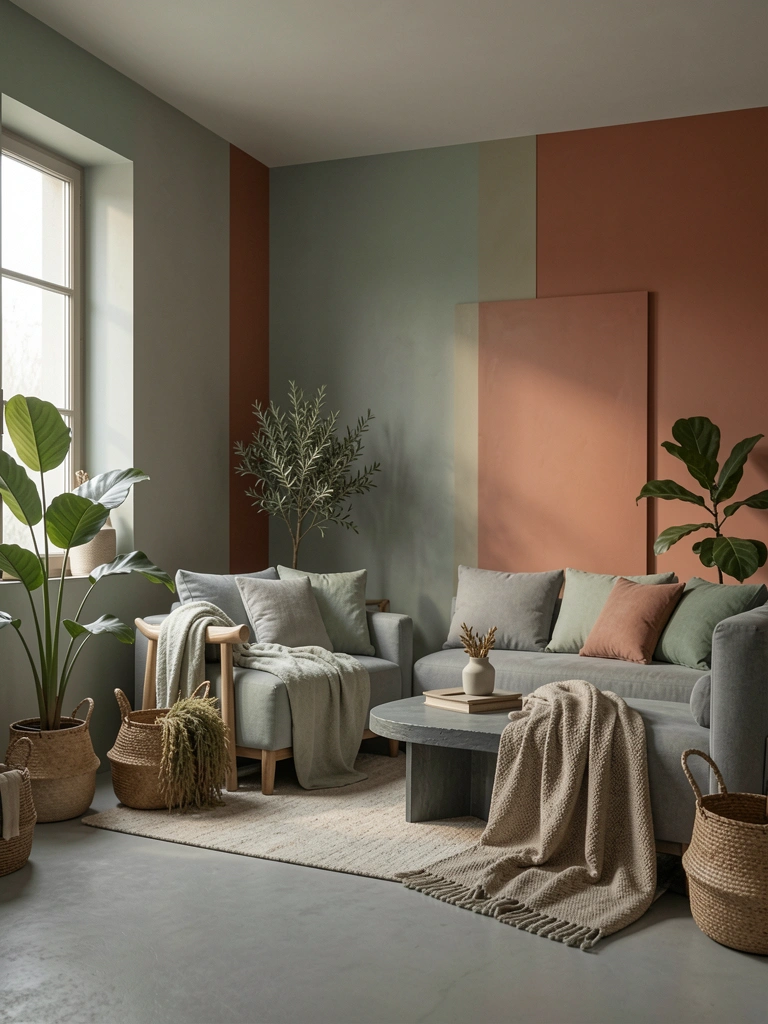
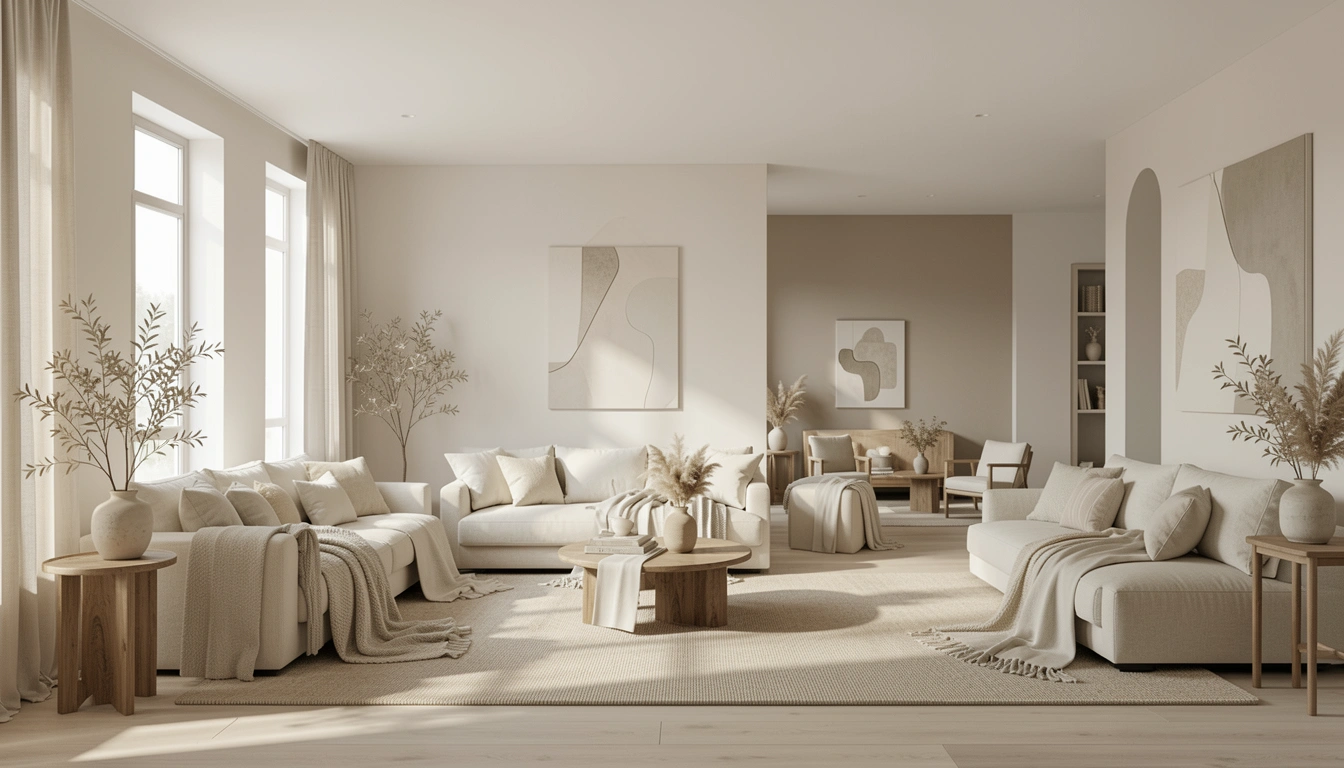
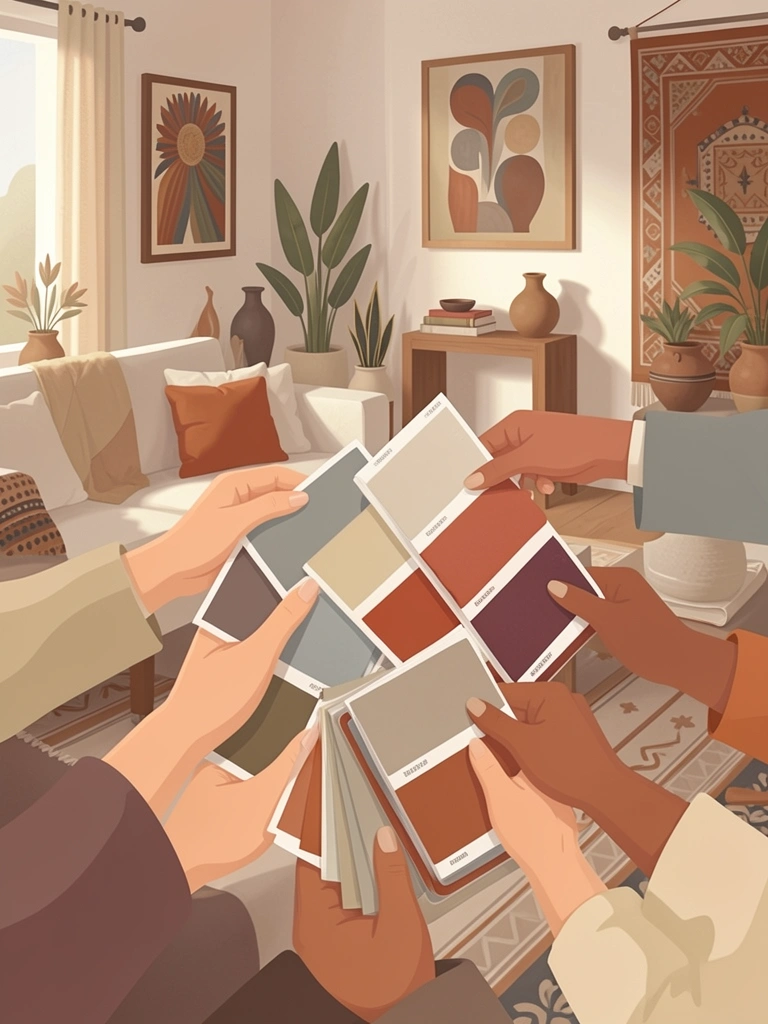
When exploring interior design’s emotional landscapes, mineral tones emerge as powerful psychological conductors of tranquility and introspective calm.
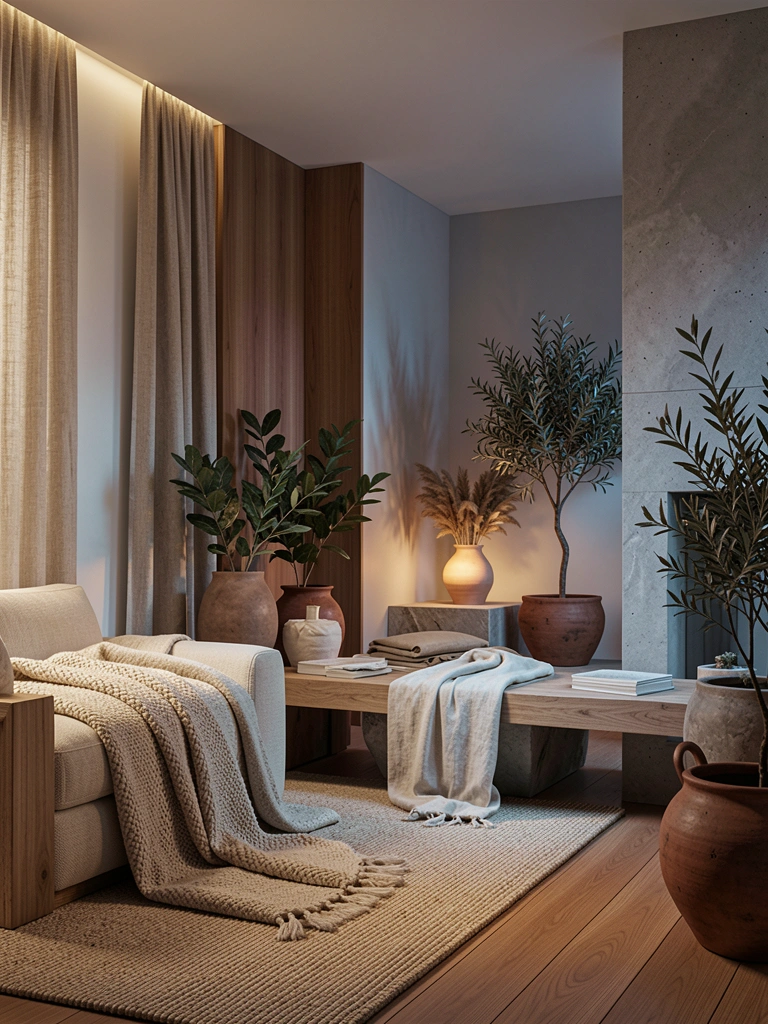
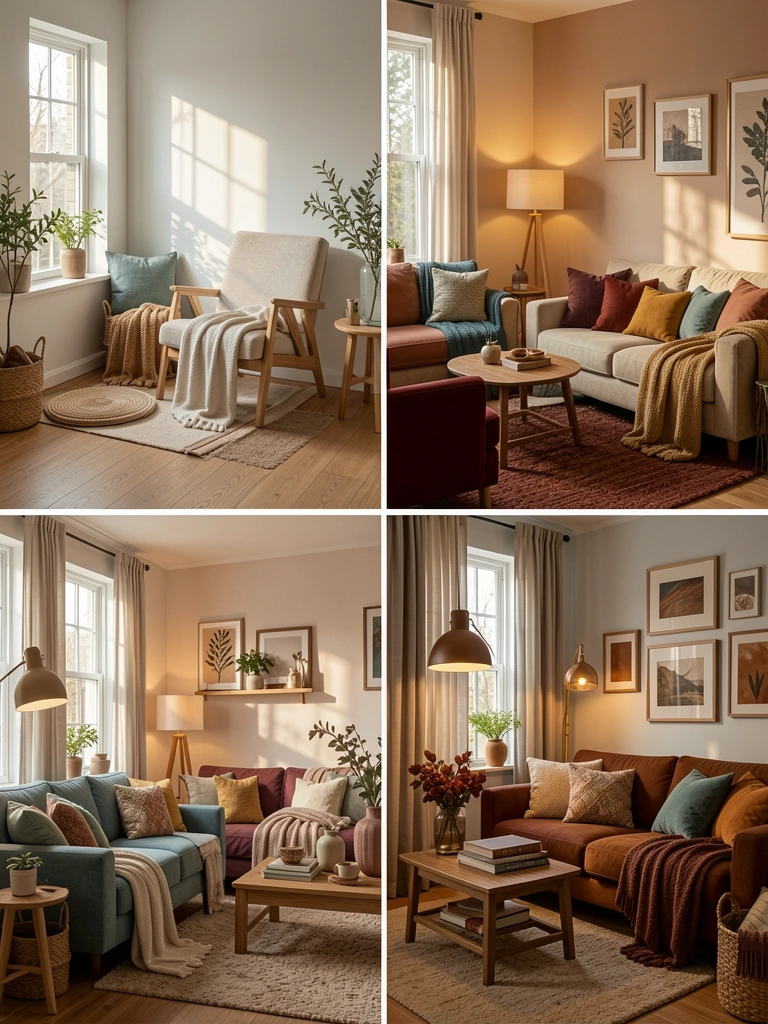
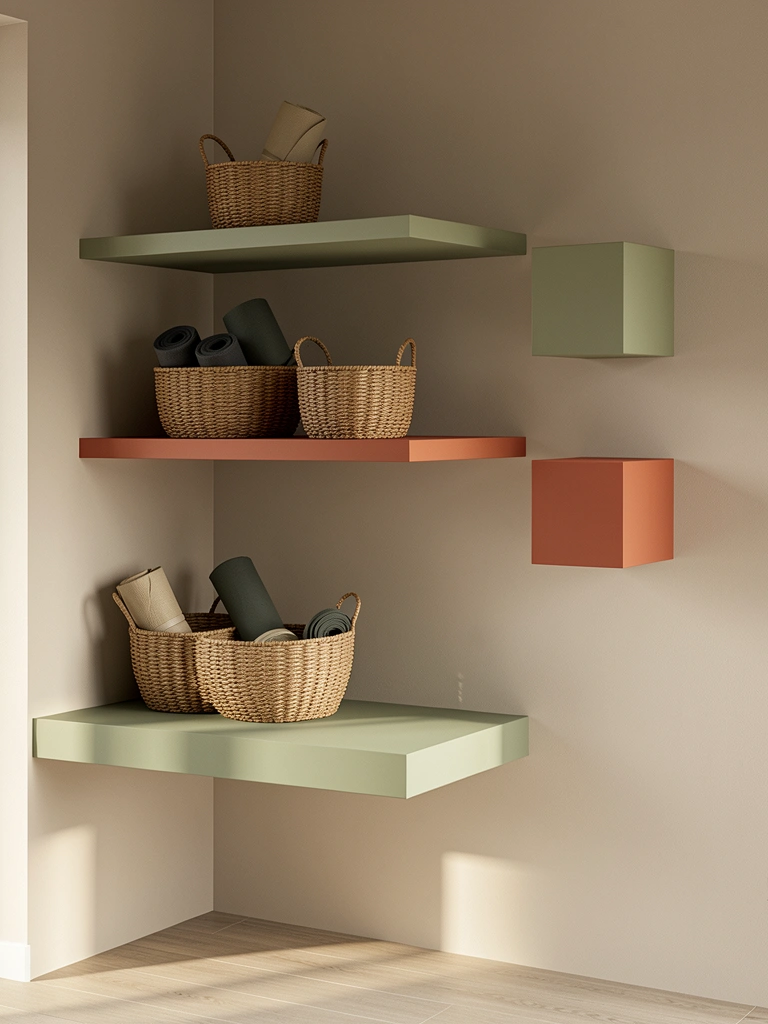
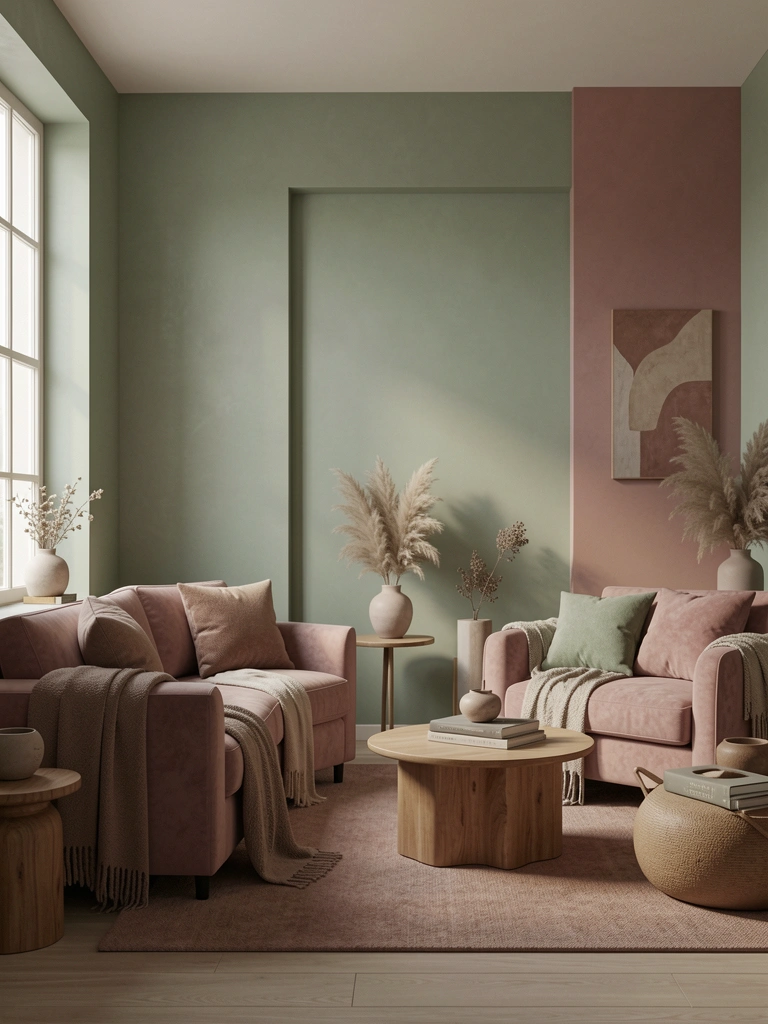
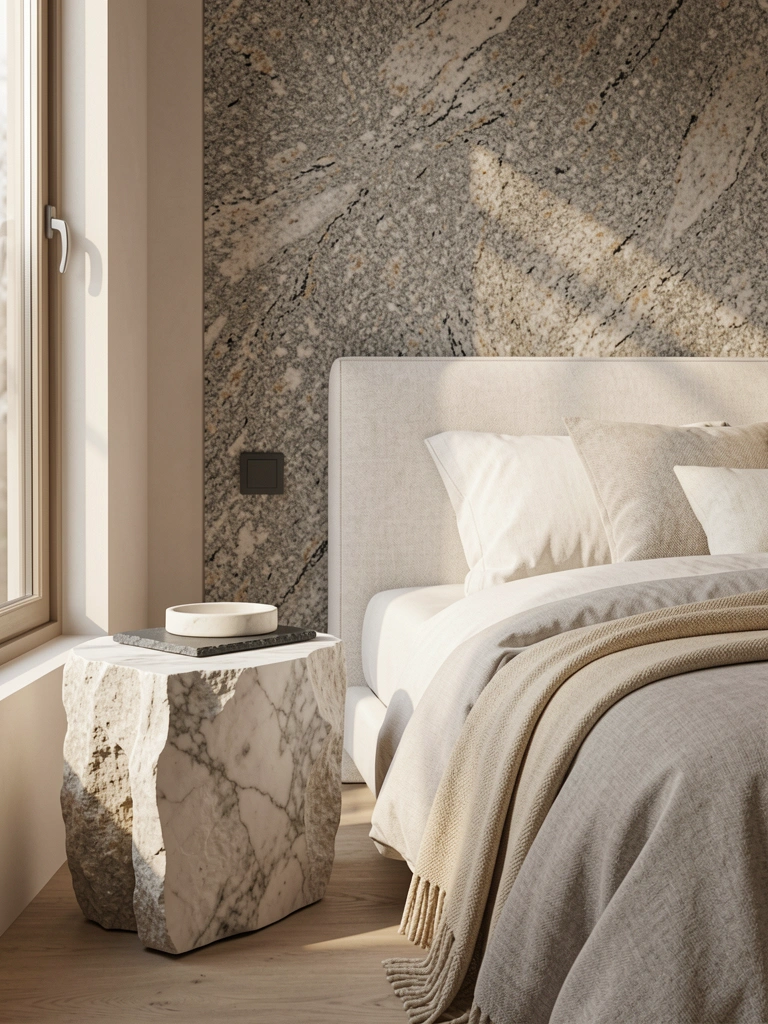
You’ll discover these mineral hues aren’t just colors—they’re emotional maps transforming spaces. By strategically selecting slate grays, soft sages, and muted terracottes, you’ll craft environments that whisper serenity and invite deep, reflective moments.
From Pinterest Perfect to Perfectly Personal: Authentic Home Design
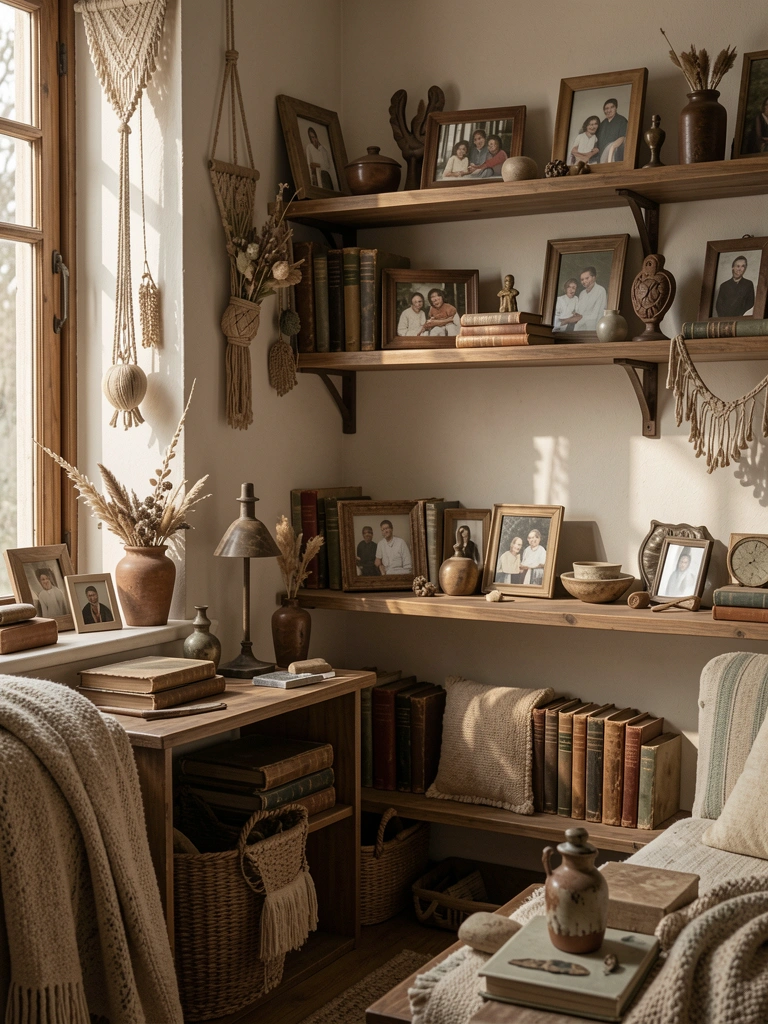
Color palettes whisper emotional narratives, but true design transcends visual aesthetics—it’s about creating spaces that authentically reflect individual stories. Your home isn’t a Pinterest board; it’s a canvas of personalized spaces where authentic design emerges from lived experiences. Curate meaningful elements that resonate with your journey, transforming rooms into intimate autobiographies.
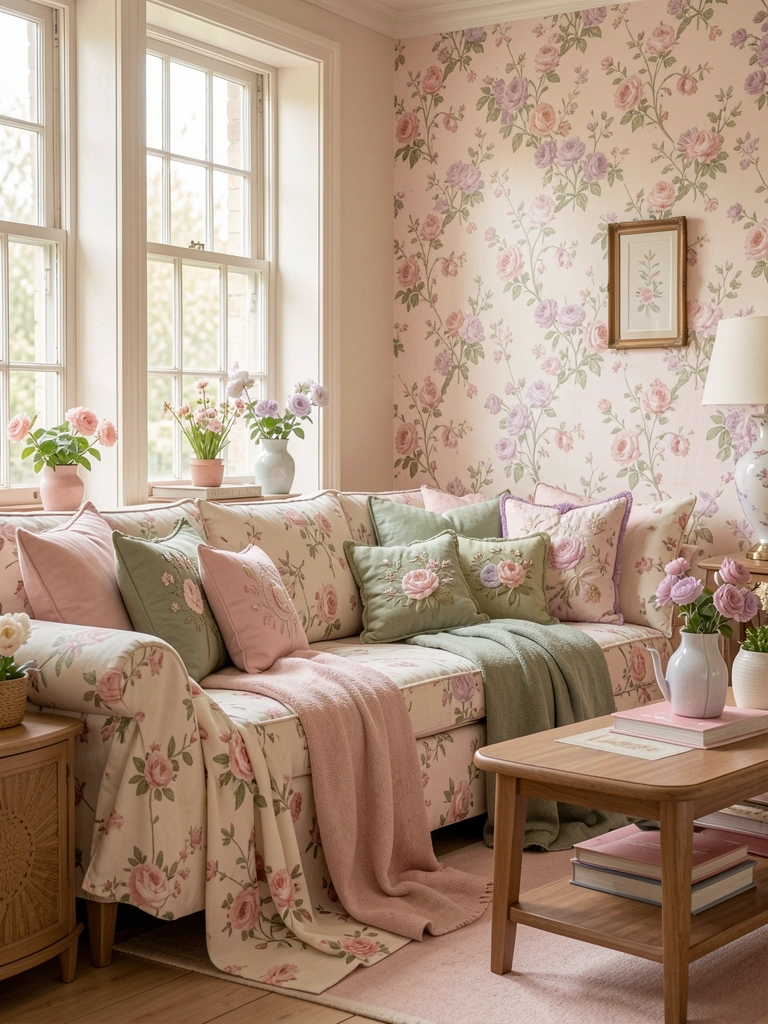
Vintage Meets Modern: Mixing Eras With Intention
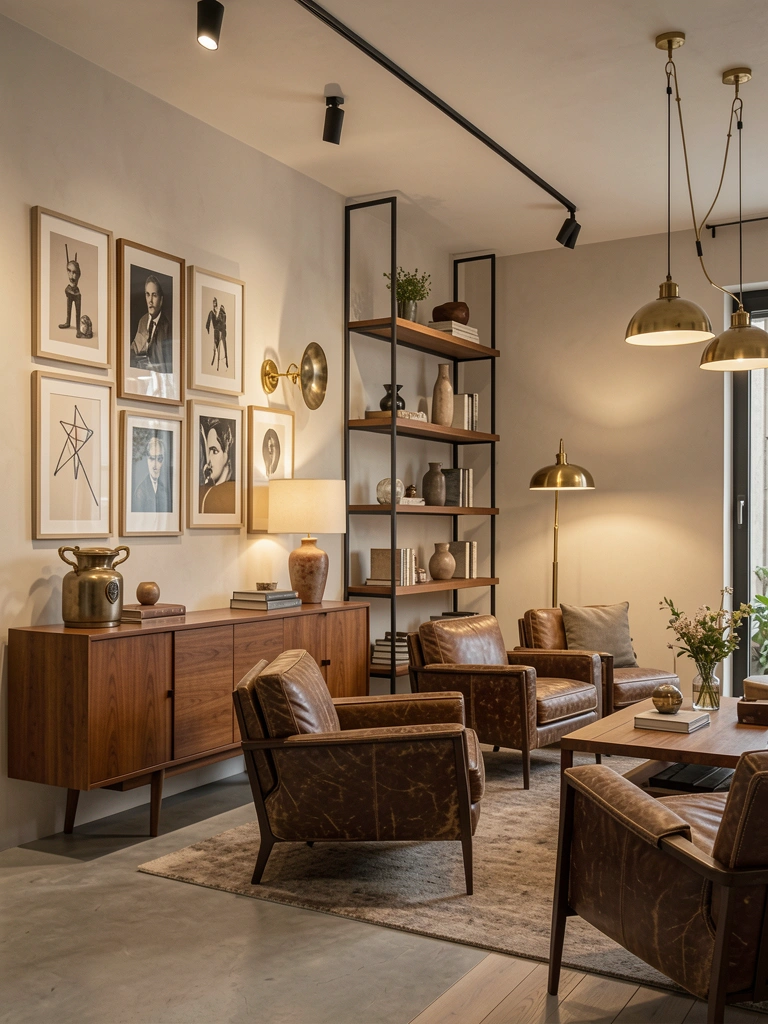
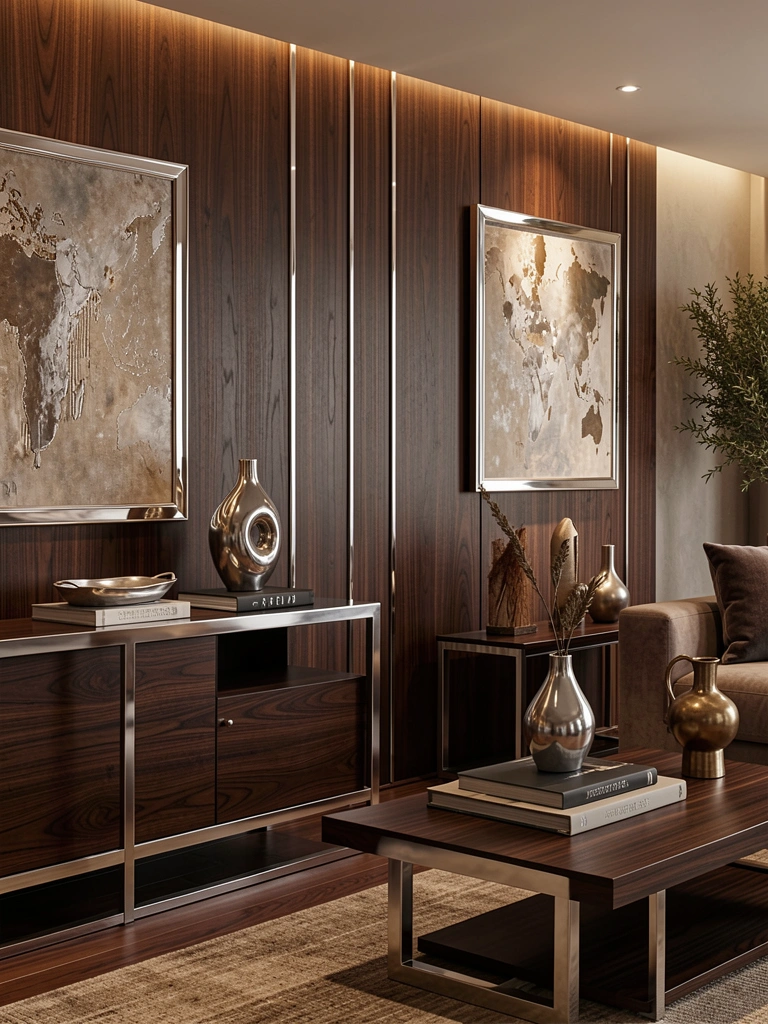
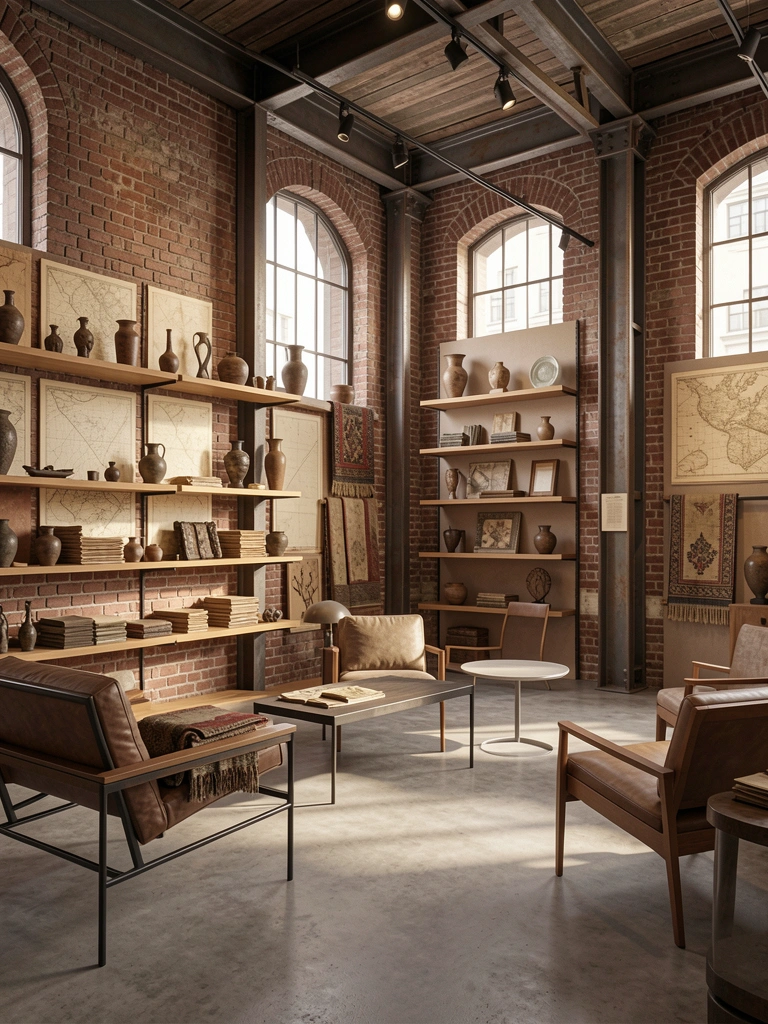
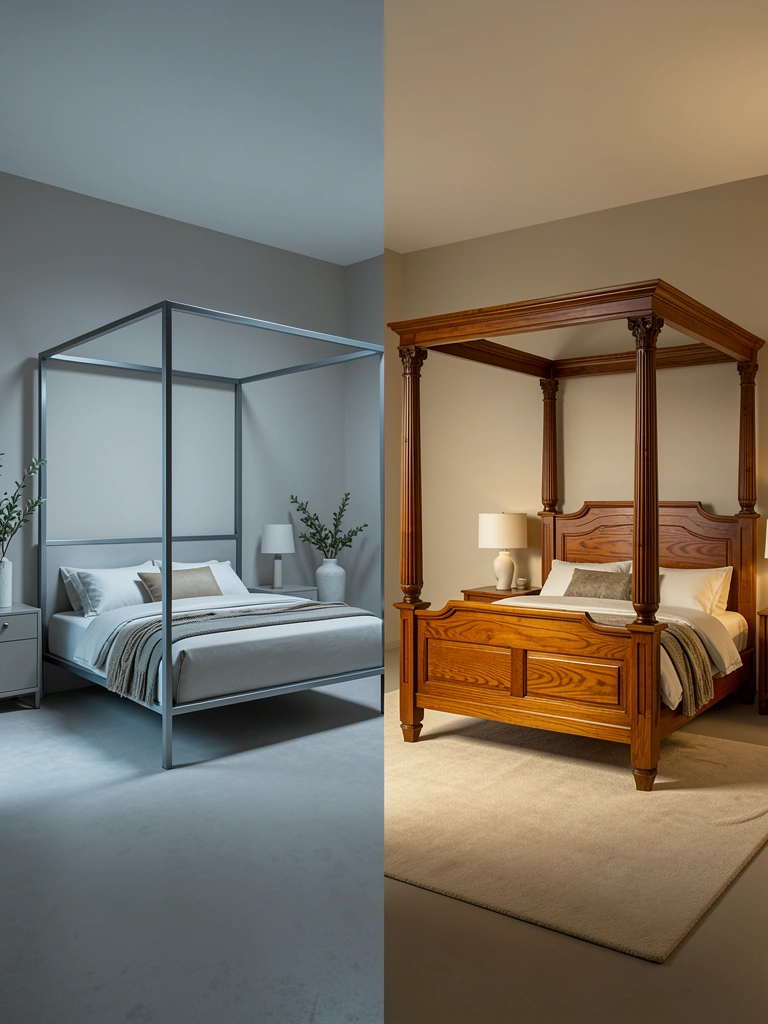
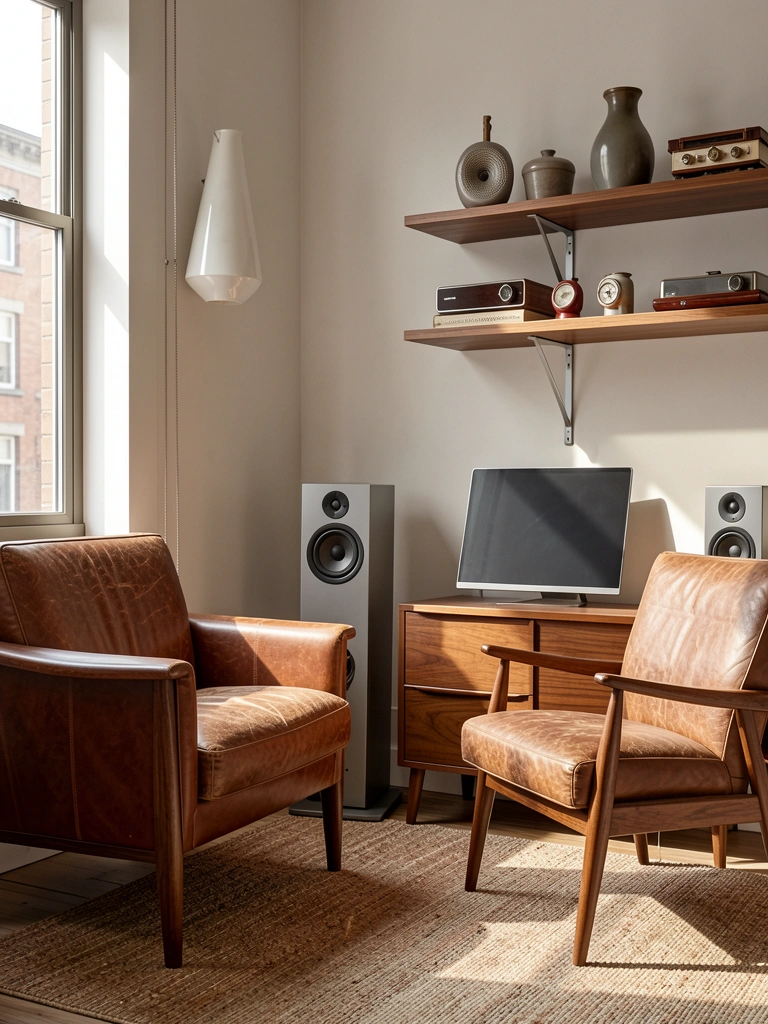
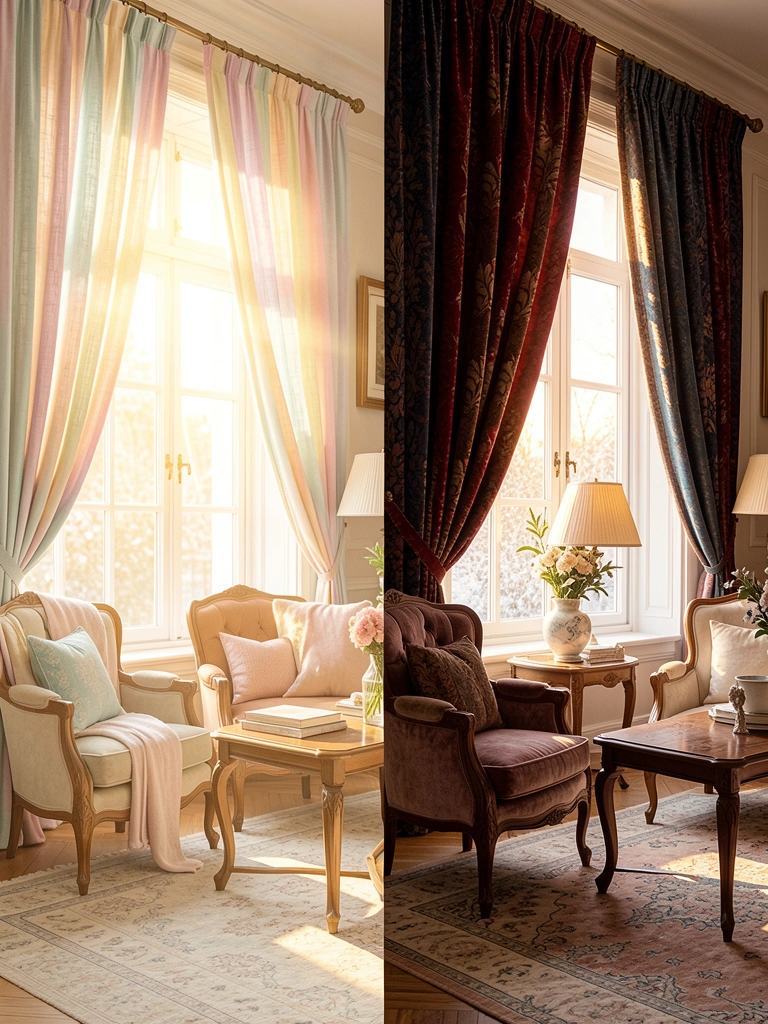
Though design trends constantly evolve, the art of blending vintage and modern elements creates spaces that feel both timeless and deeply personal. By juxtaposing vintage textures with clean, modern lines, you’ll craft an interior that tells a rich narrative. Your intentional mix transforms rooms from mere spaces into curated expressions of individual style.
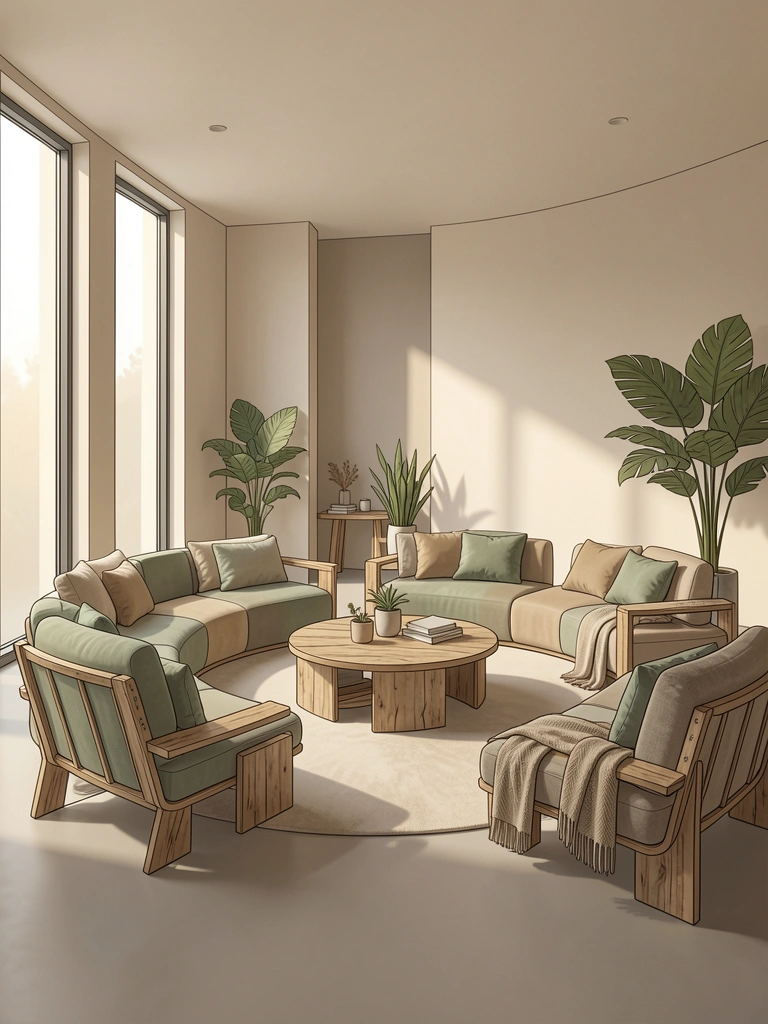
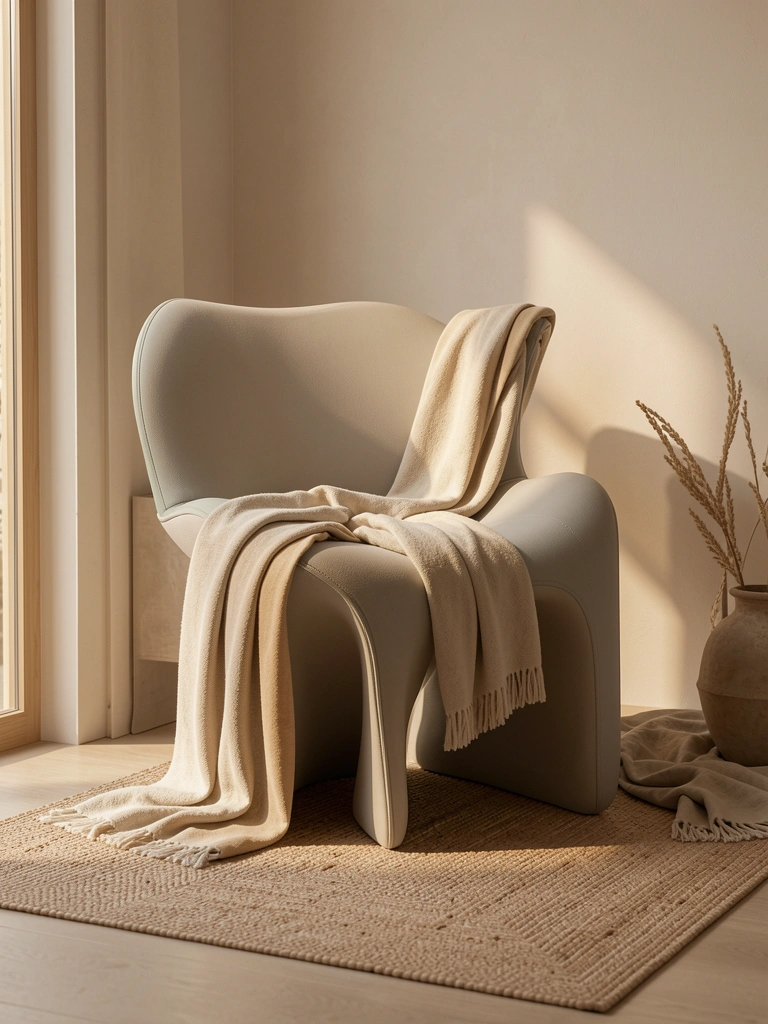
Comfort First: Why Curved Furniture Transforms Rooms?
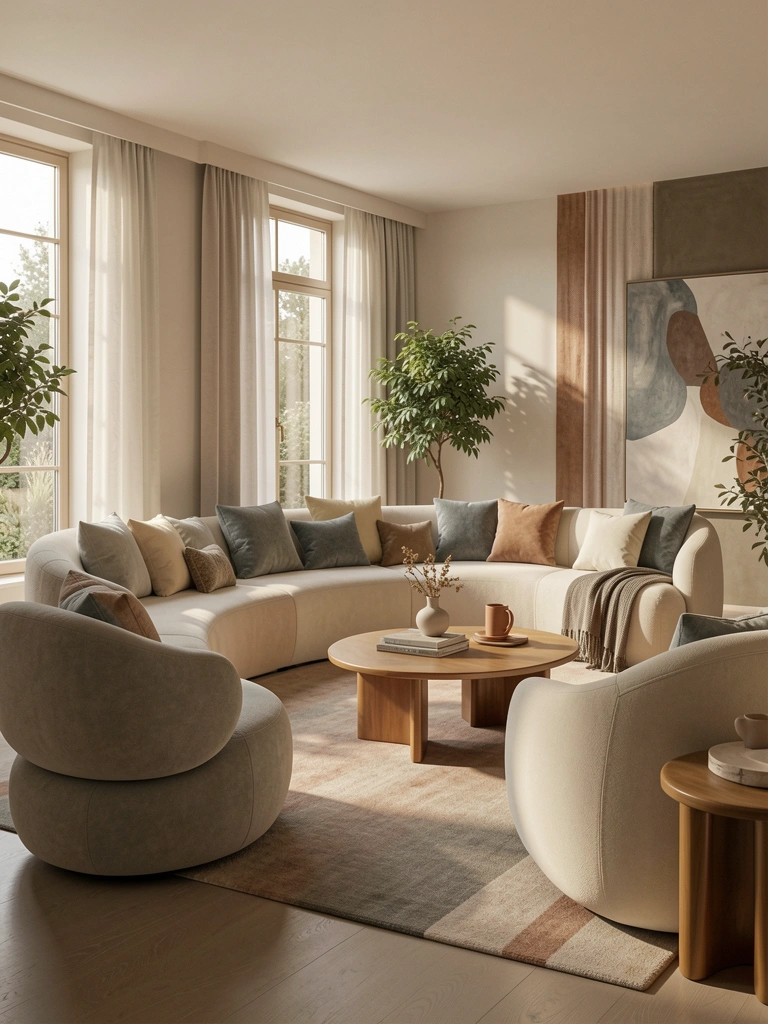
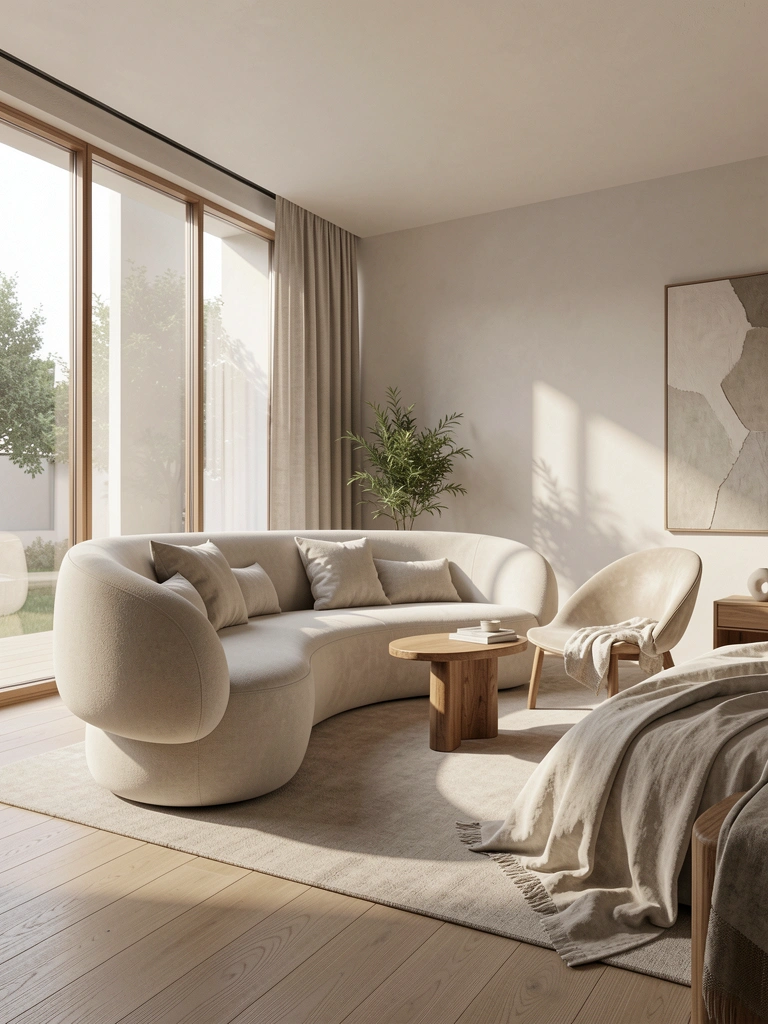
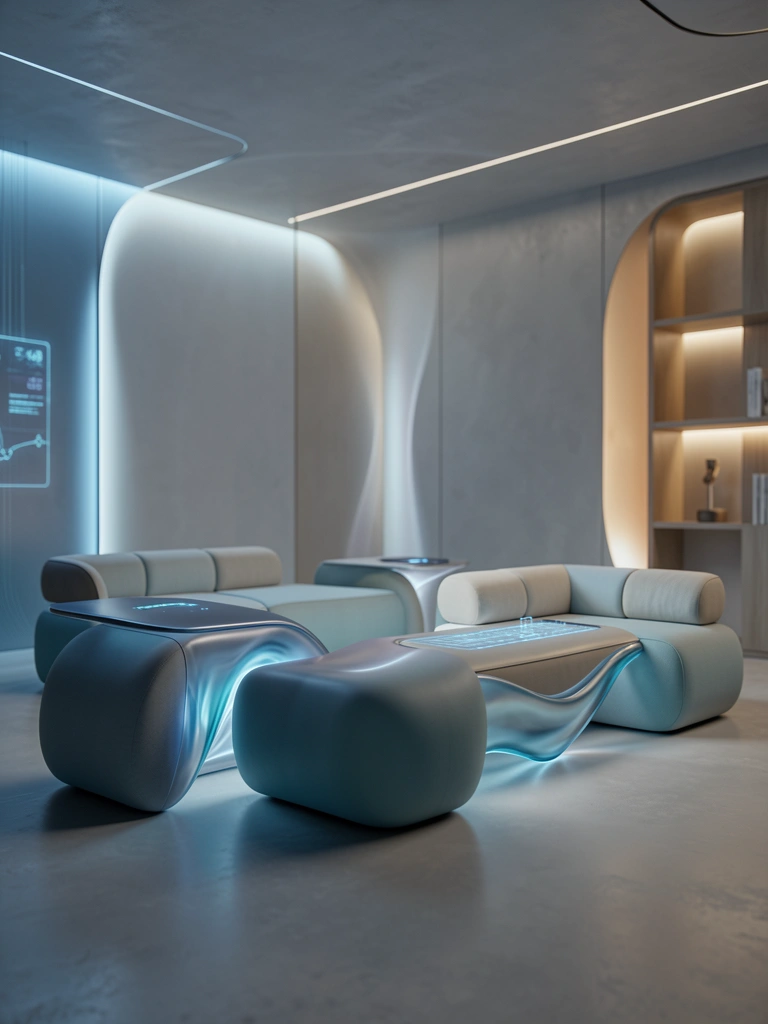
Because human-centric design prioritizes emotional and physical comfort, curved furniture has emerged as a transformative element in modern interior spaces.
Ergonomic aesthetics and inviting shapes create spatial harmony, allowing you to balance design elements while embracing cozy ambiance through soft, curved lines that offer design flexibility and modern comfort.
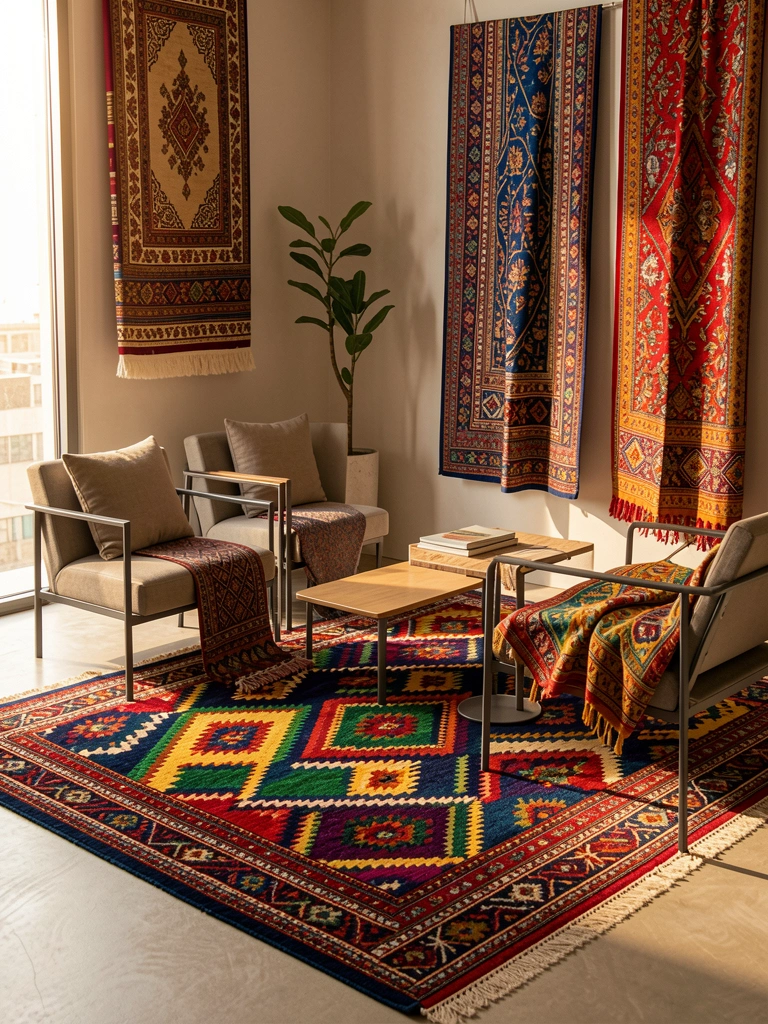
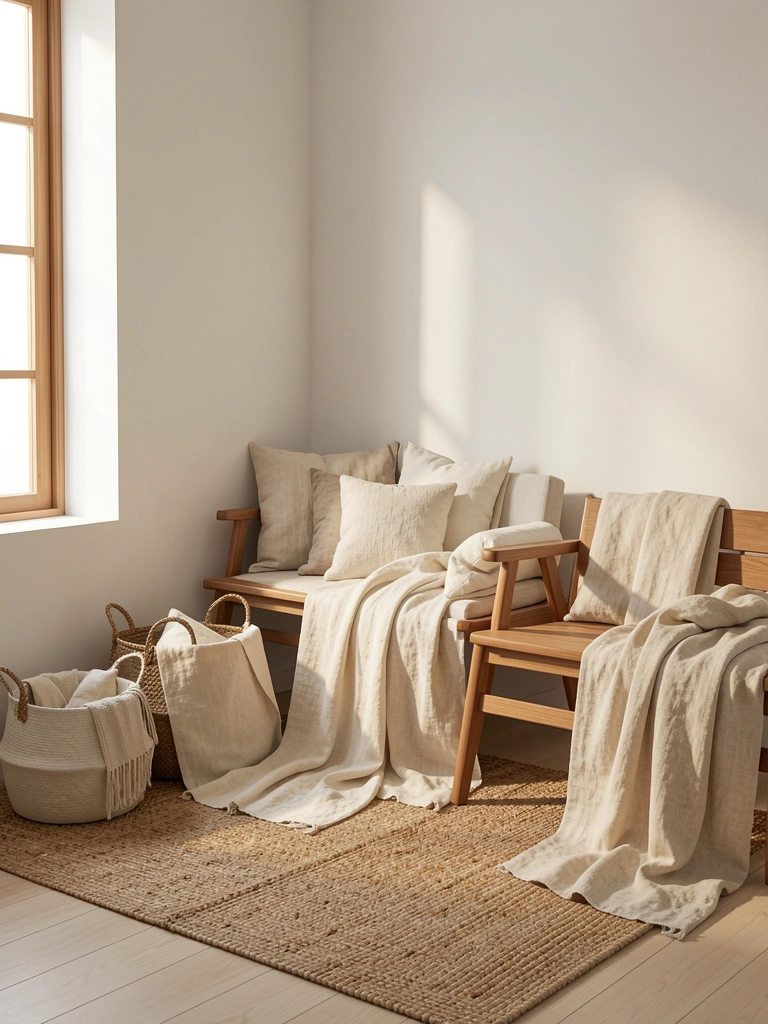
Texture Tales: Layering Materials for Depth and Interest
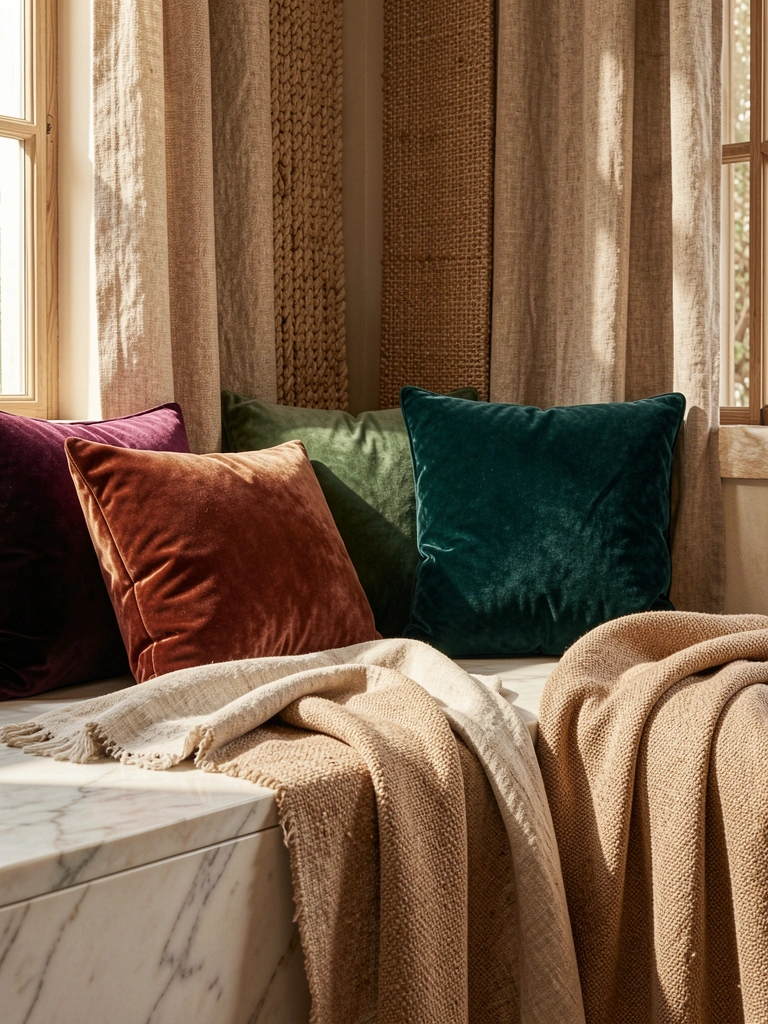
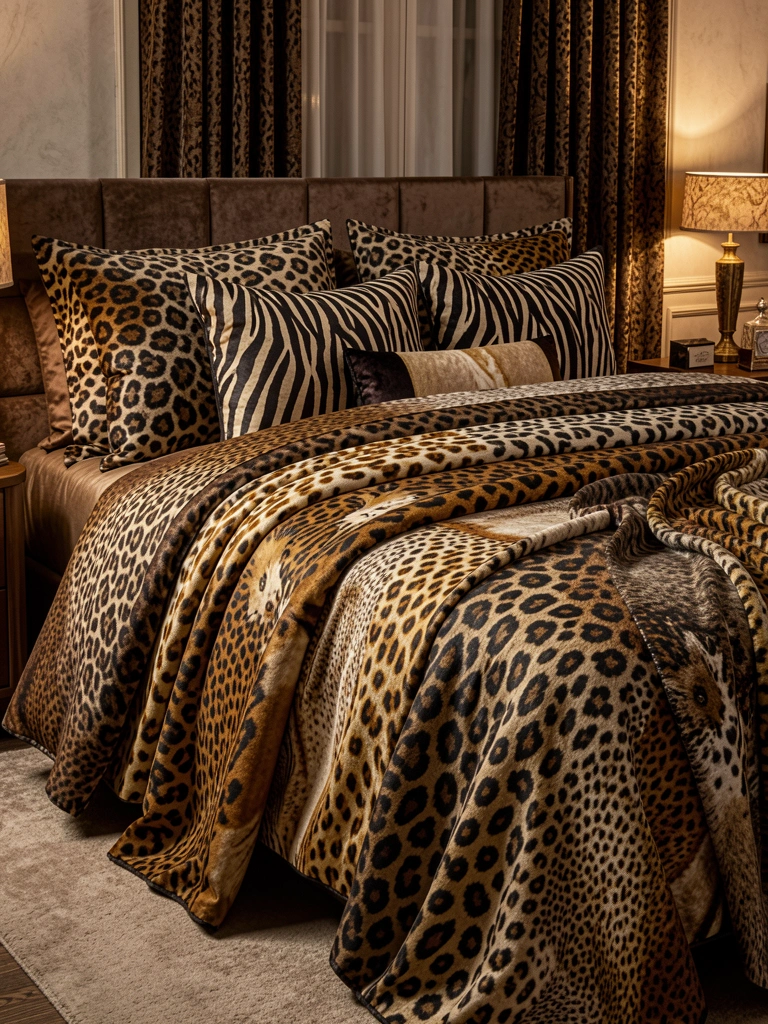
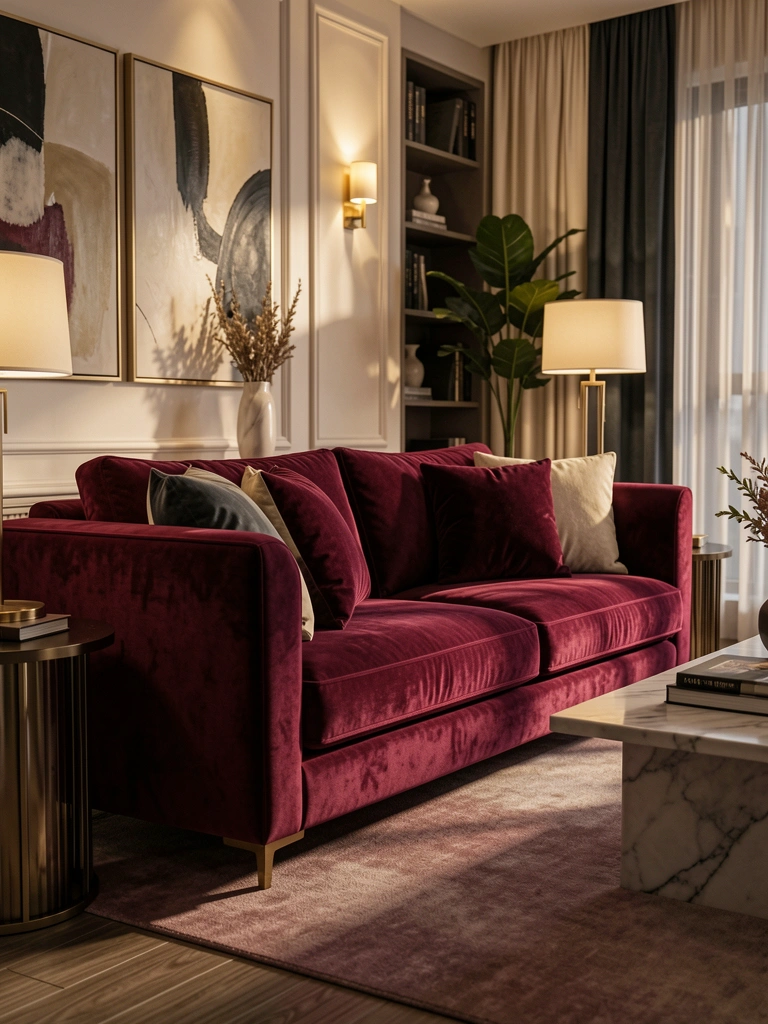
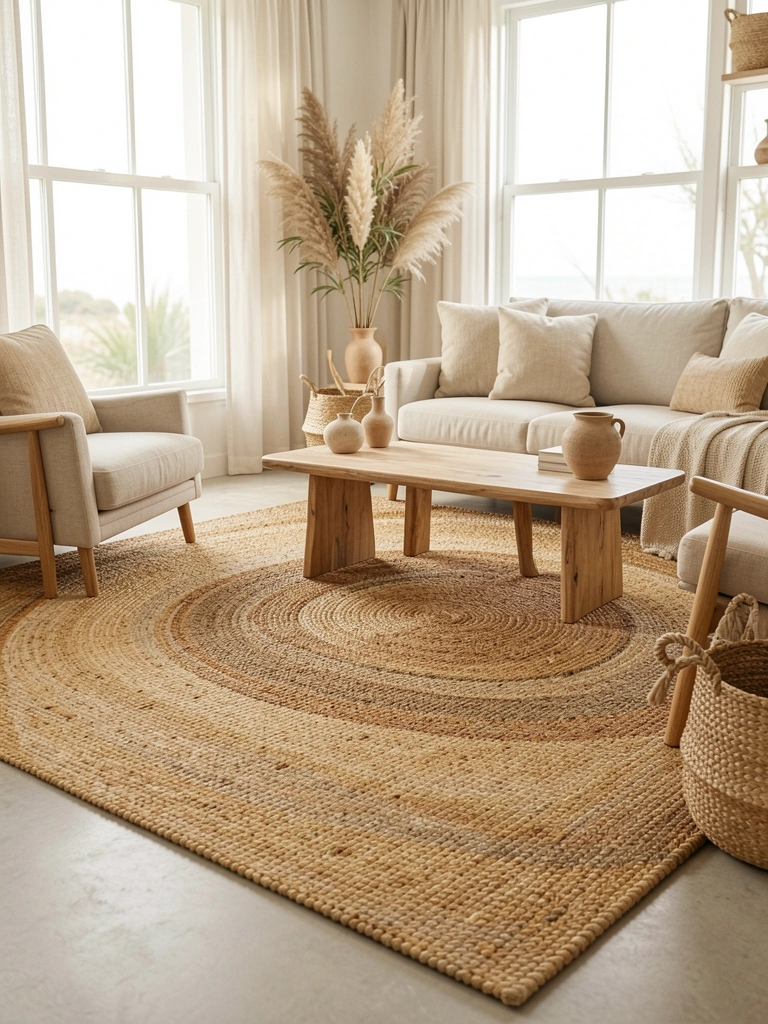
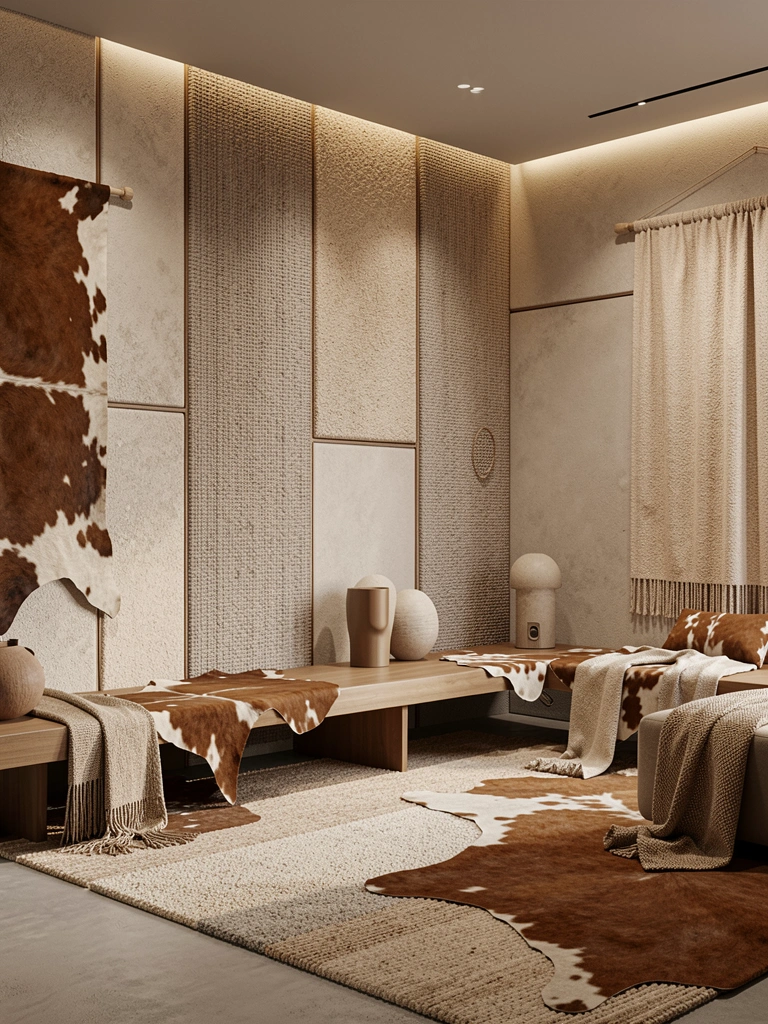
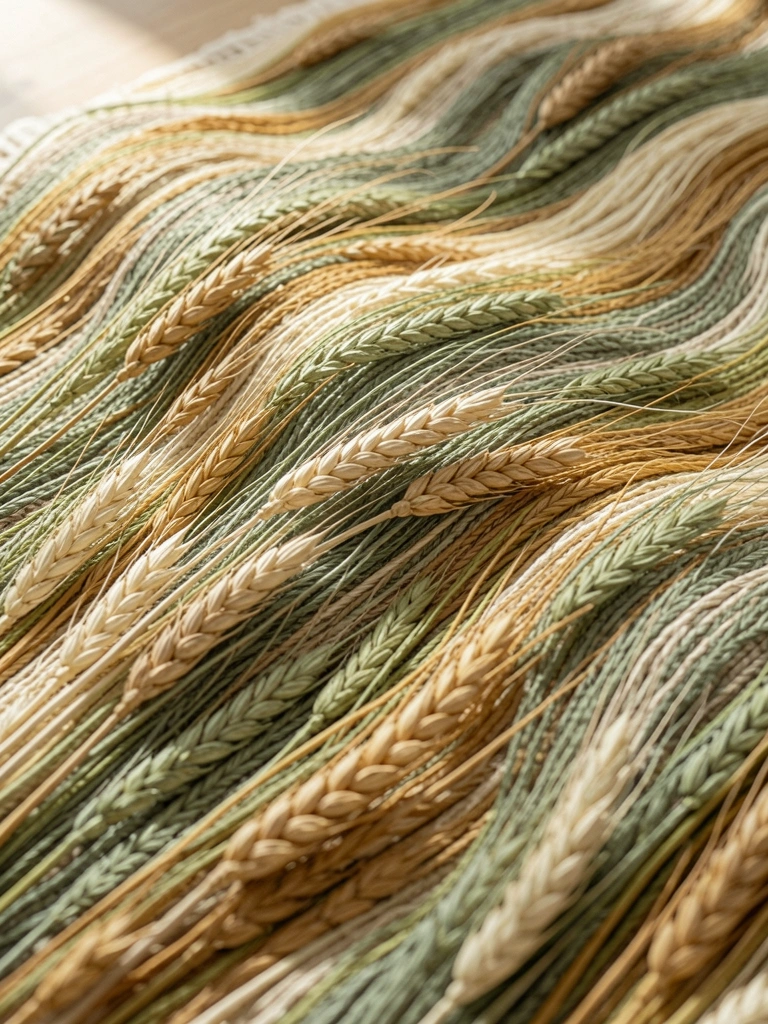
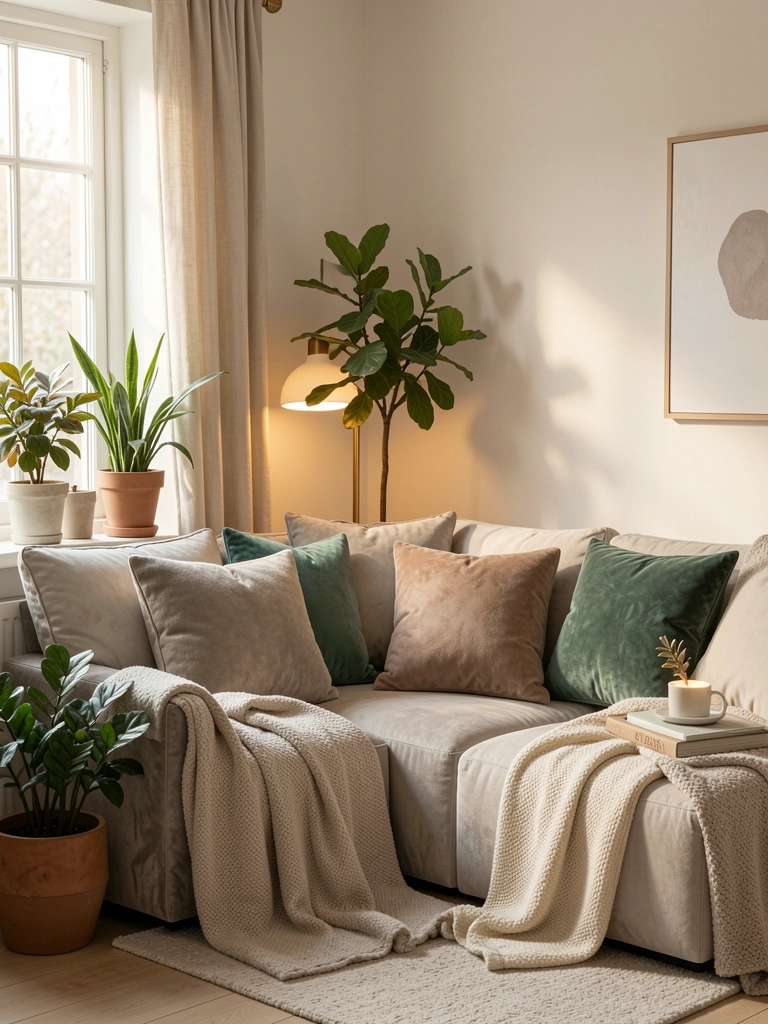
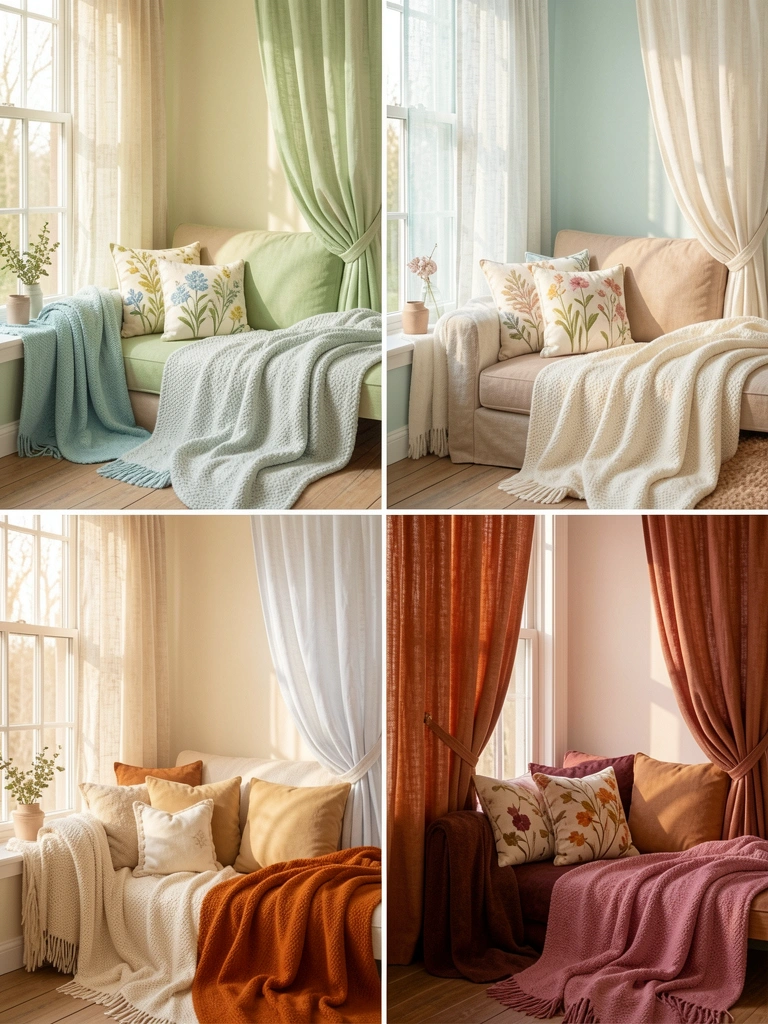
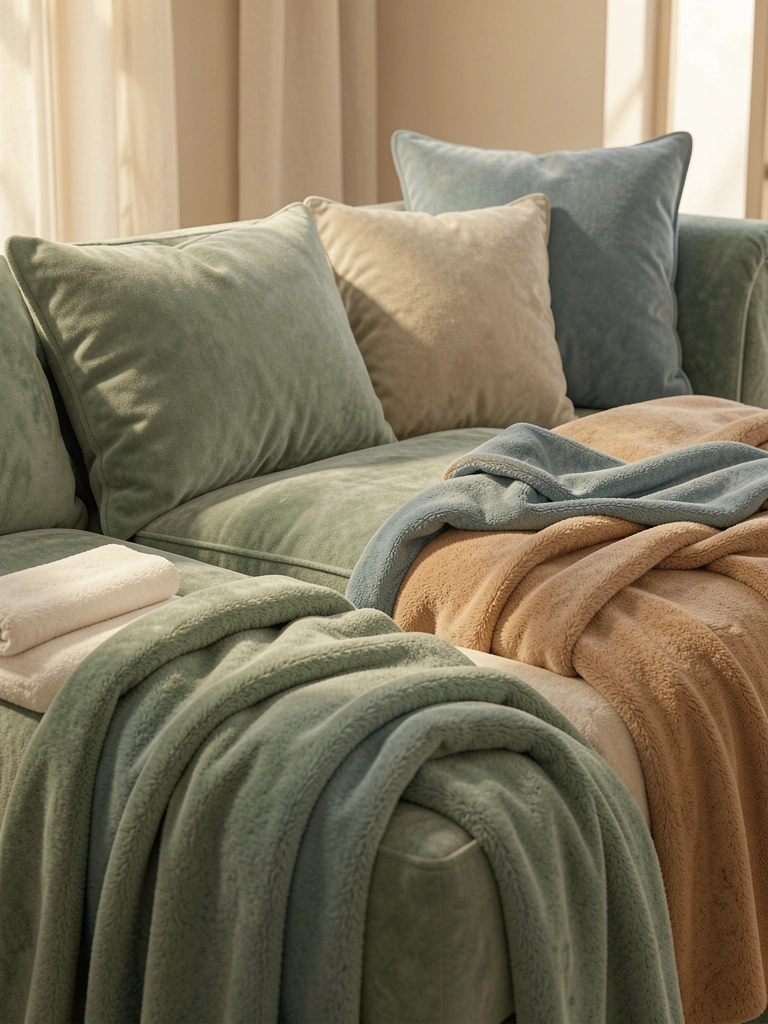
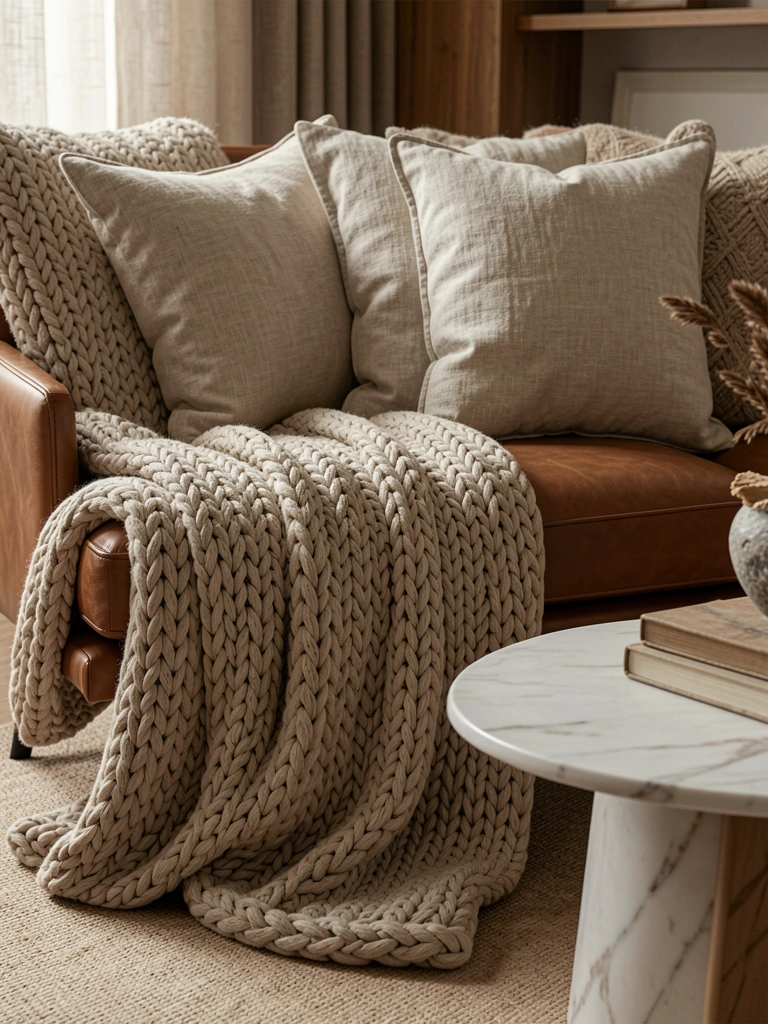
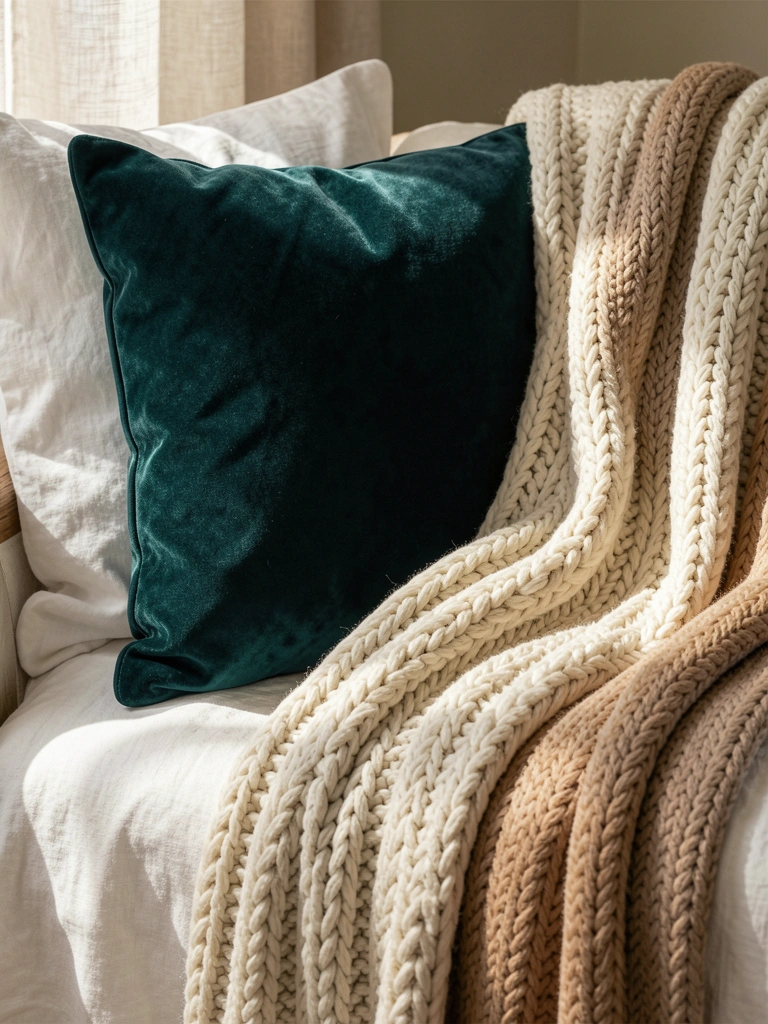
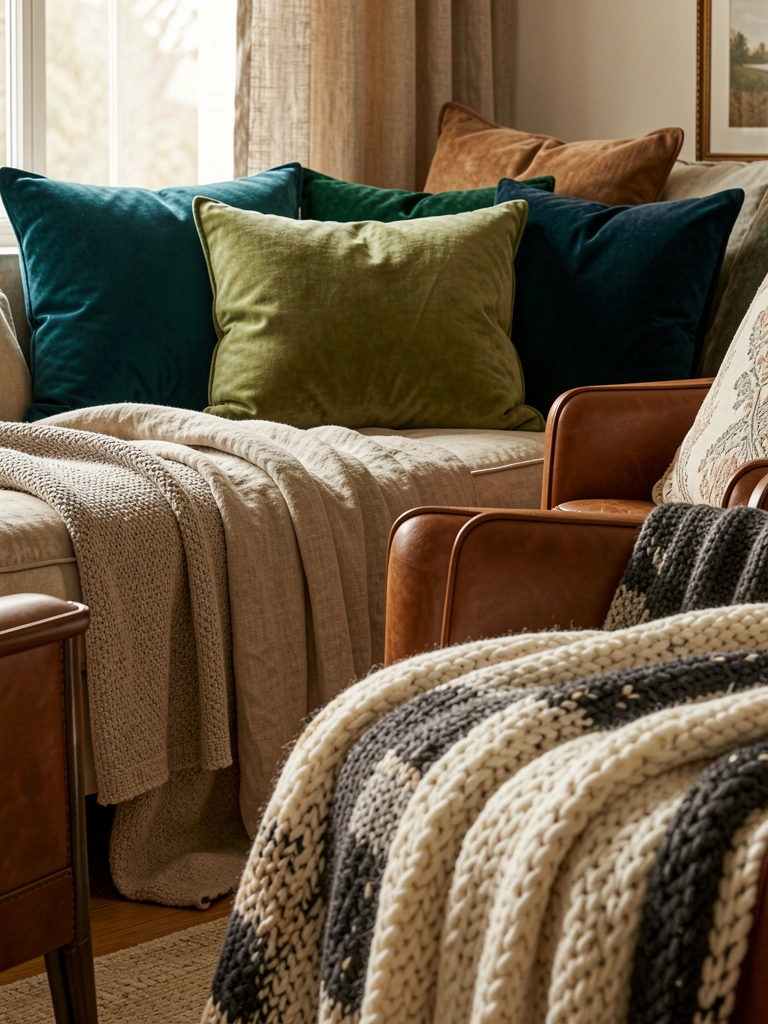
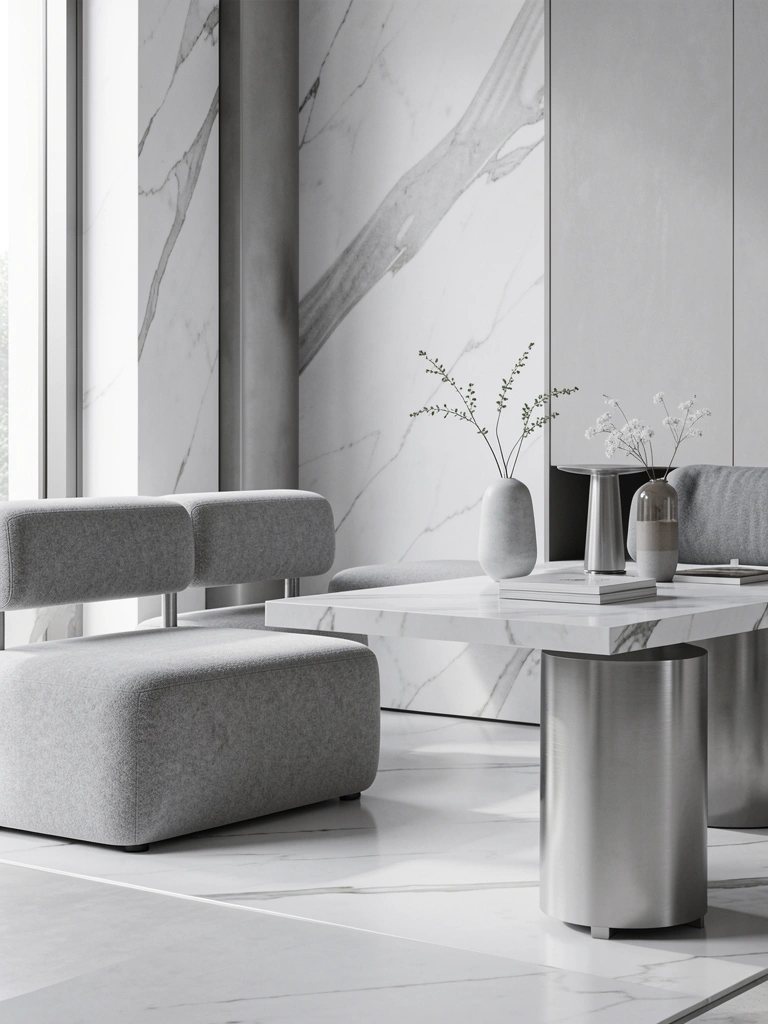
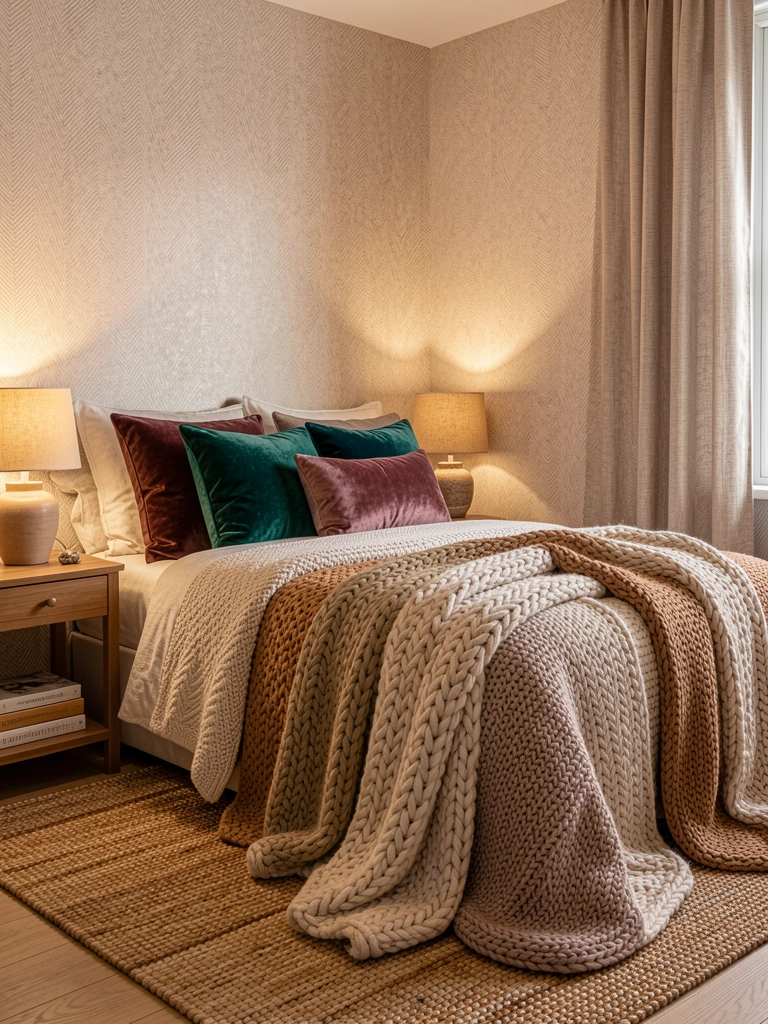
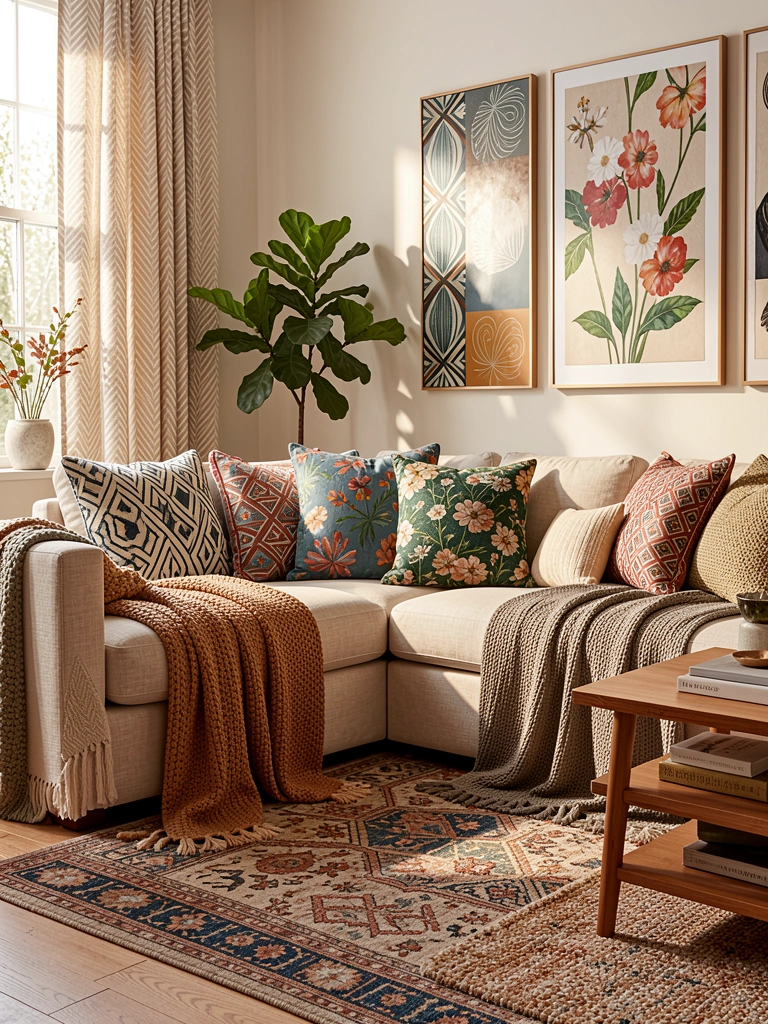
When designers explore interior spaces, texture emerges as an essential storytelling element that transforms rooms from flat surfaces into dynamic, multisensory experiences. You’ll create depth by strategically layering textural contrasts—think velvet cushions against rough linen throws, or smooth marble surfaces juxtaposed with woven textiles—inviting tactile elements that elevate your space’s sensory narrative.
Breathable Homes: Materials That Promote Wellness
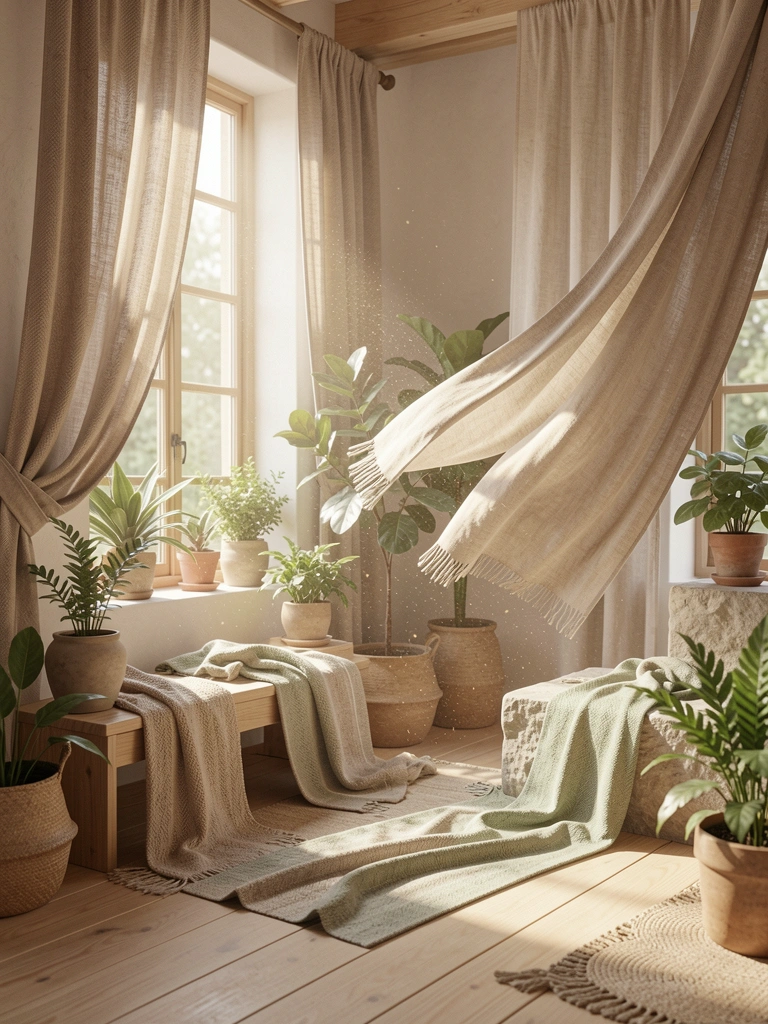
As indoor air quality becomes a critical wellness factor, your home’s material selections can greatly impact respiratory health and overall environmental comfort.
Choose sustainable textiles, prioritize natural ventilation, and opt for organic materials that filter toxins. Your space can breathe, promoting wellness through thoughtful, intentional design choices.
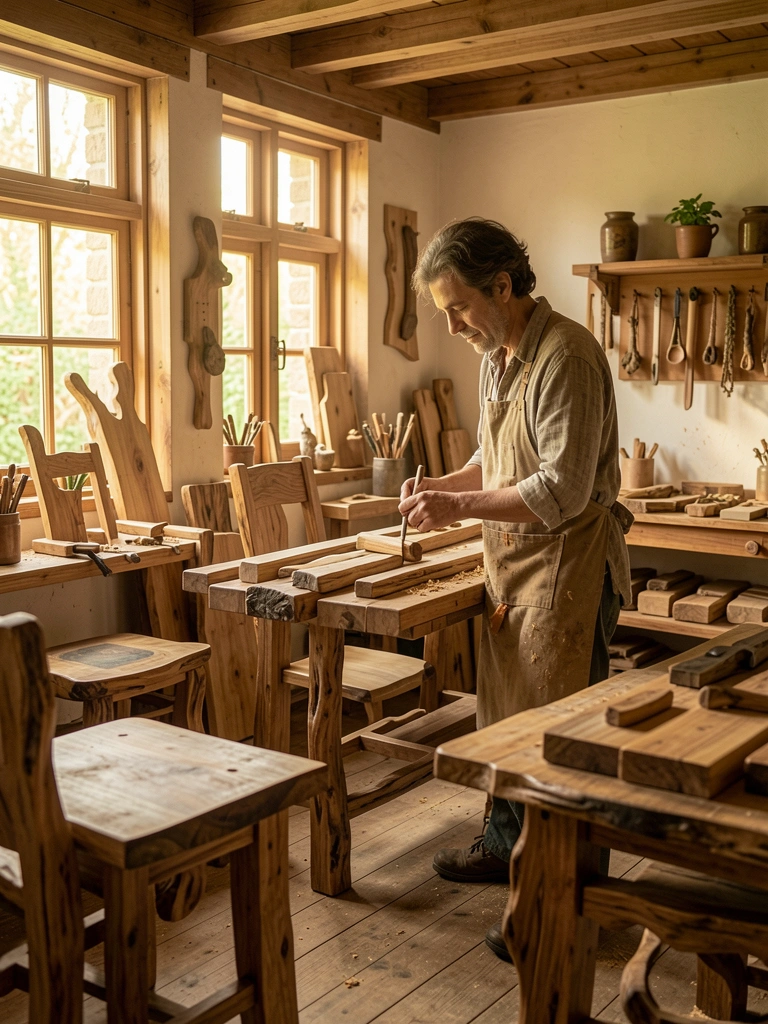
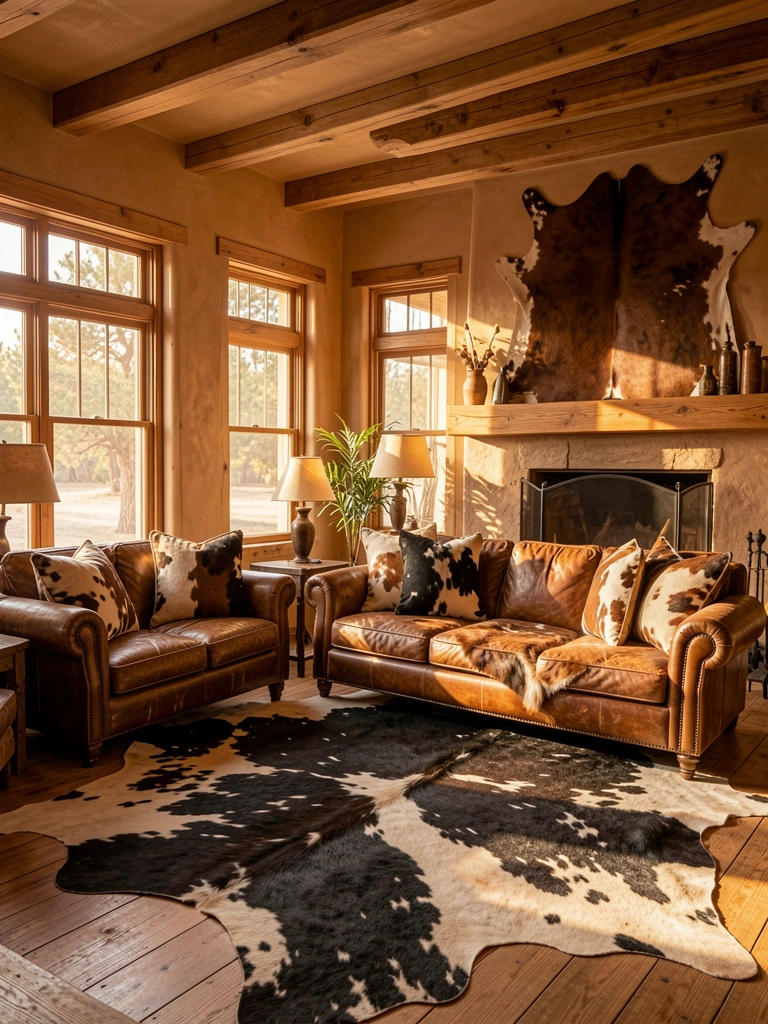
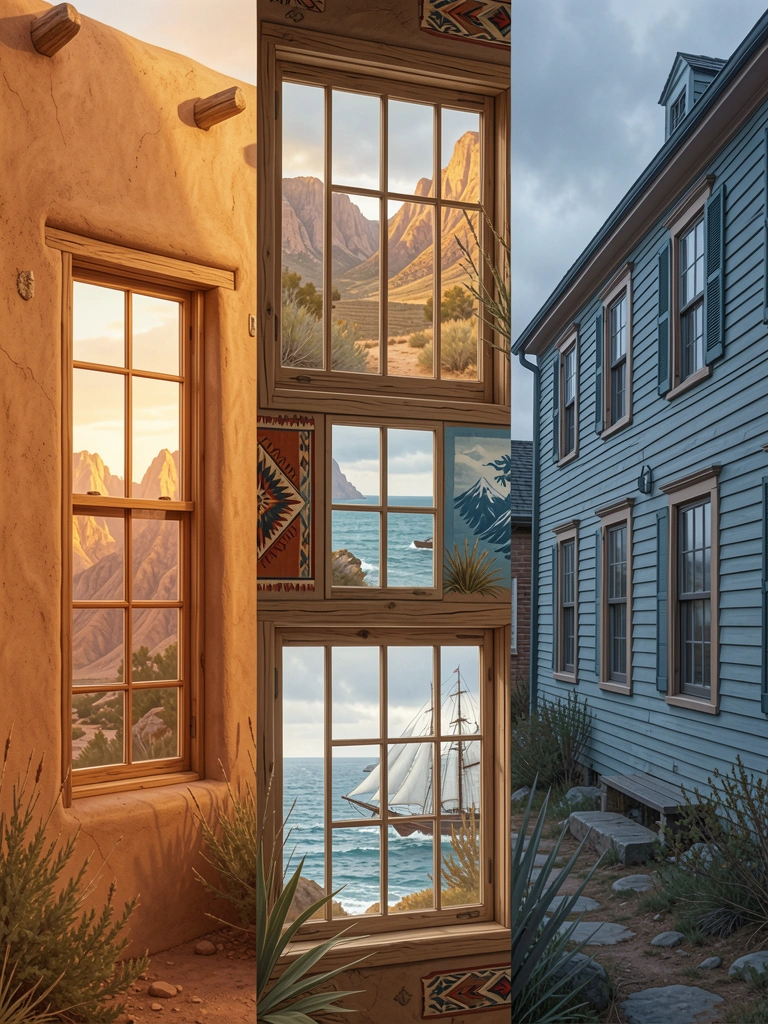
Local Inspiration: Sustainable Design With Regional Character
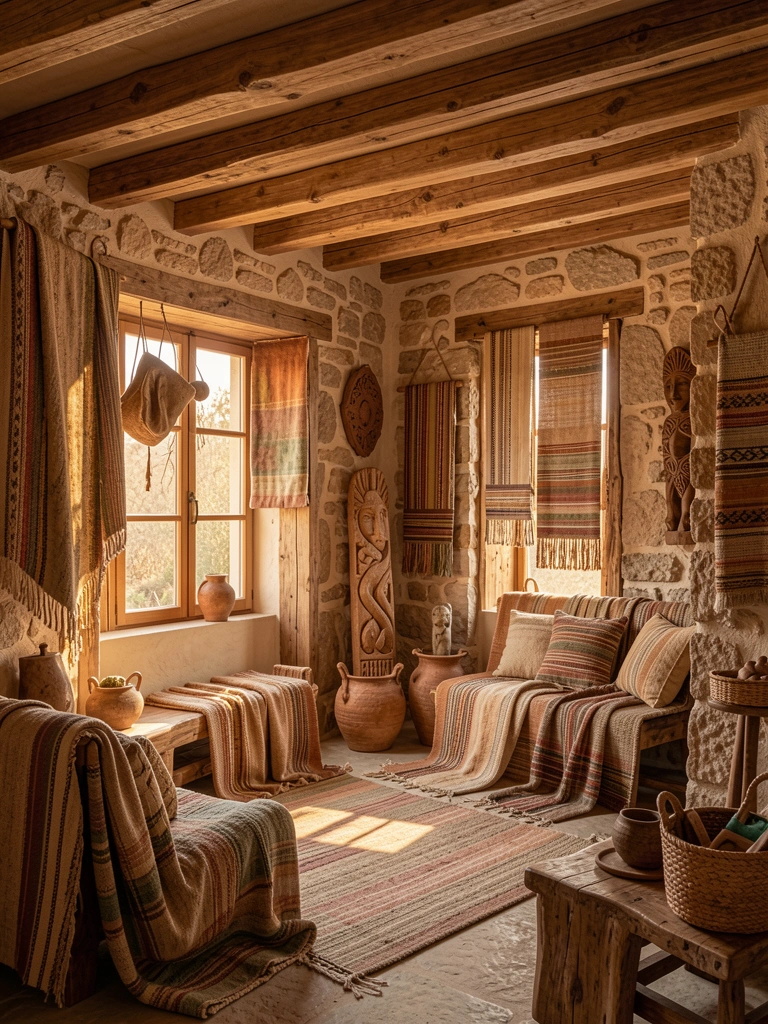
Sustainable design gains deeper resonance when rooted in regional landscapes and cultural heritage.
By collaborating with local artisans and sourcing native materials, you’ll create spaces that reflect authentic character.
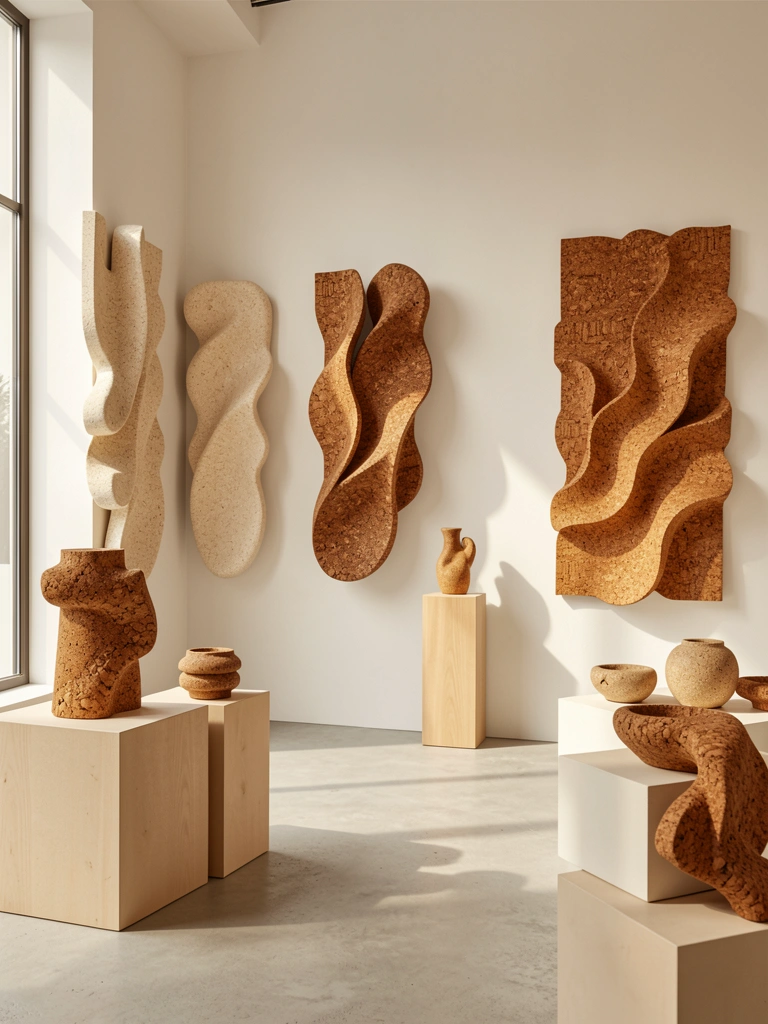
Regional wood, stone, and textiles tell a unique story, transforming rooms into living narratives that honor local craftsmanship and environmental sensitivity.
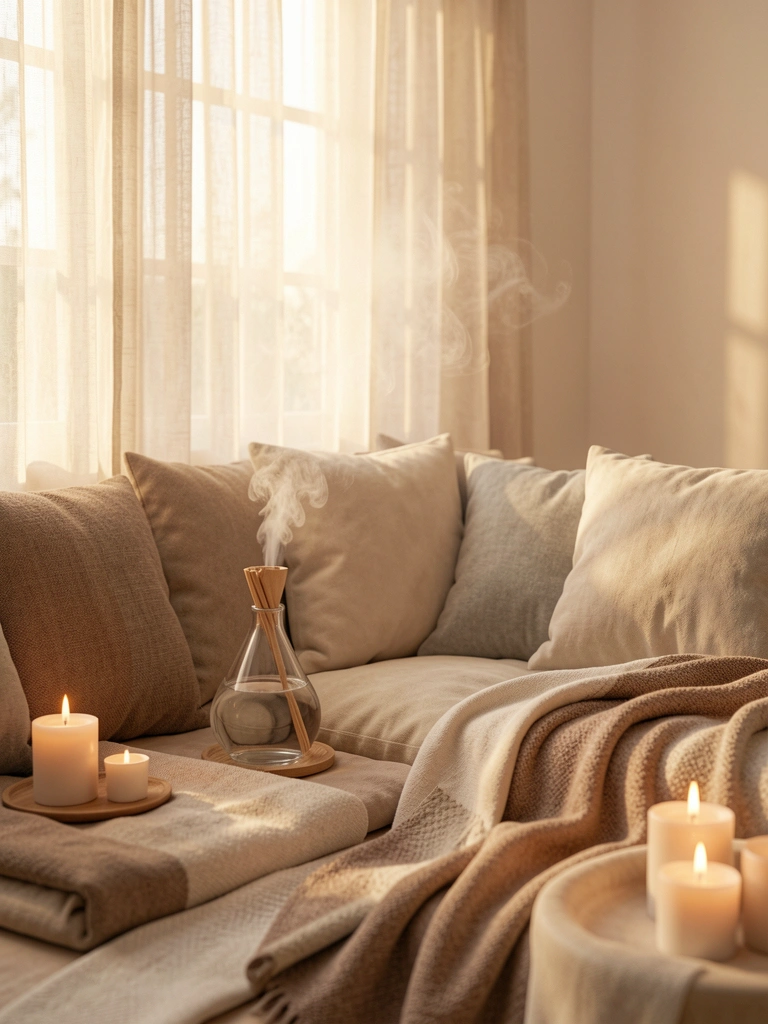
The Emotional Power of Home Fragrances
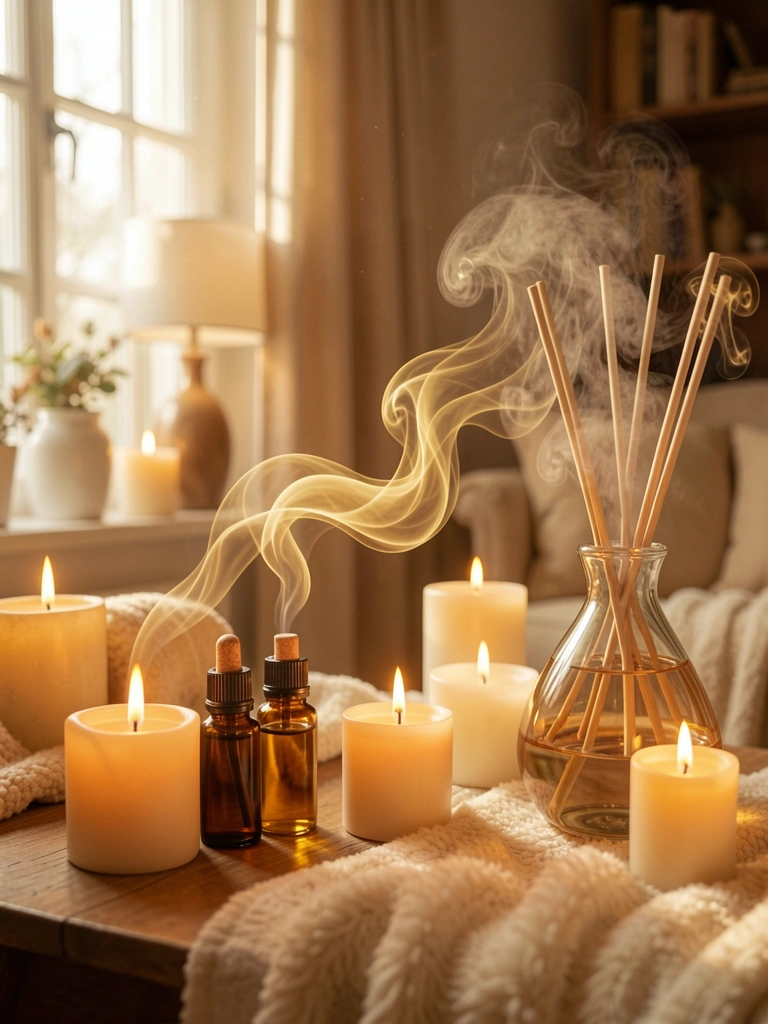
Though often overlooked, home fragrances possess a profound psychological impact that transcends mere olfactory stimulation.
Your scent memories can instantly transport you through emotional landscapes, triggering powerful recollections and transforming spaces.
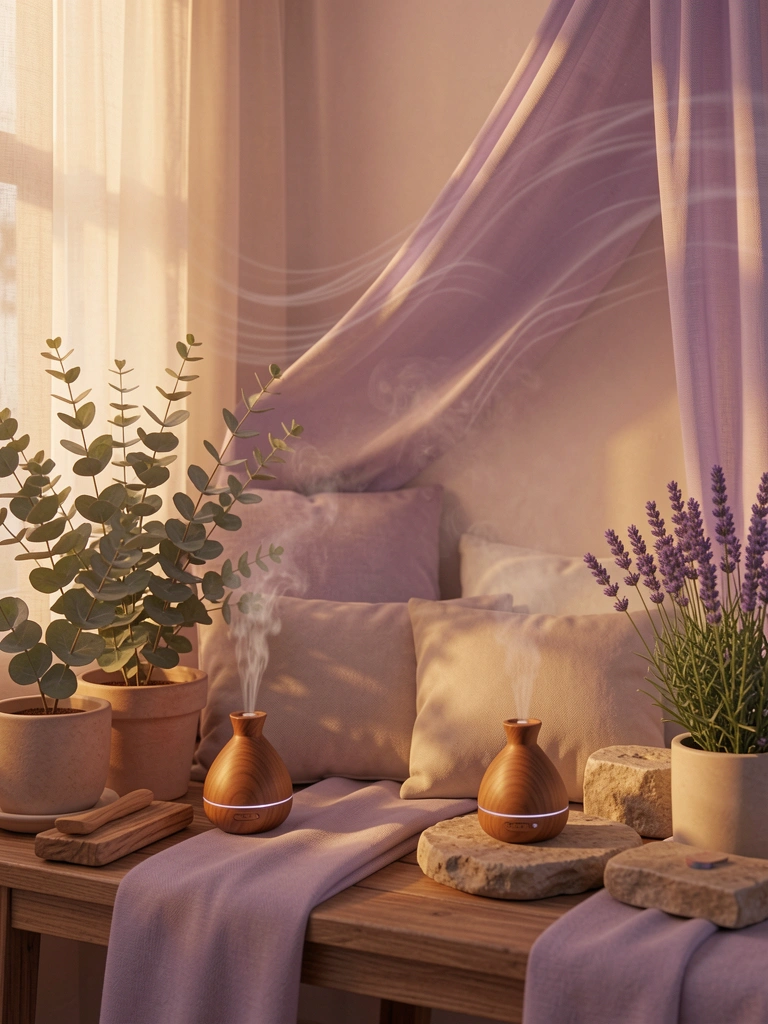
Fragrance layering allows you to craft complex sensory experiences, strategically blending essential oils, candles, and diffusers to create personalized atmospheric narratives.
Beyond Aesthetics: Designing Spaces That Feel Right
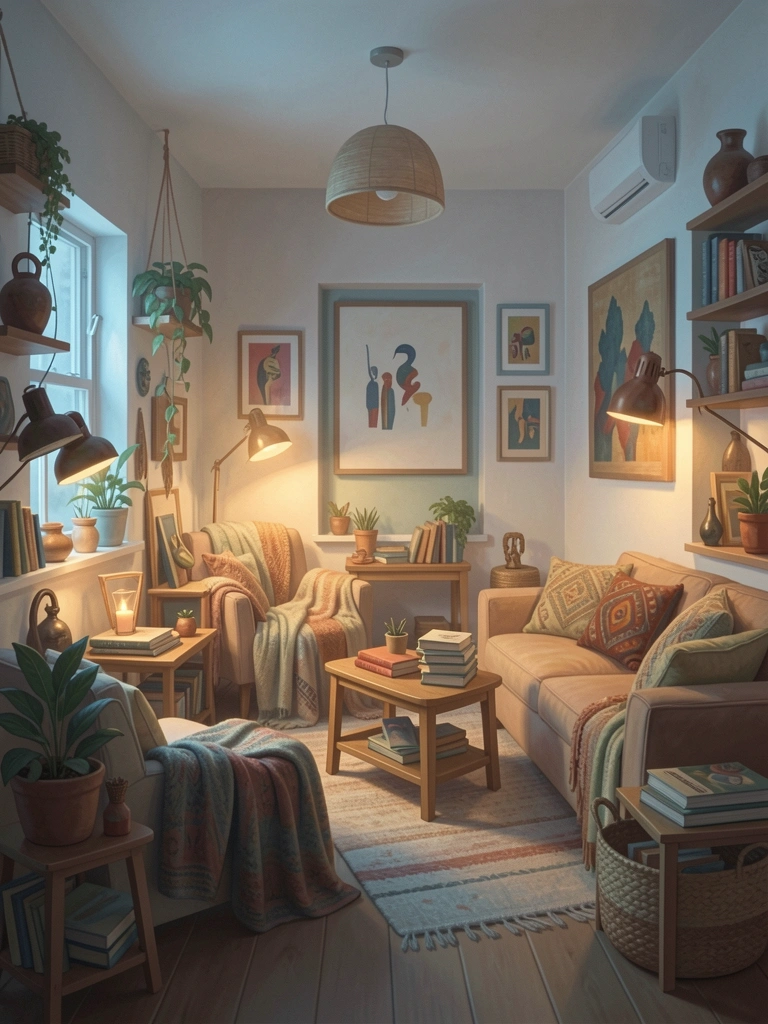
Just as fragrance sculpts emotional terrain, room design reshapes psychological landscapes—transforming physical spaces into potent narratives of personal identity and comfort. Your space isn’t just about aesthetics; it’s a user-centered design reflecting emotional connections, sensory experiences, and cultural relevance. Prioritize functionality, embrace design flexibility, and craft environments that authentically express your inner world.
Curating Meaningful Spaces: Antiques Meets Contemporary
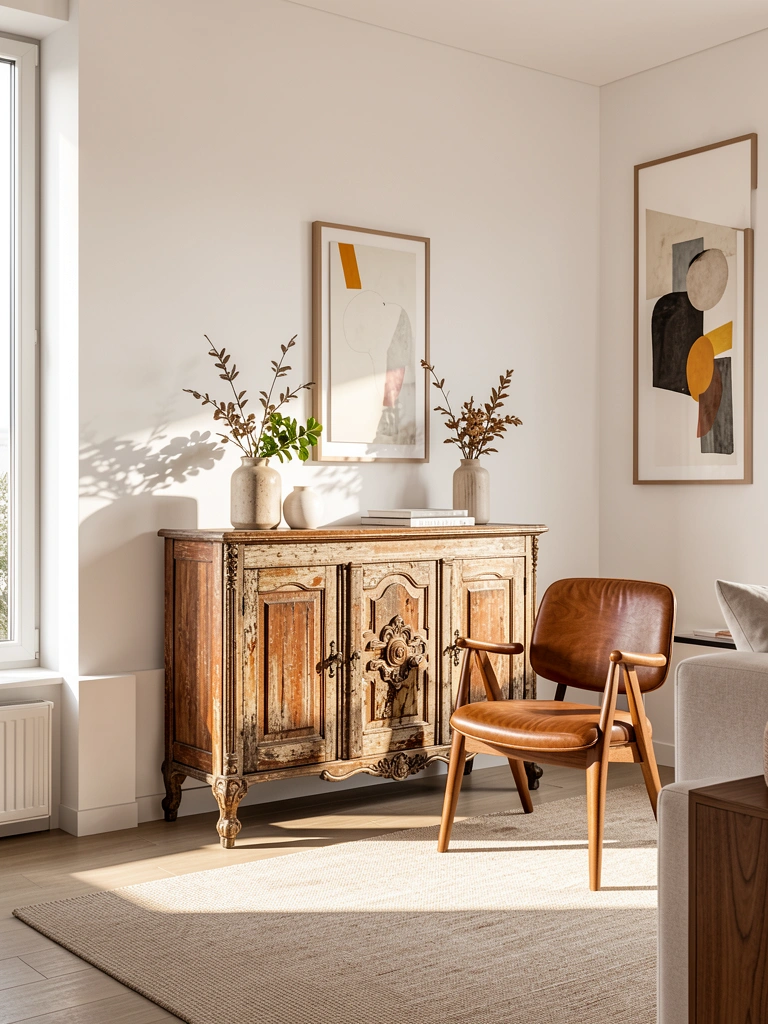
While design trends often oscillate between stark minimalism and nostalgic maximalism, contemporary interior curation offers a nuanced dialogue between historical artifacts and modern aesthetics.
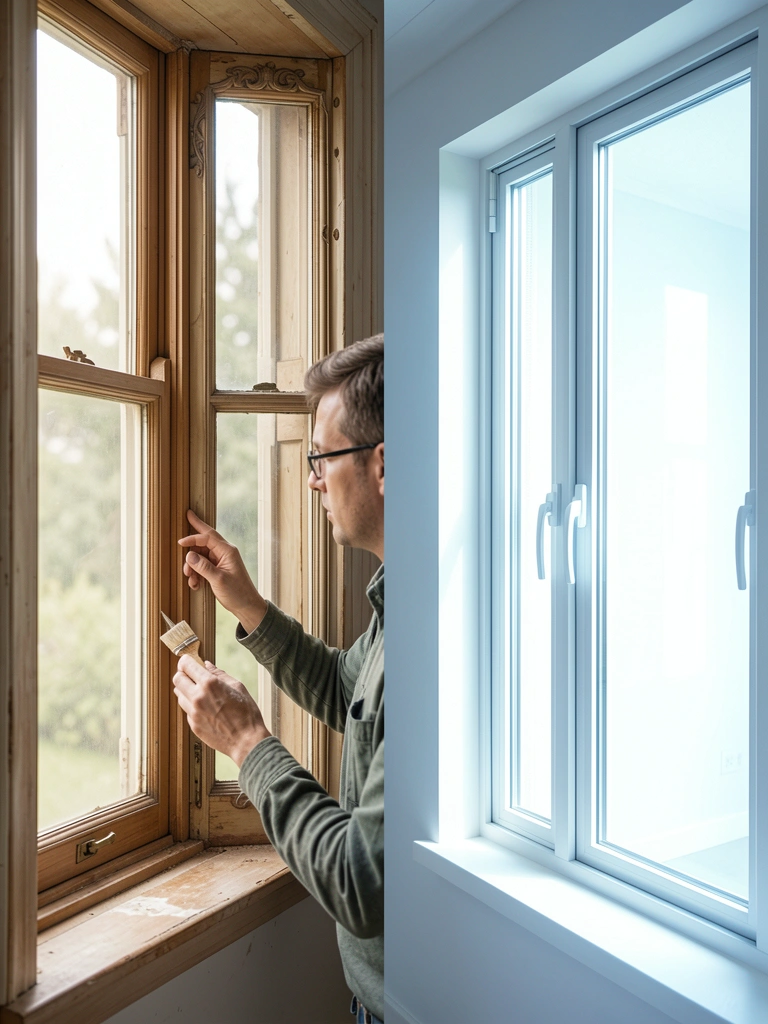
You’ll discover antique restoration isn’t about freezing time, but creating contemporary contrast that breathes new life into cherished pieces, transforming your space into a dynamic narrative of personal heritage and progressive design.
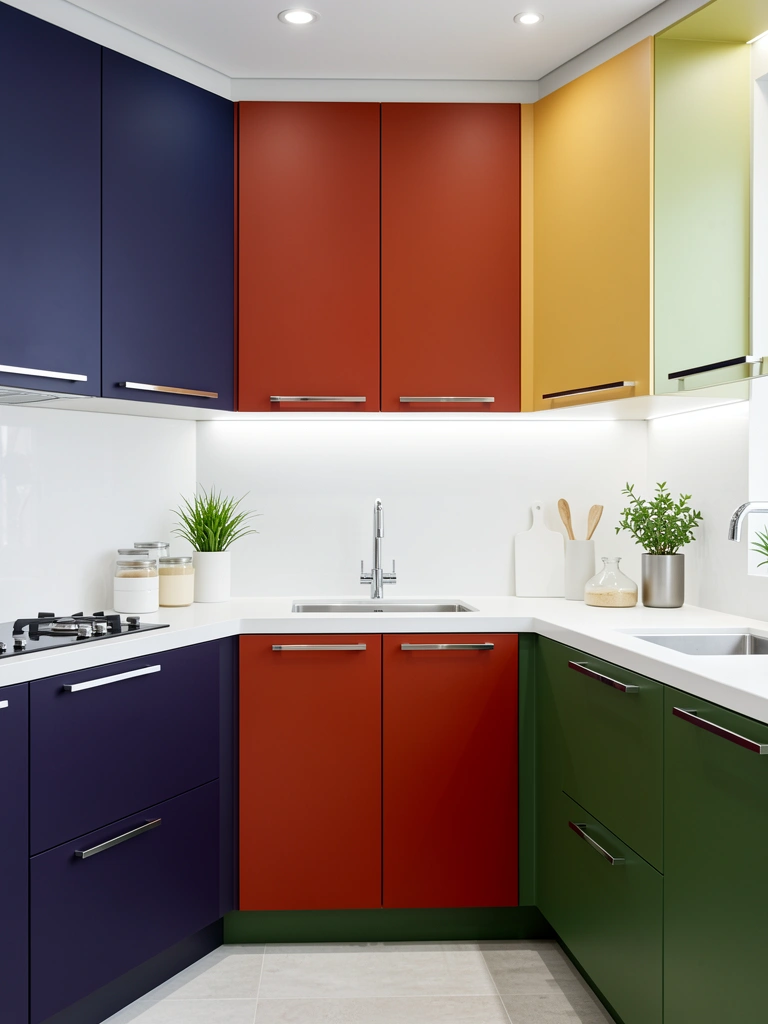
Tonal Design: Creating Sophisticated Color Experiences
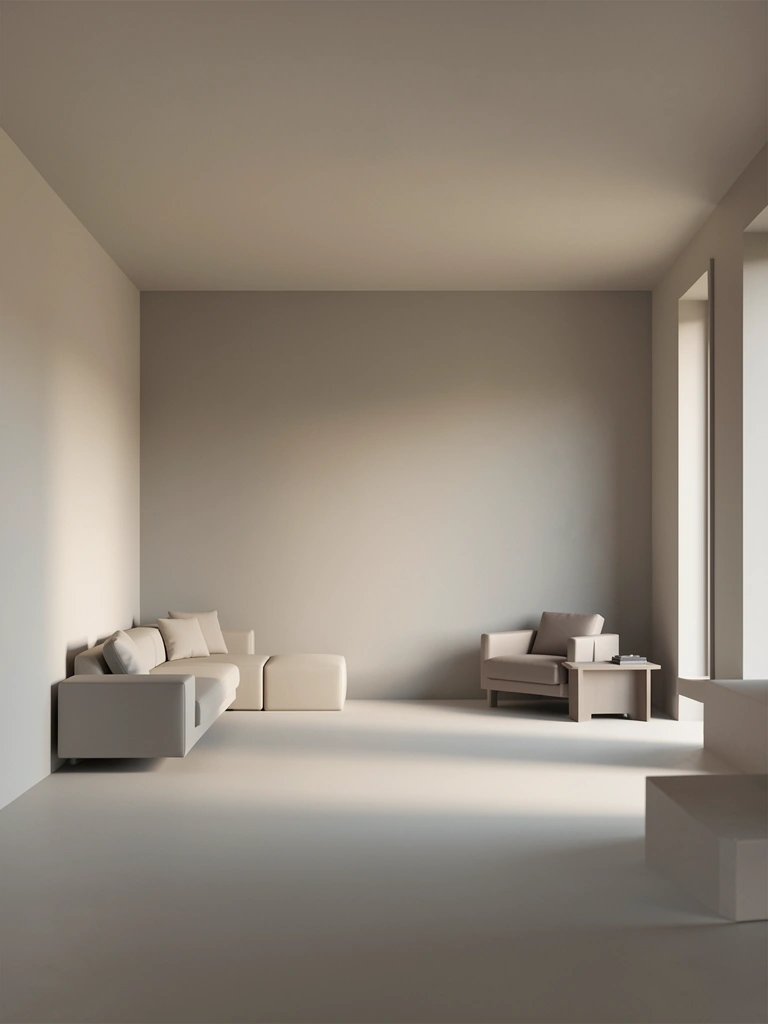
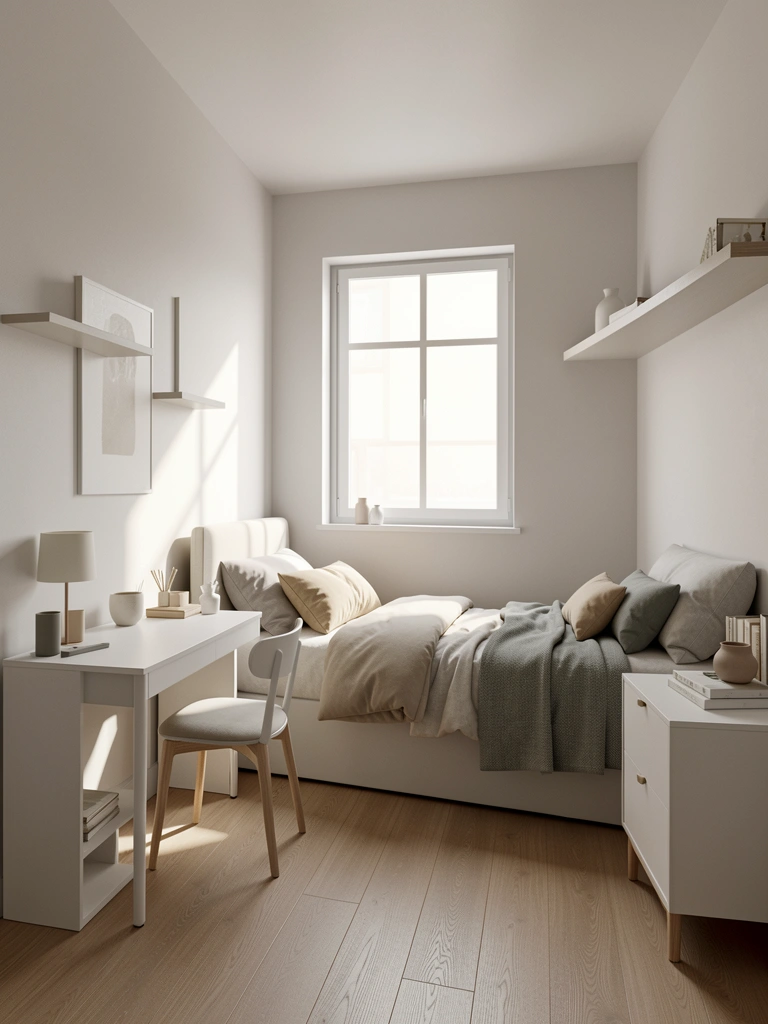
When exploring tonal design, you’ll discover color isn’t merely a visual element but a sophisticated language of spatial communication. By mastering tonal harmony, you’ll transform rooms into nuanced experiences that breathe with subtle color gradations, creating spatial balance that speaks volumes without overwhelming your sensory landscape.
Lighting Your Rhythm: Circadian Design Principles
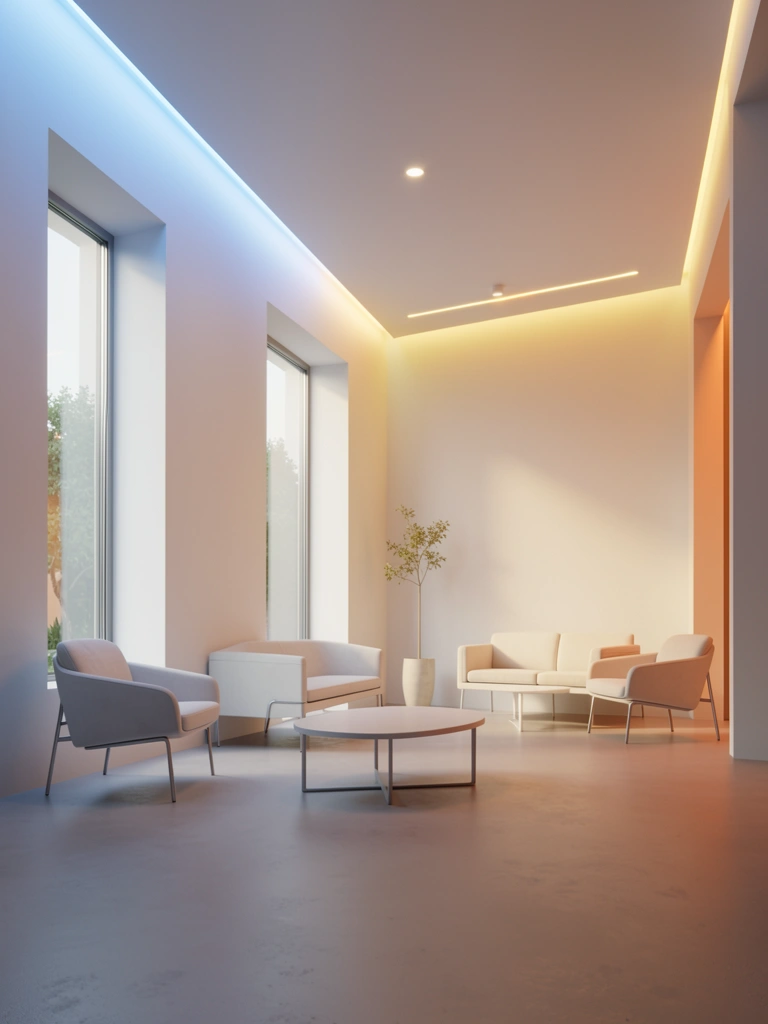
Because our bodies are intrinsically synchronized with natural light cycles, circadian design emerges as a critical architectural strategy that transforms interior spaces into dynamic, health-supporting environments.
You’ll optimize your lighting preferences by integrating adjustable color temperatures and smart illumination systems that mimic natural daylight’s progression, supporting your body’s innate circadian rhythms and enhancing overall well-being.
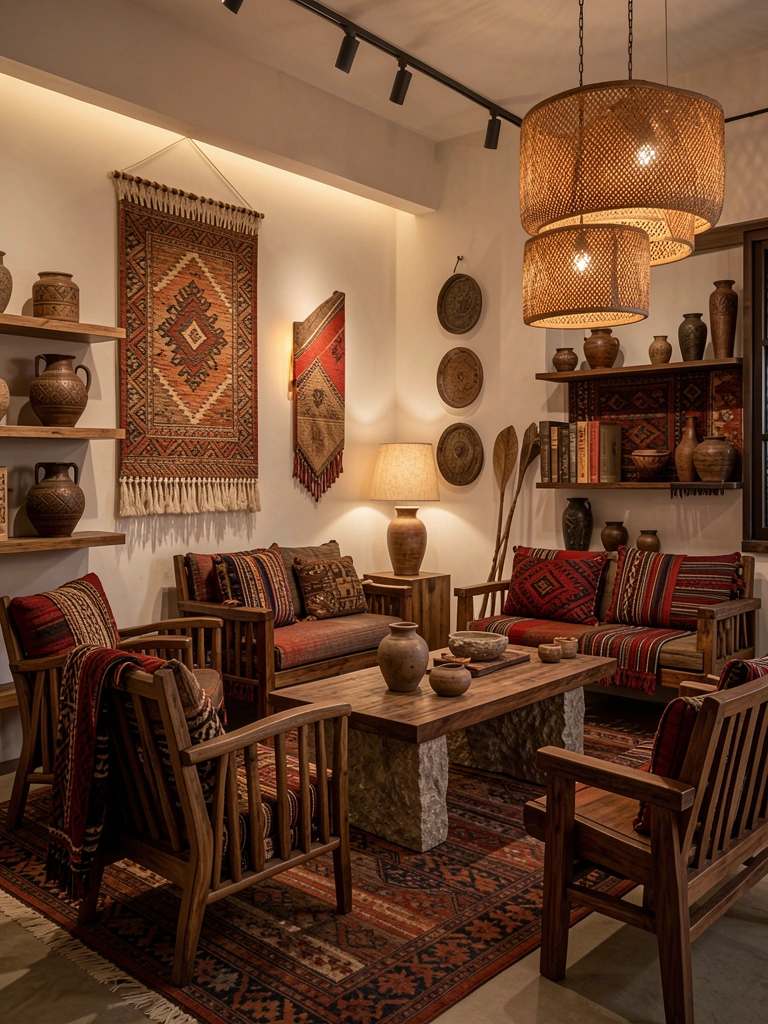
Cultural Storytelling Through Interior Design
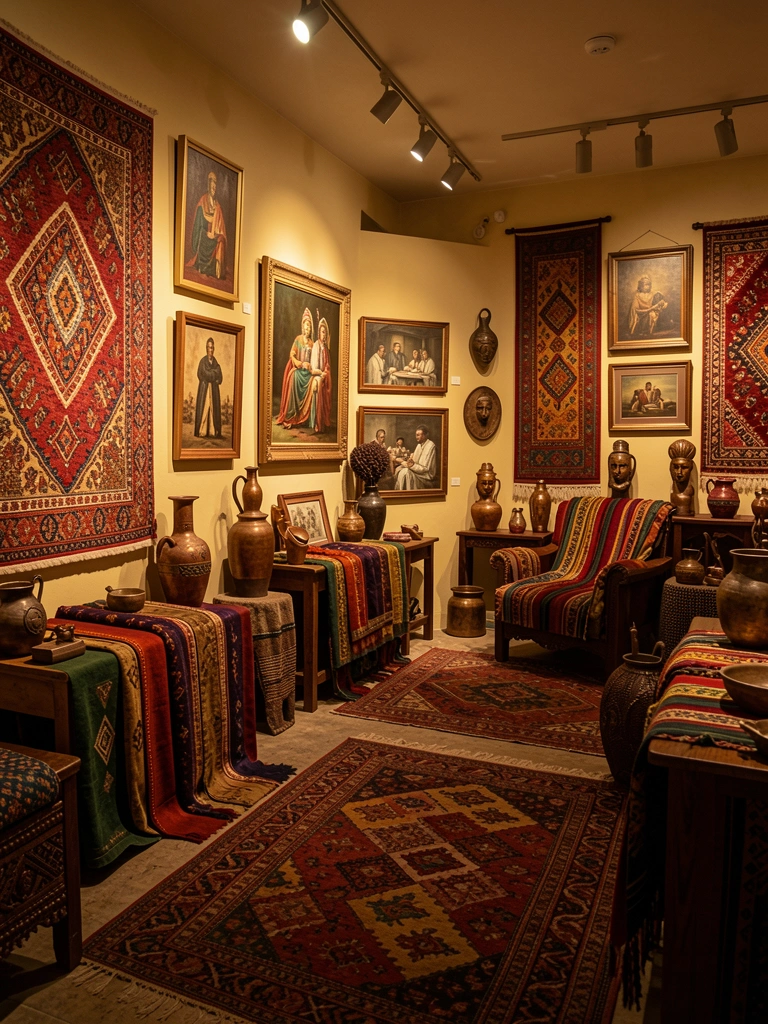
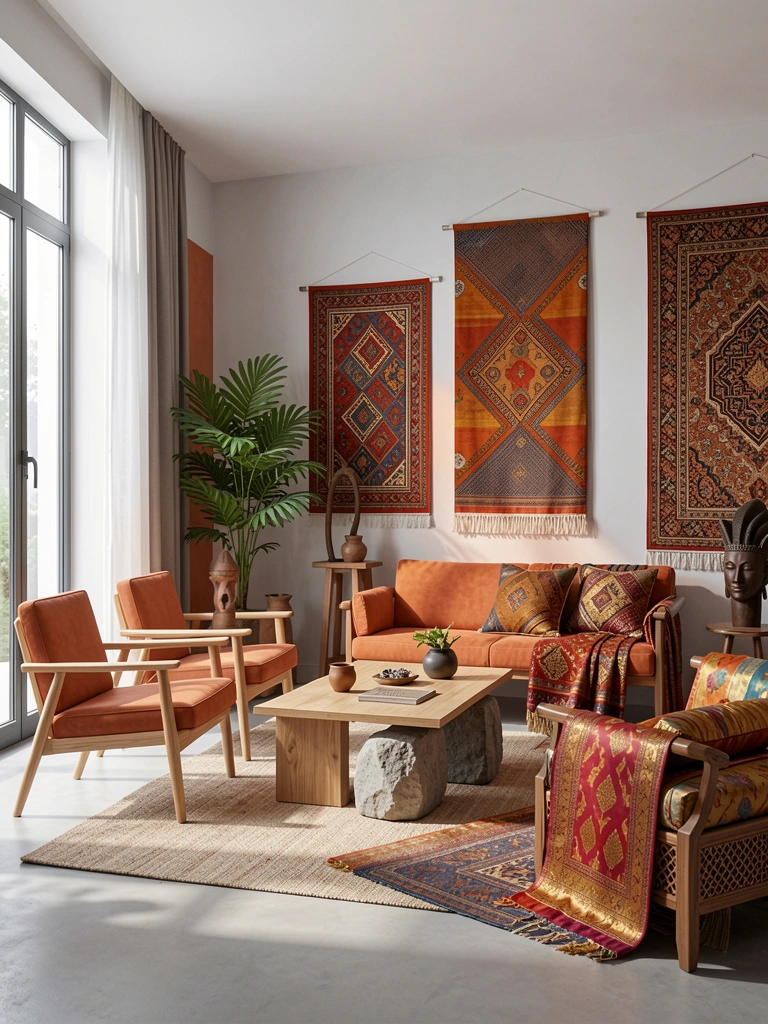
Interiors transcend mere functional spaces, serving as profound narrative canvases where cultural heritage, personal identity, and design philosophy converge into immersive storytelling experiences.
Your living spaces become dynamic expressions of ancestral memories, with strategic design elements weaving intricate cultural narratives that transform rooms into vibrant, meaningful landscapes of personal and collective identity.
Maximalism With Purpose: Thoughtful Curation Techniques
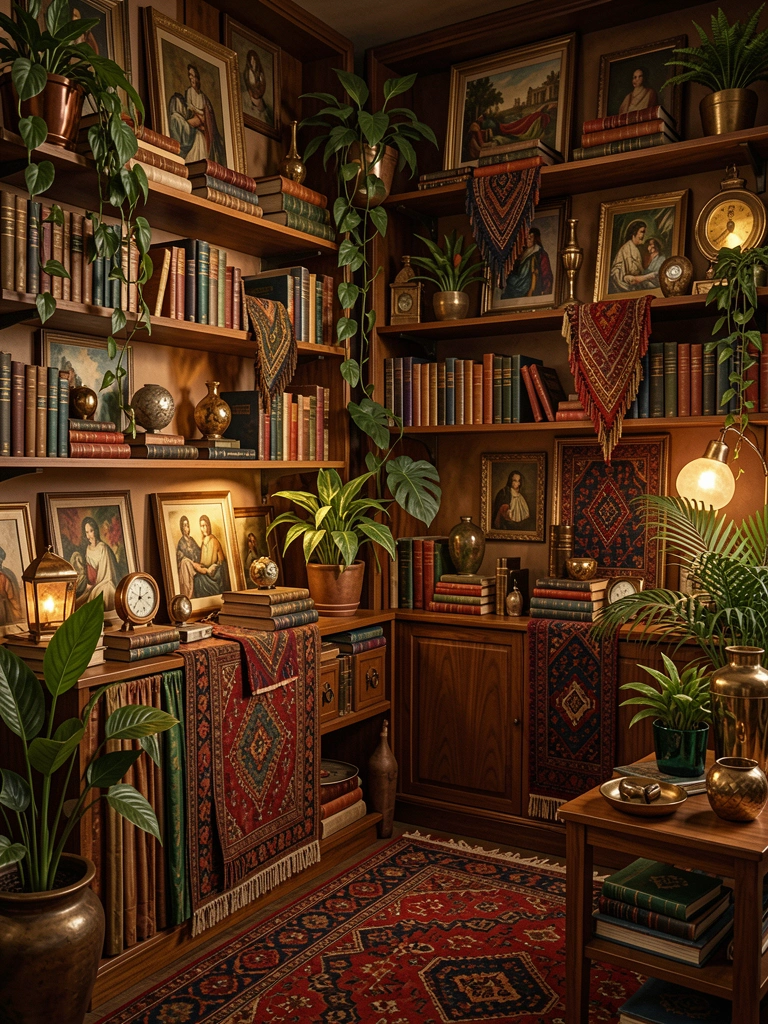
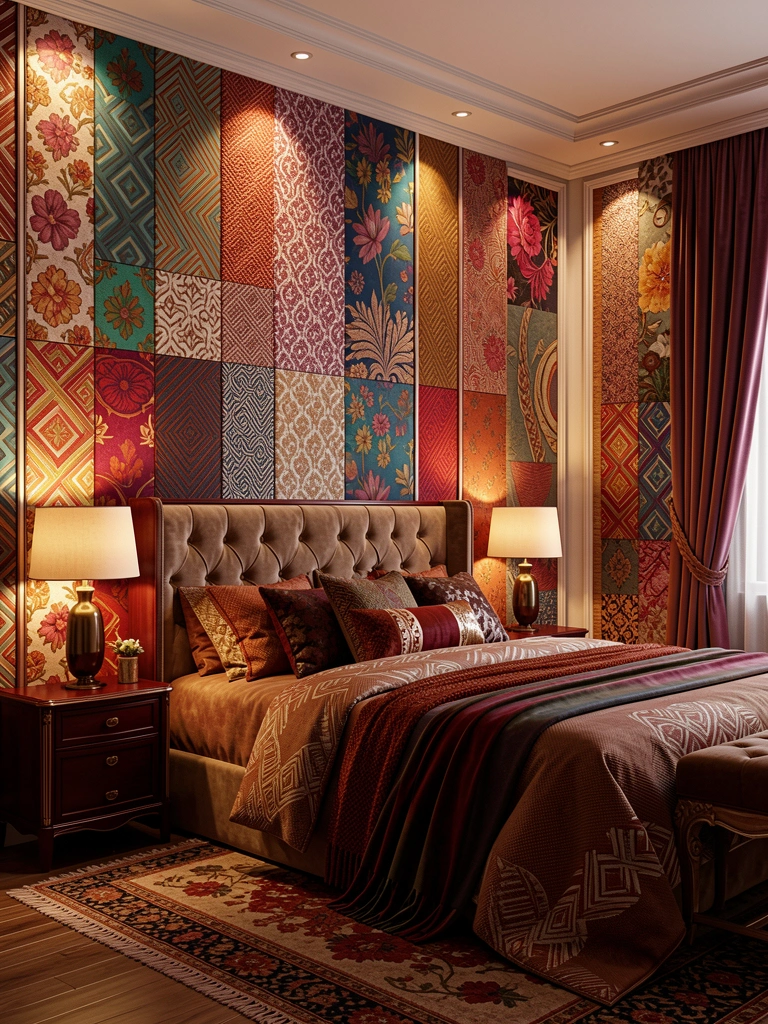
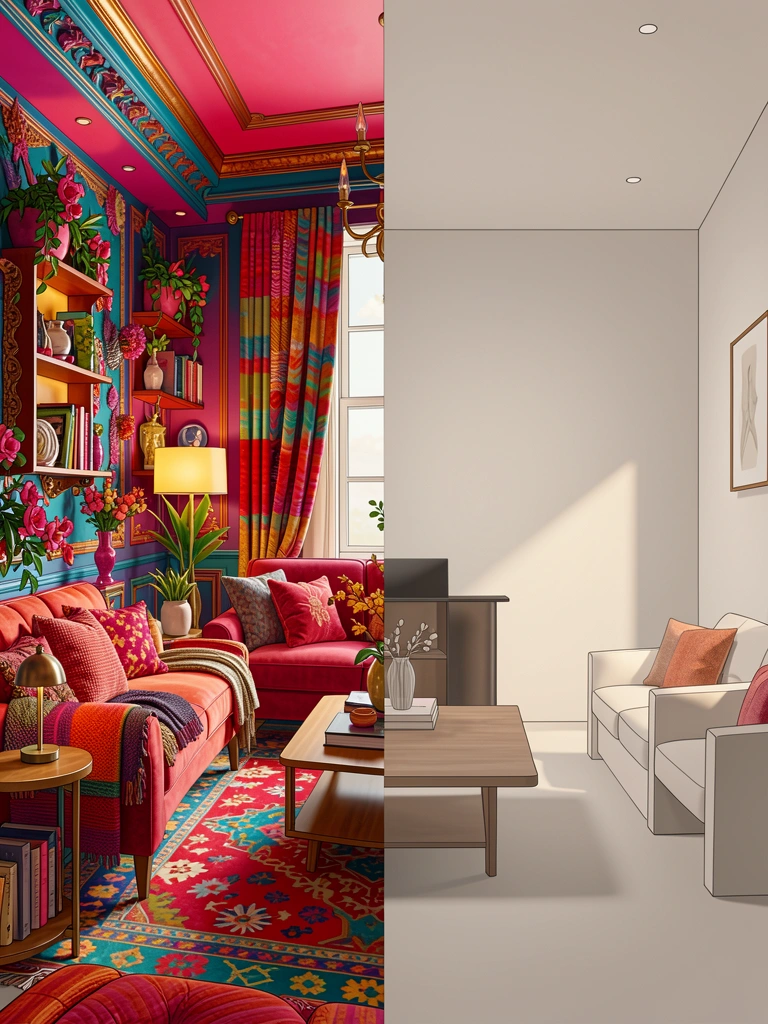
Although minimalism has long dominated design conversations, maximalism emerges as a deliberate, strategic approach to interior storytelling that celebrates complexity and personal expression.
You’ll transform visual clutter into intentional layering by selecting meaningful objects that narrate your unique journey.
Each curated piece becomes a deliberate statement, creating depth and personality within your living space.
Your Home, Your Journey: Adaptive Design Strategies
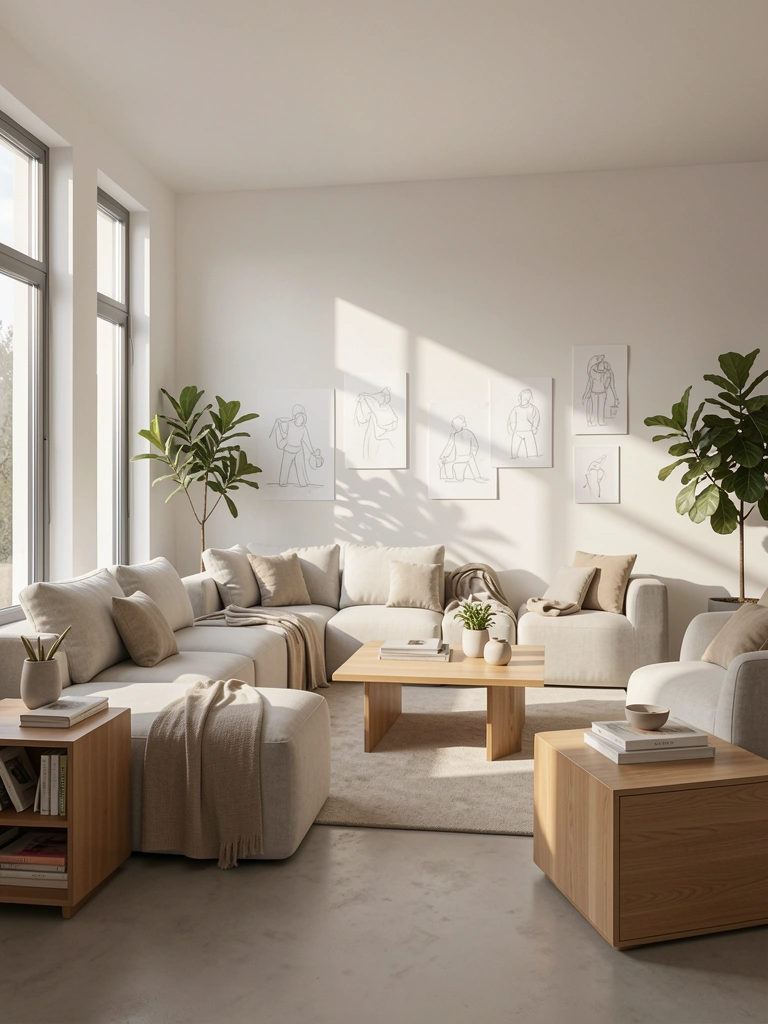
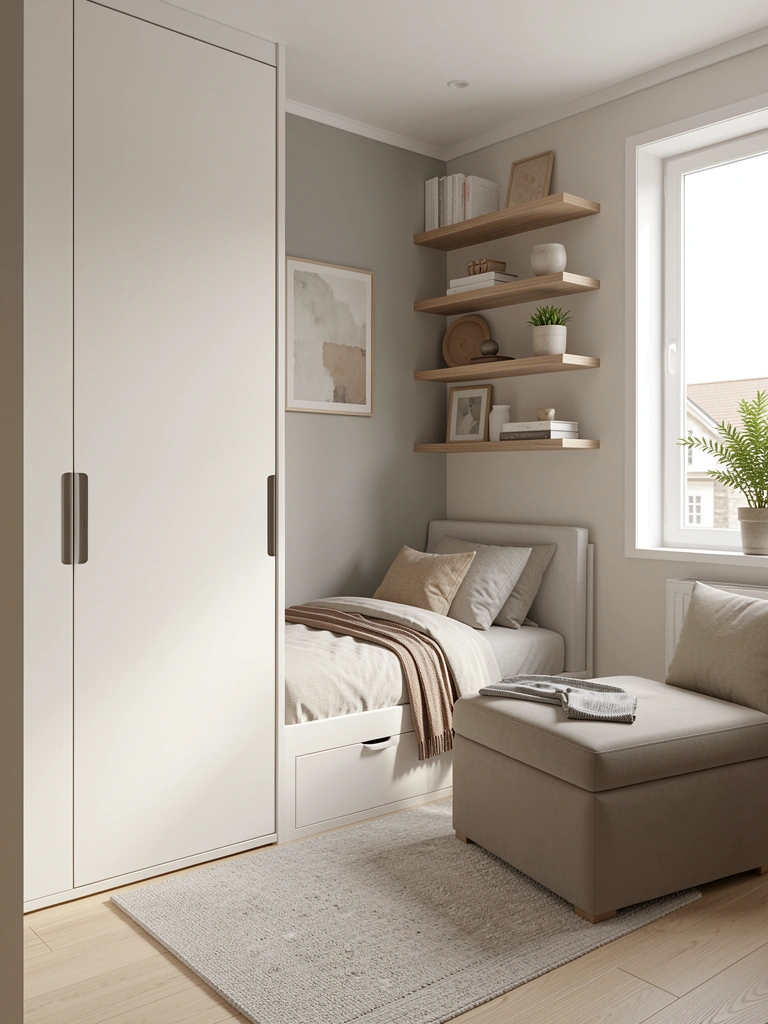
While design trends evolve, your living space remains a dynamic canvas that should flex and grow alongside your life’s narrative.
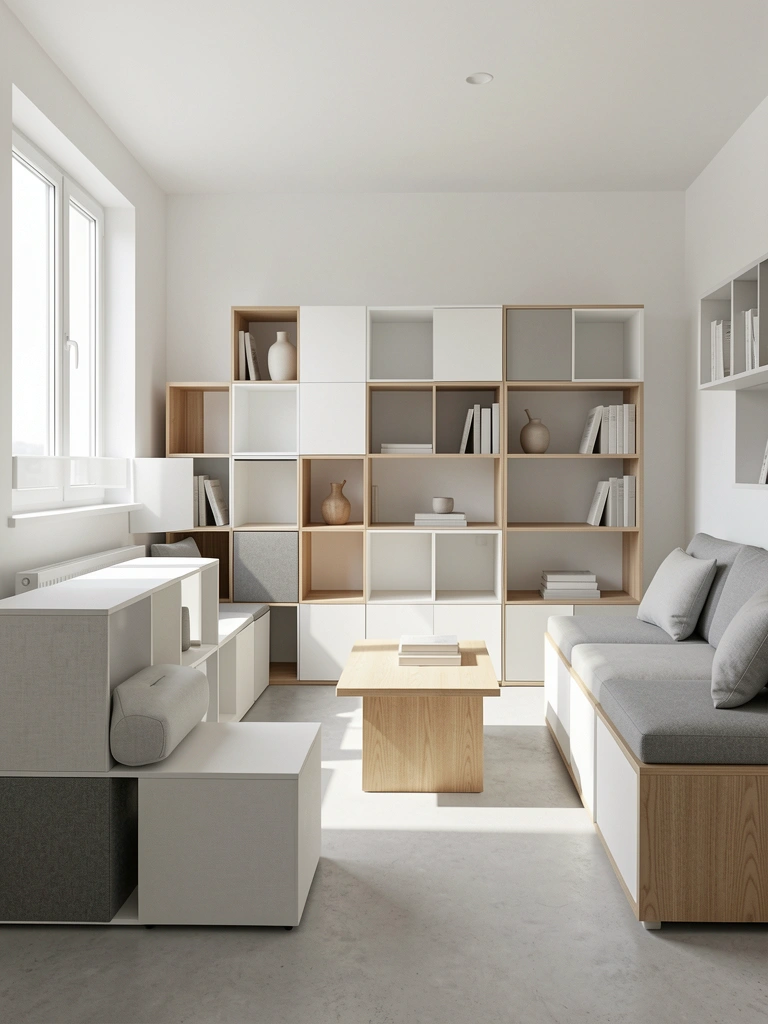
Adaptive spaces aren’t just rooms; they’re intuitive layouts that transform with your changing needs.
Your home becomes a responsive environment, mirroring personal growth, accommodating shifts in lifestyle, work, and creative expression.
Wellness by Design: Integrating Health Into Every Room
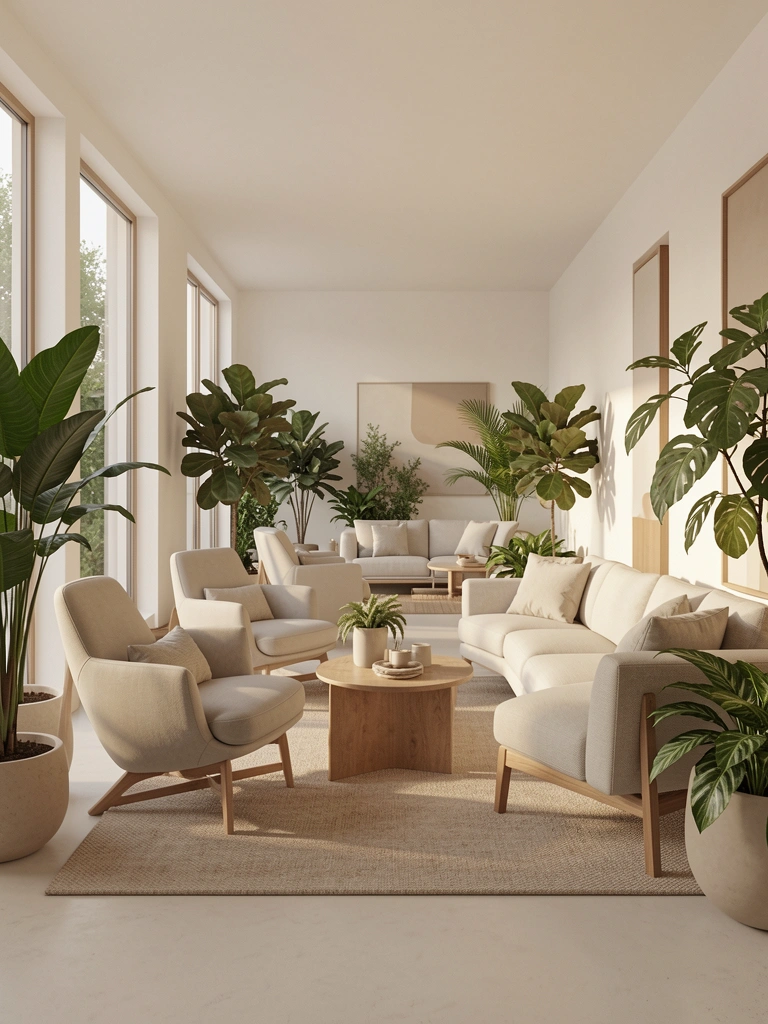
Because wellness transcends mere aesthetics, modern design now recognizes every room as a potential sanctuary for physical and mental restoration. You’ll transform wellness spaces into healing environments by strategically integrating natural light, ergonomic furniture, air-purifying plants, and calming color palettes that support holistic well-being and promote rejuvenation throughout your living spaces.