Category: Outdoor Decor

  • 30 Chic Rustic House Exterior Ideas Ideas You’ll Love

    30 Chic Rustic House Exterior Ideas Ideas You’ll Love

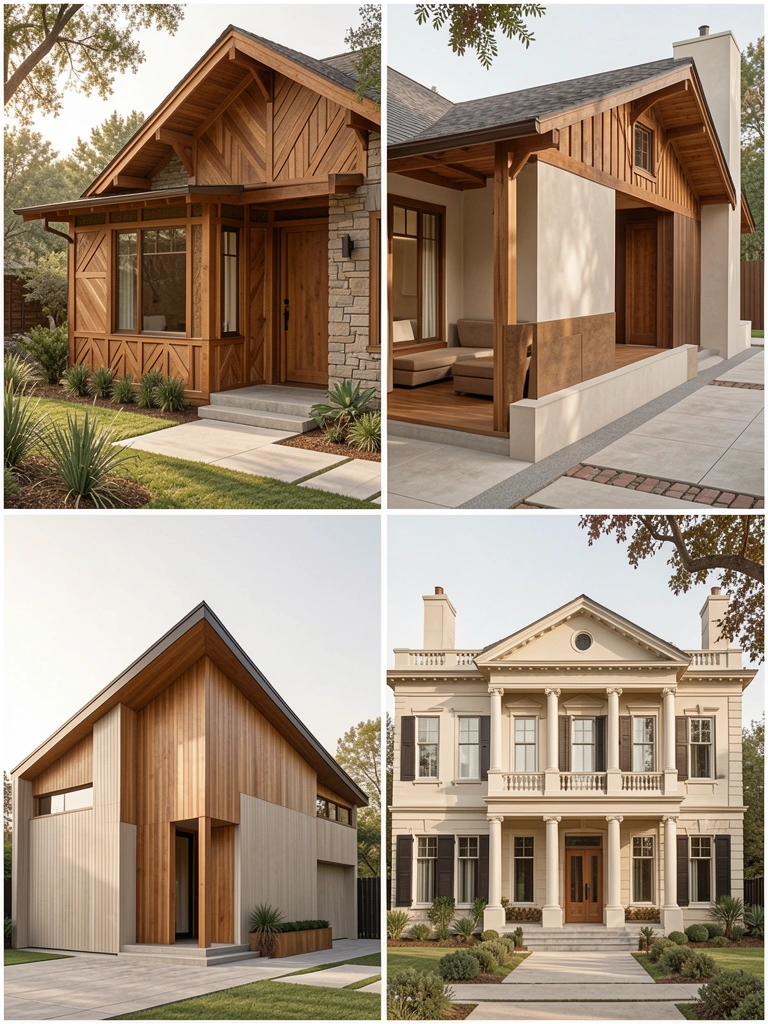
    You’re about to transform your home’s exterior from ordinary to extraordinary with rustic design principles that blend modern sophistication and natural charm. Today’s architectural trends demand more than just aesthetic appeal—they require intelligent integration of sustainable materials, smart technology, and timeless elegance. Whether you’re renovating or building from scratch, these 30 chic rustic house exterior ideas will challenge your perception of what’s possible, promising a stunning transformation that goes far beyond traditional expectations.

    Understanding Modern Rustic Design Principles
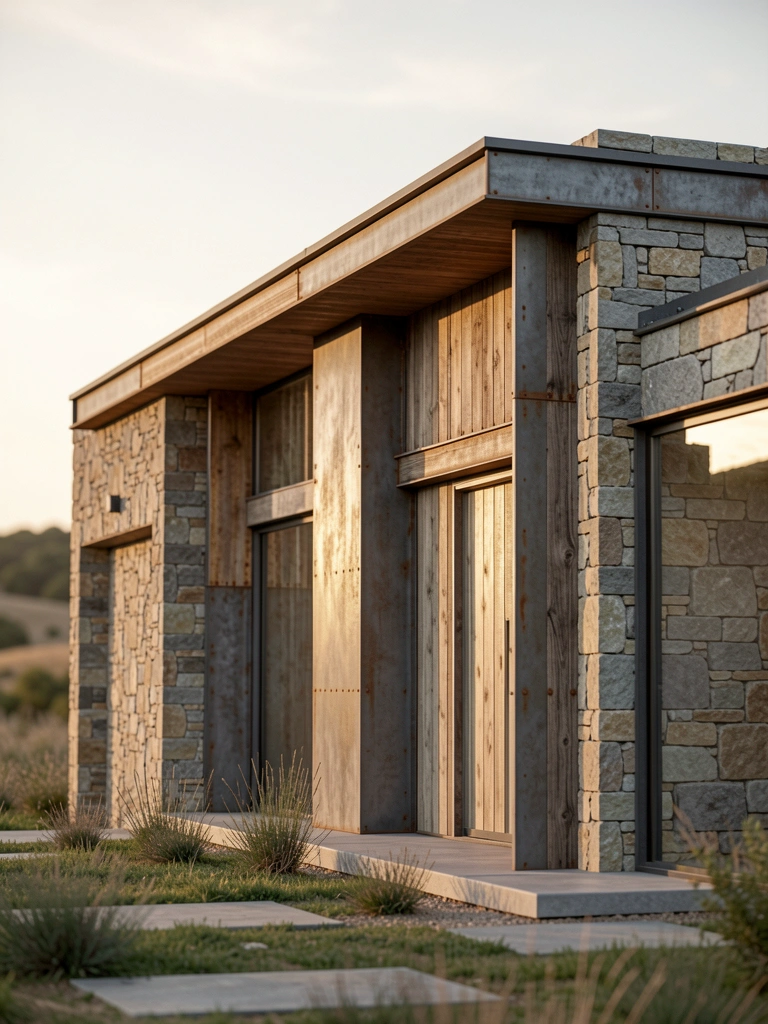
    Harmony defines the essence of modern rustic exterior design, blending contemporary aesthetics with timeless natural elements.

    You’ll embrace rustic minimalism by strategically integrating raw materials like stone, wood, and metal with clean architectural lines.

    Nature integration becomes your design compass, creating spaces that feel simultaneously sophisticated and organically connected to their surrounding landscape.

    Defining Your Home’s Architectural Personality
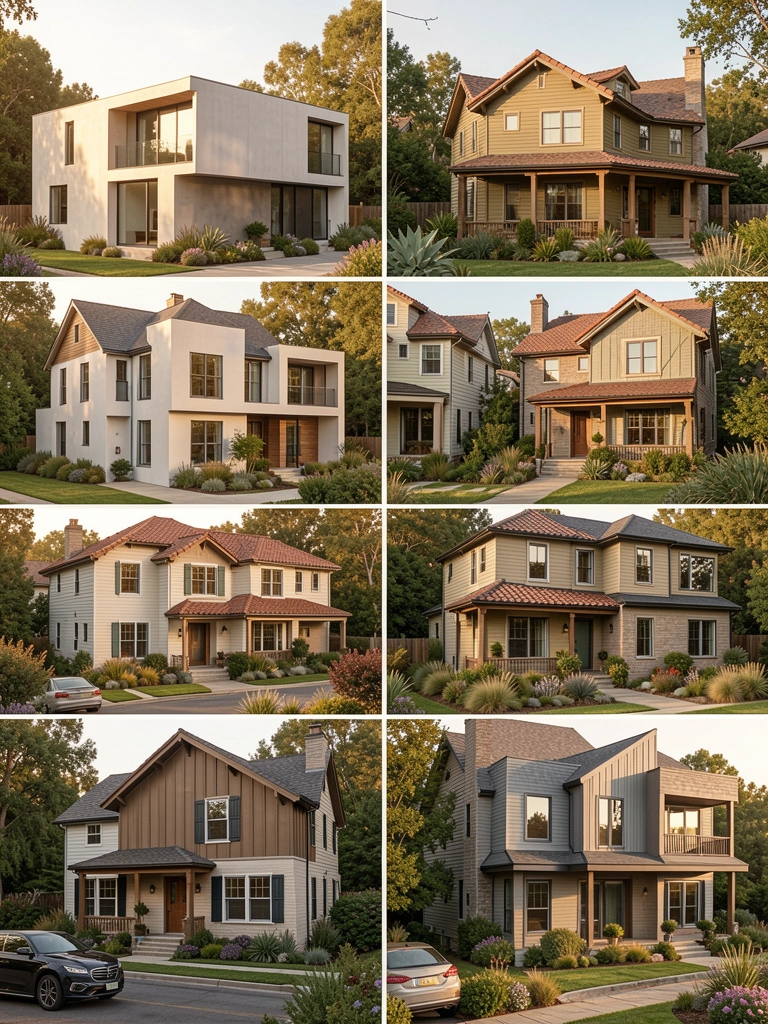
    While architectural personality emerges from a complex interplay of design elements, your home’s exterior narrative begins with a deliberate understanding of personal style and contextual environment. Your home facade communicates a unique architectural style, reflecting individual aesthetic preferences and regional design traditions that resonate with your sensibilities and lifestyle.

    Sustainable Materials: A Comprehensive Guide
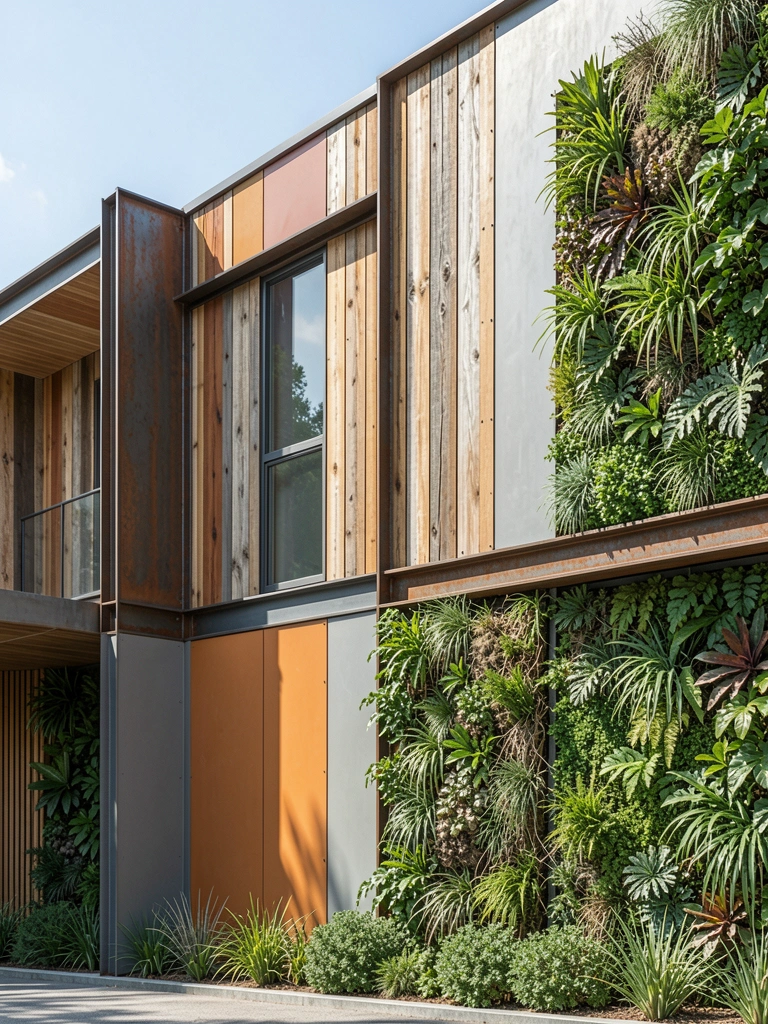
    Because sustainable design has transformed contemporary architecture, selecting eco-friendly exterior materials represents a critical intersection of environmental responsibility and aesthetic innovation.

    You’ll want to prioritize recycled materials like reclaimed wood, recycled steel, and sustainable composite panels that minimize carbon footprint while delivering exceptional durability and visual appeal through eco-friendly finishes.

    How to Select the Perfect Wood Siding
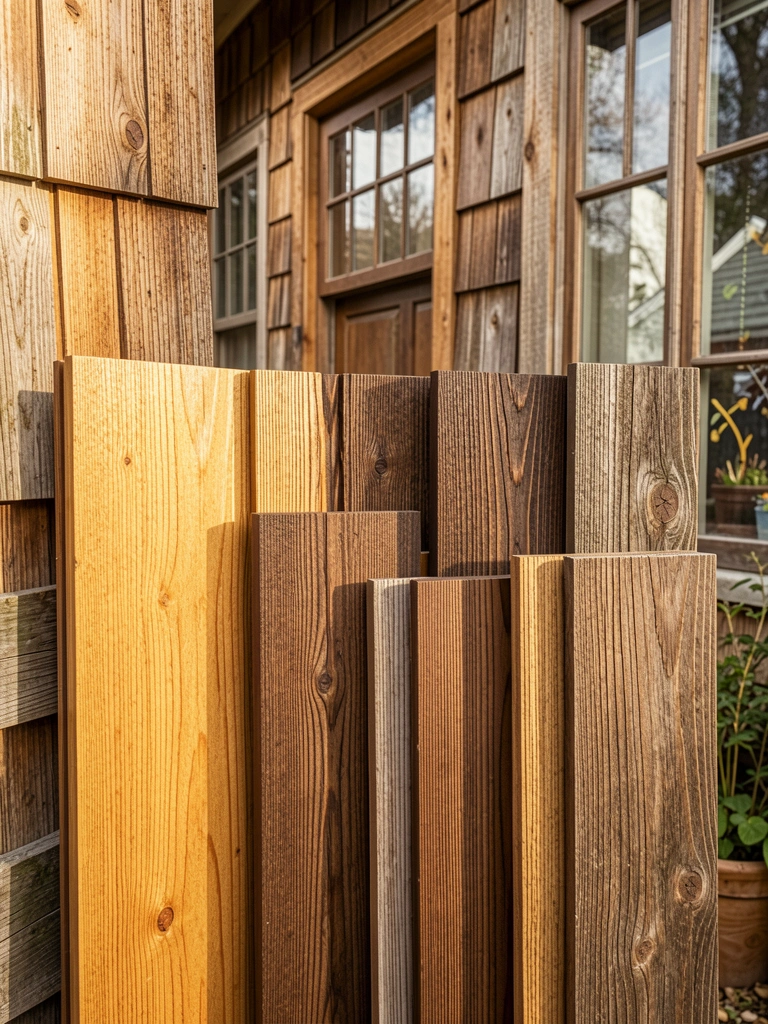
    If you’re commencing a rustic home exterior renovation, selecting the perfect wood siding demands careful consideration of multiple technical and aesthetic factors. You’ll want to evaluate wood texture, durability, and regional climate compatibility.

    Proper siding installation techniques are essential for long-term performance, ensuring your chosen material withstands environmental challenges while maintaining visual integrity.

    Integrating Stone Accents for Timeless Elegance
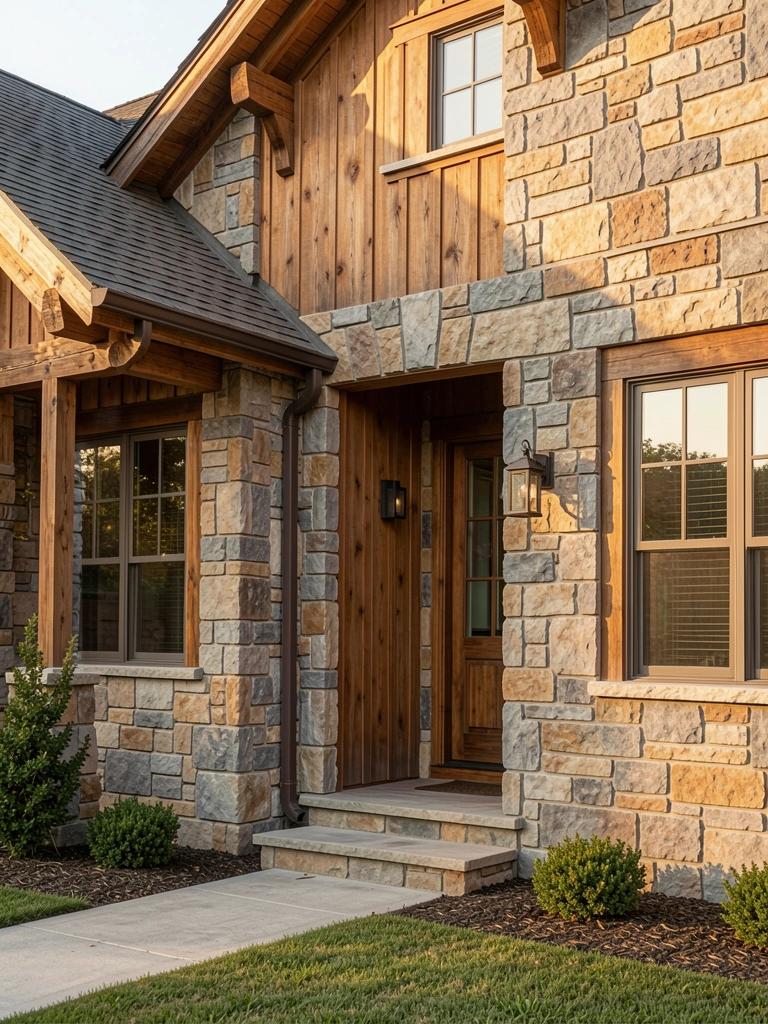
    Stone accents can transform a rustic home exterior from merely attractive to architecturally distinguished, offering visual depth and structural character that elevates the overall design aesthetic.

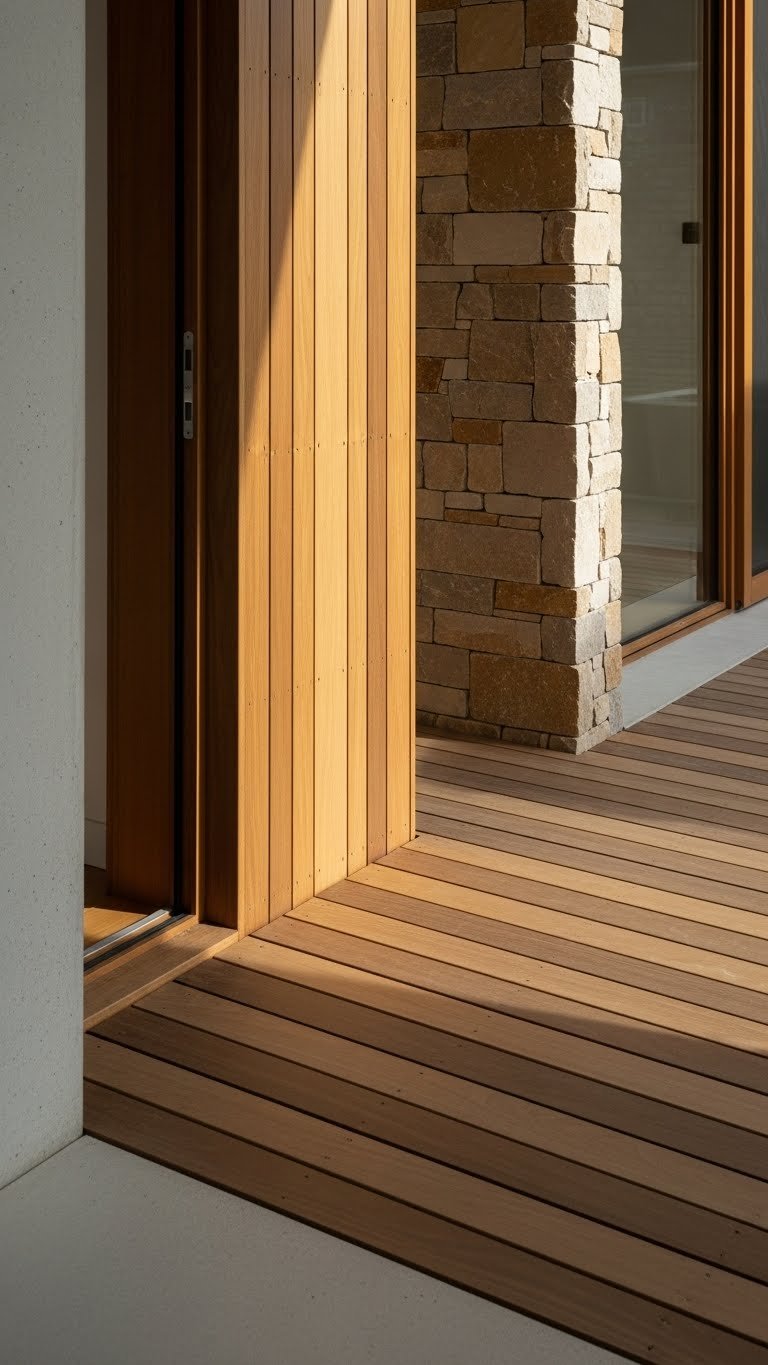
    You’ll want to strategically place natural stone textures that complement your wood siding, creating seamless connections that highlight rustic charm while enhancing architectural integrity and visual interest.

    Color Strategies for Rustic Exterior Palettes
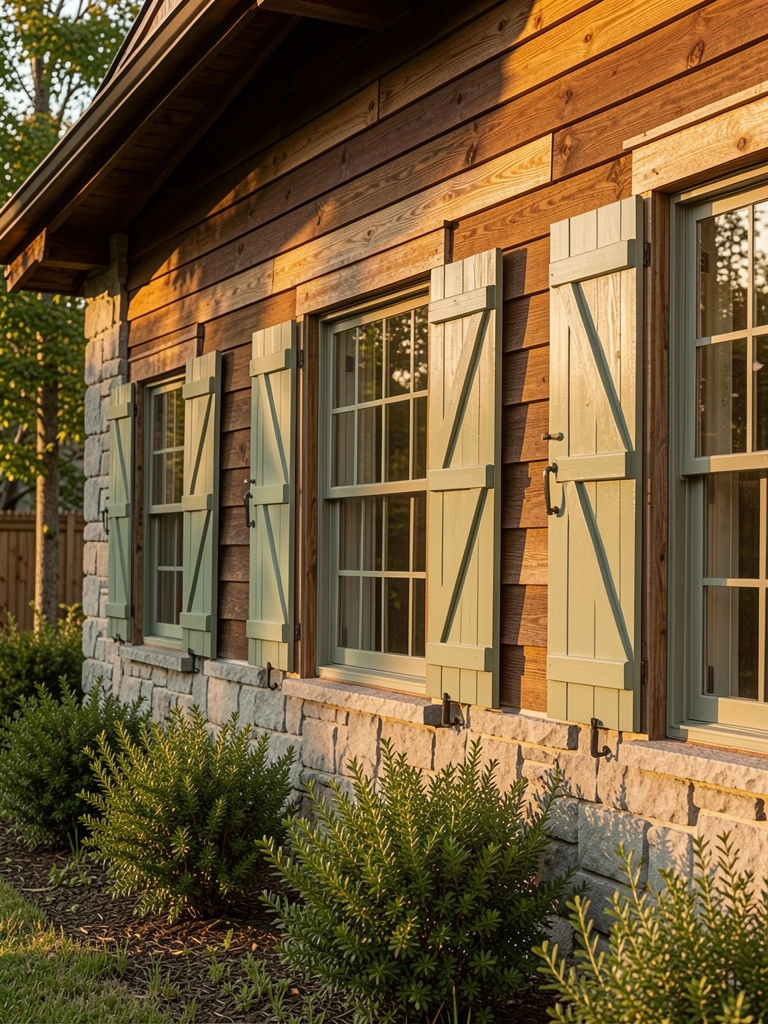
    When crafting a rustic exterior color palette, homeowners must thoughtfully balance earth-toned neutrals with strategic accent colors that reflect both natural landscapes and architectural character.

    Your palette should leverage color psychology to create visual depth, ensuring harmony between warm browns, soft grays, and muted greens that communicate organic sophistication and architectural integrity.

    Crafting Depth Through Exterior Textures
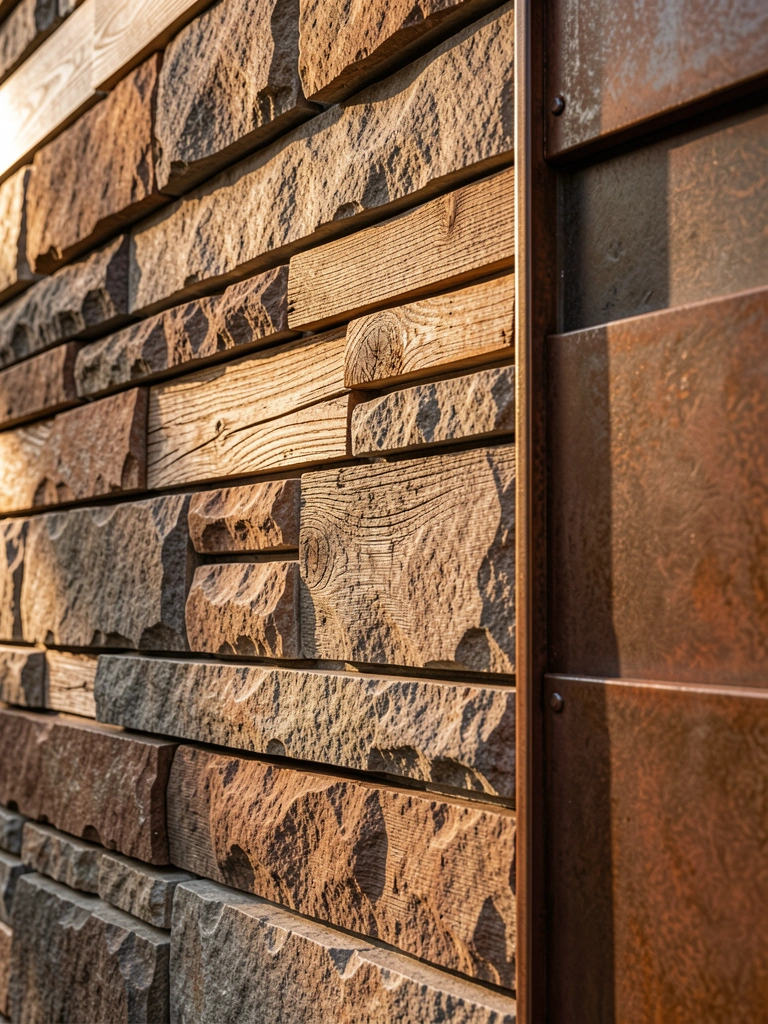
    Because texture transforms a rustic home’s exterior from ordinary to extraordinary, homeowners should strategically layer materials that create visual complexity and tactile richness.

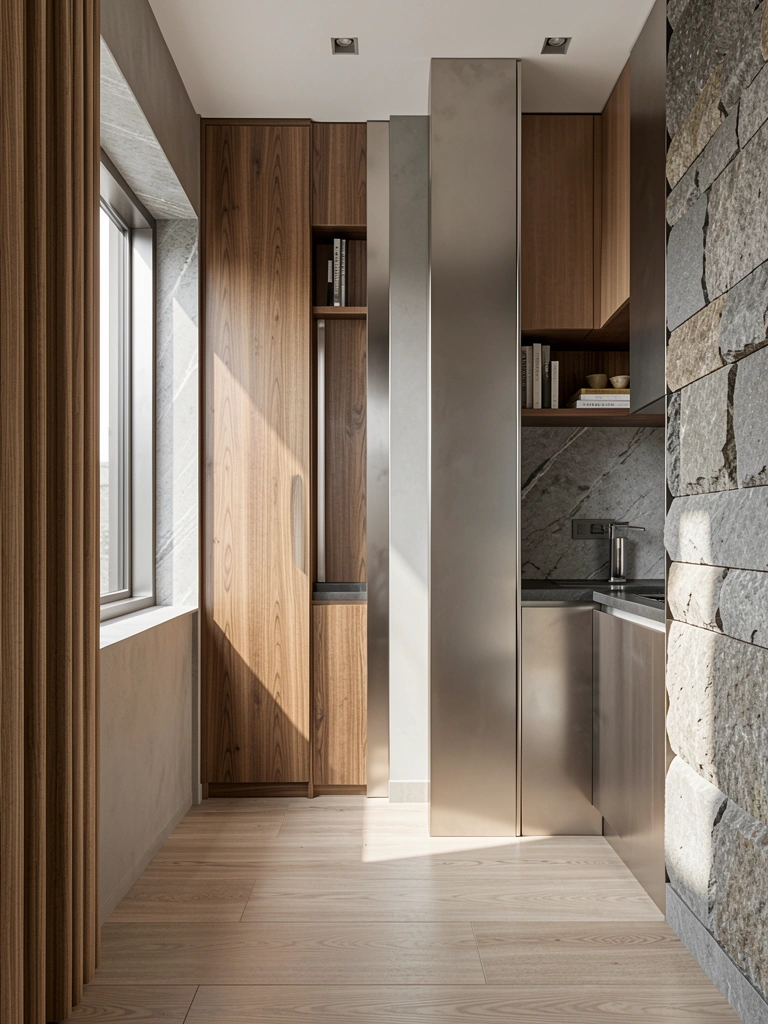
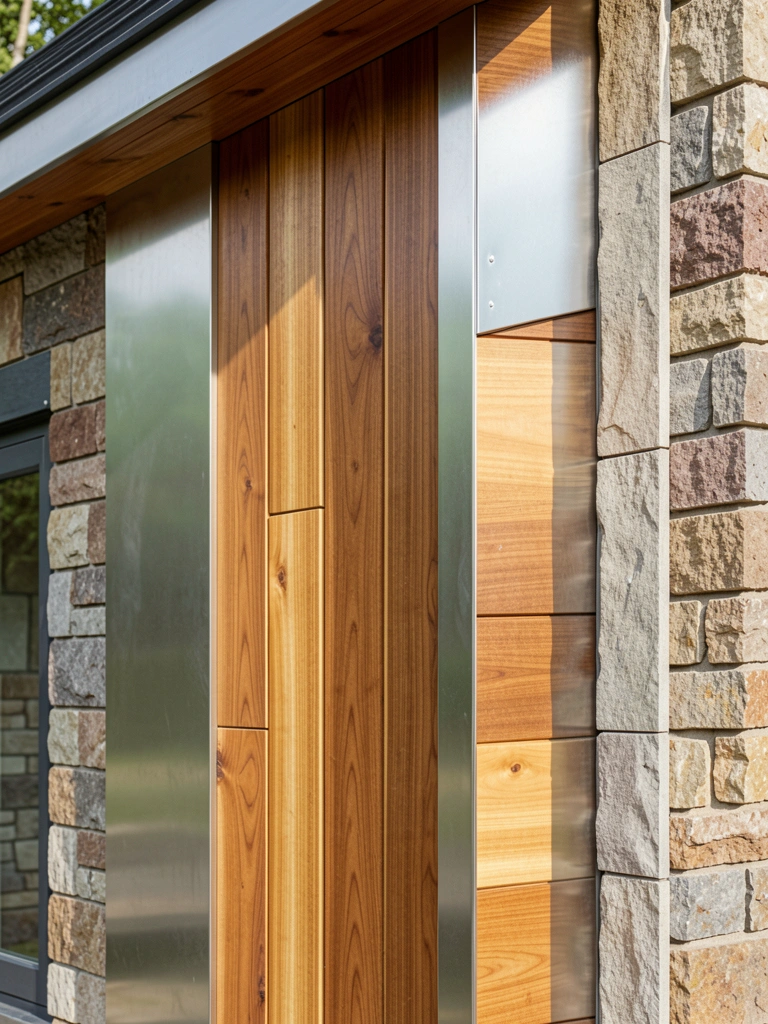
    Utilize textural contrast by combining rough stone, weathered wood, and smooth metal surfaces.

    This intentional layering of materials generates depth, visual interest, and a sense of architectural dynamism that elevates your rustic exterior design.

    Window Design for Maximum Natural Light
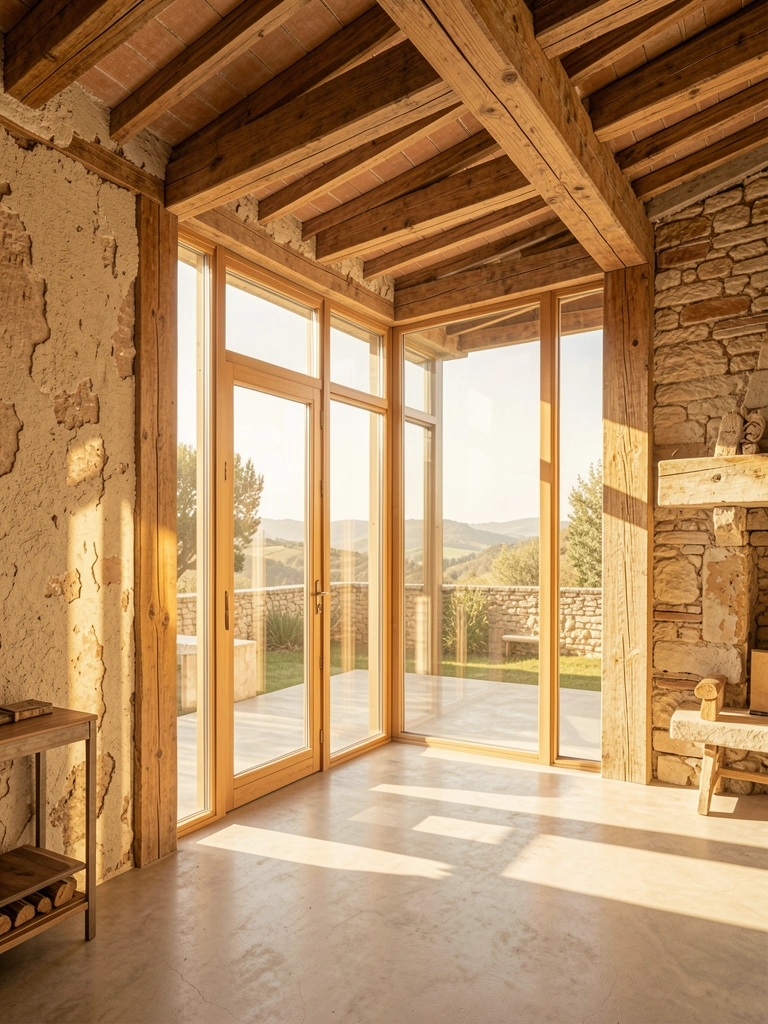
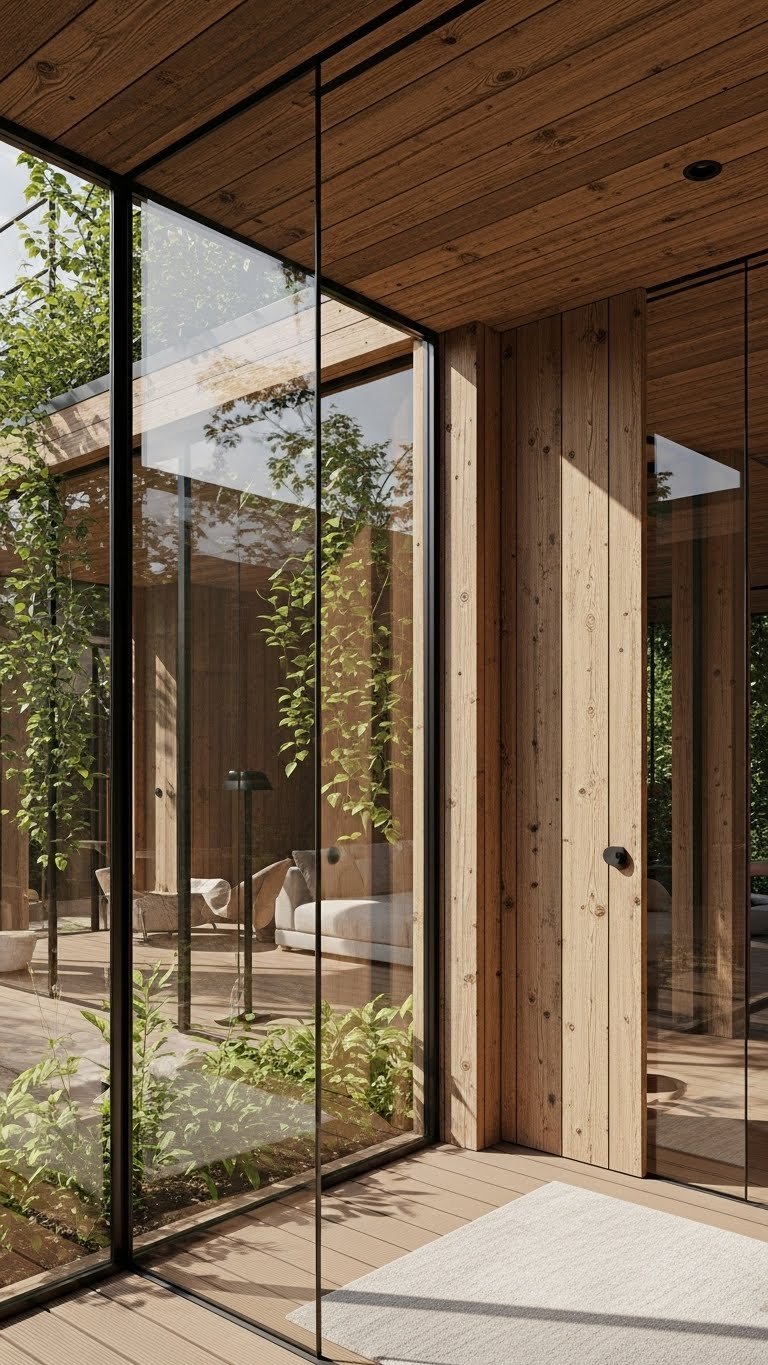
    Just as textural complexity breathes life into a rustic exterior’s surfaces, strategic window design transforms interior illumination and architectural character. You’ll maximize natural light through precise placement, expansive glass panels, and thoughtful design strategies that capture solar angles, frame landscape views, and create luminous, open spaces that blur indoor-outdoor boundaries.

    Energy-Efficient Exterior Solutions
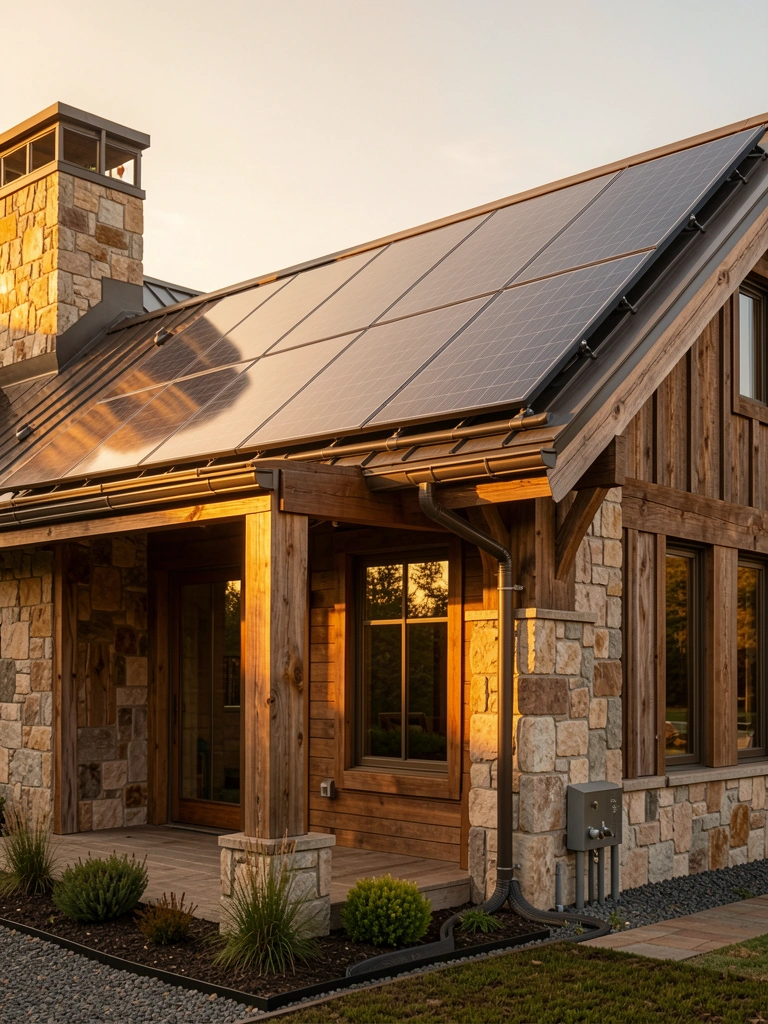
    As sustainability becomes increasingly critical in modern home design, rustic exterior renovations now offer innovative energy-efficient solutions that dramatically reduce environmental impact while maintaining aesthetic integrity.

    You’ll maximize efficiency through strategic solar panel integration and rainwater harvesting systems, transforming your home’s exterior into an eco-conscious powerhouse that minimizes utility costs and environmental footprint.

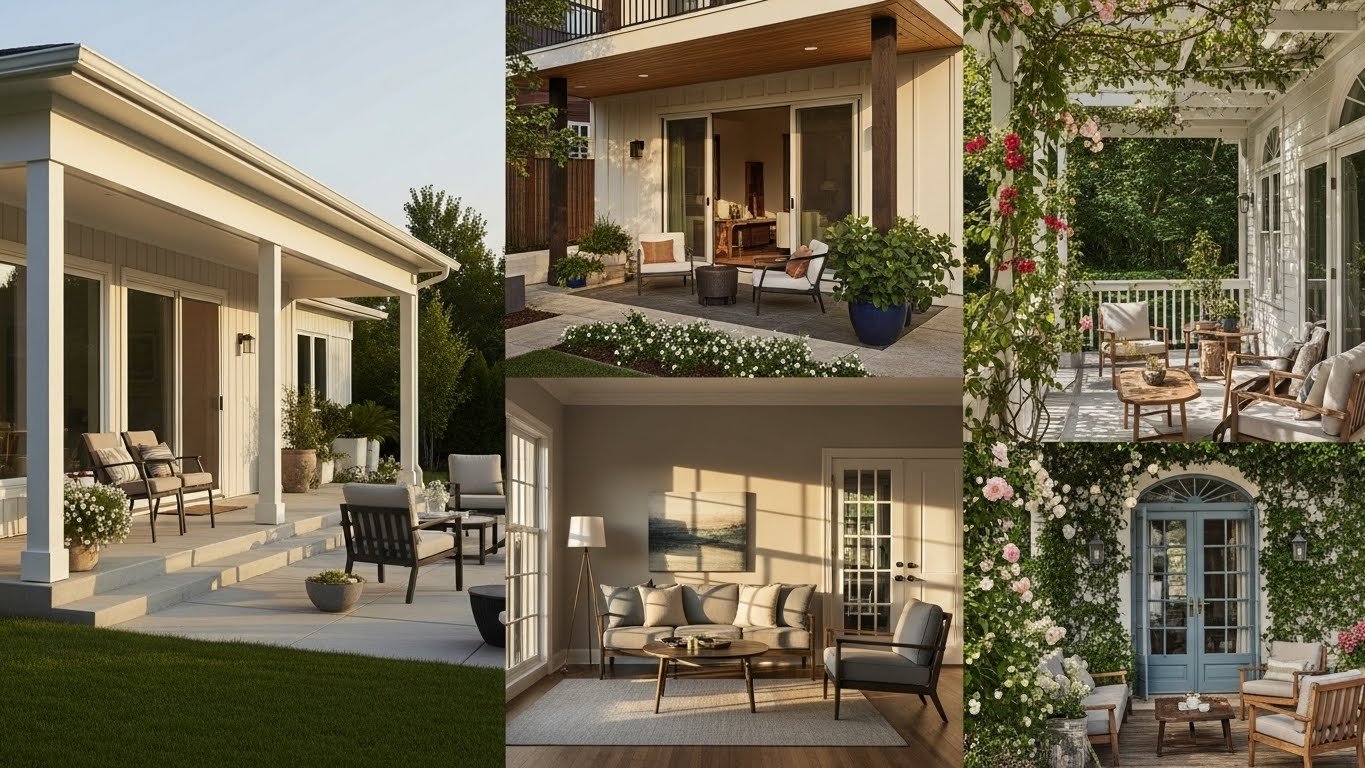
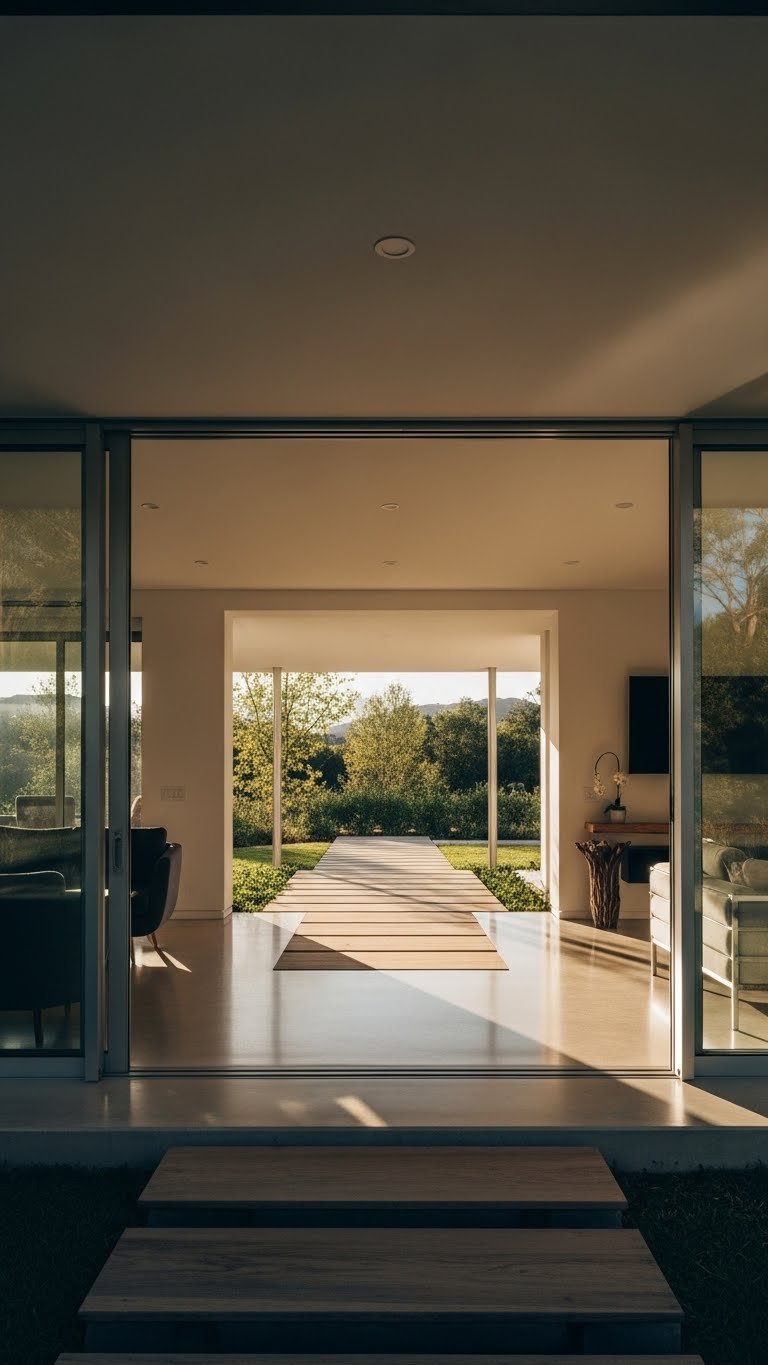
    Blending Indoor and Outdoor Spaces
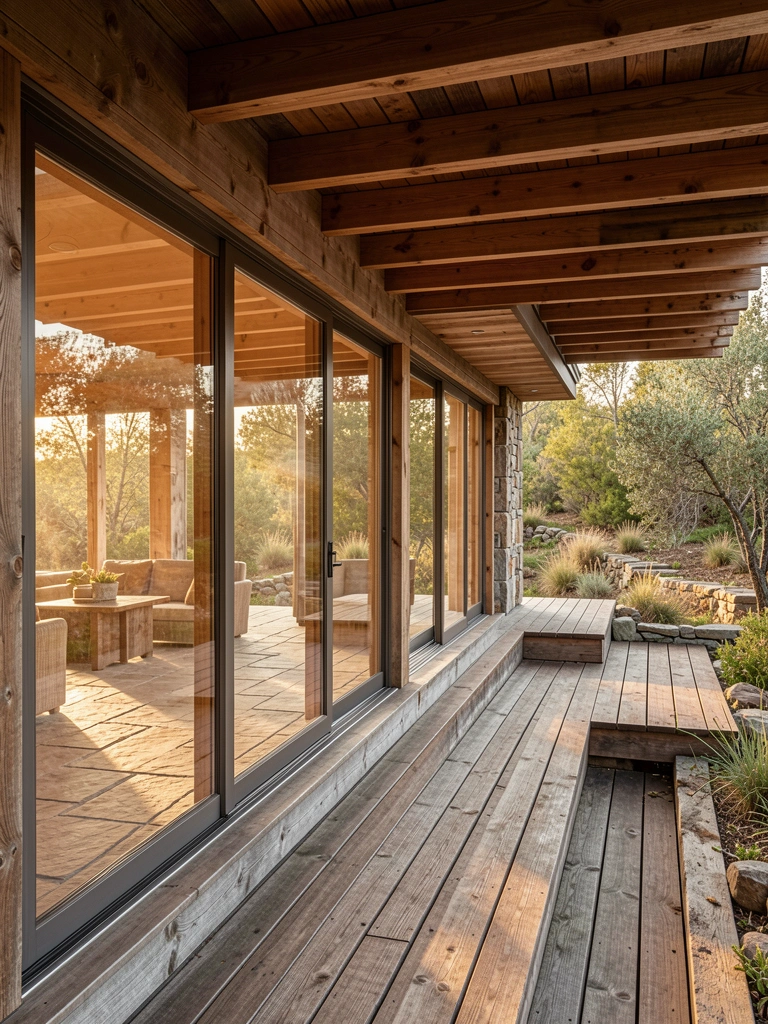
    When designing a chic rustic home, seamlessly integrating indoor and outdoor spaces transforms your living environment into a harmonious, dynamic sanctuary.

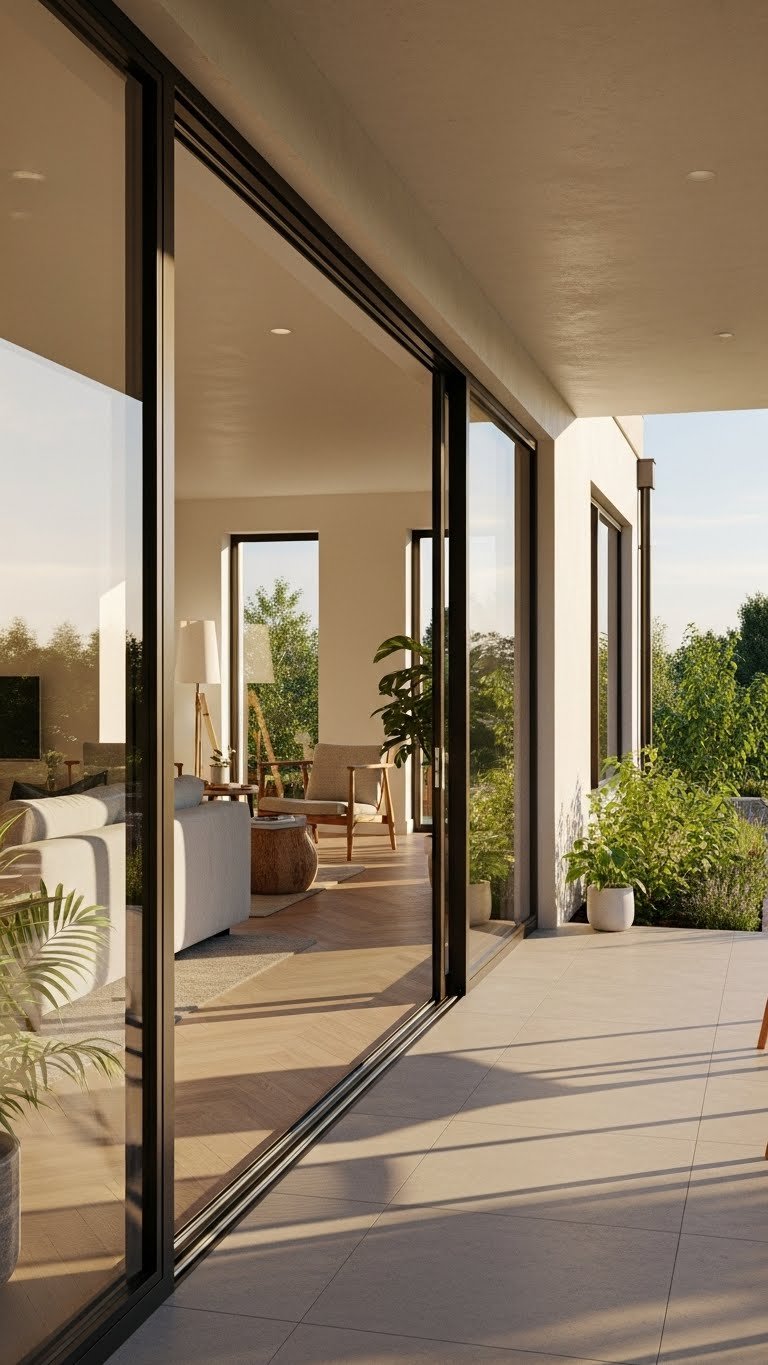
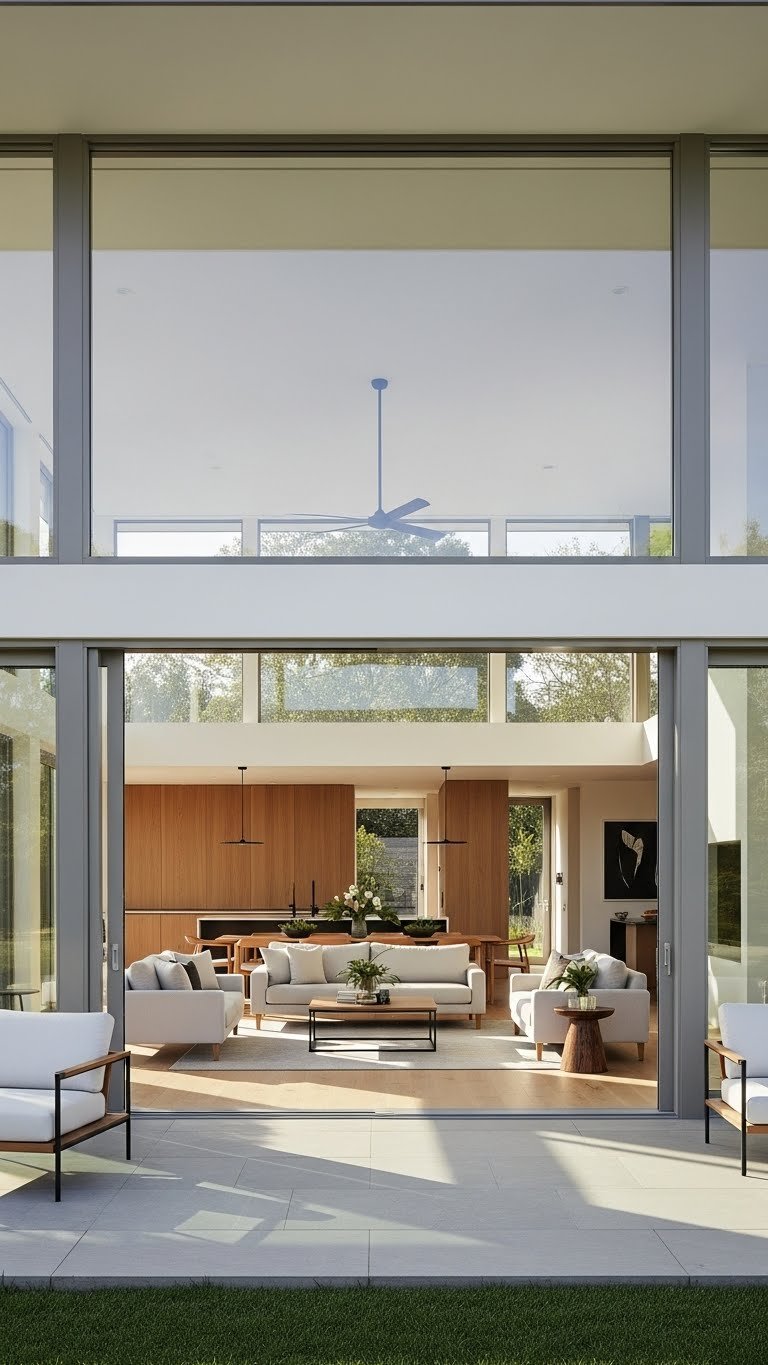
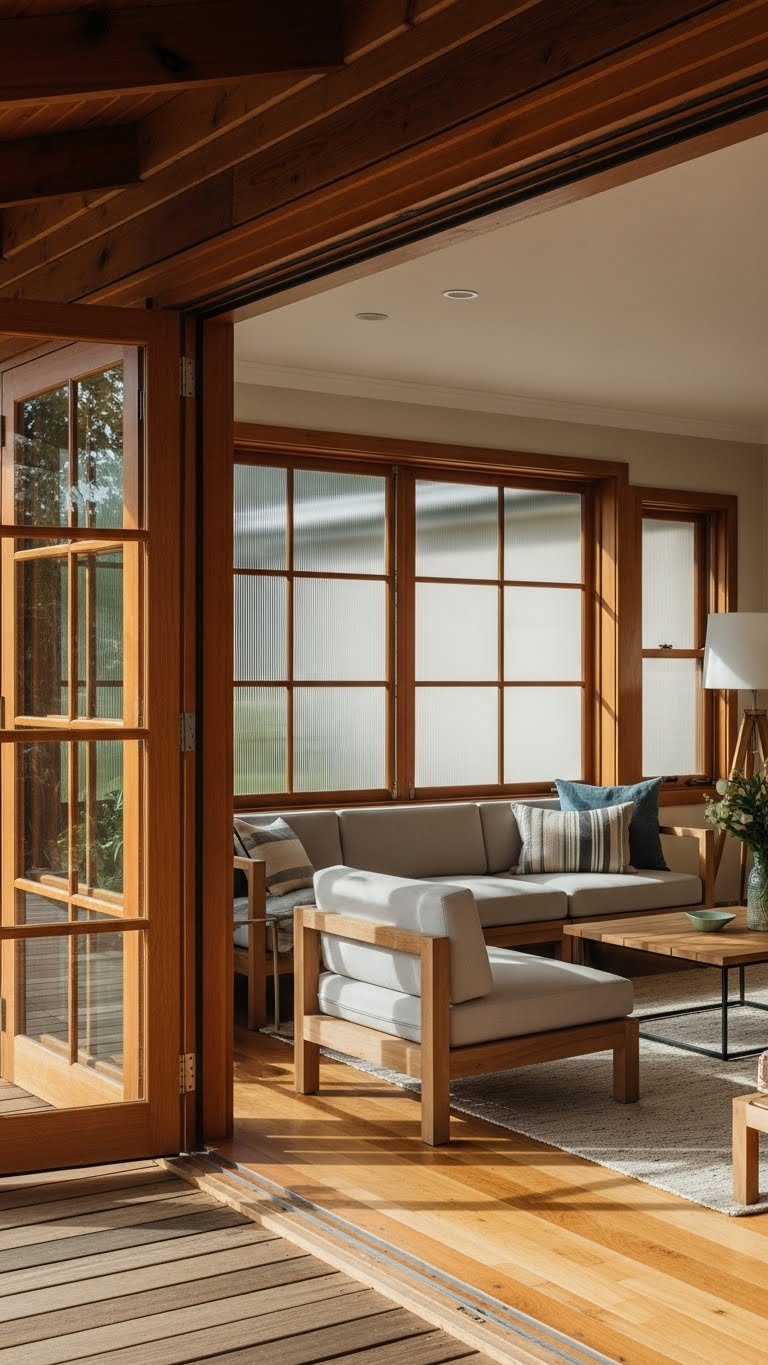
    Strategic architectural elements like expansive sliding glass doors, covered patios, and multi-level decking create fluid outdoor living connections.

    You’ll maximize spatial connectivity and natural light while preserving your home’s rustic aesthetic.

    Choosing Eco-Friendly Building Materials
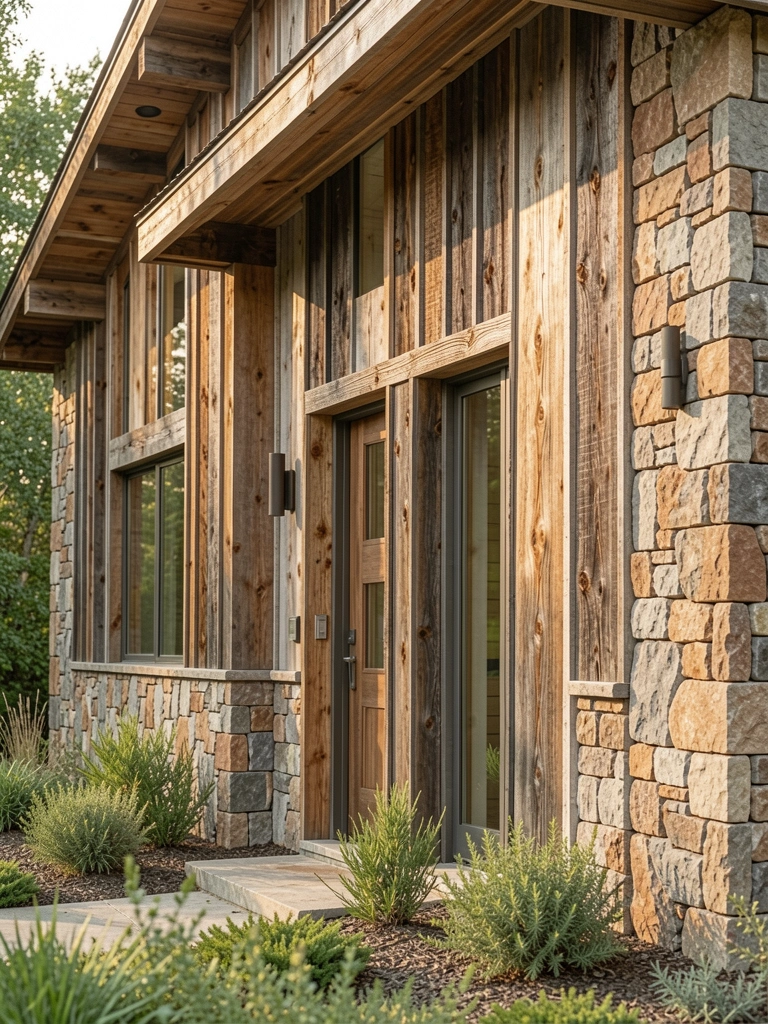
    Because sustainable design has become increasingly critical in modern architecture, selecting eco-friendly building materials represents a fundamental strategy for creating a responsible and environmentally conscious rustic home.

    You’ll want to prioritize recycled materials and focus on sustainable sourcing, ensuring your exterior reflects both aesthetic appeal and environmental stewardship through strategic material selection.

    Metal Trim Techniques for Modern Homes
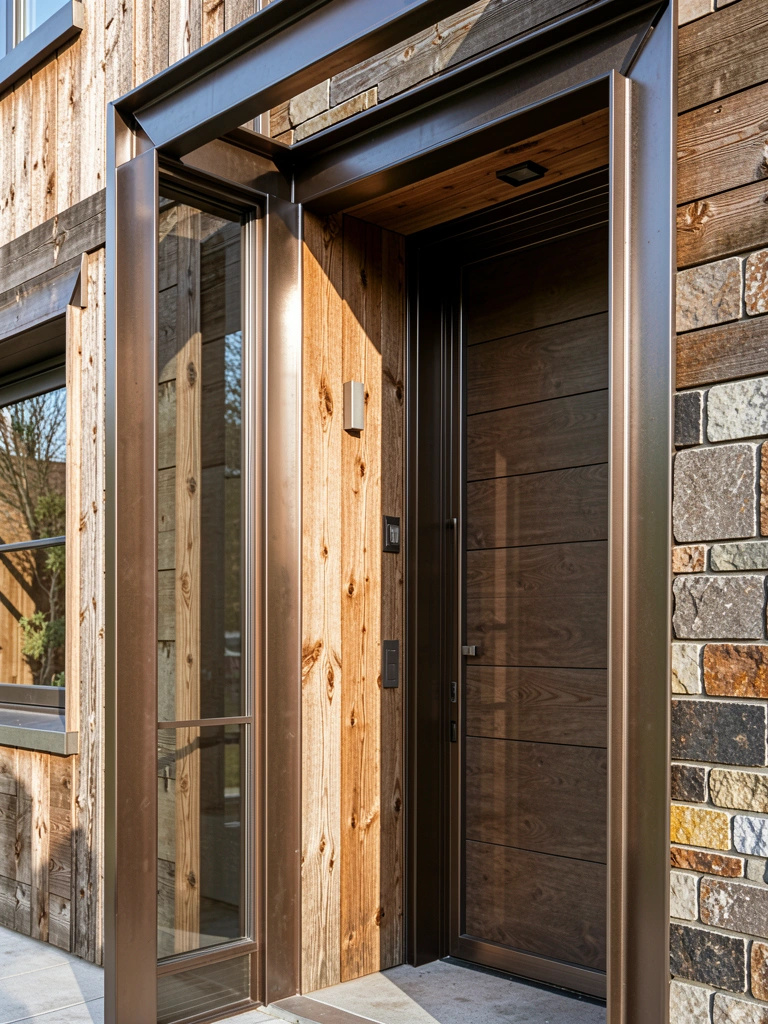
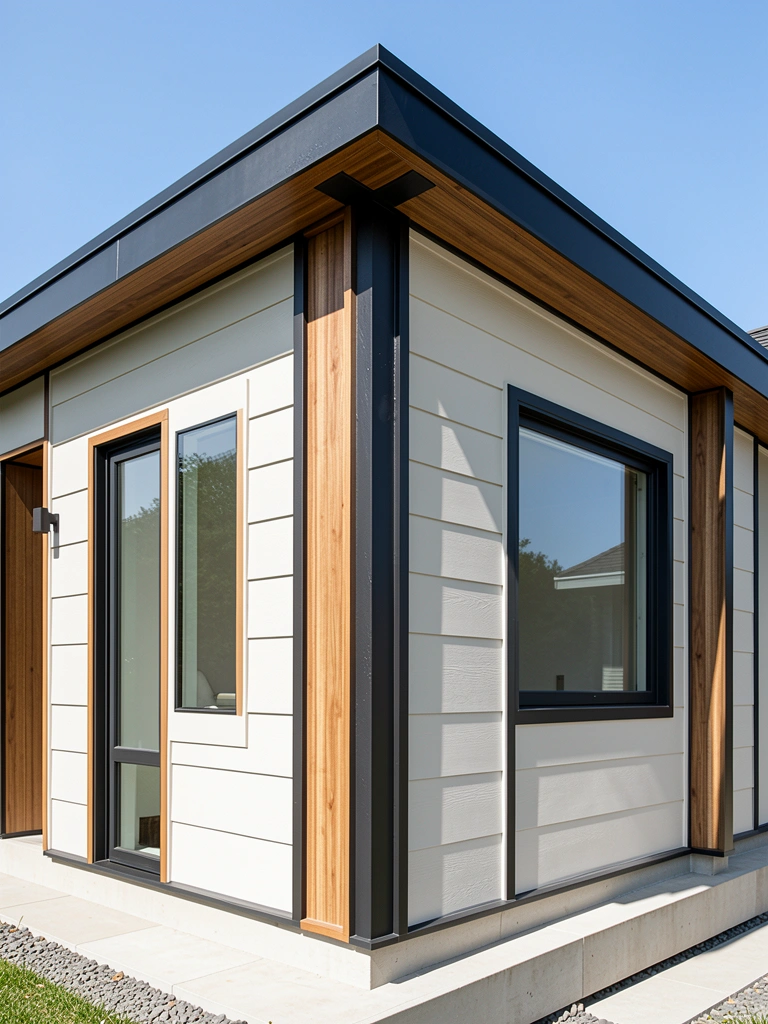
    After exploring sustainable material foundations, architectural metal trim emerges as a sophisticated design element that elevates rustic home exteriors with precision and contemporary flair.

    You’ll find metal accents strategically deployed to create industrial fusion, transforming traditional structures through crisp, angular trim profiles that articulate structural boundaries with minimalist precision and bold architectural expression.

    Creating Architectural Interest With Curves
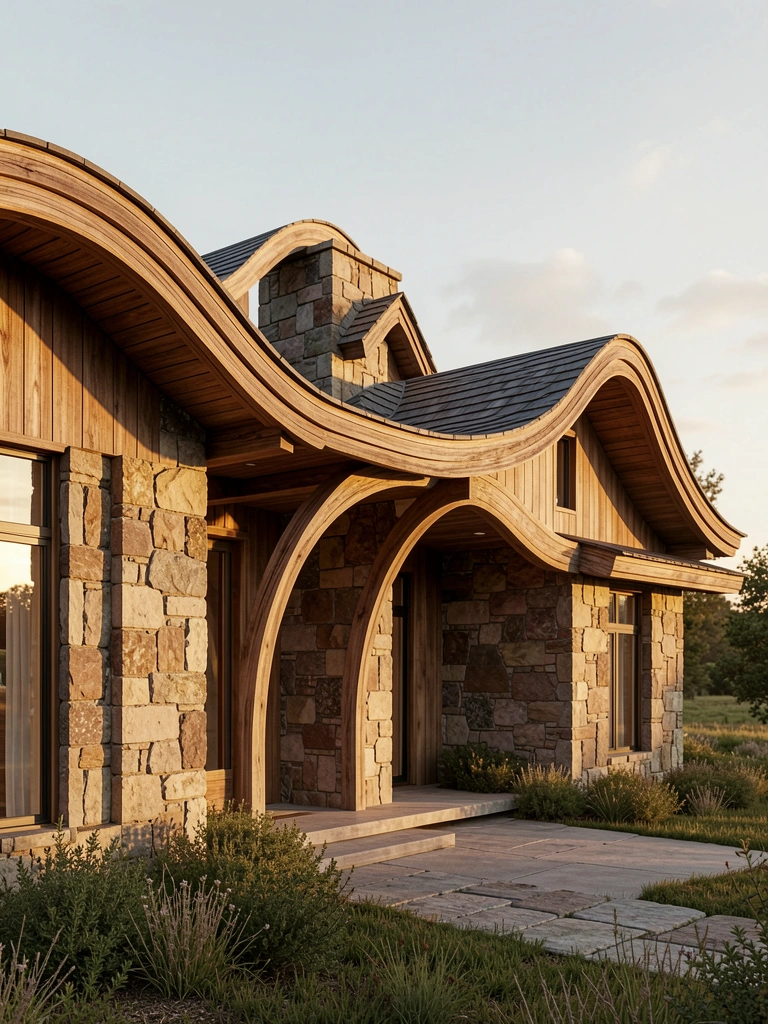
    Three essential design principles converge when architects introduce curved elements into rustic home exteriors, transforming angular structures into dynamic, fluid compositions. Curved entrances and flowing rooflines break traditional geometric constraints, creating visual movement. Your home’s exterior becomes a canvas of architectural freedom, where soft lines challenge structural norms and invite distinctive, expressive design narratives.

    Brick and Wood: Harmonizing Contrasting Textures
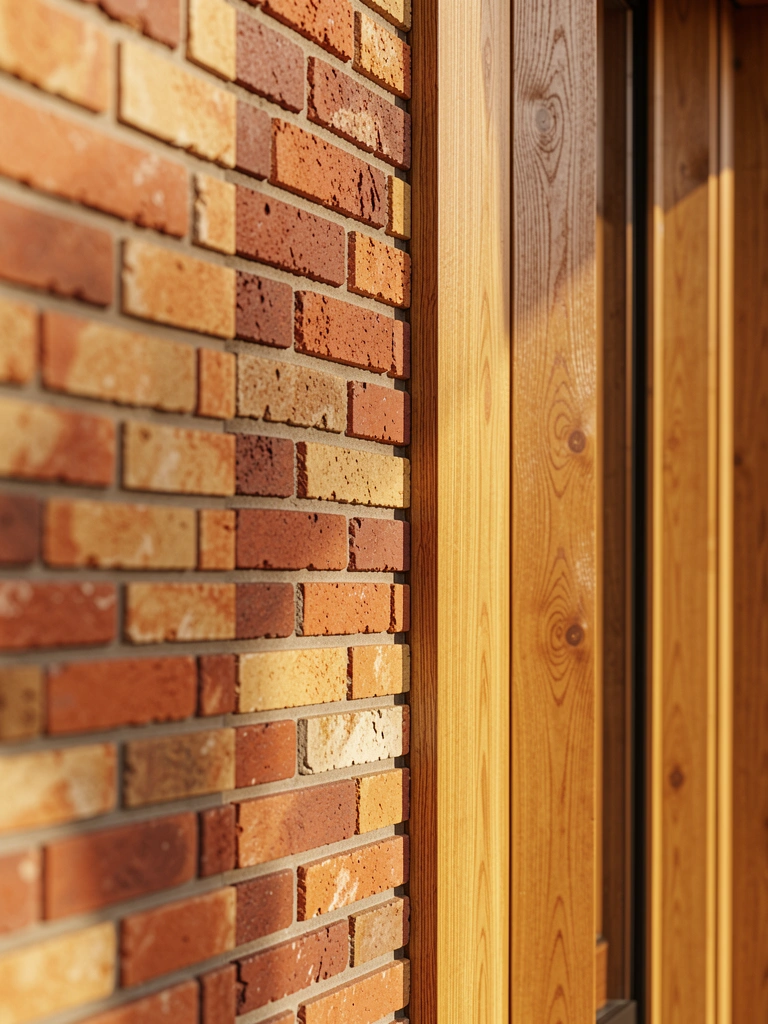
    While rustic home design celebrates textural complexity, the strategic integration of brick and wood creates a compelling visual dialogue that transcends traditional architectural boundaries.

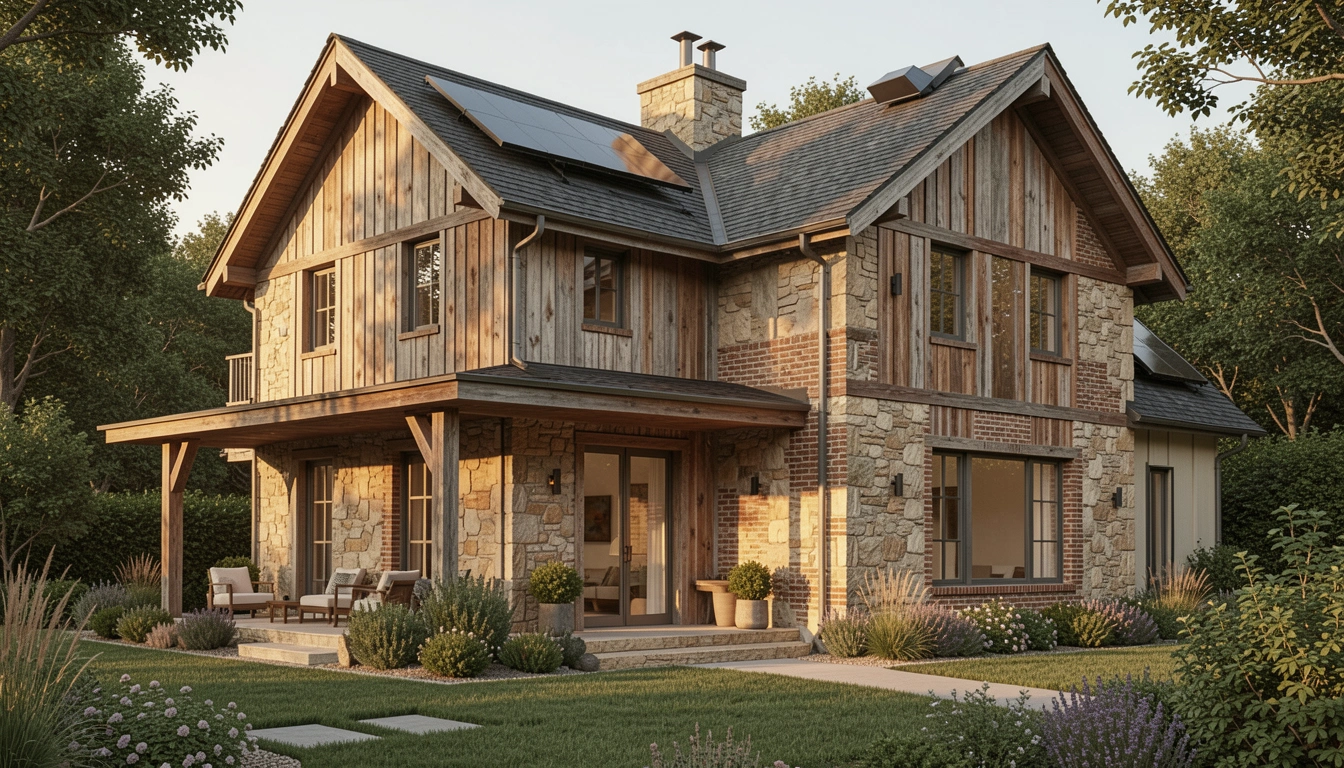
    You’ll discover that brick aesthetics paired with wood balance can transform your exterior, offering a nuanced interplay of rough and smooth surfaces that amplify architectural depth and sensory richness.

    Sustainable Landscaping for Rustic Homes
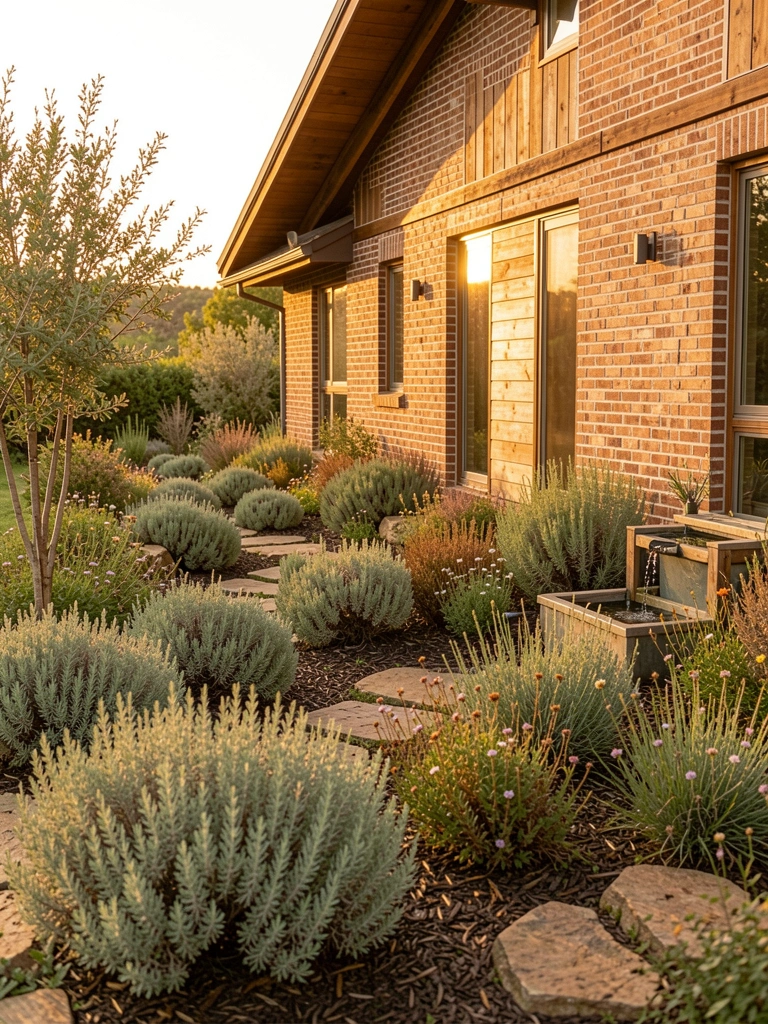
    The architectural harmony achieved through brick and wood materials naturally extends to the surrounding landscape, where sustainable design principles can elevate the rustic home’s ecological footprint and aesthetic appeal.

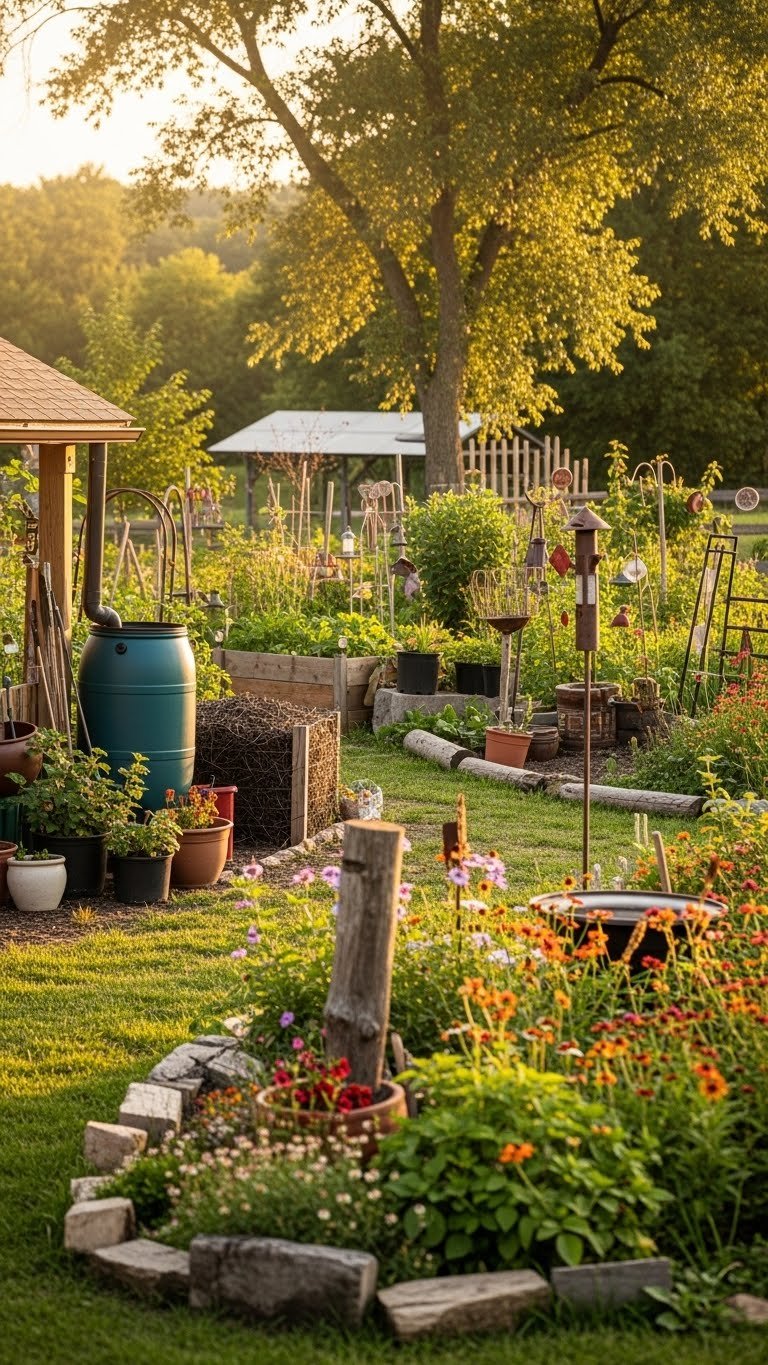
    You’ll want to prioritize native plant gardens that require minimal water and maintenance, implementing strategic water conservation techniques like rainwater harvesting and drought-resistant landscaping to create an eco-friendly exterior.

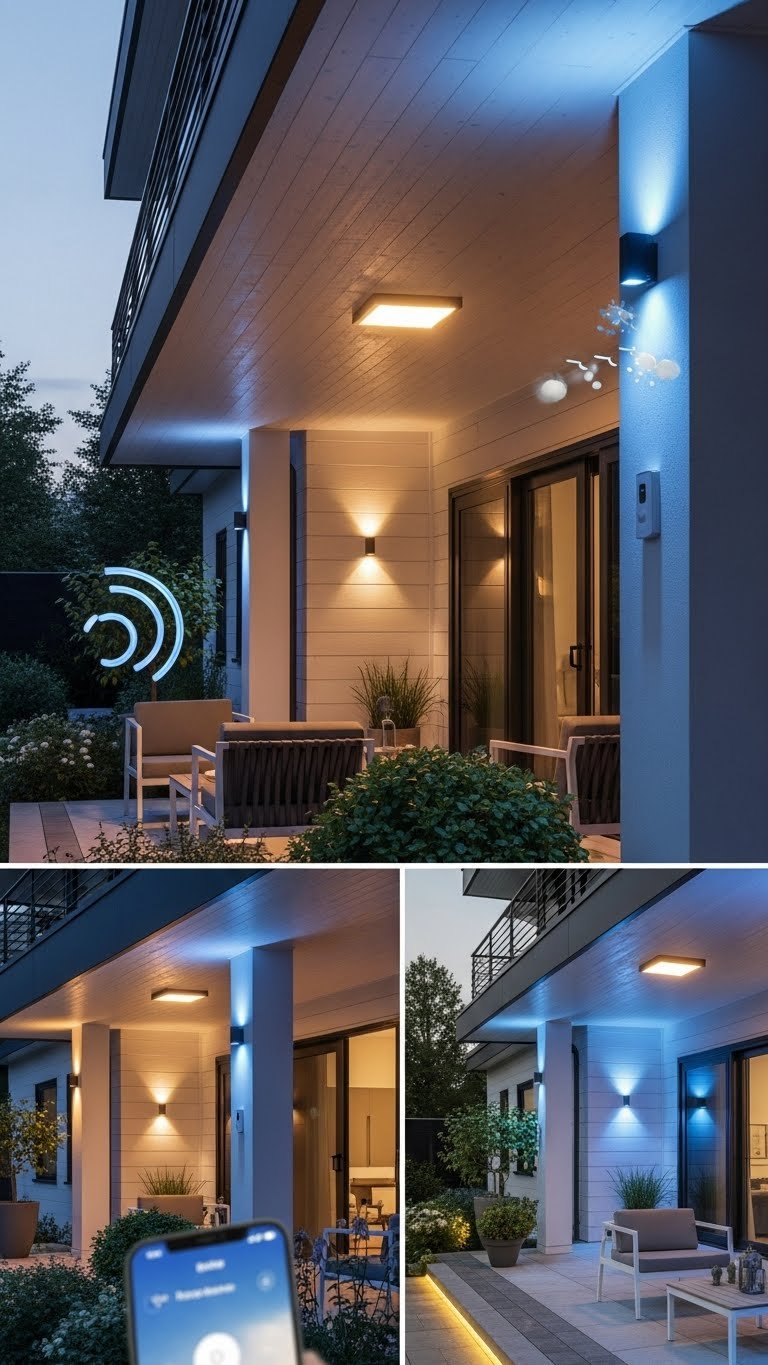
    Lighting Design for Exterior Spaces
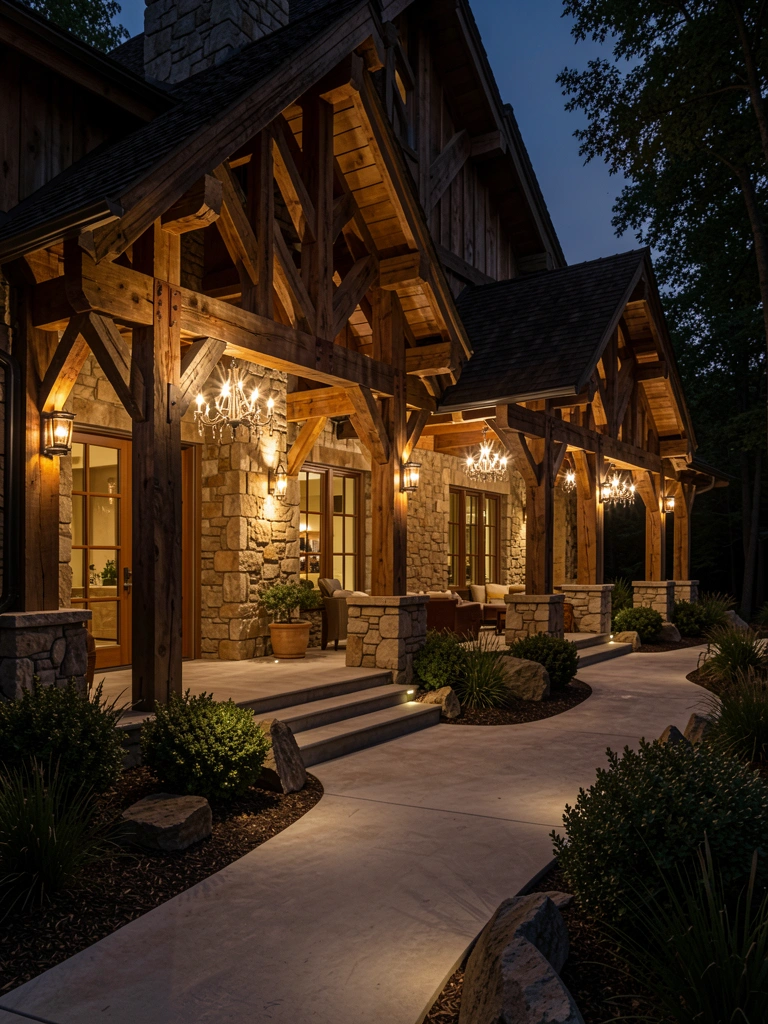
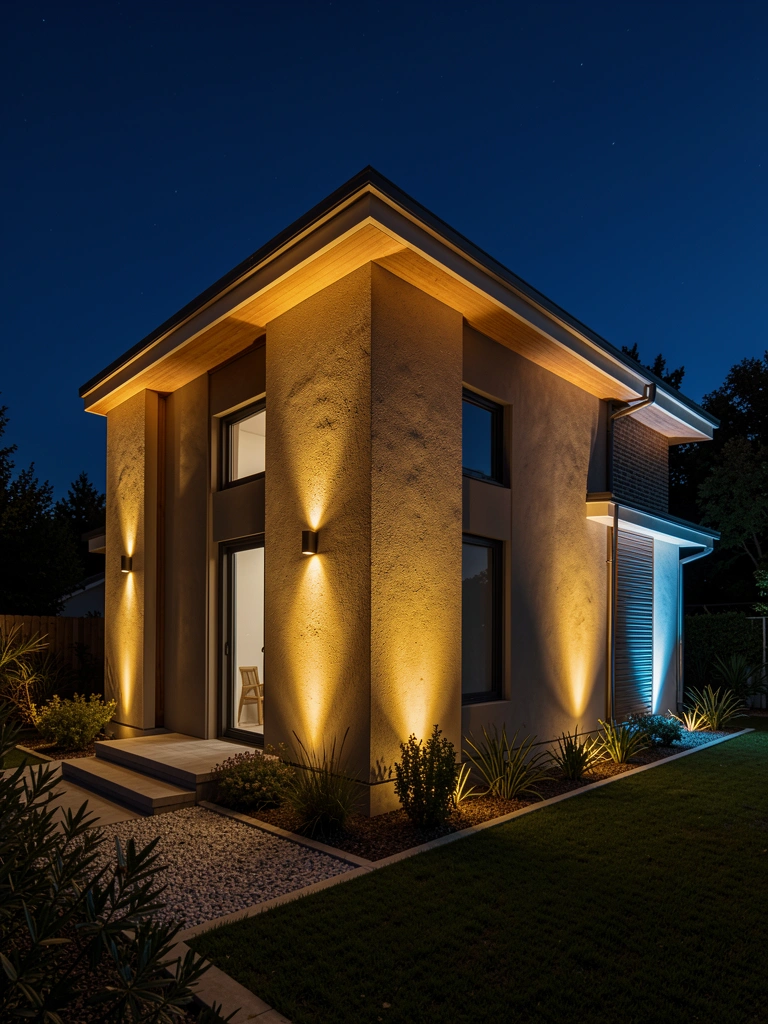
    Because exterior lighting transforms rustic homes from daytime structures into nighttime architectural statements, strategic illumination design becomes essential for enhancing architectural features and creating functional outdoor living spaces.

    You’ll want to layer ambient lighting with statement pieces like outdoor chandeliers, highlighting timber frames, stonework, and landscape contours while ensuring practical navigation and atmospheric depth.

    Courtyard and Entrance Design Principles
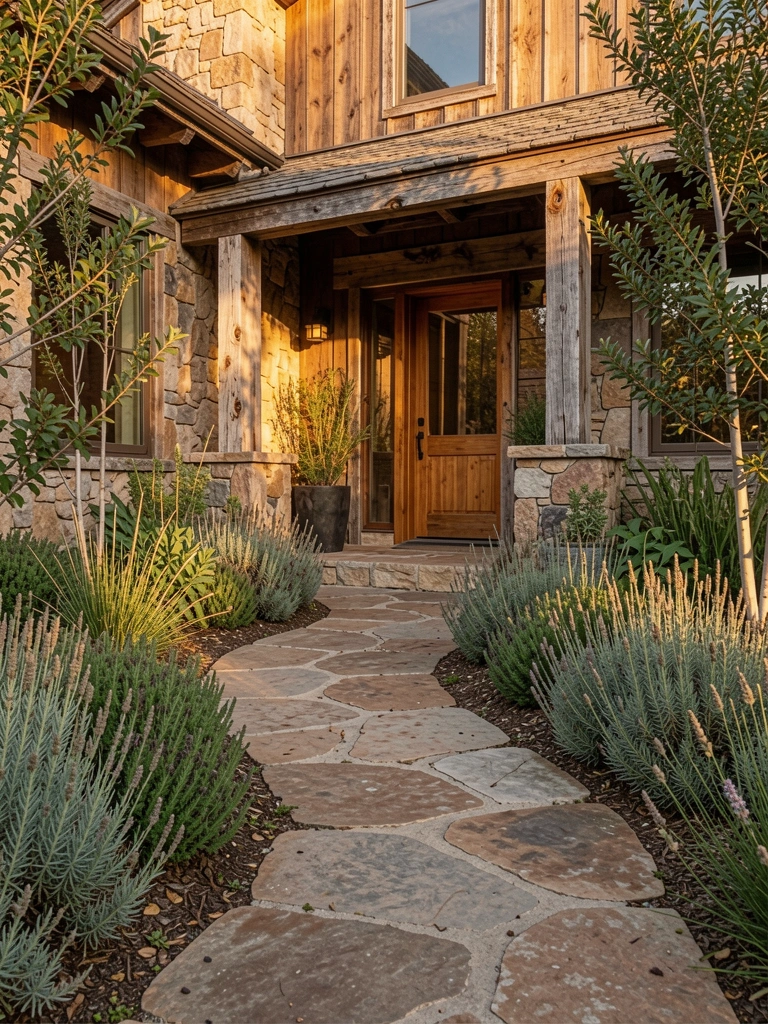
    As rustic home design pivots toward creating immersive first impressions, courtyard and entrance principles become critical architectural storytelling elements that seamlessly integrate landscape, structure, and personal aesthetic.

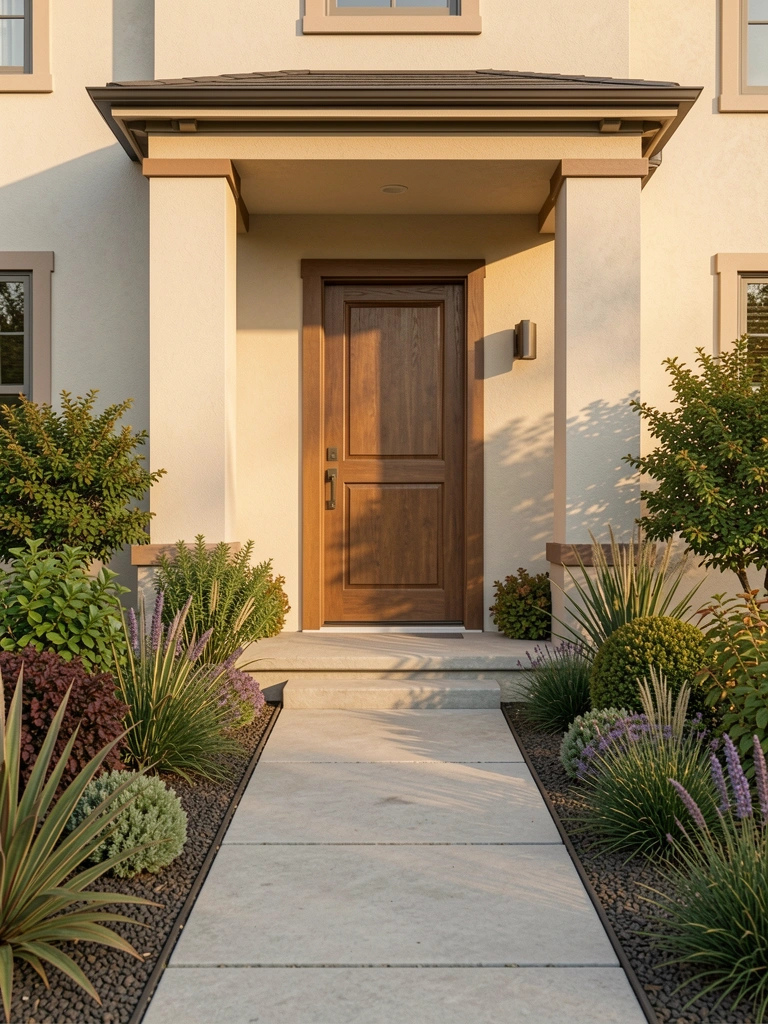
    Your entrance must balance courtyard aesthetics with entrance functionality, strategically positioning natural stone pathways, native plantings, and structural elements that communicate your home’s unique character and design philosophy.

    Maximizing Natural Material Combinations
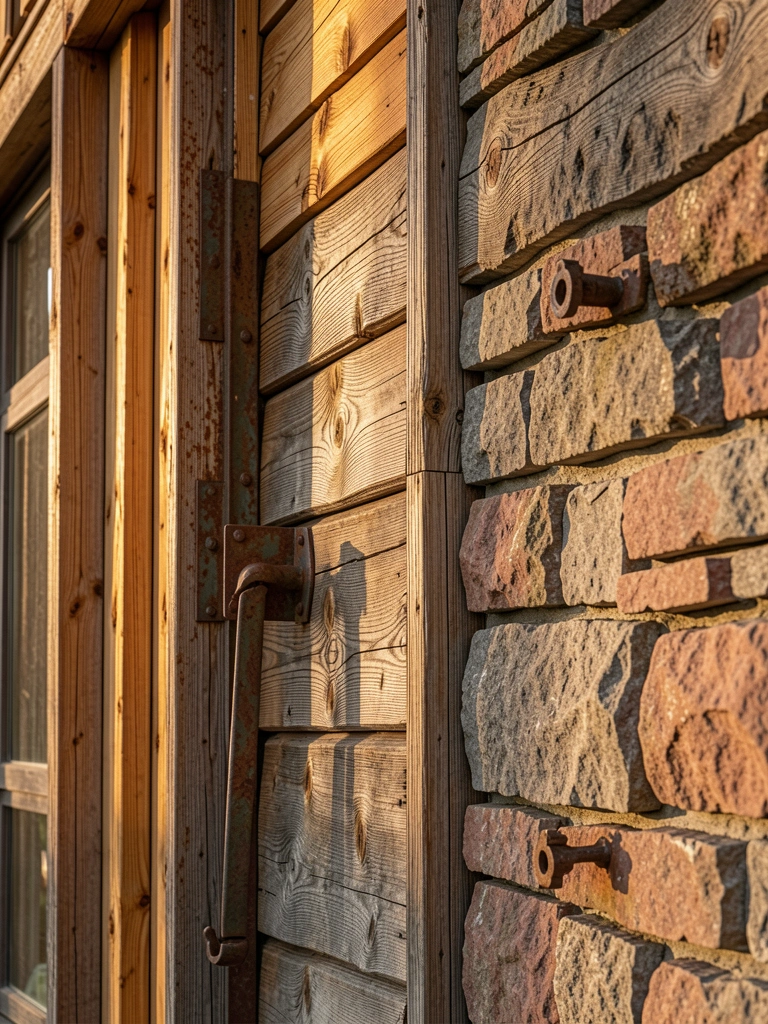
    Throughout architectural design, natural material combinations emerge as a powerful strategy for crafting authentic, visually compelling rustic house exteriors.

    You’ll leverage material synergy by blending wood, stone, and metal, creating layered natural textures that harmonize structural integrity with aesthetic sophistication.

    This approach allows your exterior design to communicate organic complexity and architectural freedom.

    Thermal Efficiency in Rustic Architecture
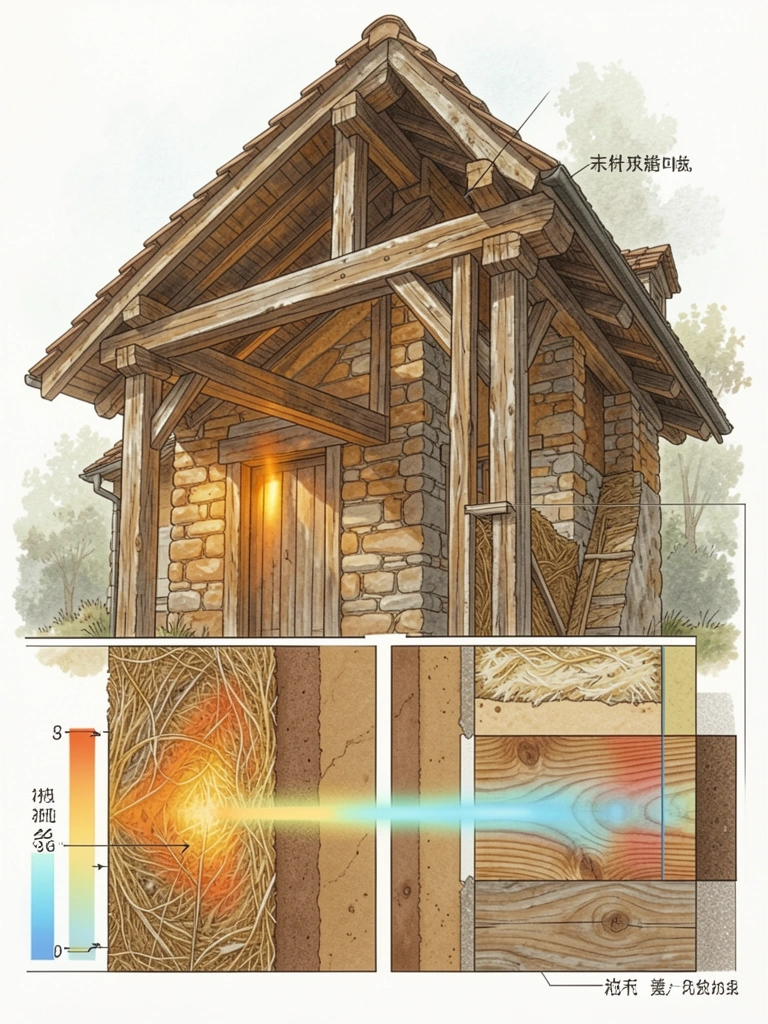
    When designing rustic house exteriors, thermal efficiency becomes a critical engineering challenge that demands strategic material selection and architectural innovation.

    You’ll need advanced thermal performance strategies that leverage natural materials’ inherent insulation properties while implementing energy conservation methods that reduce heat transfer and optimize structural integrity.

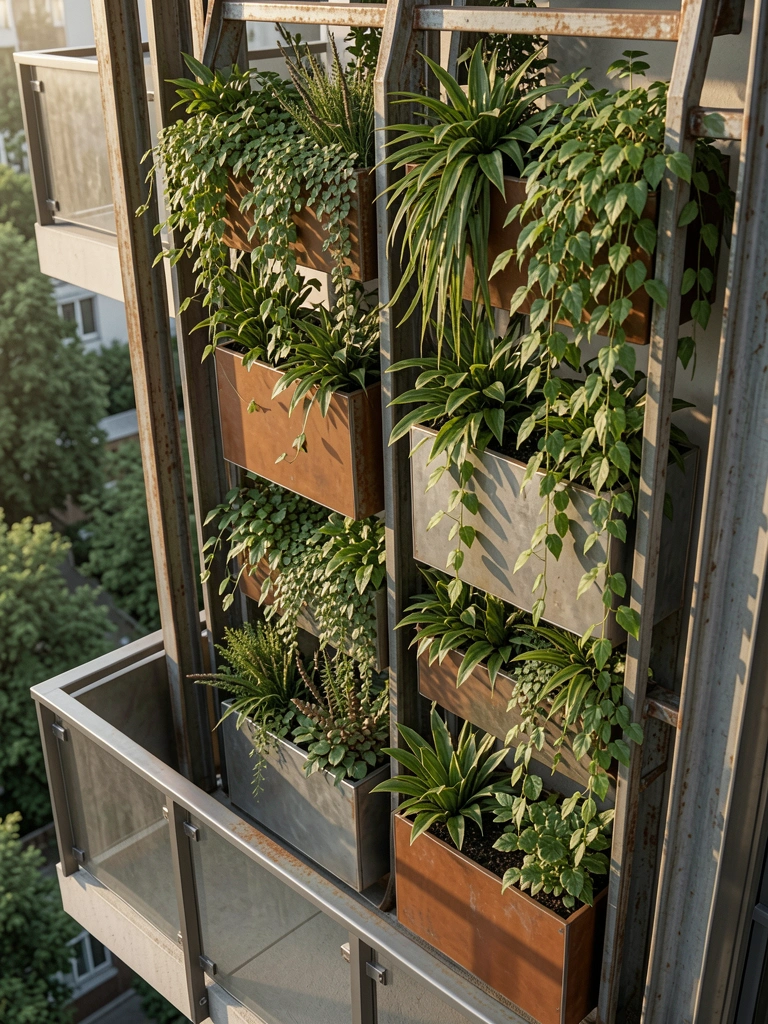
    Planter and Greenery Integration Strategies
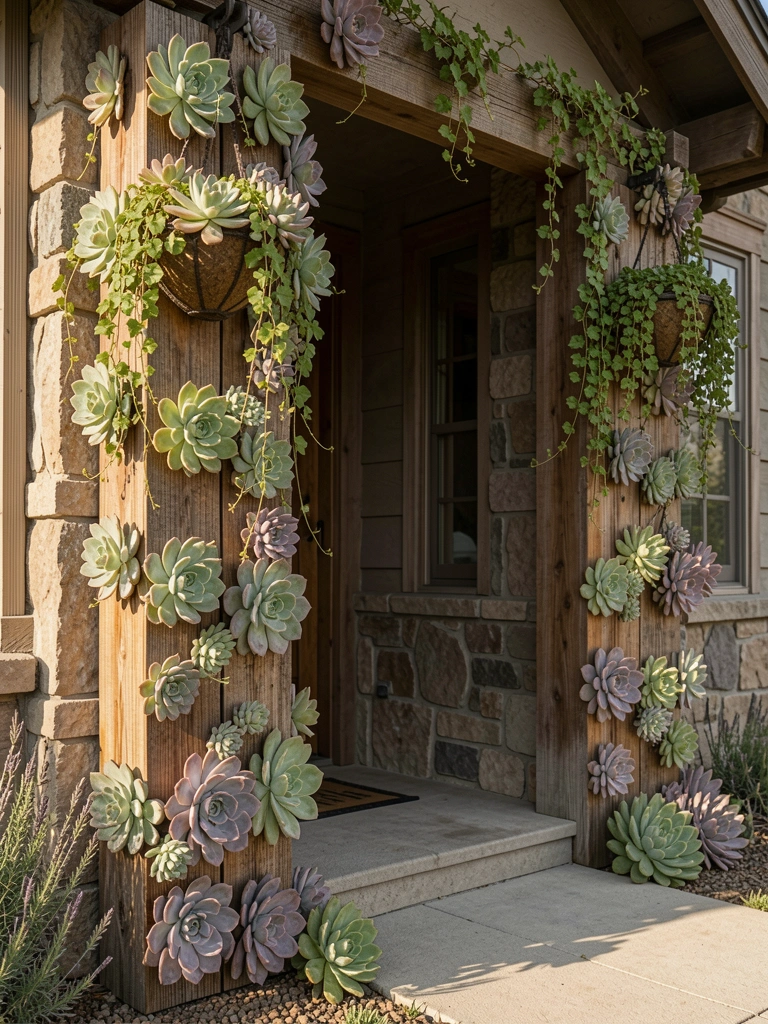
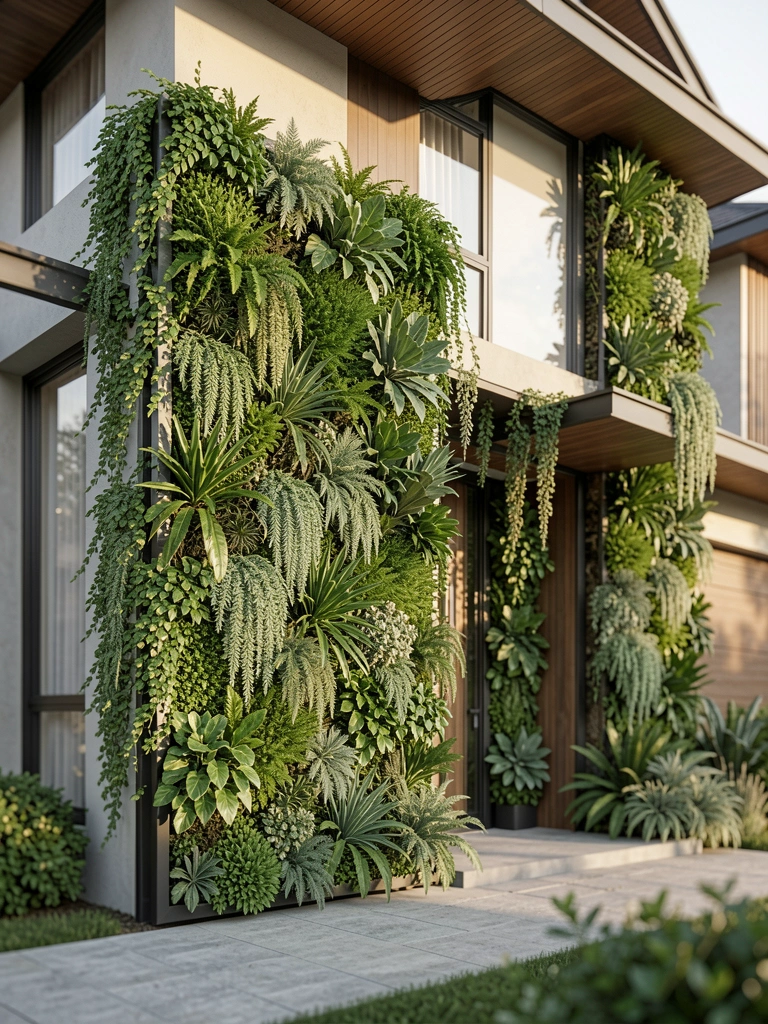
    While rustic house exteriors traditionally emphasize architectural solidity, strategic planter and greenery integration can transform structural boundaries into dynamic, living ecosystems.

    Consider vertical cedar planters flanking entryways, native drought-resistant succulents, and hanging baskets that soften architectural lines.

    Precise planter placement can enhance visual texture and create seamless connections between built environments and natural landscapes.

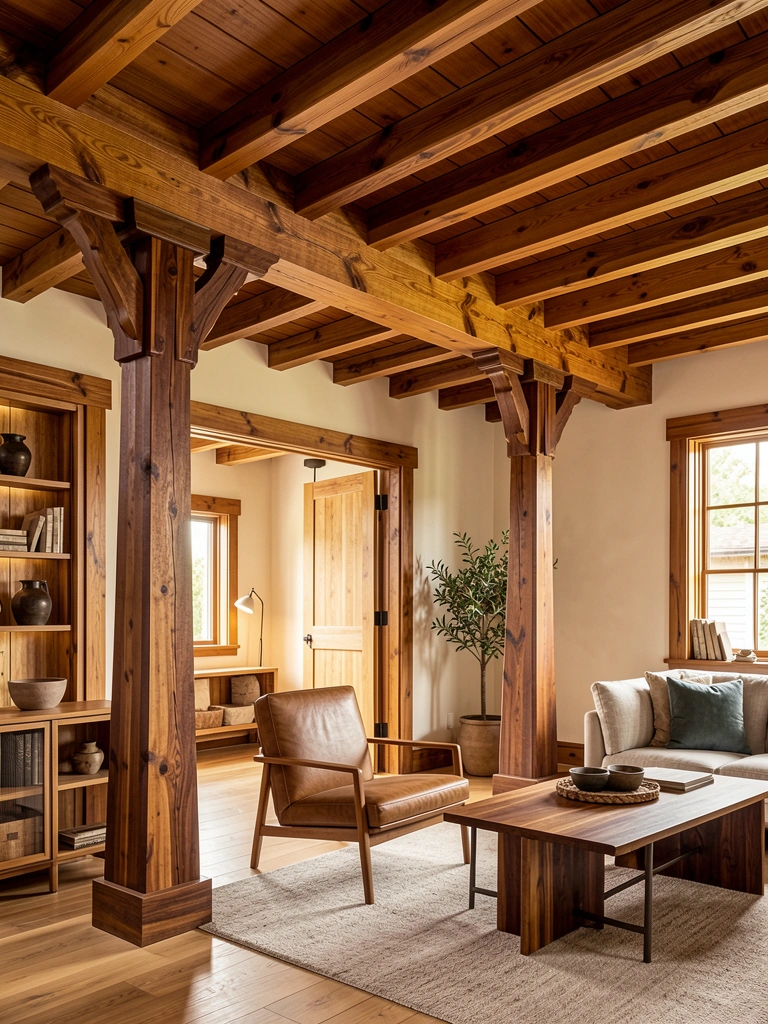
    Exposed Beam Construction Techniques
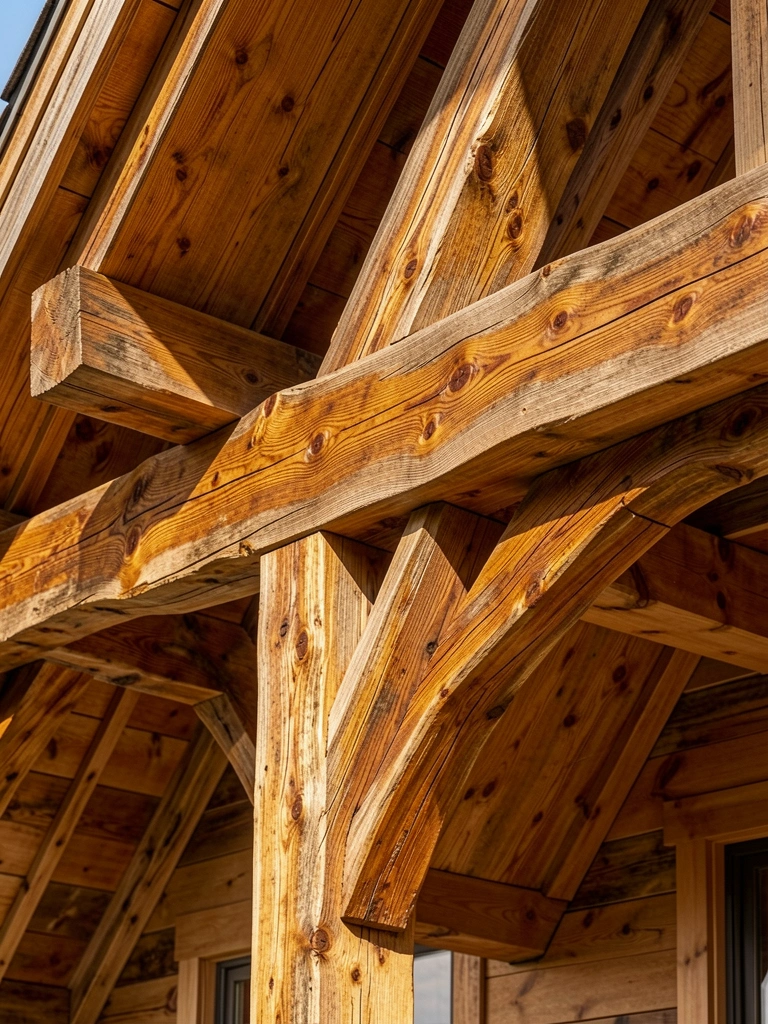
    The structural integrity and aesthetic appeal of rustic house exteriors often hinge on exposed beam construction—a technique that celebrates raw, unadorned craftsmanship.

    You’ll want to master traditional timber framing methods, selecting robust wood species like Douglas fir or reclaimed oak.

    Different exposed beam styles—from rustic hewn to clean-lined architectural—offer distinctive visual narratives for your exterior design.

    Cost-Effective Sustainable Design Approaches
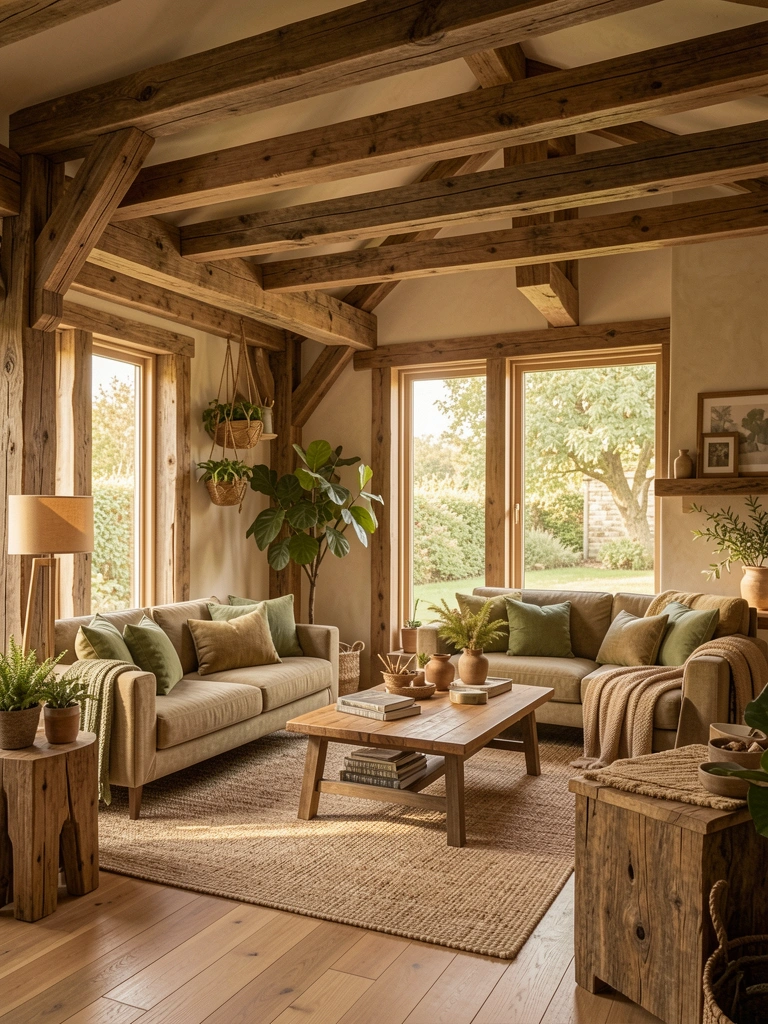
    Because sustainable design intersects with fiscal responsibility, homeowners can strategically implement cost-effective approaches that minimize environmental impact and long-term construction expenses. You’ll discover affordable options like reclaimed timber, locally sourced renewable resources, and efficient insulation techniques that reduce both carbon footprint and building costs while maintaining structural integrity and aesthetic appeal.

    Sustainable home construction demands meticulous navigation through intricate building code requirements that vary considerably across jurisdictions, compelling homeowners and designers to conduct thorough research before initiating architectural plans.

    You’ll need to carefully understand local regulations, secure necessary permits, and guarantee your rustic design meets precise construction standards to avoid costly compliance challenges.

    Maintenance Tips for Natural Materials
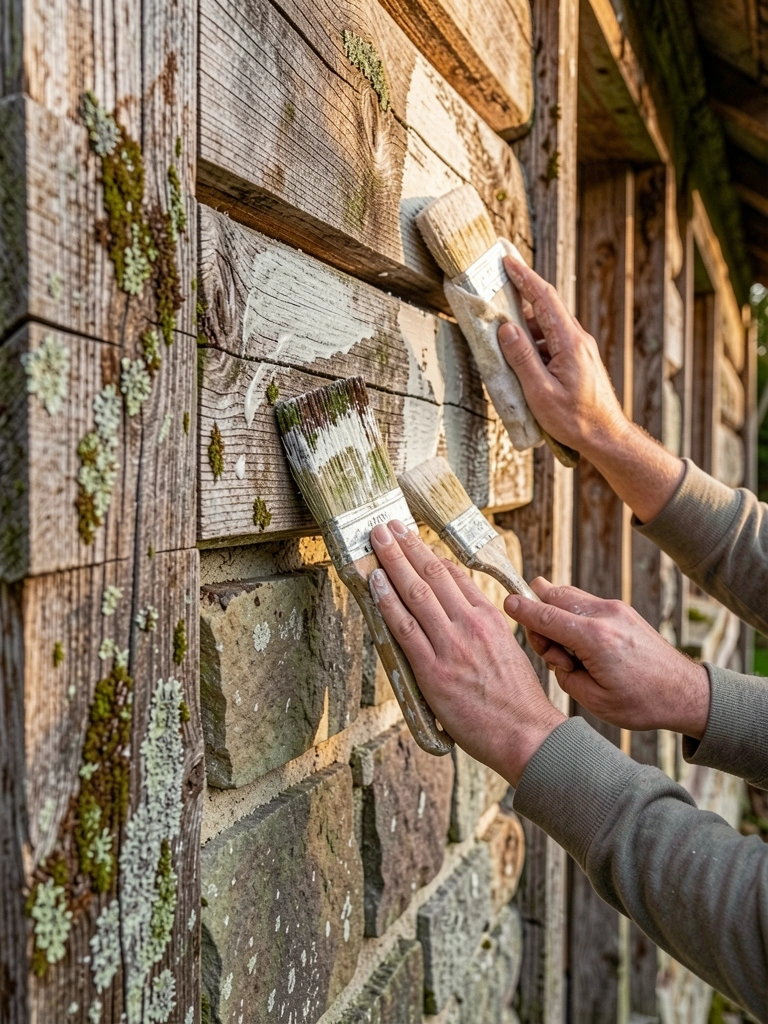
    Within the domain of rustic home exteriors, natural materials demand specialized maintenance strategies to preserve their aesthetic integrity and functional performance.

    You’ll need to proactively address weathering effects through regular sealing, cleaning, and protective treatments that enhance material longevity and prevent structural degradation from environmental exposure.

    Climate-Responsive Exterior Design
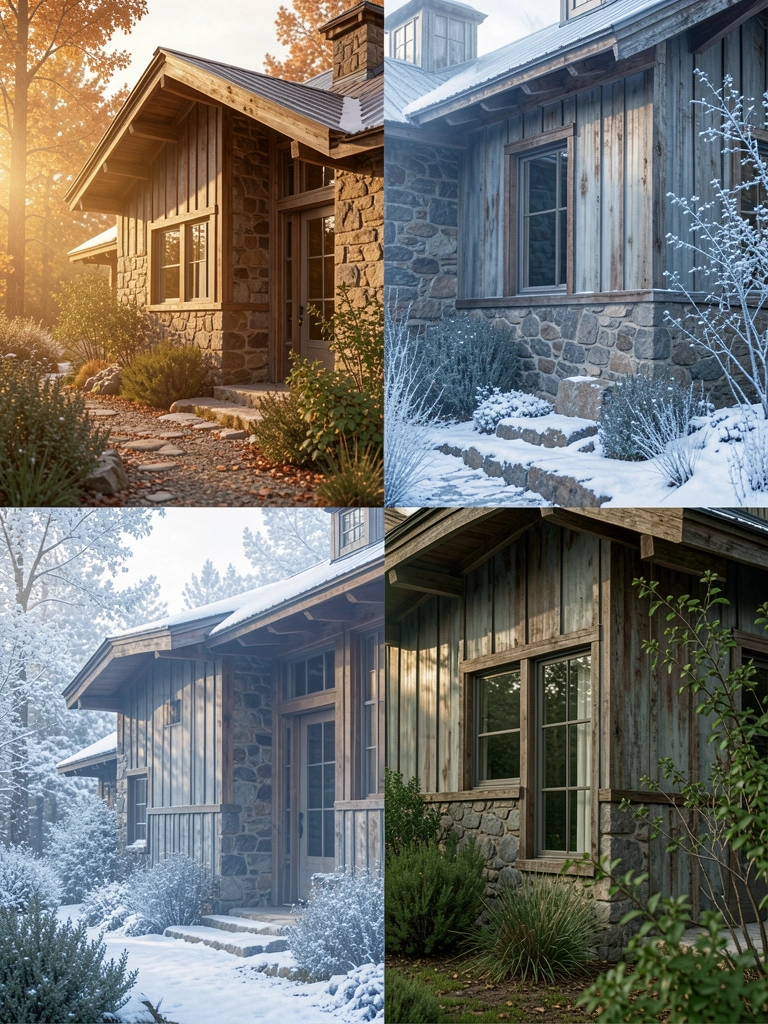
    As regional climatic variations considerably impact architectural design, rustic home exteriors must strategically integrate responsive elements that mitigate environmental challenges while preserving aesthetic authenticity.

    You’ll want to prioritize climate adaptation strategies using weather resistant materials that harmonize with local environmental conditions, ensuring your rustic home’s durability and visual integrity across diverse seasonal changes.

    Innovative Insulation for Rustic Homes
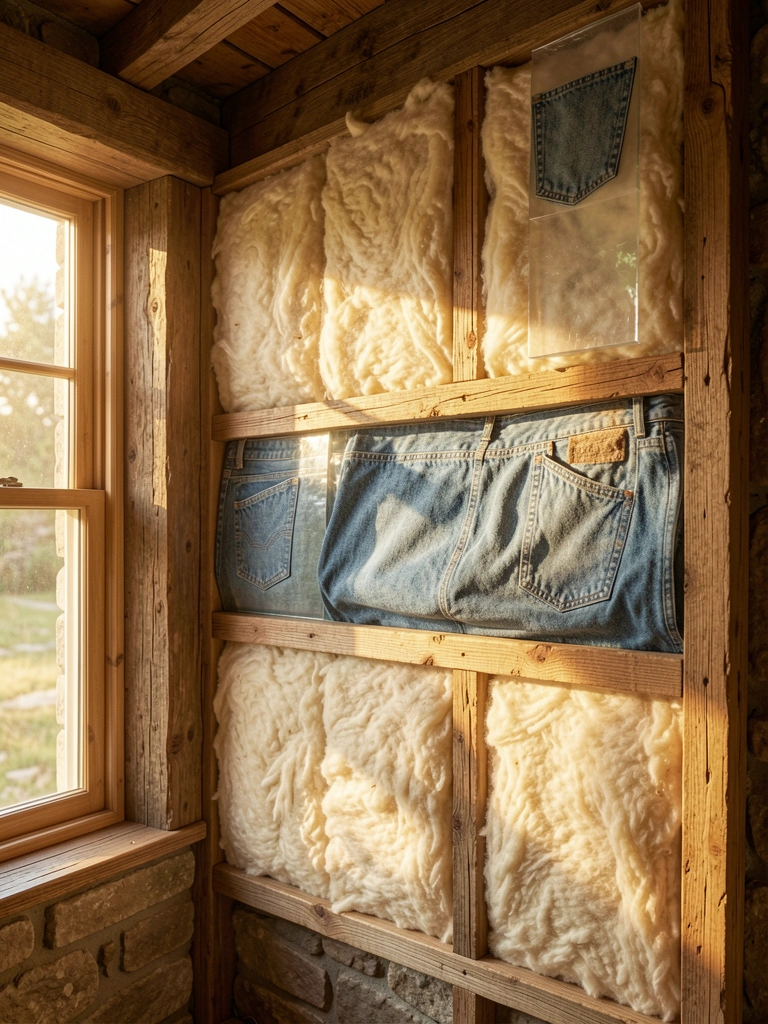
    Though traditional rustic homes often struggle with thermal efficiency, modern insulation techniques now offer home designers groundbreaking solutions for maintaining authentic aesthetic while dramatically improving energy performance.

    You’ll find innovative insulation materials like sheep’s wool, recycled denim, and aerogel provide superior eco-friendly insulation methods that blend seamlessly with rustic architectural styles, ensuring peak thermal comfort.

    Smart Home Technology in Rustic Settings
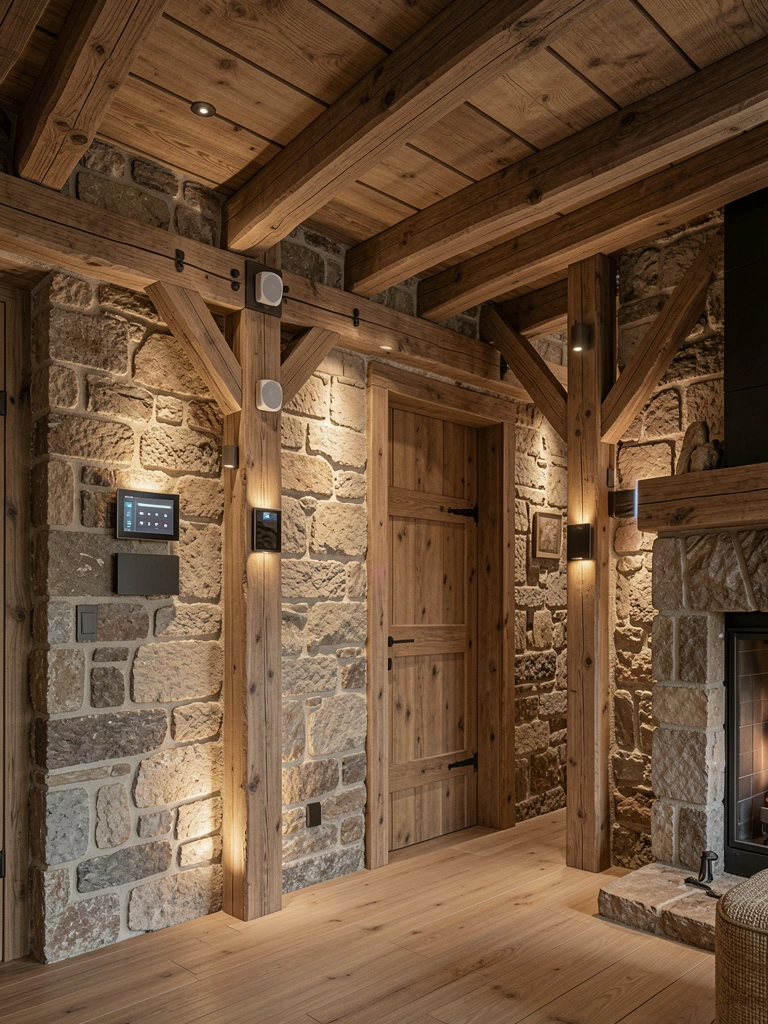
    Integrating smart home technology into rustic architectural settings transforms traditional living spaces without compromising their authentic aesthetic.

    You’ll discover seamless tech solutions that respect rustic harmony, enabling wireless controls, energy-efficient systems, and hidden smart devices that blend naturally with wooden textures and stone surfaces, creating an intelligent yet timeless environment.

    Preserving Architectural Integrity
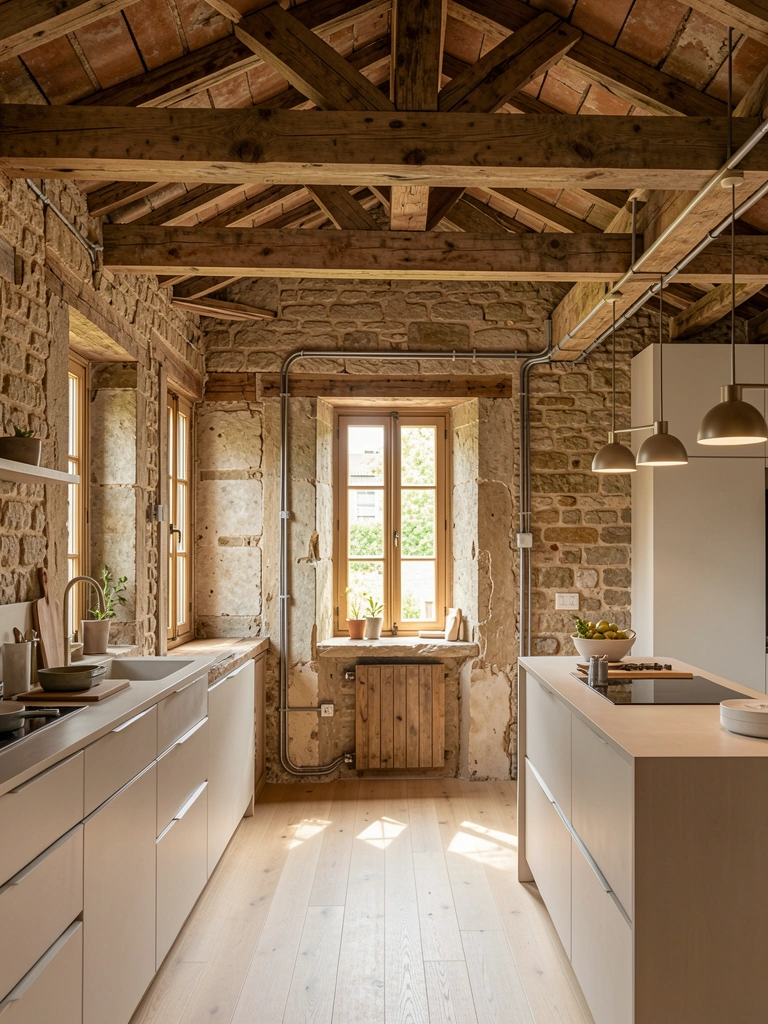
    When preserving the architectural integrity of rustic homes, strategic design choices become paramount in maintaining the structure’s historical authenticity while accommodating modern technological interventions.

    You’ll need to carefully balance restoration techniques with contemporary needs, ensuring each modification respects the original architectural language and preserving history’s tangible narrative within the home’s structural framework.

    Budgeting for Sustainable Home Exteriors
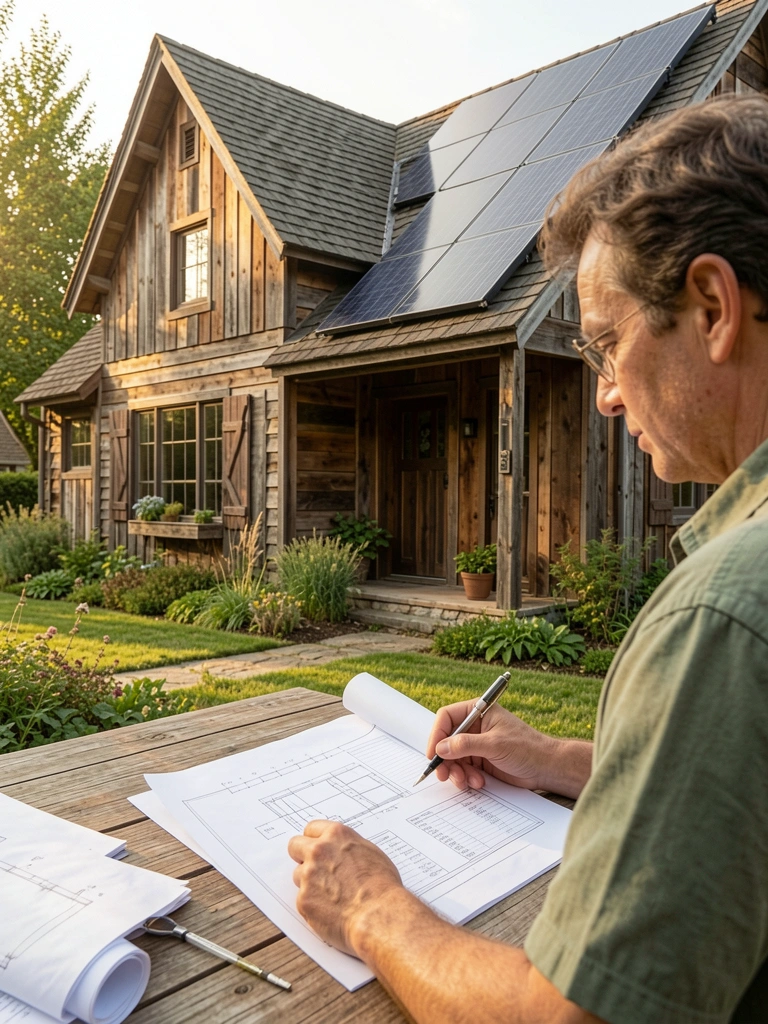
    After meticulously preserving architectural integrity, homeowners must strategically approach the financial landscape of sustainable exterior renovations.

    You’ll need to leverage eco-friendly financing options and implement sustainable budgeting techniques that balance initial investments with long-term environmental and economic benefits.

    Strategic material selection and phased implementation can optimize your rustic home’s green transformation.

    Future-Proofing Your Rustic Home Design
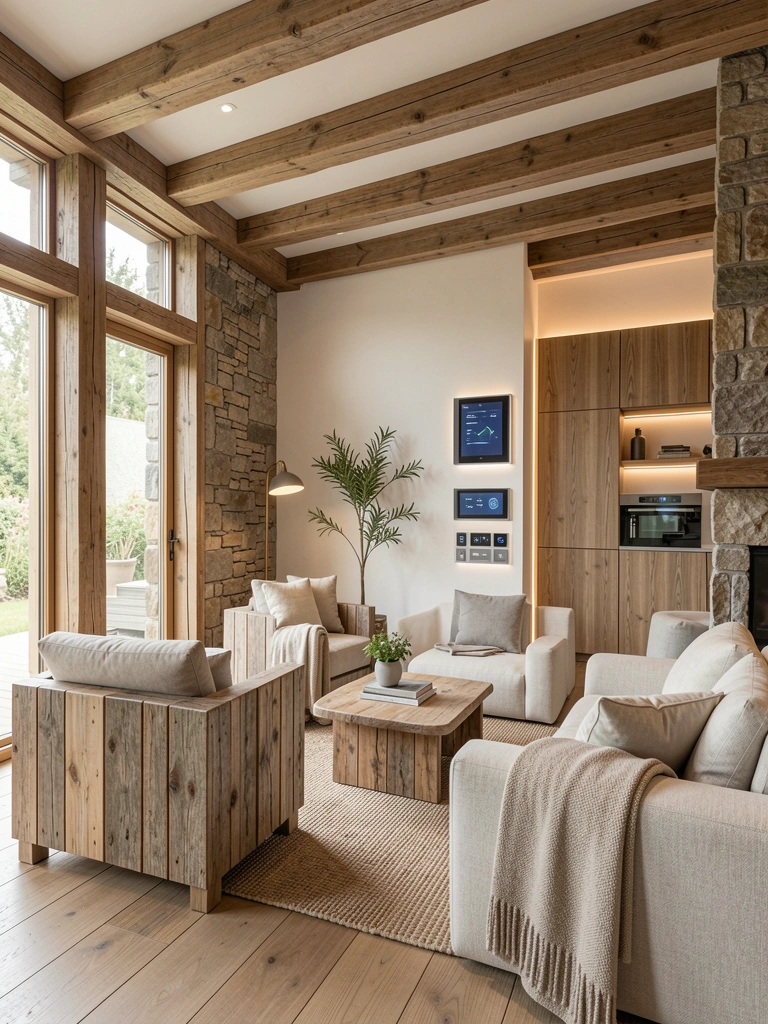
    Because sustainable design transcends temporary trends, future-proofing your rustic home requires a holistic approach that anticipates technological advancements, environmental shifts, and evolving architectural methodologies.

    Implement design adaptability through modular construction techniques, flexible spatial configurations, and integrated smart home technologies that can seamlessly evolve with your changing lifestyle and emerging environmental demands.
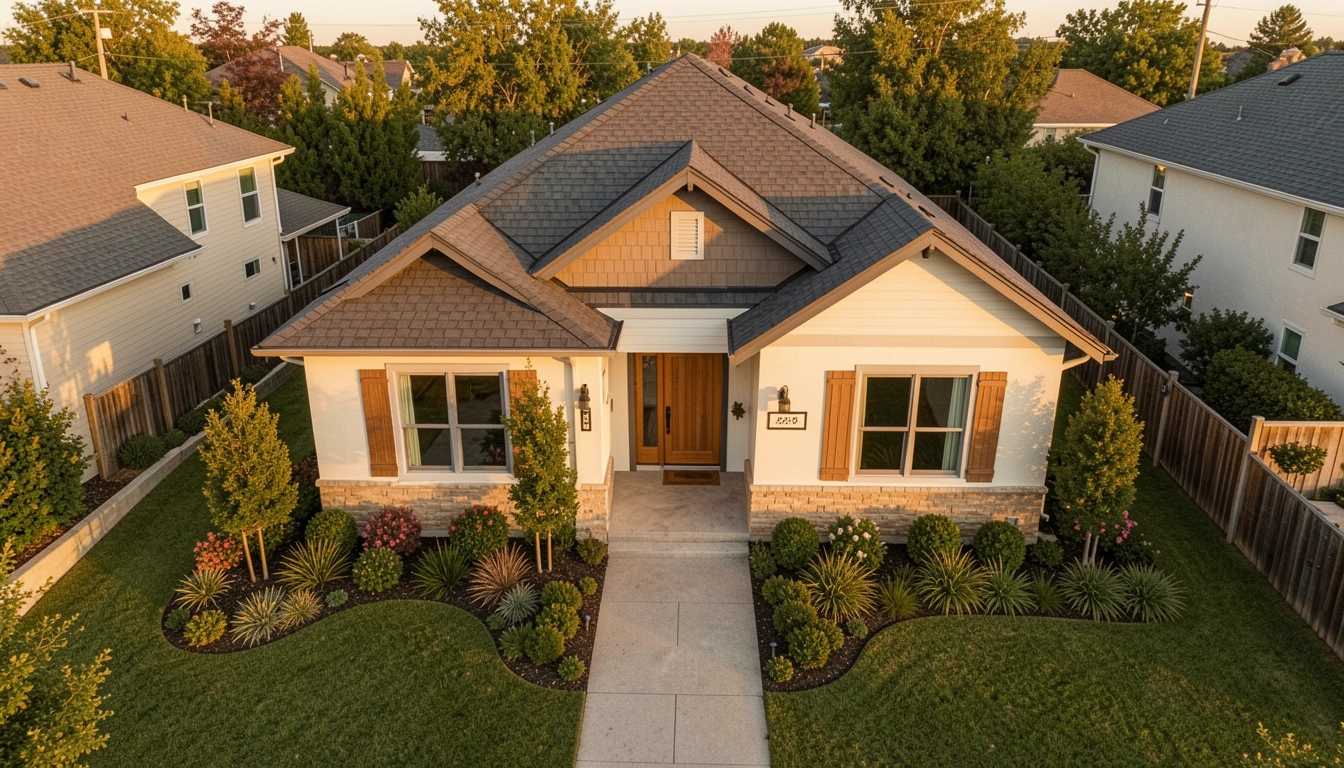
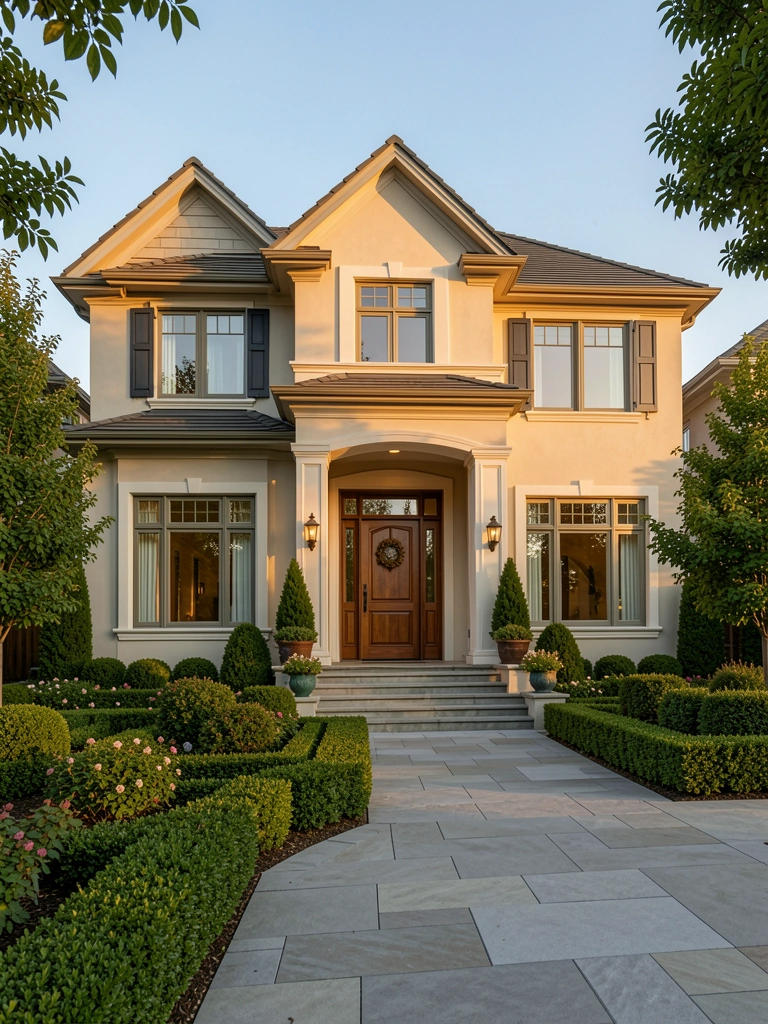
  • 26 Inspiring Small House Design Exterior Ideas That Upgrade Your Home

    26 Inspiring Small House Design Exterior Ideas That Upgrade Your Home

    Your home’s exterior is more than just a facade—it’s a visual narrative that speaks volumes before anyone steps inside. First impressions matter, and the right design can transform a small house from ordinary to extraordinary. Whether you’re working with limited square footage or seeking to maximize architectural impact, strategic exterior choices can dramatically elevate your property’s aesthetic and market value. Curious about revealing your home’s hidden potential?

    Why Your Home’s Exterior Matters: First Impressions and Value

    How much do first impressions truly impact your home’s perceived value? Your home’s exterior isn’t just a facade—it’s a critical investment driver. Strategic curb appeal can dramatically elevate property worth, signaling meticulous maintenance and aesthetic sophistication. Potential buyers assess your property’s exterior within seconds, making visual impact a powerful determinant of home value and marketability.

    Decode Your Home’s Architectural Style: A Design Foundation

    Architecture speaks volumes about a home’s character, revealing its historical context and design philosophy through distinctive structural elements.

    You’ll want to recognize your home’s style—whether it’s craftsman, contemporary, or colonial—to guide modern interpretations that honor historical influences while expressing your personal aesthetic vision.

    Nature-Inspired Color Palettes: Choosing Your Exterior Palette

    Once you’ve identified your home’s architectural style, selecting an exterior color palette becomes an opportunity to harmonize with the natural landscape while amplifying your structure’s inherent design language.

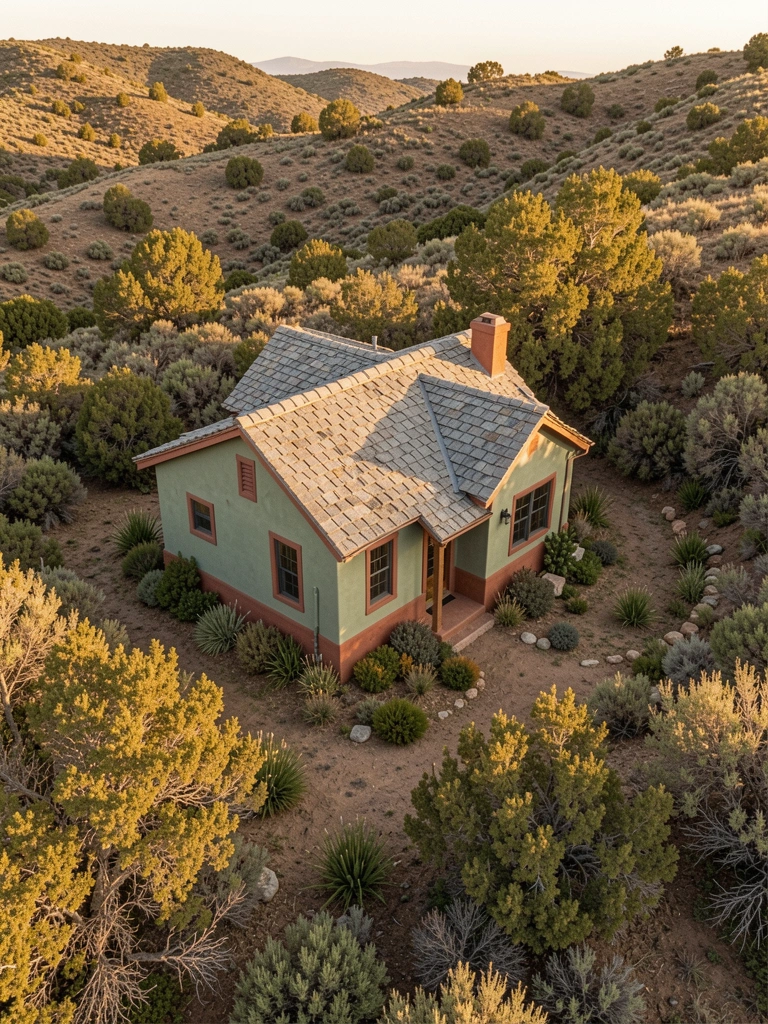
    Embrace nature-inspired hues that reflect local terrain—sage greens, clay reds, stone grays—creating earth tones that integrate your small house seamlessly into its surrounding environment.

    Bold vs. Subtle: Selecting Your Exterior Color Strategy

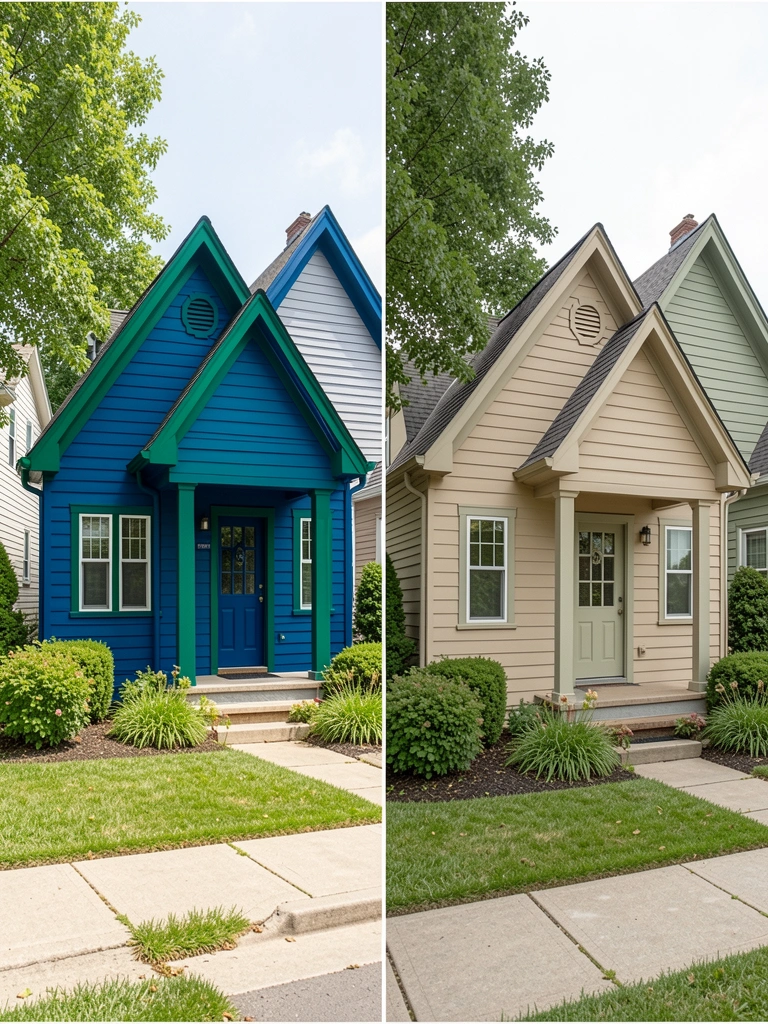
    Whether you’re aiming to make a statement or blend seamlessly with the surroundings, your exterior color strategy can dramatically transform a small house’s visual impact.

    Bold statements capture attention through vibrant hues, while subtle elegance emerges through nuanced, harmonious tones.

    Your color choice reflects personal style, architectural integrity, and neighborhood context.

    Matte or Glossy? Understanding Modern Exterior Finishes

    While exterior paint finishes might seem like a subtle design choice, they profoundly influence a small house’s visual texture and perceived durability.

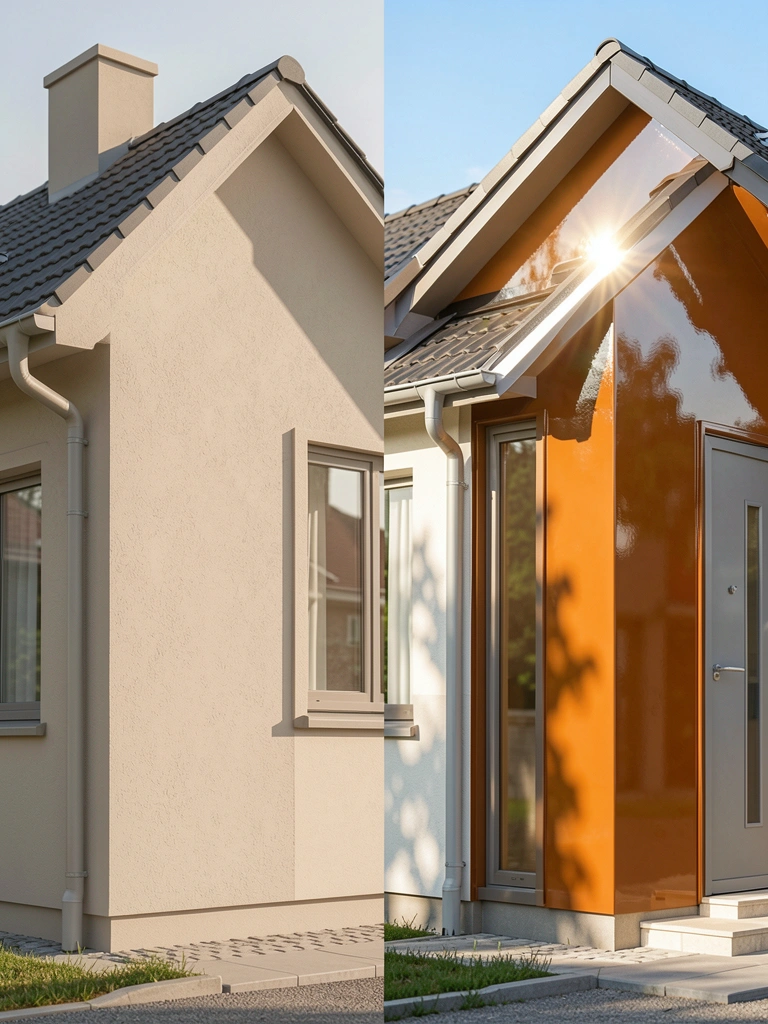
    Matte finishes offer a sophisticated, understated look that minimizes surface imperfections, whereas glossy textures reflect light dramatically, creating bold architectural statements.

    Your choice ultimately depends on your aesthetic vision and desired home expression.

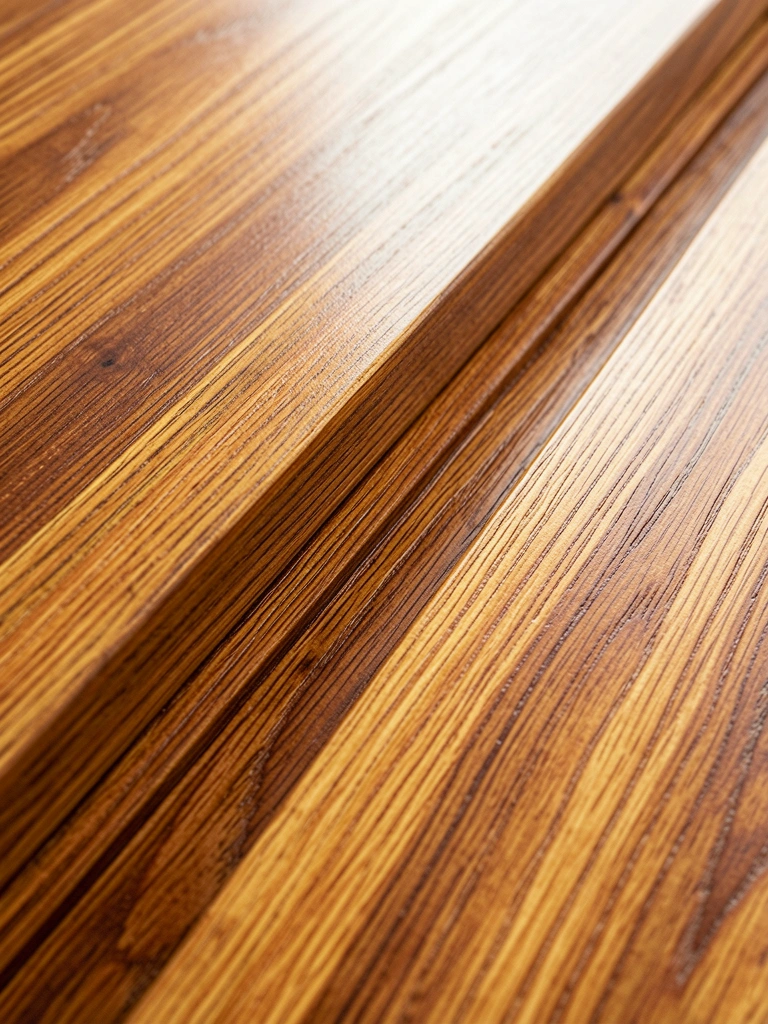
    Revealing Wood’s Natural Beauty: Texture and Stain Techniques

    Three distinct wood texturing techniques can transform your small house’s exterior and interior surfaces, revealing wood’s inherent elegance through strategic surface treatments.

    Mixed Materials: Creating Depth in Your Home’s Design

    Just as wood’s natural textures can elevate design, combining diverse materials creates another sophisticated strategy for enhancing complexity of small house spaces.

    You’ll want to mix materials strategically—stone, metal, and timber—to exterior accents that transform architectural narrative, delivering visual intrigue and depth through intentional material selections.

    Architectural possibilities offer tactical freedom in palette.

    Layering Exteriors: Combining Wood, Stone, and Metal

    When designing small house exteriors, strategic material layering becomes a nuanced architectural technique for creating visual complexity and structural depth.

    You’ll achieve wood metal harmony by juxtaposing warm cedar planks against sleek metallic panels, while stone facade contrasts inject textural dynamism into your compact architectural canvas.

    Crafting a Welcoming Front Entrance: Design Principles

    Because the front entrance serves as your home’s initial point of contact, its design must strategically balance aesthetic appeal with functional clarity.

    Prioritize clean lines, proportional door hardware, and thoughtful entrance landscaping that frames your pathway.

    Select materials that complement your small house’s exterior palette, creating a cohesive, inviting passage from public space to personal sanctuary.

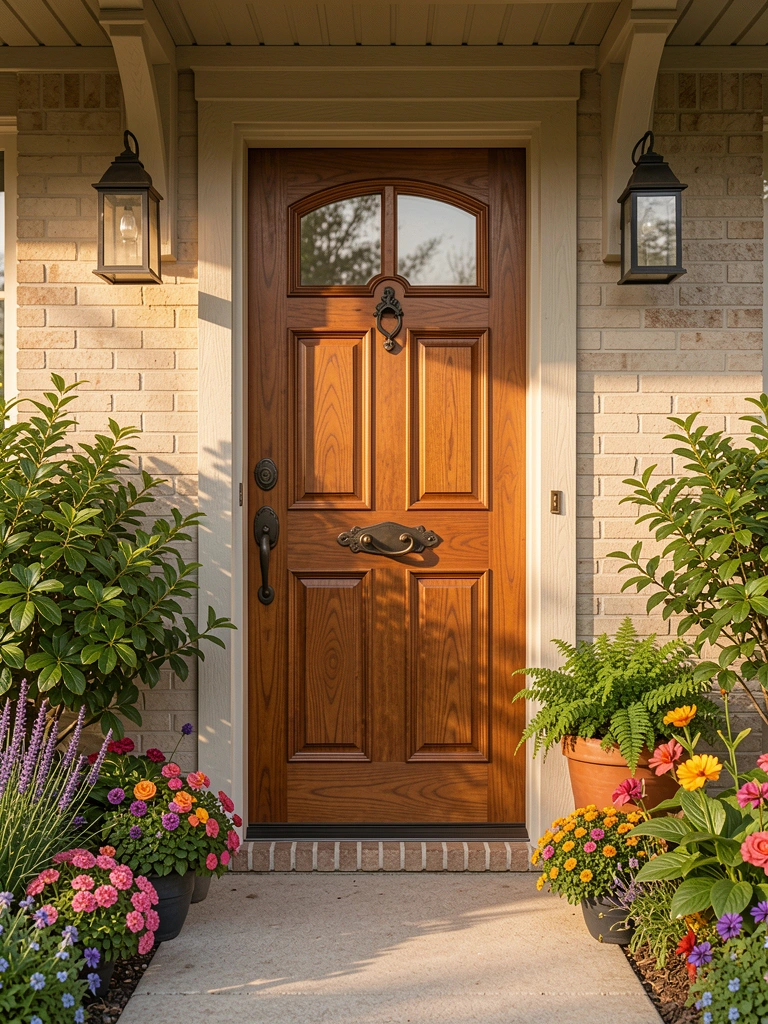
    Your Front Door: Making a Bold First Statement

    Gateway to your home’s personality, the front door represents more than a mere entryway—it’s a critical architectural statement that defines your small house’s visual character. Select door hardware that reflects your design aesthetic, complementing your home’s architectural lines. Strategic entryway landscaping can enhance your door’s impact, creating a bold, welcoming first impression that speaks volumes.

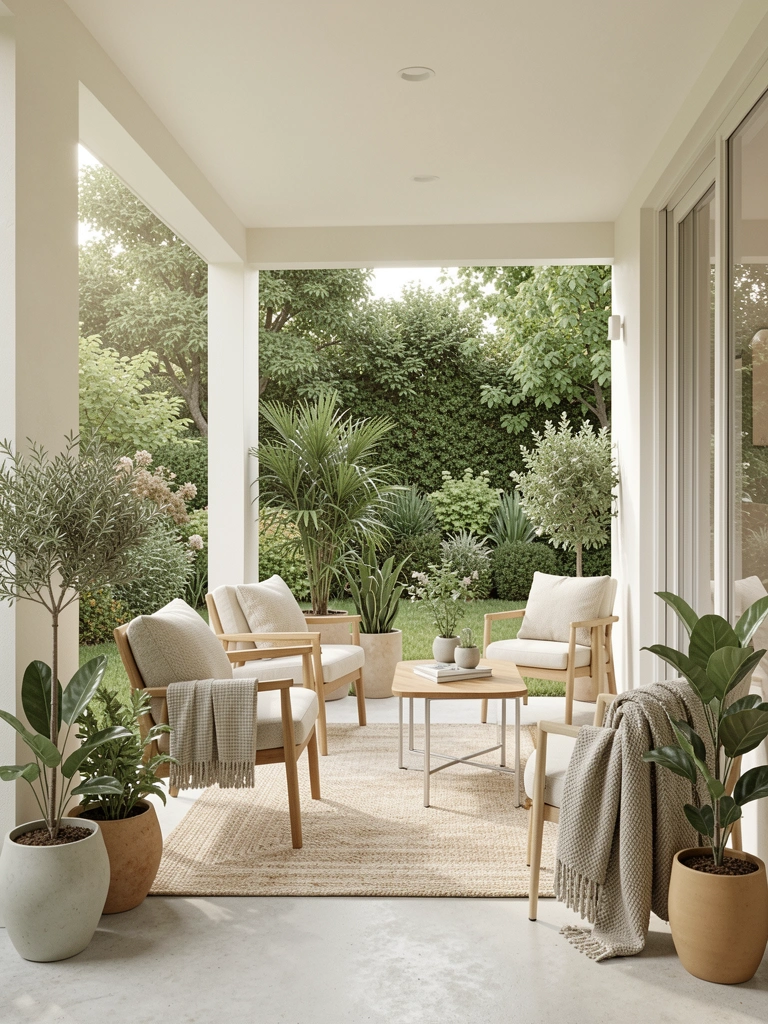
    Porches Reimagined: Transforming Outdoor Living Spaces

    Although traditional porches once served as simple passageways, modern small house design transforms these areas into dynamic, multi-functional extensions of interior living.

    You’ll maximize outdoor living potential by strategically selecting compact porch furniture that creates seamless passages between indoor and exterior spaces, reimagining these architectural elements as personalized sanctuaries of relaxation and connection.

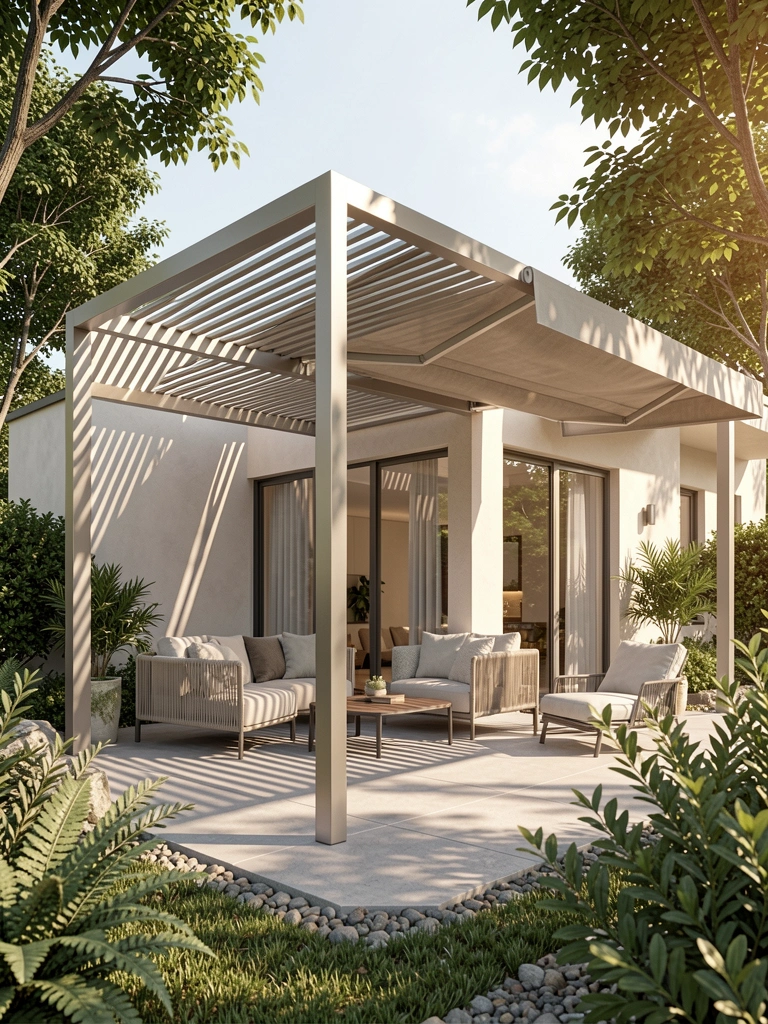
    Pergolas and Awnings: Extending Your Living Environment

    When strategically designed, pergolas and awnings become architectural extensions that dramatically expand your small house’s livable space, transforming exterior zones into sophisticated, functional environments.

    Select innovative pergola designs with sleek lines and lightweight materials to create dynamic shade structures.

    Choose performance-grade awning materials that resist UV degradation and provide temperature-modulating capabilities for seamless indoor-outdoor conversions.

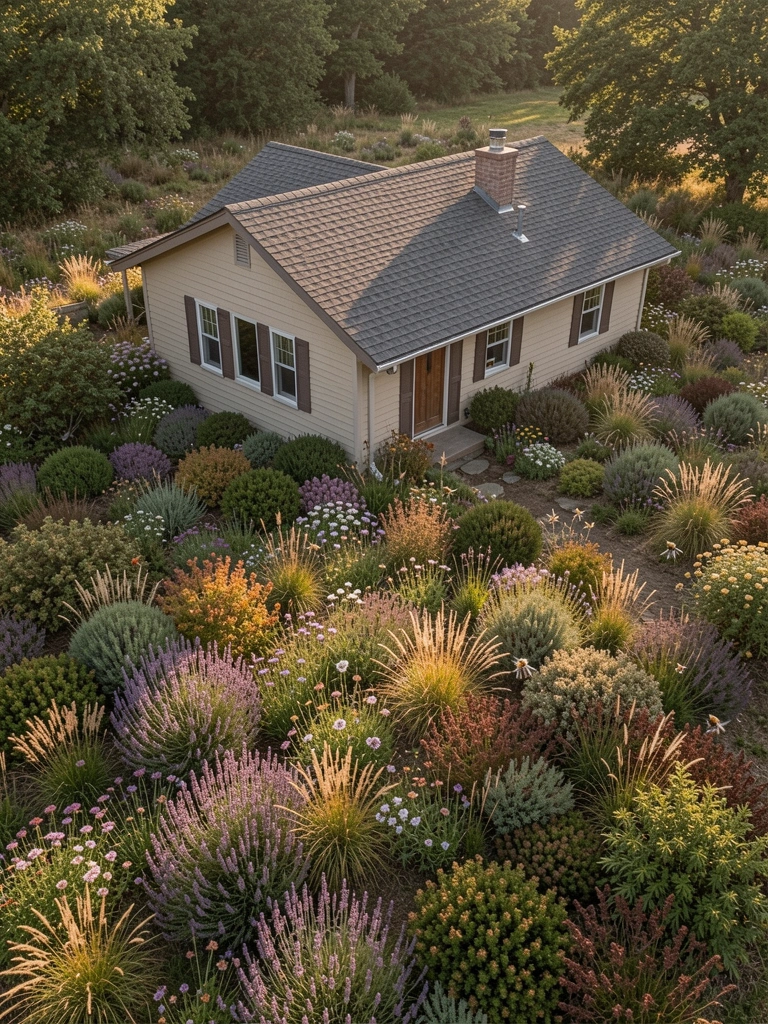
    Sustainable Landscaping: Native Plants for Your Region

    Why settle for resource-intensive, non-native landscaping when your small house can thrive with regionally adapted plant ecosystems?

    Embrace permaculture principles by selecting seasonal native species that naturally withstand local climate conditions.

    These strategic plantings reduce water consumption, minimize maintenance, and create resilient outdoor spaces that harmonize with your architectural design while supporting local biodiversity.

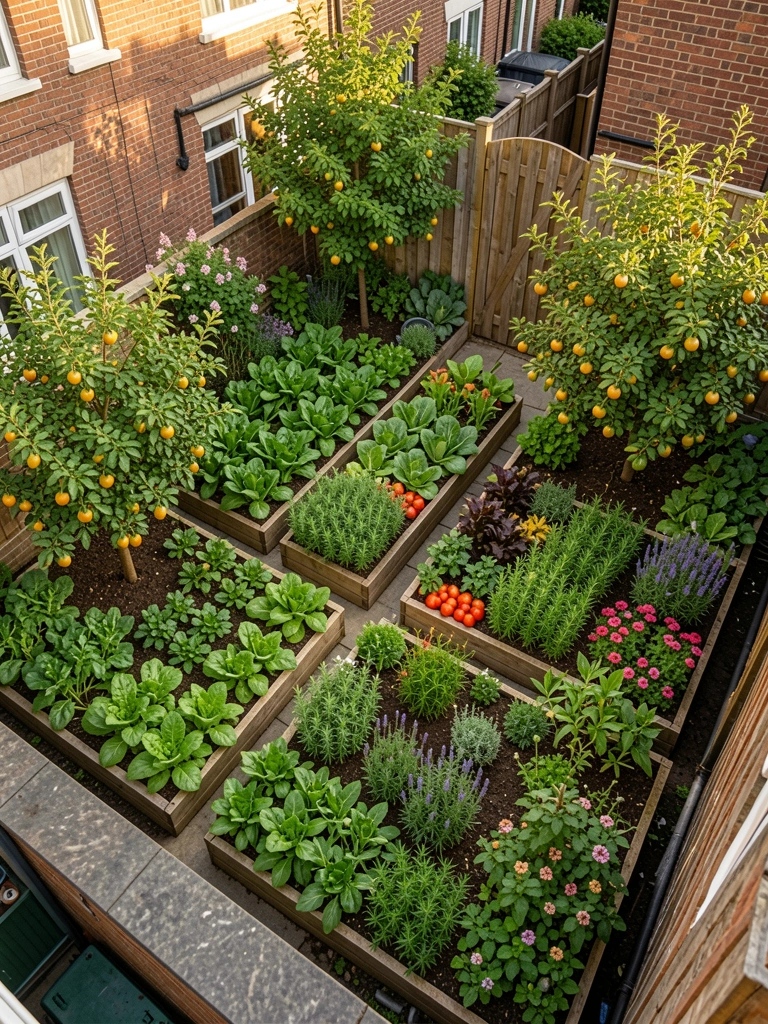
    Edible Landscaping: Beauty Meets Functionality

    Since traditional ornamental landscapes often sacrifice practicality, edible landscaping transforms small house outdoor spaces into dynamic, productive ecosystems that seamlessly blend aesthetic beauty with culinary potential.

    Eco-Friendly Driveways: Permeable Pavers Explained

    Countless homeowners seeking sustainable landscape solutions are turning to permeable pavers as an innovative alternative to traditional impermeable driveway surfaces.

    You’ll discover multiple paver types offering impressive permeable benefits, including enhanced water drainage, reduced runoff, and natural filtration.

    These eco-conscious solutions transform your exterior while supporting environmental sustainability.

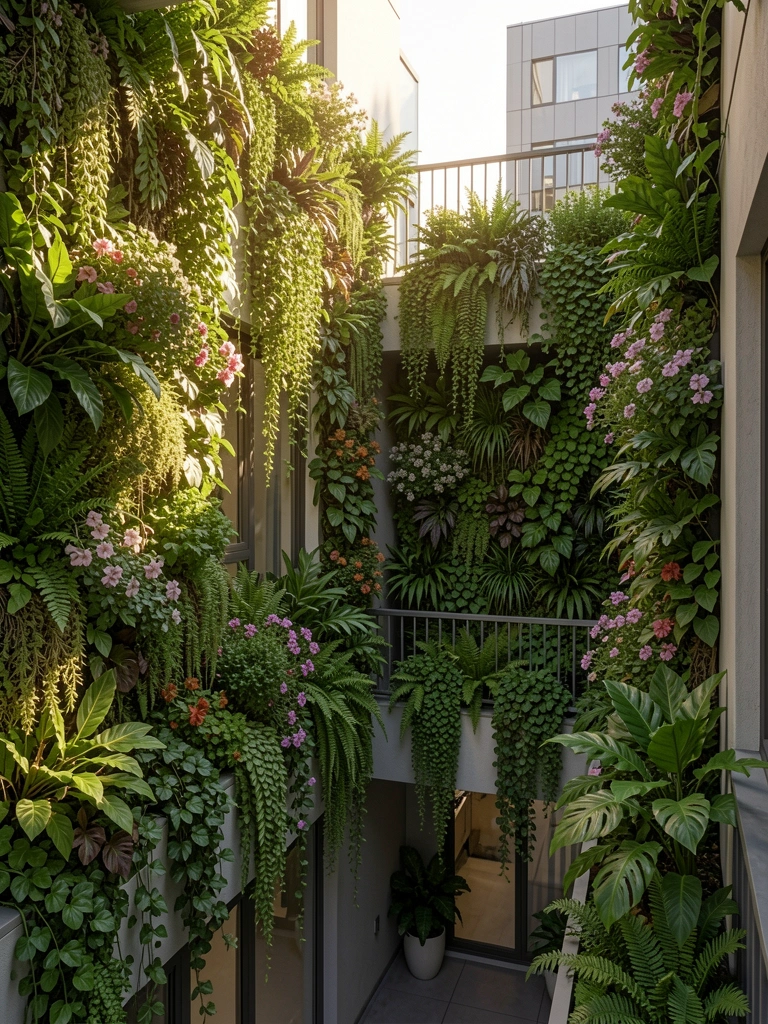
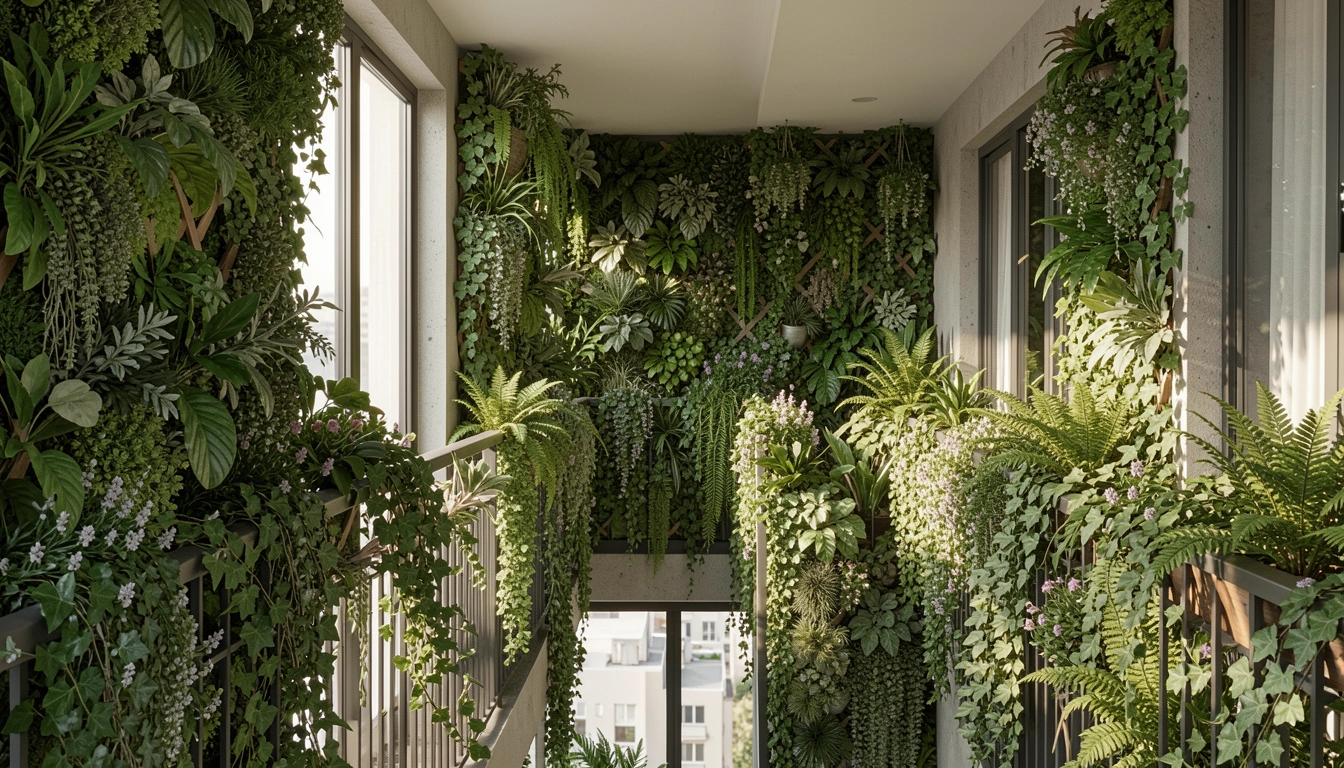
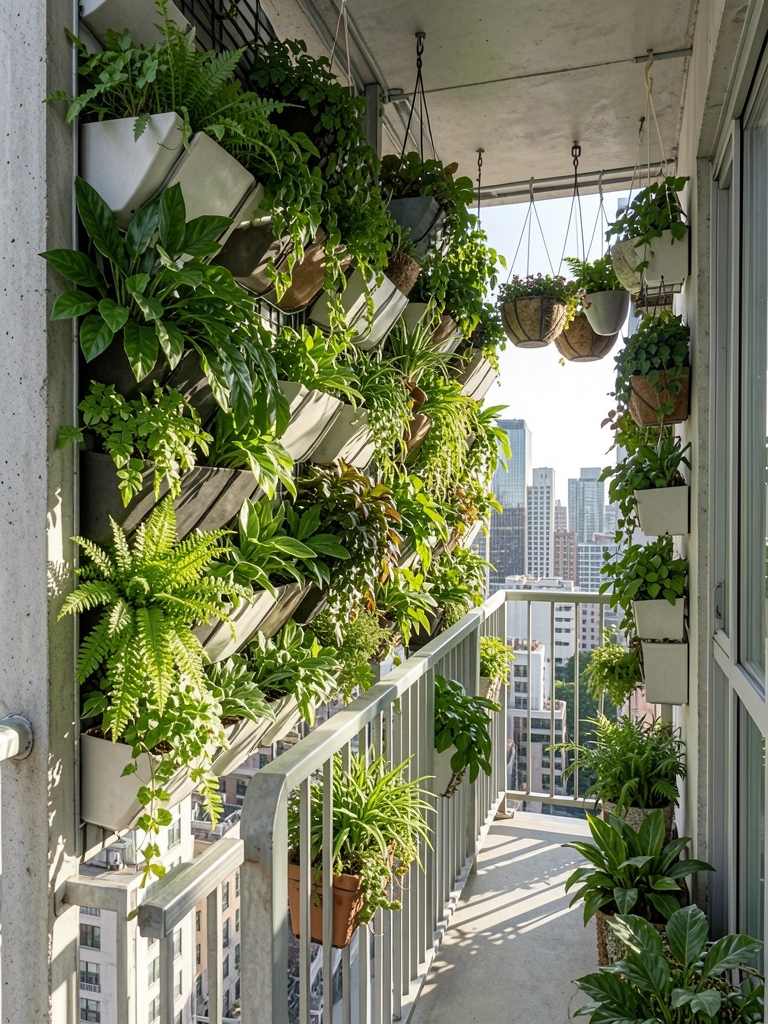
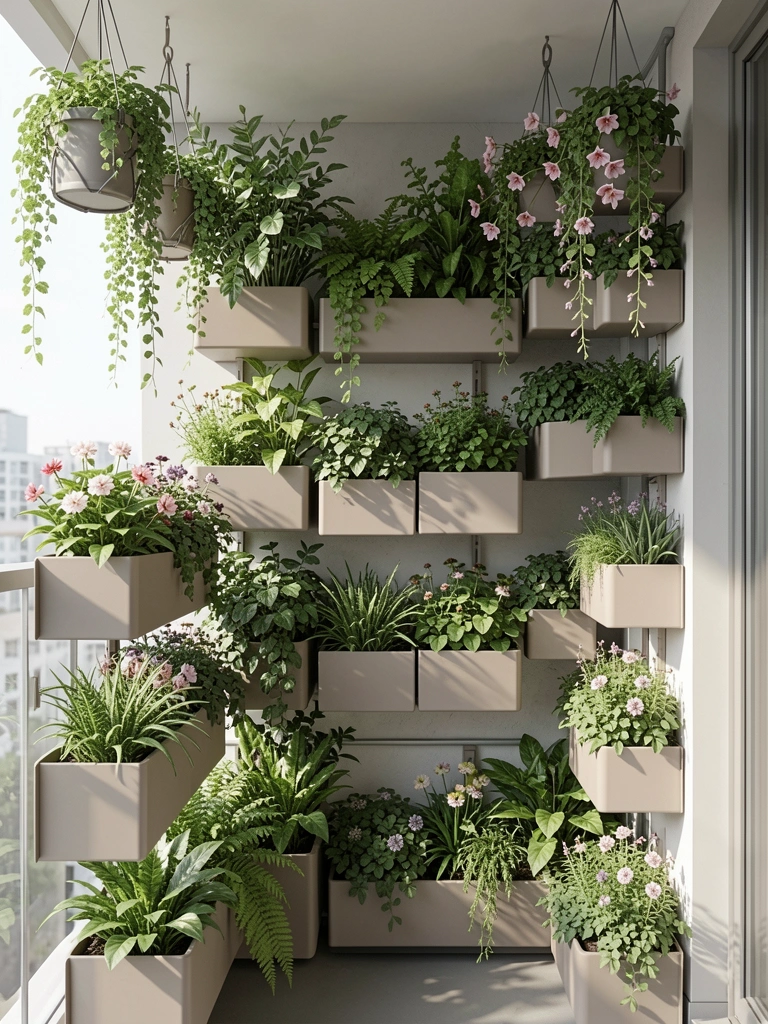
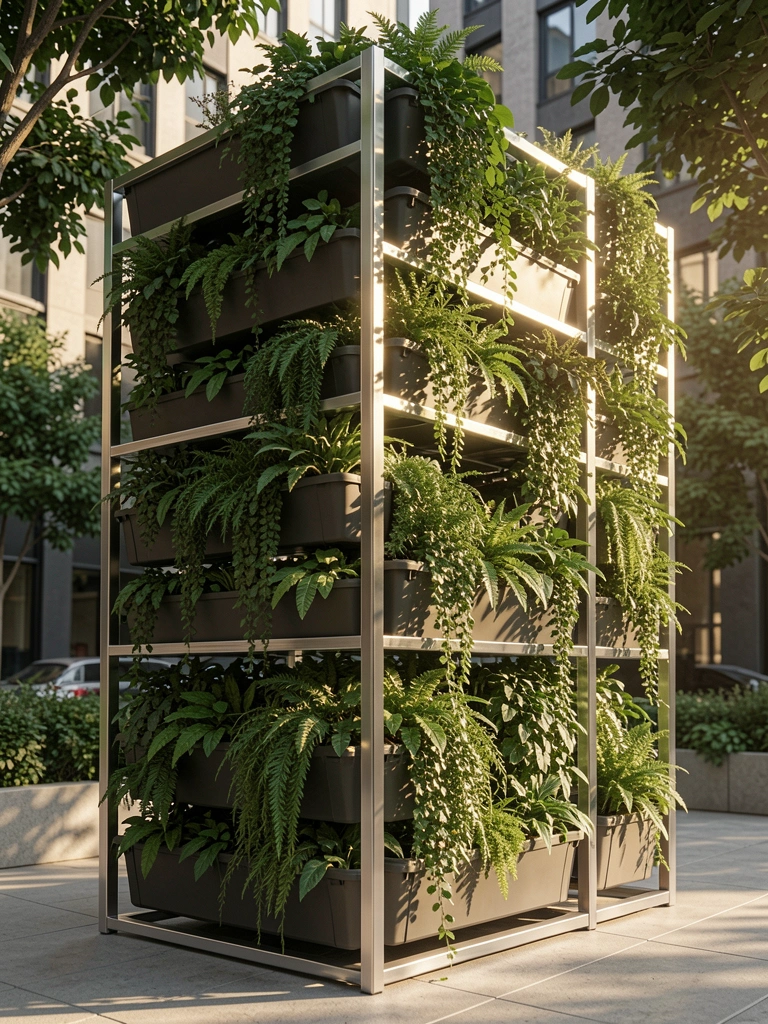
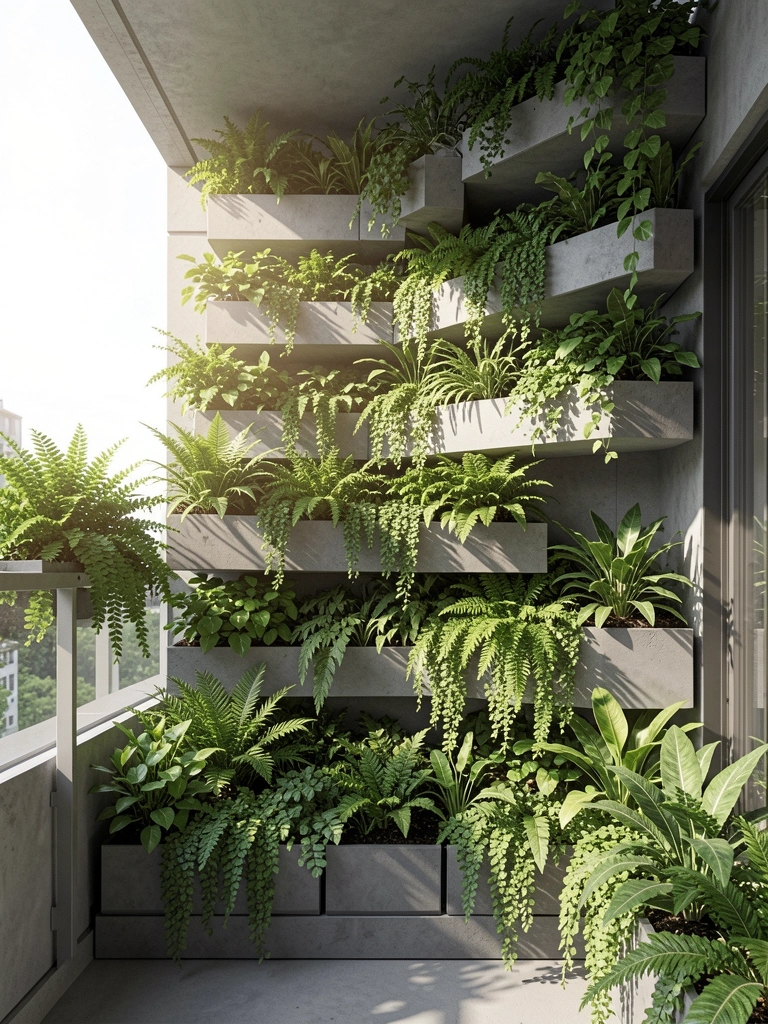
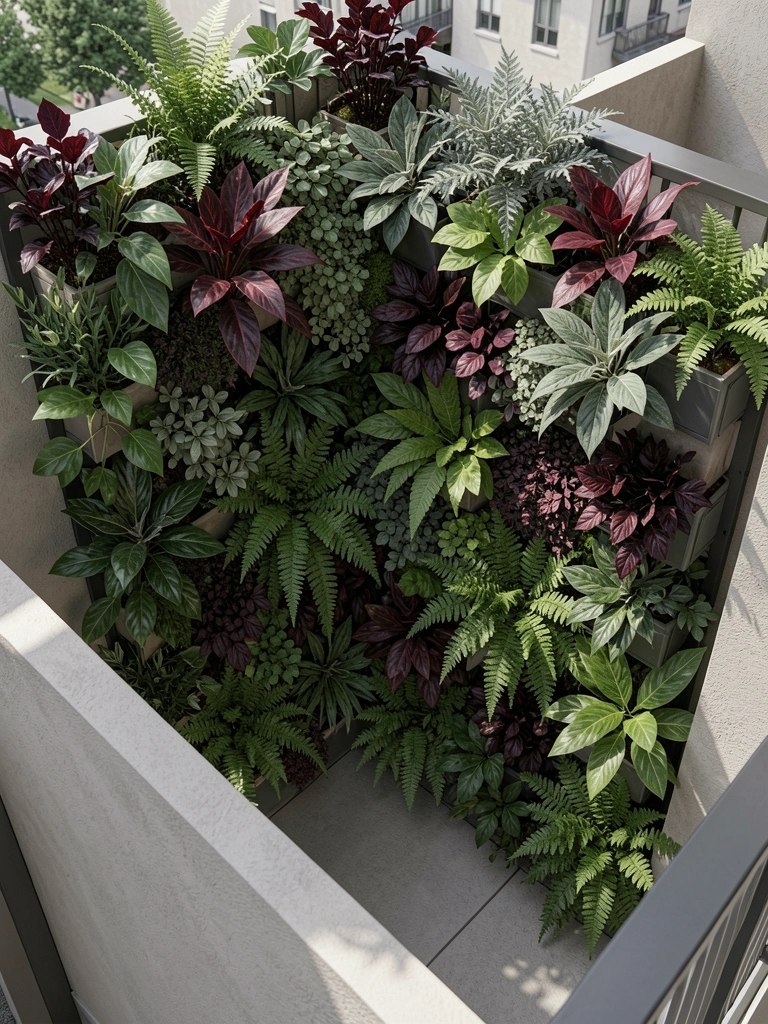
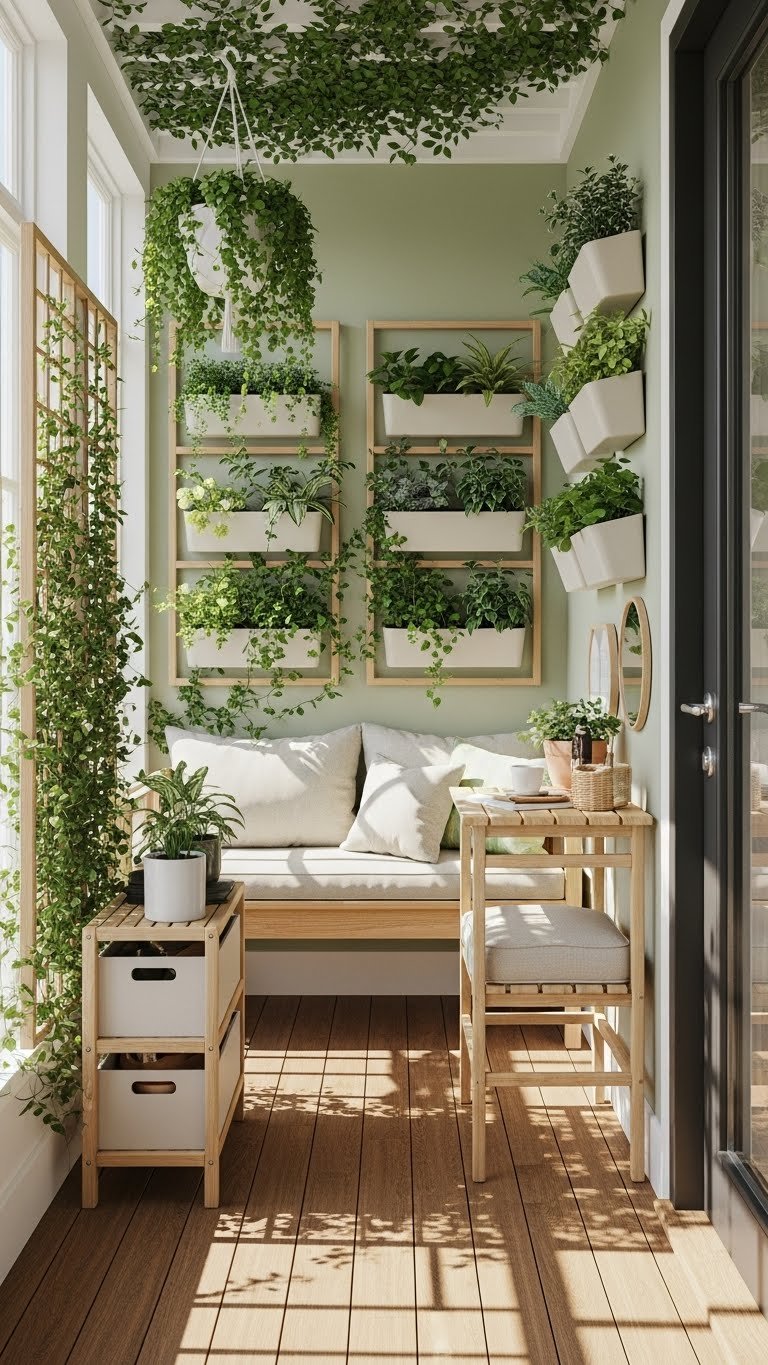
    Small Space Solutions: Vertical Garden Strategies

    Although urban dwellers often struggle with limited outdoor space, vertical gardening offers an ingenious solution for transforming compact areas into lush, green sanctuaries.

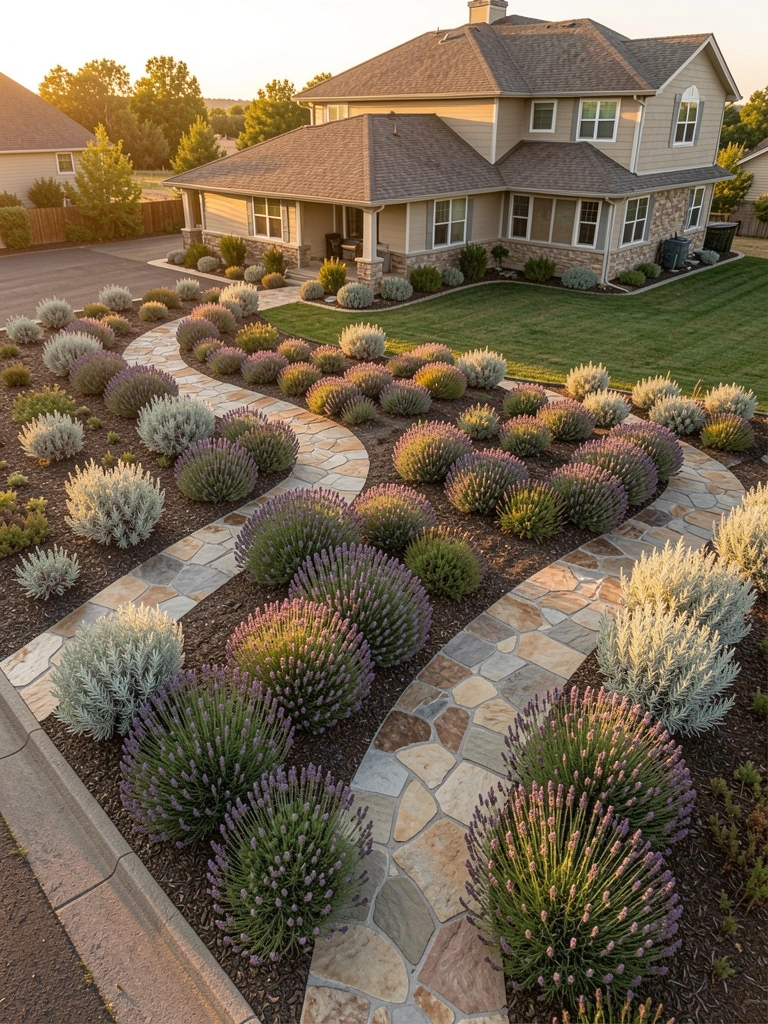
    Fire-Smart Landscaping: Protecting Your Home’s Perimeter

    When wildfires threaten residential zones, strategic landscaping becomes a critical defense mechanism for homeowners seeking to protect their property’s perimeter.

    Implement fire-resistant plants like succulents, lavender, and sage to create a natural barrier.

    Your perimeter design should incorporate stone pathways, minimal dry vegetation, and clear spacing between landscape elements to reduce fire risk.

    Craftsman Revival: Architectural Details That Elevate Design

    The contemporary Craftsman revival breathes new life into traditional architectural principles, reimagining historic design elements through a modern lens.

    You’ll discover elegant architectural nuances that transform small homes, integrating signature Craftsman features like exposed rafters, tapered columns, and handcrafted woodwork that celebrate structural integrity and artisanal craftsmanship.

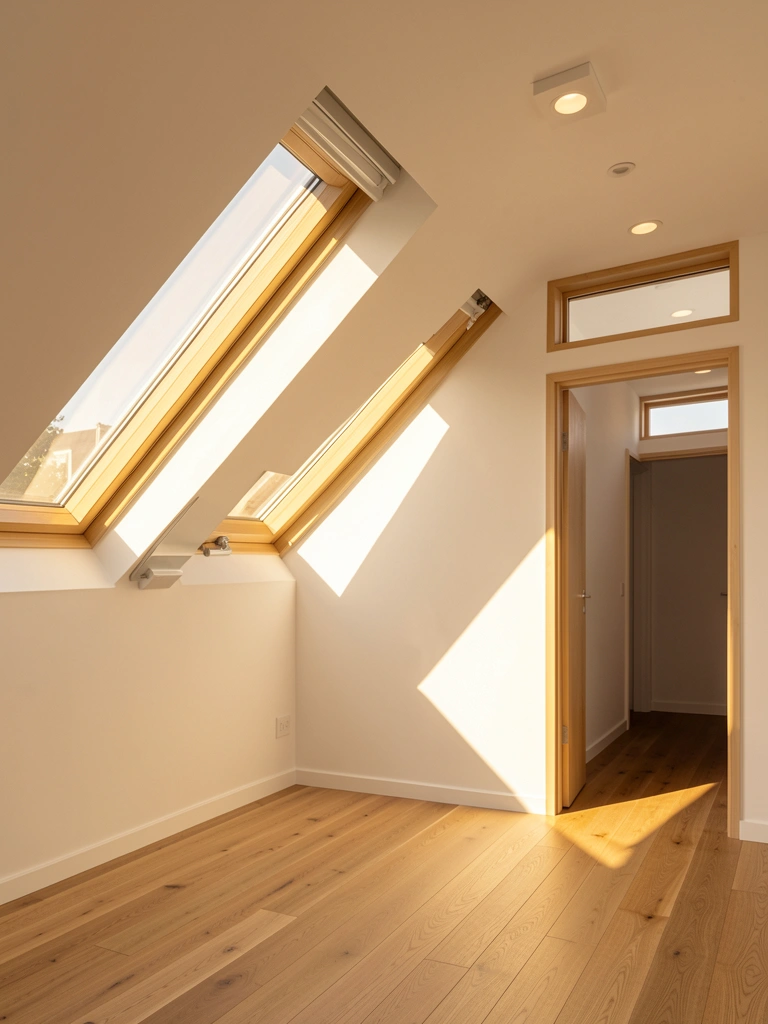
    Natural Light Strategies: Dormer Windows and Transom Design

    Strategic natural light amplification transforms small house design through sophisticated dormer window designs and transom light features. You’ll maximize interior illumination by positioning dormers to capture ideal sunlight angles. Thoughtfully integrated transom windows create vertical light channels, expanding perceived spatial dimensions while maintaining architectural integrity and design freedom.

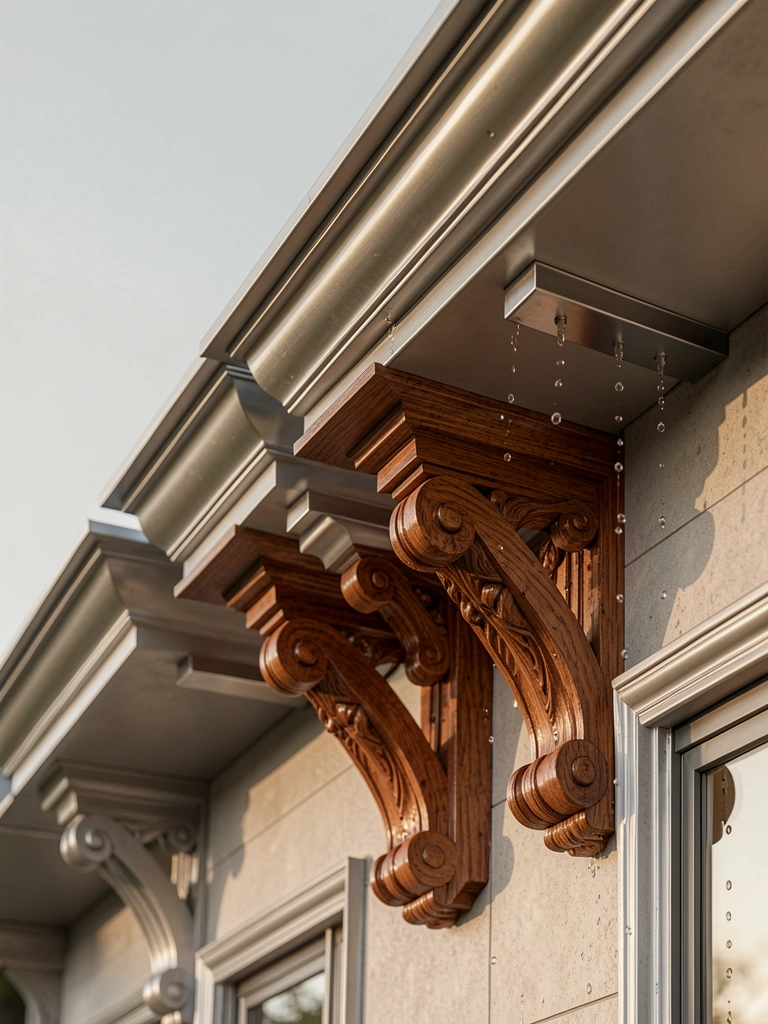
    Architectural Accents: Brackets, Pediments, and Character

    Though small in scale, architectural accents like brackets, pediments, and decorative elements can dramatically elevate a home’s visual narrative and structural character.

    Bracket styles ranging from ornate Victorian to sleek modern designs transform exterior profiles.

    Pediment functions extend beyond aesthetic appeal, strategically channeling water runoff while creating architectural depth and visual interest.

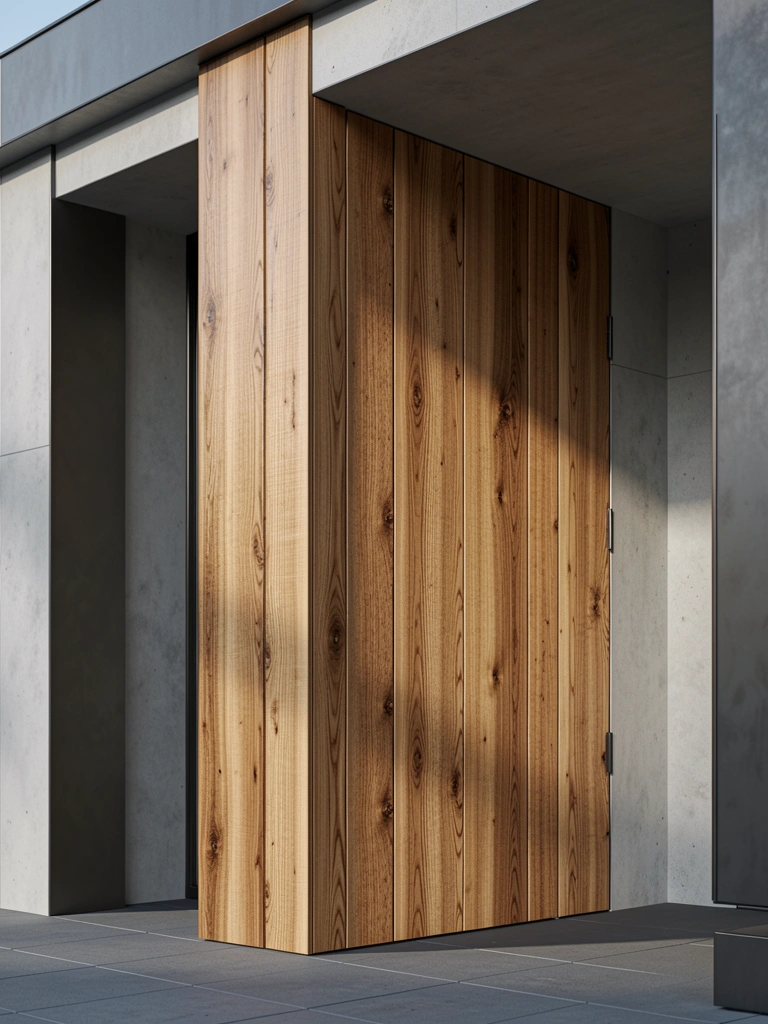
    Wood Accent Walls: Contemporary Exterior Design

    When designing contemporary exterior spaces, wood accent walls emerge as transformative architectural elements that seamlessly blend natural textures with modern design principles.

    You’ll discover accent styles that elevate your home’s visual language, integrating strategic wood finishes which create depth, visual interest, and sophisticated architectural character with minimal intervention.

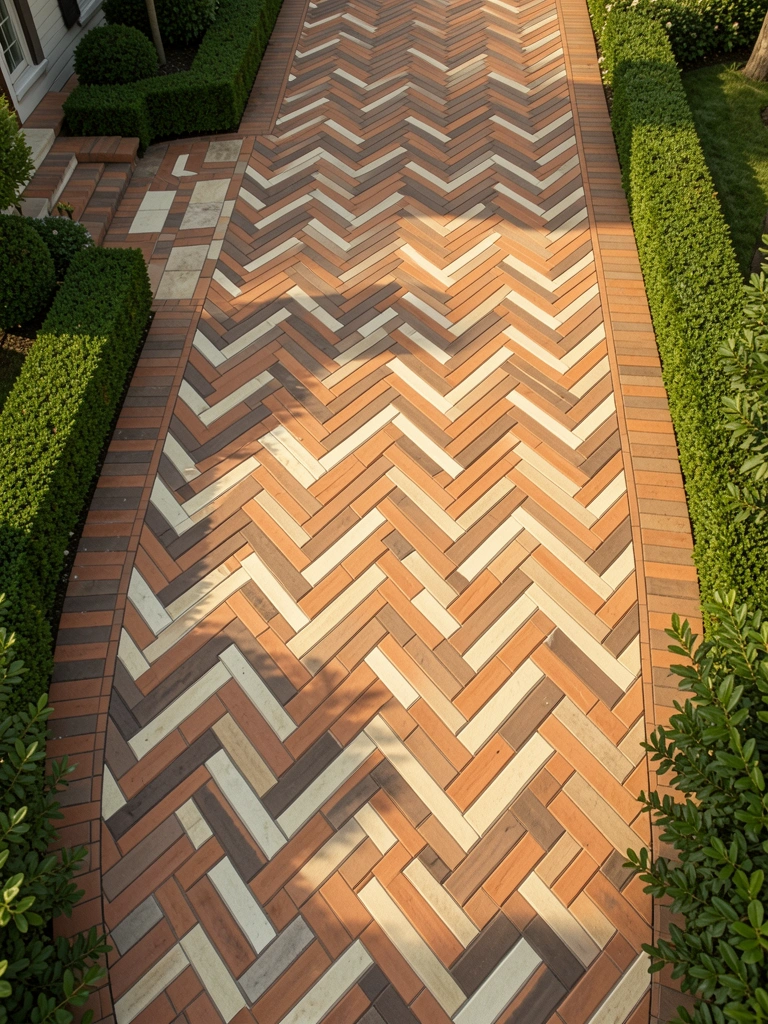
    Herringbone Patterns: Walkways and Driveway Design

    Herringbone patterns transform ordinary walkways and driveways into architectural statements of exceptional visual dynamism.

    Your herringbone driveway can elevate landscape aesthetics with interlocking brick or stone configurations.

    Patterned walkways create directional flow and spatial intrigue, strategically guiding movement while introducing geometric sophistication to your exterior design environment.

    Nighttime Curb Appeal: Strategic Exterior Lighting

    Just as herringbone patterns create visual movement across exterior surfaces, strategic exterior lighting transforms your home’s nighttime aesthetic, extending architectural narratives beyond daylight.

    Architectural illumination amplifies your small house’s character, using ambient lighting to highlight textures, angles, and landscape features, creating a dynamic nocturnal visual experience that speaks to your design sensibilities.

    Trim and Contrast: Modern Architectural Framing

    While contemporary small house design prioritizes clean lines and minimalist aesthetics, architectural framing through strategic trim and contrast becomes a critical design language that defines structural boundaries and visual hierarchy.

    You’ll elevate your home’s exterior by selecting trim styles that accentuate architectural details, creating bold visual statements through intentional material and color contrasts.

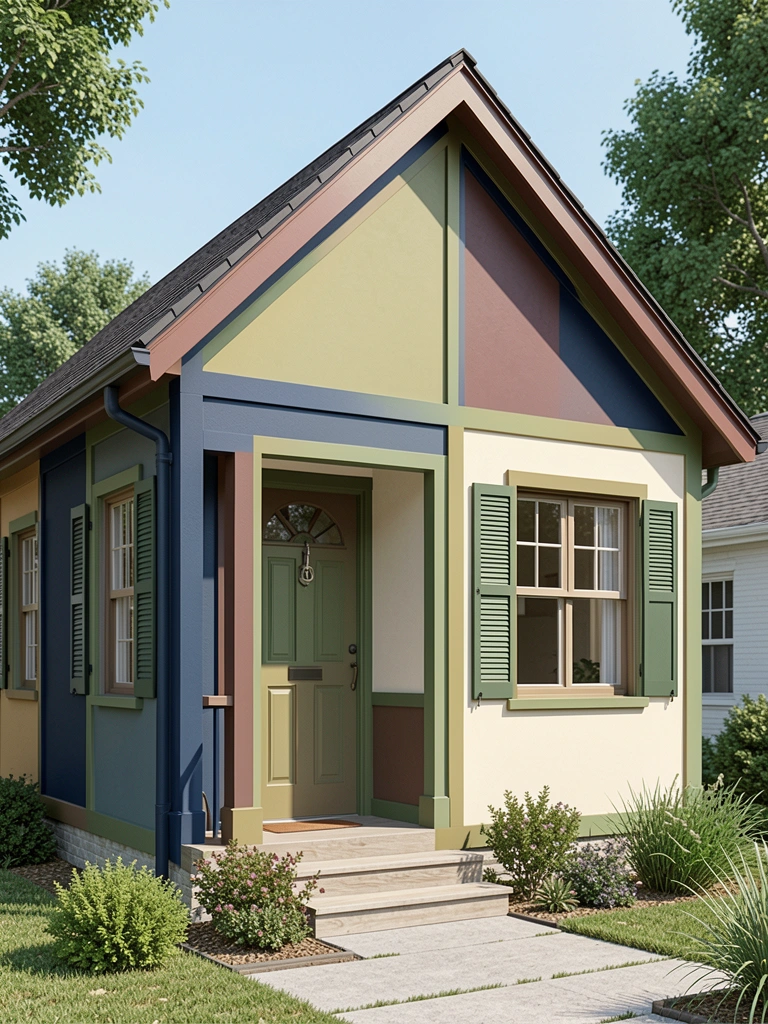
    Two-Tone Exteriors: Color Combination Secrets

    Nearly every transformative small house exterior design hinges on masterful two-tone color strategies that leverage visual contrast and architectural proportion.

    You’ll create design balance by selecting complementary colors that highlight your home’s structural lines.

    Strategic color harmony allows you to visually expand your space, making your small house feel more dynamic and intentionally crafted.

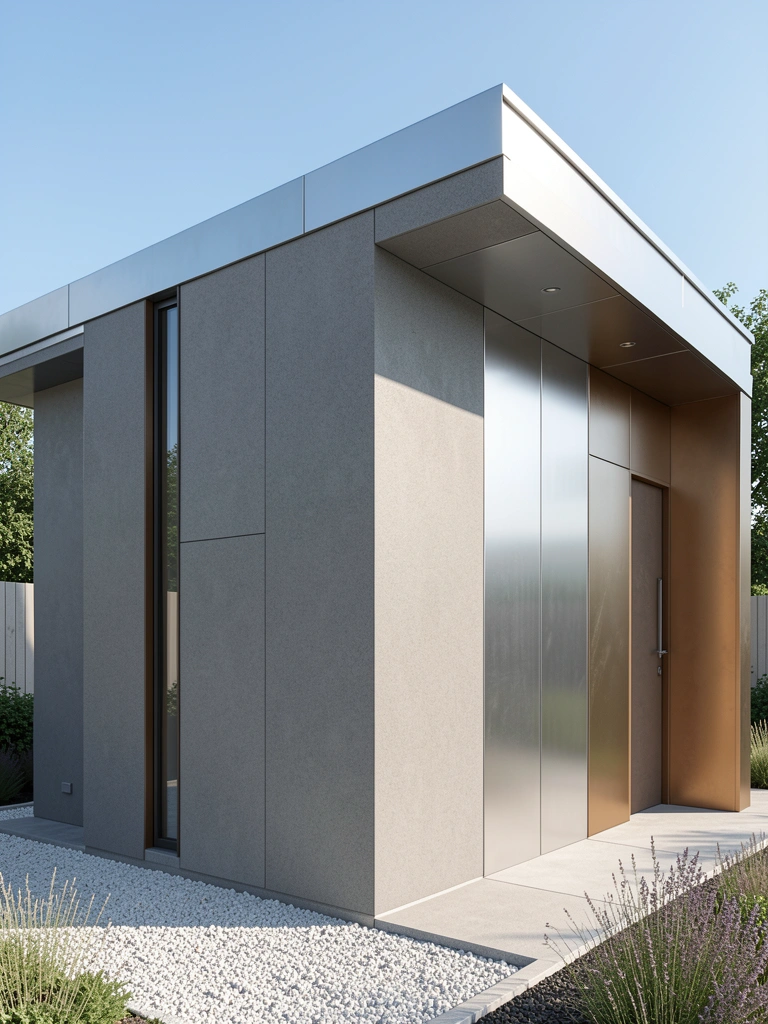
    Beyond Traditional: Modern Materials for Home Exteriors

    When exploring contemporary small house exterior design, innovative materials are revolutionizing architectural approaches beyond conventional wood and brick.

    Sustainable materials like fiber cement, metal panels, and composite cladding offer durability, low maintenance, and striking visual aesthetics that liberate homeowners from traditional design constraints.

  • 25 Sleek Vertical Garden Balcony Ideas Ideas That Feel Totally Inspiring

    25 Sleek Vertical Garden Balcony Ideas Ideas That Feel Totally Inspiring

    Urban dwellers, your balcony isn’t just square footage—it’s a potential green sanctuary waiting to be transformed. Vertical gardening isn’t merely a trend; it’s a strategic approach to maximizing limited outdoor spaces. Whether you’re working with a compact city apartment or a modest terrace, innovative design solutions can turn bare walls and railings into lush, living canvases. Curious how compact landscapes can become breathtaking botanical displays? Uncover the secrets of vertical gardening that will revolutionize your urban living experience.

    Vertical Gardening 101: Transform Your Urban Space

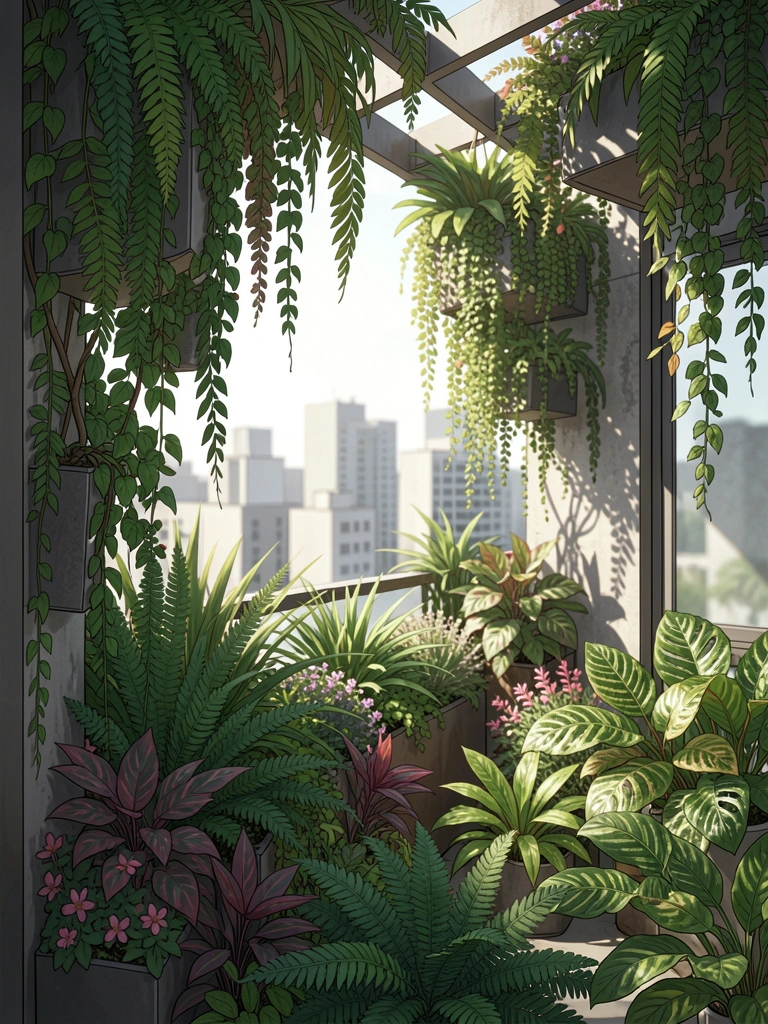
    While urban living often means limited green space, vertical gardening offers an innovative solution for transforming balconies into lush, productive environments.

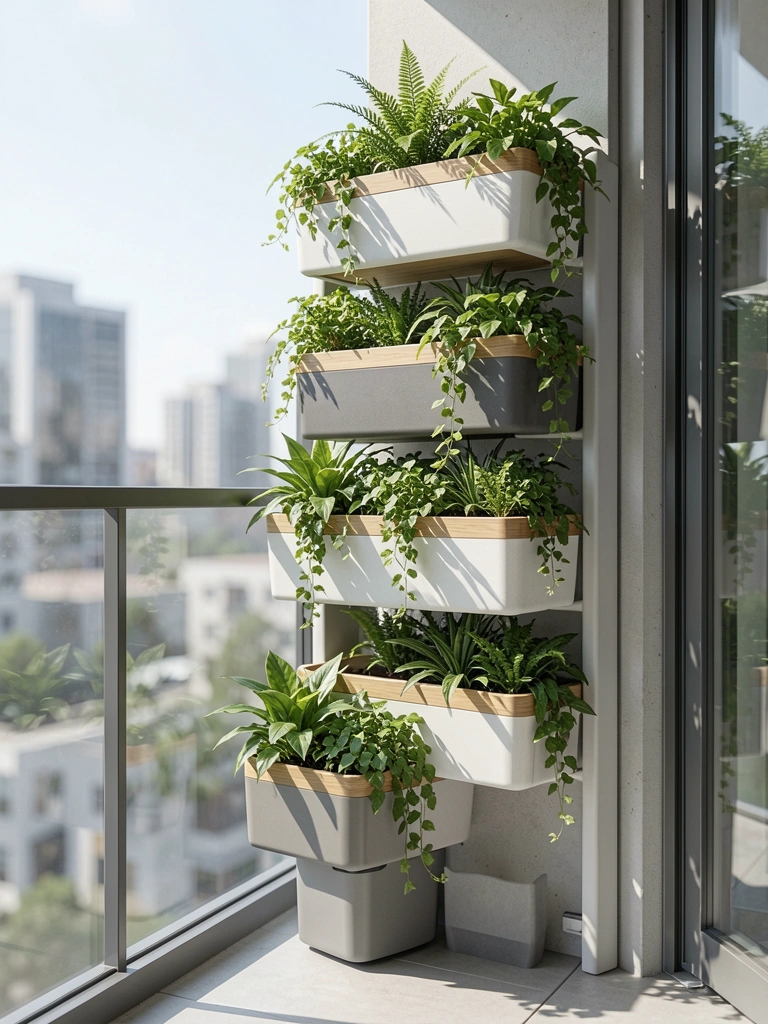
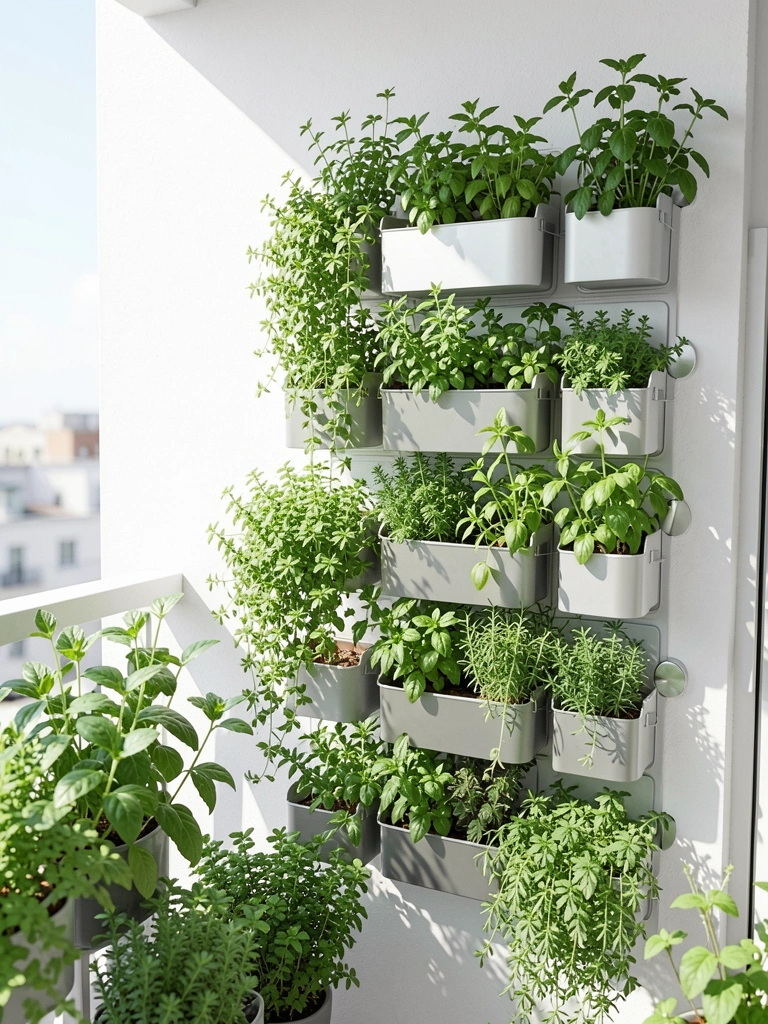
    You’ll maximize urban plant selection by utilizing wall-mounted systems, hanging planters, and modular designs.

    Vertical garden benefits include enhanced aesthetics, improved air quality, and efficient space utilization for city dwellers seeking green freedom.

    5 Genius Space-Saving Garden Design Strategies

    Because urban spaces demand creative solutions, vertical gardening transforms compact balconies into verdant, multi-dimensional landscapes.

    You’ll maximize your limited area by embracing container diversity and strategic placement. Select sleek, modular planters that create aesthetic harmony while offering flexible growing zones.

    Integrate hanging systems, wall-mounted racks, and tiered shelving to elevate your green vision.

    Choosing the Perfect Vertical Garden Structure

    Expanding on space-saving strategies, your vertical garden’s structural foundation determines its success and visual impact.

    Choose lightweight materials like recycled plastics, aluminum, or cedar that’ll withstand outdoor conditions.

    Consider modular designs allowing flexible plant arrangements, ensuring ideal sunlight exposure and effortless maintenance for your urban green sanctuary.

    Lightweight Planters: Engineering Small-Space Solutions

    If urban gardening demands innovative solutions, lightweight planters represent the cornerstone of compact vertical garden design.

    You’ll want materials like recycled plastics, fiber-reinforced composites, and aluminum that maximize balcony aesthetics while minimizing structural burden.

    These engineered planter solutions transform constrained spaces into dynamic, green vertical landscapes without compromising weight limitations.

    Smart Water Management for Vertical Gardens

    Engineered lightweight planters set the stage for another critical design challenge in vertical gardening: intelligent hydration systems.

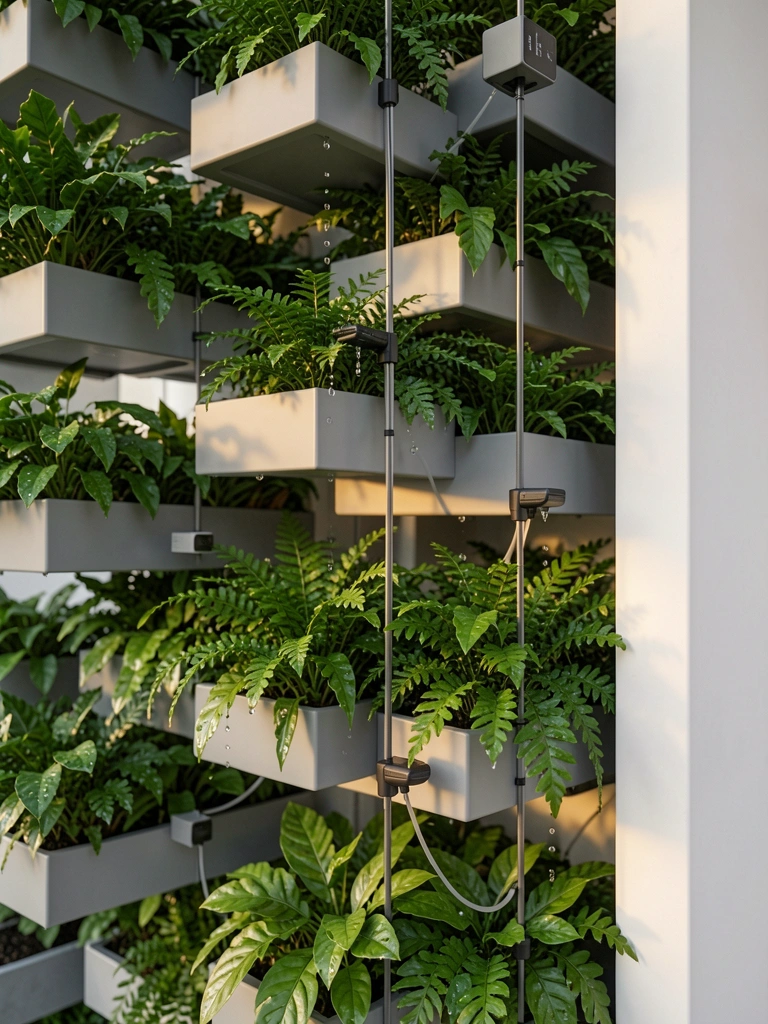
    You’ll want drip irrigation and self-watering mechanisms that maximize water conservation techniques.

    Efficient irrigation systems minimize waste, allowing you to create lush vertical landscapes without constant manual intervention, giving you more freedom to enjoy your green urban sanctuary.

    Top 10 Low-Maintenance Plants for Compact Gardens

    When designing compact vertical gardens, selecting the right low-maintenance plants can transform your urban green space from a potential chore into a thriving, effortless ecosystem.

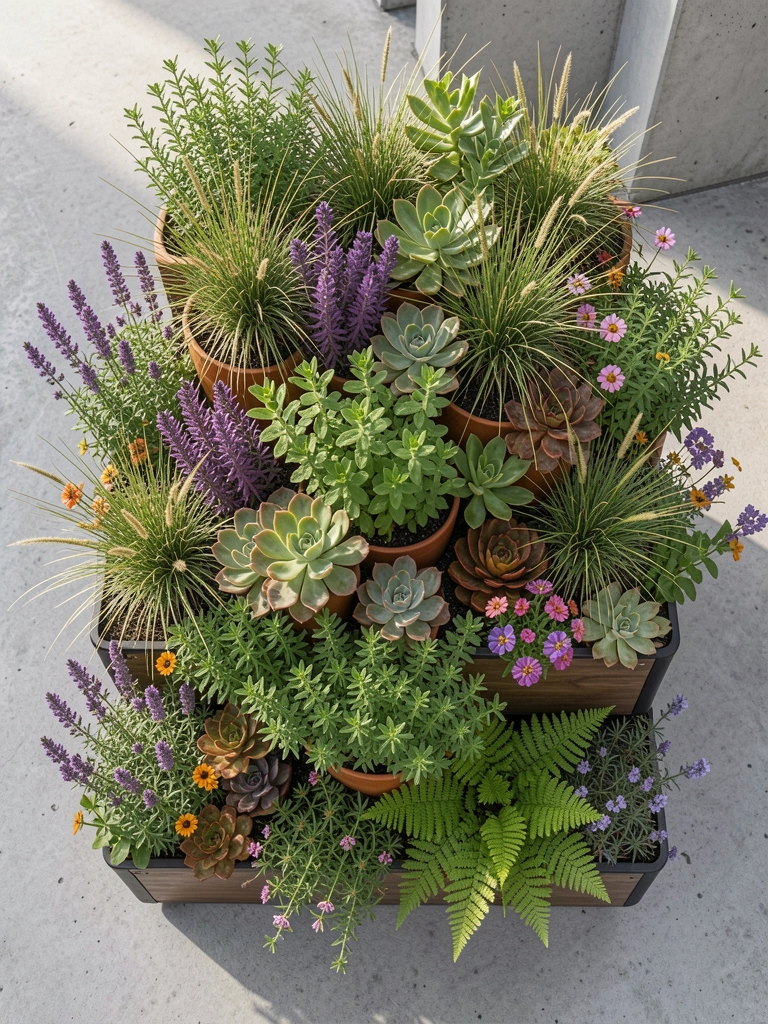
    Choose hardy perennials, drought-resistant grasses, and colorful succulents to create a resilient landscape. Integrate fragrant herbs, edible flowers, and low-light ferns for versatility and visual interest.

    Renter-Friendly Garden Installation Techniques

    Most urban dwellers face significant challenges when creating vertical gardens in rental spaces, but innovative, non-destructive installation techniques can transform temporary living environments into lush, personalized green sanctuaries.

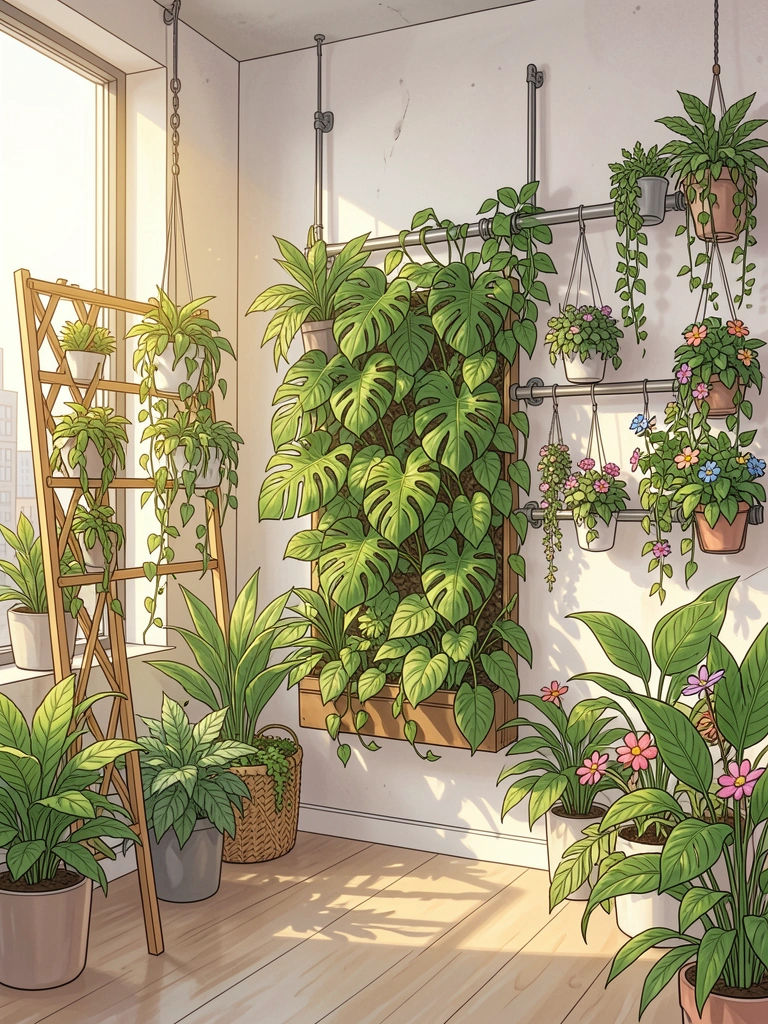
    You’ll want to explore freestanding trellises, tension rod systems, and hanging rail solutions that won’t damage walls.

    These renter tips provide flexible installation alternatives that maximize green potential without compromising your lease agreement.

    Maximizing Growth With Tiered Planter Designs

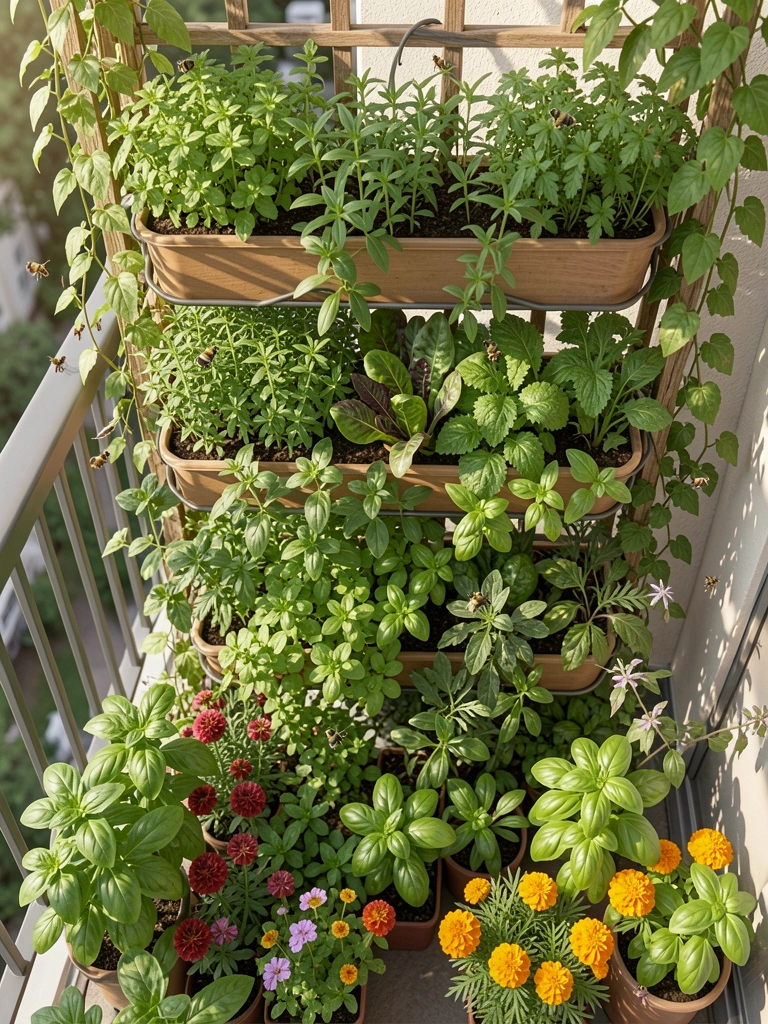
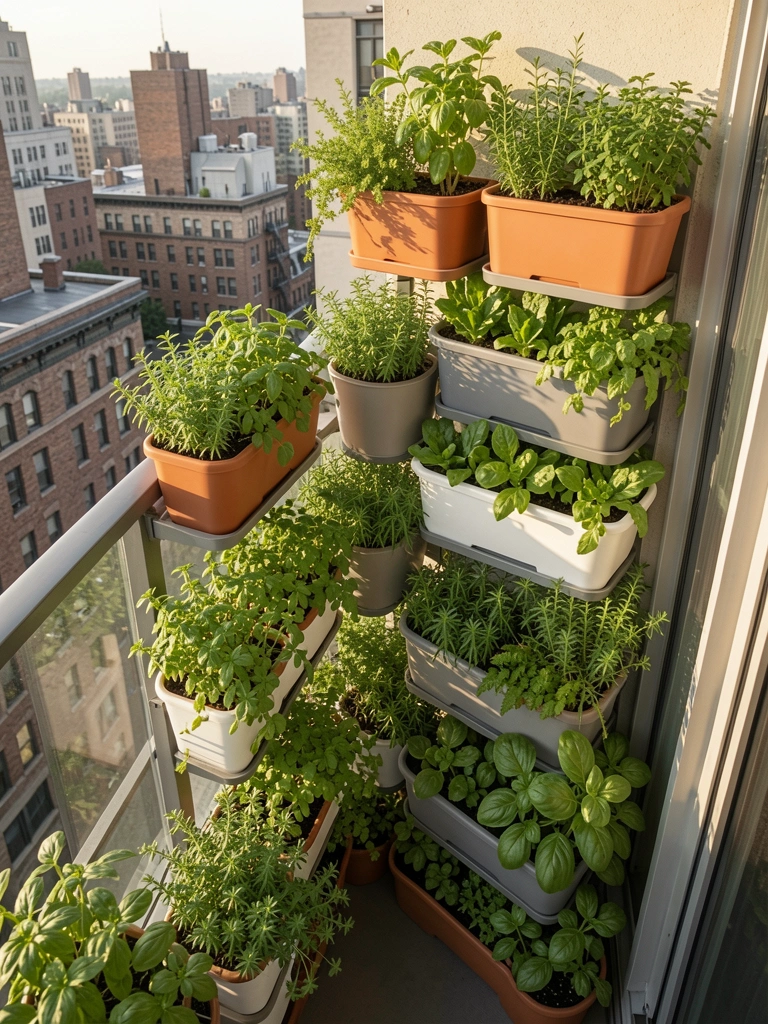
    Tiered vertical garden designs can amplify your balcony’s growing potential by creating multi-level planting zones that maximize limited square footage.

    You’ll leverage innovative stacking techniques to optimize growth, strategically arranging planters to capture sunlight and minimize spatial constraints.

    These modular arrangements transform restricted spaces into productive green environments, enabling robust cultivation through intelligent tiered planting strategies.

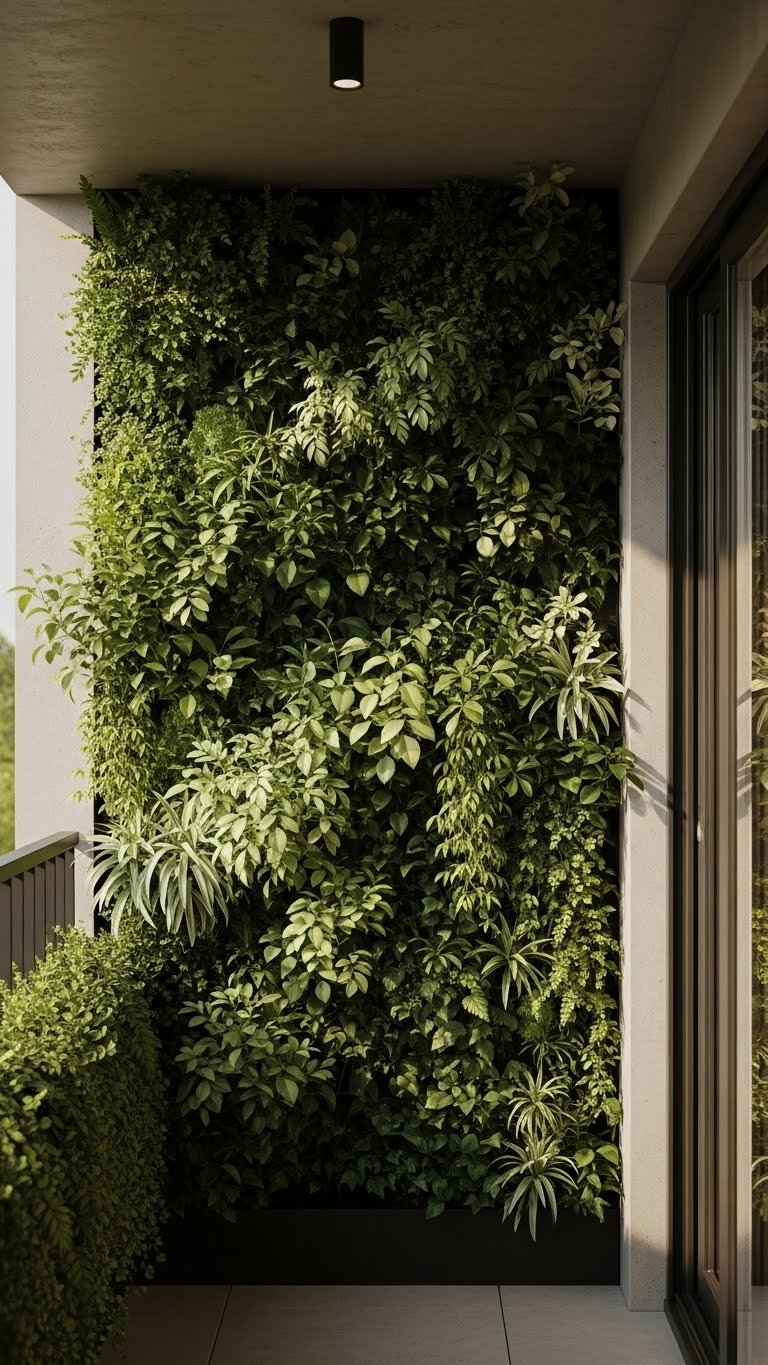
    Create Natural Privacy Screens With Living Walls

    While urban living often compromises personal privacy, vertical living walls offer an elegant botanical solution for creating natural screening on balconies.

    You’ll transform your outdoor space with living wall aesthetics that provide dense, green privacy barriers.

    Strategic plant selection and modular design guarantee you’ll craft urban privacy solutions that are both functional and visually stunning.

    Sustainable Irrigation for Small-Space Gardens

    Because successful vertical gardens rely on consistent moisture, innovative irrigation systems become critical for maintaining small-space botanical installations.

    You’ll want to contemplate drip irrigation systems that deliver targeted water precisely to root zones, minimizing waste.

    Rainwater harvesting techniques can further enhance sustainability, allowing you to capture and repurpose natural precipitation for your balcony ecosystem.

    Compact Vegetable Growing: Urban Farmer’s Handbook

    Urban gardeners can transform modest balcony spaces into productive vegetable microcosms through strategic design and innovative cultivation techniques.

    You’ll maximize yields by implementing compact crop rotation and selecting specialized container soil types. Choose high-performance dwarf vegetable varieties that thrive in limited spaces, ensuring your urban garden remains dynamic, efficient, and remarkably fruitful.

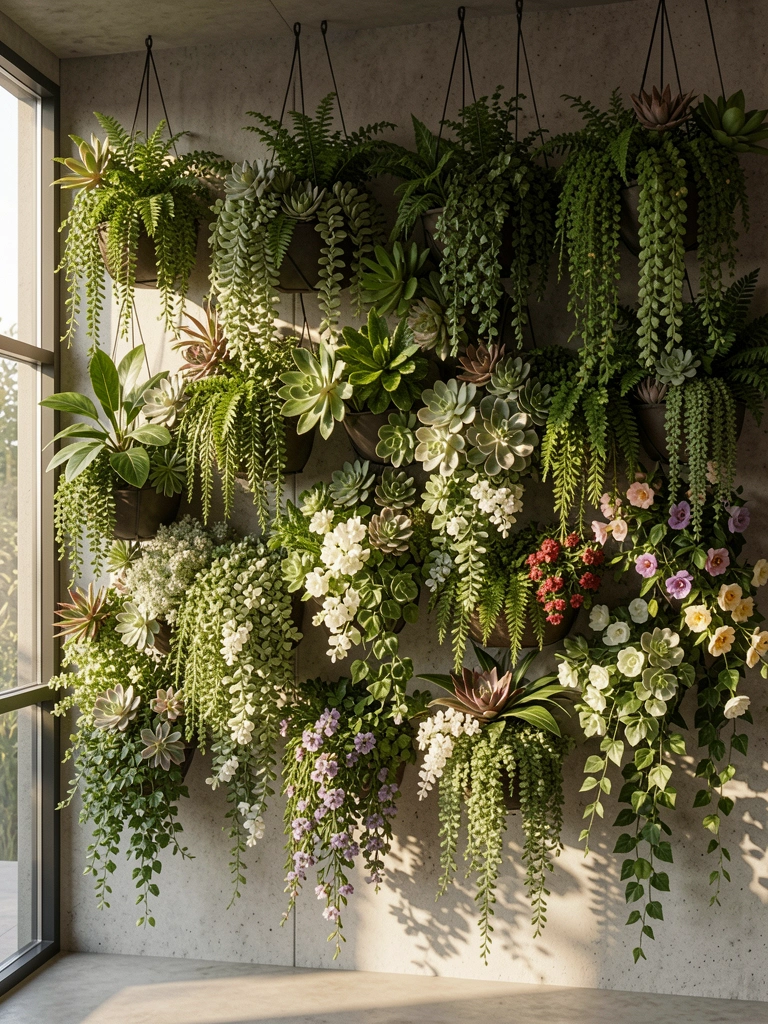
    Transform Boring Walls With Hanging Planters

    Beyond compact vegetable cultivation, vertical wall spaces offer untapped potential for green design.

    You’ll transform bland surfaces into stunning hanging gardens that elevate wall aesthetics.

    Strategically arrange planters to create vertical beauty, maximizing urban greenery and design inspirations.

    Your creative planting techniques can craft aesthetic privacy while enhancing spatial dynamics with innovative plant styling.

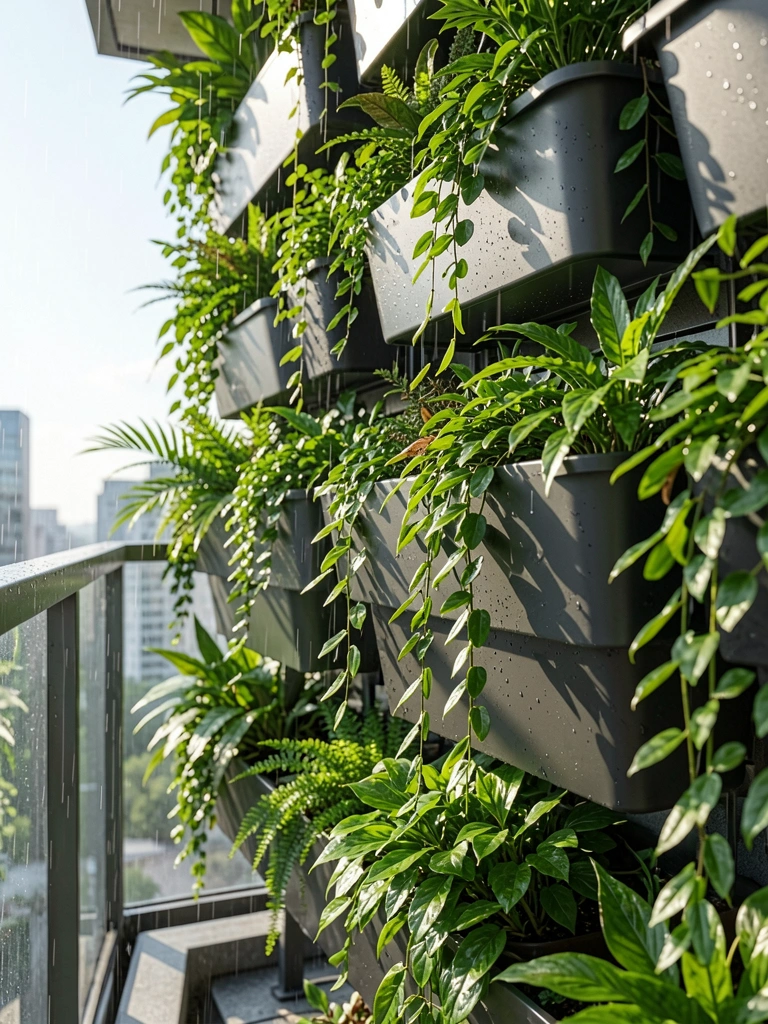
    Weather-Resistant Materials for Outdoor Gardens

    When designing vertical garden balconies, selecting weather-resistant materials isn’t just a practical consideration—it’s a critical design strategy.

    You’ll want durable plant containers made from powder-coated metals, marine-grade polymers, or UV-stabilized plastics.

    These weather-resistant fabrics and materials withstand harsh sunlight, rain, and temperature fluctuations, ensuring your outdoor garden remains resilient and aesthetically striking.

    Balancing Beauty and Functionality in Garden Design

    After selecting weather-resistant materials, your vertical garden balcony design must harmonize structural integrity with visual elegance. You’ll need to create aesthetic harmony through practical design, strategically positioning planters and selecting complementary materials that enhance both functionality and visual appeal. Your goal is a space that’s efficient yet beautifully curated.

    Year-Round Gardening: Seasonal Plant Selection

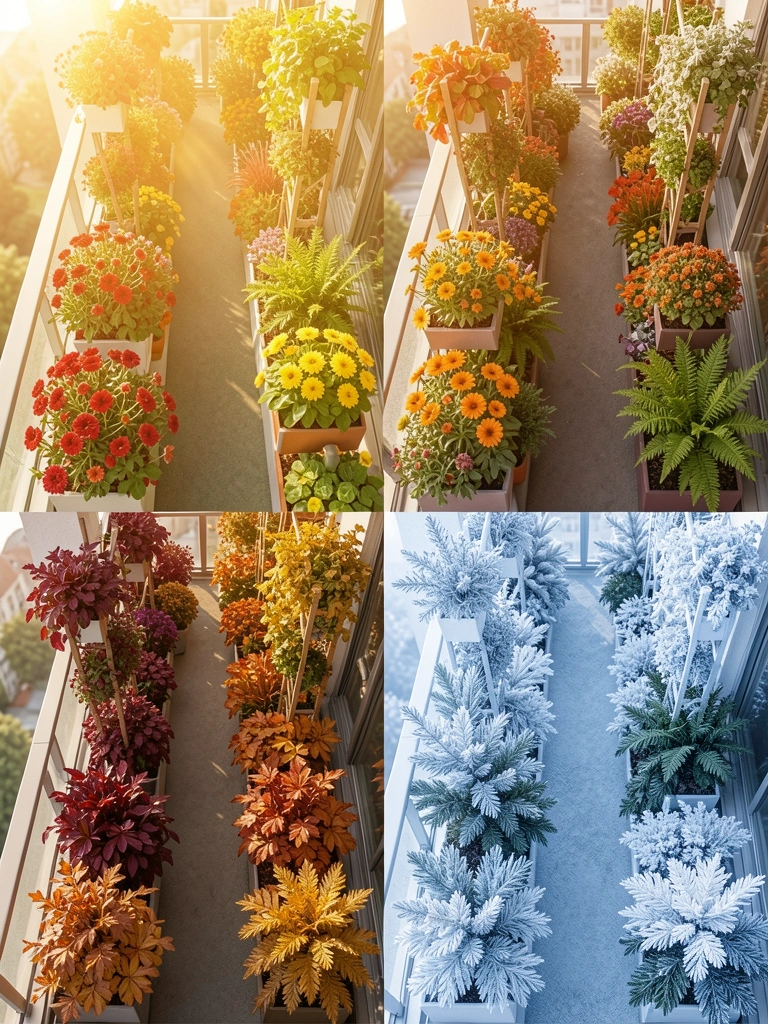
    Since successful vertical garden balconies require strategic plant selection, you’ll need to curate a diverse botanical palette that thrives across seasonal changes. Rotate perennials and annuals to maintain visual dynamism, prioritizing cold-hardy specimens in winter and heat-tolerant varieties during summer. Your seasonal planting approach guarantees continuous garden vigor and aesthetic appeal.

    Innovative No-Drill Mounting Solutions

    How can you transform your balcony garden without damaging walls or risking security deposit penalties?

    Explore cutting-edge mounting solutions like self-adhesive pockets and magnetic herb planters. These innovative attachments let you create vertical gardens effortlessly, securing planters without drilling.

    You’ll maximize space, preserve wall integrity, and design a flexible green sanctuary that adapts to your changing living environment.

    Budget-Friendly Vertical Gardening Strategies

    Beyond no-drill mounting techniques, budget-conscious gardeners can cultivate stunning vertical landscapes without breaking the bank.

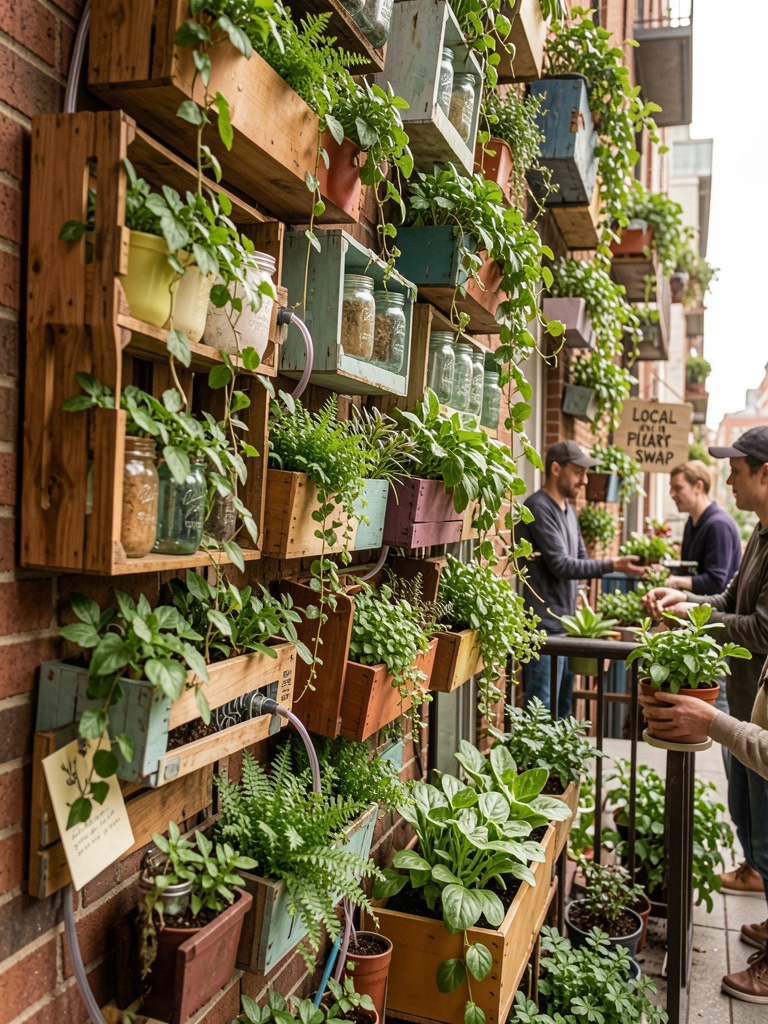
    Explore creative upcycling with thrifted planters, leverage DIY irrigation systems, and tap into local plant swaps.

    Community gardens and seasonal discounts offer inexpensive materials, while urban gardening courses provide cost-effective strategic insights for maximizing your green space.

    Companion Planting for Maximum Garden Efficiency

    While vertical gardens demand strategic plant selection, companion planting can dramatically enhance your balcony’s productivity and aesthetic appeal. By understanding crop compatibility, you’ll optimize space and improve pest management. Pair nitrogen-fixing herbs with heavy-feeding vegetables, and integrate aromatic plants to naturally deter unwanted insects, creating a harmonious, efficient vertical ecosystem.

    Boost Home Value With Strategic Garden Design

    Strategic vertical garden design isn’t just about cultivating plants—it’s a smart investment that can greatly boost your home’s market appeal and property value.

    Climate-Smart Plant Selection for Urban Gardens

    Since urban environments present unique gardening challenges, selecting climate-appropriate plants becomes essential for successful vertical garden installations.

    You’ll want to prioritize climate resilient plants that thrive in your specific microclimate.

    Consider native species that support urban biodiversity, adapting seamlessly to limited space and challenging conditions while creating a dynamic, sustainable green sanctuary.

    Maintenance Hacks for Healthy Garden Ecosystems

    Once you’ve thoughtfully selected climate-resilient plants for your vertical garden, maintaining a thriving ecosystem requires strategic interventions. Focus on soil health through organic composting and microbial inoculants. Implement integrated pest management techniques like companion planting and beneficial insect attraction to naturally control potential garden disruptions without harsh chemical interventions.

    Creative Container Solutions for Small Spaces

    When urban dwellers face limited outdoor real estate, innovative vertical gardening container solutions become essential for transforming compact balconies and small spaces into lush, productive green zones.

    Multipurpose containers and space-saving shelves maximize your growing potential, allowing you to design flexible, modular systems that adapt to your unique architectural constraints and aesthetic preferences.

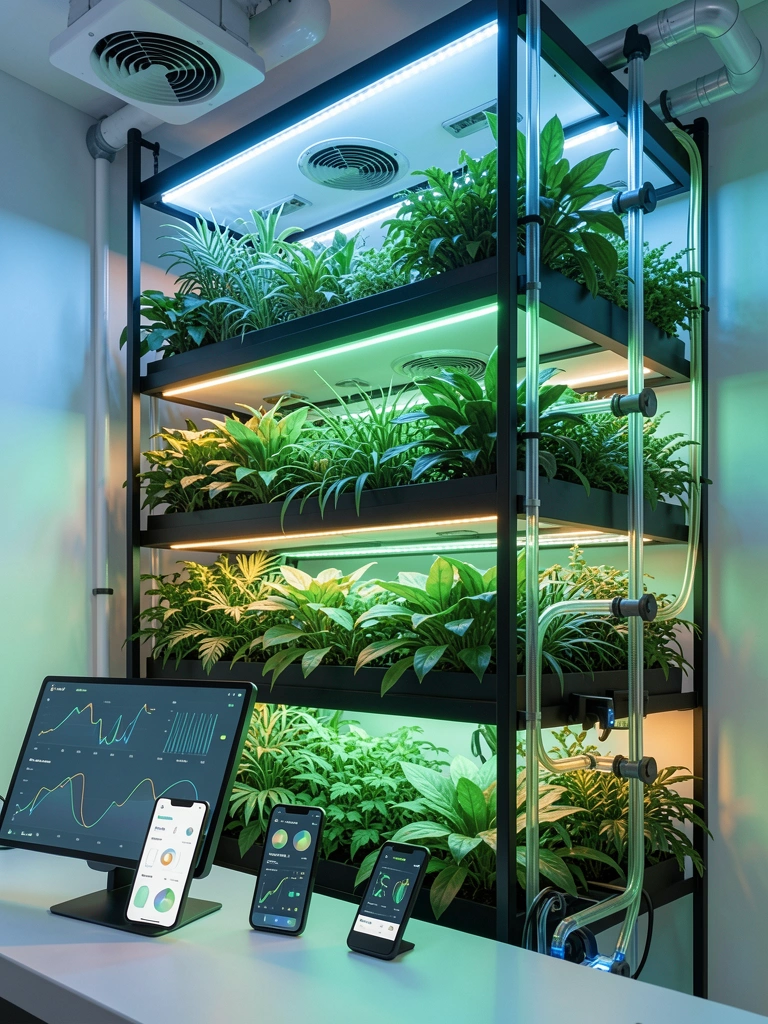
    Smart Technology in Urban Vertical Gardening

    As technology evolves, urban gardeners can now leverage smart solutions that transform vertical growing spaces into intelligent, self-regulating ecosystems.

    Smart sensors and mobile gardening apps enable precise indoor monitoring, while automated watering systems and remote climate control optimize plant health.

    You’ll manage nutrient levels and track garden analytics with unprecedented urban farming technology efficiency.

    Design Principles for Stunning Garden Spaces

    Beyond technological automation, creating a visually striking vertical garden demands strategic design principles that harmonize aesthetics with functional plant cultivation.

    You’ll want to prioritize spatial harmony, carefully balancing plant types, container shapes, and color palettes.

    Your garden’s design should feel intentional, transforming limited balcony space into a breathtaking green sanctuary that reflects personal style and natural beauty.

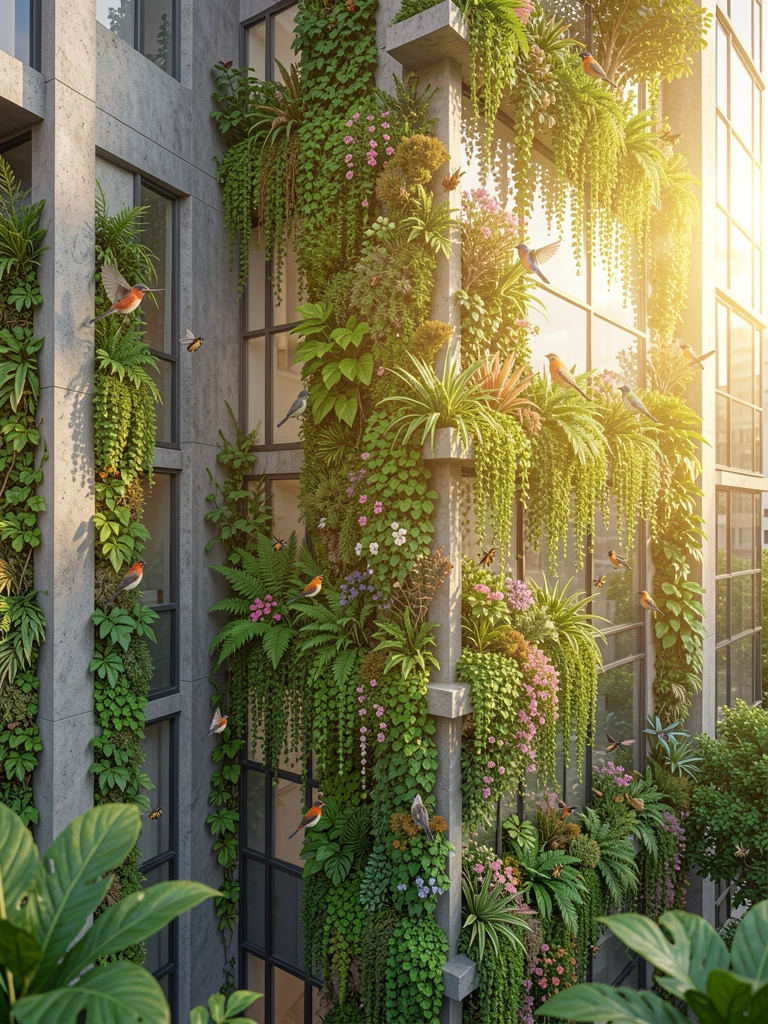
    Eco-Benefits of Urban Vertical Gardening

    While urban living often limits green spaces, vertical gardens emerge as powerful ecological solutions that transform concrete environments.

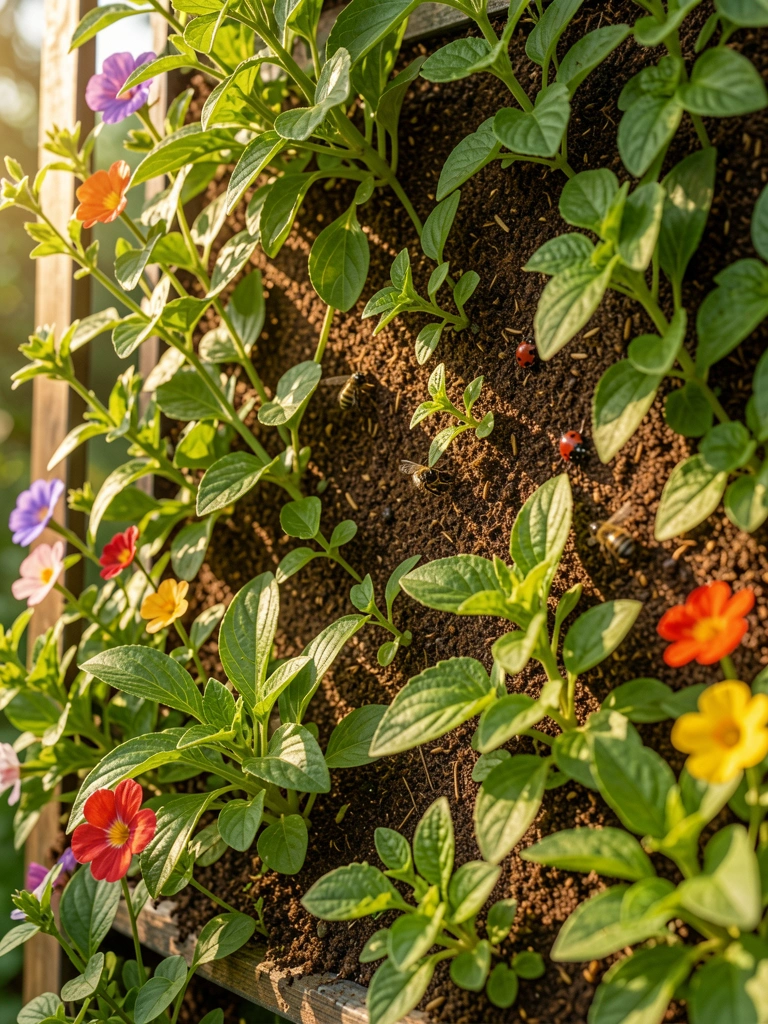
    You’ll reduce your carbon footprint and enhance local biodiversity by integrating living walls. These compact green systems capture carbon, filter urban air, and provide microclimates that support diverse plant and insect species, ultimately reconnecting city dwellers with nature’s intricate ecological networks.

  • 24 Beautiful Porch & Veranda Design Ideas Ideas That Feel Totally Inspiring

    24 Beautiful Porch & Veranda Design Ideas Ideas That Feel Totally Inspiring

    Your outdoor space is more than just a passage between indoors and out—it’s a canvas waiting to be transformed. Imagine a sanctuary that seamlessly blends comfort, style, and functionality, where every design choice tells a story of personal expression. From minimalist retreats to lush botanical havens, these 24 porch and veranda concepts will challenge everything you thought you knew about exterior living. Ready to reimagine your outdoor potential?

    Reimagine Your Outdoor Living Space

    When transforming your porch or veranda, think beyond traditional boundaries and envision a dynamic outdoor living space that seamlessly extends your home’s interior aesthetic.

    Embrace innovative outdoor aesthetics that elevate space functionality, creating a versatile environment where comfort meets style, allowing you to reimagine how you experience and utilize your exterior living areas.

    Decode the Modern Outdoor Design Philosophy

    The evolution of modern outdoor design transcends mere aesthetic considerations, emerging as a holistic approach that blurs the lines between interior comfort and exterior expression.

    You’ll discover sustainable materials driving outdoor trends, creating spaces that feel both intentional and liberating.

    Your veranda becomes a canvas for personal freedom and contemporary design philosophy.

    Essential Fire Feature Selection Guide

    Although fire features have transformed from mere functional elements to pivotal design statements, selecting the right outdoor flame becomes an intricate art of balancing aesthetic appeal, practical functionality, and spatial harmony.

    You’ll want to prioritize fire feature materials that complement your veranda’s style while adhering to critical safety guidelines. Choose wisely to create an enchanting, safe outdoor sanctuary.

    Creating Seamless Indoor-Outdoor Transitions

    Seamlessly blending interior living spaces with exterior environments transforms traditional architectural boundaries, elevating your veranda design from a mere connecting area to an immersive sensory experience.

    Material Mastery: Choosing Durable Exterior Surfaces

    Durability stands as the cornerstone of exceptional veranda design, determining not just aesthetic appeal but long-term performance against environmental challenges. When selecting exterior surfaces, you’ll want to prioritize material longevity that withstands sun, rain, and temperature fluctuations. Your surface selection should balance resilience with visual elegance, ensuring your porch remains both structurally sound and visually enchanting.

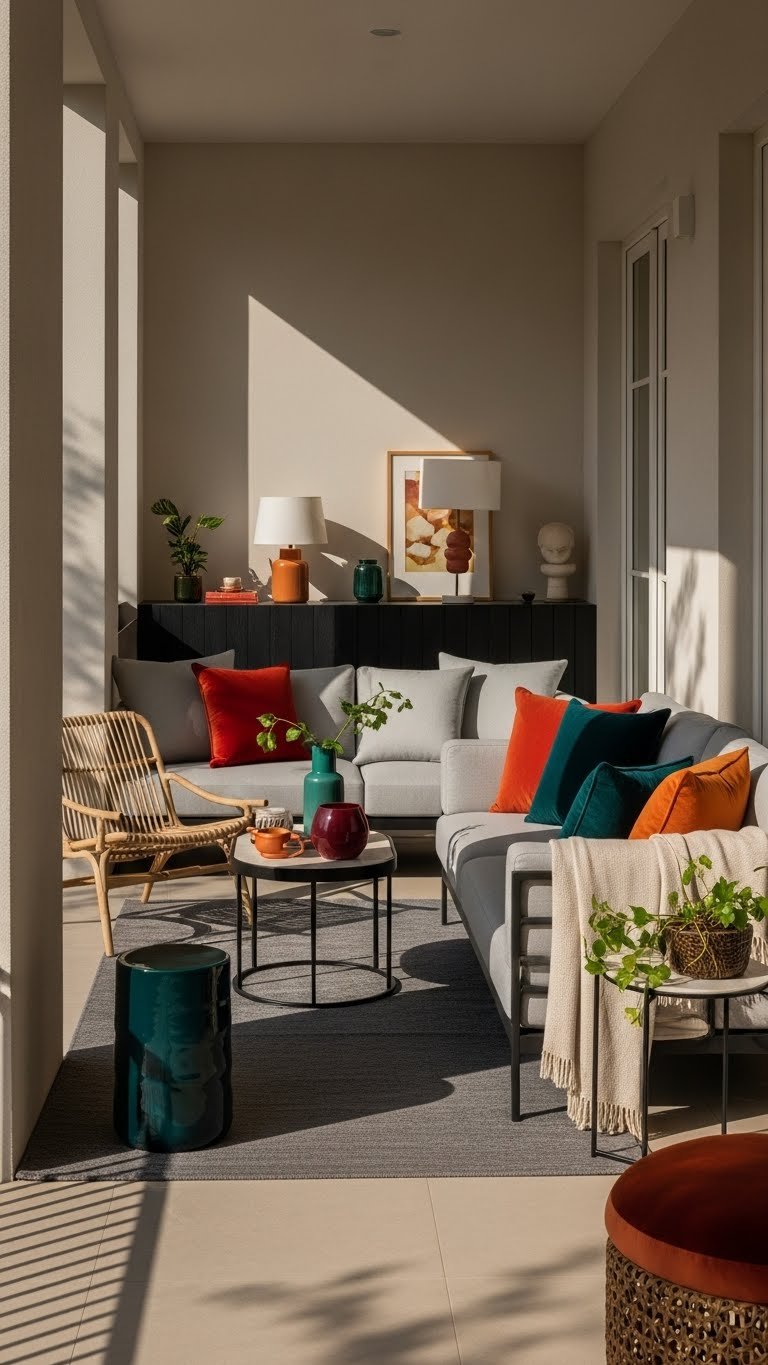
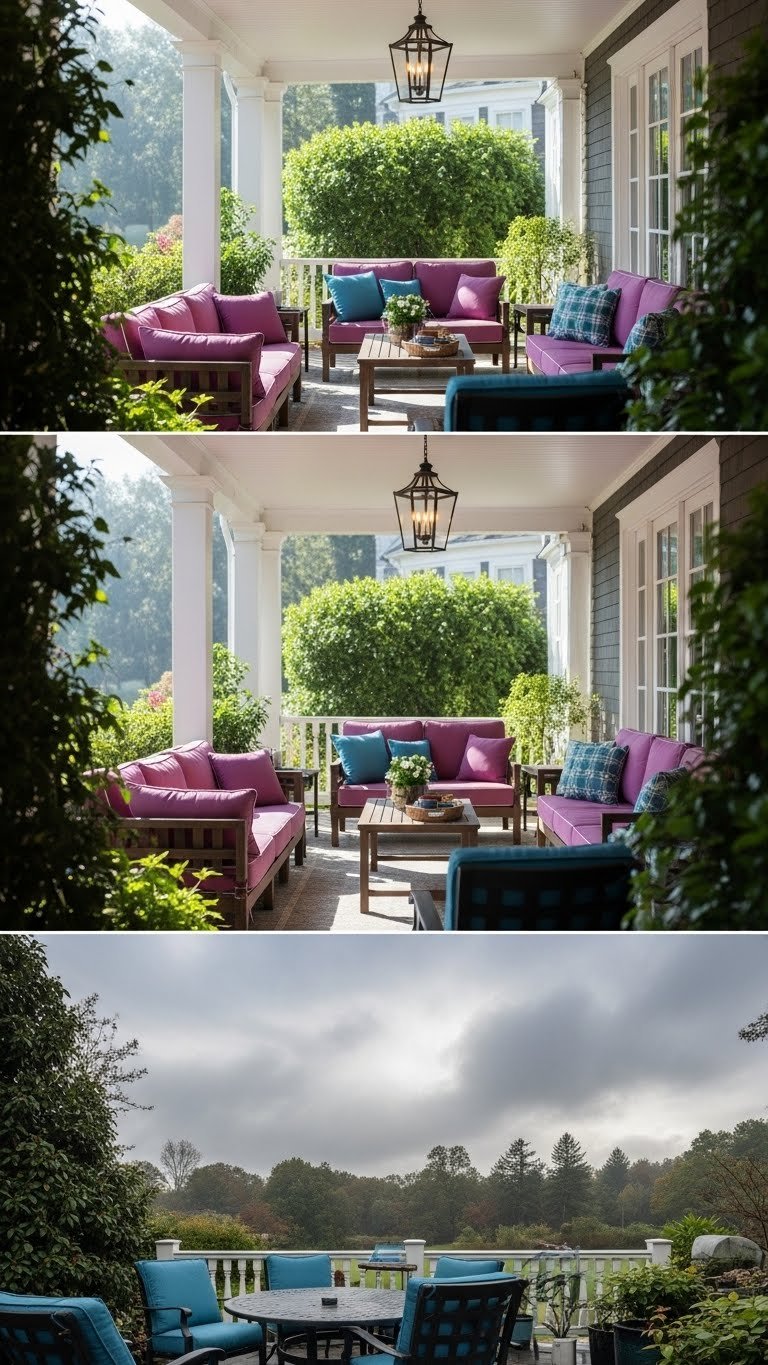
    Color Strategy for Outdoor Spaces

    Color serves as the visual heartbeat of outdoor living spaces, transforming ordinary porches and verandas into dynamic expressions of personal style and architectural character. You’ll want to contemplate color harmony that balances neutrals with bold accents. Strategic color choices can elevate your outdoor space, creating visual depth and reflecting your unique design aesthetic with confidence and creativity.

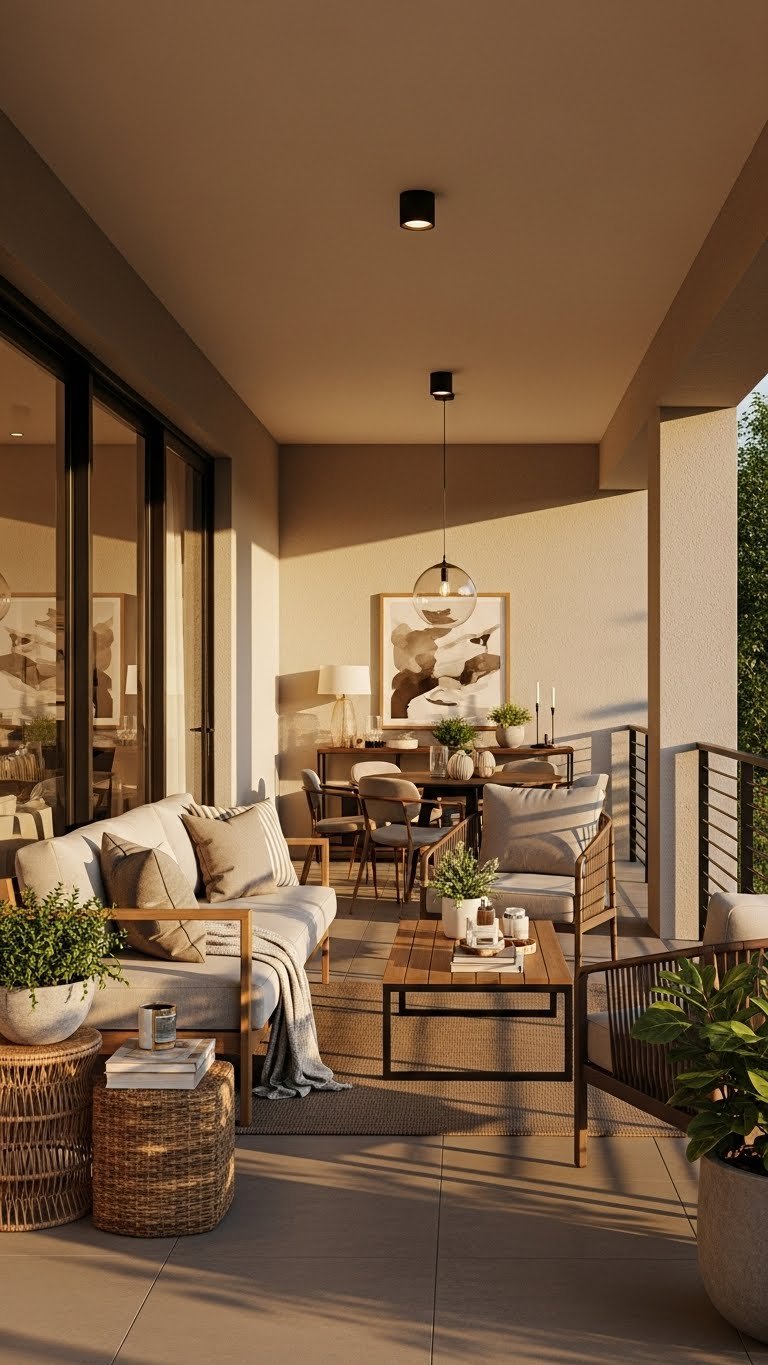
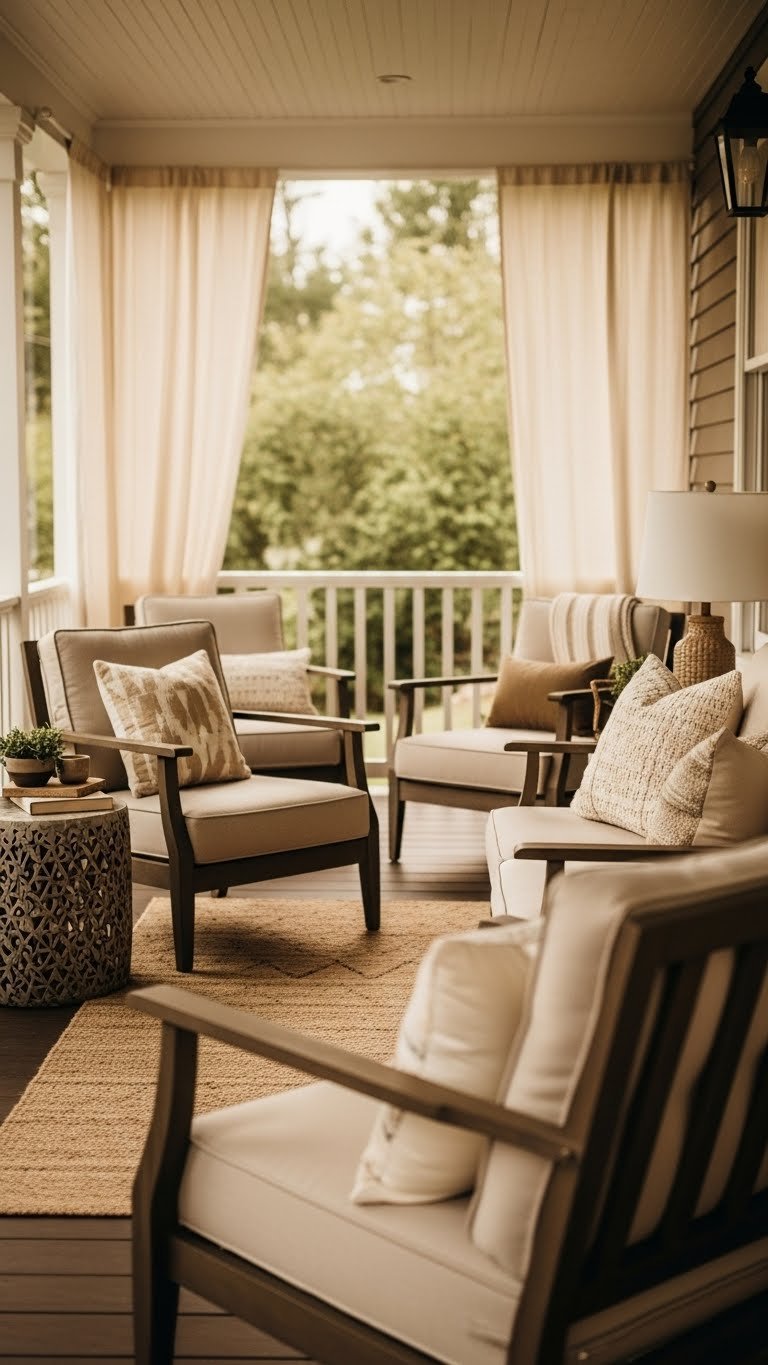
    Furniture Selection for Maximum Comfort

    While comfort defines the soul of any outdoor living space, your porch or veranda furniture must strike a delicate balance between aesthetic appeal and functional design.

    Choose luxury loungers with ergonomic design, pair modular seating with cozy pillows, and select stylish cushions crafted from weather resistant materials that’ll transform your outdoor sanctuary into a breathable, inviting retreat.

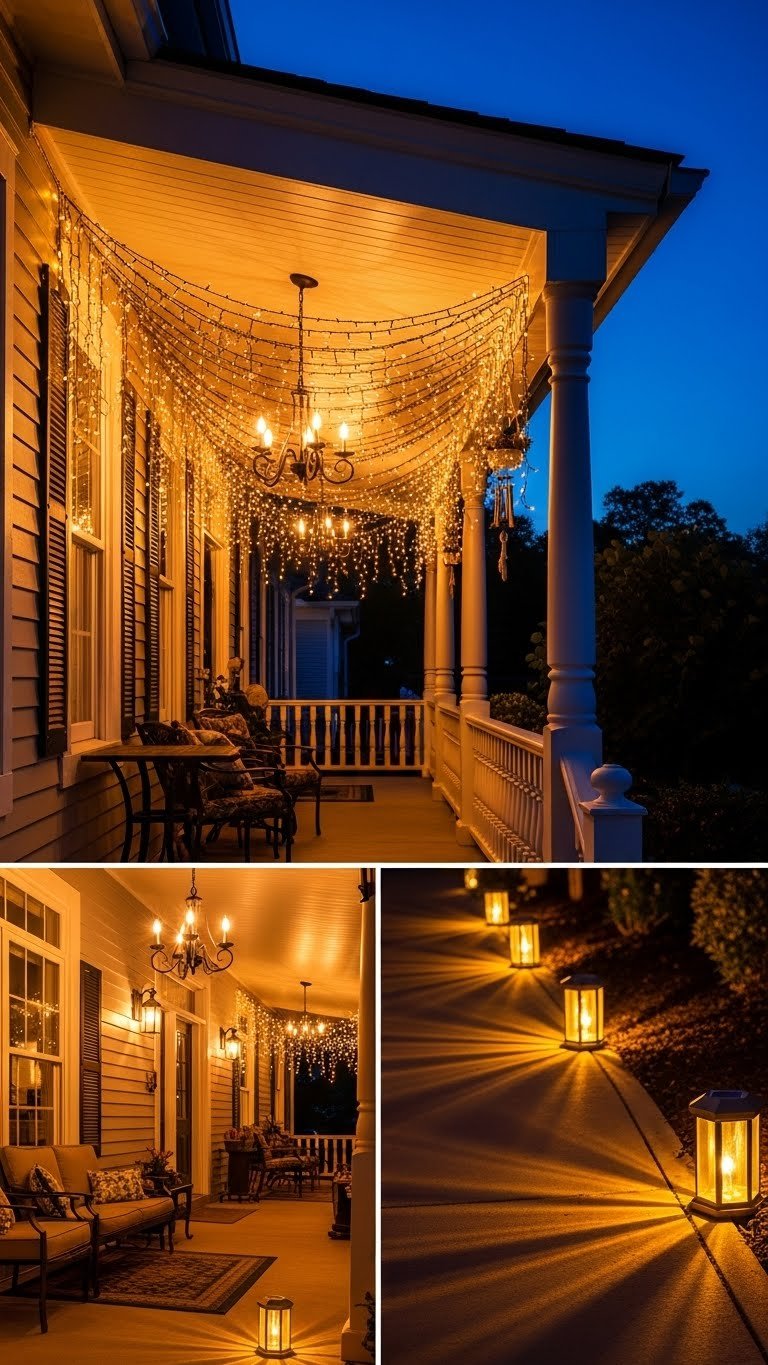
    Lighting Techniques That Transform Outdoor Areas

    Three strategic lighting approaches can dramatically elevate your porch or veranda’s ambiance, transforming the space from functional to enchanting.

    Combine ambient lighting with pathway illumination using solar lanterns and outdoor sconces.

    Hang decorative fixtures like waterproof string lights or fairy lights, and incorporate spot lighting with hanging chandeliers to create mesmerizing mood accents.

    Budget-Friendly Porch Transformation Strategies

    Although transforming your porch doesn’t require a massive budget, strategic design choices can yield remarkable results.

    Focus on affordable porch decor and DIY upgrades that maximize visual impact.

    Paint existing furniture, add colorful outdoor cushions, and repurpose found items to create a fresh, inviting space without breaking the bank.

    Small Space, Big Impact: Compact Porch Design

    Because limited square footage doesn’t mean limited style, compact porches can become stunning design showcases with intentional planning and smart spatial strategies.

    You’ll maximize your tiny outdoor space by choosing space-saving furniture and embracing vertical gardening techniques that transform narrow areas into chic, functional retreats without sacrificing aesthetic appeal or personal expression.

    Sustainable Outdoor Design Principles

    Creating an eco-conscious outdoor space isn’t just about reducing your environmental footprint—it’s about designing harmoniously with nature’s own elegant systems.

    By incorporating sustainable landscaping, wildlife friendly gardens, and upcycling outdoor decor, you’ll craft a porch that celebrates permaculture principles.

    Choose eco-friendly materials, embrace renewable energy use, and prioritize water conservation strategies that honor the environment.

    Seasonal Adaptation of Outdoor Spaces

    When the seasons shift, your porch and veranda become dynamic living spaces that must gracefully transform with nature’s rhythms. Adapt your seasonal decor to embrace weather considerations, integrating flexible furnishings, textured throws, and strategic lighting that invite comfort and style. Your outdoor sanctuary will reflect the evolving landscape’s beauty.

    Privacy Solutions for Open Outdoor Areas

    As your outdoor spaces become extensions of your home’s living environment, privacy emerges as a critical design consideration.

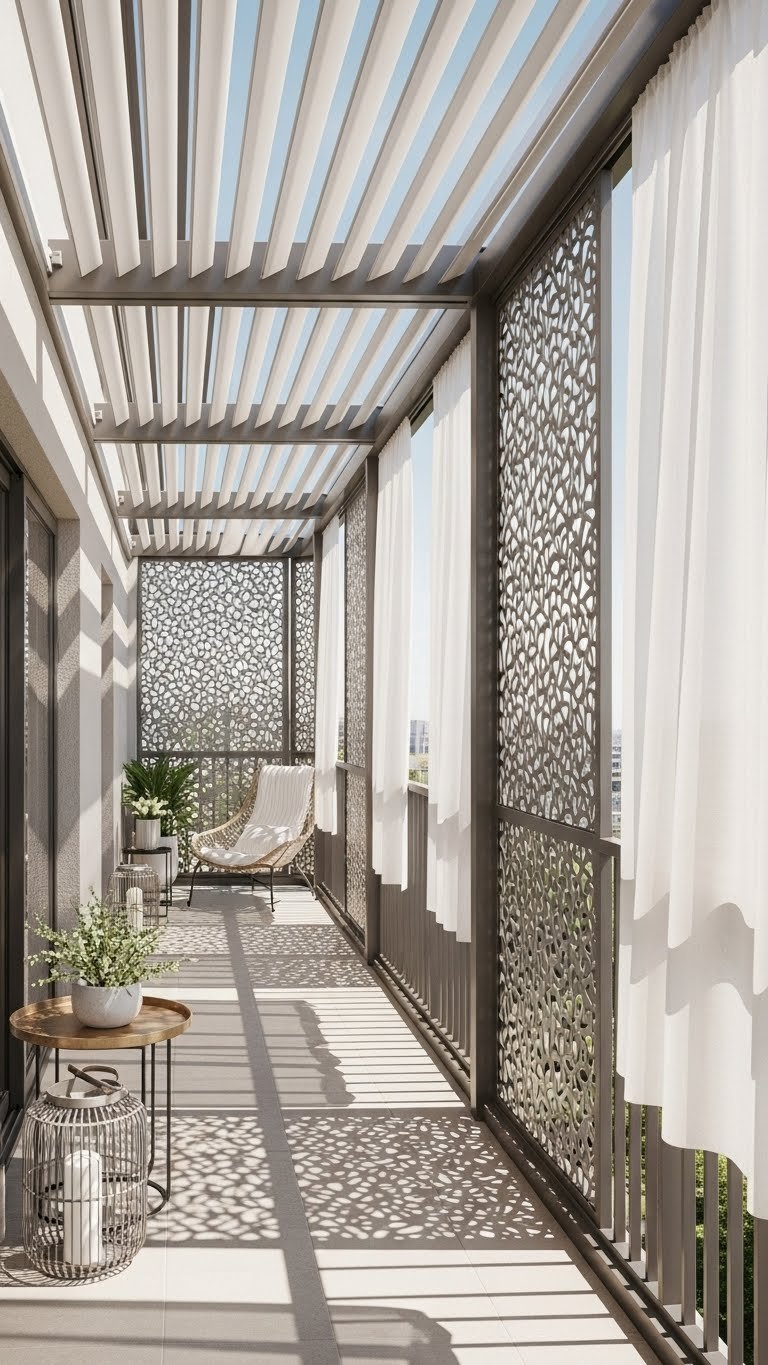
    You’ll want strategic solutions like decorative trellises, lattice designs, and privacy screens.

    Natural barriers with potted plants, outdoor curtains, and fencing options can transform open areas into intimate retreats, giving you the freedom to curate your personal outdoor sanctuary.

    Multi-Functional Porch Layout Designs

    How do you transform a simple porch into a dynamic, multi-purpose living space that adapts to your lifestyle? Embrace porch versatility through strategic multifunctional features and adaptable layouts.

    Create family-friendly designs with distinct functional zones that seamlessly shift between entertaining areas and personal retreats, optimizing outdoor aesthetics while maximizing every square inch of your cherished space.

    Texture and Material Mixing Techniques

    Beyond functional zoning, your porch’s sensory experience emerges through masterful material and texture layering.

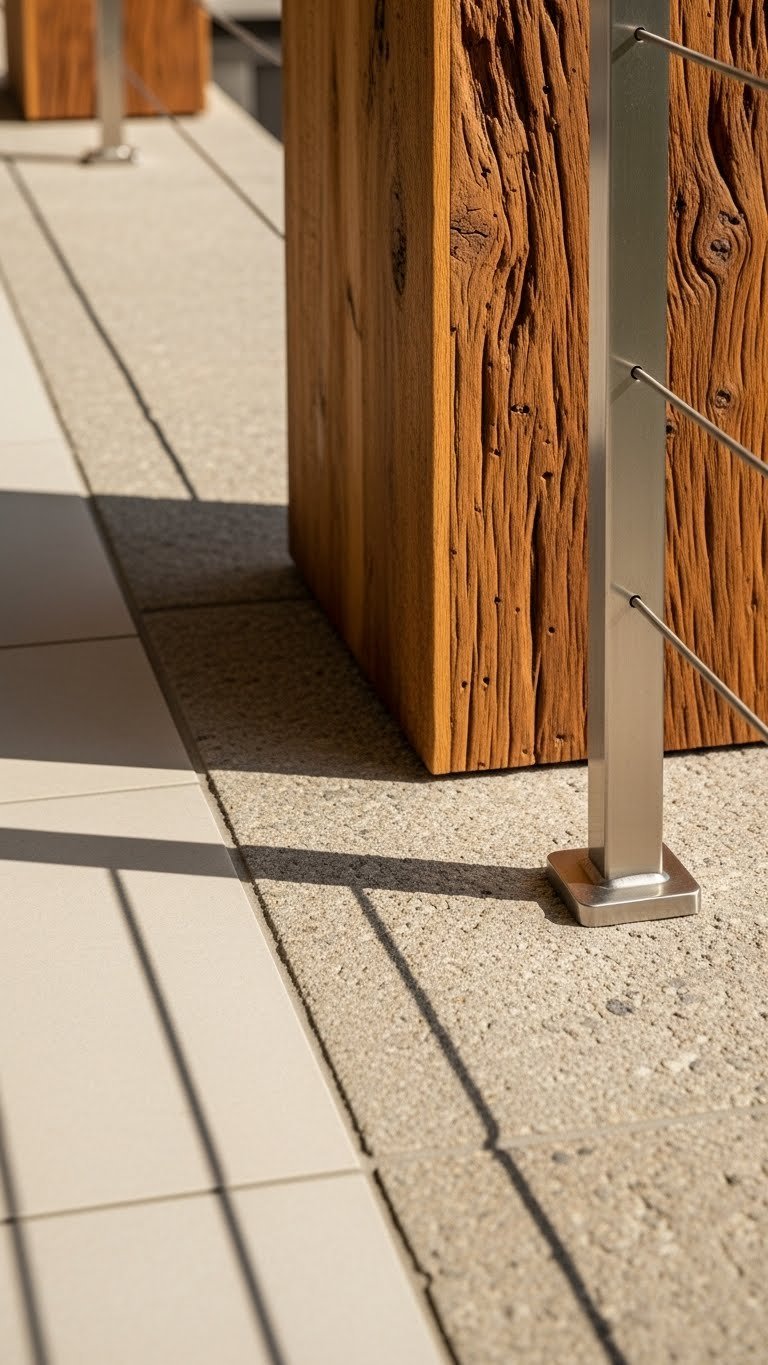
    By strategically mixing contrasting surfaces—think smooth ceramic tiles against rough stone, sleek metal railings beside weathered wood—you’ll create dynamic visual depth.

    Material contrast transforms outdoor spaces from mundane to extraordinary, inviting tactile exploration and sensory engagement.

    Low-Maintenance Landscaping Strategies

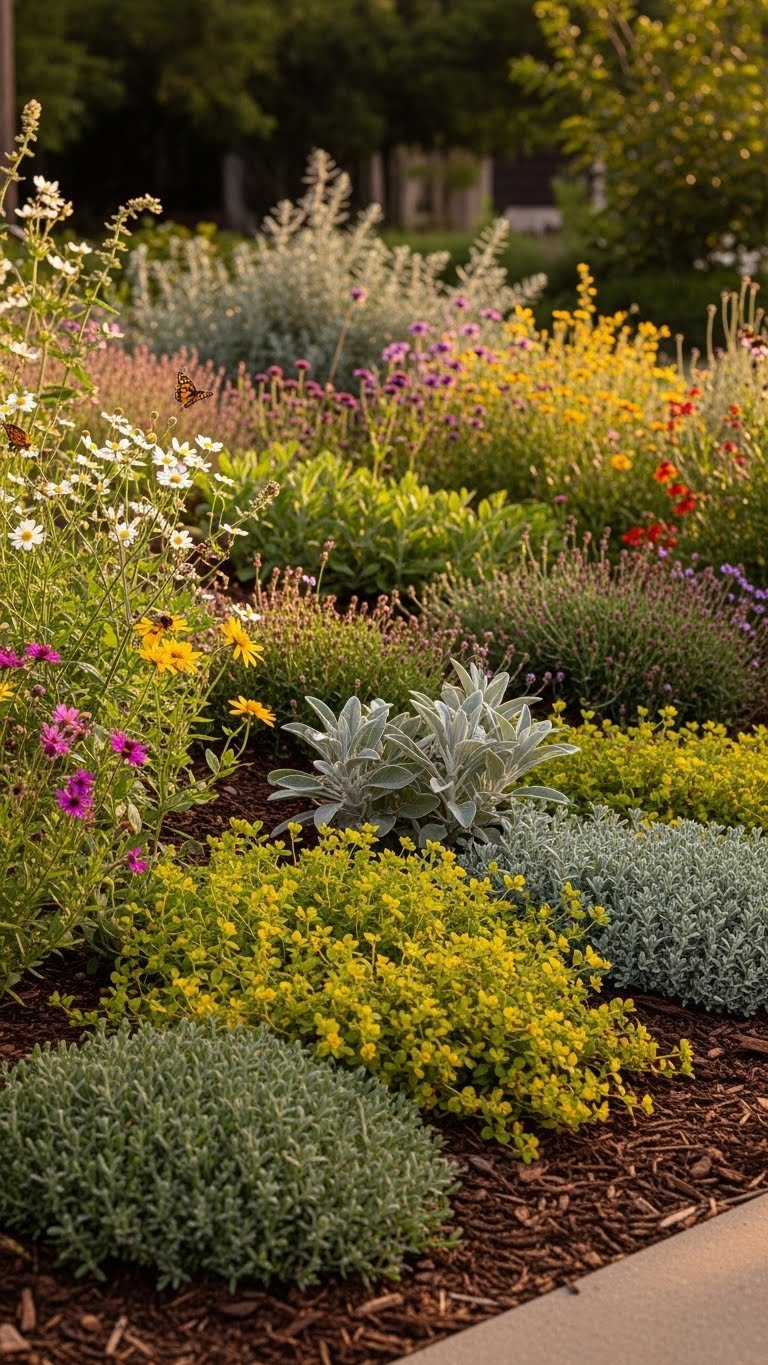
    Wondering why your porch landscaping demands constant upkeep? Embrace native plants with drought tolerance that create stunning, low-maintenance gardens.

    Choose ground cover and xeriscaping techniques that minimize water needs while supporting pollinator habitats. Strategic seasonal blooms and sustainable mulching can transform your outdoor space into a vibrant, effortless landscape that requires minimal intervention.

    Performance Fabrics: The Ultimate Outdoor Comfort

    When it comes to outdoor living spaces, performance fabrics have revolutionized porch and veranda comfort, transforming traditional textile limitations.

    You’ll love how these advanced materials deliver incredible performance longevity and weather resistance.

    They’ll keep your cushions vibrant, dry, and resilient, ensuring your outdoor sanctuary remains stylish and inviting through countless seasons.

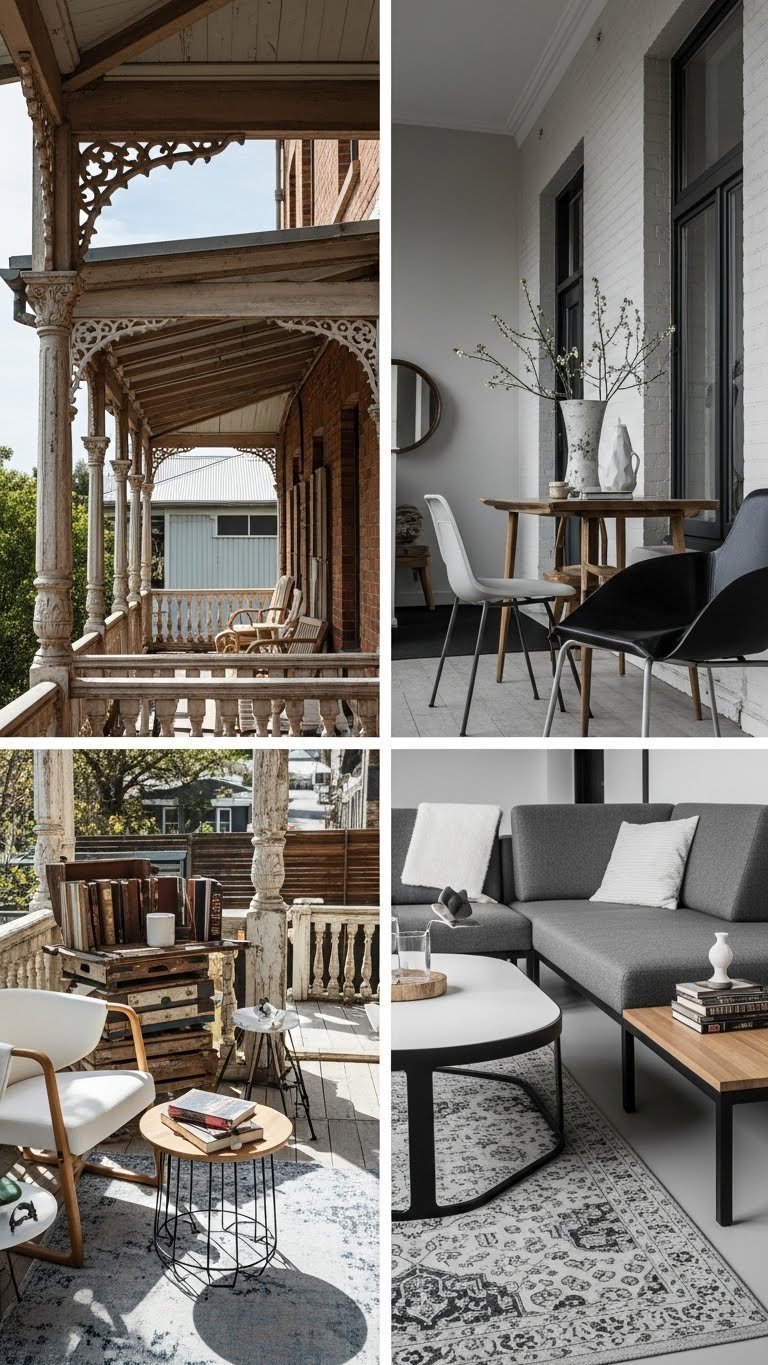
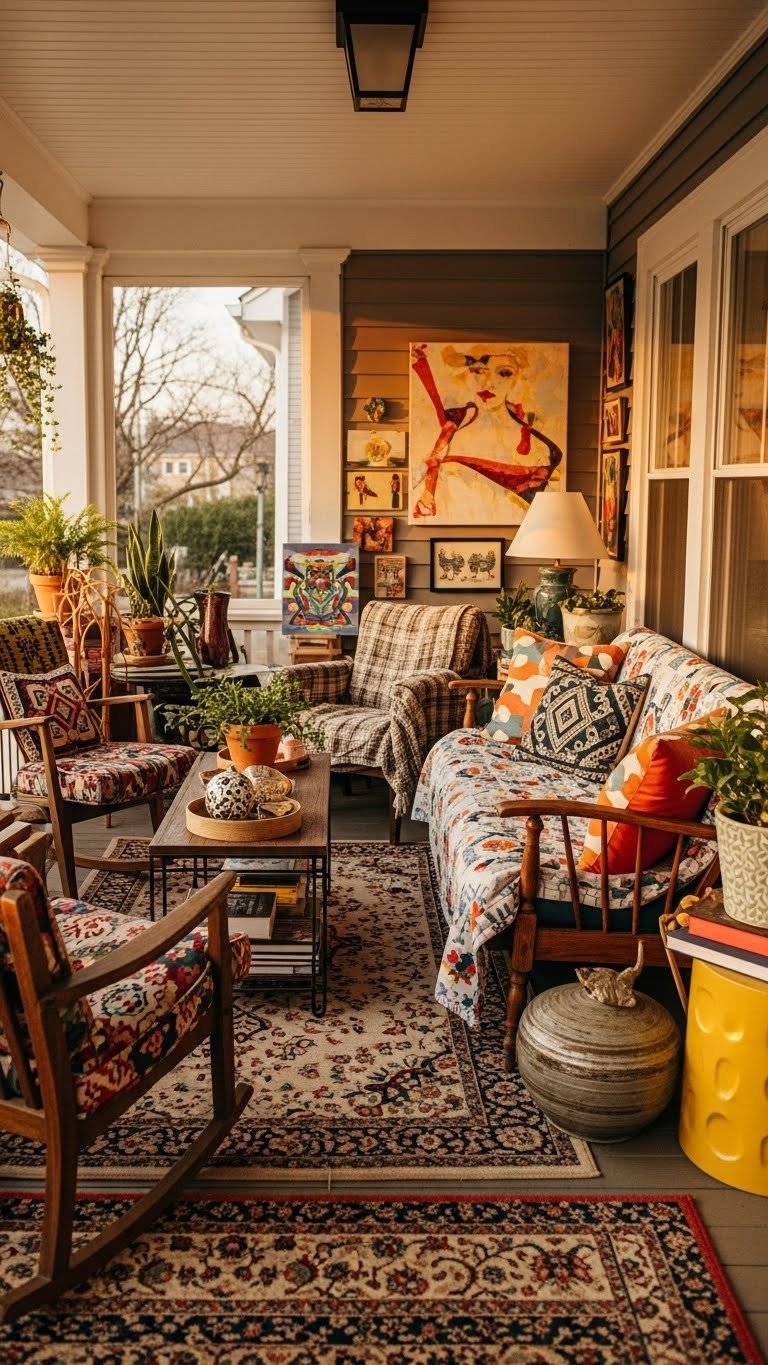
    Vintage Charm Meets Modern Design

    Although design trends often swing between extremes, porch and veranda styling has found a sweet spot blending nostalgic architectural elements with contemporary sensibilities.

    You’ll love how vintage aesthetics merge with modern functionality, creating spaces that feature timeless materials, rustic accents, and eclectic furnishings.

    Sleek lines transform traditional porches into dynamic, expressive environments that celebrate design freedom.

    Creating Intimate Conversation Zones

    Because intimate conversation zones transform ordinary porches into inviting social sanctuaries, strategic furniture placement and thoughtful design become essential.

    You’ll want to create cozy nooks that encourage connection, using comfortable seating arrangements that naturally draw people together.

    Arrange chairs at slight angles, incorporate soft cushions, and design spaces that feel both open and sheltered.

    Biophilic Design: Connecting With Nature

    Through intentional design choices, your porch can become a seamless extension of the natural world, blurring boundaries between indoor comfort and outdoor vibrancy.

    Embrace nature connection by incorporating living elements like potted plants, vertical gardens, and natural materials that invite biophilic design and create an immersive outdoor biophilia experience that rejuvenates your senses.

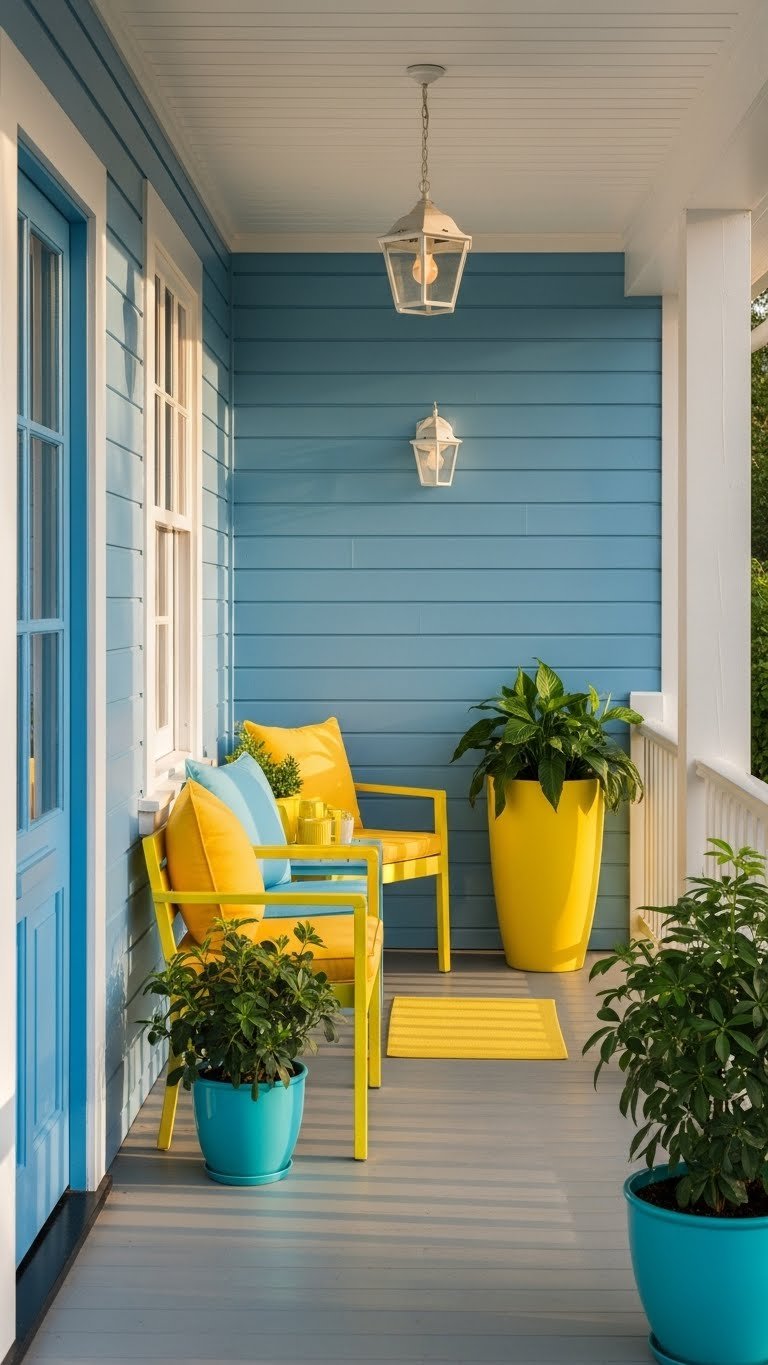
    Color Psychology in Exterior Spaces

    When crafting an inviting porch or veranda, color becomes a powerful psychological tool that transforms exterior spaces from mere architectural extensions into emotionally resonant environments.

    Your chosen exterior palettes can evoke tranquility, energy, or warmth. Cool blues calm, vibrant yellows energize, and earthy greens connect you deeply with nature’s inherent emotional landscapes.

    Smart Storage Solutions for Outdoor Areas

    Although outdoor spaces often become cluttered with seasonal accessories and recreational gear, smart storage solutions can transform your porch or veranda into an organized, stylish extension of your home.

    Creative outdoor storage options like weatherproof cabinets, multi-functional furniture, and hanging wall systems can maximize your space efficiently while maintaining a sleek, uncluttered aesthetic.

    Technology Integration in Outdoor Living

    As smart home technologies continue to expand beyond interior spaces, outdoor living areas are now becoming high-tech extensions of modern residential design.

    You’ll discover innovative outdoor automation systems that integrate weather-resistant technologies, smart lighting, and environmental sensors to transform your porch into a tech savvy, connectivity-rich environment that enhances comfort, security, and energy efficiency.

    Personalization: Making Your Outdoor Space Unique

    How do you transform a generic porch into a reflection of your personal style and lifestyle?

    By layering custom decor and personalized accents that speak directly to your aesthetic. Choose unique furniture, art pieces, and textiles that capture your personality.

    Mix vintage finds with modern elements, creating a space that’s distinctly yours and invitingly comfortable.

  • 23 Smart Balcony Privacy Screens Ideas That Make Decorating Easy

    23 Smart Balcony Privacy Screens Ideas That Make Decorating Easy

    You’ve been dreaming of a balcony sanctuary, but privacy feels like a puzzle. Every square inch matters, and you’re searching for solutions that don’t compromise style or function. What if transforming your outdoor space could be simple, elegant, and completely personalized? The right privacy screen isn’t just a barrier—it’s an extension of your design vision, waiting to turn your balcony into a breathtaking retreat that tells your unique story.

    Why Your Balcony Needs a Privacy Screen?

    While urban living often means close proximity to neighbors, your balcony doesn’t have to feel exposed.

    A privacy screen transforms your outdoor space, enhancing balcony aesthetics and creating a personal sanctuary.

    You’ll enjoy increased outdoor comfort, shielding yourself from prying eyes and creating a tranquil retreat that feels exclusively yours.

    Understanding Your Privacy Screen Options

    Because urban balconies come in diverse sizes and architectural styles, privacy screens aren’t one-size-fits-all solutions.

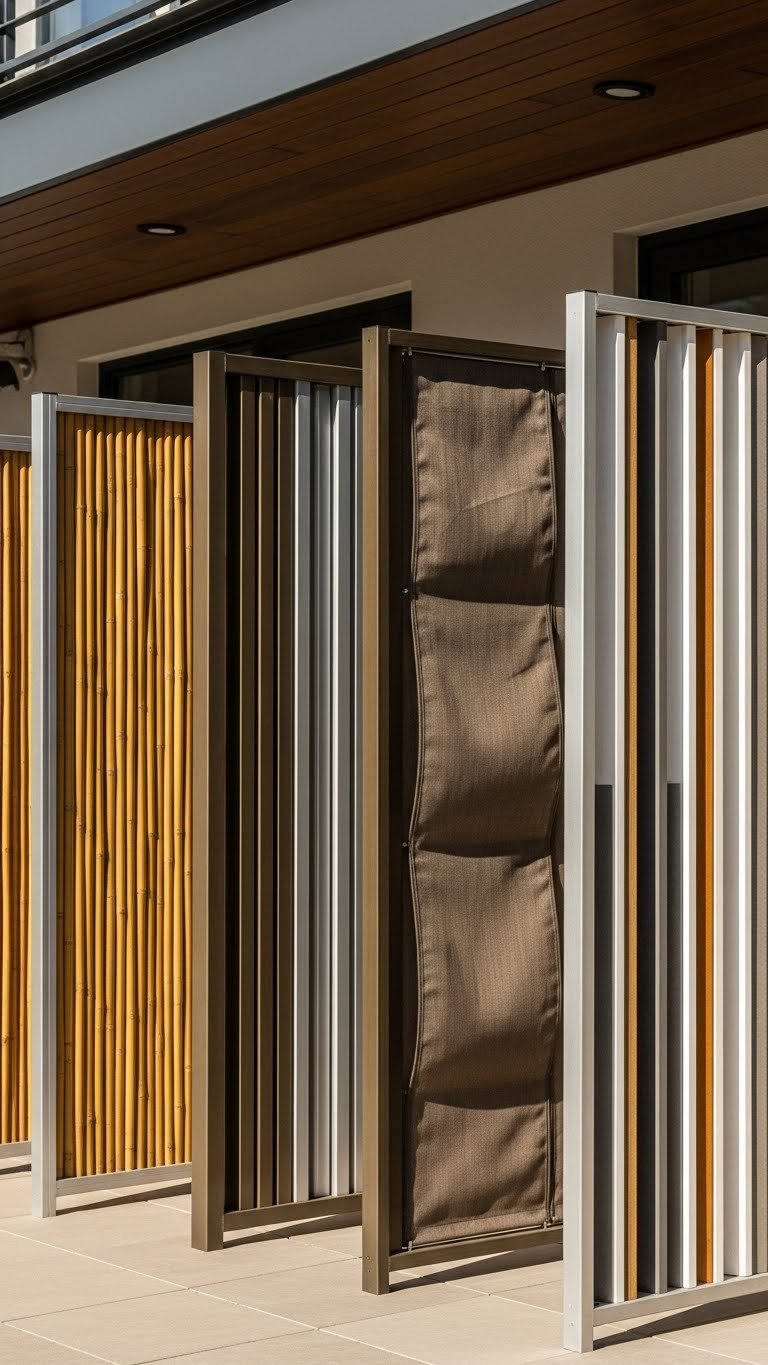
    You’ll want to explore screen material options like bamboo, metal, fabric, or living plants that offer unique privacy screen benefits.

    Your choice depends on aesthetic preferences, maintenance requirements, and the level of seclusion you’re seeking.

    Retractable Screens: Flexibility Meets Style

    If you’re seeking ultimate flexibility in balcony privacy, retractable screens offer a dynamic solution that adapts to your changing needs.
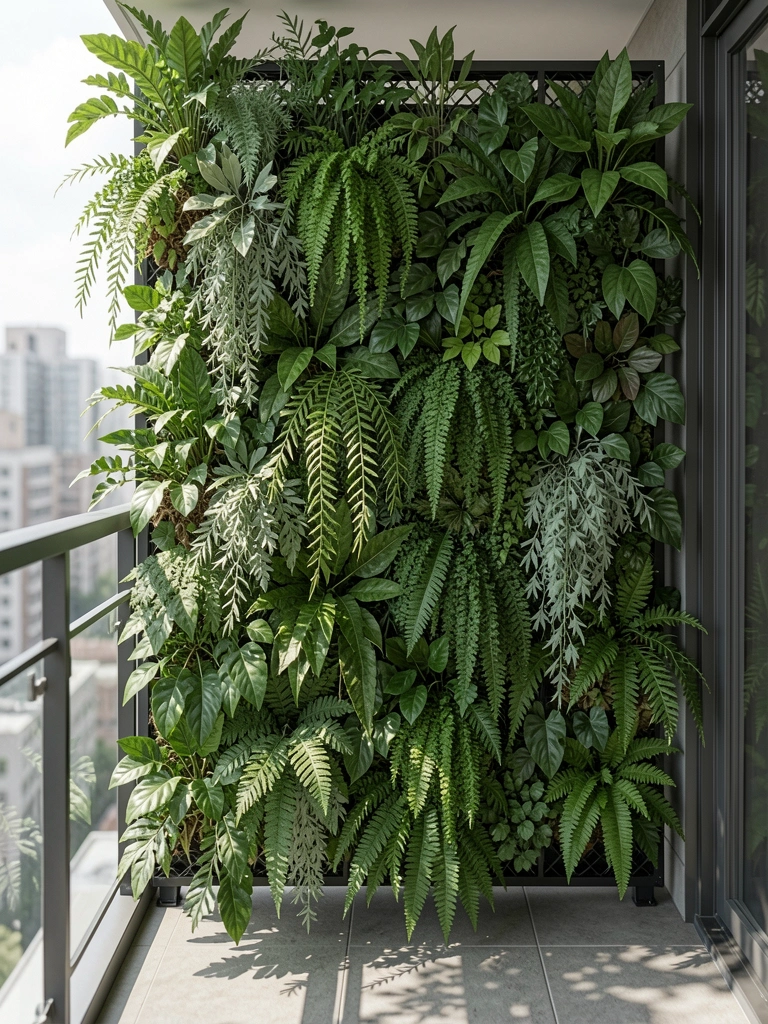
    These creative designs let you control visibility and sunlight with simple mechanisms. Functional uses range from blocking wind to creating intimate spaces, giving you the freedom to transform your balcony’s atmosphere instantly.

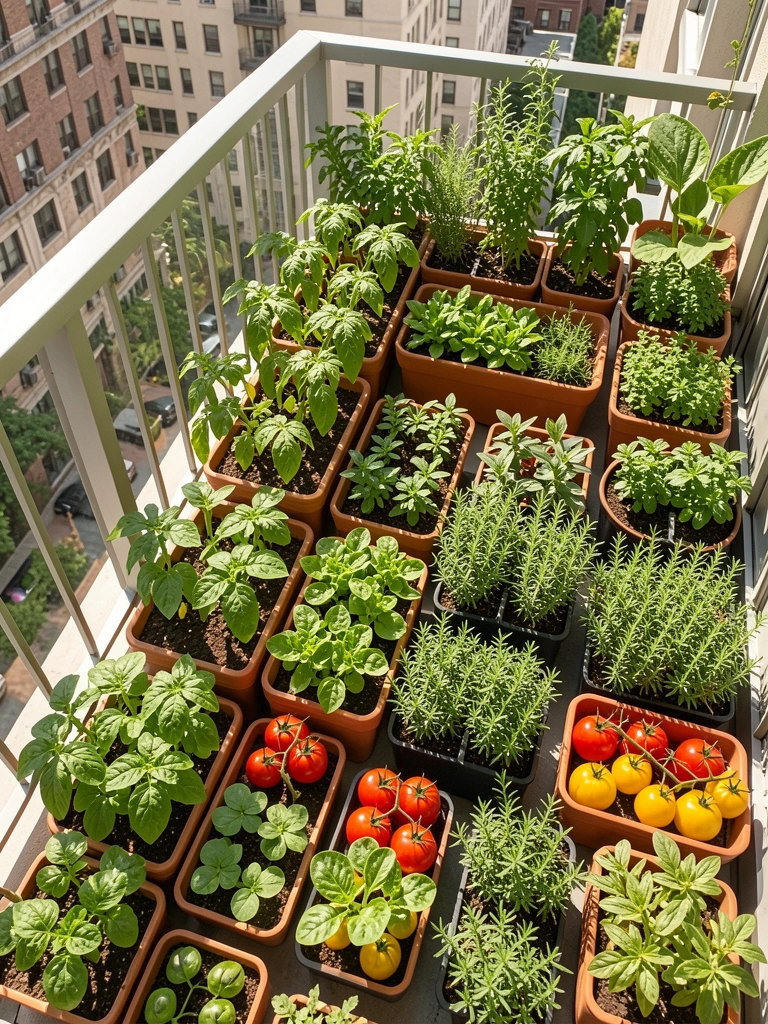
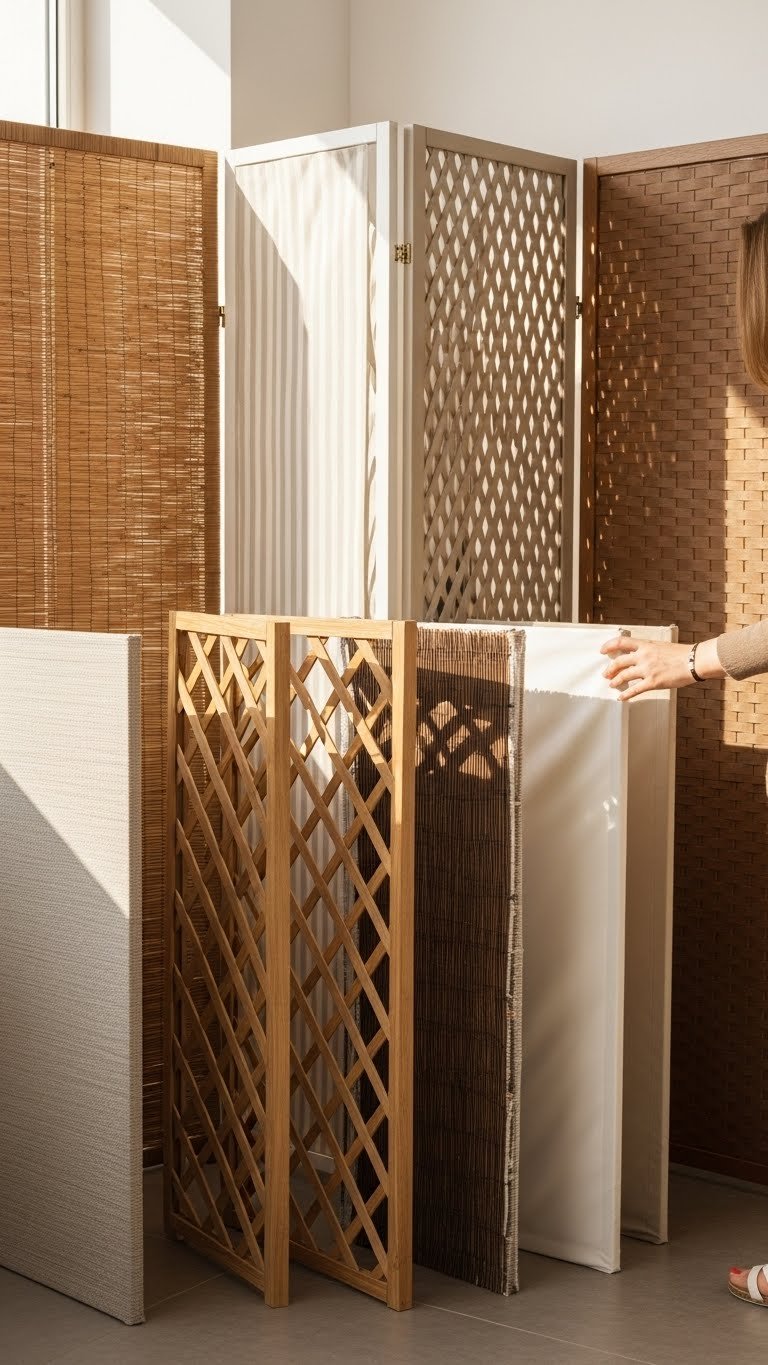
    Decorative Panels: Beauty Beyond Privacy

    Where retractable screens offer functional flexibility, decorative panels elevate balcony privacy to an art form.

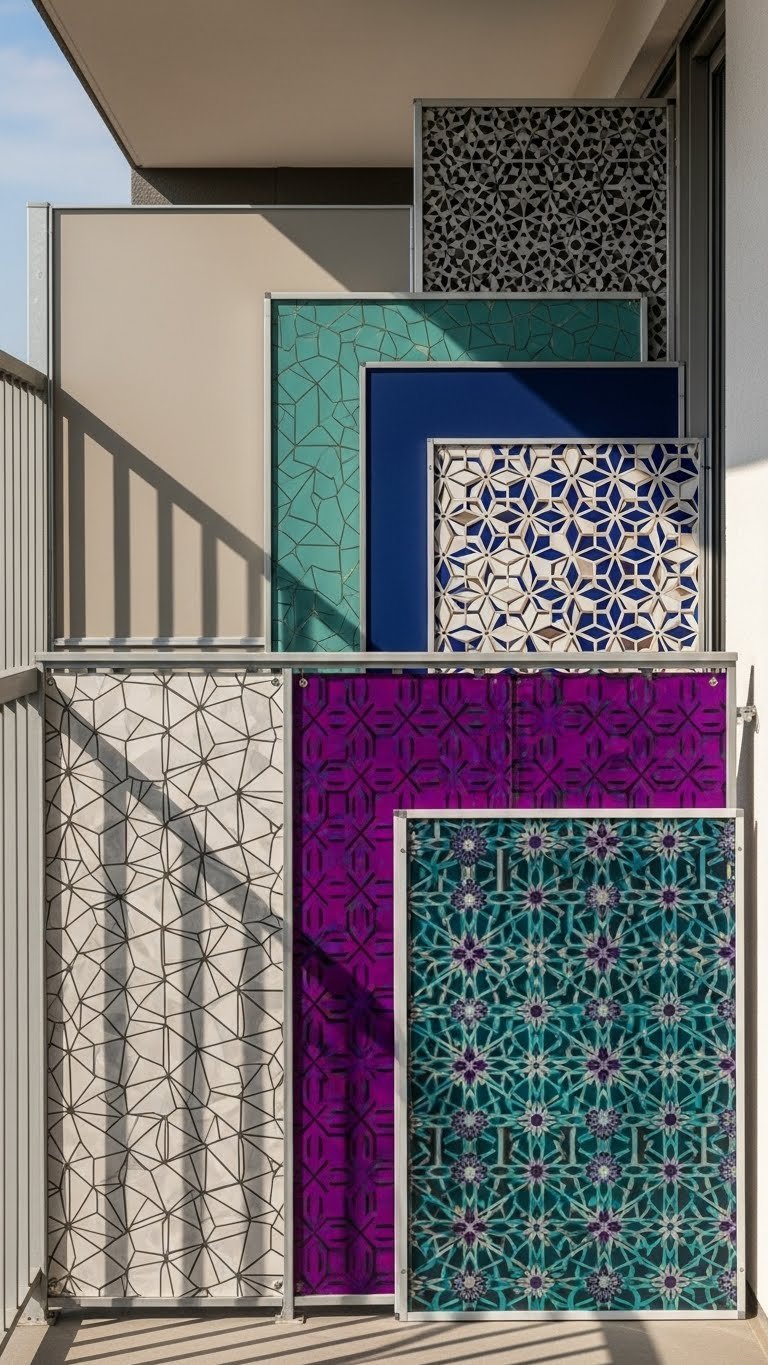
    You’ll transform your outdoor space with intricate panels crafted from wood, metal, or glass.

    These artistic designs aren’t just barriers; they’re statement pieces that reflect your personal style while creating intimate, visually stunning environments that breathe freedom and creativity.

    Transform Your Space With Vertical Garden Screens

    When nature meets design, vertical garden screens become the ultimate solution for transforming balcony privacy into a living, breathing aesthetic experience.

    You’ll leverage vertical gardening techniques to create lush, multi-functional barriers that maximize limited spaces.

    These screens offer vertical garden benefits like air purification, temperature regulation, and a stunning visual backdrop that reflects your personal style.

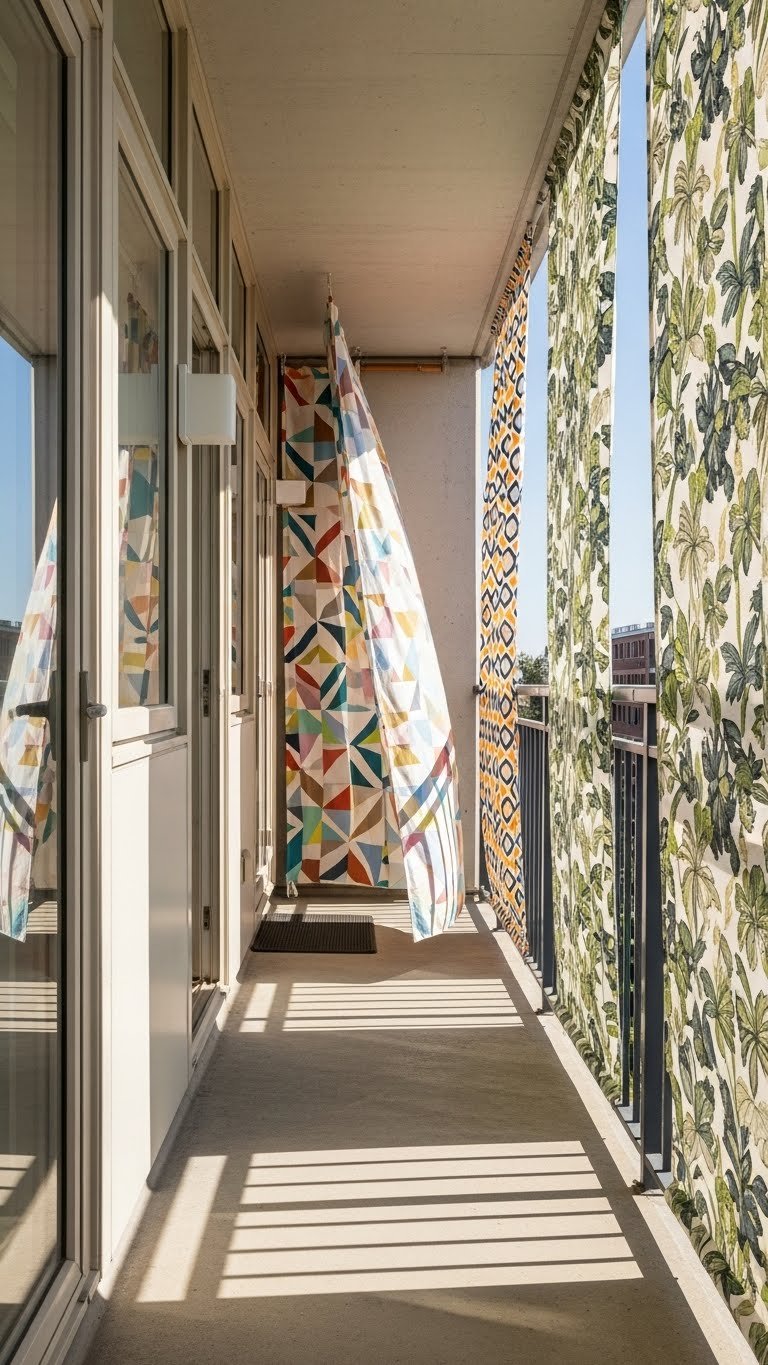
    Fabric Screens: The Renter’s Perfect Solution

    Because renters often face strict limitations on permanent modifications, fabric screens emerge as the ultimate versatile privacy solution for balconies.

    You’ll love how lightweight, removable screens with vibrant fabric patterns can instantly transform your outdoor space.

    Choose durable outdoor fabrics that resist UV rays and withstand weather, giving you stylish privacy without compromising your lease agreement.

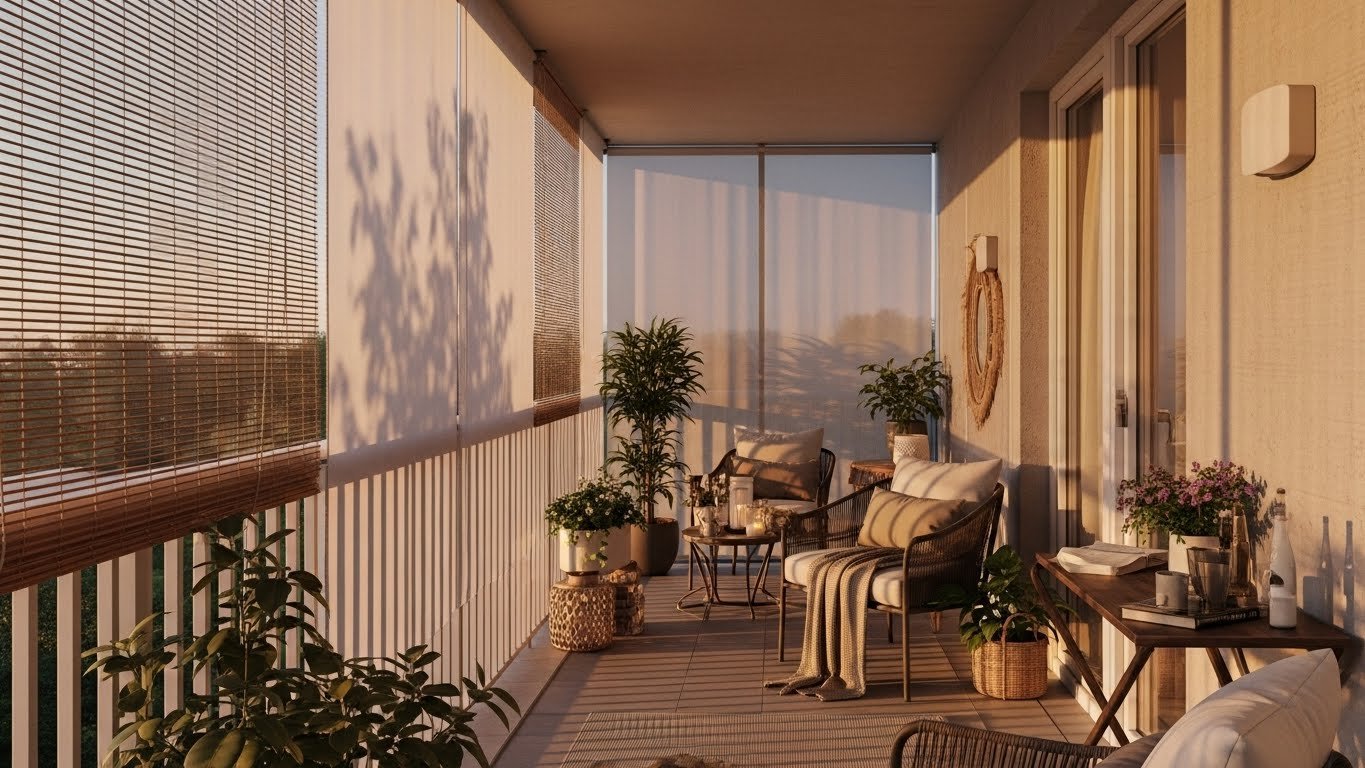
    Louvered Screens: Precision Light Control

    Although adjustable and sleek, louvered screens offer unparalleled precision in light management for balcony privacy.

    You’ll appreciate their design versatility, allowing you to tilt slats for ideal shading.

    These screens provide a contemporary solution that adapts to your changing light and privacy needs, giving you control over your outdoor space’s ambiance and comfort.

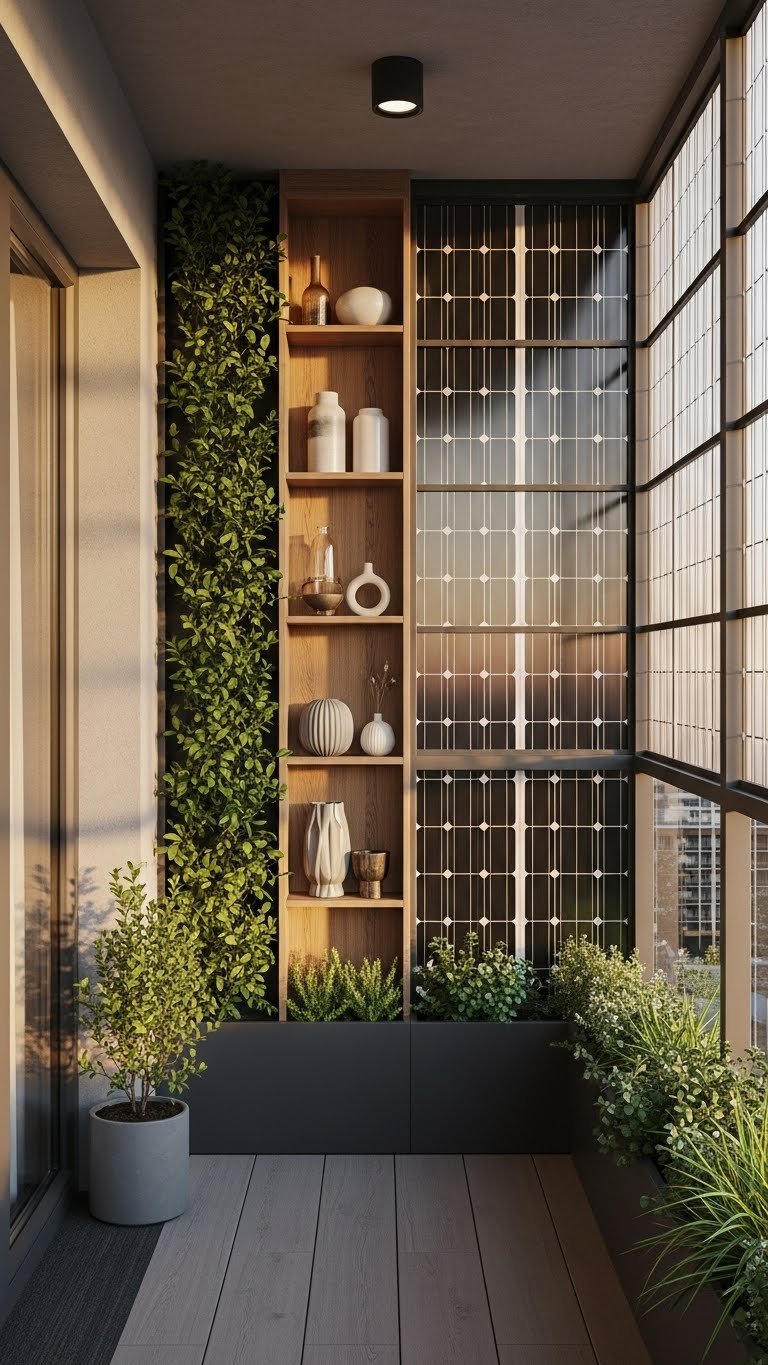
    Multi-Functional Screens for Smart Spaces

    As urban living spaces become increasingly compact, multi-functional balcony screens emerge as ingenious design solutions that maximize utility without compromising style.

    You’ll love how smart spaces can integrate screens that serve multiple purposes—from privacy barriers to vertical gardens, shelving units, or even solar shade panels that transform your balcony into a versatile, functional haven.

    How Much Should You Spend on Privacy?

    How much should privacy really cost you when transforming your balcony into a personal sanctuary?

    Budget considerations range from $50 to $500, depending on materials and complexity.

    Smart spending means balancing quality with affordability. Choose screens that offer durability, aesthetic appeal, and functionality without breaking the bank.

    Your ideal privacy solution doesn’t require emptying your wallet.

    DIY Screen Projects Anyone Can Master

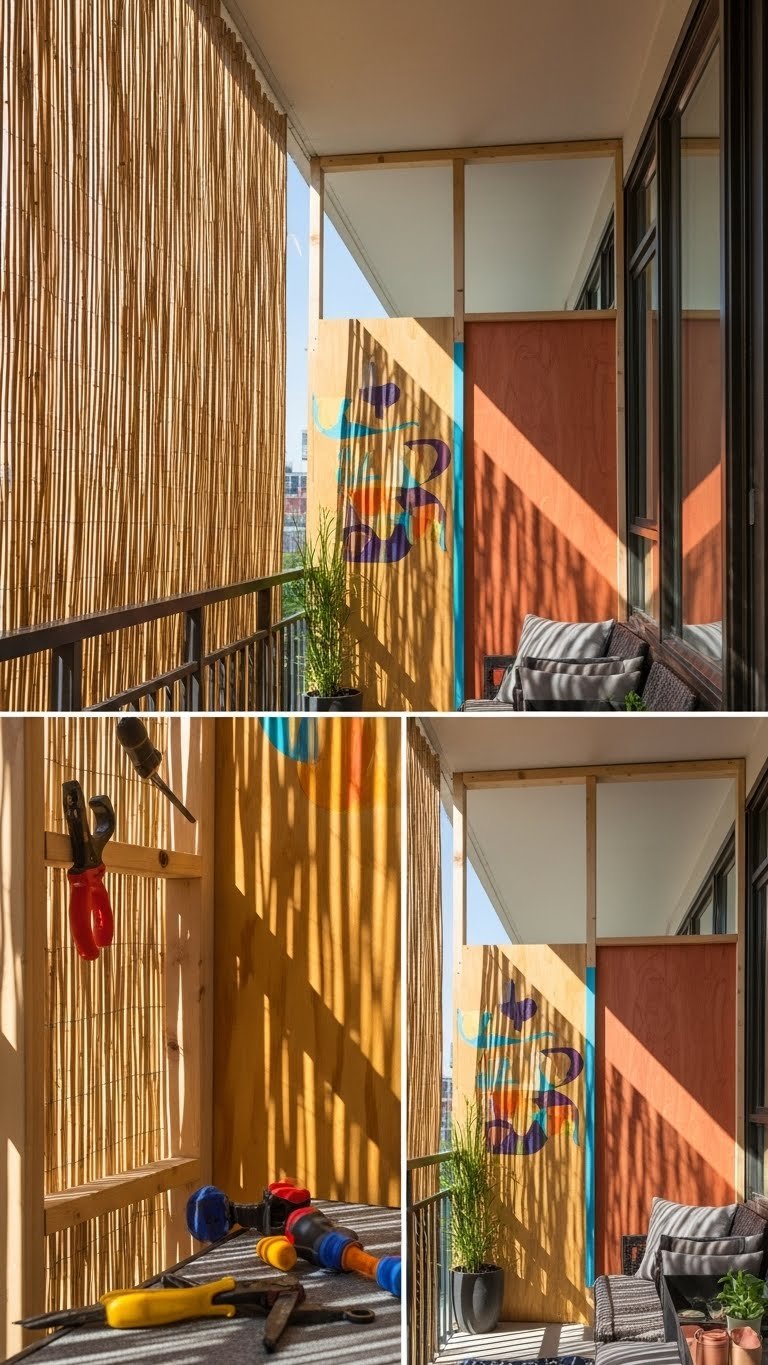
    DIY privacy screens transform balconies from exposed spaces into personalized retreats without demanding advanced carpentry skills or massive investments.

    With diy bamboo screens or painted plywood designs, you can quickly create stylish barriers that shield you from prying eyes. Simple materials and basic tools let you craft custom screens matching your unique aesthetic and functional needs.
    Choosing Your Ideal Screen Material

    Selecting the right material for your balcony privacy screen can make or break your outdoor sanctuary.

    You’ll want to balance screen durability with aesthetic appeal, exploring material types like bamboo, metal, fabric, and composite panels.
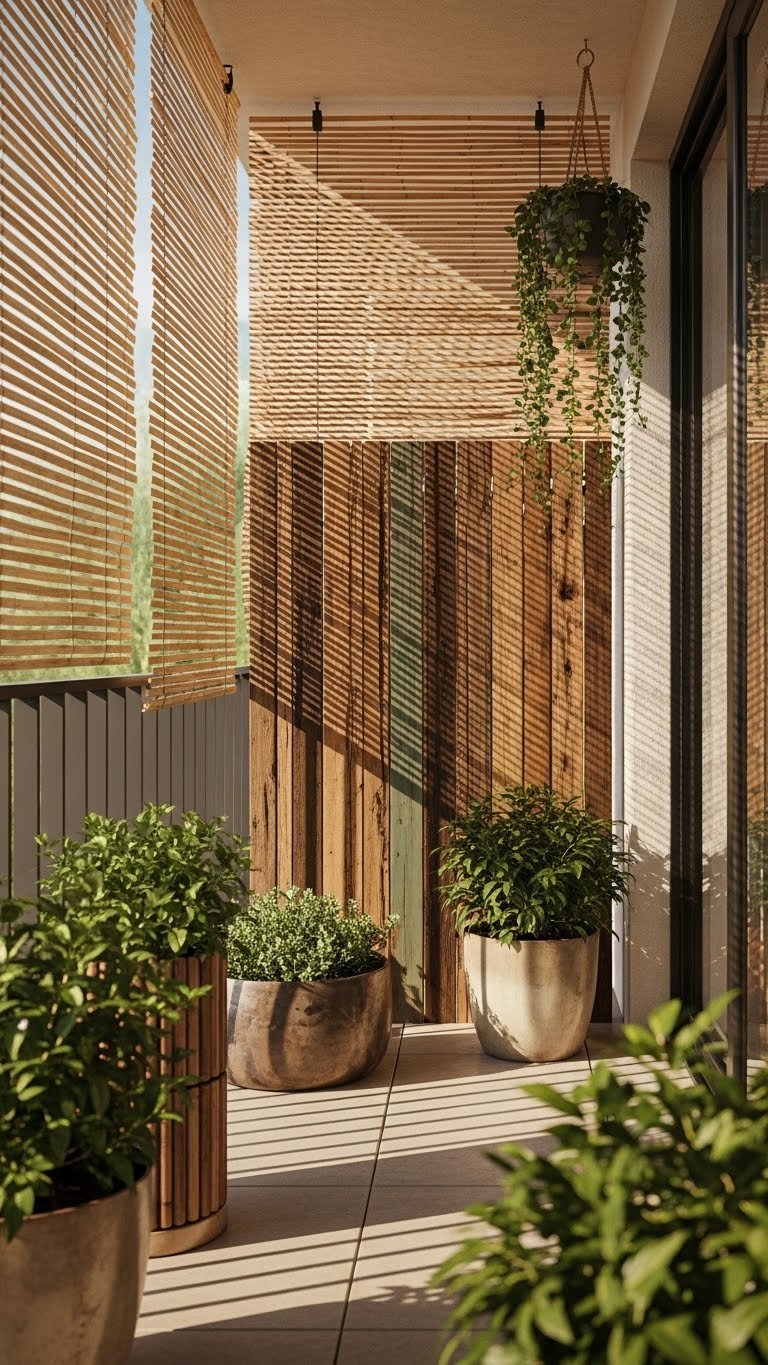
    Your choice impacts style, maintenance, and longevity, so consider weather resistance, weight, and visual harmony with your space’s design.
    Design Styles: From Modern to Bohemian

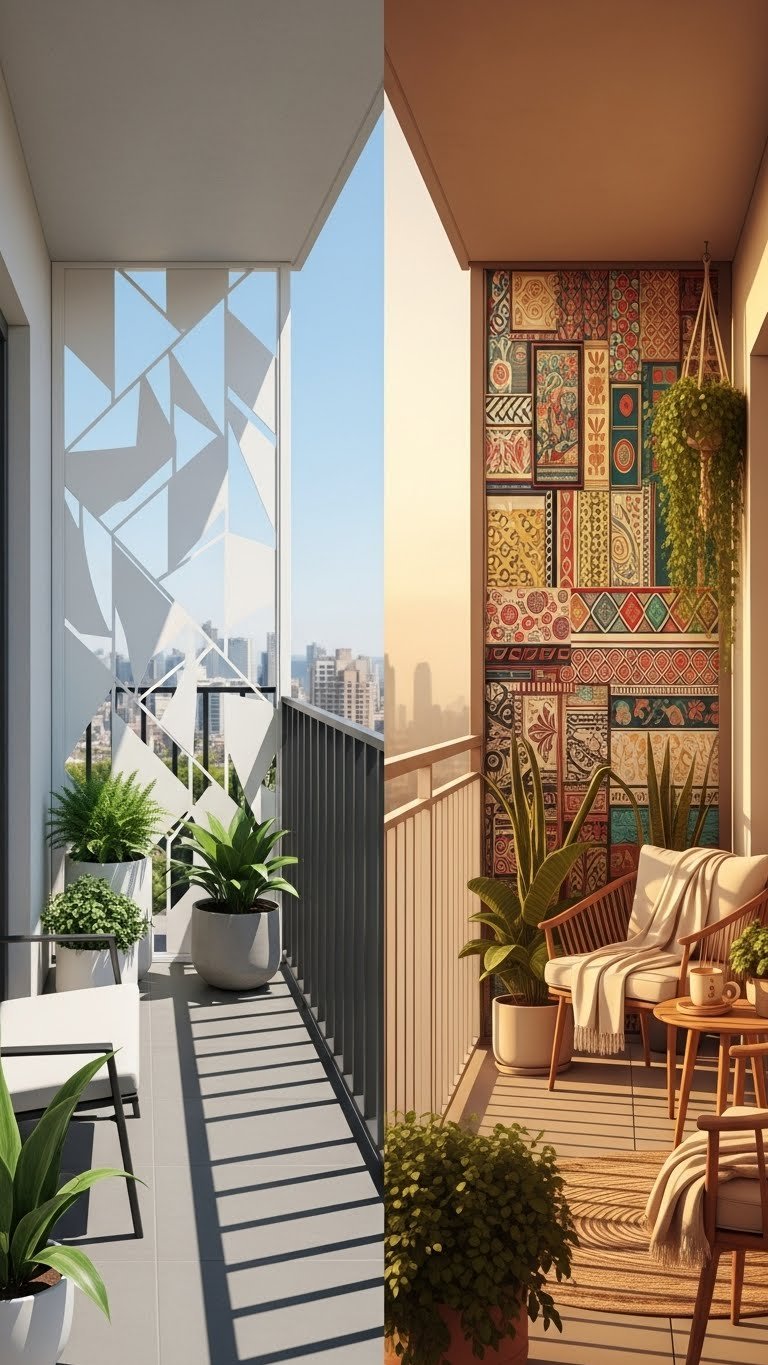
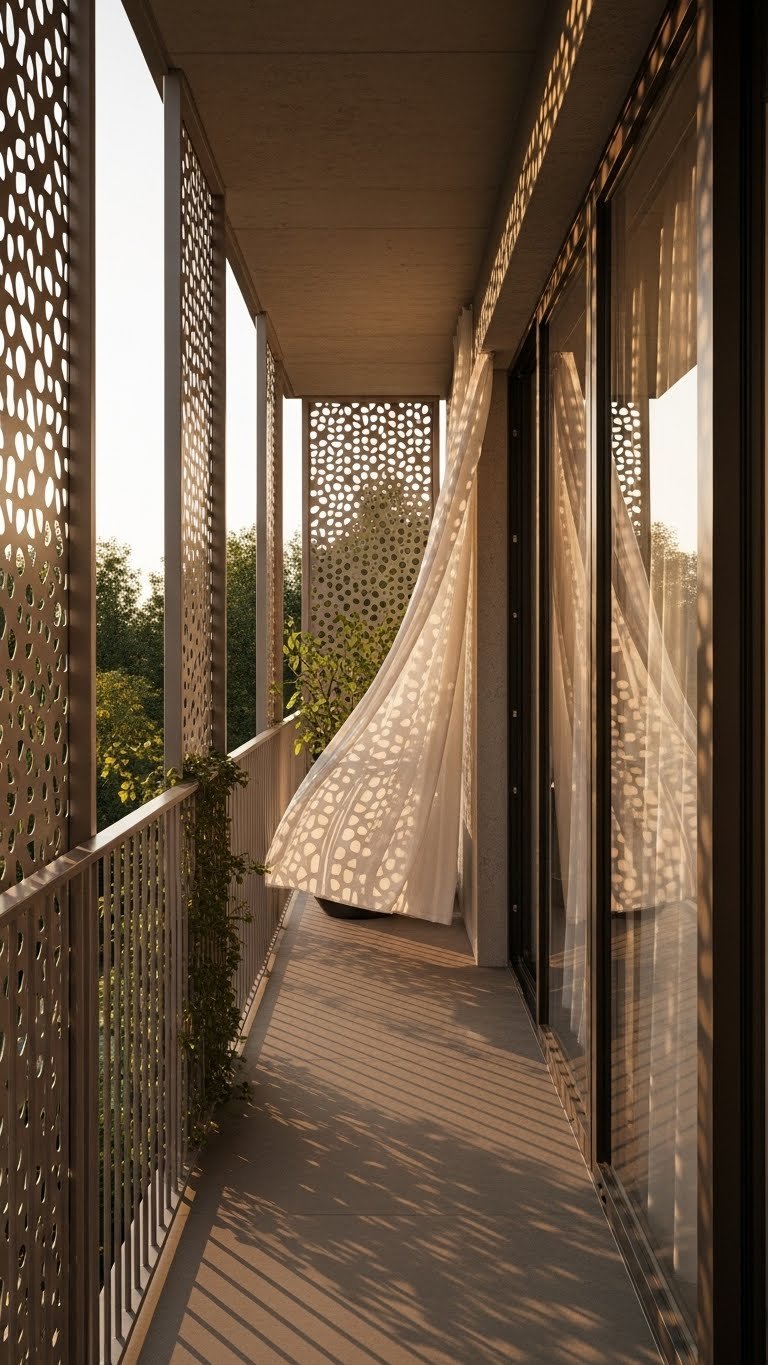
    The architectural language of your balcony privacy screen transforms your outdoor space, reflecting personal style from crisp minimalist designs to free-spirited bohemian expressions.

    Modern aesthetics showcase clean lines and neutral tones, while bohemian flair embraces eclectic patterns and vibrant textures.

    Your screen becomes an artistic statement, blending functionality with individual creativity and spatial freedom.

    Measuring for the Perfect Fit

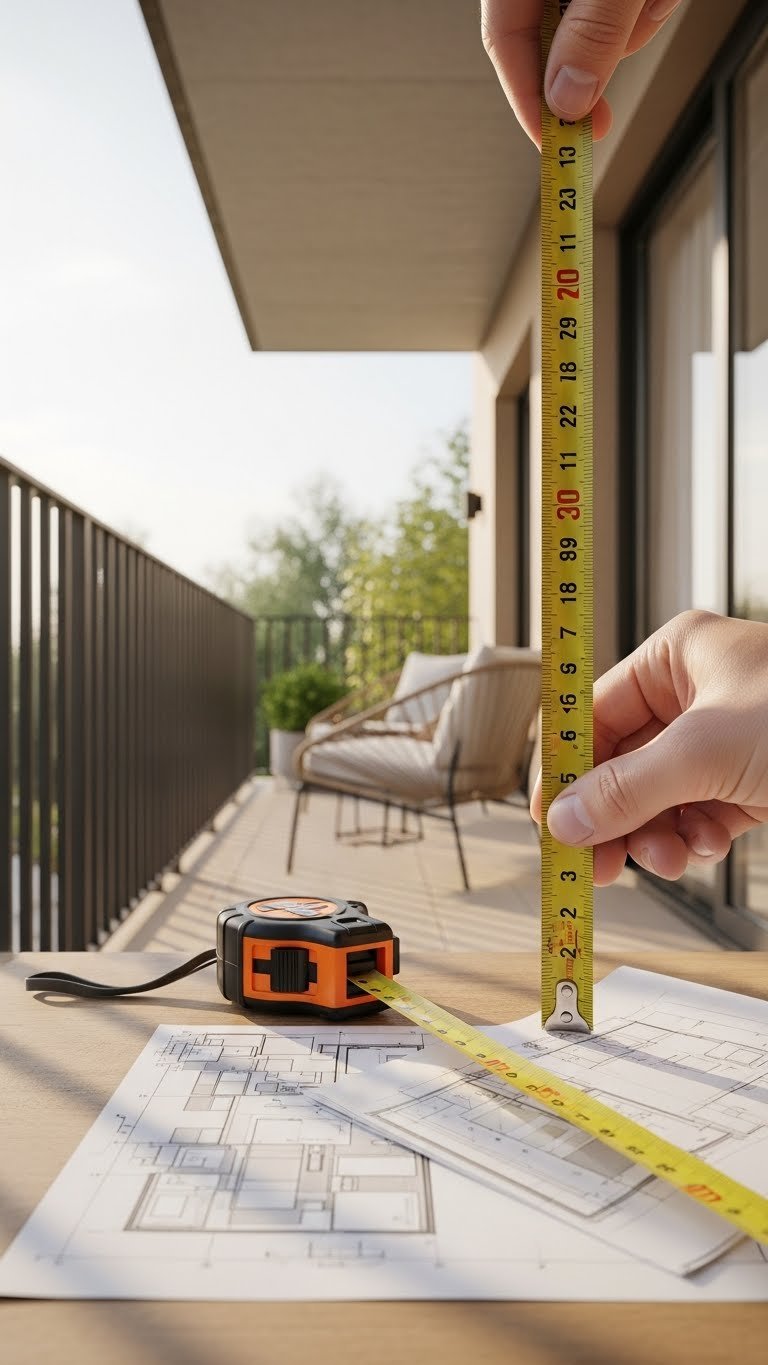
    When precision meets aesthetic design, measuring your balcony privacy screen becomes a critical first step in creating a seamless outdoor sanctuary.

    You’ll want to carefully note your balcony dimensions, considering width, height, and depth.

    Match these measurements with your privacy needs, ensuring a perfect fit that transforms your space without compromise.

    Weather-Proofing Your Outdoor Screen

    After precisely measuring your balcony, protecting your privacy screen from environmental challenges becomes paramount.

    Choose water-resistant materials that’ll withstand rain, sun, and wind. Opt for durable construction with weatherproof fabrics or treated woods that resist moisture and UV damage.

    Your screen won’t just look great—it’ll stand up to whatever nature throws its way.

    Apartment-Friendly Privacy Solutions

    Since urban living often demands creative spatial solutions, apartment dwellers can transform limited balcony areas into private retreats without violating lease agreements or structural restrictions.

    Lightweight, retractable screens and vertical balcony gardening techniques offer versatile privacy options. You’ll create an urban oasis that maximizes compact spaces while maintaining aesthetic appeal and personal freedom.

    Maximizing Small Balcony Potential

    Building on apartment-friendly privacy solutions, small balconies represent untapped potential for urban dwellers seeking personalized outdoor spaces.

    You’ll transform compact areas with creative layouts and space-saving furniture that maximize every square inch.

    Vertical screens, foldable chairs, and multi-functional decor can turn your petite balcony into a stylish, intimate retreat.

    UV Protection: Comfort and Style Combined

    Three out of four urban balconies suffer from harsh sunlight exposure, making UV protection a critical design consideration for outdoor comfort.

    You’ll love stylish shading solutions that block harmful rays while preserving aesthetic appeal.

    Opt for UV resistance benefits like retractable screens, decorative panels, and lightweight fabrics that transform your balcony into a cool, protected sanctuary.

    Removable Screens for Temporary Spaces

    While permanent UV protection offers lasting solutions, renters and those seeking flexibility will appreciate removable screens that adapt to changing needs.

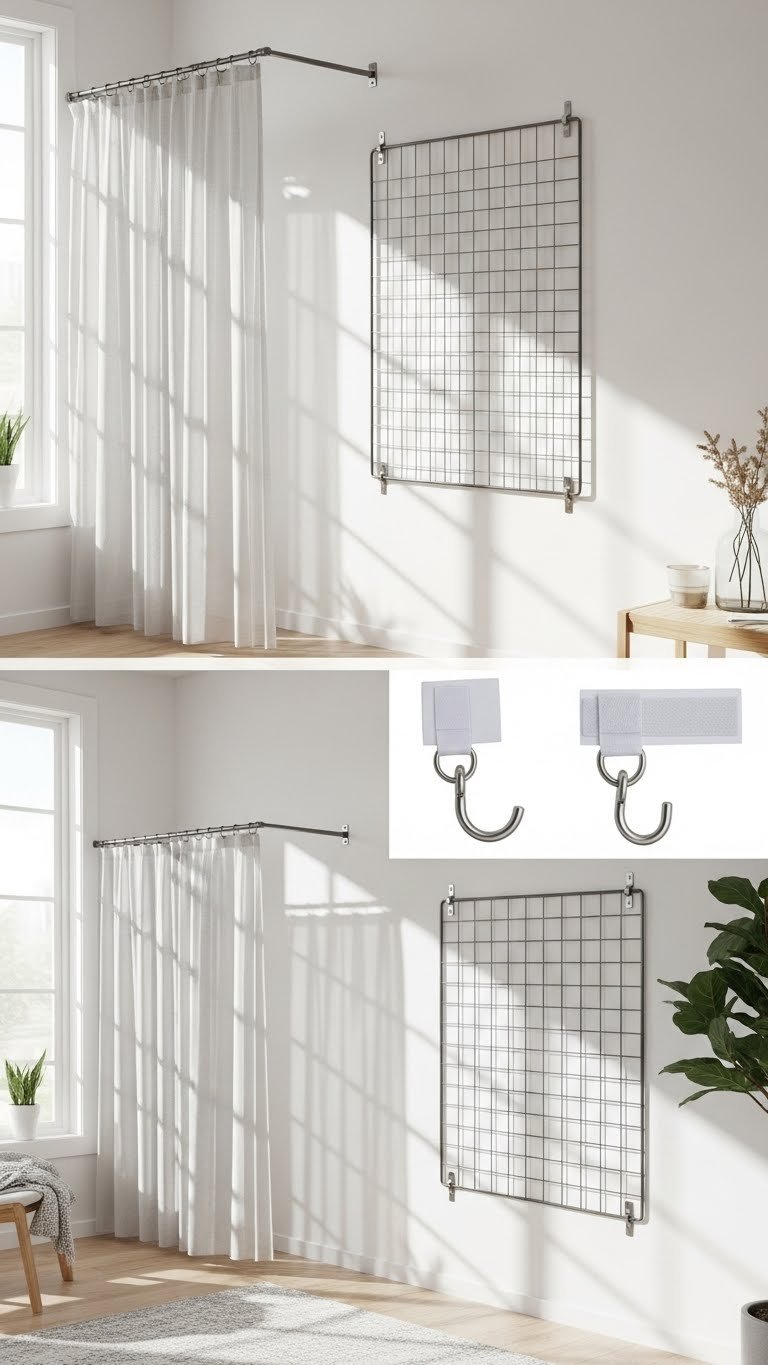
    Custom screen ideas like tension rod panels, tension wire mesh, and hook-and-loop attachments provide temporary solutions that won’t damage walls, giving you stylish privacy without long-term commitment.

    Eco-Friendly Screen Choices

    Sustainability whispers through modern design, transforming balcony privacy screens into eco-conscious statements that harmonize with environmental responsibility.

    You’ll love bamboo screens that naturally filter light and recycled material options that reduce waste.

    Choose screens crafted from reclaimed wood, sustainable textiles, or repurposed metals for a privacy solution that celebrates your commitment to the planet.

    Balancing Privacy and Airflow

    Because airflow matters as much as privacy, strategic screen design can transform your balcony into a breathable sanctuary.

    You’ll want natural ventilation strategies that optimize airflow dynamics without compromising seclusion.

    Consider slatted screens, perforated panels, or adjustable louvers that allow wind to circulate while maintaining your personal space’s visual barrier.

    Customization: Colors, Patterns, Sizes

    Screen diversity transforms balcony privacy solutions from standard to spectacular.

    You’ll love exploring color trends that complement your outdoor space, from muted neutrals to bold statements.

    Pattern mixing lets you personalize your screen, creating visual interest while maintaining functionality.

    Choose sizes that perfectly fit your balcony’s dimensions, ensuring a tailored, stylish approach to privacy.

    No-Hassle Installation Techniques

    [IMAGE PROMPT: A bright, modern photorealistic scene of a stylish balcony transformation showing three installation methods in action. A homeowner effortlessly installs a contemporary privacy screen using tension rods, adhesive mounts, and a freestanding frame simultaneously, with the screen displaying an elegant geometric or botanical design. Natural daylight floods the space, highlighting clean lines and minimalist aesthetic. The composition captures the ease and speed of setup, with soft shadows and warm, inviting tones that convey both sophistication and simplicity. Composition emphasizes the before-and-after transformation of the balcony space.]

    After selecting your perfect privacy screen design, you’ll want an installation process that’s as smooth as your aesthetic vision.

    Choose tension rods, adhesive mounts, or freestanding frames for hassle-free setup.

    These installation tips guarantee you’ll maximize style without complex mounting, giving you the freedom to transform your balcony quickly and effortlessly.

    Maintaining Your Privacy Screen Investment

    While investing in a quality privacy screen represents a stylish home improvement, protecting that investment requires strategic maintenance.

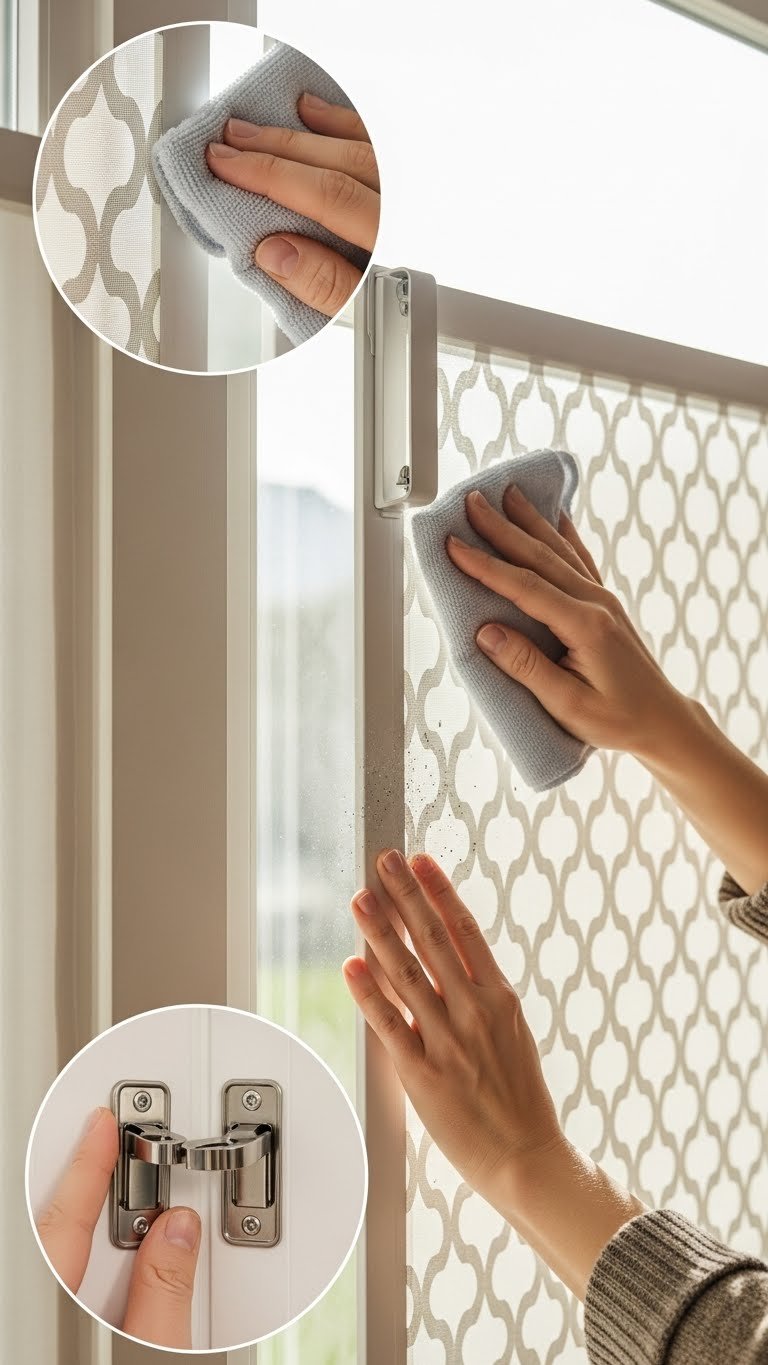
    You’ll want to regularly clean your screen, checking for debris and potential damage.

    Follow manufacturer’s screen upkeep guidelines, inspect mounting hardware, and address wear quickly.

    Proactive maintenance guarantees your privacy solution remains both functional and visually appealing.

  • 25 Beautiful Indoor-Outdoor Flow Designs Ideas You’ll Love

    25 Beautiful Indoor-Outdoor Flow Designs Ideas You’ll Love

    You’re standing at the threshold of architectural transformation, where indoor and outdoor spaces blur into a harmonious canvas. Modern design isn’t just about walls and windows—it’s about creating fluid, breathable environments that invite nature inside. The most compelling homes today don’t separate; they integrate, offering seamless shifts that challenge traditional spatial boundaries. Imagine living spaces that feel simultaneously intimate and expansive, where every design choice whispers of connection and possibility.

    Understanding Indoor-Outdoor Living Design Principles

    While indoor-outdoor living represents more than just architectural design, it’s a holistic approach to creating seamless spatial experiences that blur traditional boundaries between interior and exterior environments.

    You’ll want to prioritize indoor comfort while embracing outdoor aesthetics, strategically designing spaces that flow effortlessly and invite natural light, ventilation, and sensory connection between inside and outside domains.

    Floor Level Integration Strategies

    Although floor level integration might seem like a subtle design element, it’s a critical strategy for creating truly seamless indoor-outdoor connections.

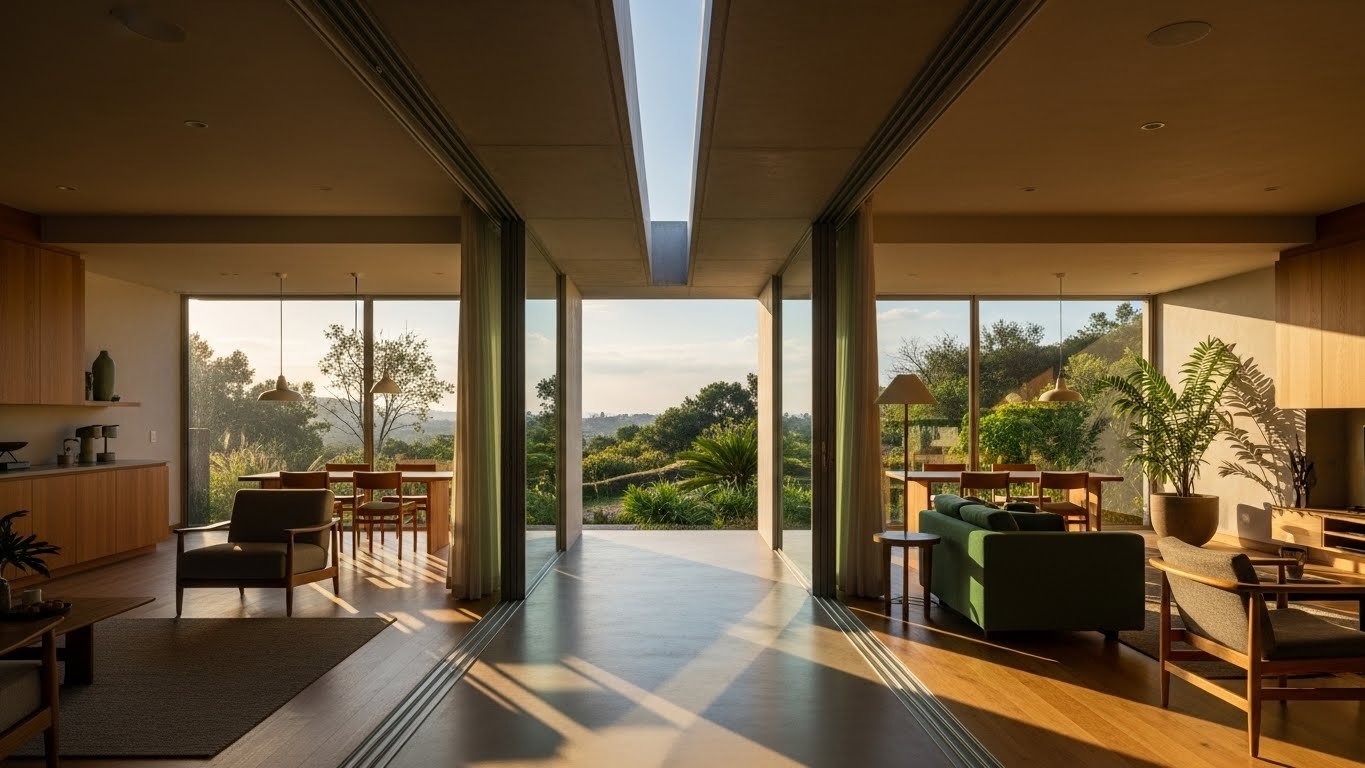
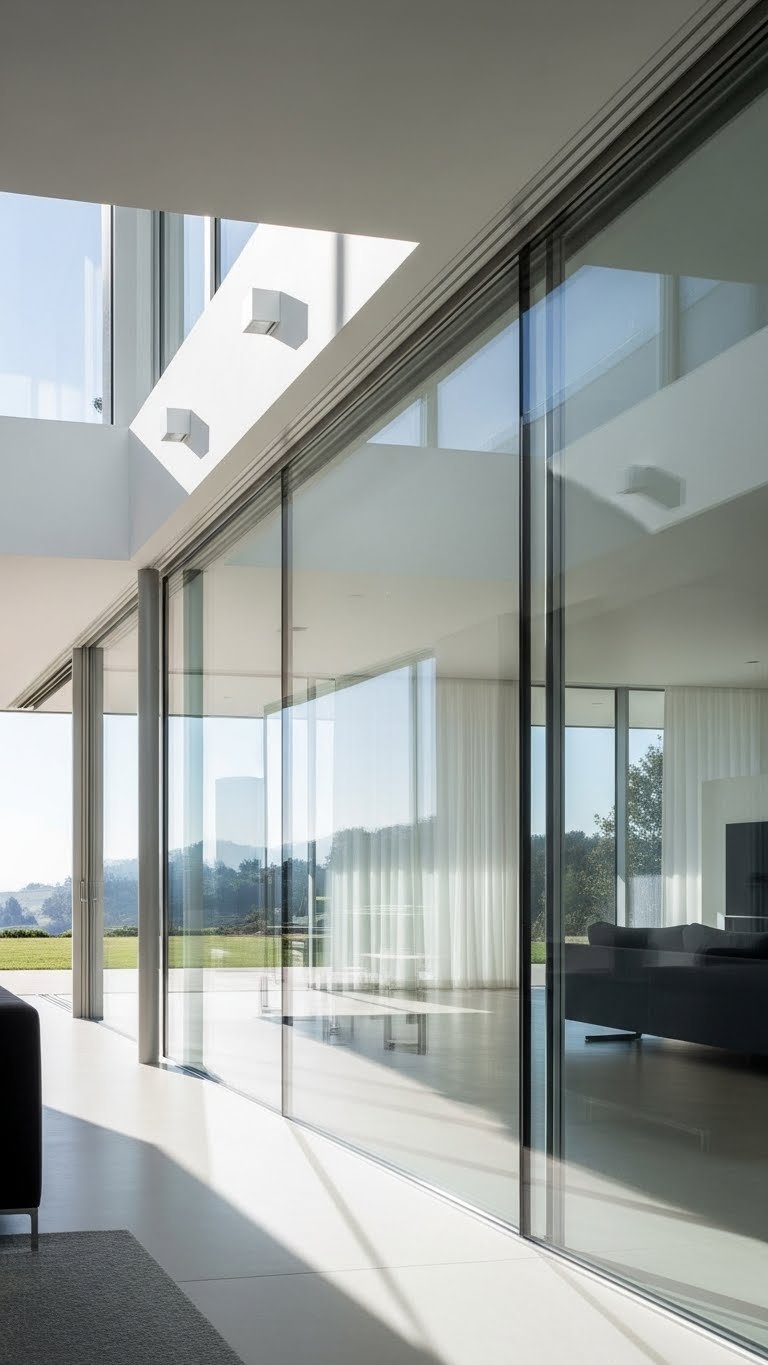
    Advanced Glass Door Solutions

    Floor level continuity sets the stage for sophisticated glass wall options that dramatically reshape architectural boundaries.

    You’ll love folding door innovations that dissolve interior-exterior constraints, creating seamless connections.

    Frameless sliding systems and multi-panel configurations provide unprecedented spatial freedom, transforming how you experience architectural connectivity.

    Material Selection for Seamless Transitions

    Since successful indoor-outdoor design hinges on material continuity, architects leverage strategic surface selections to create fluid spatial experiences.

    You’ll want materials that balance durability, texture contrast, and color harmony while prioritizing eco-friendly options.

    Consider local sourcing, aesthetic versatility, and functional performance to achieve a seamless changeover that reflects your design vision.

    Furniture Placement for Unified Spaces

    When designing indoor-outdoor spaces, furniture placement becomes a critical choreography of spatial connectivity and visual flow.

    You’ll want to create seamless furniture arrangements that blur boundaries, promoting spatial harmony.

    Position pieces strategically to invite movement, using lightweight, versatile furniture that shifts effortlessly between interior and exterior environments.

    Minimalist Glazing Techniques

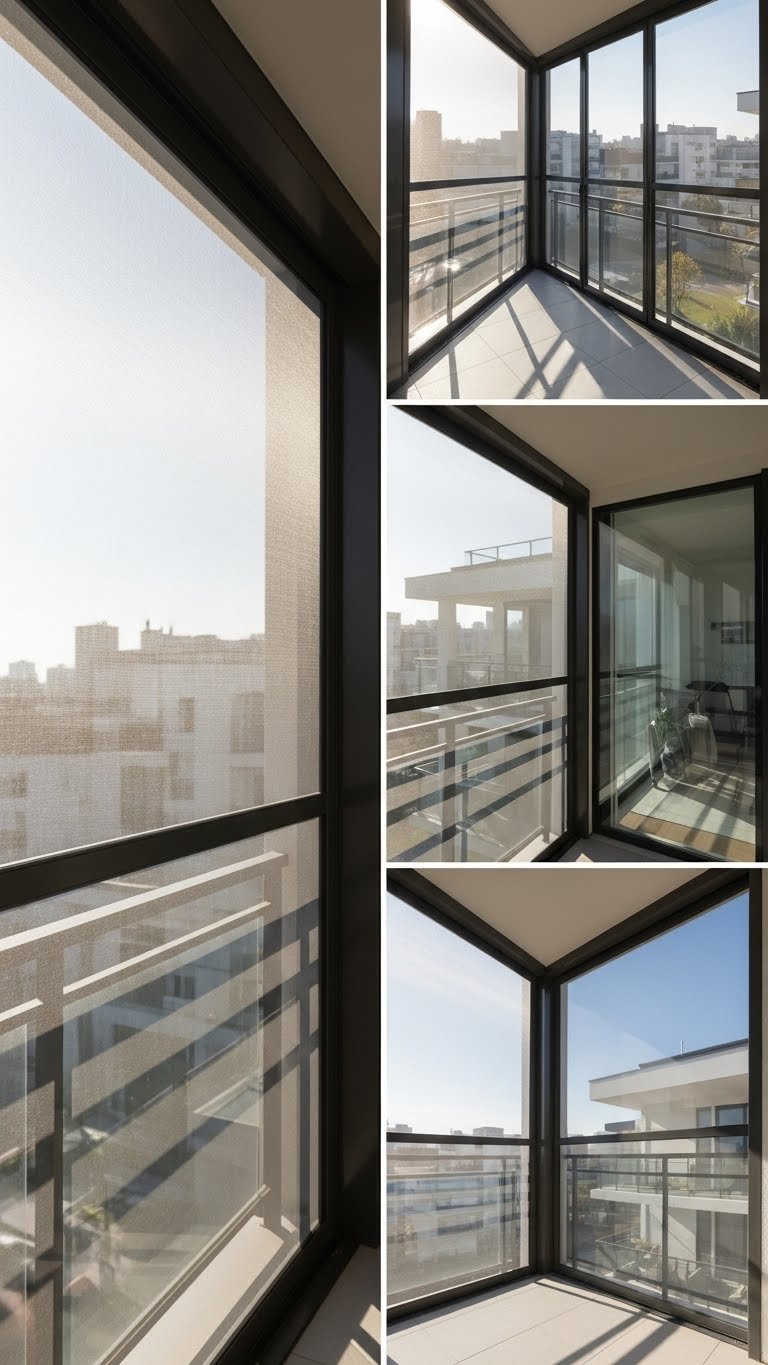
    As architectural boundaries dissolve, minimalist glazing emerges as a transformative design strategy that radically reimagines spatial connections.

    You’ll find these techniques leverage floor-to-ceiling glass panels, creating seamless shifts between interior and exterior environments.

    Strategic Window Design for Visual Expansion

    While architectural innovation continually pushes spatial boundaries, strategic window design emerges as a powerful technique for visual expansion.

    You’ll reveal transformative spaces by carefully framing views and orchestrating light diffusion. Large, frameless windows dissolve interior-exterior barriers, creating an illusion of expanded dimensions that breathes freedom into your living environment.

    Natural Material Palettes and Textures

    Because indoor-outdoor flow transcends mere visual connectivity, material selection becomes a critical design language that bridges interior spaces with natural landscapes.

    You’ll want to embrace reclaimed wood, natural stone, and bamboo accents that create organic shapes and wabi sabi aesthetics, while integrating textured fabrics and artisanal tiles that enhance biophilic design principles through tactile, earthy experiences.

    Creating Functional Threshold Spaces

    When designing indoor-outdoor shifts, threshold spaces become critical architectural moments that choreograph spatial movement and sensory experience.

    You’ll want to craft seamless changes that blur interior and exterior boundaries, integrating threshold design with outdoor functionality.

    Strategically placed sliding glass walls, pivoting doors, and level-matched flooring create fluid spatial connections that expand your living experience.

    Kitchen and Dining Outdoor Connection Methods

    Expanding on threshold design principles, kitchen and dining spaces offer prime opportunities for outdoor integration through strategic architectural interventions.

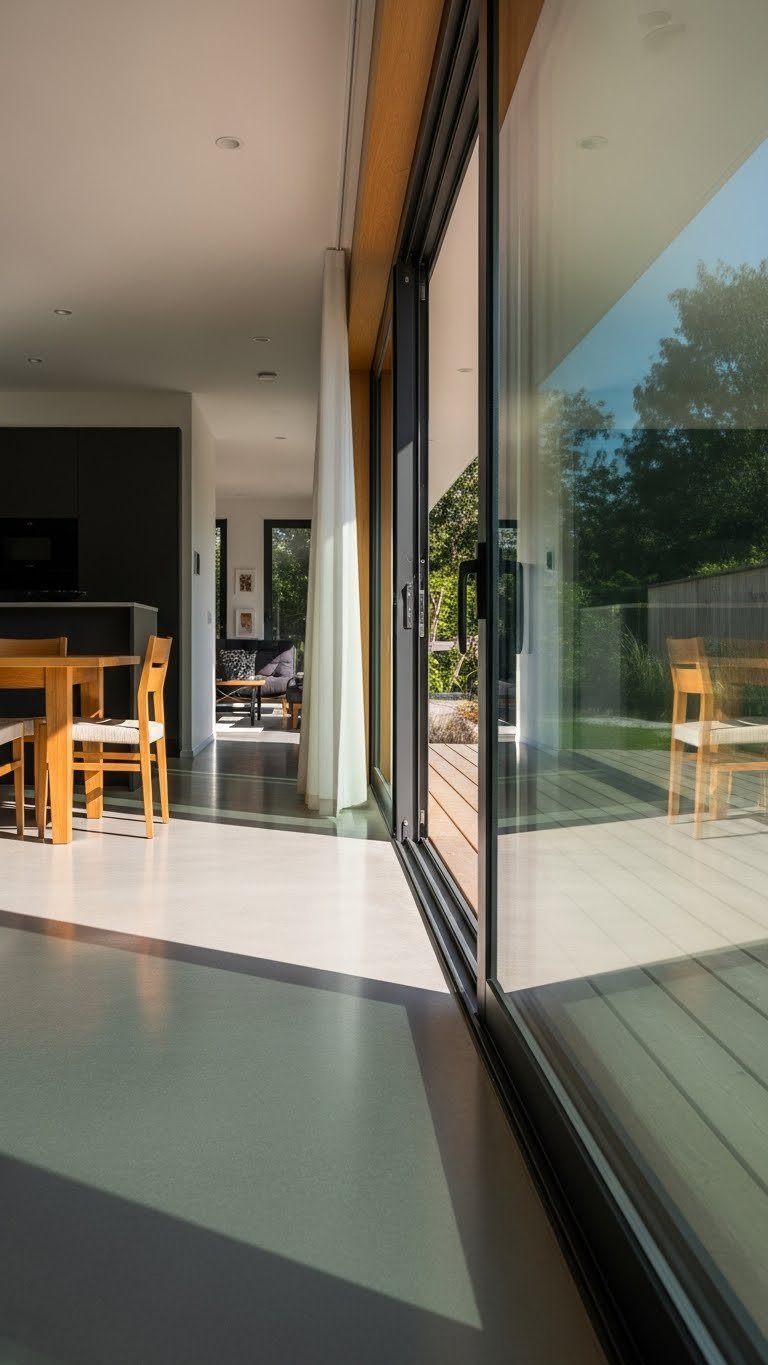
    You’ll transform kitchen layouts by installing large sliding glass doors or folding panel systems that dissolve interior/exterior boundaries, creating seamless outdoor dining experiences that extend your living environment’s spatial dynamics and sensory connections.

    Lighting Design for Spatial Continuity

    While architectural lighting serves as a critical medium for spatial perception, strategic illumination techniques can profoundly transform indoor-outdoor threshold experiences.

    You’ll want to layer ambient and task lighting to blur spatial boundaries.

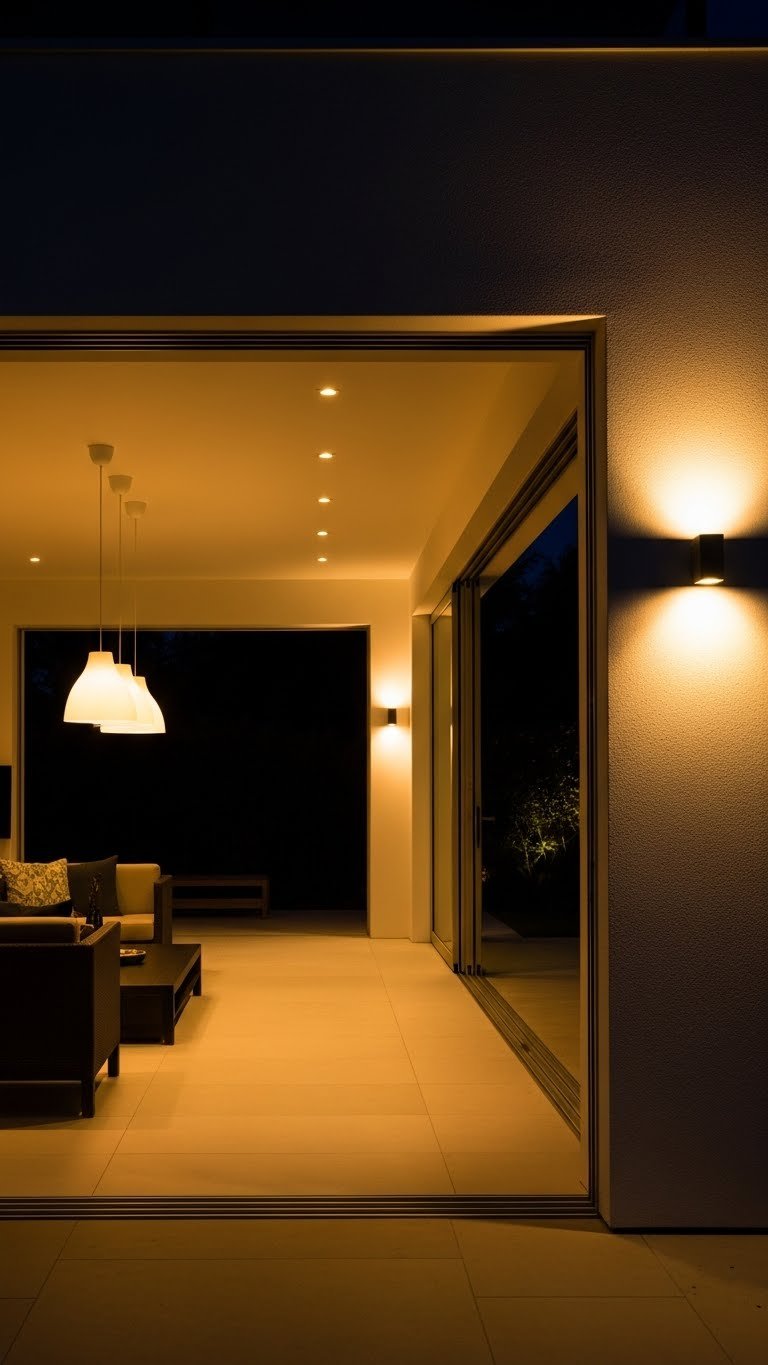
    Seamless shifts emerge when pendant lights, recessed fixtures, and exterior sconces create visual continuity, inviting your eye to flow effortlessly between interior and exterior environments.

    Climate-Adaptive Transition Techniques

    Because architectural design must respond dynamically to environmental conditions, climate-adaptive change techniques become essential in creating responsive indoor-outdoor spaces. You’ll want to leverage adaptive material selection that transforms with temperature shifts, integrating smart design solutions that breathe with your environment’s unique rhythms, ensuring seamless architectural shifts that honor both interior comfort and exterior landscape dynamics.

    Privacy and Screening Innovations

    Privacy emerges as a nuanced architectural choreography when design transforms environmental membranes into intelligent screening mechanisms.

    You’ll discover innovative privacy screening solutions—decorative trellises, living walls, and retractable shades—that elegantly balance transparency and seclusion.

    Natural materials and acoustic solutions seamlessly integrate outdoor partitions, creating visual blocks that breathe with spatial freedom.

    Technology Integration in Open Living Spaces

    As smart home ecosystems evolve, technology seamlessly merges with architectural design, transforming open living spaces into intelligent, responsive environments.

    You’ll experience immersive entertainment through interactive surfaces and wireless integration, where automated shading and intelligent lighting adapt intuitively to your preferences, creating seamless connectivity with digital privacy and sophisticated climate control.

    Fire and Water Features as Connective Elements

    While architectural design increasingly blurs boundaries between indoor and outdoor spaces, fire and water features emerge as powerful connective elements that transform spatial experiences. You’ll discover how strategically placed fire features and water elements create seamless visual connectivity, enhancing ambiance and merging functional zones with sophisticated outdoor aesthetics.

    Storage Solutions at Architectural Interfaces

    Because architectural interfaces demand innovative solutions, integrated storage becomes a critical design element in creating fluid indoor-outdoor spaces.

    You’ll discover that storage optimization transforms changing zones, seamlessly blending functionality with aesthetic flow.

    Built-in cabinets, hidden compartments, and multi-purpose furnishings strategically positioned at architectural interfaces maximize spatial potential.

    Landscape Design That Extends Interior Aesthetics

    When landscape design becomes an extension of interior architectural vision, your outdoor spaces transform into seamless visual narratives that flow beyond traditional boundaries.

    You’ll discover landscape harmony emerges through intentional material selection, color coordination, and spatial continuity that naturally extends interior aesthetics, creating immersive environments where indoor and outdoor domains converge eloquently.

    Ergonomic Movement Between Indoor-Outdoor Areas

    Seamlessly shifting between indoor and outdoor spaces requires strategic design that prioritizes fluid, intuitive movement and spatial ergonomics.

    You’ll want flowing pathways that eliminate physical barriers, creating natural shifts.

    Wide doorways, level thresholds, and strategically positioned windows maximize natural ventilation while ensuring your movement feels effortless and unrestricted.

    Sensory Continuity in Design Transitions

    Beyond physical pathways, sensory experience defines the true quality of indoor-outdoor spatial interactions.

    Your design should orchestrate sensory pathways that seamlessly blend environmental textures, temperatures, and luminosity.

    Spatial harmony emerges when shifts feel intuitive, allowing your perception to flow effortlessly between interior and exterior spaces without jarring sensorial interruptions.

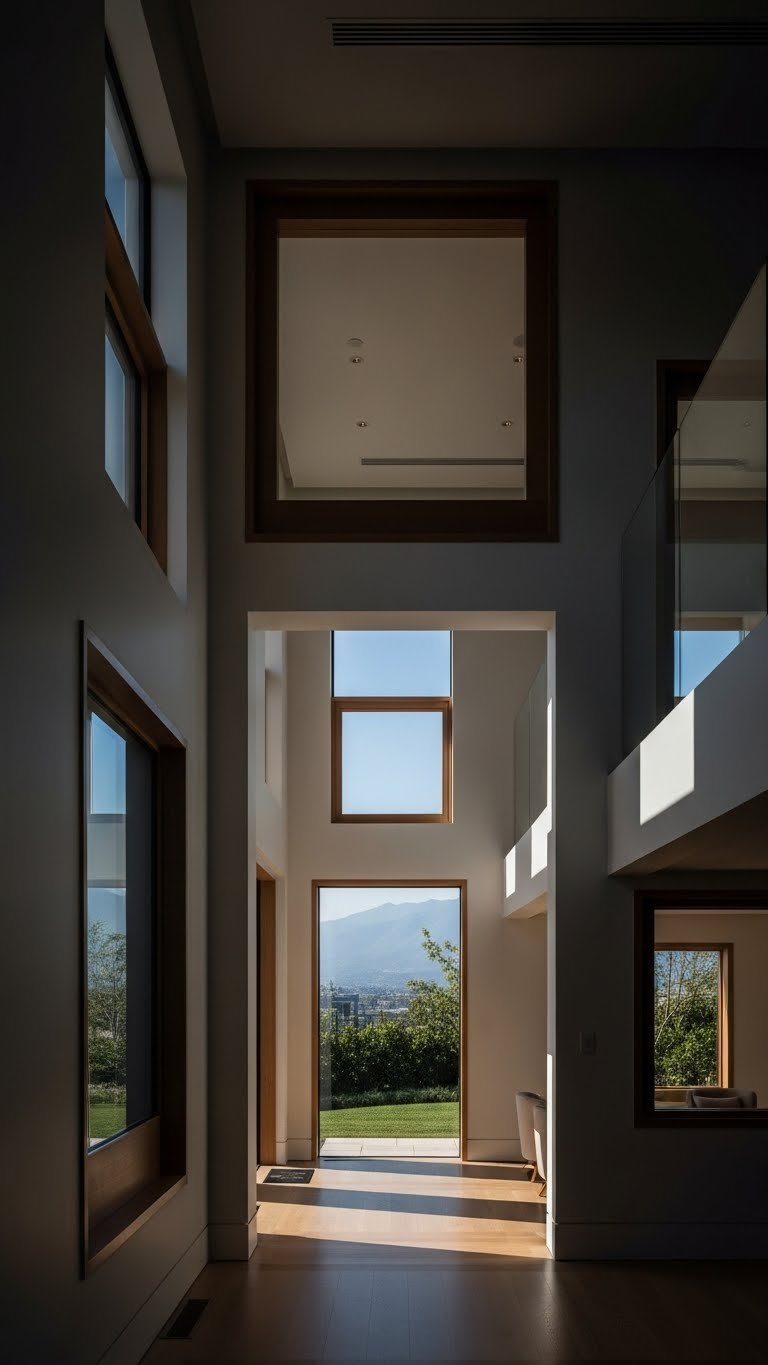
    Architectural Framing of Exterior Views

    Architectural framing transforms exterior views into living artworks, turning windows and openings into curated visual compositions that extend interior spatial narratives. You’ll discover how strategic exterior framing creates visual emphasis, guiding your gaze through carefully designed apertures that choreograph landscape interactions and blur boundaries between indoor and outdoor environments.

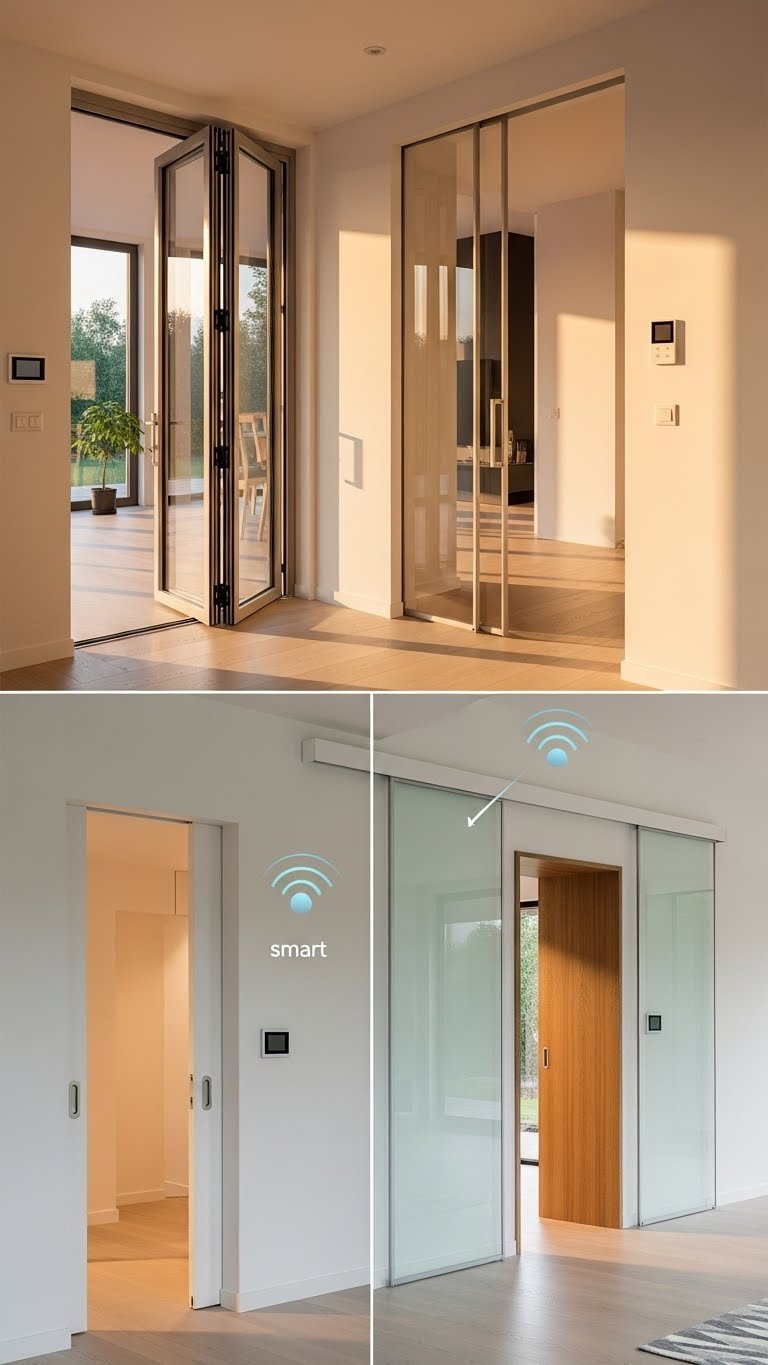
    Multi-Functional Door System Technologies

    Where exterior view framing establishes visual dialogues, multi-functional door systems amplify spatial connectivity through innovative engineering and design.

    You’ll discover cutting-edge technologies like bi-fold doors, sliding panels, and pocket glass that transform boundaries, integrating smart systems with thermal efficiency and acoustic insulation.

    These options offer customizable features that enhance freedom and safety through automated controls.

    Sustainable Materials for Boundary-Less Living

    As sustainable design continues to evolve, innovative materials are reshaping how we conceptualize interior-exterior boundaries.

    You’ll discover recycled materials transforming spaces, blending biophilic design principles with architectural freedom.

    Transparent glass, reclaimed timber, and eco-friendly composites create seamless connections, allowing natural light and organic textures to dissolve traditional spatial limitations.

    Psychological Impact of Spatial Flow

    When design transcends mere physical boundaries, spatial flow becomes a profound psychological catalyst for human experience.

    You’ll discover that intentional spatial awareness transforms environments, liberating emotional responses.

    Seamless exchanges invite your mind to breathe, reducing stress and enhancing cognitive flexibility.

    Your perception shifts, creating a sense of expansiveness that connects interior and exterior domains with intuitive grace.

    Budget-Conscious Transition Design Strategies

    Psychological insights illuminate design’s economic potential, revealing how intelligent spatial strategies can transform indoor-outdoor connections without astronomical expenses.

    You’ll discover budget-friendly solutions using cost-effective materials like repurposed wood, strategic glass treatments, and modular furnishings.

    Clever design choices can dramatically enhance spatial flow without draining your wallet, offering aesthetic freedom through smart, intentional shifts.

    While technological advancements increasingly blur traditional architectural boundaries, indoor-outdoor living spaces are evolving into dynamic, multifunctional environments that respond intelligently to human needs and environmental conditions.

    You’ll see biophilic design transforming spaces through seamless shifts, integrated smart technologies, and outdoor aesthetics that expand your living experience beyond conventional architectural limitations.