Blog

  • 28 Creative Interior Ideas Ideas That Upgrade Your Home

    28 Creative Interior Ideas Ideas That Upgrade Your Home

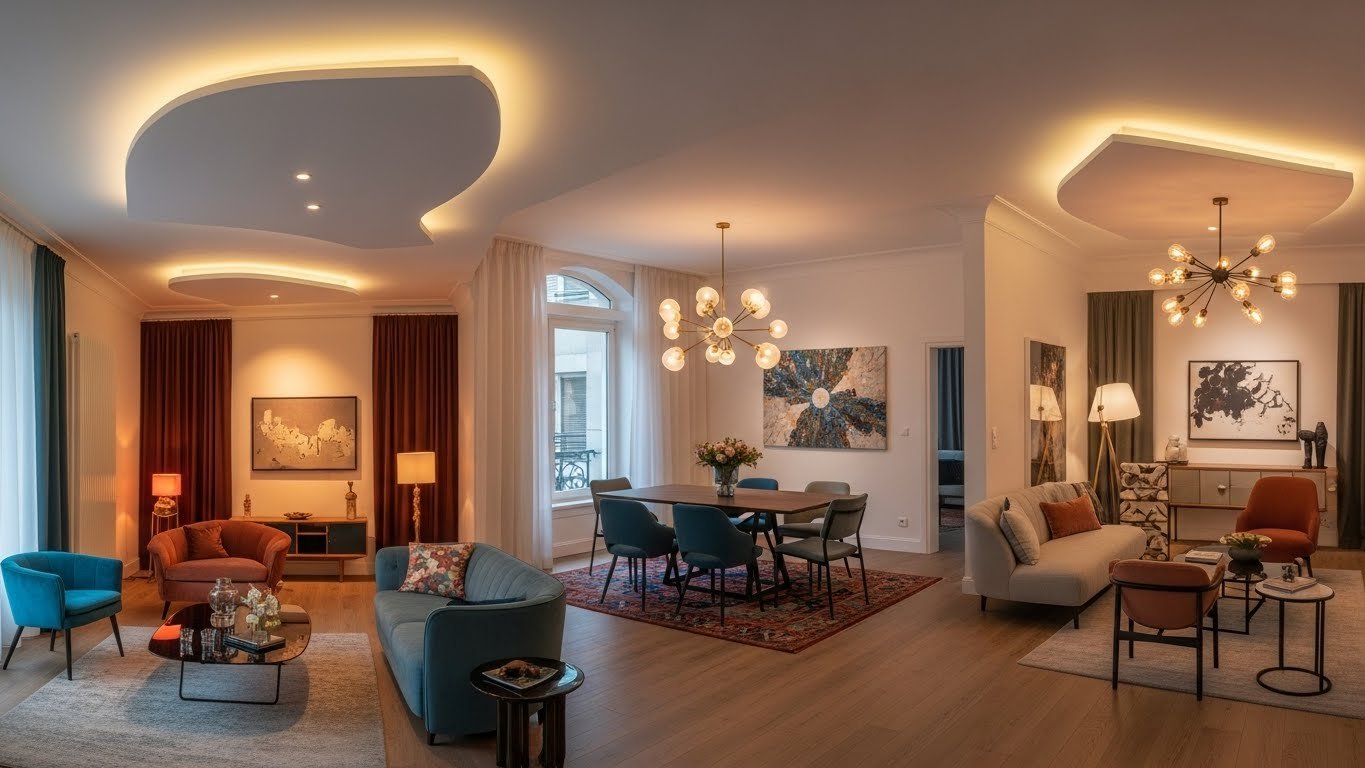
    You’re standing at the threshold of home transformation, where ordinary spaces become extraordinary canvases. Your interior isn’t just a backdrop—it’s a personal statement of style and creativity. From unexpected ceiling treatments to sculptural lighting, these 28 ideas will challenge everything you thought you knew about design. Each concept promises to revolutionize how you perceive and experience your living environment. Want to reveal the secrets of truly remarkable home styling?

    Understand Color Capping: Elevate Your Ceiling Design
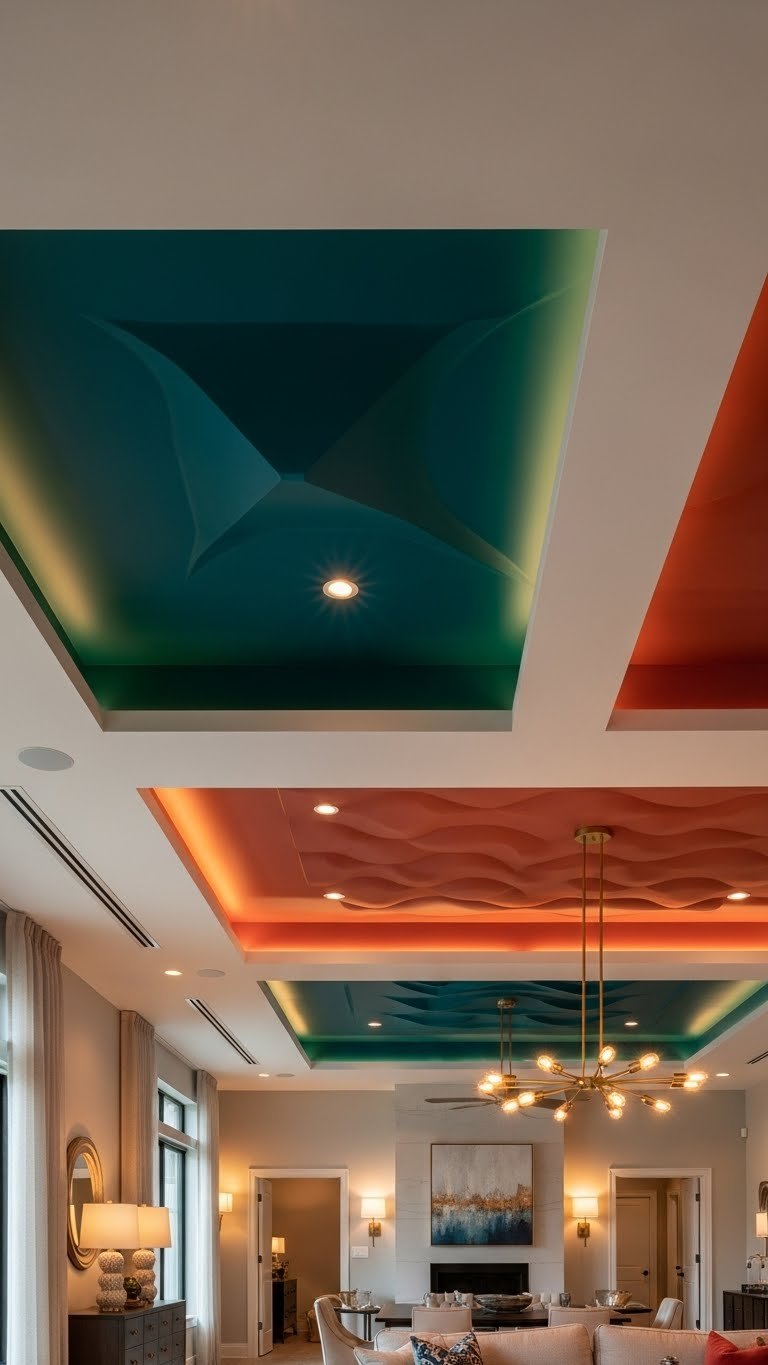
    While often overlooked, your ceiling represents a powerful canvas for transformative design.

    By experimenting with color gradients and innovative ceiling textures, you’ll reveal a dynamic visual landscape.

    Don’t settle for white – bold hues can redefine your space, creating depth, drama, and unexpected architectural interest that elevates your interior’s entire aesthetic.

    The Art of Antique Sourcing: Curating Unique Interiors
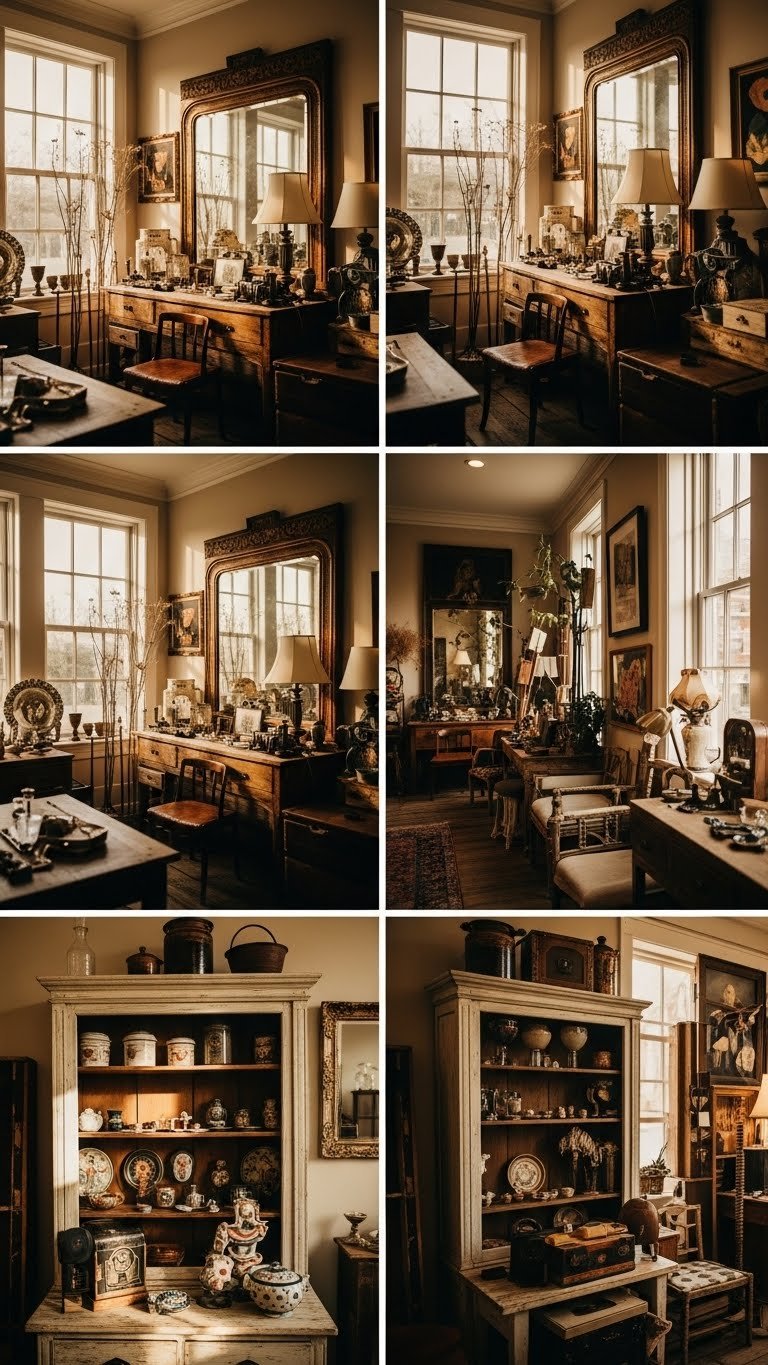
    Though antique sourcing might seem challenging, it’s an art form that transforms ordinary interiors into extraordinary narratives of design and personal expression.

    Your sourcing journeys reveal vintage finds that tell stories through curated collections.

    Embrace historical pieces, blend eclectic mixes, and infuse timeless elegance into your living spaces with market treasures that reflect your unique design storytelling.

    Maximize Small Spaces: Design Functional Cozy Nooks
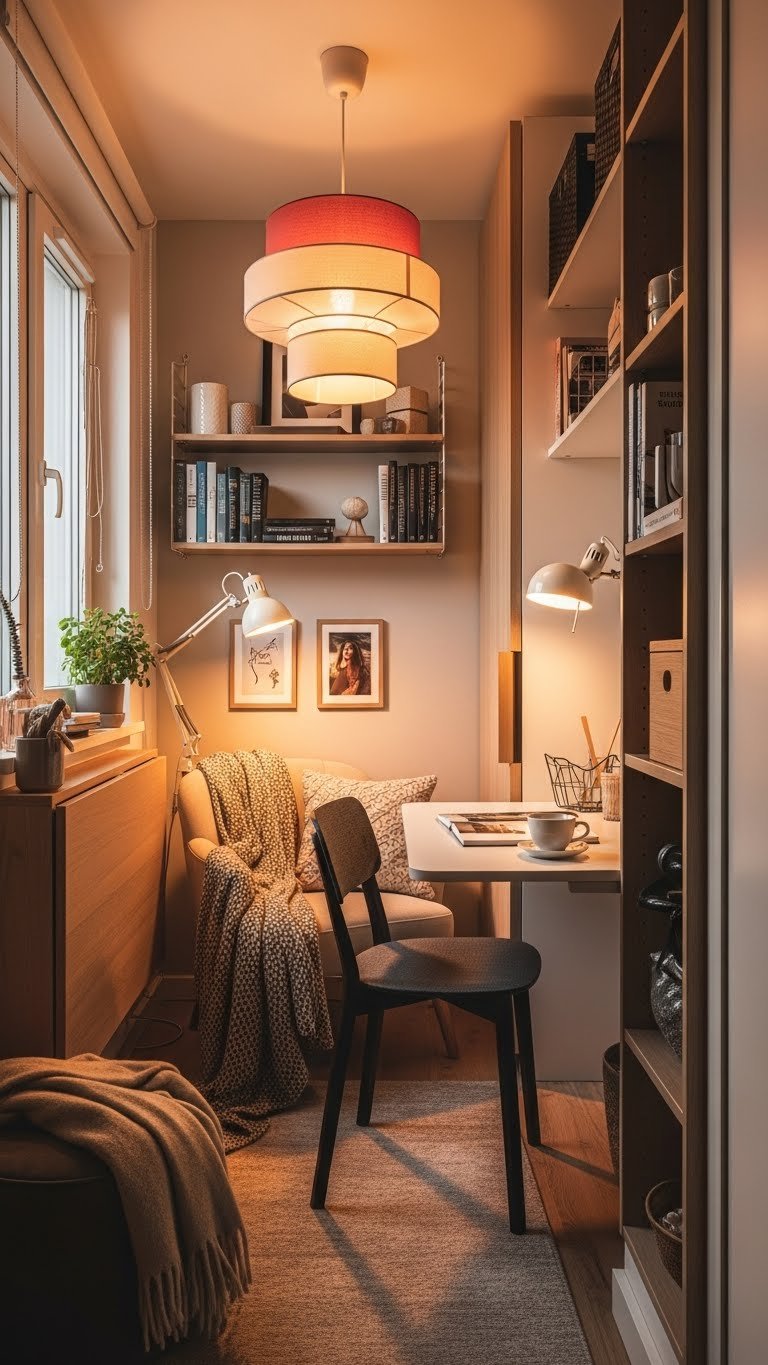
    When square footage feels limited, smart design can transform cramped quarters into intimate, functional retreats. Choose multi-purpose, space saving furniture like fold-down desks and wall-mounted shelves. Create cozy reading nooks with compact armchairs, plush throws, and strategic lighting that maximize vertical space while delivering maximum comfort and style.

    Neo Deco Revival: Modern Twists on Classic Glamour

    From compact studios to expansive living spaces, interior design continues to evolve with bold, reimagined aesthetics.

    You’ll love how Neo Deco revival blends Art Deco’s timeless elegance with contemporary chic.

    Think bold colorways, glamorous textures, and vintage patterns that transform your space into a sophisticated statement of personal style.

    Sculptural Elements: Transforming Spaces With Statement Pieces

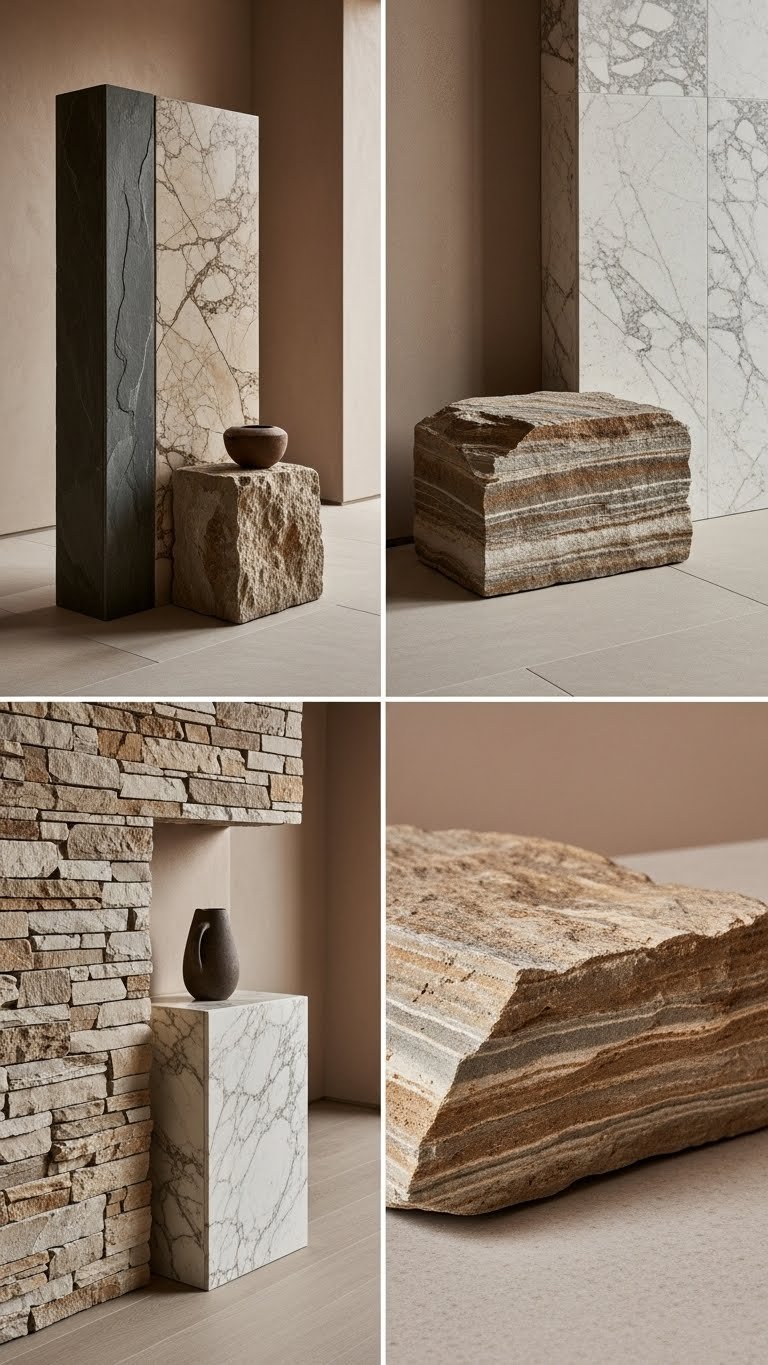
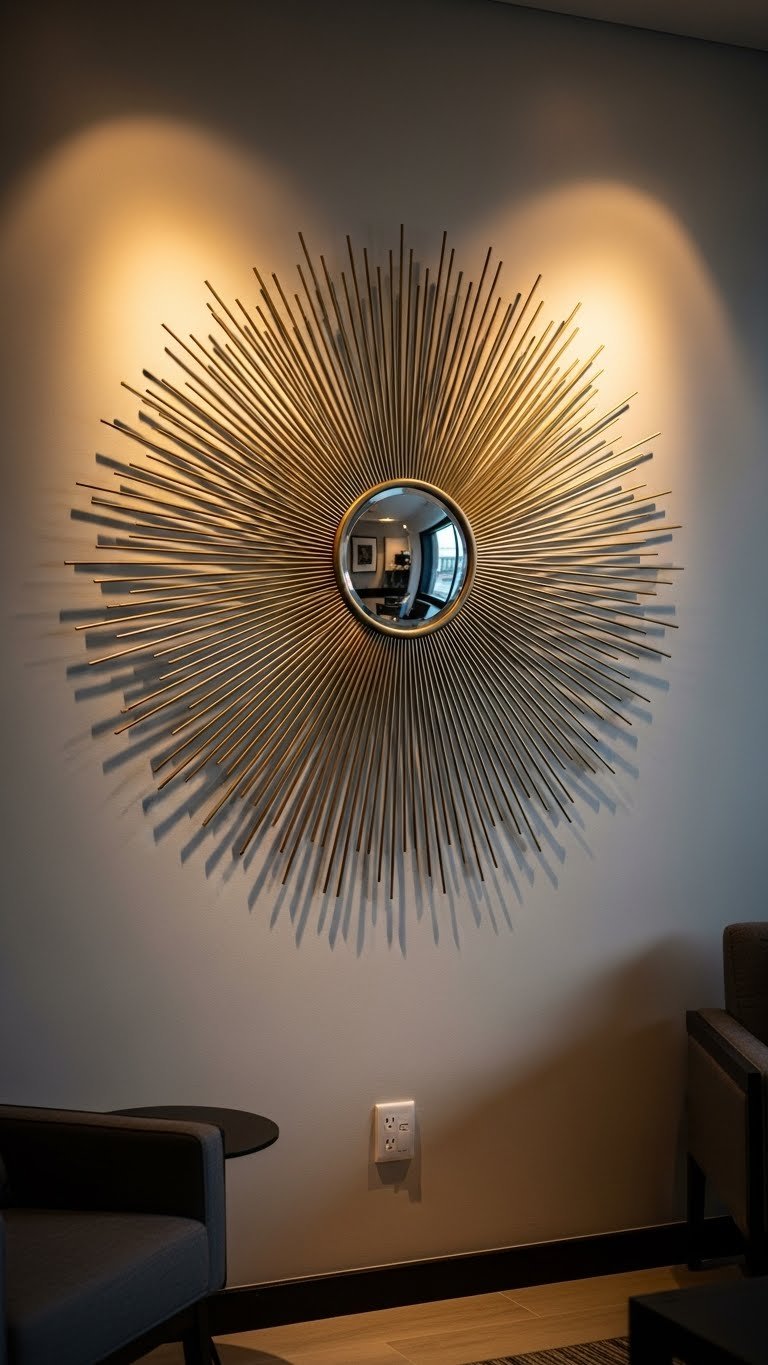
    Because sculptural elements have become the cornerstone of contemporary interior design, they’re transforming living spaces from mundane to extraordinary.

    You’ll elevate your home with bold sculptural installations that break traditional boundaries. Curated collections aren’t just decor—they’re statements of artistic expression, creating dynamic visual narratives that reflect your unique aesthetic sensibilities and design freedom.

    Natural Textures: Bringing Organic Warmth Indoors

    As sculptural forms command artistic attention, natural textures invite sensory engagement through organic materiality.

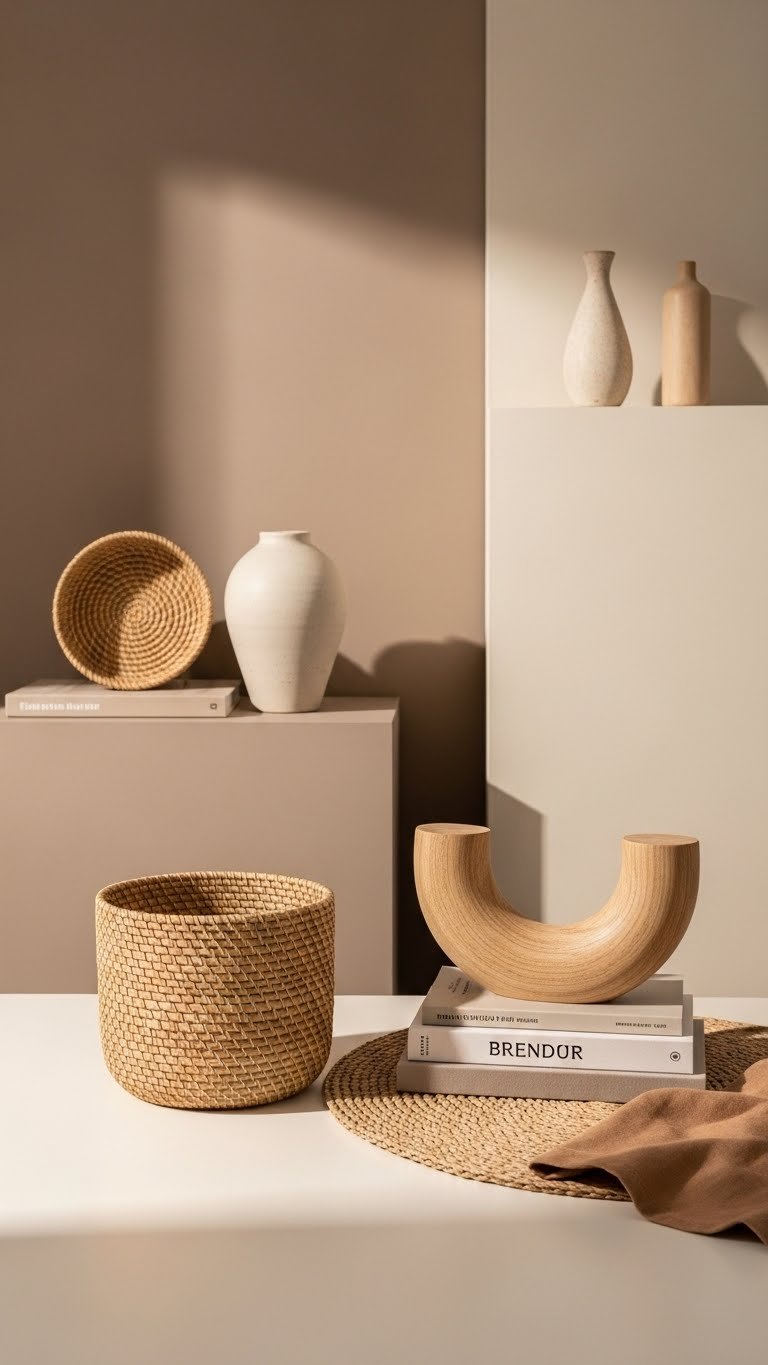
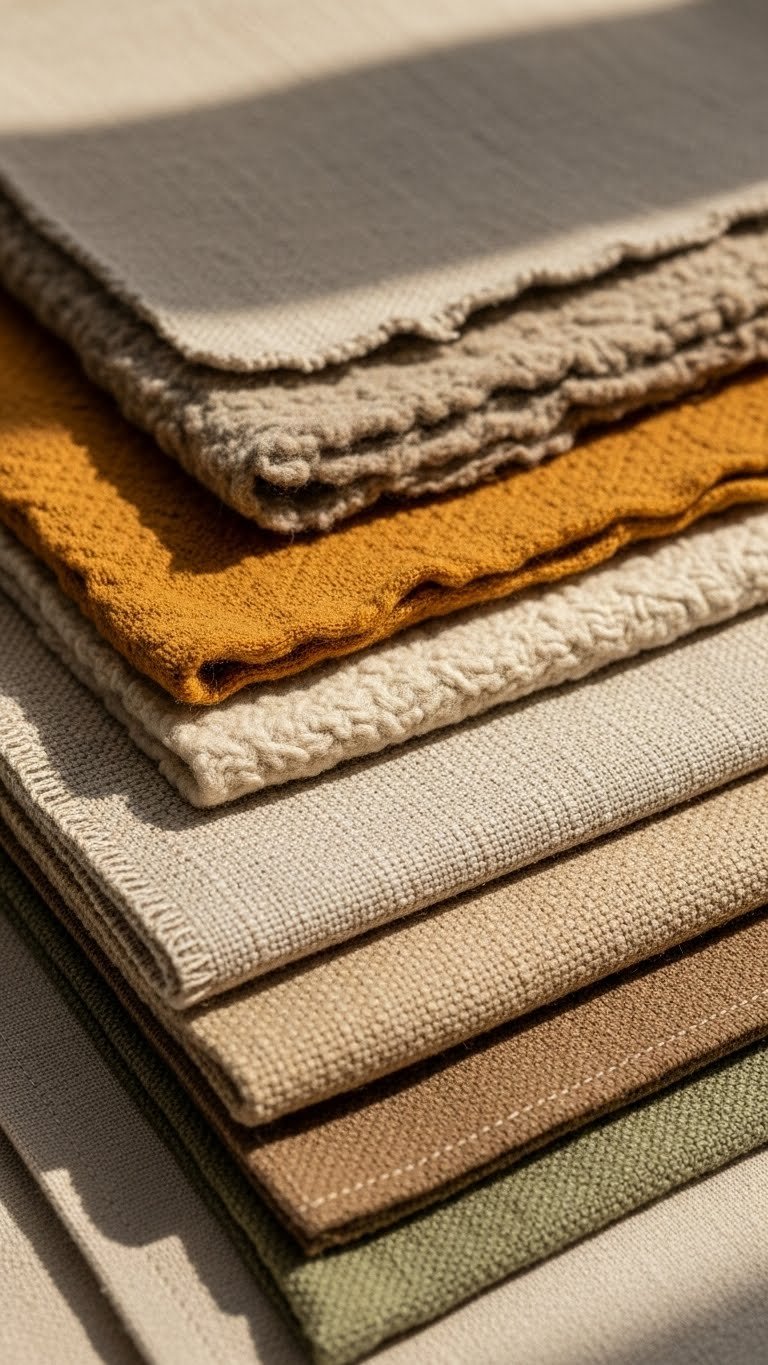
    You’ll transform spaces by layering woven wallhangings and organic carpets that echo nature’s raw elegance. Tactile surfaces like raw linen, chunky wool, and handwoven textiles create depth, inviting touch and visual intrigue while grounding contemporary interiors with earthy warmth.

    Mural Wallpapers: Create Immersive Design Experiences

    Immersive mural wallpapers are transforming interior spaces into dynamic canvases that tell visual stories and create powerful emotional landscapes.

    You’ll reveal extraordinary design potential by selecting bold, expansive artworks that capture imagination.

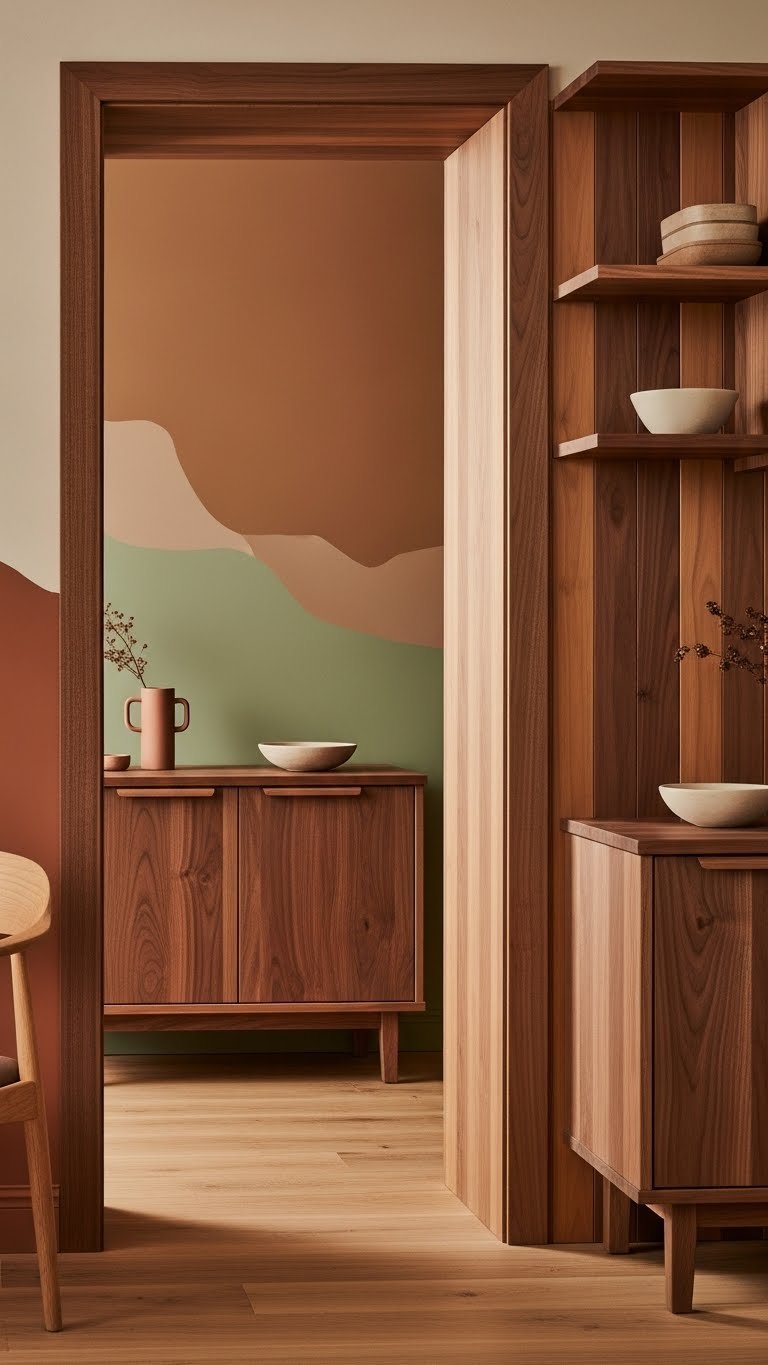
    Explore mural inspiration techniques that seamlessly integrate immersive art applications, turning blank walls into enthralling narrative experiences that reflect your unique aesthetic vision.

    Mastering Pattern Layering: A Designer’s Guide

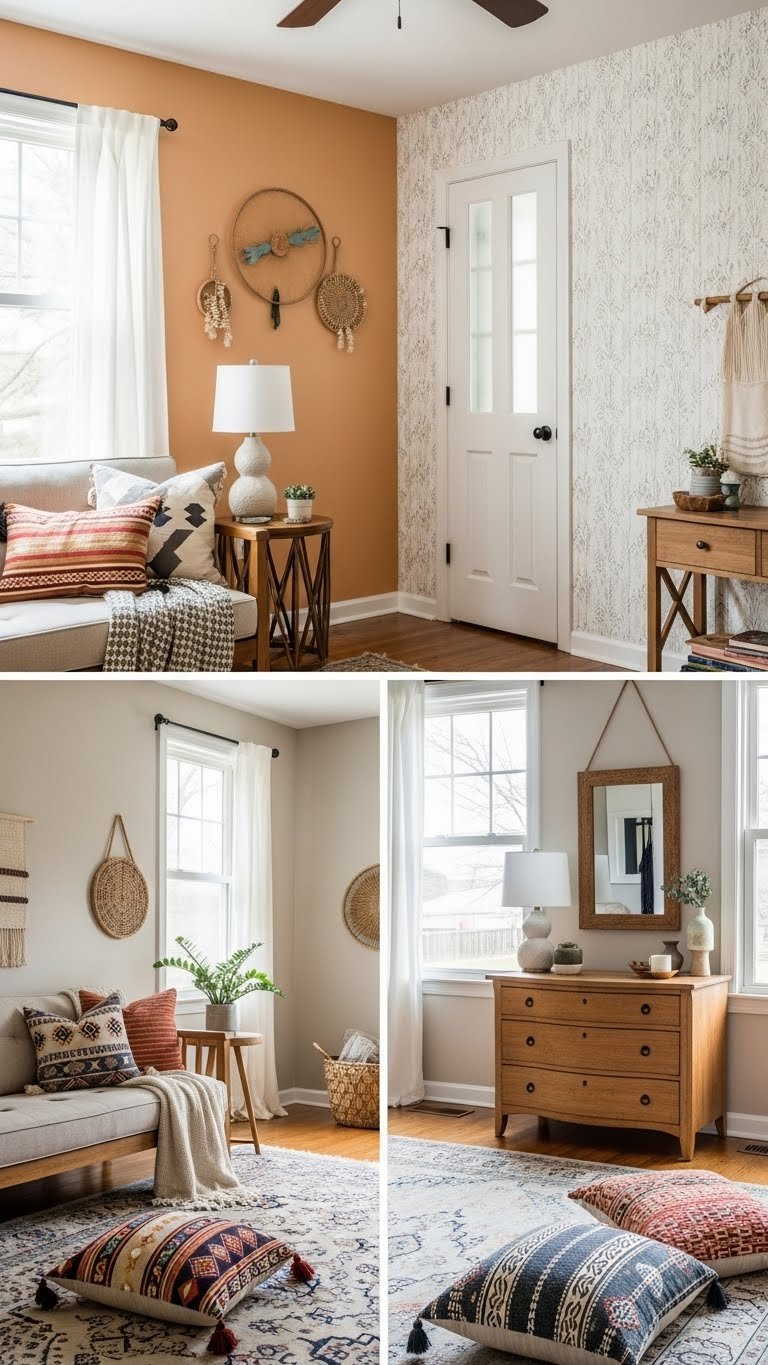
    Three essential principles define successful pattern layering in contemporary interior design: visual harmony, strategic contrast, and intentional composition. You’ll reveal bold contrasts by mixing geometric prints with organic textures, creating pattern harmony that transforms spaces. Your design intuition guides unexpected pairings, inviting visual dynamism and personal expression through intentional, layered aesthetic storytelling.

    Lighting Design: Sculpting Atmosphere and Mood

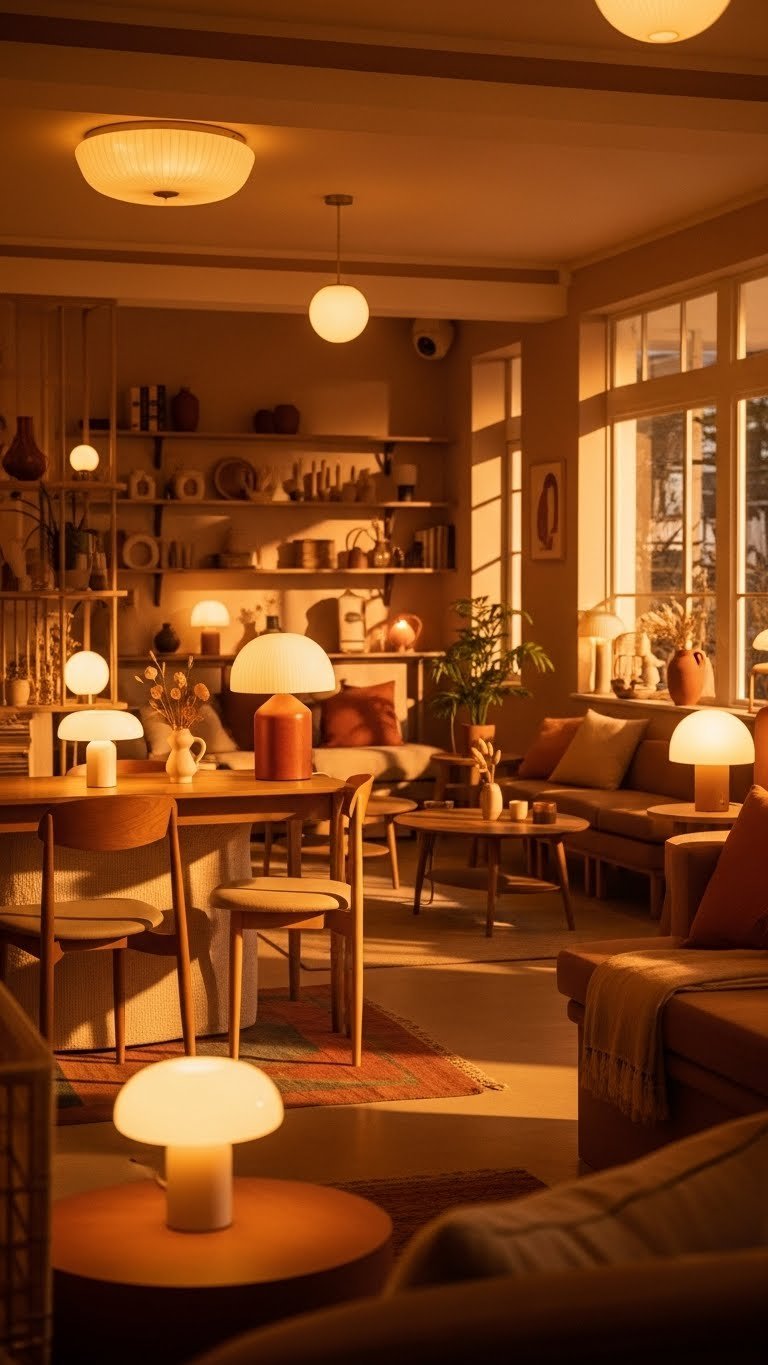
    While lighting transcends mere functionality, it’s the silent choreographer of interior atmosphere—transforming spaces through strategic illumination design. You’ll craft emotional spaces by layering ambient lighting, using fixture variety and color temperature to enhance mood. Natural light and strategic dimming sculpt space perception, revealing design intention with nuanced, intentional luminescence.

    Mix and Match: Creating Eclectic Metal Accents

    Since metal accents offer transformative potential in interior design, they’ve become a dynamic canvas for creative expression.

    You’ll love mixing rustic metals with polished finishes, blending vintage styles and contemporary designs.

    Combine mixed materials, curate artistic collections, and experiment with metallic hues to transform your space into functional art that reflects your unique aesthetic vision.

    Textiles With Character: Selecting Handwoven Treasures

    Every artisan textile tells a story of cultural heritage and craftsmanship, transforming ordinary spaces into rich, textural landscapes.

    You’ll want to choose handwoven textiles that breathe life into your rooms, selecting character fabrics with unique patterns and traditional techniques.

    These pieces aren’t just decorations—they’re conversations, connecting your home to global artisan traditions.

    Reinventing Wood Furniture: Beyond Traditional Forms

    Because contemporary design demands innovation, wood furniture is experiencing a radical transformation beyond conventional silhouettes and expected forms.

    You’ll discover upcycled pieces featuring minimalist design, multi-functional capabilities, and artistic finishes that blend vintage inspirations with bold contrasts.

    Mixed materials and modular concepts now redefine wood furniture’s potential, offering customizable shapes that celebrate nature motifs.

    Design Inspiring Reading Corners: Creativity at Home

    A reading corner transforms ordinary living spaces into personal sanctuaries of imagination and comfort.

    By curating reading nook essentials like plush cushions, soft throws, and strategic lighting, you’ll create an inviting retreat.

    Your cozy corner inspiration can blend minimalist design with personal touches, ensuring a space that reflects your unique style and invites literary exploration.

    Personalization Techniques: Monograms and Embroidery

    Personalization whispers elegance through monograms and embroidery, transforming home textiles into bespoke statements of individual style.

    You’ll elevate spaces with monogrammed pillows that reflect your personality and embroidered wall art that captures your unique essence.

    These custom touches add depth and sophistication, turning ordinary rooms into extraordinary personal sanctuaries.

    Playful Patterns: Circus-Inspired Design Elements

    Seven vibrant design trends are reimagining home interiors through whimsical circus-inspired elements, transforming living spaces into playful, nostalgic environments.

    You’ll love incorporating bold circus colors and playful whimsical motifs like striped patterns, carousel-inspired wallpapers, and dynamic geometric shapes that capture the joyful essence of vintage carnival aesthetics in unexpected, creative ways.

    Grounding Your Space: Mastering Earthy Color Palettes

    Nature’s palette whispers tranquility through earthy color schemes that transform living spaces into serene sanctuaries.

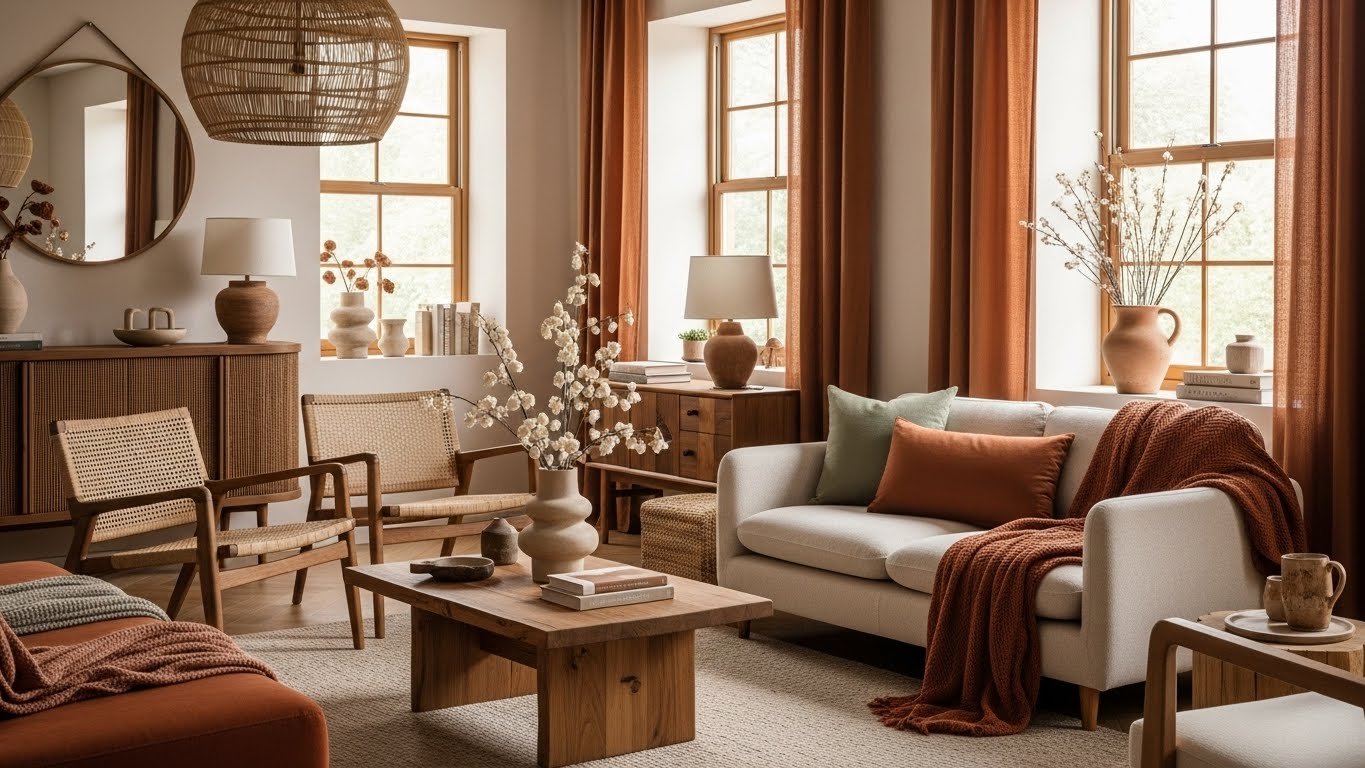
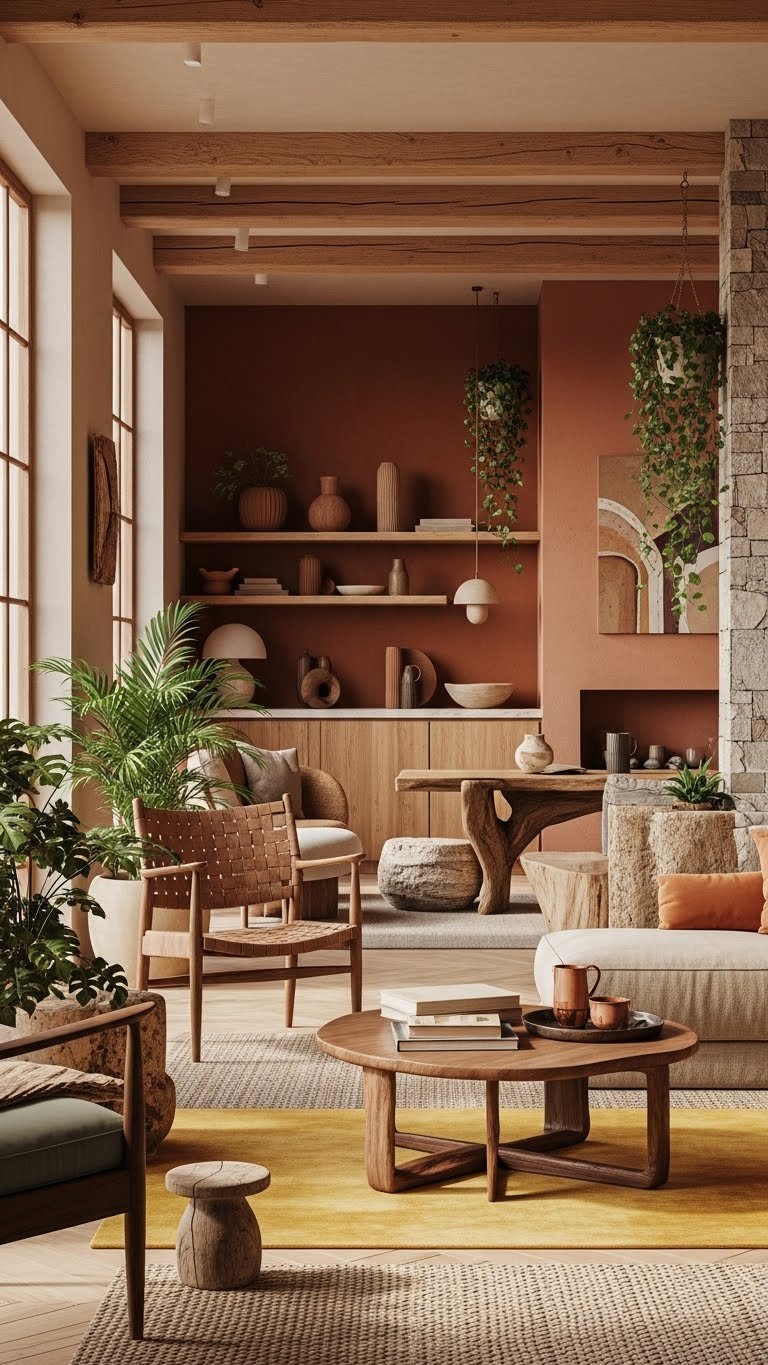
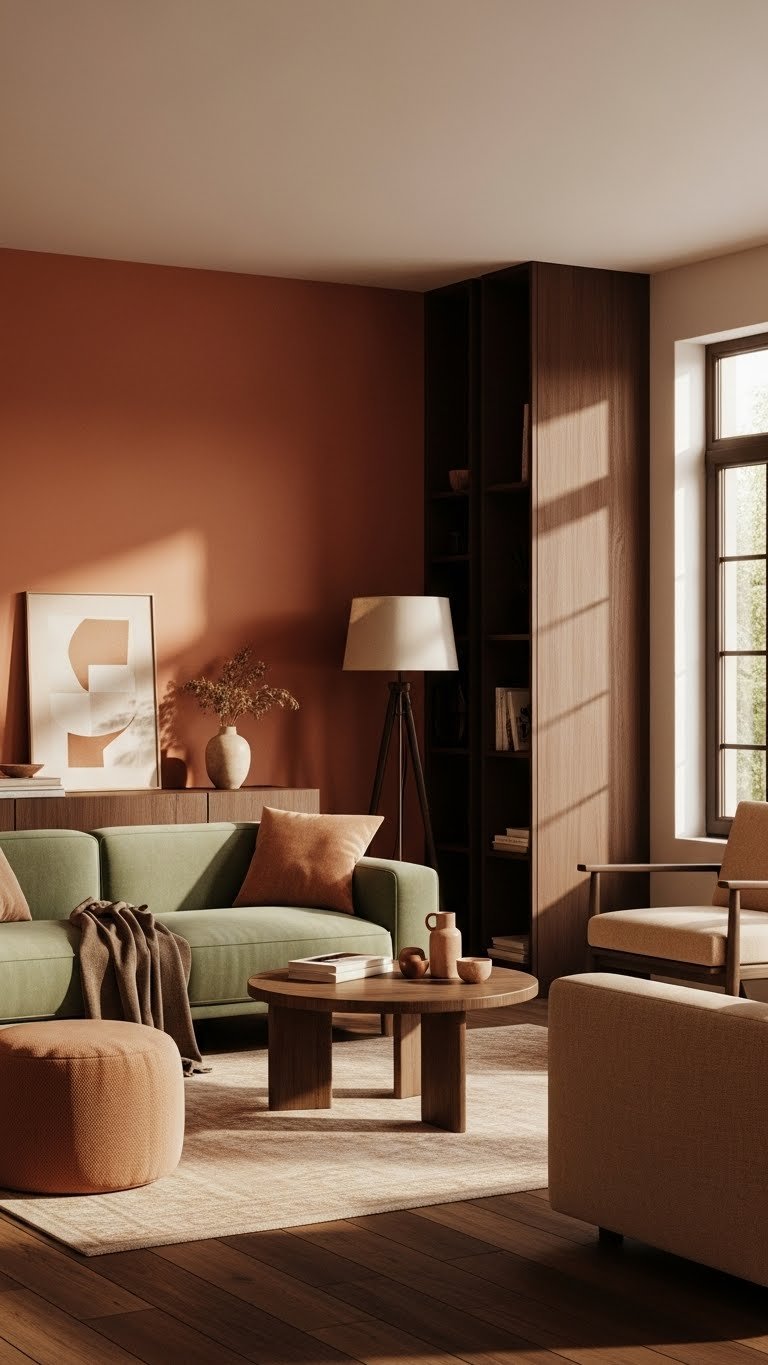
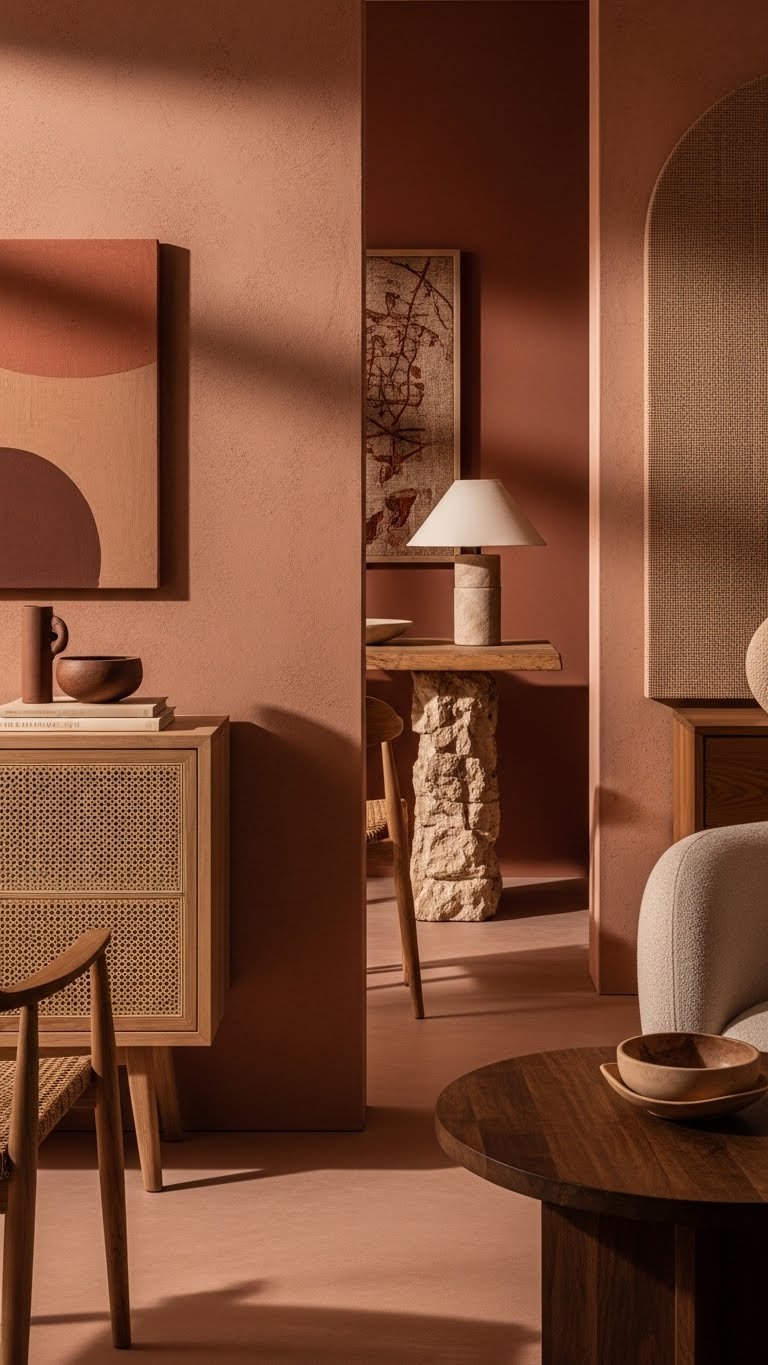
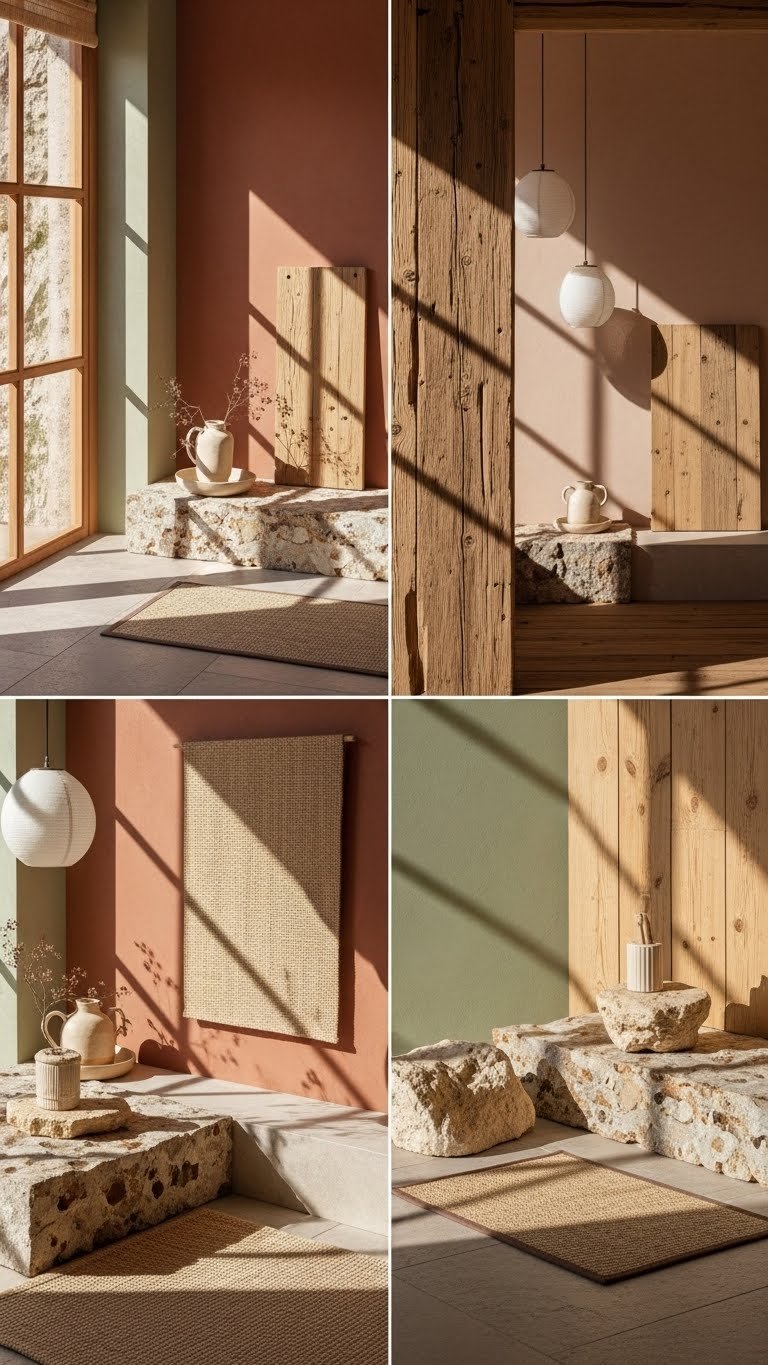
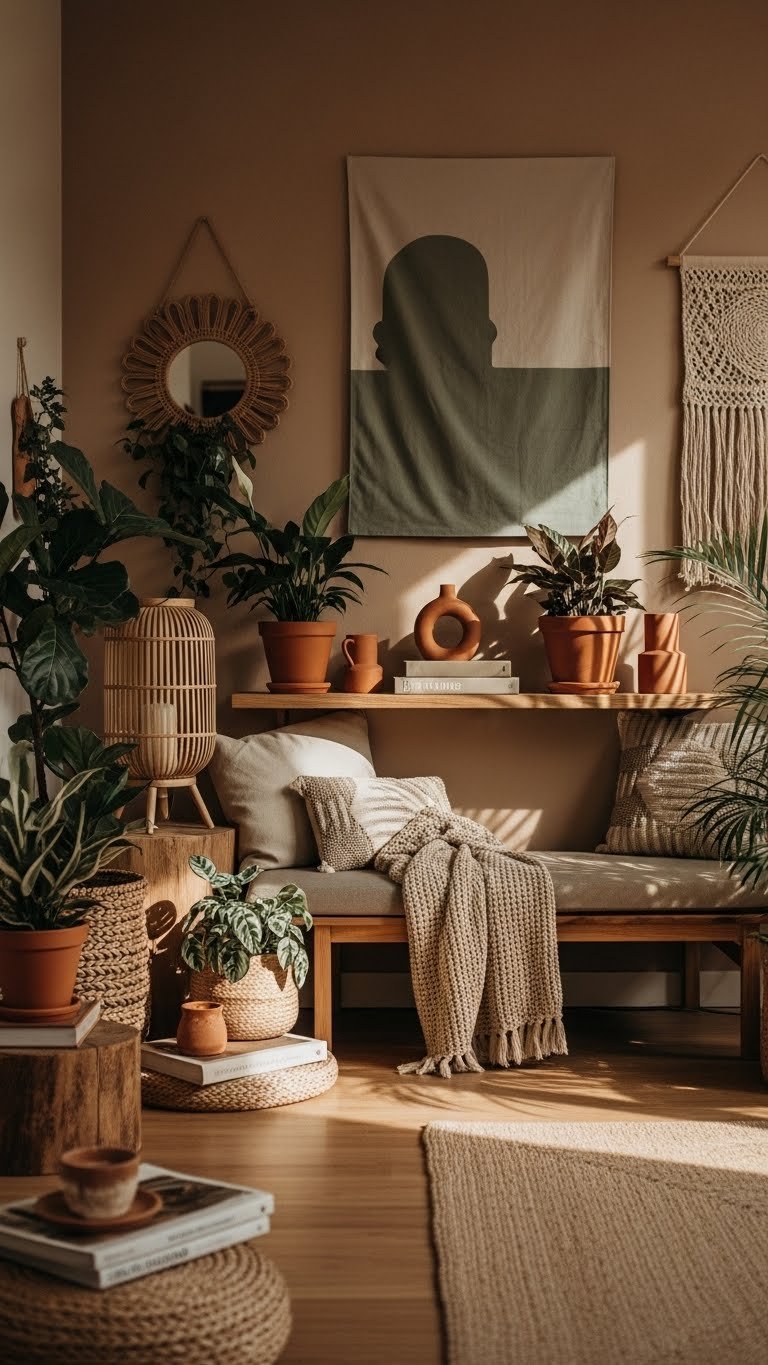
    You’ll discover how warm terracottas, muted sage greens, and rich browns create grounding earthy accents that breathe calm into your home.

    Incorporate calming textures like woven textiles and natural stone to amplify the organic aesthetic and invite peaceful energy.

    Scenic Design: Creating Immersive Interior Landscapes

    Every interior has the potential to become a transformative landscape that tells a story beyond mere functionality. You’ll craft immersive lighting and themed zones that transport you through visual narratives. Design becomes your canvas, where strategic placement and intentional details create environments that breathe with personality and depth, turning ordinary spaces into extraordinary experiences.

    Comfort Meets Style: Choosing the Perfect Slipcovered Sofa

    How do you transform a living space with one pivotal piece of furniture that seamlessly blends comfort and sophistication?

    A slipcovered sofa offers versatile fabric choices that let you refresh your aesthetic effortlessly.

    Select durable, washable materials that simplify maintenance tips while expressing your personal style.

    The right sofa becomes an adaptable canvas for your evolving design vision.

    Vintage Artwork: Adding Unique Character to Interiors
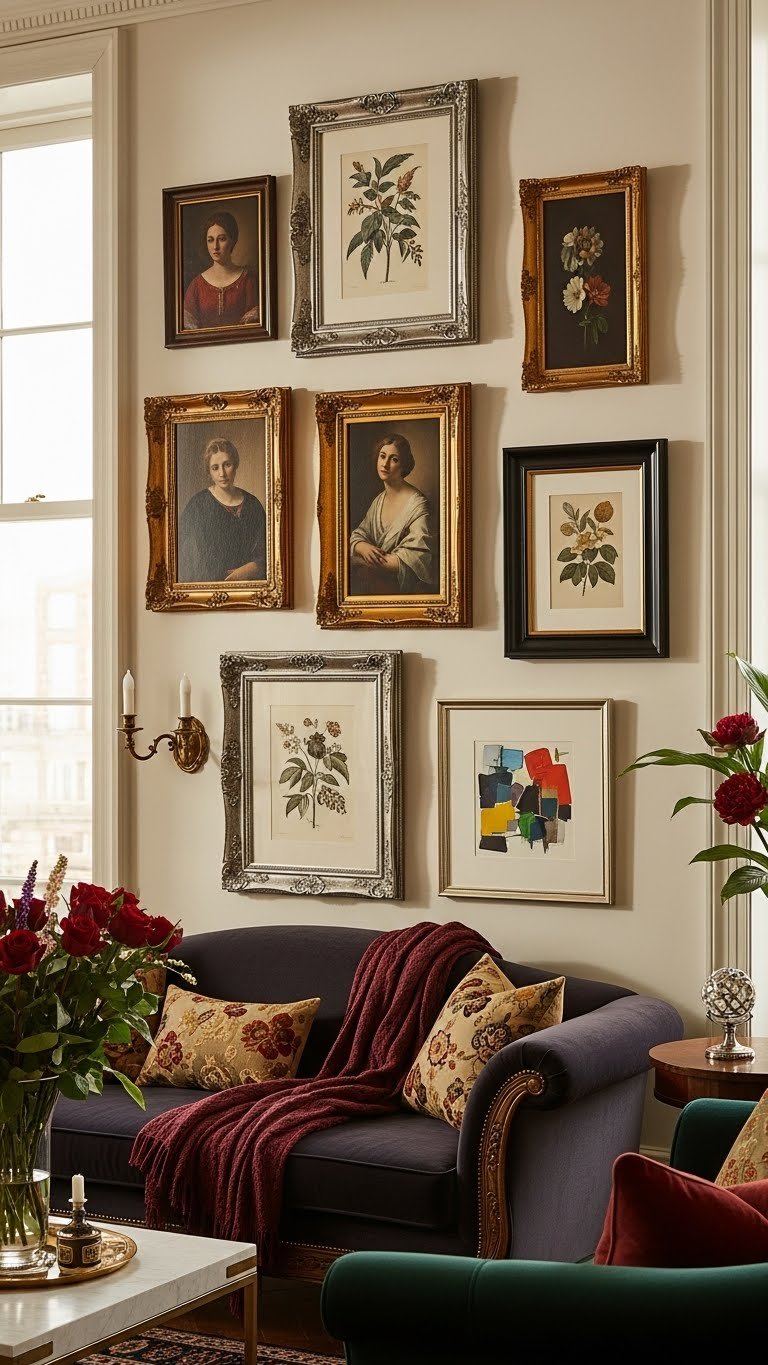
    Vintage artwork transforms interior spaces from mere rooms into curated personal galleries, infusing depth and narrative into your home’s design aesthetic.

    Carefully selected vintage frames and art history-inspired pieces can elevate your space, telling stories that reflect your unique personality while creating visual intrigue and sophisticated character.

    Geometric Design: Modern Patterns for Contemporary Spaces
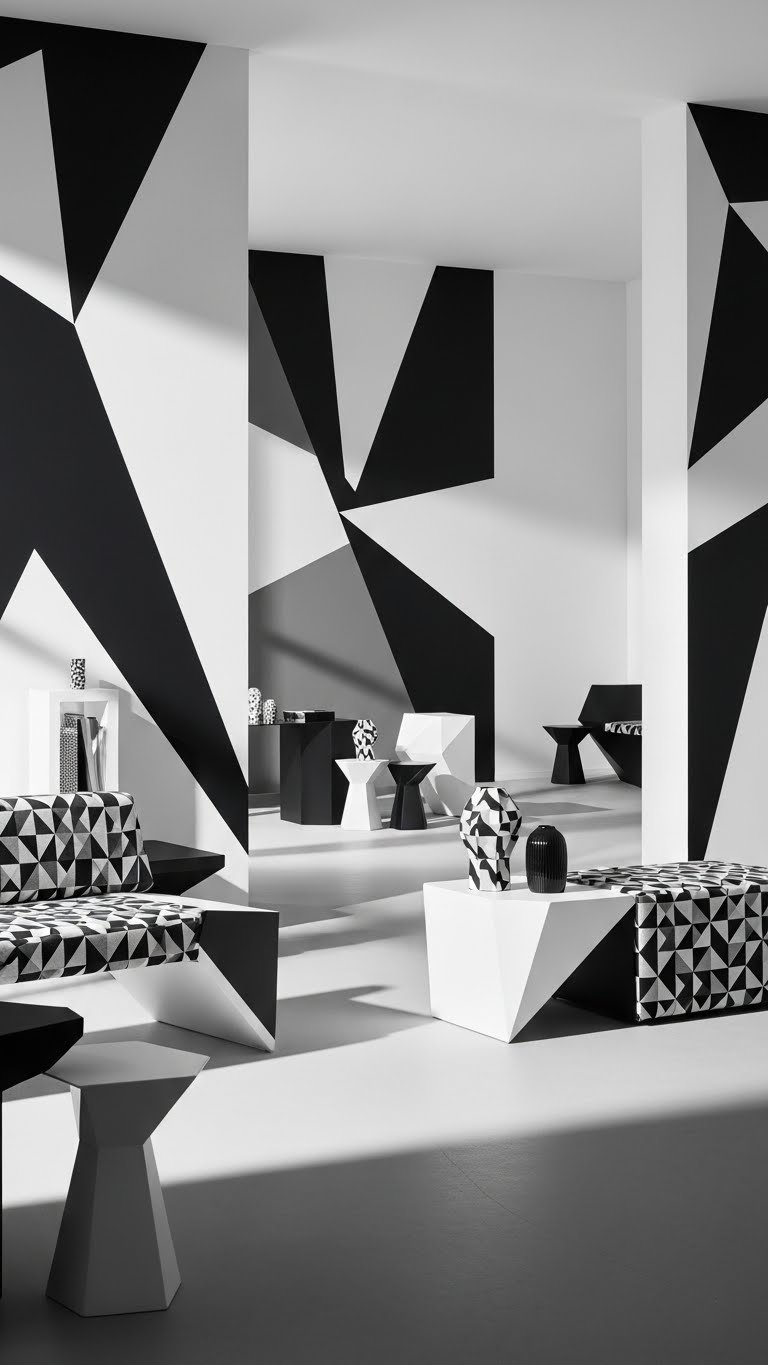
    Can geometric design truly revolutionize contemporary interior spaces? Absolutely.

    By incorporating geometric textiles, bold contrasts, and minimalist shapes, you’ll transform your home. Patterned walls create visual depth, while clean lines define modern aesthetics.

    Embrace angular furniture and sharp-edged decor to craft a space that’s both dynamic and sophisticated, reflecting your personal style with cutting-edge design principles.

    Metallic Accents: Chrome and Brass for Instant Glamour
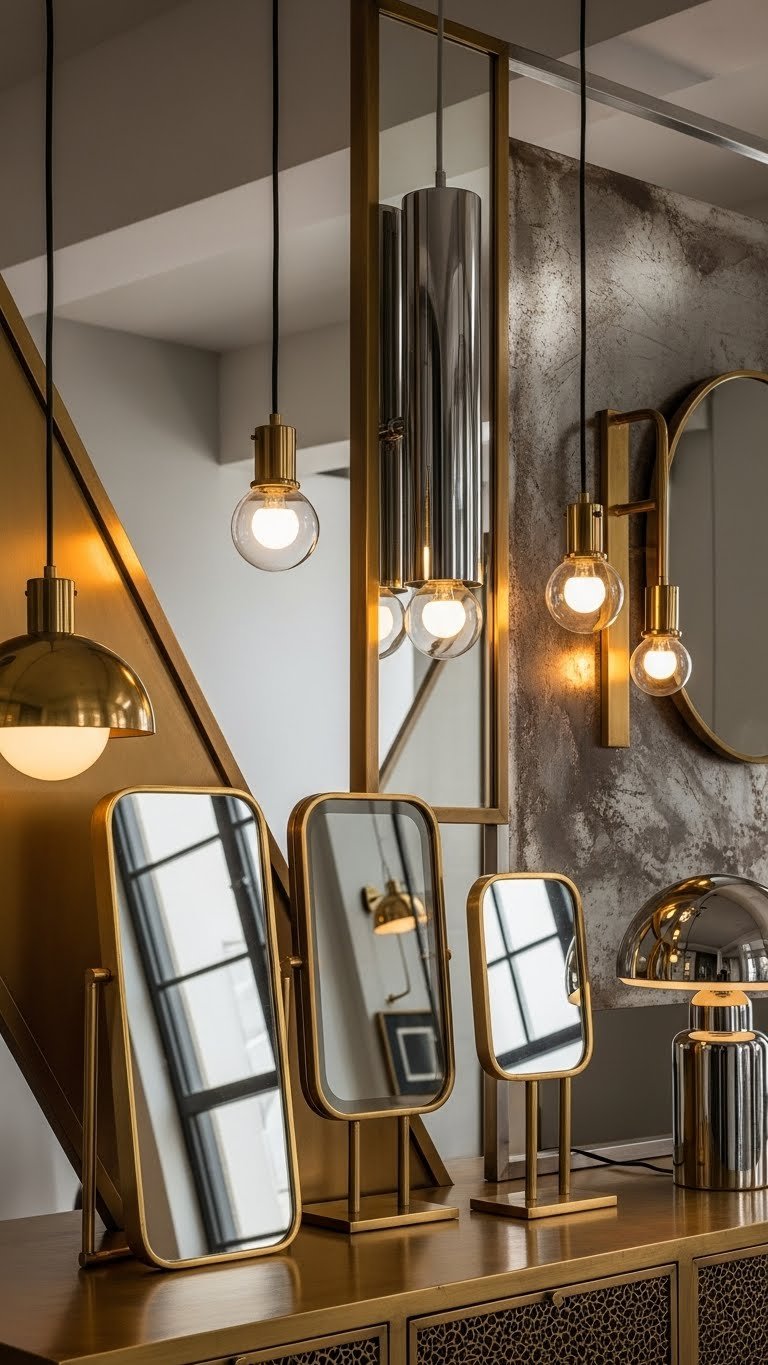
    While geometric designs establish a strong visual foundation, metallic accents elevate interior spaces with luxurious sophistication.

    You’ll love mixing chrome shine with brass elegance, creating contemporary chic vibes.

    Incorporate reflective surfaces and textured finishes to add industrial charm.

    Mixed metals transform rooms, infusing vintage style and modern energy into your living spaces.

    Designing Fluid Conversation Areas in Your Home

    Strategically designed conversation areas transform living spaces from mere rooms into dynamic social hubs that invite connection and comfort.

    You’ll want to craft fluid social zones with conversational seating that encourages interaction. Arrange furniture to create natural pathways, ensuring flexibility and intimacy while maintaining an open, inviting atmosphere that sparks meaningful dialogue.

    Conscious Color Theory: Psychological Impact of Design
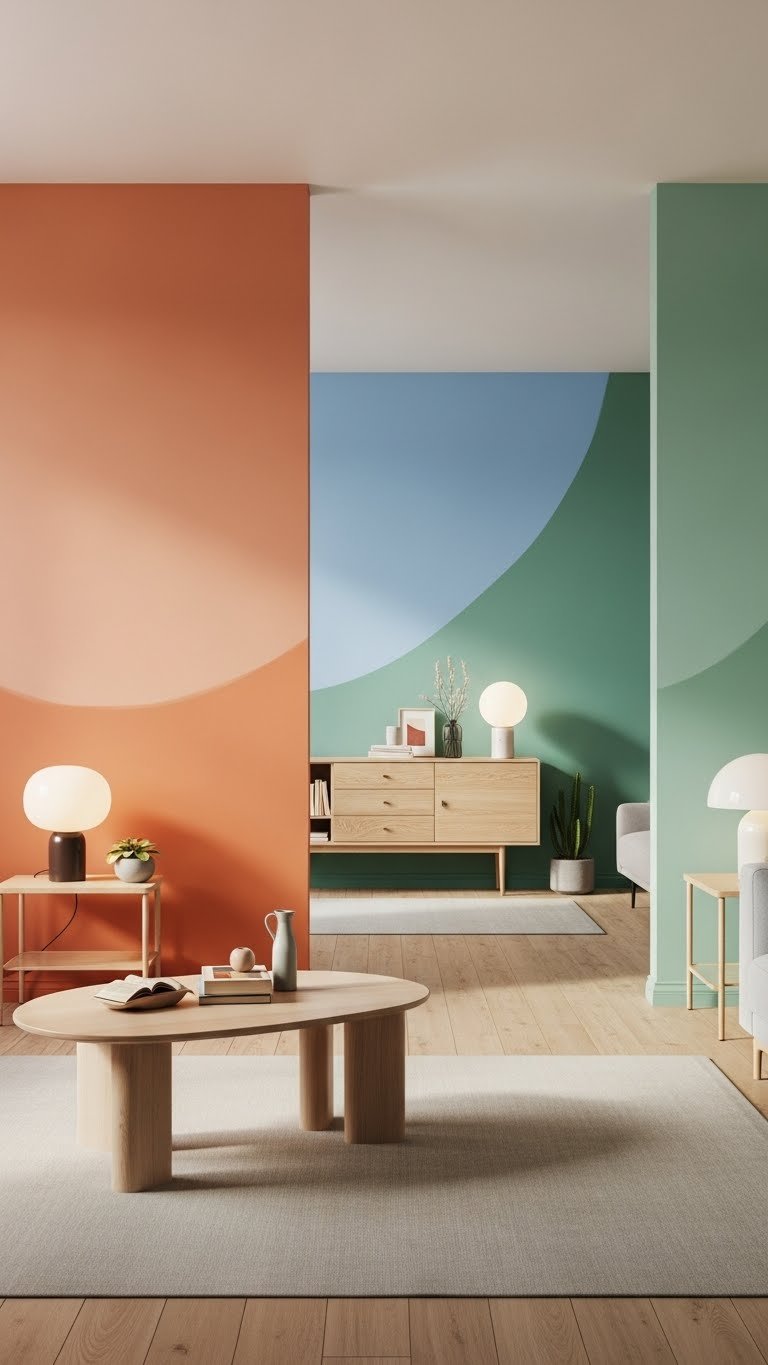
    Although color represents far more than aesthetic decoration, it profoundly shapes human psychological and emotional experiences within interior spaces.

    Your chosen hue psychology directly influences mood enhancement, triggering specific color associations and emotional responses.

    Strategic color harmony can transform rooms, creating environments that resonate with personal freedom and psychological well-being through intentional color meanings.

    Floors as Art: Transformative Flooring Techniques

    One revolutionary design philosophy transforms floors from mere functional surfaces into mesmerizing artistic canvases that dramatically redefine interior spaces.

    You’ll discover transformative techniques like geometric designs, painted flooring, and textured surfaces that infuse eco-friendly materials with bold pattern contrasts.

    Artistic tiles and decorative laminates create dimension floors that become stunning visual narratives.

    Balancing Luxury and Lived-In Charm

    From artistic floor expressions that transform spaces, we now explore the nuanced art of creating interiors that whisper luxury while embracing genuine comfort. You’ll want to master luxury balance by blending high-end pieces with personal artifacts, integrating charm through curated collections that tell your story and invite warmth into sophisticated environments.

    Layered Wood Tones: Creating Depth and Dimension
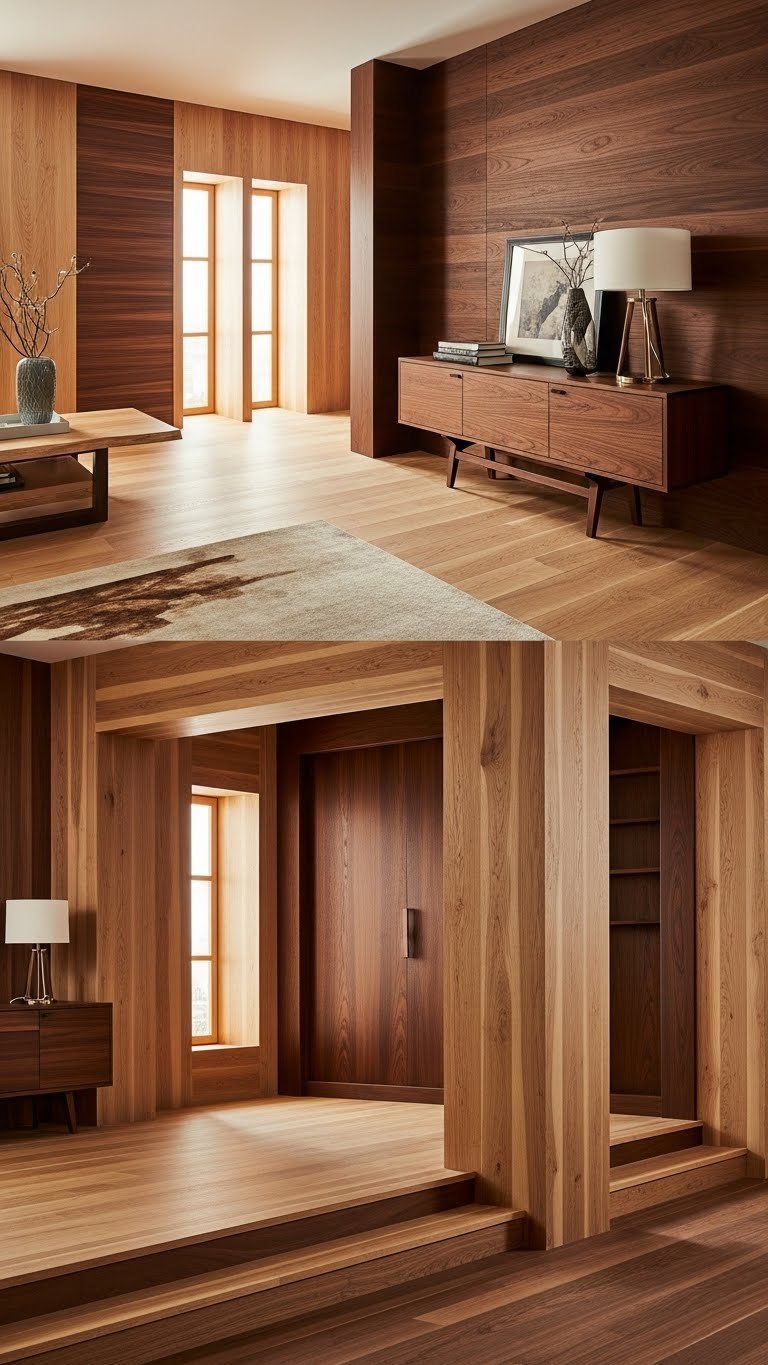
    Where design meets texture, layered wood tones emerge as a sophisticated strategy for transforming interior spaces with rich, multidimensional character.

    By blending wood grain textures and contrasting finishes, you’ll create depth that elevates your home’s aesthetic.

    Mix light oak, walnut, and mahogany surfaces to craft a dynamic, visually engaging environment that reflects your unique style.

    Lighting as Sculpture: Functional Art for Interiors
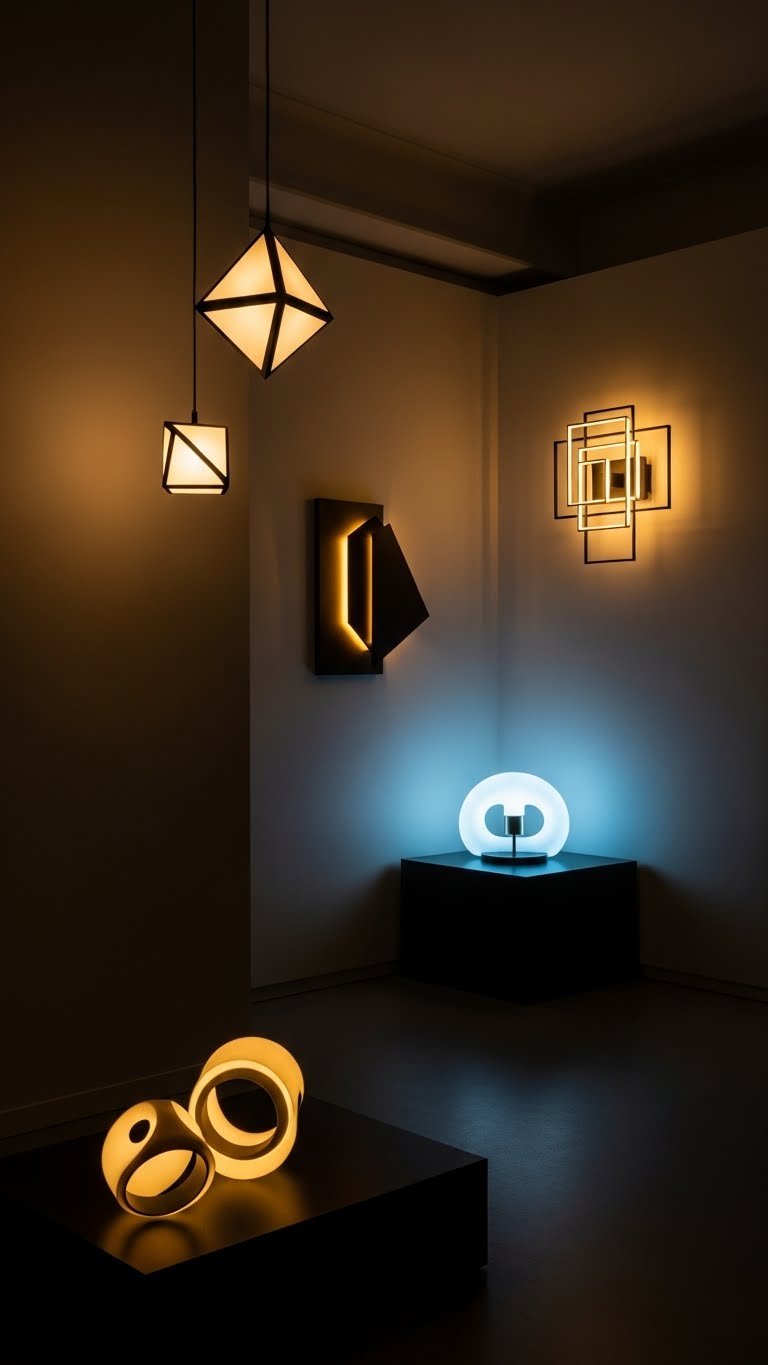
    Contemporary lighting has transcended its purely functional role, emerging as a sculptural art form that transforms interior spaces with dramatic visual impact.

    You’ll find illuminated sculptures that aren’t just light sources, but statement pieces.

    Artistic lighting now blends form and function, allowing you to curate spaces that radiate personality and creative expression through strategically positioned, visually compelling luminaires.

    Hollywood Cottage: Blending Modern and Classic Aesthetics

    Just as sculptural lighting transforms spaces with artistic intent, the Hollywood Cottage design aesthetic weaves a narrative of architectural harmony between vintage charm and contemporary elegance.

    You’ll create a space where curated collections meet minimalist accents, blending eclectic furnishings with cozy charm and color harmony that celebrates whimsical touches and timeless architectural details.
  • 28 Inspiring Textured Edge Mirror Designs Ideas That Feel Totally Inspiring

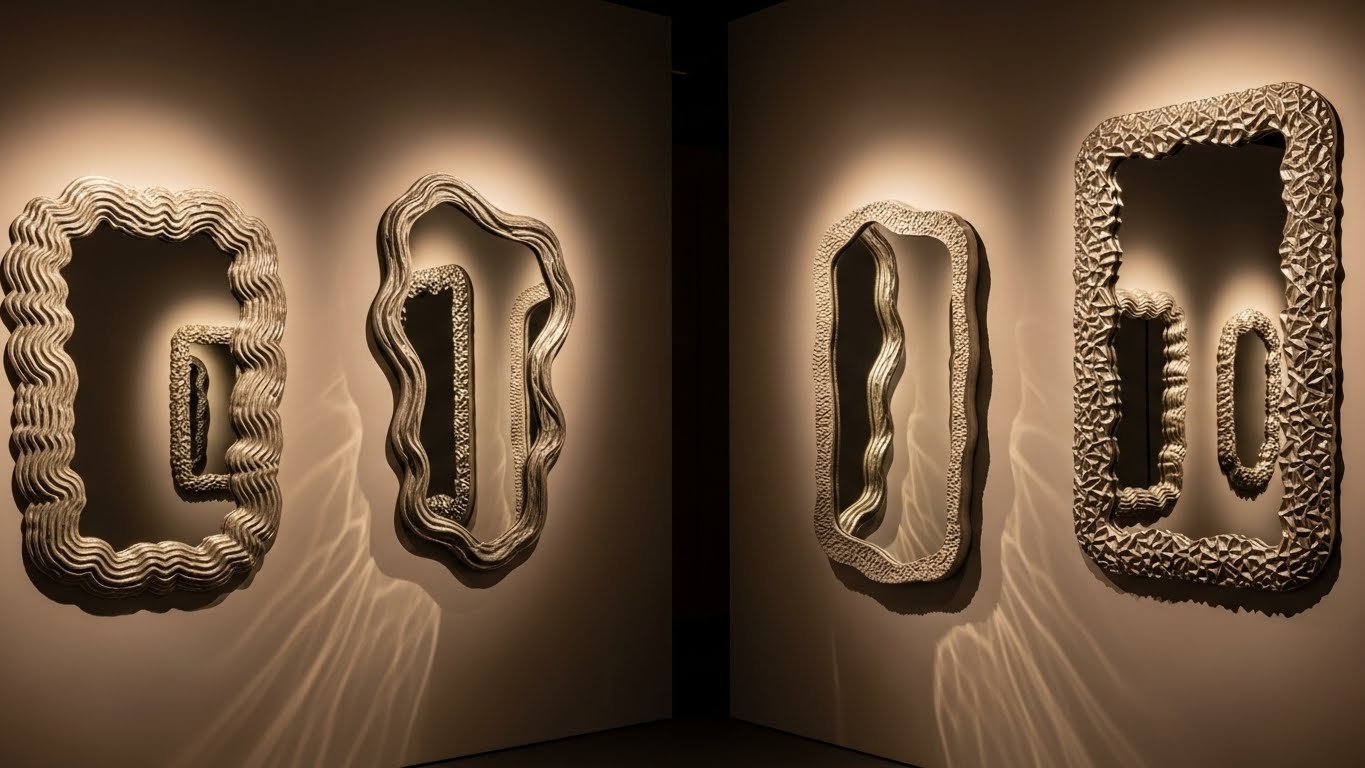
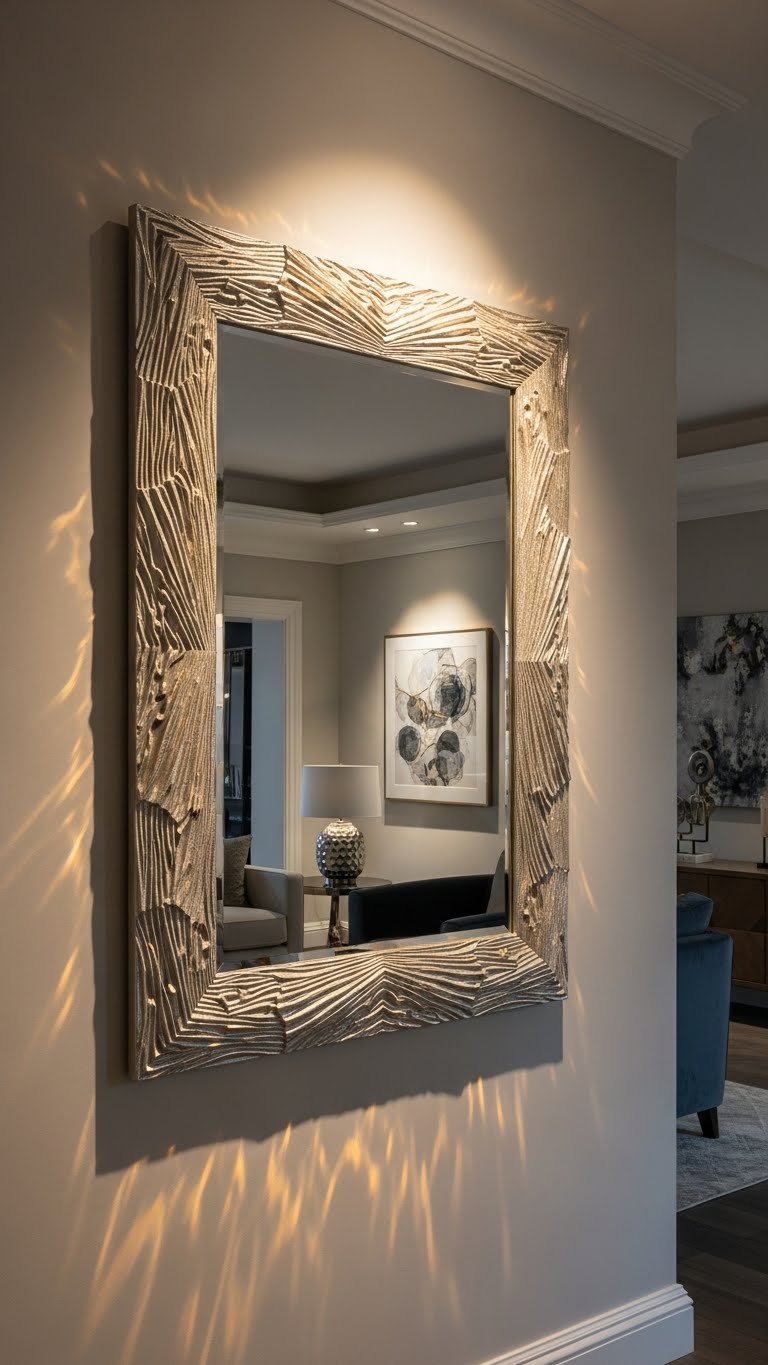
    28 Inspiring Textured Edge Mirror Designs Ideas That Feel Totally Inspiring

    Ready to transform your living spaces with mirrors that are anything but ordinary? Textured edge designs aren’t just reflective surfaces—they’re artistic statements that breathe life into bare walls. These aren’t your grandmother’s standard mirrors; we’re talking about provocative, sculptural pieces that catch light, create drama, and instantly elevate your interior aesthetic. From organic shapes that mimic natural landscapes to intricate frame details that demand attention, these 28 mirror designs will make you rethink everything you thought you knew about wall decor.

    28 Inspiring Textured Edge Mirror Designs Ideas That Feel Totally Inspiring

    Textured edge mirrors can completely transform your living space, elevating ordinary walls into stunning design statements. You’ll love how creative reflections emerge through unique textured finishes that add depth and personality. These mirrors aren’t just functional—they’re artistic statements that capture light, create visual intrigue, and reflect your bold design sensibilities with sophisticated elegance.

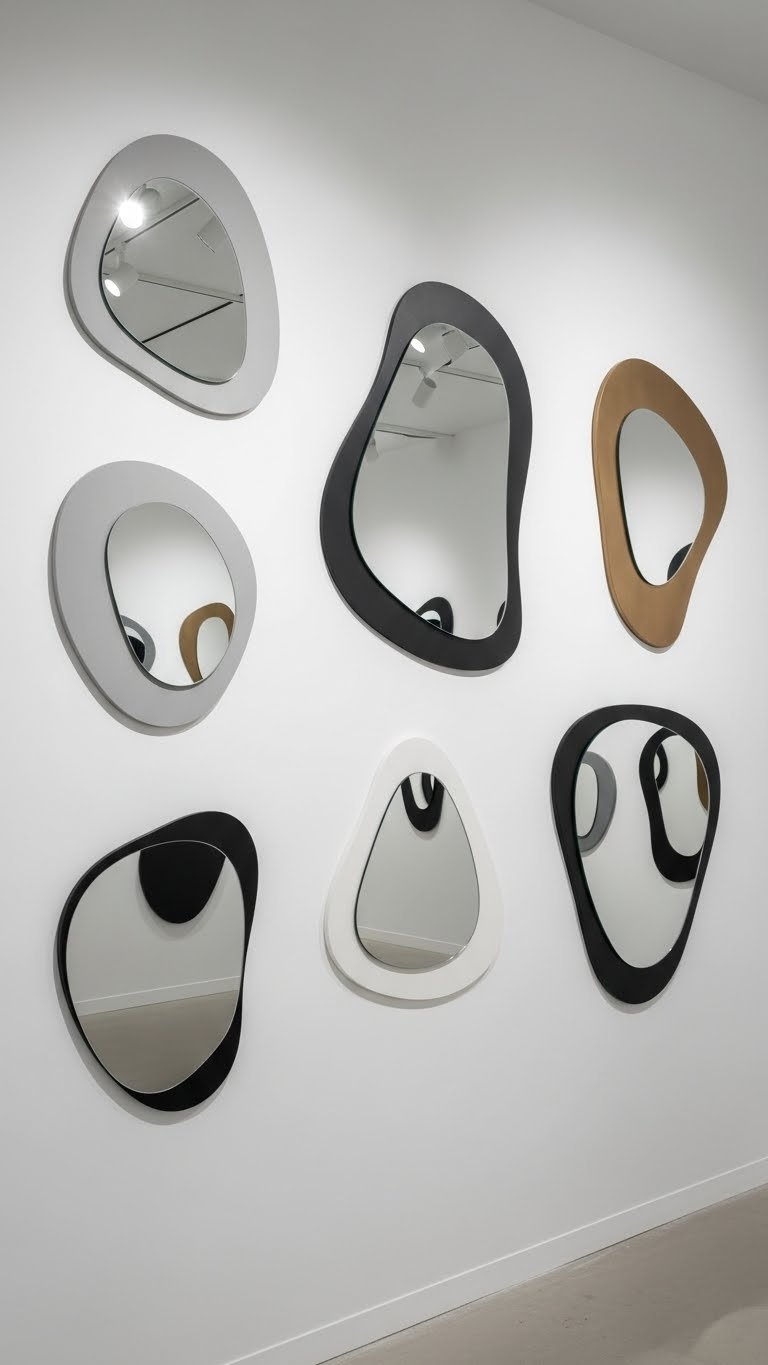
    Discover the Magic of Organic-Shaped Mirrors

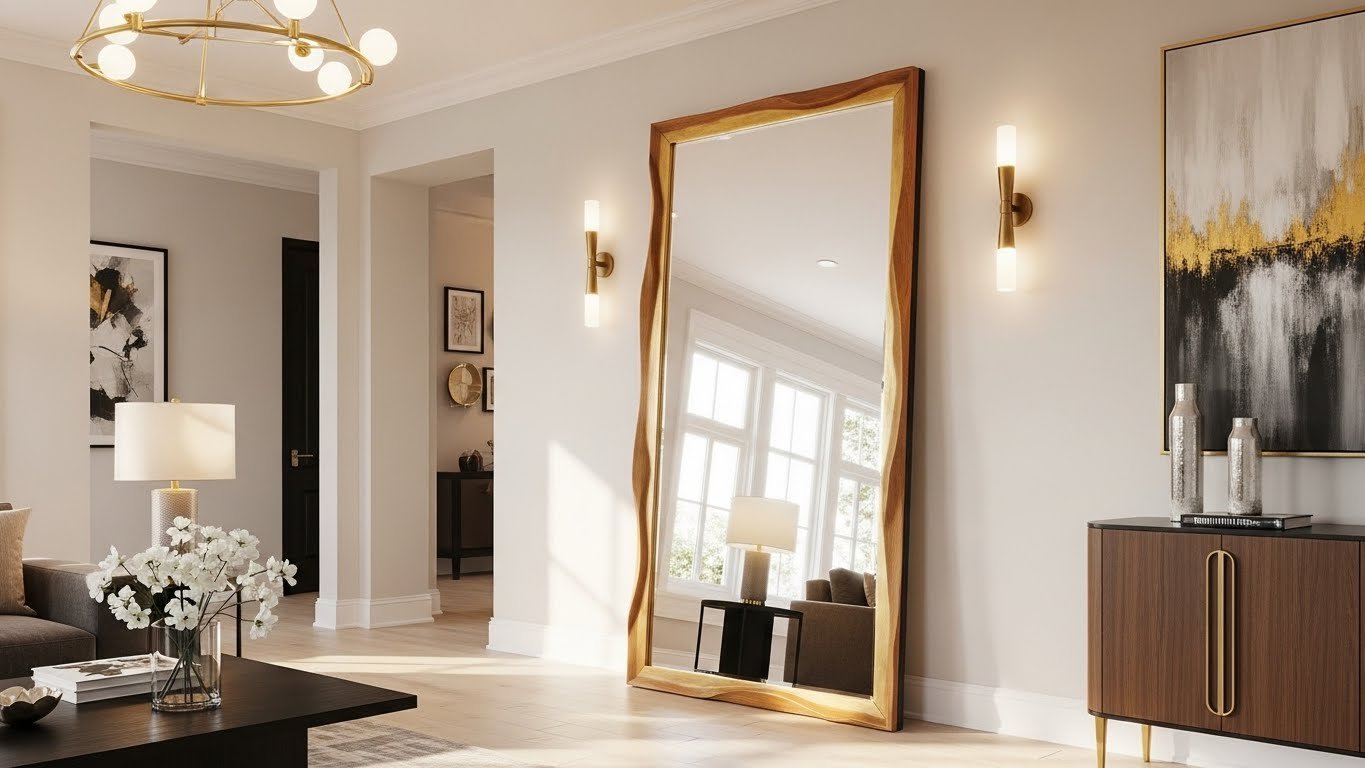
    While traditional mirrors often stick to rigid geometric shapes, organic-shaped mirrors break free from convention, introducing fluid, nature-inspired silhouettes that instantly elevate your interior design.

    Embrace organic elegance with whimsical designs that transform your space, letting curves and asymmetrical forms dance across your walls, creating visual poetry that speaks to your adventurous spirit.

    Transform Spaces With Pebble-Inspired Reflective Surfaces

    Imagine bringing the serene, smooth contours of river stones into your interior design through mirrors that capture nature’s most subtle artistry. Embrace pebble textures that transform reflective surfaces into organic art pieces. Your space will feel alive with these sculptural mirrors, echoing the fluid, natural elegance of stones smoothed by water’s gentle touch.

    Why Beveled Edges Are Your Design Secret Weapon?

    How do designers elevate ordinary mirrors into extraordinary statement pieces? Beveled edges are your design secret weapon, transforming reflective surfaces with sharp, sophisticated benefits.

    These angled borders create visual depth, enhancing design aesthetics by catching light and adding architectural intrigue to your space. It’s a simple yet powerful technique that instantly upgrades any room’s style.

    Mastering the Art of Textured Mirror Frames

    Three essential elements elevate mirror frames from basic to breathtaking: texture, material selection, and innovative craftsmanship.

    You’ll transform ordinary spaces by exploring textured finishes that add depth and character.

    Experiment with rustic wood, sleek metal, or intricate ceramic frame styles that reflect your unique aesthetic and make your mirror a stunning focal point.

    Sculptural Silhouettes: Beyond Traditional Mirror Shapes

    Breaking free from rectangular constraints, contemporary mirror design celebrates sculptural forms that transform walls into artistic canvases.

    You’ll discover sculptural inspiration through organic shapes that challenge traditional boundaries.

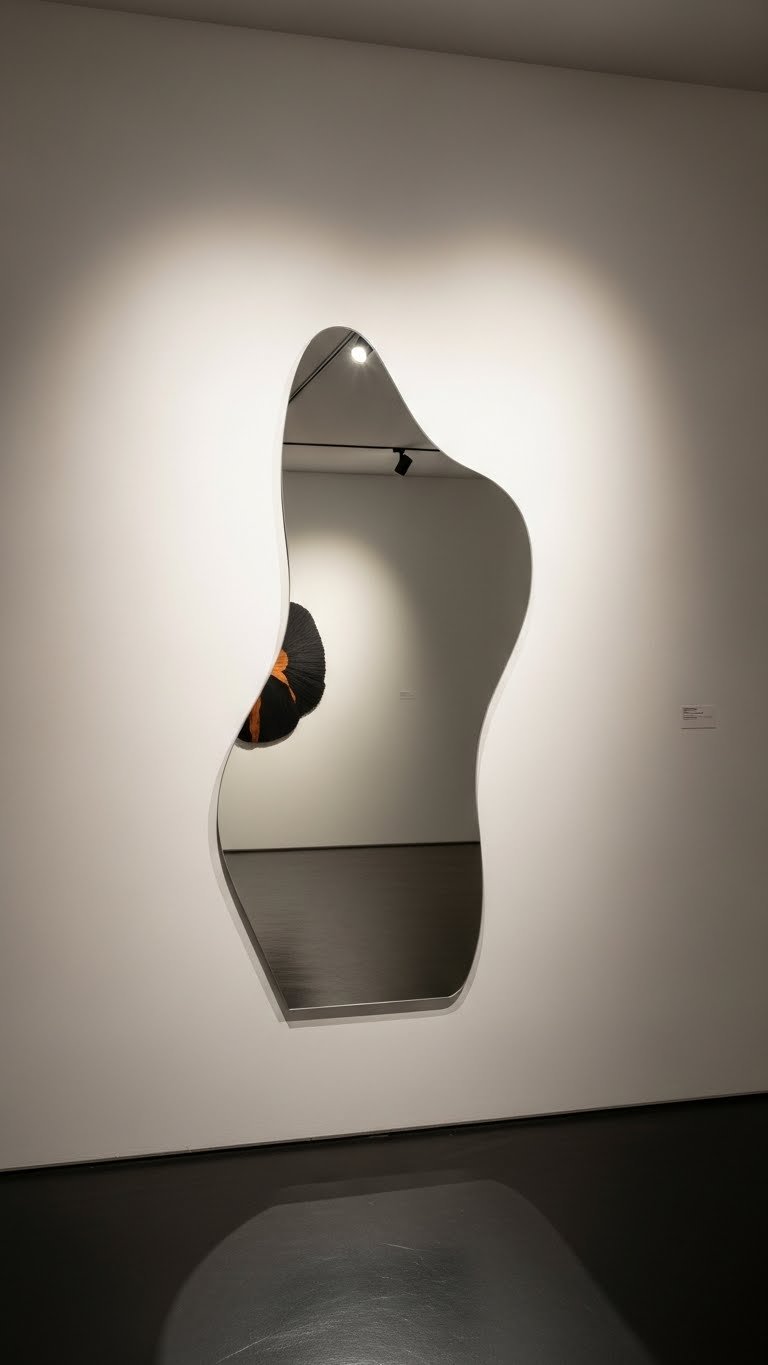
    Silhouette exploration becomes your artistic playground, where irregular curves, asymmetrical edges, and fluid contours redefine reflective spaces with bold, unexpected elegance.

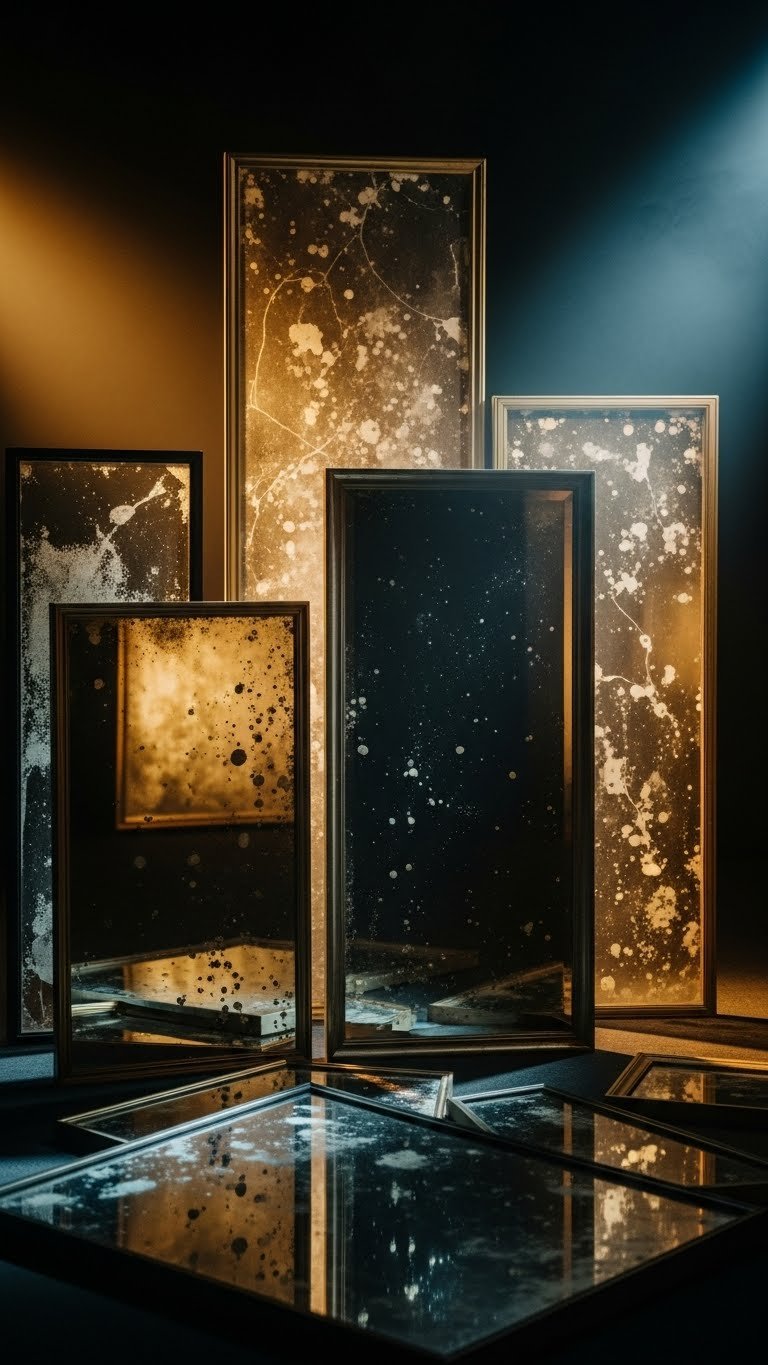
    How to Create Cinematic Backdrops With Antique Mirror Techniques?

    Cinematographers often seek transformative backdrop solutions that transport viewers into immersive visual narratives, and antique mirror techniques offer an extraordinary palette for creating atmospheric film environments.

    You’ll access cinematic textures by distressing mirror edges, layering reflective lighting, and manipulating aged glass surfaces to craft depth and dramatic visual storytelling that transcends traditional set design.

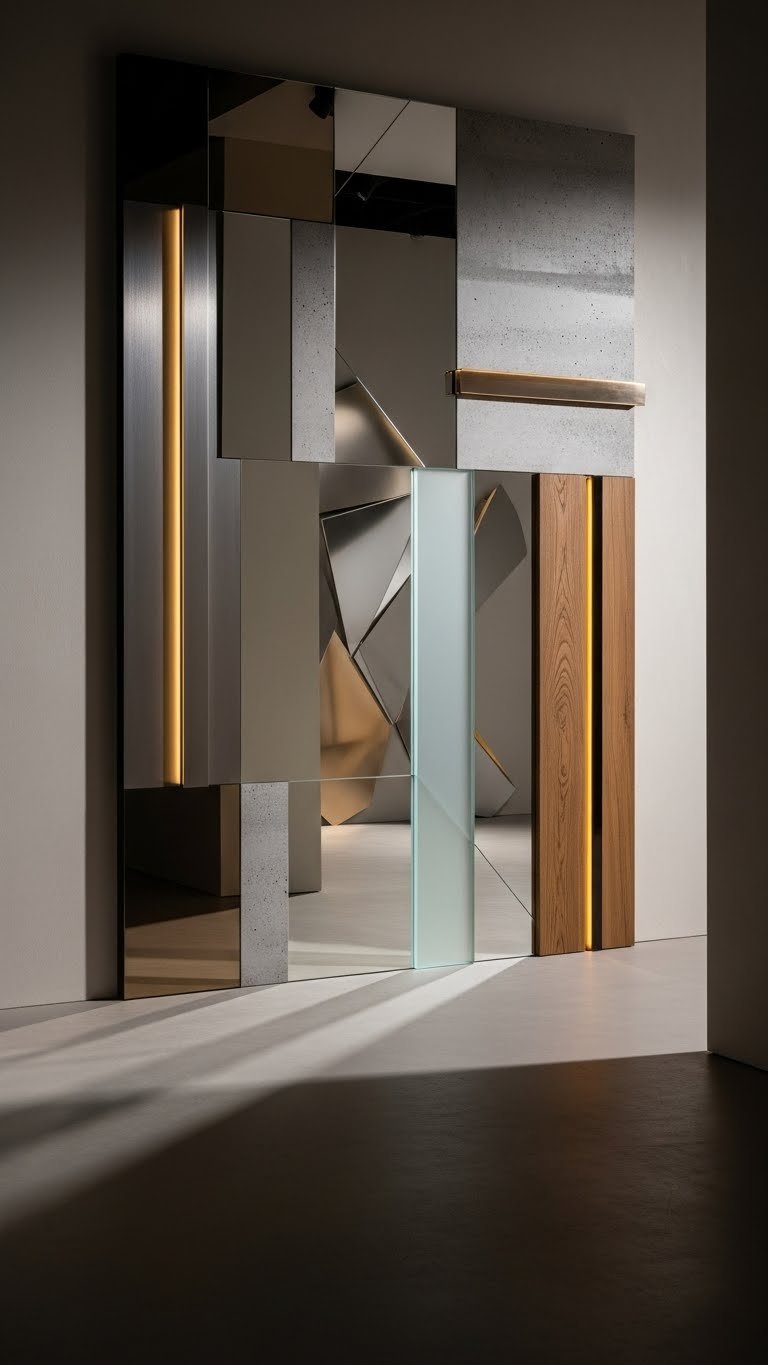
    The Rise of Multi-Texture Mirror Designs in Modern Interiors

    While contemporary interior design continues to evolve, multi-texture mirror designs have emerged as a transformative aesthetic trend that’s redefining spatial experiences.

    You’ll discover contemporary reflective styles that blend raw textures, creating dynamic visual landscapes. Multi-texture aesthetics now offer bold statement pieces that transform walls into immersive artistic expressions, challenging traditional design boundaries.

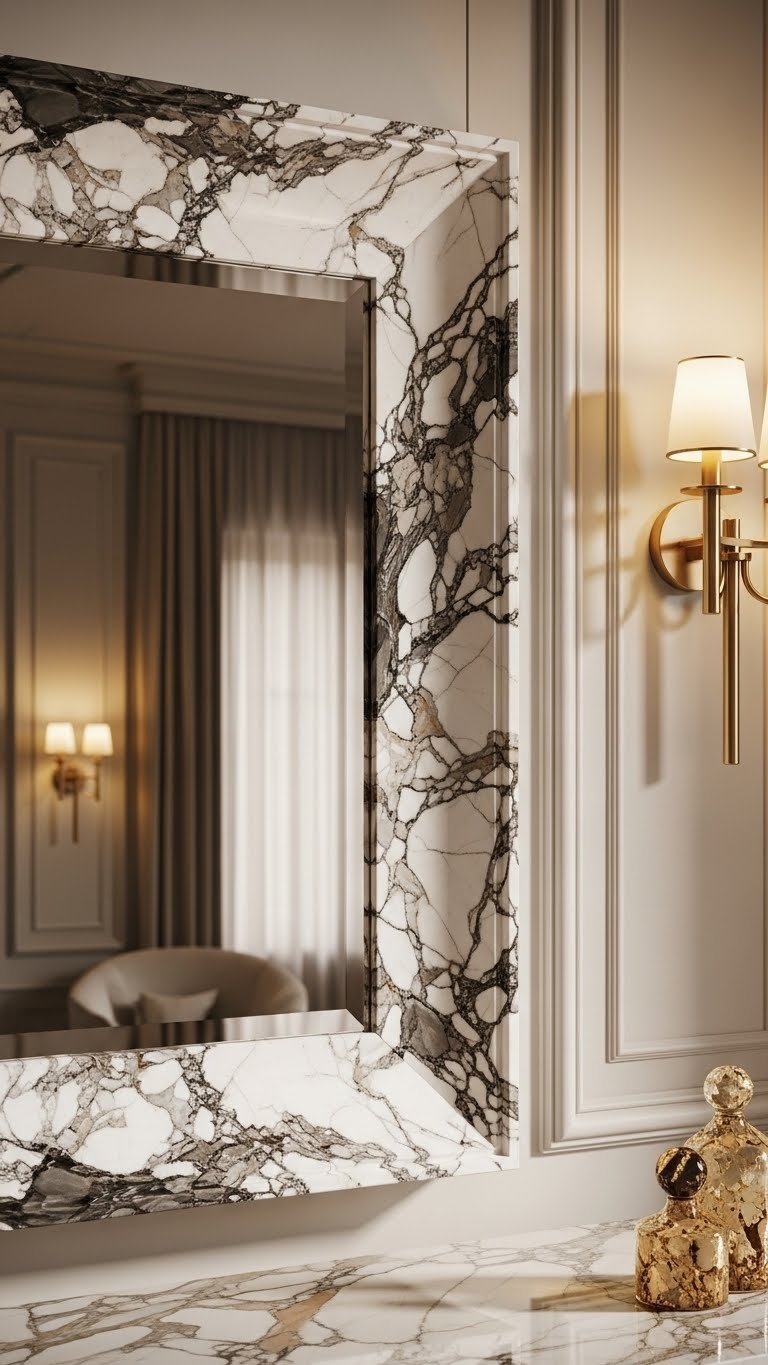
    Unlock Luxury: Marble and Stone Mirror Frames Explained

    Because marble and stone have long symbolized opulence and timeless elegance, contemporary mirror frames crafted from these luxurious materials are transforming interior design landscapes.

    You’ll love how marble finishes and stone textures elevate your space, creating bold statements that merge sophistication with raw, natural beauty.

    Release your design potential with these stunning, textured edge masterpieces.

    Soft Curves vs. Sharp Edges: Choosing Your Mirror Aesthetic

    How do you transform a simple mirror into a design statement that reflects your personal style?

    Soft curves create smooth changes, while sharp edges make bold statements. Your choice depends on the mood you want to evoke.

    Do you crave gentle, flowing lines or angular, architectural designs that demand attention?

    Your mirror can be a powerful expression of your inner aesthetic.

    DIY Mirror Mosaic: Unleash Your Creative Potential

    Ever wondered how to transform a plain mirror into a stunning piece of personalized art? Immerse yourself in mosaic art and release your creativity with mirror materials!

    Shatter old glass, collect colorful fragments, and design unique textures that reflect your inner artist. Your walls will burst with personality as you craft an eye-catching masterpiece that’s purely you.

    Etching Techniques That Will Elevate Your Mirror Game

    Sculptors of glass understand that mirror etching is an art form that transforms ordinary reflective surfaces into extraordinary design statements.

    You’ll discover stunning etching inspirations that turn your mirrors into personalized masterpieces.

    Experiment with decorative techniques like acid-etching, sandblasting, and stencil designs to create bold, unique textures that elevate your space’s aesthetic.

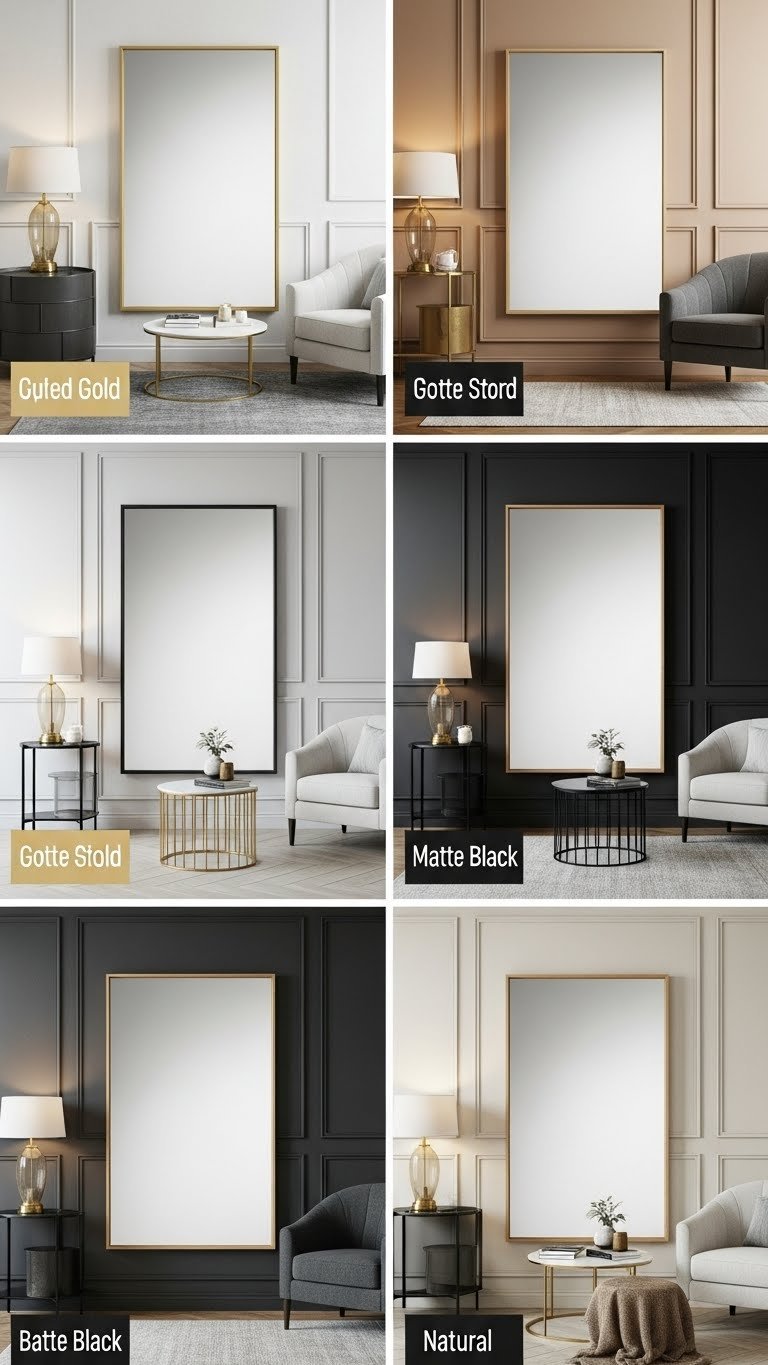
    While metallic frames can dramatically transform a mirror’s visual impact, selecting the right finish is key to achieving your desired aesthetic. Matte black’s sleek allure speaks to minimalist souls, while brushed brass elegance whispers sophisticated charm. Your frame choice becomes a statement, reflecting your unique design personality and transformative style.

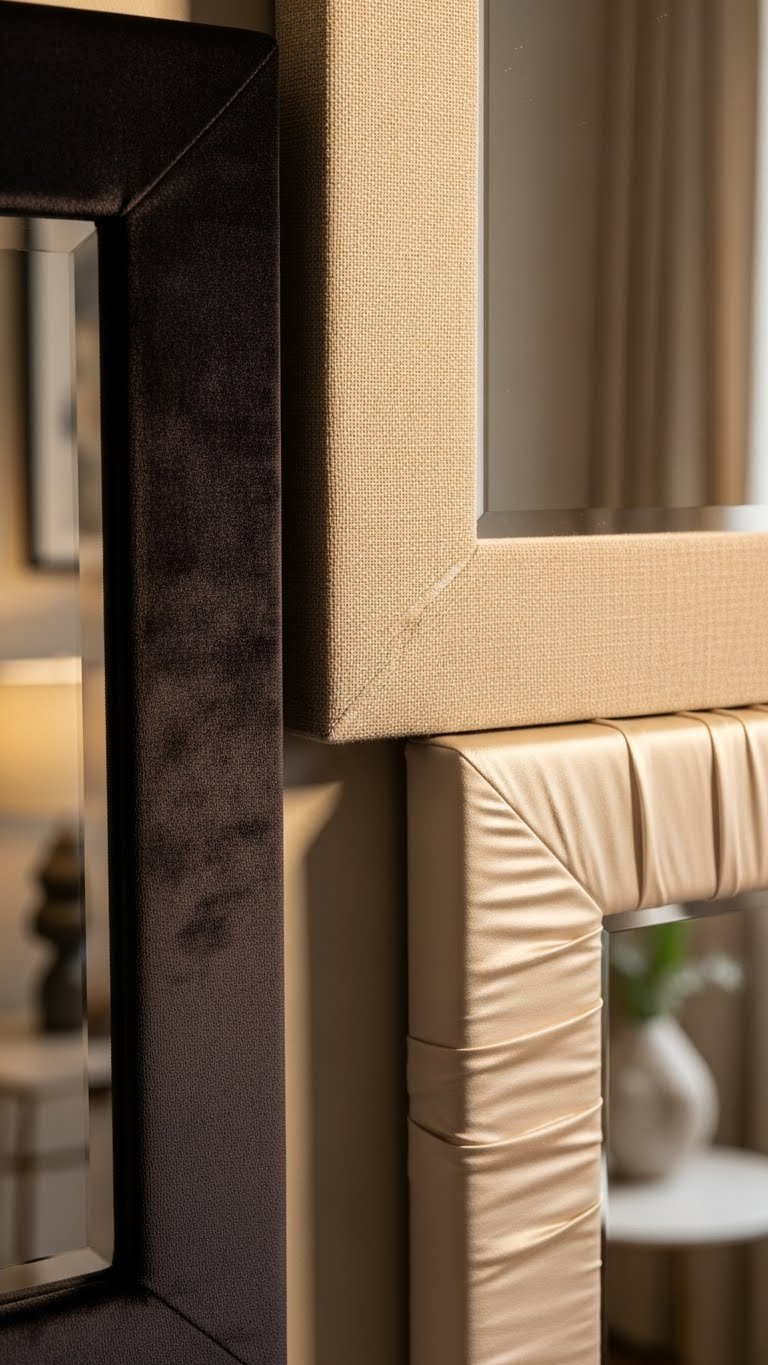
    Fabric-Covered Frames: Adding Tactile Dimension to Mirrors

    Because texture transforms ordinary surfaces into extraordinary experiences, fabric-covered mirror frames represent a cutting-edge design trend that invites touch and visual intrigue.

    You’ll love how velvet, linen, and silk create stunning frame styles that elevate your space. These fabric textures add warmth, depth, and unexpected sophistication to mirrors, turning them into tactile design statements.

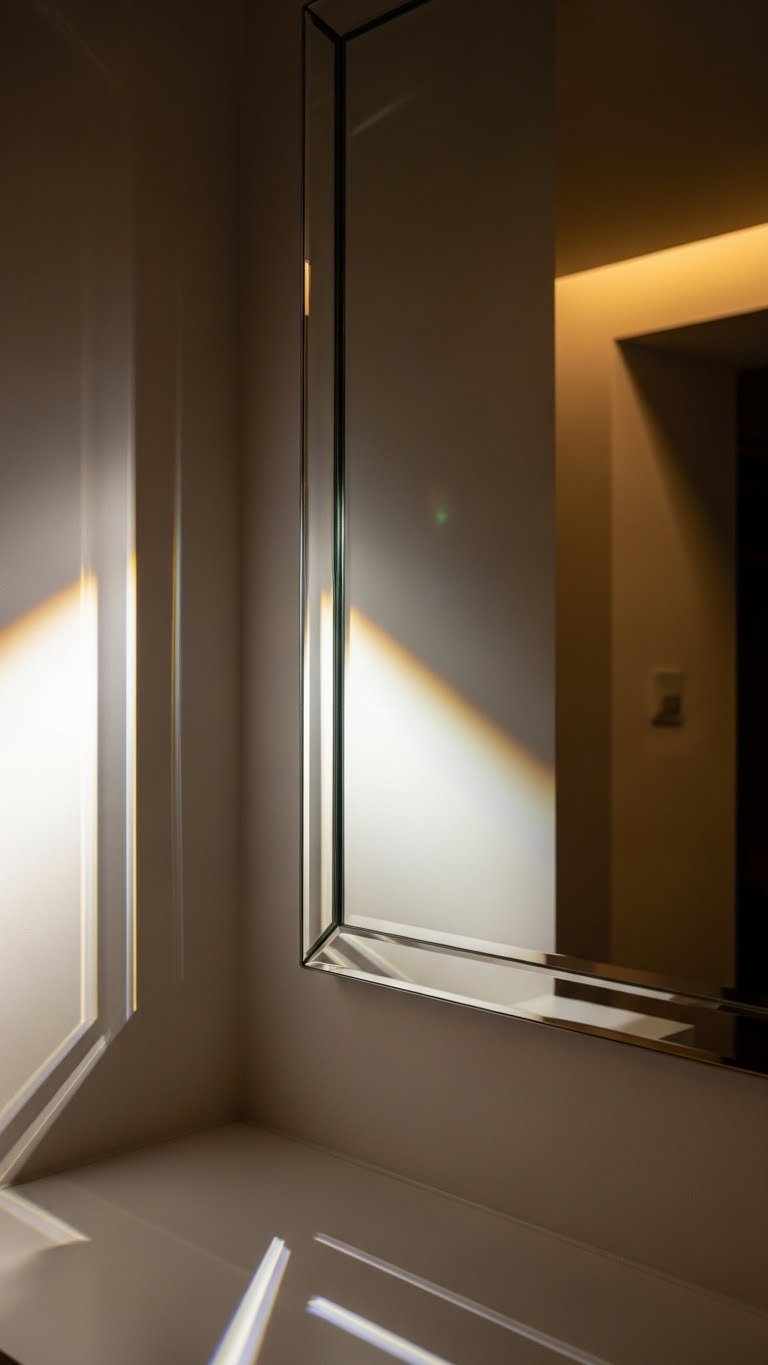
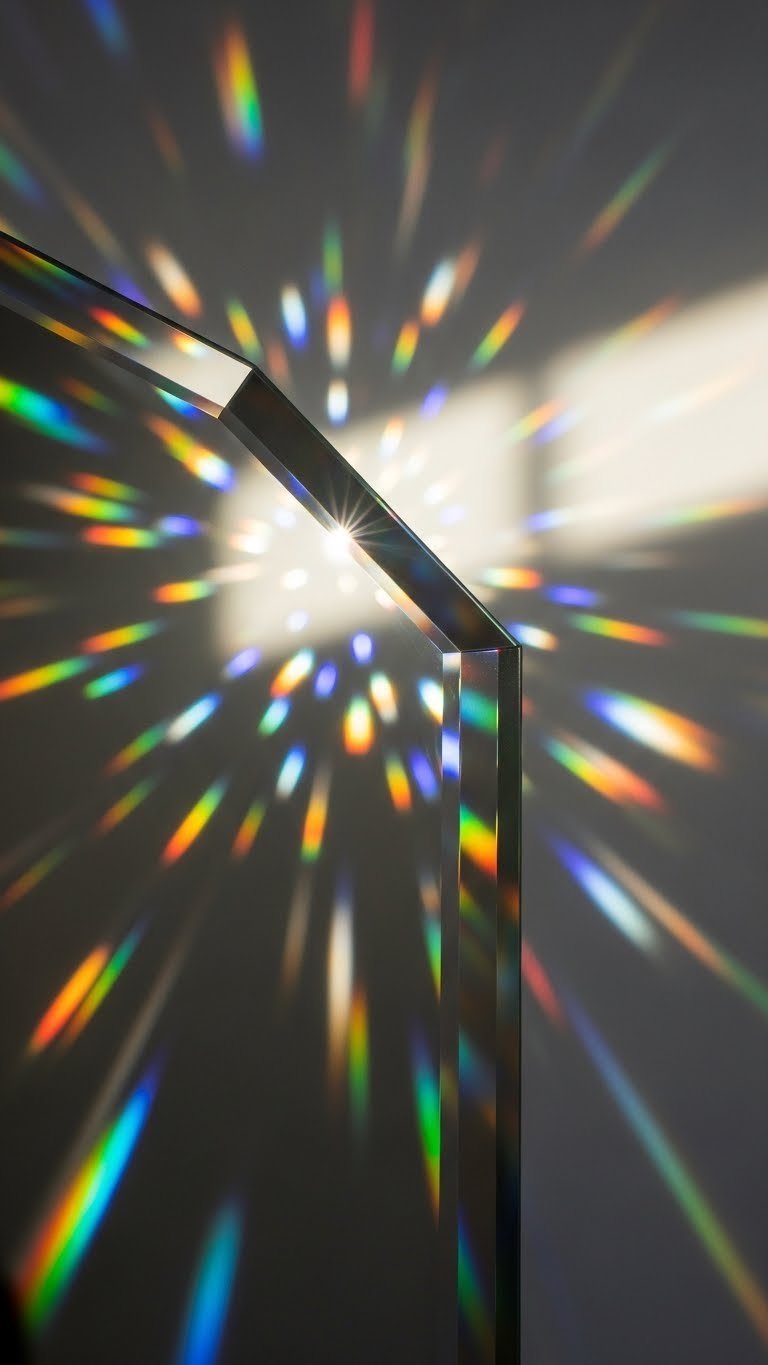
    The Prism Effect: Understanding Beveled Glass Light Dynamics

    When light encounters a beveled mirror’s precision-cut edges, it transforms into a mesmerizing dance of prismatic reflections and ethereal color fragments. You’ll witness prism play as light refraction bends and splits, creating kaleidoscopic patterns that dance across surfaces. These dynamic visual experiences turn ordinary mirrors into extraordinary art pieces that captivate and inspire.

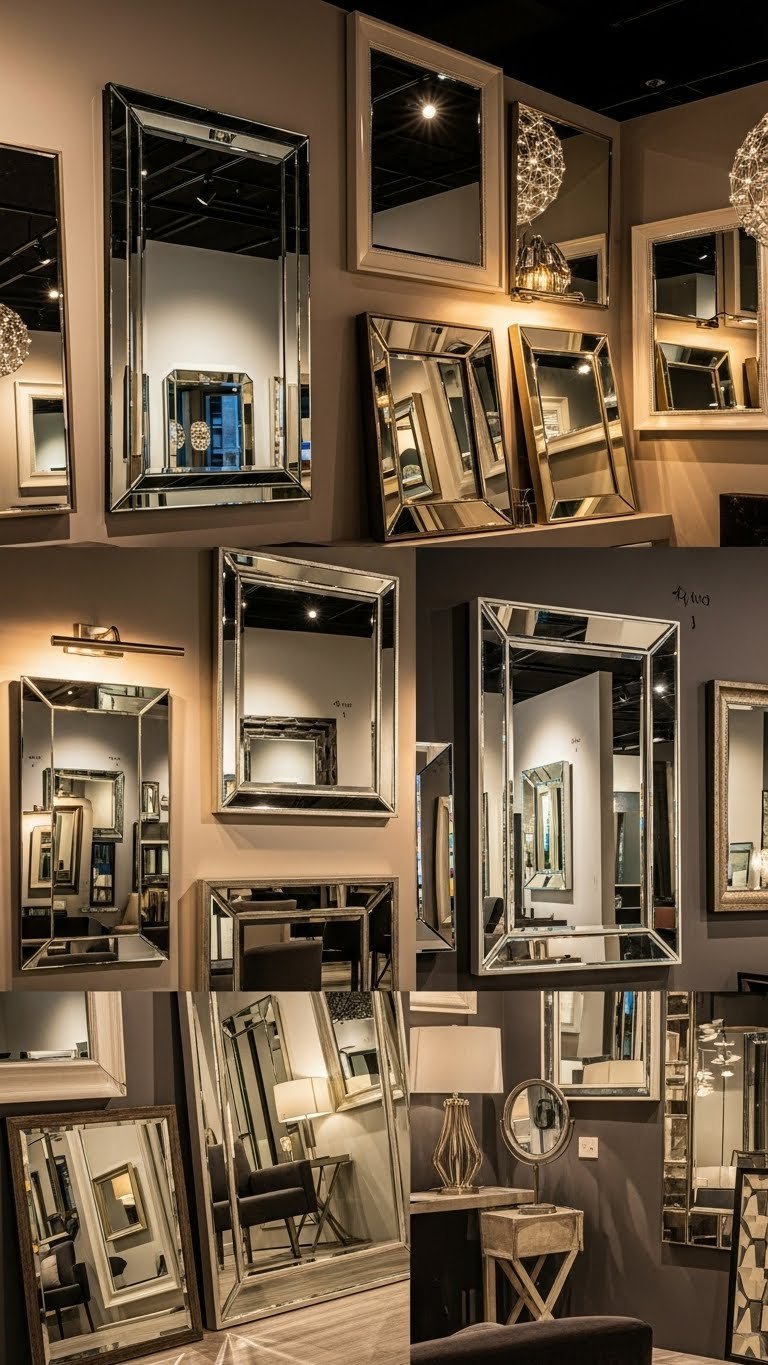
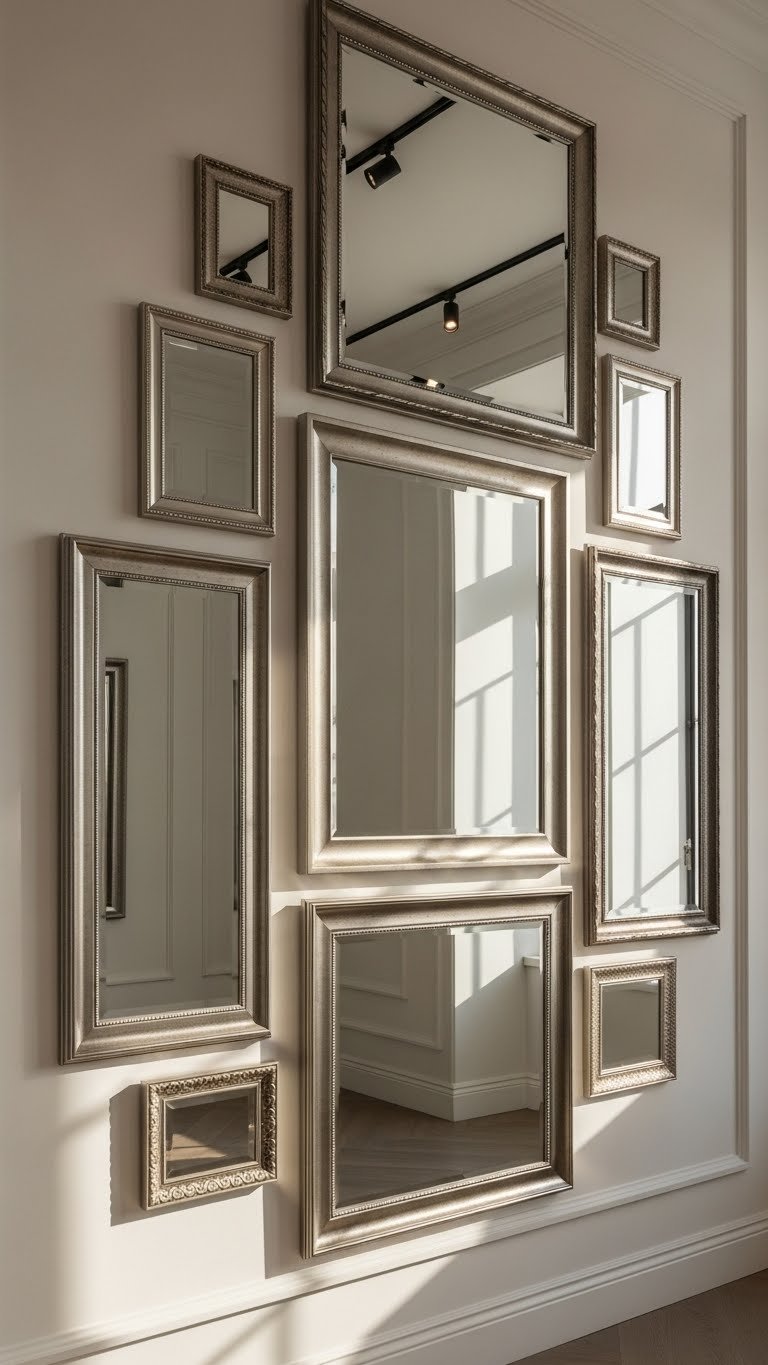
    Since gallery walls have become a transformative design statement, mixing mirror shapes offers an unparalleled opportunity to create visual depth and architectural intrigue. You’ll want to play with geometric silhouettes—round, rectangular, hexagonal—layering them asymmetrically to break traditional boundaries. Select mirrors with textured edges that catch light differently, ensuring your gallery wall feels dynamically curated and personally expressive.

    Resin Frames: Modern Approaches to Mirror Design

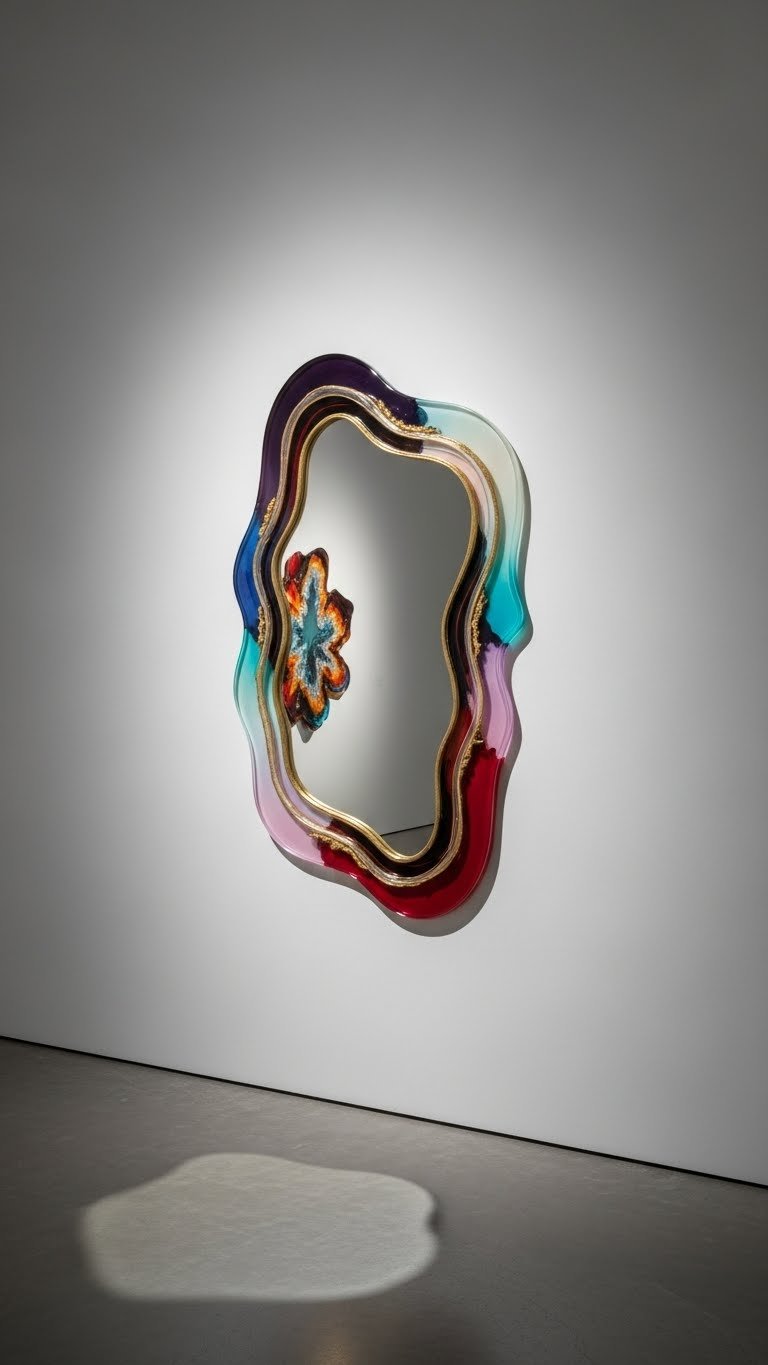
    While contemporary design continues to push aesthetic boundaries, resin frames have emerged as a groundbreaking medium for mirror craftsmanship. You’ll love how these innovative resin techniques transform mirrors into artistic statements, blending translucent textures with bold contemporary aesthetics. Fluid, organic shapes and unexpected color palettes make each piece a unique design conversation starter.

    Waterproof Mirror Solutions for Challenging Spaces

    Because bathrooms and outdoor spaces demand specialized mirror solutions, waterproof designs have become essential in contemporary interior and architectural planning.

    You’ll want durable mirror options with moisture resistant materials and steam resistant finishes that can withstand humidity and environmental challenges, ensuring your reflective surfaces remain pristine and functional in even the most demanding spaces.

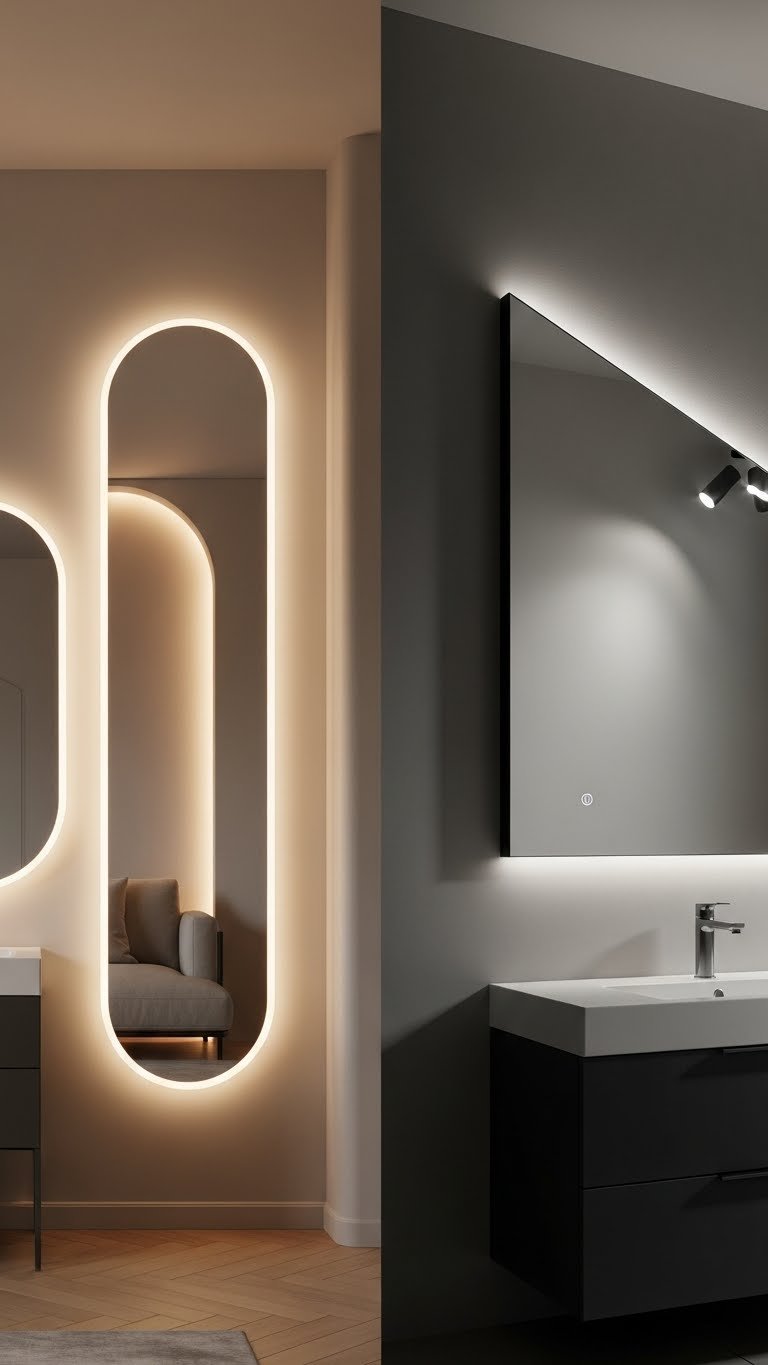
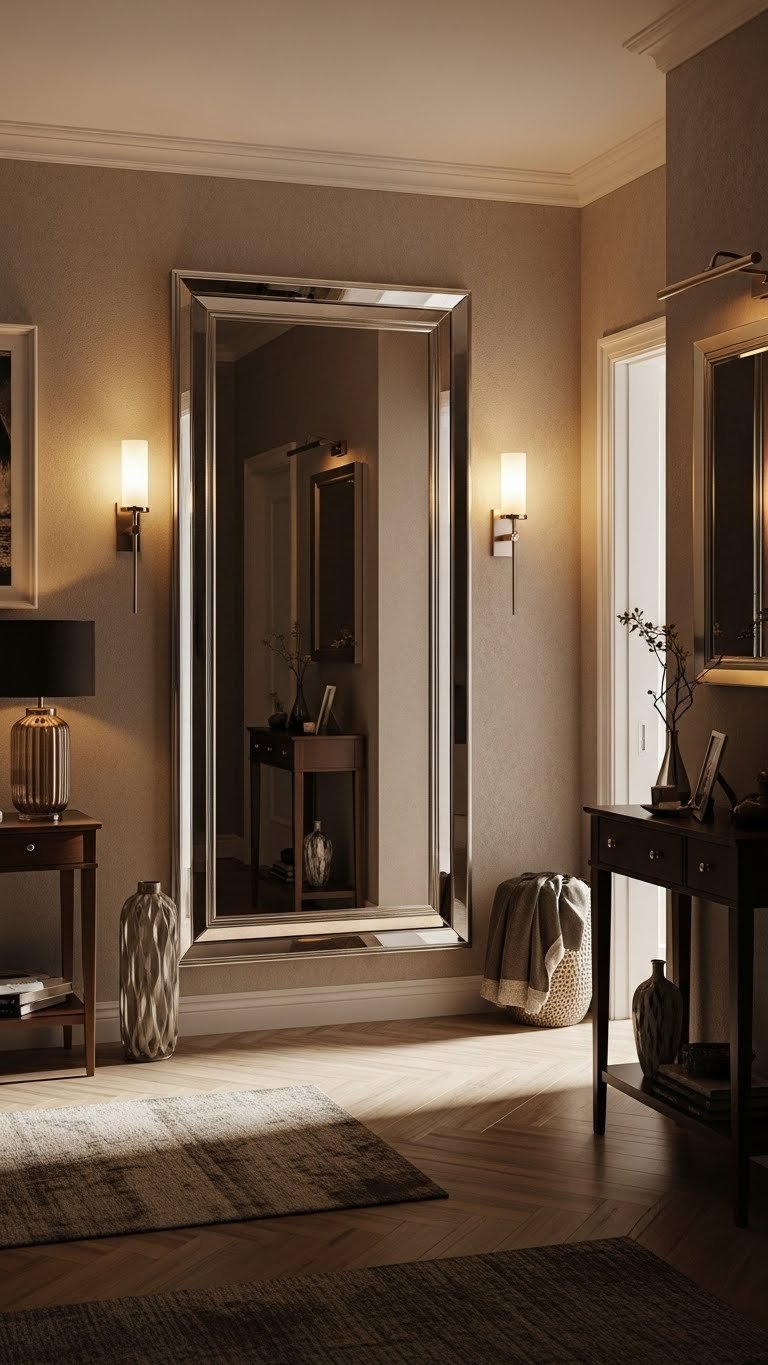
    Minimalist Mirror Designs That Make a Statement

    When minimalism meets artistry, mirror designs transform from mere functional objects into alluring architectural statements.

    You’ll discover bold minimalist mirrors that redefine spatial aesthetics, creating powerful visual narratives. Statement mirrors aren’t just reflective surfaces—they’re strategic design elements that elevate your interior, expressing sophisticated simplicity with clean lines and intentional geometric forms.

    Bohemian-Inspired Mirror Styling Tips

    Five key elements transform ordinary mirrors into bohemian design masterpieces, turning reflective surfaces into artful storytelling canvases.

    Embrace eclectic styles with layered textures, vintage accents, and natural materials. Add vibrant colors through decorative tassels, artisanal craftsmanship, and unique wall hangings that reflect your free-spirited personal touches.

    How to Match Mirrors With Existing Interior Elements?

    After exploring bohemian mirror styling’s vibrant world, matching mirrors with your existing interior requires a strategic and artistic approach. Consider your room’s color palette, architectural lines, and textural elements to achieve seamless mirror aesthetics. Select frames that complement or subtly contrast, creating visual harmony while expressing your unique design sensibility.

    The Science Behind Asymmetrical Mirror Shapes

    Although traditional design principles often favor symmetry, asymmetrical mirror shapes represent a bold frontier in contemporary interior aesthetics.

    By challenging visual balance, these unconventional designs tap into design psychology, transforming spaces with artistic flair.

    You’ll discover how irregular contours create dynamic spatial perception, breaking free from predictable geometric constraints and inviting unexpected visual dialogues.

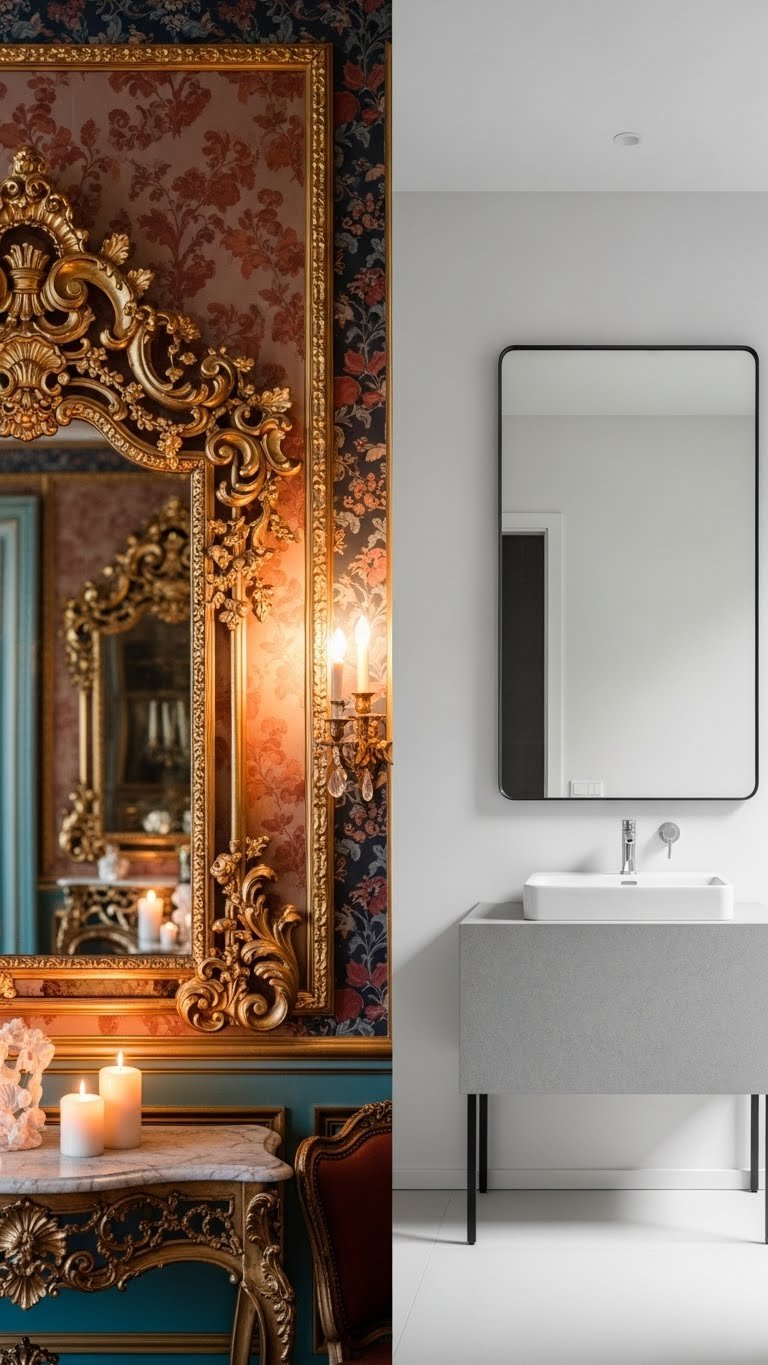
    Vintage Meets Modern: Blending Antique and Contemporary Mirrors

    When designers marry vintage mirror craftsmanship with contemporary aesthetic sensibilities, they release a transformative design approach that transcends traditional decorative boundaries.

    You’ll discover that blending antique allure with contemporary aesthetics creates mirror designs that feel both nostalgic and cutting-edge, allowing your space to tell a rich, layered visual story of design evolution.

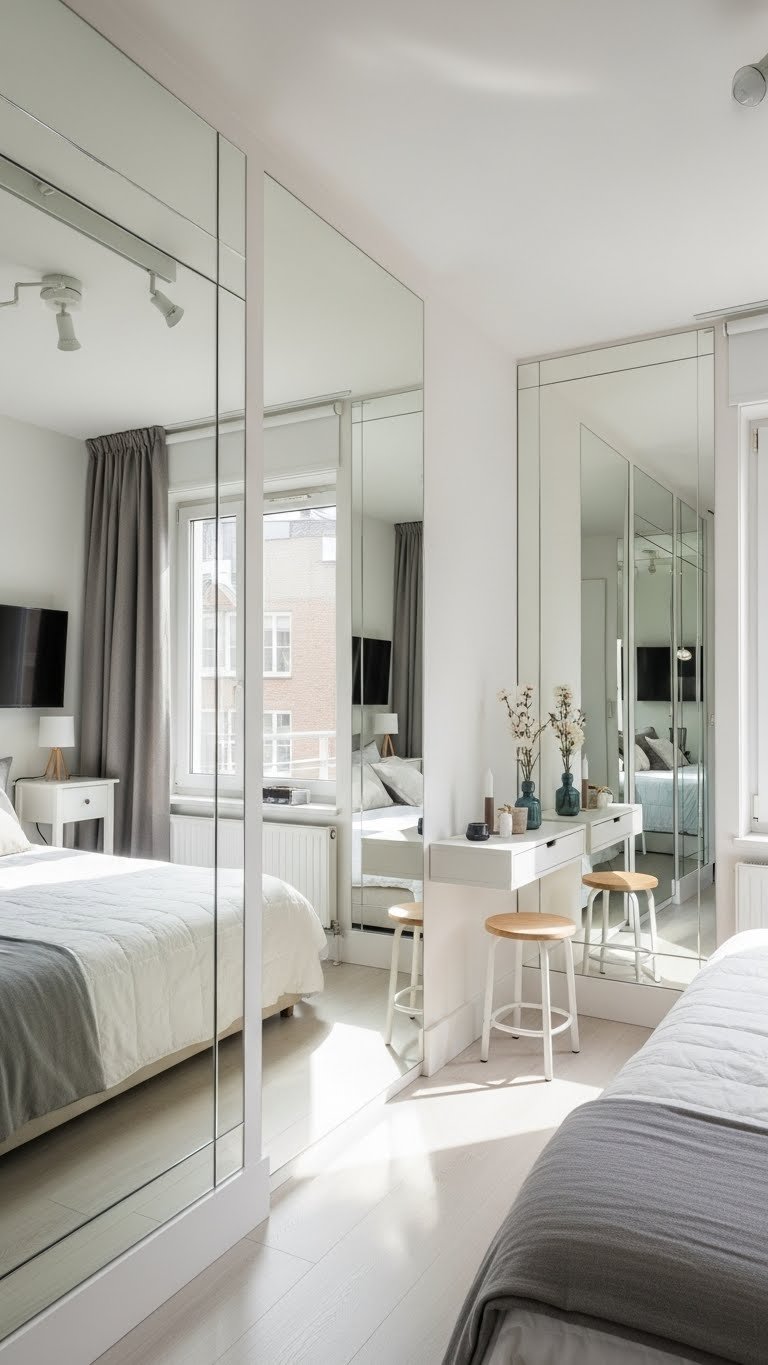
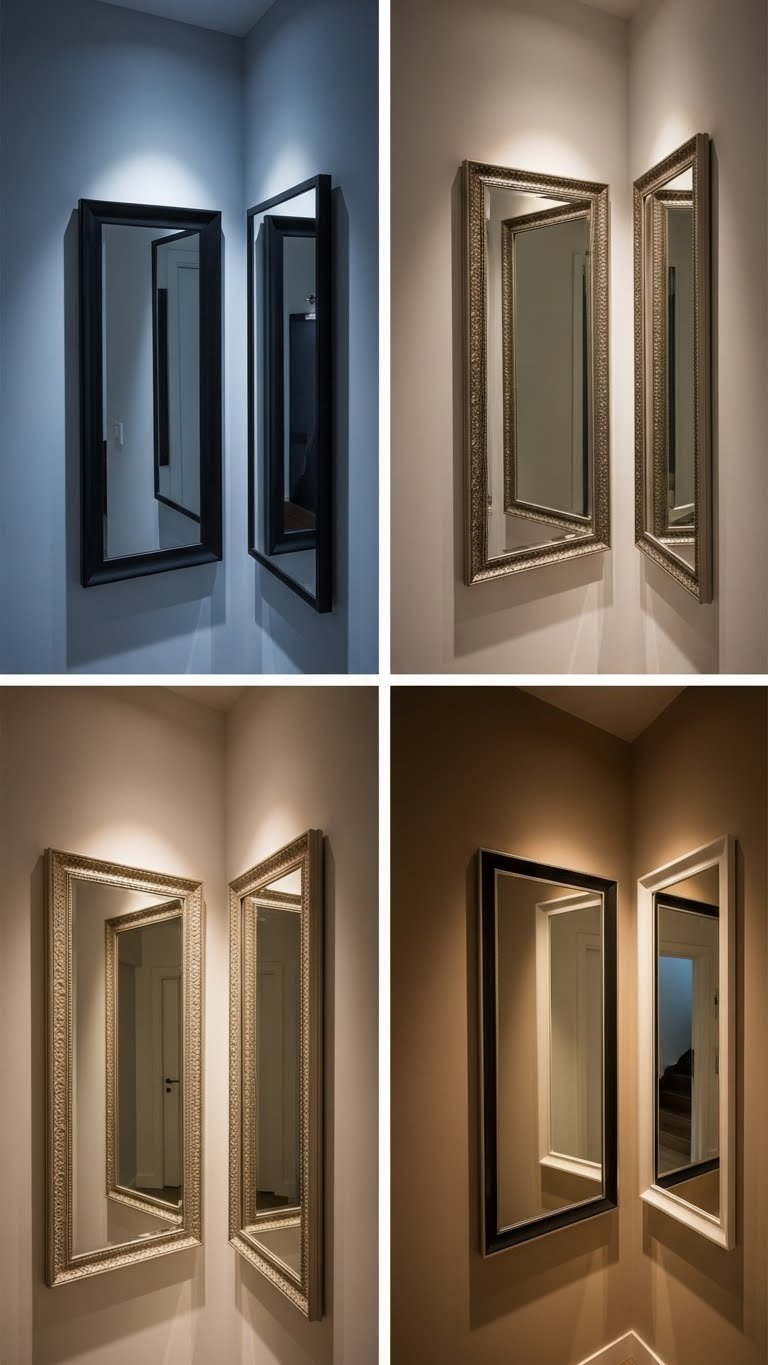
    Maximizing Small Spaces With Strategic Mirror Placement

    Spatial illusion becomes your secret weapon when strategically placing mirrors in compact interiors.

    You’ll transform cramped rooms by leveraging mirror reflections that visually expand perceived boundaries.

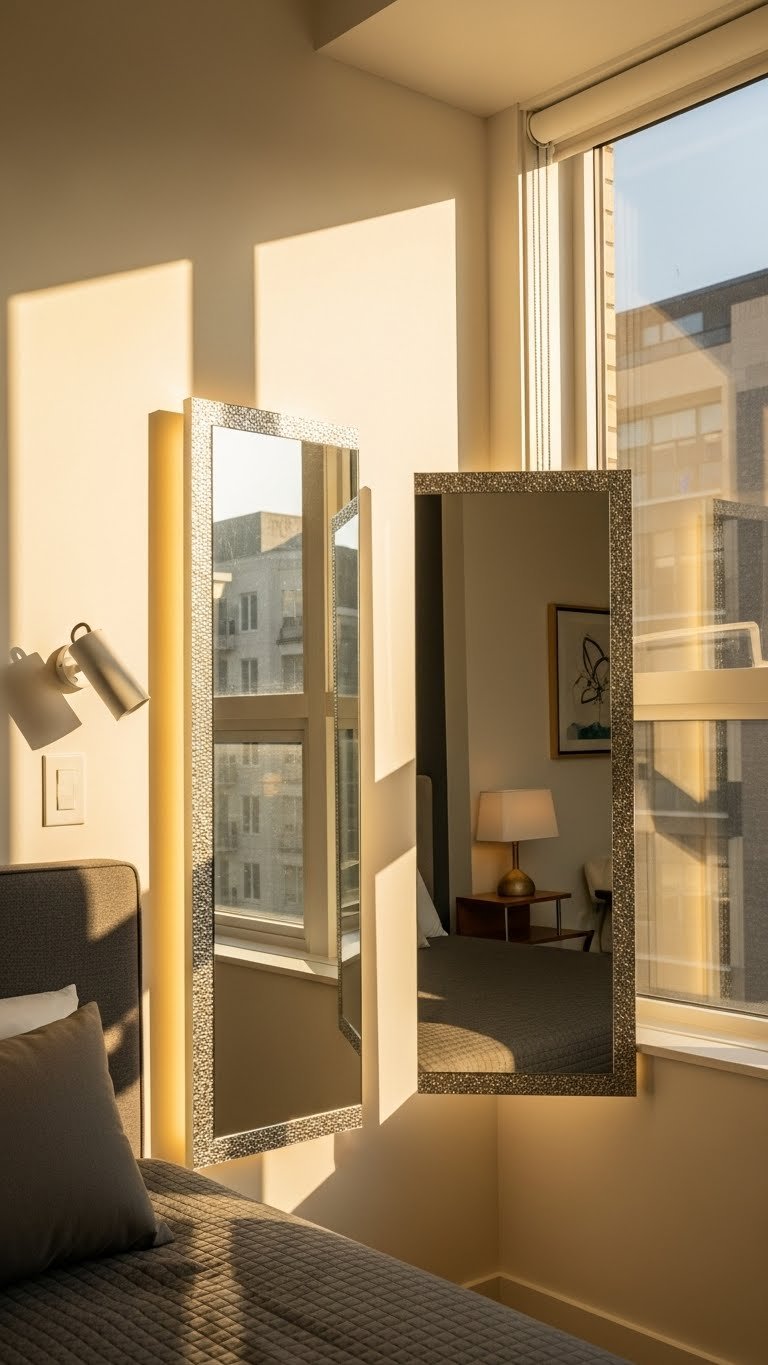
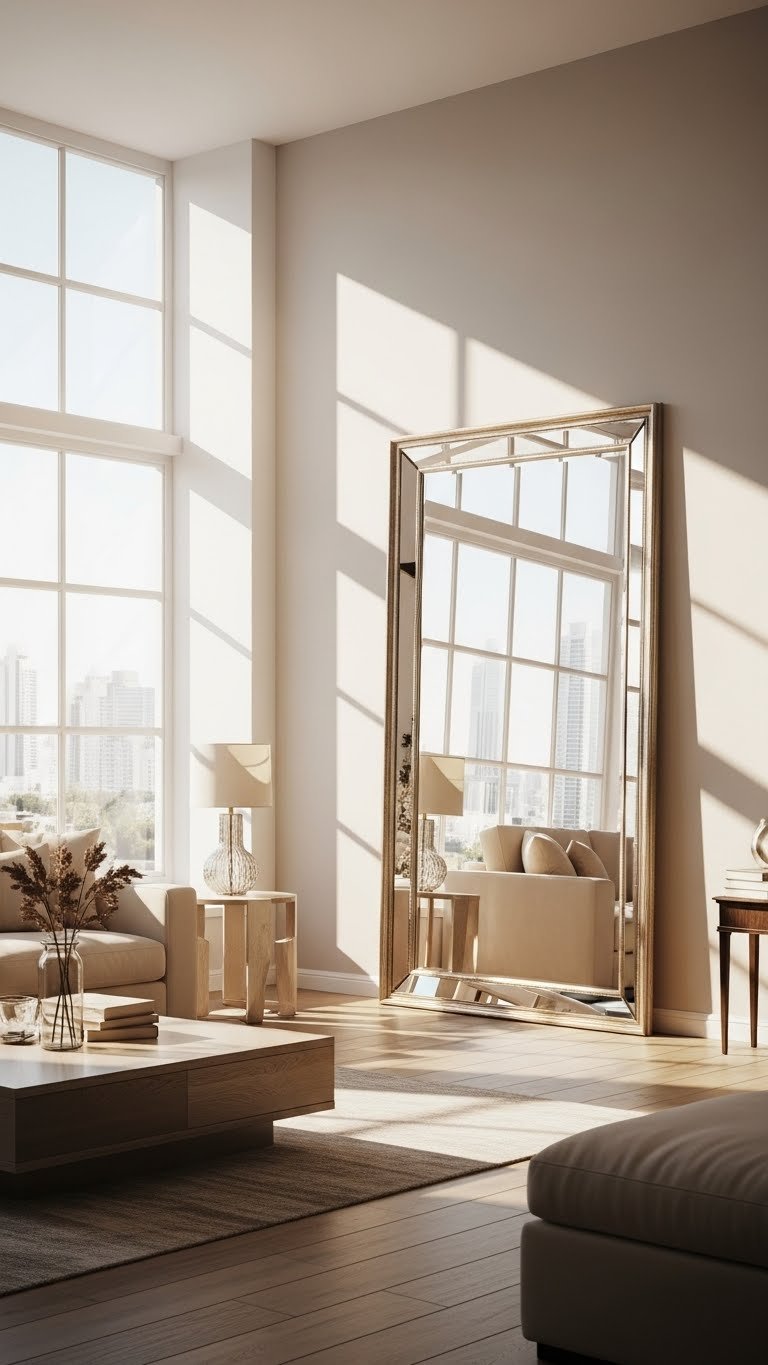
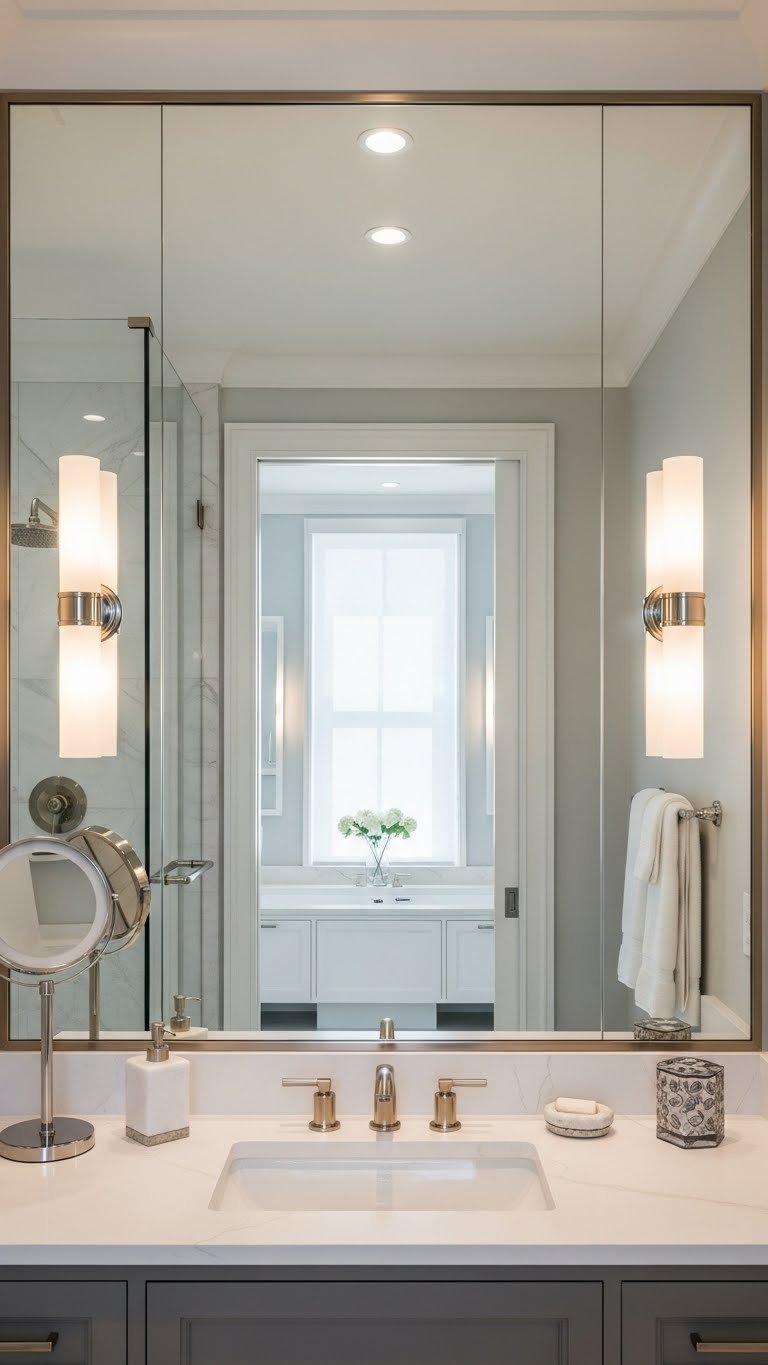
    Angle textured-edge mirrors opposite windows to multiply natural light, creating depth and openness.

    Space illusion tricks your eye, making small areas feel dramatically larger and more breathable.

    Color and Texture: Personalizing Your Mirror Design

    Beyond expanding visual boundaries, mirrors become canvas for personal expression through color and texture.

    You’ll transform reflective surfaces by embracing color harmony and texture play, selecting custom shapes that match your design preferences.

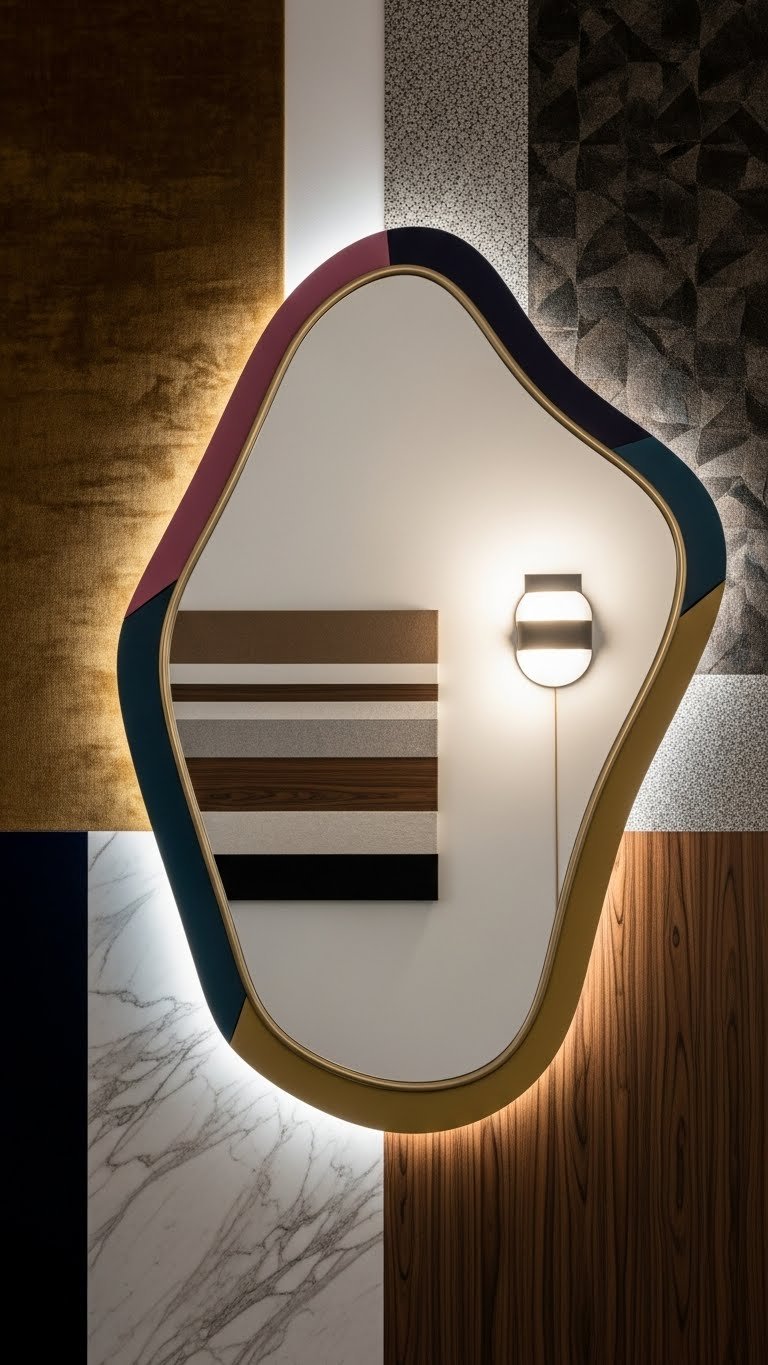
    Your mirror becomes a mood enhancement tool, reflecting your unique aesthetic balance with bold, intentional choices.

    Professional Tricks for Hanging Unusual Mirror Shapes

    Every seasoned interior designer knows that hanging unconventional mirror shapes requires strategic planning and precision.

    You’ll want to explore creative hanging techniques that transform unusual placements into stunning visual statements.

    Consider weight distribution, wall structure, and specialized mounting hardware to guarantee your textured edge mirror becomes a compelling focal point with seamless installation.

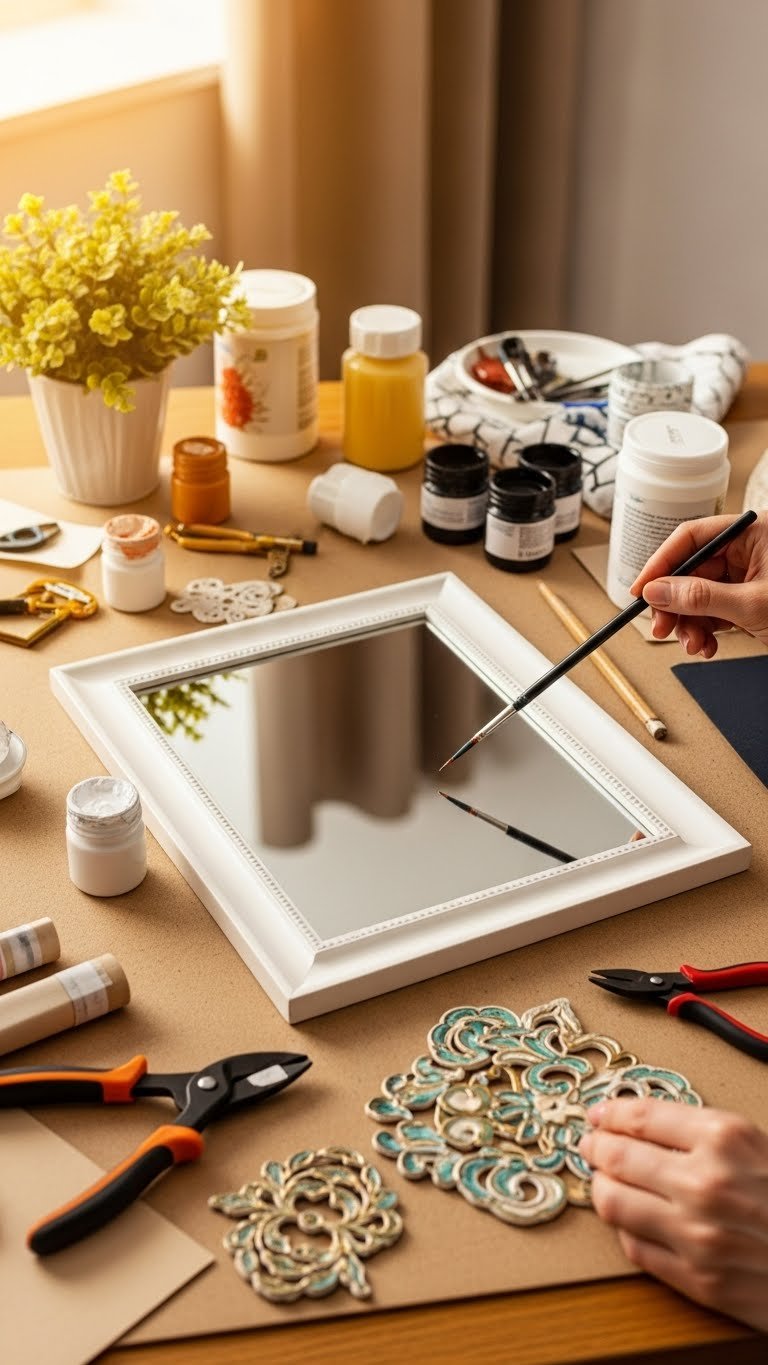
    Budget-Friendly Mirror Transformation Techniques

    When budgeting for mirror design transformations, DIY enthusiasts can access stunning makeovers without breaking the bank.

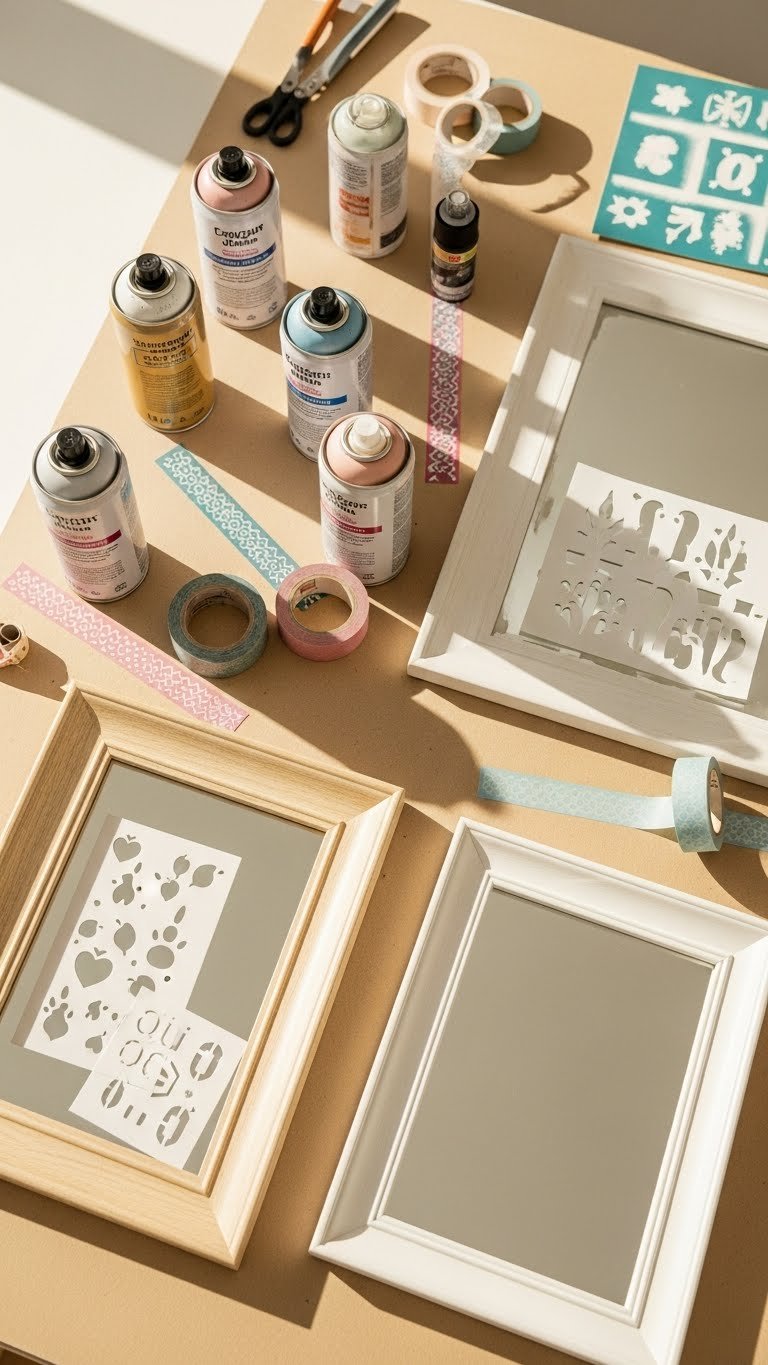
    Explore budget-friendly transformations like spray painting frames, adding textured stencils, or using metallic washi tape.

    Mirror painting techniques offer creative freedom, letting you reimagine tired surfaces with minimal investment and maximum visual impact.

    Sustainable Mirror Design: Repurposing and Upcycling

    Since sustainability has become a hallmark of modern design, upcycling mirrors offers an eco-conscious approach to home decor.

    You’ll love transforming discarded frames with repurposed materials like reclaimed wood, vintage fabric, or industrial metal.

    These eco-friendly techniques breathe new life into old mirrors, creating unique statement pieces that reflect both creativity and environmental responsibility.

  • 25 Beautiful Indoor-Outdoor Flow Designs Ideas You’ll Love

    25 Beautiful Indoor-Outdoor Flow Designs Ideas You’ll Love

    You’re standing at the threshold of architectural transformation, where indoor and outdoor spaces blur into a harmonious canvas. Modern design isn’t just about walls and windows—it’s about creating fluid, breathable environments that invite nature inside. The most compelling homes today don’t separate; they integrate, offering seamless shifts that challenge traditional spatial boundaries. Imagine living spaces that feel simultaneously intimate and expansive, where every design choice whispers of connection and possibility.

    Understanding Indoor-Outdoor Living Design Principles

    While indoor-outdoor living represents more than just architectural design, it’s a holistic approach to creating seamless spatial experiences that blur traditional boundaries between interior and exterior environments.

    You’ll want to prioritize indoor comfort while embracing outdoor aesthetics, strategically designing spaces that flow effortlessly and invite natural light, ventilation, and sensory connection between inside and outside domains.

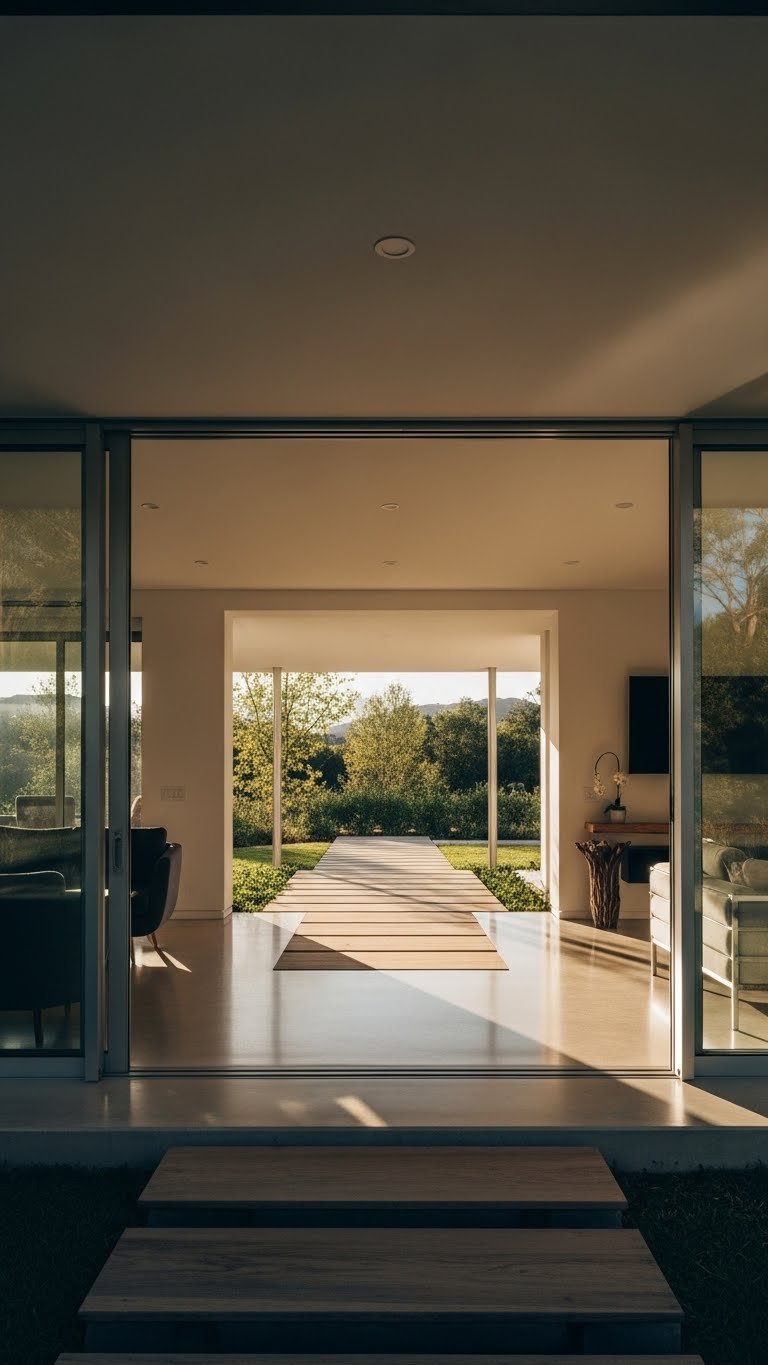
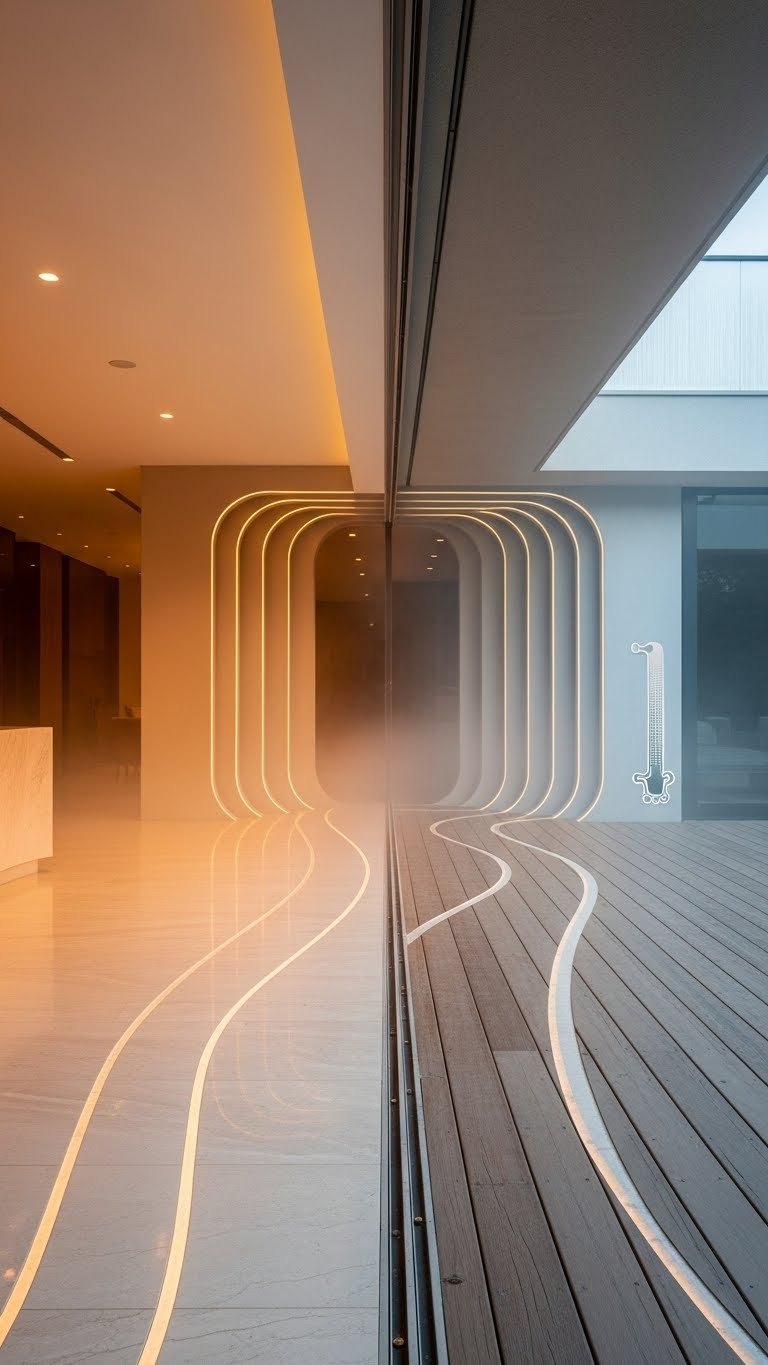
    Floor Level Integration Strategies

    Although floor level integration might seem like a subtle design element, it’s a critical strategy for creating truly seamless indoor-outdoor connections.

    Advanced Glass Door Solutions

    Floor level continuity sets the stage for sophisticated glass wall options that dramatically reshape architectural boundaries.

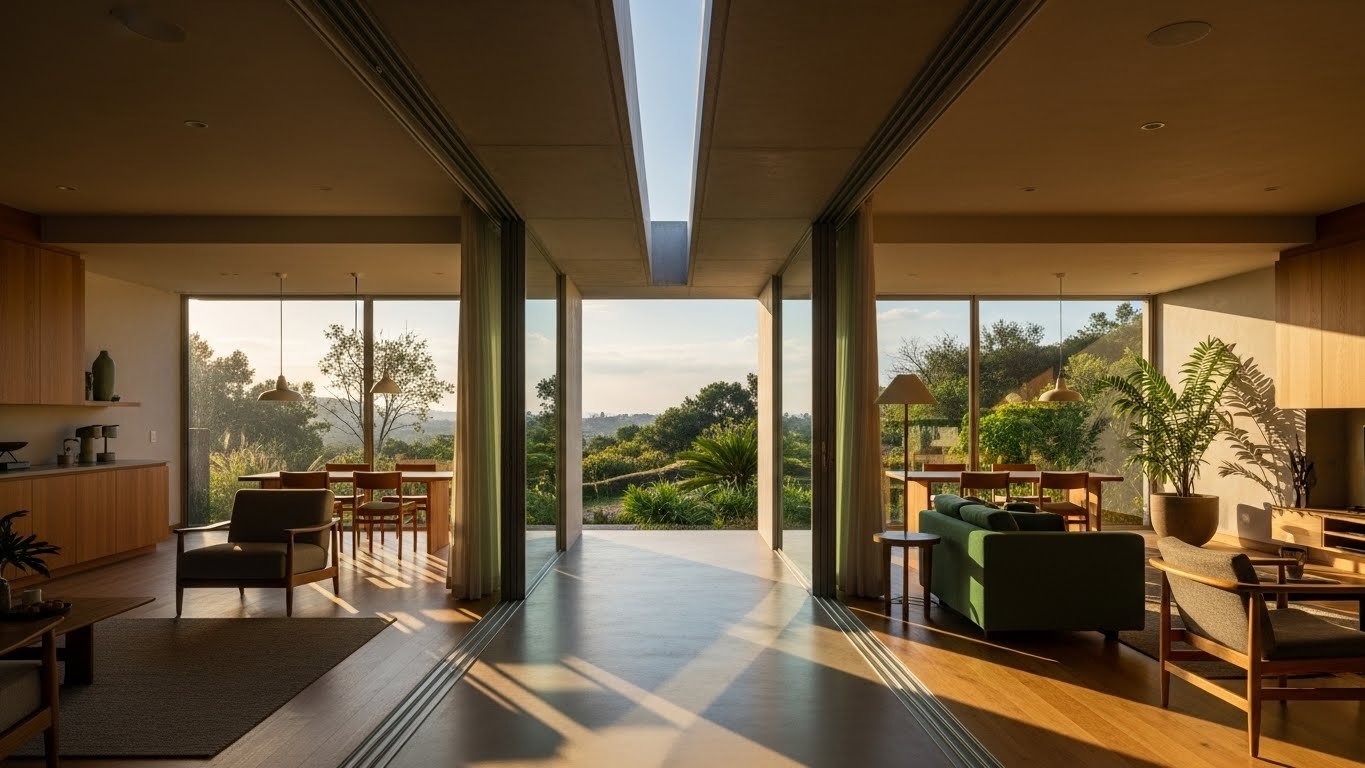
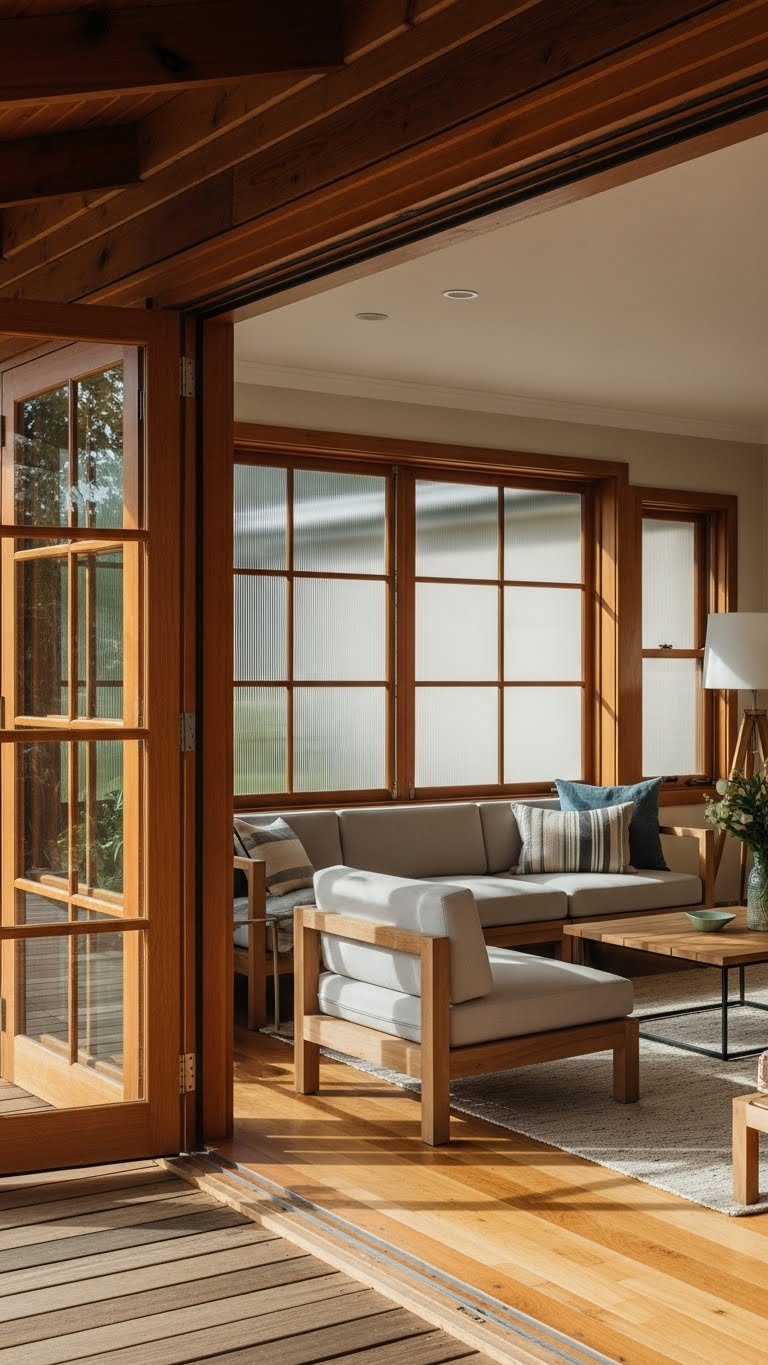
    You’ll love folding door innovations that dissolve interior-exterior constraints, creating seamless connections.

    Frameless sliding systems and multi-panel configurations provide unprecedented spatial freedom, transforming how you experience architectural connectivity.

    Material Selection for Seamless Transitions

    Since successful indoor-outdoor design hinges on material continuity, architects leverage strategic surface selections to create fluid spatial experiences.

    You’ll want materials that balance durability, texture contrast, and color harmony while prioritizing eco-friendly options.

    Consider local sourcing, aesthetic versatility, and functional performance to achieve a seamless changeover that reflects your design vision.

    Furniture Placement for Unified Spaces

    When designing indoor-outdoor spaces, furniture placement becomes a critical choreography of spatial connectivity and visual flow.

    You’ll want to create seamless furniture arrangements that blur boundaries, promoting spatial harmony.

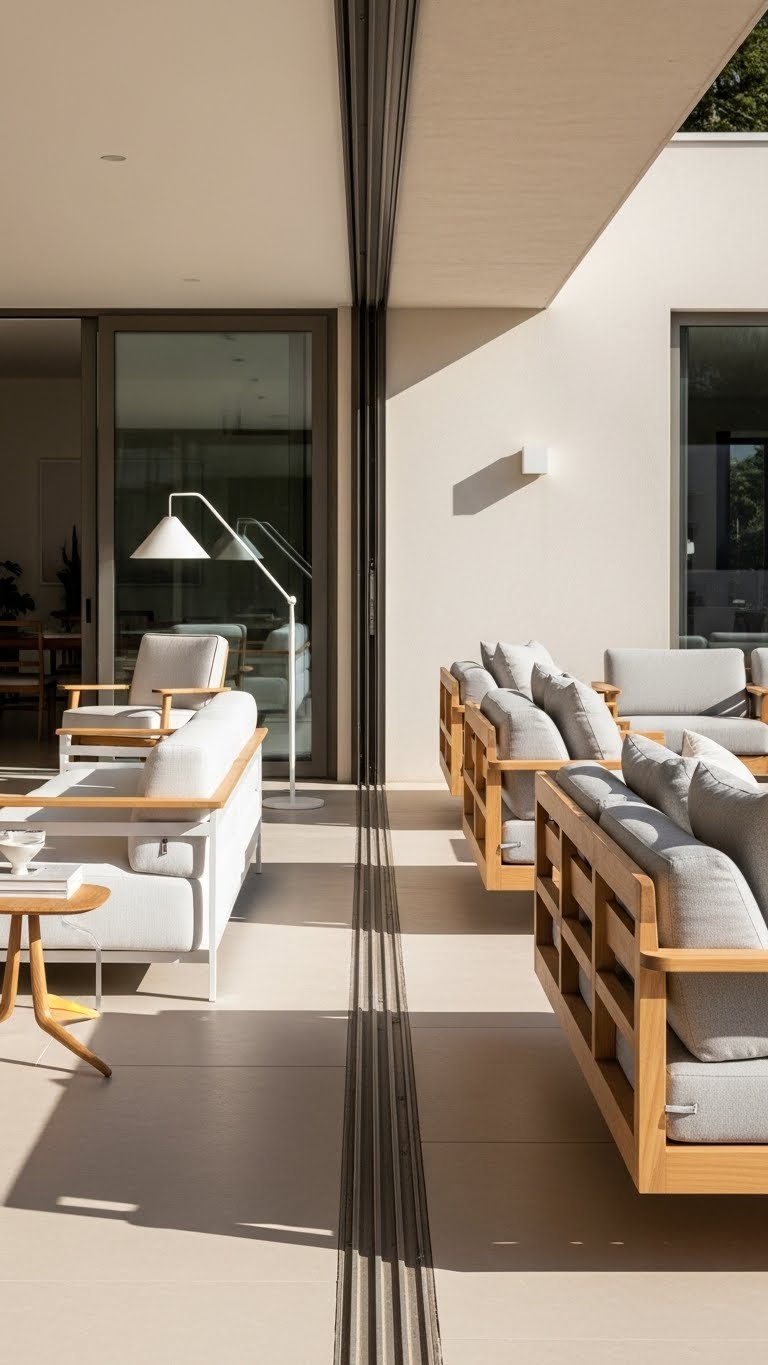
    Position pieces strategically to invite movement, using lightweight, versatile furniture that shifts effortlessly between interior and exterior environments.

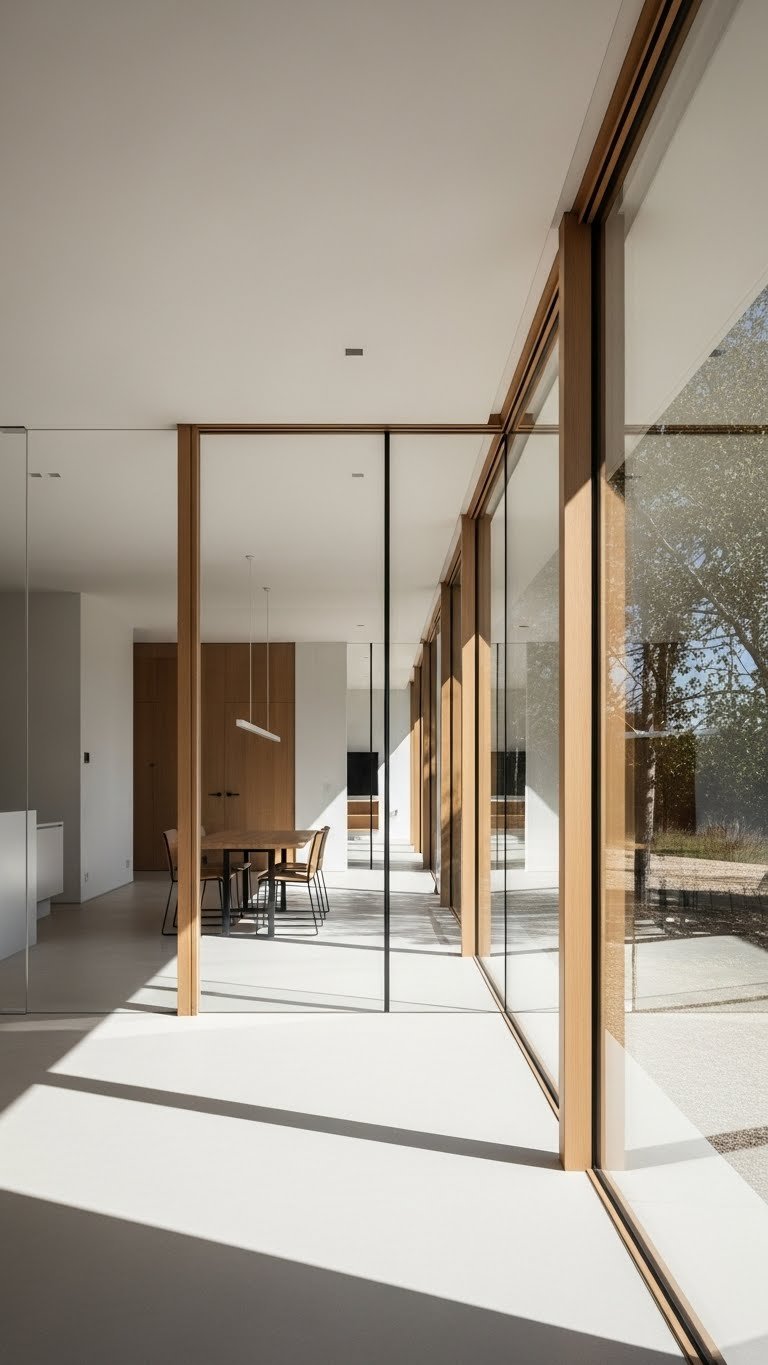
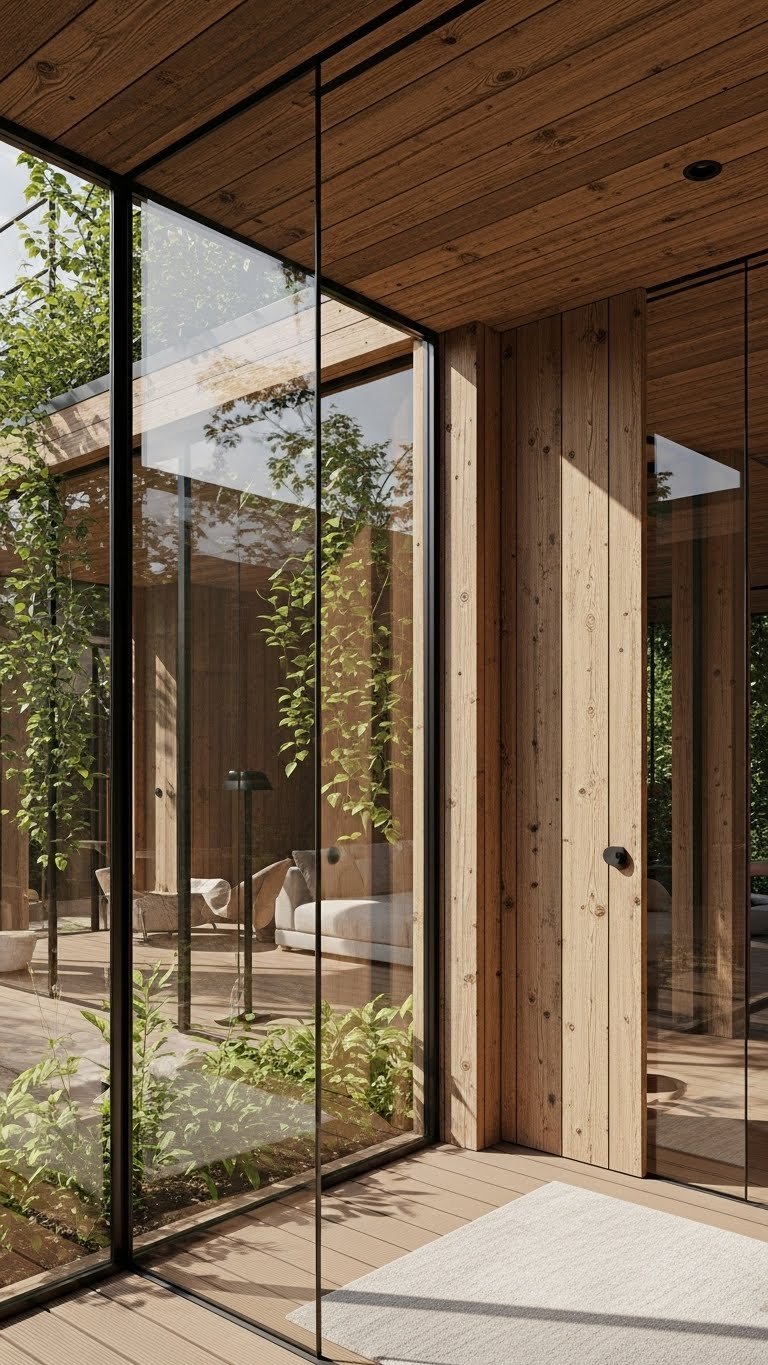
    Minimalist Glazing Techniques

    As architectural boundaries dissolve, minimalist glazing emerges as a transformative design strategy that radically reimagines spatial connections.

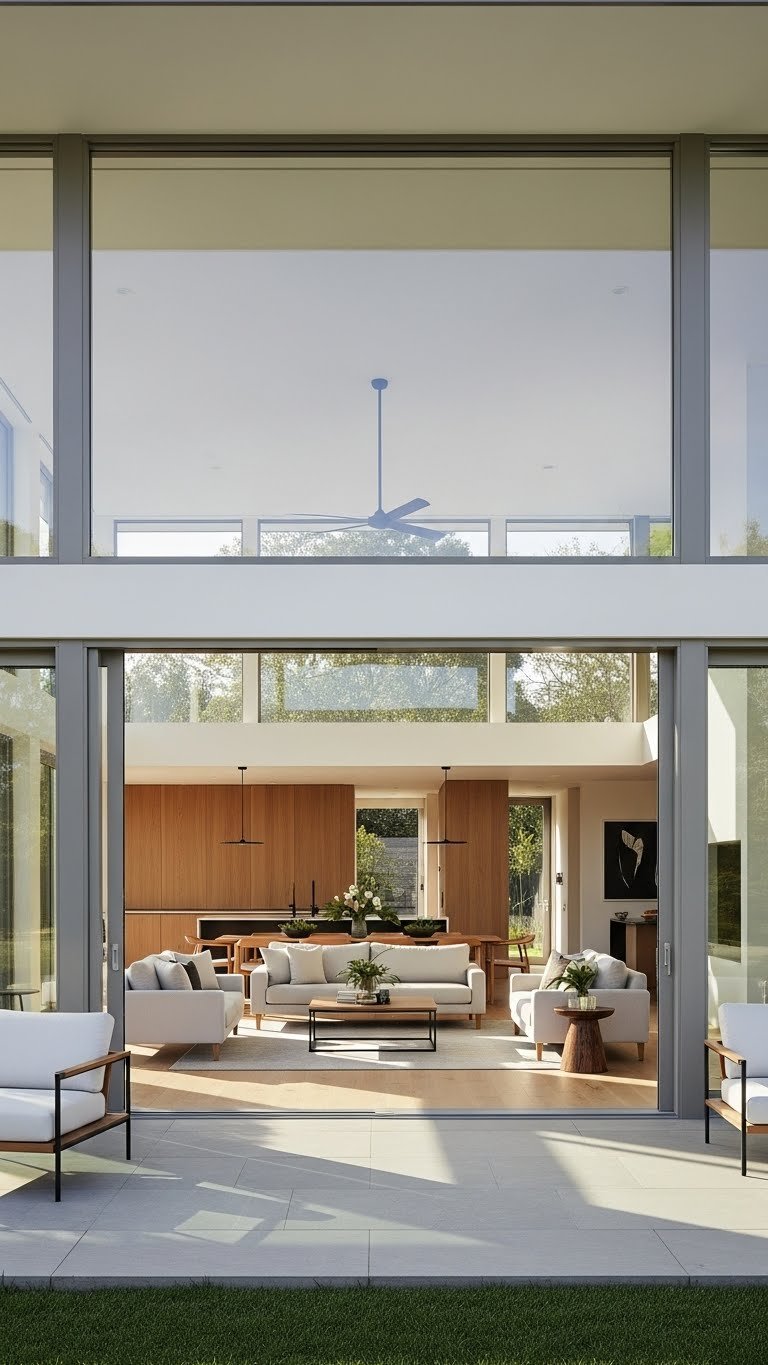
    You’ll find these techniques leverage floor-to-ceiling glass panels, creating seamless shifts between interior and exterior environments.

    Strategic Window Design for Visual Expansion

    While architectural innovation continually pushes spatial boundaries, strategic window design emerges as a powerful technique for visual expansion.

    You’ll reveal transformative spaces by carefully framing views and orchestrating light diffusion. Large, frameless windows dissolve interior-exterior barriers, creating an illusion of expanded dimensions that breathes freedom into your living environment.

    Natural Material Palettes and Textures

    Because indoor-outdoor flow transcends mere visual connectivity, material selection becomes a critical design language that bridges interior spaces with natural landscapes.

    You’ll want to embrace reclaimed wood, natural stone, and bamboo accents that create organic shapes and wabi sabi aesthetics, while integrating textured fabrics and artisanal tiles that enhance biophilic design principles through tactile, earthy experiences.

    Creating Functional Threshold Spaces

    When designing indoor-outdoor shifts, threshold spaces become critical architectural moments that choreograph spatial movement and sensory experience.

    You’ll want to craft seamless changes that blur interior and exterior boundaries, integrating threshold design with outdoor functionality.

    Strategically placed sliding glass walls, pivoting doors, and level-matched flooring create fluid spatial connections that expand your living experience.

    Kitchen and Dining Outdoor Connection Methods

    Expanding on threshold design principles, kitchen and dining spaces offer prime opportunities for outdoor integration through strategic architectural interventions.

    You’ll transform kitchen layouts by installing large sliding glass doors or folding panel systems that dissolve interior/exterior boundaries, creating seamless outdoor dining experiences that extend your living environment’s spatial dynamics and sensory connections.

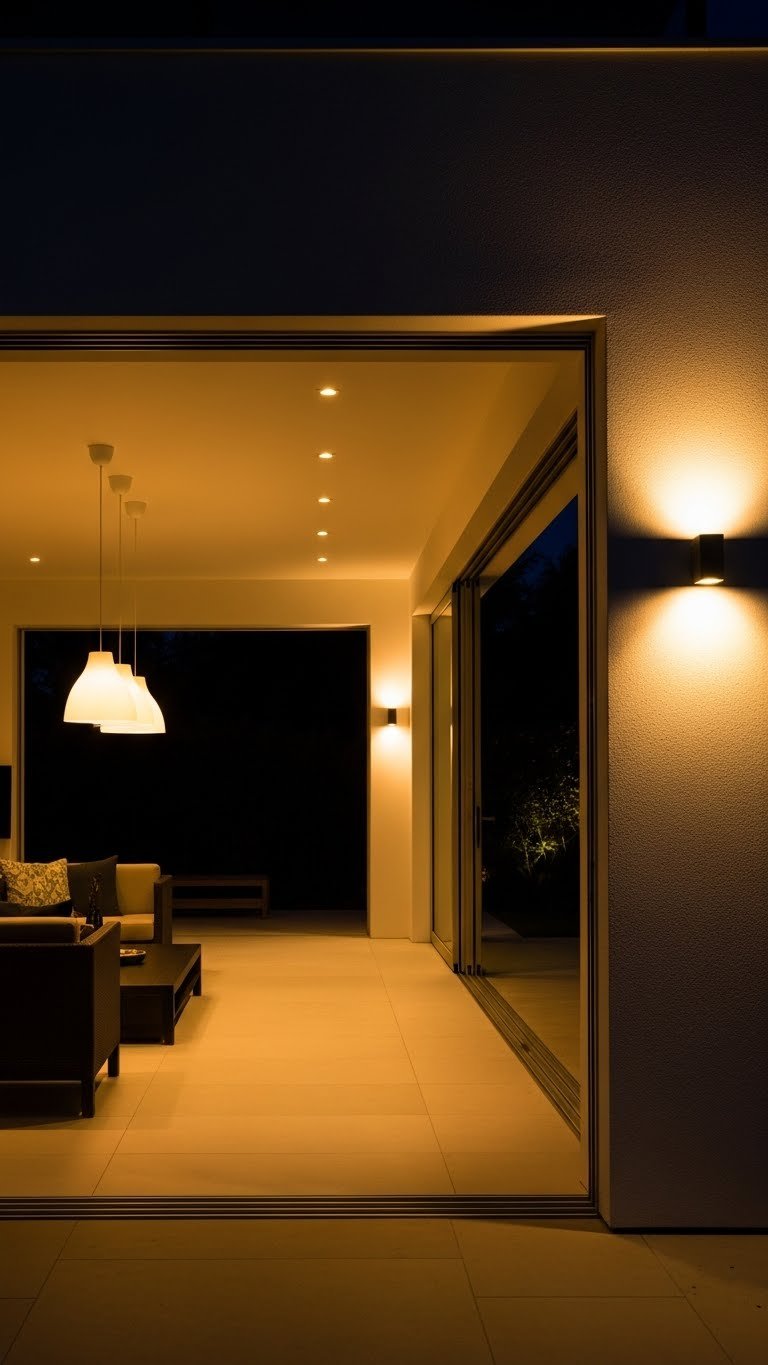
    Lighting Design for Spatial Continuity

    While architectural lighting serves as a critical medium for spatial perception, strategic illumination techniques can profoundly transform indoor-outdoor threshold experiences.

    You’ll want to layer ambient and task lighting to blur spatial boundaries.

    Seamless shifts emerge when pendant lights, recessed fixtures, and exterior sconces create visual continuity, inviting your eye to flow effortlessly between interior and exterior environments.

    Climate-Adaptive Transition Techniques

    Because architectural design must respond dynamically to environmental conditions, climate-adaptive change techniques become essential in creating responsive indoor-outdoor spaces. You’ll want to leverage adaptive material selection that transforms with temperature shifts, integrating smart design solutions that breathe with your environment’s unique rhythms, ensuring seamless architectural shifts that honor both interior comfort and exterior landscape dynamics.

    Privacy and Screening Innovations

    Privacy emerges as a nuanced architectural choreography when design transforms environmental membranes into intelligent screening mechanisms.

    You’ll discover innovative privacy screening solutions—decorative trellises, living walls, and retractable shades—that elegantly balance transparency and seclusion.

    Natural materials and acoustic solutions seamlessly integrate outdoor partitions, creating visual blocks that breathe with spatial freedom.

    Technology Integration in Open Living Spaces

    As smart home ecosystems evolve, technology seamlessly merges with architectural design, transforming open living spaces into intelligent, responsive environments.

    You’ll experience immersive entertainment through interactive surfaces and wireless integration, where automated shading and intelligent lighting adapt intuitively to your preferences, creating seamless connectivity with digital privacy and sophisticated climate control.

    Fire and Water Features as Connective Elements

    While architectural design increasingly blurs boundaries between indoor and outdoor spaces, fire and water features emerge as powerful connective elements that transform spatial experiences. You’ll discover how strategically placed fire features and water elements create seamless visual connectivity, enhancing ambiance and merging functional zones with sophisticated outdoor aesthetics.

    Storage Solutions at Architectural Interfaces

    Because architectural interfaces demand innovative solutions, integrated storage becomes a critical design element in creating fluid indoor-outdoor spaces.

    You’ll discover that storage optimization transforms changing zones, seamlessly blending functionality with aesthetic flow.

    Built-in cabinets, hidden compartments, and multi-purpose furnishings strategically positioned at architectural interfaces maximize spatial potential.

    Landscape Design That Extends Interior Aesthetics

    When landscape design becomes an extension of interior architectural vision, your outdoor spaces transform into seamless visual narratives that flow beyond traditional boundaries.

    You’ll discover landscape harmony emerges through intentional material selection, color coordination, and spatial continuity that naturally extends interior aesthetics, creating immersive environments where indoor and outdoor domains converge eloquently.

    Ergonomic Movement Between Indoor-Outdoor Areas

    Seamlessly shifting between indoor and outdoor spaces requires strategic design that prioritizes fluid, intuitive movement and spatial ergonomics.

    You’ll want flowing pathways that eliminate physical barriers, creating natural shifts.

    Wide doorways, level thresholds, and strategically positioned windows maximize natural ventilation while ensuring your movement feels effortless and unrestricted.

    Sensory Continuity in Design Transitions

    Beyond physical pathways, sensory experience defines the true quality of indoor-outdoor spatial interactions.

    Your design should orchestrate sensory pathways that seamlessly blend environmental textures, temperatures, and luminosity.

    Spatial harmony emerges when shifts feel intuitive, allowing your perception to flow effortlessly between interior and exterior spaces without jarring sensorial interruptions.

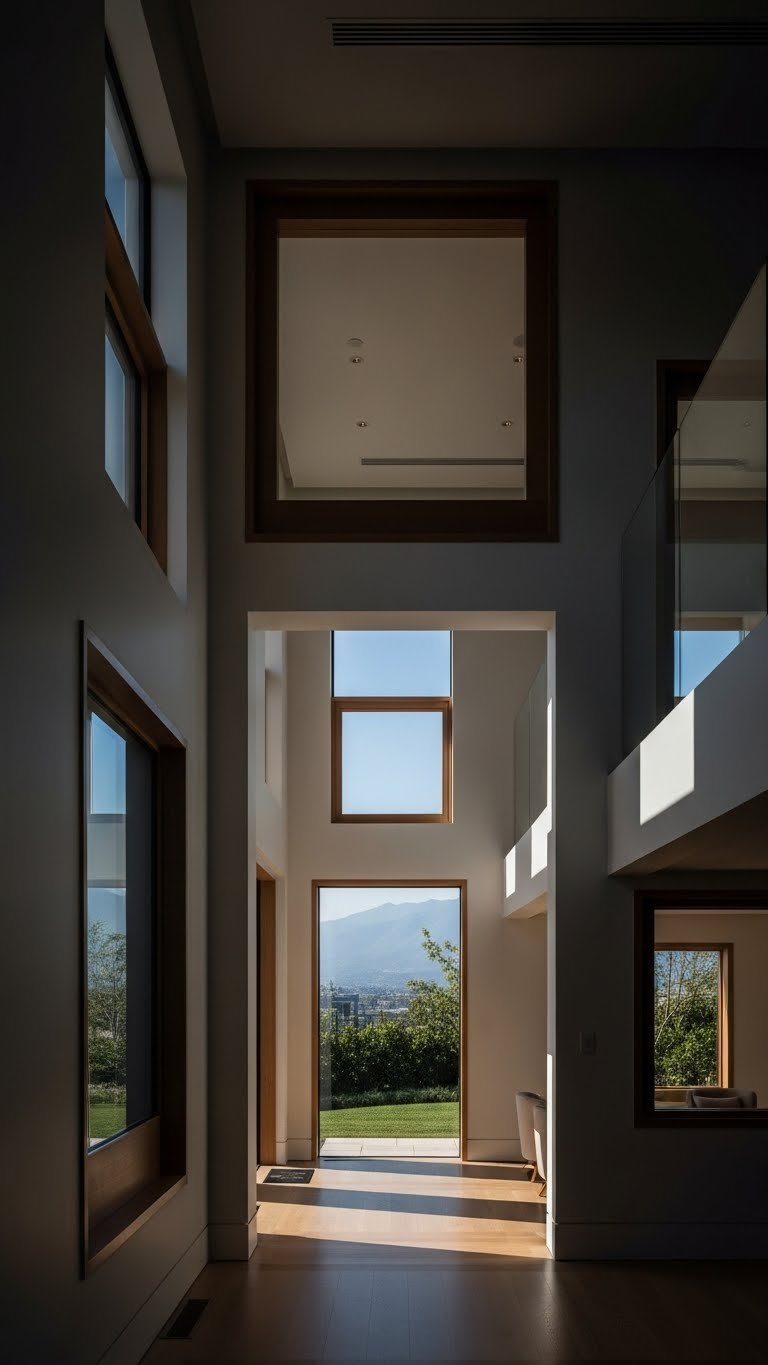
    Architectural Framing of Exterior Views

    Architectural framing transforms exterior views into living artworks, turning windows and openings into curated visual compositions that extend interior spatial narratives. You’ll discover how strategic exterior framing creates visual emphasis, guiding your gaze through carefully designed apertures that choreograph landscape interactions and blur boundaries between indoor and outdoor environments.

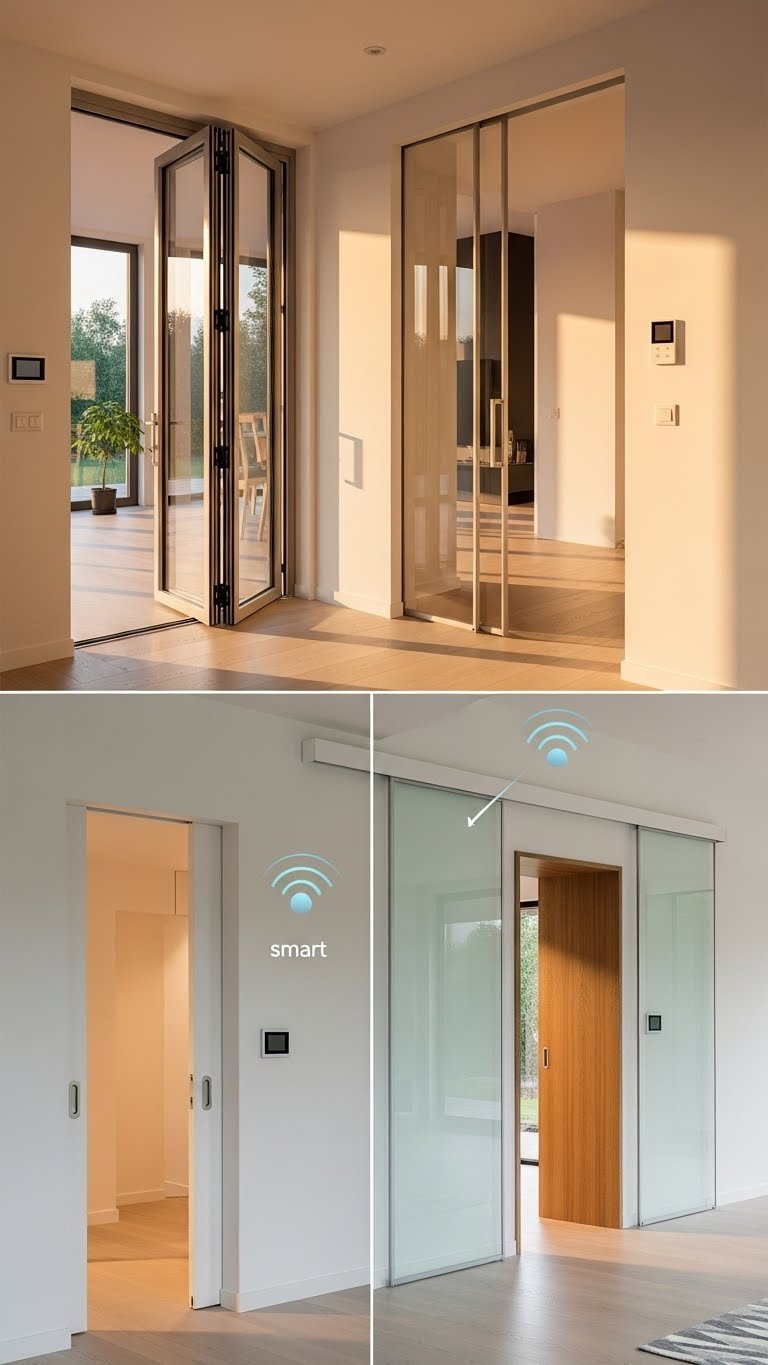
    Multi-Functional Door System Technologies

    Where exterior view framing establishes visual dialogues, multi-functional door systems amplify spatial connectivity through innovative engineering and design.

    You’ll discover cutting-edge technologies like bi-fold doors, sliding panels, and pocket glass that transform boundaries, integrating smart systems with thermal efficiency and acoustic insulation.

    These options offer customizable features that enhance freedom and safety through automated controls.

    Sustainable Materials for Boundary-Less Living

    As sustainable design continues to evolve, innovative materials are reshaping how we conceptualize interior-exterior boundaries.

    You’ll discover recycled materials transforming spaces, blending biophilic design principles with architectural freedom.

    Transparent glass, reclaimed timber, and eco-friendly composites create seamless connections, allowing natural light and organic textures to dissolve traditional spatial limitations.

    Psychological Impact of Spatial Flow

    When design transcends mere physical boundaries, spatial flow becomes a profound psychological catalyst for human experience.

    You’ll discover that intentional spatial awareness transforms environments, liberating emotional responses.

    Seamless exchanges invite your mind to breathe, reducing stress and enhancing cognitive flexibility.

    Your perception shifts, creating a sense of expansiveness that connects interior and exterior domains with intuitive grace.

    Budget-Conscious Transition Design Strategies

    Psychological insights illuminate design’s economic potential, revealing how intelligent spatial strategies can transform indoor-outdoor connections without astronomical expenses.

    You’ll discover budget-friendly solutions using cost-effective materials like repurposed wood, strategic glass treatments, and modular furnishings.

    Clever design choices can dramatically enhance spatial flow without draining your wallet, offering aesthetic freedom through smart, intentional shifts.

    While technological advancements increasingly blur traditional architectural boundaries, indoor-outdoor living spaces are evolving into dynamic, multifunctional environments that respond intelligently to human needs and environmental conditions.

    You’ll see biophilic design transforming spaces through seamless shifts, integrated smart technologies, and outdoor aesthetics that expand your living experience beyond conventional architectural limitations.

  • 22 Cozy Ombre Wall Painting Effects Ideas You’ll Love

    22 Cozy Ombre Wall Painting Effects Ideas You’ll Love

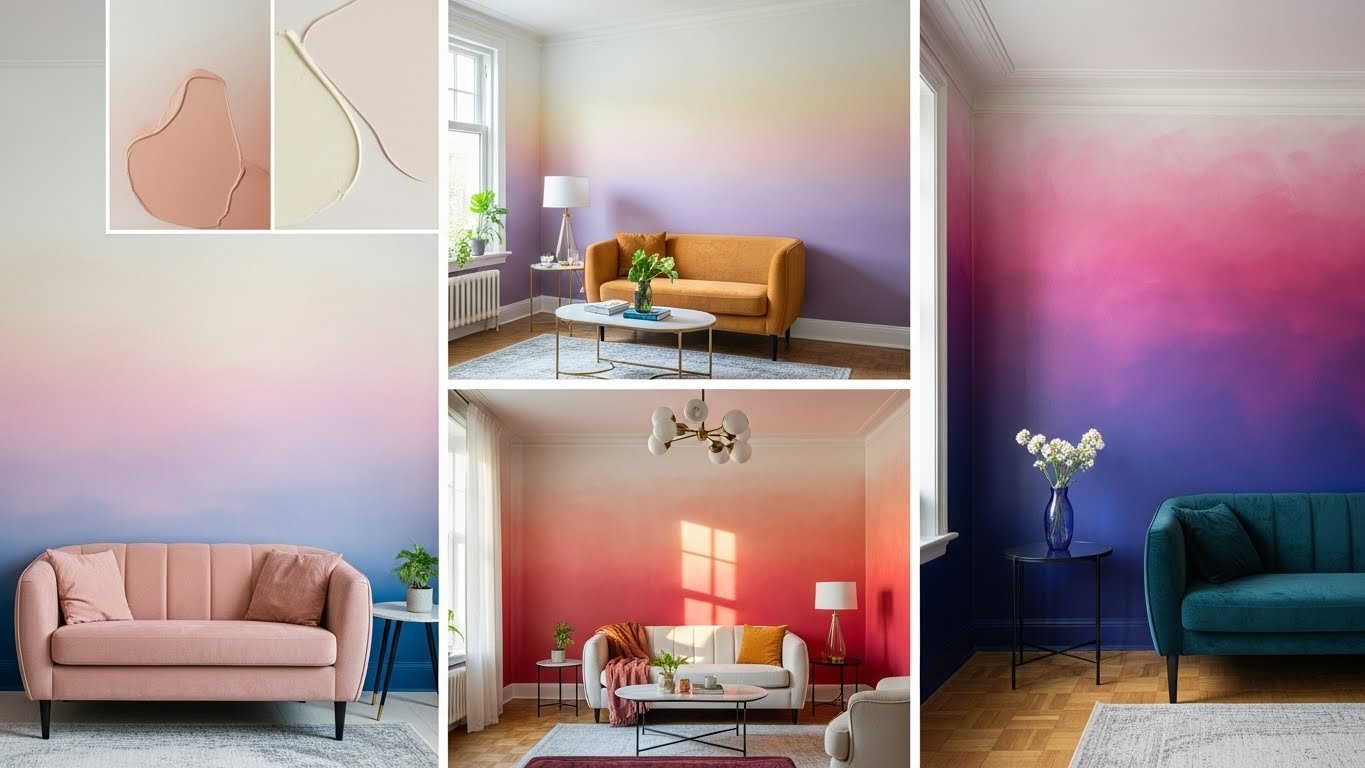
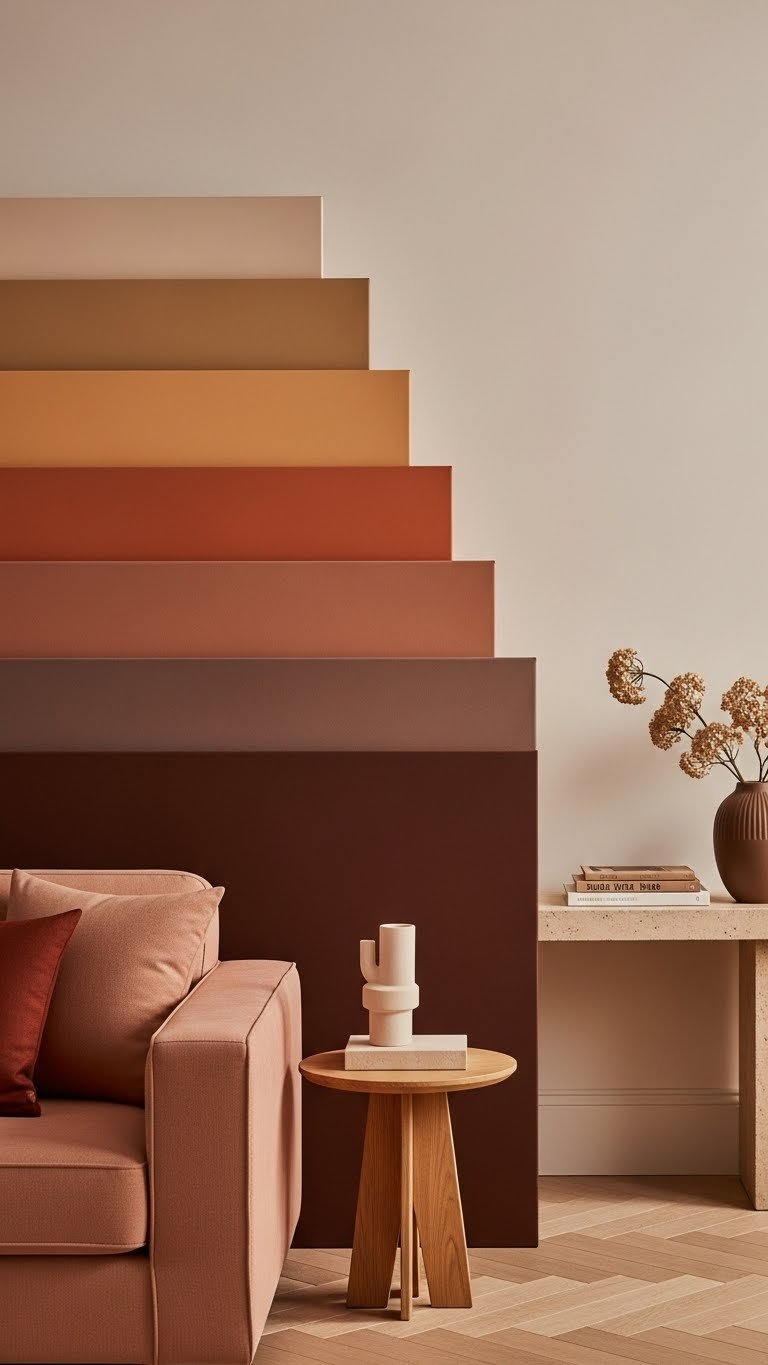
    Imagine transforming your blank walls into stunning visual masterpieces that breathe life and personality into every room. Ombre wall painting isn’t just a trend—it’s an art form that lets you play with color, light, and emotion. From soft, dreamy shifts to bold, dramatic statements, these gradient techniques can completely revolutionize your living space. Whether you’re a design enthusiast or a curious homeowner, you’ll want to discover how these 22 cozy ombre effects can turn ordinary walls into extraordinary canvases.

    Understanding Ombre Wall Painting Basics

    While ombre wall painting might seem intimidating, it’s actually a simple technique that can transform any room with gorgeous gradual color shifts.

    Rooted in ombre history, this gradient technique allows you to blend colors seamlessly from dark to light, creating depth and visual interest that’ll make your space uniquely yours.

    Essential Tools for Professional Ombre Techniques

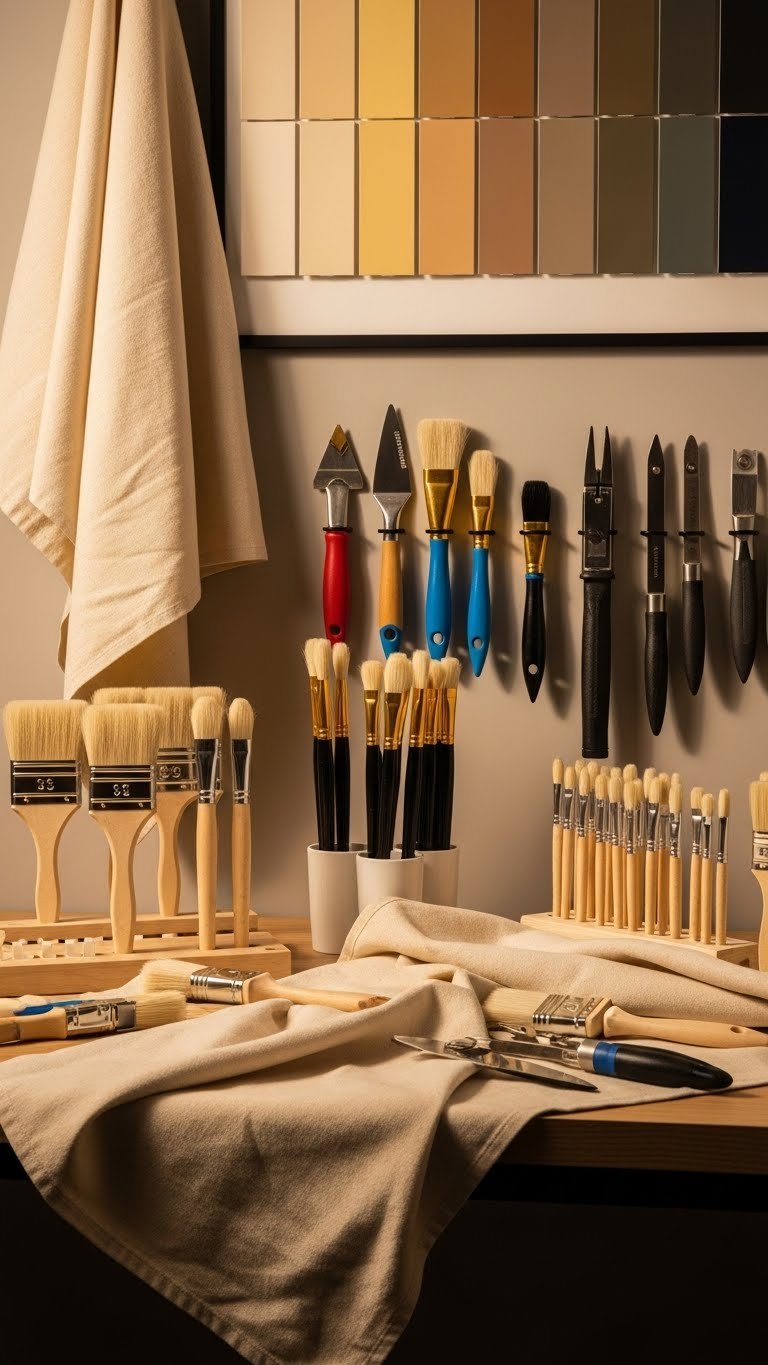
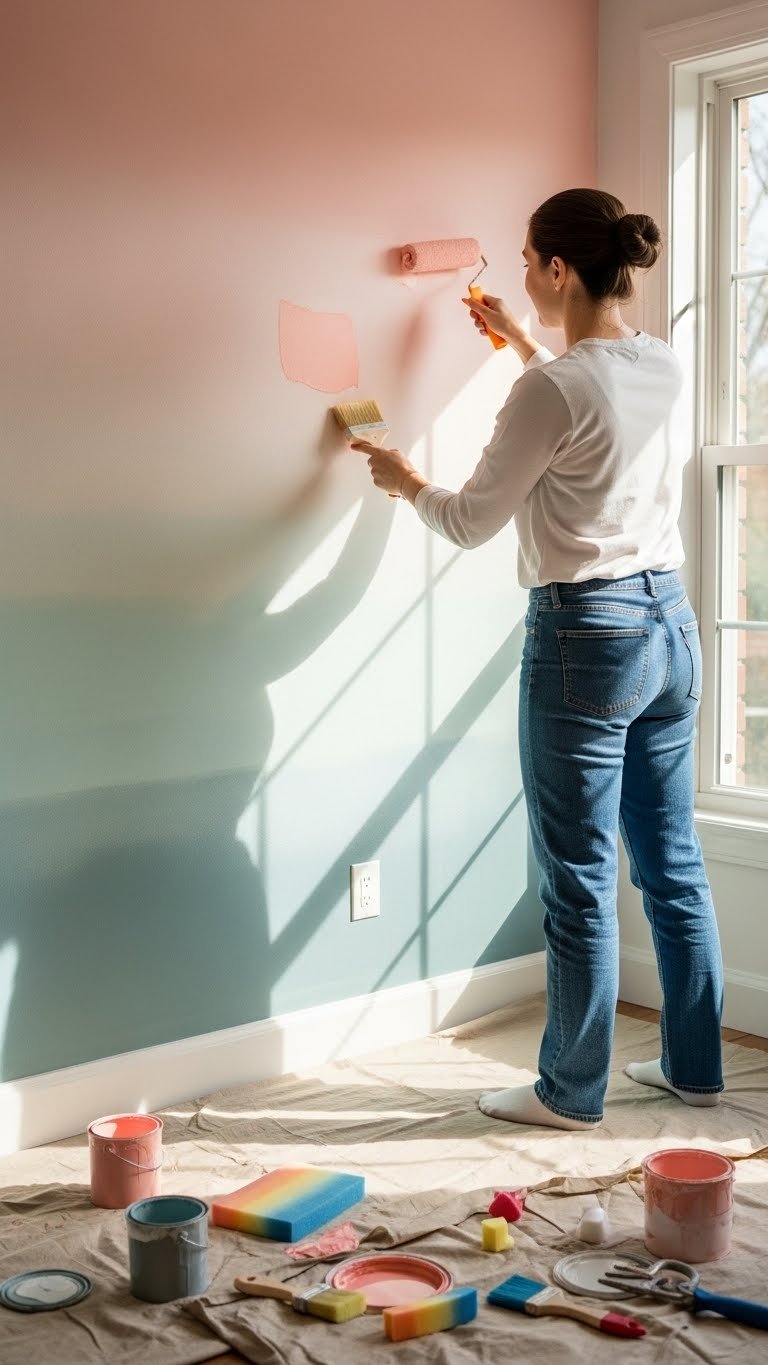
    Achieving a flawless ombre wall requires more than just artistic vision—you’ll need a curated toolkit that transforms your painting project from amateur to professional.

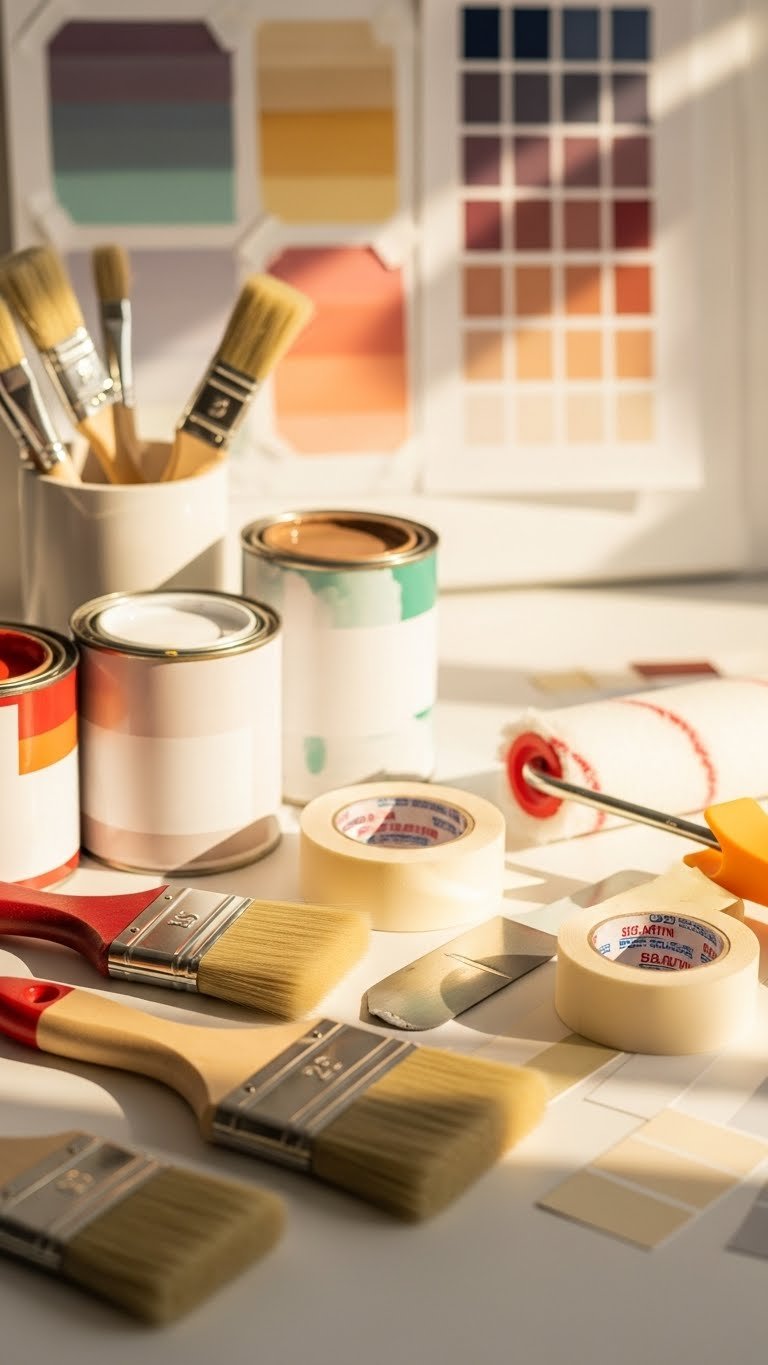
    High-quality synthetic brushes with gradient capabilities, smooth canvas drop cloths, and precision painting tools will elevate your technique, ensuring seamless color shifts that capture your creative spirit and design aesthetic.

    Selecting Your Perfect Color Palette

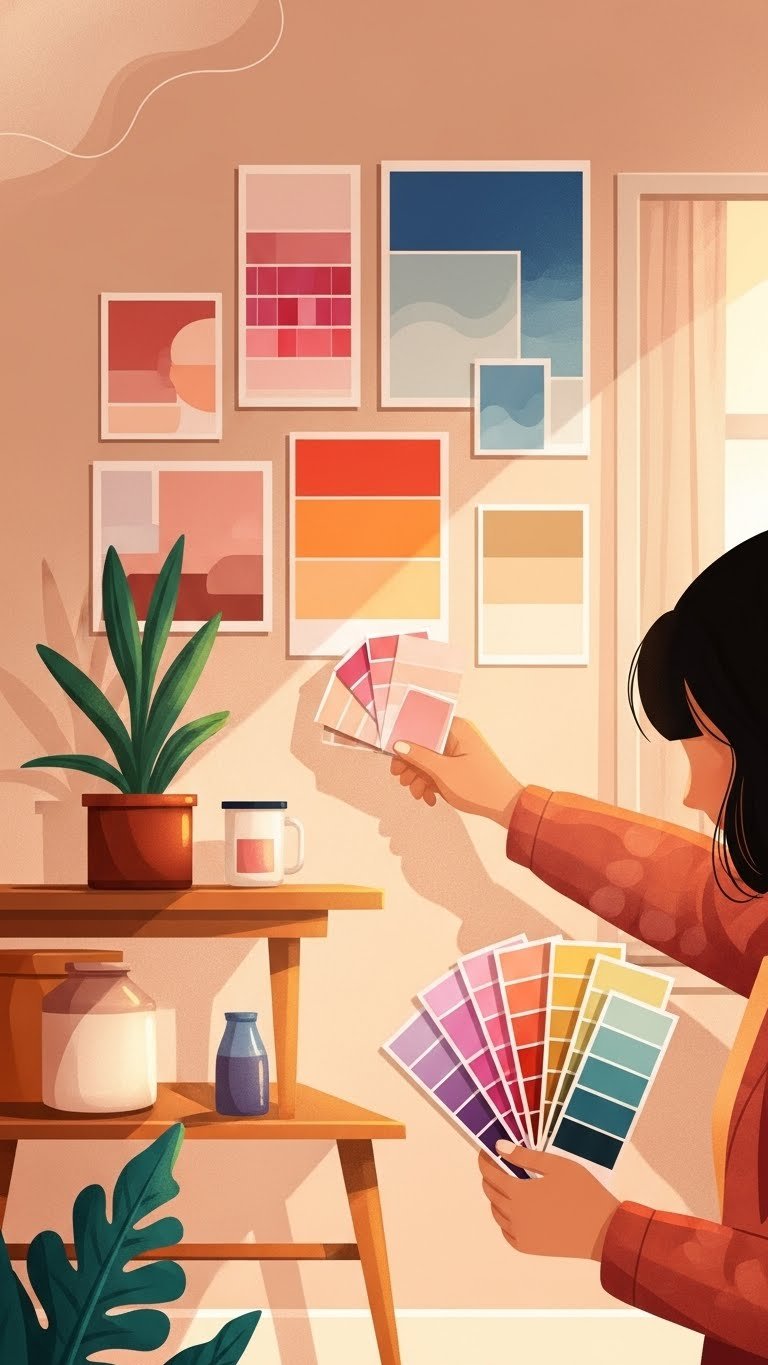
    Once you’ve assembled your professional painting toolkit, the next artistic challenge lies in curating a color palette that transforms your wall into a mesmerizing visual narrative.

    Your color preferences aren’t just aesthetic choices; they’re emotional expressions. Choose hues that resonate with your inner landscape, creating a space that reflects your unique spirit and amplifies your room’s energy.

    Preparing Your Wall: Surface Readiness Checklist

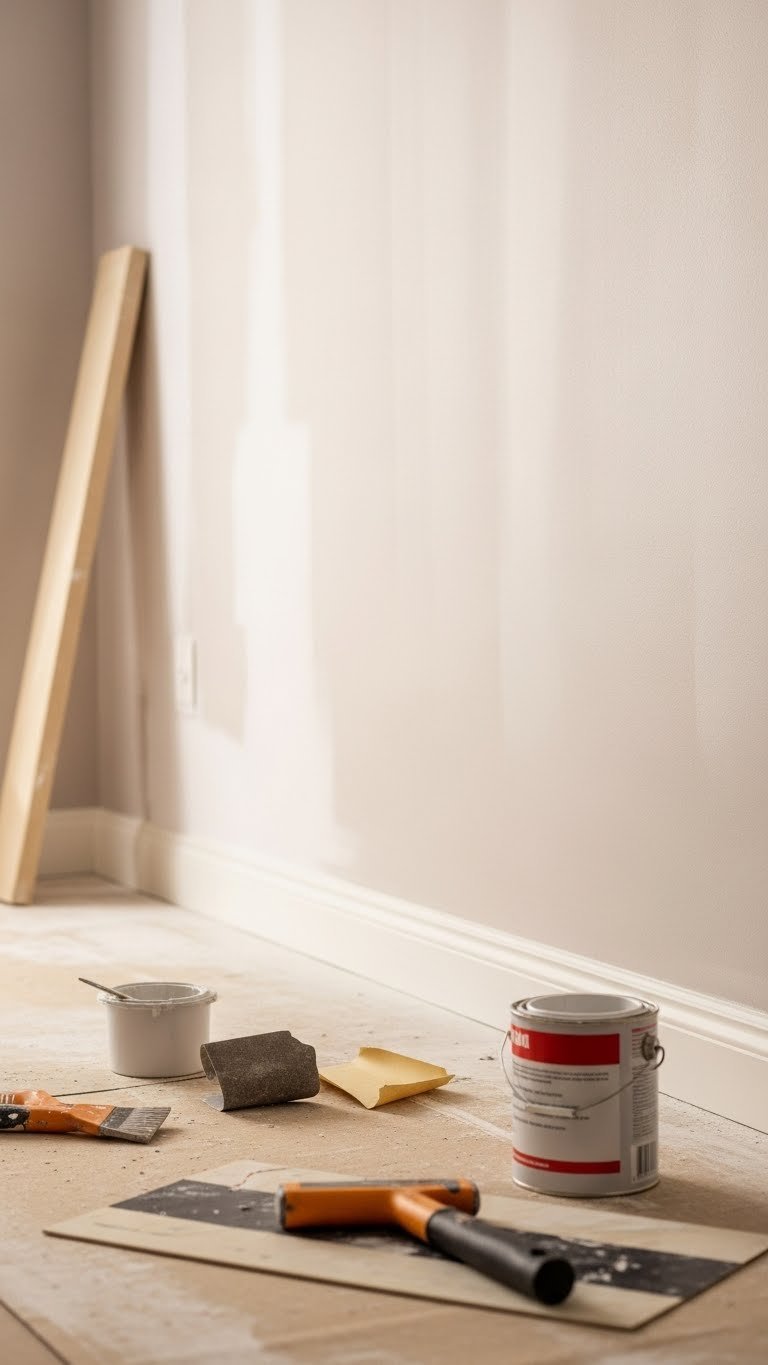
    The canvas of your wall awaits transformation, and proper preparation is the foundation of a flawless ombre masterpiece.

    Thoroughly clean your surface, removing dust and debris.

    Inspect walls for imperfections, patching holes and sanding rough spots.

    Guarantee a smooth, primed surface that’ll beautifully showcase your gradient vision, setting the stage for a stunning color shift.

    Color Theory for Seamless Gradient Transitions

    With your wall prepped and primed, selecting the perfect color palette becomes your artistic compass for creating a mesmerizing ombre effect.

    Understanding color harmonies helps you craft a seamless shift that reflects your mood and space. Choose colors that speak to your inner design rebel, leveraging color psychology to transform your walls into a personal sanctuary.

    Measuring and Marking Your Painting Zones

    Precision becomes your painterly ally when you’re ready to transform that primed wall into a stunning ombre masterpiece.

    Use laser levels and painter’s tape for razor-sharp measuring techniques.

    Mark your gradient zones strategically, creating clean changeover lines that’ll make your wall pop with professional-grade definition and artistic intention.

    Priming Techniques for Flawless Coverage

    While smooth, even coverage sets the stage for a killer ombre effect, your primer choice can make or break the entire wall transformation.

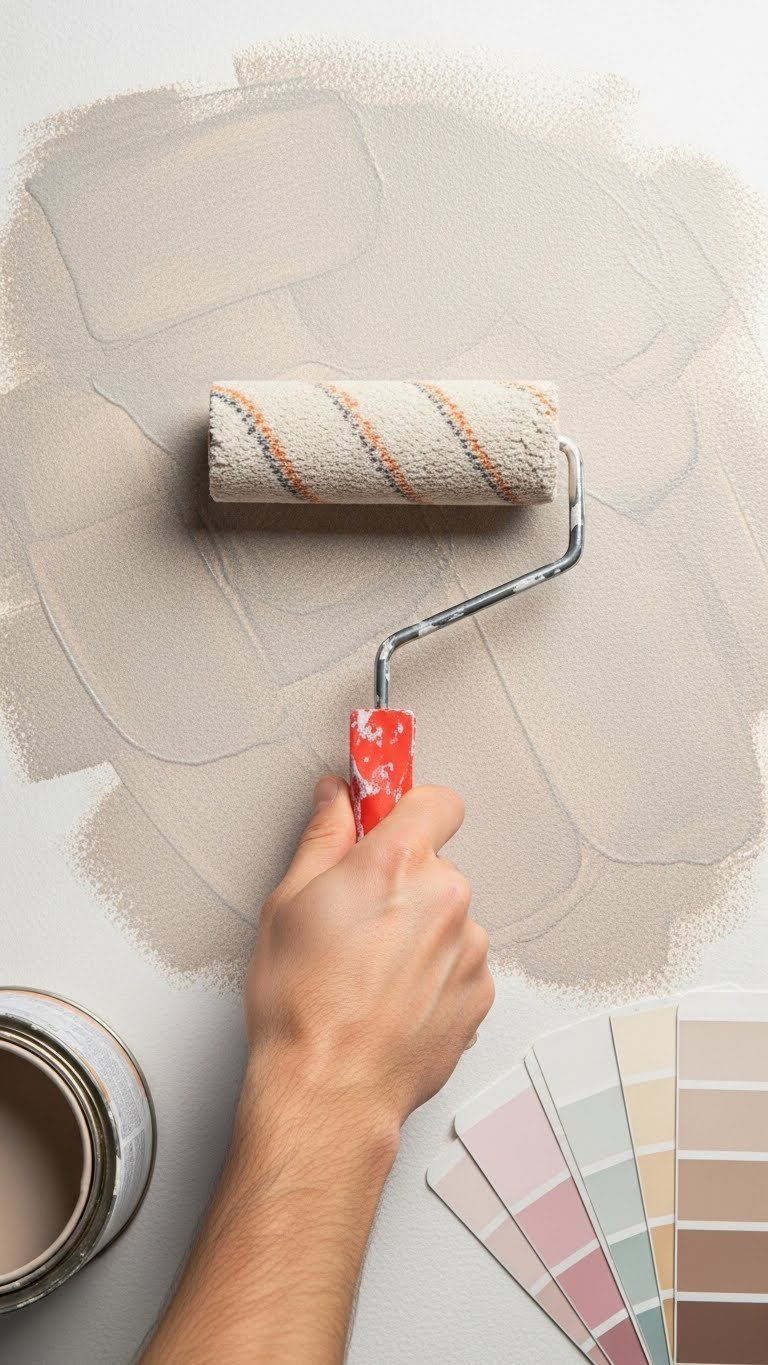
    Select high-quality, tintable primer types that’ll provide a uniform base. Use rollers with consistent pressure and smooth, overlapping strokes. Your application techniques determine the canvas’s texture, ensuring a flawless foundation for your color gradient masterpiece.

    Step-by-Step Ombre Painting Process

    Every stunning ombre wall begins with a strategic color selection that transforms your space from mundane to mesmerizing.

    Grab your painting tools and master ombre color techniques by choosing complementary shades.

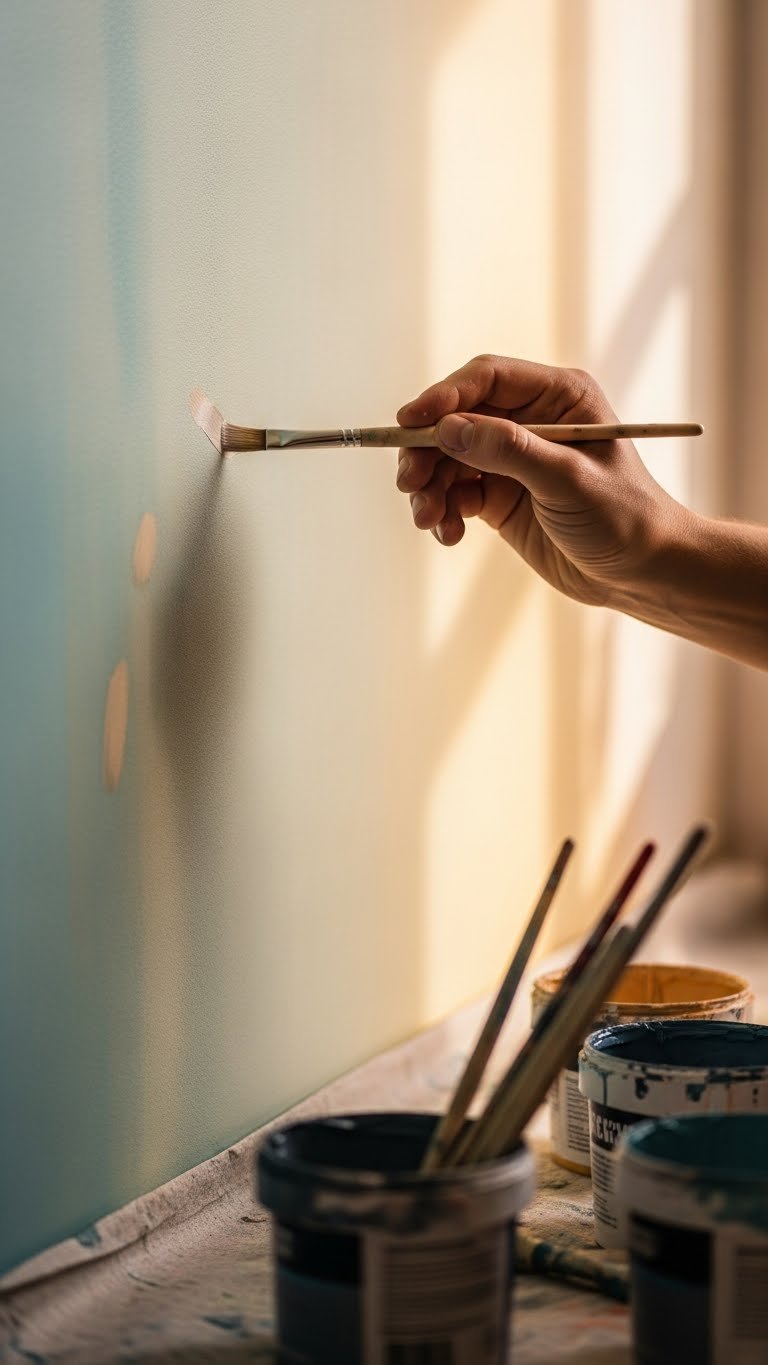
    Blend gradually from light to dark, using a smooth roller and angled brush.

    Your creative freedom allows you to craft a personalized gradient that reflects your unique style.

    Blending Color Zones Like a Pro

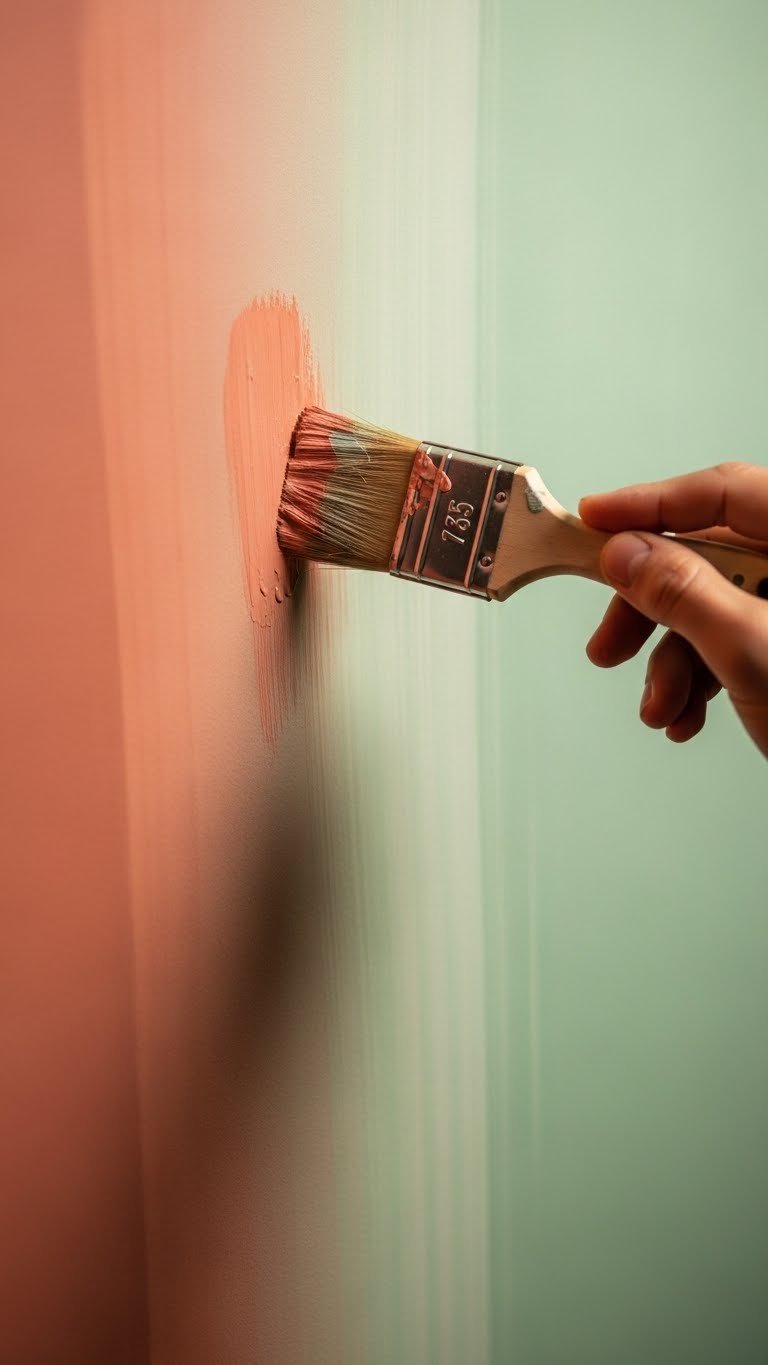
    As you shift between color zones, mastering the art of seamless blending becomes your secret weapon for creating a professional-looking ombre effect.

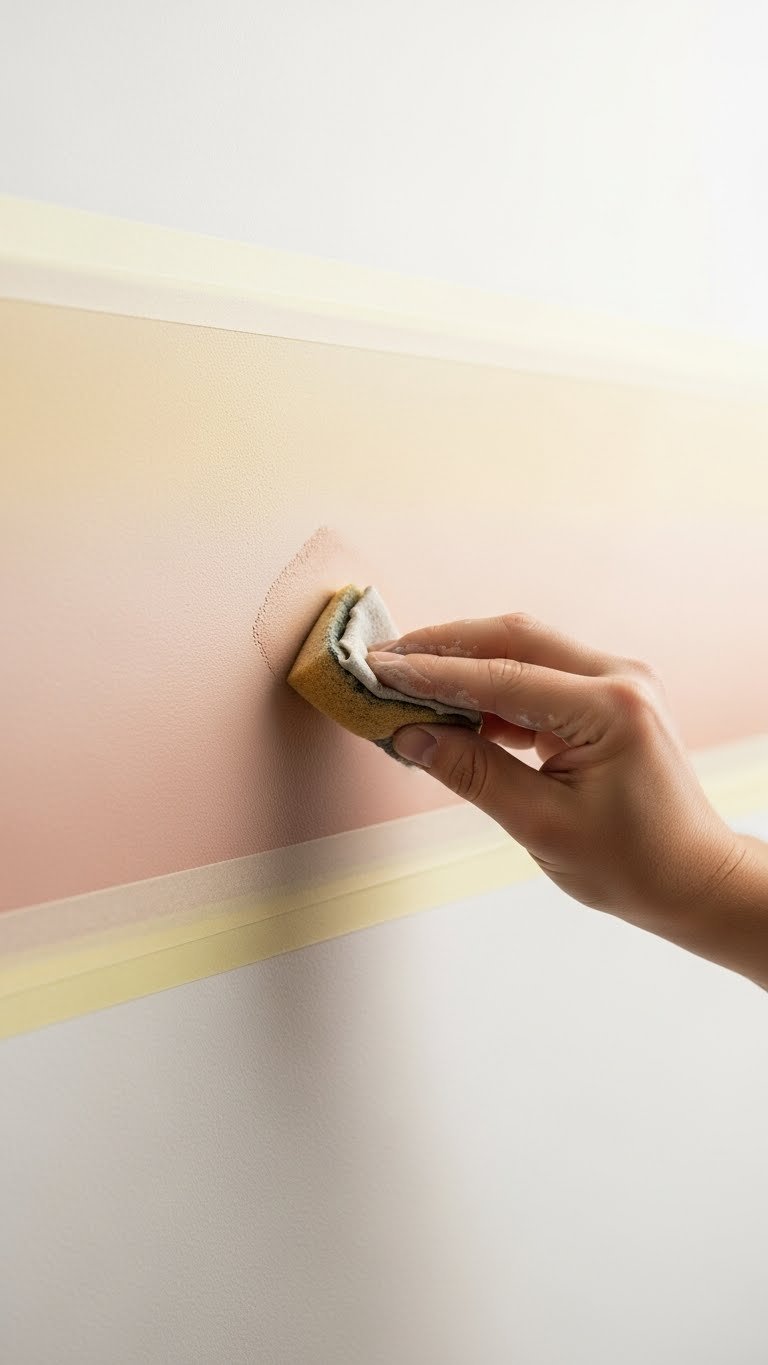
    Your gradient techniques rely on soft, gradual changes where colors melt into each other. Use damp brushes, light strokes, and vertical sweeping motions to achieve that perfect, smooth color blending that’ll make your walls pop.

    Advanced Brush and Sponge Techniques

    Now that you’ve learned the basics of color blending, it’s time to level up your wall painting game with pro-level brush and sponge techniques.

    Experiment with soft bristle brushes for smooth shifts and textured sponges for dynamic, layered effects.

    These advanced techniques will transform your ombre walls from basic to breathtaking, giving you total creative freedom.

    Troubleshooting Common Painting Challenges

    Three common pitfalls can derail your ombre wall painting project: uneven color blending, paint bleeding through tape, and unwanted texture interruptions.

    Tackle these challenges by using high-quality painter’s tape, blending with clean, damp sponges, and maintaining consistent pressure.

    Master troubleshooting techniques to transform potential mistakes into seamless, professional-looking ombre effects that elevate your space.

    Achieving Smooth Color Transitions

    When crafting an ombre wall, the magic happens in mastering seamless color blending that flow like a watercolor painting. You’ll want to use soft brushes and gradient techniques, gently layering colors from dark to light. Blend each shift zone carefully, creating a dreamy visual effect that transforms your space with artistic sophistication and smooth, mesmerizing movement.

    Budget-Friendly Ombre Painting Methods

    Several smart strategies can help you achieve a stunning ombre wall without breaking the bank.

    By using DIY ombre techniques and cost-effective supplies like basic paint rollers, foam brushes, and gradient sponges, you’ll transform your space affordably.

    Mix your own colors, blend carefully, and watch your creative vision come to life without draining your wallet.

    Design Inspiration: Modern Gradient Styles

    Although gradient walls have evolved far beyond traditional designs, modern ombre styles now offer incredibly dynamic visual experiences that can dramatically transform any interior space.

    You’ll love minimalist gradient approaches with vibrant tones that create bold statements while maintaining sleek, contemporary aesthetics – perfect for those wanting sophisticated yet adventurous wall treatments.

    Coastal and Nordic Ombre Design Concepts

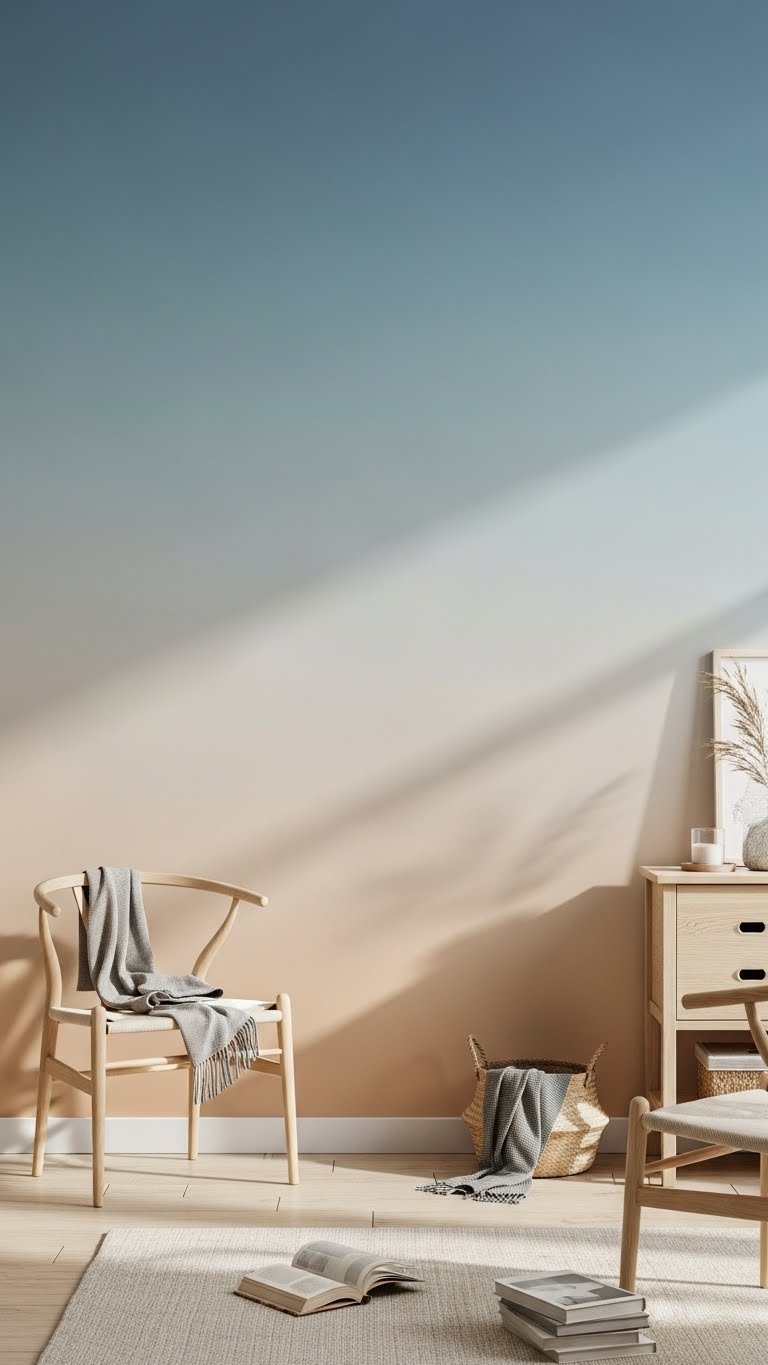
    Because Nordic and coastal design philosophies celebrate natural color shifts, ombre wall techniques have become incredibly compelling ways to capture serene landscape-inspired palettes.

    You’ll love blending beach-inspired hues from sandy beiges to ocean blues, creating minimalist aesthetics that transform your space into a tranquil retreat with smooth, gradient-style changes.

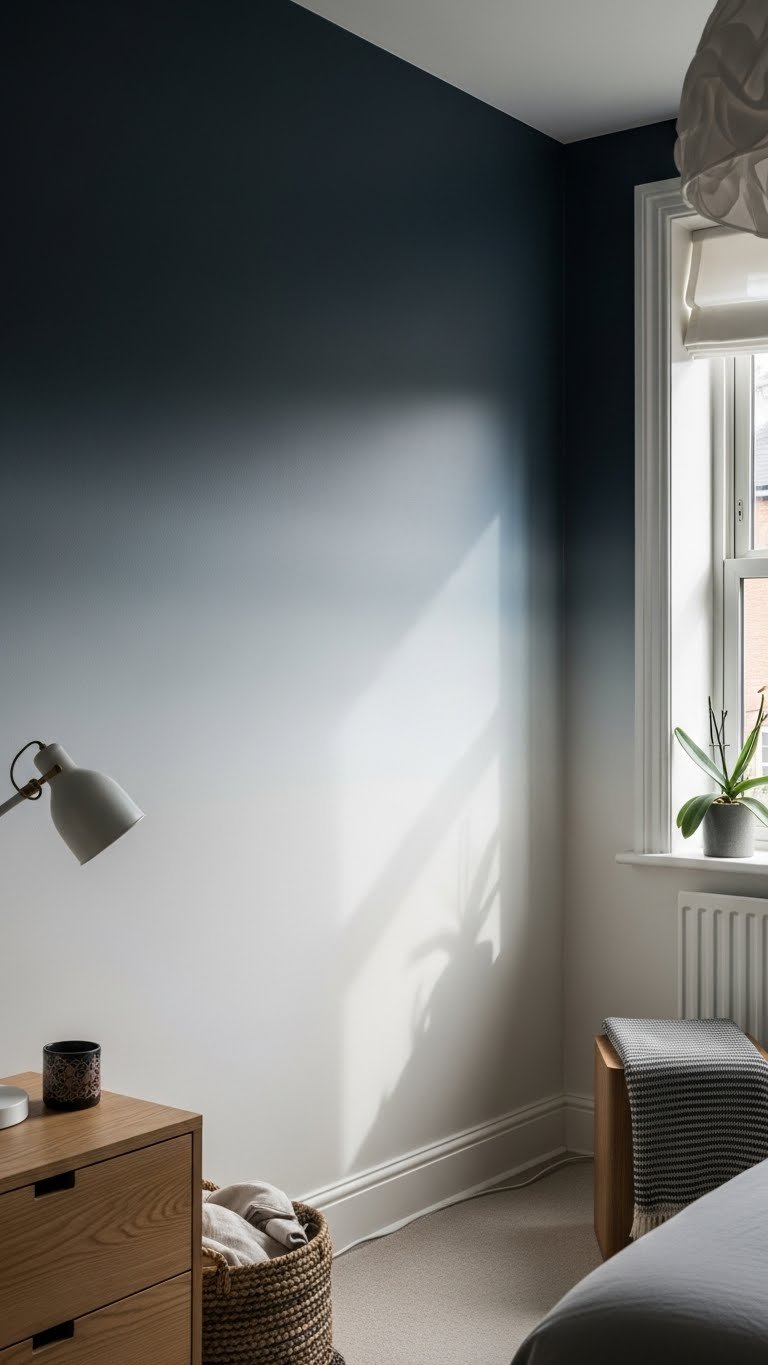
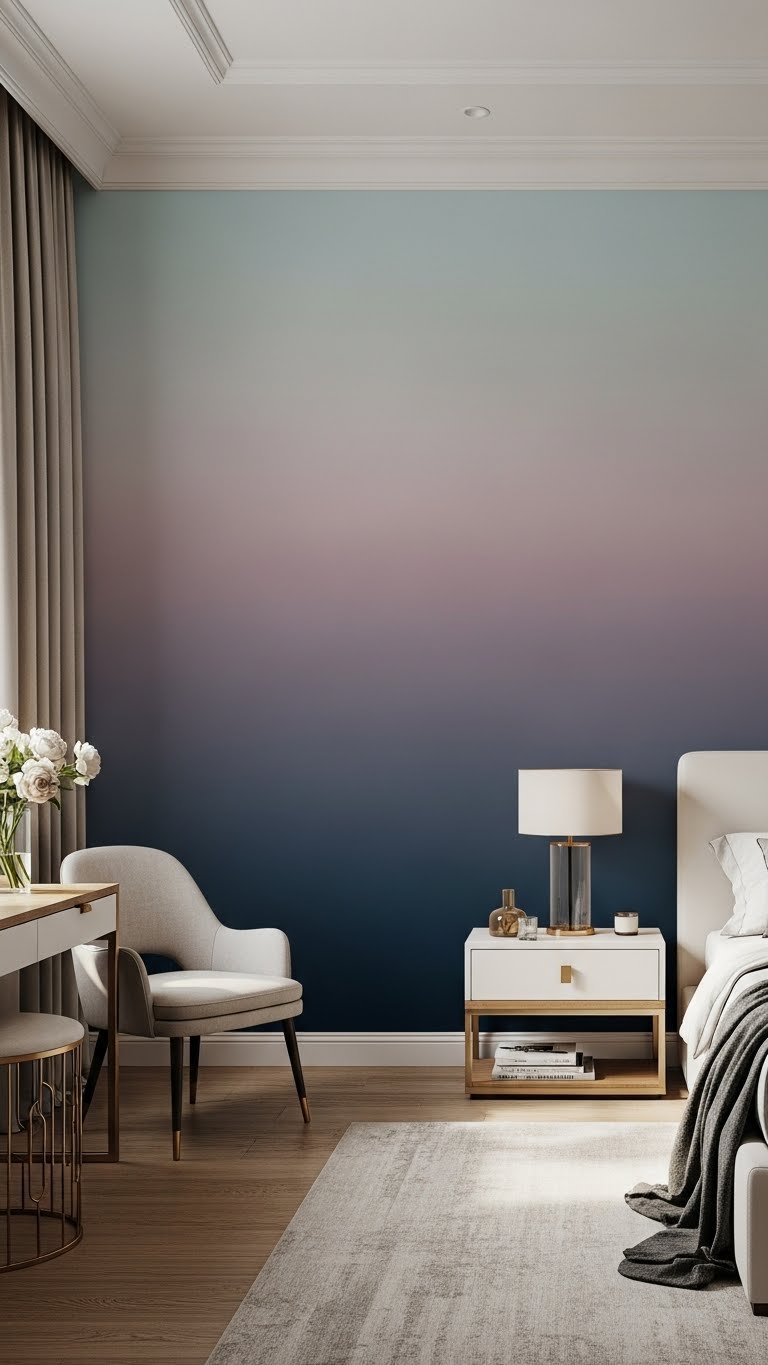
    Bedroom and Living Room Accent Walls

    When transforming bedroom and living room spaces, ombre accent walls offer an effortlessly sophisticated design technique that can dramatically elevate your interior aesthetic.

    Maintenance and Long-Term Wall Care

    Since creating a stunning ombre wall requires precision and care, you’ll want to protect your artistic investment with smart maintenance strategies.

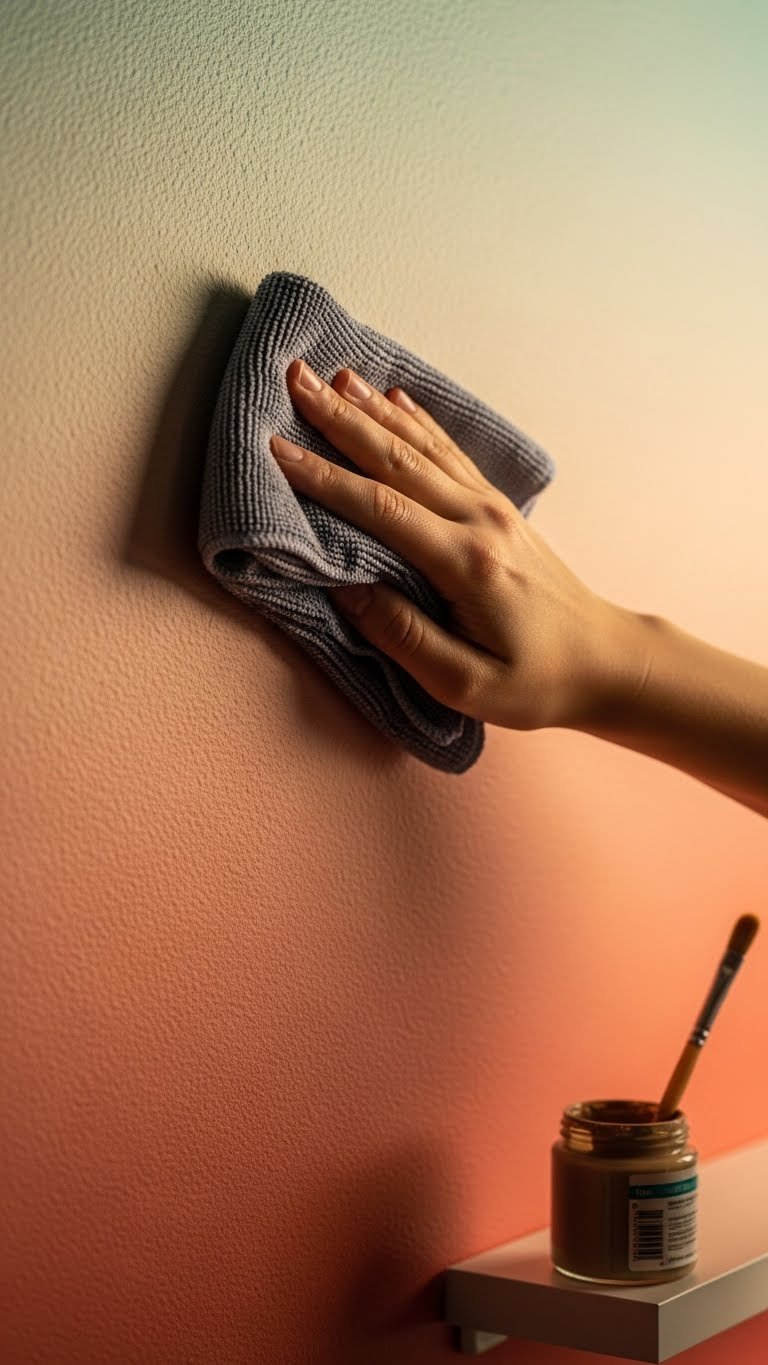
    Use soft microfiber cloths for gentle wall cleaning, avoiding harsh scrubbing.

    Regular touch up techniques like keeping extra paint can help you seamlessly repair minor scuffs or color fading, preserving your wall’s vibrant gradient effect.

    Professional Finishing Touches

    After meticulously maintaining your ombre wall’s pristine appearance, elevating its professional aesthetic requires strategic final details.

    Master professional techniques like adding subtle metallic accent strips, carefully blending color shifts, and using high-quality sealants.

    These finishing touches will transform your wall from simple DIY project to gallery-worthy artistic expression.

    Color Correction and Touch-Up Strategies

    Although achieving a flawless ombre wall requires precision, minor imperfections can always creep into your painting project.

    With smart color matching and strategic touch up techniques, you’ll effortlessly correct subtle blending errors.

    Keep extra paint nearby, use fine brushes for delicate corrections, and work with soft, feathered strokes to seamlessly restore your wall’s gradient perfection.

    Tools and Materials Buying Guide

    Once you’ve mastered color correction techniques, gathering the right tools becomes your next artistic mission.

    Select high-quality, angled brushes for precise ombre blending and smooth changes.

    Choose matte or satin paint finishes that’ll enhance your wall’s depth and create a dreamy, soft aesthetic.

    Invest in painter’s tape and quality rollers for crisp, professional results.

    Safety and Preparation Techniques

    How can you transform your painting project from amateur to professional?

    Start by prioritizing safety precautions like wearing protective goggles, gloves, and a respirator mask. Cover floors and furniture with drop cloths for surface protection.

    Ventilate the room, remove outlet covers, and tape edges precisely. Your preparation will elevate your ombre painting experience from messy to masterful.

    Creative Gradient Painting Applications

    Because gradient painting offers endless creative possibilities, you’ll want to explore techniques that convert ordinary walls into stunning visual statements.

    Experiment with bold gradient designs that layer paint in seamless shifts, creating depth and movement.

    Whether you’re aiming for a soft sunset effect or a dramatic color change, your paint layering skills can reveal truly unique wall expressions.

  • 25 Sleek Thermal Insulated Curtain Options Ideas You’ll Love

    25 Sleek Thermal Insulated Curtain Options Ideas You’ll Love

    You’re about to transform your living space with more than just fabric—these thermal insulated curtains are your secret weapon against energy waste and design monotony. Imagine cutting your heating and cooling costs while elevating your interior aesthetic, all with a single smart upgrade. From minimalist neutrals to bold statement pieces, these curtains aren’t just window coverings; they’re your home’s thermal guardians. Want to discover how style meets functionality in the most unexpected ways?

    Thermal Curtains 101: What Every Homeowner Needs to Know

    While many homeowners overlook window treatments, thermal curtains can greatly transform your living space’s energy efficiency and comfort.

    You’ll appreciate their thermal curtain benefits, which include superior room temperature regulation, reducing heat loss in winter and blocking solar gain during summer.

    They’re a smart, stylish solution for enhancing home climate control.

    How Thermal Curtains Slash Your Energy Bills?

    Because energy costs continue to rise, thermal curtains have emerged as a surprisingly effective weapon in your home’s battle against utility expenses.

    By blocking heat transfer and creating an insulating barrier, you’ll experience significant energy savings.

    These smart window treatments reduce drafts, minimize heat loss, and cut your heating and cooling costs dramatically.

    The Science Behind Heat-Blocking Fabric Technology

    As thermal technology advances, heat-blocking fabric represents a sophisticated intersection of textile engineering and energy conservation.

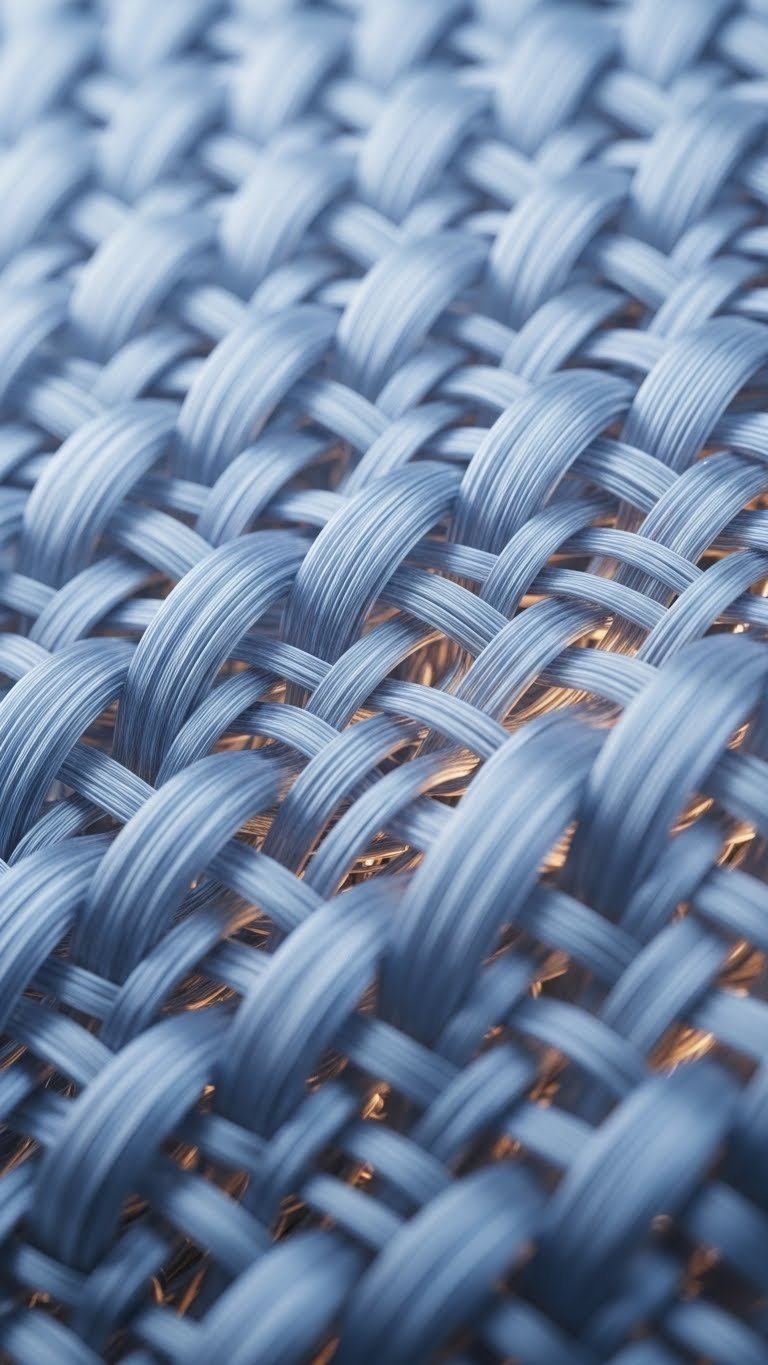
    You’ll find cutting-edge fiber technology designed to minimize heat absorption through strategic weaving techniques. These innovative materials create a thermal barrier, effectively trapping warmth and preventing unwanted temperature transfer in your living spaces.

    Choosing Your Perfect Thermal Curtain Material

    Understanding the science behind heat-blocking fabrics sets the stage for selecting your ideal thermal curtain material.

    You’ll want to contemplate natural fibers and synthetic blends that offer superior texture variety, diverse color options, and compelling pattern selections.

    Weight differences, strategic lining materials, and durability concerns will guide your perfect choice.

    Insulation on a Budget: Top Affordable Options

    Five affordable thermal curtain options can transform your home’s energy efficiency without breaking the bank.

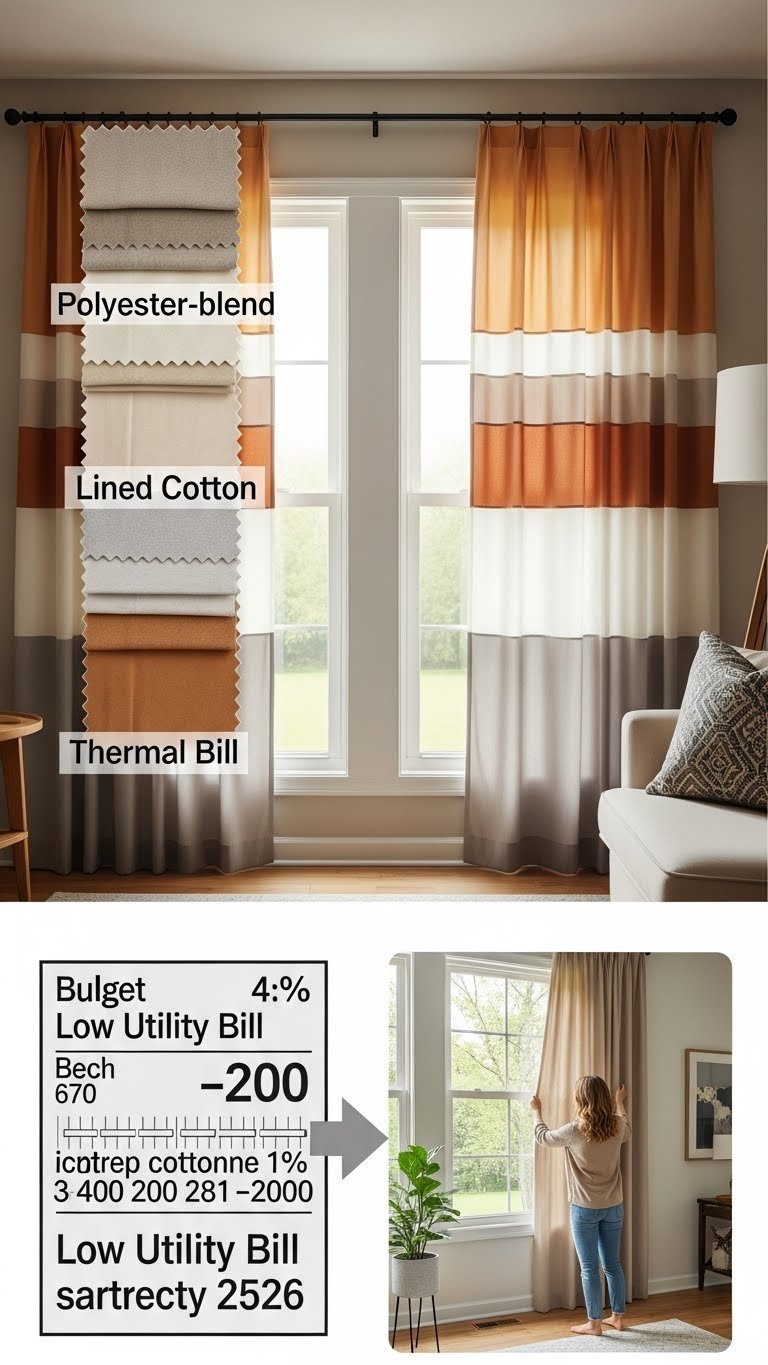
    You’ll find budget friendly options like polyester blends, lined cotton, and thermal-backed fabrics that provide economical insulation.

    These choices help you maintain comfortable temperatures while keeping utility costs low and style high.

    Luxury Thermal Curtains: Premium Comfort Defined

    When investing in high-end thermal curtains, homeowners access a world of sophisticated temperature control and luxurious interior design. You’ll discover premium materials like silk-blend and velvet that elevate your space while providing exceptional insulation. These luxury aesthetics don’t just protect your home—they transform your living environment with elegance and refined temperature management.

    Soundproofing Secrets: Curtains That Quiet Your Space

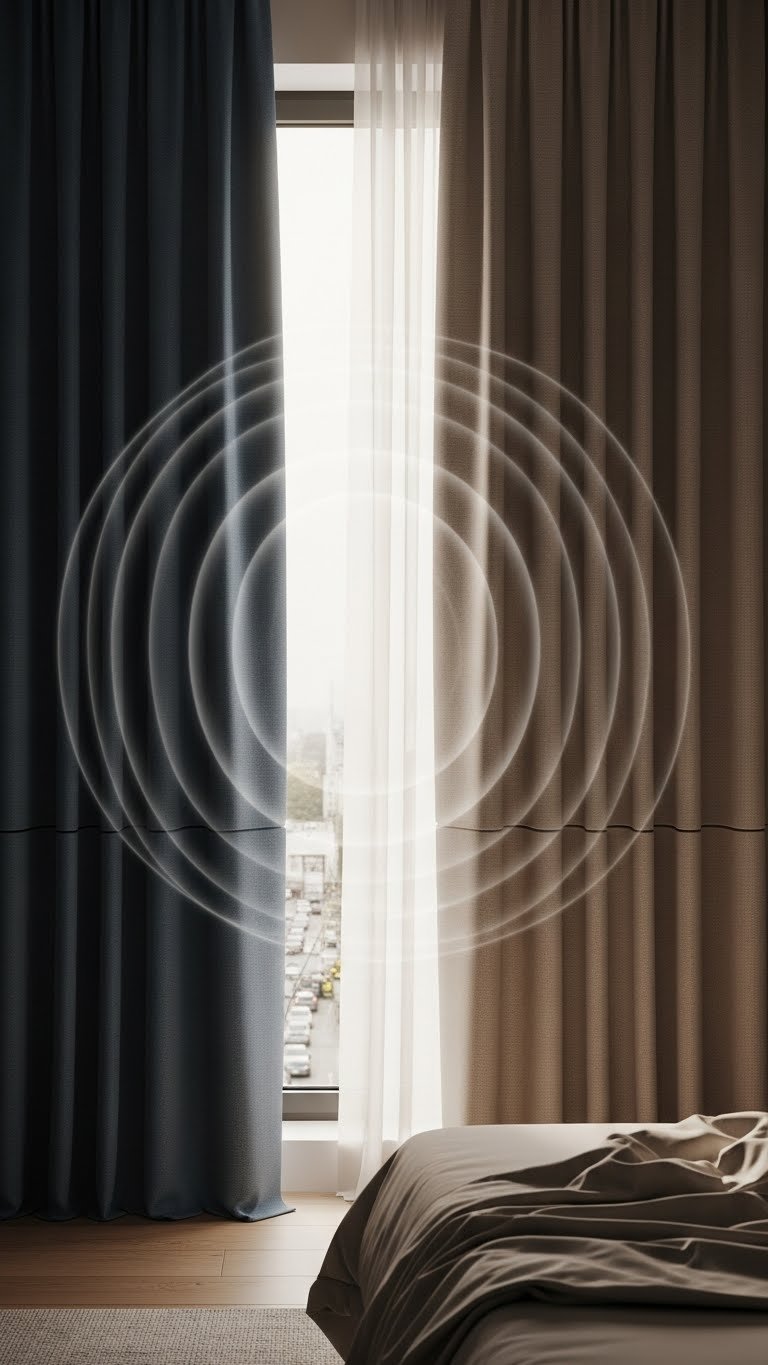
    How can your curtains do more than just look beautiful? Sound absorption and noise reduction aren’t just technical terms—they’re your pathway to peaceful living. Thick, layered thermal curtains with dense weaves can dramatically dampen external noise, transforming your space into a tranquil sanctuary. Choose curtains with acoustic properties to reclaim your sonic freedom.

    Bedroom Comfort: Sleep-Enhancing Thermal Solutions

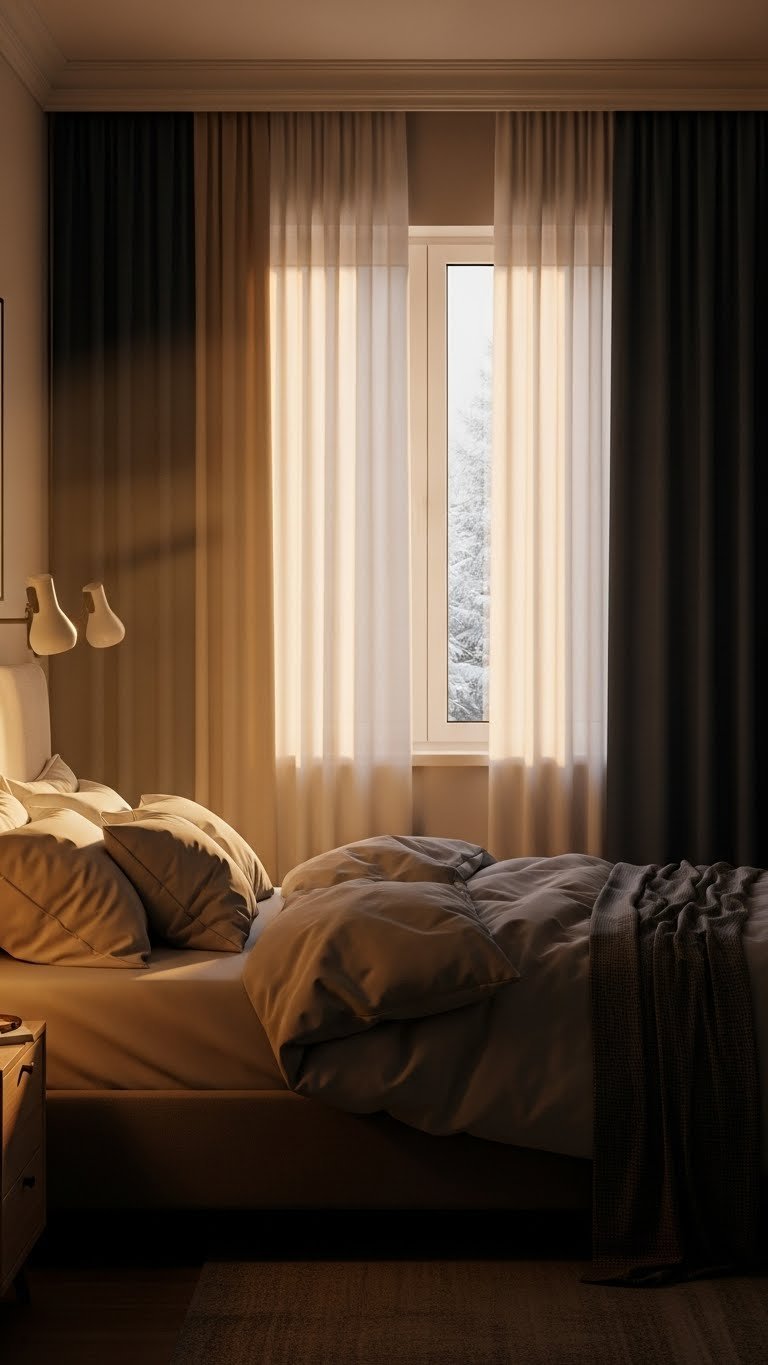
    Beyond noise reduction, thermal curtains emerge as powerful allies in creating the ideal sleep environment.

    They’ll transform your bedroom ambiance, regulating temperature for peak sleep quality.

    You’ll enjoy consistent warmth, blocking cold drafts and maintaining a cozy sanctuary that promotes deeper, more restful nights without compromising your aesthetic preferences.

    Home Office Productivity Boosters

    Why do professional environments demand more than just a functional workspace? Your home office isn’t just a room—it’s a productivity sanctuary.

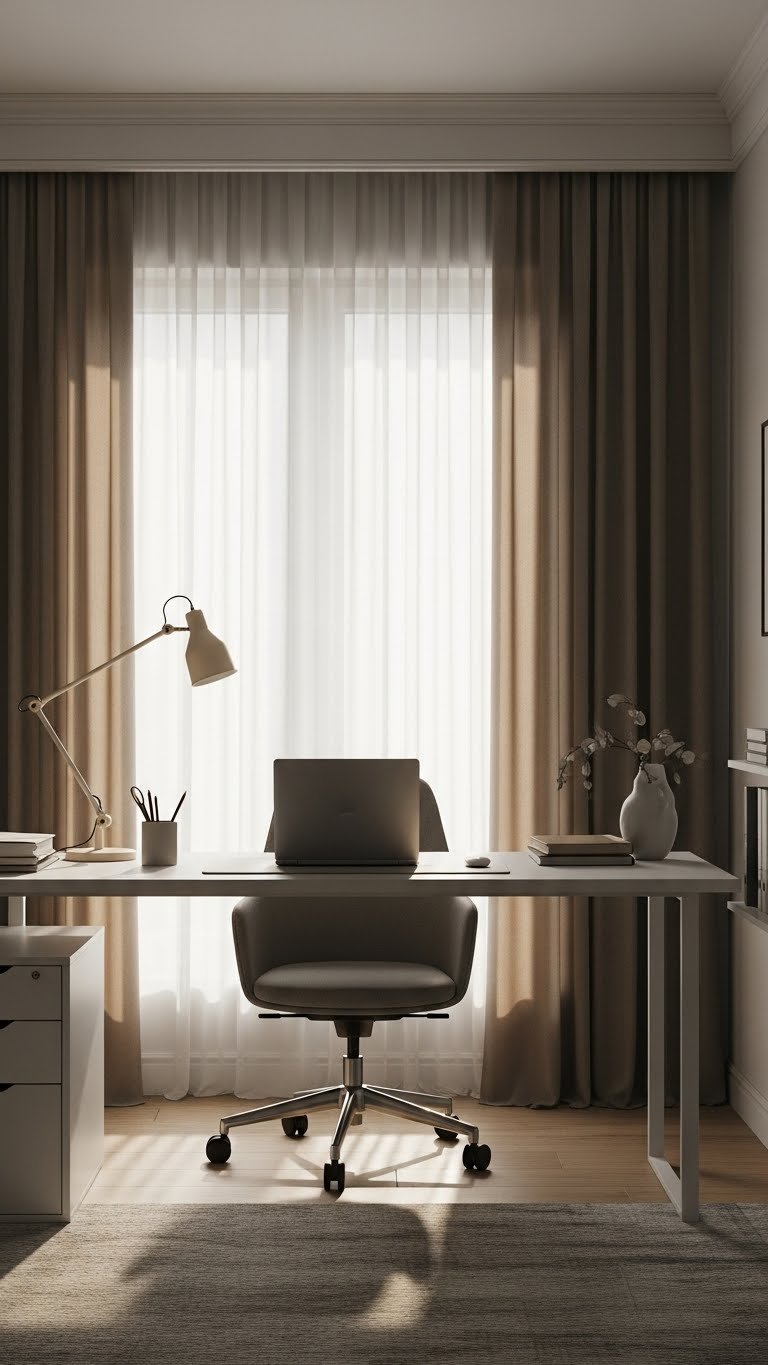
    Strategic thermal insulated curtains can regulate temperature, minimize distractions, and create an ideal working environment.

    These intelligent design choices help you maintain focus, control light exposure, and enhance your professional performance with minimal effort.

    Curtains for Every Window: Size and Style Guide

    Selecting the perfect thermal insulated curtains requires more than a one-size-fits-all approach.

    You’ll need precise window measurements to match curtain styles that complement your space.

    Choose lengths that enhance room aesthetics—floor-length for elegance, sill-length for practicality.

    Consider rod placement and fabric weight to maximize both style and thermal efficiency.

    Kids’ Room Comfort: Safe and Smart Designs

    Since children’s bedrooms demand specialized thermal curtain solutions, parents can transform these spaces into safe, comfortable sanctuaries with thoughtfully designed window treatments.

    Choose fun patterns that spark imagination while prioritizing safety features like cordless mechanisms and flame-resistant fabrics.

    Thermal insulation guarantees temperature regulation, creating a cozy environment that supports your child’s restful sleep and playful adventures.

    Renter’s Handbook: Temporary Insulation Tricks

    Renters face unique challenges when it comes to thermal insulation, often restricted by lease agreements that limit permanent modifications.

    You’ll want smart, removable solutions that maximize comfort without damaging walls.

    Thermal curtains with tension rods, removable window films, and draft stoppers offer flexible temporary options that’ll keep your space warm while preserving your rental’s integrity.

    Summer Cool: Beat the Heat With Smart Curtains

    How can you transform your living space into a cool sanctuary during sweltering summer months? Smart thermal curtains with heat reducing patterns and light filtering designs offer an elegant solution. You’ll create a rejuvenating environment by strategically selecting curtains that block intense sunlight while maintaining aesthetic appeal and maximizing your comfort.

    Winter Warrior: Blocking Cold Drafts Effectively

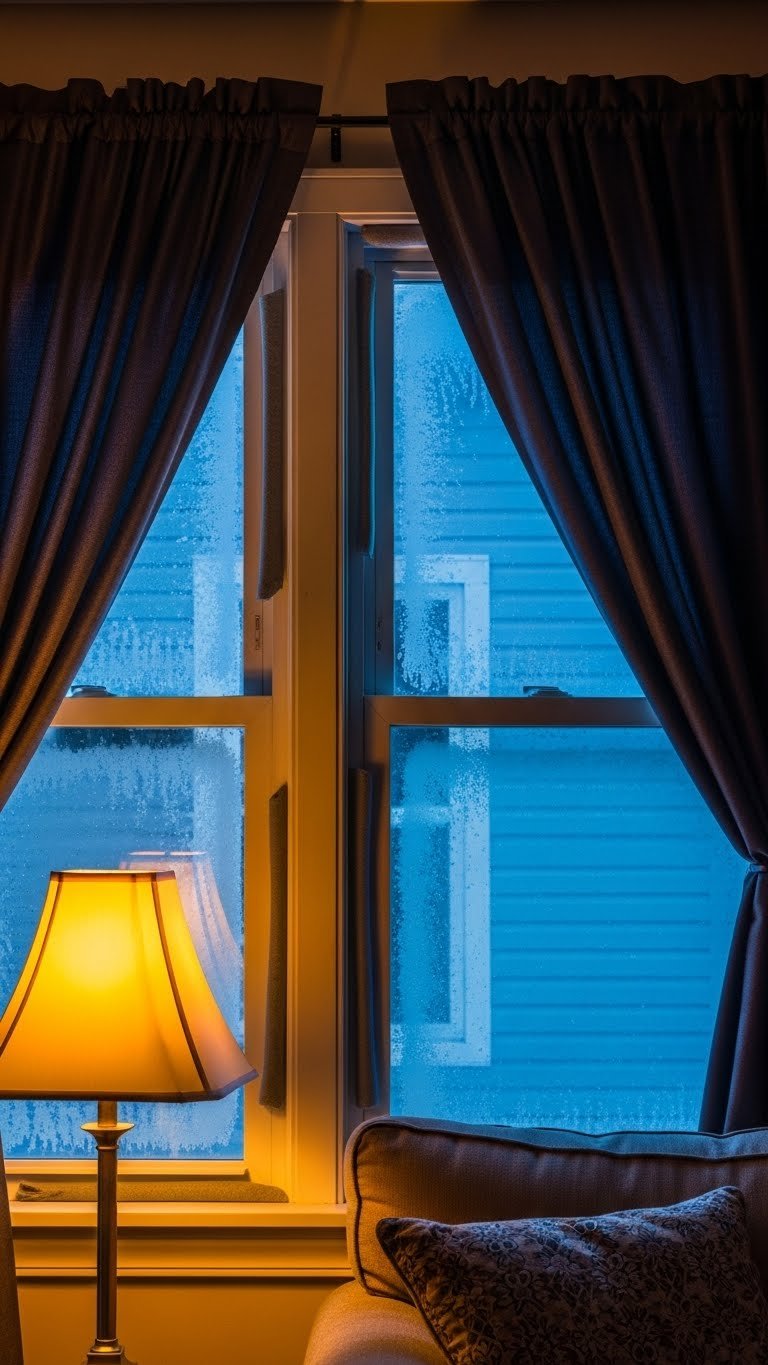
    When winter’s icy fingers threaten to infiltrate your living spaces, thermal insulated curtains become your first line of defense against cold drafts and energy loss.

    Choose heavy, tightly woven fabrics that’ll seal cold air out and keep warmth in. Draft stoppers along window edges provide an extra barrier, ensuring your home remains a cozy sanctuary against winter’s chill.

    Color Psychology: Picking the Right Curtain Palette

    Selecting the perfect curtain color isn’t merely about aesthetic preference; it’s a strategic decision that can profoundly influence your room’s psychological atmosphere.

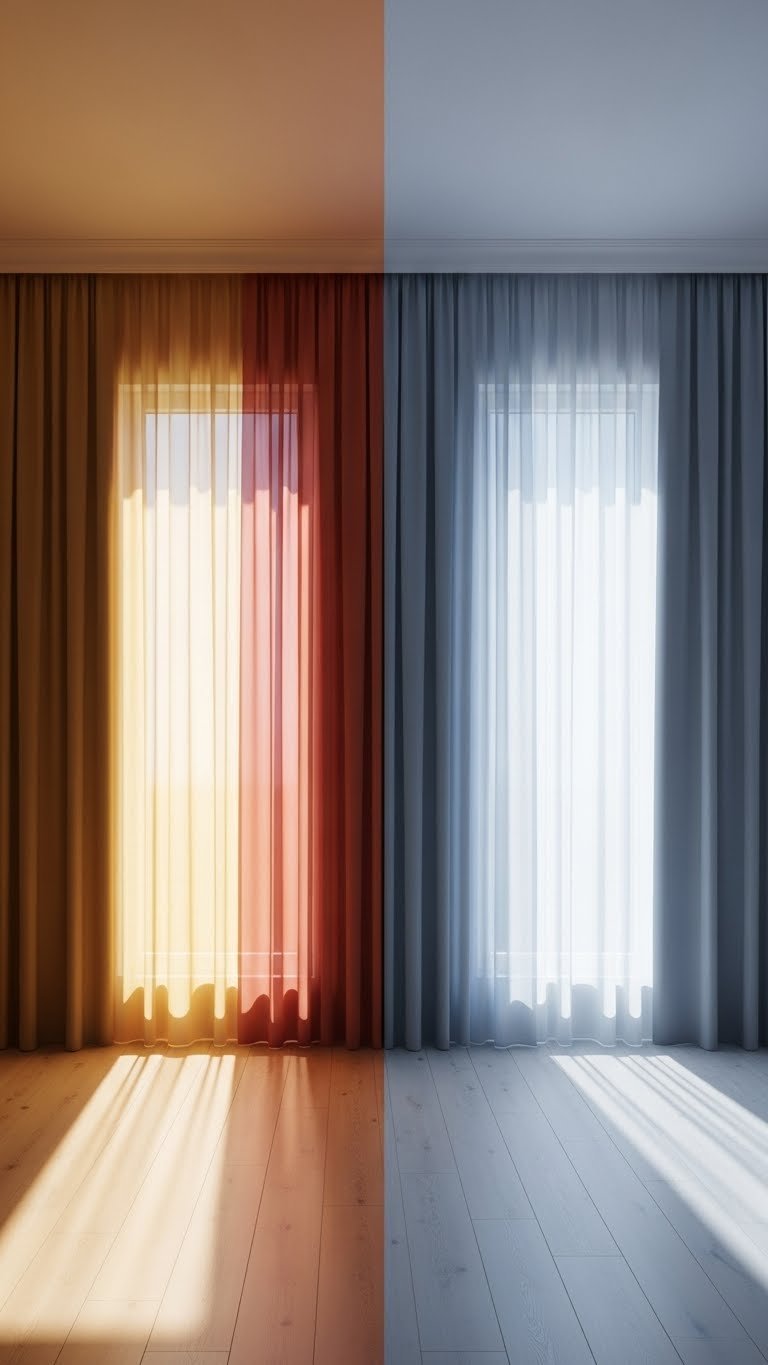
    Understanding color meanings and harmonies allows you to craft spaces that reflect your desired mood. Warm tones energize, while cool tones soothe, enabling you to curate curtain aesthetics that dynamically transform your environment’s emotional landscape.

    Eco-Friendly Fabric Choices for Sustainable Living

    Because sustainability has become a critical consideration in home design, thermal insulated curtains now offer environmentally conscious consumers an array of eco-friendly fabric options that balance thermal performance with minimal ecological impact.

    You’ll discover sustainable fabrics like organic cotton, recycled polyester, and hemp that provide excellent insulation while reducing your carbon footprint.

    DIY Installation: Measure and Hang Like a Pro

    Mastering thermal insulated curtain installation requires precision and attention to detail in three critical steps: accurate measurement, proper hardware selection, and strategic hanging techniques.

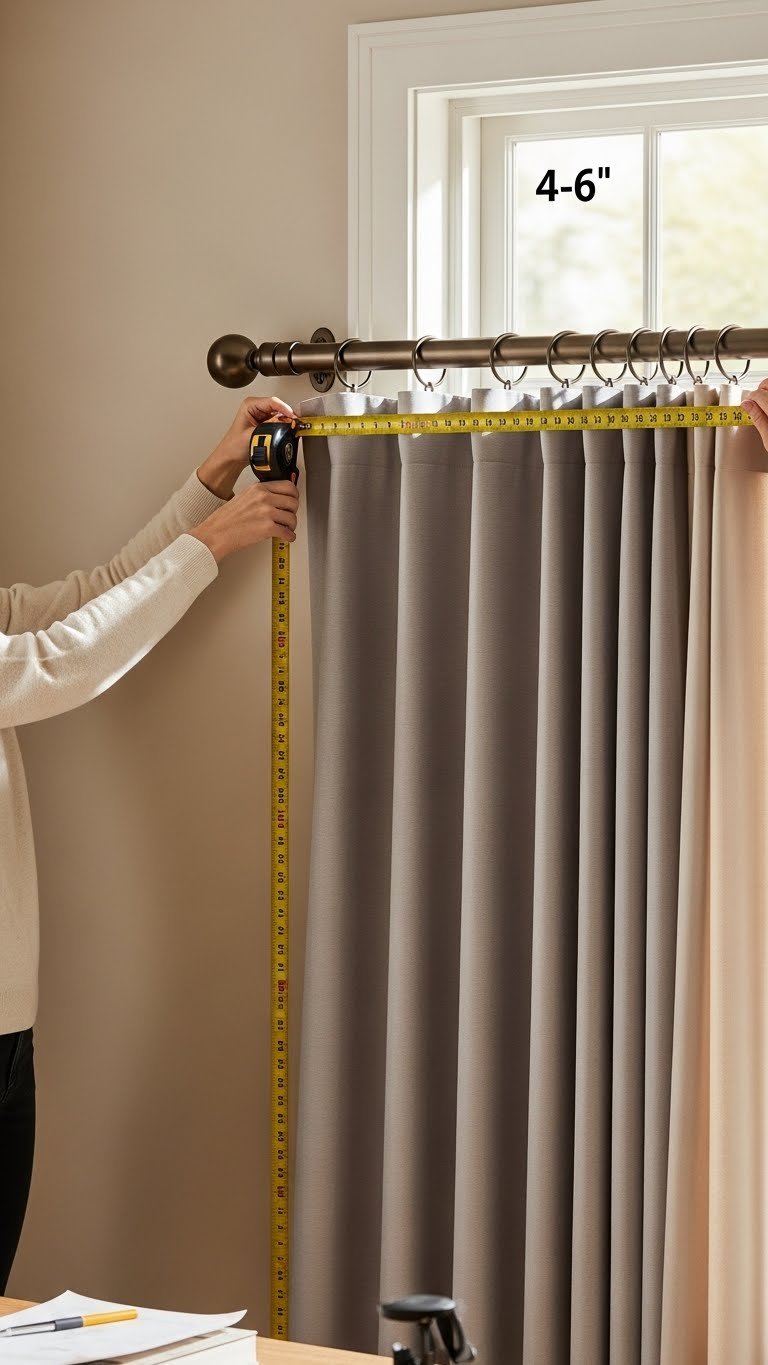
    You’ll want to measure window width precisely, adding 6-8 inches for ideal coverage. Your hang height should be 4-6 inches above the window frame, creating a seamless, professional appearance that maximizes thermal efficiency.

    Layering Techniques for Maximum Insulation

    After perfecting your curtain installation technique, maximizing thermal insulation becomes the next strategic priority.

    You’ll want to explore innovative layering styles that combine thermal textures strategically.

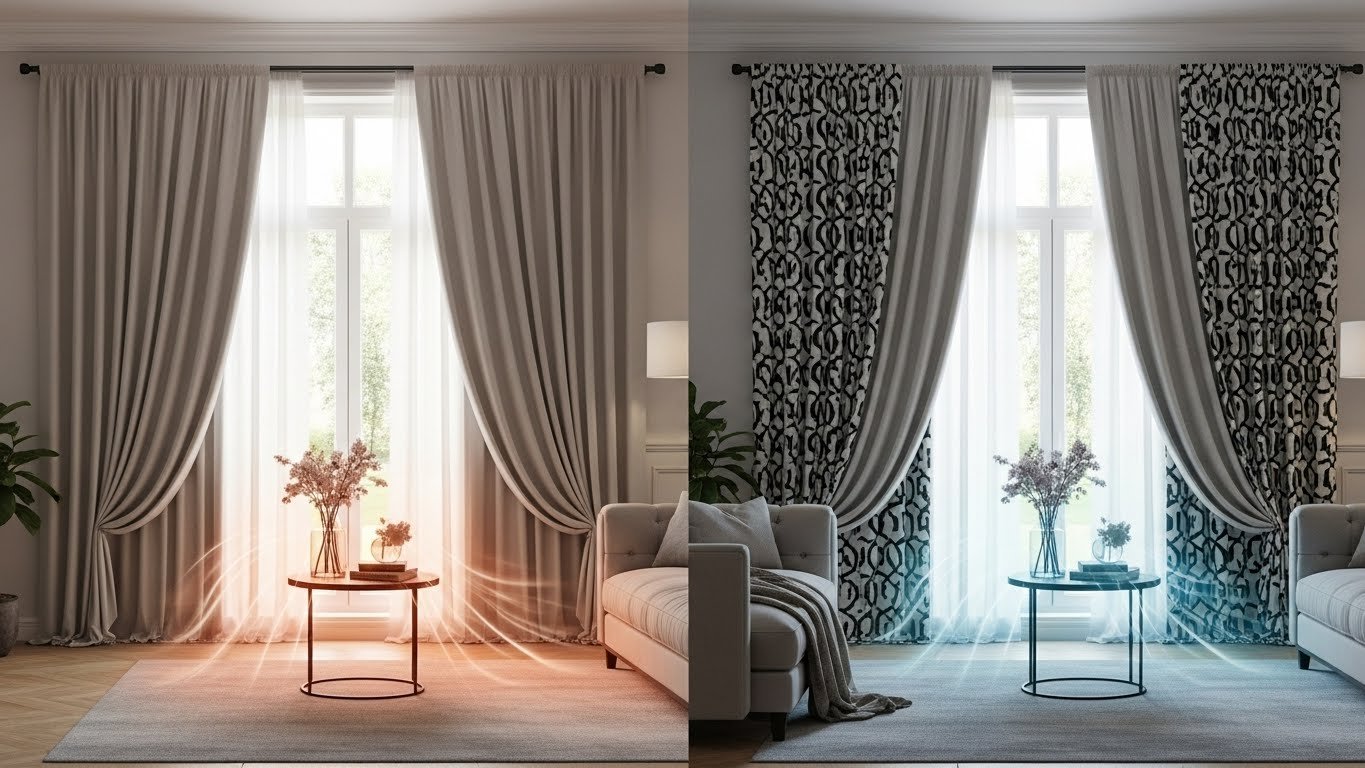
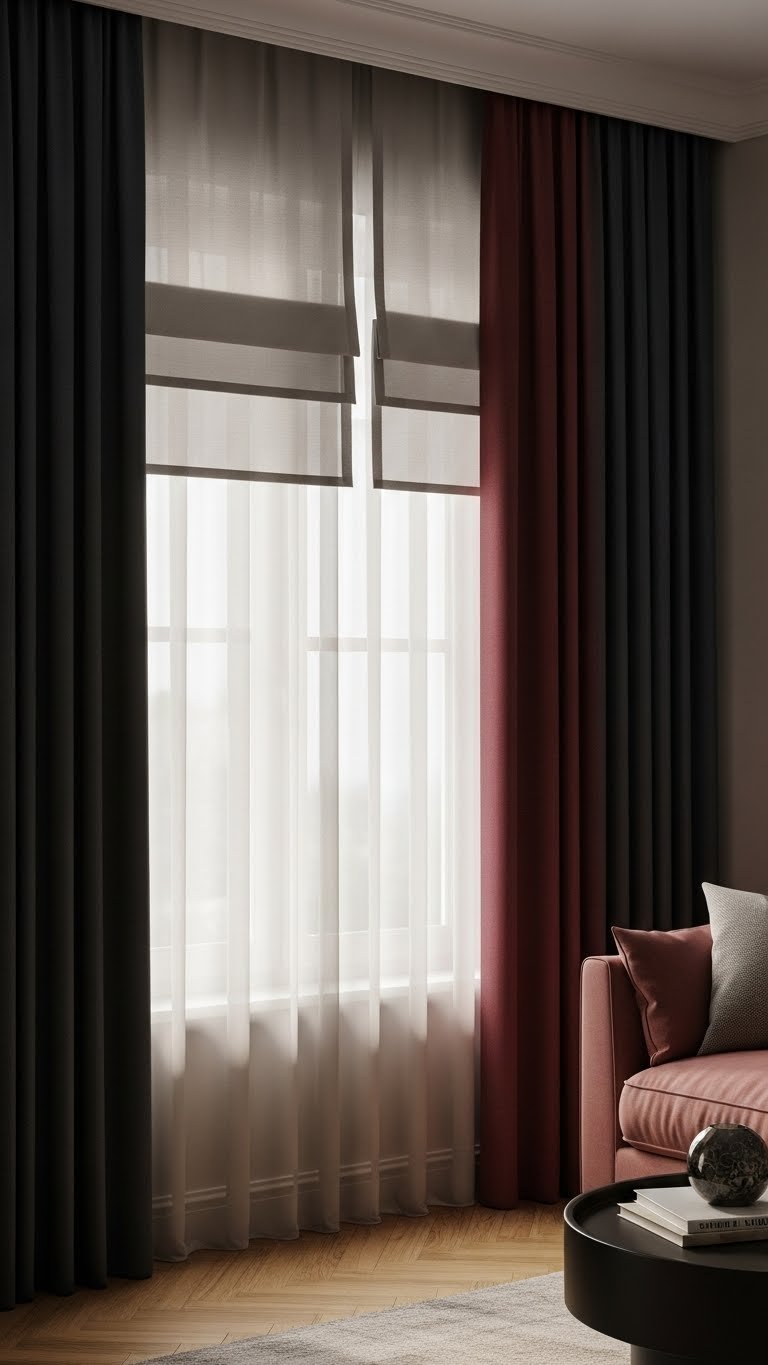
    Consider pairing heavy blackout curtains with lighter thermal liners, creating an air pocket that considerably enhances insulation and provides flexible temperature control in your living space.

    Blackout vs. Thermal: What’s the Real Difference?

    Have you ever wondered why some curtains claim to be “blackout” while others boast “thermal” properties?

    Blackout curtains block light, while thermal curtains focus on managing thermal energy.

    Though they might seem similar, blackout efficiency differs from temperature regulation.

    Your choice depends on whether you’re seeking darkness or improved home insulation.

    Apartment Living: Compact Curtain Solutions

    Small living spaces demand smart design solutions, especially when it comes to window treatments. You’ll want space saving curtains that offer versatile designs to maximize your apartment’s potential. Thermal insulated curtains can help you create visual interest while providing temperature regulation, making them an intelligent choice for compact living environments that prioritize both style and functionality.

    Seasonal Transition: Your Curtain Changeover Guide

    While seasonal shifts demand strategic home adjustments, your thermal curtain strategy can greatly enhance both comfort and energy efficiency.

    Choose lightweight, breathable fabrics for summer and heavier, insulating materials for winter.

    Prioritize seasonal styling with color coordination that complements your interior, ensuring a seamless changeover that maintains both aesthetic appeal and thermal performance.

    Maintenance Matters: Keeping Curtains in Top Shape

    After selecting the perfect thermal curtains for each season, maintaining their quality becomes paramount for long-lasting performance and aesthetic appeal.

    Regular curtain cleaning preserves fabric integrity, preventing dust accumulation and potential degradation.

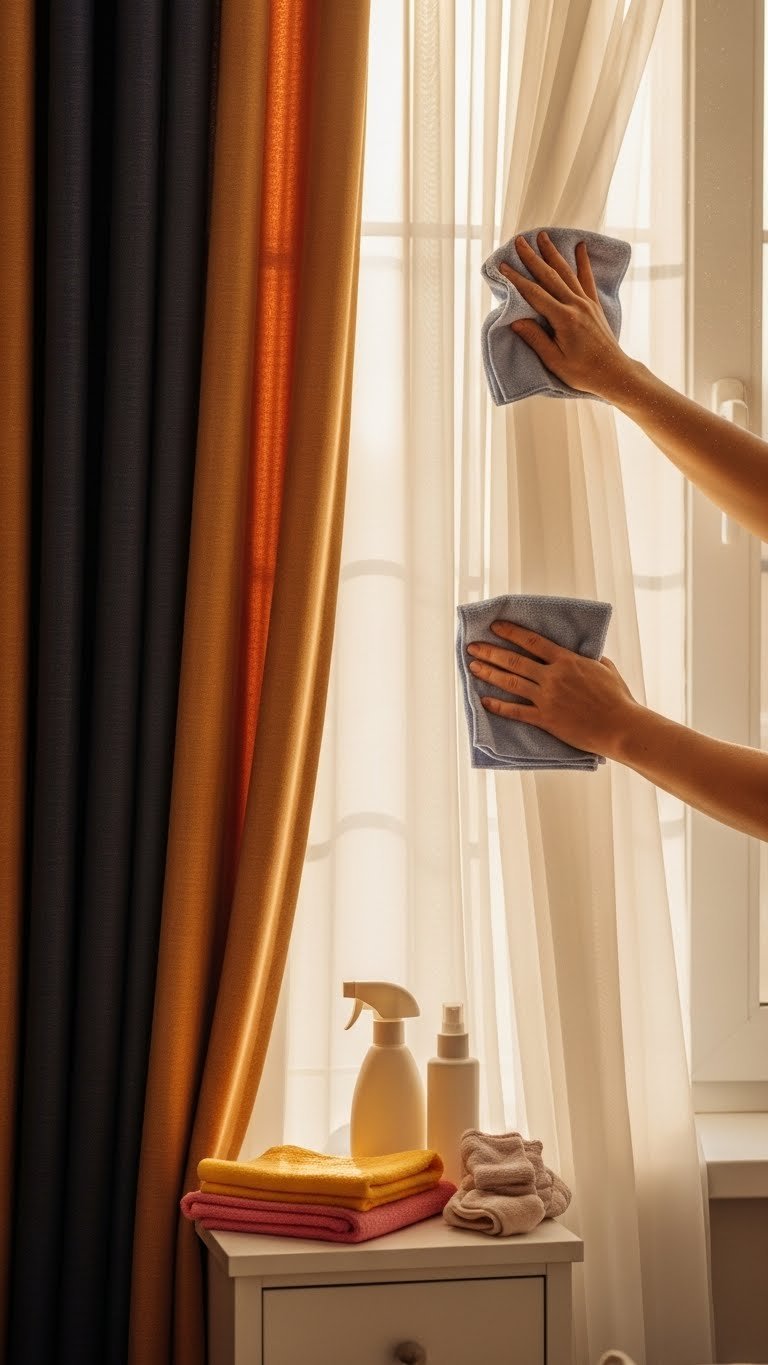
    Follow manufacturer guidelines for specific fabric care, utilizing gentle washing techniques and appropriate cleaning solutions to guarantee your thermal curtains remain vibrant and functional.

    Commercial Space Thermal Solutions

    Commercial thermal curtain solutions offer strategic energy management for businesses seeking efficient climate control and environmental optimization.

    You’ll enhance thermal zones through targeted curtain installations that support thorough energy audits.

    These professional-grade solutions adapt seamlessly to diverse commercial environments, delivering precise temperature regulation and sustainable performance.

    Energy Efficiency Hacks for Smart Homeowners

    Energy Efficiency Hacks for Smart Homeowners

    Because energy costs continue to rise, smart homeowners can implement strategic thermal curtain solutions to dramatically reduce household heating and cooling expenses.

    You’ll maximize energy saving by combining insulation materials with smart thermometers, conducting regular energy audits, and prioritizing thermal comfort through intelligent home efficiency design choices.

    Future of Home Insulation: Emerging Curtain Technologies

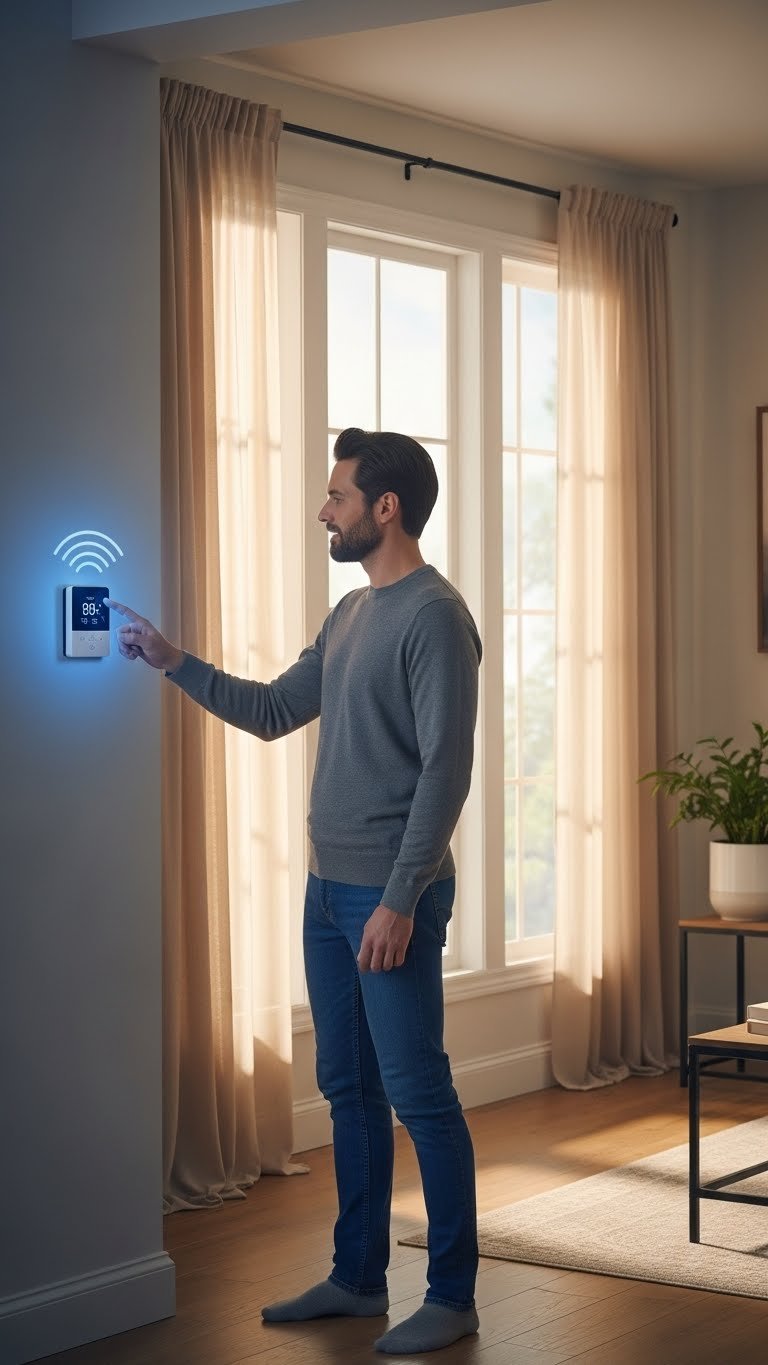
    While technological innovations continue to revolutionize home insulation, smart thermal curtain designs are emerging as a cutting-edge solution for energy-conscious homeowners. You’ll discover advanced textiles with solar reflective coatings, curtain automation systems, and integrated heating technologies that optimize thermodynamic performance for unprecedented home comfort and efficiency.

  • 28 Creative Beige Curtains Ideas For a Fresh New Look

    28 Creative Beige Curtains Ideas For a Fresh New Look

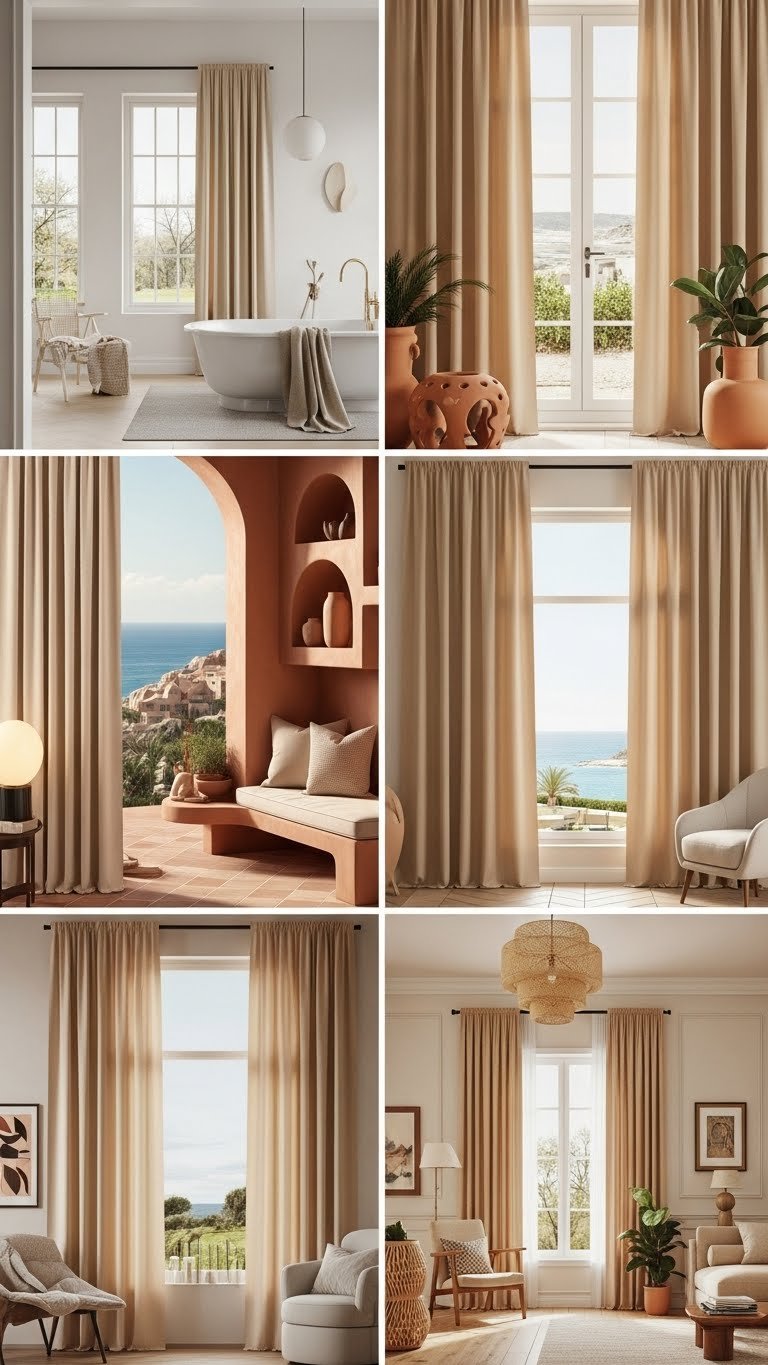
    You’ve been searching for the perfect way to refresh your living space without overwhelming your senses. Beige curtains are your secret weapon—a neutral powerhouse that transforms rooms with understated elegance. From soft sandy tones to rich terracotta hues, these versatile window treatments offer more than just light control. They’re design chameleons waiting to elevate your home’s aesthetic. Want to know how a simple fabric can dramatically reshape your interior? Keep exploring.

    Why Beige Curtains Are the Ultimate Neutral Design Chameleon?

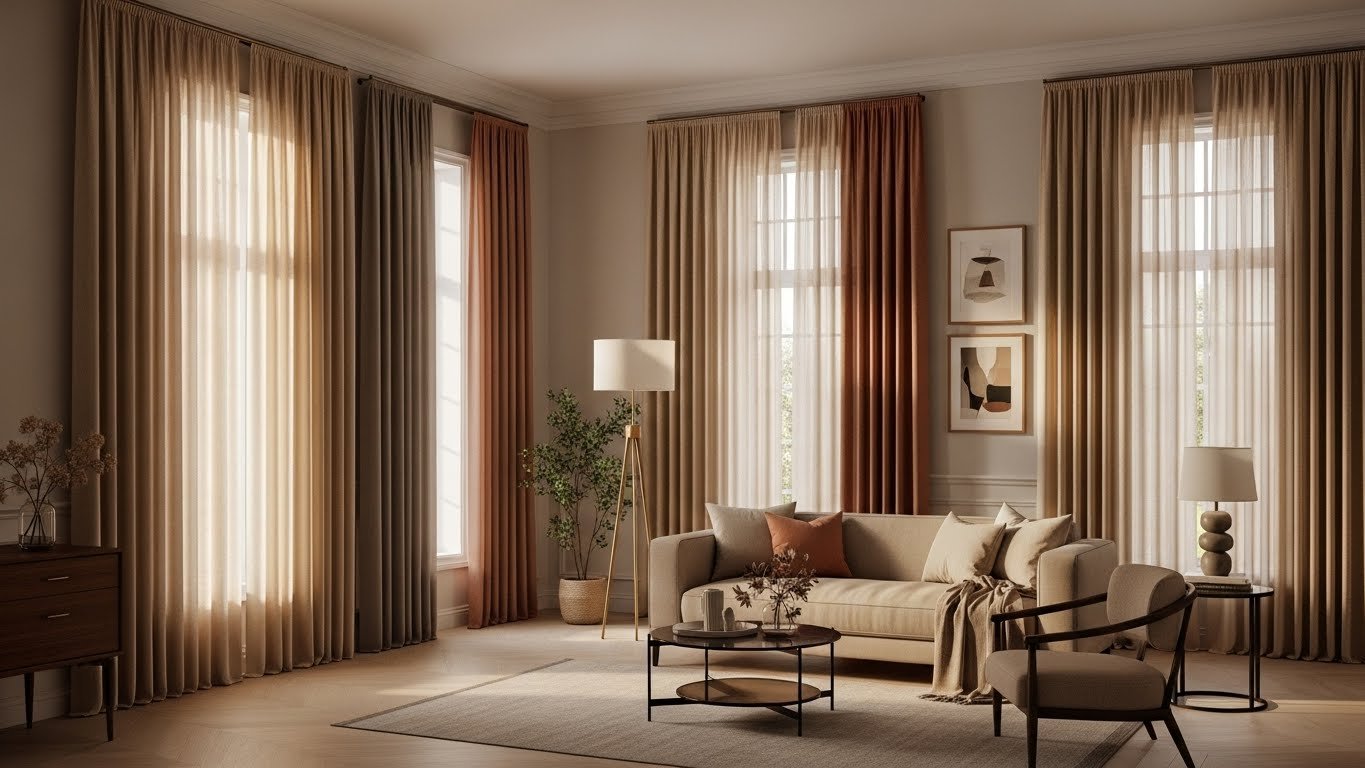
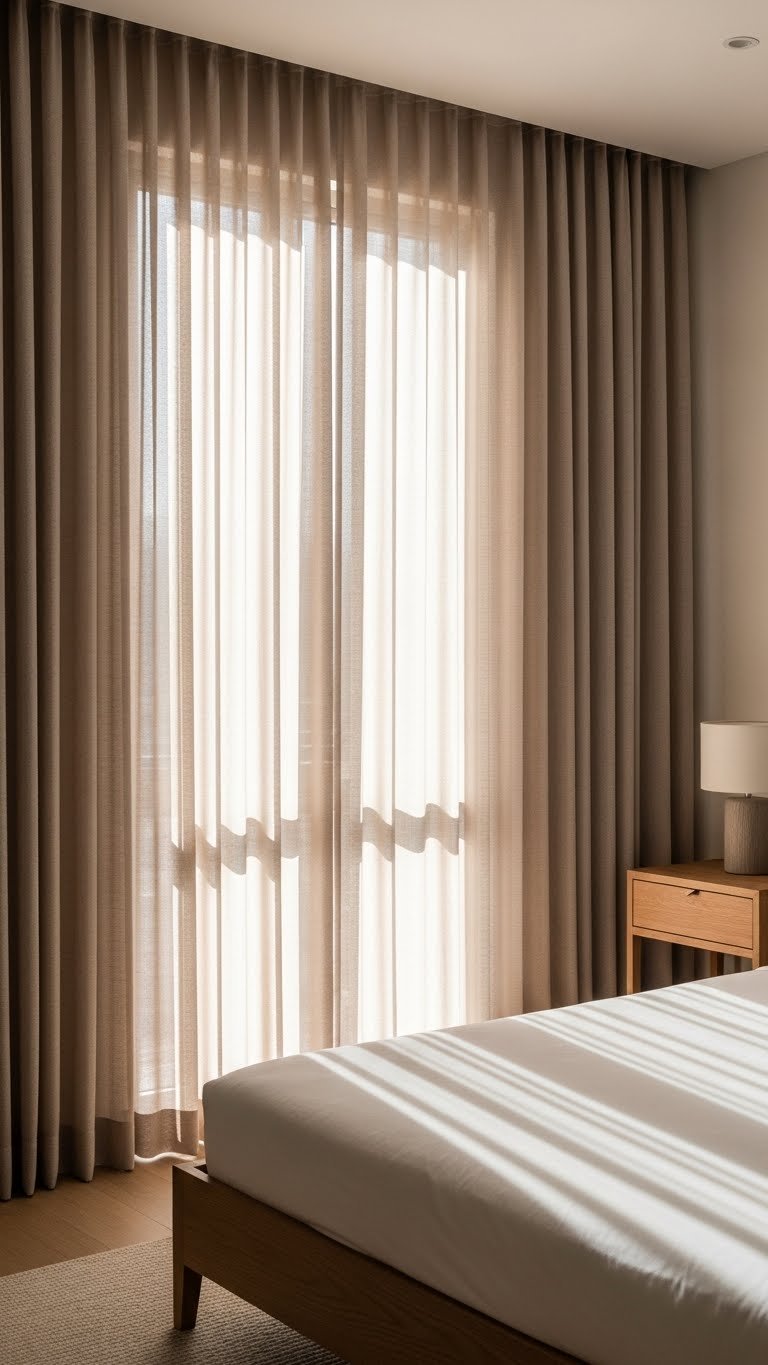
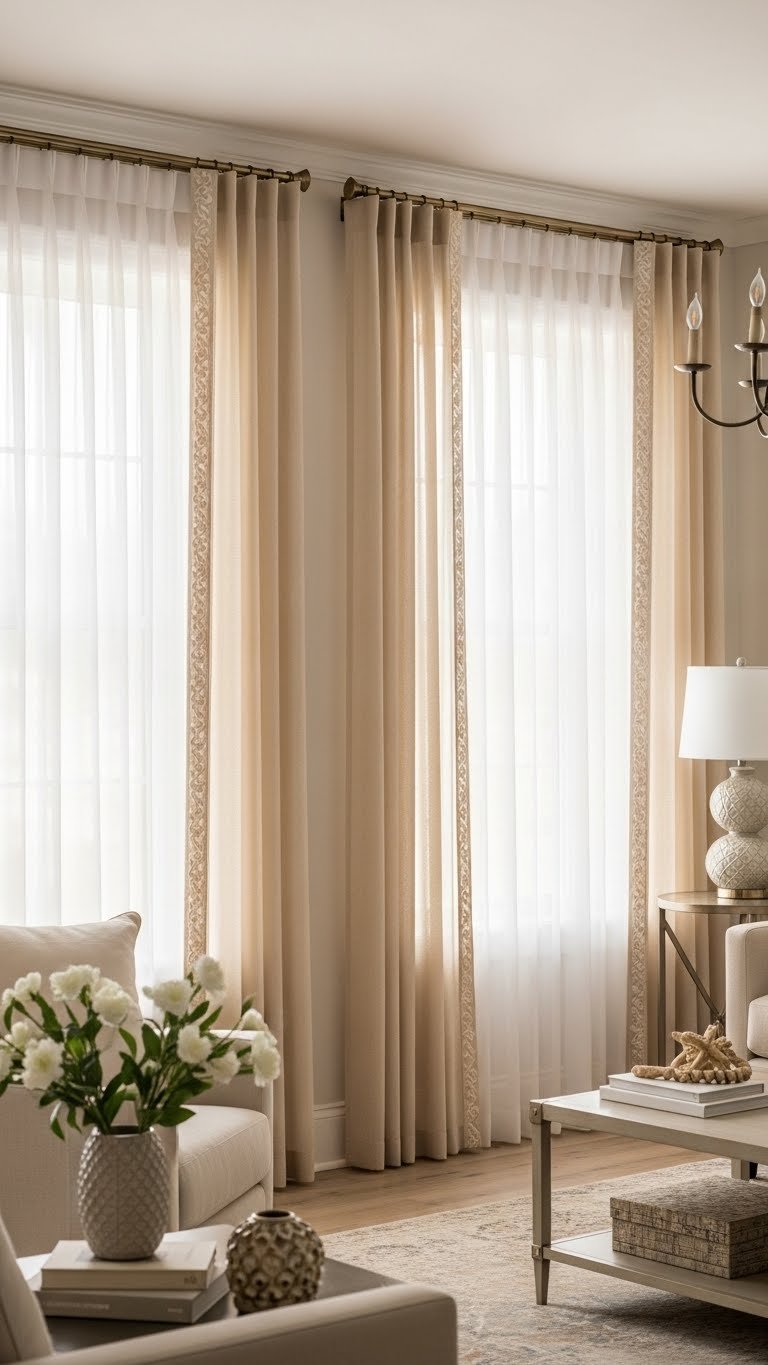
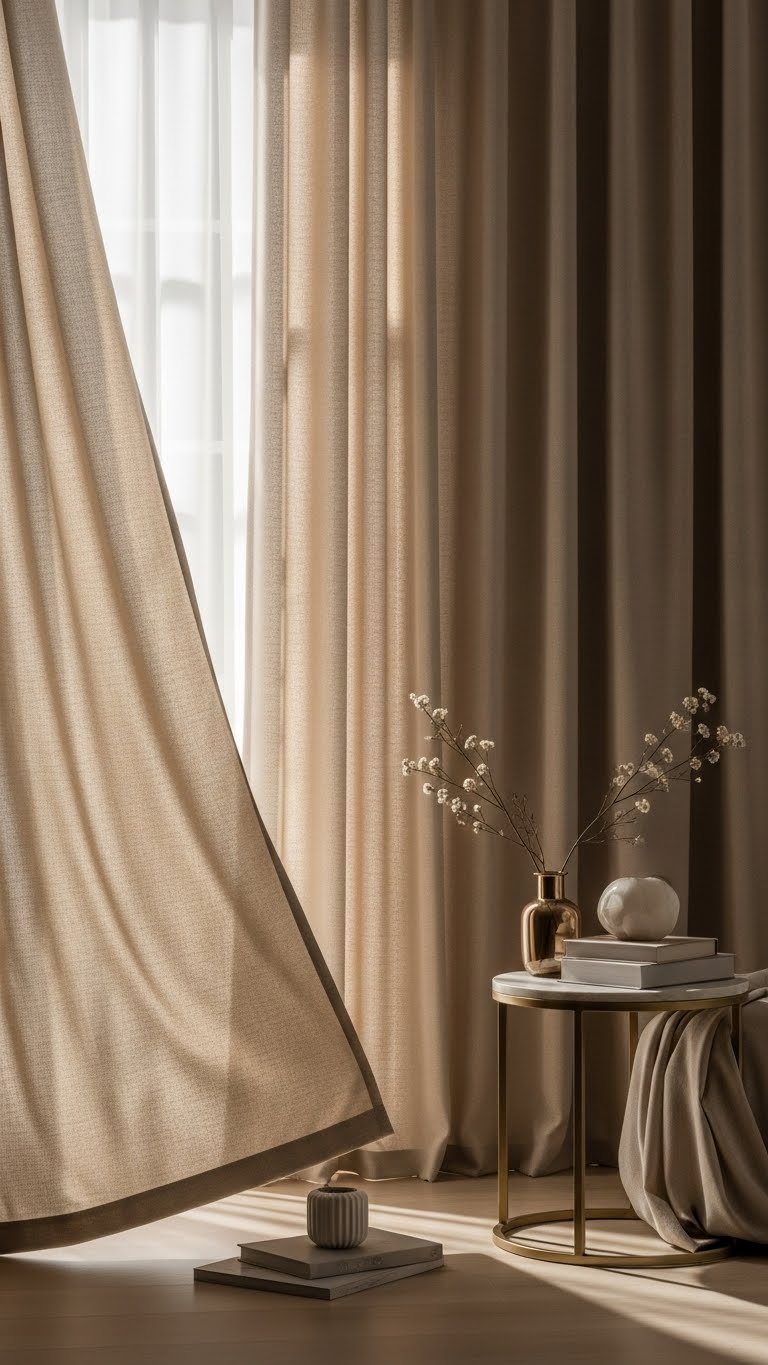
    Although often overlooked, beige curtains are the secret weapon of interior designers seeking versatile elegance. They’re your neutral design canvas, effortlessly adapting to any color scheme or style. With their understated versatile aesthetics, beige curtains transform spaces, blending seamlessly while adding sophisticated depth and warmth to your living environment.

    Decode the Perfect Beige: From Sand to Terracotta Tones

    How do you navigate the nuanced world of beige curtains when countless subtle variations exist? Your journey through sand shades and terracotta tones requires a discerning eye. From warm, earthy undertones to cool, muted hues, each beige tells a unique story. Choose wisely to transform your space with a palette that reflects your personal style and design vision.

    Texture Matters: Selecting the Right Fabric for Beige Curtains

    Fabric whispers volumes in the silent language of interior design, transforming beige curtains from mere window coverings into textural masterpieces.

    You’ll want to prioritize fabric durability and color longevity when selecting your perfect textile.

    Linen offers airy sophistication, while velvet provides luxurious depth.

    Choose wisely to elevate your space’s aesthetic narrative.

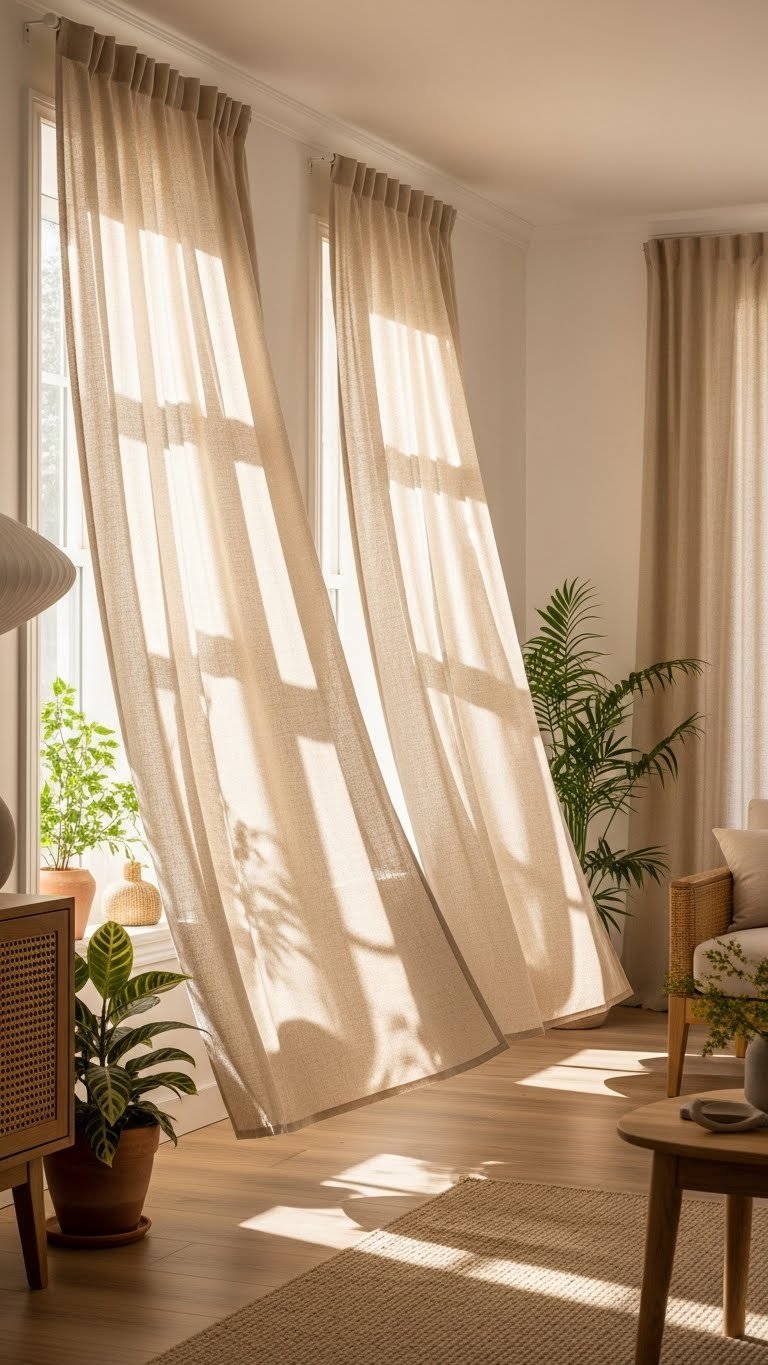
    Coastal Chic: Styling Beige Curtains in Modern Beach Interiors

    Because coastal design thrives on subtle sophistication, beige curtains become transformative elements in modern beach interiors, bridging natural textures and serene color palettes.

    You’ll elevate your space by selecting light, airy fabrics that capture coastal vibes and complement beach aesthetics, creating a relaxed yet refined atmosphere that whispers of seaside tranquility.

    Layering Like a Pro: Sheer and Blackout Curtain Combinations

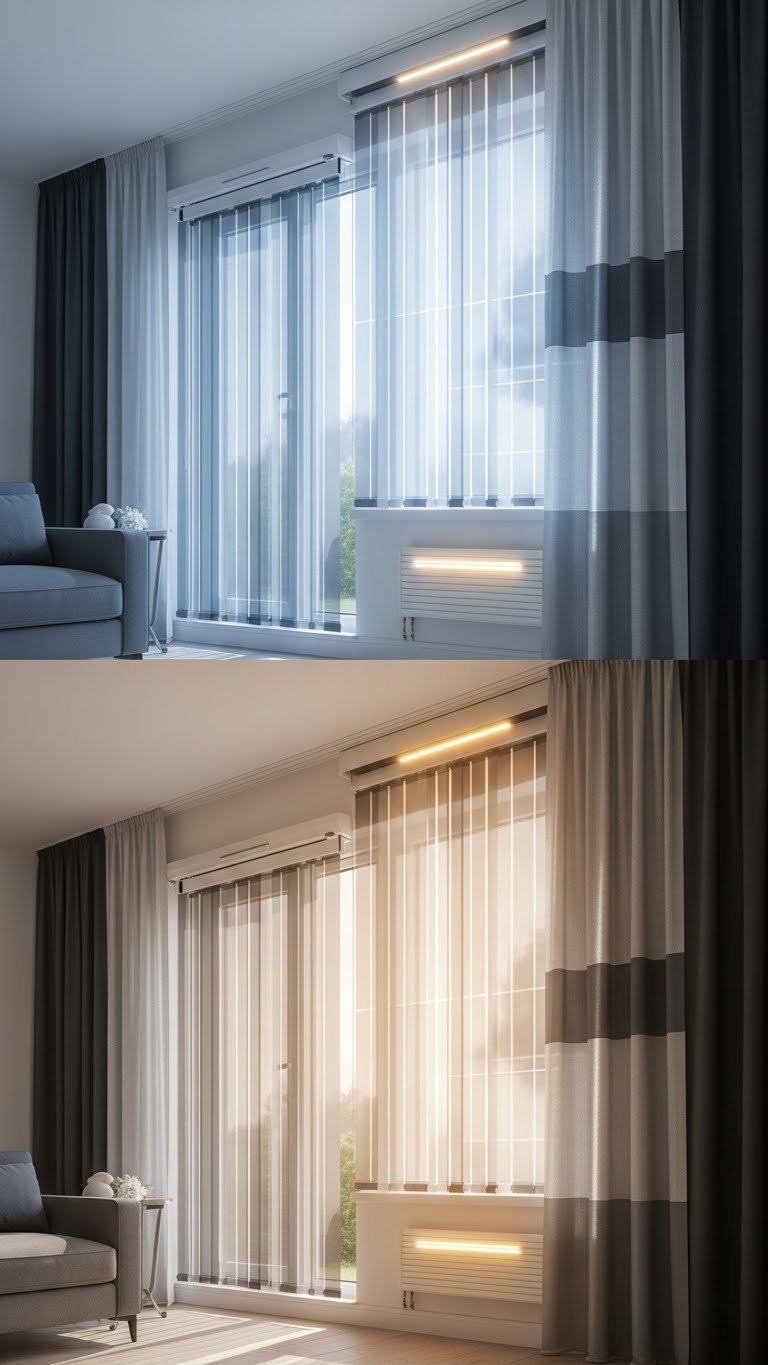
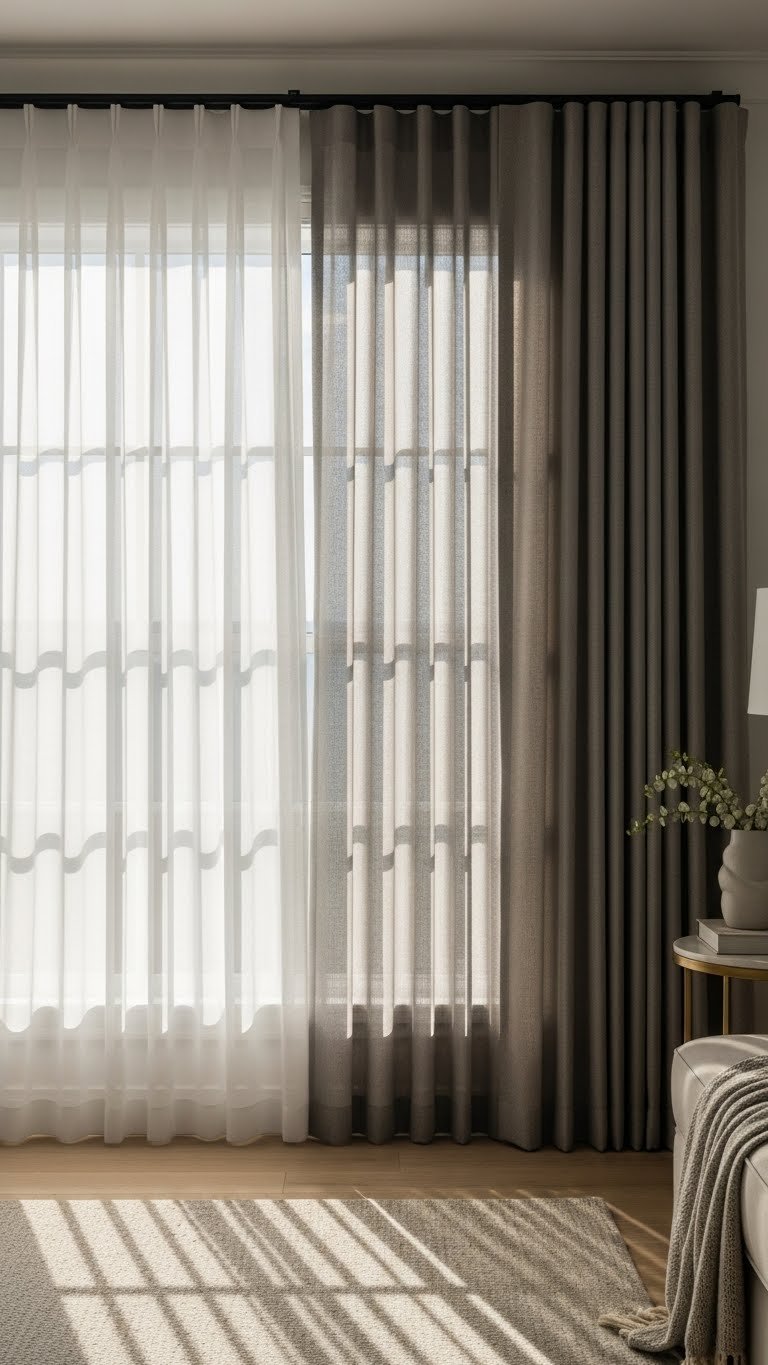
    While coastal interiors celebrate ethereal light and breezy textures, master designers understand the strategic power of curtain layering. Combine sheer layering with blackout integration to control light, enhance privacy, and add depth. You’ll create a sophisticated window treatment that shifts seamlessly between soft illumination and complete darkness, giving you ultimate design flexibility.

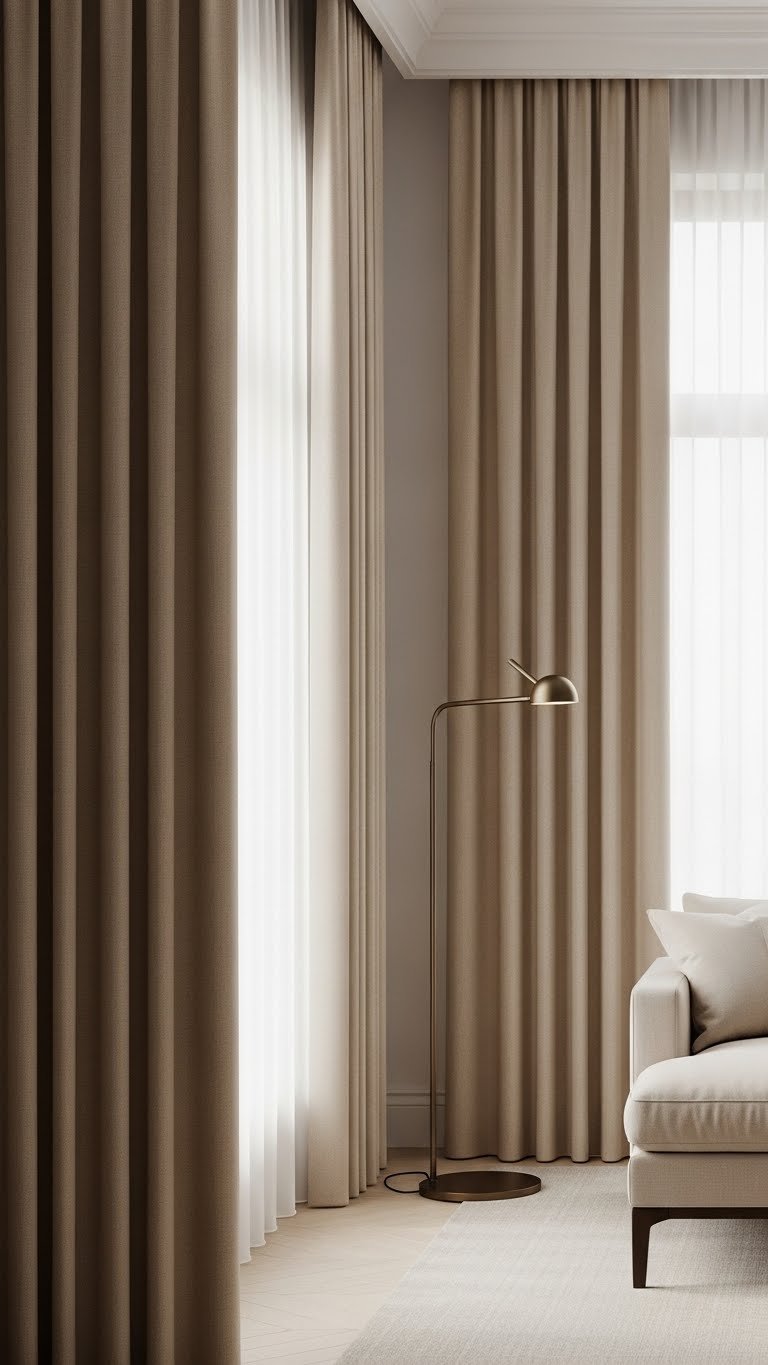
    Minimalist Magic: Clean Lines With Soft Beige Window Treatments

    When minimalism meets warm neutrals, beige curtains become a transformative design element that elevates interior spaces with understated sophistication.

    You’ll find that soft, clean-lined beige window treatments create a serene backdrop, allowing soft lighting to filter gently.

    Embrace minimalist decor by selecting curtains with crisp edges and subtle texture, enhancing your space’s tranquil aesthetic.

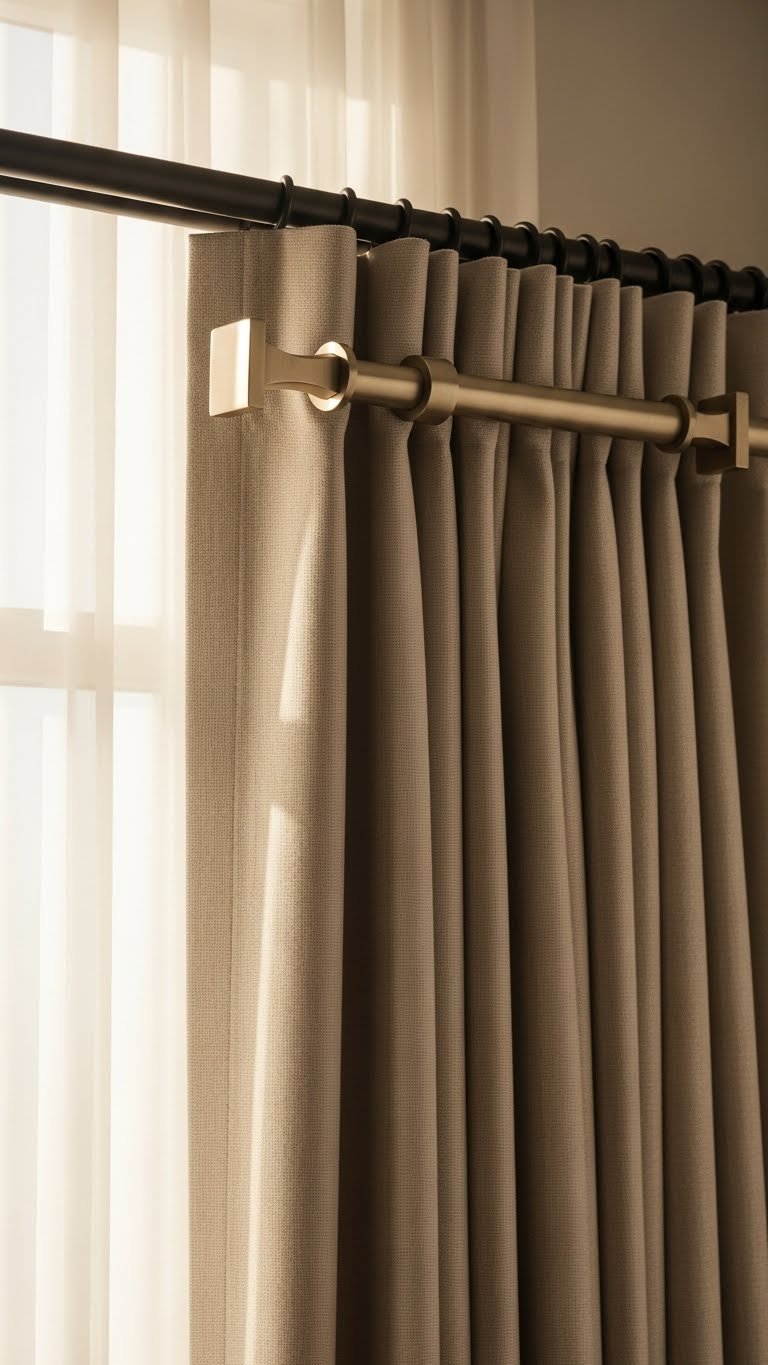
    Elevate Your Space: Luxe Hardware Choices for Beige Curtains

    Though often overlooked, curtain hardware can dramatically transform the entire aesthetic of your beige window treatments.

    Choose elegant finishes like brushed brass or matte black to elevate your space.

    Statement rods with geometric ends or minimalist designs can instantly upgrade your curtains, creating a sophisticated focal point that complements your neutral palette with unexpected visual interest.

    Organic Fabrics: Eco-Friendly Beige Curtain Materials

    Because sustainability is becoming increasingly important in interior design, eco-conscious homeowners are turning to organic cotton and hemp blends for their beige curtains.

    These natural materials offer breathable, soft textures while minimizing environmental impact. You’ll appreciate their durability, reduced chemical processing, and elegant aesthetic that seamlessly integrates eco-friendly principles with sophisticated home decor.

    Small Space Solutions: Beige Curtains That Make Rooms Look Bigger?

    After exploring the sustainable charm of organic beige curtains, designers recognize their potential to transform spatial perception in compact living areas.

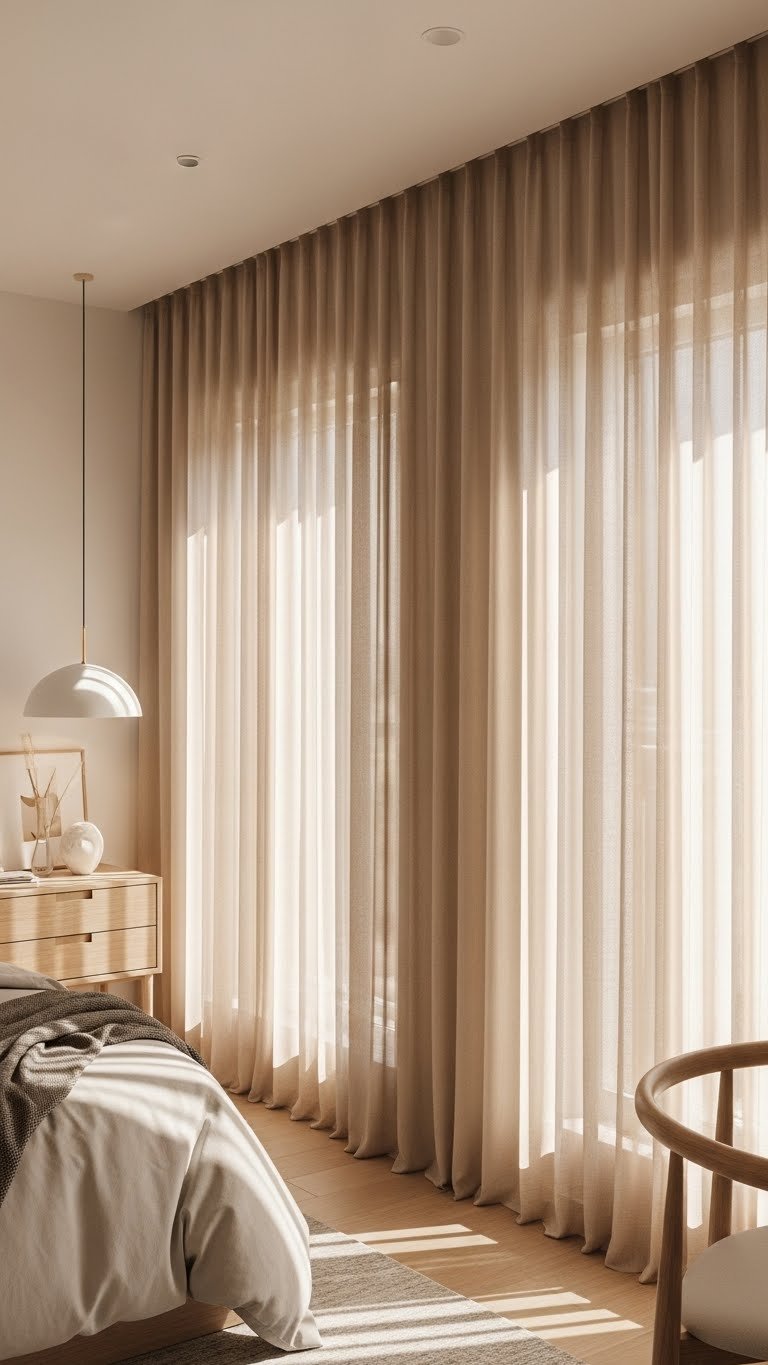
    Bedroom Serenity: Creating Calm With Neutral Window Designs

    When crafting a tranquil bedroom sanctuary, neutral beige curtains emerge as a sophisticated design element that transforms window treatments into powerful mood-setting instruments.

    They’ll help you cultivate a serene bedroom ambiance through soft, calming colors that breathe restfulness into your personal space, inviting relaxation and creating an elegant, understated aesthetic of pure tranquility.

    Living Room Transformation: Beige Curtains as Focal Points

    Design sophistication converges with visual drama when beige curtains transform your living room into an artfully curated space. By strategically placing these neutral window treatments, you’ll leverage beige color psychology to create a living room ambiance that balances elegance and comfort, allowing your personal style to effortlessly shine through dynamic textural layers.

    Pattern Play: Subtle Prints on Beige Curtain Backgrounds

    Elevating beige curtains from solid backdrops to artistic statements requires strategic pattern integration.

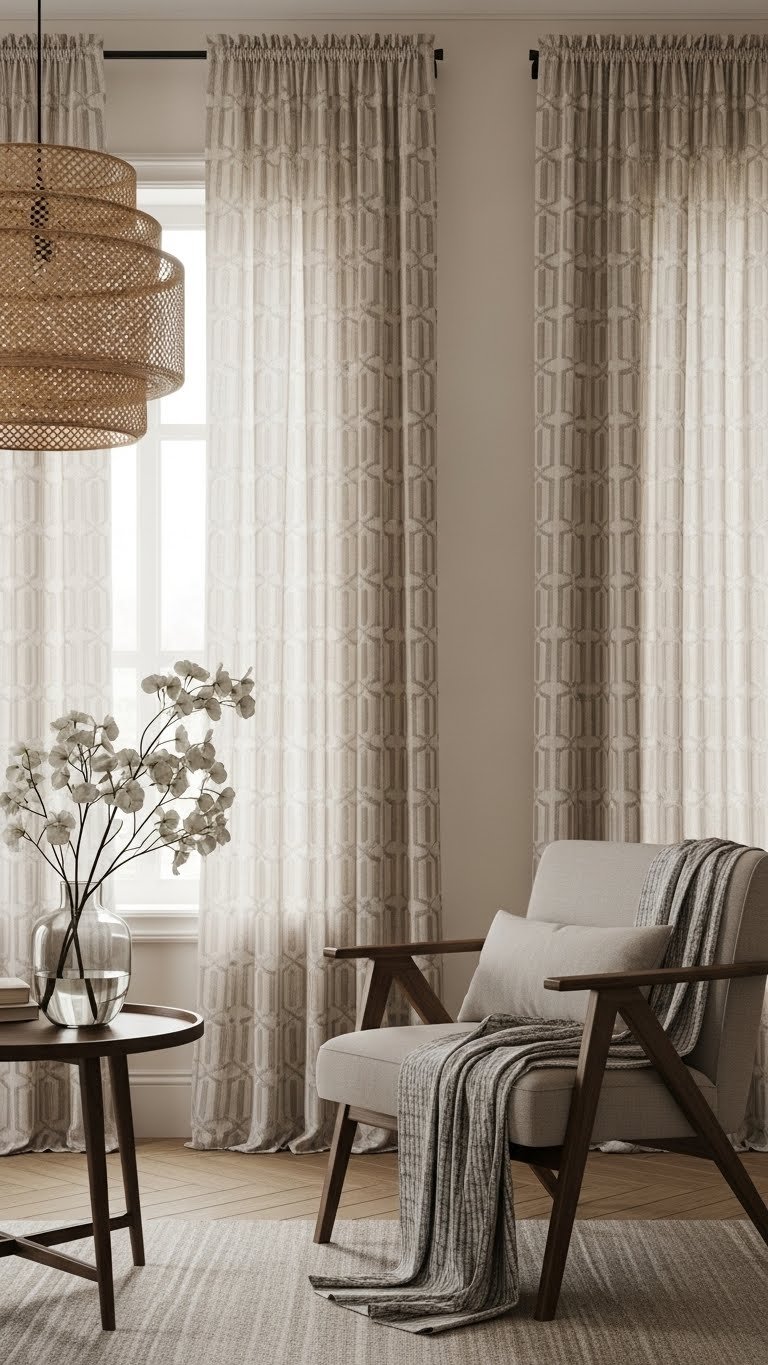
    You’ll transform your space by selecting subtle stripes or geometric patterns that complement your neutral canvas.

    These delicate prints add depth without overwhelming the room, allowing you to express creativity while maintaining a sophisticated, understated aesthetic.

    Vintage Meets Modern: Styling Beige Curtains Across Eras

    Because timeless beige curtains bridge architectural periods, they offer remarkable versatility in creating dynamic interiors that seamlessly blend vintage charm with contemporary sensibilities.

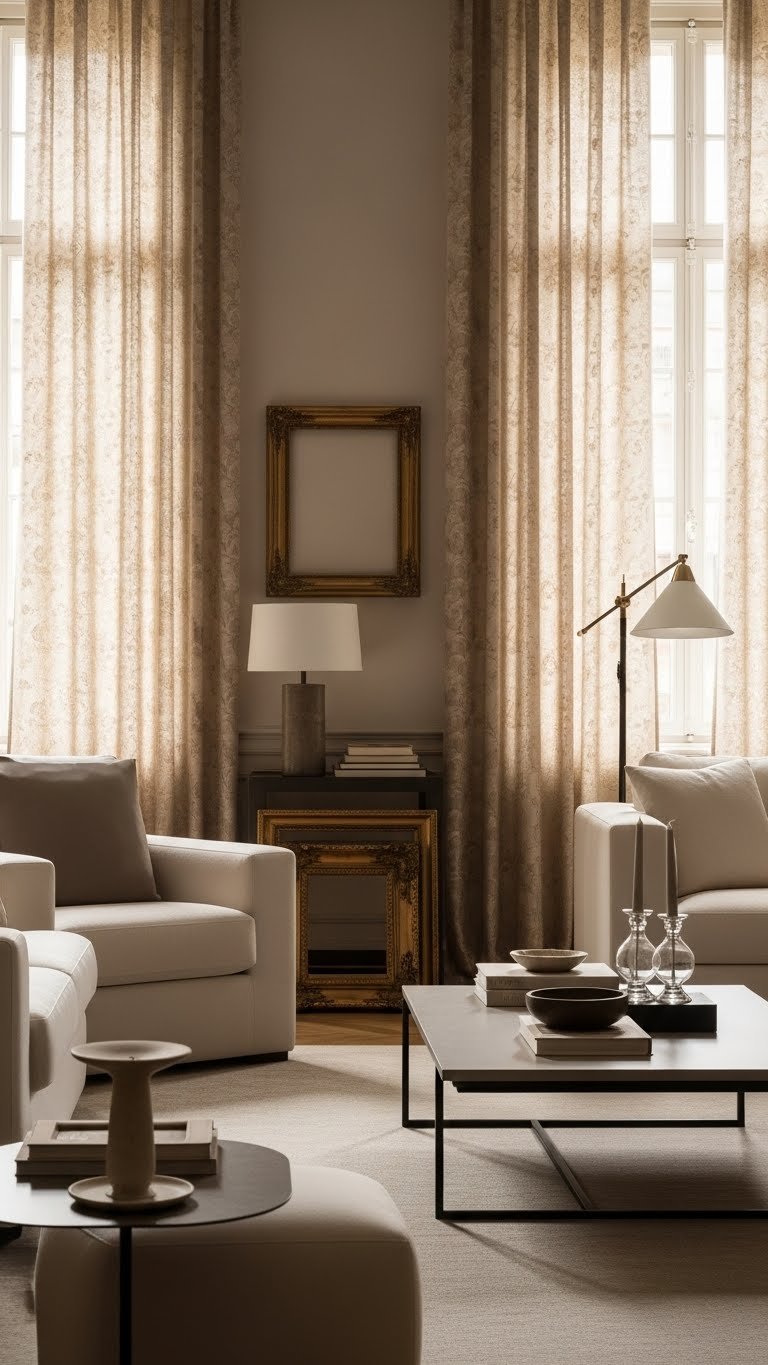
    You’ll discover how vintage patterns can elegantly contrast modern minimalism, transforming spaces with strategic layering and thoughtful textile selection that respects both historical aesthetics and current design trends.

    Color Pairing Secrets: What Goes Best With Beige Curtains?

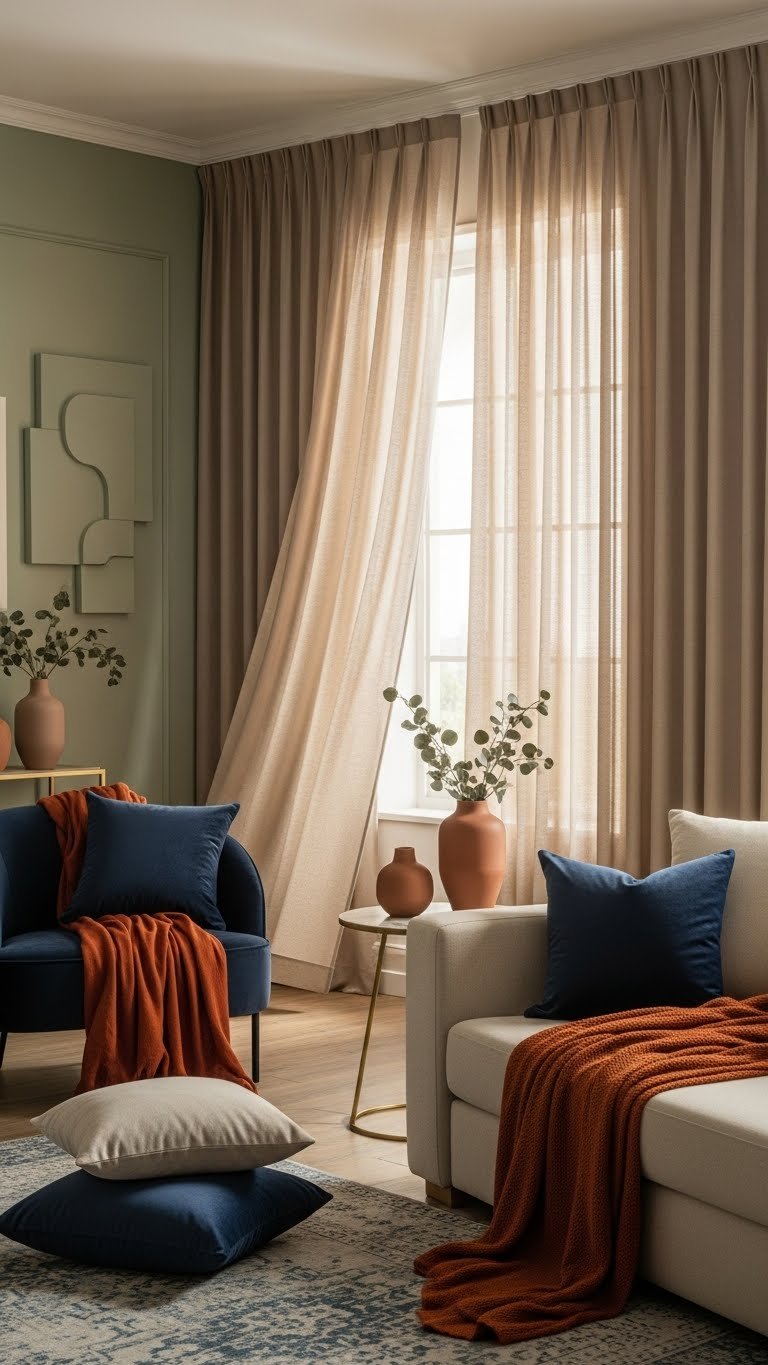
    How do you access the full potential of beige curtains through strategic color pairings? Understanding color psychology helps you reveal beige’s versatile undertones. Deep navy blues create dramatic contrast, while soft sage greens offer serene harmony. Rust oranges and muted terracottas complement beige’s warm neutrality, transforming your space with intentional, sophisticated color relationships that reflect your personal aesthetic freedom.

    Window Height Hacks: Curtain Hanging Techniques That Wow

    Once you’ve selected the perfect beige curtains and mastered their color pairings, strategic window hanging techniques can dramatically transform your space’s visual perception.

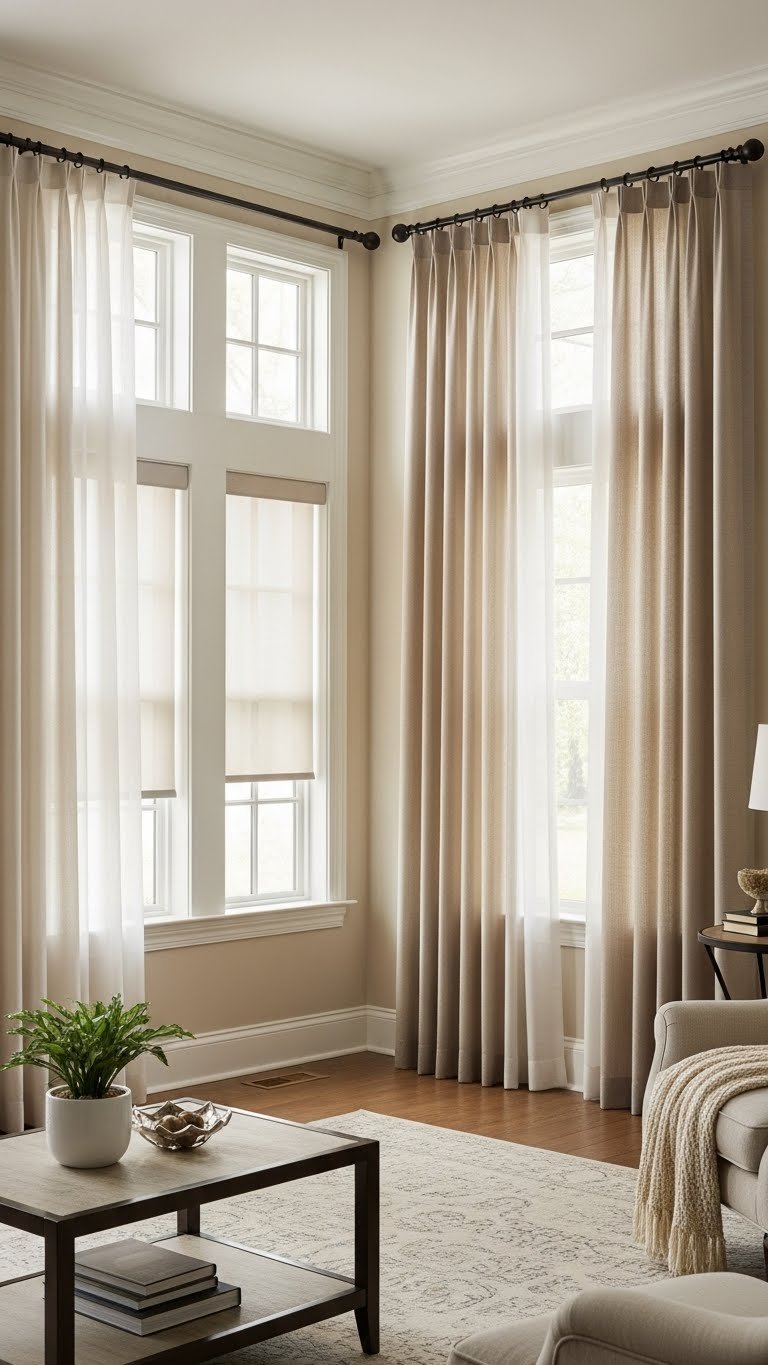
    Hanging curtains higher than the actual window frame creates an illusion of increased window height, making rooms feel more expansive and luxurious.

    Experiment with floor-length curtains for maximum dramatic impact.

    Seasonal Styling: Adapting Beige Curtains Throughout the Year

    While neutral beige curtains might seem static, they’re actually incredibly versatile design elements that can beautifully shift through seasonal decor changes.

    Your beige curtains become canvas for seasonal accenting, allowing you to transform spaces with simple shifting designs like layering throws, swapping decorative pillows, or adding seasonal artwork that complements their understated elegance.

    Budget-Friendly Beige Curtain Makeover Ideas

    Because transforming your space doesn’t require a massive budget, smart styling with beige curtains can deliver dramatic design impact without breaking the bank.

    Try budget curtain hacks like adding decorative trim, using clip-on rings, or layering sheer panels to create creative beige alternatives that refresh your room’s aesthetic without costly renovations.

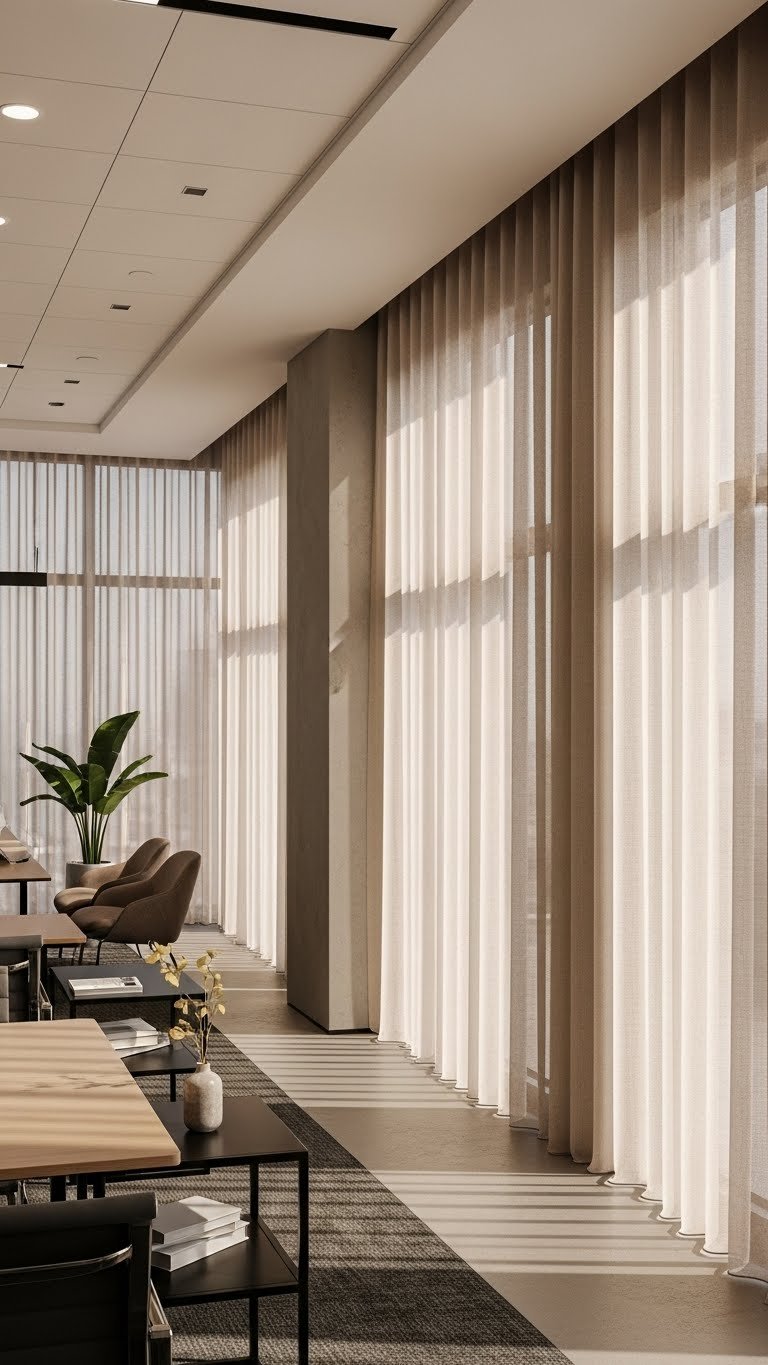
    Commercial Spaces: Professional Beige Curtain Design

    When designing professional commercial spaces, beige curtains serve as a versatile and sophisticated design element that balances aesthetic functionality with corporate branding requirements.

    You’ll want to select curtains that enhance visual flow, provide strategic light control, and reflect your organization’s professional identity through subtle yet impactful commercial aesthetics and curtain functionality.

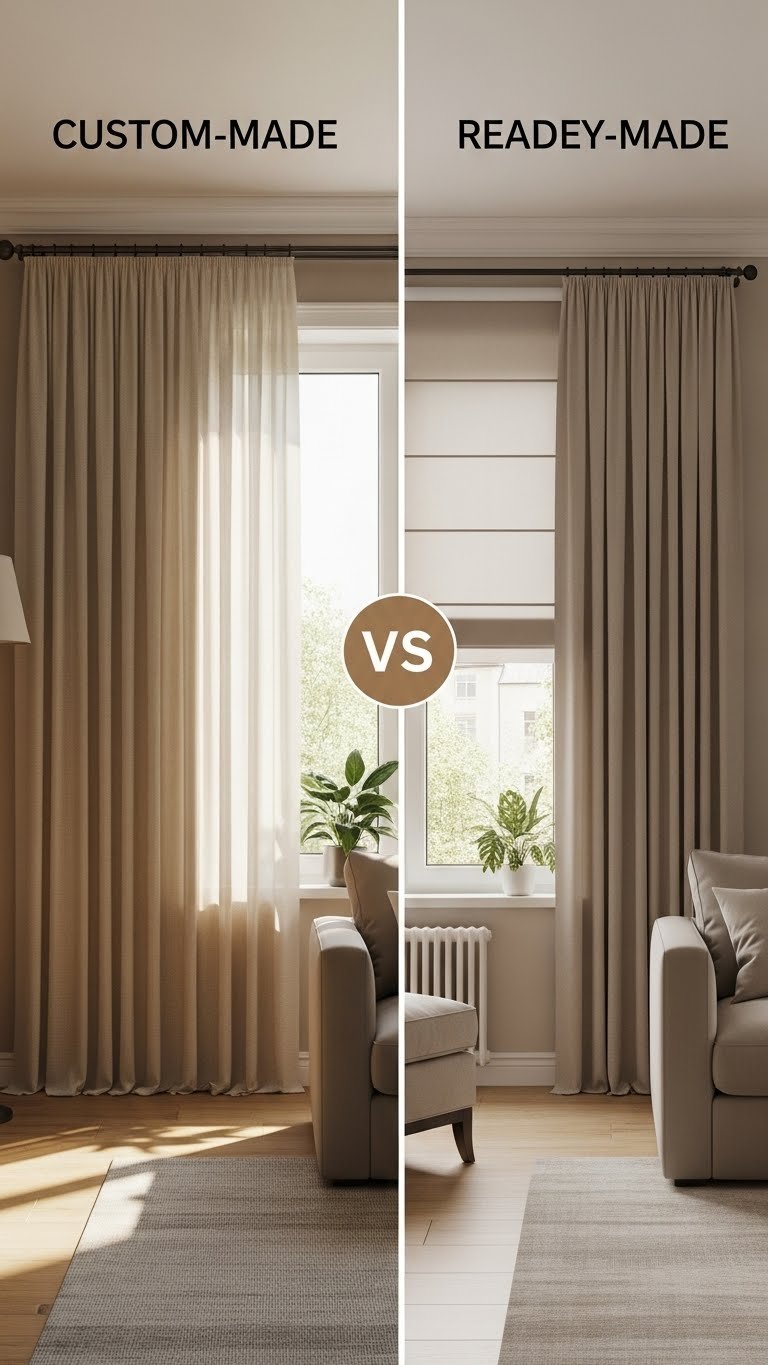
    Custom vs. Ready-Made: Choosing Your Perfect Beige Curtains

    If you’re steering through the nuanced world of beige curtain selection, understanding the key differences between custom and ready-made options can greatly impact your design outcomes.

    Custom curtain advantages include perfect fit and personalized style, while ready-made convenience offers immediate accessibility and cost-effectiveness for your design vision.

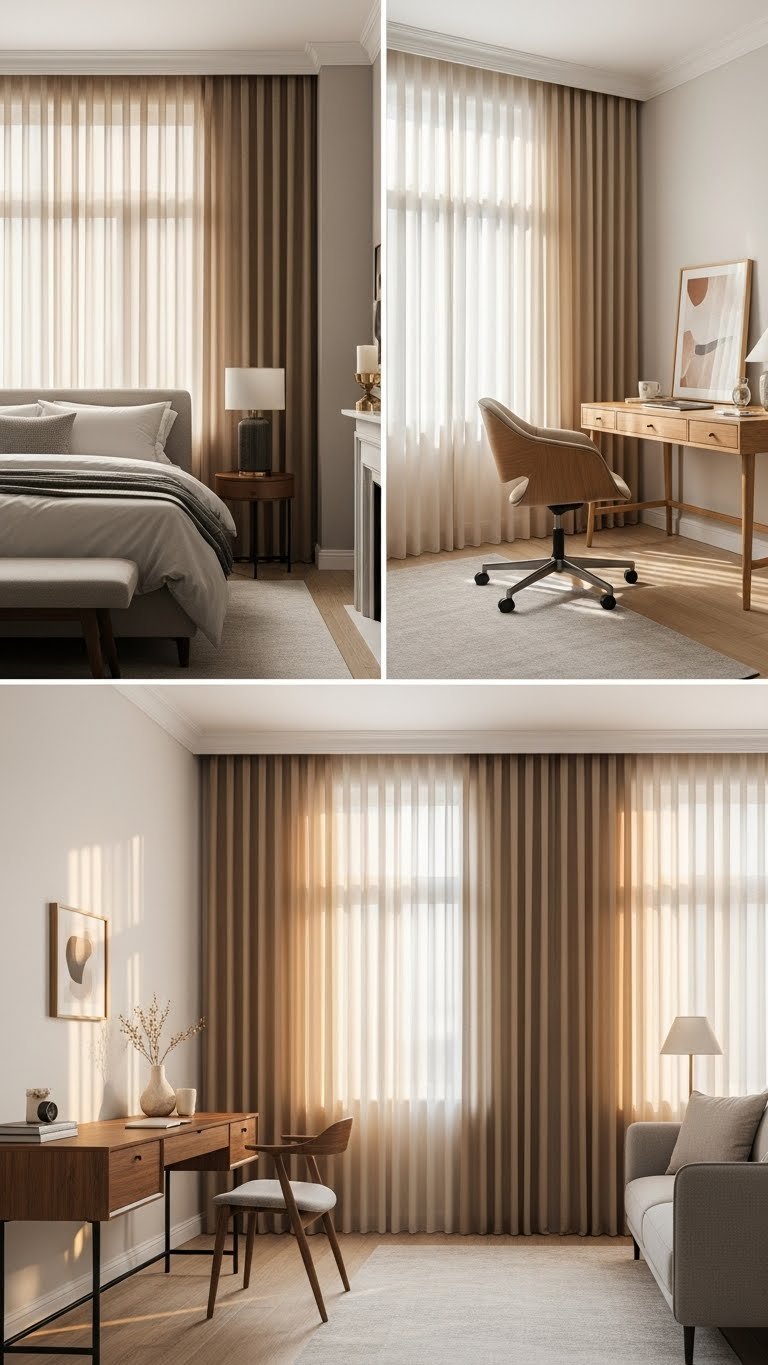
    Light Control Masters: Beige Curtains for Every Room

    While light control remains a critical element in interior design, beige curtains offer remarkable versatility across different living spaces.

    You’ll find their light filtering capabilities transform room ambiance effortlessly. From bedrooms to home offices, these curtains provide nuanced light management, allowing you to create precisely the atmosphere you desire with elegant, understated sophistication.

    Sustainable Style: Eco-Conscious Beige Curtain Choices

    Beyond ideal light management, sustainable home design now demands thoughtful material selection for window treatments.

    You’ll find eco-conscious beige curtains crafted from recycled materials offer style without compromise.

    Look for sustainable patterns woven from organic cotton, bamboo, or reclaimed textiles that reflect your commitment to environmental responsibility while maintaining aesthetic elegance.

    Texture Trends: 2026 Beige Curtain Fabric Innovations

    As textile innovation accelerates, 2026’s beige curtain fabric trends are pushing boundaries of texture and sensory experience.

    You’ll discover sustainable innovations featuring multi-dimensional weaves that transform light and space. Tactile fabrics like recycled silk blends and organic hemp create depth, while micro-textured surfaces offer visual intrigue without overwhelming your design aesthetic.

    Global Inspiration: Beige Curtains in International Design

    From within the intricate landscape of global interior design, beige curtains emerge as a versatile cultural canvas that transcends geographical boundaries.

    You’ll discover how cultural influences shape these elegant window treatments, reflecting diverse design philosophies from Scandinavian minimalism to Mediterranean warmth.

    Global trends reveal beige curtains as a universal language of sophisticated style.

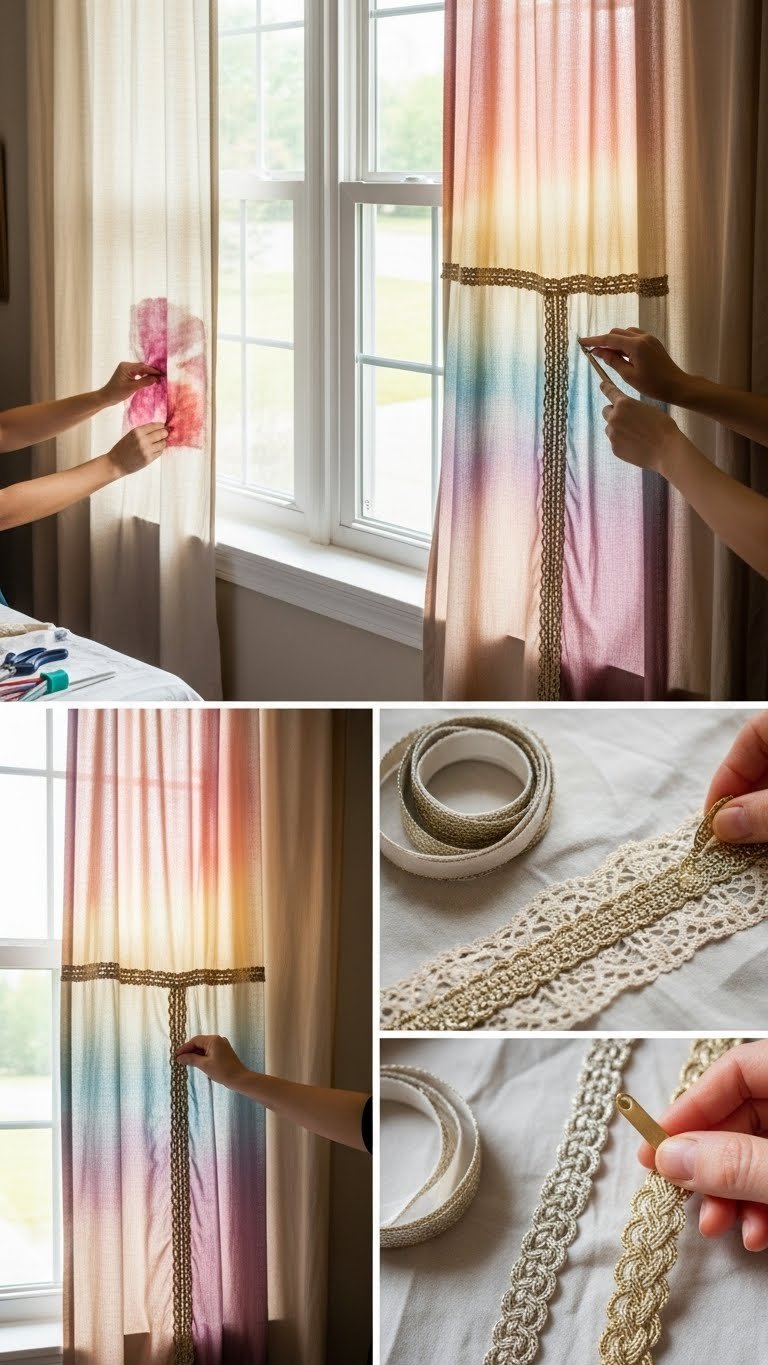
    DIY Curtain Customization: Elevating Basic Beige Panels

    When transforming basic beige curtains from mundane to magnificent, creative DIY techniques can reveal remarkable personalization potential.

    Experiment with dye techniques to introduce subtle color gradients or bold statement hues.

    Add intricate trim embellishments like lace, metallic ribbons, or decorative braids to elevate your panels and create a unique, expressive window treatment.

    Maintenance Matters: Keeping Beige Curtains Looking Fresh

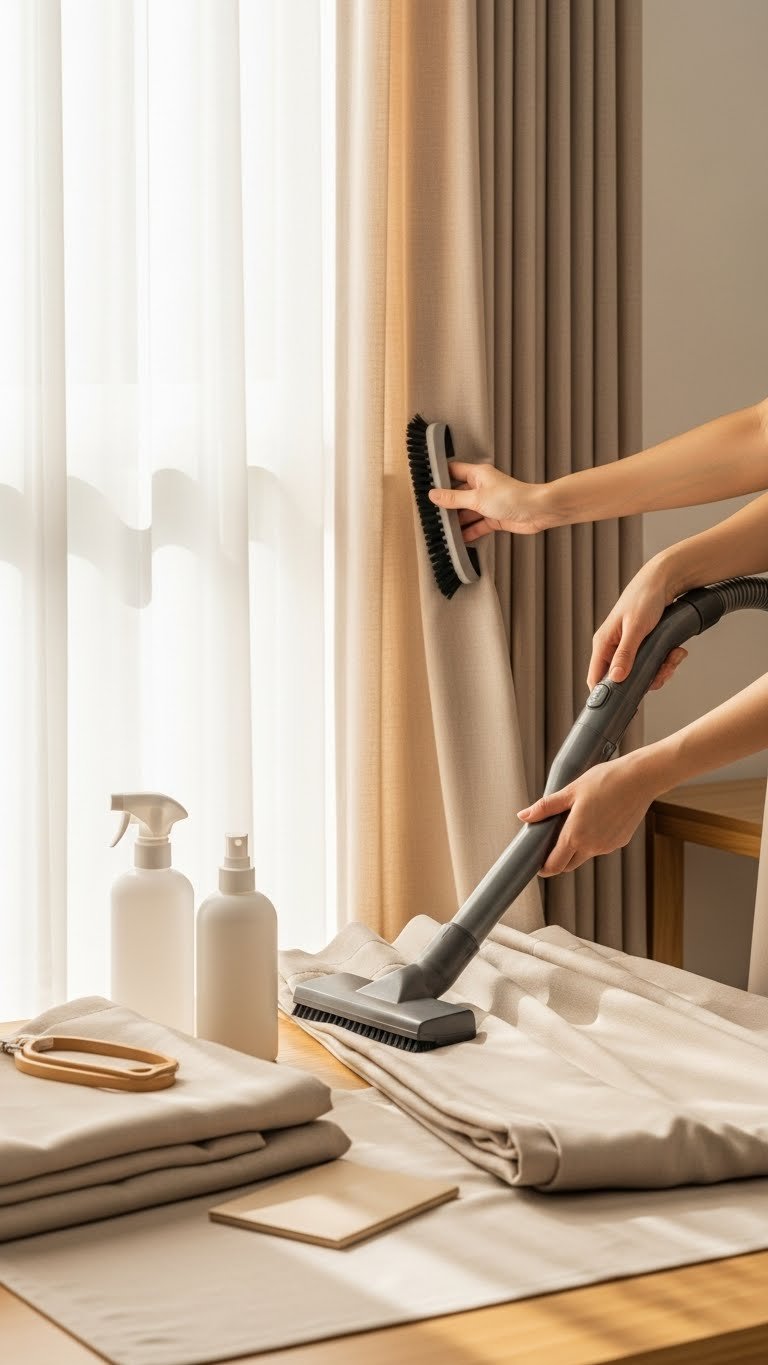
    After personalizing your beige curtains with creative DIY techniques, maintaining their pristine appearance becomes equally important. Implement regular curtain care routines like gentle vacuuming, spot cleaning with fabric-specific solutions, and careful stain removal to preserve their fresh look. Rotate and wash panels seasonally to prevent discoloration and maintain fabric integrity.

    Small Budget, Big Impact: Affordable Beige Curtain Strategies

    Although budget constraints often limit design options, transforming your space with beige curtains doesn’t have to break the bank.

    You’ll find budget-friendly options that make a stunning impact statement. Consider thrifted panels, DIY hem alterations, or discount store finds.

    Mixing textures and layering inexpensive curtains can dramatically elevate your room’s aesthetic without draining your wallet.

    Photography-Ready: Styling Beige Curtains for Social Media

    How do you transform beige curtains into a social media-worthy backdrop? Master photography tips by creating depth with strategic lighting and textural layering. Experiment with soft, diffused natural light and incorporate minimalist styling tricks that highlight your curtains’ elegant neutrality. Angle shots to showcase subtle texture and understated sophistication.

    Breaking Design Rules: Unexpected Ways to Use Beige Curtains

    While traditional design rules often confine beige curtains to safe, neutral spaces, contemporary interior stylists are boldly reimagining these versatile window treatments.

    You can challenge conventions by pairing beige curtains with unexpected patterns and bold accessories that create visual tension.

    Transform your space by layering textures, mixing design styles, and embracing unconventional color combinations that defy traditional expectations.

  • 26 Creative Earth-Tone House Interiors Ideas That Make Decorating Easy

    26 Creative Earth-Tone House Interiors Ideas That Make Decorating Easy

    You’ve probably wondered how to transform your living space without overwhelming complexity. Earth tones offer a sophisticated palette that bridges natural beauty and contemporary design, creating harmonious interiors that feel both intentional and effortless. From warm browns to muted greens, these colors aren’t just trends—they’re timeless solutions for making your home feel authentically curated. Want to discover how a few strategic color choices can revolutionize your entire interior approach?

    Earth Tones 101: Understanding Your Color Foundation

    When it comes to interior design, earth tones form the cornerstone of timeless, grounding aesthetics.

    You’ll find these colors deeply rooted in earth tone psychology, reflecting natural landscapes and cultural color significance.

    Ranging from warm browns to soft greens, these hues create spaces that feel simultaneously sophisticated and organically connected to the world around you.

    Khaki Decoded: The Ultimate Neutral Color Strategy

    Although khaki might seem like a simple color at first glance, it’s actually a nuanced neutral that serves as a powerful design tool in earth-toned interiors.

    Its khaki psychology suggests calm and stability, while its versatility allows you to transform spaces effortlessly.

    You’ll find khaki adapts seamlessly across furniture, walls, and accessories, creating sophisticated, grounded environments.

    How to Choose Perfect Earth-Tone Combinations?

    Wondering how to craft harmonious earth-tone palettes that breathe life into your interior spaces?

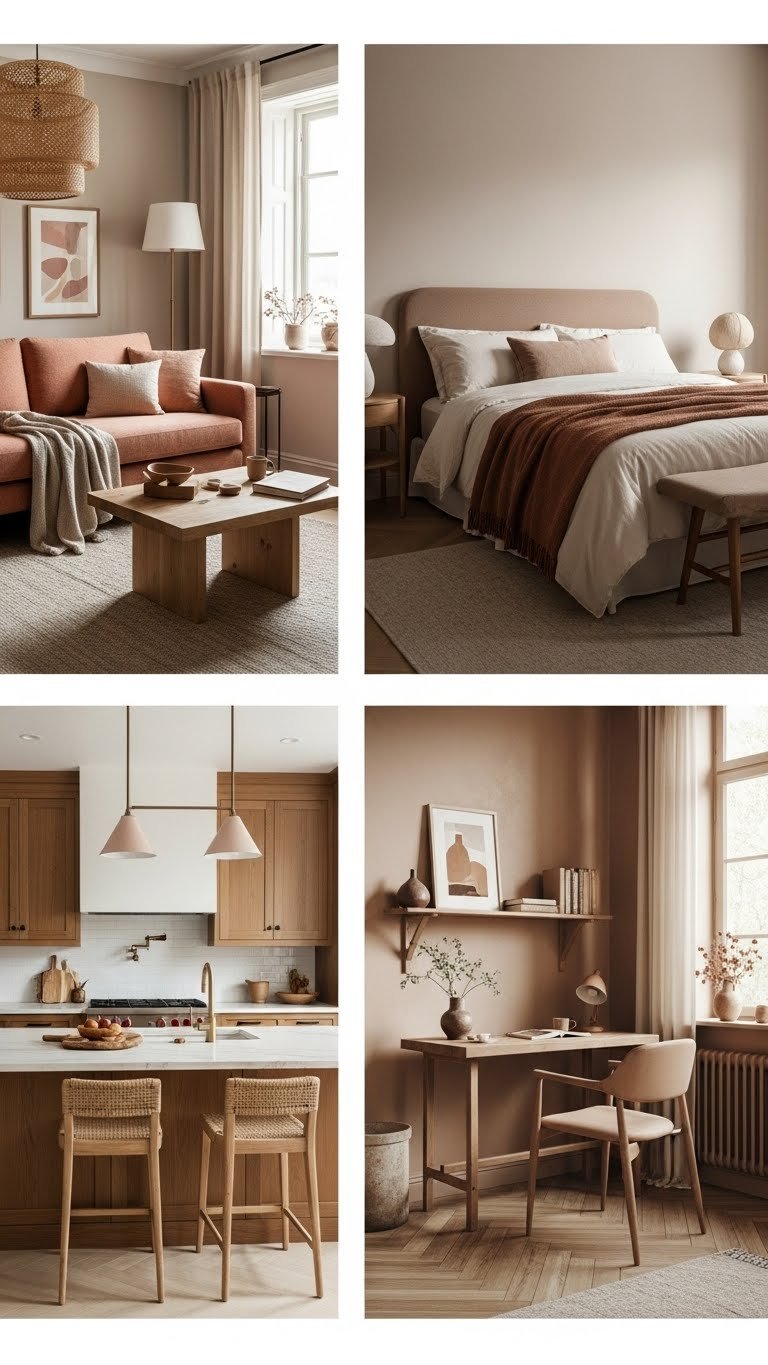
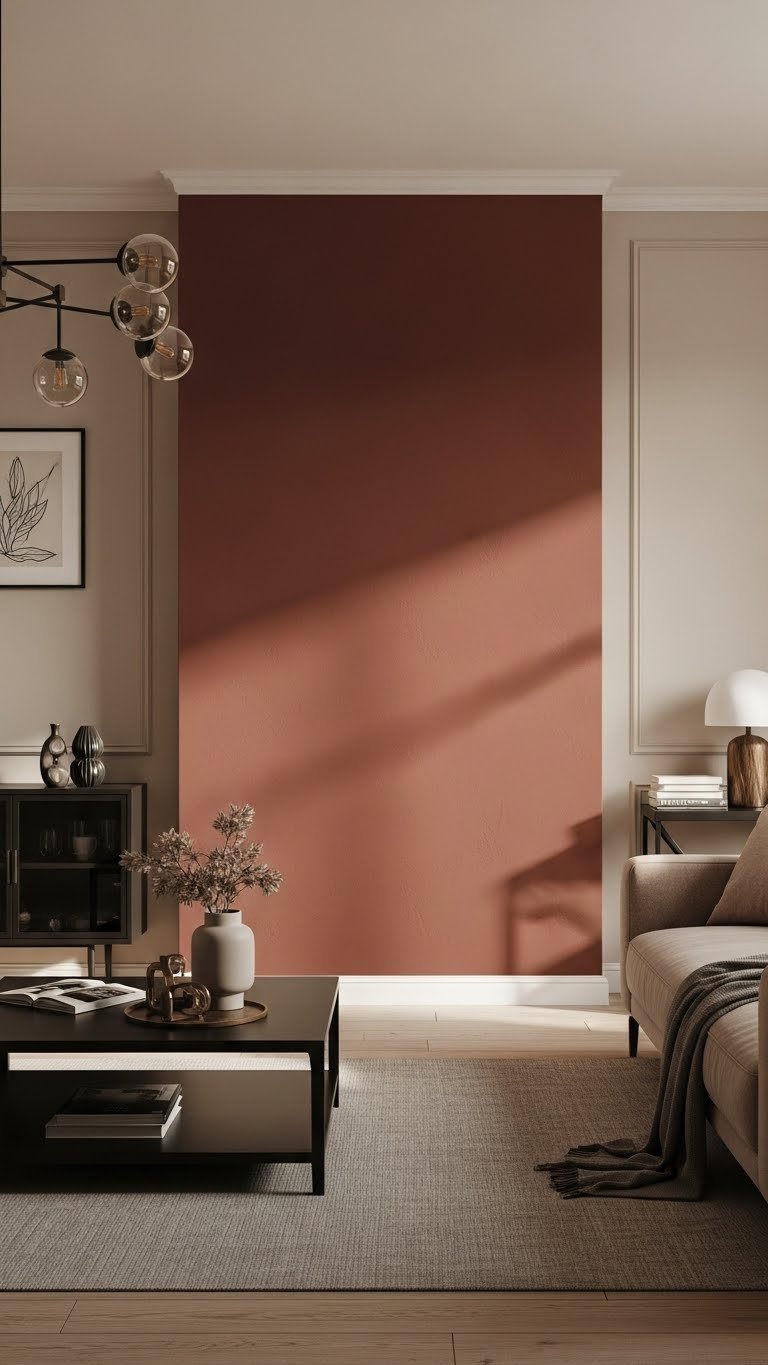
    Understanding color psychology helps you select seasonal palettes that transform rooms. Start by pairing warm terracottas with cool sage greens, or blend sandy beiges with deep chocolate browns.

    Your chosen combinations will create depth, balance, and a natural, liberated aesthetic that reflects your unique style.

    Living Rooms That Tell a Color Story

    Five essential design principles transform living rooms into narrative landscapes of color and emotion. You’ll curate earthy textures that speak volumes, blending warm accents like terracotta throw pillows and burnished bronze sculptures. Strategic layering creates depth, allowing each carefully selected element to contribute to your room’s unique chromatic storytelling.

    Kitchen Design: Nature-Inspired Color Techniques

    From the living room’s chromatic narrative, your kitchen becomes an extension of nature’s palette—a canvas where earth-inspired hues transform culinary spaces into sensory experiences.

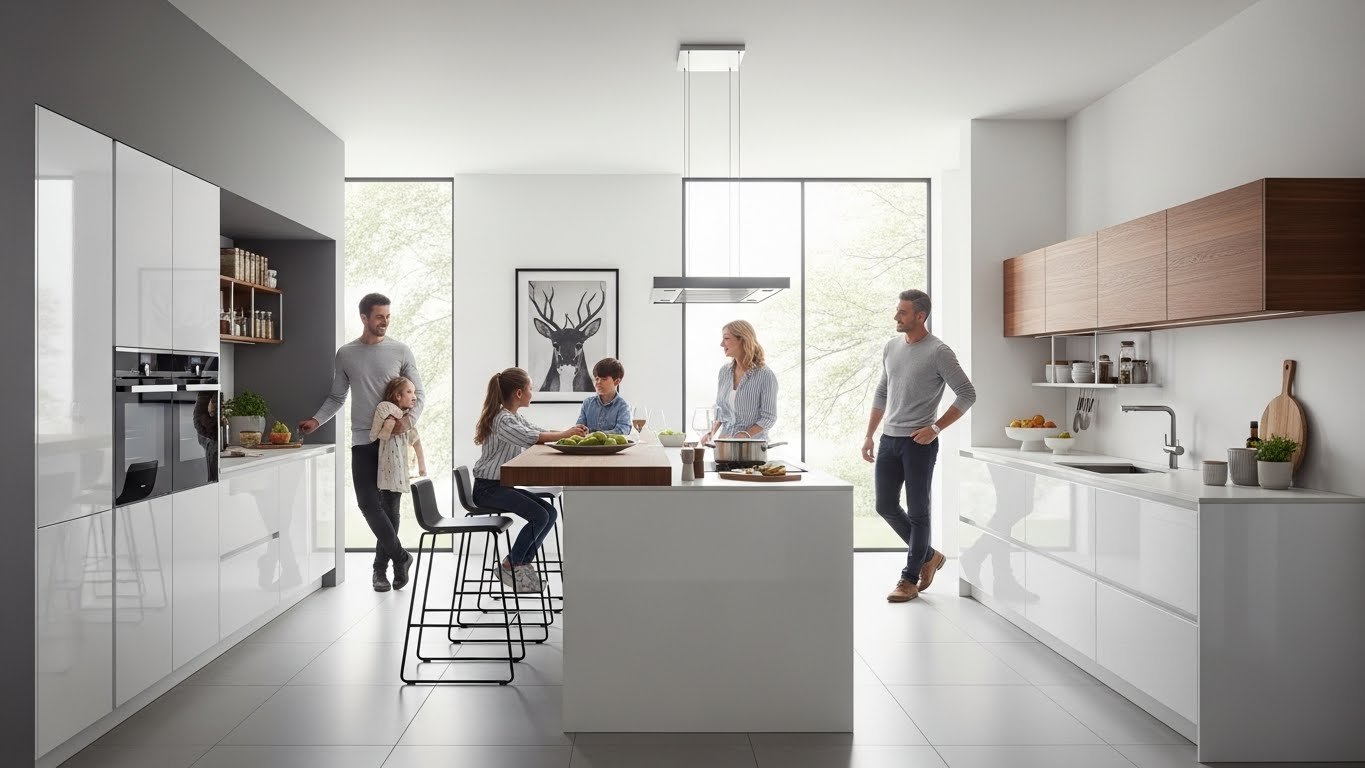
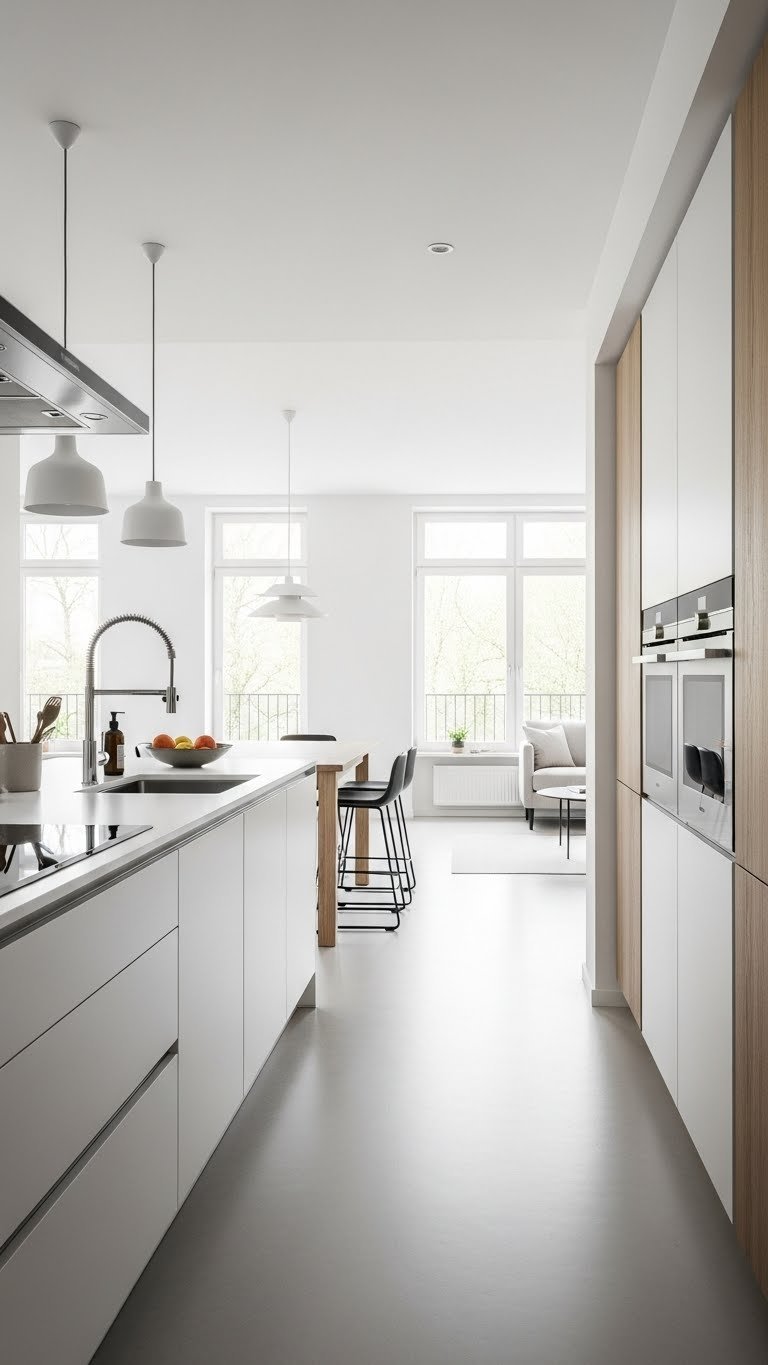
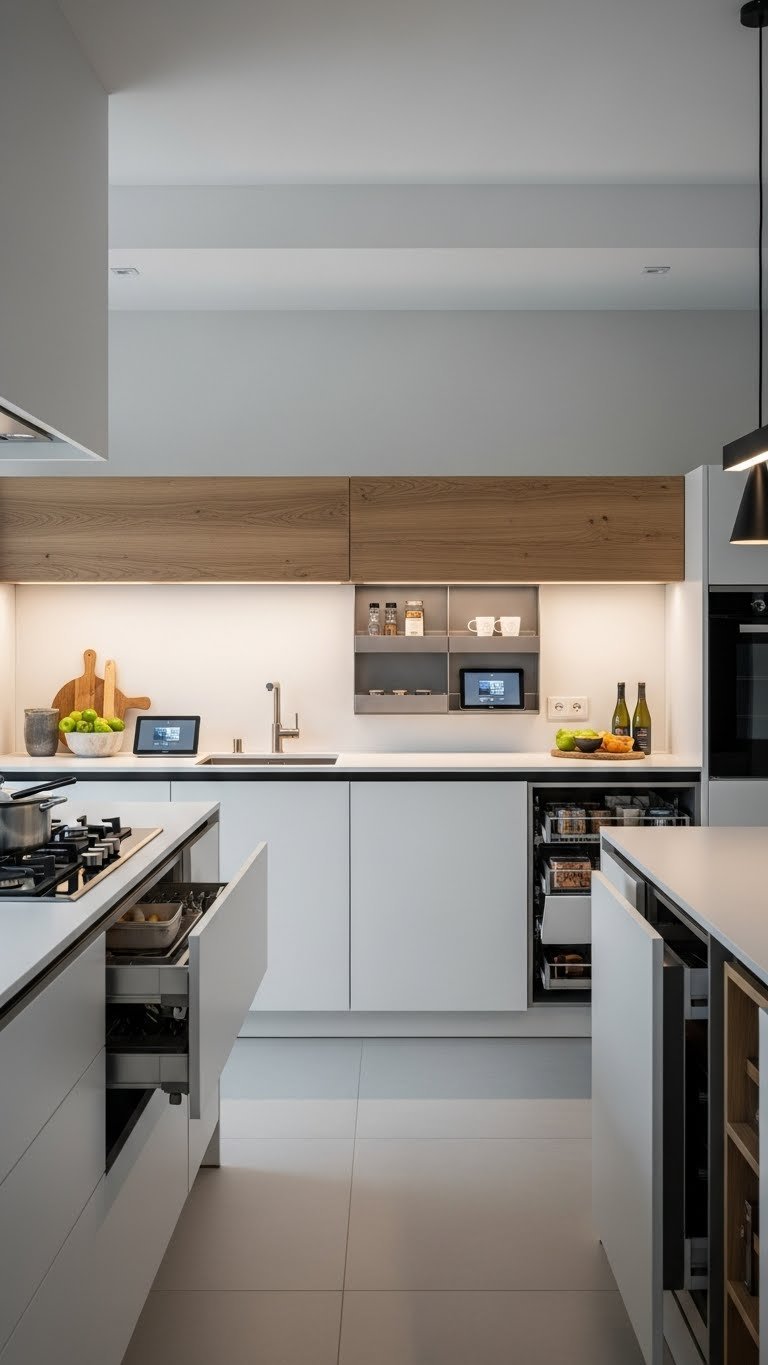
    Integrate natural wood cabinetry with ceramic accents in warm terracotta and sage green, creating depth and organic connection. Your kitchen will breathe with understated elegance and raw, elemental beauty.

    Bedroom Palettes for Total Relaxation

    While earth tones transform living spaces, bedrooms become sanctuaries of tranquility through carefully curated color palettes.

    You’ll create a serene sanctuary by blending muted browns, soft greens, and warm taupe.

    These calming influences harmonize naturally, promoting restful sleep and peaceful relaxation. Your bedroom becomes an intimate retreat that nurtures both body and spirit.

    Transform Small Spaces With Earthy Hues

    Because small spaces demand strategic design, earth tones become transformative allies in creating the illusion of expanded visual depth and harmony.

    You’ll maximize your room’s potential through earthy minimalism, using warm taupe, muted sage, and soft clay tones that visually stretch walls and create seamless small space solutions with sophisticated, breathable aesthetics.

    Minimalist Earth-Tone Accent Strategies

    Strategic accent placement transforms minimalist earth-tone interiors from mundane to mesmerizing.

    You’ll want to introduce earthy texture through carefully curated elements like woven baskets, ceramic vases, or a single sculptural wood piece.

    These minimalist accents create visual interest without overwhelming your serene, neutral space, allowing your design to breathe and speak softly.

    Color Layering: Professional Designer Secrets

    Though mastering color layering might seem intimidating, professional designers understand it’s an art of nuanced, intentional selection. You’ll unleash color psychology’s power by blending earth tones strategically, using gradual layering techniques that create depth and visual harmony. Experiment with textures and subtle shade variations to transform your space into a sophisticated, cohesive environment.

    Wood Tones That Complement Earth Palettes

    Beyond color layering’s subtle interplay, wood tones emerge as a powerful design element that can elevate earth-tone interiors.

    You’ll want to select warm woods with natural finishes that harmonize with your palette. Walnut, oak, and cedar offer rich, organic textures that ground your space, creating depth and visual interest while maintaining a cohesive, sophisticated aesthetic.

    Stone Accents: Natural Design Integration

    When integrating stone accents into earth-tone interiors, you’ll discover a transformative design element that anchors spaces with organic elegance.

    Stone textures create natural contrasts that elevate your rooms, introducing raw, tactile dimensions. Slate, marble, and quartzite surfaces provide visual depth, seamlessly connecting indoor environments with earth’s authentic architectural language.

    Budget-Friendly Color Transformation Tips

    If you’re looking to transform your earth-tone interior without breaking the bank, strategic color updates can dramatically refresh your living spaces.

    Explore affordable color options like paint accent walls, thrifted textiles, or removable wallpaper.

    Budget-conscious decorating means maximizing visual impact through smart, targeted investments that elevate your home’s aesthetic without extensive renovation costs.

    Lighting Tricks for Warmer Interiors

    After exploring budget-friendly color transformation techniques, lighting emerges as a powerful tool for enhancing the warmth and atmosphere of earth-tone interiors.

    You’ll want to leverage ambient light and natural illumination, strategically layering warm-toned fixtures to create a soft, inviting glow.

    Adjust color temperatures to elevate your space’s visual depth and emotional resonance.

    Textile Selection for Earthy Environments

    Because textiles play a crucial role in defining the sensory experience of earth-tone interiors, selecting the right fabrics can transform a space from merely decorated to deeply immersive. Choose textile materials like raw linen, wool, and cotton with subtle color patterns that echo natural landscapes. These tactile elements will ground your environment and create a sense of organic sophistication.

    Creating Depth With Multi-Tone Techniques

    While earth-tone interiors demand nuanced color strategies, multi-tone techniques offer designers a sophisticated approach to creating visual depth and sensory richness.

    You’ll elevate your space by mastering layering techniques that introduce subtle color contrast. Blend complementary earth shades strategically, allowing textures and tones to interact dynamically for a refined, dimensional aesthetic.

    Sustainable Color Choices Explained

    When selecting earth-tone color palettes, sustainable design principles now guide contemporary interior choices beyond mere aesthetic preferences.

    You’ll discover eco-friendly palettes that embrace sustainable materials, transforming spaces with natural pigments sourced responsibly.

    These conscious color selections reflect environmental stewardship while creating harmonious, elegant living environments that respect both design and ecological balance.

    Room-by-Room Earth-Tone Guide

    Although earth-tone color strategies differ across living spaces, you’ll want a tailored approach that maximizes each room’s unique potential and aesthetic harmony.

    Bold Accent Walls: Design Risks and Rewards

    Despite the potential for visual drama, earth-tone accent walls represent a nuanced design strategy that can dramatically transform interior spaces when executed with strategic intentionality.

    You’ll leverage contrast strategies to create bold visual impact, carefully balancing rich terracotta or deep olive tones against neutral backdrops, ensuring your design reflects confident aesthetic choices without overwhelming the room’s natural harmony.

    Modern Architectural Color Principles

    Because contemporary architectural design demands sophisticated color strategies, modern color principles have evolved to transcend traditional decorative approaches.

    You’ll find that modern palettes aren’t just colors, but architectural statements that communicate spatial intention. Your design choices can transform rooms by strategically using earth tones to create depth, harmony, and visual narrative.

    Transitioning From Pale to Rich Neutrals

    Color layering represents a sophisticated architectural approach when moving from pale to rich neutrals in interior design. You’ll want to strategically blend pale neutrals like soft taupe and ivory with deeper, more saturated rich neutrals such as deep mocha and charcoal to create nuanced, harmonious spaces that feel both refined and effortlessly dynamic.

    Natural Material Color Pairing Masterclass

    Every thoughtful earth-tone interior design hinges on masterful natural material color pairing, which transforms spaces from mere rooms into sophisticated sensory experiences.

    You’ll discover that natural hue harmonization requires intentional selection of organic material palettes, blending wood tones, stone textures, and clay elements to create depth and visual coherence that feels both intentional and effortlessly organic.

    Unexpected Color Combination Techniques

    How might unconventional color pairings transform earth-tone interiors from predictable to extraordinary?

    By embracing unexpected palettes, you’ll reveal color psychology’s transformative power.

    Experiment with sage green and dusty terracotta, or blend deep olive with muted coral.

    These daring combinations challenge traditional design norms, creating spaces that feel both sophisticated and liberating, inviting personal expression through bold chromatic choices.

    Designing for Indoor-Outdoor Flow

    When reimagining earth-tone interiors, architects and designers increasingly recognize the transformative potential of seamless indoor-outdoor connections.

    You’ll want large glass sliding doors, neutral color palettes, and natural materials that blur boundaries.

    These indoor aesthetics create fluid shifts, allowing your living spaces to breathe and expand beyond traditional architectural constraints.

    Texture and Color: Advanced Integration

    Because earth-tone interiors demand nuanced sensory experiences, designers now leverage sophisticated texture and color integration techniques that transform spaces from mere visual landscapes into tactile, immersive environments.

    You’ll achieve textural harmony by layering natural materials like wool, linen, and raw silk against muted backdrops, creating depth and visual intrigue through strategic color balance.

    Professional Styling With Earth Tones

    Mastering professional styling with earth tones requires strategic visual composition and intentional material selection.

    You’ll want to leverage earth tone symbolism and color psychology to create spaces that feel grounded yet dynamic.

    Choose textures and hues that evoke natural harmony, allowing your interior design to communicate depth, stability, and sophisticated aesthetic sensibility.

    Future of Color: Design Trend Predictions

    As design landscapes continually evolve, earth tone palettes are poised to transcend traditional boundaries, transforming from mere aesthetic choices into holistic environmental statements.

    You’ll witness color psychology driving design innovation, with subtle browns, muted greens, and warm terracottas becoming more than decor—they’ll represent personal connection, sustainability, and intentional living spaces that reflect individual narratives.

  • 21 Fresh Oversized Statement Mirror Concepts Ideas That Make Decorating Easy

    21 Fresh Oversized Statement Mirror Concepts Ideas That Make Decorating Easy

    You’ve probably walked past bland walls a thousand times, wondering how to transform your space without complex renovations. Statement mirrors aren’t just reflective surfaces—they’re design magic waiting to happen. With strategic placement and bold sizing, these oversized pieces can instantly amplify light, create visual depth, and inject personality into any room. Curious about how a single design element can revolutionize your home’s aesthetic? Let’s explore the unexpected potential of statement mirrors.

    How Mirrors Magically Transform Living Spaces

    Every interior designer knows the transformative power of an oversized statement mirror in creating visual magic within living spaces. These reflective surfaces generate enchanting illusions that instantly expand rooms, amplify natural light, and dramatically alter your spatial perception.

    You’ll discover how strategic mirror placement can revolutionize your home’s aesthetic and emotional atmosphere.

    Understanding Mirror Types: Beyond Basic Reflections

    Though mirrors might seem uniform at first glance, they’re actually a nuanced design element with remarkable variety.

    Different reflection materials and mirror shapes transform spaces dramatically. From beveled edges to frameless designs, you’ll discover how each type creates unique visual dynamics, offering you unprecedented freedom to craft your interior’s personal aesthetic.

    The Science of Light: Mirrors as Spatial Enhancers

    Strategically placed mirrors can dramatically transform a room’s perception of space and luminosity, working almost like architectural alchemy to manipulate light and depth.

    Choosing the Perfect Mirror: Size, Shape, Style Guide

    A thoughtful mirror selection isn’t just about finding a reflective surface—it’s about curating a design element that transforms your space’s aesthetic and functional dynamics.

    Consider scale, proportion, and your room’s architectural language.

    Seek decorative balance that amplifies your space’s natural light and creates functional elegance through strategic placement and impactful design.

    Room-by-Room Mirror Placement Strategies

    Having selected the perfect mirror that reflects your design aesthetic, you’ll want to maximize its impact through intentional room-specific placement.

    Strategic reflection transforms spaces, with each room offering unique opportunities. In the living room, position your oversized mirror to amplify light and create visual depth.

    Bedroom and entryway placements can dramatically expand perceived space and elevate your decor.

    Luxury on a Budget: Smart Mirror Selection Techniques

    While transforming your space with an oversized statement mirror doesn’t require emptying your wallet, it demands strategic shopping and design intelligence.

    Look for sales, consider secondhand markets, and compare prices across retailers. Smart mirror shopping means balancing quality and affordability, selecting pieces that elevate your decor without overwhelming your budget.

    Gold Frame Glamour: Selecting Elegant Mirror Borders

    Gold-framed mirrors represent the pinnacle of sophisticated interior design, transforming ordinary spaces into luxurious environments with their radiant borders.

    You’ll want to explore intricate designs that elevate your decor, focusing on border materials like brushed gold, antique brass, or polished metallic finishes.

    Select frames that complement your room’s aesthetic with precision and style.

    Vintage vs. Modern: Mirror Styles Decoded

    Although mirror styles can dramatically transform interior spaces, understanding the nuanced differences between vintage and modern designs requires a strategic approach to selection.

    You’ll find vintage aesthetics celebrate ornate details and rich textures, while modern minimalism embraces clean lines and simplistic elegance.

    Your choice reflects personal style and spatial harmony.

    Small Space Miracles: Expanding Rooms Visually

    Spatial illusion becomes your secret weapon when strategically placing oversized statement mirrors in compact rooms.

    You’ll transform cramped areas through smart space optimization, creating visual illusion that dramatically expands perceived dimensions.

    Large mirrors reflect light, create depth, and make small spaces feel exponentially larger, giving you design freedom without architectural renovation.

    DIY Mirror Frame Makeovers: Professional Secrets

    When professional designers want to elevate a mirror’s aesthetic without breaking the bank, they turn to transformative DIY frame makeovers that can completely reimagine your space’s visual narrative.

    With the right professional tools and creative diy frame materials, you’ll unveil endless customization potential, turning an ordinary mirror into a stunning focal point that reflects your unique style and design vision.

    Lighting Tricks: Mirrors as Illumination Multipliers

    Because strategic mirror placement can transform the luminosity of any interior space, designers leverage mirrors as powerful light-amplifying tools that dramatically enhance room brightness and perceived dimensions.

    You’ll discover that reflective surfaces brilliantly bounce ambient lighting, creating depth and expanding visual space with minimal effort and maximum style impact.

    Entryway Statement Mirrors: First Impression Makers

    While first impressions set the tone for any home’s interior design, entryway statement mirrors serve as dynamic visual anchors that immediately communicate your personal style and aesthetic sensibility.

    Your choice of mirror materials, frame options, and wall textures can transform an ordinary entryway into a stunning space that reflects your unique decorative vision and enhances lighting effects.

    Bathroom Mirror Magic: Design and Functionality

    Although bathroom mirrors transcend mere functional accessories, they’re pivotal design elements that can dramatically elevate your space’s aesthetic and practical utility. You’ll transform bathroom aesthetics by selecting oversized mirrors that create functional reflections, expanding visual dimensions and introducing dramatic style while maximizing practical space perception and lighting dynamics.

    Living Room Mirror Placement: Designer Pro Tips

    Strategic mirror placement can transform your living room from a simple gathering space into a design masterpiece that amplifies light, creates visual depth, and reflects your personal style.

    Position mirrors at smart angles to maximize living room functionalities, expanding spatial perception and capturing natural light with intentional, designer-approved precision.

    Sunburst Mirrors: Creating Dramatic Focal Points

    Radiance meets artistry in the world of sunburst mirrors—dramatic design statements that instantly elevate living room aesthetics.

    These bold sunburst designs showcase artistic craftsmanship, transforming blank walls into enchanting focal points.

    You’ll love how their intricate rays create visual drama, drawing the eye and infusing your space with dynamic, contemporary energy.

    Layering Mirrors: Advanced Depth Techniques

    When designers seek to transform ordinary walls into extraordinary visual experiences, mirror layering emerges as a sophisticated interior design technique that adds remarkable depth and dimension. You’ll master advanced mirror layering techniques by strategically positioning frames of varying sizes, creating visual intrigue and amplifying spatial perception through intelligent reflective compositions.

    Matching Mirrors to Your Interior Design Theme

    Because every interior design theme carries its unique aesthetic language, selecting the right oversized statement mirror requires thoughtful consideration of your space’s existing design narrative.

    You’ll want to achieve mirror theme harmony by matching frame finishes, styles, and color palette coordination that seamlessly integrate with your room’s overall design vision.

    Safe Mirror Hanging: Professional Installation Guide

    After carefully selecting the perfect oversized statement mirror that complements your interior design theme, ensuring safe and professional installation becomes the next priority.

    You’ll need sturdy wall anchors, precise measurement tools, and knowledge of your wall’s structural composition to guarantee mirror safety and prevent potential accidents during installation techniques.

    Cleaning and Maintaining Statement Mirrors

    While statement mirrors elevate interior aesthetics, their pristine appearance depends on consistent, strategic cleaning and maintenance.

    You’ll want to invest in specialized mirror care techniques, using microfiber cloths and gentle cleaning solutions.

    Avoid abrasive materials that could damage reflective surfaces.

    Regular, careful maintenance guarantees your statement mirror remains a stunning focal point in your space.

    Creative Mirror Placement in Unexpected Spaces

    When designers break traditional decorating rules, statement mirrors become transformative design elements that can dramatically reshape interior perceptions.

    You’ll discover unexpected nooks can become stunning focal points with strategic mirror placement.

    Hallway enhancements transform mundane spaces, creating depth and visual intrigue that elevate your home’s aesthetic with minimal effort.

    As innovative designers push beyond traditional mirror placements, the horizon of mirror design beckons with cutting-edge technological and aesthetic breakthroughs.

    You’ll witness smart technology integrating interactive features, eco-friendly materials transforming minimalist designs, and artistic expressions emerging through customizable shapes that redefine personal space and visual experiences.

  • 21 Sleek Open Kitchen Design Ideas To Transform Your Space

    21 Sleek Open Kitchen Design Ideas To Transform Your Space

    Are you tired of cramped, outdated kitchen spaces that limit your culinary creativity? Modern open kitchen designs aren’t just about aesthetics—they’re transformative environments that seamlessly blend functionality with style. Your kitchen can become more than a cooking area; it’s a dynamic social hub where design meets practicality. From sleek minimalist layouts to intelligent storage solutions, these 21 innovative design concepts will challenge everything you thought you knew about kitchen spaces. Want to revolutionize your home’s most important room?

    21 Sleek Open Kitchen Design Ideas to Transform Your Space

    The modern kitchen is a canvas awaiting transformation.

    Embrace modern minimalism with sleek design elements that maximize space efficiency.

    Opt for clean lines, integrated appliances, and neutral color palettes that create an open, breathable environment.

    Your kitchen becomes more than a cooking space—it’s a dynamic, versatile area that reflects contemporary living.

    While contemporary kitchen design continues to evolve, current trends emphasize functionality, minimalism, and seamless integration of technology and aesthetic appeal.

    You’ll discover that minimalist aesthetics now prioritize clean lines, hidden appliances, and multifunctional spaces.

    These design approaches offer functional flexibility, enabling you to create a kitchen that’s both visually striking and supremely practical.

    Assess Your Kitchen’s Current Limitations

    Transforming your kitchen begins with an honest evaluation of its existing constraints and potential.

    Analyze your kitchen’s traffic flow, identifying bottlenecks and inefficient spaces.

    Consider user preferences and how current layout limitations impact cooking, entertaining, and daily functionality.

    Understanding these challenges will guide your open kitchen design strategy.

    Evaluate Open vs. Closed Layout Options

    Whether you’re renovating or reimagining your culinary space, choosing between open and closed kitchen layouts demands careful consideration of your lifestyle, home architecture, and functional needs.

    Open layout benefits include enhanced social interaction and improved light flow, while closed layout drawbacks can limit spatial connectivity and visual appeal.

    Your design choice should reflect your personal aesthetic and practical requirements.

    Design Your Optimal Kitchen Work Triangle

    After determining your preferred kitchen layout, optimizing your workspace becomes the next strategic design priority.

    Craft a kitchen work triangle that maximizes kitchen ergonomics and workflow optimization. Position your sink, stove, and refrigerator in a triangular formation, keeping each point 4-9 feet apart to create an efficient, fluid cooking environment.

    Create Efficient Zones Without Blocking Flow

    While optimizing your kitchen’s spatial arrangement, you’ll want to strategically design functional zones that enhance workflow without compromising the overall sense of openness. Implement zoning strategies that subtly define areas through lighting, flooring shifts, or subtle architectural elements, ensuring flow optimization remains seamless and intuitive throughout your culinary space.

    Select the Perfect Kitchen Island Configuration

    How do you transform a kitchen island from a mere countertop into the dynamic centerpiece of your culinary space?

    Consider island shapes that enhance workspace flow: L-shaped for corner utility, rectangular for sleek symmetry, or curved designs that invite social interaction.

    Choose configurations that maximize movement, integrate appliances seamlessly, and reflect your lifestyle’s unique rhythm.

    Optimize Countertop Geometry for Smooth Movement

    Since kitchen workflow determines culinary efficiency, strategic countertop geometry transforms your island from a passive surface to an active workspace navigator.

    You’ll want to design a countertop layout that minimizes unnecessary steps, creating fluid movement patterns that enhance your cooking experience and maximize movement efficiency in your open kitchen design.

    Maximize Hidden Storage With Smart Solutions

    Where traditional kitchens sacrifice precious space, innovative open kitchen designs are redefining storage potential through ingenious hidden compartments.

    You’ll maximize functionality with multi-use furniture that seamlessly integrates into your layout.

    Pull-out pantry shelves, under-island drawers, and wall-mounted solutions transform dead spaces into smart storage zones, giving you ultimate kitchen freedom.

    Illuminate Your Kitchen With Strategic Lighting

    Why settle for a flat, lifeless kitchen when strategic lighting can transform your space into a vibrant culinary sanctuary?

    Layer task lighting under cabinets and pendant lights above islands to create depth. Ambient illumination softens harsh angles, making your kitchen feel inviting and dynamic.

    Strategically placed lights won’t just illuminate—they’ll elevate your entire cooking environment.

    Choose Panel-Ready Appliances for Seamless Design

    When designing an open kitchen, panel-ready appliances offer the ultimate in sleek, sophisticated integration.

    You’ll love how these custom panel designs seamlessly blend your refrigerator, dishwasher, and other appliances into cabinetry.

    Integrate Smart Technology Strategically

    How can smart technology transform your open kitchen into a cutting-edge culinary hub?

    Smart appliances with app integration and voice control are revolutionizing kitchen automation.

    You’ll enjoy intuitive design that enhances cooking assistance, boosts energy efficiency, and provides advanced security features.

    These intelligent systems seamlessly blend technology with your kitchen’s aesthetic, creating a truly modern culinary space.

    Balance Minimalism With Personal Style

    Beyond smart technology’s precision, an open kitchen design celebrates personal expression through thoughtful minimalism.

    You’ll want to curate minimalist accents that reflect your unique style, selecting personalized decor that tells your story without overwhelming the space.

    Strategic placement of meaningful pieces creates visual interest while maintaining a clean, uncluttered aesthetic.

    Select Organic Materials and Natural Palettes

    As modern design increasingly embraces nature’s inherent beauty, open kitchen spaces are transforming through organic materials and earthy color palettes that connect indoor environments with natural landscapes.

    You’ll want to incorporate sustainable materials like reclaimed wood, stone countertops, and bamboo accents to create a harmonious, grounded aesthetic that reflects your connection to the natural world.

    Design a Functional Beverage Station

    When designing an open kitchen, creating a dedicated beverage station can transform your culinary space into a stylish and efficient hub for morning coffee, afternoon tea, or evening cocktails.
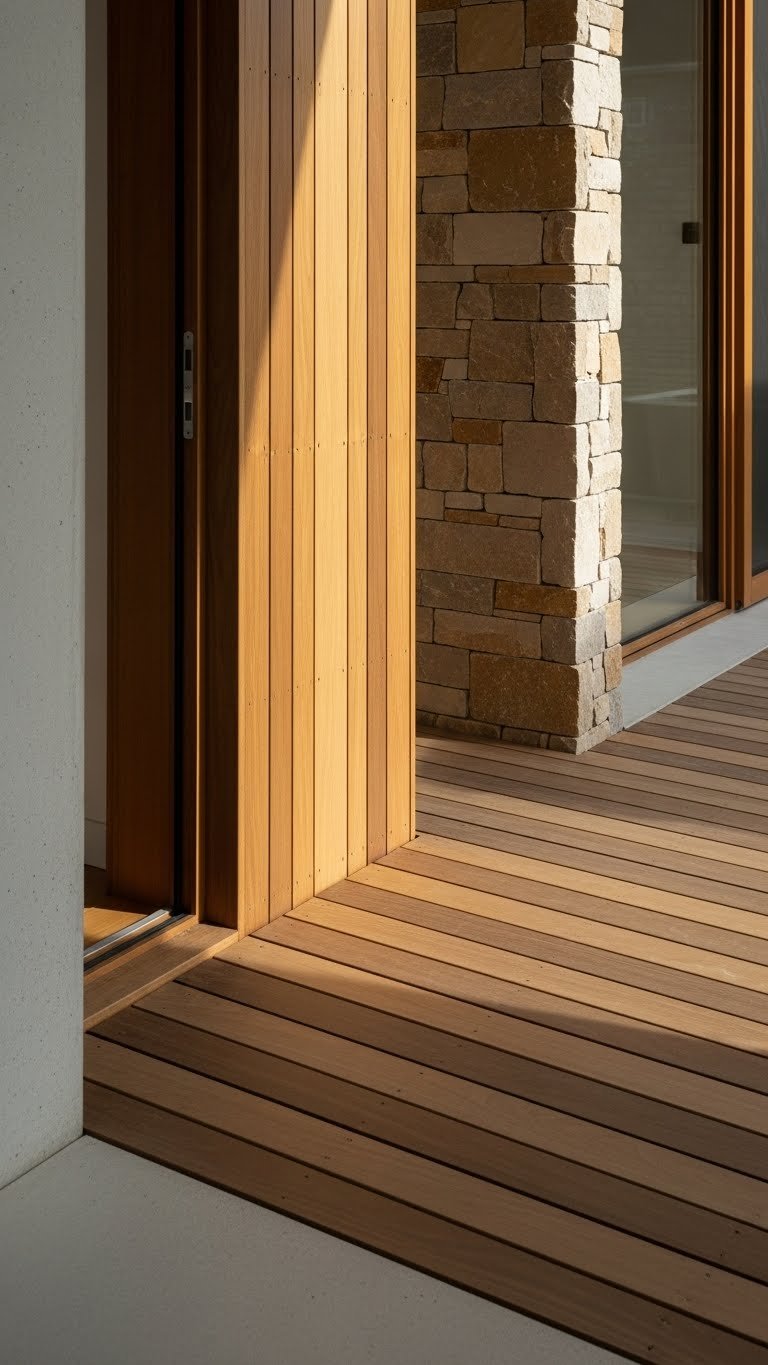
    Consider sleek shelving for beverage storage and integrate stylish accessories like copper mugs, glass carafes, and elegant glassware to elevate your station’s aesthetic and functionality.

    Create Pet-Friendly Kitchen Spaces

    While modern kitchens are designed for human comfort, pet owners increasingly seek spaces that accommodate their furry companions without compromising style or functionality.

    You’ll want to prioritize pet-friendly flooring like scratch-resistant tiles or sealed hardwood and choose safe kitchen materials that resist stains and can withstand playful paws.

    Strategic design guarantees harmony between your pet’s needs and your aesthetic vision.

    Maximize Storage With Vertical Cabinetry

    Because kitchen storage often feels like a perpetual challenge, vertical cabinetry emerges as a sophisticated solution for modern homeowners seeking maximum organizational efficiency.

    You’ll find that innovative cabinetry styles maximize vertical storage, transforming unused wall space into sleek, functional areas that elevate your kitchen’s aesthetic while providing ample room for cookware, pantry items, and culinary essentials.
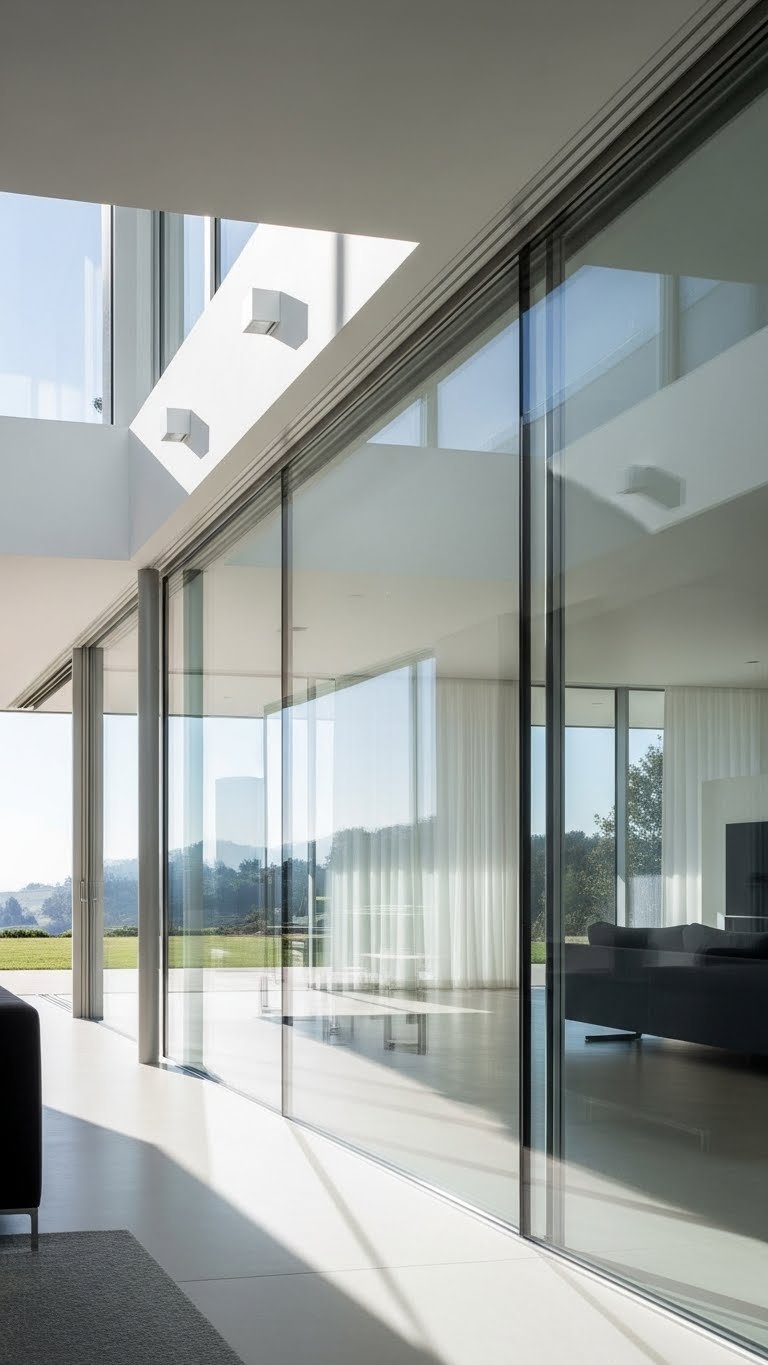
    Mix Materials for Textural Richness

    Although kitchen design trends continuously evolve, material layering has emerged as a pivotal strategy for creating visually dynamic and tactically sophisticated spaces.

    You’ll want to blend wood accents with sleek metal finishes, creating depth and visual interest.
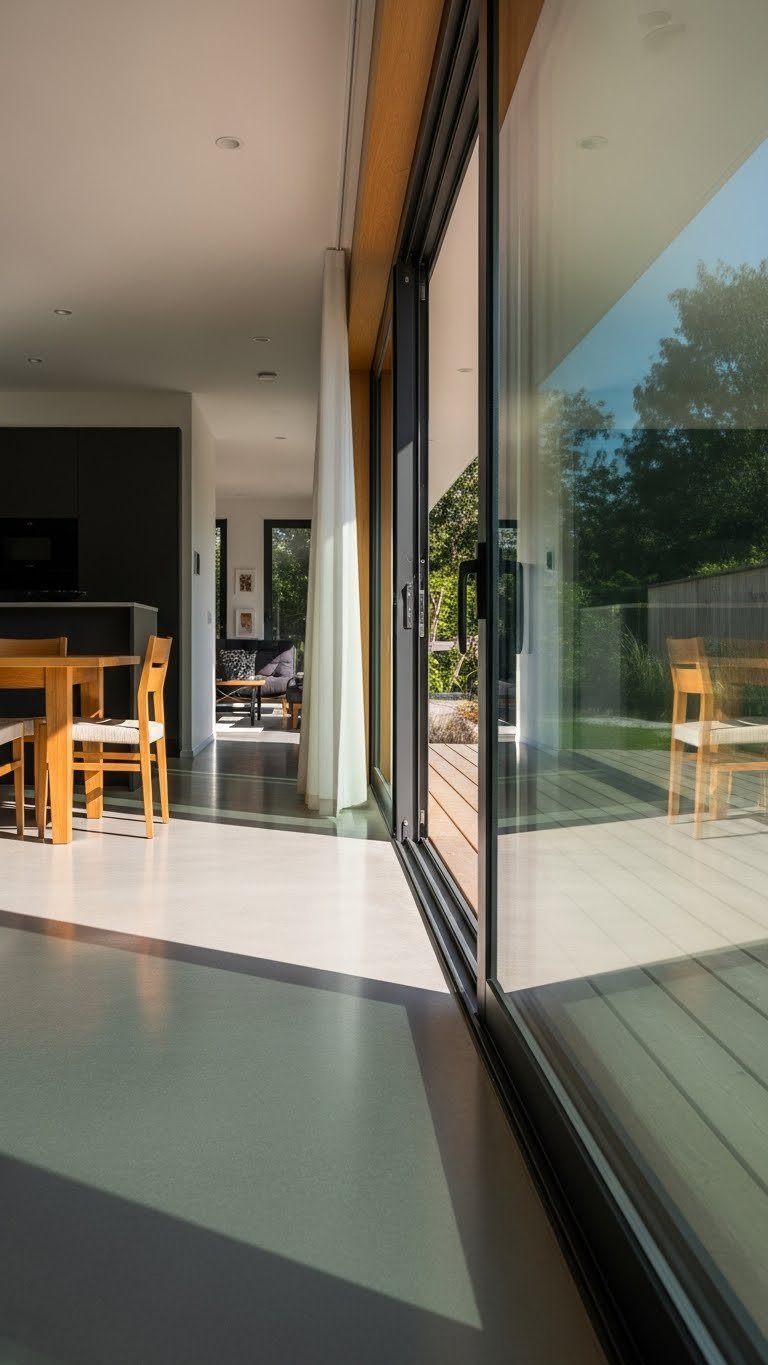
    Combining contrasting textures like smooth marble countertops and rough-hewn wooden shelving can transform your kitchen into a sensory masterpiece.

    Choose Timeless Backsplash and Color Schemes

    Material interplay sets the stage for another critical design element: your kitchen’s color and backsplash selection.

    You’ll want timeless materials that reflect color psychology—neutral tones like soft grays and warm whites create calm, while subway tiles and marble offer enduring elegance.

    Your choices should feel both sophisticated and liberating, transforming your space with understated confidence.

    Implement Adaptable Modular Kitchen Systems

    When designing modern kitchens, modular systems represent the pinnacle of flexible functionality and contemporary aesthetics.

    You’ll love how adaptable kitchen systems allow you to customize your space effortlessly.
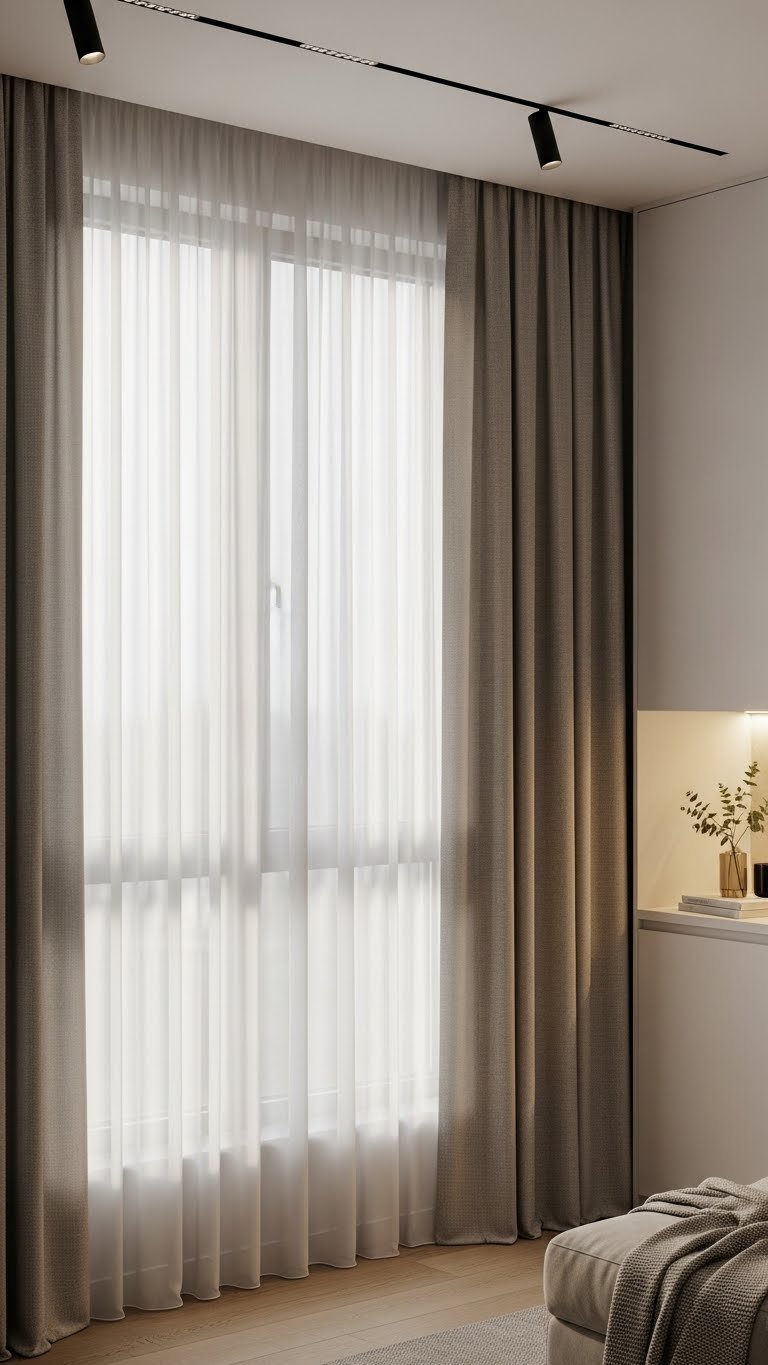
    Modular kitchen components let you reconfigure layouts, swap storage solutions, and create a dynamic cooking environment that evolves with your lifestyle and design preferences.

    Curate Display Spaces Effectively

    Beyond modular configurations, strategic display spaces transform kitchens from purely functional areas into personalized design statements.

    You’ll want to integrate display shelving that showcases your culinary personality.

    Select decorative accents like artisan ceramics, vintage cookbooks, or curated glassware that reflect your style, turning open kitchen surfaces into dynamic visual narratives that elevate your space’s aesthetic potential.