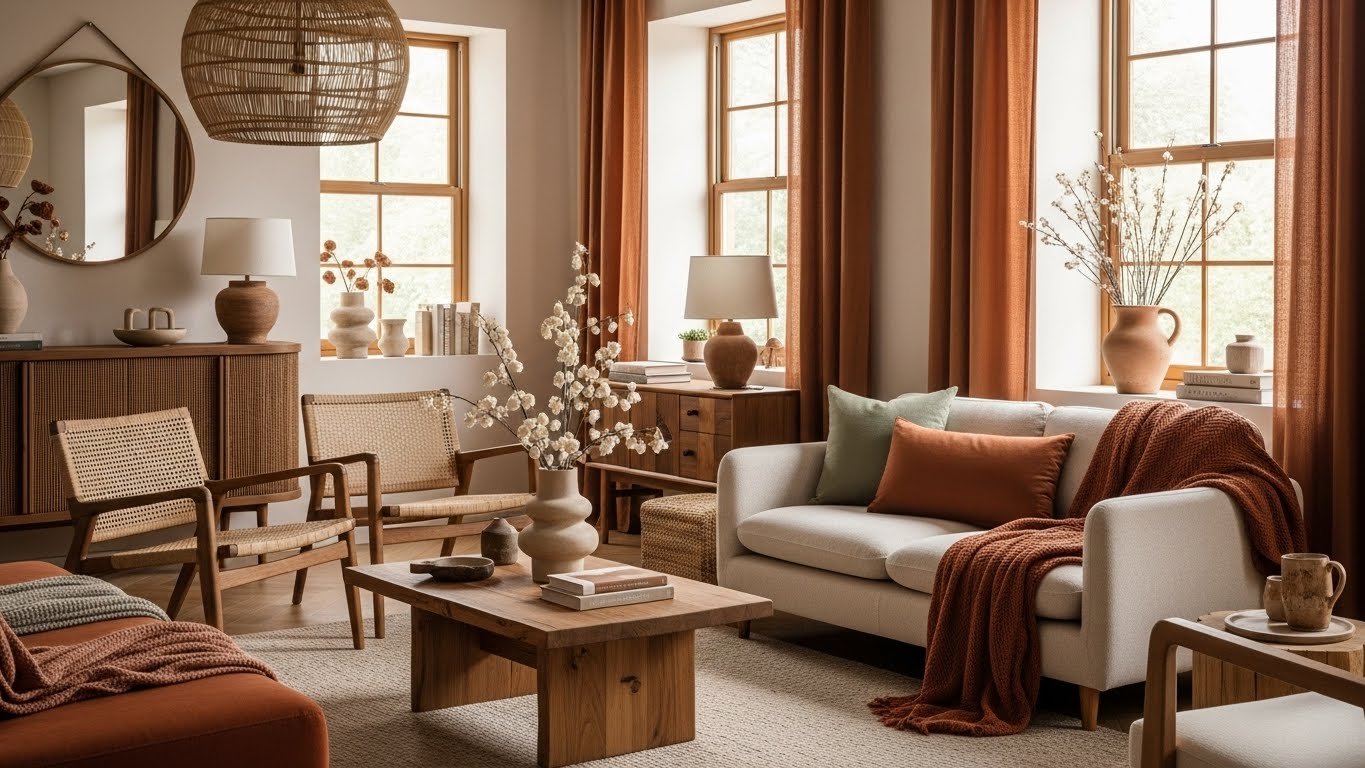
You’ve probably wondered how to transform your living space without overwhelming complexity. Earth tones offer a sophisticated palette that bridges natural beauty and contemporary design, creating harmonious interiors that feel both intentional and effortless. From warm browns to muted greens, these colors aren’t just trends—they’re timeless solutions for making your home feel authentically curated. Want to discover how a few strategic color choices can revolutionize your entire interior approach?
Earth Tones 101: Understanding Your Color Foundation
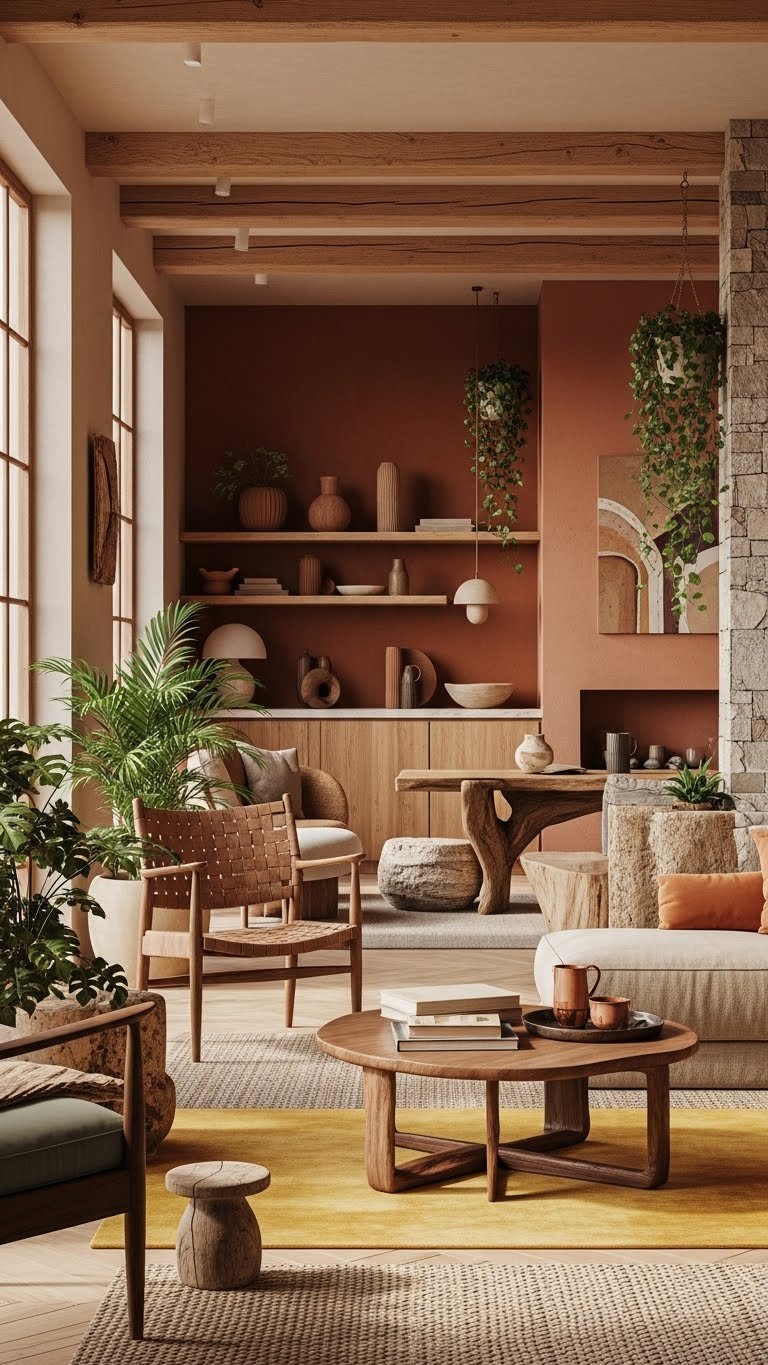
When it comes to interior design, earth tones form the cornerstone of timeless, grounding aesthetics.
You’ll find these colors deeply rooted in earth tone psychology, reflecting natural landscapes and cultural color significance.
Ranging from warm browns to soft greens, these hues create spaces that feel simultaneously sophisticated and organically connected to the world around you.
Khaki Decoded: The Ultimate Neutral Color Strategy

Although khaki might seem like a simple color at first glance, it’s actually a nuanced neutral that serves as a powerful design tool in earth-toned interiors.
Its khaki psychology suggests calm and stability, while its versatility allows you to transform spaces effortlessly.
You’ll find khaki adapts seamlessly across furniture, walls, and accessories, creating sophisticated, grounded environments.
How to Choose Perfect Earth-Tone Combinations?
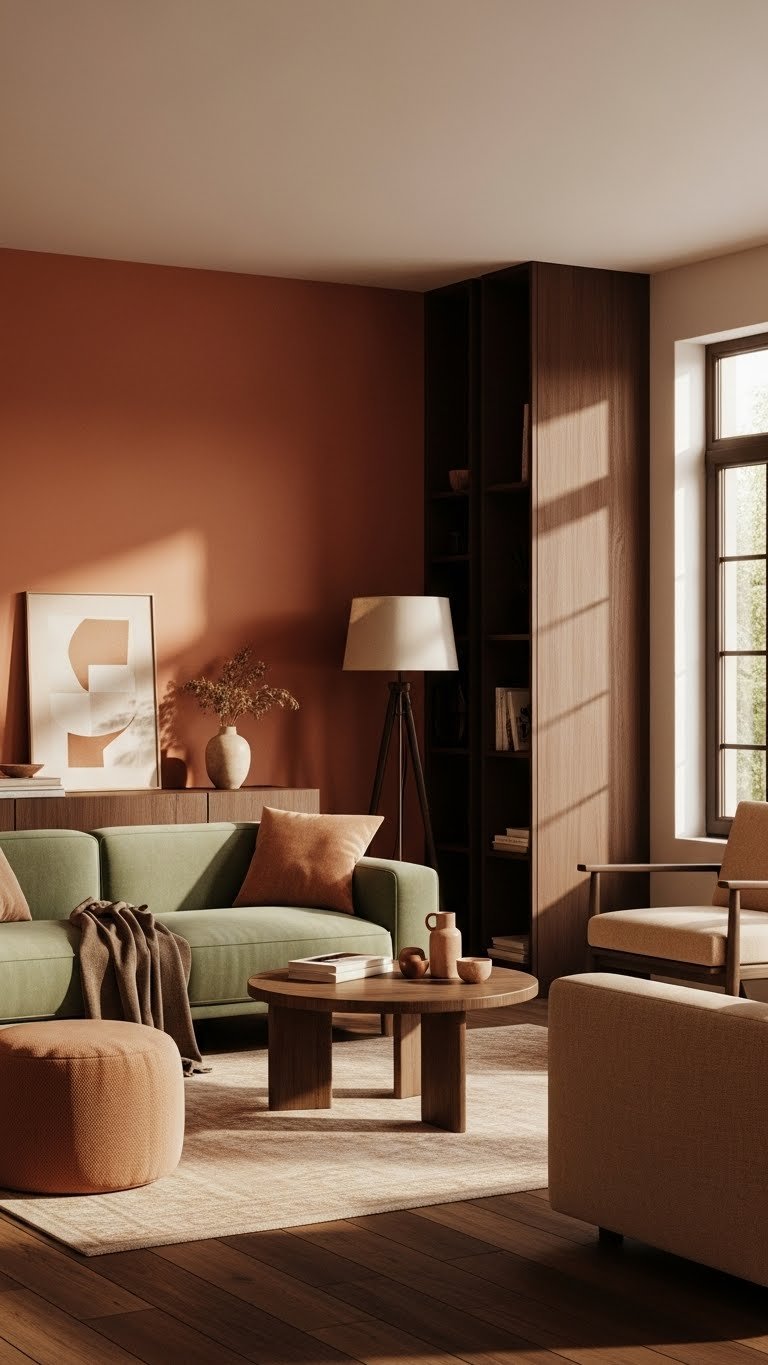
Wondering how to craft harmonious earth-tone palettes that breathe life into your interior spaces?
Understanding color psychology helps you select seasonal palettes that transform rooms. Start by pairing warm terracottas with cool sage greens, or blend sandy beiges with deep chocolate browns.
Your chosen combinations will create depth, balance, and a natural, liberated aesthetic that reflects your unique style.
Living Rooms That Tell a Color Story

Five essential design principles transform living rooms into narrative landscapes of color and emotion. You’ll curate earthy textures that speak volumes, blending warm accents like terracotta throw pillows and burnished bronze sculptures. Strategic layering creates depth, allowing each carefully selected element to contribute to your room’s unique chromatic storytelling.
Kitchen Design: Nature-Inspired Color Techniques

From the living room’s chromatic narrative, your kitchen becomes an extension of nature’s palette—a canvas where earth-inspired hues transform culinary spaces into sensory experiences.
Integrate natural wood cabinetry with ceramic accents in warm terracotta and sage green, creating depth and organic connection. Your kitchen will breathe with understated elegance and raw, elemental beauty.
Bedroom Palettes for Total Relaxation

While earth tones transform living spaces, bedrooms become sanctuaries of tranquility through carefully curated color palettes.
You’ll create a serene sanctuary by blending muted browns, soft greens, and warm taupe.
These calming influences harmonize naturally, promoting restful sleep and peaceful relaxation. Your bedroom becomes an intimate retreat that nurtures both body and spirit.
Transform Small Spaces With Earthy Hues

Because small spaces demand strategic design, earth tones become transformative allies in creating the illusion of expanded visual depth and harmony.
You’ll maximize your room’s potential through earthy minimalism, using warm taupe, muted sage, and soft clay tones that visually stretch walls and create seamless small space solutions with sophisticated, breathable aesthetics.
Minimalist Earth-Tone Accent Strategies
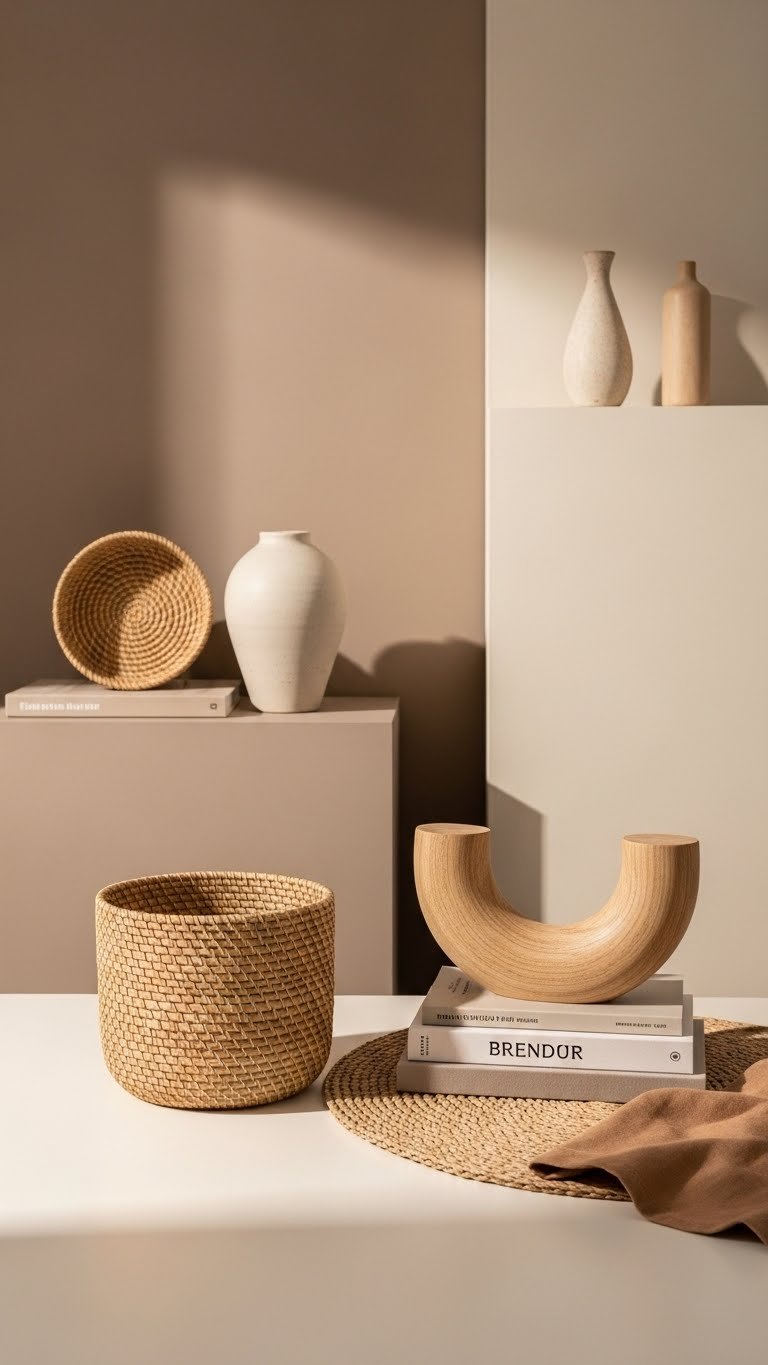
Strategic accent placement transforms minimalist earth-tone interiors from mundane to mesmerizing.
You’ll want to introduce earthy texture through carefully curated elements like woven baskets, ceramic vases, or a single sculptural wood piece.
These minimalist accents create visual interest without overwhelming your serene, neutral space, allowing your design to breathe and speak softly.
Color Layering: Professional Designer Secrets
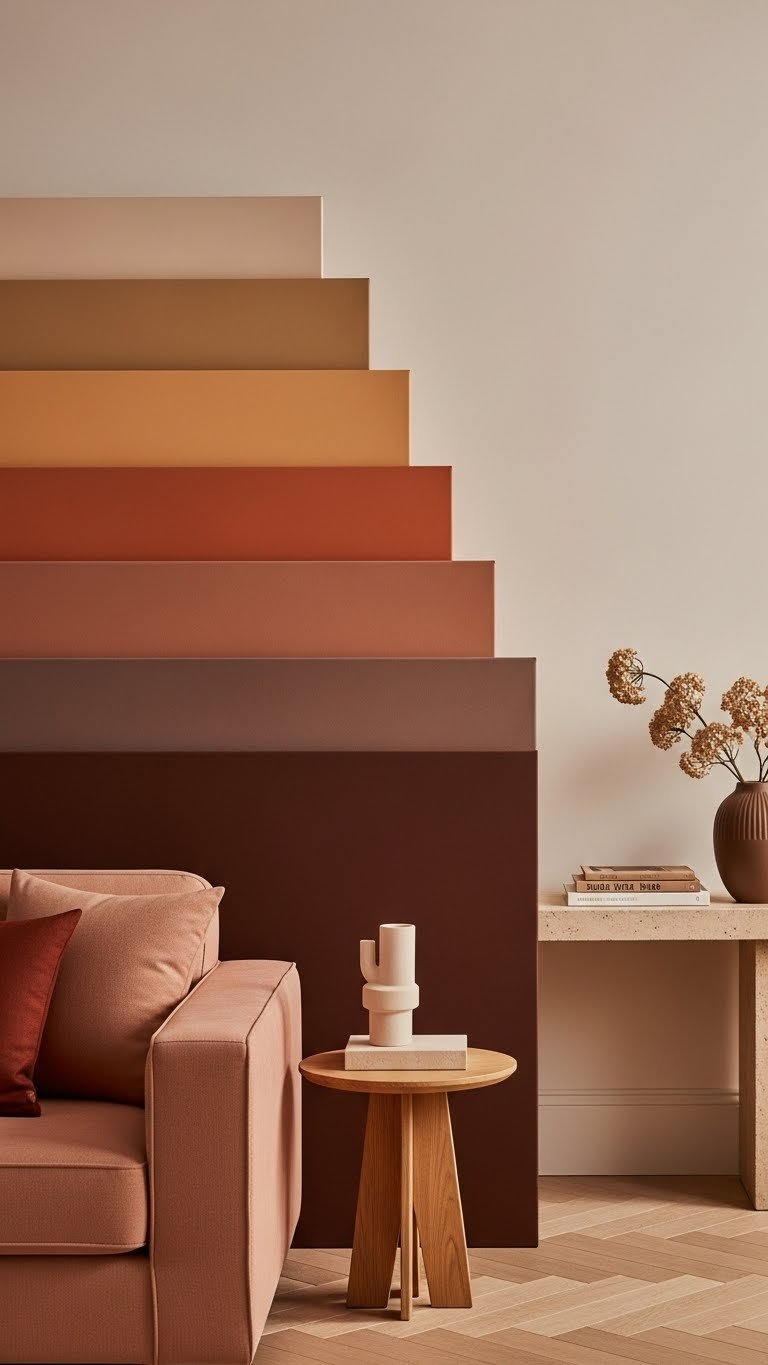
Though mastering color layering might seem intimidating, professional designers understand it’s an art of nuanced, intentional selection. You’ll unleash color psychology’s power by blending earth tones strategically, using gradual layering techniques that create depth and visual harmony. Experiment with textures and subtle shade variations to transform your space into a sophisticated, cohesive environment.
Wood Tones That Complement Earth Palettes
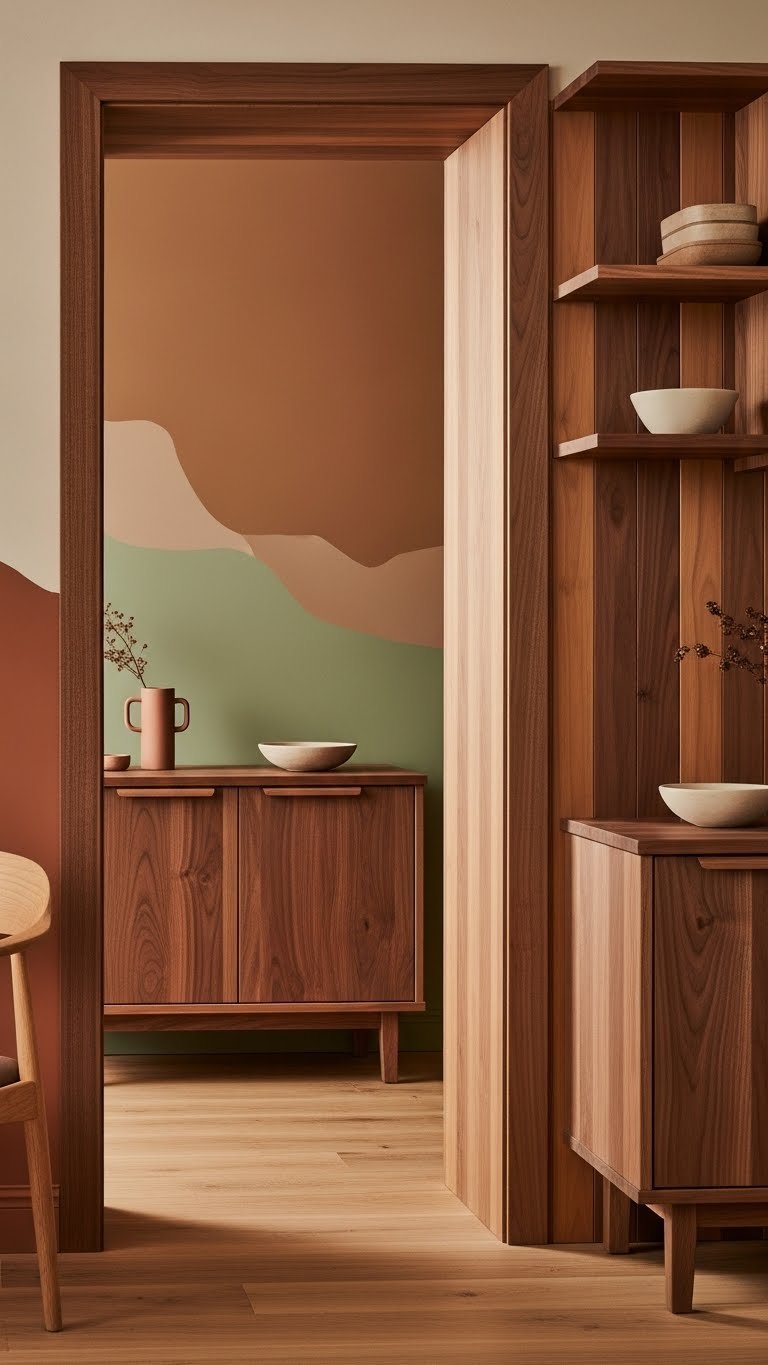
Beyond color layering’s subtle interplay, wood tones emerge as a powerful design element that can elevate earth-tone interiors.
You’ll want to select warm woods with natural finishes that harmonize with your palette. Walnut, oak, and cedar offer rich, organic textures that ground your space, creating depth and visual interest while maintaining a cohesive, sophisticated aesthetic.
Stone Accents: Natural Design Integration
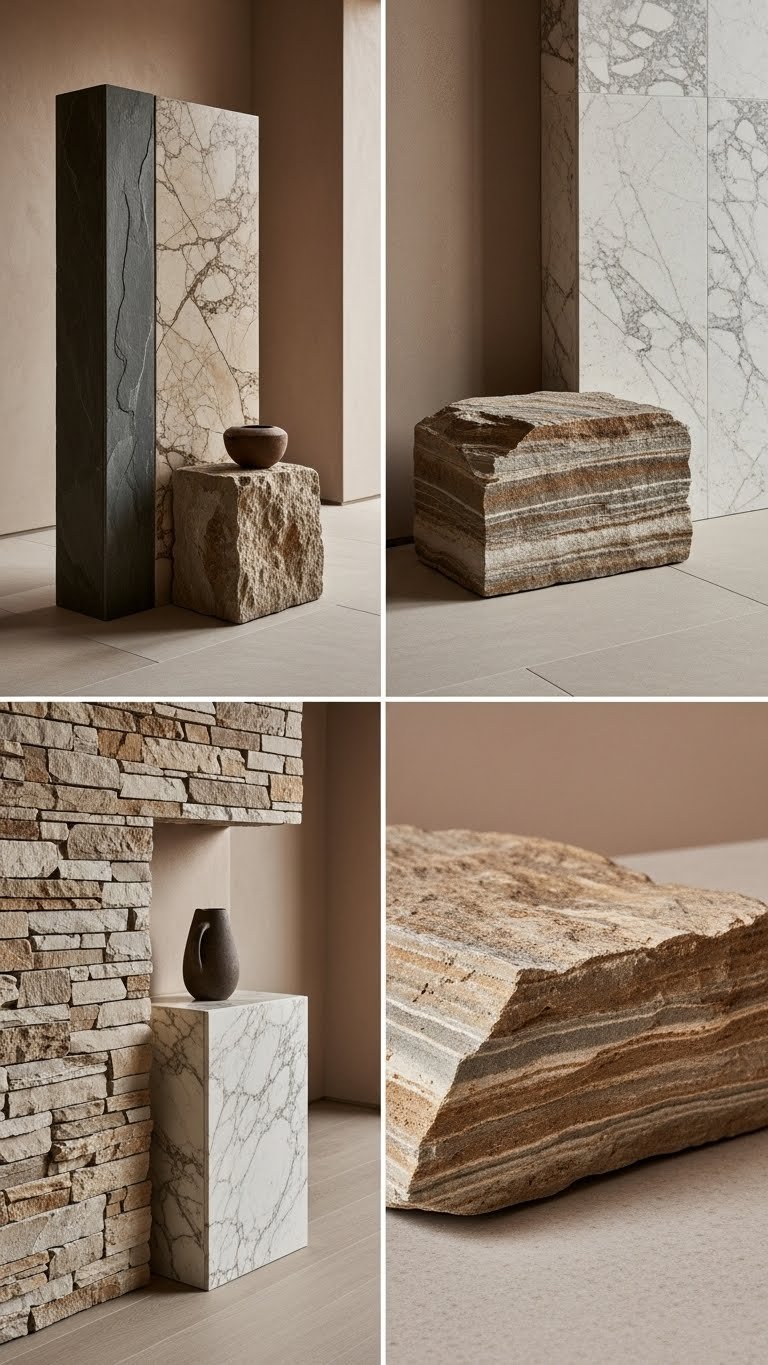
When integrating stone accents into earth-tone interiors, you’ll discover a transformative design element that anchors spaces with organic elegance.
Stone textures create natural contrasts that elevate your rooms, introducing raw, tactile dimensions. Slate, marble, and quartzite surfaces provide visual depth, seamlessly connecting indoor environments with earth’s authentic architectural language.
Budget-Friendly Color Transformation Tips
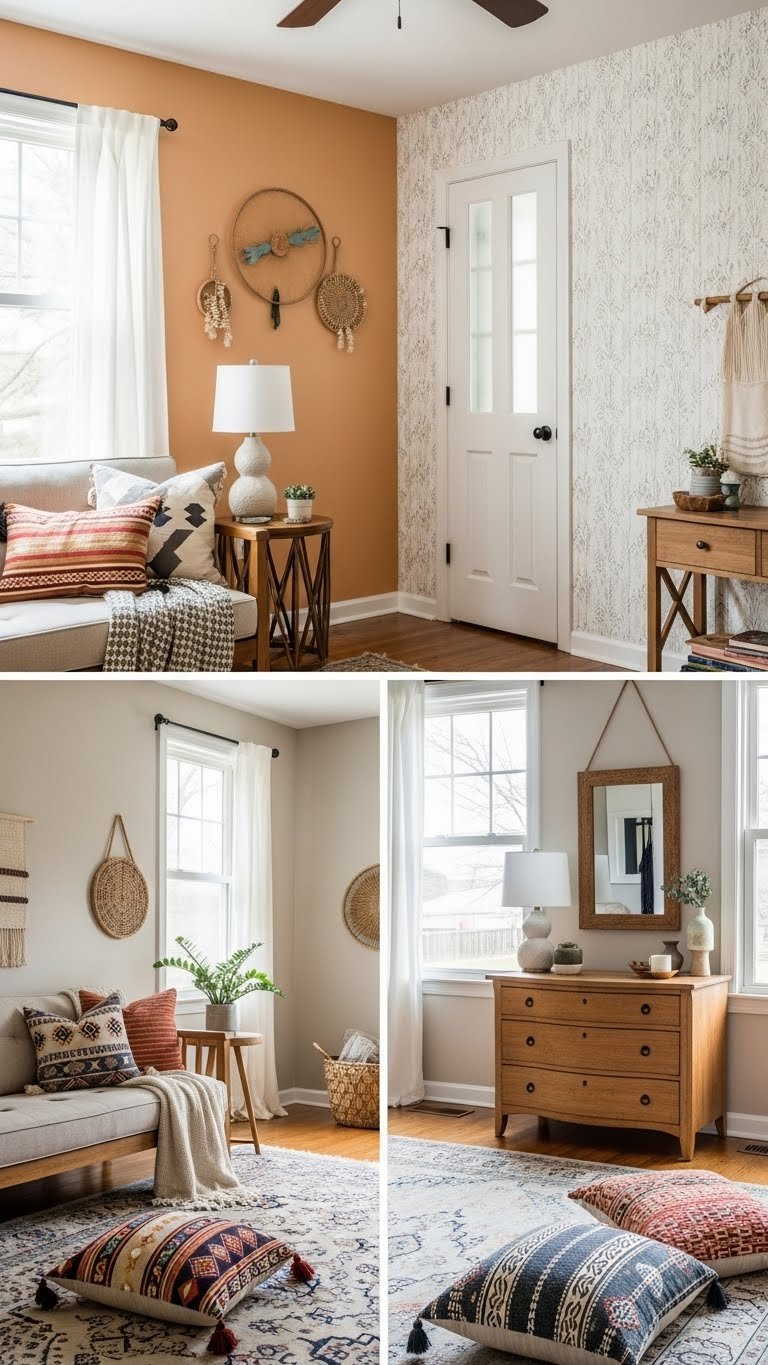
If you’re looking to transform your earth-tone interior without breaking the bank, strategic color updates can dramatically refresh your living spaces.
Explore affordable color options like paint accent walls, thrifted textiles, or removable wallpaper.
Budget-conscious decorating means maximizing visual impact through smart, targeted investments that elevate your home’s aesthetic without extensive renovation costs.
Lighting Tricks for Warmer Interiors
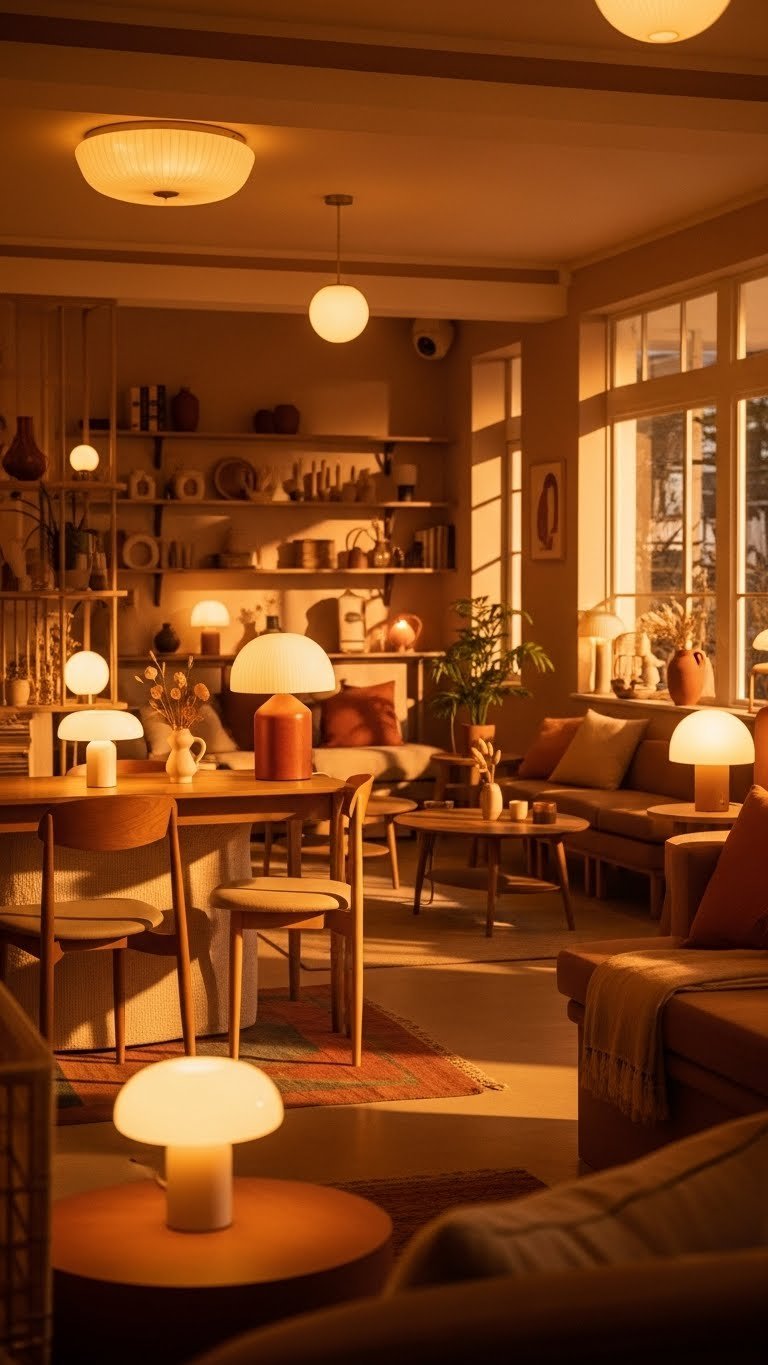
After exploring budget-friendly color transformation techniques, lighting emerges as a powerful tool for enhancing the warmth and atmosphere of earth-tone interiors.
You’ll want to leverage ambient light and natural illumination, strategically layering warm-toned fixtures to create a soft, inviting glow.
Adjust color temperatures to elevate your space’s visual depth and emotional resonance.
Textile Selection for Earthy Environments
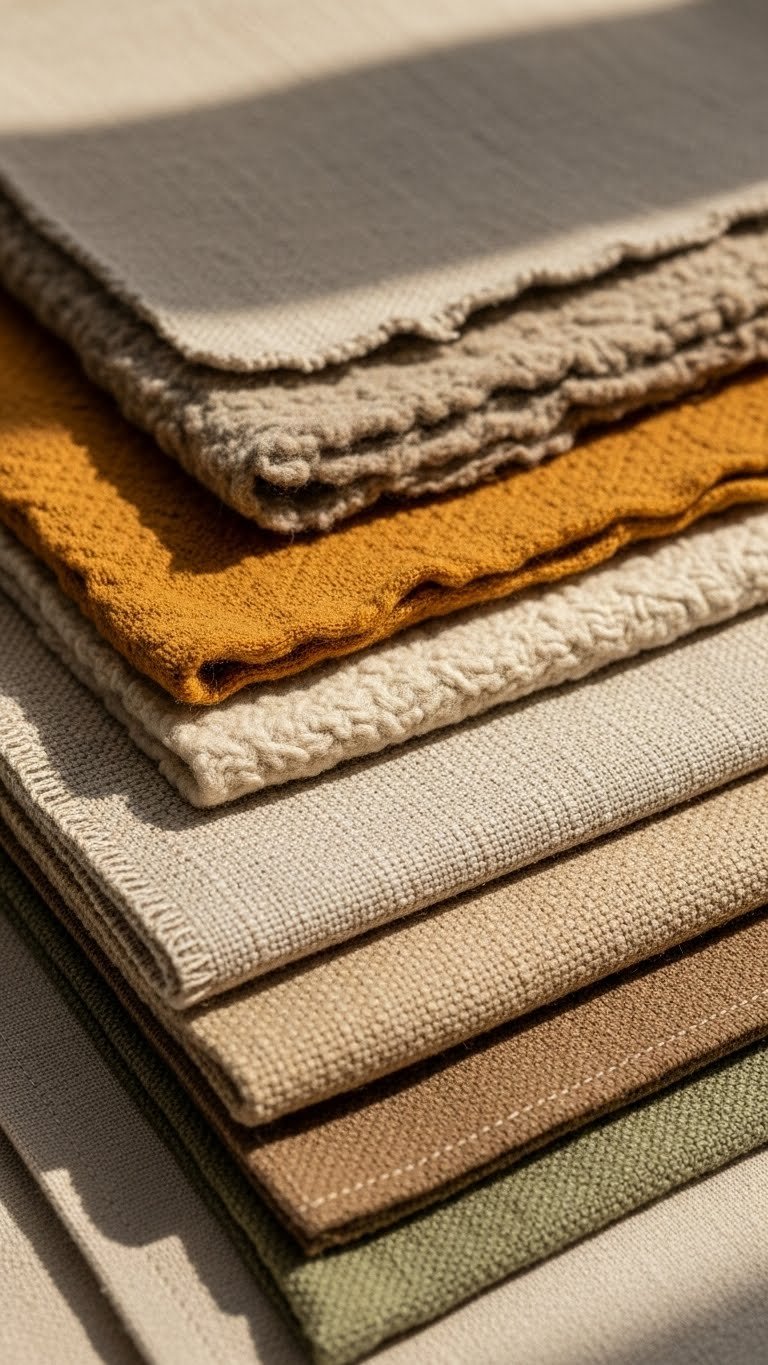
Because textiles play a crucial role in defining the sensory experience of earth-tone interiors, selecting the right fabrics can transform a space from merely decorated to deeply immersive. Choose textile materials like raw linen, wool, and cotton with subtle color patterns that echo natural landscapes. These tactile elements will ground your environment and create a sense of organic sophistication.
Creating Depth With Multi-Tone Techniques
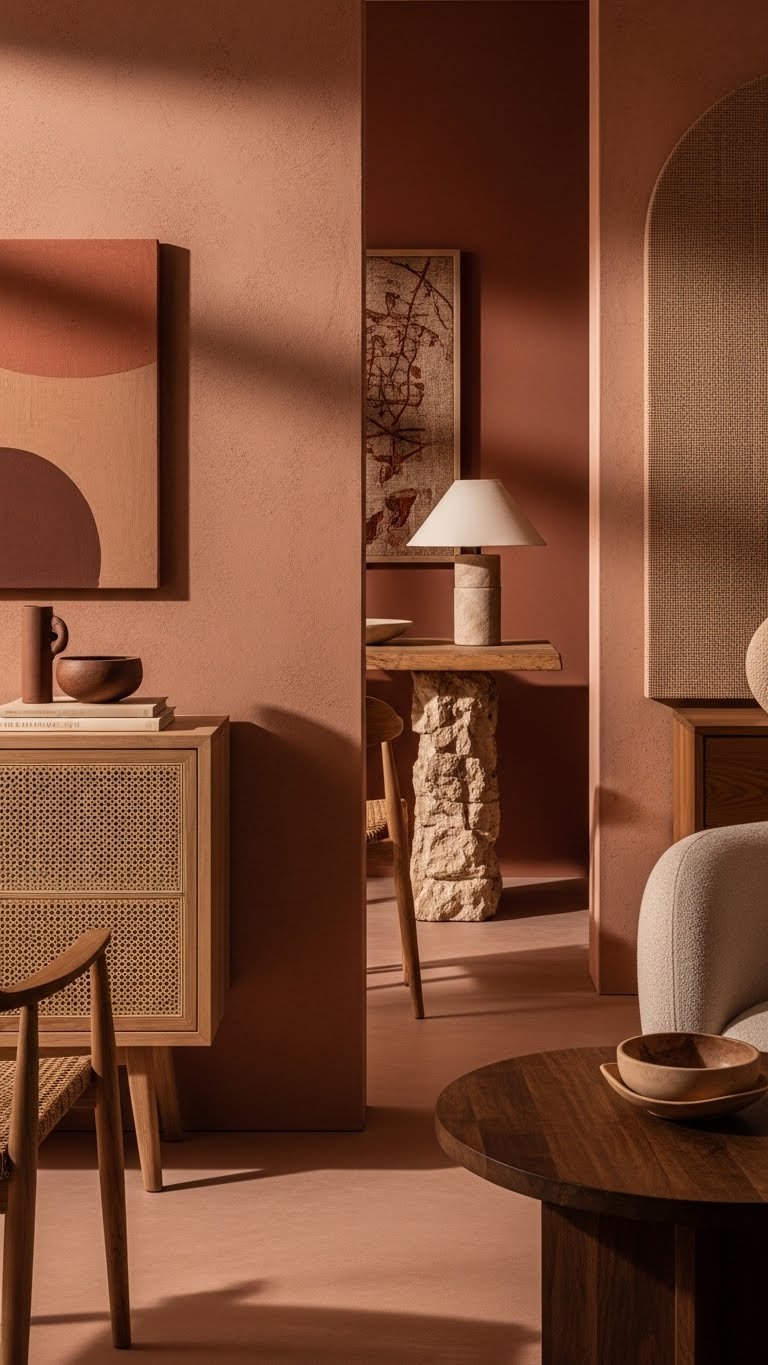
While earth-tone interiors demand nuanced color strategies, multi-tone techniques offer designers a sophisticated approach to creating visual depth and sensory richness.
You’ll elevate your space by mastering layering techniques that introduce subtle color contrast. Blend complementary earth shades strategically, allowing textures and tones to interact dynamically for a refined, dimensional aesthetic.
Sustainable Color Choices Explained
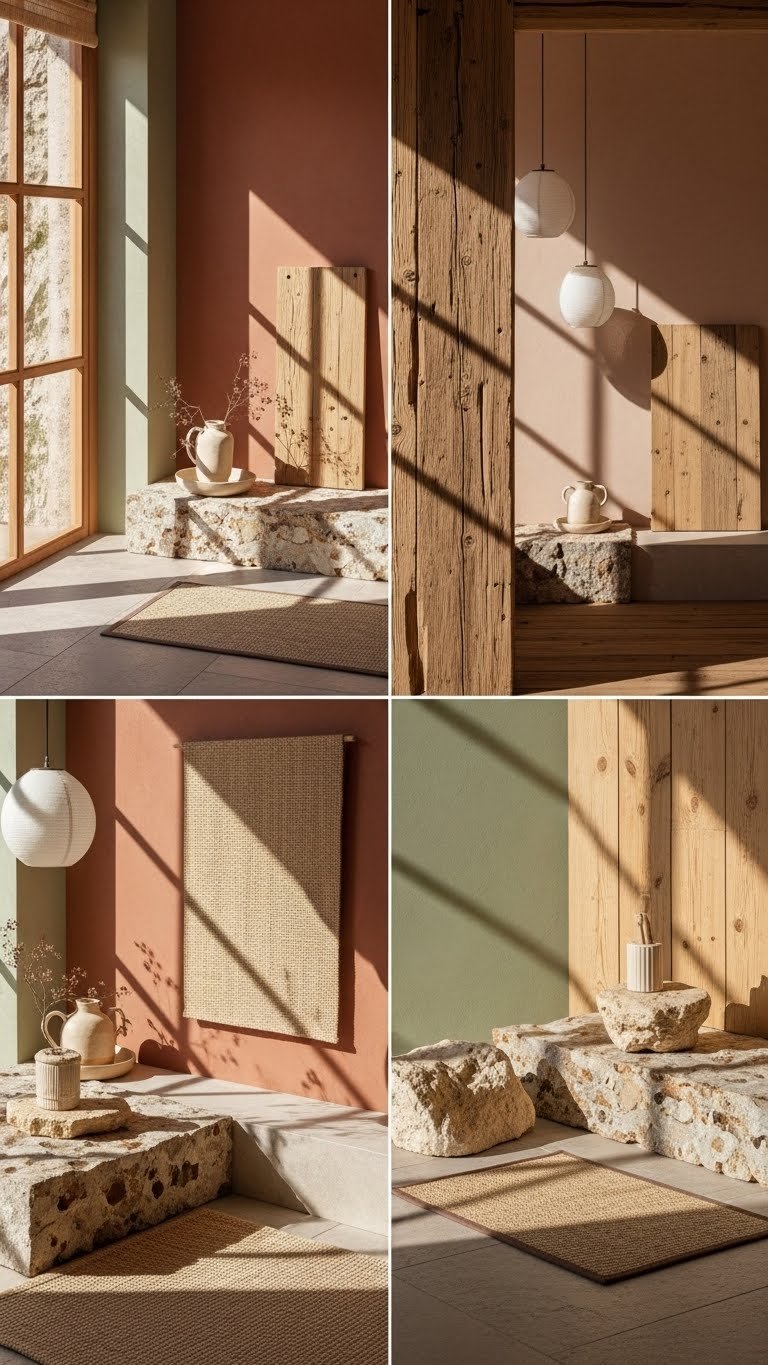
When selecting earth-tone color palettes, sustainable design principles now guide contemporary interior choices beyond mere aesthetic preferences.
You’ll discover eco-friendly palettes that embrace sustainable materials, transforming spaces with natural pigments sourced responsibly.
These conscious color selections reflect environmental stewardship while creating harmonious, elegant living environments that respect both design and ecological balance.
Room-by-Room Earth-Tone Guide
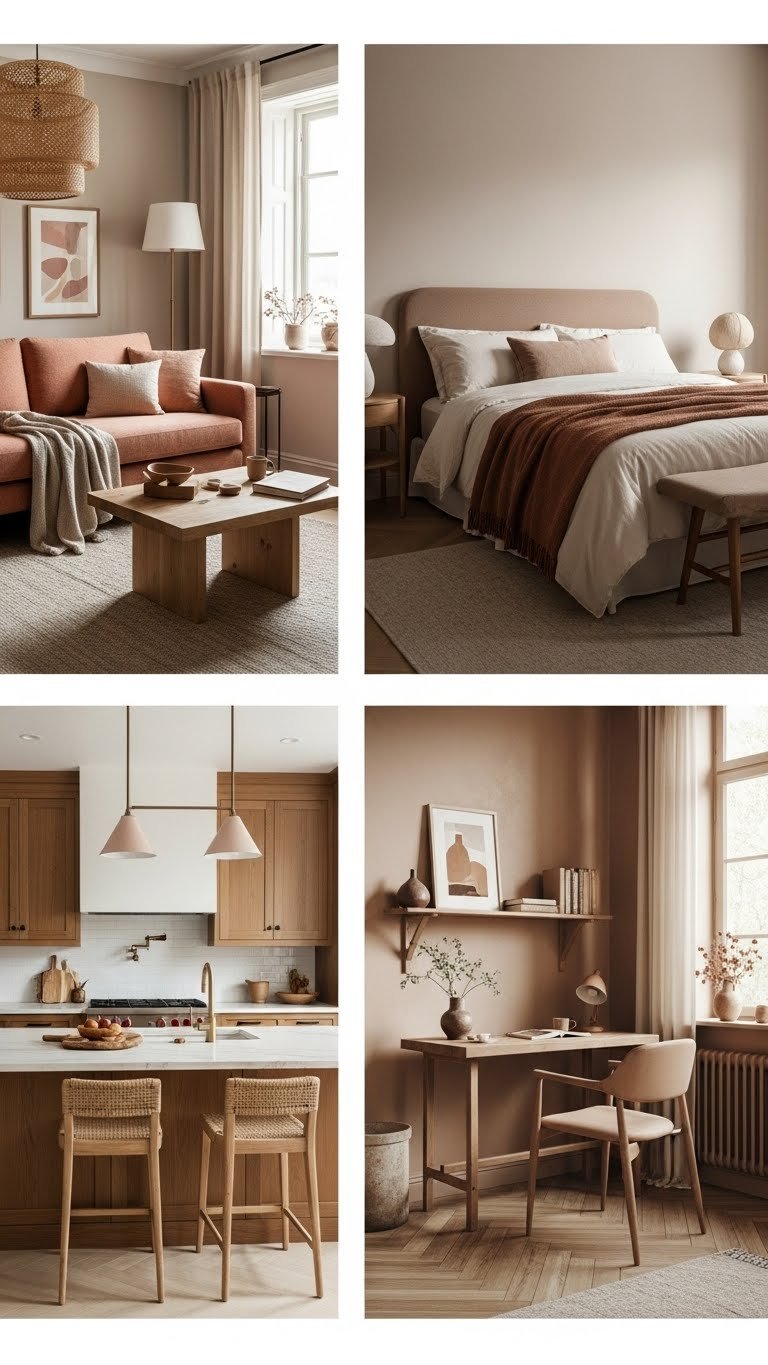
Although earth-tone color strategies differ across living spaces, you’ll want a tailored approach that maximizes each room’s unique potential and aesthetic harmony.
Bold Accent Walls: Design Risks and Rewards
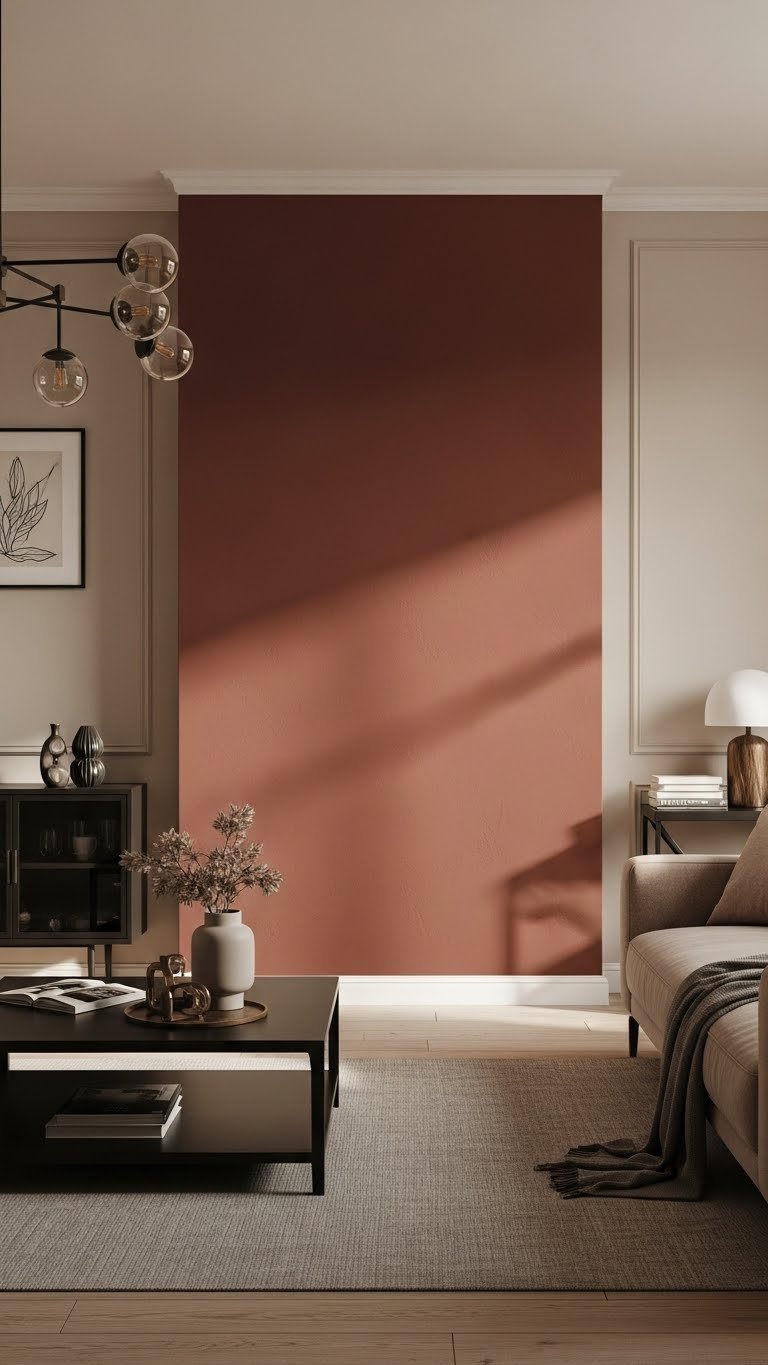
Despite the potential for visual drama, earth-tone accent walls represent a nuanced design strategy that can dramatically transform interior spaces when executed with strategic intentionality.
You’ll leverage contrast strategies to create bold visual impact, carefully balancing rich terracotta or deep olive tones against neutral backdrops, ensuring your design reflects confident aesthetic choices without overwhelming the room’s natural harmony.
Modern Architectural Color Principles
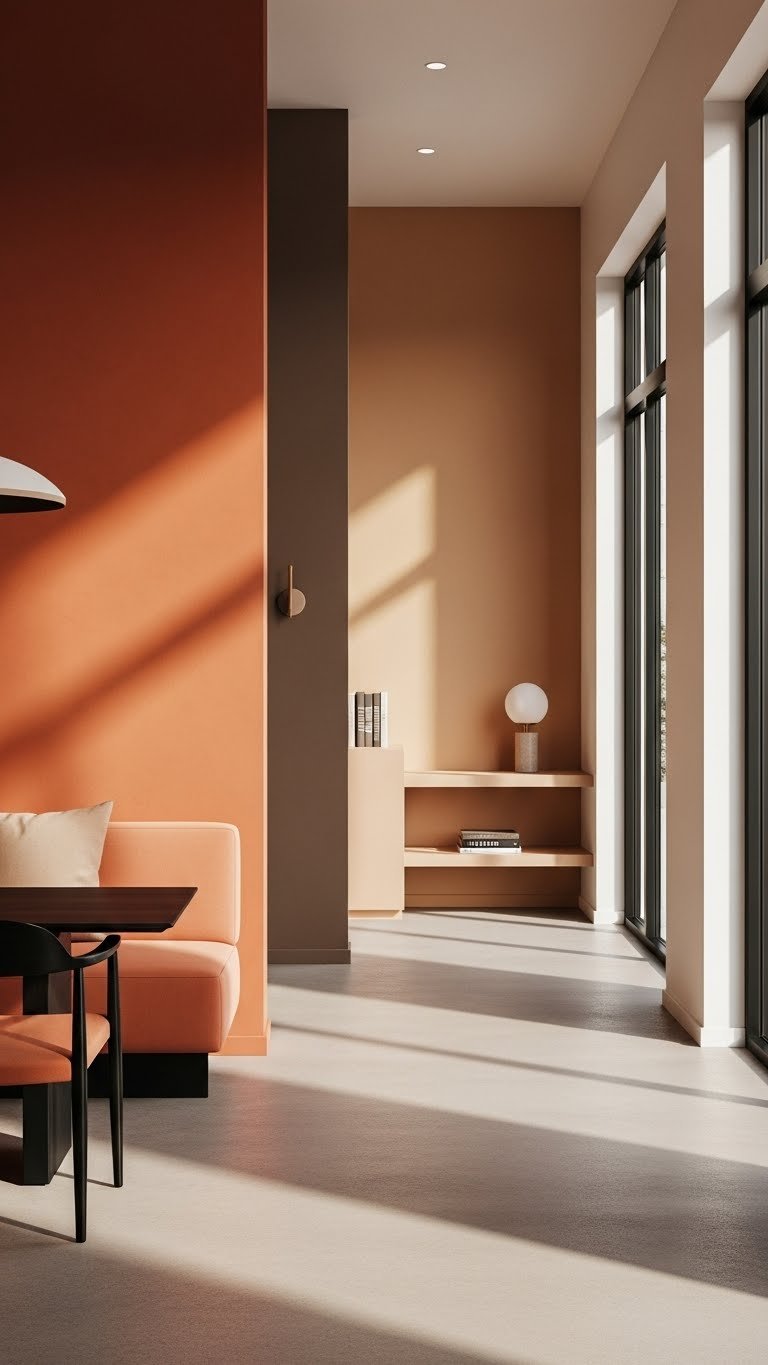
Because contemporary architectural design demands sophisticated color strategies, modern color principles have evolved to transcend traditional decorative approaches.
You’ll find that modern palettes aren’t just colors, but architectural statements that communicate spatial intention. Your design choices can transform rooms by strategically using earth tones to create depth, harmony, and visual narrative.
Transitioning From Pale to Rich Neutrals
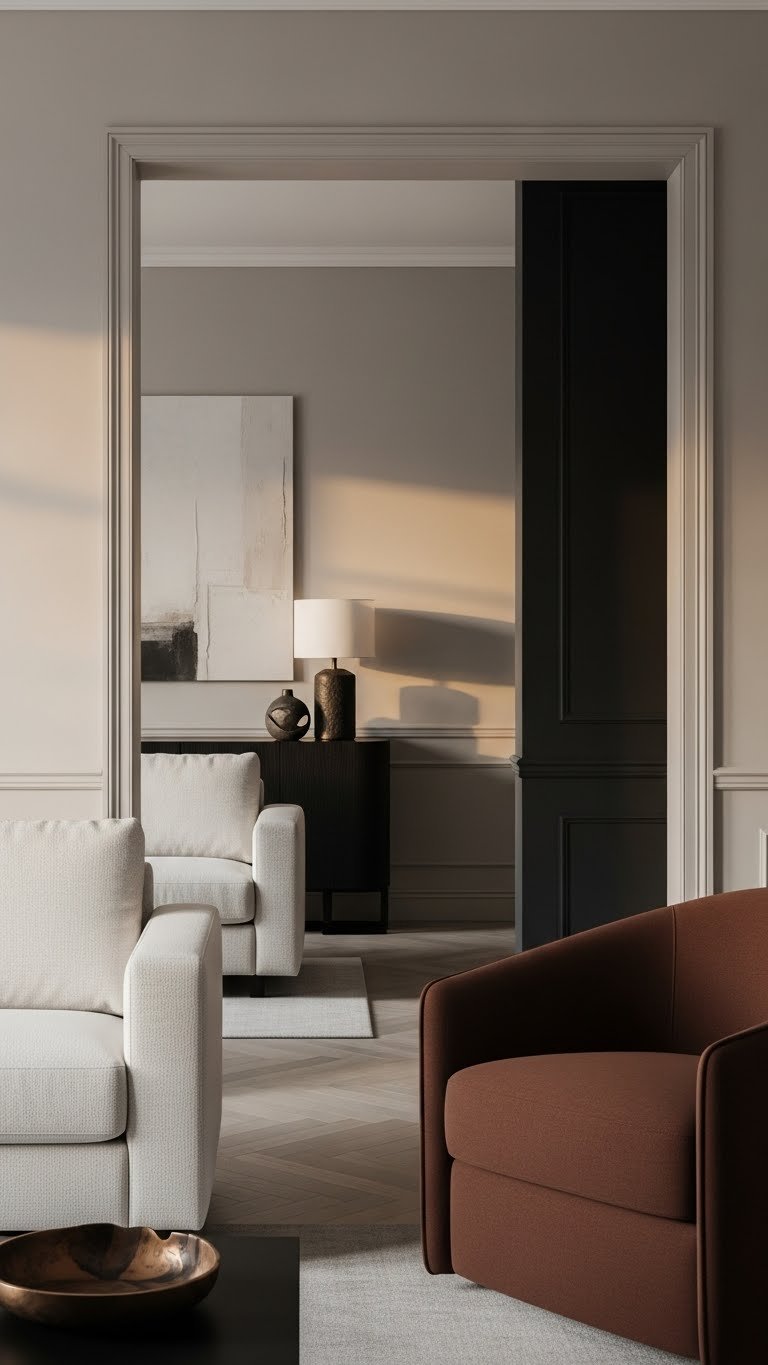
Color layering represents a sophisticated architectural approach when moving from pale to rich neutrals in interior design. You’ll want to strategically blend pale neutrals like soft taupe and ivory with deeper, more saturated rich neutrals such as deep mocha and charcoal to create nuanced, harmonious spaces that feel both refined and effortlessly dynamic.
Natural Material Color Pairing Masterclass
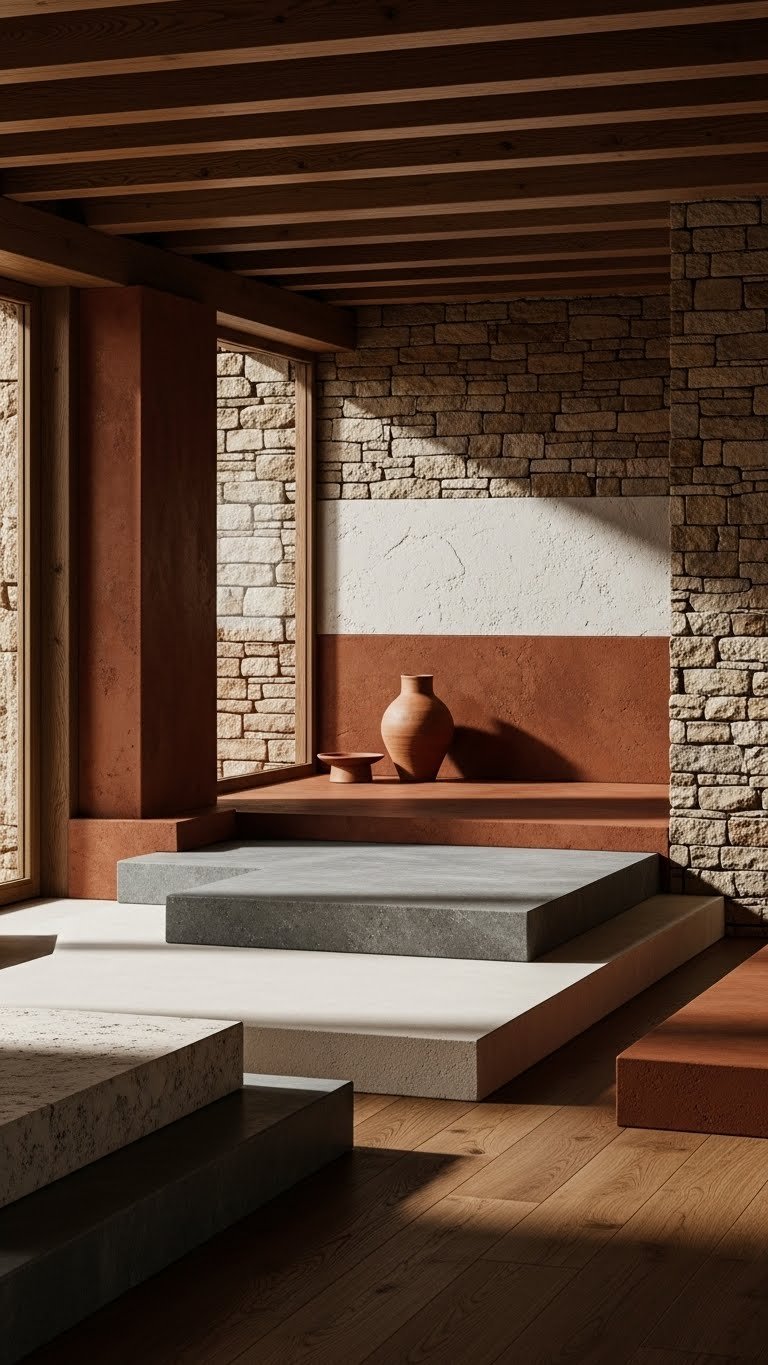
Every thoughtful earth-tone interior design hinges on masterful natural material color pairing, which transforms spaces from mere rooms into sophisticated sensory experiences.
You’ll discover that natural hue harmonization requires intentional selection of organic material palettes, blending wood tones, stone textures, and clay elements to create depth and visual coherence that feels both intentional and effortlessly organic.
Unexpected Color Combination Techniques

How might unconventional color pairings transform earth-tone interiors from predictable to extraordinary?
By embracing unexpected palettes, you’ll reveal color psychology’s transformative power.
Experiment with sage green and dusty terracotta, or blend deep olive with muted coral.
These daring combinations challenge traditional design norms, creating spaces that feel both sophisticated and liberating, inviting personal expression through bold chromatic choices.
Designing for Indoor-Outdoor Flow
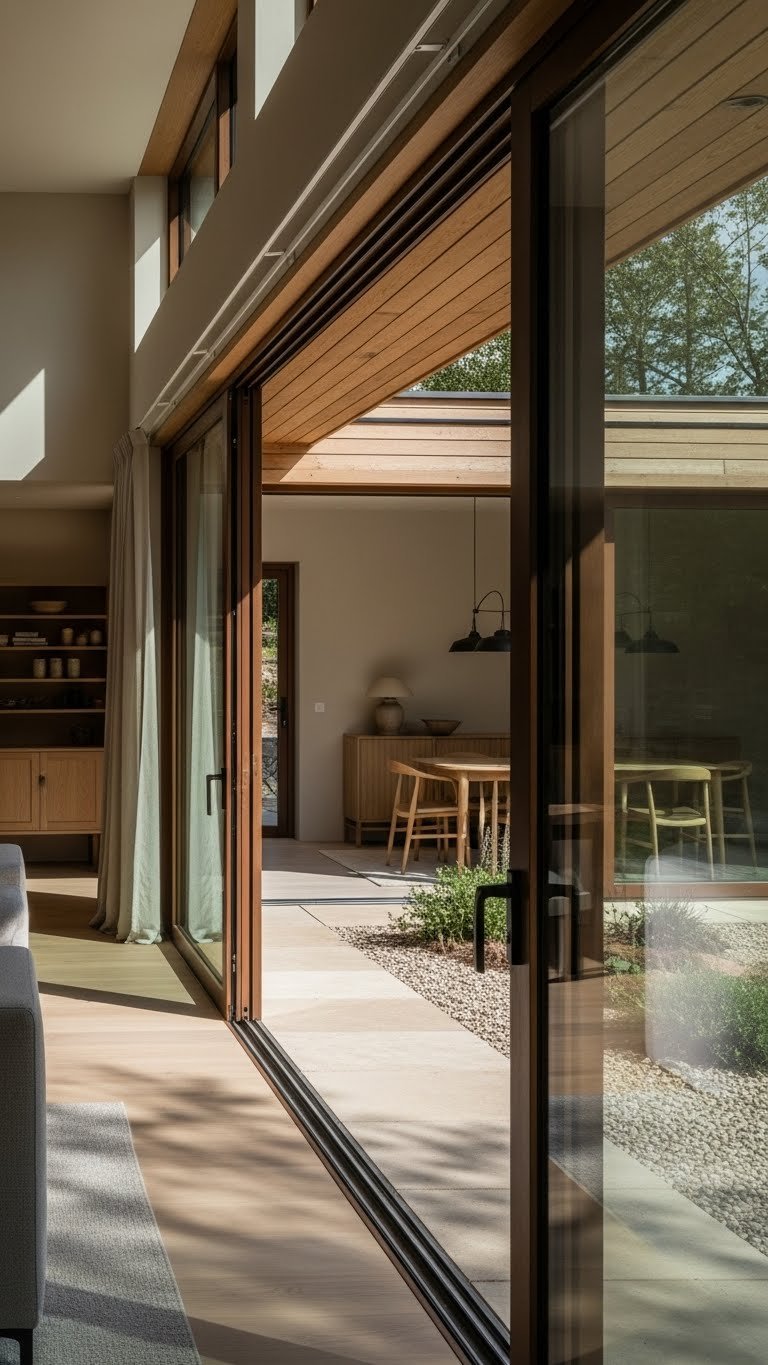
When reimagining earth-tone interiors, architects and designers increasingly recognize the transformative potential of seamless indoor-outdoor connections.
You’ll want large glass sliding doors, neutral color palettes, and natural materials that blur boundaries.
These indoor aesthetics create fluid shifts, allowing your living spaces to breathe and expand beyond traditional architectural constraints.
Texture and Color: Advanced Integration

Because earth-tone interiors demand nuanced sensory experiences, designers now leverage sophisticated texture and color integration techniques that transform spaces from mere visual landscapes into tactile, immersive environments.
You’ll achieve textural harmony by layering natural materials like wool, linen, and raw silk against muted backdrops, creating depth and visual intrigue through strategic color balance.
Professional Styling With Earth Tones

Mastering professional styling with earth tones requires strategic visual composition and intentional material selection.
You’ll want to leverage earth tone symbolism and color psychology to create spaces that feel grounded yet dynamic.
Choose textures and hues that evoke natural harmony, allowing your interior design to communicate depth, stability, and sophisticated aesthetic sensibility.
Future of Color: Design Trend Predictions
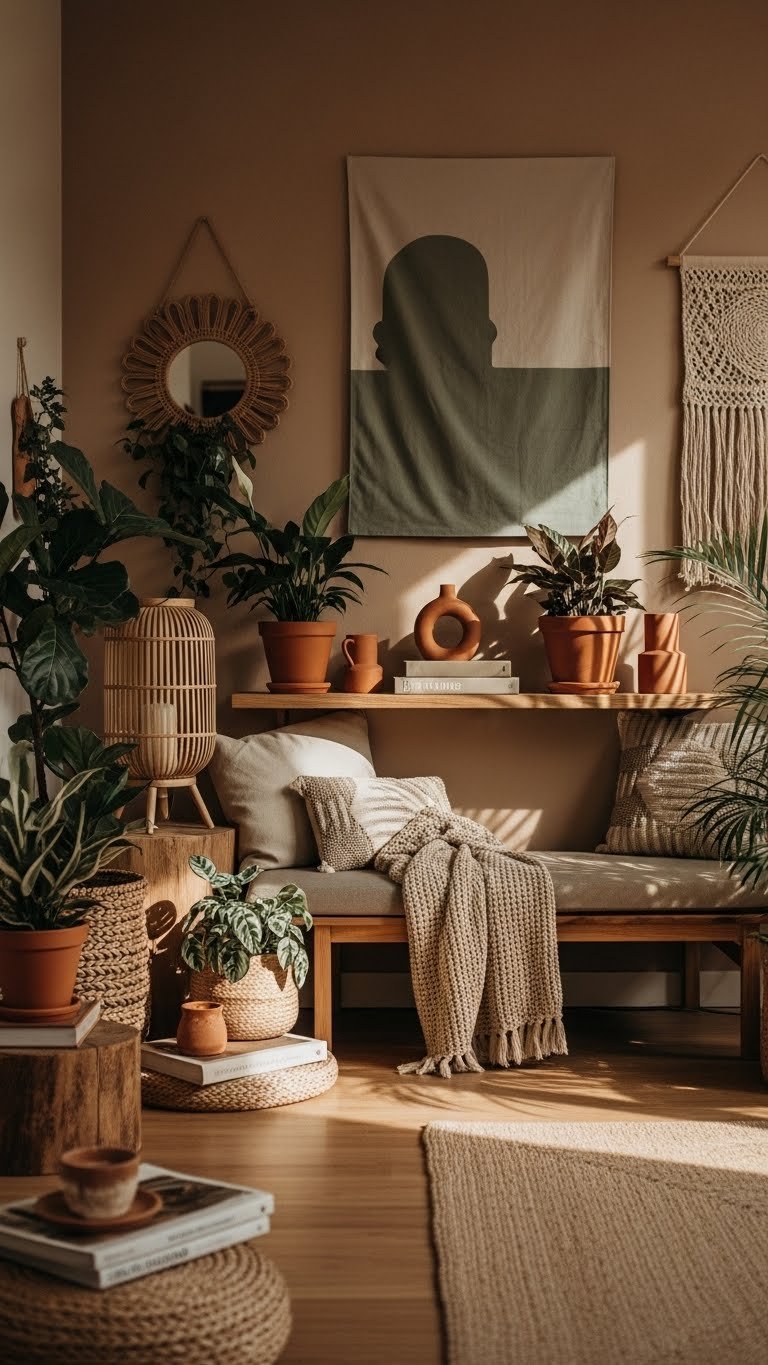
As design landscapes continually evolve, earth tone palettes are poised to transcend traditional boundaries, transforming from mere aesthetic choices into holistic environmental statements.
You’ll witness color psychology driving design innovation, with subtle browns, muted greens, and warm terracottas becoming more than decor—they’ll represent personal connection, sustainability, and intentional living spaces that reflect individual narratives.
Leave a Reply