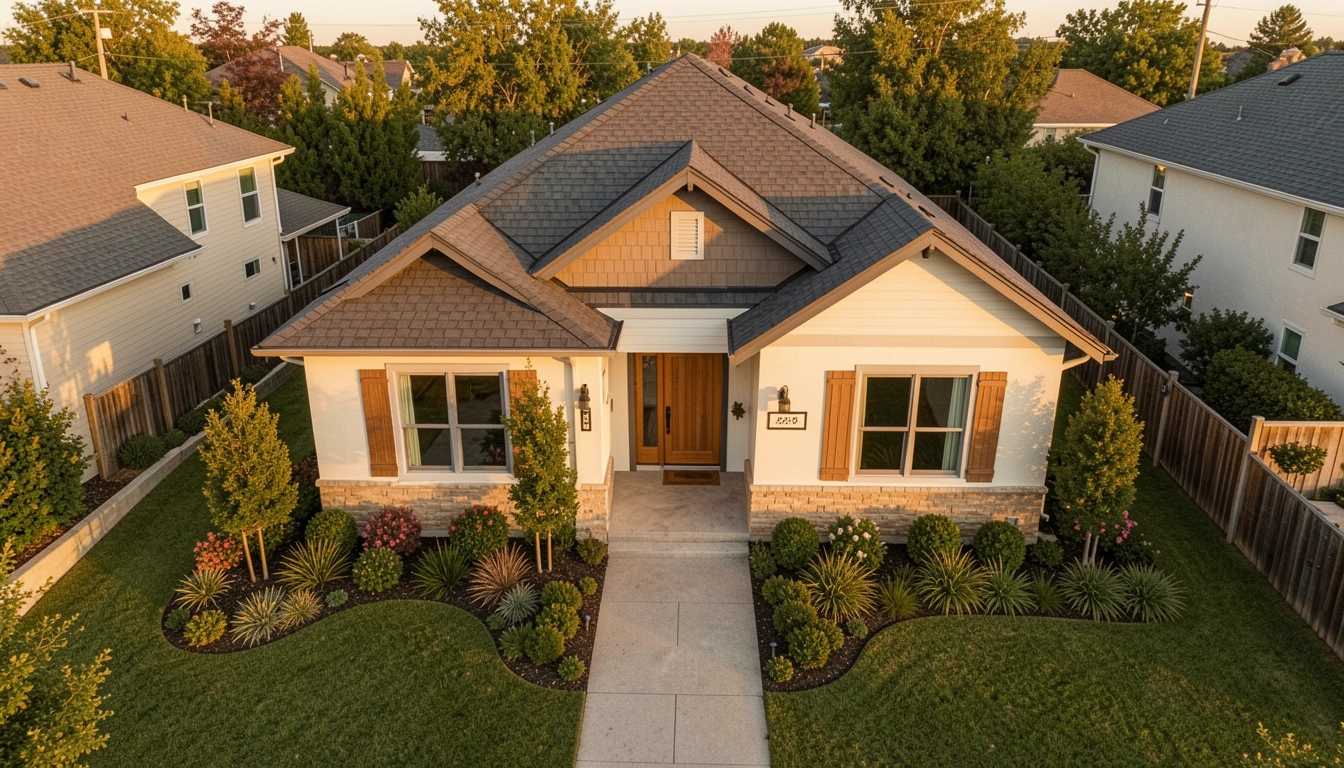
Your home’s exterior is more than just a facade—it’s a visual narrative that speaks volumes before anyone steps inside. First impressions matter, and the right design can transform a small house from ordinary to extraordinary. Whether you’re working with limited square footage or seeking to maximize architectural impact, strategic exterior choices can dramatically elevate your property’s aesthetic and market value. Curious about revealing your home’s hidden potential?
Why Your Home’s Exterior Matters: First Impressions and Value
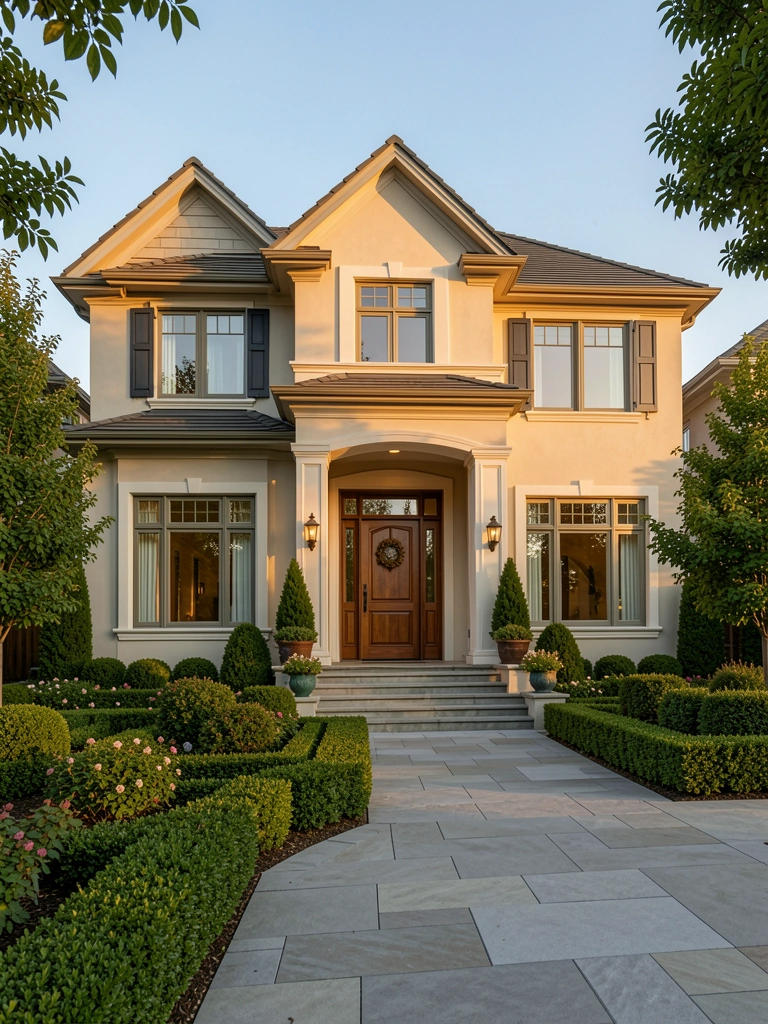
How much do first impressions truly impact your home’s perceived value? Your home’s exterior isn’t just a facade—it’s a critical investment driver. Strategic curb appeal can dramatically elevate property worth, signaling meticulous maintenance and aesthetic sophistication. Potential buyers assess your property’s exterior within seconds, making visual impact a powerful determinant of home value and marketability.
Decode Your Home’s Architectural Style: A Design Foundation
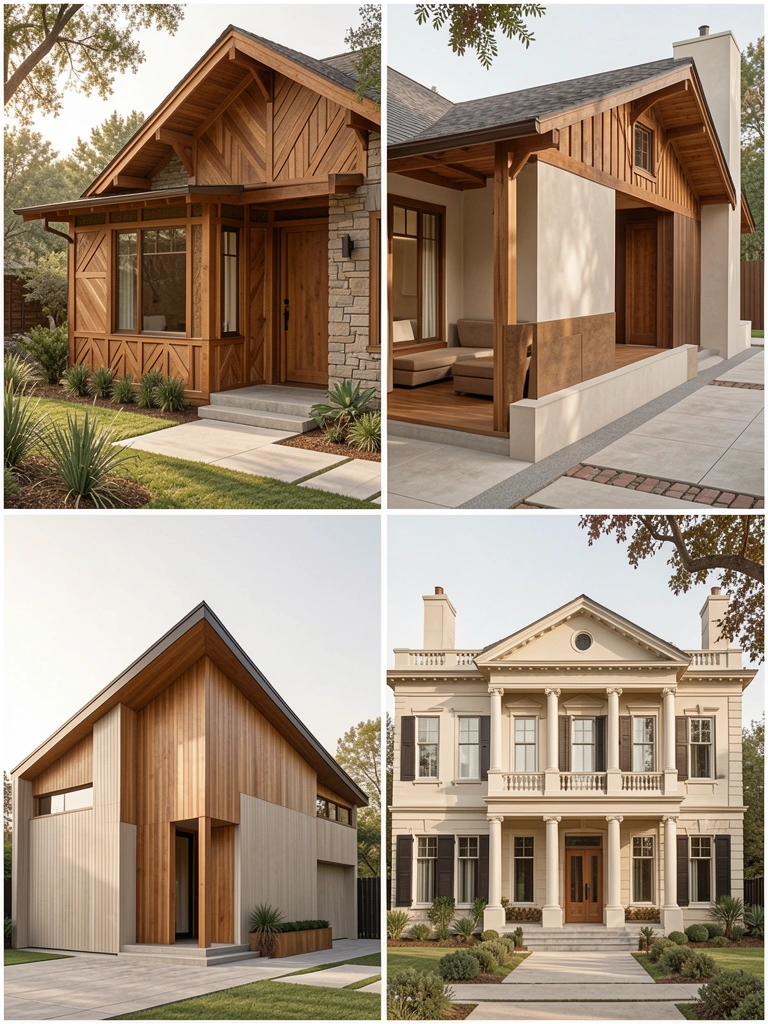
Architecture speaks volumes about a home’s character, revealing its historical context and design philosophy through distinctive structural elements.
You’ll want to recognize your home’s style—whether it’s craftsman, contemporary, or colonial—to guide modern interpretations that honor historical influences while expressing your personal aesthetic vision.
Nature-Inspired Color Palettes: Choosing Your Exterior Palette
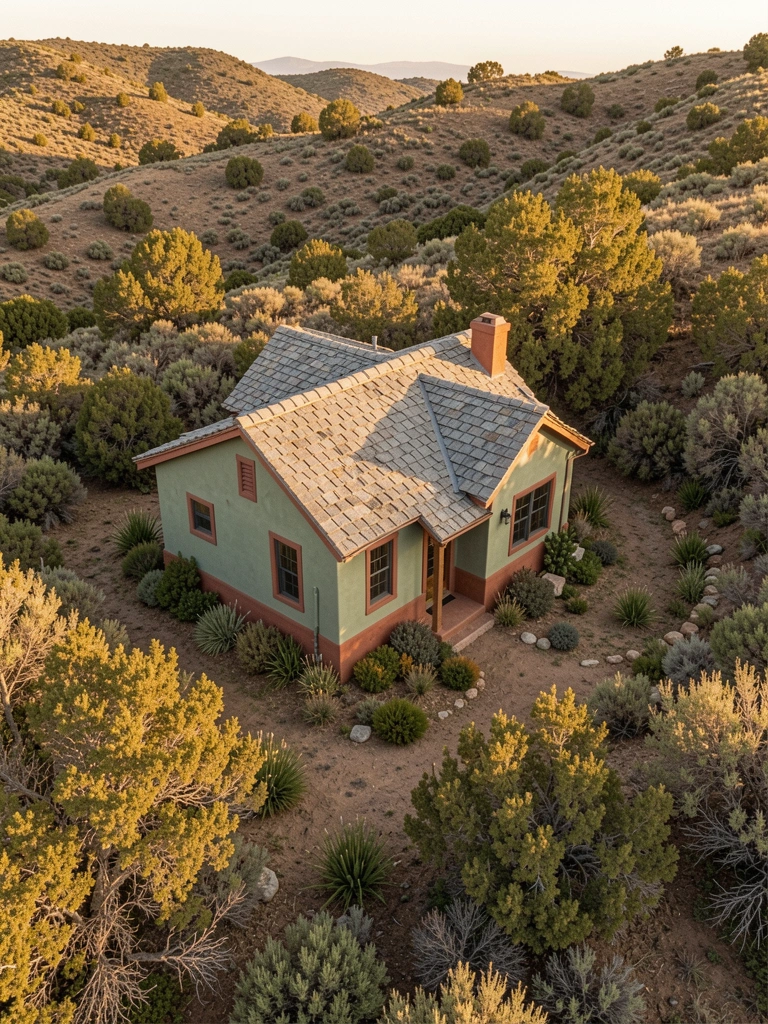
Once you’ve identified your home’s architectural style, selecting an exterior color palette becomes an opportunity to harmonize with the natural landscape while amplifying your structure’s inherent design language.
Embrace nature-inspired hues that reflect local terrain—sage greens, clay reds, stone grays—creating earth tones that integrate your small house seamlessly into its surrounding environment.
Bold vs. Subtle: Selecting Your Exterior Color Strategy
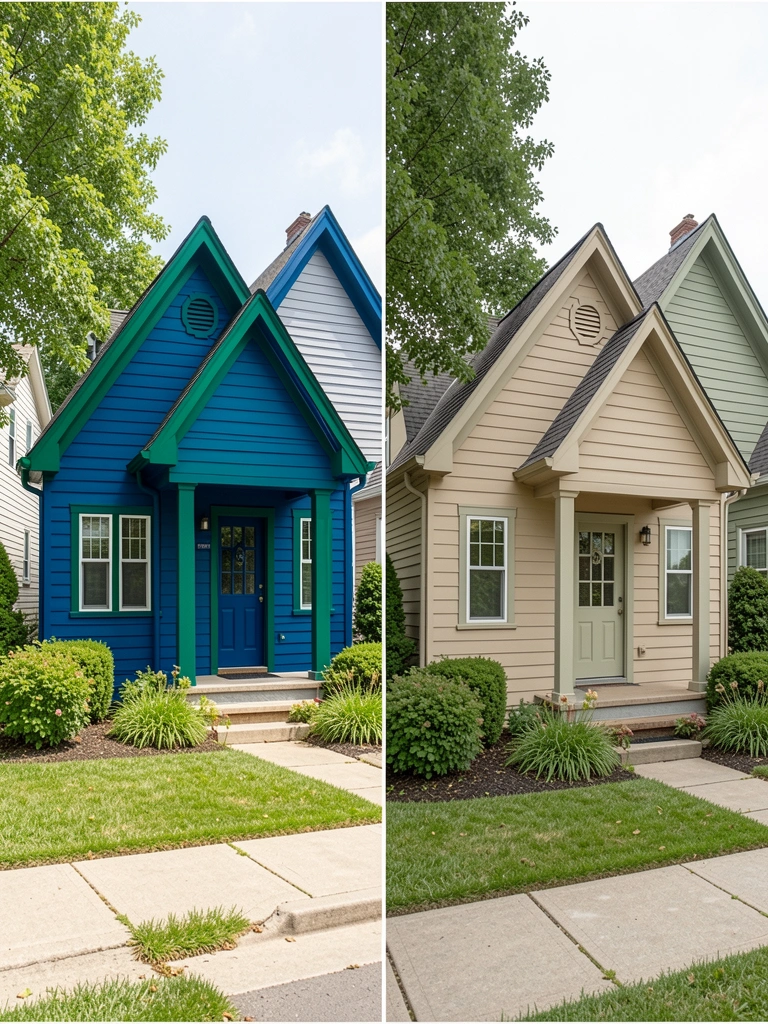
Whether you’re aiming to make a statement or blend seamlessly with the surroundings, your exterior color strategy can dramatically transform a small house’s visual impact.
Bold statements capture attention through vibrant hues, while subtle elegance emerges through nuanced, harmonious tones.
Your color choice reflects personal style, architectural integrity, and neighborhood context.
Matte or Glossy? Understanding Modern Exterior Finishes
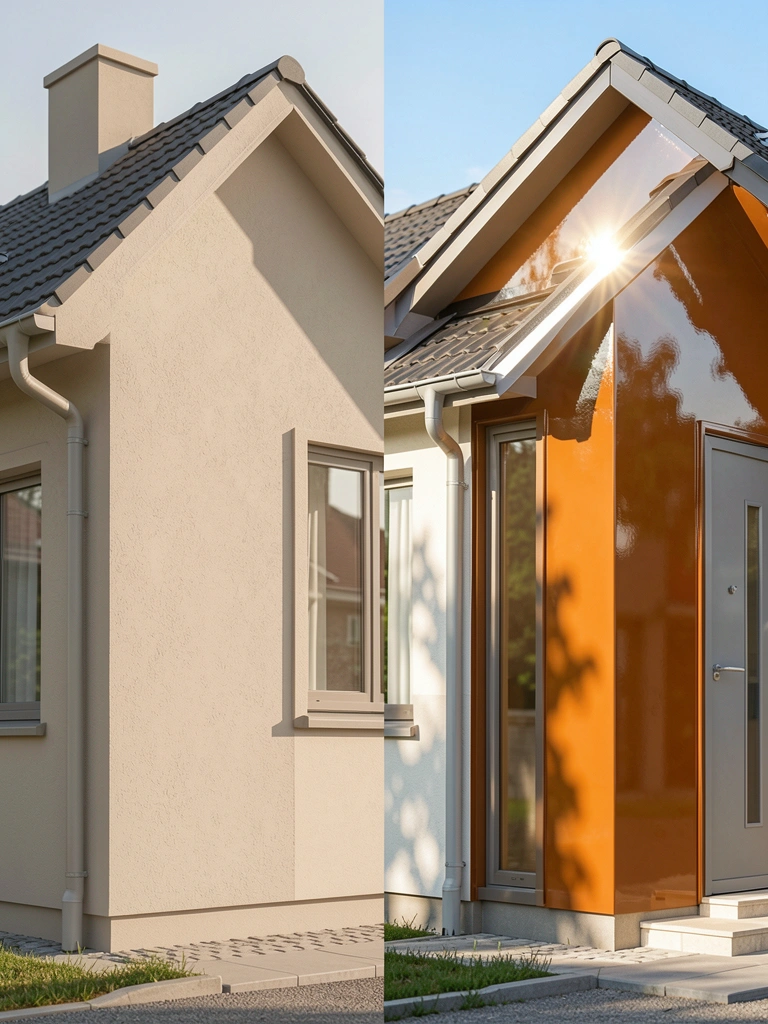
While exterior paint finishes might seem like a subtle design choice, they profoundly influence a small house’s visual texture and perceived durability.
Matte finishes offer a sophisticated, understated look that minimizes surface imperfections, whereas glossy textures reflect light dramatically, creating bold architectural statements.
Your choice ultimately depends on your aesthetic vision and desired home expression.
Revealing Wood’s Natural Beauty: Texture and Stain Techniques
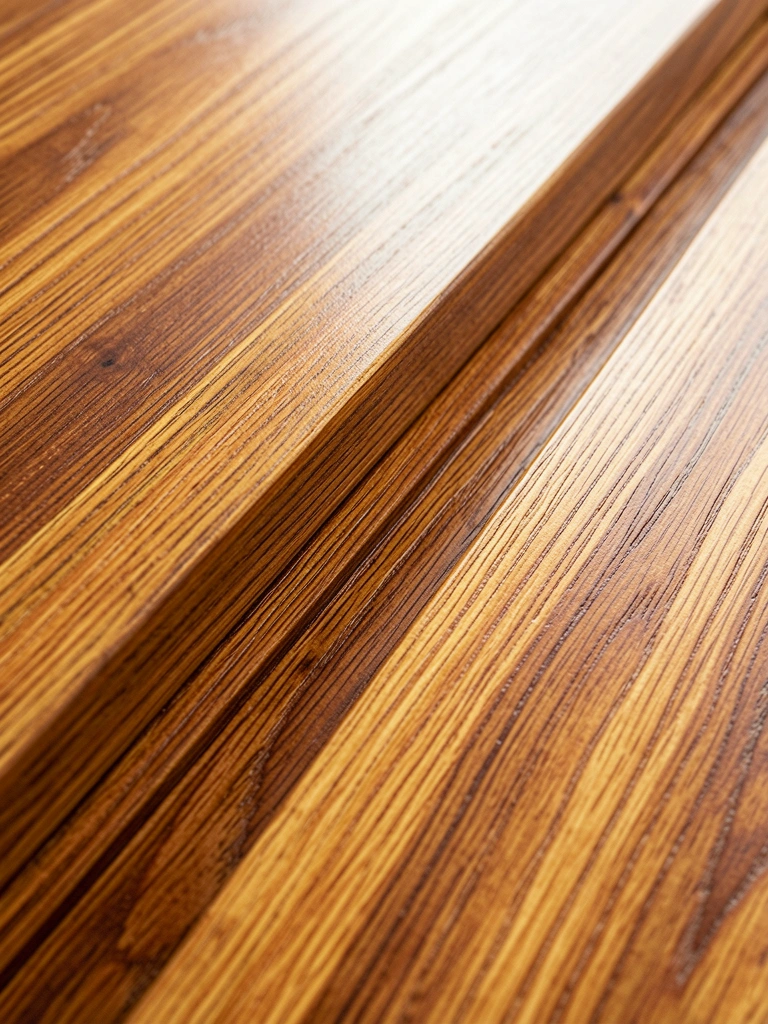
Three distinct wood texturing techniques can transform your small house’s exterior and interior surfaces, revealing wood’s inherent elegance through strategic surface treatments.
Mixed Materials: Creating Depth in Your Home’s Design
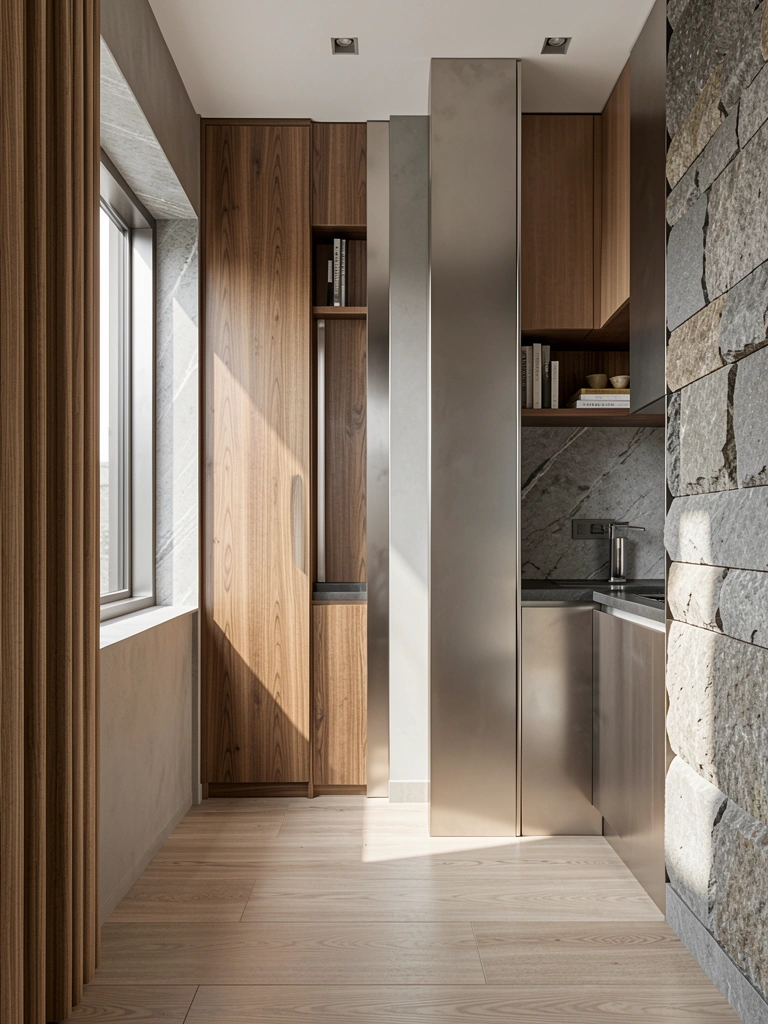
Just as wood’s natural textures can elevate design, combining diverse materials creates another sophisticated strategy for enhancing complexity of small house spaces.
You’ll want to mix materials strategically—stone, metal, and timber—to exterior accents that transform architectural narrative, delivering visual intrigue and depth through intentional material selections.
Architectural possibilities offer tactical freedom in palette.
Layering Exteriors: Combining Wood, Stone, and Metal
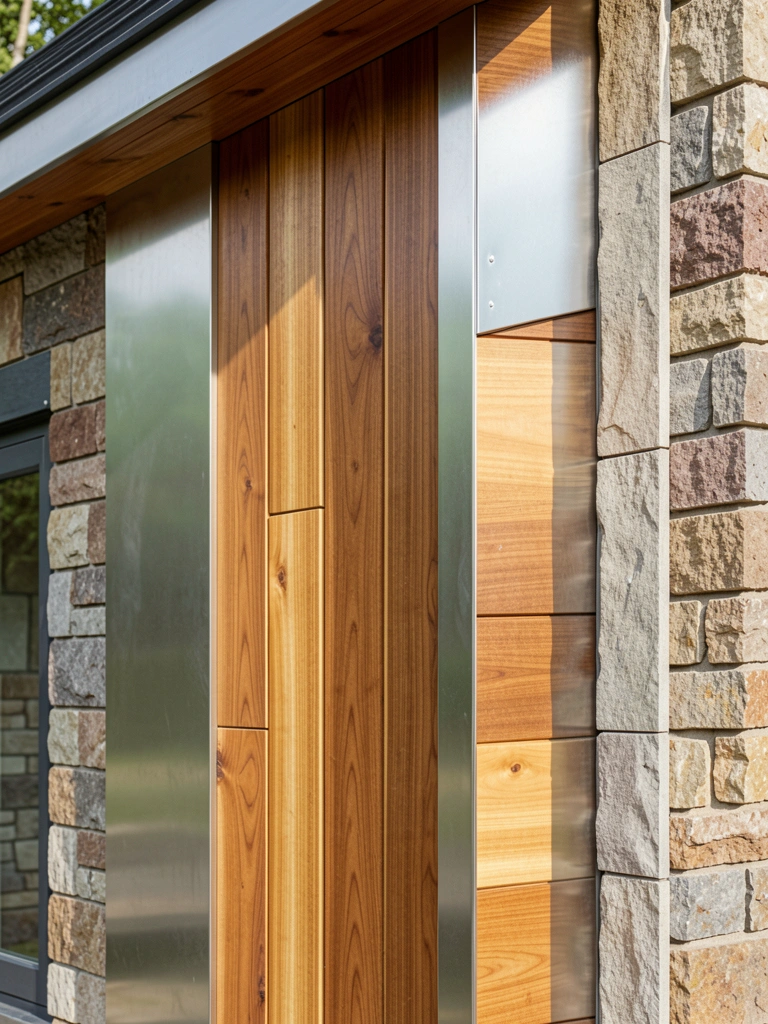
When designing small house exteriors, strategic material layering becomes a nuanced architectural technique for creating visual complexity and structural depth.
You’ll achieve wood metal harmony by juxtaposing warm cedar planks against sleek metallic panels, while stone facade contrasts inject textural dynamism into your compact architectural canvas.
Crafting a Welcoming Front Entrance: Design Principles
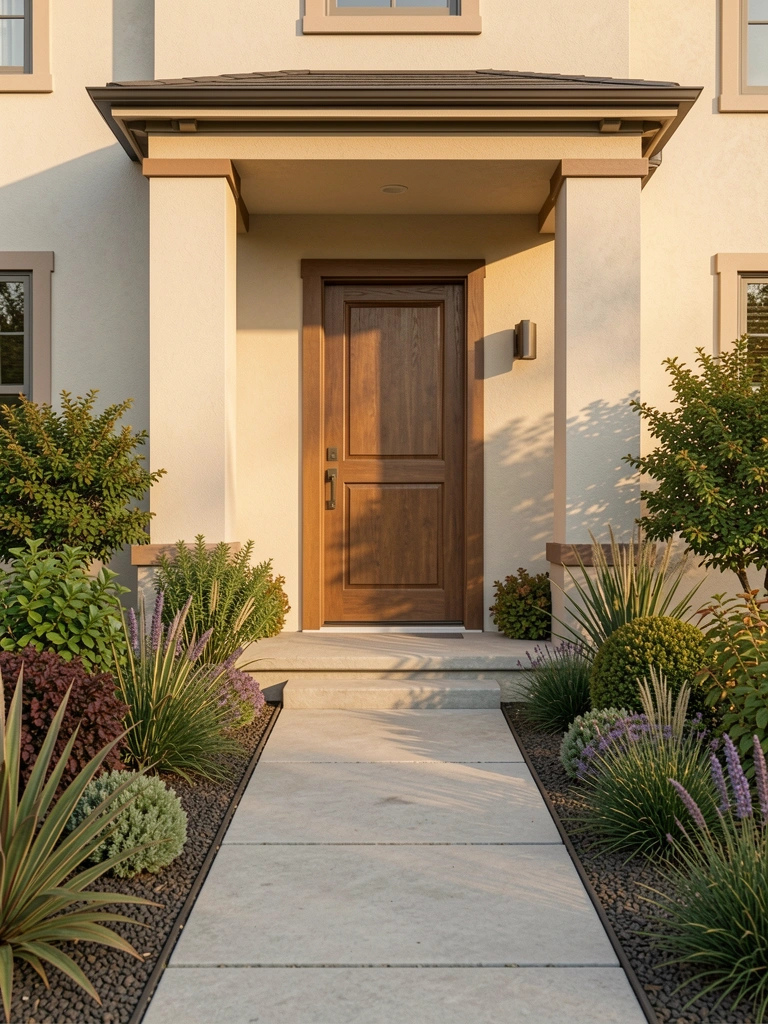
Because the front entrance serves as your home’s initial point of contact, its design must strategically balance aesthetic appeal with functional clarity.
Prioritize clean lines, proportional door hardware, and thoughtful entrance landscaping that frames your pathway.
Select materials that complement your small house’s exterior palette, creating a cohesive, inviting passage from public space to personal sanctuary.
Your Front Door: Making a Bold First Statement
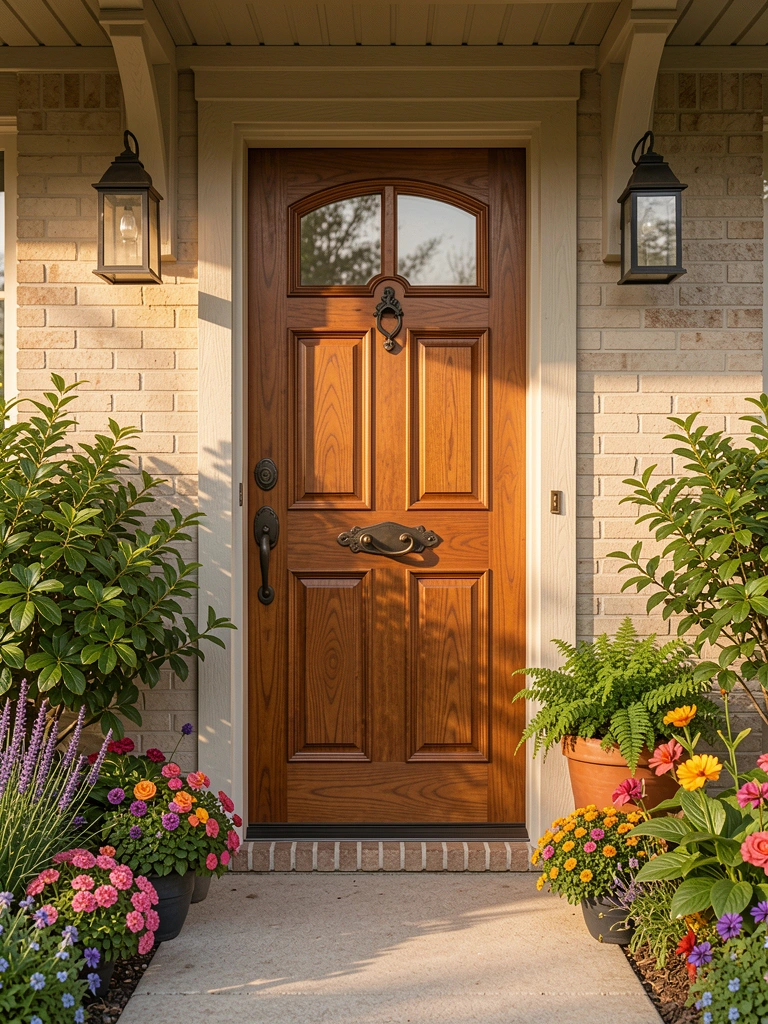
Gateway to your home’s personality, the front door represents more than a mere entryway—it’s a critical architectural statement that defines your small house’s visual character. Select door hardware that reflects your design aesthetic, complementing your home’s architectural lines. Strategic entryway landscaping can enhance your door’s impact, creating a bold, welcoming first impression that speaks volumes.
Porches Reimagined: Transforming Outdoor Living Spaces
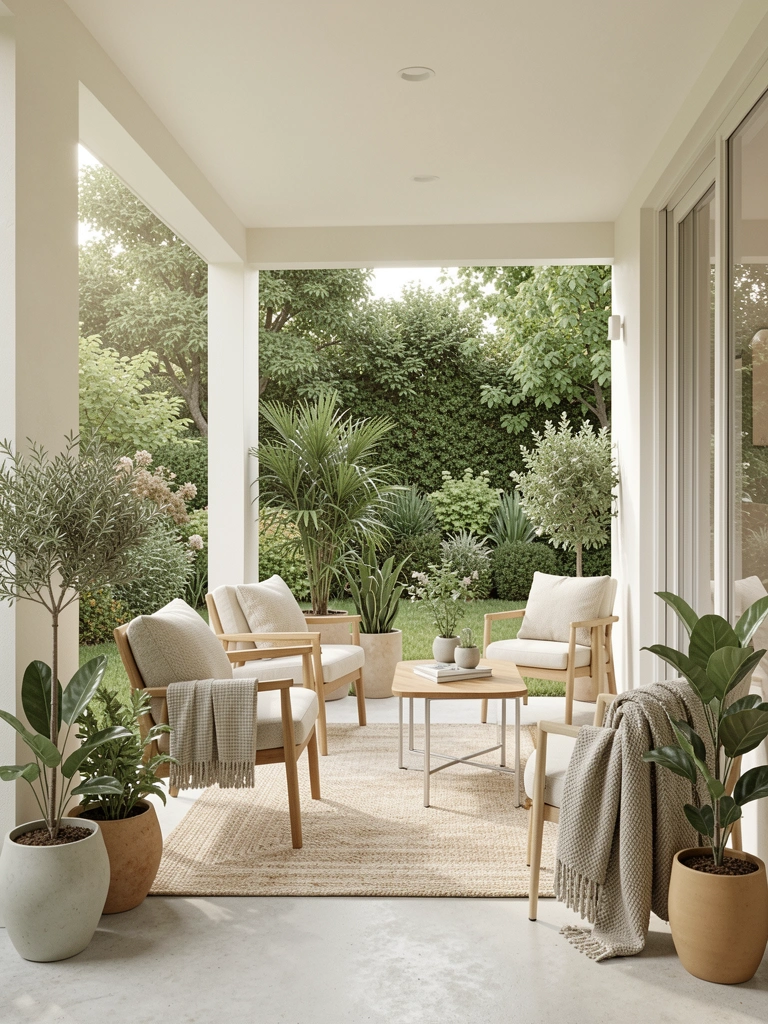
Although traditional porches once served as simple passageways, modern small house design transforms these areas into dynamic, multi-functional extensions of interior living.
You’ll maximize outdoor living potential by strategically selecting compact porch furniture that creates seamless passages between indoor and exterior spaces, reimagining these architectural elements as personalized sanctuaries of relaxation and connection.
Pergolas and Awnings: Extending Your Living Environment
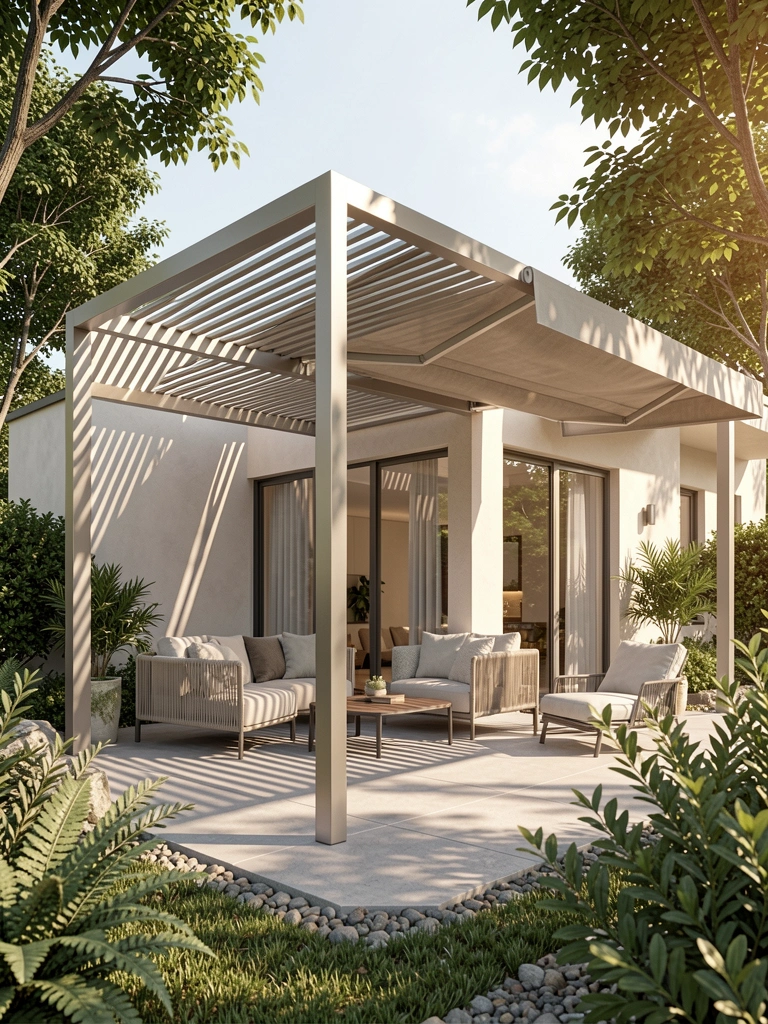
When strategically designed, pergolas and awnings become architectural extensions that dramatically expand your small house’s livable space, transforming exterior zones into sophisticated, functional environments.
Select innovative pergola designs with sleek lines and lightweight materials to create dynamic shade structures.
Choose performance-grade awning materials that resist UV degradation and provide temperature-modulating capabilities for seamless indoor-outdoor conversions.
Sustainable Landscaping: Native Plants for Your Region
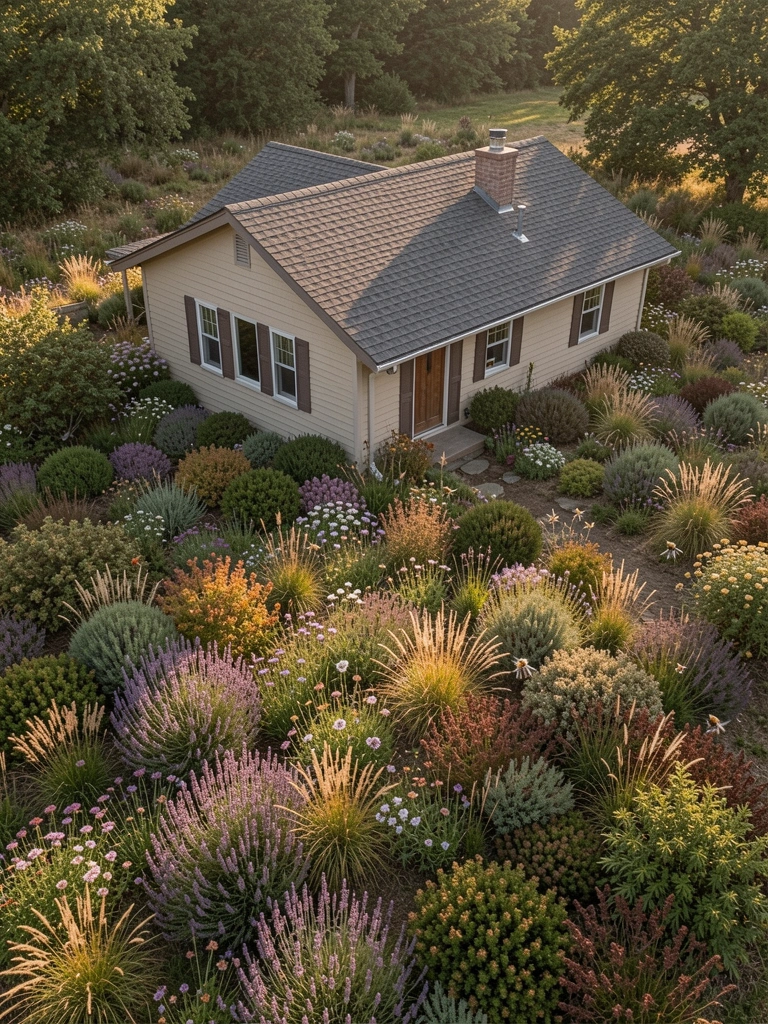
Why settle for resource-intensive, non-native landscaping when your small house can thrive with regionally adapted plant ecosystems?
Embrace permaculture principles by selecting seasonal native species that naturally withstand local climate conditions.
These strategic plantings reduce water consumption, minimize maintenance, and create resilient outdoor spaces that harmonize with your architectural design while supporting local biodiversity.
Edible Landscaping: Beauty Meets Functionality
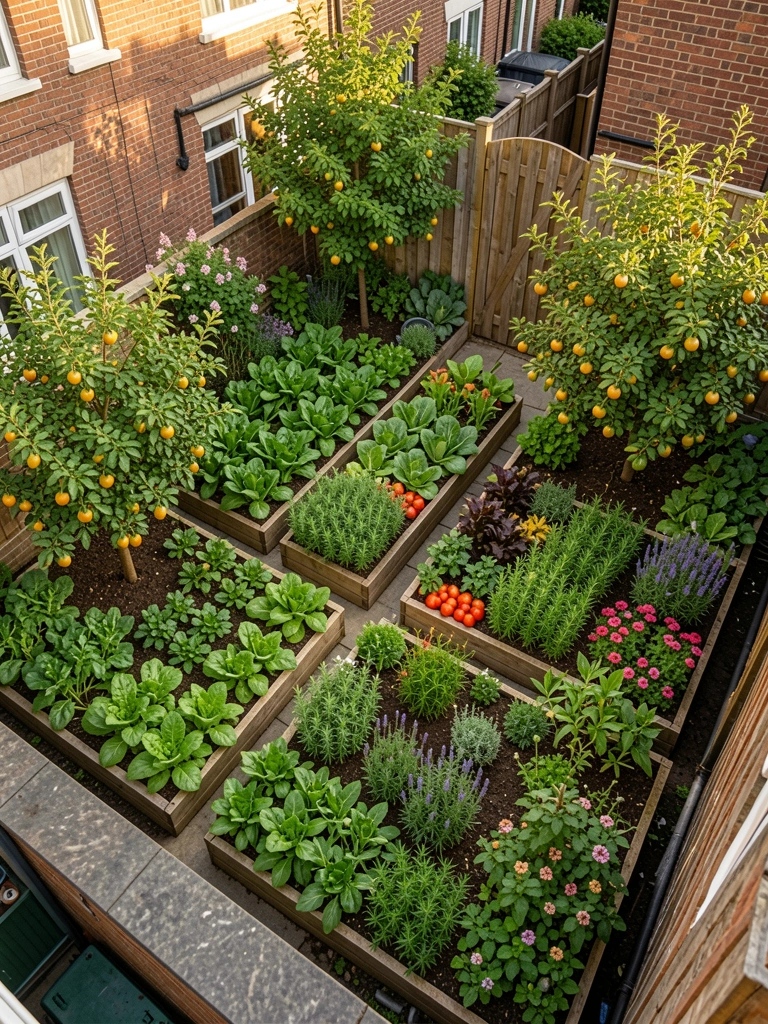
Since traditional ornamental landscapes often sacrifice practicality, edible landscaping transforms small house outdoor spaces into dynamic, productive ecosystems that seamlessly blend aesthetic beauty with culinary potential.
Eco-Friendly Driveways: Permeable Pavers Explained

Countless homeowners seeking sustainable landscape solutions are turning to permeable pavers as an innovative alternative to traditional impermeable driveway surfaces.
You’ll discover multiple paver types offering impressive permeable benefits, including enhanced water drainage, reduced runoff, and natural filtration.
These eco-conscious solutions transform your exterior while supporting environmental sustainability.
Small Space Solutions: Vertical Garden Strategies
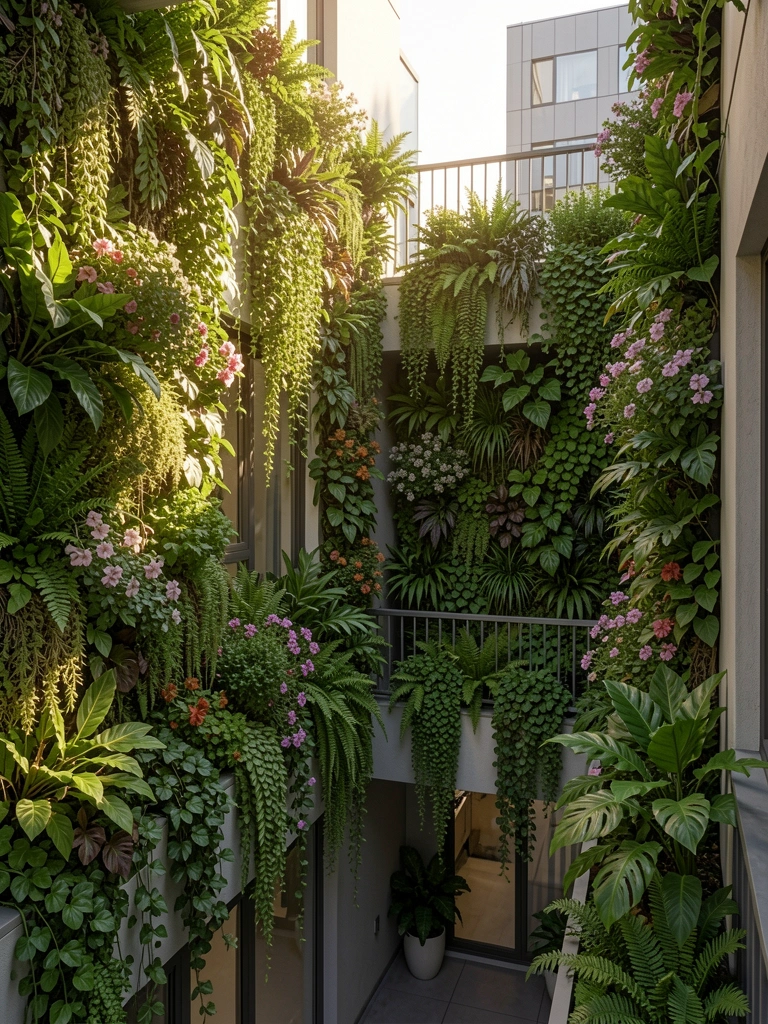
Although urban dwellers often struggle with limited outdoor space, vertical gardening offers an ingenious solution for transforming compact areas into lush, green sanctuaries.
Fire-Smart Landscaping: Protecting Your Home’s Perimeter
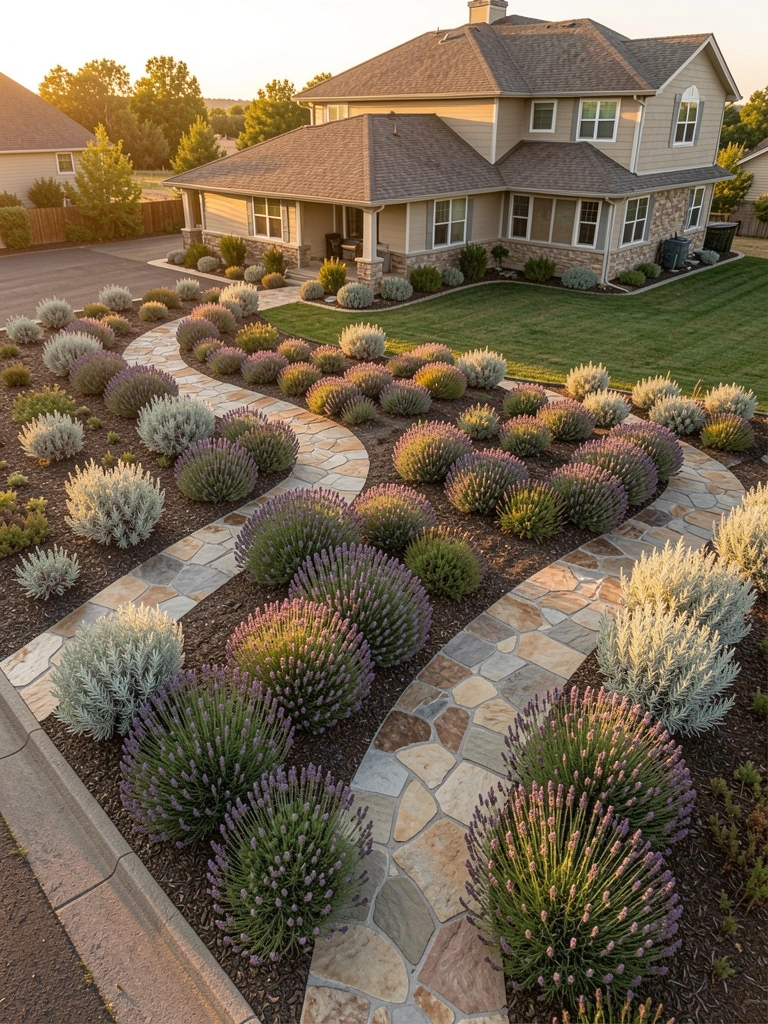
When wildfires threaten residential zones, strategic landscaping becomes a critical defense mechanism for homeowners seeking to protect their property’s perimeter.
Implement fire-resistant plants like succulents, lavender, and sage to create a natural barrier.
Your perimeter design should incorporate stone pathways, minimal dry vegetation, and clear spacing between landscape elements to reduce fire risk.
Craftsman Revival: Architectural Details That Elevate Design
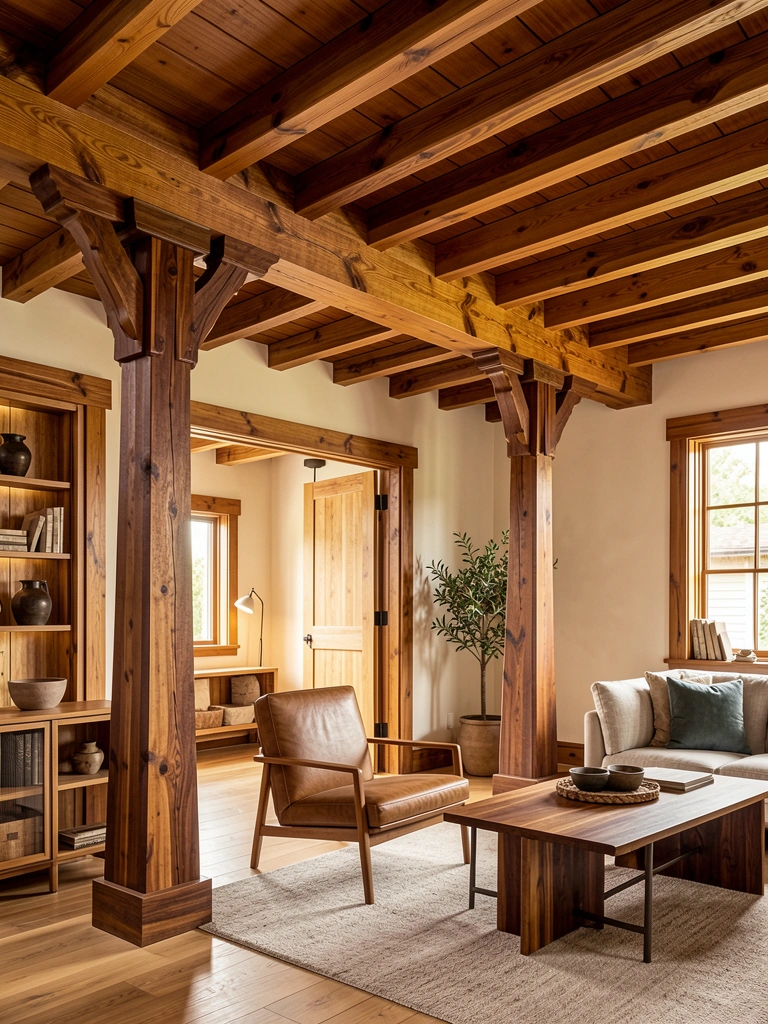
The contemporary Craftsman revival breathes new life into traditional architectural principles, reimagining historic design elements through a modern lens.
You’ll discover elegant architectural nuances that transform small homes, integrating signature Craftsman features like exposed rafters, tapered columns, and handcrafted woodwork that celebrate structural integrity and artisanal craftsmanship.
Natural Light Strategies: Dormer Windows and Transom Design
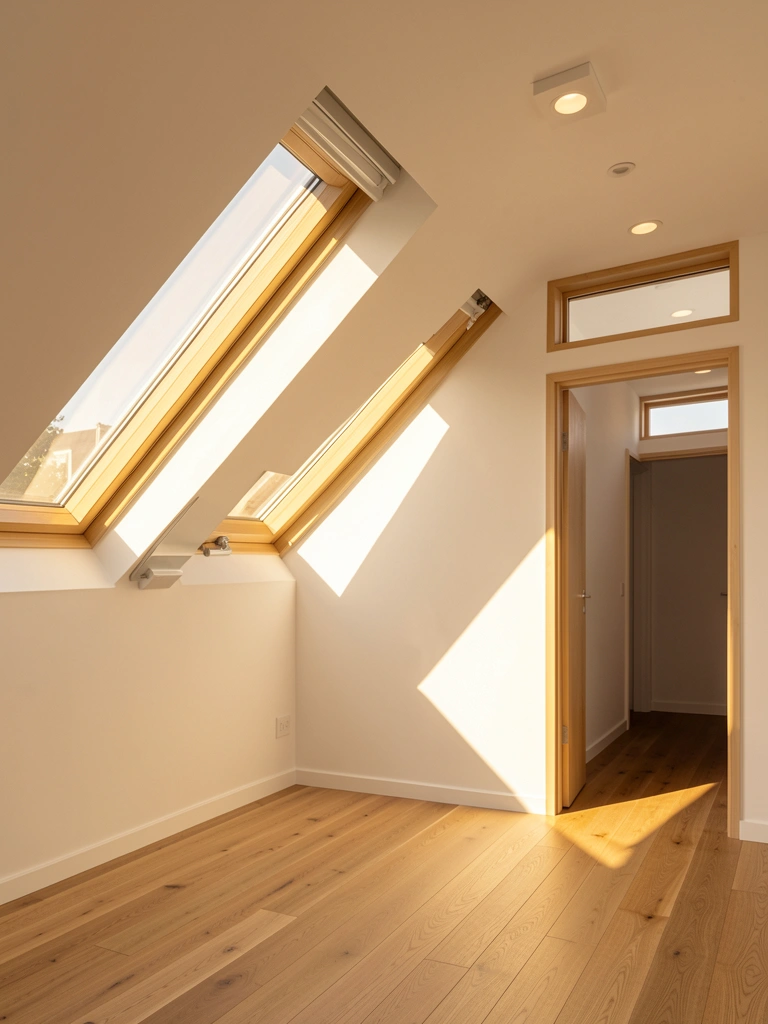
Strategic natural light amplification transforms small house design through sophisticated dormer window designs and transom light features. You’ll maximize interior illumination by positioning dormers to capture ideal sunlight angles. Thoughtfully integrated transom windows create vertical light channels, expanding perceived spatial dimensions while maintaining architectural integrity and design freedom.
Architectural Accents: Brackets, Pediments, and Character
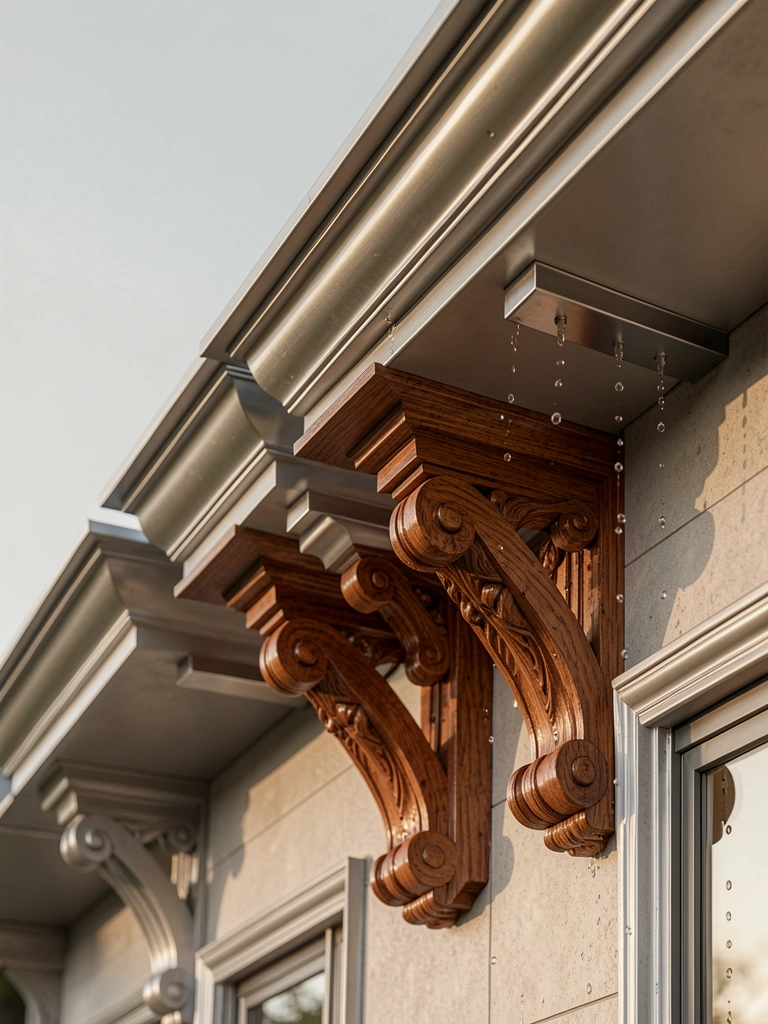
Though small in scale, architectural accents like brackets, pediments, and decorative elements can dramatically elevate a home’s visual narrative and structural character.
Bracket styles ranging from ornate Victorian to sleek modern designs transform exterior profiles.
Pediment functions extend beyond aesthetic appeal, strategically channeling water runoff while creating architectural depth and visual interest.
Wood Accent Walls: Contemporary Exterior Design
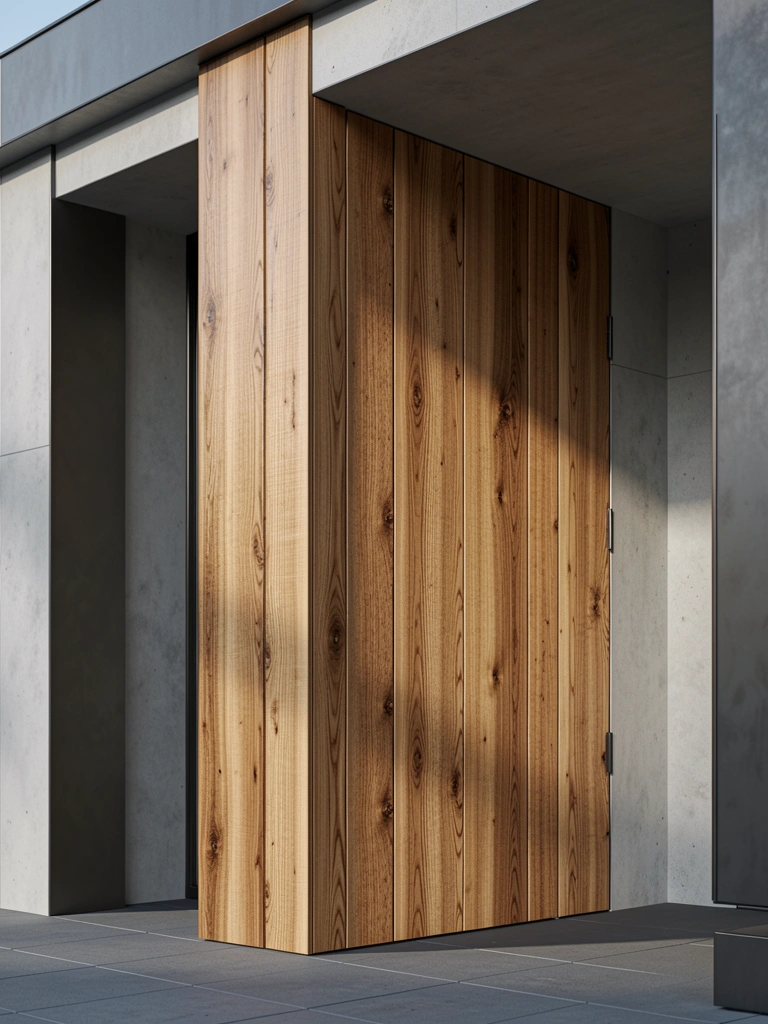
When designing contemporary exterior spaces, wood accent walls emerge as transformative architectural elements that seamlessly blend natural textures with modern design principles.
You’ll discover accent styles that elevate your home’s visual language, integrating strategic wood finishes which create depth, visual interest, and sophisticated architectural character with minimal intervention.
Herringbone Patterns: Walkways and Driveway Design
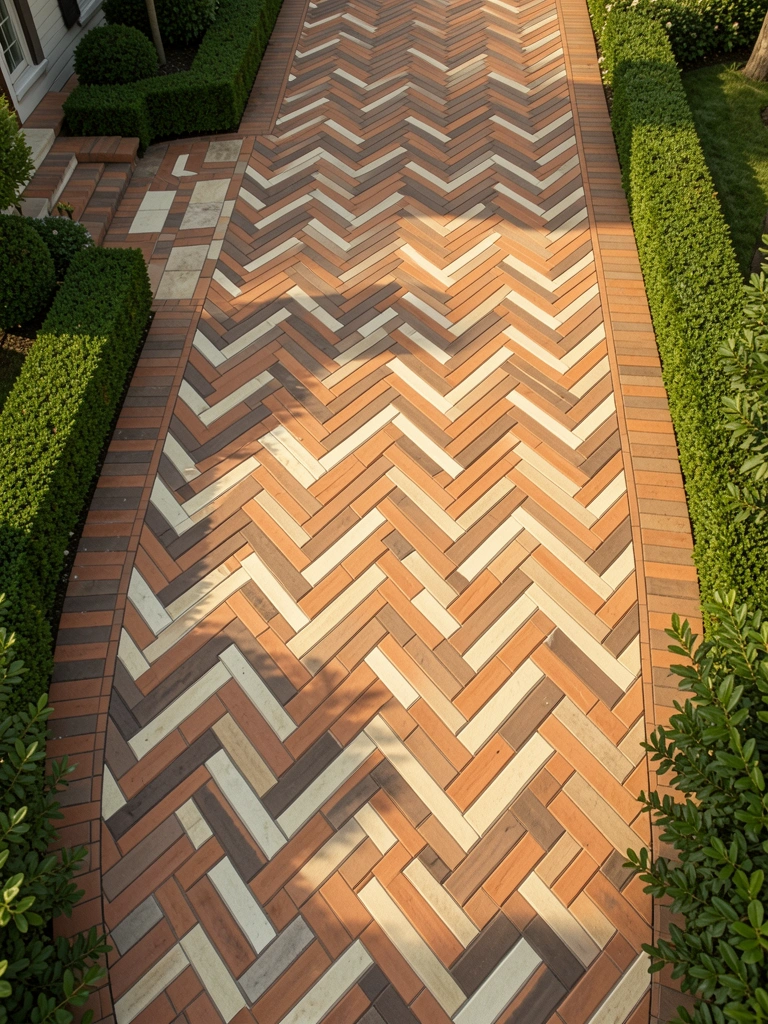
Herringbone patterns transform ordinary walkways and driveways into architectural statements of exceptional visual dynamism.
Your herringbone driveway can elevate landscape aesthetics with interlocking brick or stone configurations.
Patterned walkways create directional flow and spatial intrigue, strategically guiding movement while introducing geometric sophistication to your exterior design environment.
Nighttime Curb Appeal: Strategic Exterior Lighting
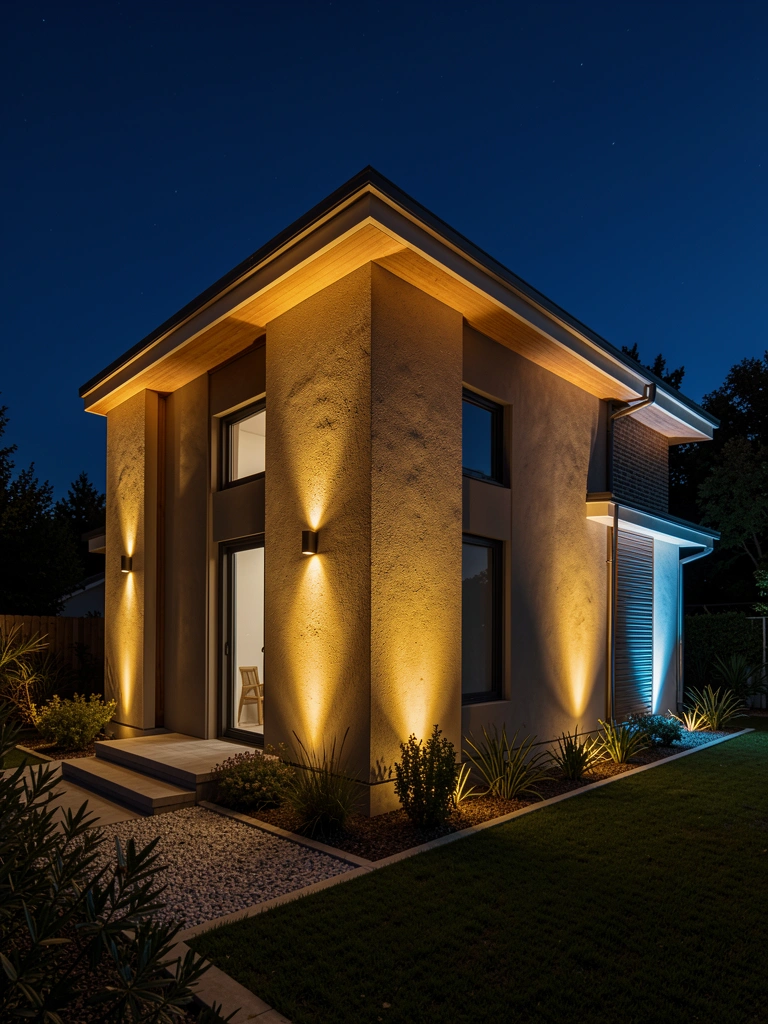
Just as herringbone patterns create visual movement across exterior surfaces, strategic exterior lighting transforms your home’s nighttime aesthetic, extending architectural narratives beyond daylight.
Architectural illumination amplifies your small house’s character, using ambient lighting to highlight textures, angles, and landscape features, creating a dynamic nocturnal visual experience that speaks to your design sensibilities.
Trim and Contrast: Modern Architectural Framing
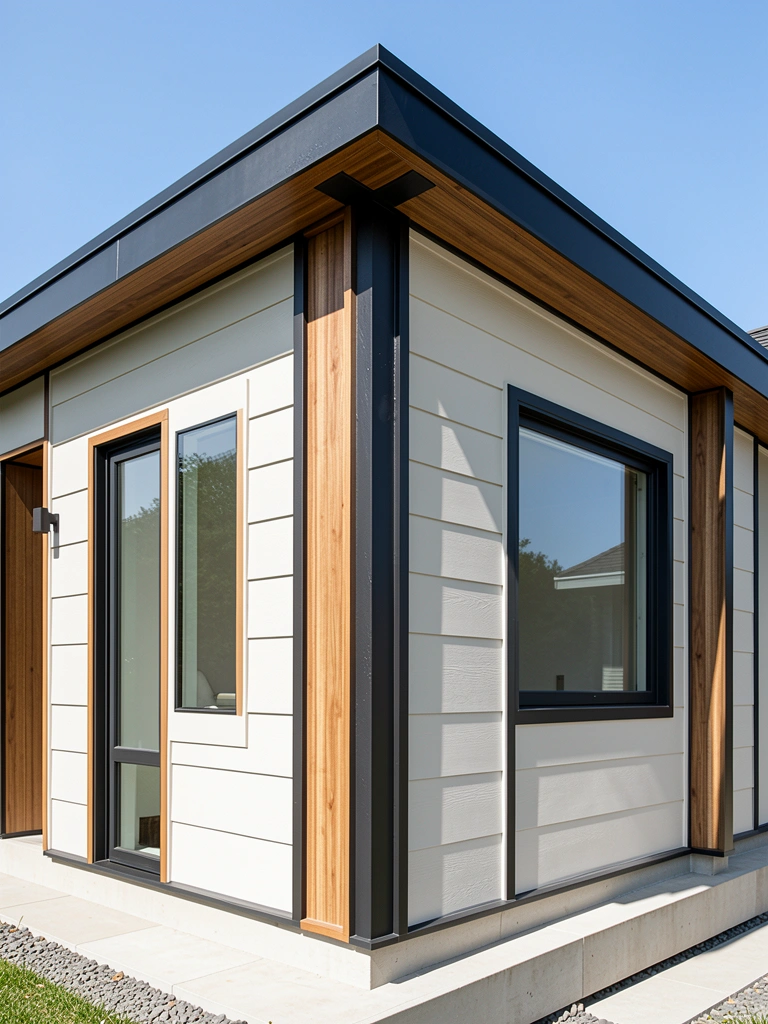
While contemporary small house design prioritizes clean lines and minimalist aesthetics, architectural framing through strategic trim and contrast becomes a critical design language that defines structural boundaries and visual hierarchy.
You’ll elevate your home’s exterior by selecting trim styles that accentuate architectural details, creating bold visual statements through intentional material and color contrasts.
Two-Tone Exteriors: Color Combination Secrets
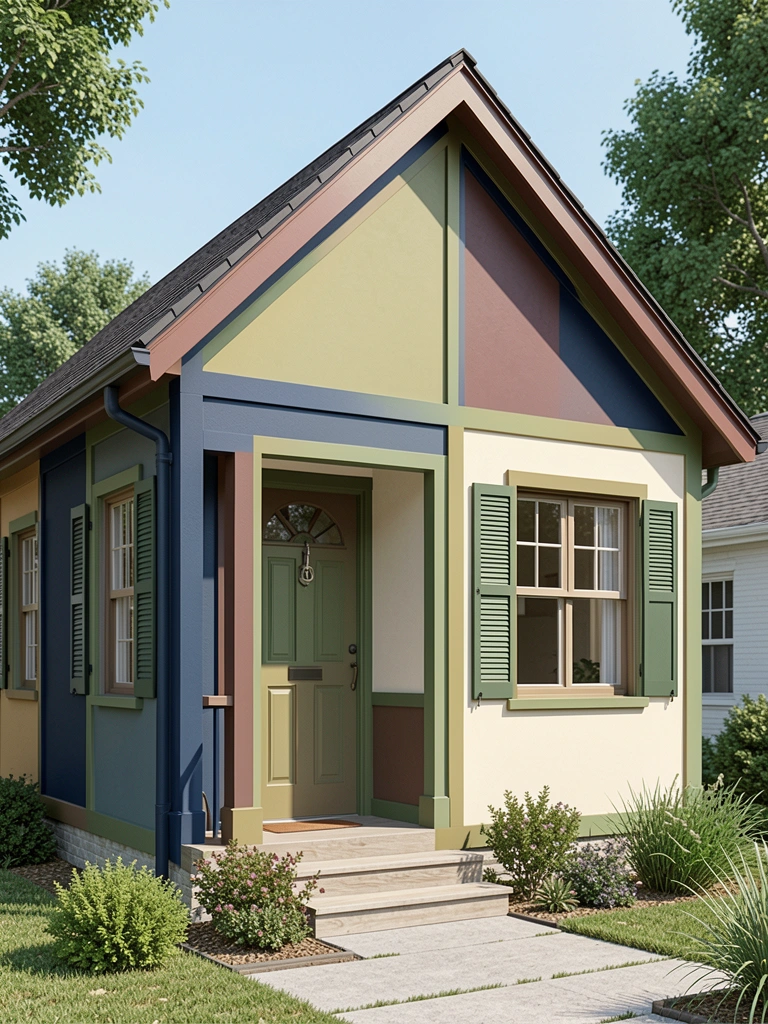
Nearly every transformative small house exterior design hinges on masterful two-tone color strategies that leverage visual contrast and architectural proportion.
You’ll create design balance by selecting complementary colors that highlight your home’s structural lines.
Strategic color harmony allows you to visually expand your space, making your small house feel more dynamic and intentionally crafted.
Beyond Traditional: Modern Materials for Home Exteriors
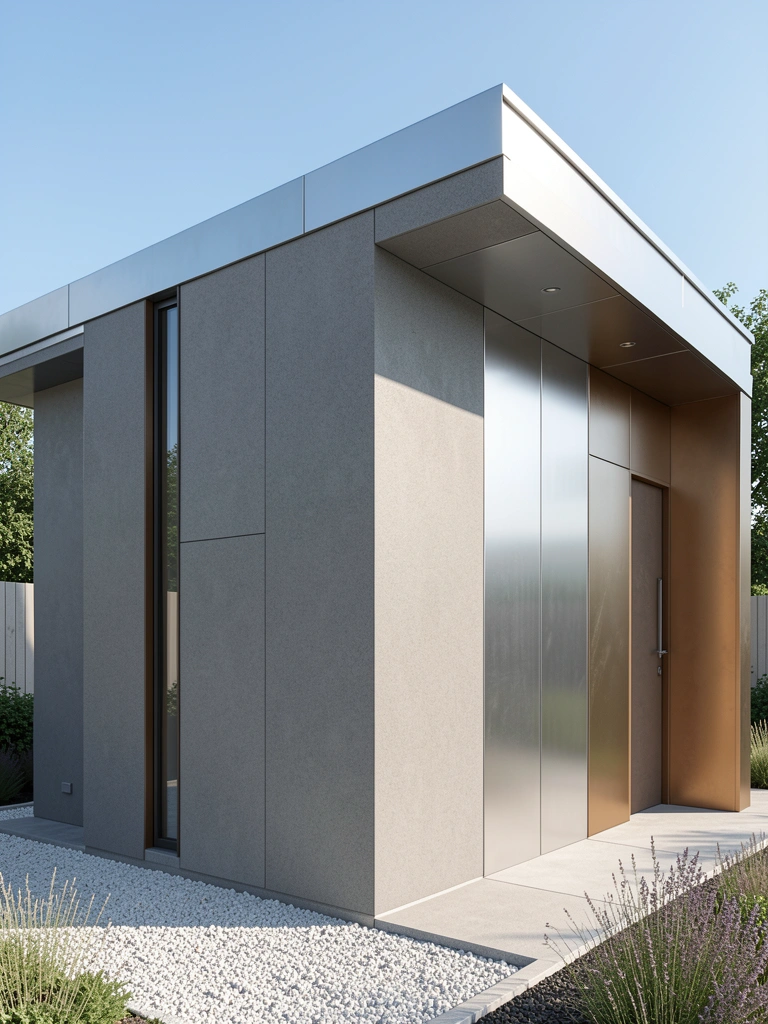
When exploring contemporary small house exterior design, innovative materials are revolutionizing architectural approaches beyond conventional wood and brick.
Sustainable materials like fiber cement, metal panels, and composite cladding offer durability, low maintenance, and striking visual aesthetics that liberate homeowners from traditional design constraints.
Leave a Reply