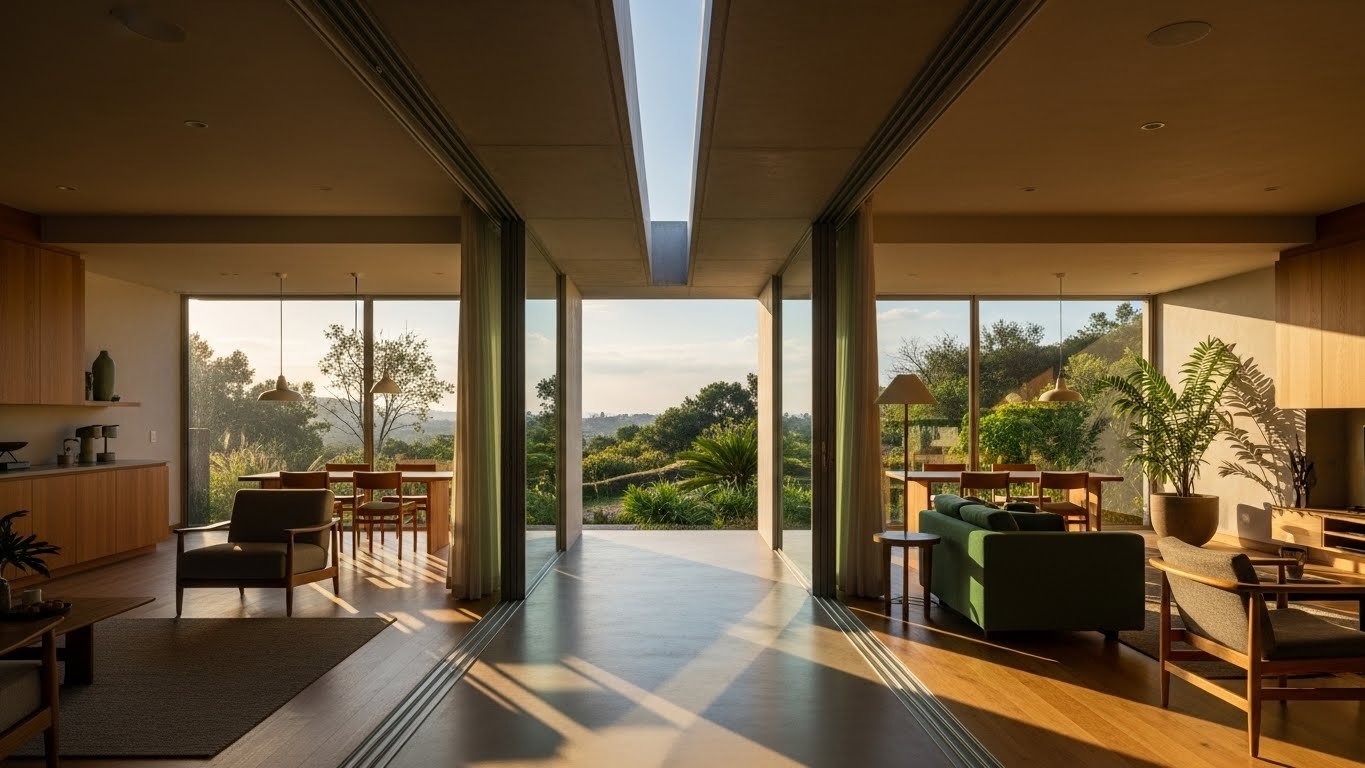
You’re standing at the threshold of architectural transformation, where indoor and outdoor spaces blur into a harmonious canvas. Modern design isn’t just about walls and windows—it’s about creating fluid, breathable environments that invite nature inside. The most compelling homes today don’t separate; they integrate, offering seamless shifts that challenge traditional spatial boundaries. Imagine living spaces that feel simultaneously intimate and expansive, where every design choice whispers of connection and possibility.
Understanding Indoor-Outdoor Living Design Principles
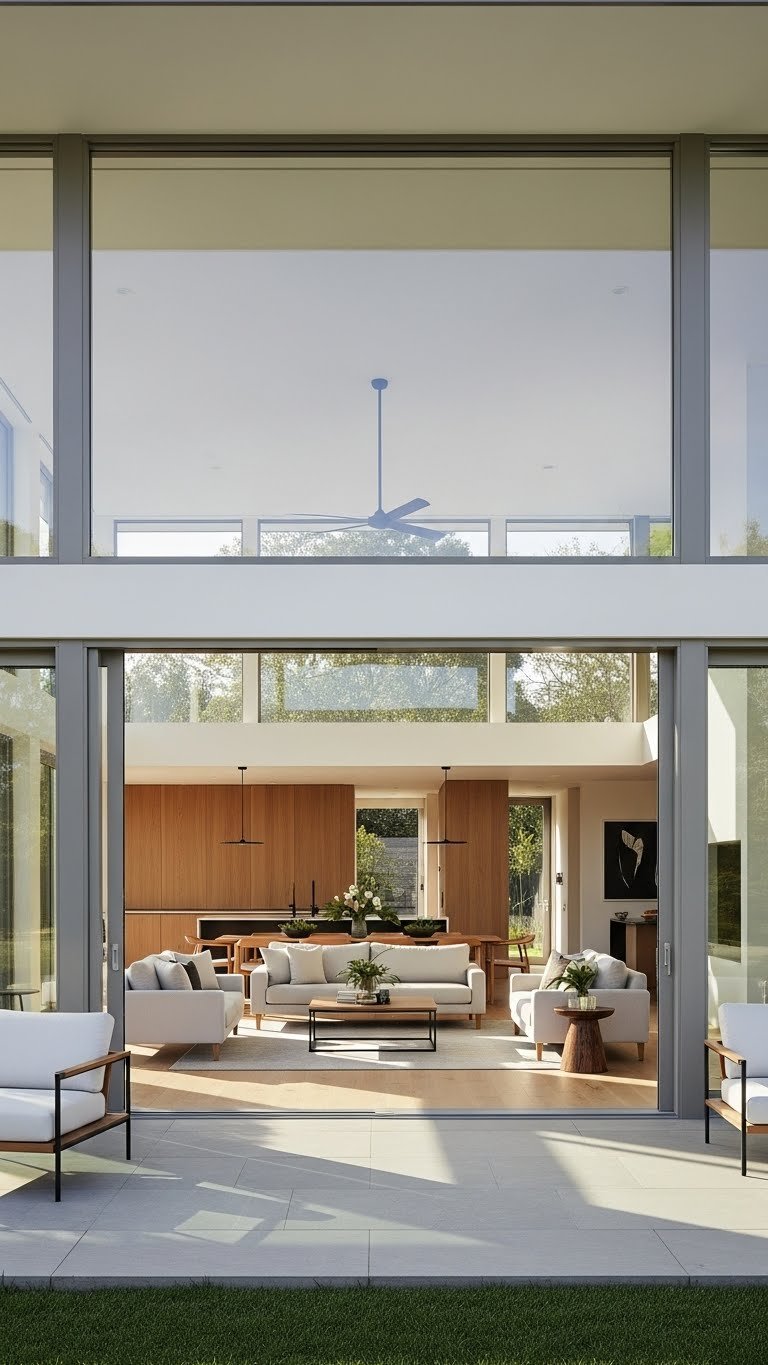
While indoor-outdoor living represents more than just architectural design, it’s a holistic approach to creating seamless spatial experiences that blur traditional boundaries between interior and exterior environments.
You’ll want to prioritize indoor comfort while embracing outdoor aesthetics, strategically designing spaces that flow effortlessly and invite natural light, ventilation, and sensory connection between inside and outside domains.
Floor Level Integration Strategies

Although floor level integration might seem like a subtle design element, it’s a critical strategy for creating truly seamless indoor-outdoor connections.
Advanced Glass Door Solutions

Floor level continuity sets the stage for sophisticated glass wall options that dramatically reshape architectural boundaries.
You’ll love folding door innovations that dissolve interior-exterior constraints, creating seamless connections.
Frameless sliding systems and multi-panel configurations provide unprecedented spatial freedom, transforming how you experience architectural connectivity.
Material Selection for Seamless Transitions
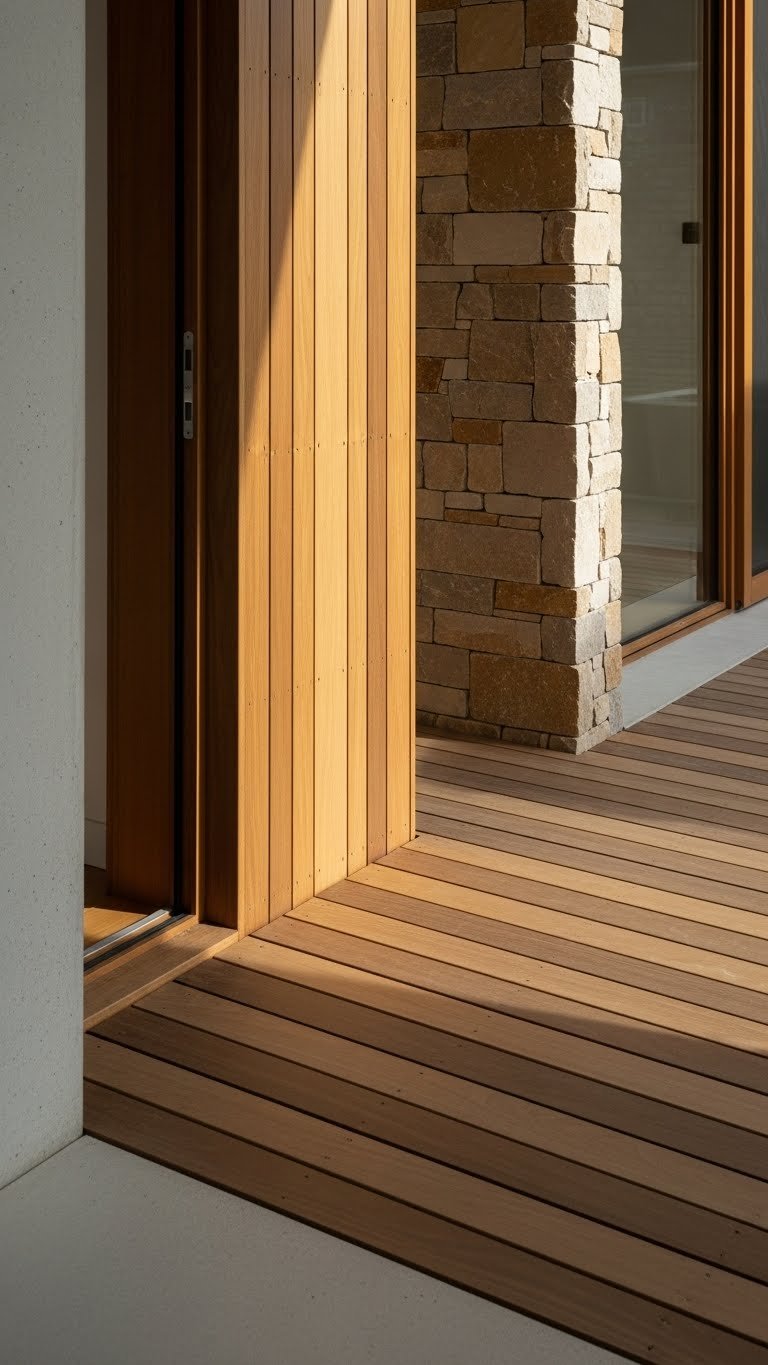
Since successful indoor-outdoor design hinges on material continuity, architects leverage strategic surface selections to create fluid spatial experiences.
You’ll want materials that balance durability, texture contrast, and color harmony while prioritizing eco-friendly options.
Consider local sourcing, aesthetic versatility, and functional performance to achieve a seamless changeover that reflects your design vision.
Furniture Placement for Unified Spaces
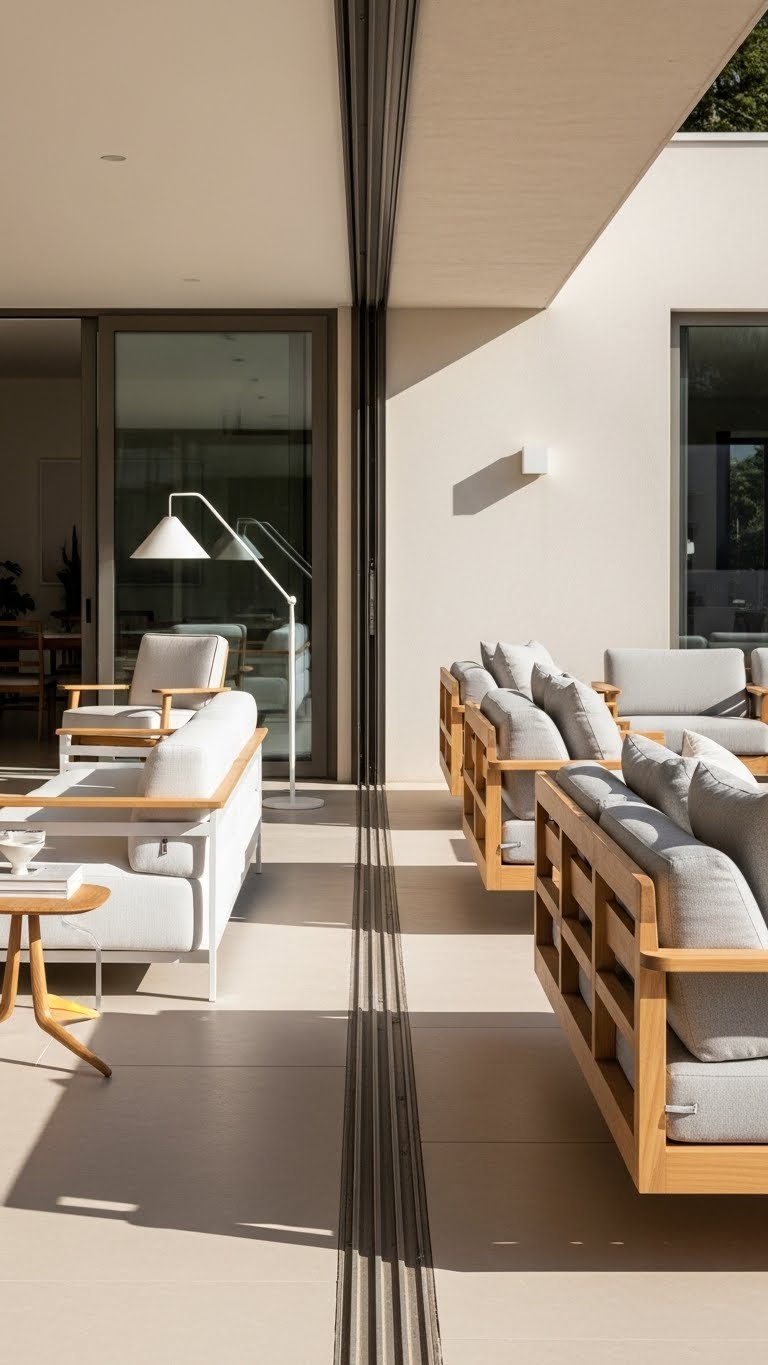
When designing indoor-outdoor spaces, furniture placement becomes a critical choreography of spatial connectivity and visual flow.
You’ll want to create seamless furniture arrangements that blur boundaries, promoting spatial harmony.
Position pieces strategically to invite movement, using lightweight, versatile furniture that shifts effortlessly between interior and exterior environments.
Minimalist Glazing Techniques
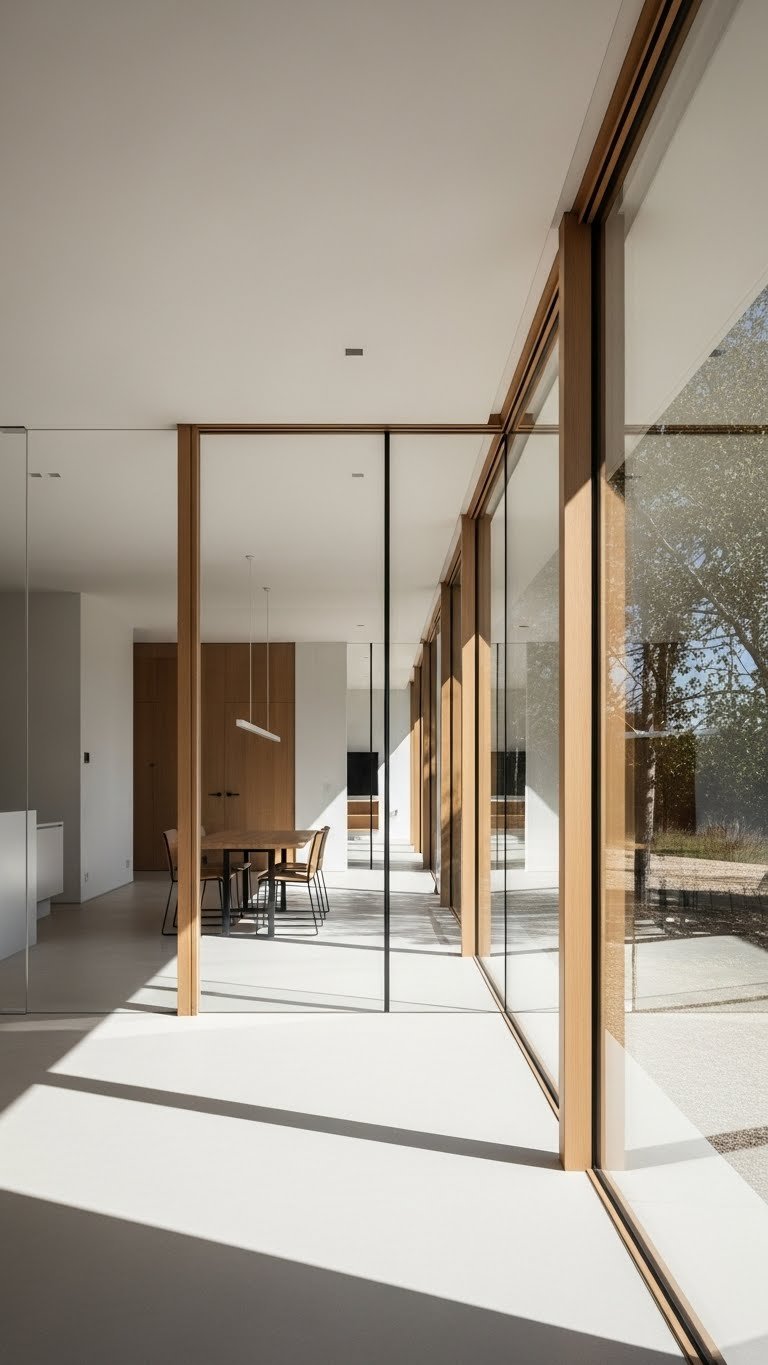
As architectural boundaries dissolve, minimalist glazing emerges as a transformative design strategy that radically reimagines spatial connections.
You’ll find these techniques leverage floor-to-ceiling glass panels, creating seamless shifts between interior and exterior environments.
Strategic Window Design for Visual Expansion
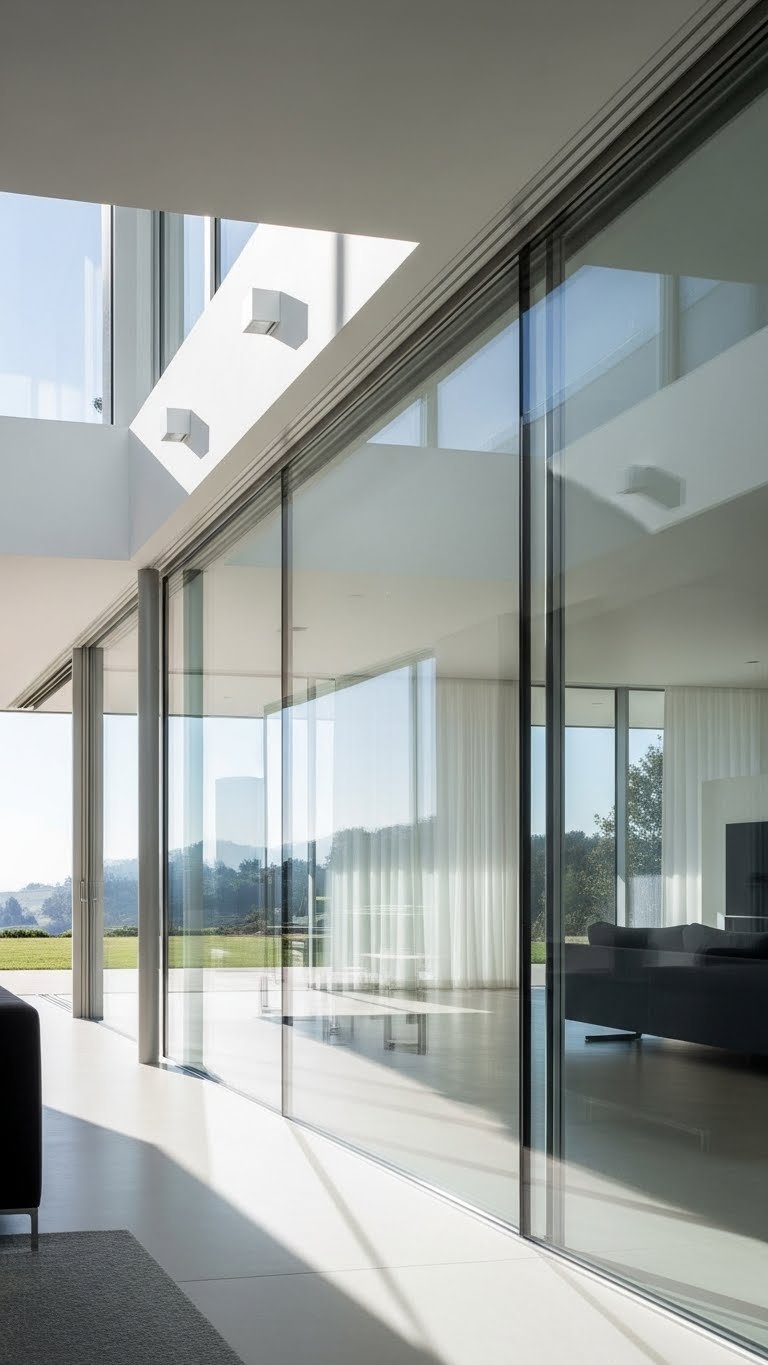
While architectural innovation continually pushes spatial boundaries, strategic window design emerges as a powerful technique for visual expansion.
You’ll reveal transformative spaces by carefully framing views and orchestrating light diffusion. Large, frameless windows dissolve interior-exterior barriers, creating an illusion of expanded dimensions that breathes freedom into your living environment.
Natural Material Palettes and Textures

Because indoor-outdoor flow transcends mere visual connectivity, material selection becomes a critical design language that bridges interior spaces with natural landscapes.
You’ll want to embrace reclaimed wood, natural stone, and bamboo accents that create organic shapes and wabi sabi aesthetics, while integrating textured fabrics and artisanal tiles that enhance biophilic design principles through tactile, earthy experiences.
Creating Functional Threshold Spaces
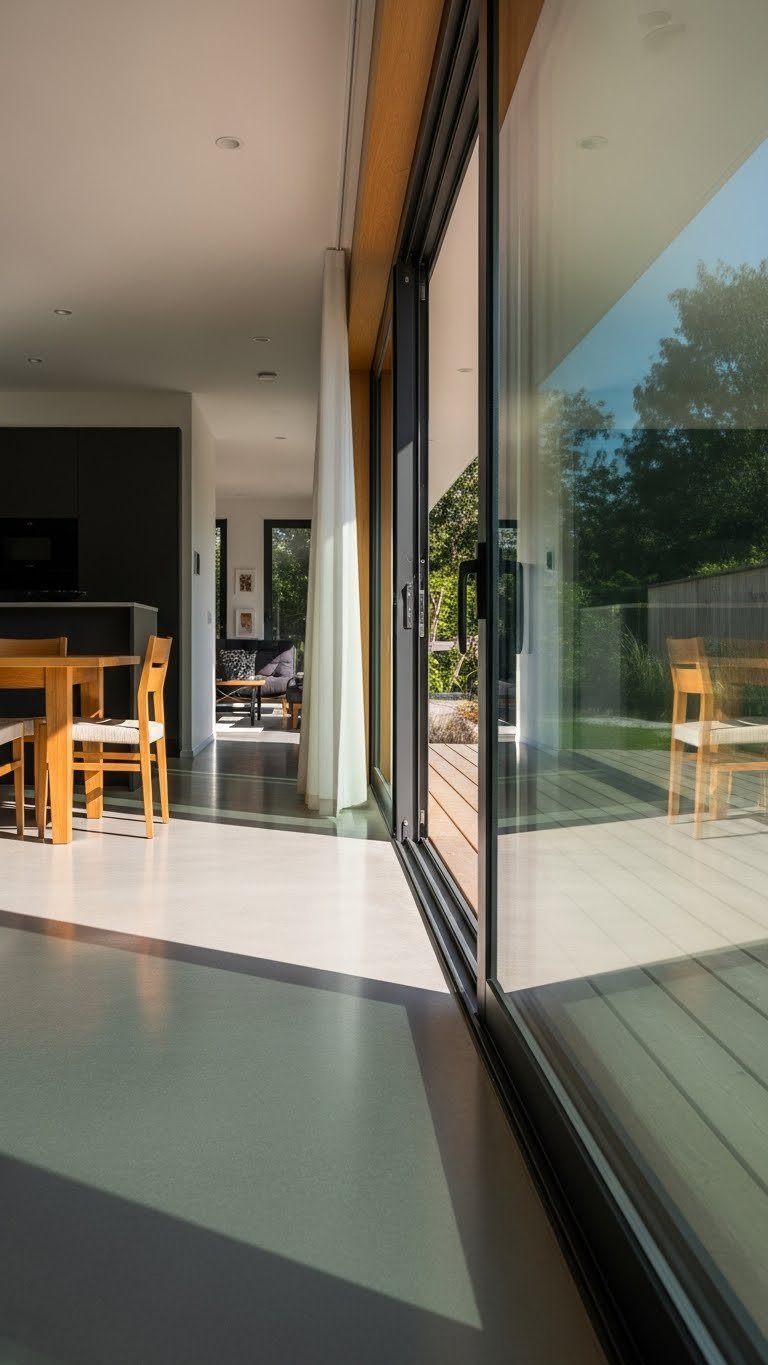
When designing indoor-outdoor shifts, threshold spaces become critical architectural moments that choreograph spatial movement and sensory experience.
You’ll want to craft seamless changes that blur interior and exterior boundaries, integrating threshold design with outdoor functionality.
Strategically placed sliding glass walls, pivoting doors, and level-matched flooring create fluid spatial connections that expand your living experience.
Kitchen and Dining Outdoor Connection Methods

Expanding on threshold design principles, kitchen and dining spaces offer prime opportunities for outdoor integration through strategic architectural interventions.
You’ll transform kitchen layouts by installing large sliding glass doors or folding panel systems that dissolve interior/exterior boundaries, creating seamless outdoor dining experiences that extend your living environment’s spatial dynamics and sensory connections.
Lighting Design for Spatial Continuity
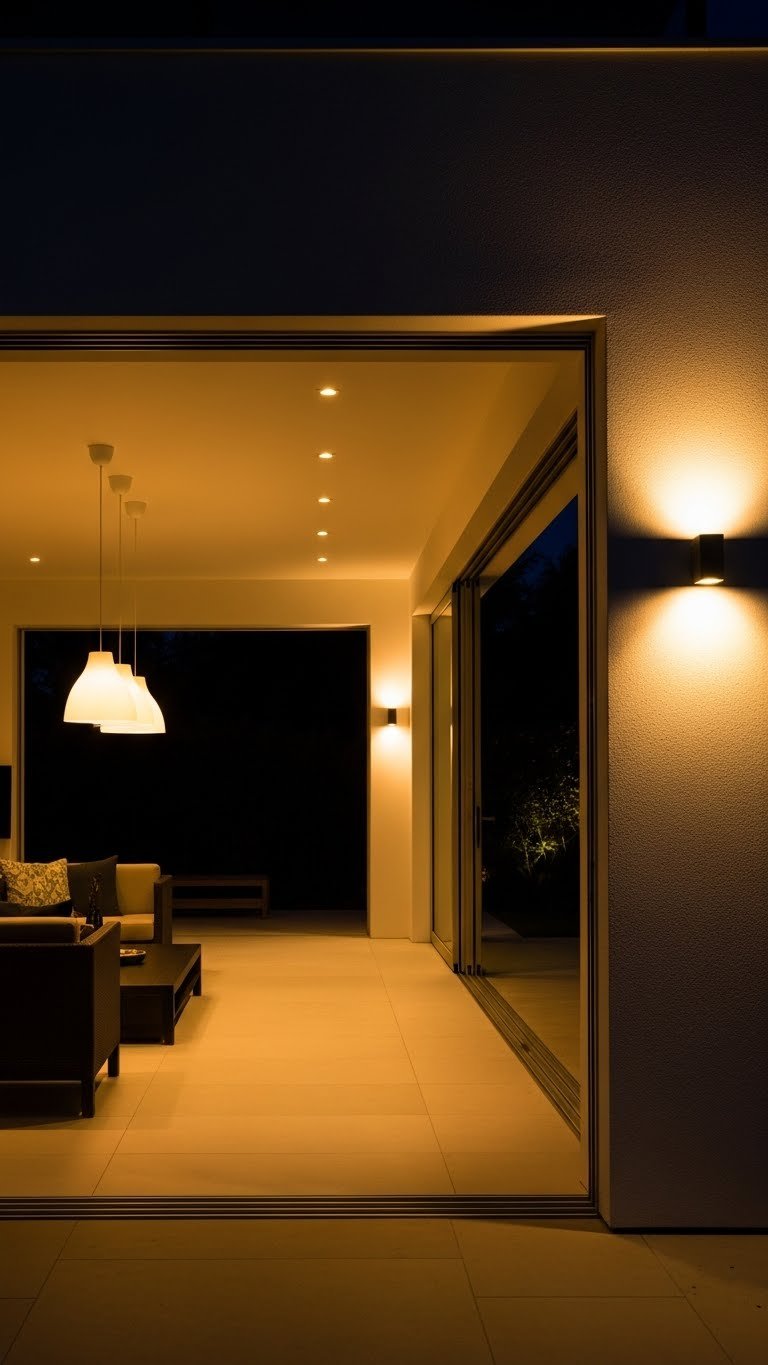
While architectural lighting serves as a critical medium for spatial perception, strategic illumination techniques can profoundly transform indoor-outdoor threshold experiences.
You’ll want to layer ambient and task lighting to blur spatial boundaries.
Seamless shifts emerge when pendant lights, recessed fixtures, and exterior sconces create visual continuity, inviting your eye to flow effortlessly between interior and exterior environments.
Climate-Adaptive Transition Techniques
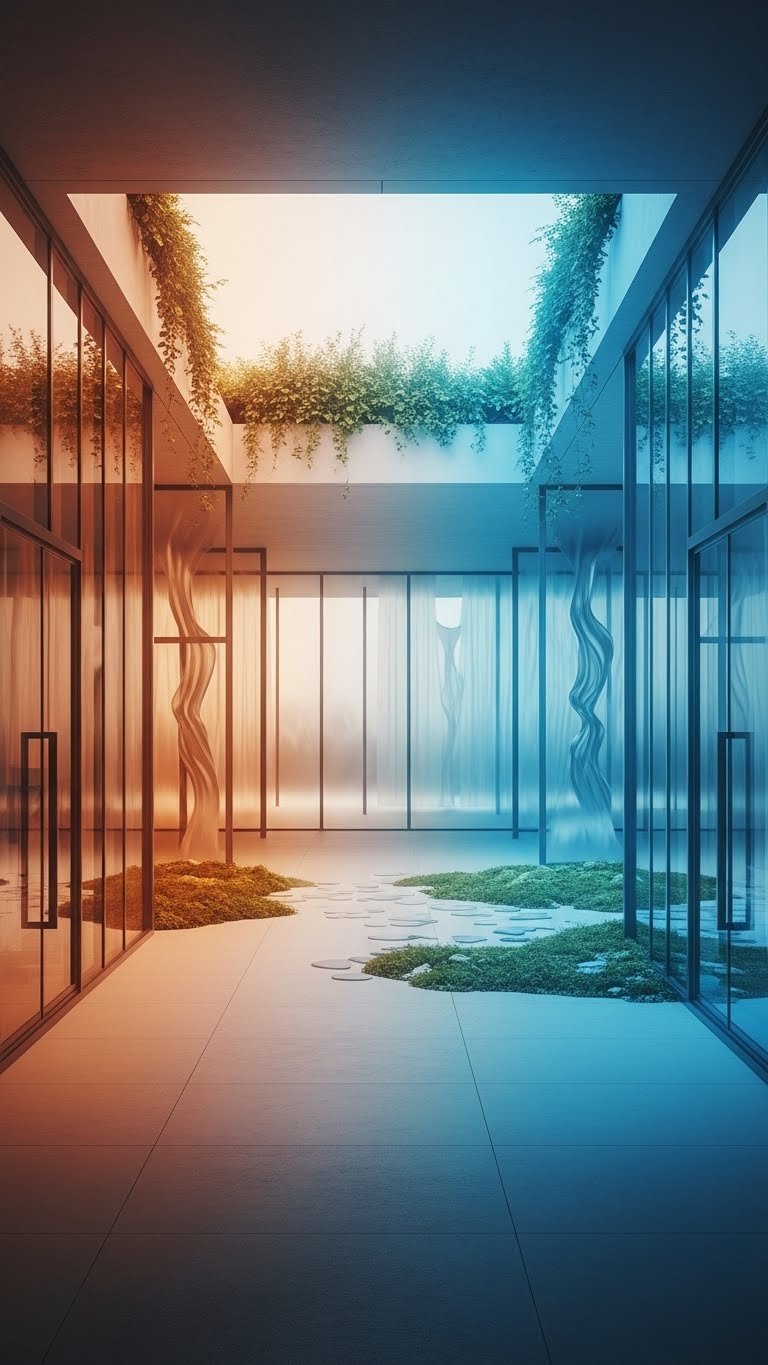
Because architectural design must respond dynamically to environmental conditions, climate-adaptive change techniques become essential in creating responsive indoor-outdoor spaces. You’ll want to leverage adaptive material selection that transforms with temperature shifts, integrating smart design solutions that breathe with your environment’s unique rhythms, ensuring seamless architectural shifts that honor both interior comfort and exterior landscape dynamics.
Privacy and Screening Innovations

Privacy emerges as a nuanced architectural choreography when design transforms environmental membranes into intelligent screening mechanisms.
You’ll discover innovative privacy screening solutions—decorative trellises, living walls, and retractable shades—that elegantly balance transparency and seclusion.
Natural materials and acoustic solutions seamlessly integrate outdoor partitions, creating visual blocks that breathe with spatial freedom.
Technology Integration in Open Living Spaces

As smart home ecosystems evolve, technology seamlessly merges with architectural design, transforming open living spaces into intelligent, responsive environments.
You’ll experience immersive entertainment through interactive surfaces and wireless integration, where automated shading and intelligent lighting adapt intuitively to your preferences, creating seamless connectivity with digital privacy and sophisticated climate control.
Fire and Water Features as Connective Elements

While architectural design increasingly blurs boundaries between indoor and outdoor spaces, fire and water features emerge as powerful connective elements that transform spatial experiences. You’ll discover how strategically placed fire features and water elements create seamless visual connectivity, enhancing ambiance and merging functional zones with sophisticated outdoor aesthetics.
Storage Solutions at Architectural Interfaces

Because architectural interfaces demand innovative solutions, integrated storage becomes a critical design element in creating fluid indoor-outdoor spaces.
You’ll discover that storage optimization transforms changing zones, seamlessly blending functionality with aesthetic flow.
Built-in cabinets, hidden compartments, and multi-purpose furnishings strategically positioned at architectural interfaces maximize spatial potential.
Landscape Design That Extends Interior Aesthetics

When landscape design becomes an extension of interior architectural vision, your outdoor spaces transform into seamless visual narratives that flow beyond traditional boundaries.
You’ll discover landscape harmony emerges through intentional material selection, color coordination, and spatial continuity that naturally extends interior aesthetics, creating immersive environments where indoor and outdoor domains converge eloquently.
Ergonomic Movement Between Indoor-Outdoor Areas
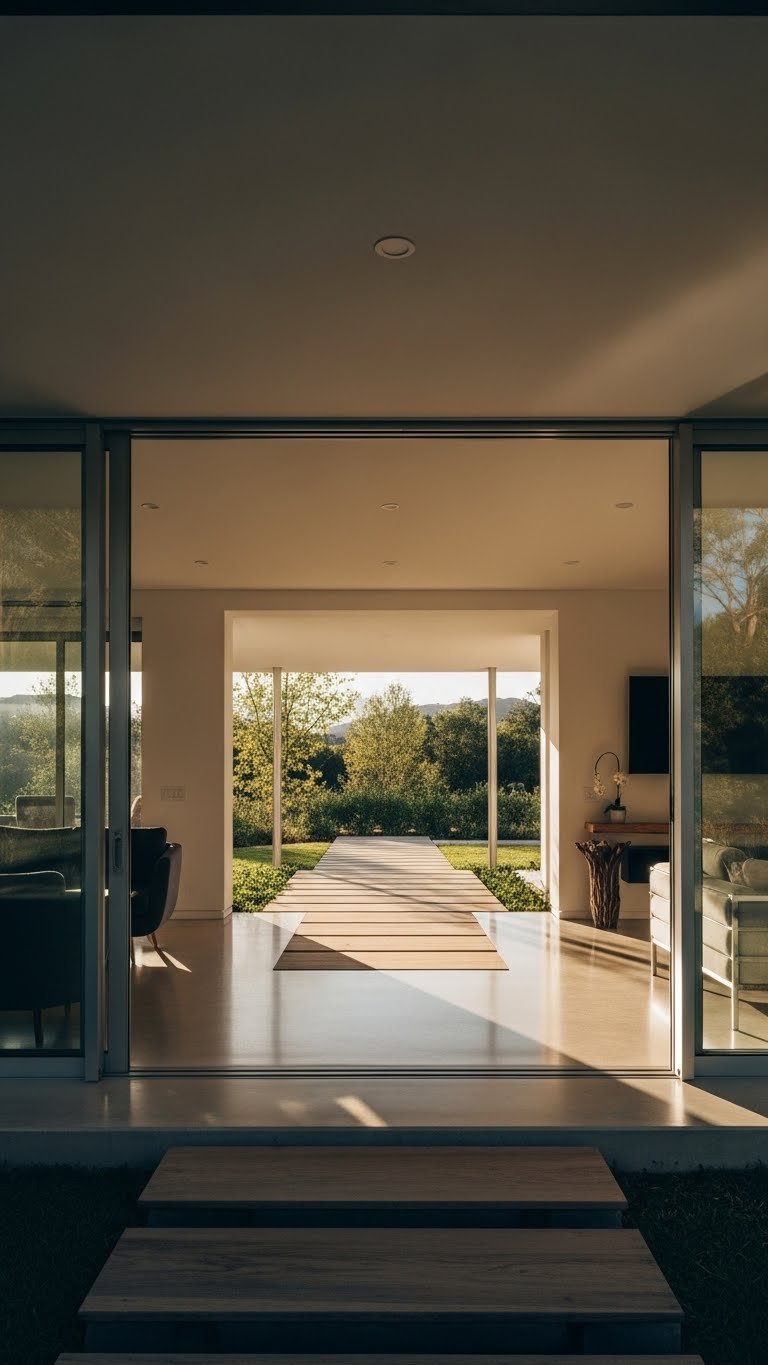
Seamlessly shifting between indoor and outdoor spaces requires strategic design that prioritizes fluid, intuitive movement and spatial ergonomics.
You’ll want flowing pathways that eliminate physical barriers, creating natural shifts.
Wide doorways, level thresholds, and strategically positioned windows maximize natural ventilation while ensuring your movement feels effortless and unrestricted.
Sensory Continuity in Design Transitions
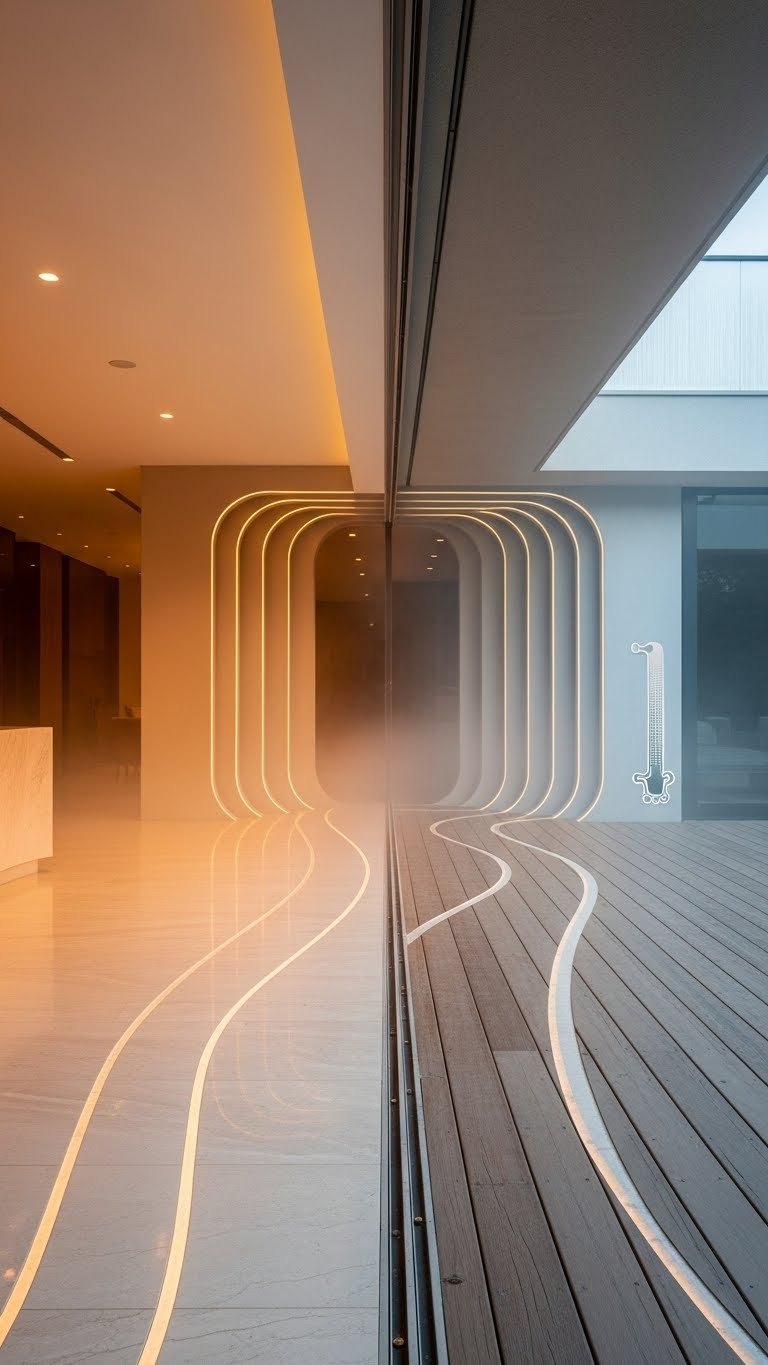
Beyond physical pathways, sensory experience defines the true quality of indoor-outdoor spatial interactions.
Your design should orchestrate sensory pathways that seamlessly blend environmental textures, temperatures, and luminosity.
Spatial harmony emerges when shifts feel intuitive, allowing your perception to flow effortlessly between interior and exterior spaces without jarring sensorial interruptions.
Architectural Framing of Exterior Views
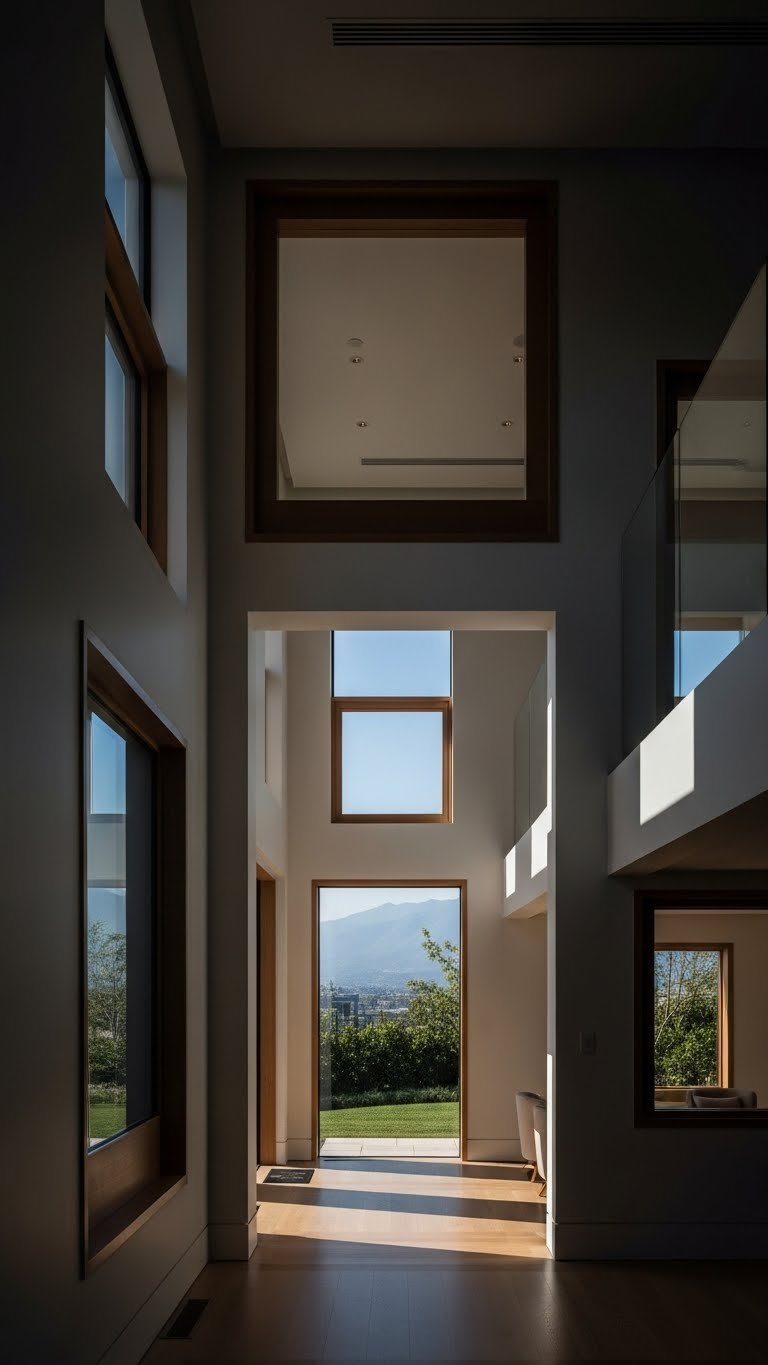
Architectural framing transforms exterior views into living artworks, turning windows and openings into curated visual compositions that extend interior spatial narratives. You’ll discover how strategic exterior framing creates visual emphasis, guiding your gaze through carefully designed apertures that choreograph landscape interactions and blur boundaries between indoor and outdoor environments.
Multi-Functional Door System Technologies
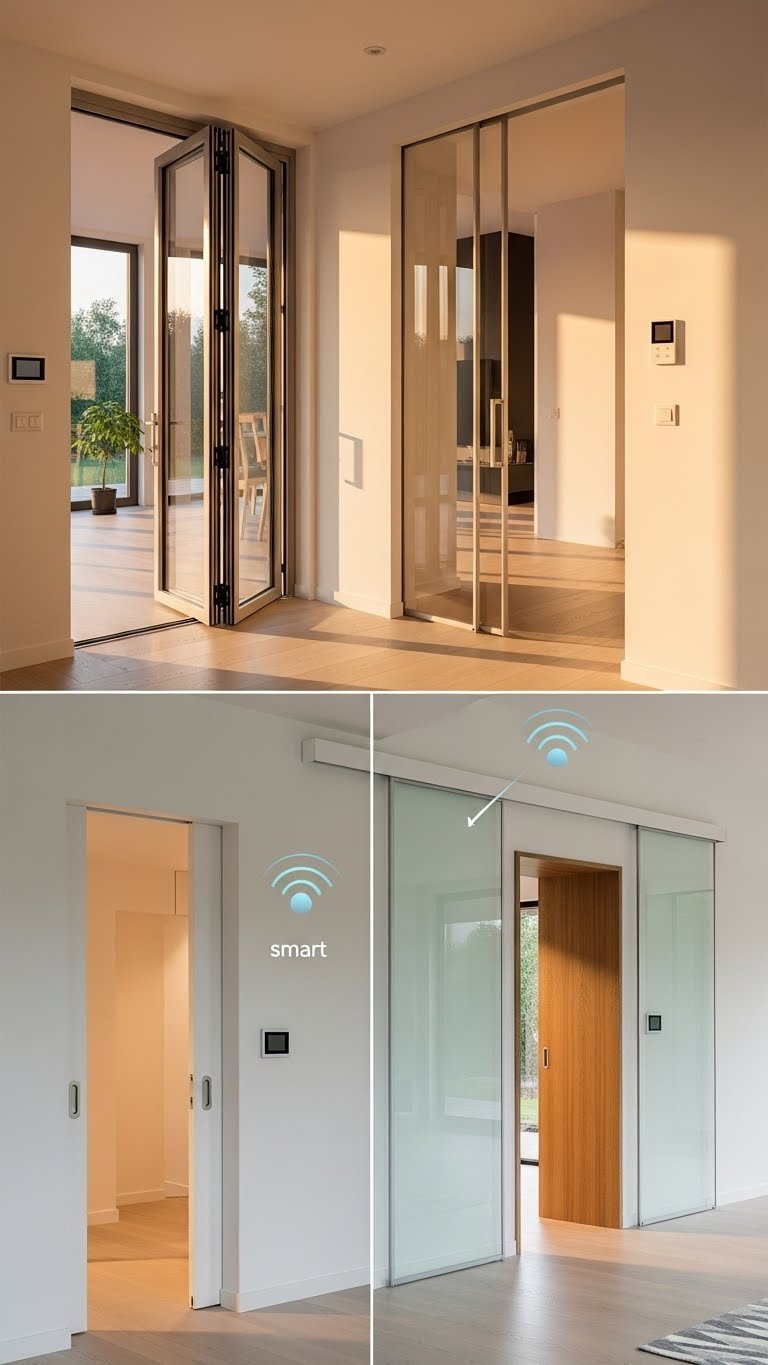
Where exterior view framing establishes visual dialogues, multi-functional door systems amplify spatial connectivity through innovative engineering and design.
You’ll discover cutting-edge technologies like bi-fold doors, sliding panels, and pocket glass that transform boundaries, integrating smart systems with thermal efficiency and acoustic insulation.
These options offer customizable features that enhance freedom and safety through automated controls.
Sustainable Materials for Boundary-Less Living
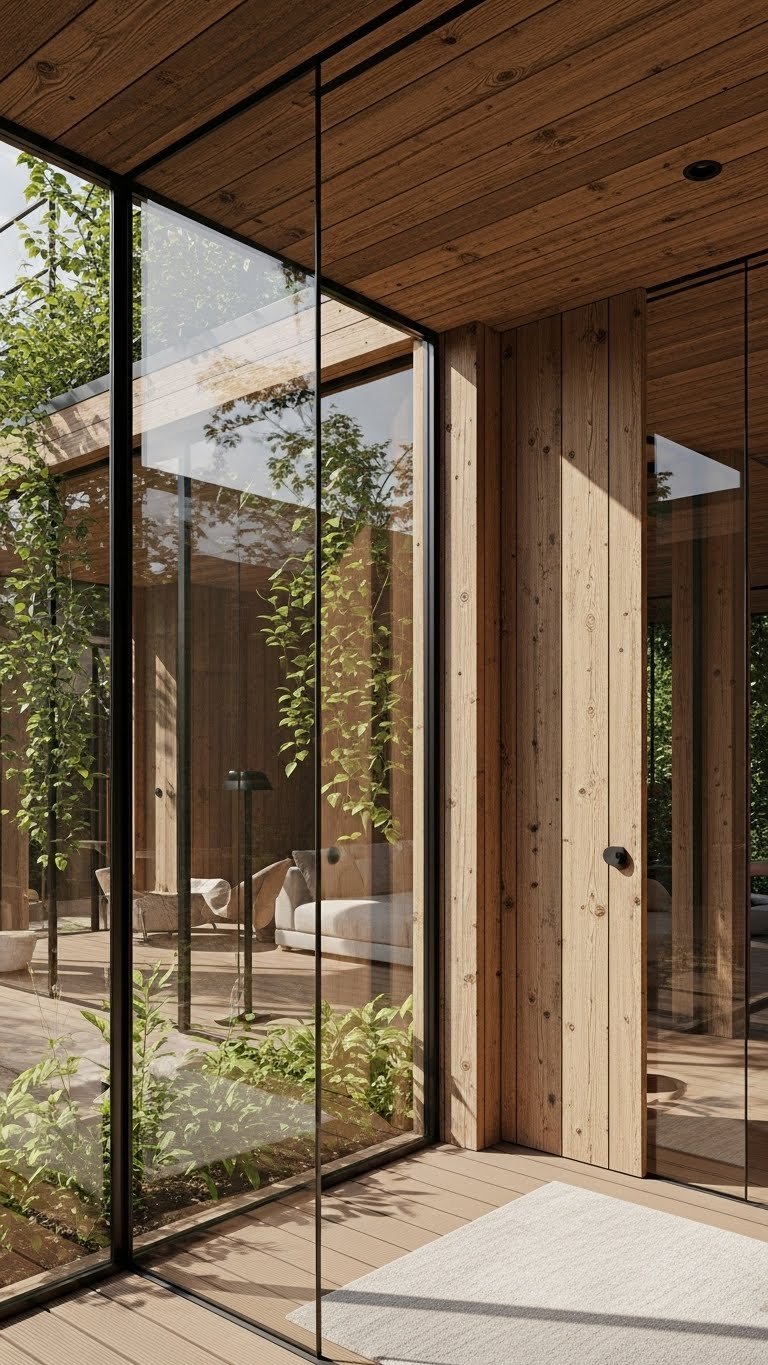
As sustainable design continues to evolve, innovative materials are reshaping how we conceptualize interior-exterior boundaries.
You’ll discover recycled materials transforming spaces, blending biophilic design principles with architectural freedom.
Transparent glass, reclaimed timber, and eco-friendly composites create seamless connections, allowing natural light and organic textures to dissolve traditional spatial limitations.
Psychological Impact of Spatial Flow

When design transcends mere physical boundaries, spatial flow becomes a profound psychological catalyst for human experience.
You’ll discover that intentional spatial awareness transforms environments, liberating emotional responses.
Seamless exchanges invite your mind to breathe, reducing stress and enhancing cognitive flexibility.
Your perception shifts, creating a sense of expansiveness that connects interior and exterior domains with intuitive grace.
Budget-Conscious Transition Design Strategies
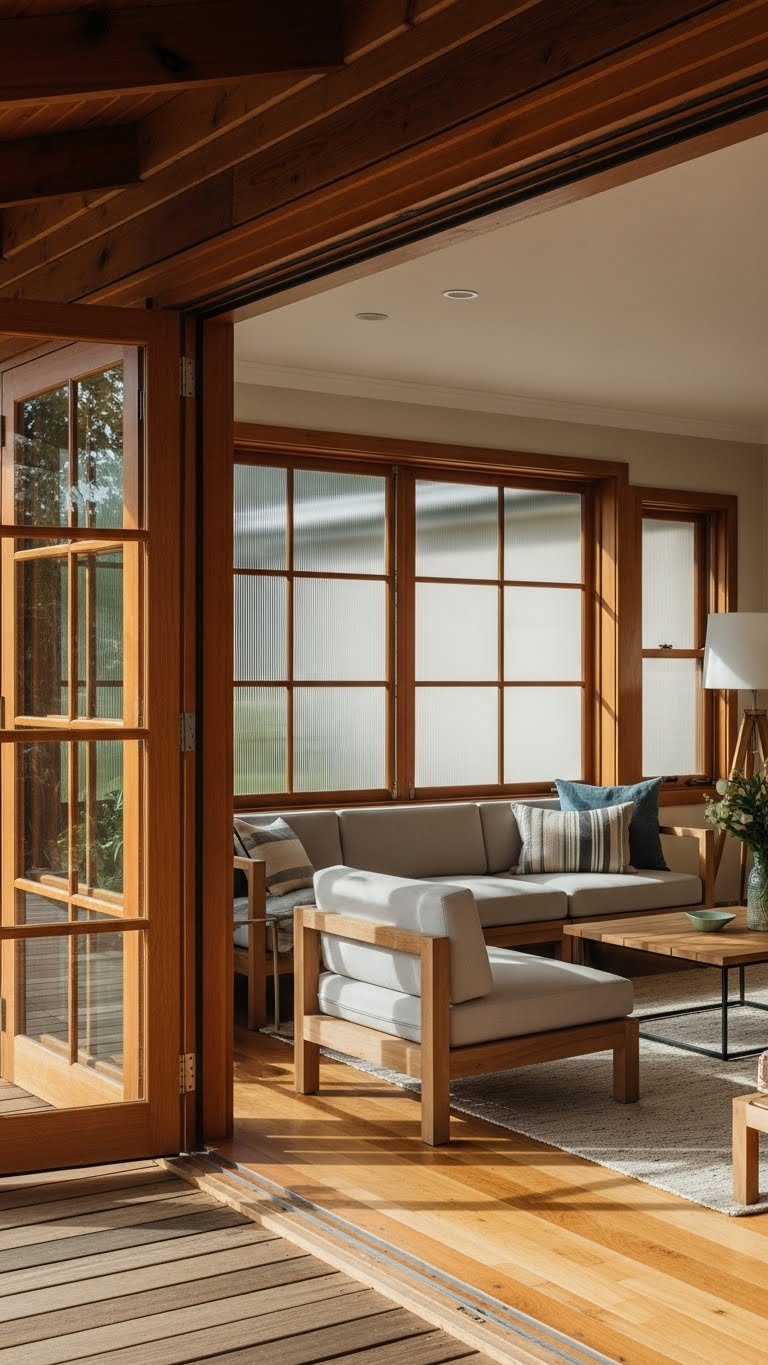
Psychological insights illuminate design’s economic potential, revealing how intelligent spatial strategies can transform indoor-outdoor connections without astronomical expenses.
You’ll discover budget-friendly solutions using cost-effective materials like repurposed wood, strategic glass treatments, and modular furnishings.
Clever design choices can dramatically enhance spatial flow without draining your wallet, offering aesthetic freedom through smart, intentional shifts.
Future Trends in Indoor-Outdoor Living Spaces

While technological advancements increasingly blur traditional architectural boundaries, indoor-outdoor living spaces are evolving into dynamic, multifunctional environments that respond intelligently to human needs and environmental conditions.
You’ll see biophilic design transforming spaces through seamless shifts, integrated smart technologies, and outdoor aesthetics that expand your living experience beyond conventional architectural limitations.
Leave a Reply