Category: Home Decor

  • 28 Sleek Glass-Front Cabinet Concepts Ideas That Upgrade Your Home

    28 Sleek Glass-Front Cabinet Concepts Ideas That Upgrade Your Home

    You’re about to transform your living spaces with glass-front cabinets that aren’t just storage—they’re design statements. These sleek solutions blur lines between functionality and artistry, turning everyday items into visual compositions. Whether you’re craving kitchen sophistication or living room elegance, glass-front cabinets offer a transparent revolution in home design. Curious how these luminous installations can reshape your interior narrative?

    Why Glass Cabinets Transform Kitchen Design
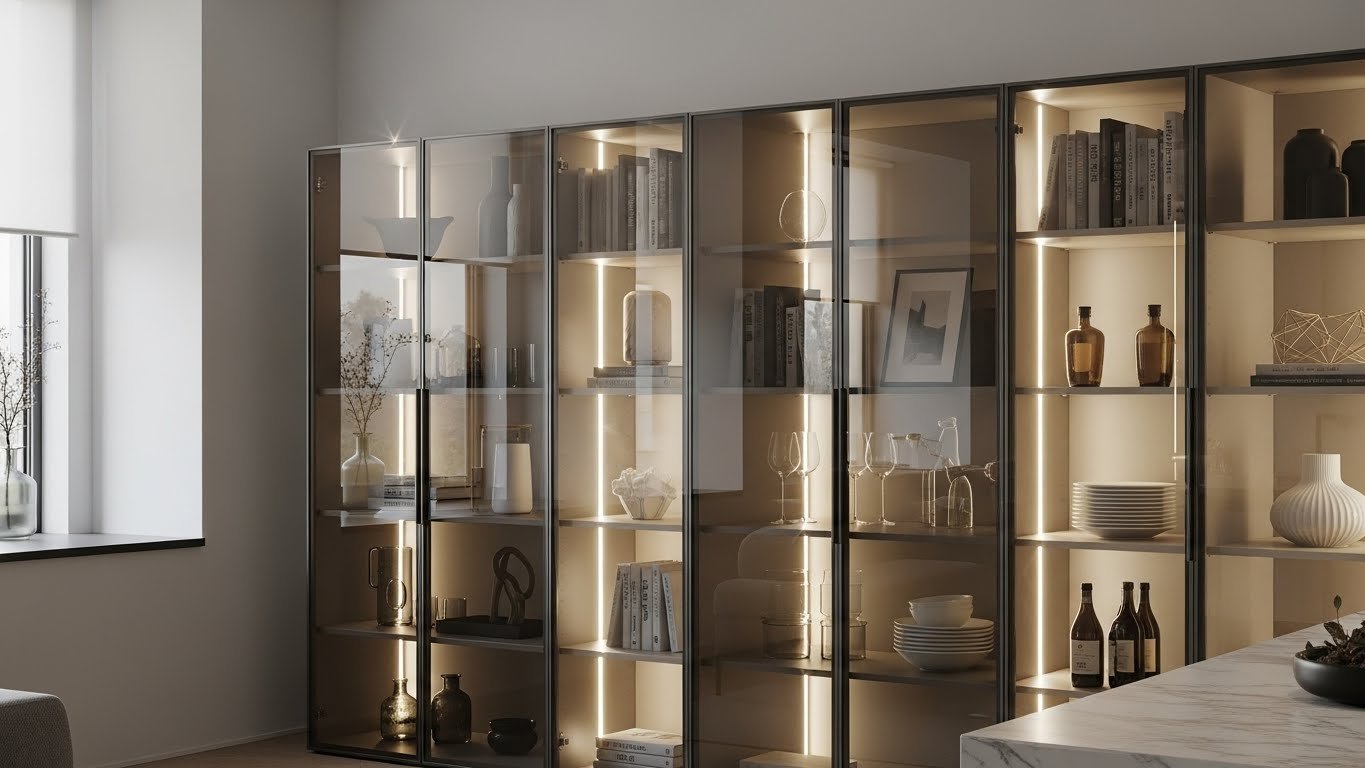
    While traditional kitchen cabinets blend into the background, glass-front cabinets shatter design limitations and introduce a transformative aesthetic experience.

    You’ll elevate storage solutions with transparent panels that showcase curated dishware, creating visual depth and expanding your kitchen’s perceived space. Glass cabinet aesthetics invite personal expression through strategic display.

    Understanding Glass Cabinet Fundamentals
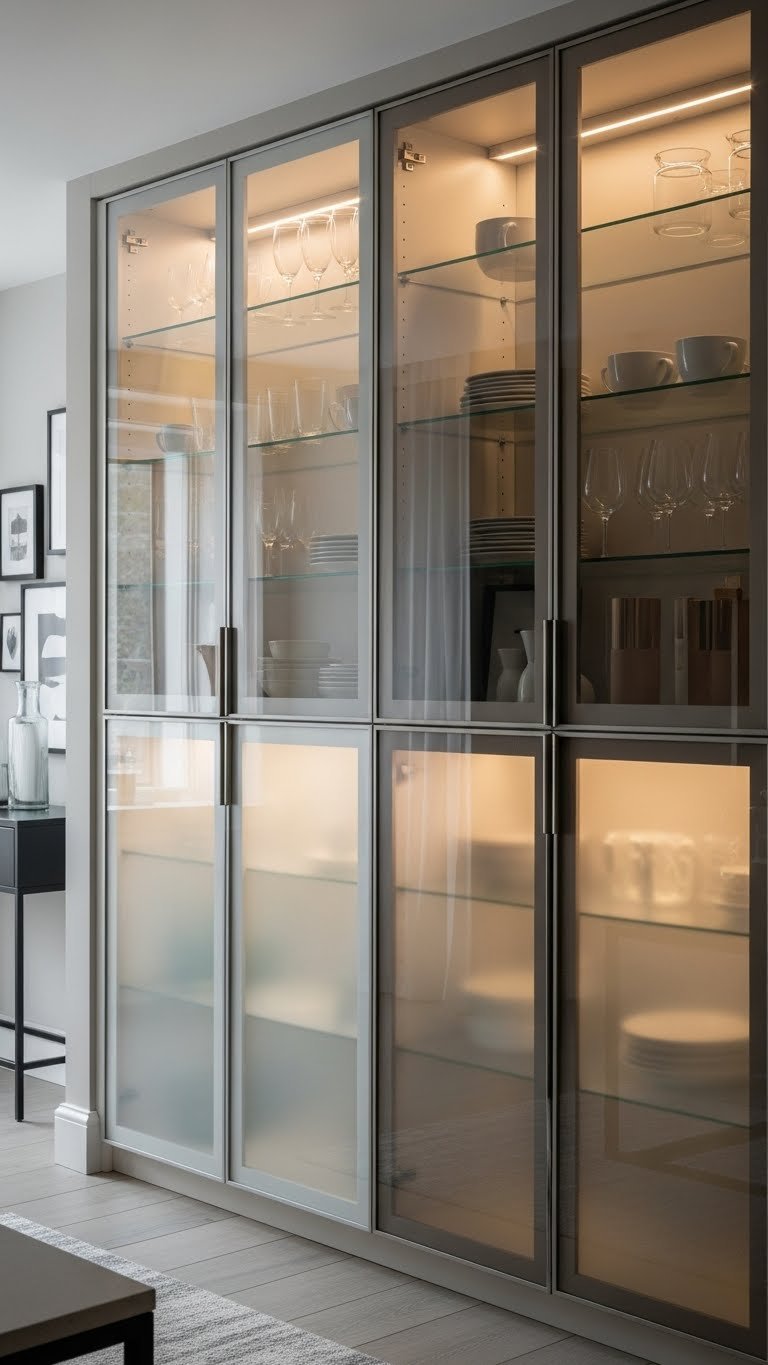
    Nearly every design choice in glass-front cabinetry hinges on understanding core structural and aesthetic principles.

    You’ll want to explore various glass types—from clear and frosted to textured and tinted—that dramatically influence your cabinet’s visual impact.

    Matching design principles with your space’s unique character guarantees a transformative, personalized aesthetic.

    Clear vs. Frosted: Choosing Your Glass Transparency?
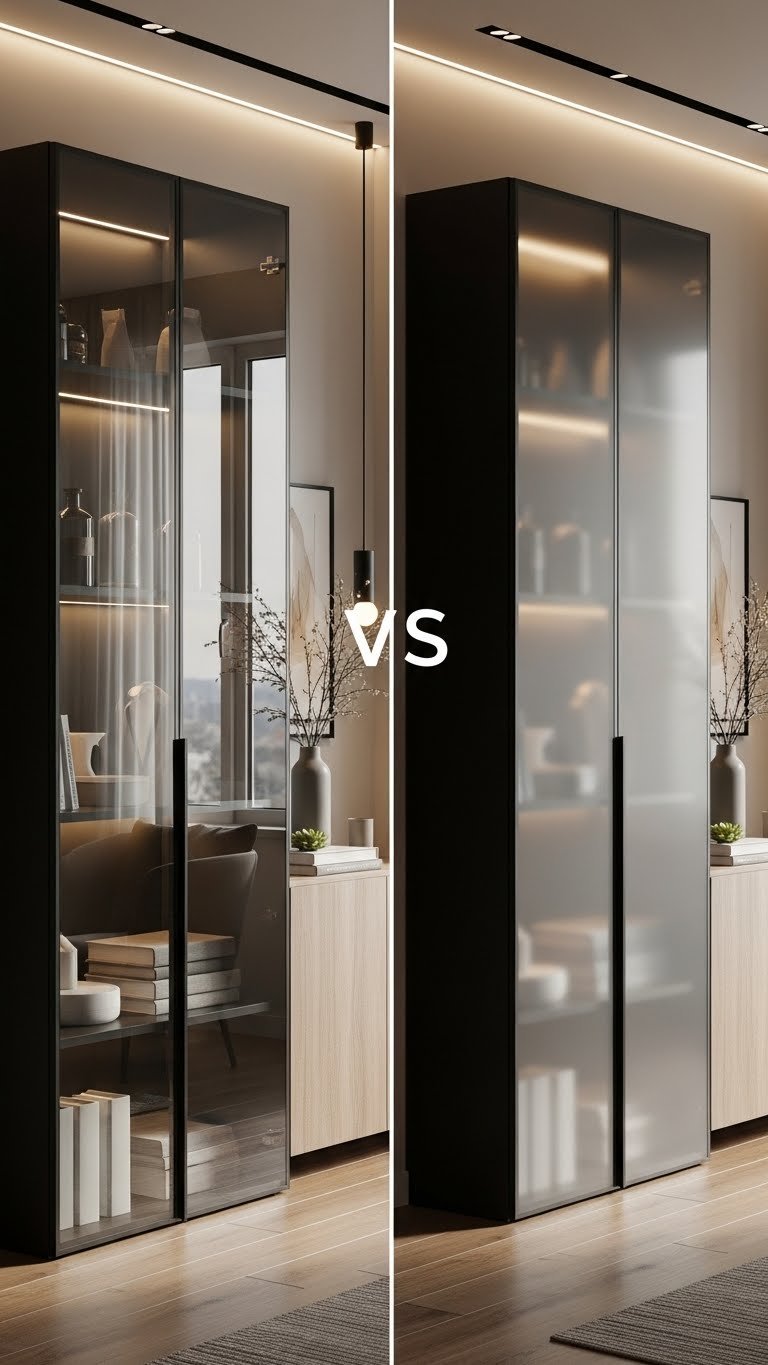
    How do you decide between clear and frosted glass when crafting the perfect visual narrative for your space?

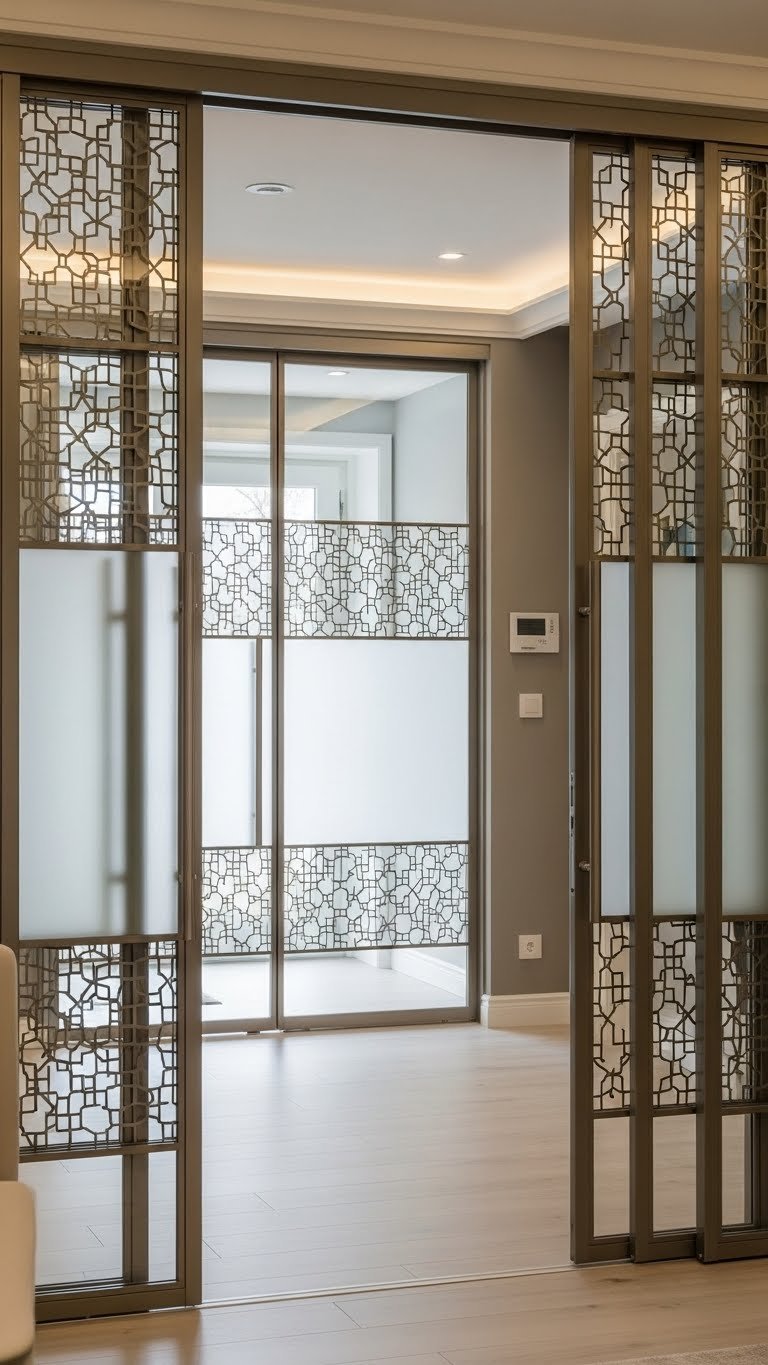
    Clear visibility offers transparency, while frosted aesthetics provide subtle sophistication. Your choice depends on desired privacy levels, design intent, and personal style preferences.

    Balance openness with discretion, letting your cabinet doors reflect your unique design vision.

    Matching Glass Types to Your Kitchen Style
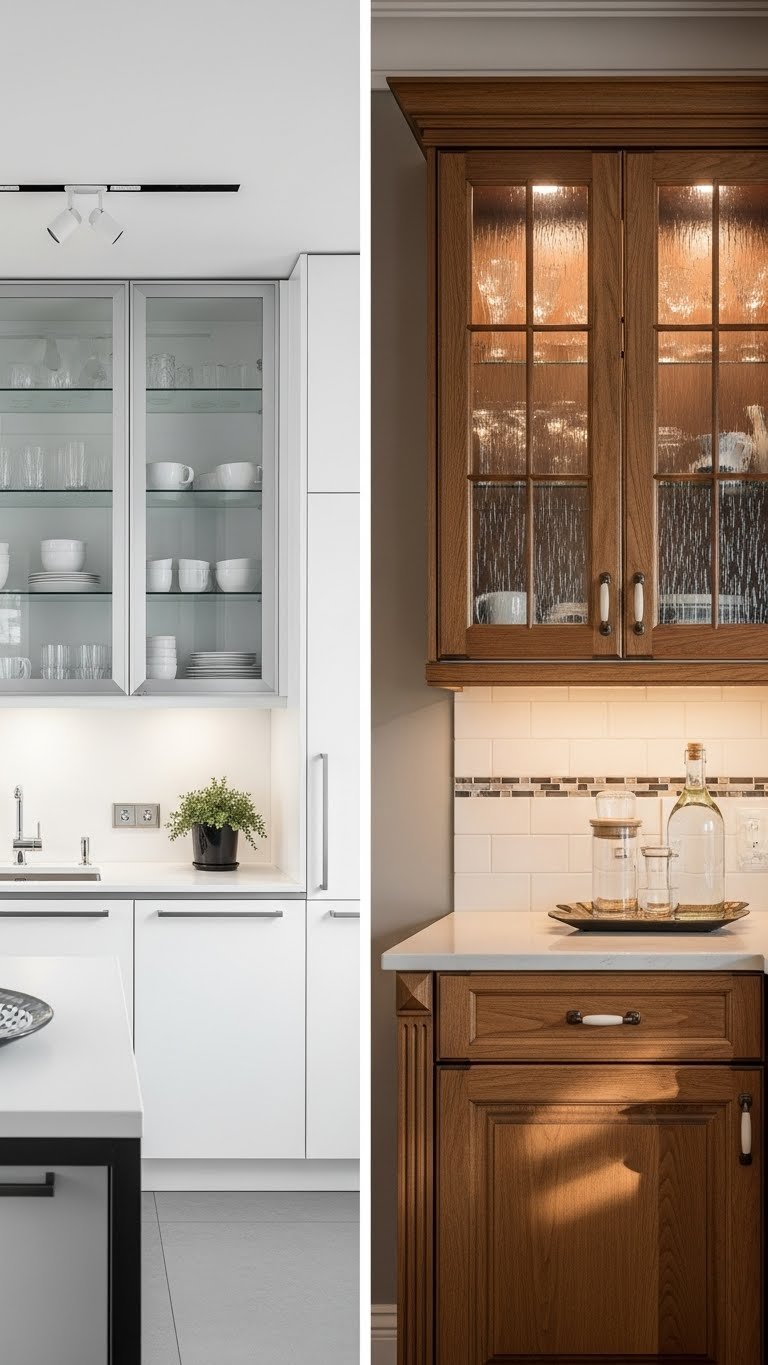
    Because kitchen design reflects personal aesthetics, selecting the right glass-front cabinet type demands careful consideration of your overall interior style.

    Your choice should harmonize with hardware finishes and complement cleaning techniques.

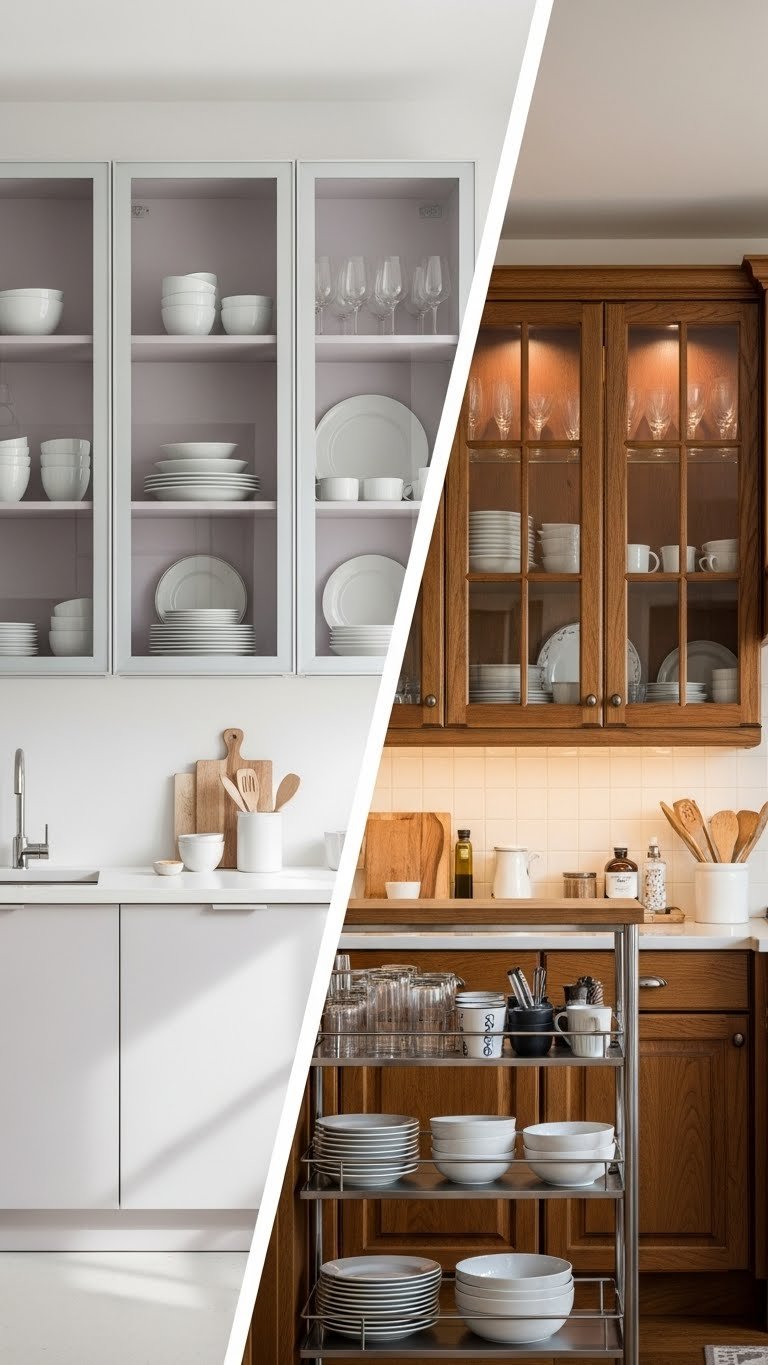
    Modern minimalist spaces might favor clear, frameless glass, while traditional kitchens could embrace seeded or textured options that add visual depth and character.

    Tempered Glass: Safety and Durability Explained
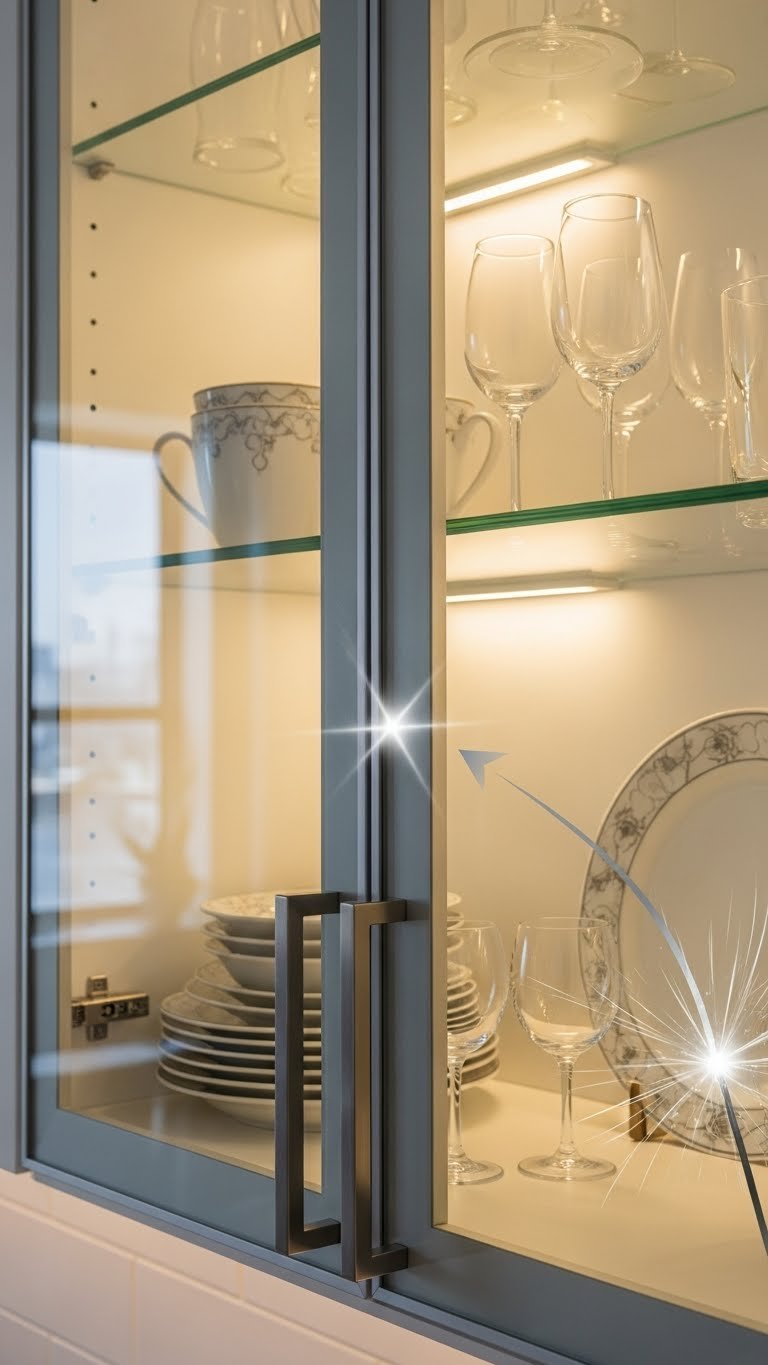
    When selecting glass-front cabinets, tempered glass emerges as the gold standard for residential kitchen applications, offering unparalleled safety and durability.

    You’ll appreciate its superior safety features, engineered to withstand significant impact without shattering dangerously. The strength-enhanced material provides a robust solution that protects your displays while maintaining an elegant, sophisticated aesthetic in your kitchen design.

    Frame Materials: Aluminum, Wood, and Hybrid Options
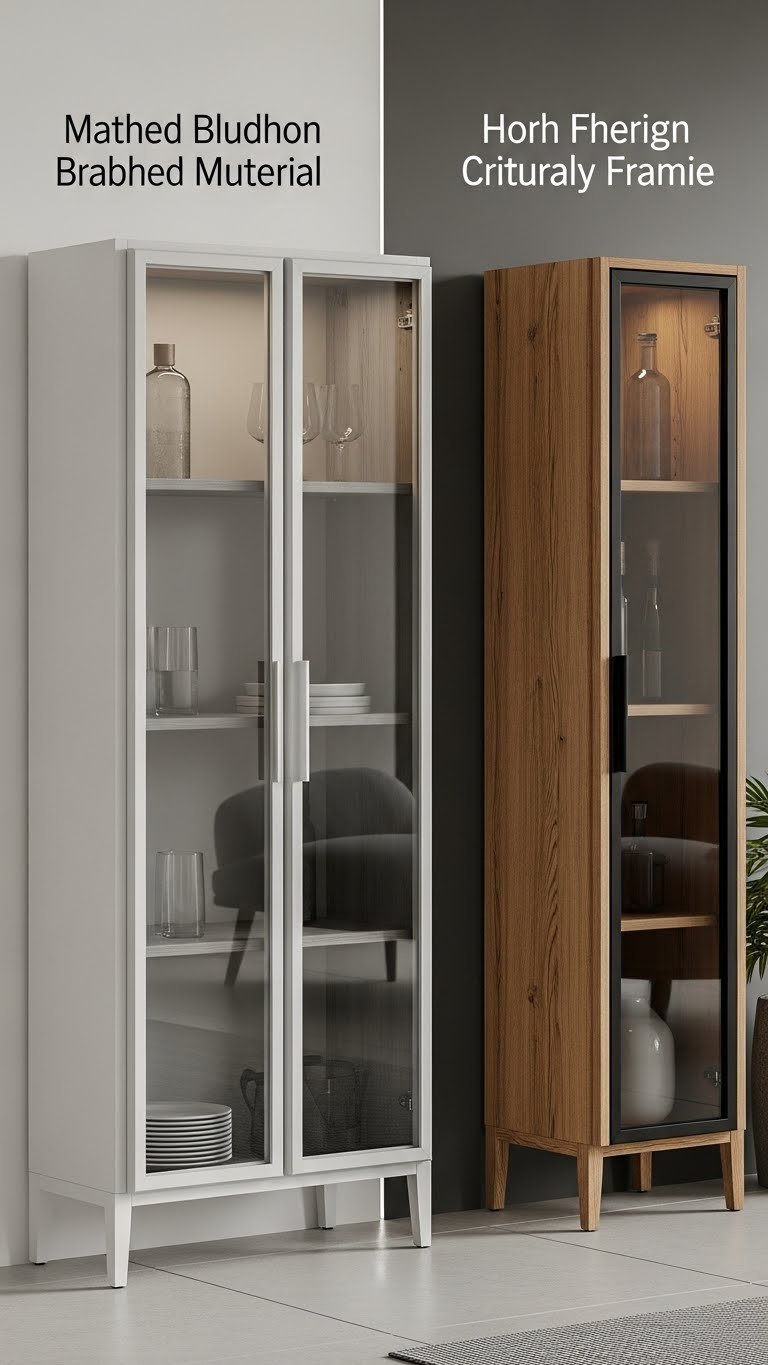
    While selecting the perfect frame for your glass-front cabinets can dramatically influence their overall aesthetic and performance, designers and homeowners have three primary material options that each deliver distinct advantages: aluminum, wood, and hybrid constructions.

    Aluminum frames offer sleek durability, wood finishes provide warmth, and hybrid materials blend performance with aesthetic appeal, giving you design flexibility with minimal maintenance requirements.

    Minimalist Modern: Frameless Glass Cabinet Designs
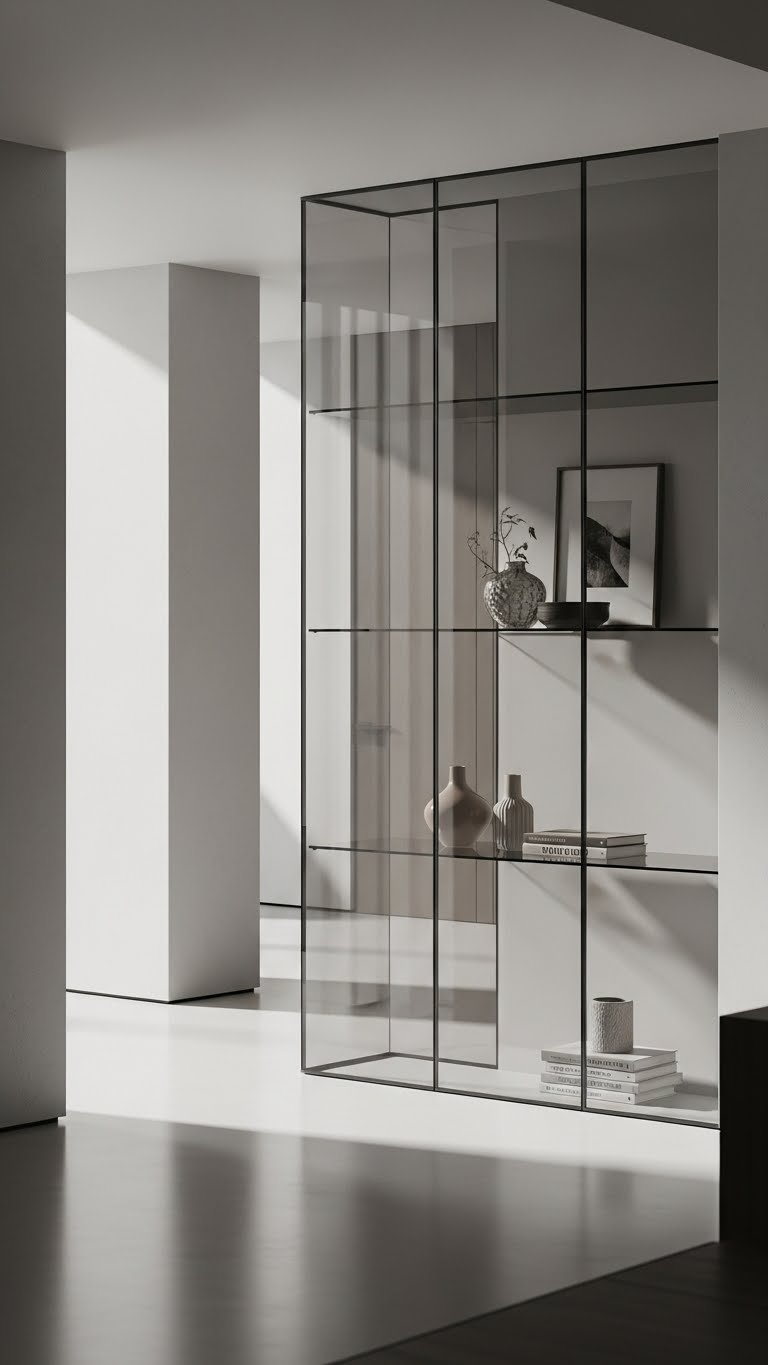
    As contemporary design trends continue to emphasize clean lines and unobstructed visual spaces, frameless glass cabinet designs have emerged as a pinnacle of minimalist sophistication.

    You’ll appreciate how these sleek aesthetics eliminate visual clutter, creating an expansive feel with their seamless, transparent panels that showcase your curated items with minimalist functionality and pure architectural elegance.

    Traditional Elegance: Shaker-Style Glass Fronts
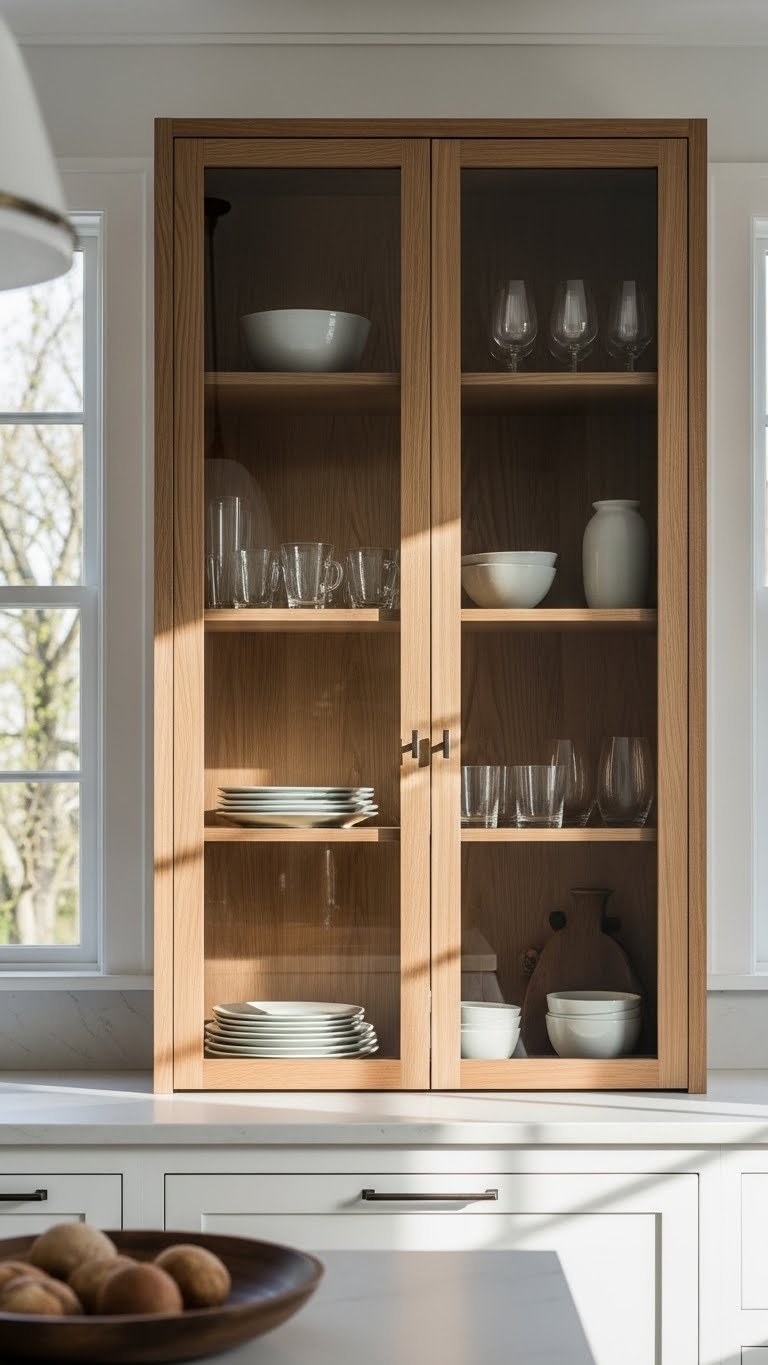
    Despite contemporary design’s minimalist leanings, Shaker-style glass-front cabinets continue to represent a timeless approach to traditional kitchen and storage aesthetics.

    Rooted in Shaker history, these designs emphasize clean lines and functional beauty. Their glass aesthetics invite visual transparency, allowing you to showcase curated collections while maintaining elegant, uncluttered spaces that honor simplicity and craftsmanship.

    The architectural language of glass-front cabinets diverges distinctly between European and American design philosophies, extending beyond the Shaker tradition’s understated elegance. European elegance prioritizes minimalist lines and seamless integration, while American functionality emphasizes practicality and robust storage solutions. Your design choice reflects cultural design sensibilities, transforming kitchen spaces with nuanced aesthetic expressions.

    Budget-Friendly Glass Cabinet Transformation Strategies
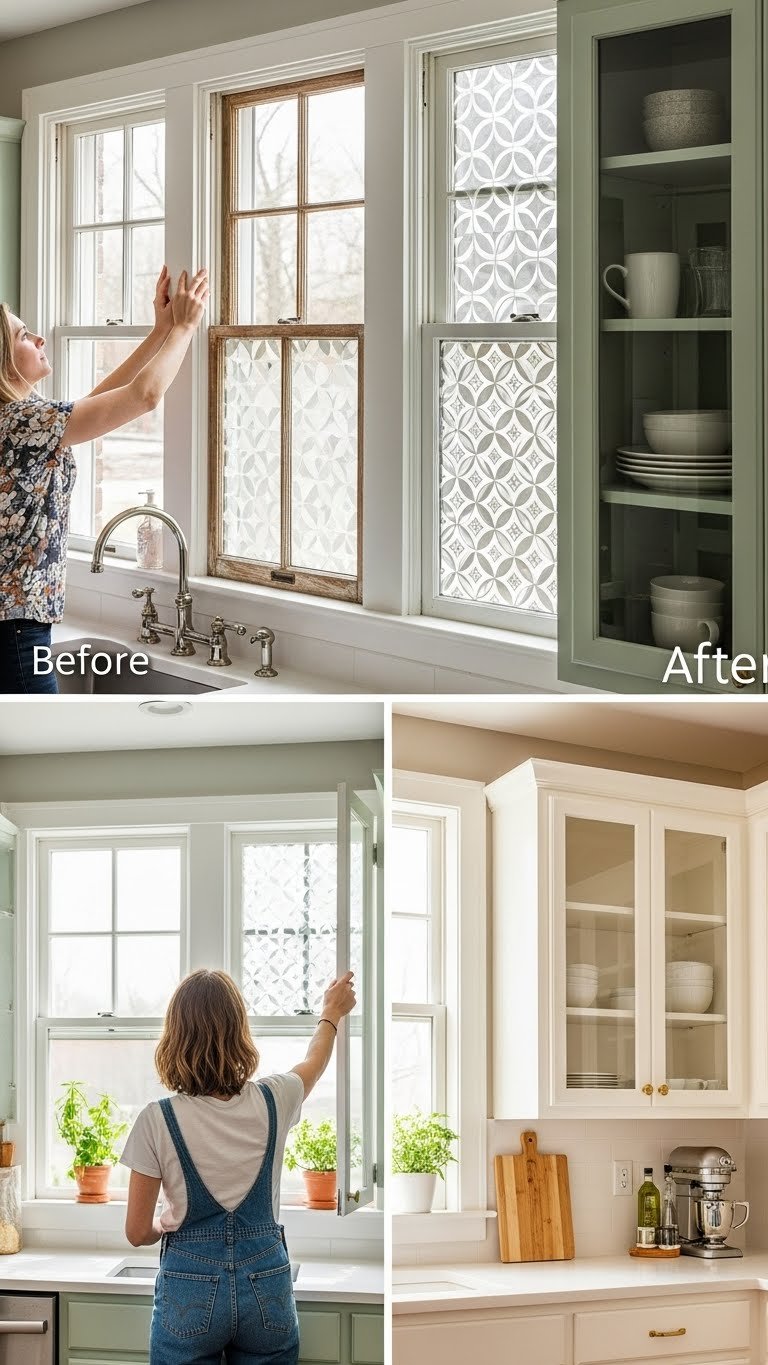
    When homeowners seek economical glass cabinet makeovers, strategic transformations can dramatically elevate kitchen aesthetics without exhausting financial resources.

    You’ll discover inexpensive upgrades like repurposing old window frames, applying removable adhesive film, or painting existing cabinet frames for a fresh, modern look that maximizes style while minimizing spending.

    Measuring and Sizing: Getting the Perfect Fit
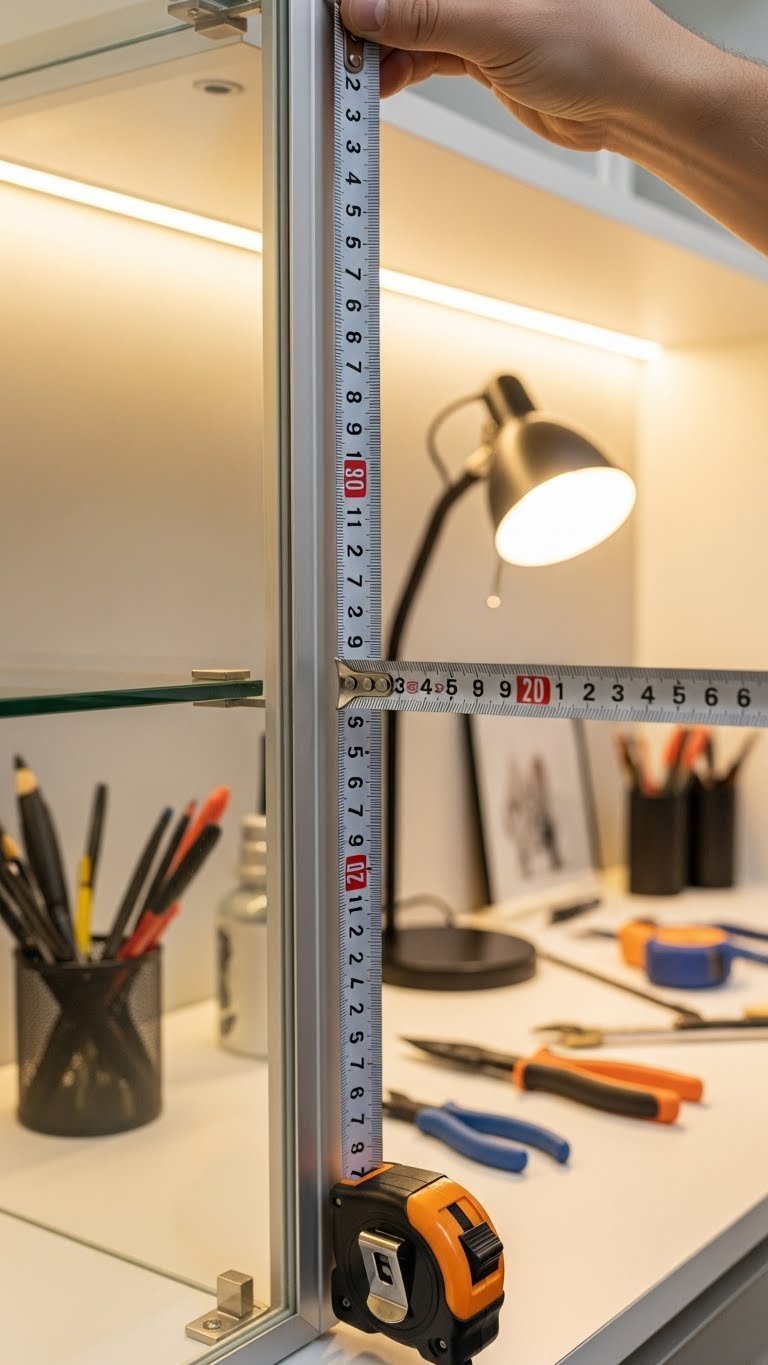
    How can precision measurements transform your glass-front cabinet installation from amateur to professional?

    Precise measuring techniques are essential when determining cabinet dimensions. You’ll want to use a quality tape measure, ensuring accuracy down to the millimeter.

    Double-check all measurements before cutting or installing, preventing costly mistakes and guaranteeing a seamless, polished glass-front cabinet design.

    Color Palettes That Complement Glass Cabinets
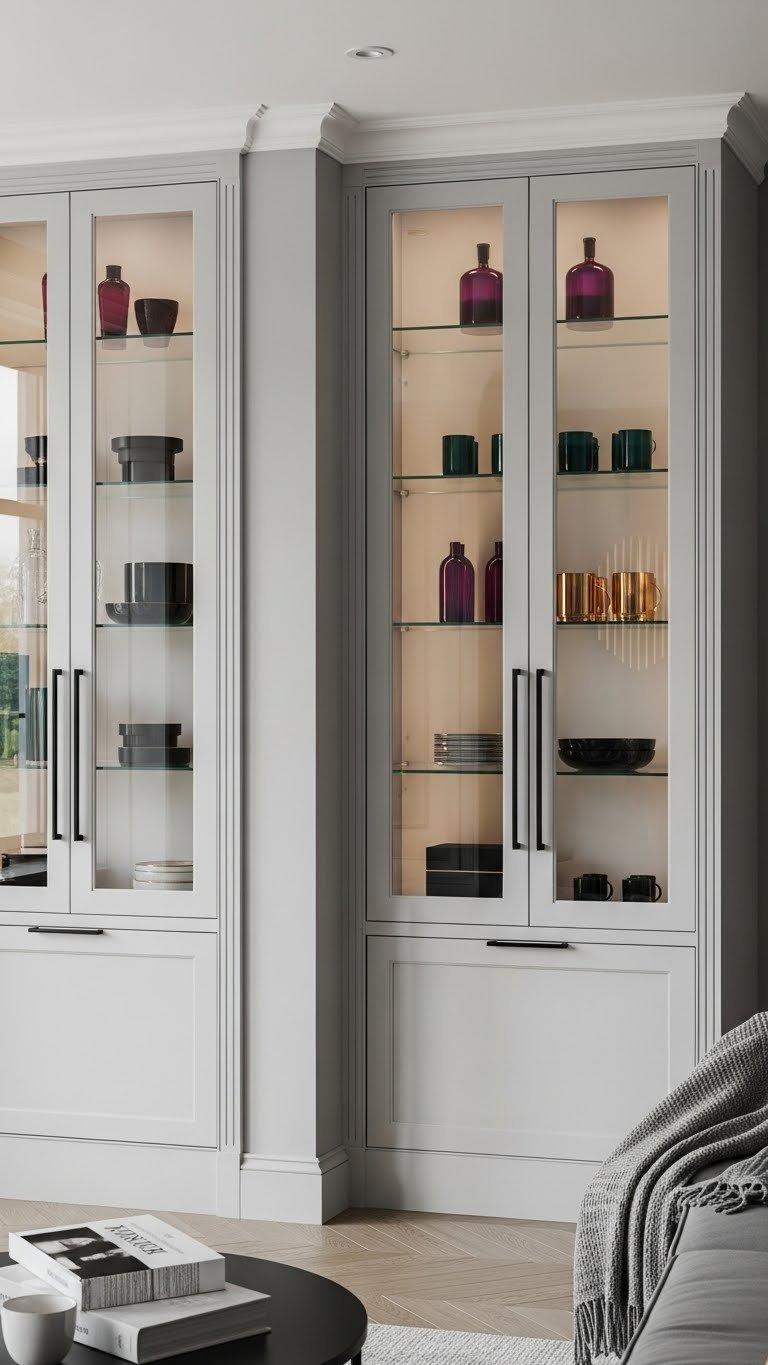
    While color selection can make or break your glass-front cabinet aesthetic, strategic palette choices transform ordinary storage into design statements.

    Opt for neutral base tones like soft grays or whites, then layer with bold accent colors.

    These intentional color combinations create visual depth, allowing your glass cabinets to become striking focal points that reflect your personal style and design sensibility.

    Lighting Techniques to Showcase Glass Cabinets
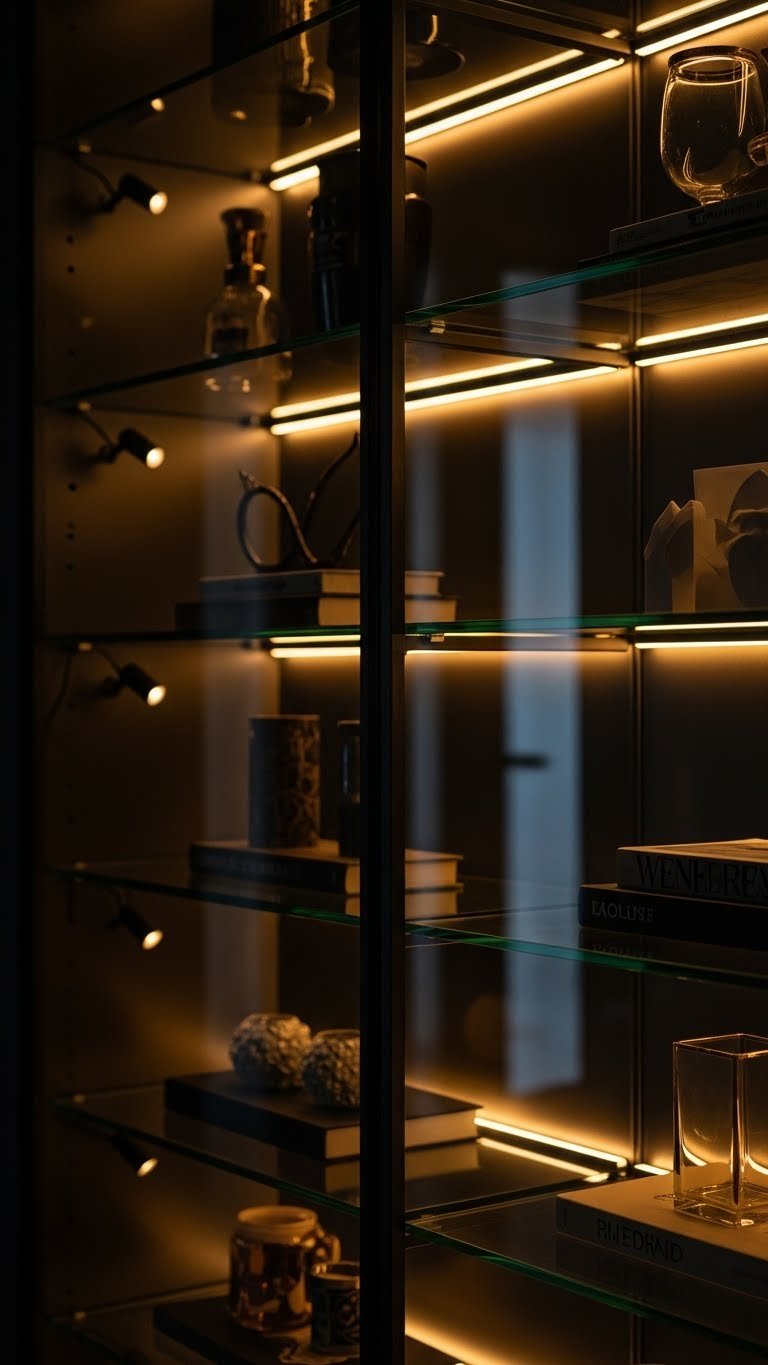
    Although strategic lighting can elevate glass-front cabinets from mere storage to enchanting design elements, the right illumination techniques transform these architectural features into stunning visual displays.

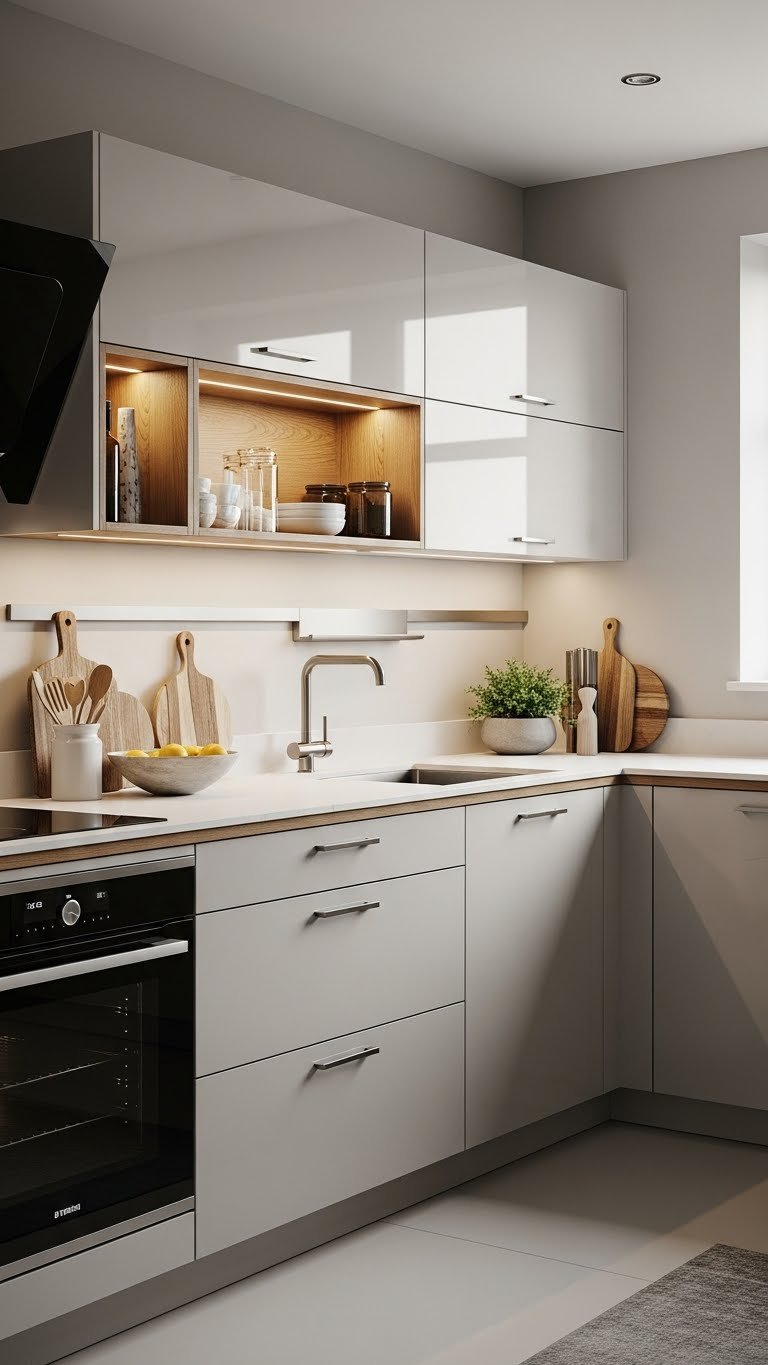
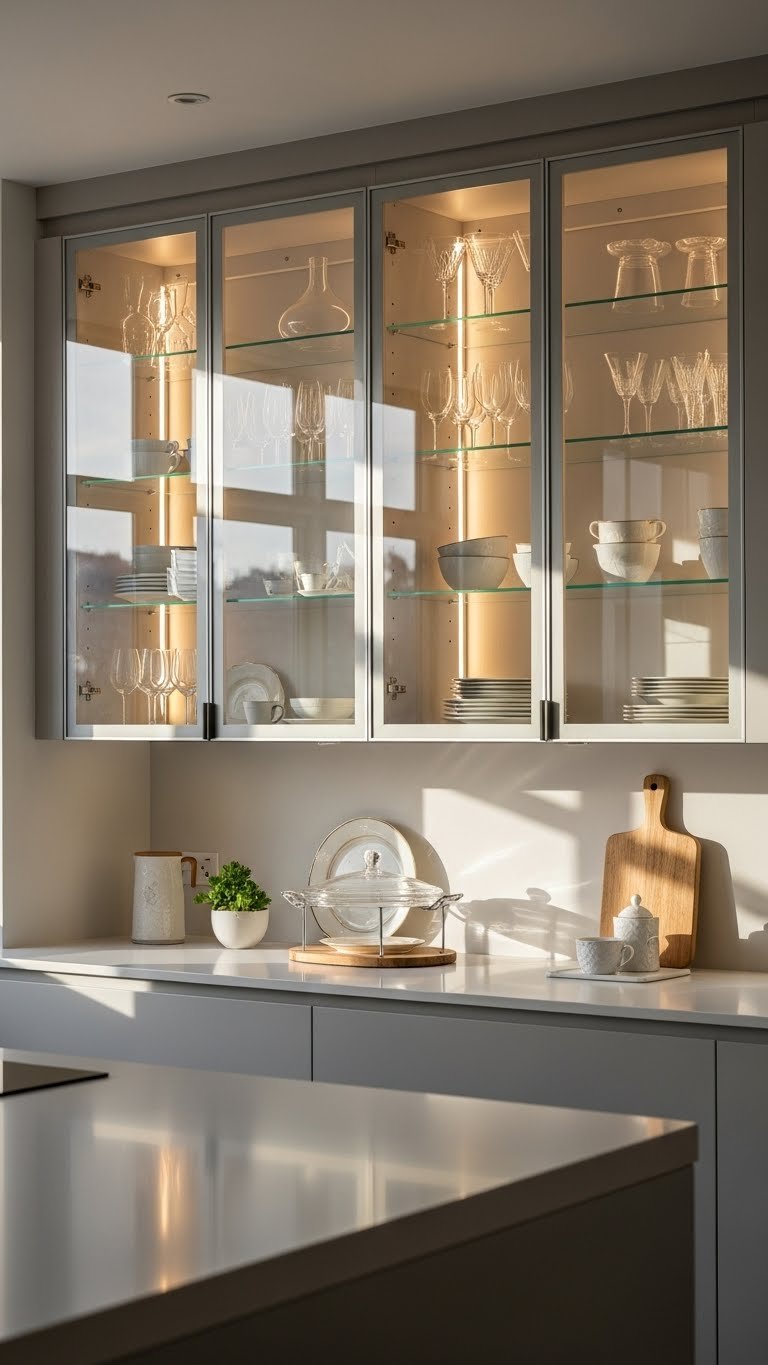
    You’ll want to leverage LED strip lighting beneath shelves and utilize spot lighting to highlight prized collectibles, creating dramatic depth and visual intrigue within your glass-front cabinet design.

    Open Concept Kitchens: Integrating Glass Cabinets
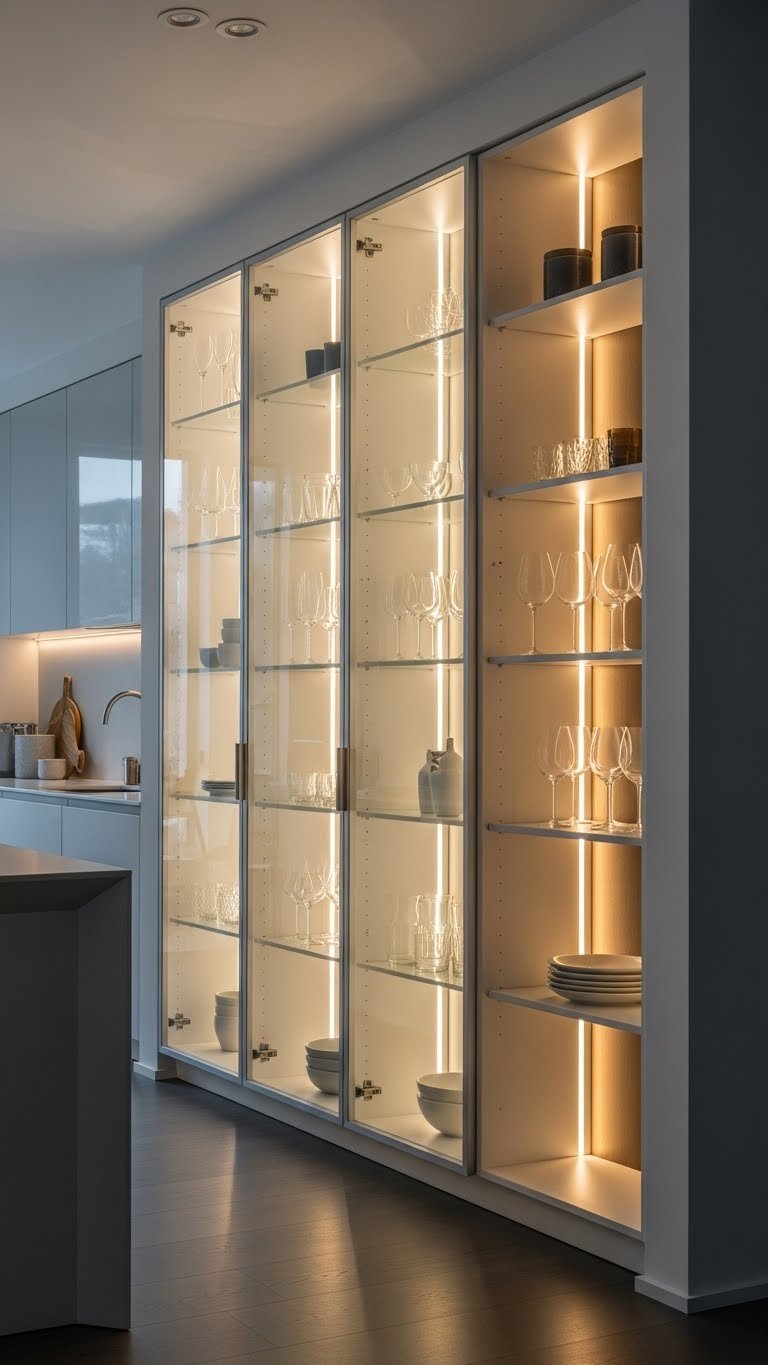
    The strategic lighting techniques that illuminate glass case-your-front cabinets create visual drama seamefbrilliintoantly into open design concept kitchen designs. You’ll discover how cabinet lighting’s complement open shelshelving, architectural transforming spaces into transparent design statements where architectural freedom meets aesthetic precision..

    62 735 1 Check:)

    Small Kitchen Glass Cabinet Solutions
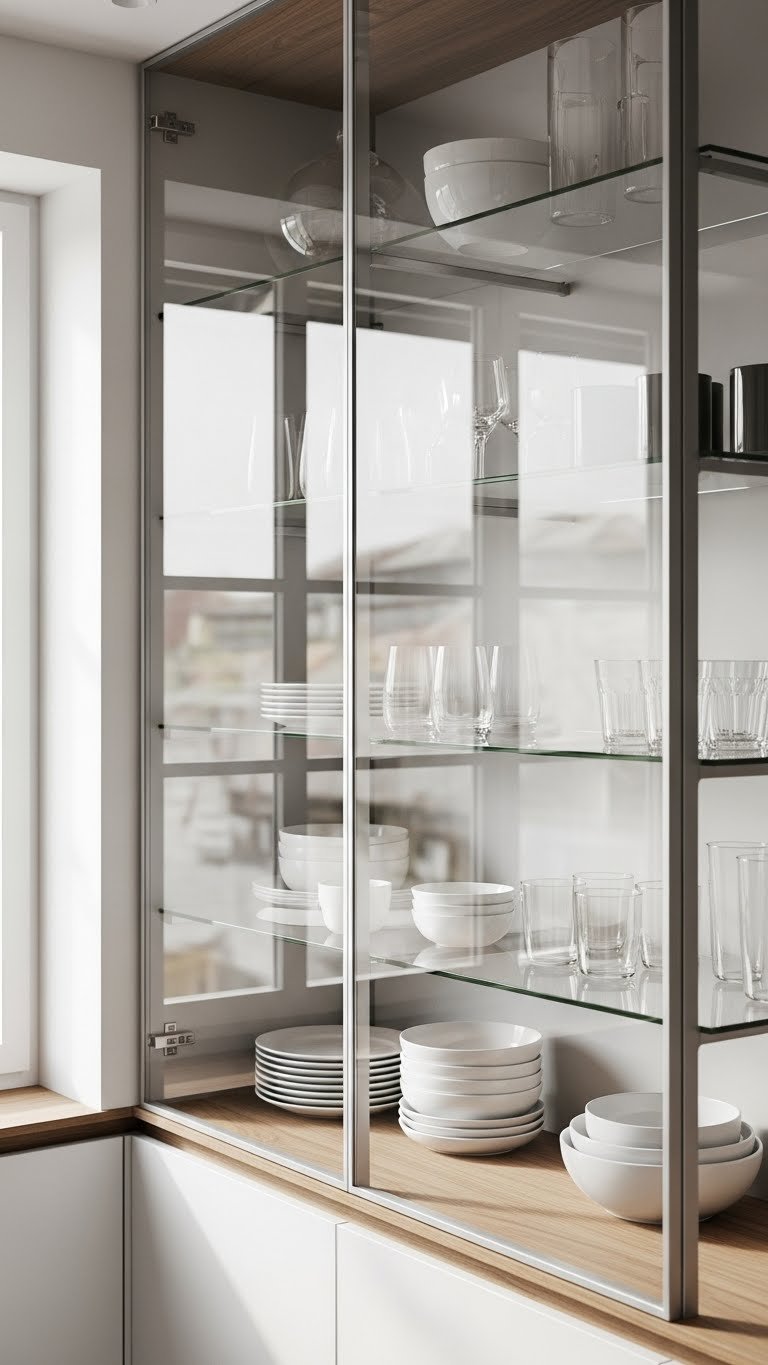
    Strategically designed glass cabinets can transform cramped kitchen spaces, offering visual breathing room and sophisticated storage solutions for compact environments.

    You’ll discover space-saving solutions that maximize vertical real estate, with multifunctional designs that blend aesthetic elegance and practical functionality.

    These smart glass cabinet concepts liberate small kitchens from visual clutter.

    Installation: Professional vs. DIY Approaches
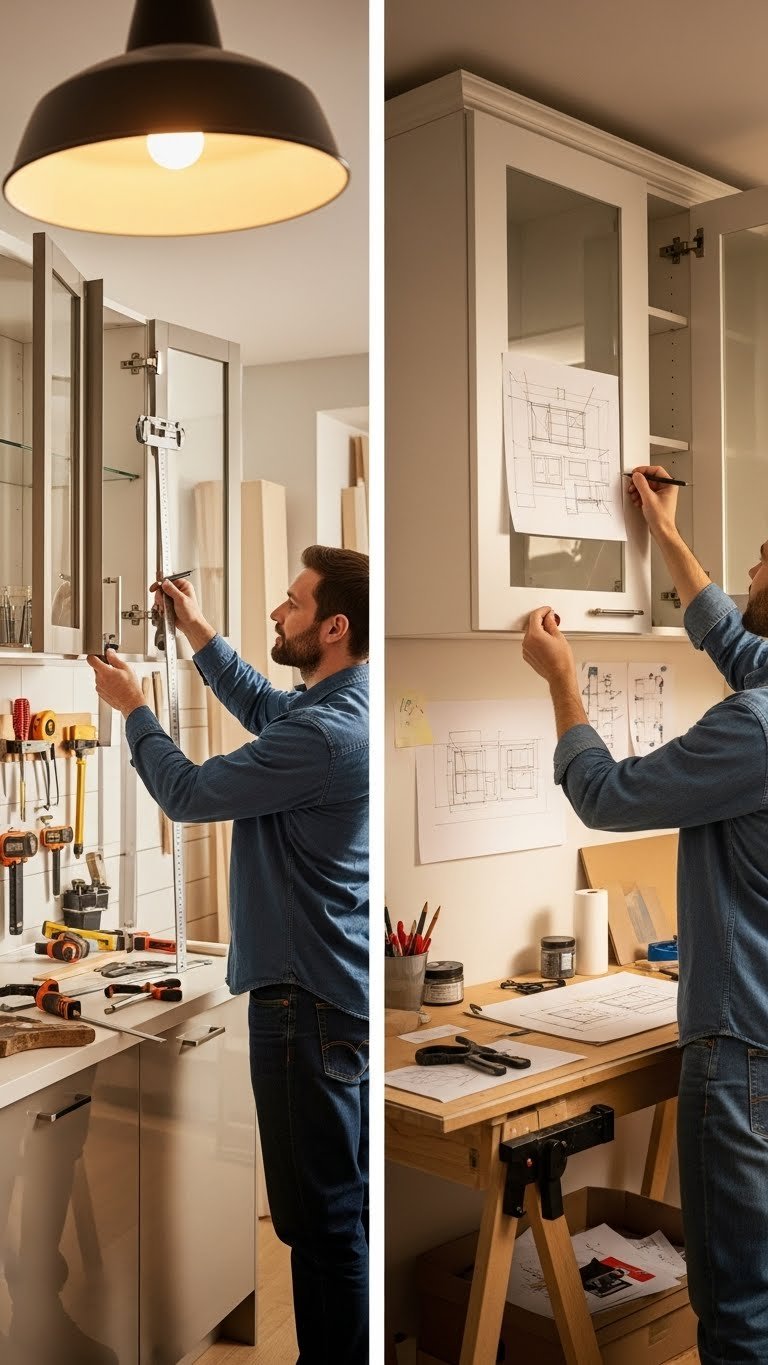
    When contemplating glass-front cabinet installation, homeowners face a critical decision between professional craftsmanship and personal DIY ambition.

    Professional insights guarantee precision and structural integrity, while DIY tips empower creative homeowners to customize their space.

    Your skill level, budget, and design complexity will ultimately determine whether you’ll tackle the project independently or seek expert assistance.

    Cutting Custom Glass Panels: A Comprehensive Guide
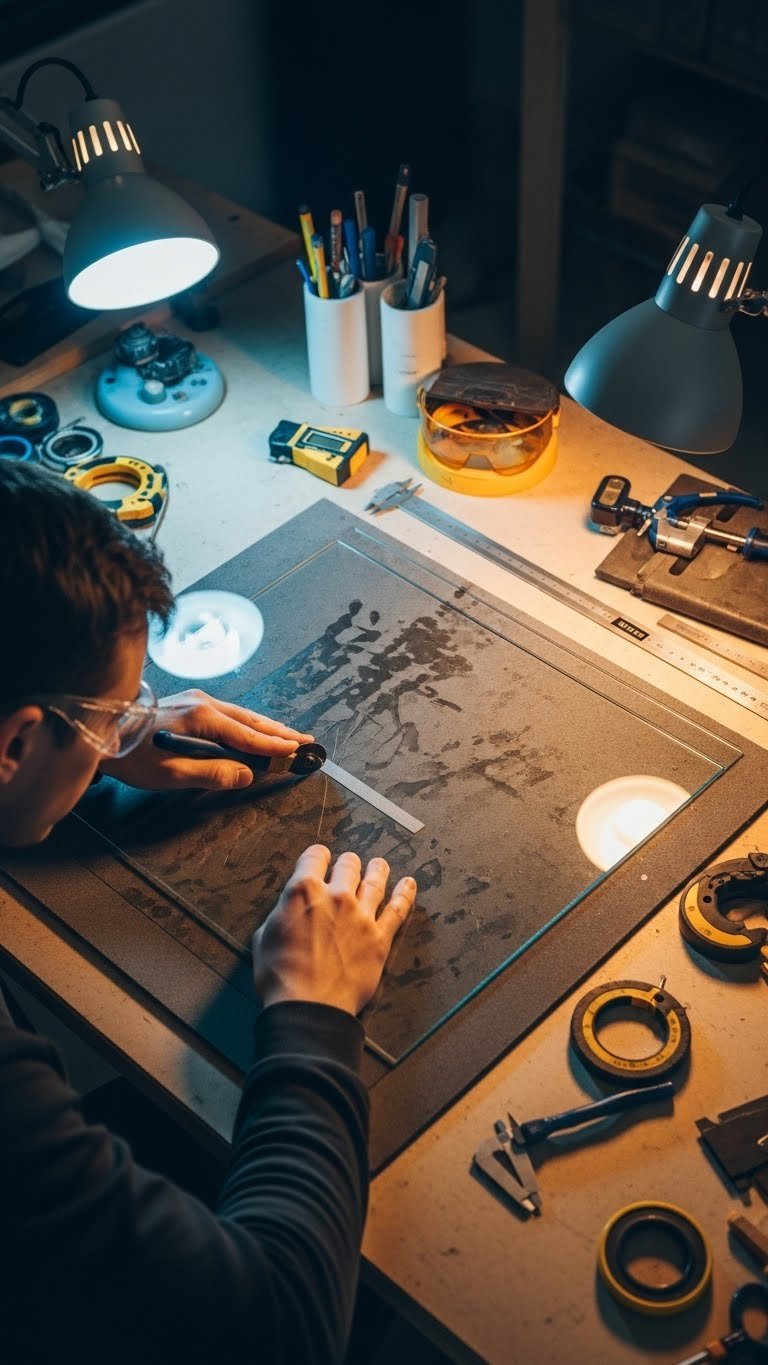
    Because precision defines exceptional glass-front cabinet design, cutting custom glass panels requires meticulous preparation and specialized techniques.

    You’ll need diamond-tipped glass cutters, safety glasses, and a stable work surface. Master glass cutting techniques carefully, prioritizing panel safety precautions to prevent dangerous fractures and guarantee clean, professional edges for your cabinet project.

    Hardware and Hinge Selection for Glass Cabinets
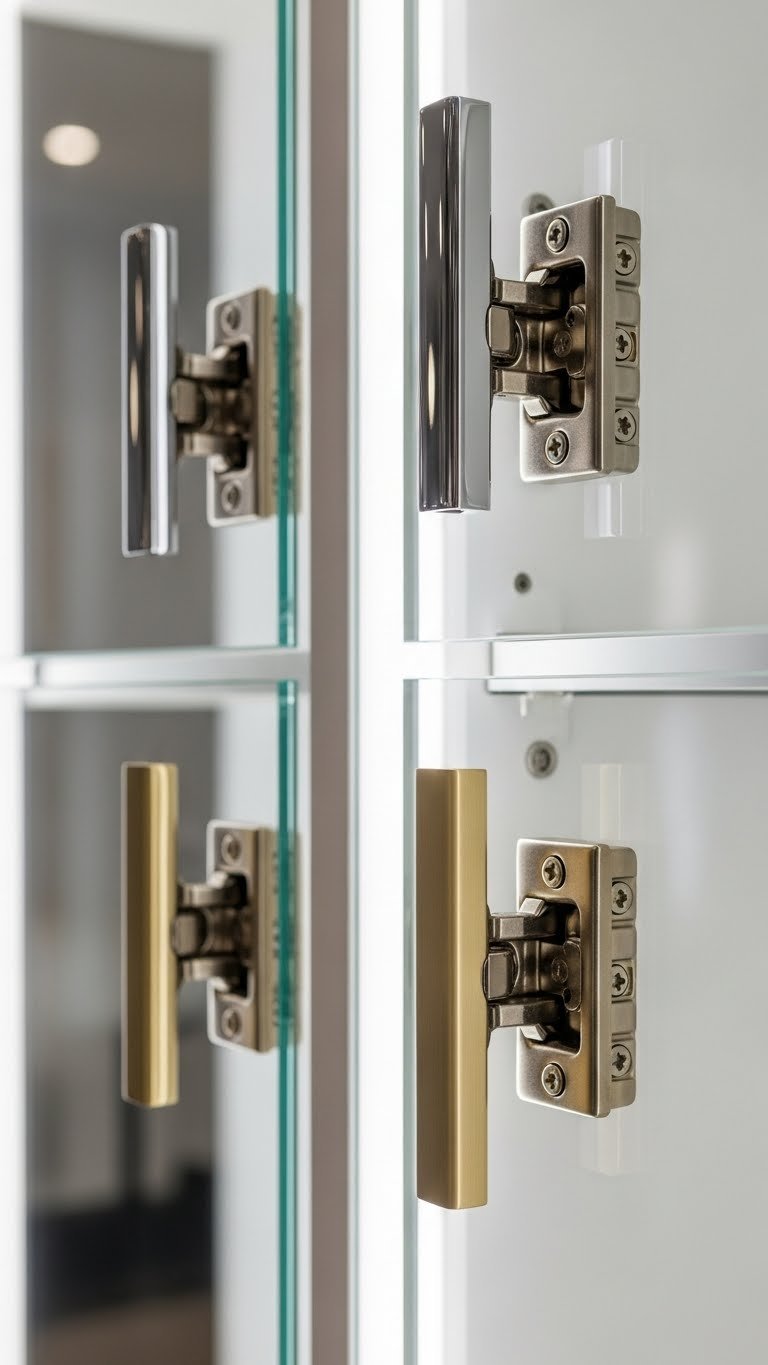
    The symphony of elegant glass-front cabinetry hinges on selecting hardware that complements both structural integrity and visual sophistication.

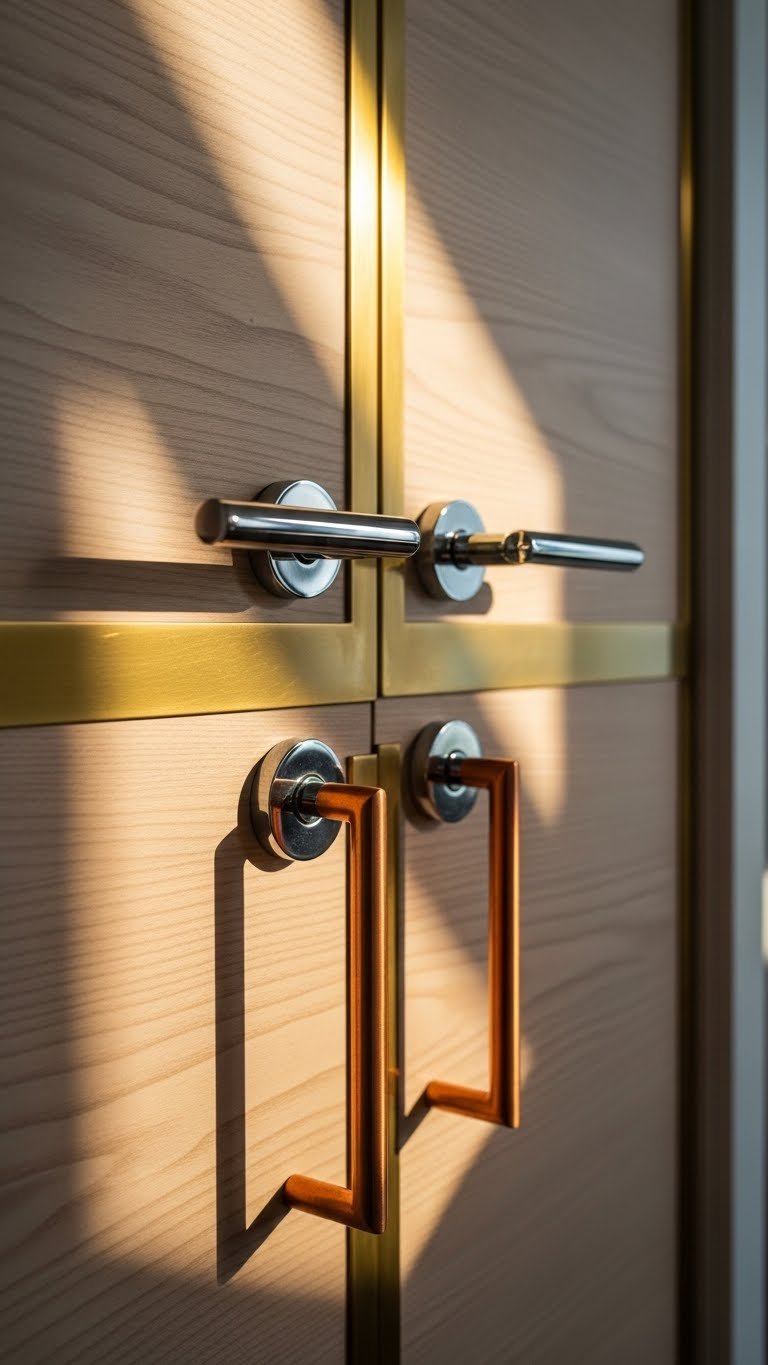
    You’ll want to explore hinge types that guarantee smooth movement and durability, while choosing hardware finishes that elevate your design aesthetic.

    Precision matters when matching metals, alignments, and weight-bearing capabilities.

    Maintaining and Cleaning Glass Cabinet Fronts
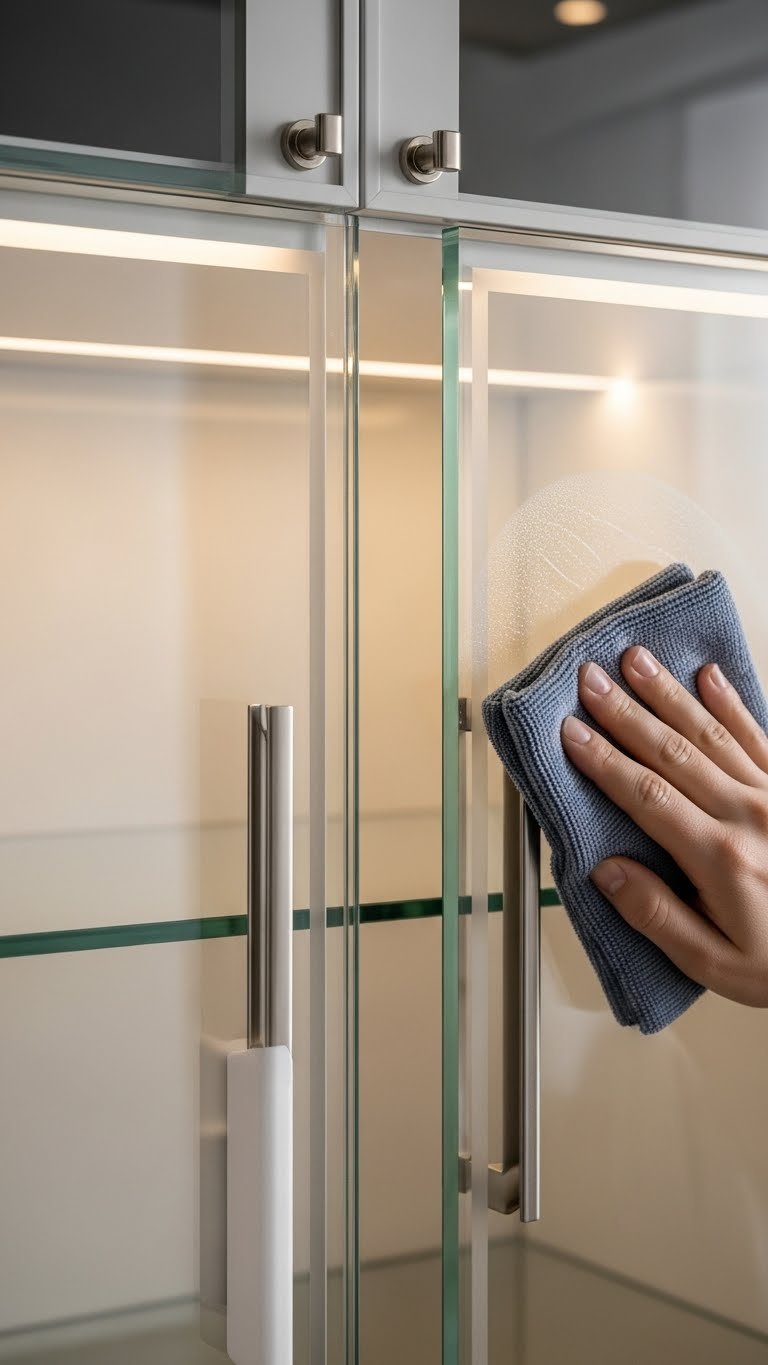
    After selecting premium hinges that marry form and function, your glass cabinet fronts demand meticulous maintenance to preserve their pristine appearance.

    Use specialized glass cleaning solutions and microfiber cloths to eliminate streaks and fingerprints.

    Regular, gentle maintenance guarantees your cabinet’s transparent surfaces remain impeccably clear, reflecting your sophisticated design sensibilities.

    Vintage Charm: Mullion and Decorative Glass Styles
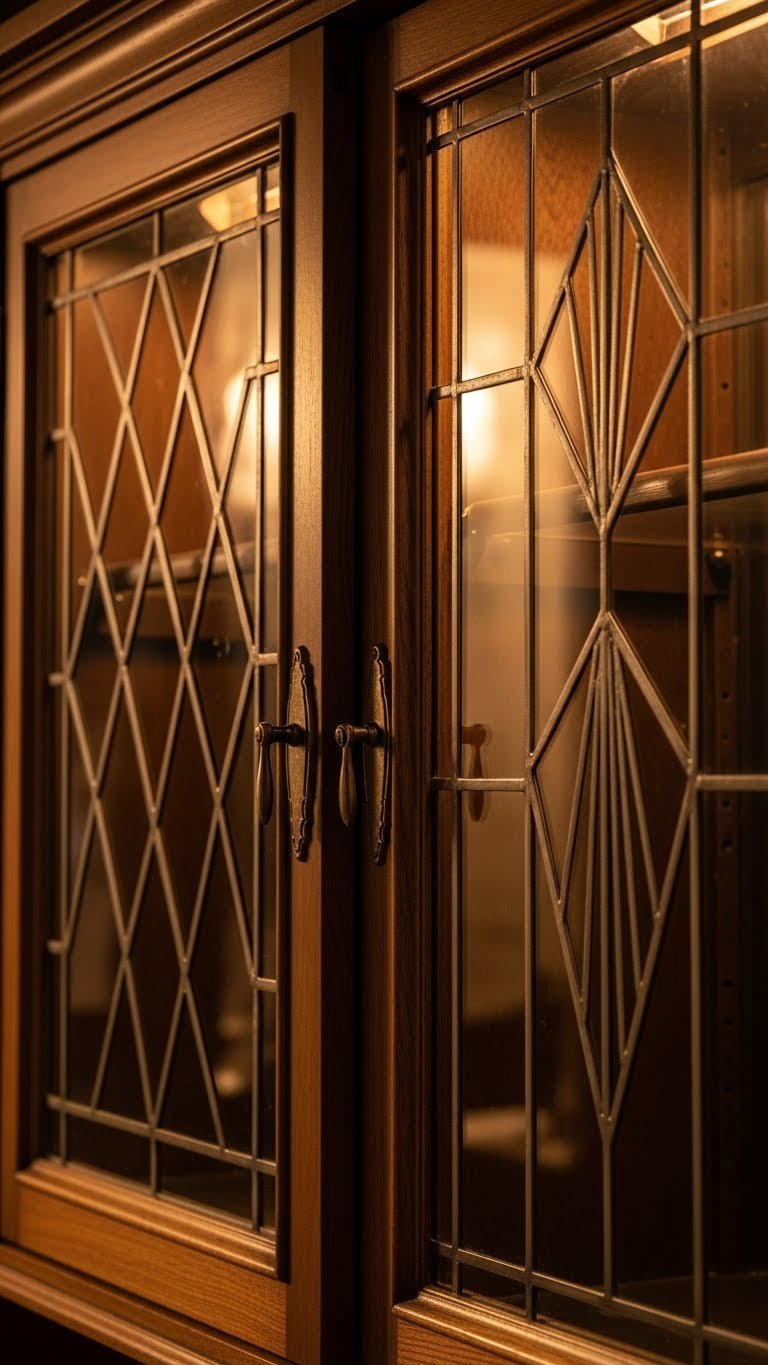
    Nostalgic cabinet designs often feature three primary mullion styles that transform ordinary glass fronts into extraordinary vintage statements.

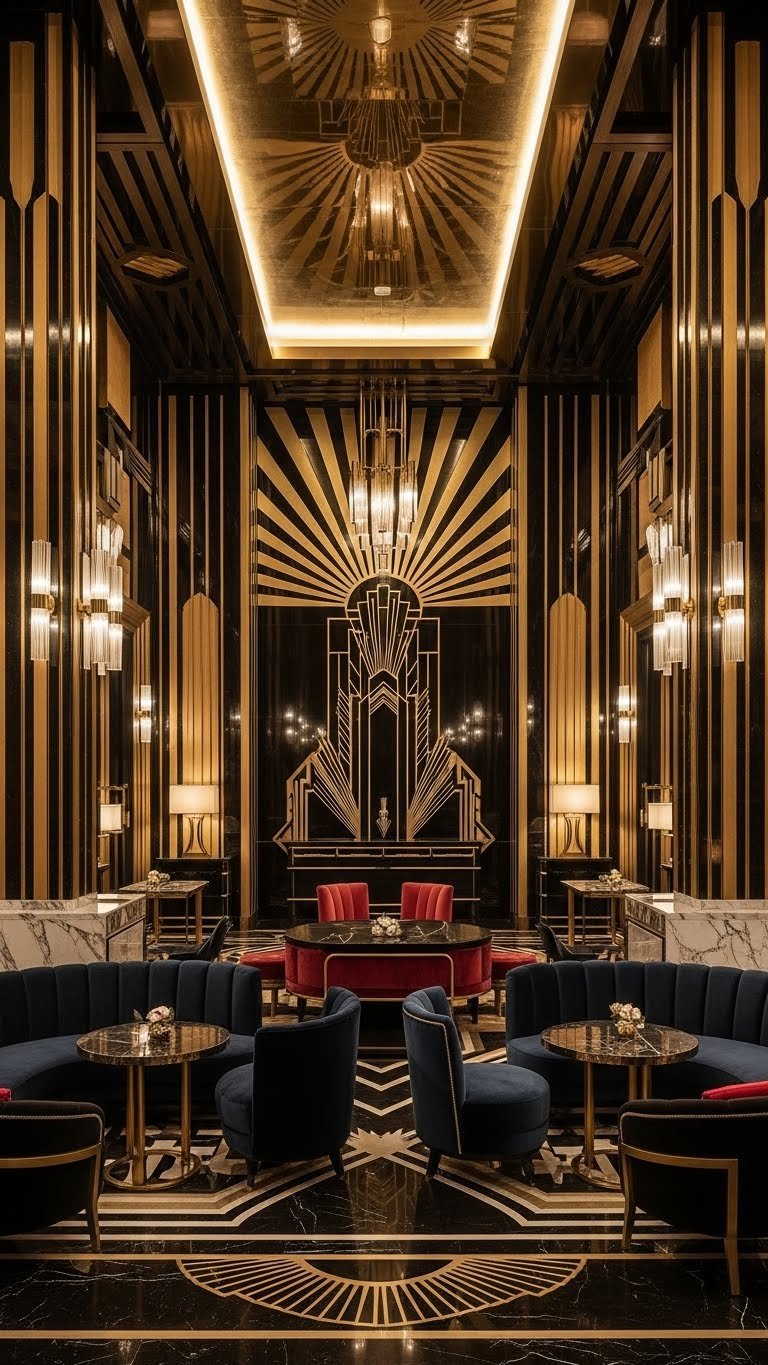
    You’ll discover decorative patterns ranging from classic diamond grids to elegant art deco lines, each adding retro aesthetics and timeless designs to your space.

    Antique finishes and vintage accents elevate these mullion styles beyond mere functionality.

    Modern Minimalist: Handleless Glass Cabinet Solutions
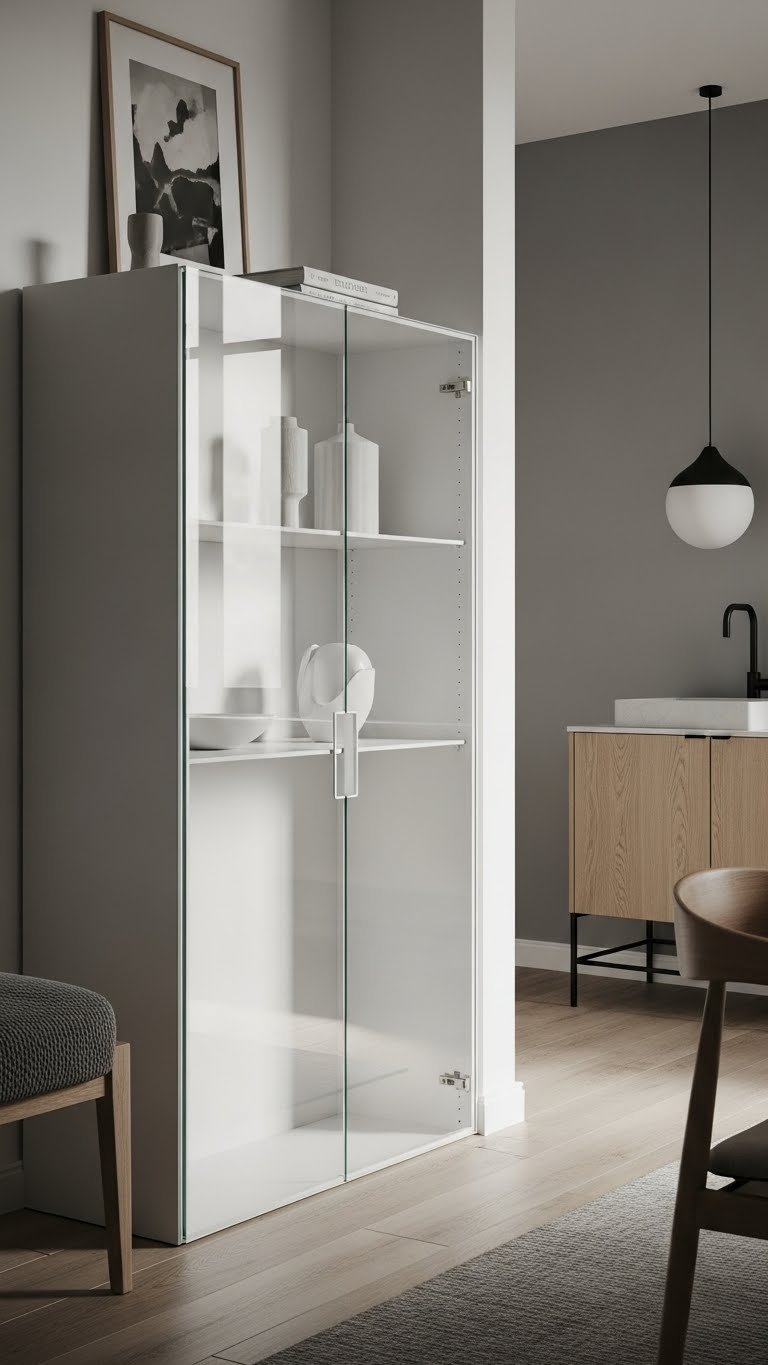
    While contemporary design continues to evolve, handleless glass cabinet solutions represent a pinnacle of minimalist sophistication.

    You’ll appreciate how these sleek finishes eliminate visual clutter, using innovative handleless mechanisms that respond to gentle touch or push mechanisms.

    The result? Seamless, uninterrupted surfaces that transform your space with understated elegance and functional precision.

    Retrofitting Existing Cabinets With Glass Fronts
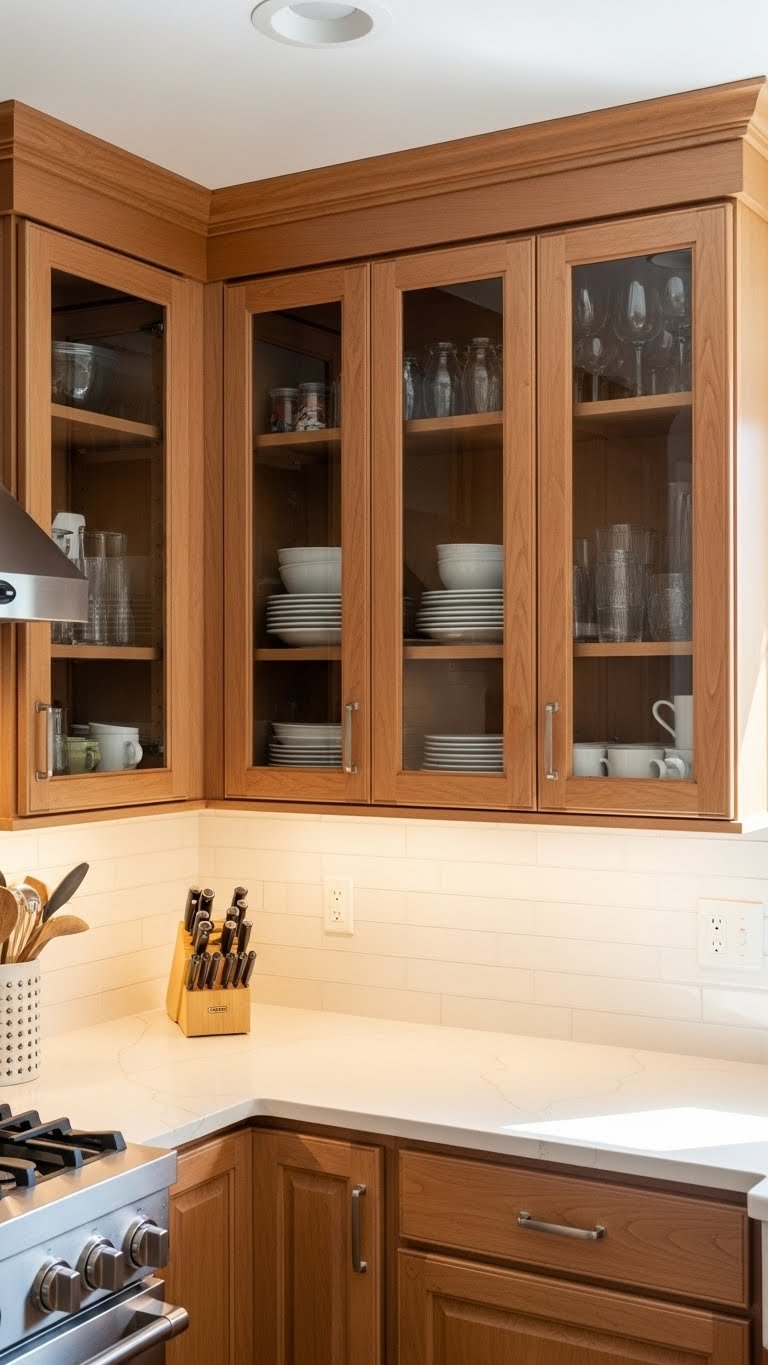
    For homeowners seeking a transformative kitchen upgrade, retrofitting existing cabinets with glass fronts offers an elegant, cost-effective solution.

    By carefully selecting premium cabinet materials and embracing design inspiration, you’ll elevate your space’s aesthetic.

    Choose tempered glass that complements your current woodwork, ensuring a seamless, sophisticated transformation that reflects your personal style.

    Smart Storage Behind Glass Cabinet Doors
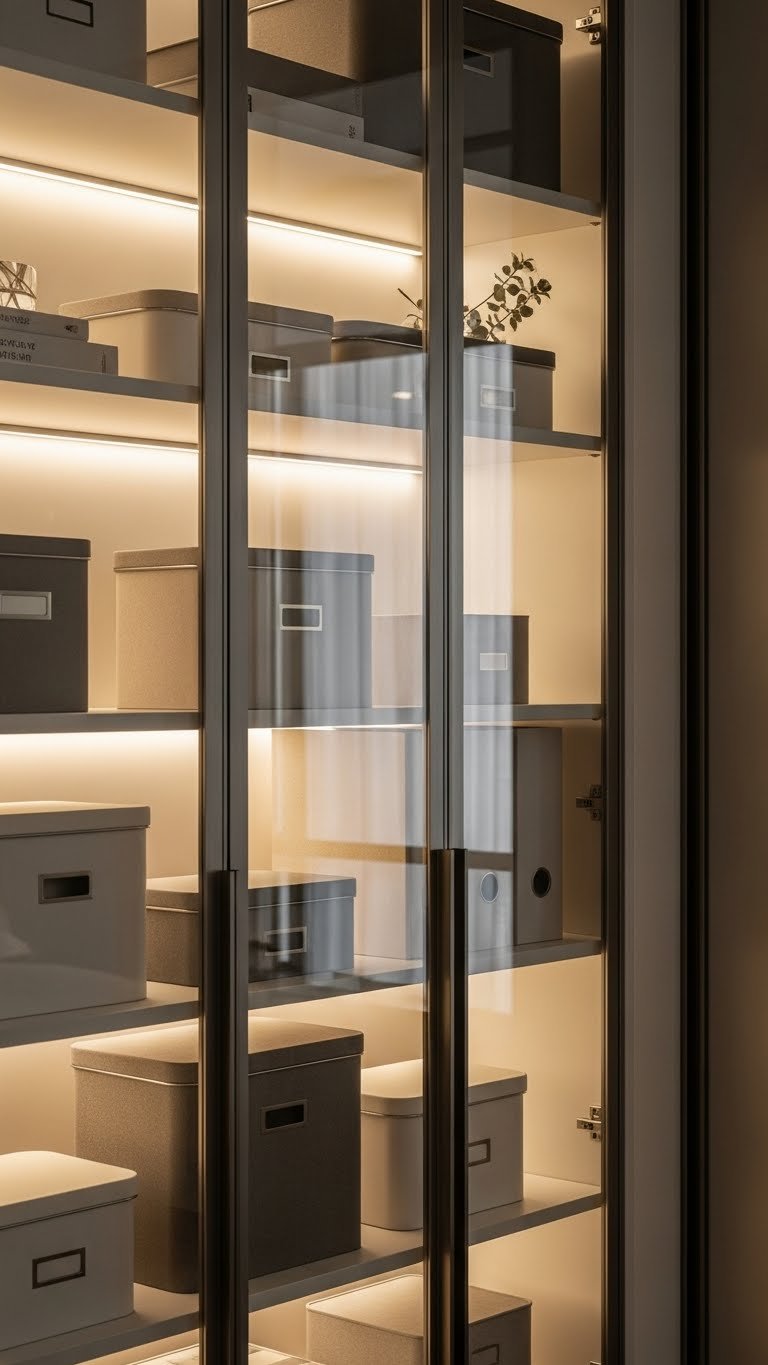
    After transforming a transforming your cabwithingleaming glass frontsts interior organization becomes paramount.

    You arrange your items with smart organization to curate stylish decnarrativeor.

    Prioritize elegant containers, coordinate color palettes, and showcase purposeful storage that elevates visual intrigue behind transparent barriers.

    Cost Breakdown: Glass Cabinet Investment Levels
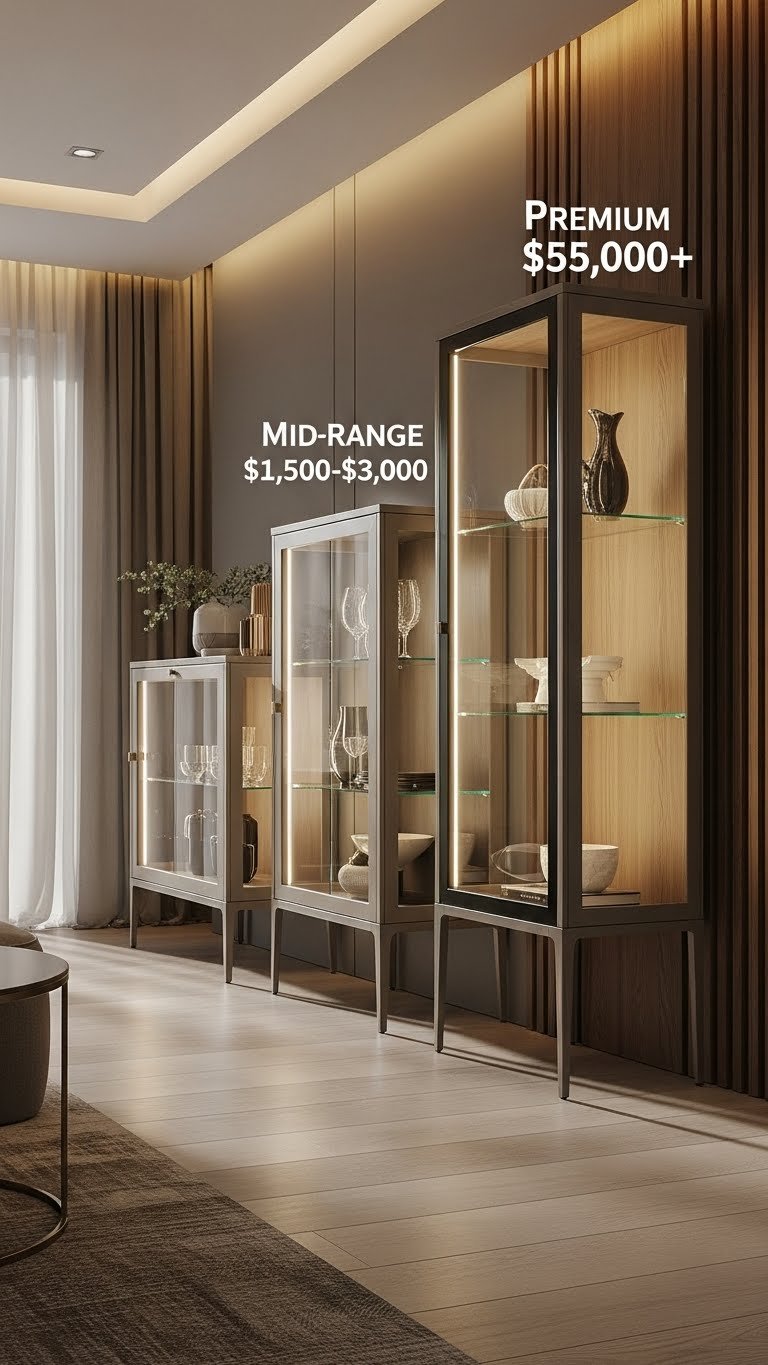
    Maneuvering glass cabinet investments reveals three primary financial tiers that can transform your space without breaking the bank. Your cost analysis ranges from budget-friendly options around $500 to mid-range investments between $1,500-$3,000, and premium custom designs reaching $5,000+. Investment comparison shows strategic selections can dramatically elevate your home’s aesthetic.

    Matching Glass Cabinets to Kitchen Architecture
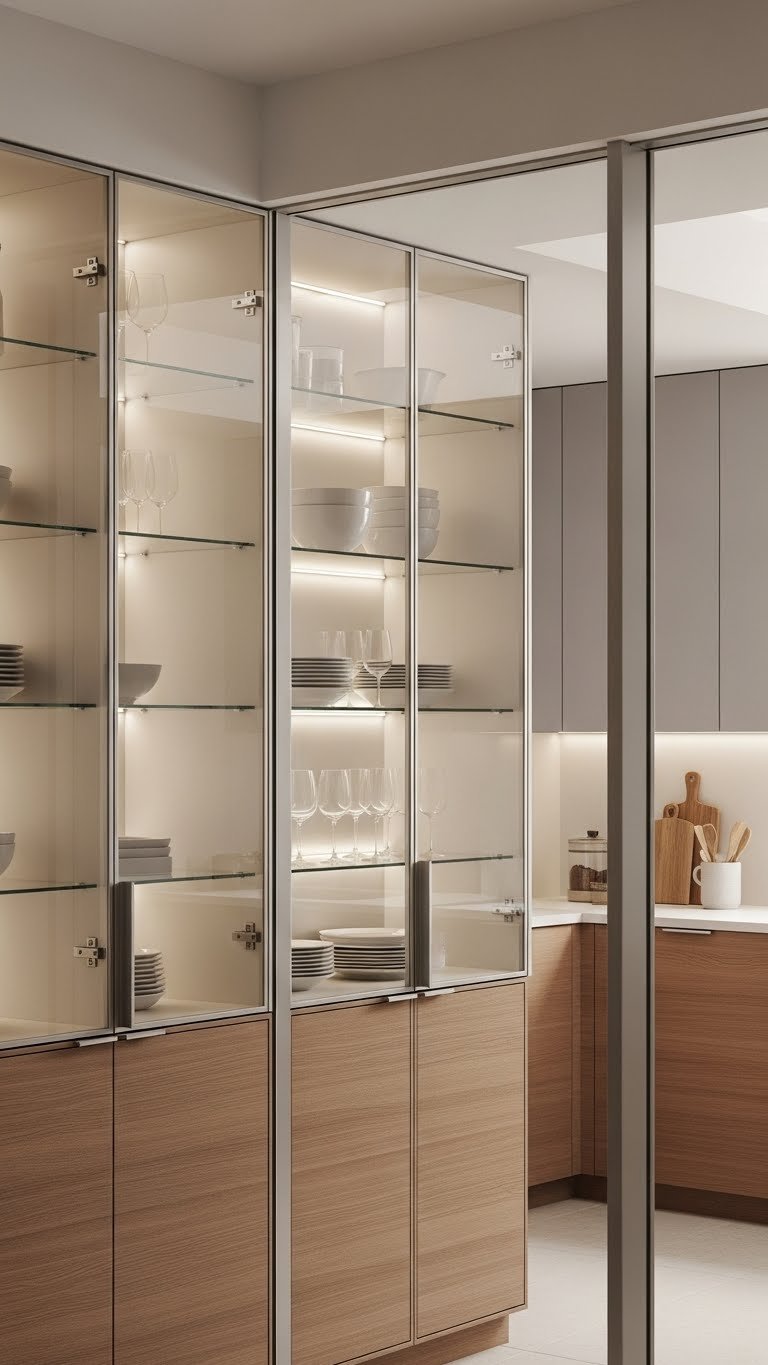
    While your kitchen’s architectural style serves as the foundational canvas, selecting glass cabinets requires a nuanced approach that harmonizes material, form, and visual language.

    Modern architecture demands aesthetic balance, where glass fronts seamlessly integrate with your space’s geometric lines, material palette, and structural integrity, transforming cabinetry from mere storage to expressive design elements.

    High-Traffic Kitchen Durability Considerations
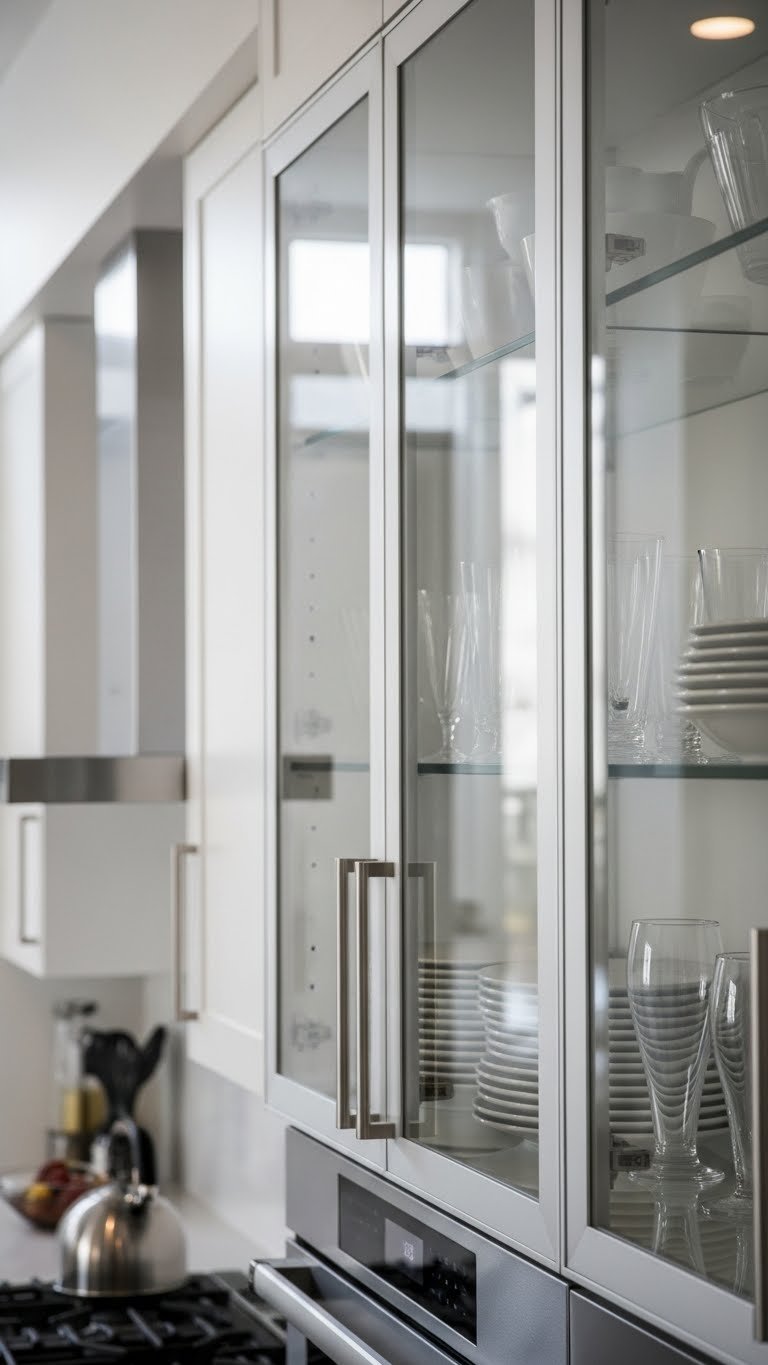
    Because glass-front cabinets occupy high-visibility zones in dynamic kitchen environments, their durability isn’t just a technical consideration—it’s a strategic design imperative. You’ll want heavy duty materials like tempered glass and reinforced frames that withstand daily impacts. Smart maintenance tips—regular cleaning, protective edging—ensure your cabinets remain pristine, reflecting your commitment to both aesthetics and functionality.

    Beyond the Kitchen: Glass Cabinets in Living Spaces
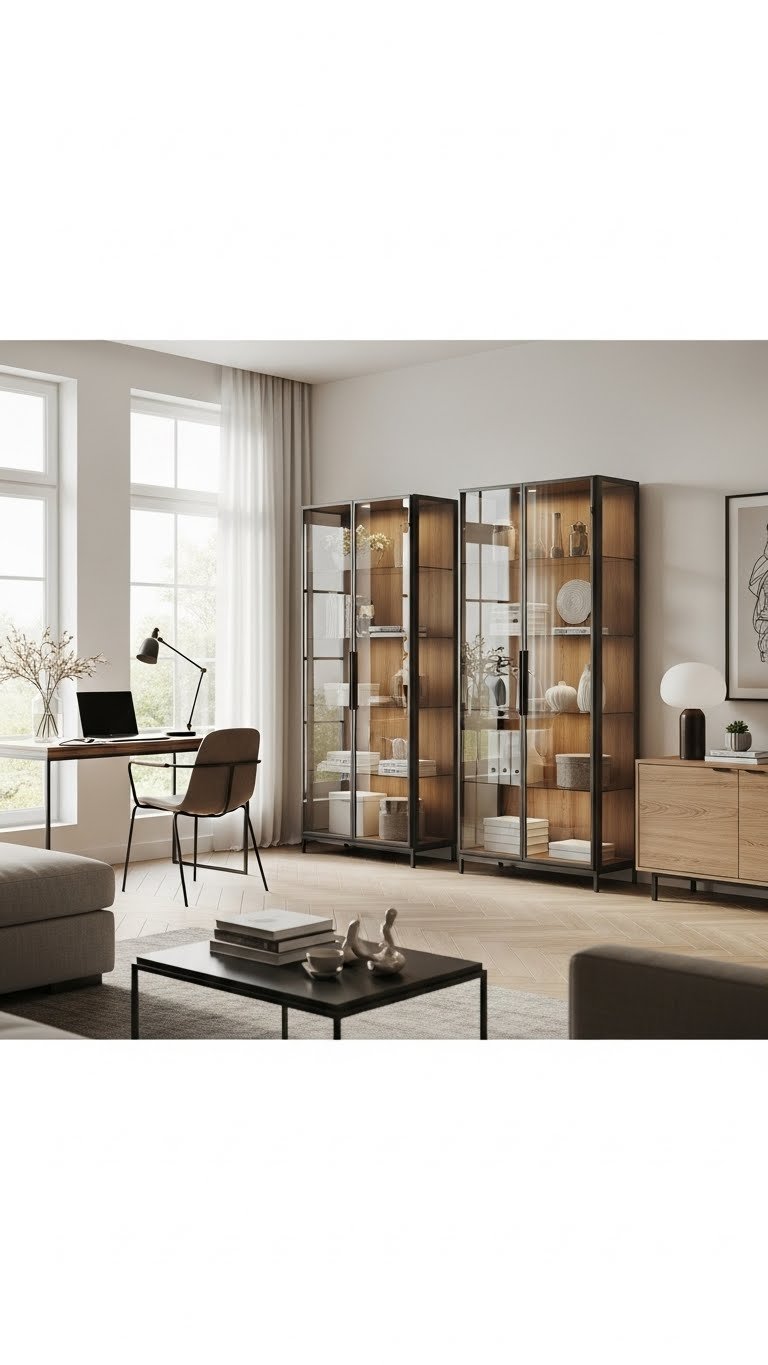
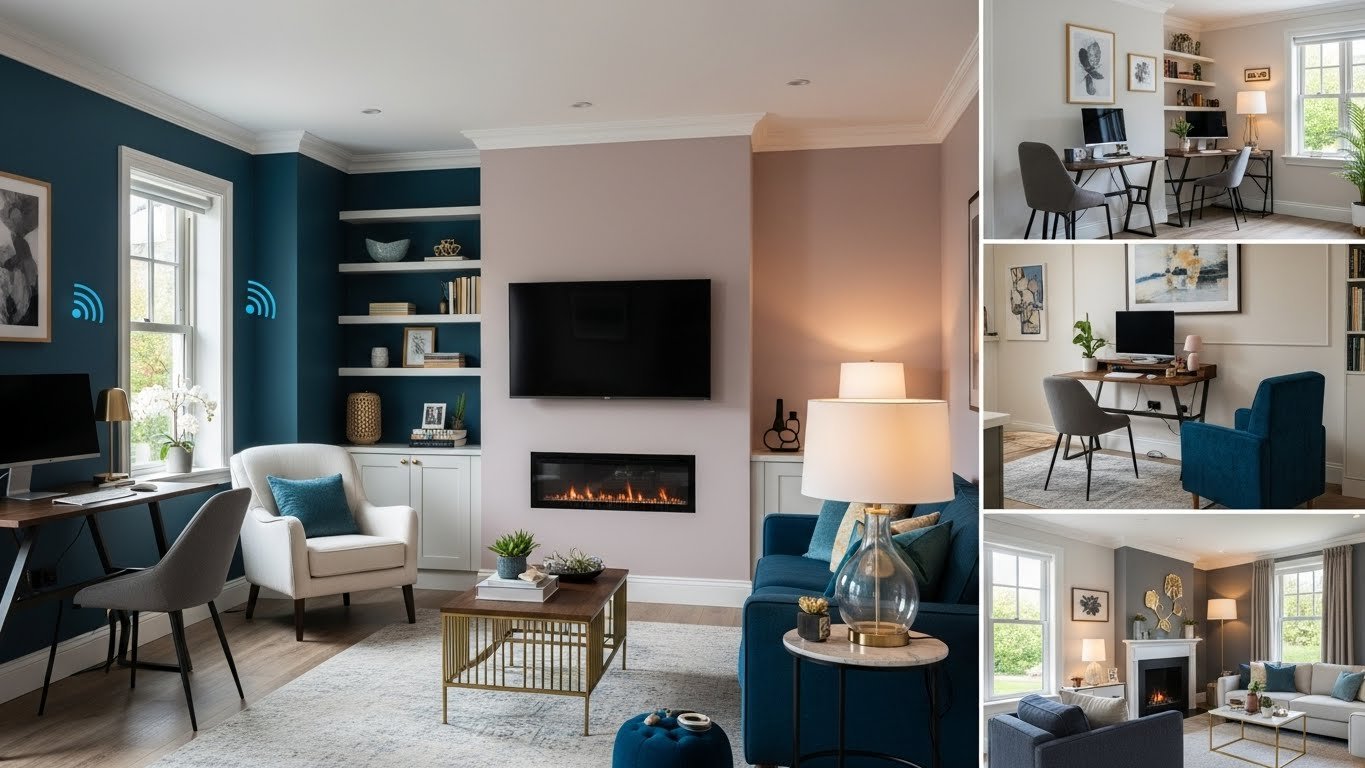
    Although glass-front cabinets originated in kitchen design, their versatility extends seamlessly into broader living spaces, transforming storage solutions into curated visual experiences.

    You’ll discover elegant display options in living rooms and home offices, where these cabinets serve as decorative accents that create an airy ambiance while integrating modern aesthetics into your furniture design.

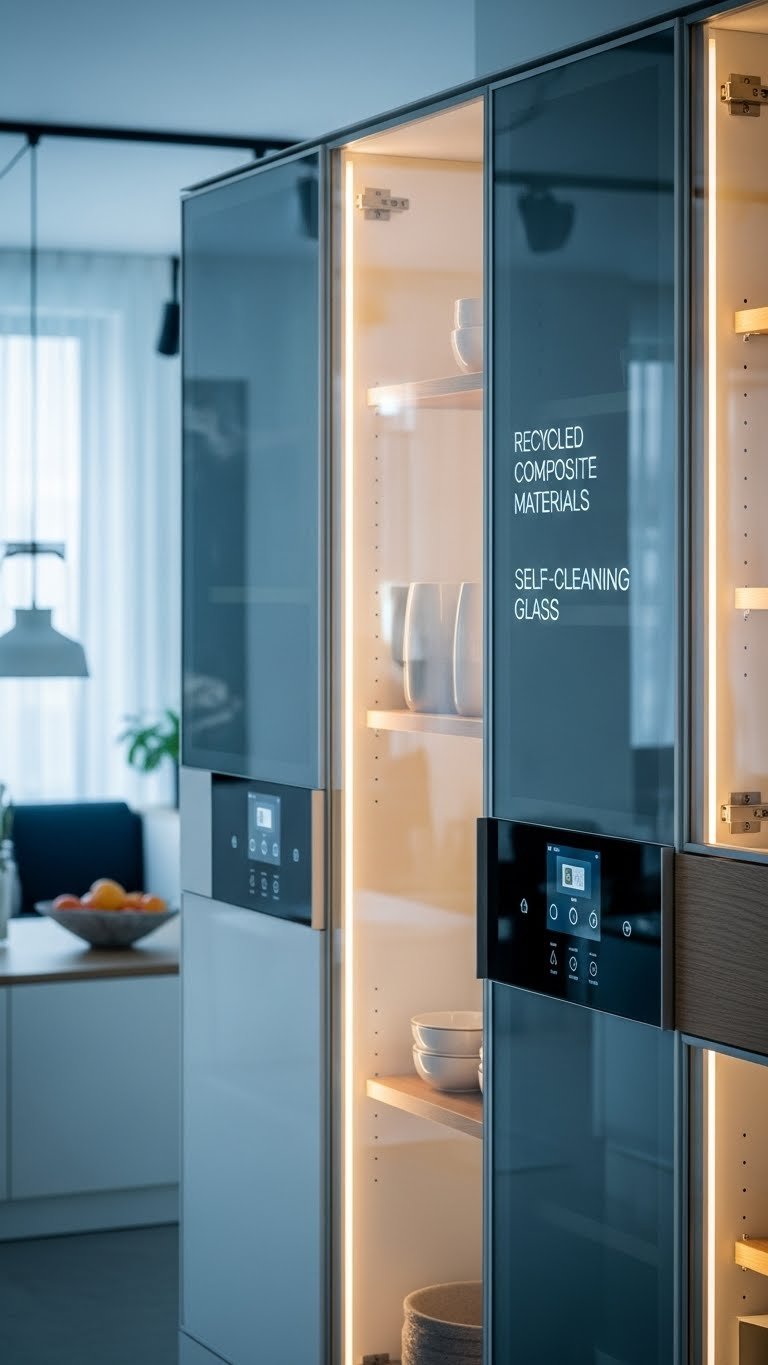
    As design innovation accelerates, glass cabinet trends are poised to revolutionize interior spaces with smart technology and sustainable materials. You’ll see futuristic materials like self-cleaning glass and recycled composites transforming storage solutions. Expect integrated LED lighting, touch-responsive surfaces, and designs that prioritize both aesthetic elegance and environmental consciousness.
  • 28 Cozy Roofline & Gable Styling Ideas Ideas For a Fresh New Look

    28 Cozy Roofline & Gable Styling Ideas Ideas For a Fresh New Look

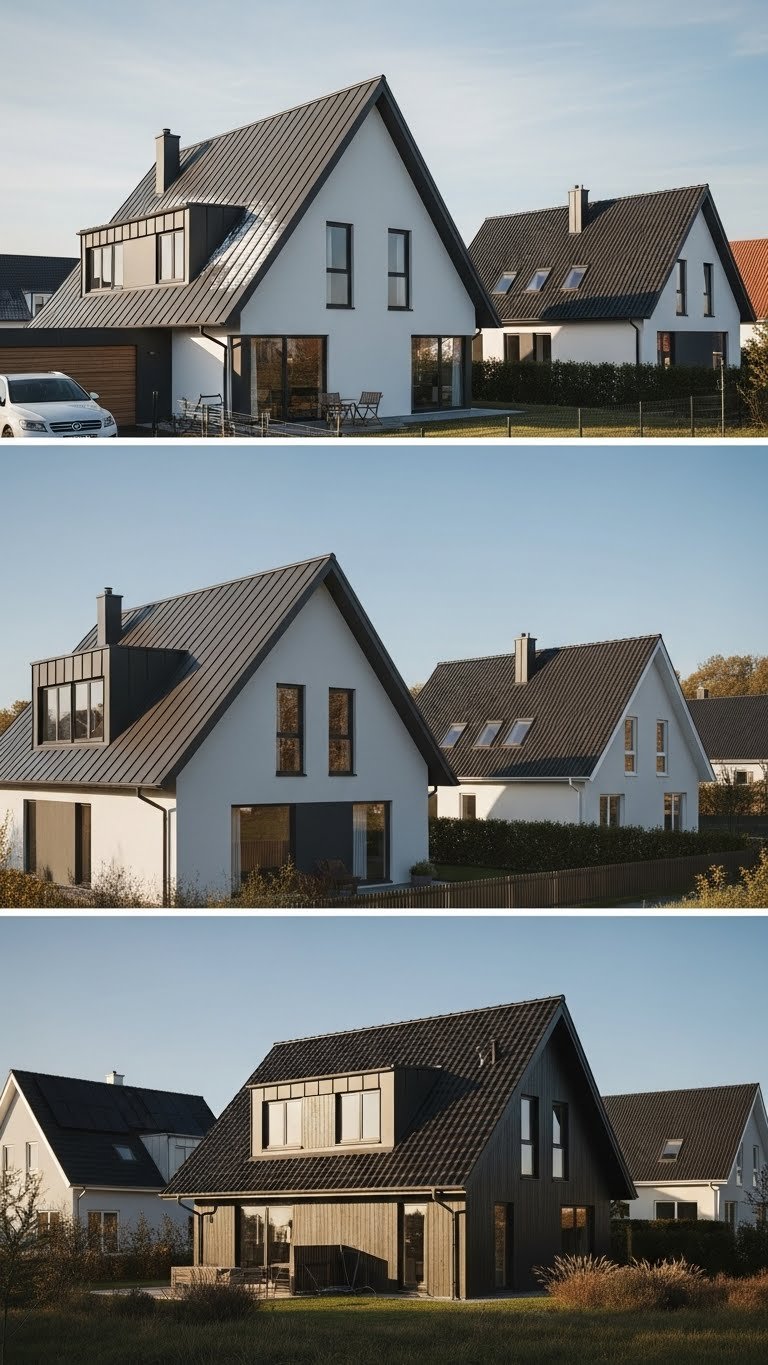
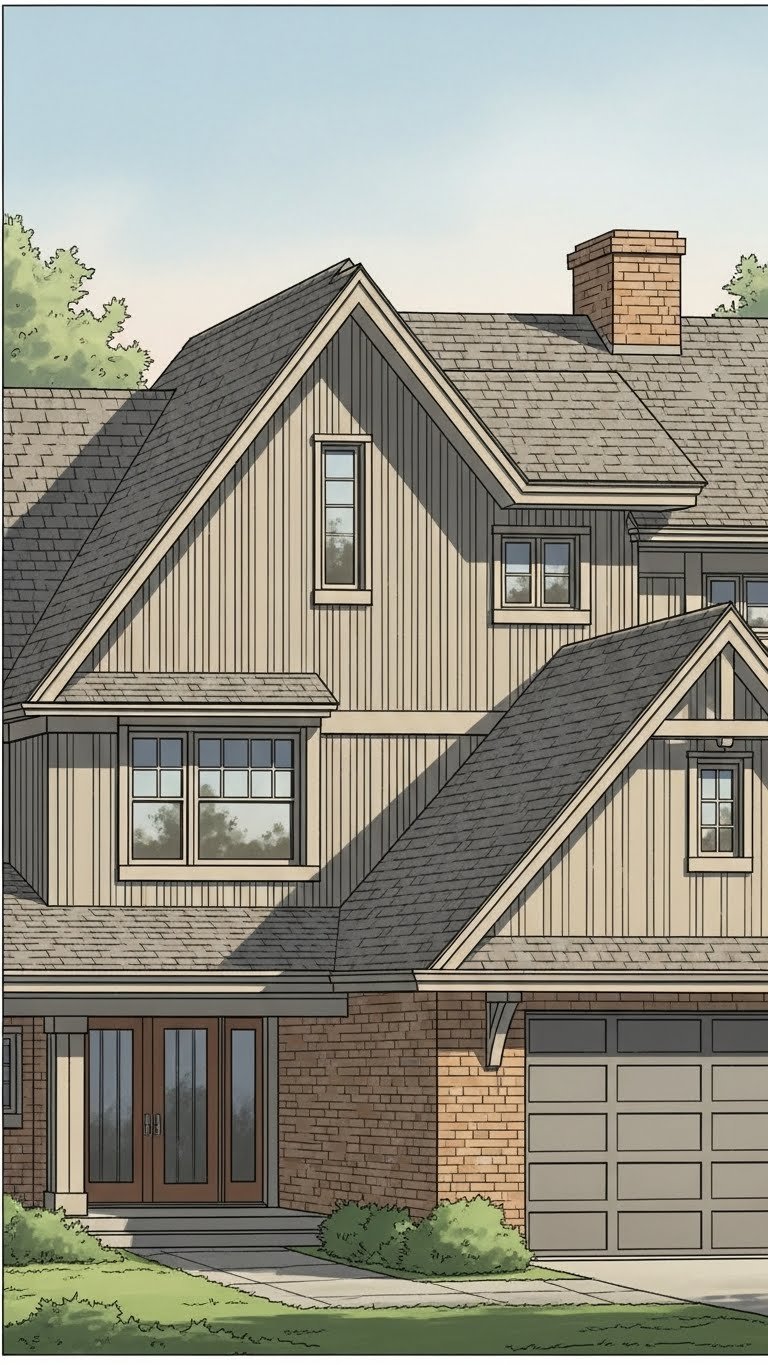
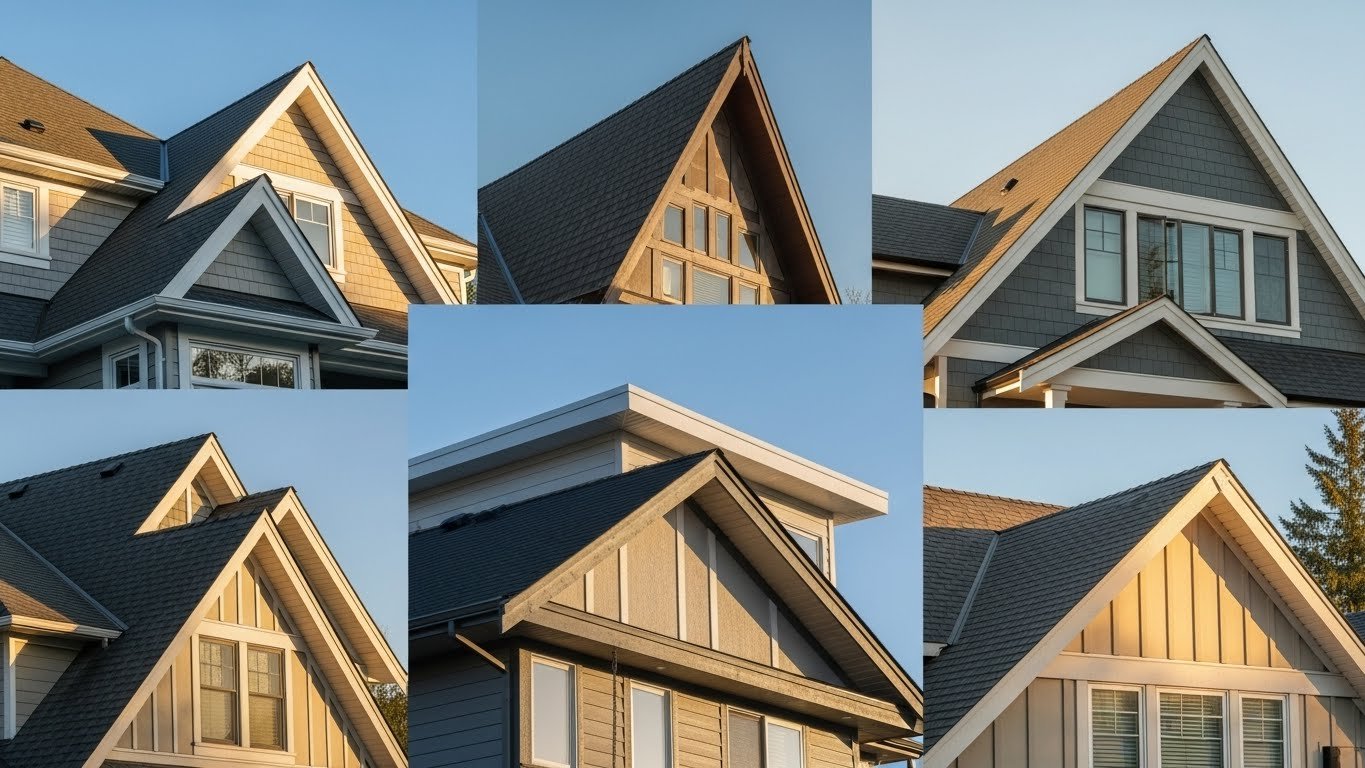
    Your home’s exterior speaks volumes before you even open the front door, and nothing transforms architectural identity quite like innovative roofline design. Gable styles aren’t just structural necessities—they’re canvases for expressing architectural personality, blending functional engineering with aesthetic vision. Whether you’re seeking subtle modernization or dramatic reimagination, these 28 roofline concepts promise to challenge everything you thought you knew about residential roof architecture. Are you ready to elevate your home’s visual narrative?

    Gable Roof 101: Architectural Fundamentals

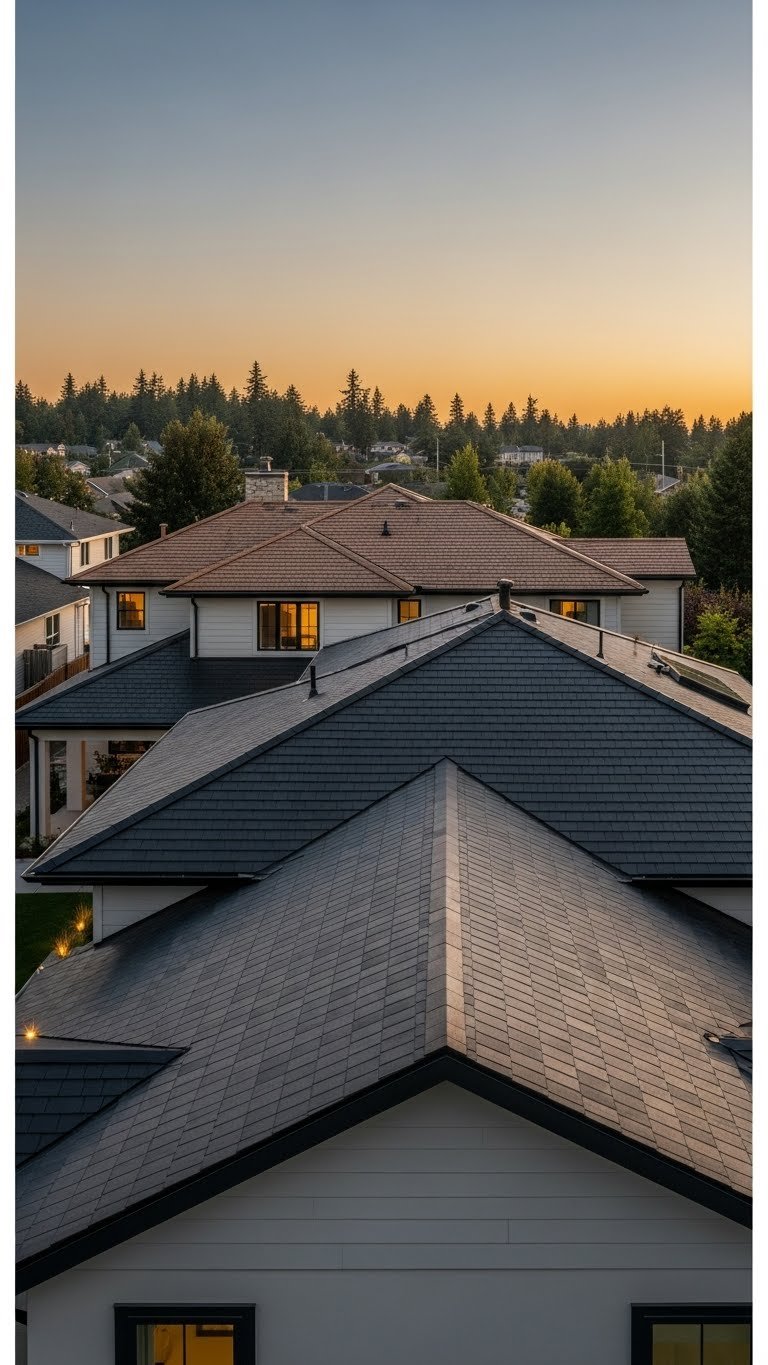
    While architectural styles evolve, the gable roof remains a timeless and fundamental design element in residential and commercial construction.

    You’ll find gable roof materials like asphalt shingles, metal, and slate offering durability and aesthetic versatility.

    The gable roof’s advantages include excellent water drainage, increased attic space, and superior wind resistance for your structure.

    The Anatomy of a Perfect Gable Roof

    Because architectural precision defines structural integrity, understanding the anatomy of a perfect gable roof demands careful examination of its key components.

    You’ll want to prioritize high-quality gable roof materials that enhance both durability and gable roof aesthetics.

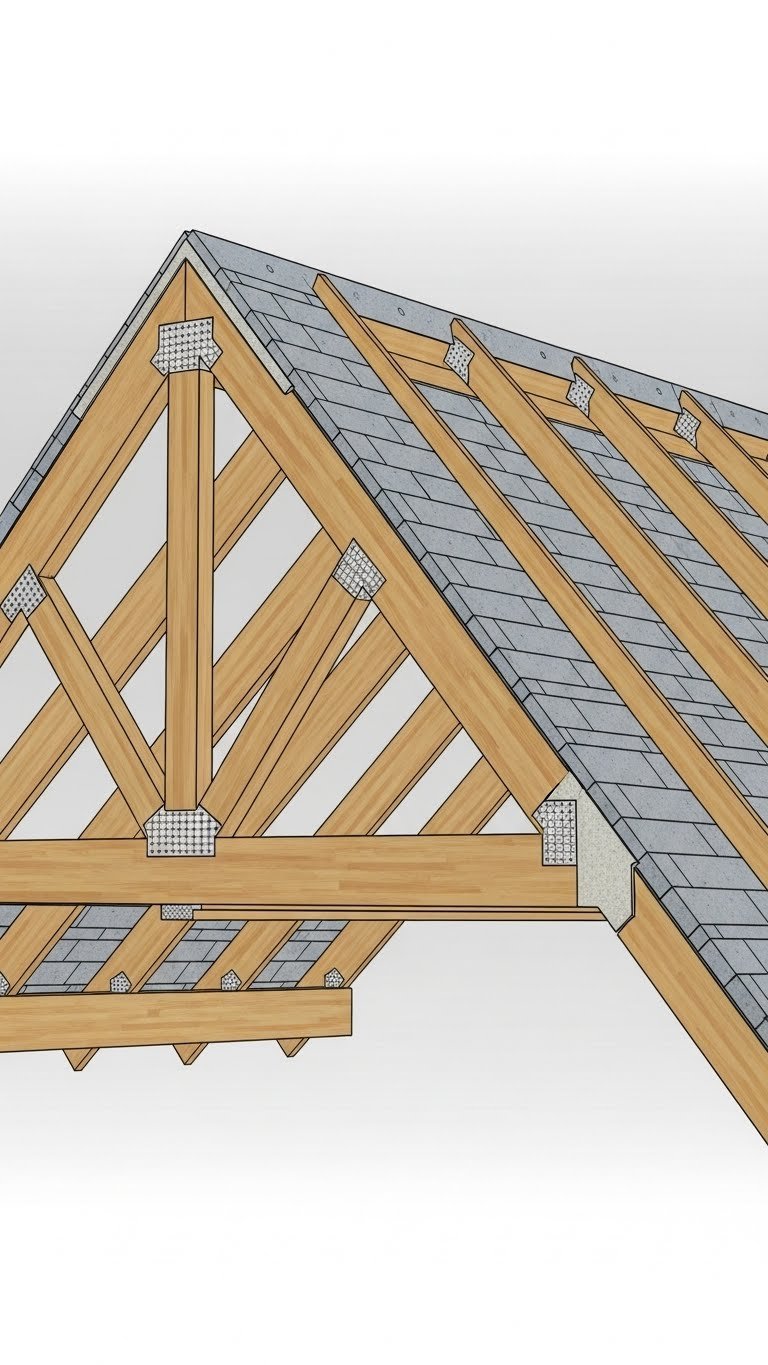
    Select triangular trusses, pitch-perfect rafters, and weather-resistant underlayments that marry form with function.

    Historical Evolution of Gable Roof Design

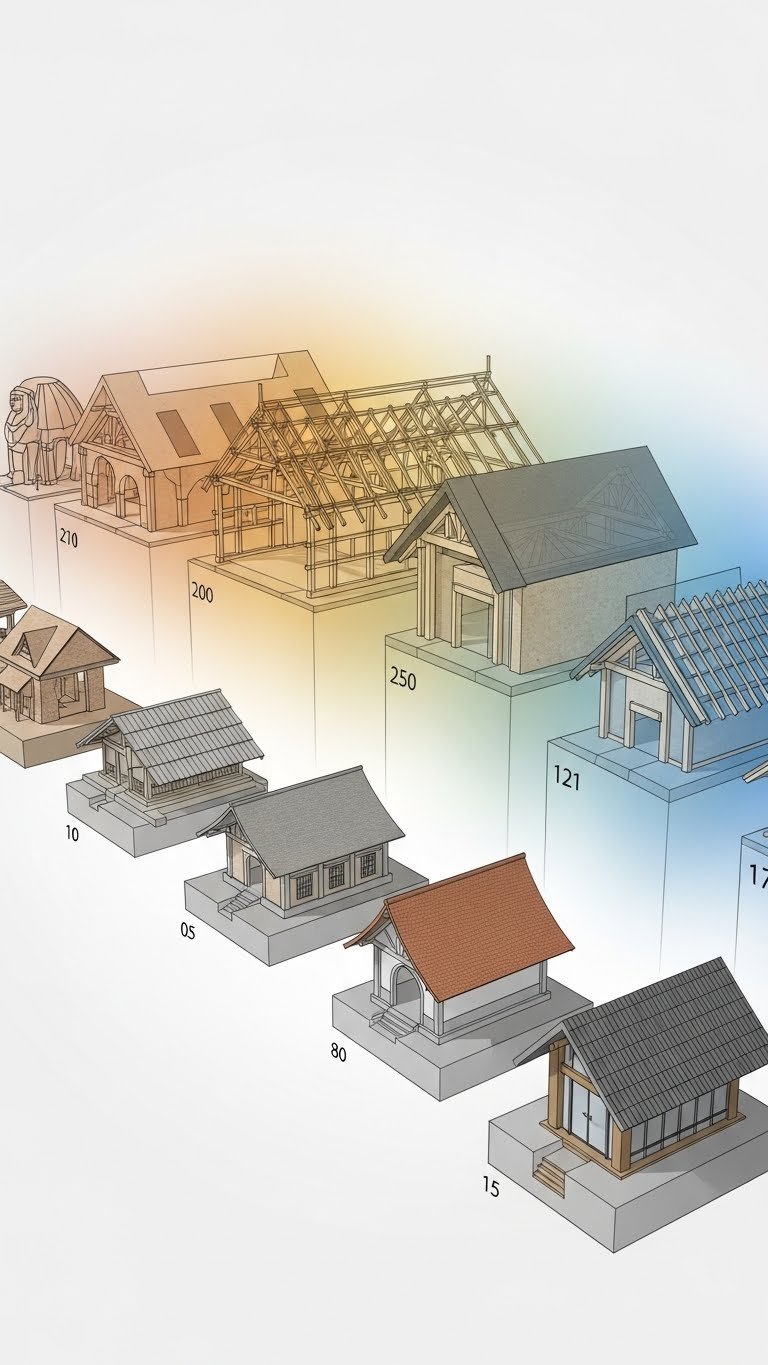
    Since ancient civilizations first sought shelter, gable roof designs have undergirded architectural innovation across diverse cultures and geographical landscapes.

    Medieval influences shaped distinctive regional variations, while architectural adaptations transformed structural integrity and aesthetic appeal.

    You’ll witness how these rooflines evolved from primitive constructions to sophisticated engineering marvels reflecting cultural dynamism and technological progression.

    Choosing the Right Roof Pitch for Your Home?

    Precisely how will your home’s roof pitch impact its overall architectural performance and aesthetic harmony? Your roof’s pitch isn’t just structural—it’s a critical design element defining your home’s character. Consider pitch considerations that balance roof aesthetics, climate resilience, and spatial dynamics. The right angle transforms your roofline from mere shelter to architectural expression.

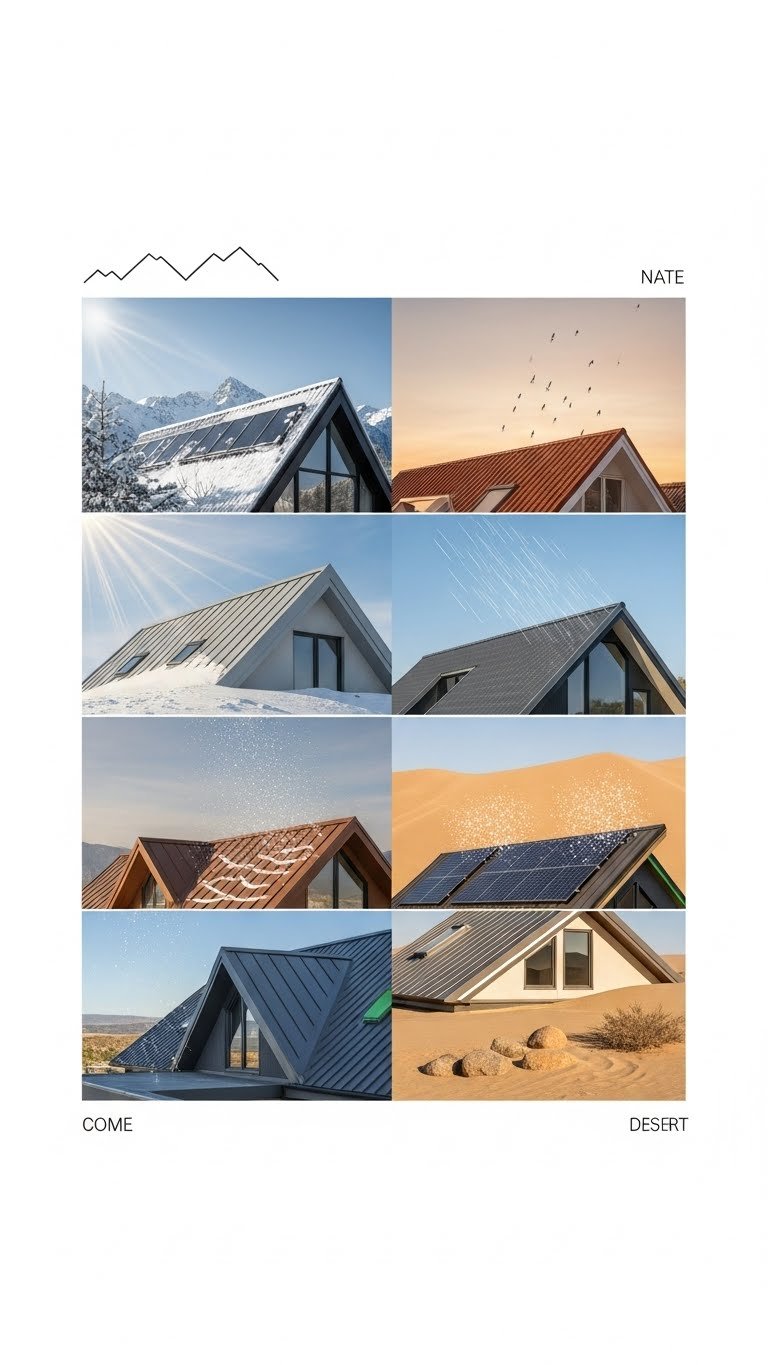
    Climate-Responsive Roof Angle Strategies

    The architectural performance of your roof pitch directly correlates with regional climatic demands, transforming structural necessity into intelligent design strategy.

    Classic vs. Contemporary Gable Roof Styles

    Architectural evolution transforms gable roof styles through a compelling dialogue between historical precedence and modern design innovation.

    You’ll discover traditional designs honor symmetry and pitched elegance, while contemporary gable approaches embrace asymmetrical profiles and minimalist structural expressions.

    Modern aesthetics challenge classic conventions, offering you dynamic roofline possibilities that reflect individual architectural freedom.

    Box Gable: Traditional Design Principles

    Geometry whispers timeless narratives in box gable roof designs, where rectangular symmetry defines traditional residential architecture.

    You’ll discover how gable aesthetics blend precision with architectural freedom, creating clean lines that capture design functionality.

    The structured triangular form communicates strength while maintaining elegant visual balance in your home’s exterior profile.

    Cross Gable: Innovative Structural Layouts

    Where box gables offer rectangular simplicity, cross gable roof designs reveal multidimensional architectural potential, creating complex and dynamic residential structures.

    You’ll appreciate cross gable benefits like enhanced visual interest and structural versatility.

    These innovative layouts maximize spatial freedom, allowing dramatic roof intersections that transform your home’s exterior aesthetics with geometric precision and architectural sophistication.

    Dutch Gable: Hybrid Roof Techniques

    The Dutch gable represents a brilliant fusion of roofing styles, blending traditional hip roof characteristics with distinctive vertical wall elements that extend above the roofline.

    You’ll appreciate its hybrid roofing advantages, where architectural flexibility meets structural integrity.

    These dutch gable features offer you enhanced vertical space and a dynamic aesthetic that breaks conventional design boundaries.

    High-Pitched vs. Low-Pitched Roof Designs

    Building upon the Dutch gable’s architectural innovation, roof pitch becomes a critical design parameter that directly impacts both structural performance and visual character.

    You’ll find high-pitched roofs offer superior water drainage and dramatic silhouettes, while low-pitched roofs provide modern minimalism and easier maintenance.

    Your design choice depends on climate, aesthetic preference, and structural constraints.

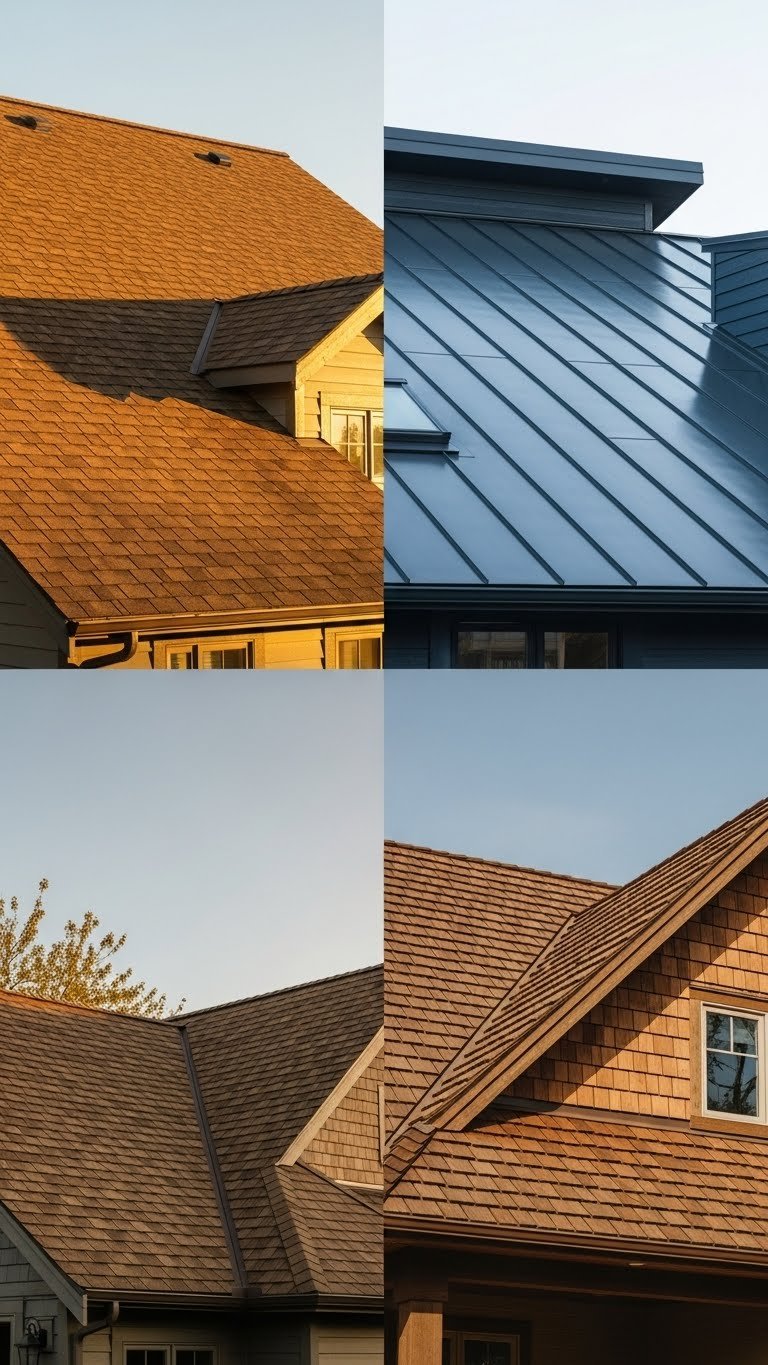
    Materials Matter: Selecting Your Roof Substrate

    Since roofing substrates define your home’s durability and aesthetic trajectory, you’ll want to carefully evaluate materials that balance performance with visual appeal.

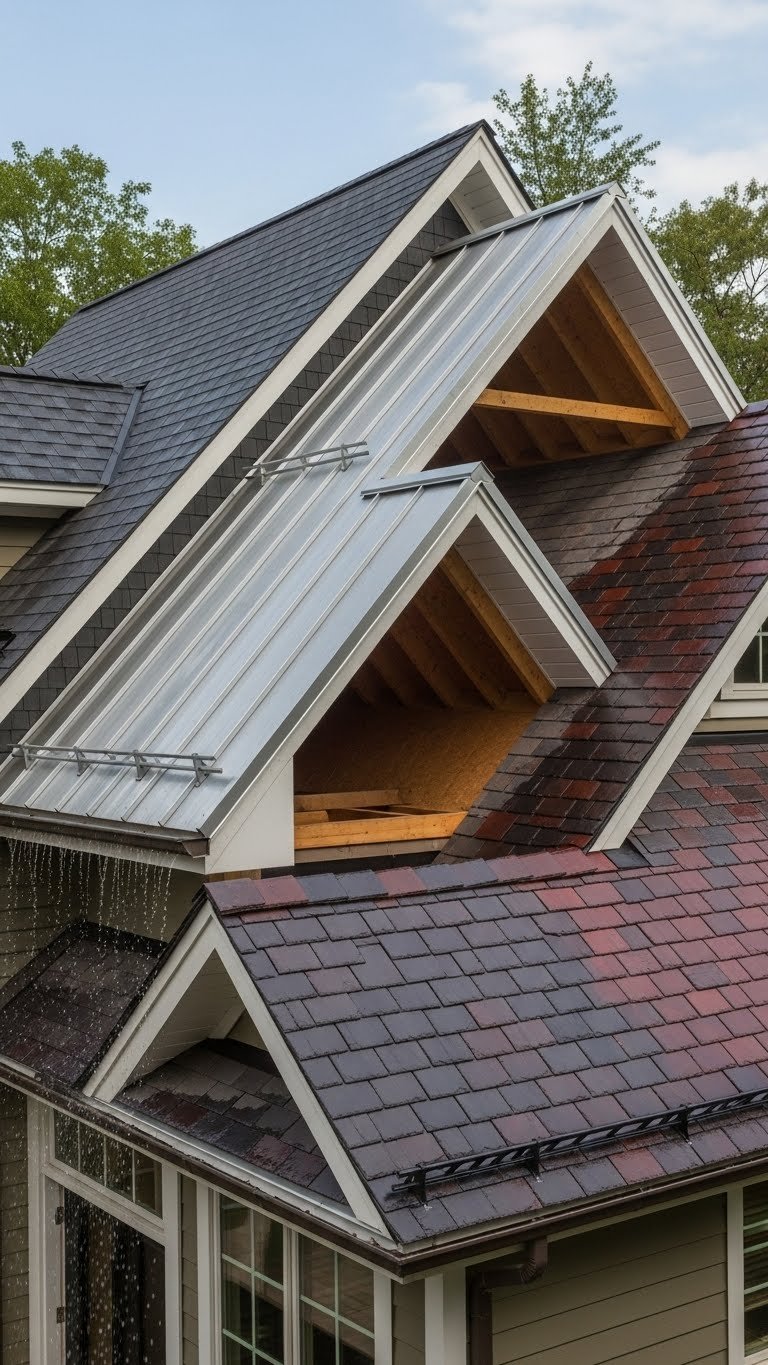
    Asphalt shingles, metal panels, and cedar shakes each offer distinct material benefits. Your substrate choice impacts energy efficiency, longevity, and architectural character, so select wisely for ideal roof substrate performance.

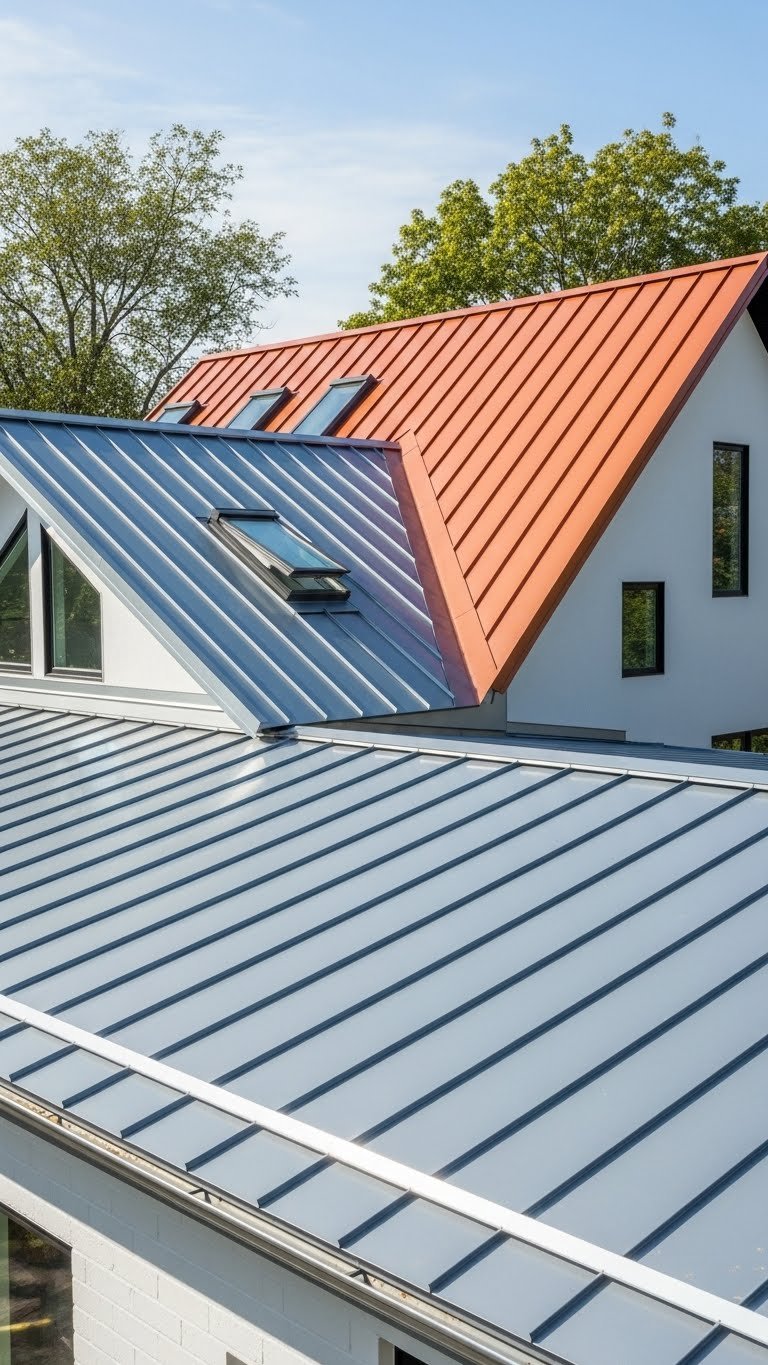
    Metal Roofing for Modern Architectural Statements

    Modern architectural design increasingly embraces metal roofing as a dynamic, high-performance substrate that transforms residential exteriors with sleek, contemporary elegance.

    You’ll find metal roofing offers vibrant colors and sleek designs that break traditional boundaries, providing durability and aesthetic freedom.

    Lightweight panels and innovative finishes let you reimagine your home’s architectural identity with striking visual impact.

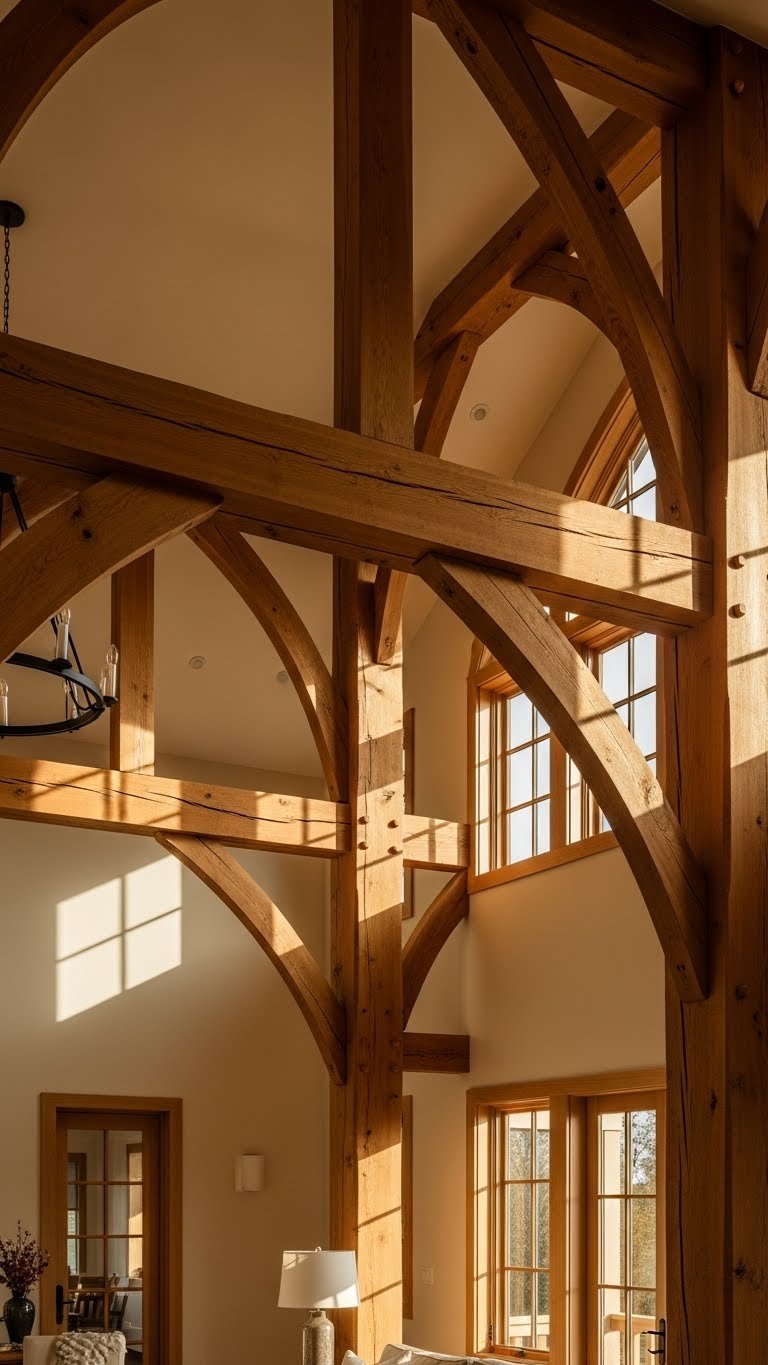
    Wooden Trusses: Rustic Design Elegance

    Where metal roofing speaks to contemporary precision, wooden trusses whisper timeless architectural narratives of warmth and structural authenticity.

    You’ll discover rustic charm embedded in these engineered frameworks, offering design versatility that transforms your home’s visual profile.

    Sturdy oak or cedar trusses deliver both aesthetic grace and robust structural integrity, creating spaces that breathe heritage and modern sensibility.

    Color Psychology in Roof Design

    The subtle chromatic selections of your roofline aren’t merely aesthetic choices, but profound psychological instruments that silently communicate architectural intention.

    Your roof’s color symbolism transcends visual appeal, strategically influencing emotional perception.

    Exterior Color Combinations for Gable Roofs

    Color psychology extends beyond individual roof hues, propelling us into the nuanced sphere of exterior color combinations that define gable roof aesthetics.

    You’ll discover striking color pairings that elevate your home’s visual narrative.

    Select gable shades that complement architectural lines, creating dynamic contrasts and harmonious shifts that reflect your personal design freedom.

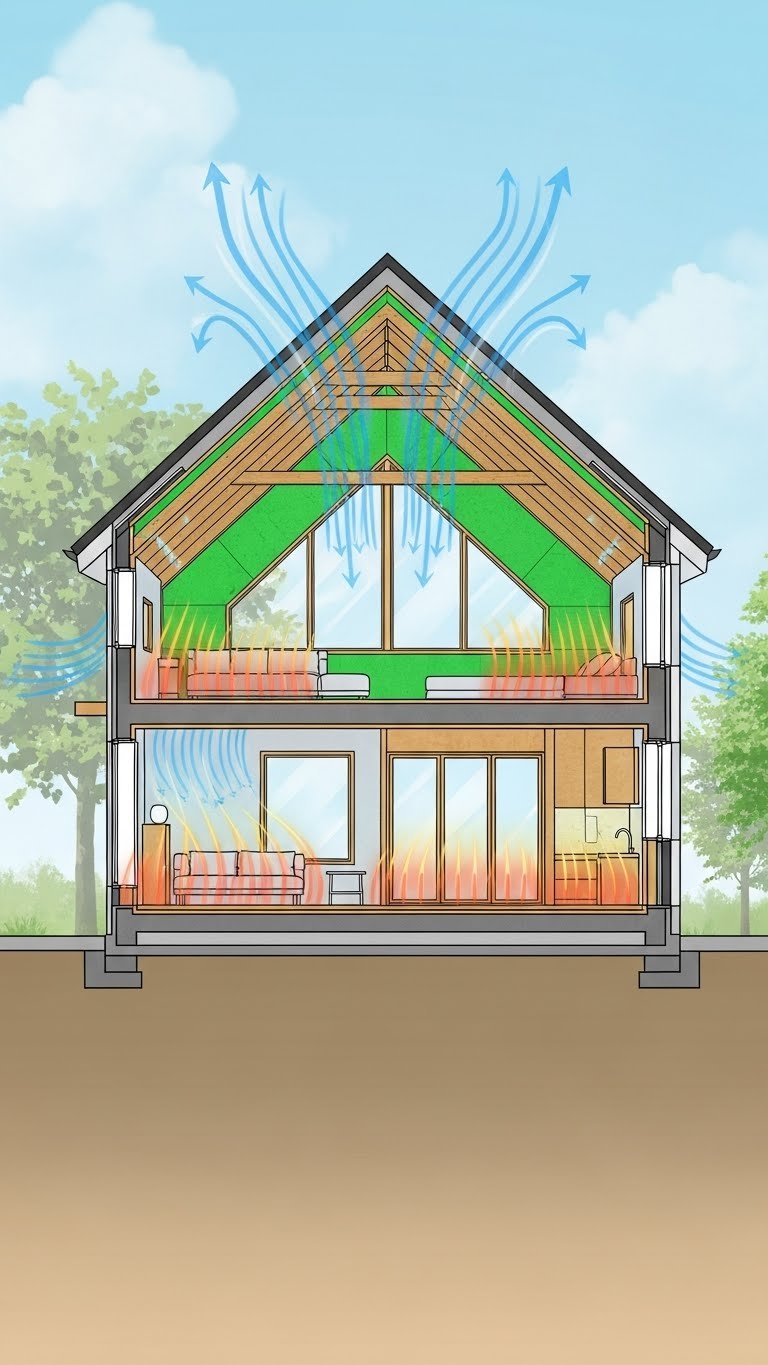
    Ventilation Secrets of Gable Roof Structures

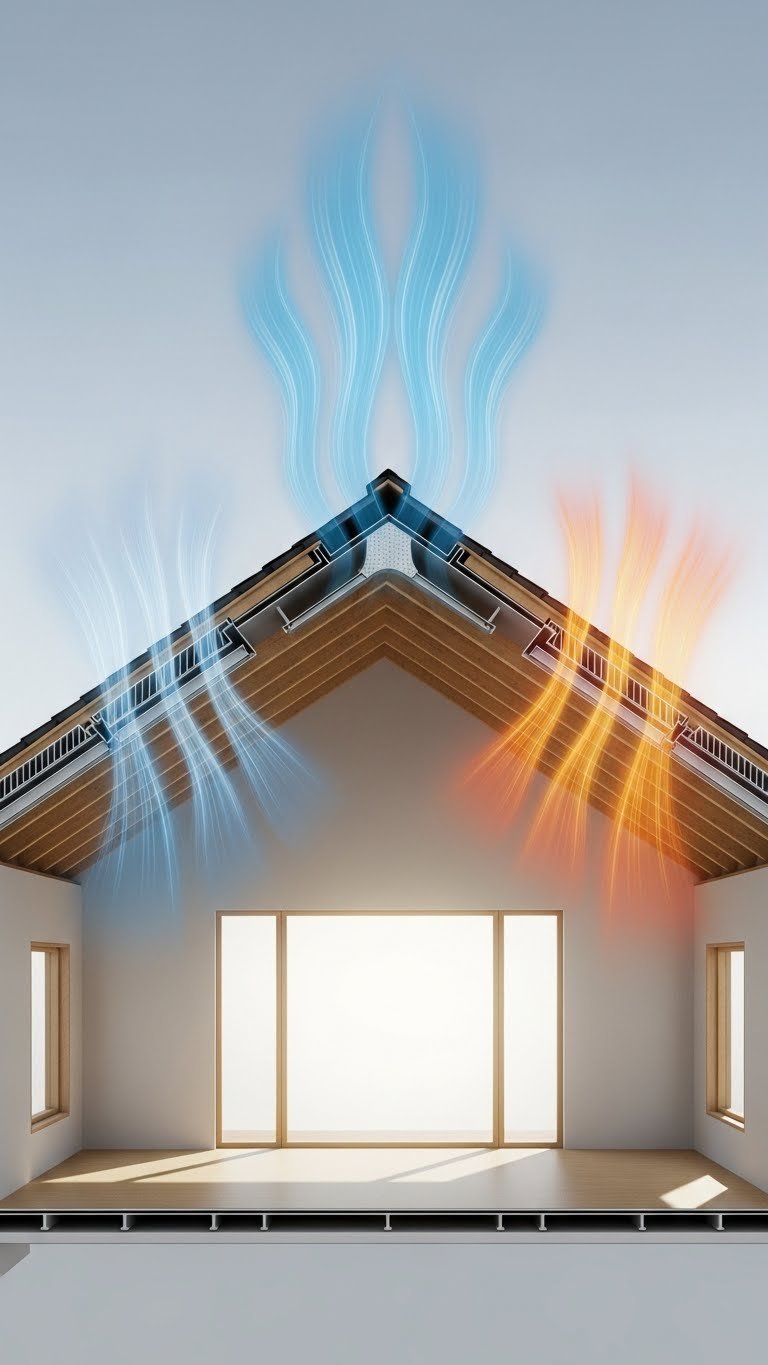
    Three critical ventilation mechanisms transform gable roof structures from mere overhead coverings into dynamic thermal management systems.

    You’ll leverage natural airflow through strategic ridge and soffit vents, creating powerful convection currents that regulate interior temperatures.

    Advanced ventilation techniques guarantee your living space breathes efficiently, maintaining ideal thermal balance and structural integrity.

    Dormer Windows: Expanding Architectural Possibilities

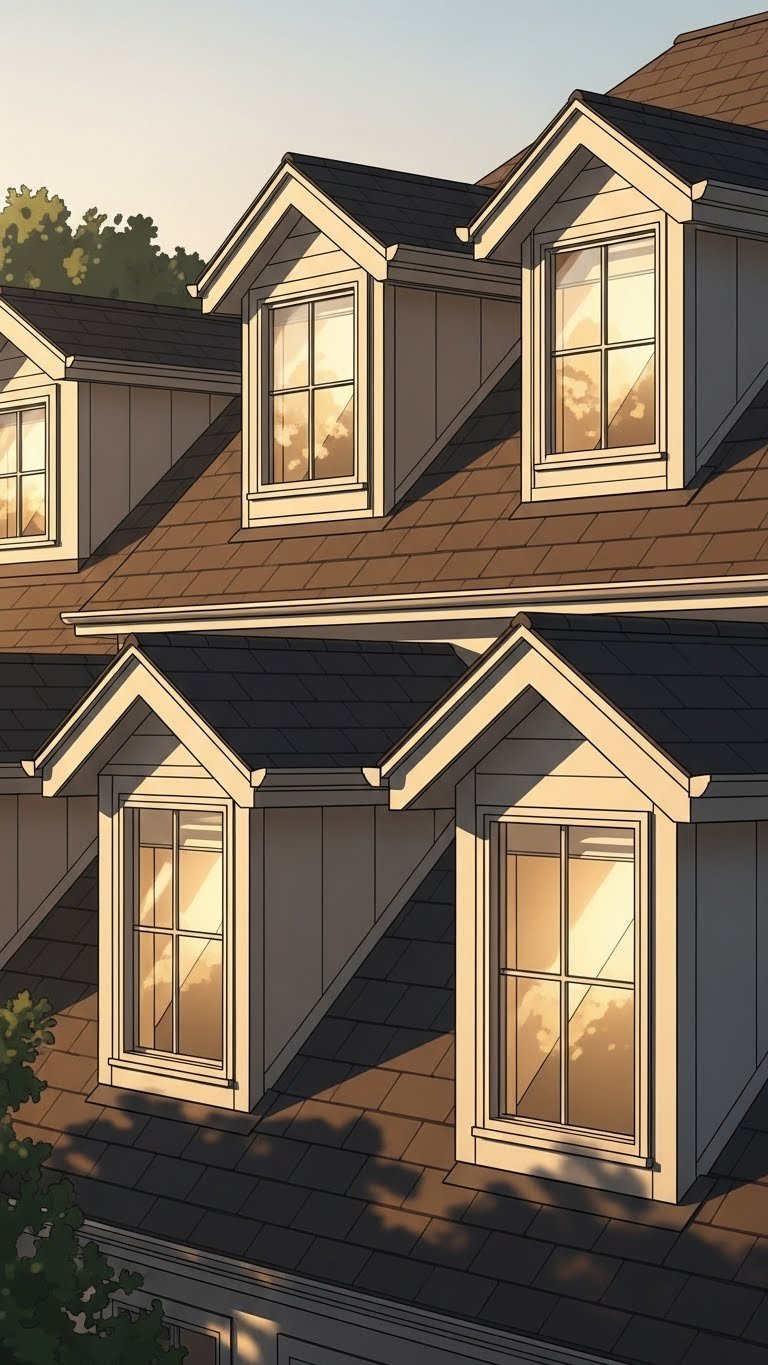
    While proper ventilation sets the foundation for a well-designed roof, dormer windows elevate architectural expression beyond mere functional considerations.

    You’ll discover that dormer styles offer remarkable design flexibility, seamlessly integrating with your home’s aesthetic.

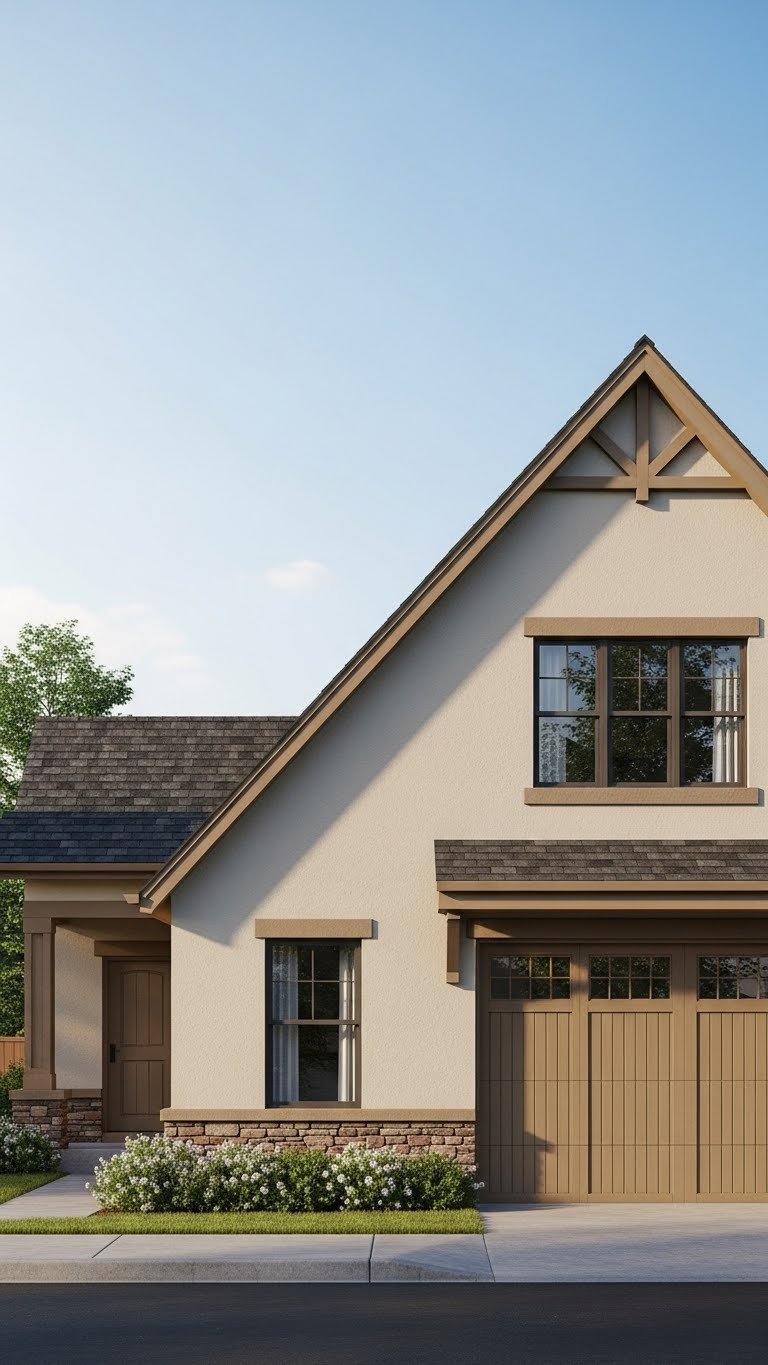
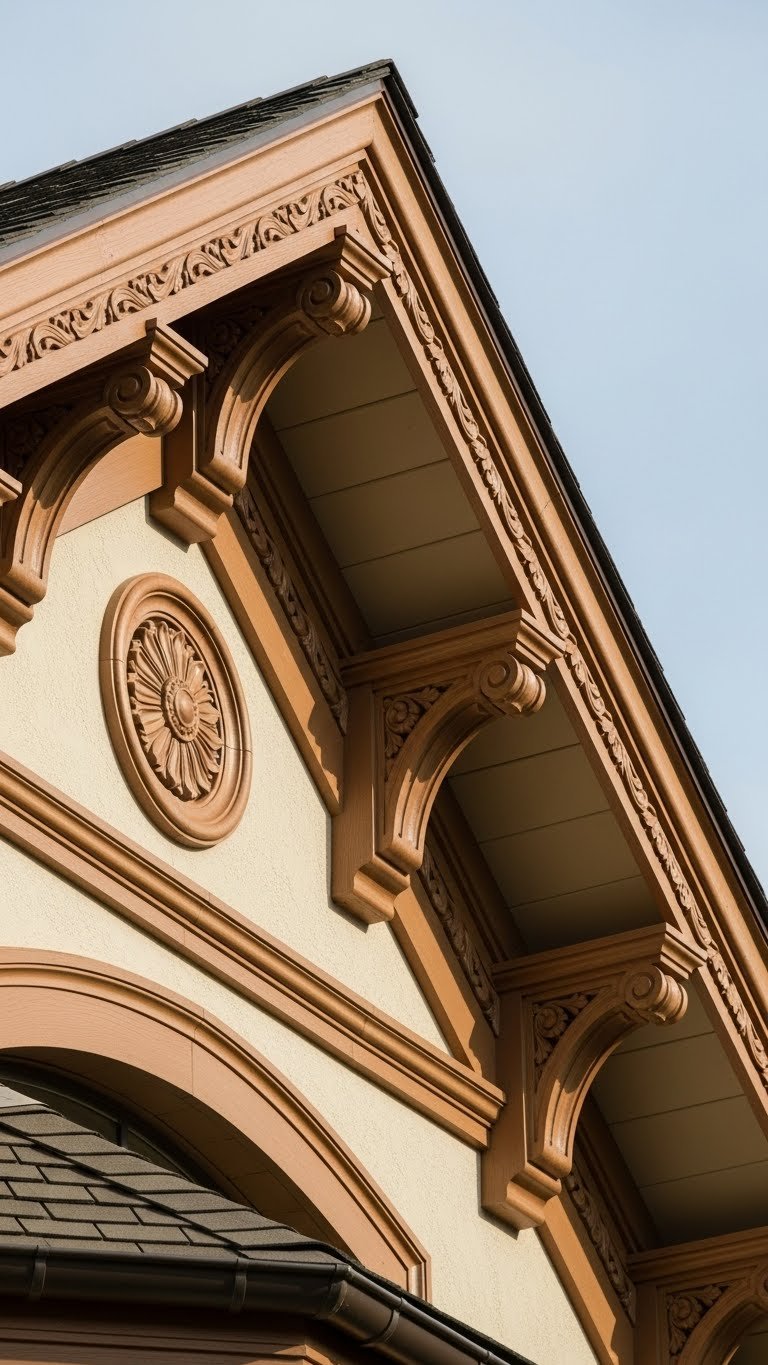
    Decorative Gable Elements and Accents

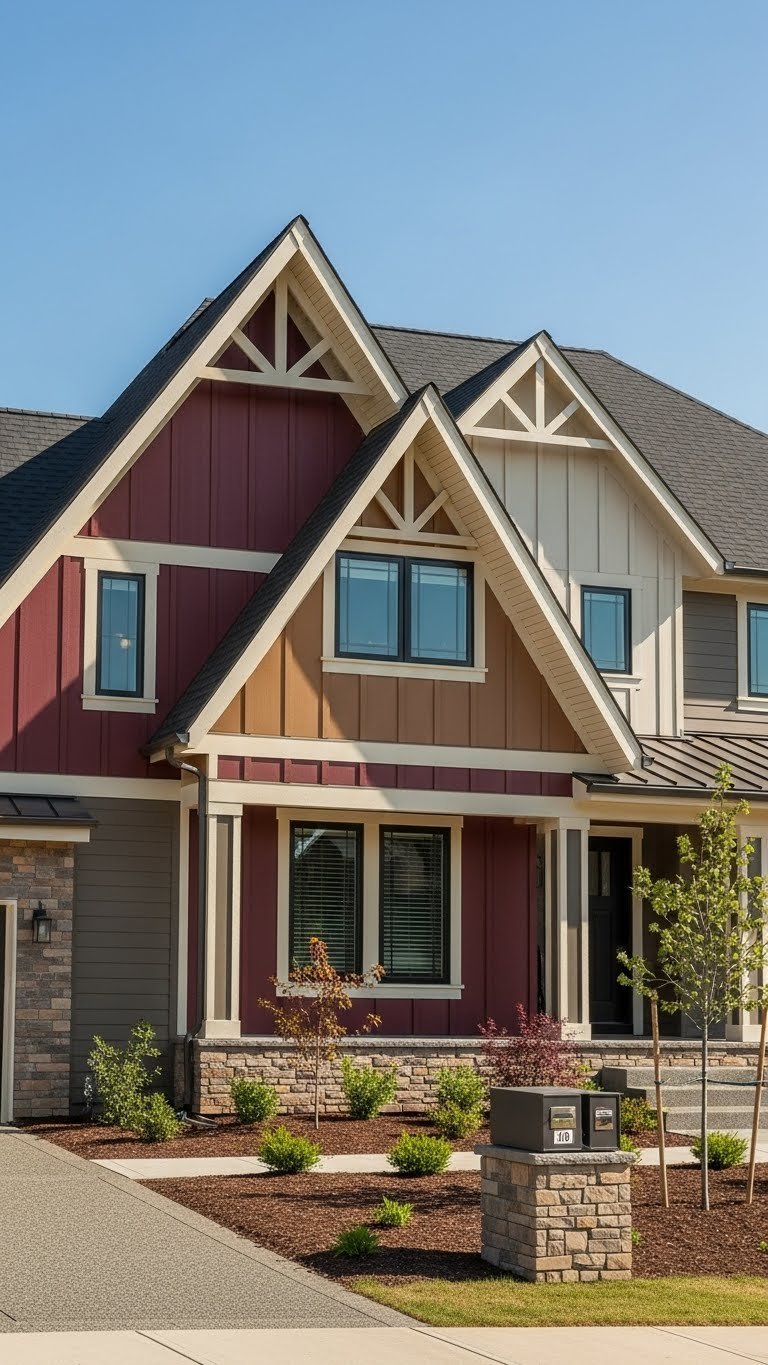
    Architectural gable embellishments can transform an ordinary roofline into a stunning visual statement.

    You’ll discover ornamental gable accents that elevate your home’s exterior with intricate trim designs.

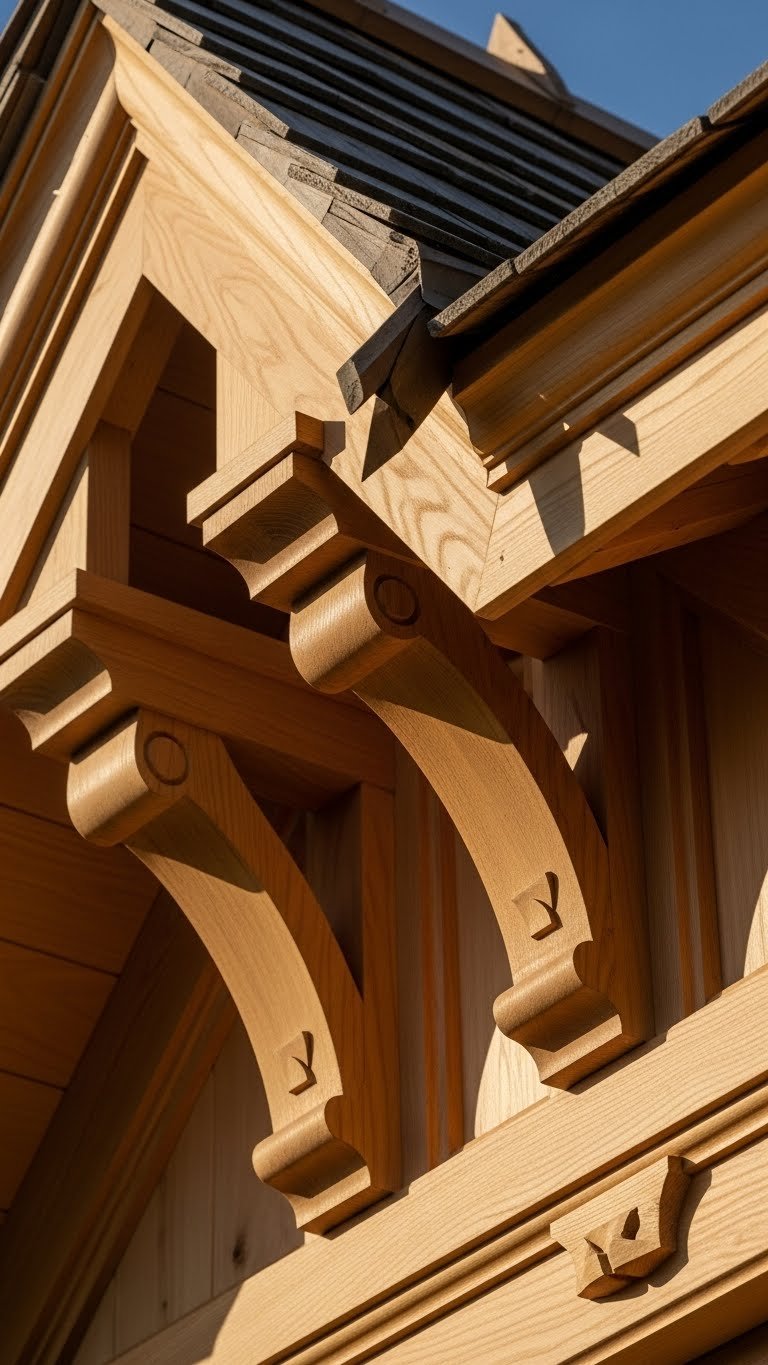
    Strategic placement of decorative elements like carved woodwork, elegant brackets, and sculptural medallions can dramatically enhance your roofline’s aesthetic appeal and architectural character.

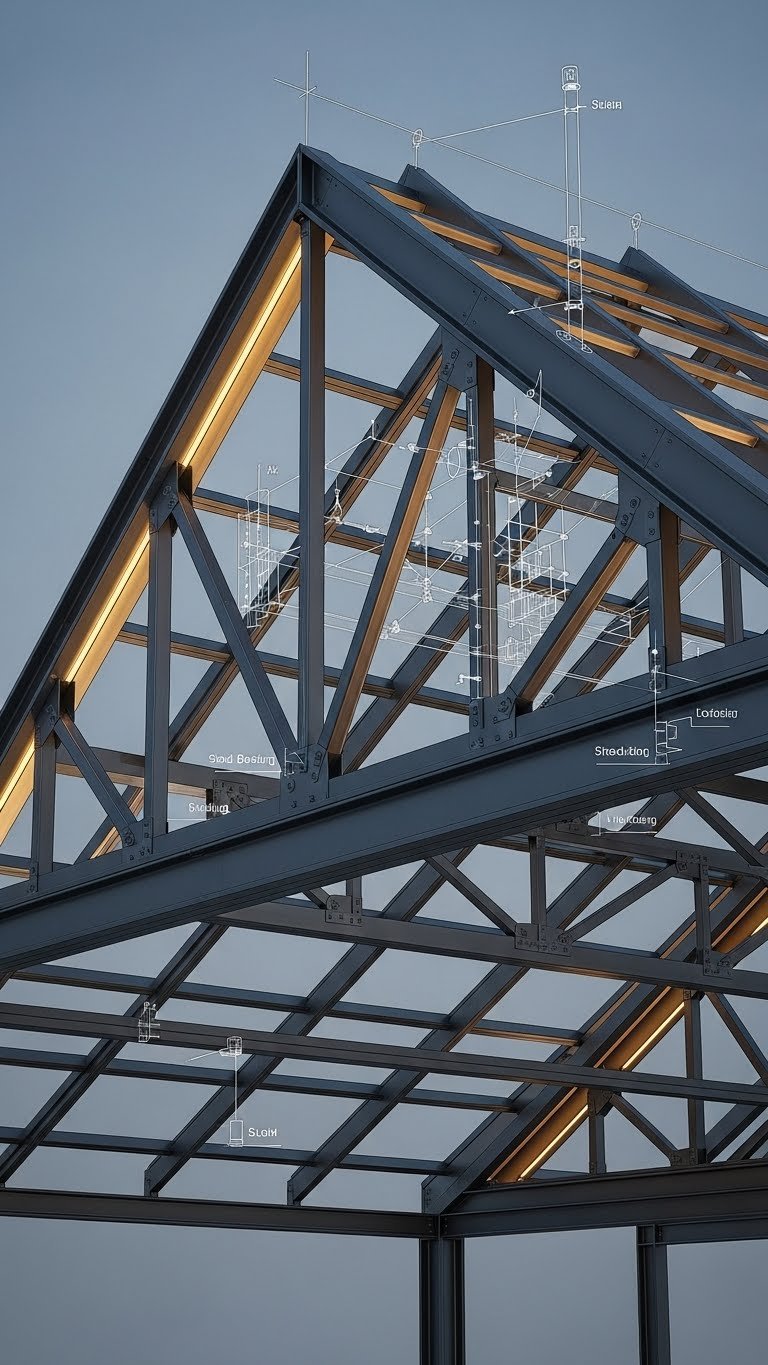
    Structural Reinforcement Techniques

    Modern gable construction demands robust structural reinforcement strategies to secure long-term stability and performance.

    You’ll need strategic load bearing materials that enhance structural safety while maintaining architectural integrity.

    Implement engineered trusses, steel connectors, and precision-engineered bracing systems to confirm your gable’s resilience against environmental stresses and potential structural challenges.

    Energy Efficiency in Gable Roof Design

    Because thermal performance directly impacts a building’s overall energy profile, gable roof designs can profoundly optimize residential and commercial energy efficiency.

    You’ll maximize passive heating by strategically integrating green insulation materials and creating ventilated attic spaces that reduce thermal bridging, ultimately minimizing energy consumption and enhancing your structure’s sustainable architectural potential.

    Budget-Friendly Gable Roof Solutions

    Three primary strategies can help homeowners minimize gable roof construction expenses without compromising structural integrity or design quality.

    Explore affordable materials like engineered trusses and lightweight metal panels.

    Leverage DIY options for installation, reducing labor costs.

    Prioritize smart design choices that maximize efficiency while maintaining aesthetic appeal and structural durability.

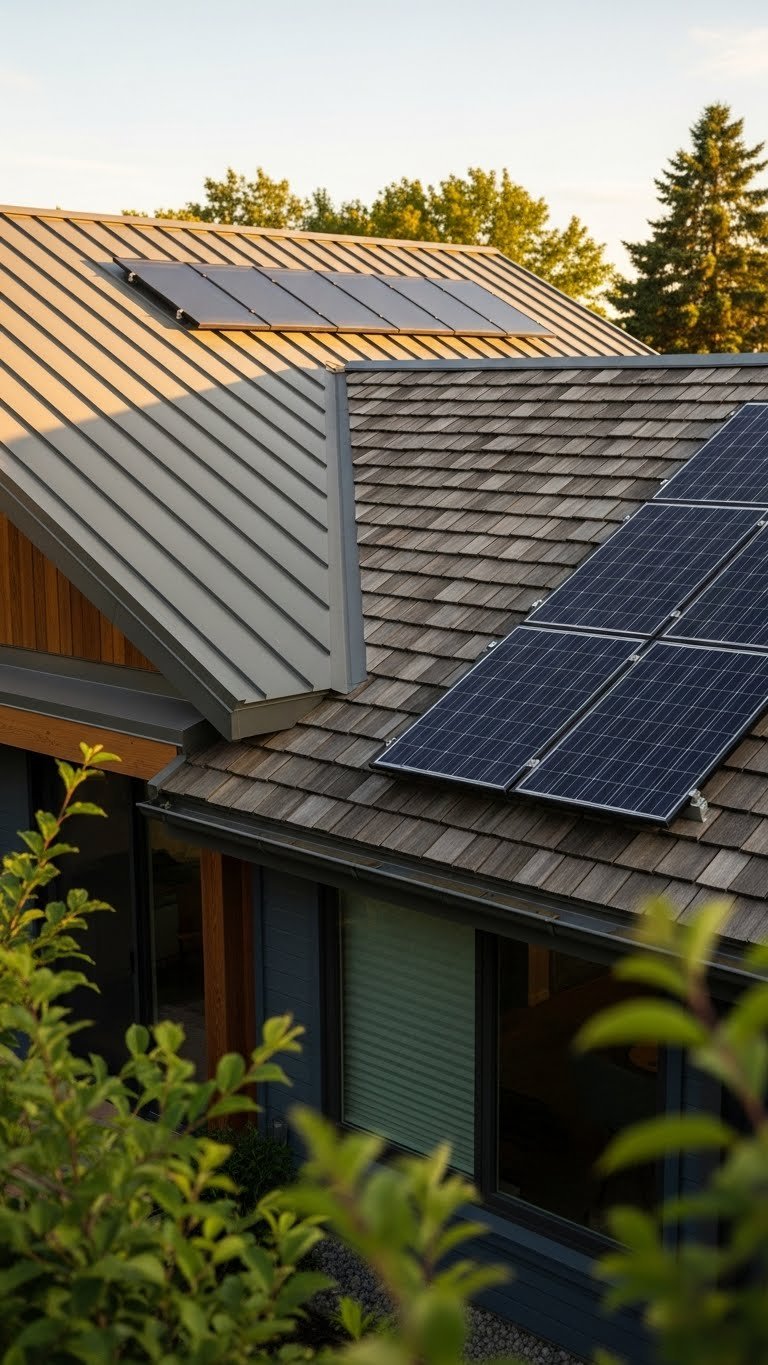
    Sustainable Roofing Material Options

    While sustainability increasingly drives home improvement decisions, eco-friendly roofing materials offer homeowners compelling alternatives to traditional options.

    You’ll find green roofing solutions like recycled metal, reclaimed wood shakes, and solar tiles transforming residential aesthetics.

    These eco-friendly materials reduce environmental impact while providing durability, energy efficiency, and unique architectural character.

    Regional Architectural Gable Roof Variations

    Gable roof designs vary dramatically across geographical regions, reflecting local architectural traditions, climate considerations, and cultural aesthetics.

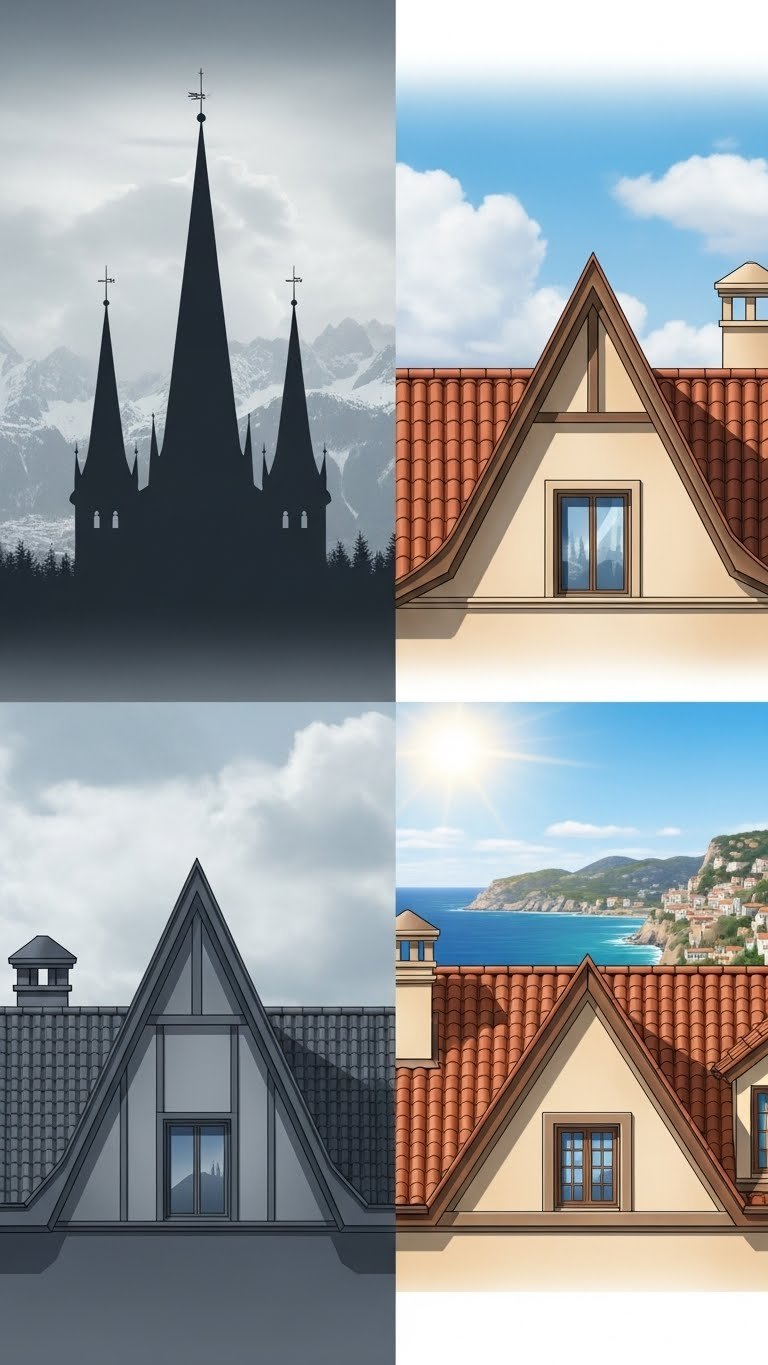
    You’ll discover regional gable variations that showcase unique structural approaches, from steep Nordic styles to low-pitched Mediterranean configurations.

    These cultural roofing designs capture architectural identity, transforming functional shelters into expressive regional statements.

    Gothic and Victorian Roof Inspirations

    The intricate rooflines of Gothic and Victorian architectural periods represent a stunning evolution of decorative roofscape design, blending structural necessity with ornamental complexity.

    You’ll discover gothic arches creating dramatic peaks and victorian ornamentation enhancing visual texture, transforming your home’s silhouette with sophisticated, historically inspired geometric precision and elegant structural storytelling.

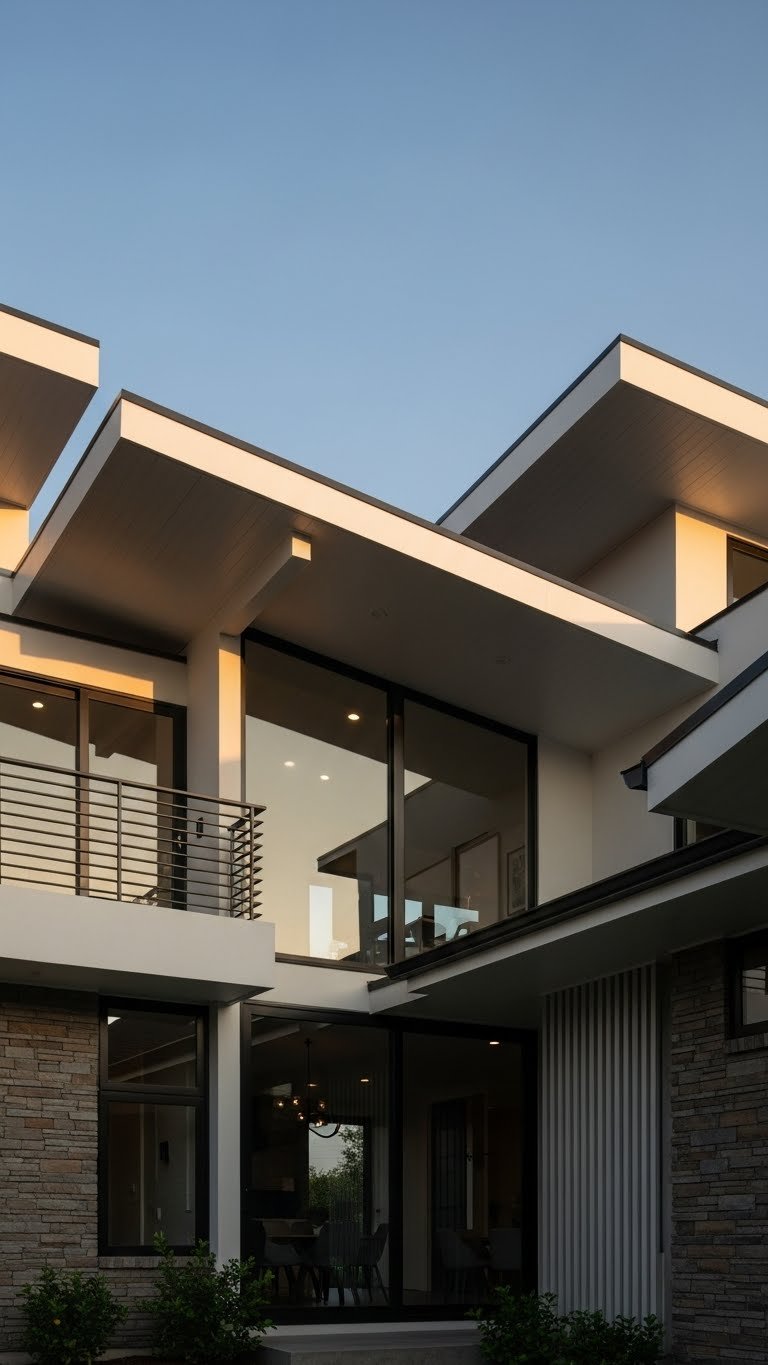
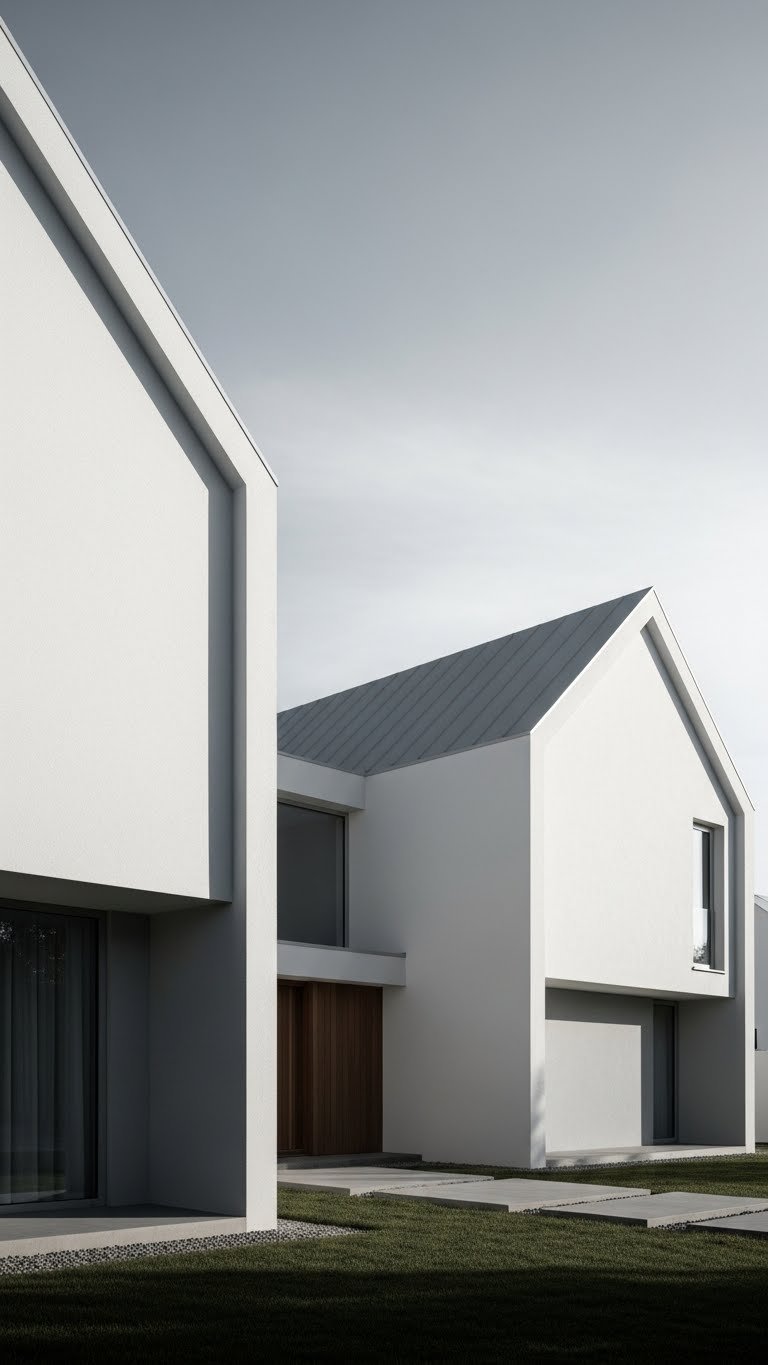
    Minimalist Gable Roof Approaches

    Contemporary design principles have transformed traditional gable roof structures into sleek, minimalist architectural statements that prioritize clean lines and functional elegance.

    You’ll appreciate how minimalist aesthetics strip away unnecessary ornamentation, focusing on structural integrity and pure form.

    Functional simplicity drives these gable designs, delivering streamlined silhouettes that balance architectural freedom with precise geometric precision.

    Custom Woodwork and Architectural Details

    Beyond geometric purity, architectural sophistication emerges through meticulously crafted woodwork and nuanced structural detailing.

    You’ll transform gable expressions with custom woodwork styles that integrate precision-cut brackets, intricate fascia treatments, and sculptural trim elements.

    Architectural detailing techniques allow sophisticated homeowners to articulate individual design narratives through structural expression.

    Maintenance and Longevity Strategies

    While preserving architectural woodwork demands strategic preservation protocols, homeowners can extend roofline structural integrity through systematic maintenance approaches.

    You’ll want to prioritize routine inspections, implement seasonal maintenance, and apply targeted weatherproofing strategies.

    Proactive repair techniques and periodic roof cleaning will dramatically enhance your gable’s lifespan extension, ensuring long-term durability and aesthetic appeal.

    Future Innovations in Gable Roof Architecture

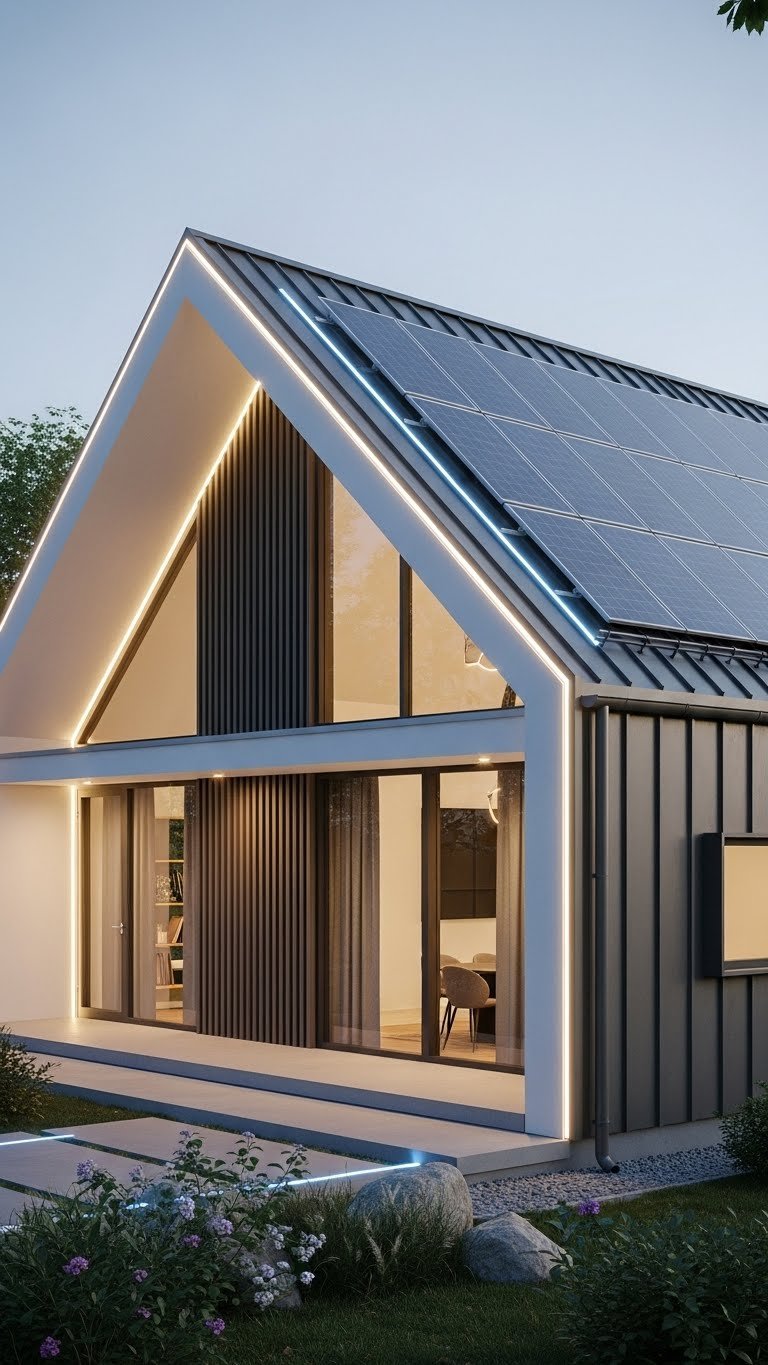
    As technological advancements reshape architectural design, gable roof systems are experiencing transformative innovations that integrate smart materials, energy-efficient technologies, and adaptive structural configurations.

    You’ll discover cutting-edge smart gable technology enabling real-time thermal regulation and eco-friendly innovations that optimize solar energy capture while maintaining architectural elegance and structural integrity.

  • 26 Stylish Color-Coded Closet Arrangement Ideas That Upgrade Your Home

    26 Stylish Color-Coded Closet Arrangement Ideas That Upgrade Your Home

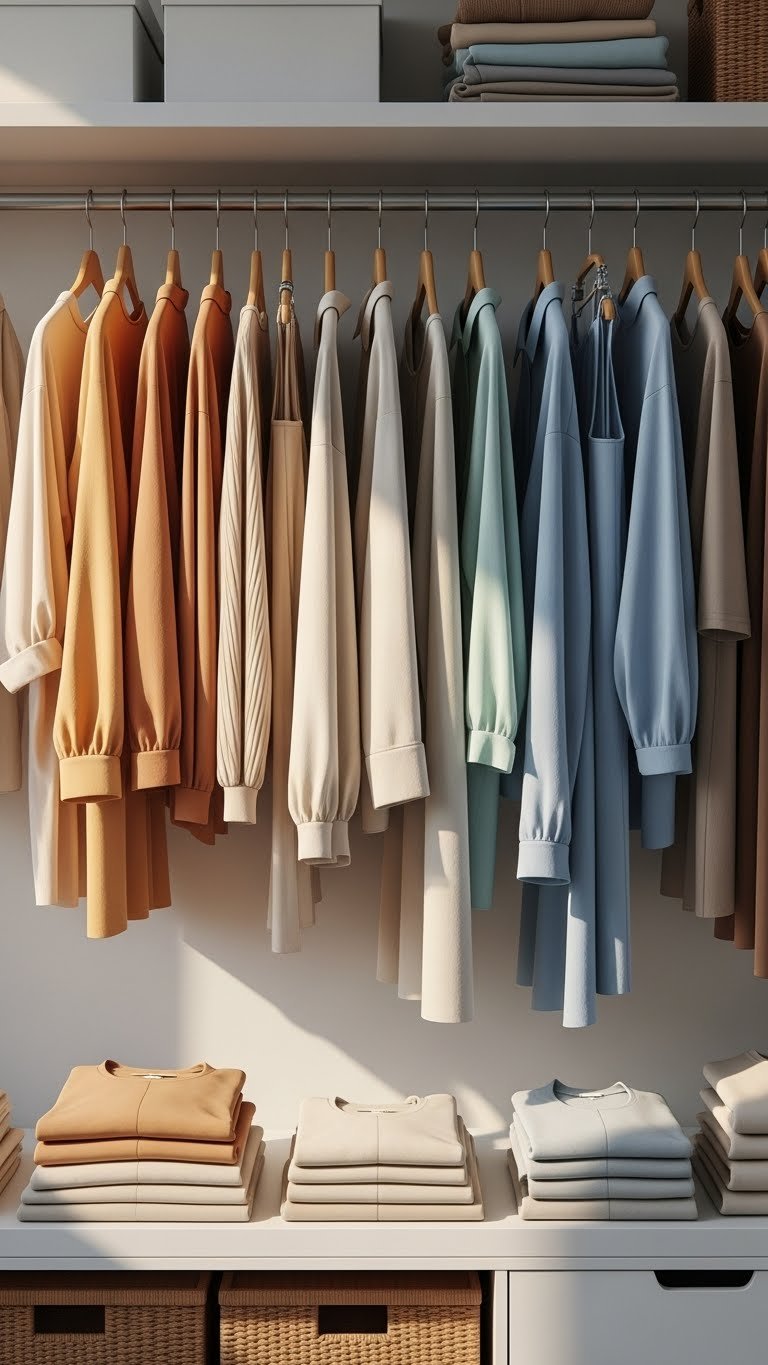
    You’ve spent years maneuvering a chaotic closet, wrestling with mismatched clothes and endless morning decisions. What if your wardrobe could transform from a stressful jumble into a meticulously organized, visually stunning space? Color-coding isn’t just a trend—it’s a strategic approach to simplifying your daily routine and elevating your home’s aesthetic. Imagine stepping into a closet where every garment has its perfect place, creating harmony and reducing decision fatigue. Ready to revolutionize your storage strategy?

    Why Color-Coding Transforms Closet Organization

    Though it might seem like a simple aesthetic choice, color-coding your closet is a strategic organizational method that can dramatically improve your daily routine.

    Essential Wardrobe Assessment: What to Keep and Why?

    While strategic closet organization begins with understanding what you truly need, an extensive wardrobe assessment is the critical foundation for creating an efficient, purposeful clothing collection.

    Evaluate wardrobe essentials based on versatility, quality, and item longevity. Prioritize pieces that serve multiple functions, withstand repeated wear, and align with your personal style and lifestyle demands.

    Color Theory Basics for Closet Management

    Strategic color management transforms your closet from a mere storage space into a visually harmonious and functionally intelligent system.

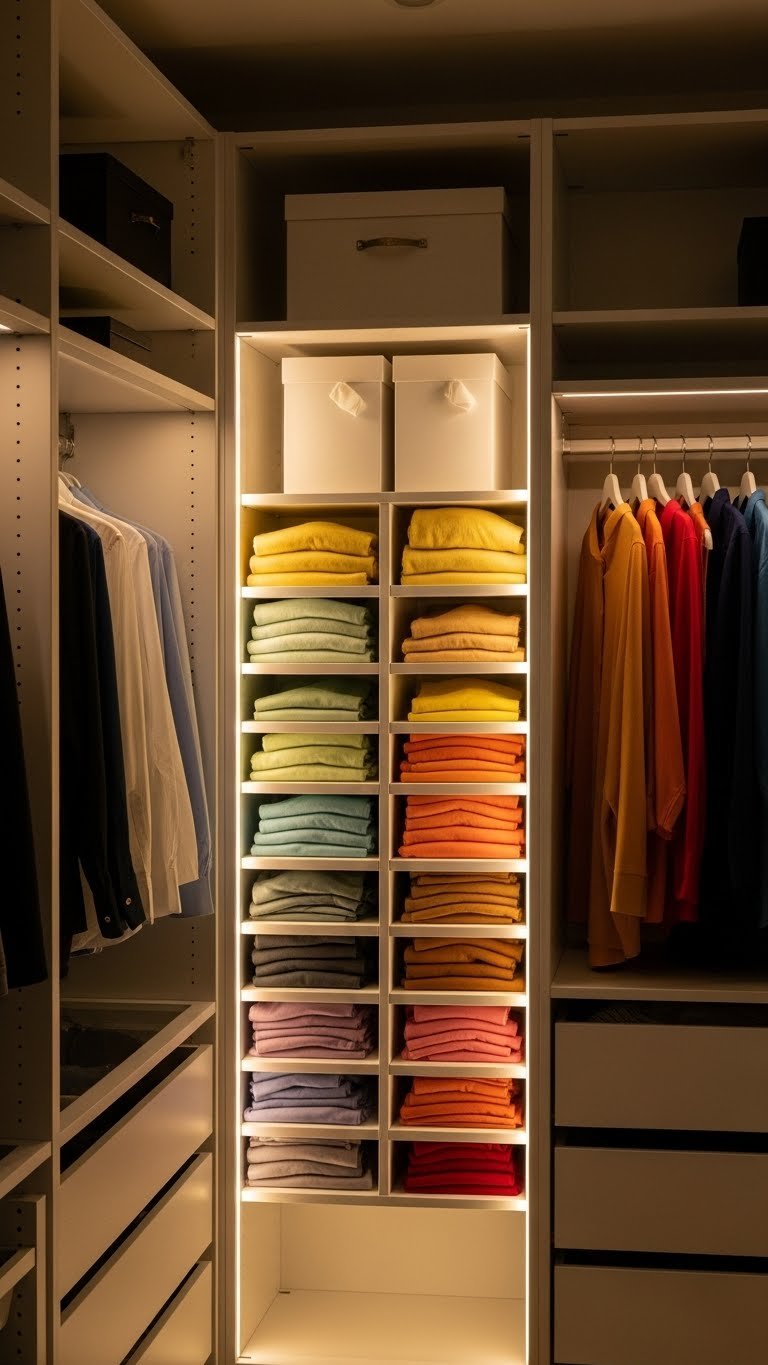
    The ROYGBIV Method: Mastering Rainbow Sorting

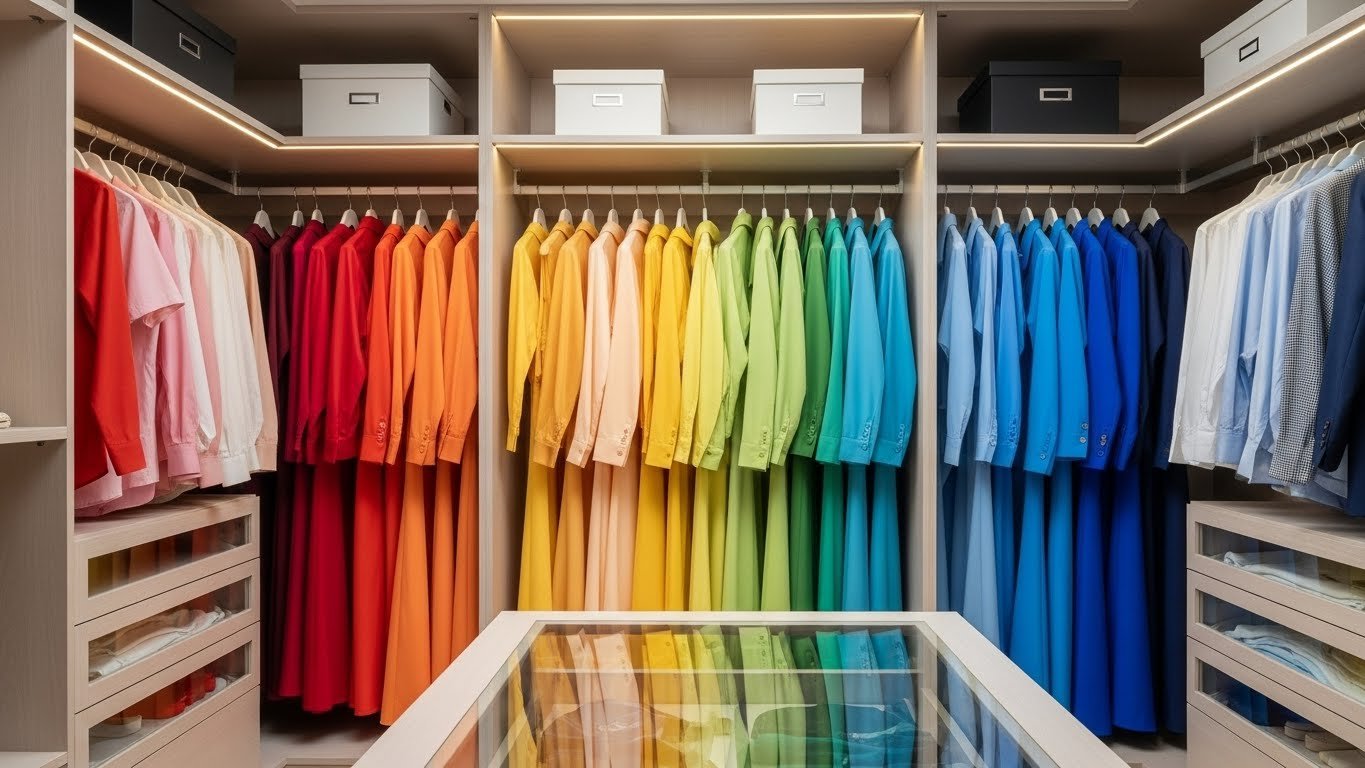
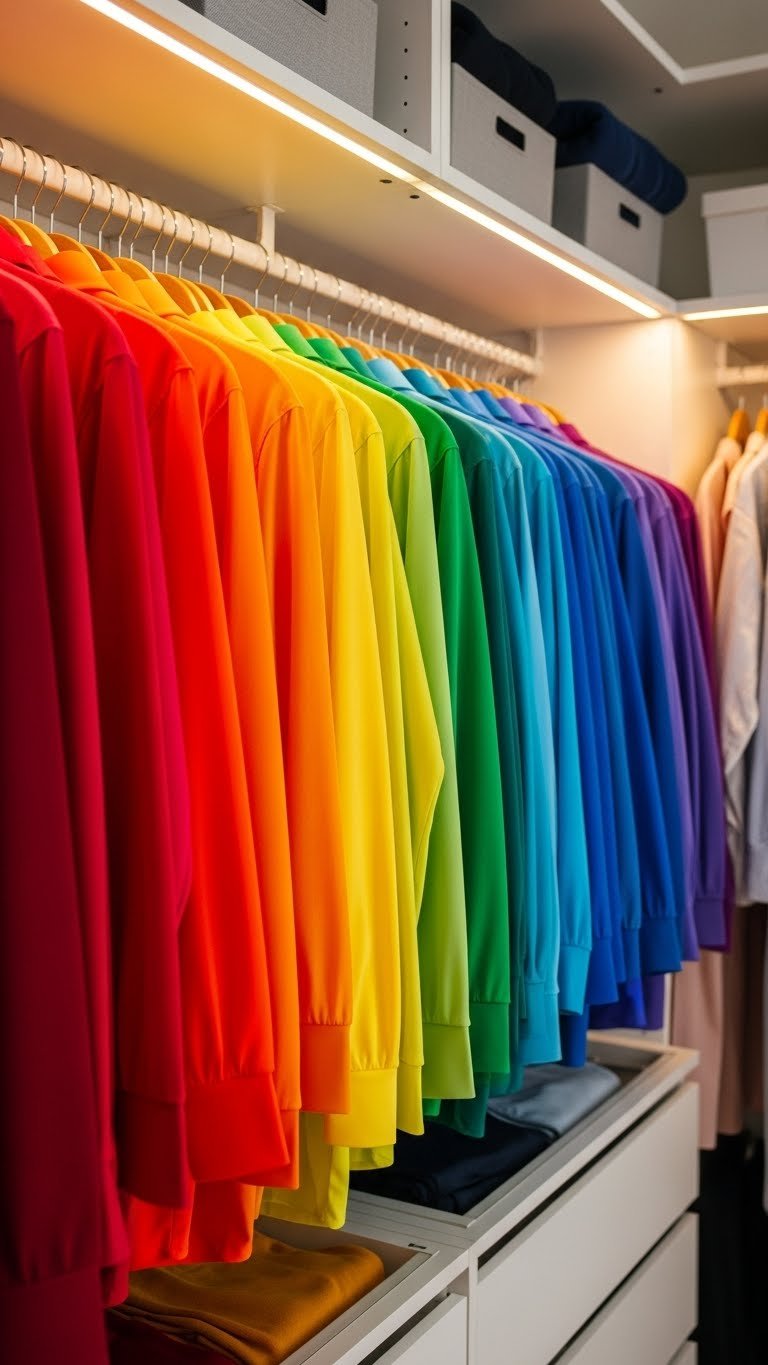
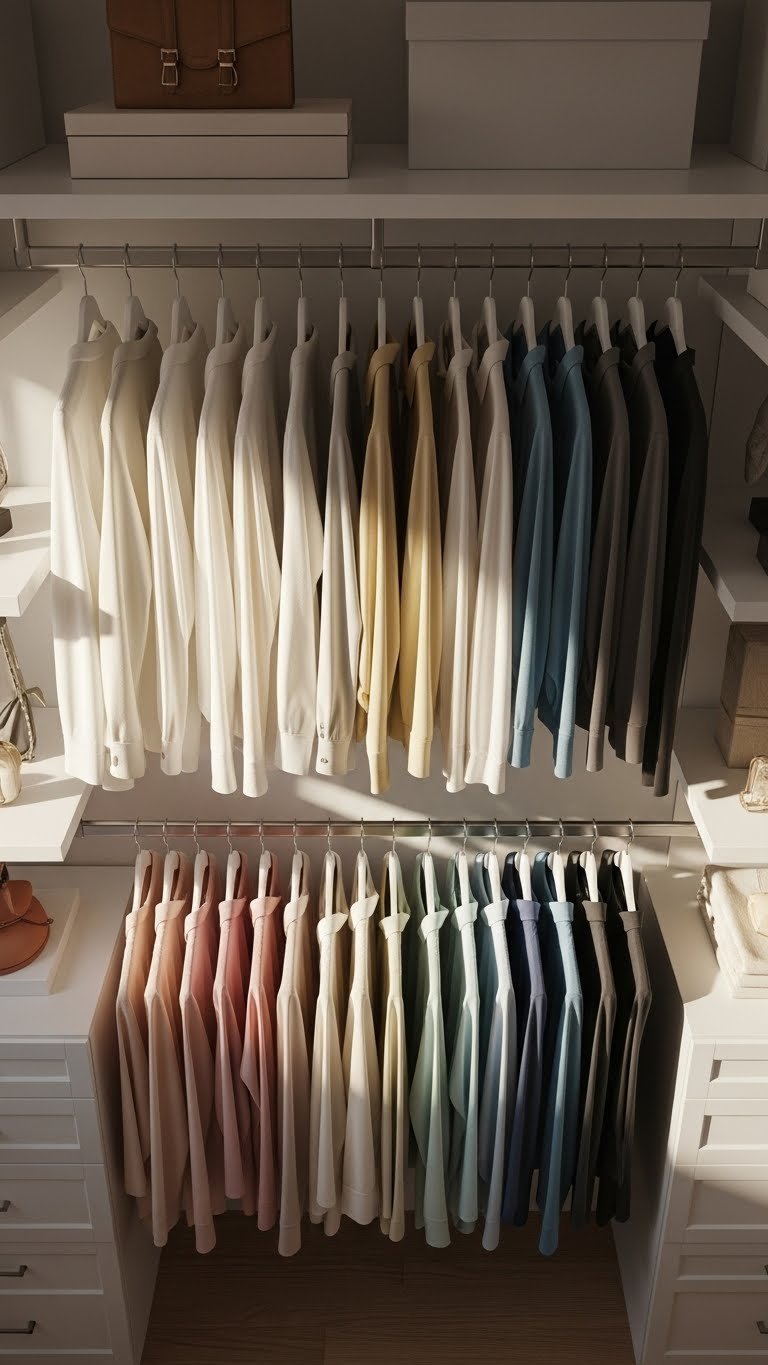
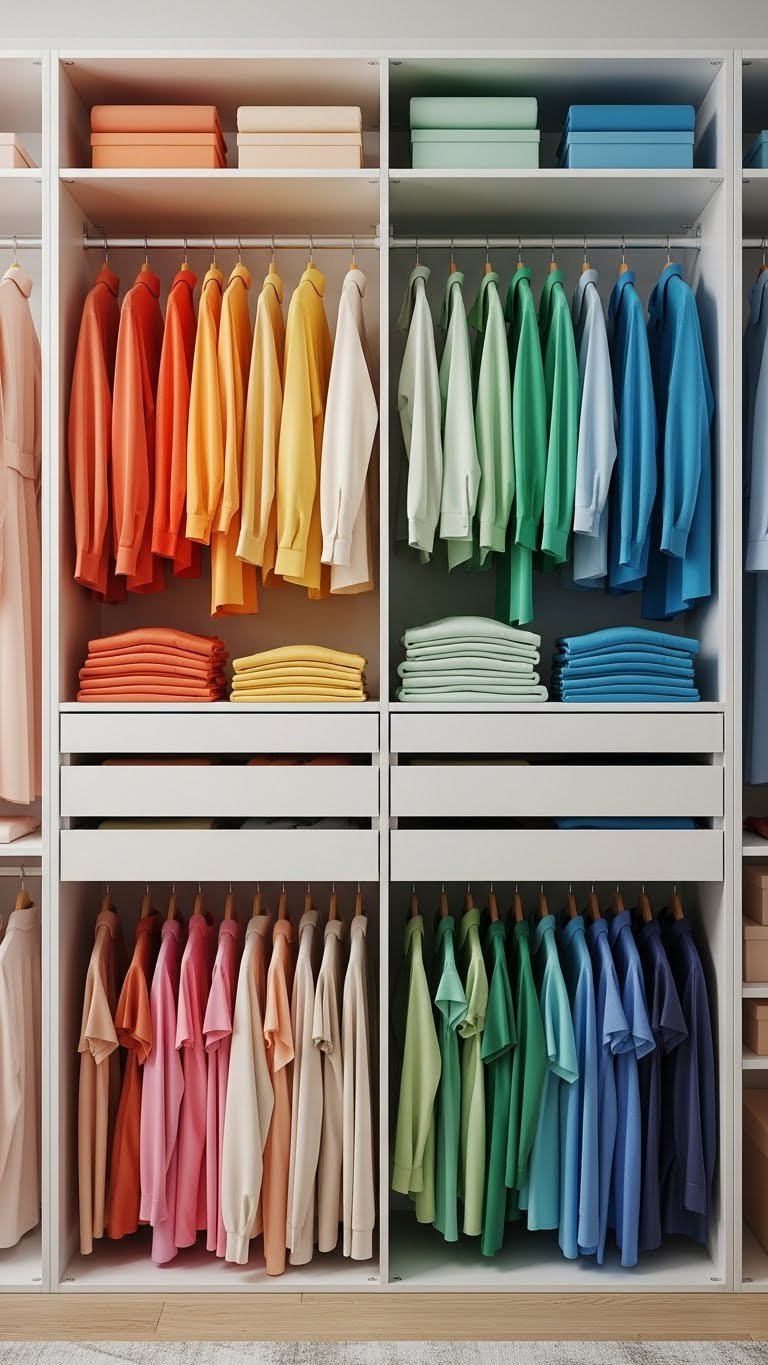
    When organizing your closet using the ROYGBIV method, you’ll create a systematic color arrangement that transforms wardrobe management from chaotic to intuitive.

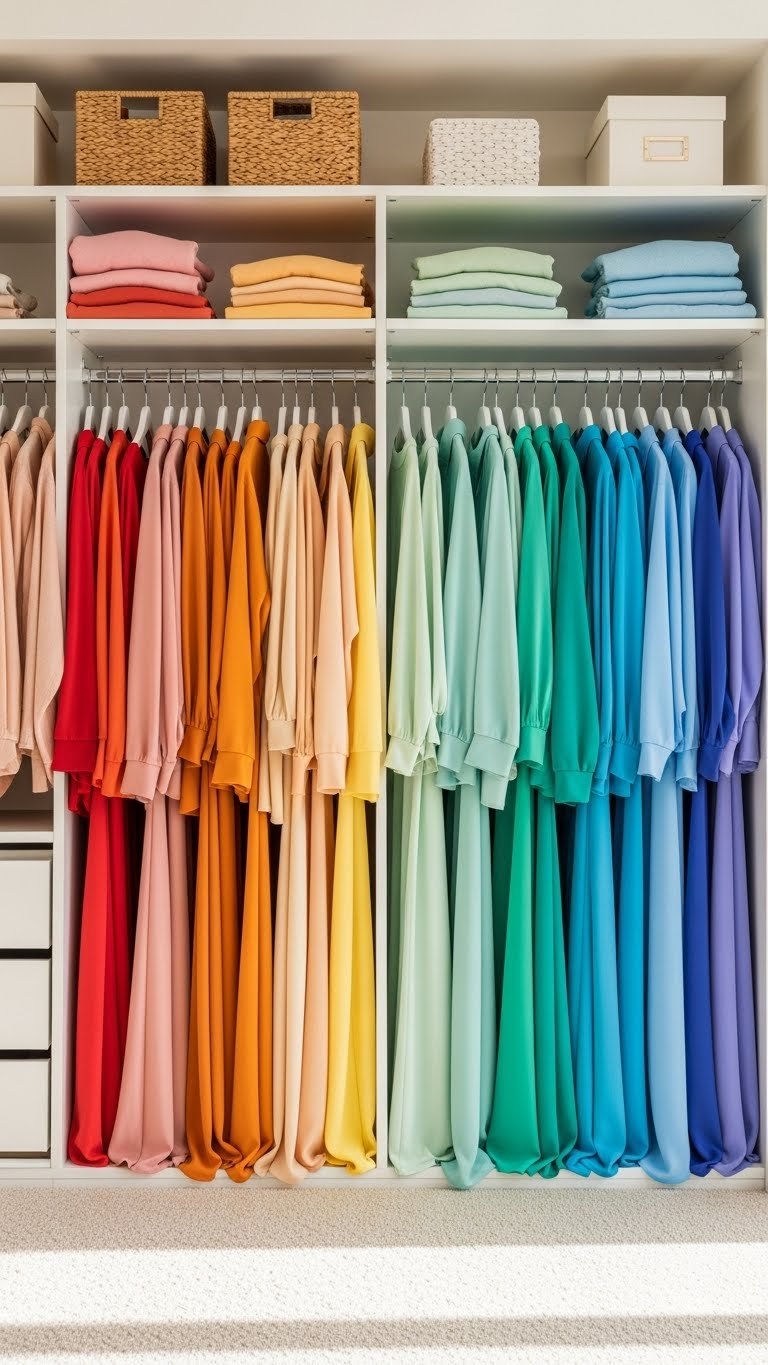
    Implement roygbiv visualization by arranging clothing from red to violet, creating a seamless color gradient that maximizes visual appeal and simplifies outfit selection, giving you unprecedented control over your personal style ecosystem.

    Neutrals Matter: Strategic Placement of Versatile Pieces

    After mastering the ROYGBIV color spectrum, your closet organization demands a nuanced approach to neutrals.

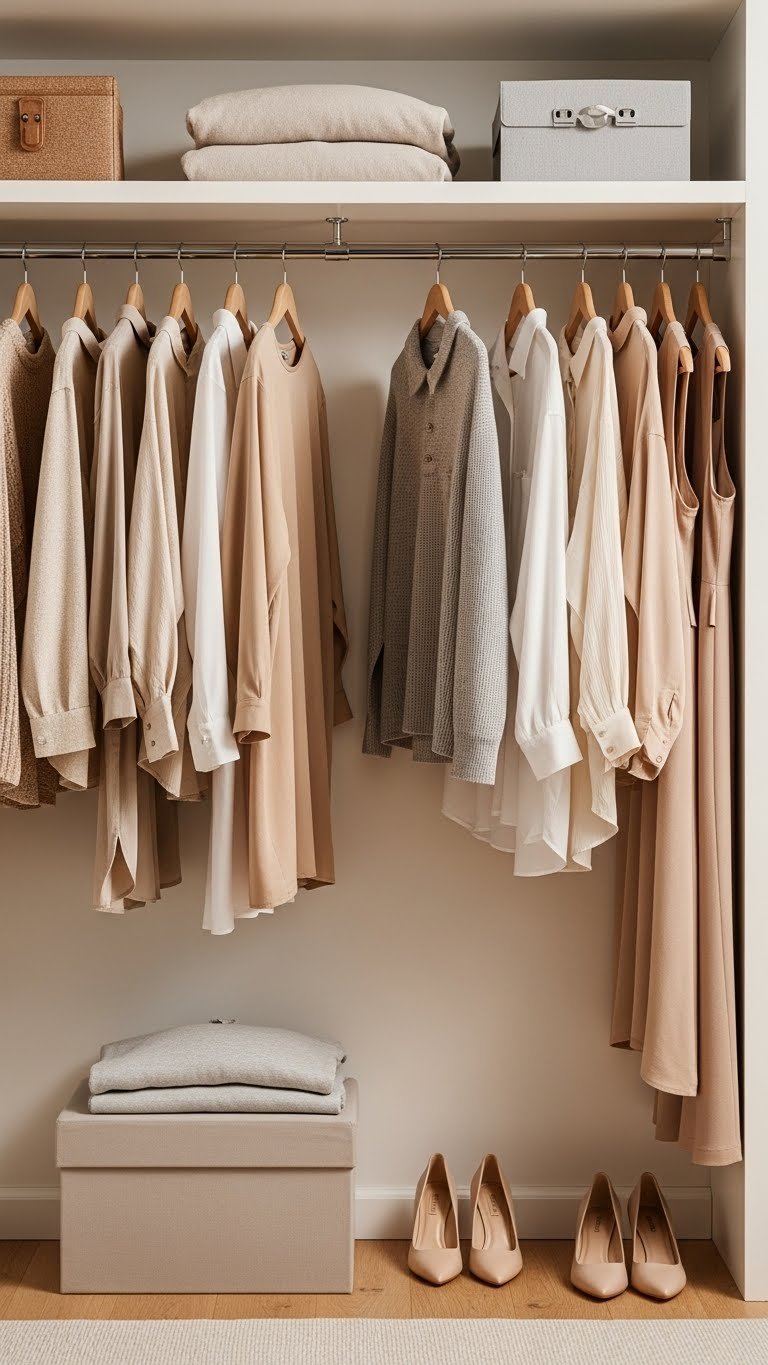
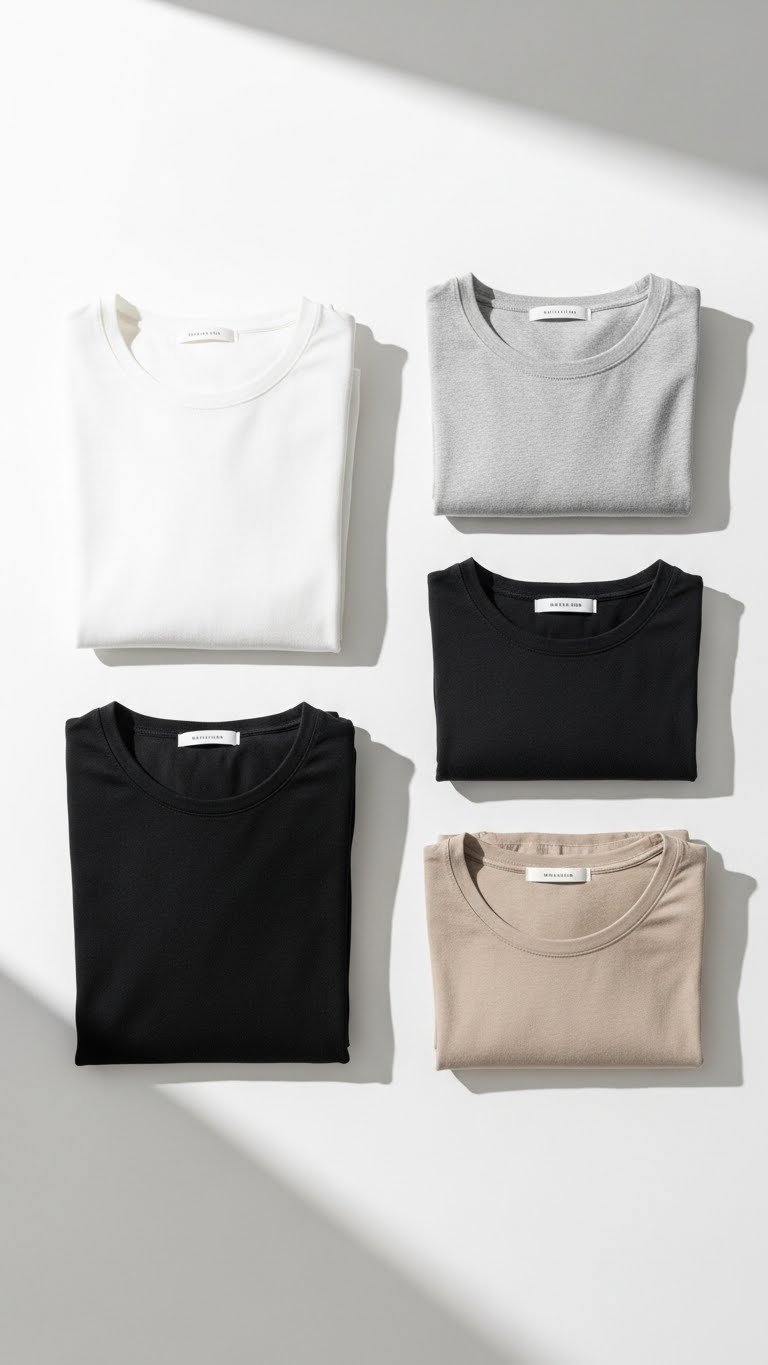
    Position your neutral palette strategically—whites, grays, and blacks become the foundation for versatile outfits. These pieces anchor your wardrobe, providing seamless mix-and-match potential that maximizes flexibility and minimizes decision fatigue while elevating your personal style.

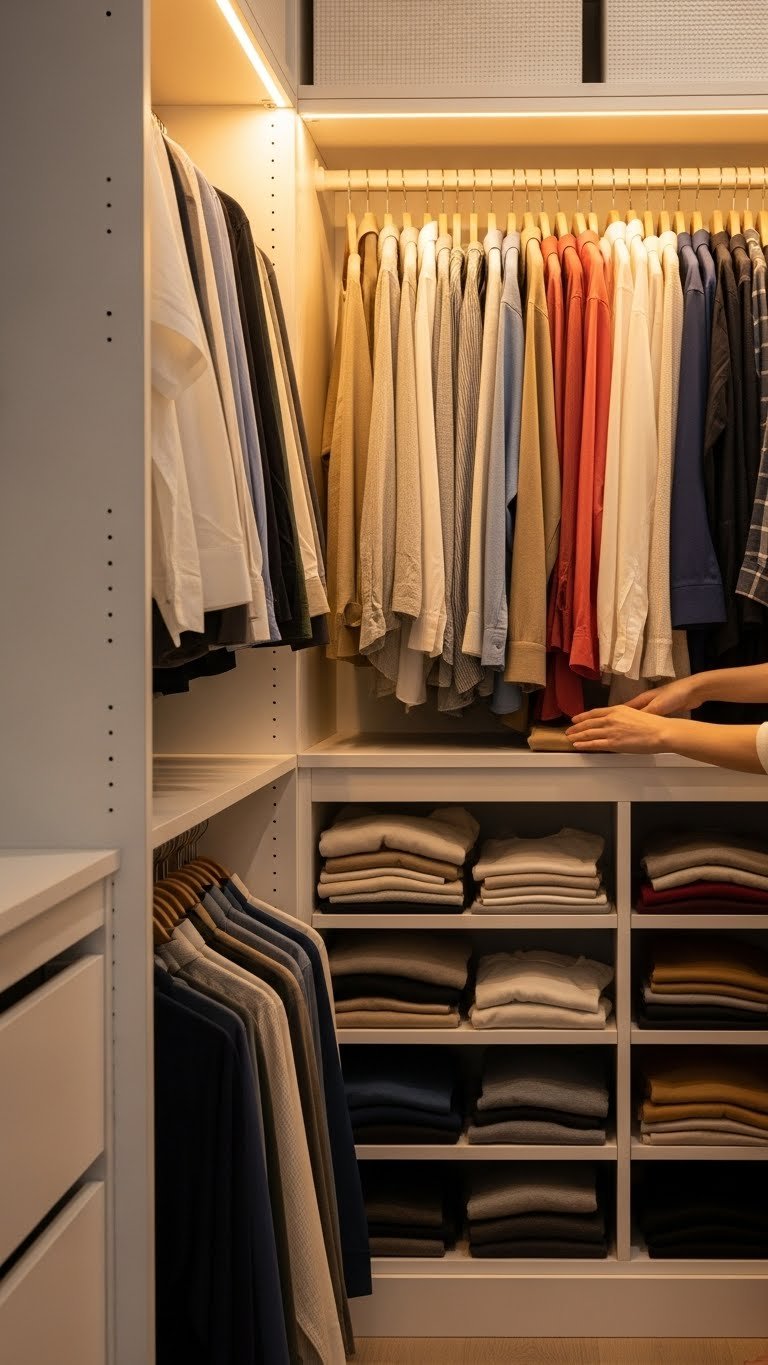
    Hanging vs. Folding: Color-Coding for Every Garment Type

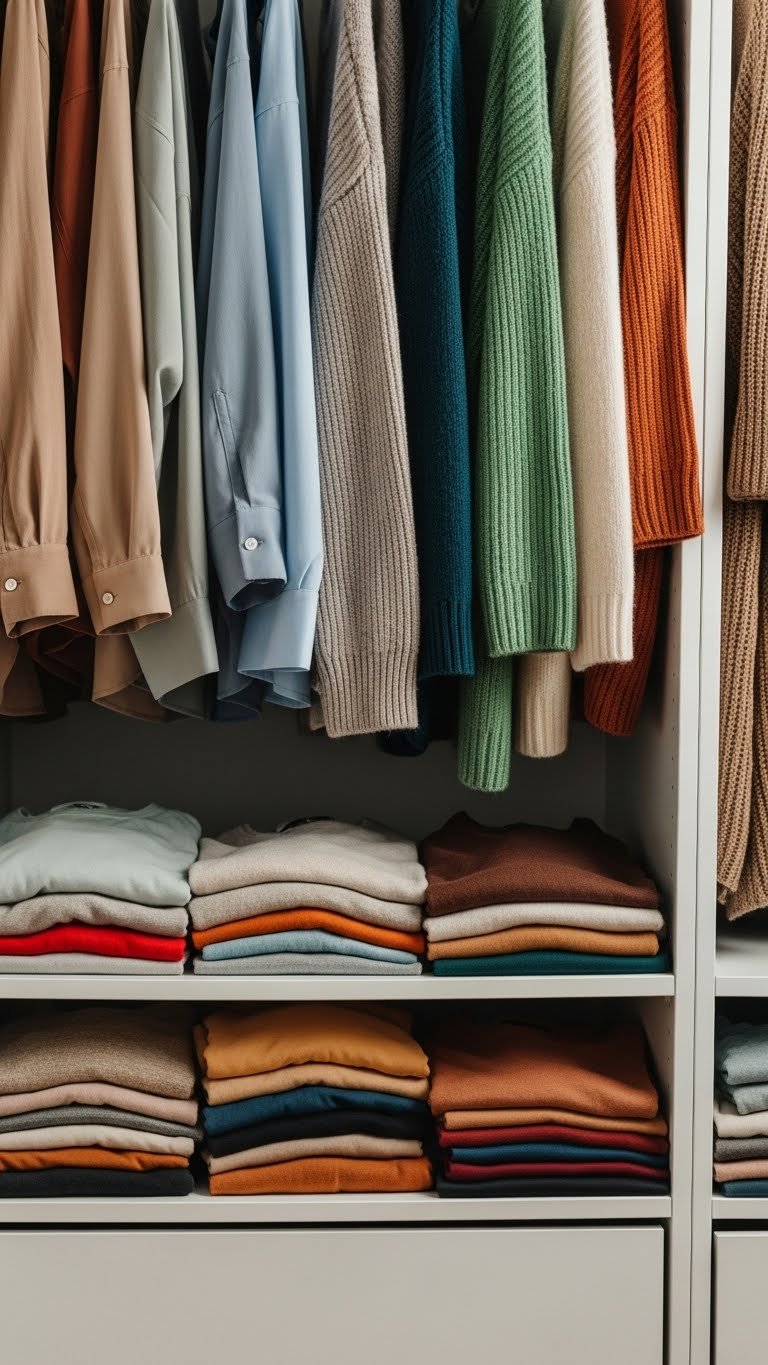
    Because not all garments are created equal, your color-coding strategy must adapt to each piece’s unique hanging or folding requirements. Consider hanging delicate dresses and structured blazers, while folding knits and denim with precision. Match hanging strategies to fabric textures and seasonal variations, ensuring ideal outfit associations and visual harmony in your closet.

    Maximizing Small Spaces With Precise Color Layout

    Strategic color coordination isn’t just about aesthetics—it’s a powerful spatial optimization technique for compact closets.

    You’ll transform tight spaces by arranging garments in gradient flows that create visual breathing room.

    Color harmony allows you to maximize vertical and horizontal storage, making every inch count while delivering a sense of intentional, liberating organization.

    Corporate Closet: Professional Color Coordination Strategies

    Most corporate professionals understand that wardrobe organization isn’t just about hanging clothes—it’s about crafting a visual narrative of competence and precision.

    Your corporate attire requires strategic color psychology, arranging professional pieces from darkest to lightest, creating a seamless gradient that communicates intentionality and sophistication.

    Each hue strategically positioned reflects your professional brand.

    Seasonal Wardrobe Rotation: Color-Coded Transition Techniques

    While seasonal changes can overwhelm even the most organized professional, mastering a color-coded wardrobe rotation transforms clothing management into a streamlined, strategic process.

    You’ll enhance wardrobe efficiency by shifting pieces systematically, grouping seasonal trends by color and functionality, ensuring your closet remains adaptable and visually organized throughout the year.

    Emotional Impact: How Color Organization Influences Mood

    Because color profoundly influences psychological perception, your closet’s chromatic organization can dramatically shape emotional experiences and personal well-being.

    Budget-Friendly DIY Closet Transformation

    Understanding how color orchestrates emotional landscapes, savvy homeowners can now channel that psychological insight into practical, budget-conscious closet makeovers.

    Transform your space by hunting thrift store finds and upcycling clothing. Creative repurposing of hangers, shelves, and storage solutions can dramatically reshape your closet without breaking the bank, giving you freedom to design strategically and economically.

    Uniform Hangers and Accessories: Creating Visual Harmony

    The visual symphony of a well-organized closet begins with uniform hangers, transforming chaotic clothing displays into curated masterpieces of design.

    Color coordination techniques elevate your space, with advanced hanger options providing sleek, intentional structure.

    You’ll release a sense of freedom through strategic accessorizing, creating a visually harmonious wardrobe that reflects your personal style.

    Digital Inventory: Tracking Your Color-Coded Wardrobe

    While digital technology revolutionizes personal organization, wardrobe tracking apps now offer sophisticated solutions for managing your meticulously color-coded closet.

    You’ll streamline your inventory with apps that catalog clothing by color, style, and frequency of wear.

    These digital tools empower you to make strategic wardrobe decisions, maximizing your fashion potential and minimizing unnecessary purchases.

    Complex Color Challenges: Multi-Colored Clothing Solutions

    Beyond digital cataloging’s precision, multi-colored garments present unique organizational challenges that demand strategic thinking.

    You’ll need innovative color clash solutions for multi-tone combinations. Categorize these pieces by their dominant hue, then strategically place them to maintain visual harmony while preserving your wardrobe’s organizational integrity and personal style freedom.

    Smart Storage: Bins, Shelves, and Color-Coding Tricks

    Closet architecture transforms when you implement strategic storage solutions that maximize both functionality and aesthetic appeal.

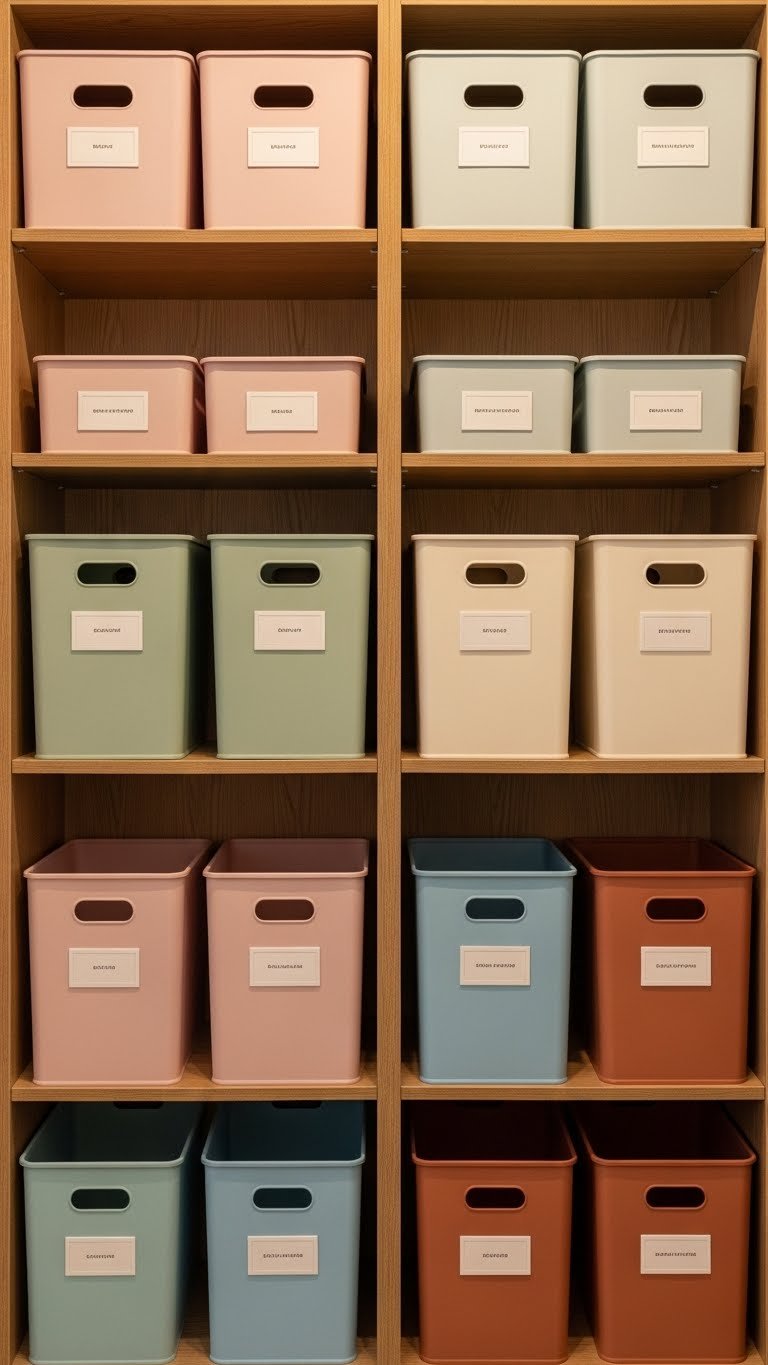
    Leverage color-coded bins with clear labeling to streamline shelf organization. Your system becomes intuitive: categorize items by color, type, and frequency of use.

    This approach liberates your space, making retrieval effortless and maintaining visual harmony.

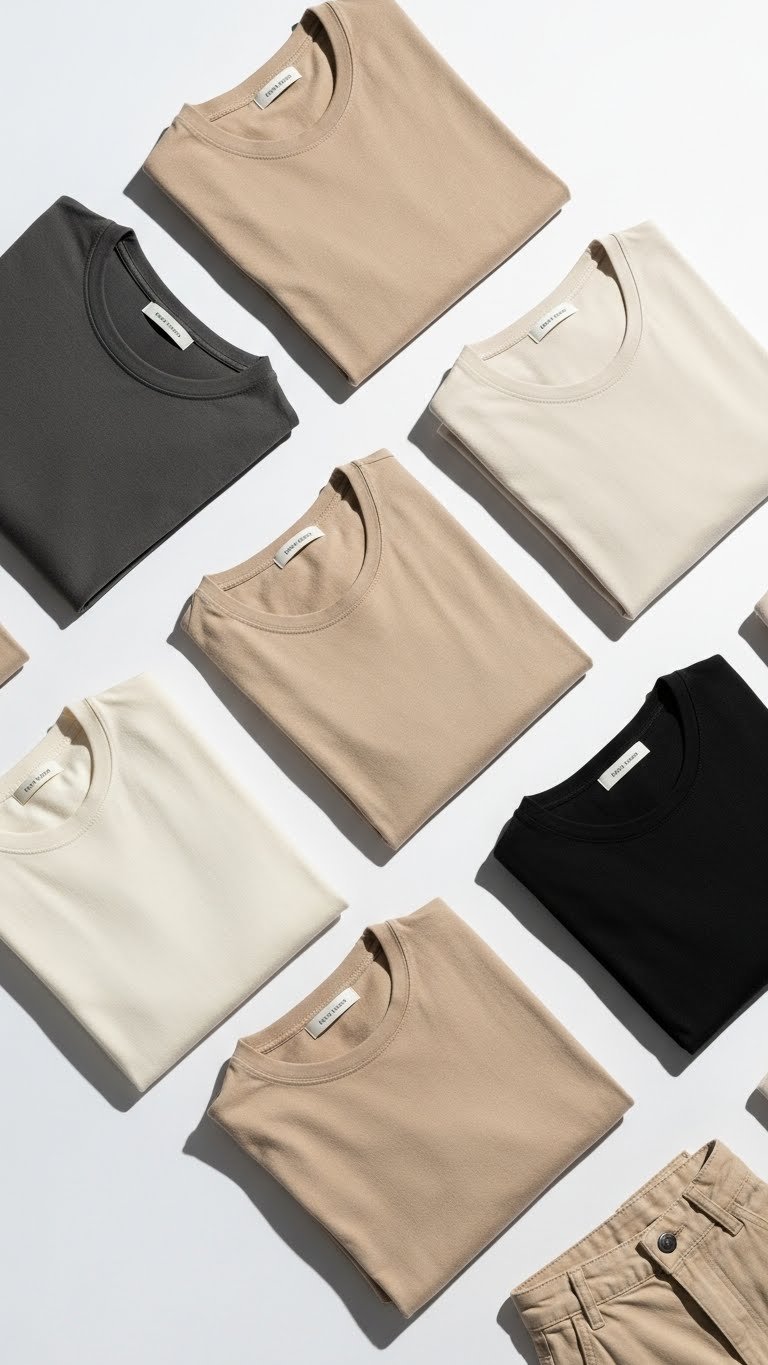
    Minimalist Approach: Simplifying Wardrobe Through Color

    Nearly every minimalist wardrobe transformation begins with intentional color strategy.

    You’ll streamline your closet by selecting a precise color palette that reflects your personal style.

    Focus on neutral tones that mix effortlessly, creating versatile minimalist fashion combinations.

    Thoughtful color selection eliminates visual clutter and guarantees each piece serves multiple purposes.

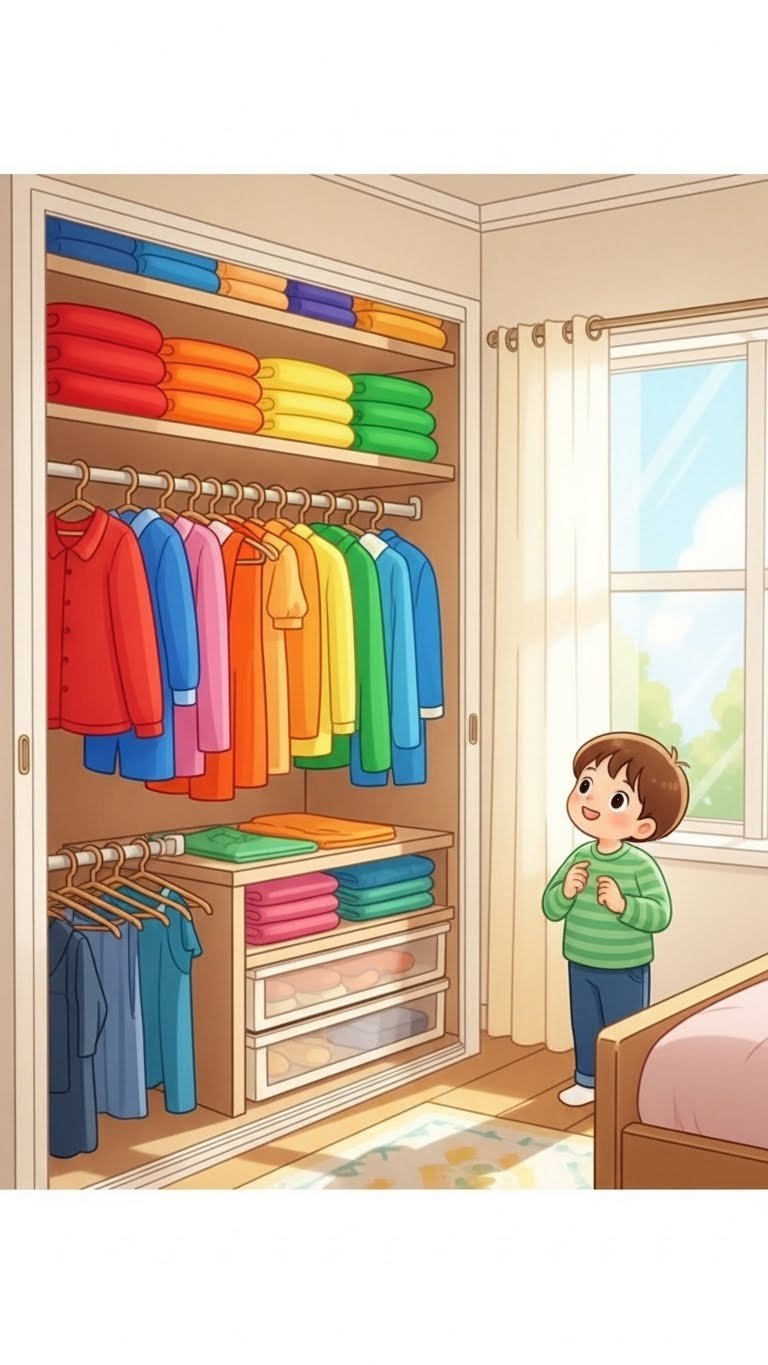
    Teaching Kids Closet Organization and Color Skills

    Something magical happens when children learn early organizational skills that transform their personal spaces.

    By introducing color matching and organization games, you’ll help your kids develop spatial awareness and creative problem-solving.

    Teaching them to sort clothes by color and type becomes an engaging activity that builds lifelong organizational habits.

    Lighting Secrets: Enhancing Your Color-Coded Setup

    Within the domain of color-coded closet organization, strategic lighting can dramatically transform your visual experience and functional efficiency.

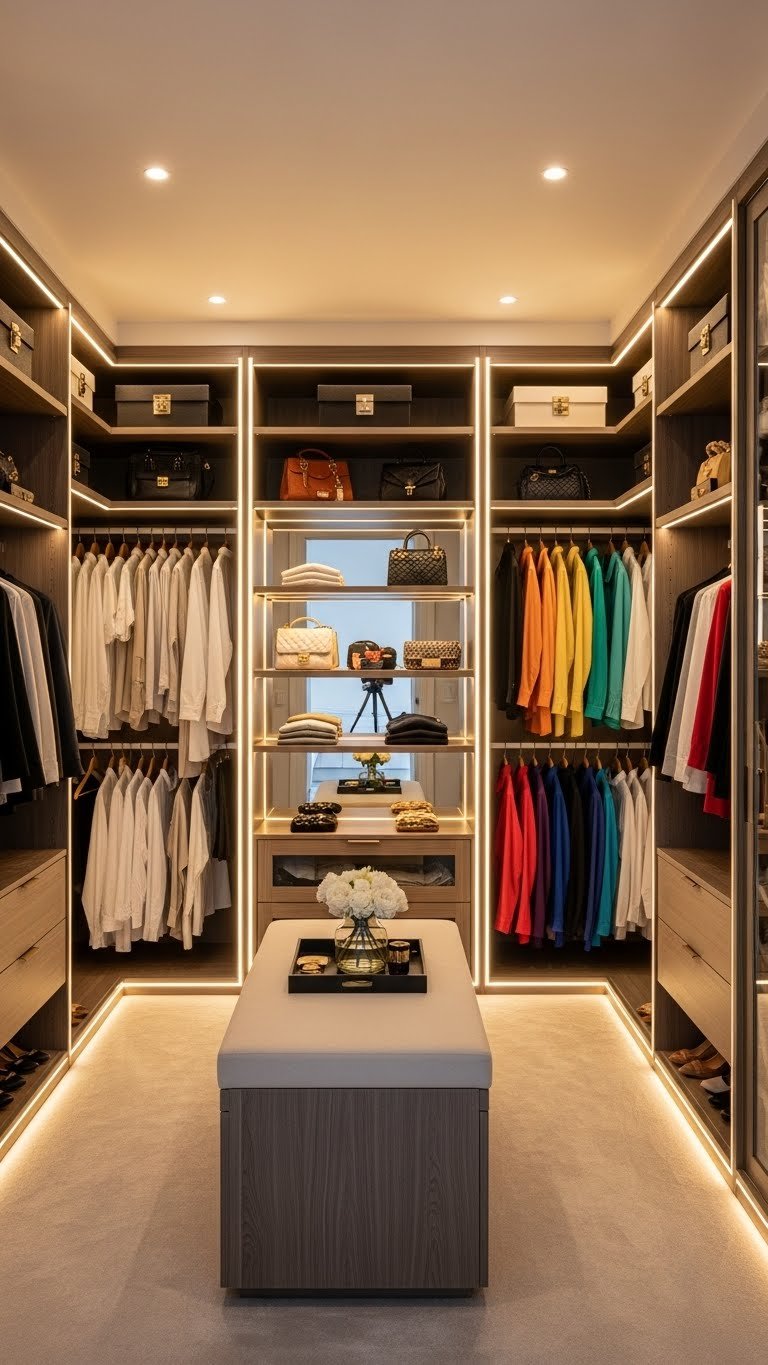
    Install LED strip lights along shelving to highlight your color gradients.

    Choose warm, ambient illumination that won’t distort color perception.

    Smart lighting tips will help you maximize visibility and create a stunning, organized closet environment.

    Maintenance Made Easy: Weekly Organization Habits

    Because consistent maintenance prevents organizational chaos, establishing weekly habits can transform your closet from a cluttered space to a streamlined sanctuary.

    You’ll master daily decluttering habits by dedicating 10 minutes weekly to reviewing, repositioning, and reassessing your color-coded system.

    These targeted organizing routines guarantee your closet remains efficiently structured and visually appealing.

    One-Color Capsule Wardrobe: Minimalist Styling Approach

    Monochrome magic transforms closet organization into an art of strategic simplification.

    You’ll curate essential basics that maximize minimalist fashion principles, selecting versatile pieces in a single color palette.

    This approach eliminates decision fatigue, streamlines your wardrobe, and creates effortless mix-and-match potential with precision and intentional style.

    Sustainable Fashion: Curating Through Color Organization

    As sustainability becomes increasingly critical in fashion consumption, strategic color organization offers an innovative approach to mindful wardrobe curation.

    Professional Organizer Color-Coding Secrets

    When professional organizers tackle closet color-coding, they leverage a strategic system that transforms visual chaos into harmonious precision.

    They understand color-coding benefits through organizational psychology, creating intuitive layouts where each hue represents intentional order.

    Your wardrobe becomes a visual narrative, enabling faster decision-making and reducing daily styling stress.

    Technology Tools for Wardrobe Management

    Modern technology has revolutionized wardrobe management with sophisticated digital tools designed to streamline closet organization and personal styling.

    You’ll find wardrobe apps and closet software that help inventory clothing, track outfit combinations, and suggest coordinated looks.

    These smart solutions give you total control over your fashion ecosystem, maximizing wardrobe efficiency and personal expression.

    Celebrity Closet Inspiration: Style and Organization

    Ever wondered how A-list celebrities maintain such impeccably organized and stylish closets?

    Their iconic wardrobe arrangements reveal strategic design principles. From color-coded displays to meticulously curated spaces, celebrity closet styles showcase precision and personal expression.

    They transform storage into an art form, demonstrating how intentional organization can elevate your personal style and living space.

    Common Color-Coding Mistakes and Solutions

    While celebrity closets make color-coordination look effortless, many homeowners stumble through their own organizational attempts.

    Don’t let wardrobe chaos derail your style goals. By understanding color blindness solutions and strategically mapping color shifts, you’ll transform your closet from cluttered to curated, ensuring seamless visual flow and personalized organization that reflects your unique aesthetic.

    As technology continues to revolutionize personal organization, wardrobe management is experiencing a transformative shift toward smart, data-driven solutions.

    You’ll soon leverage digital organization tools to track clothing usage, optimize sustainability, and streamline your closet’s efficiency.

    AI-powered apps will help you make strategic wardrobe decisions, reducing waste and enhancing your personal style ecosystem.

  • 28 Sleek High-Comfort Fabric Inspiration Ideas For a Fresh New Look

    28 Sleek High-Comfort Fabric Inspiration Ideas For a Fresh New Look

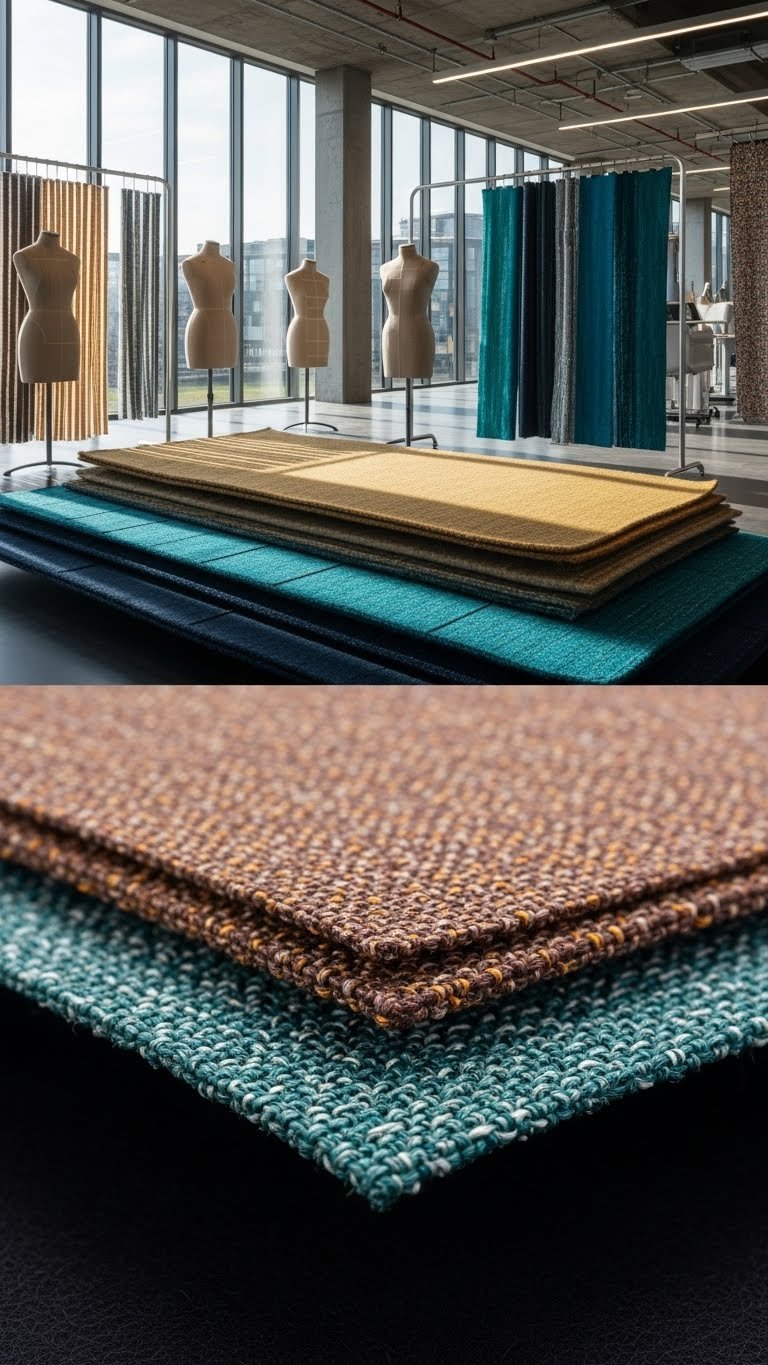
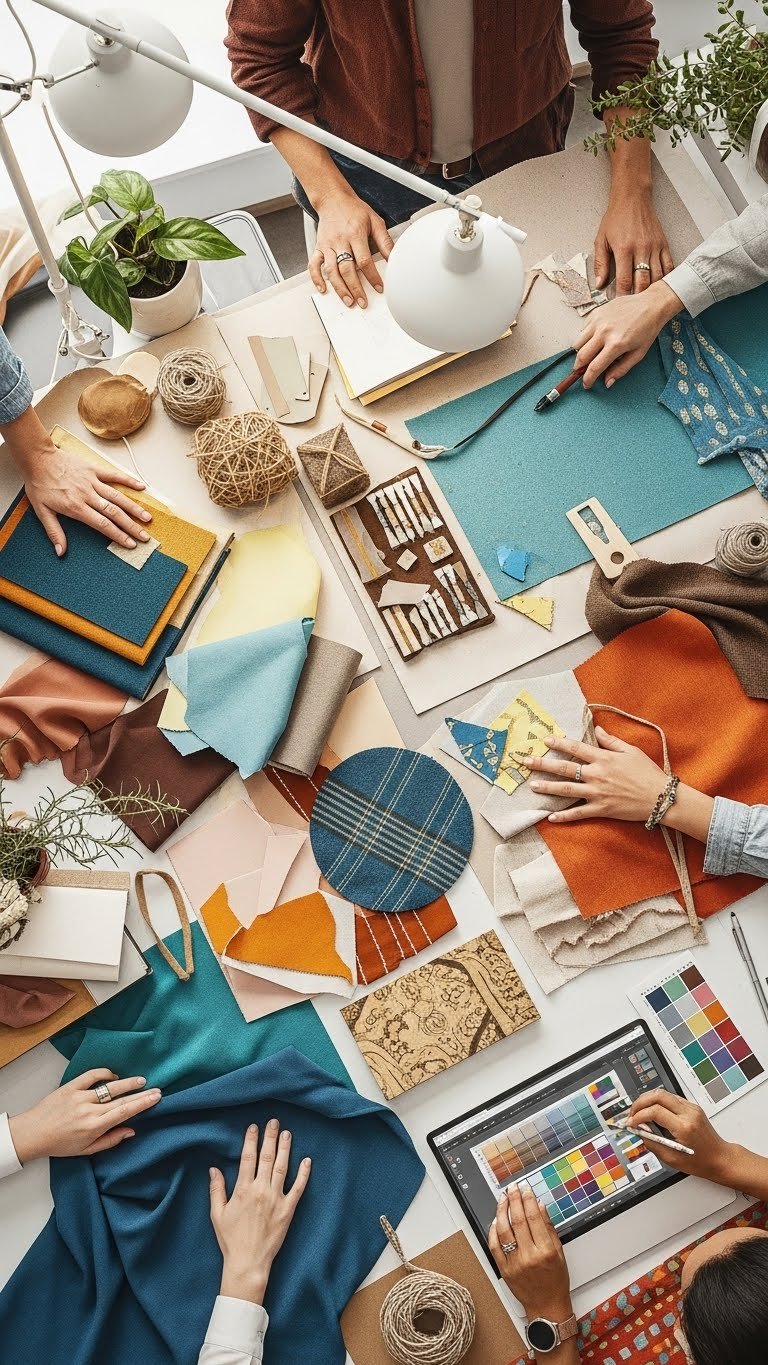
    Your interior spaces are about to undergo a transformative journey through textile innovation. Modern fabric design isn’t just about appearance—it’s an immersive experience that blends comfort, sustainability, and aesthetic precision. From breathable performance materials to luxurious soft-touch textiles, you’ll discover how cutting-edge fabrics can redefine your living environment. What unexpected sensory experiences await when texture meets style? The next few moments might just revolutionize how you perceive interior design.

    While textile design has long been a reflection of cultural shifts and technological advancements, today’s modern trends are revolutionizing how we perceive and interact with fabric.

    Design sustainability and cutting-edge textile technology are driving innovative approaches, transforming materials into intelligent, adaptive solutions that offer unprecedented comfort and style for the discerning consumer.

    Sustainable Fabrics: Materials Reshaping Interior Spaces

    Sustainable fabrics are transforming interior design landscapes, introducing materials that seamlessly blend ecological consciousness with aesthetic innovation.

    You’ll discover revolutionary textiles crafted through responsible manufacturing, featuring recycled fibers, eco-friendly dyes, and upcycled materials.

    These organic, biodegradable options represent a bold shift towards sustainable sourcing and ethical production that doesn’t compromise style.

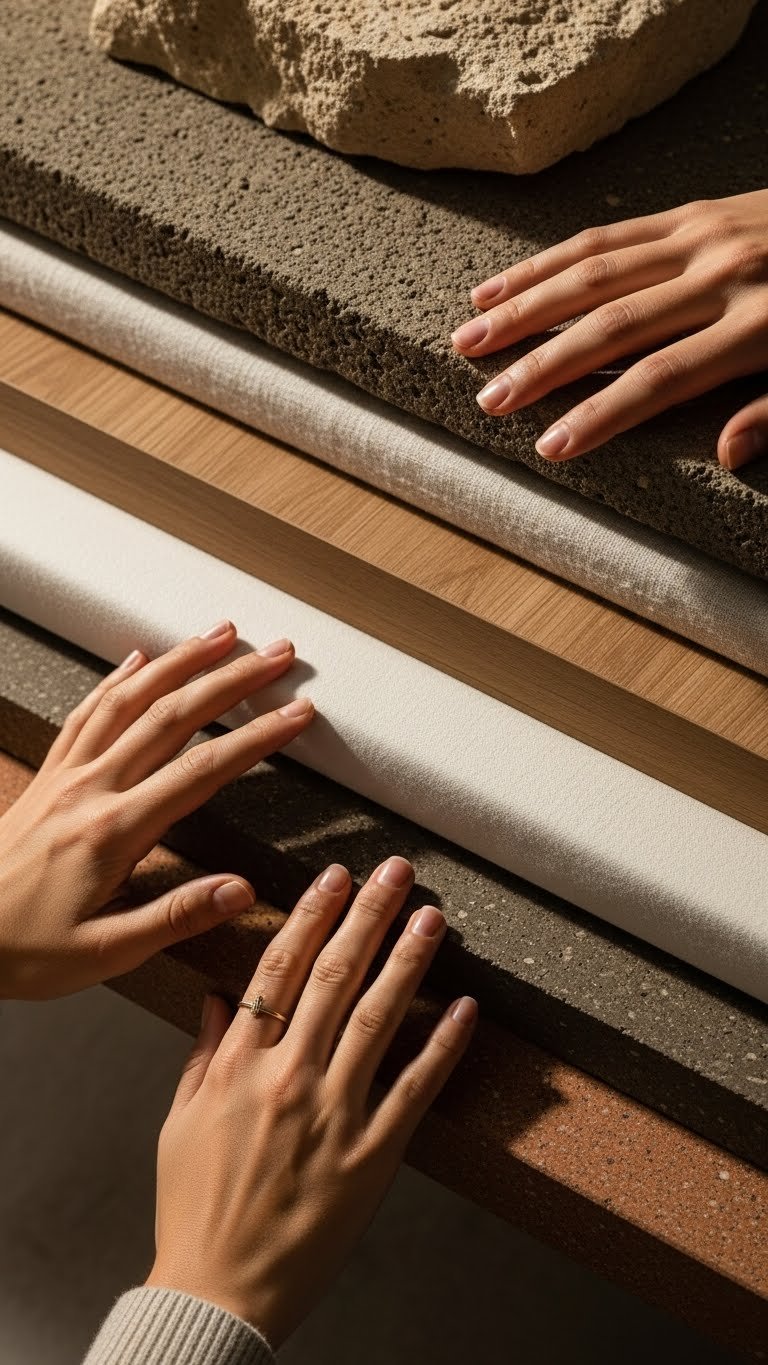
    Texture Revolution: Why Touch Matters in Modern Design

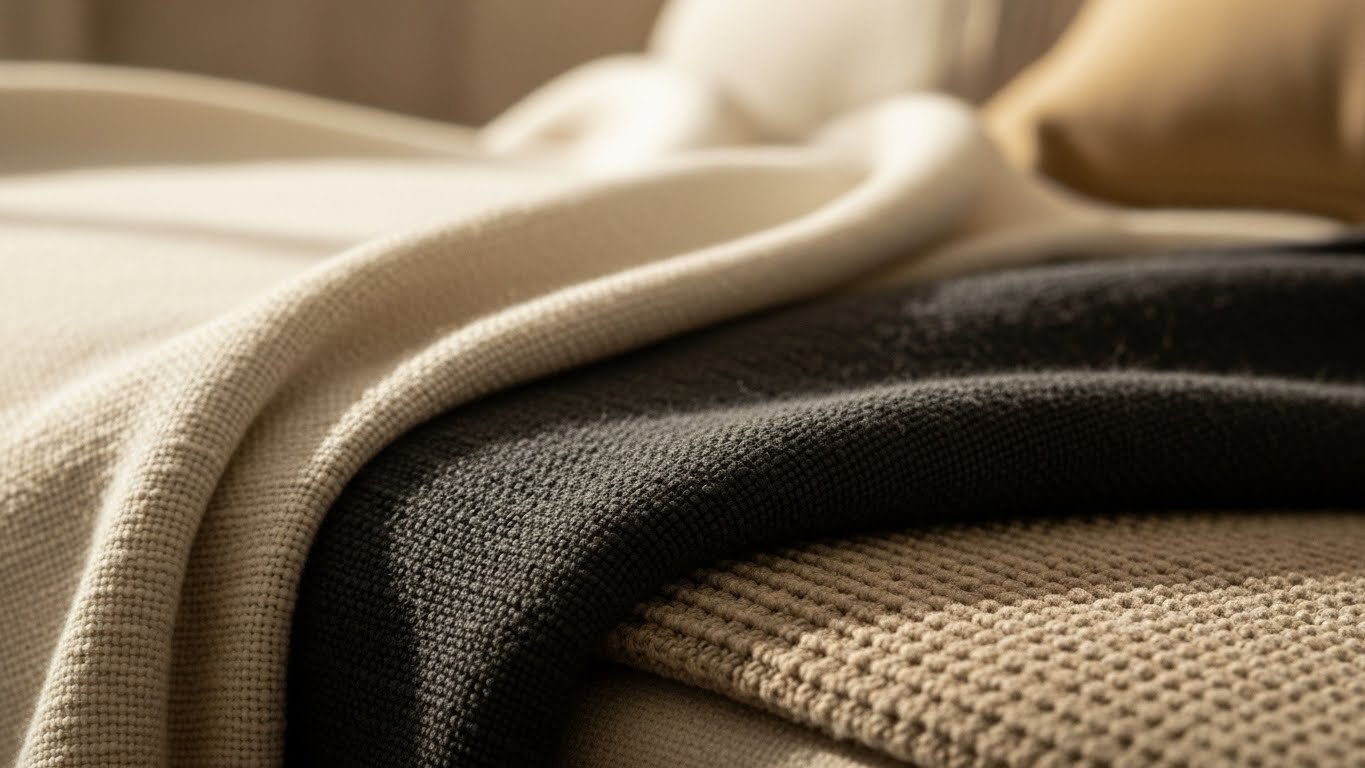
    Although often overlooked, texture represents a critical sensory dimension in contemporary design, transforming how we experience and interact with interior spaces.

    You’ll discover that tactile exploration isn’t just about visual aesthetics—it’s about creating rich, immersive sensory experiences that connect you emotionally with your environment, inviting you to engage with surfaces that tell a compelling design story.

    Natural Fibers: Storytelling Through Textile Selection

    Because every textile carries a narrative beyond its visual appearance, natural fibers emerge as powerful storytellers in contemporary design.

    You’ll discover how each thread weaves cultural narratives, transforming spaces with fiber storytelling that transcends mere decoration.

    Each selected material becomes an intimate expression of origin, craftsmanship, and environmental connection.

    Eco-Friendly Textile Innovations Transforming Interiors

    The narrative of textile design now unfolds through innovative eco-conscious materials that radically reimagine interior environments.

    You’ll discover cutting-edge eco textiles transforming spaces with sustainable production techniques.

    Green materials and ethical sourcing drive circular economy principles, reducing environmental impact while delivering energy-efficient, aesthetically compelling textile solutions for conscious consumers.

    Performance Fabrics: Durability Meets Aesthetic Elegance

    When performance meets design, modern textile innovations are revolutionizing how we experience interior fabrics.

    You’ll discover performance fabric innovations that blend aesthetic durability with sleek sophistication.

    These advanced materials transform spaces, offering resilient surfaces that withstand daily wear while maintaining stunning visual appeal, giving you the freedom to create environments that are both practical and remarkably stylish.

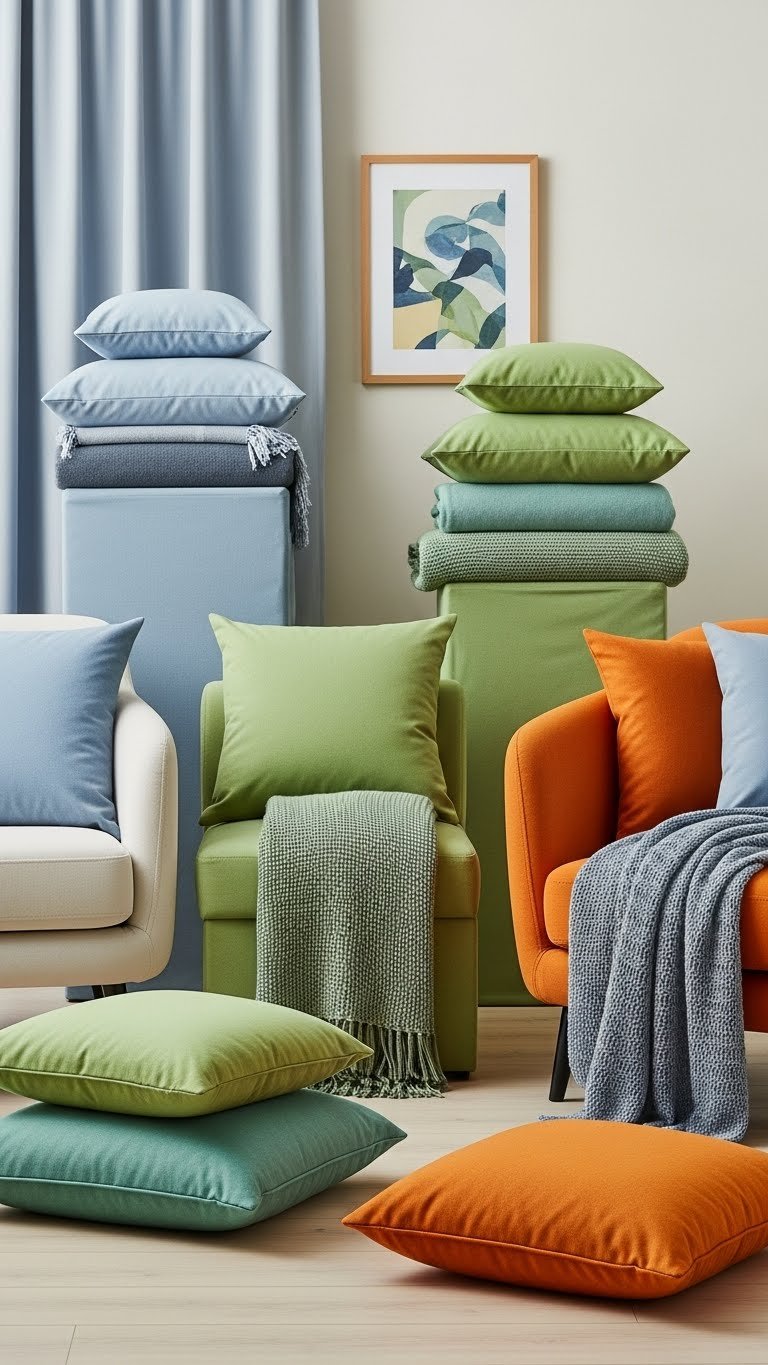
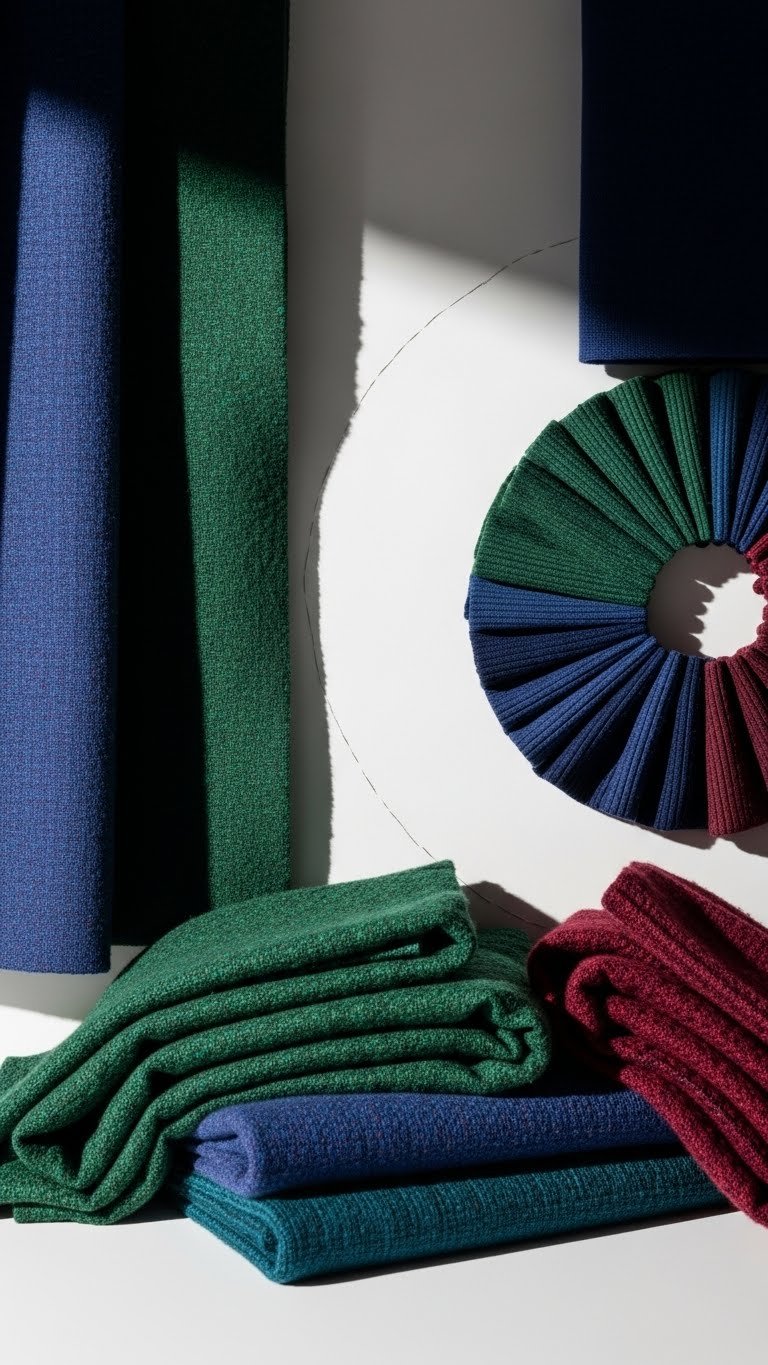
    Color Psychology: Selecting Palettes That Enhance Mood

    Color whispers subtle emotional narratives through interior design, transforming fabric selections into powerful mood-setting instruments.

    You’ll discover that strategic color choices create mood enhancement through intentional color harmony.

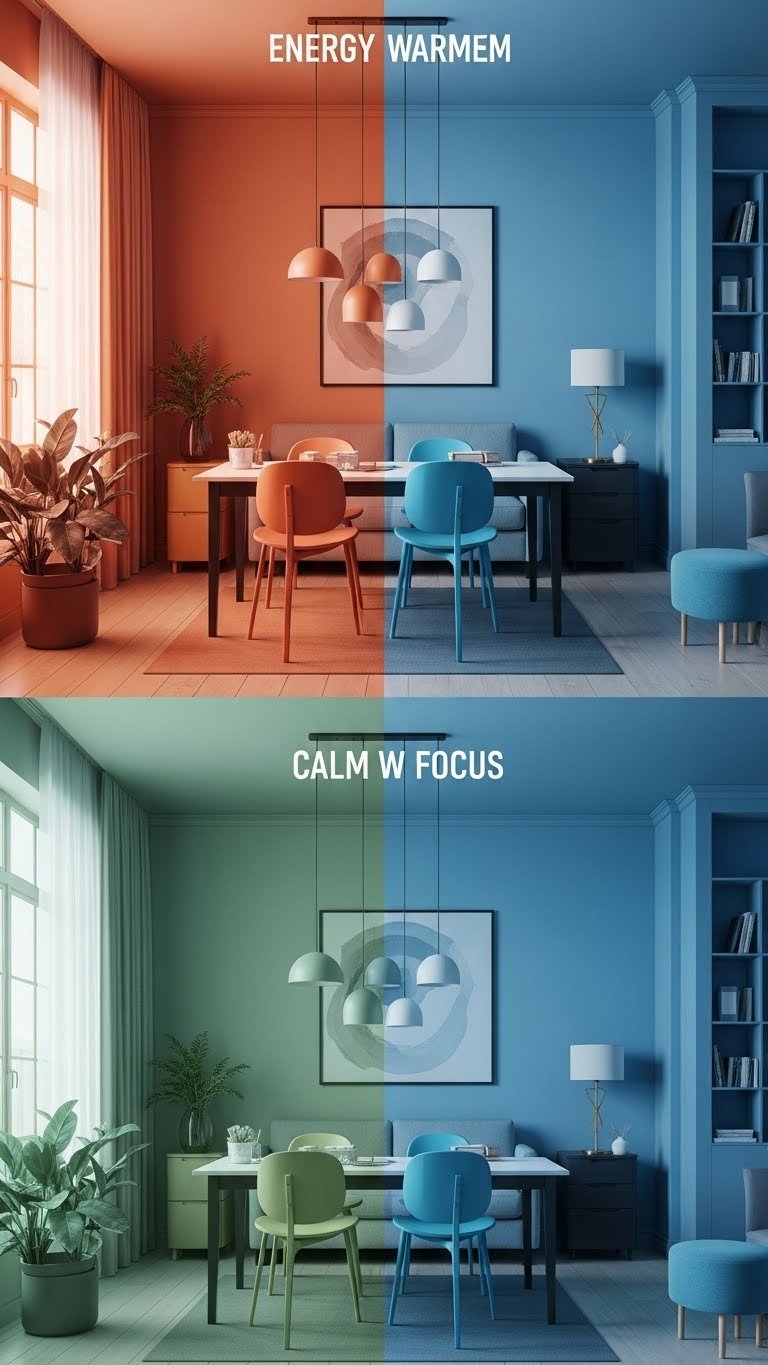
    Blues calm, greens refresh, and warm oranges energize. Your fabric palette isn’t just visual—it’s an emotional landscape designed to elevate your living space’s psychological ambiance.

    Biophilic Design: Connecting Spaces Through Natural Textiles

    Though modern design often feels disconnected from nature, biophilic textile approaches weave organic elements directly into interior spaces, transforming environments through intentional material selection. You’ll discover textile synergy that embraces natural fibers, textures, and patterns, creating seamless nature integration that elevates your living spaces with authentic, breathable comfort.

    Artisanal Craftsmanship in Contemporary Fabric Production

    Beyond the organic textures of biophilic design lies a renaissance of textile production that celebrates human skill and heritage.

    You’ll discover artisan techniques transforming fabric creation, where material experimentation pushes boundaries of traditional craft.

    Skilled makers merge innovative technologies with time-honored methods, crafting textiles that represent both cultural storytelling and contemporary design expression.

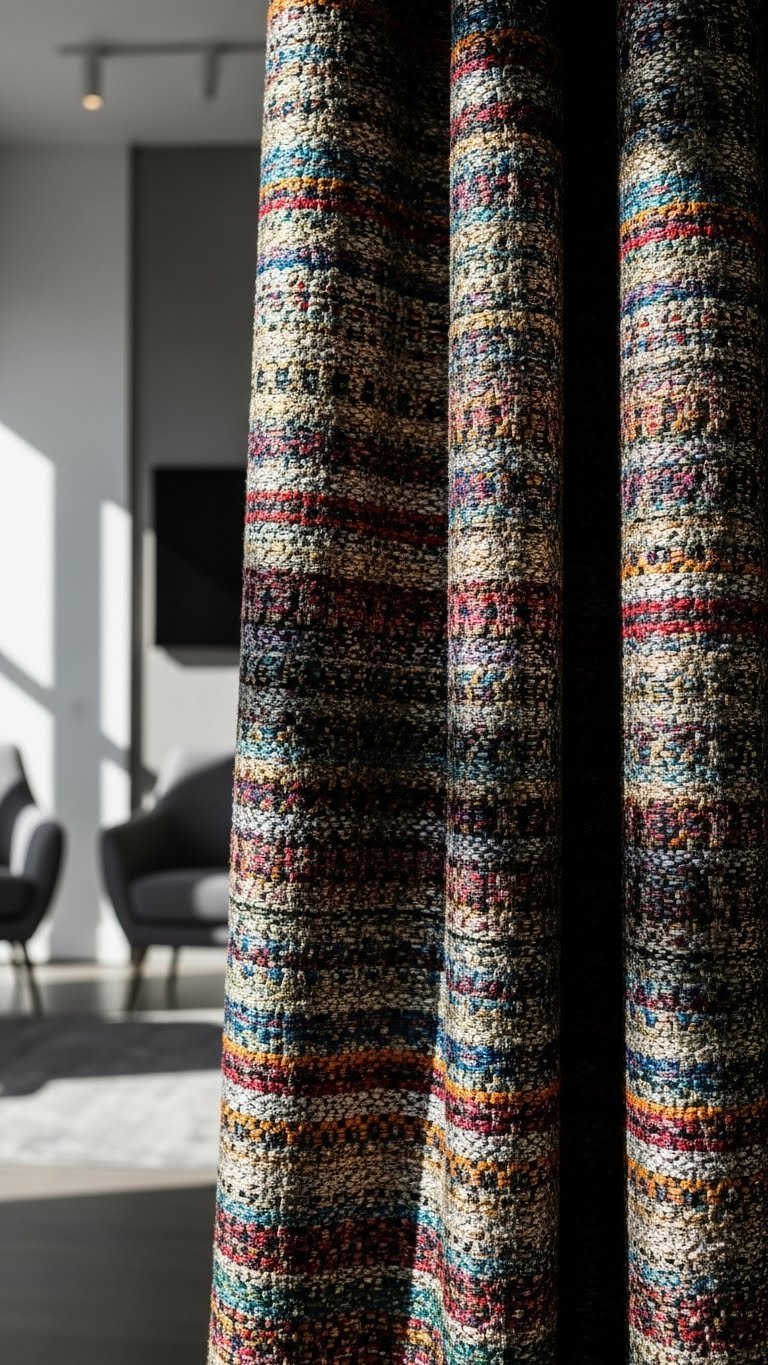
    Jacquard Weaves: Adding Dimensional Complexity to Interiors

    Textile innovation reaches new heights with jacquard weaves, transforming interior spaces through intricate, multidimensional patterns.

    You’ll discover how these sophisticated weaves, rooted in rich jacquard history, elevate your design aesthetic.

    Their pattern significance transcends mere decoration, creating tactile experiences that breathe depth and visual intrigue into contemporary interiors, inviting sensory exploration and artistic expression.

    Vintage Techniques, Modern Applications: Textile Design Heritage

    When vintage weaving techniques converge with contemporary design perspectives, textile artistry reveals a profound narrative of cultural preservation and innovation.

    You’ll discover how modern prints breathe new life into traditional craftsmanship, transforming vintage weaving methods into sleek, dynamic fabric expressions that honor heritage while pushing design boundaries.

    Sustainable Cotton: From Field to Fabric Transformation

    As global sustainability demands reshape textile production, cotton’s journey from agricultural roots to refined fabric represents a nuanced ecosystem of environmental consciousness and technological innovation.

    You’ll witness cotton cultivation transforming through eco-friendly practices, where sustainable farming techniques meet advanced fabric transformation processes that minimize environmental impact while delivering superior textile quality.

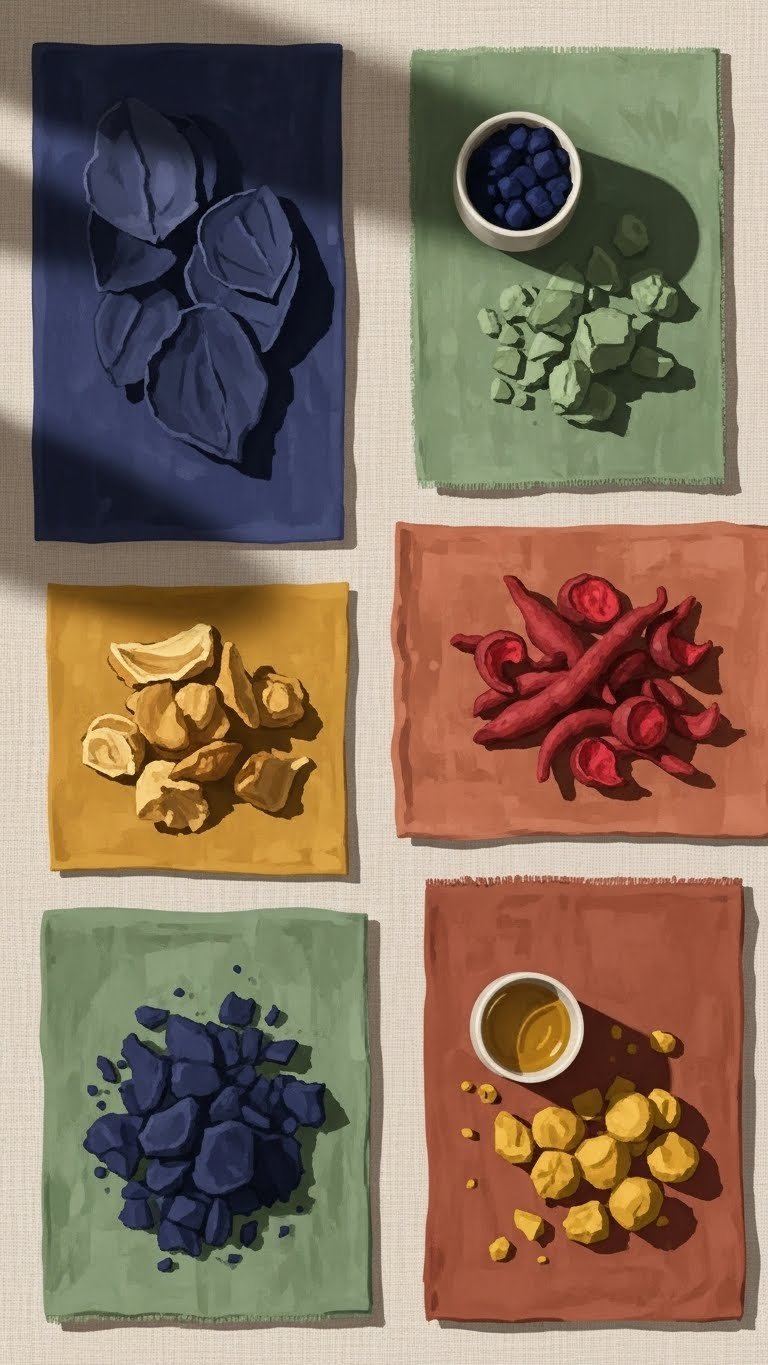
    Organic Dyes: Natural Color Techniques for Conscious Designers

    While organic dyes represent a revolutionary approach to textile coloration, designers now have unprecedented opportunities to transform fabric aesthetics through environmentally conscious color techniques.

    You’ll discover nature-inspired dyes that capture earth’s rich palette, utilizing eco-conscious techniques which celebrate sustainability without compromising visual elegance or textile quality.

    Layering Textiles: Professional Styling Strategies

    Something magical happens when designers master the art of textile layering—transforming ordinary fabric compositions into sophisticated, dimensional visual experiences.

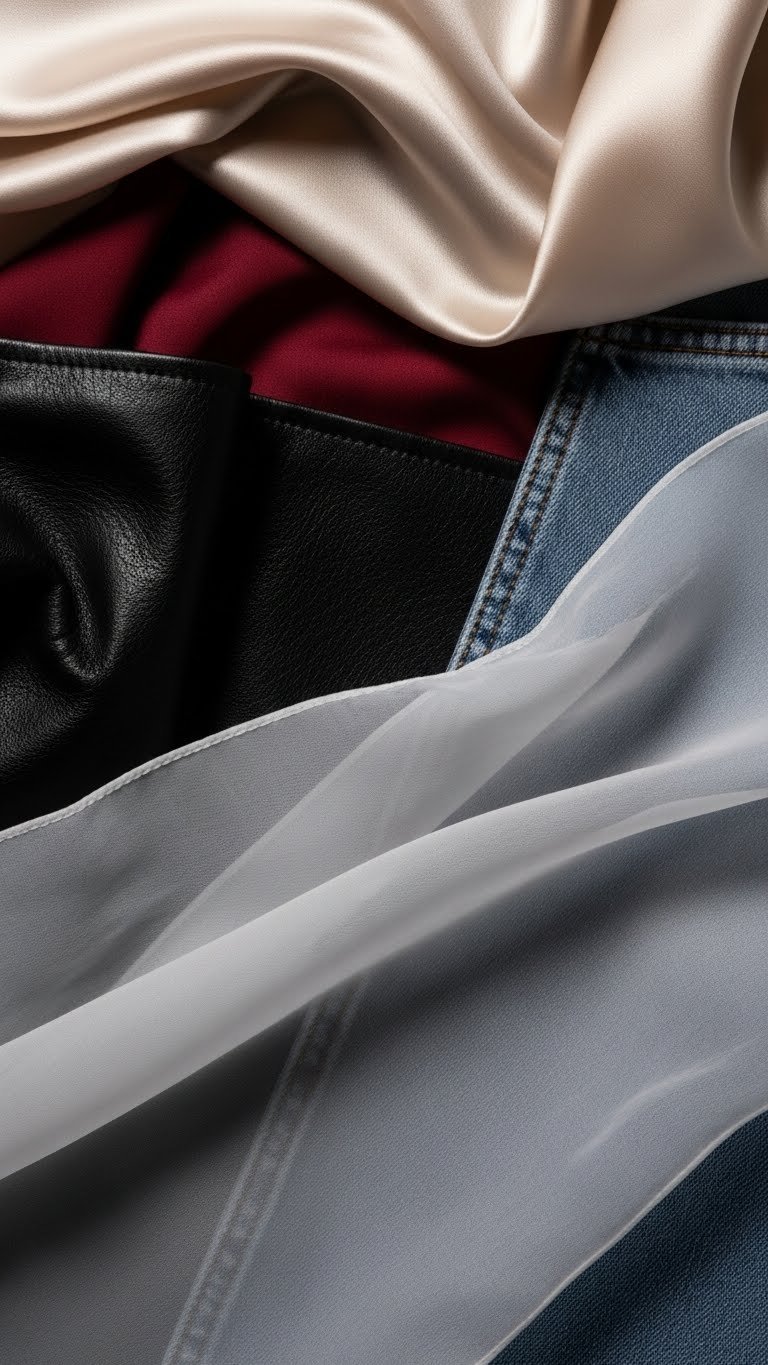
    Unexpected Fabric Combinations: Breaking Design Conventions

    Breaking conventional design boundaries begins with bold fabric pairings that challenge traditional textile expectations.

    You’ll discover textile juxtapositions that elevate your style, merging unexpected materials like delicate silk with structured leather or translucent chiffon with robust denim.

    These unconventional pairings create dynamic visual narratives that redefine design language.

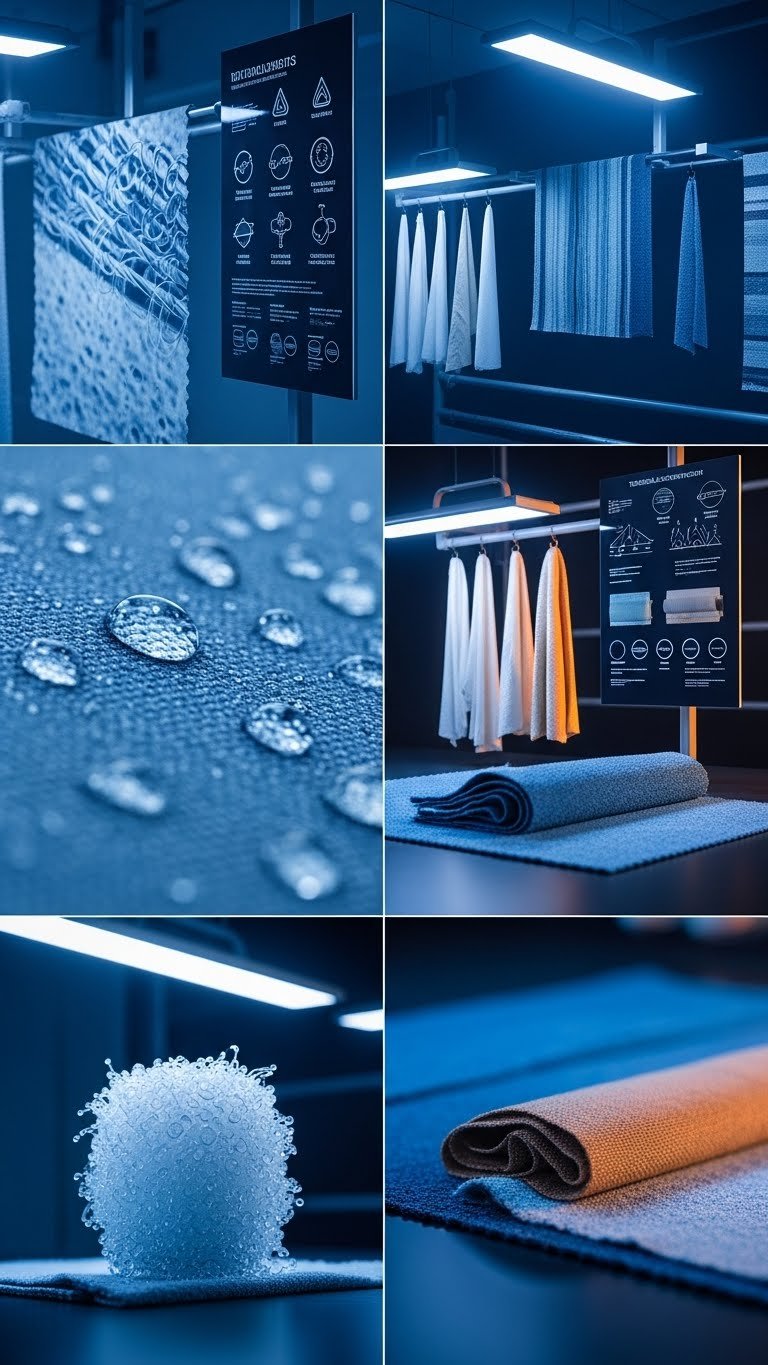
    Performance Textile Selection: Technical Considerations Explained

    As fabric technology evolves, selecting high-performance textiles requires a nuanced understanding of technical specifications that directly impact design functionality and wearer experience.

    You’ll want to evaluate fiber composition, durability standards, and breathability factors. Consider moisture-wicking technology, eco certifications, and fire resistance to guarantee your textile meets both performance and sustainability goals.

    Window Treatments: Transformative Design Strategies

    Window treatments represent more than functional barriers; they’re sculptural elements that dramatically reshape interior environments.

    You’ll transform spaces through layered treatments, blending color contrast and fabric harmony.

    Thoughtful texture combinations can elevate your design, creating dynamic visual narratives that reflect personal style while maintaining sophisticated aesthetic integrity and spatial freedom.

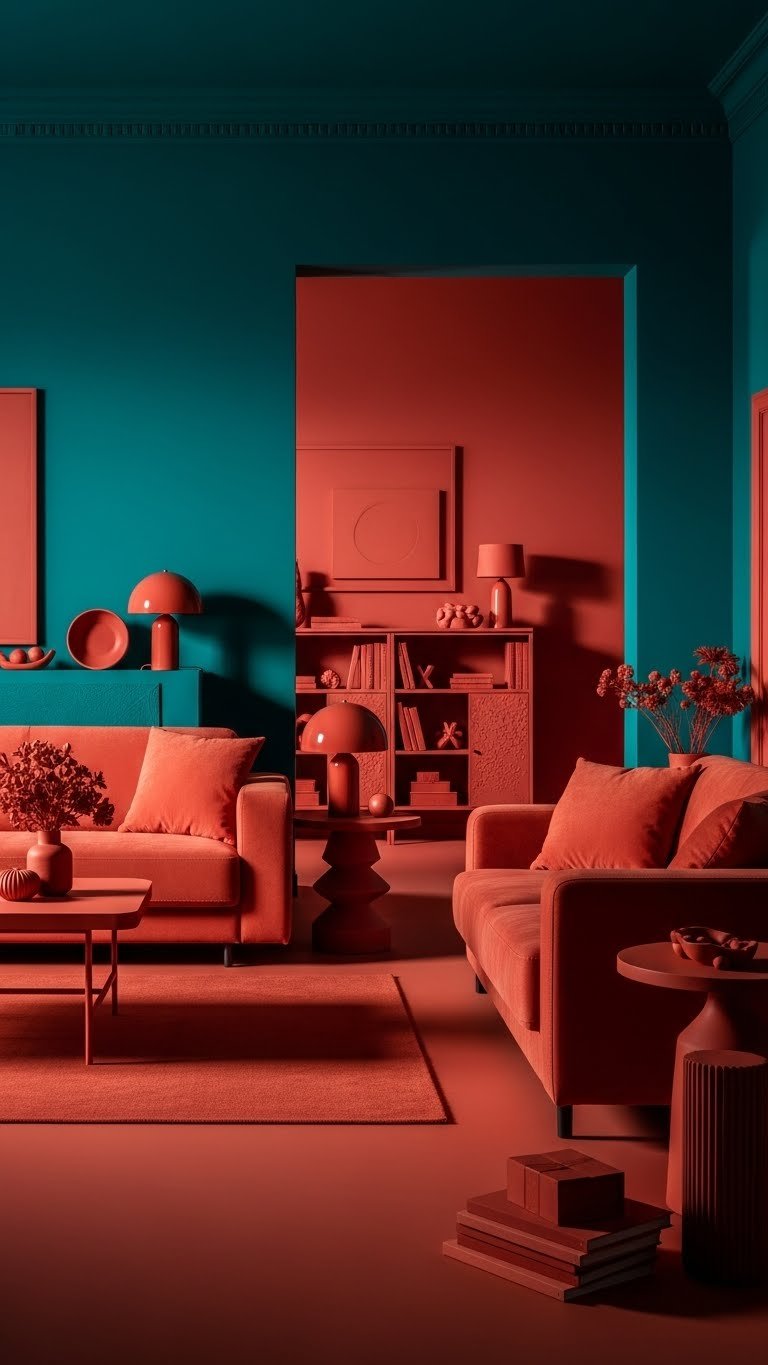
    Color Drenching: Bold Interior Design Approaches

    While contemporary design trends evolve, color drenching emerges as a bold, transformative approach that immerses entire spaces in singular, saturated palettes. You’ll elevate your interior by embracing monochromatic themes and strategic color blocking, creating immersive environments that challenge traditional design boundaries and express your unique aesthetic vision with dramatic, cohesive intensity.

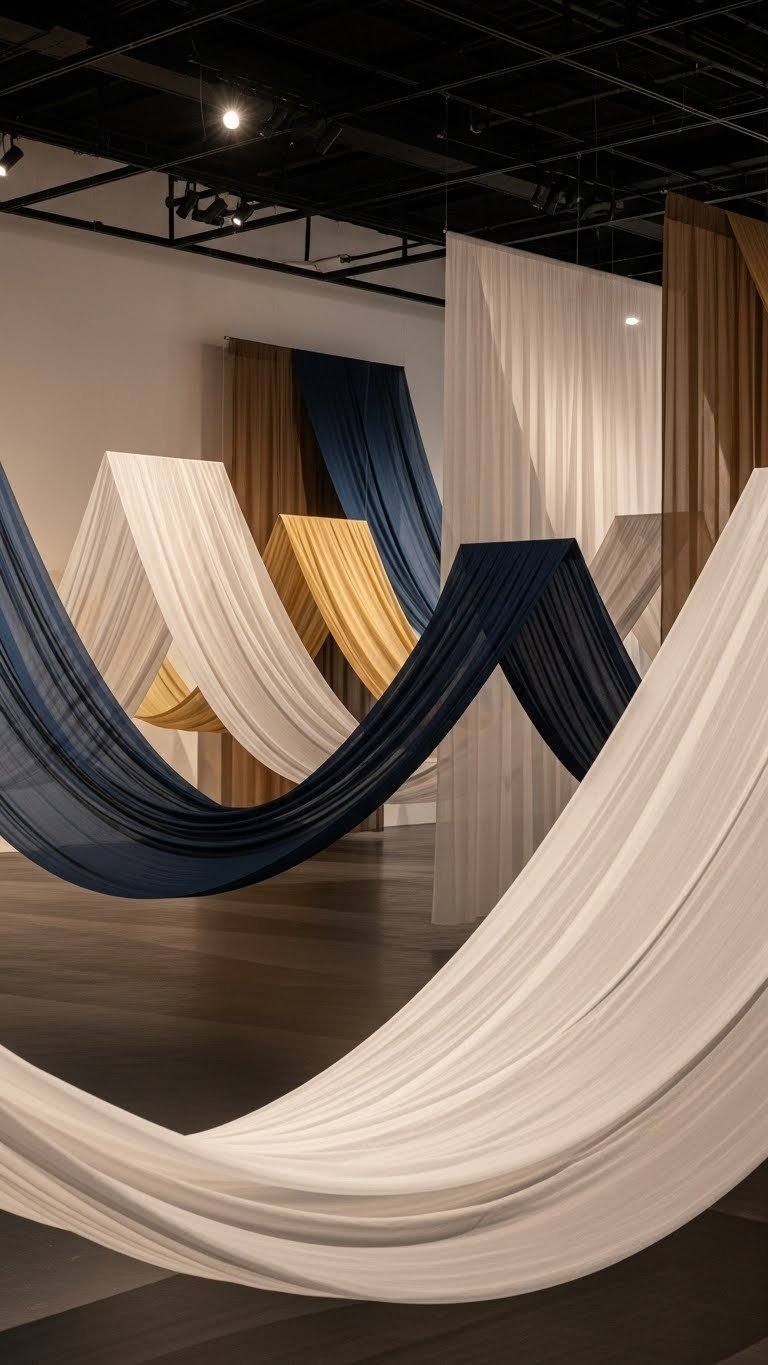
    Soft Architecture: Sculpting Spaces Through Textile Design

    Because textile design transcends traditional boundaries, soft architecture reimagines interior spaces as fluid, sculptural environments where fabrics become transformative architectural elements.

    You’ll discover innovative textile manipulation techniques that sculpt spatial experiences, integrating textiles as dynamic design components that breathe life and movement into contemporary interiors, challenging conventional architectural constraints.

    Plant-Based Fibers: Future of Sustainable Textile Production

    As sustainable design continues to revolutionize textile production, plant-based fibers are emerging as transformative solutions that reimagine material sourcing and environmental responsibility.

    You’ll discover innovative blends that leverage unique plant properties, reducing manufacturing processes’ carbon footprint while prioritizing biodegradability benefits and sustainable cultivation techniques that reshape consumer awareness of fiber sourcing.

    Botanical Print Techniques: Translating Natural Patterns

    Emerging from the intricate world of sustainable textile design, botanical print techniques transform organic textures into wearable art through innovative transfer methods that celebrate nature’s complex visual language.

    You’ll discover leafy motifs and abstract botanicals that capture seasonal shifts, using color layering and graphic elements to create tactile contrasts in nature-inspired design.

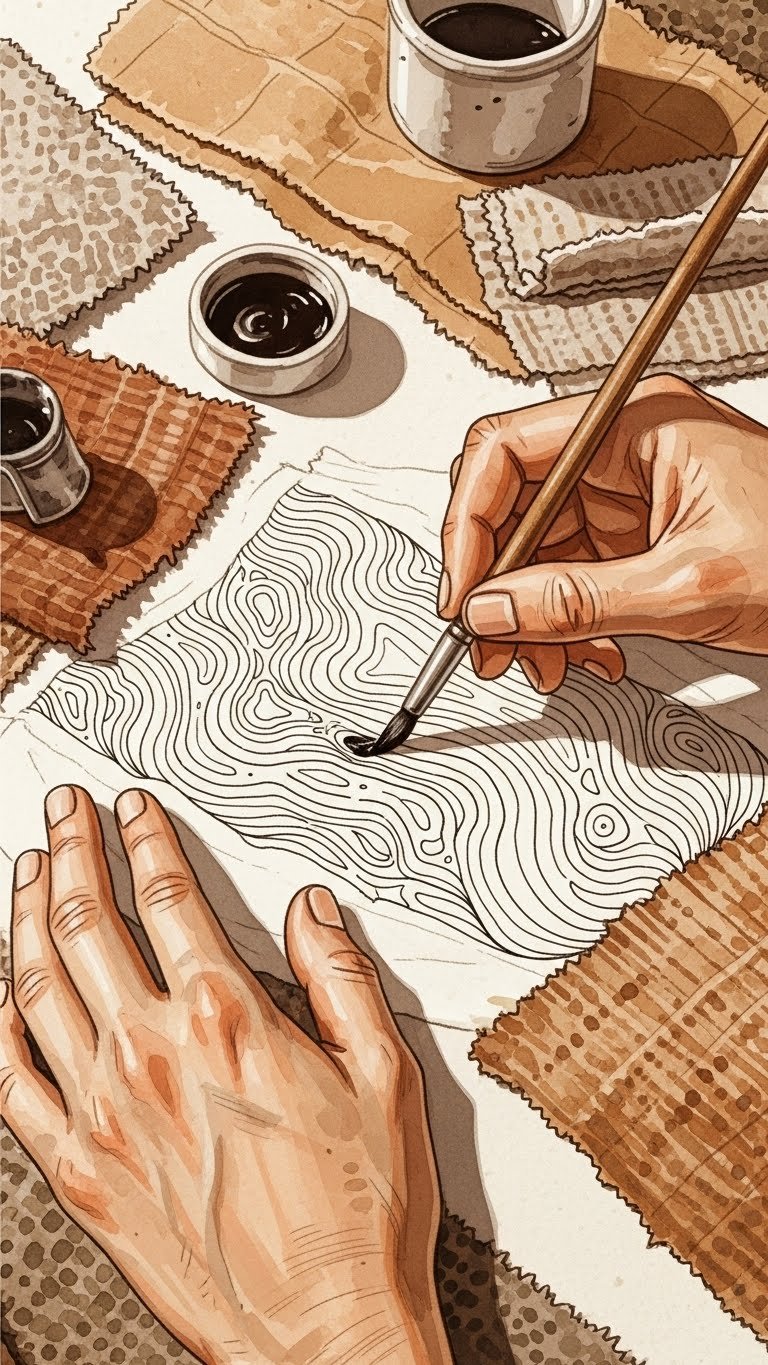
    Hand-Drawn Patterns: Emotional Authenticity in Design

    When designers embrace hand-drawn patterns, they reveal a profound emotional narrative that machine-produced textiles can’t replicate.

    Your artistic expression transforms fabric into tactile storytelling, where each stroke communicates cultural significance and design authenticity.

    Hand-drawn patterns create a personal connection, offering creative freedom that transcends mechanical precision.

    Texture Intensity: Balancing Pattern and Perception

    The emotional resonance of hand-drawn patterns naturally propels designers toward exploring texture’s nuanced landscape.

    You’ll discover that pattern harmony emerges when texture contrast becomes intentional.

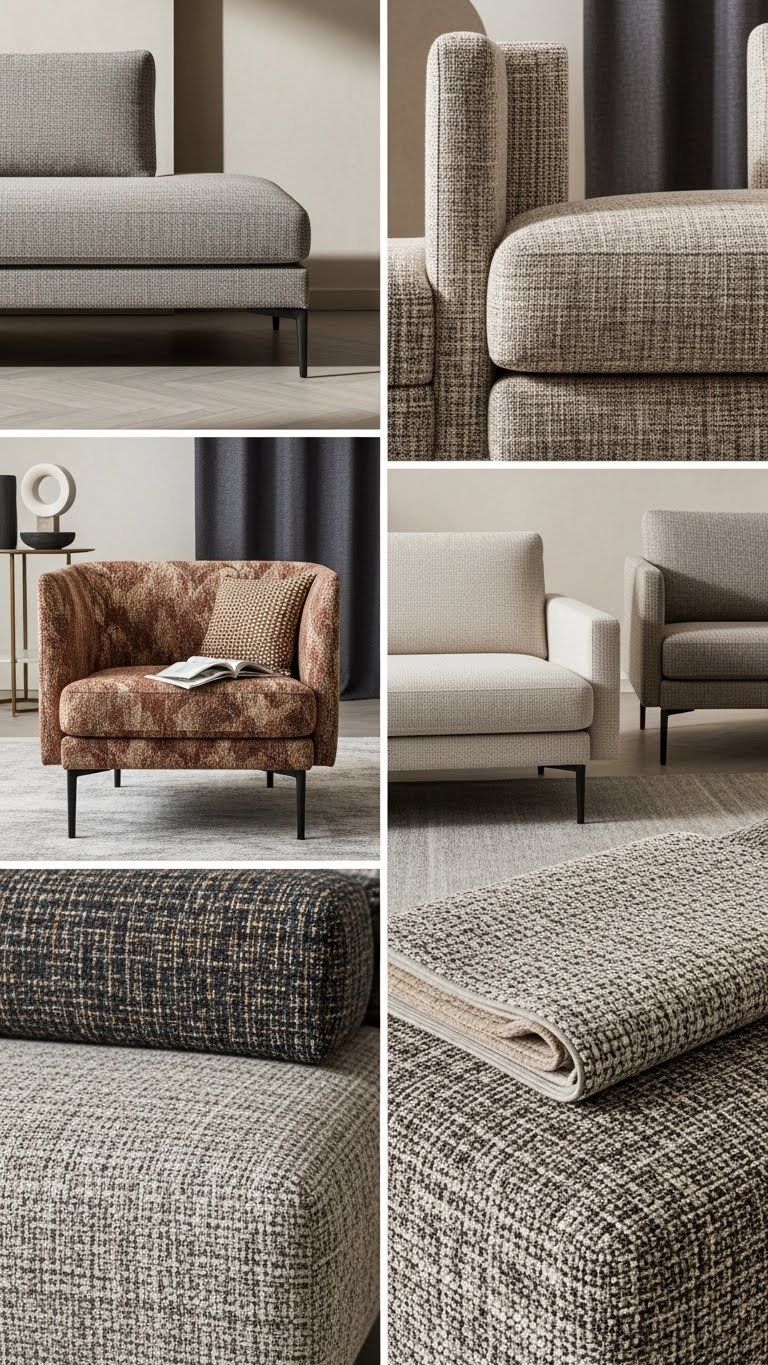
    Upholstery Fabrics: Durability Meets Design Innovation

    Because modern design demands both functionality and aesthetic appeal, upholstery fabrics have evolved into sophisticated canvases of durability and creativity.

    You’ll find cutting-edge materials that seamlessly blend design innovation with rigorous durability assessment. Your space can now reflect dynamic style without compromising structural integrity, transforming how you perceive fabric’s potential in contemporary interiors.

    Recycled Textiles: Circular Design Principles

    Amid growing environmental consciousness, textile recycling has emerged as a transformative approach to sustainable design, reimagining fabric production through circular economy principles.

    You’ll discover innovative recycled textiles that minimize waste and maximize style, empowering eco-conscious choices.

    These materials aren’t just sustainable—they’re sleek, sophisticated, and perfectly aligned with contemporary design aesthetics.

    Global Textile Trends: What Designers Need to Know

    Sustainability’s momentum propels designers toward expansive global textile trends that are reshaping industry standards and creative possibilities.

    You’ll discover cutting-edge textile sustainability initiatives driving design innovation across continents. Embracing diverse cultural influences, contemporary designers are transforming fabric technologies with bold, purpose-driven approaches that challenge traditional manufacturing paradigms.

    Maintenance Strategies for High-Performance Fabrics

    While high-performance fabrics represent significant technological investments, their longevity depends critically on strategic maintenance protocols that preserve material integrity and functional properties.

    You’ll want to focus on easy cleaning techniques, protecting stain resistance, and maintaining moisture management capabilities.

    Preserve colorfast properties and UV protection through careful laundering and storage practices.

    Future of Textile Design: Emerging Global Innovations

    As fabric care techniques safeguard technological textile investments, emerging global design innovations promise to revolutionize how we conceptualize and experience material performance.

    You’ll witness smart textiles merging with AI-assisted design, creating sustainable solutions through digital weaving and global craftsmanship that redefine innovative finishes and push textile boundaries beyond traditional expectations.

  • 26 Inspiring Ambient Architectural Lighting Ideas Ideas To Transform Your Space

    26 Inspiring Ambient Architectural Lighting Ideas Ideas To Transform Your Space

    Lighting isn’t just illumination; it’s an architectural language that transforms spaces from ordinary to extraordinary. You’ll discover how strategic light placement can dramatically reshape your environment, creating depth, mood, and visual narrative. Whether you’re an architect, designer, or homeowner seeking to reimagine your space, these 26 ambient lighting concepts will challenge your perception of illumination as a mere functional element. Are you ready to see how light can become your most powerful design tool?

    Foundations of Layered Lighting Design

    Although layered lighting is a fundamental approach in architectural illumination, it’s more than just placing fixtures randomly throughout a space. Thoughtful layered strategies integrate ambient, task, and accent lighting, creating depth and visual dynamism. By understanding key design principles, you’ll transform environments with strategic illumination that enhances architectural features and spatial perception.

    Understanding Light as an Architectural Element

    Light transcends mere illumination, functioning as a dynamic architectural material that sculpts spatial experiences and emotional landscapes.

    You’ll discover how light perception transforms environments, creating depth, texture, and atmosphere.

    Natural Light Integration Strategies

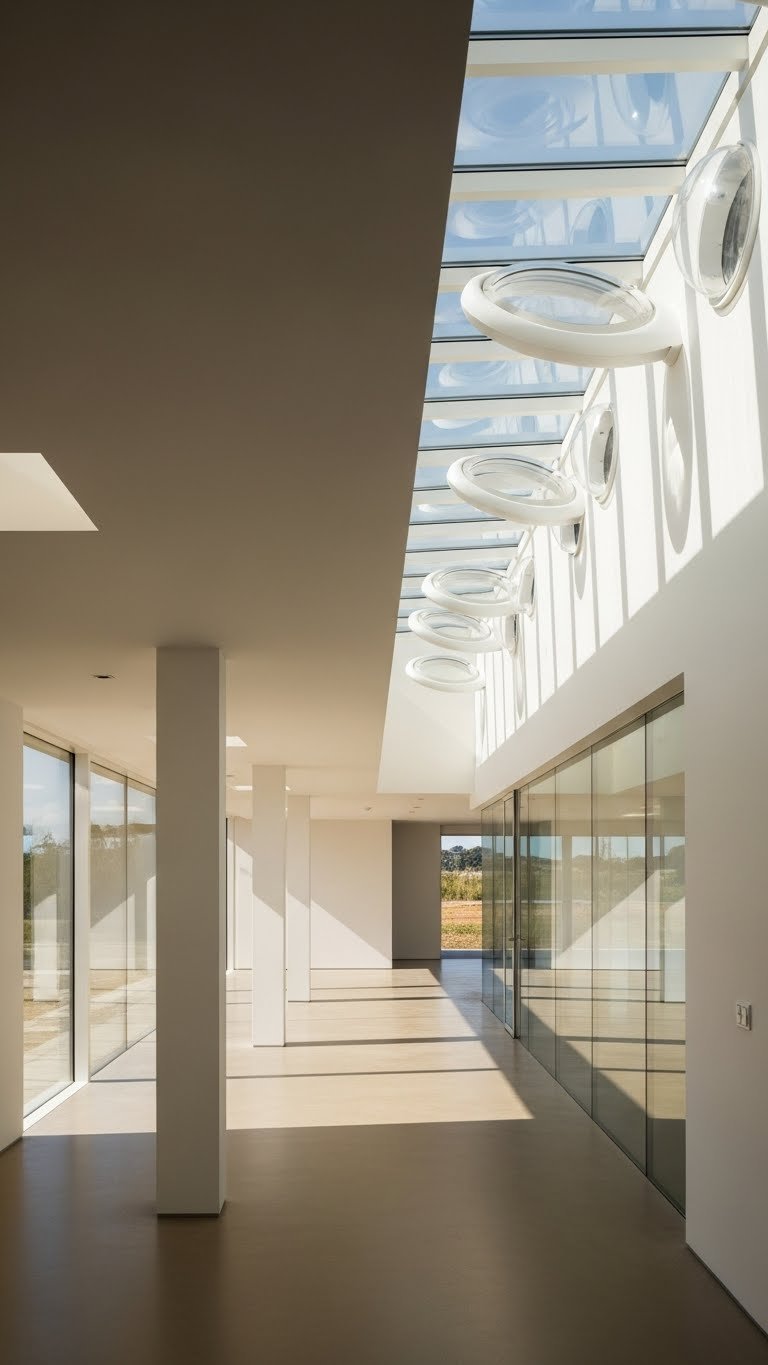
    When architects harness daylight as a primary design medium, they transform spaces from mere functional enclosures into dynamic, responsive environments. Solar tube skylights and light diffusing materials enable you to strategically channel natural illumination, creating seamless shifts between indoor and outdoor spatial experiences while maximizing architectural transparency and luminous quality.

    Recessed Lighting: Precision and Subtlety

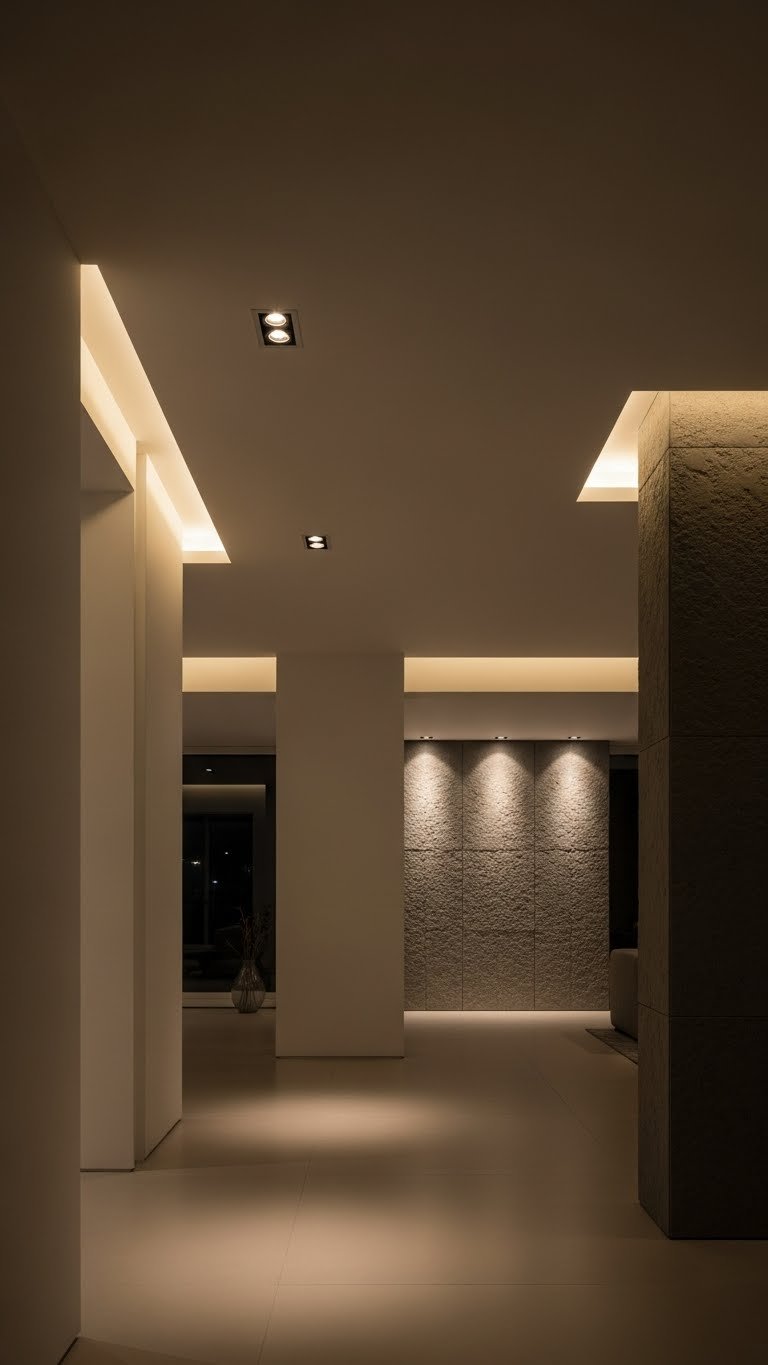
    Architectural subtlety emerges through recessed lighting’s understated precision, transforming interior spaces into choreographed visual experiences. You’ll discover design flexibility with contemporary LED fixtures that offer energy efficiency and seamless installation techniques. Decorative trims and advanced dimming options enhance aesthetic appeal, strategically illuminating surfaces while maintaining technical sophistication and spatial enhancement.

    Directional Lighting for Spatial Definition

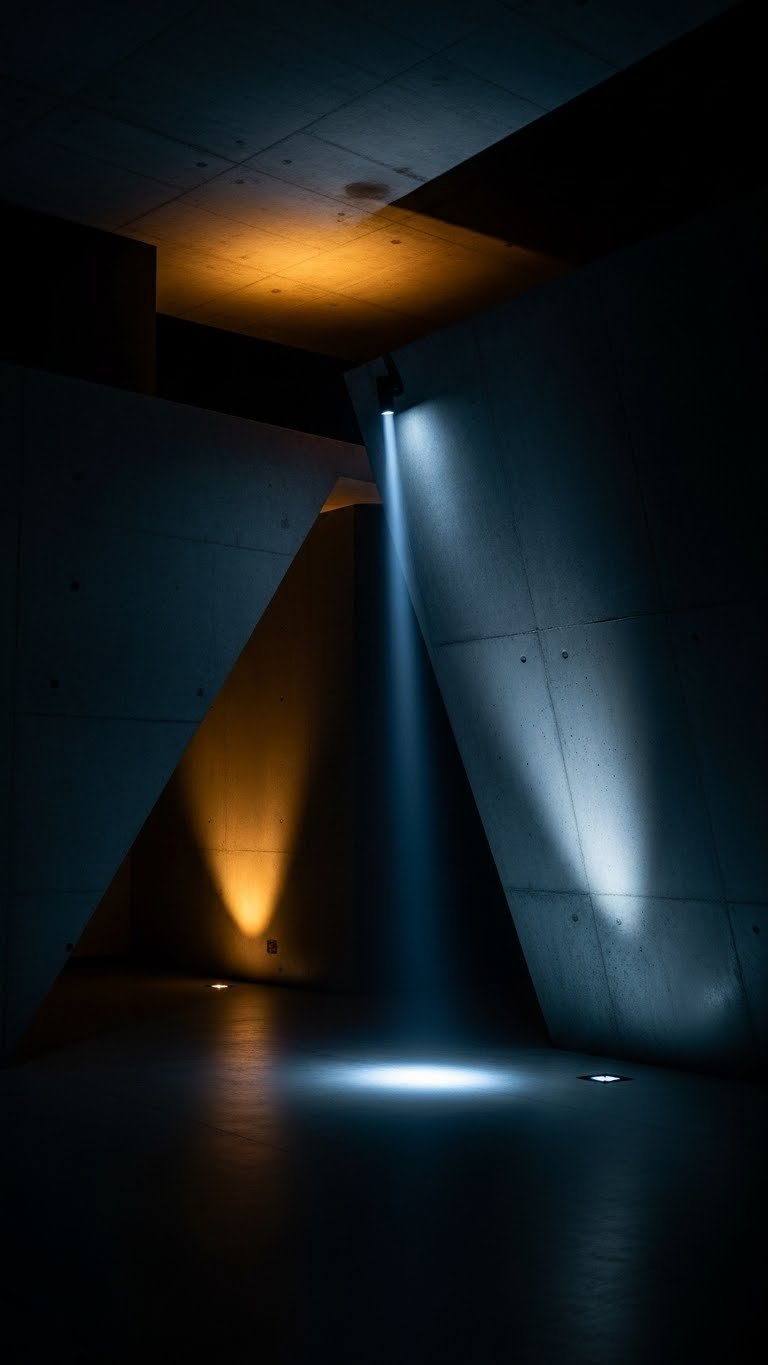
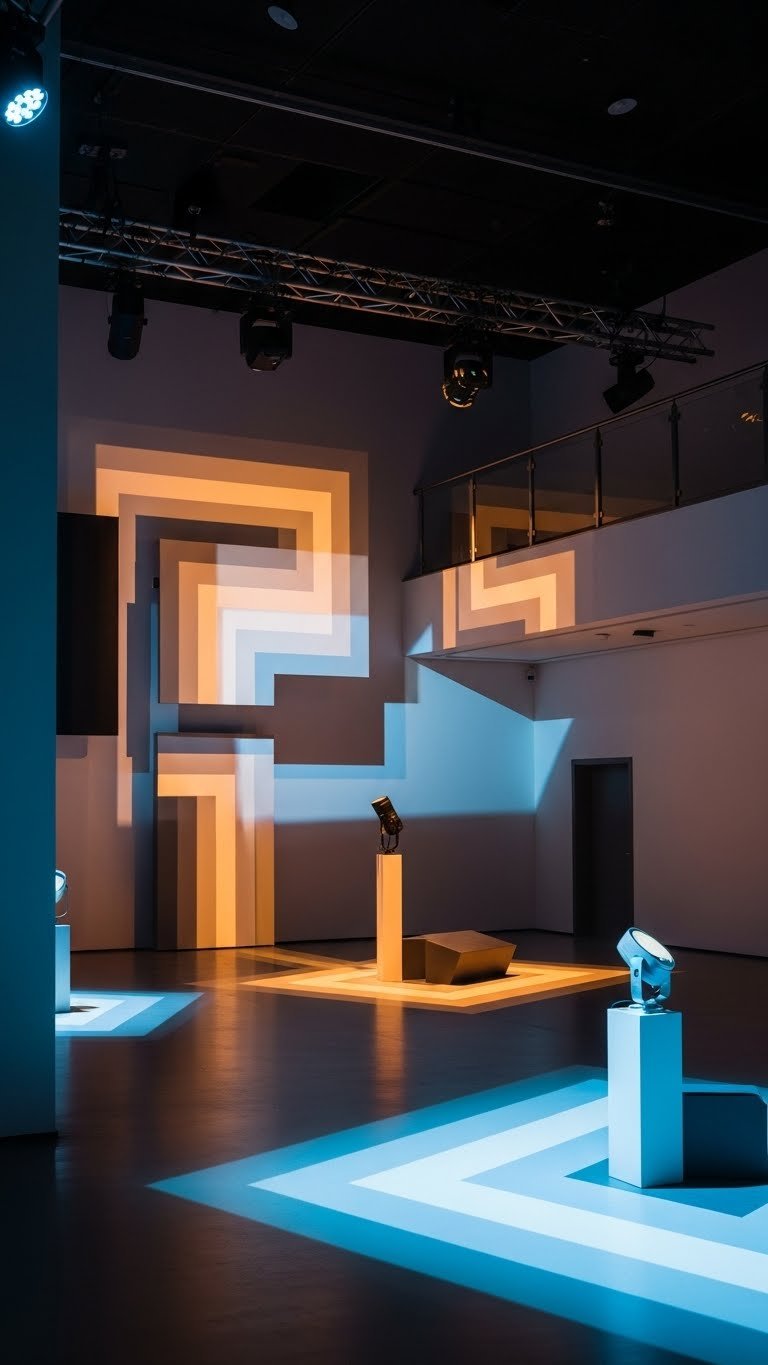
    Although spatial perception hinges on visual cues, directional lighting transforms environments by sculpting dimensionality through strategic illumination techniques. You’ll harness light direction to create dynamic shadow play, defining architectural volumes and guiding visual movement. Precise angles and controlled beam spreads carve spaces, revealing depth and texture with intentional luminous choreography.

    Accent Lighting: Highlighting Architectural Features

    Strategic accent lighting transforms spaces by selectively illuminating key architectural elements, creating visual focal points that dramatize design nuances and structural character.

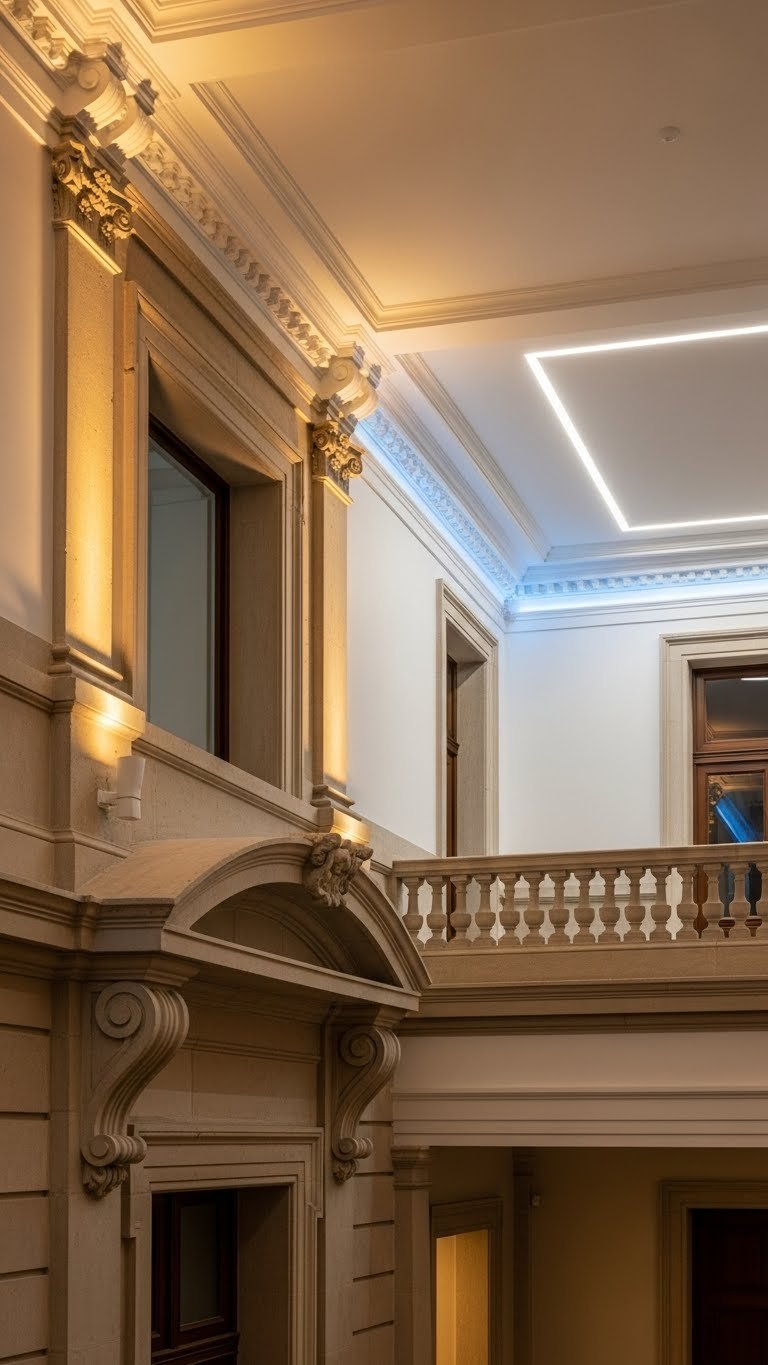
    You’ll leverage shadow play and texture accent techniques to highlight unique features like exposed brick walls, sculptural columns, or intricate ceiling details, guiding viewers’ visual perception with precisely positioned light.

    Smart Lighting Control Systems

    While technology continues to revolutionize interior design, smart lighting control systems have emerged as a game-changing solution for ambient architectural illumination.

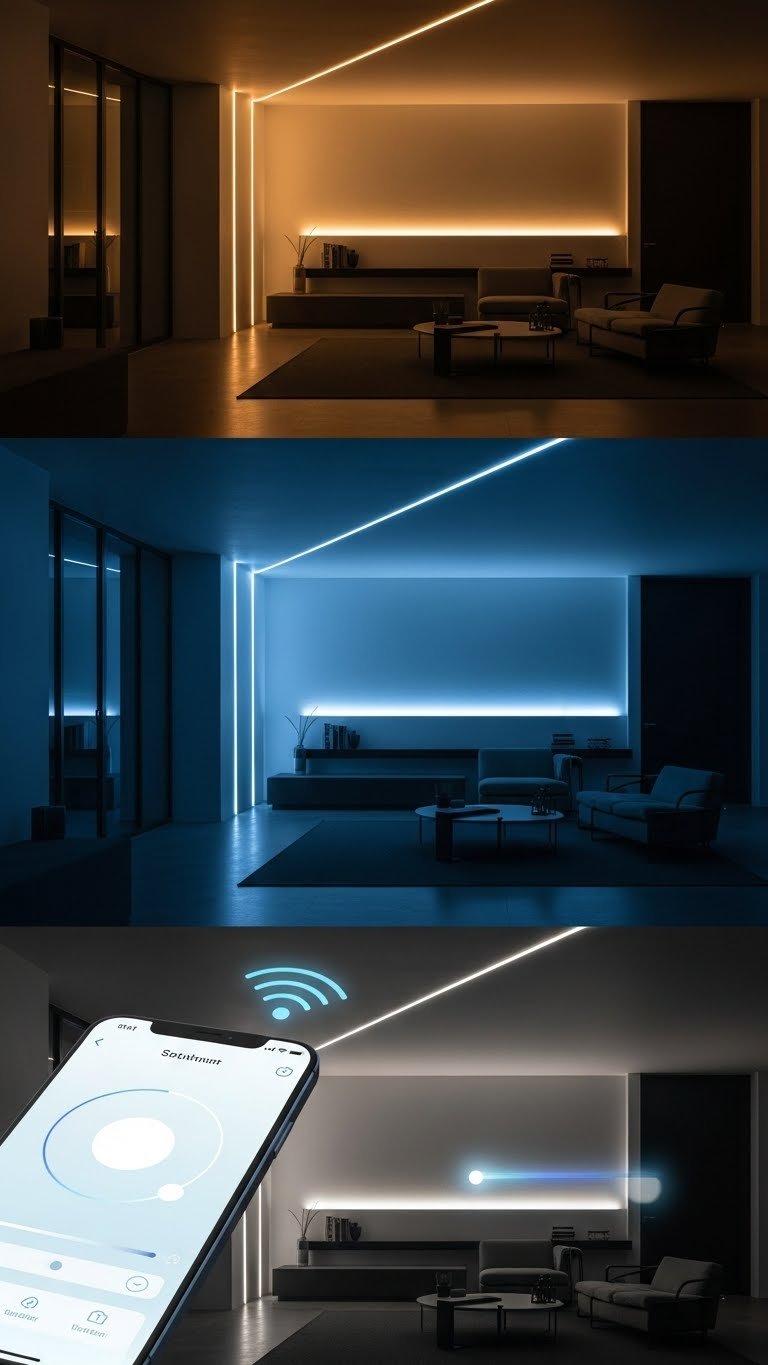
    You’ll discover unparalleled freedom through smart automation, enabling precise energy efficiency and personalized lighting scenes.

    Wireless controls, smartphone integration, and AI-driven algorithms transform your space with intuitive, responsive architectural lighting.

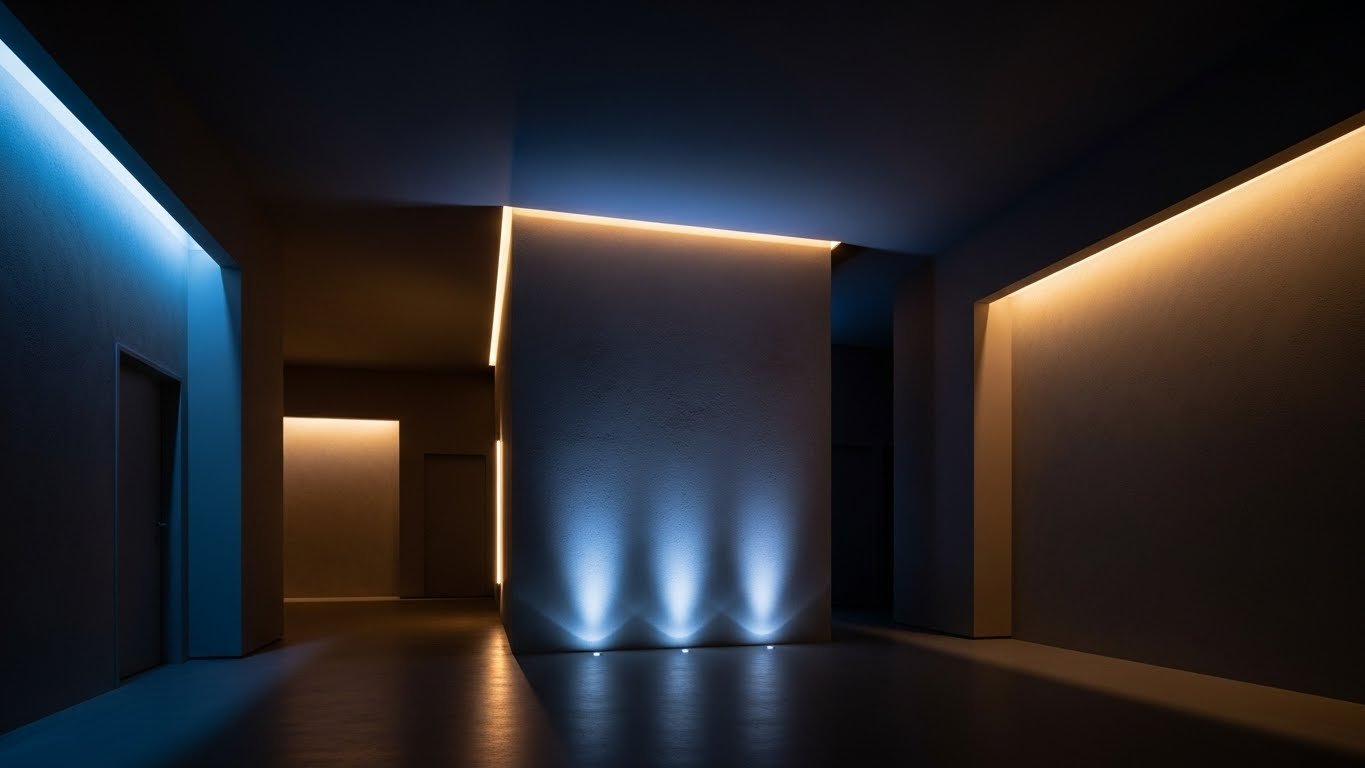
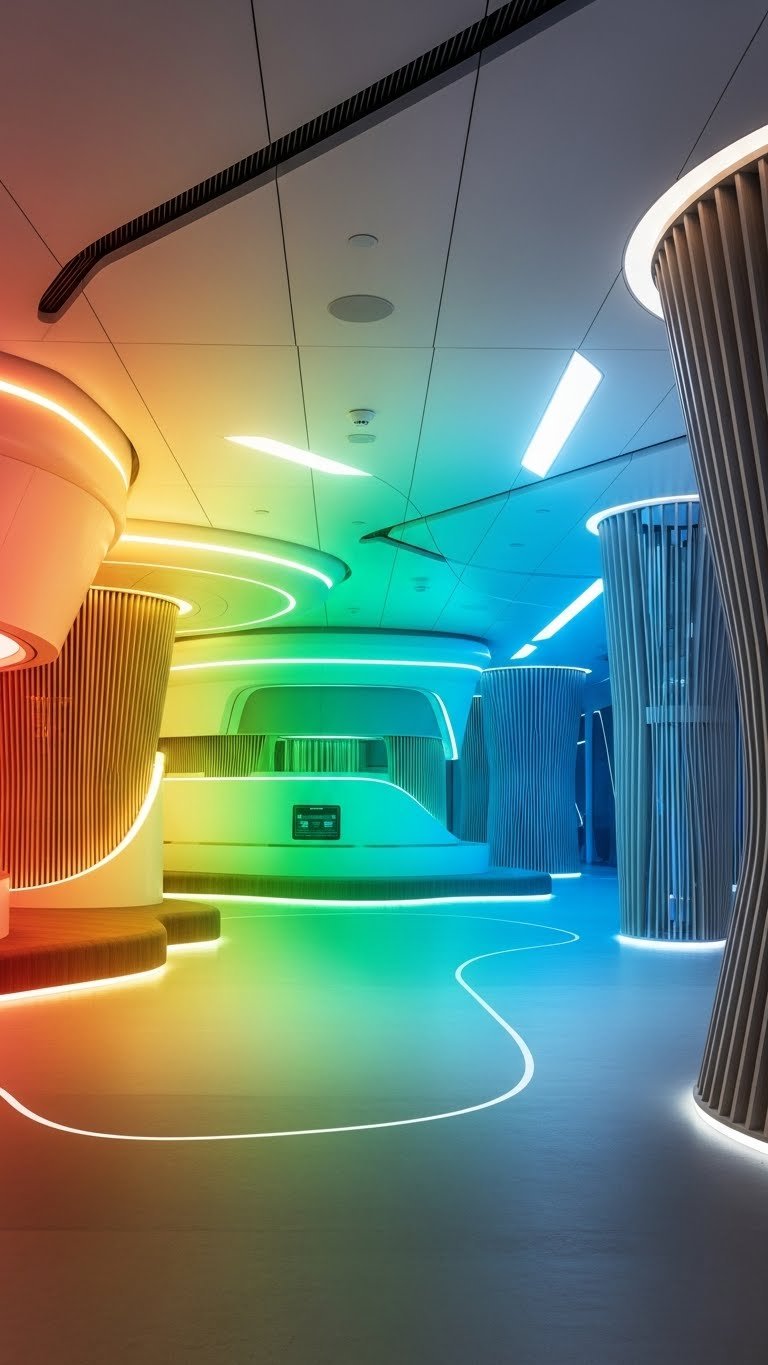
    Emotional Lighting: Color Temperature and Mood

    When exploring the psychological dimensions of architectural lighting, color temperature emerges as a critical design parameter that profoundly influences human emotional perception.

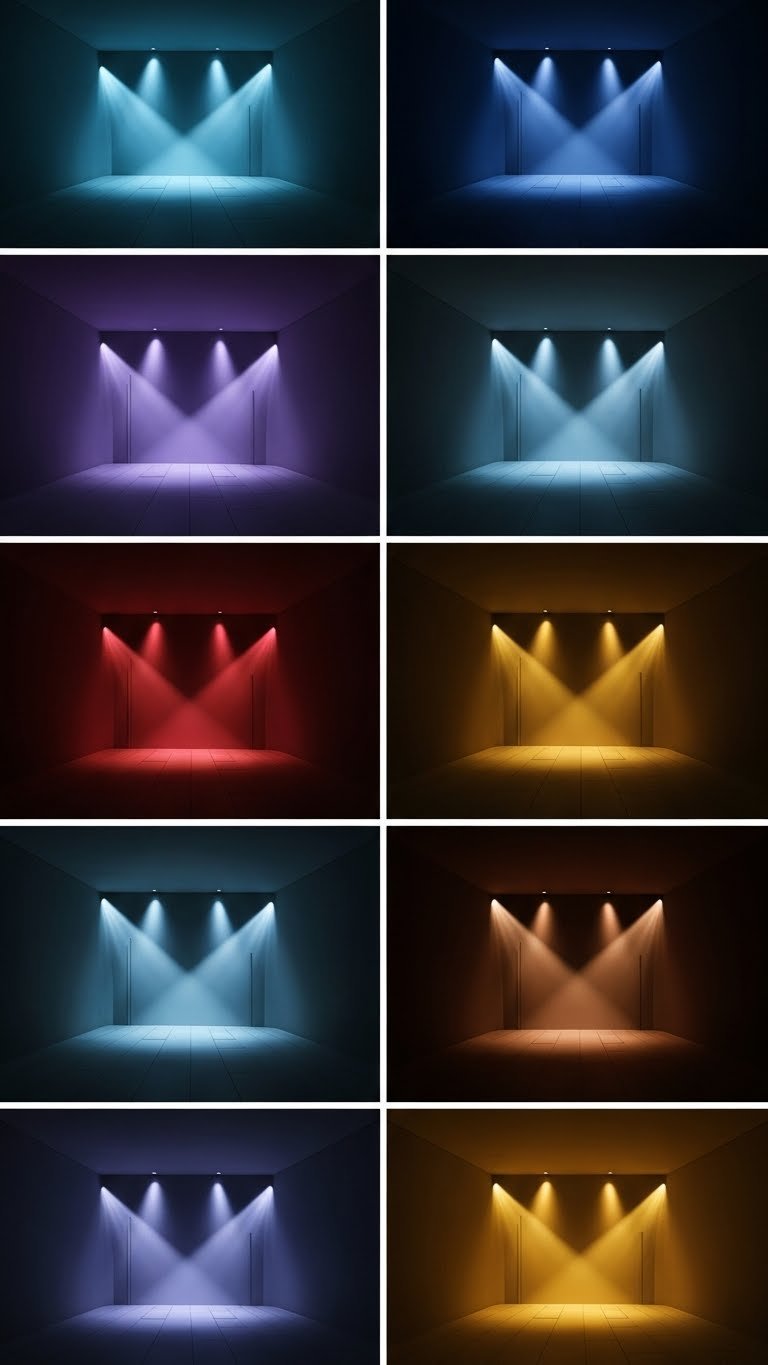
    You’ll discover how warm amber tones create ambient warmth and serenity, while cooler blues evoke therapeutic lighting experiences that transform psychological landscapes through nuanced visual comfort and mood enhancement.

    Exterior Facade Lighting Techniques

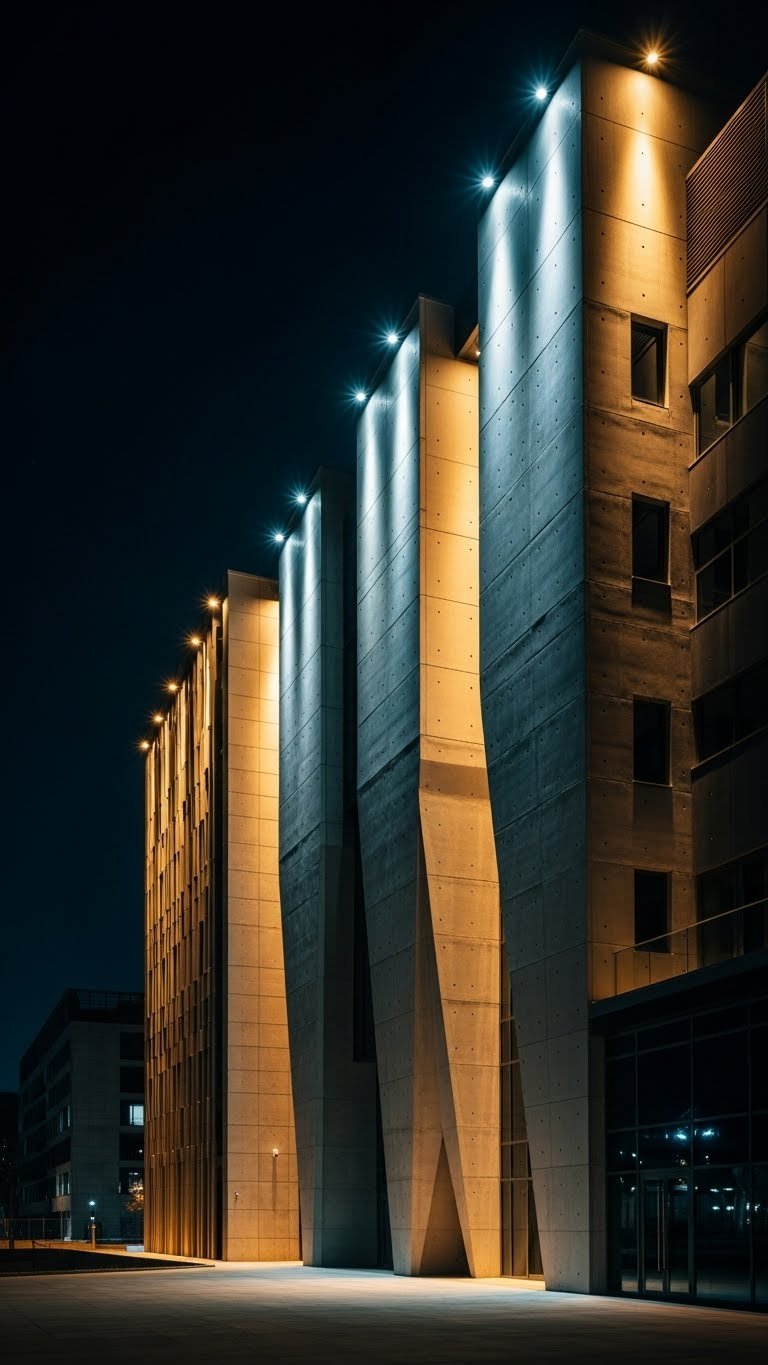
    Because architectural lighting transforms exterior facades into dynamic visual narratives, designers can leverage sophisticated illumination techniques to dramatize building geometries and enhance urban landscapes.

    You’ll capture facade textures through strategic uplighting techniques, creating depth, shadow play, and sculptural dimensionality that reveals architectural contours with dramatic precision and visual intensity.

    Style-Specific Lighting Approaches

    Should architectural lighting design embrace unique stylistic nuances, designers can strategically illuminate structures by matching illumination techniques to specific architectural aesthetics.

    Style-specific fixtures with bold color palettes and minimalistic designs leverage eclectic influences and historical inspirations, integrating contemporary trends through geometric shapes and functional ambient contrasts that communicate cultural motifs dynamically.

    Sustainable Lighting Design

    Emerging architectural lighting strategies increasingly prioritize sustainability through innovative energy-efficient technologies and eco-conscious design methodologies.

    You’ll discover cutting-edge solutions like renewable energy integration, biophilic lighting concepts, and passive design strategies that dramatically reduce carbon footprint while creating stunning, custom lighting environments using sustainable sourcing practices and eco-friendly materials.

    Advanced Lighting Manipulation Techniques

    Beyond sustainable energy considerations, architectural lighting now explores sophisticated manipulation techniques that transform spatial experiences through precise light control and dynamic interactive systems.

    You’ll discover color manipulation methods that redefine architectural boundaries, using dynamic layering to create immersive environments that respond intuitively to human presence and emotional landscapes.

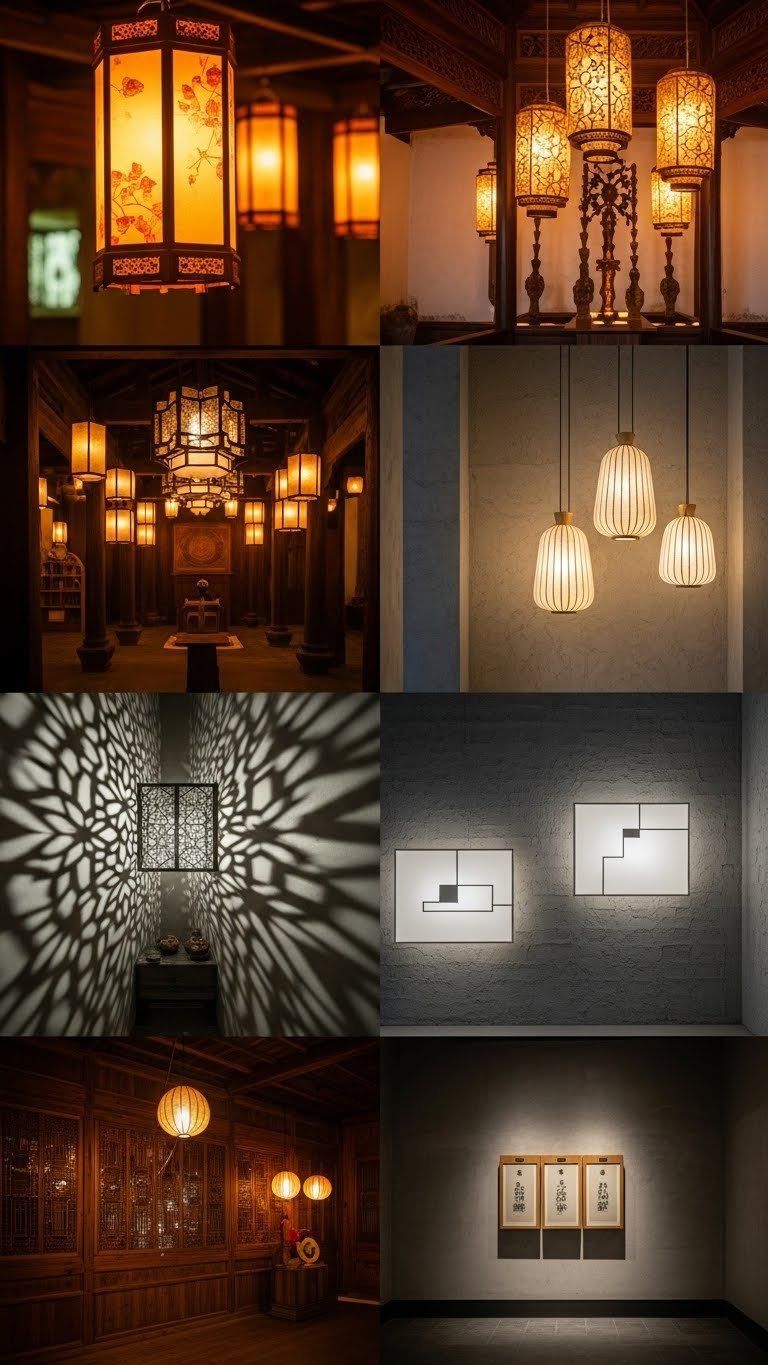
    While illuminating artwork requires meticulous precision, museum and gallery lighting transcends mere visibility—it’s a nuanced choreography of luminous intensity, spectral quality, and spatial interaction. You’ll want to master museum engagement by strategically controlling color temperature, minimizing UV radiation, and creating dramatic visual narratives that enhance gallery perception without compromising artwork preservation.

    Residential Lighting Design

    As architectural lighting shifts from institutional spaces to personal environments, residential design demands a sophisticated approach that balances functional illumination with emotional ambiance.

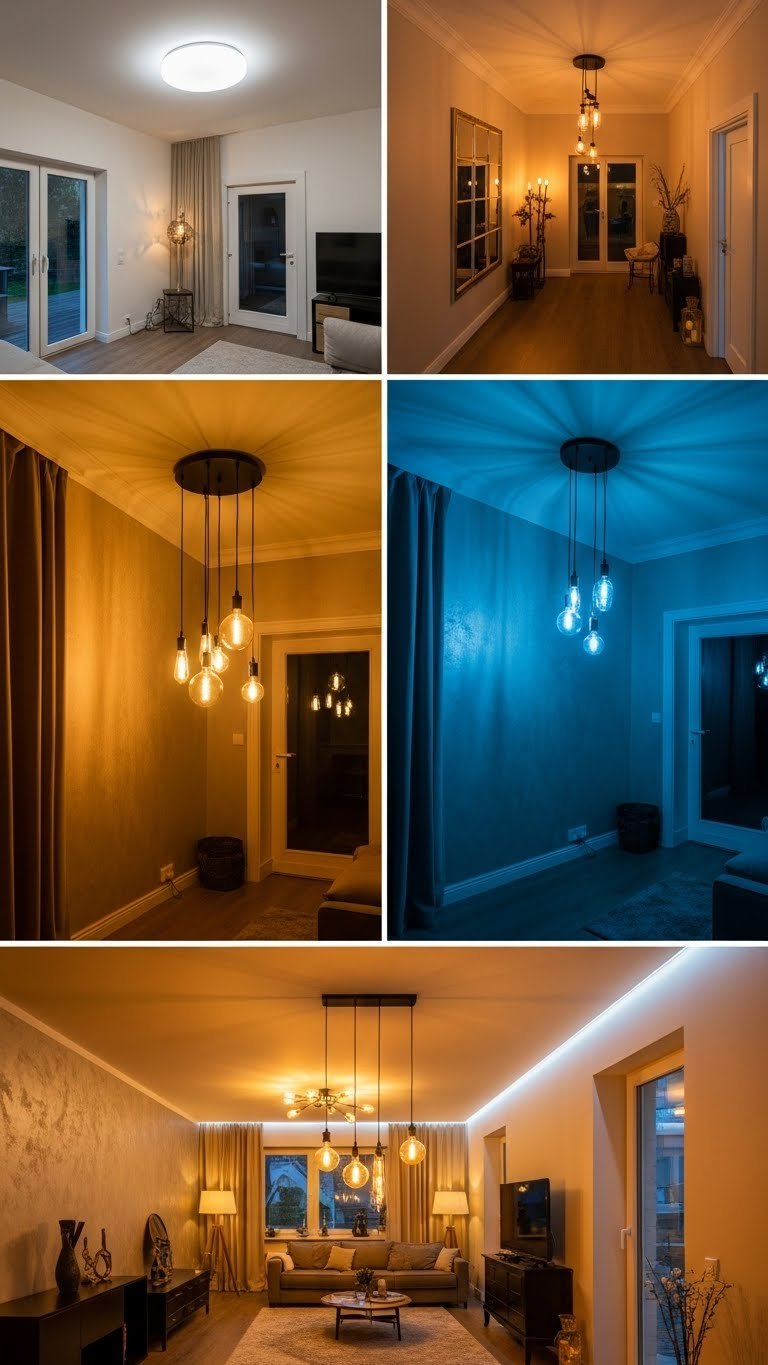
    You’ll create aesthetic harmony through strategic lighting layers, integrating ambient ceiling fixtures, decorative bulbs, and creative installations that transform functional spaces with playful shadows and innovative energy-efficient trends.

    Commercial Lighting Solutions

    Architectural lighting strategies that illuminate residential spaces seamlessly extend into commercial environments, where illumination becomes a powerful tool for brand expression and functional design.

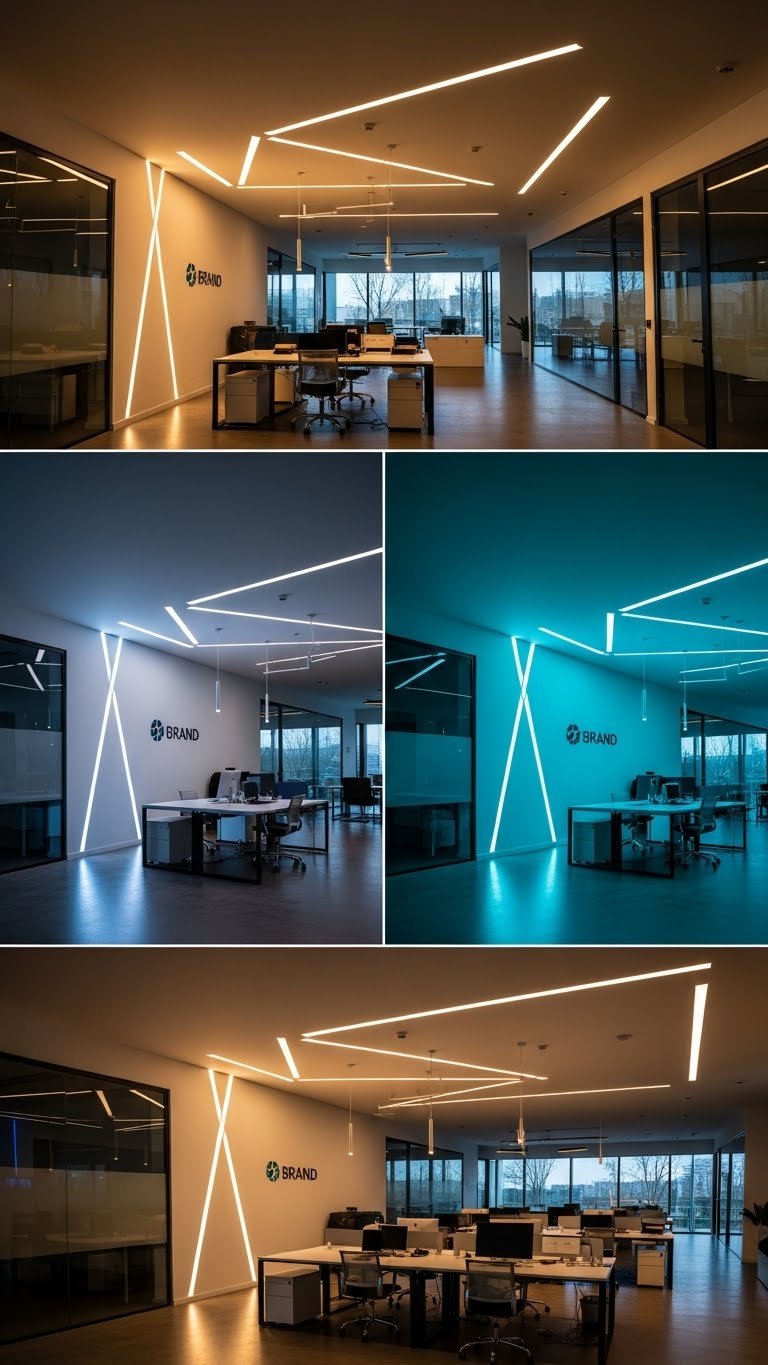
    You’ll discover energy efficient solutions that transform commercial space aesthetics, creating dynamic visual landscapes that inspire productivity and reflect innovative corporate identities through strategic, adaptive lighting techniques.

    Hospitality Lighting Design

    Because lighting serves as the silent orchestrator of guest experiences, hospitality environments demand nuanced illumination strategies that transform spatial perceptions and emotional resonance.

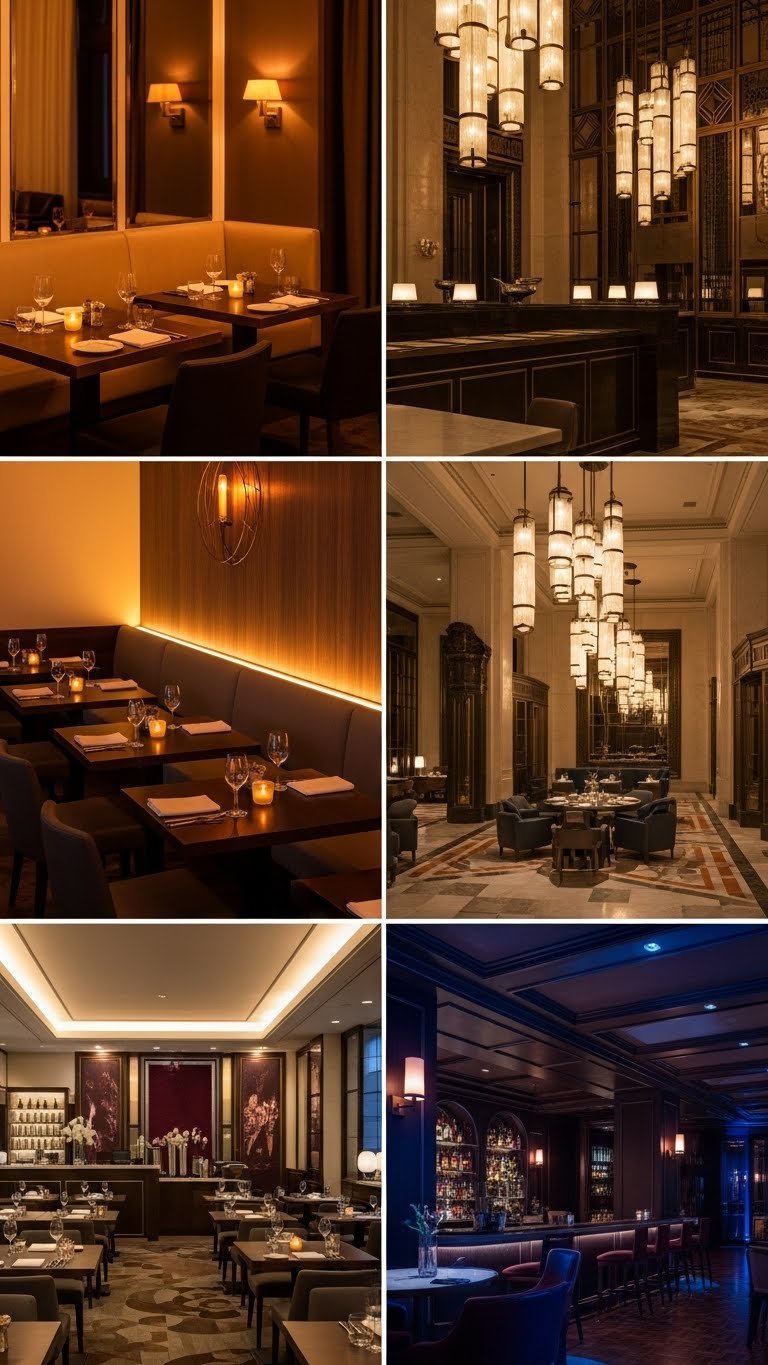
    Your restaurant ambiance, hotel lobbies, and bar lighting must choreograph intimate moments, crafting immersive environments that subtly guide guest interactions through strategic kitchen illumination, conference room dynamics, and outdoor terrace design.

    Industrial and Minimalist Lighting

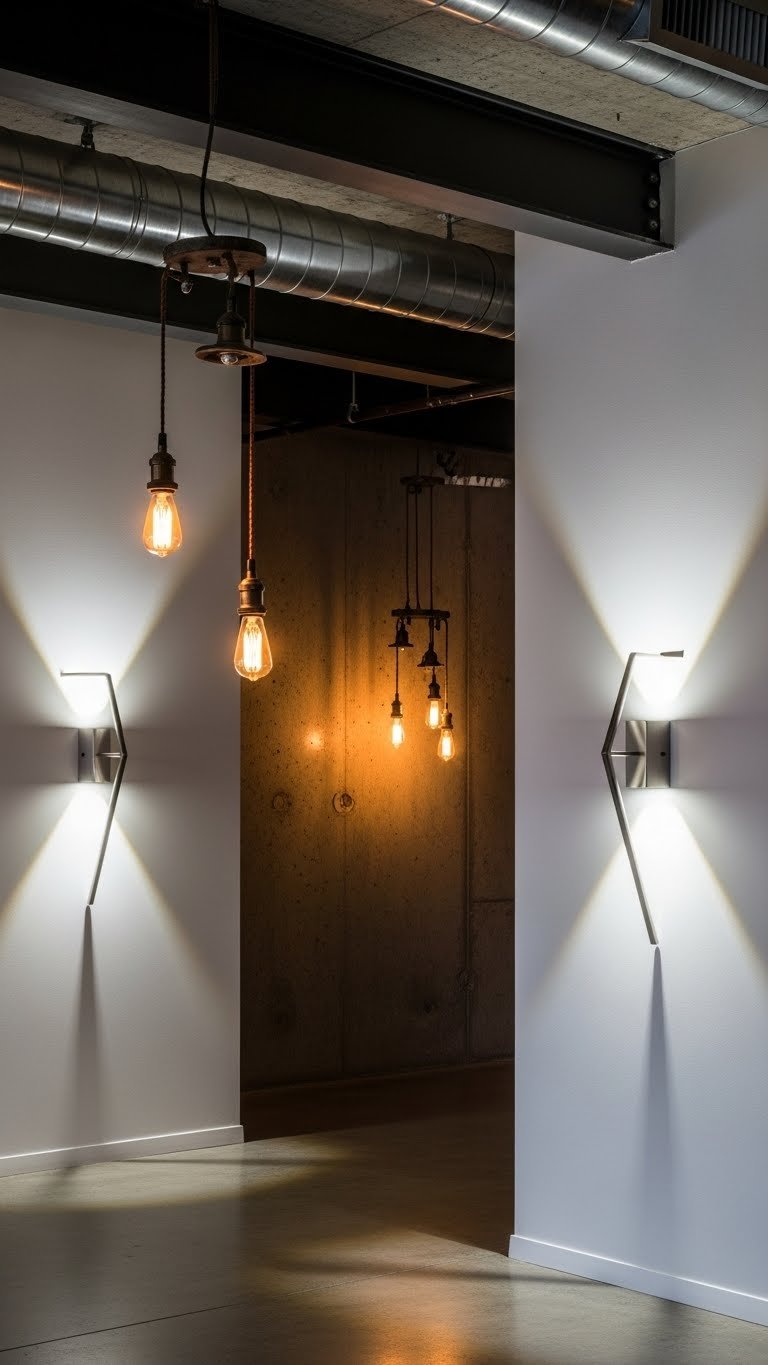
    When industrial design intersects with minimalist lighting principles, you’ll discover a powerful aesthetic that strips illumination down to its most essential elements. Industrial pendant lights with exposed bulbs and raw metal finishes create sharp visual statements. Minimalist sconces with clean lines and geometric forms transform spaces, offering stark functionality while maintaining elegant architectural integrity.

    Technological Integration in Lighting

    Smart lighting technologies are revolutionizing how we interact with illumination, extending far beyond industrial design’s raw aesthetic.

    IoT lighting solutions and wireless lighting control now enable you to transform spaces through AI-driven, adaptive technologies. Connected lighting ecosystems integrate LED advancements with interactive displays, creating immersive environments that respond dynamically to your preferences and mood.

    Cultural and Regional Lighting Variations

    Although architectural lighting transcends mere illumination, regional design philosophies profoundly shape how cultures conceptualize and implement light within spatial environments.

    You’ll discover unique cultural symbolism through traditional techniques that reflect community identity, where local craftsmanship and historical influences merge with modern interpretations of architectural styles and lighting rituals.

    Lighting for Special Environments

    In seven critical environments, lighting design transcends conventional illumination strategies, demanding specialized approaches that dynamically respond to unique spatial requirements.

    You’ll discover how ambient light transforms sensory experiences through focused lighting techniques, creating contextual architectural storytelling that explores psychological interactions within distinctive spatial ambiances through creative, adaptive design strategies.

    Performance and Installation Lighting

    Precisely calibrated lighting transforms performance and installation spaces into dynamic canvases where architectural illumination becomes a narrative medium.

    You’ll leverage advanced installation techniques and performance metrics to optimize lighting technologies, ensuring energy efficiency through strategic fixture selection and adherence to compliance standards while maintaining aesthetic considerations and embracing innovative installation guidelines.

    Restoration and Conservation Lighting

    When curating architectural restoration projects, lighting becomes a critical conservation tool that bridges historical preservation with contemporary technological precision.

    You’ll discover illumination techniques that sensitively integrate period aesthetics while enhancing architectural character through adaptive reuse strategies that respect material conservation and context awareness.

    Vertical Space Enhancement

    Architectural lighting strategies extend beyond horizontal illumination, propelling designers toward innovative vertical space manipulation.

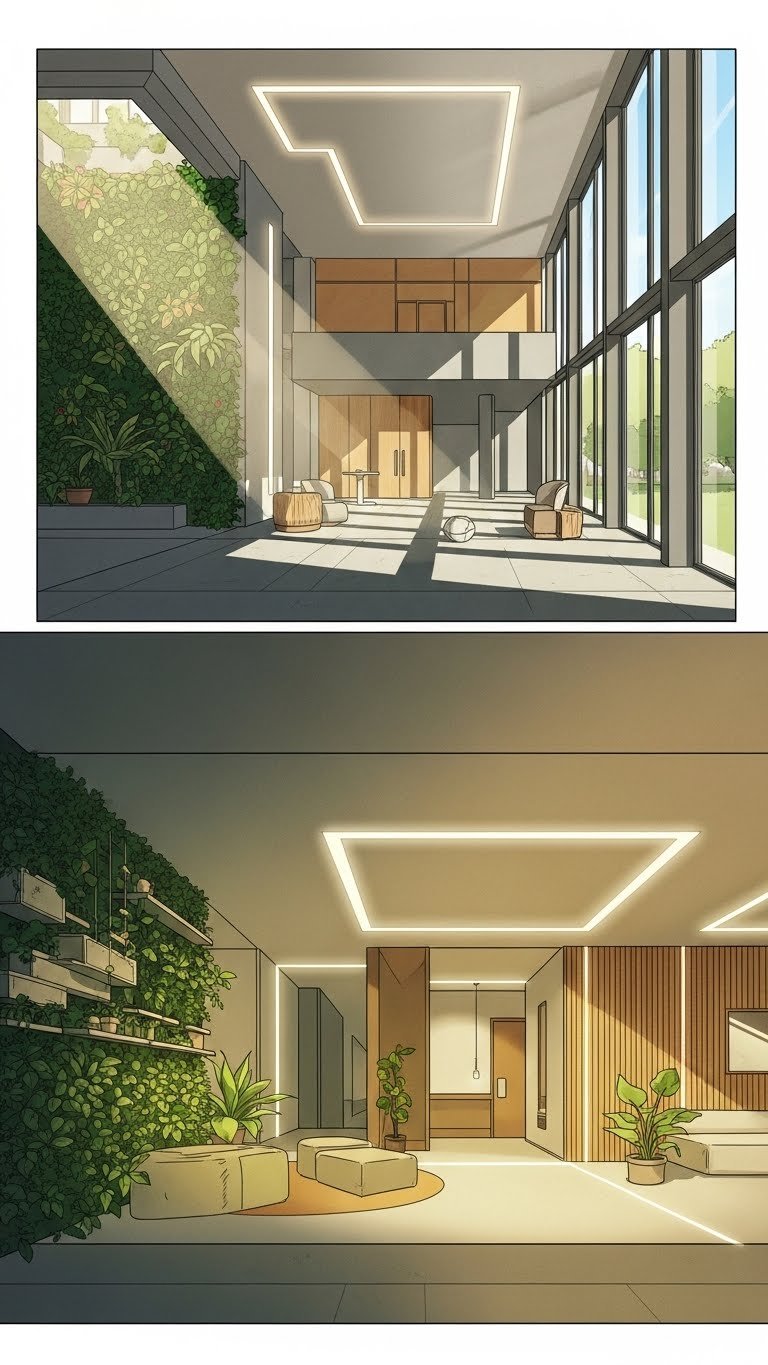
    You’ll discover transformative techniques like wall projections and ceiling sculptures that elevate spatial experiences.

    Vertical gardens integrated with strategic luminescence create biophilic dimensions, while lofted spaces leverage skyward perspectives to redefine urban verticality and heighten architectural dimensionality.

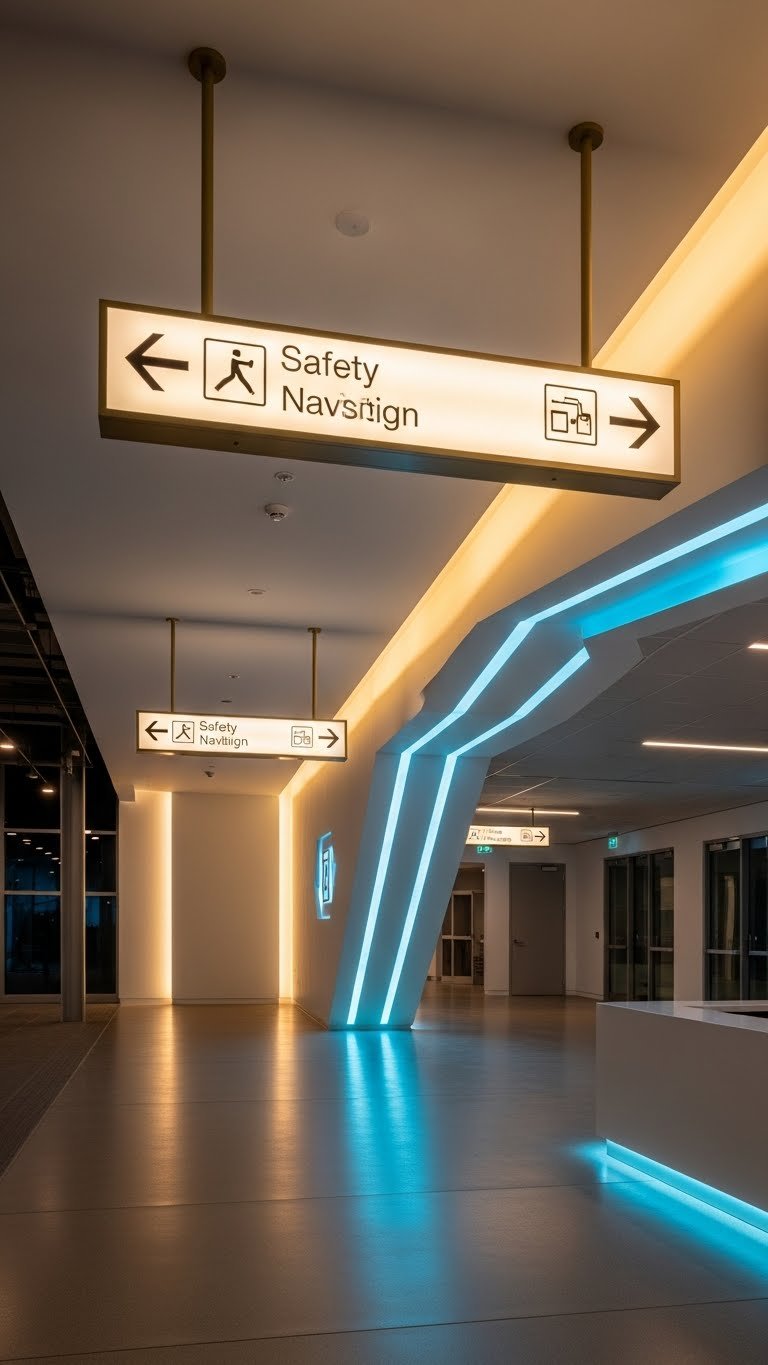
    Wayfinding Through Illumination

    Because navigation relies on visual cues, lighting emerges as a critical design language for spatial orientation and intuitive movement.

    Strategic light positioning transforms wayfinding strategies, using illuminated signage and directional indicators to guide you seamlessly.

    Aesthetic guidance through carefully crafted safety lighting enhances spatial awareness, creating an intuitive pathway experience that liberates your architectural journey.

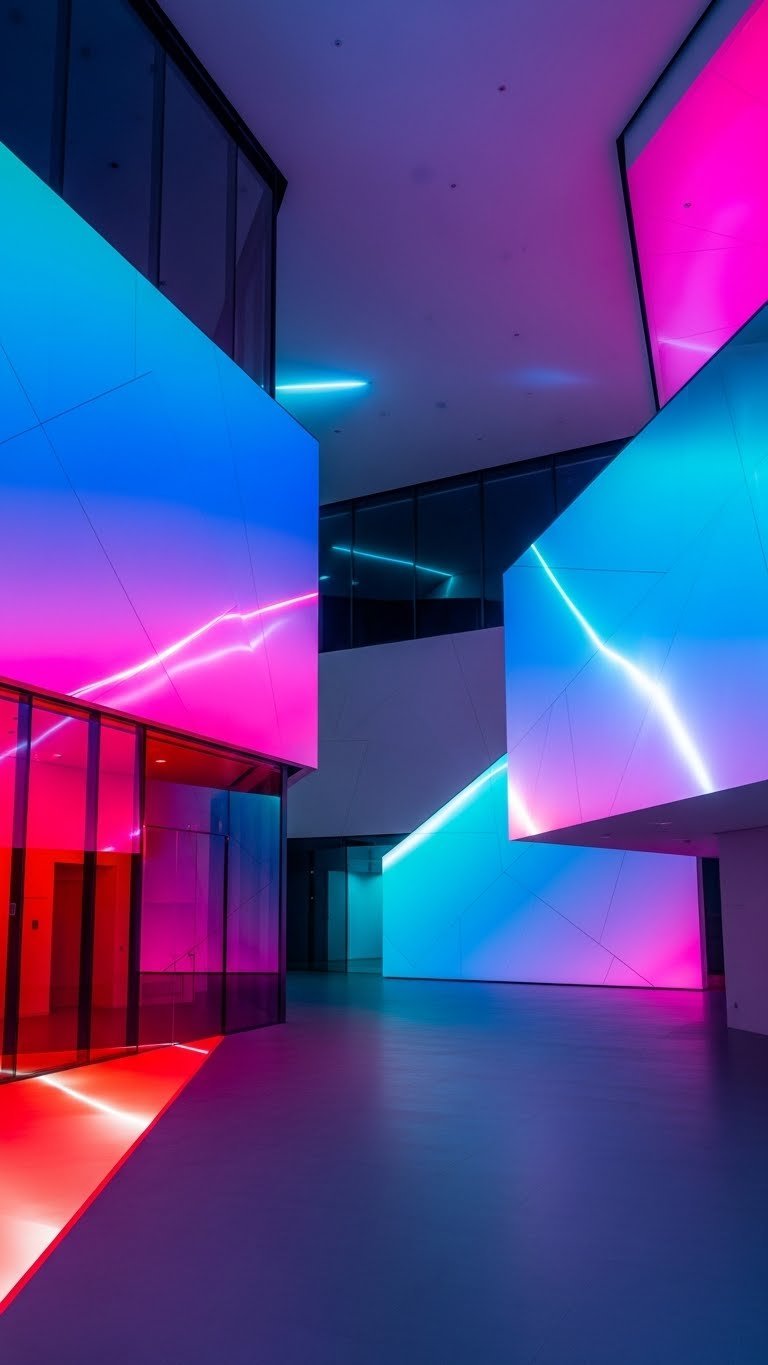
    Experimental Lighting Approaches

    Beyond traditional wayfinding methodologies, experimental lighting approaches challenge conventional spatial illumination paradigms by reimagining light as a dynamic, interactive medium.

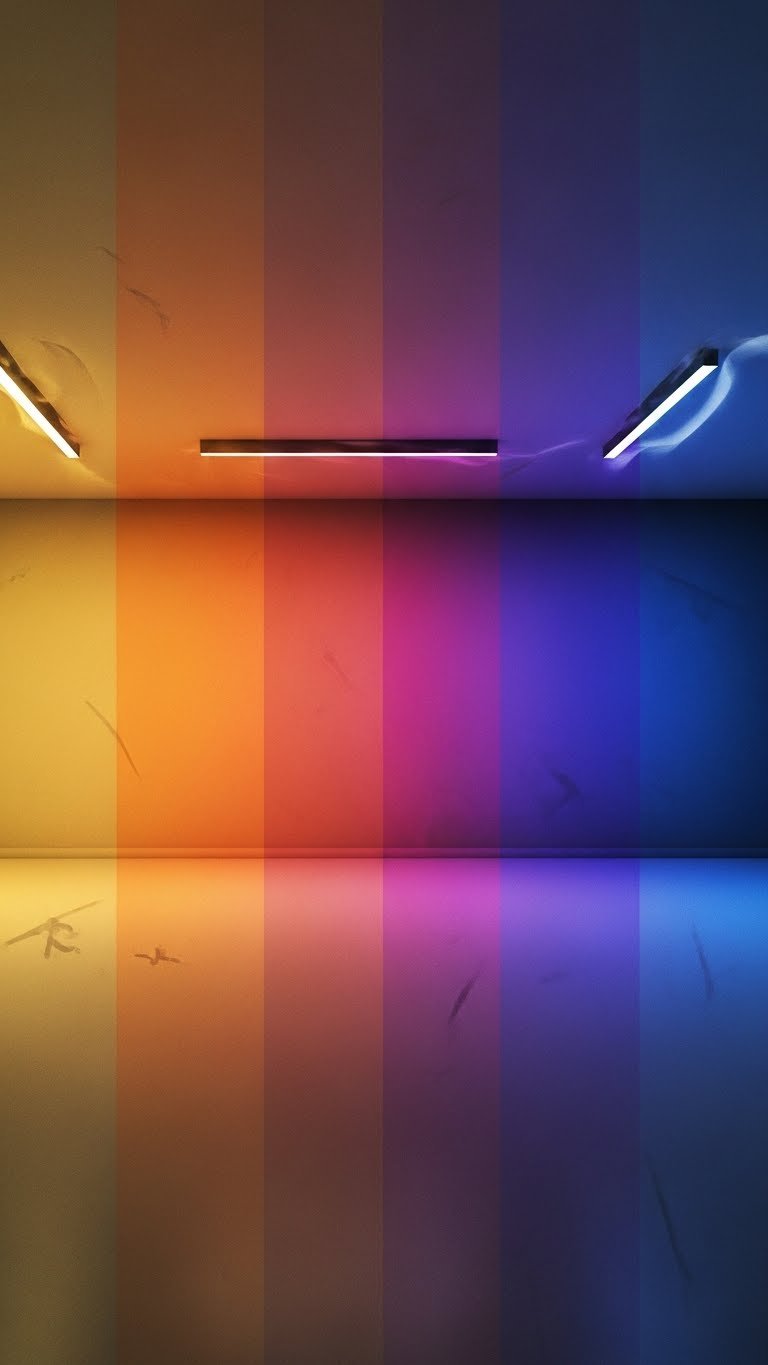
    You’ll explore neon color washes and dynamic movement effects that transform architectural spaces into immersive, responsive environments.

    These cutting-edge techniques redefine boundaries between form, perception, and luminous expression.

    Future of Architectural Lighting

    As technology and design continue to converge, the future of architectural lighting promises transformative innovations that will radically reshape human spatial experiences.

    You’ll witness AI-driven interactive designs, biomimetic lighting systems creating immersive environments, and adaptive technologies that respond intuitively to emotional intelligence while maintaining unprecedented energy efficiency.

  • 21 Trendy Home Interior Design Ideas For a Fresh New Look

    21 Trendy Home Interior Design Ideas For a Fresh New Look

    You’re standing at the crossroads of design transformation, where every corner of your home can become a canvas of personal expression. Modern interior trends aren’t just about aesthetics—they’re about creating spaces that breathe with your unique narrative. From color psychology to technological integration, your living environment is ready to evolve. Curious how a few strategic design choices could redefine your entire home experience?

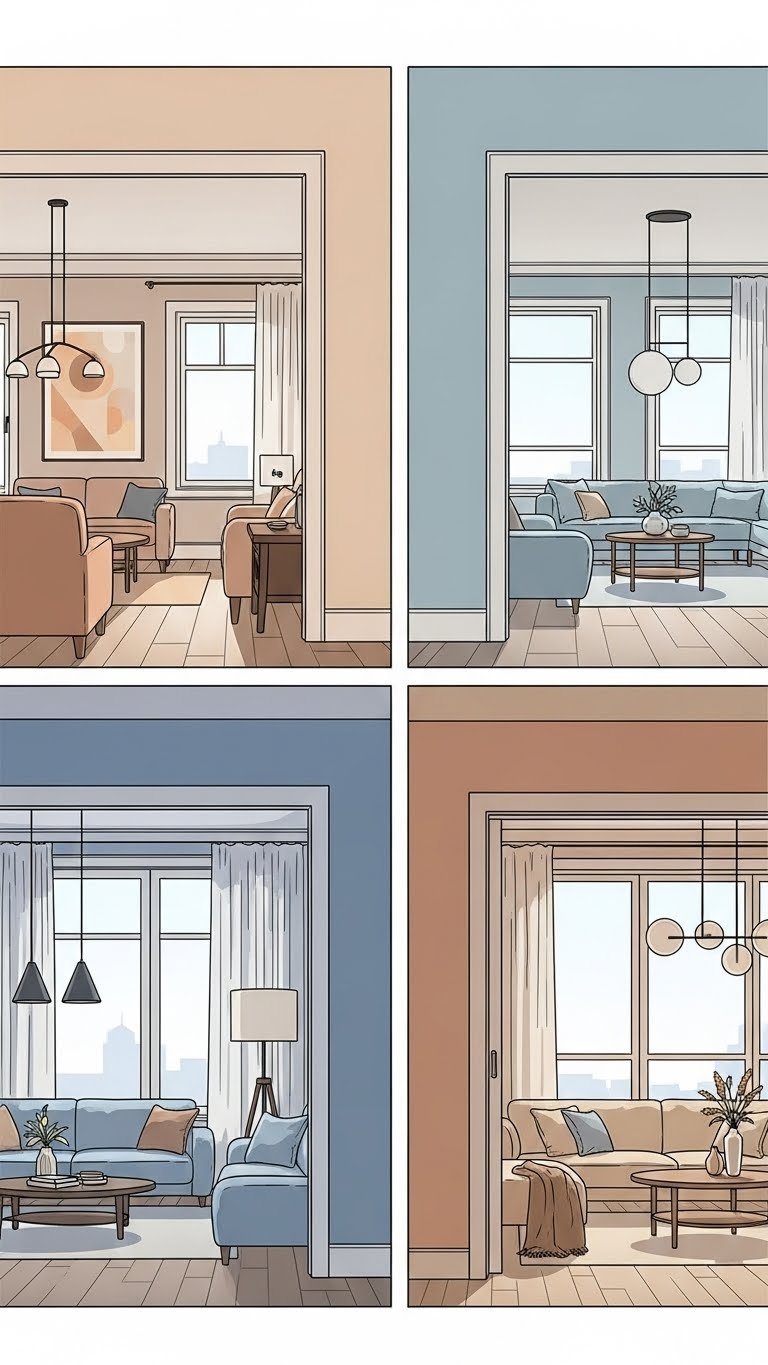
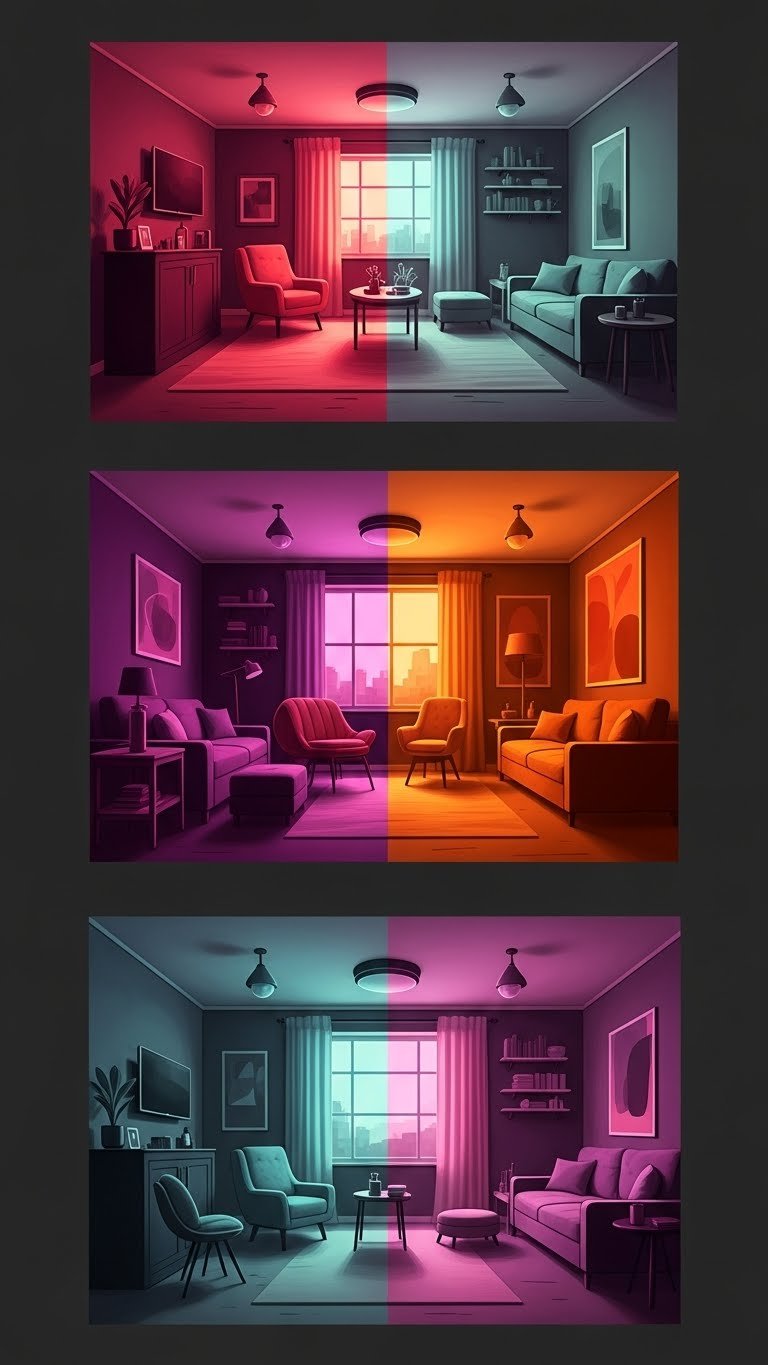
    Decode the New Color Psychology in Home Design

    While color has always been a powerful tool in interior design, recent psychological research has transformed how we comprehend its impact on mood and perception.

    You’ll discover that color associations aren’t just aesthetic choices—they’re emotional triggers that can dramatically reshape your living spaces.

    Strategic color selection can liberate your environment’s psychological potential.

    Transform Spaces With Bold, Emotional Palettes

    Beyond understanding color psychology, it’s time to release bold, emotional palettes that can radically transform your living spaces.

    Embrace emotional colors that resonate with your inner spirit, creating dynamic environments through bold contrasts.

    Select vibrant hues that challenge traditional design norms and express your unique personality, turning each room into a powerful, personal statement.

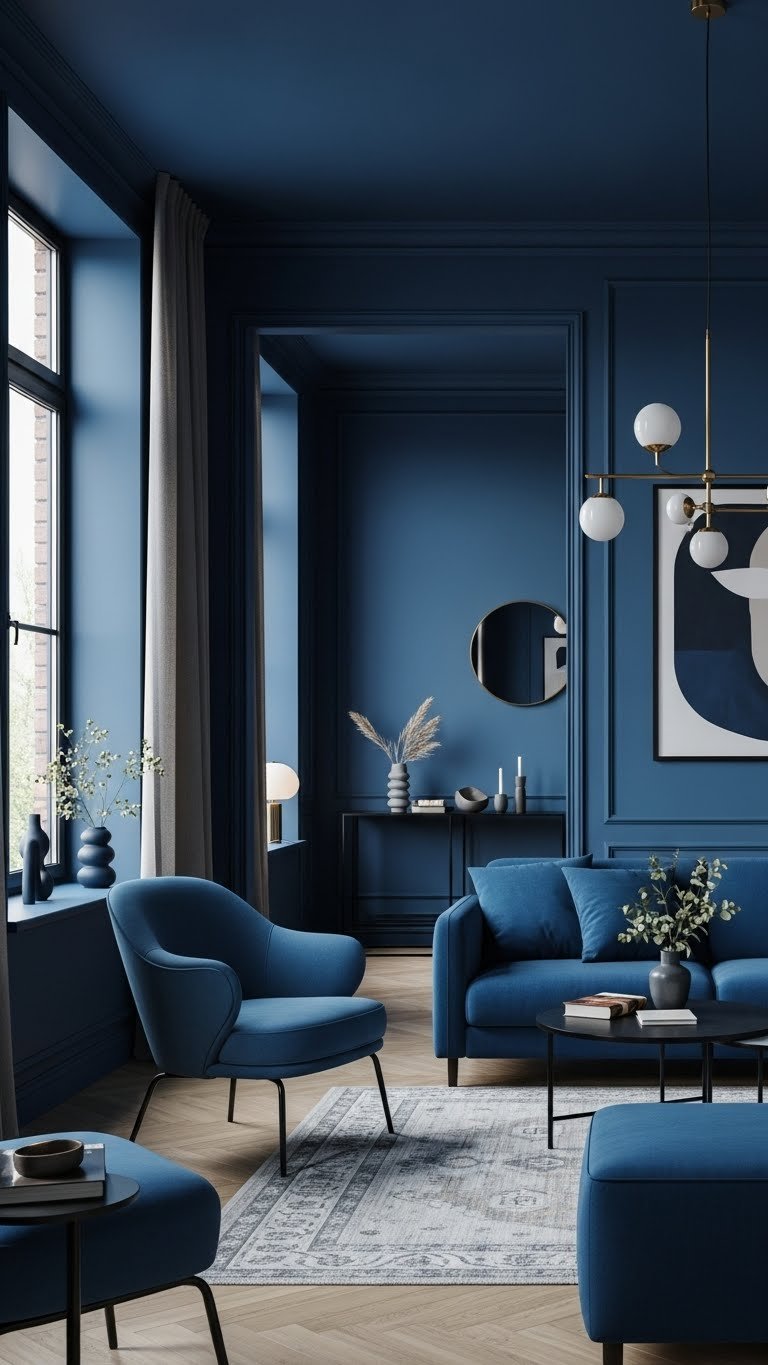
    Why Deep Blues Are Your New Neutral?

    As design trends evolve, deep blues have emerged as a sophisticated alternative to traditional neutrals, offering remarkable versatility and emotional depth for contemporary interiors.

    You’ll discover that deep blues create a calming atmosphere while providing timeless elegance. Their bold accents seamlessly integrate with various design styles, transforming spaces with understated yet powerful visual impact.

    Craft Kitchens That Tell Your Personal Story

    How do you transform a kitchen from a mere functional space into a deeply personal narrative? By weaving family recipes and cherished memories into your design narratives. Display vintage cookware, frame handwritten recipe cards, and integrate meaningful artwork that reflects your unique journey. Your kitchen becomes more than a cooking space—it’s a canvas of personal expression.

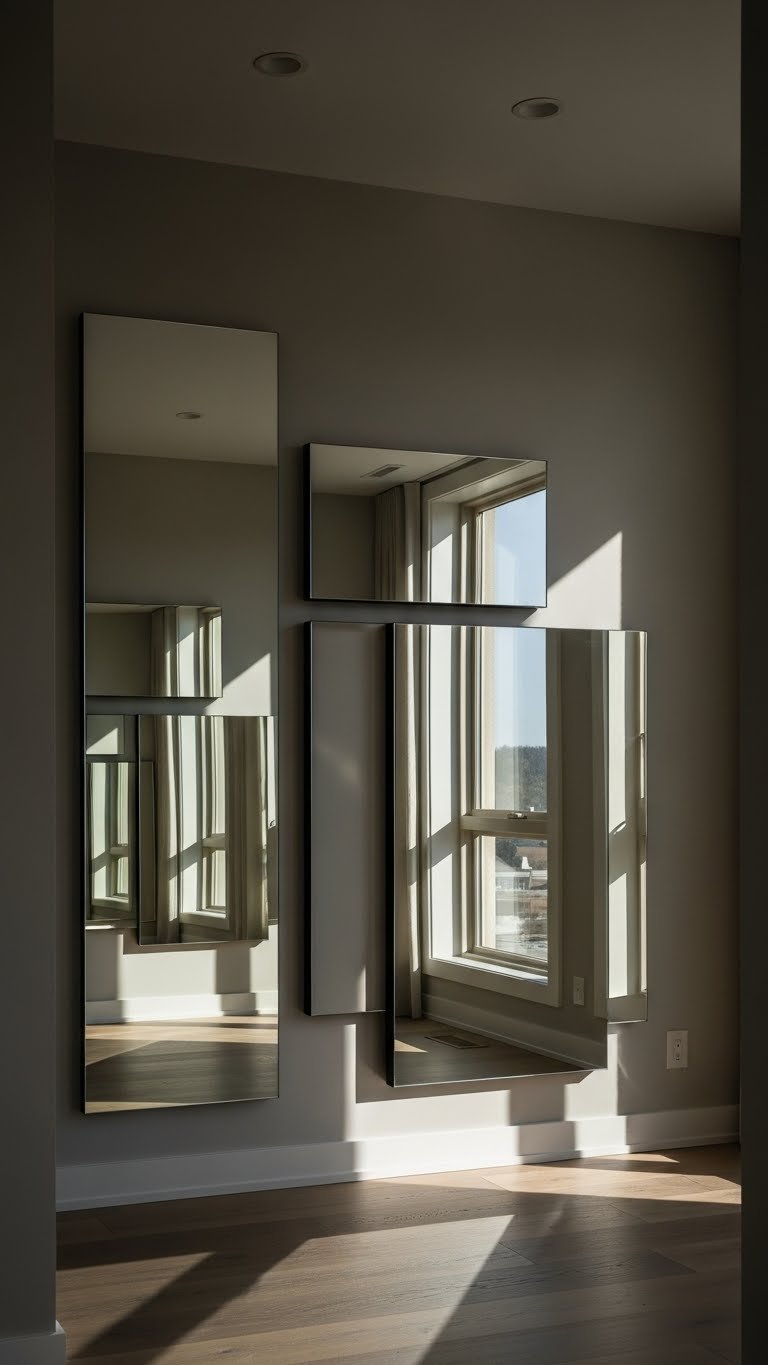
    Mirrors as Architectural Storytellers

    Mirrors aren’t just reflective surfaces—they’re architectural chameleons that can dramatically reshape your living spaces.

    By strategically placing reflective surfaces, you’ll create architectural depth that transforms rooms, expands visual boundaries, and amplifies natural light.

    They’re powerful design tools that don’t just show your space—they redefine it with dynamic, dimensional storytelling.

    Vertical Shelving: More Than Storage, A Design Statement

    Every modern home needs vertical shelving that transcends mere functionality, transforming into a bold design statement that communicates personal style and spatial intelligence.

    By embracing vertical design trends, you’ll craft dynamic visual landscapes that challenge traditional storage concepts.

    Modern shelving styles offer flexible, artistic solutions that elevate your space’s aesthetic narrative.

    Embrace Furniture That Breaks Traditional Rules

    Just as vertical shelving challenges storage norms, contemporary furniture design shatters traditional boundaries with bold, sculptural forms that redefine spatial relationships.

    You’ll want to curate an eclectic mix of unconventional styles that transform your living spaces, embracing pieces that challenge expectations and reflect your unique design sensibility with audacious, boundary-pushing furniture.

    Sustainability: Beyond a Trend, A Lifestyle Choice

    While sustainability has evolved from a passing trend to a fundamental design philosophy, modern interior spaces now reflect a profound commitment to environmental consciousness and ethical living.

    You’ll transform your home using eco-friendly materials and sustainable sourcing, creating spaces that honor both aesthetic beauty and planetary responsibility without compromising style or comfort.

    Discover Hyper-Local Craft in Your Living Spaces

    Because craftsmanship represents the soul of authentic interior design, embracing hyper-local artisan techniques can transform your living spaces into narratives of cultural heritage and regional creativity.

    You’ll elevate your home by selecting handcrafted decor from local artisans, whose unique pieces reflect deep-rooted traditions and contemporary design sensibilities that celebrate individual expression.

    Textures That Whisper Nature’s Secret Language

    Tactile storytellers, natural materials transform interior spaces into living canvases that connect us intimately with Earth’s elemental beauty.

    You’ll embrace cozy layers of woven textures and organic elements, inviting rustic charm through serene accents.

    Earthy hues and tranquil finishes create biophilic design that whispers nature’s secret language, delivering tactile experiences that breathe freedom into your home.

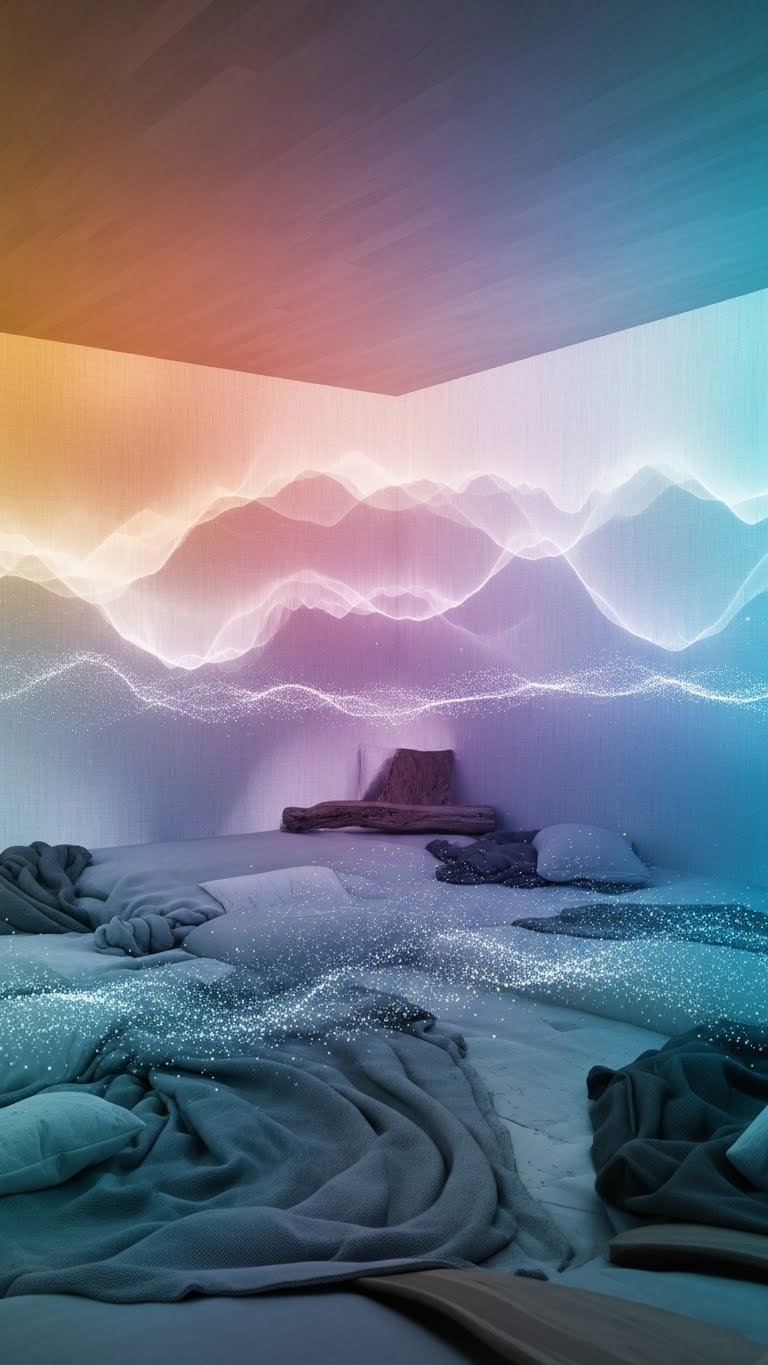
    Create Multisensory Rooms That Breathe

    How do you transform a room from a mere physical space into a living, breathing sanctuary? Layer sensory lighting that shifts mood and acoustic elements that whisper calm. Design spaces that engage multiple senses, creating environments where textures, sounds, and light dance together, inviting freedom and emotional resonance within your personal landscape.

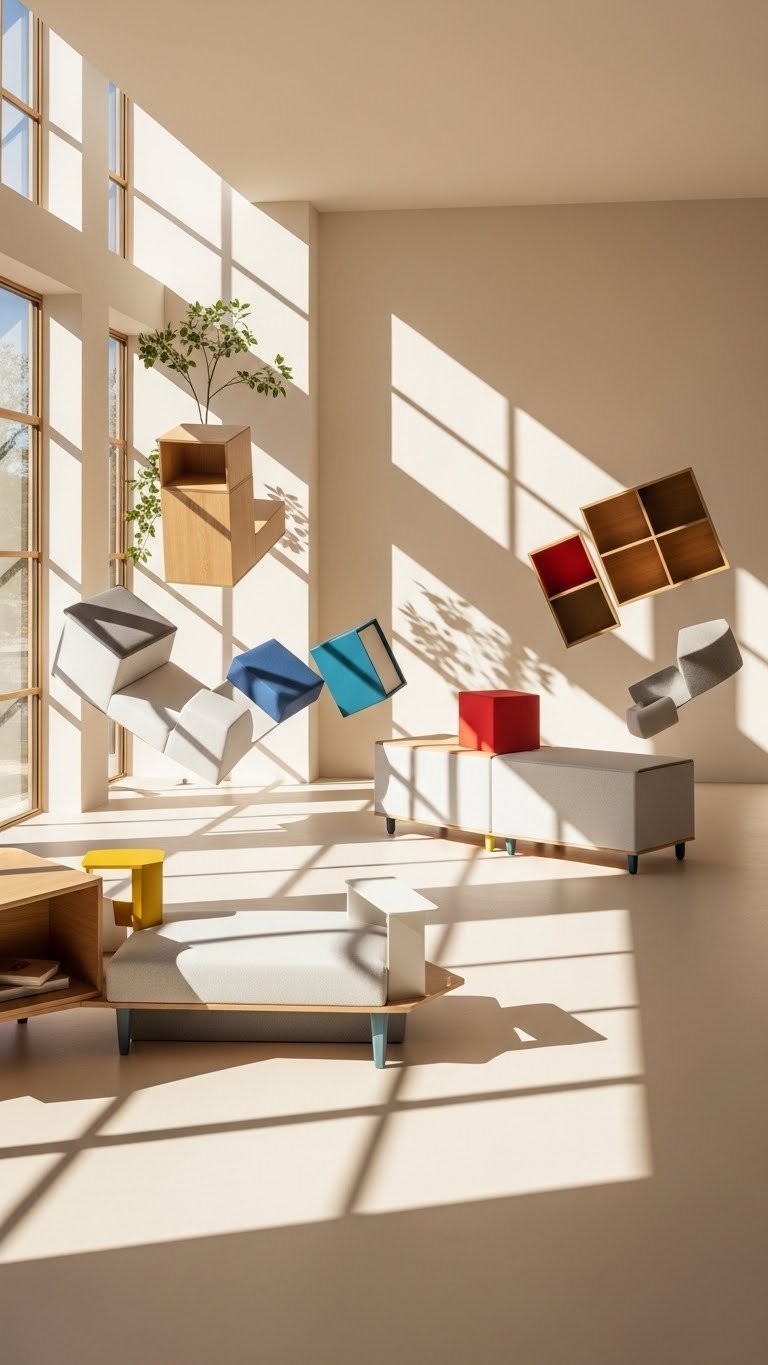
    Reimagine Functional Spaces With Movable Magic

    Something magical happens when interior spaces become fluid landscapes of possibility.

    You’ll transform rooms with movable furniture that adapts to your lifestyle, creating flexible layouts that breathe dynamism into every corner.

    Modular pieces let you reshape environments instantly, giving you unprecedented control over your living space’s potential and personality.

    Design Environments That Adapt to Your Life

    Why settle for static spaces when your home can dynamically evolve with your changing needs?

    Embrace adaptable layouts and flexible furnishings that transform effortlessly. Choose modular furniture that shifts functions, multipurpose rooms that redefine living, and designs that respond to your lifestyle’s rhythm.

    Your environment should mirror your versatility, adapting seamlessly as you grow and change.

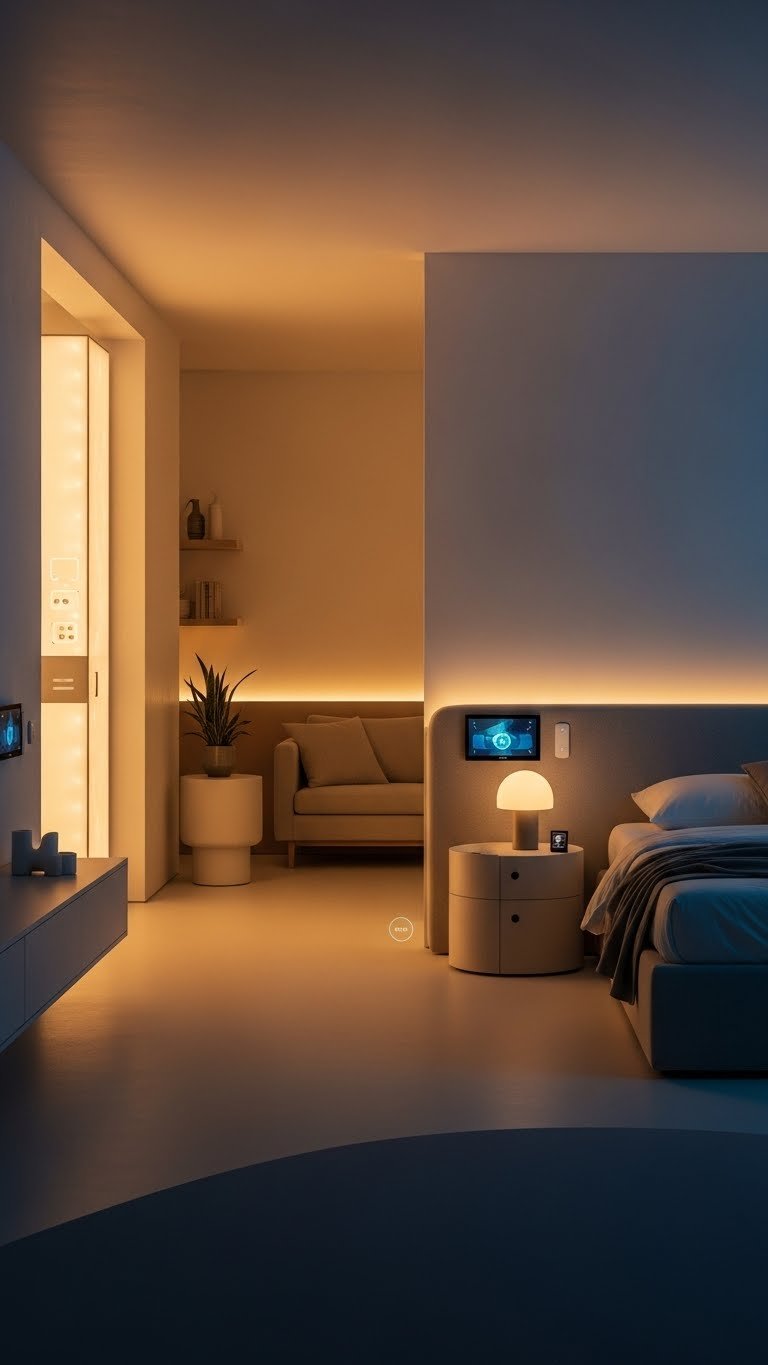
    Smart Homes That Feel Intuitively Human

    As spaces become more responsive to human rhythms, technology seamlessly integrates with design to create homes that understand and anticipate your needs.

    Smart technology transforms living environments into intuitive, adaptive spaces that respond to your preferences.

    Personalized environments featuring responsive lighting and automated comfort redefine how you interact with your home’s design.

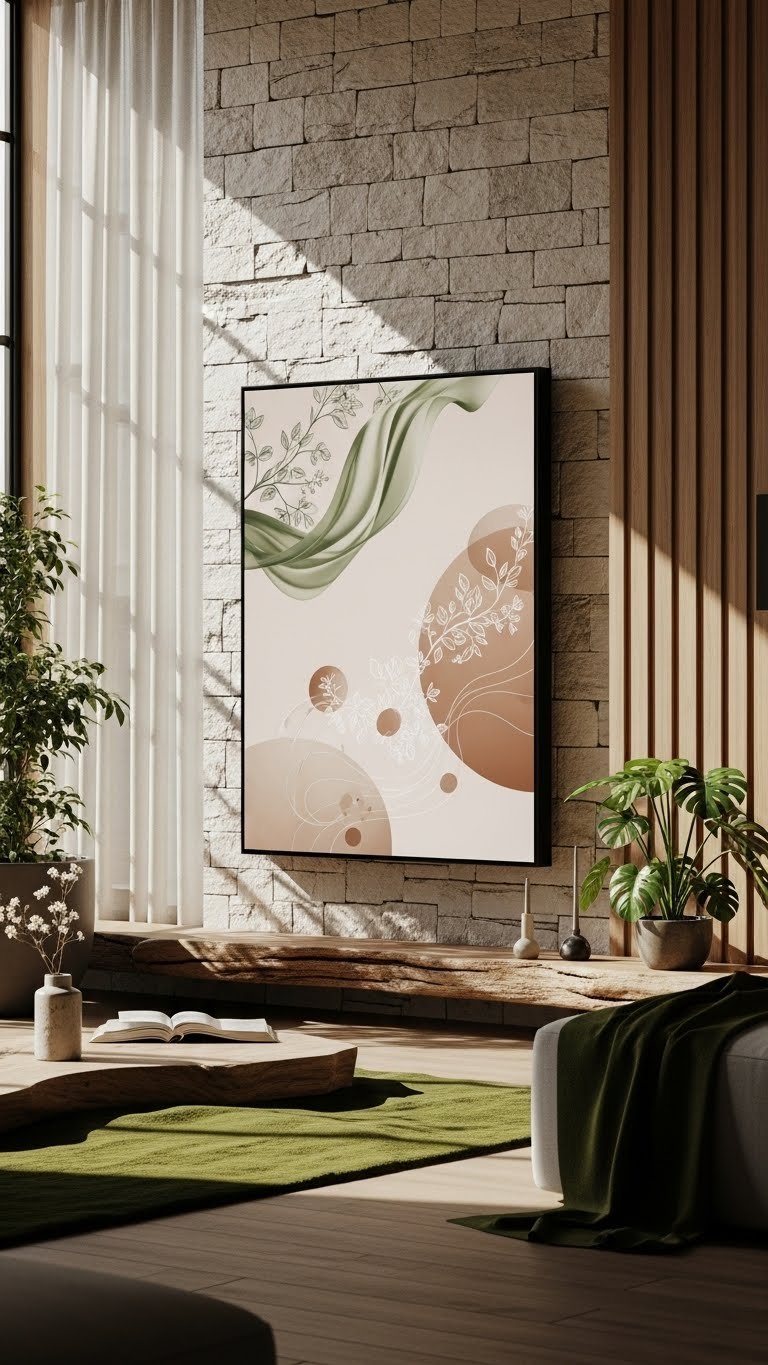
    Digital Displays Meet Natural Harmony

    Modern home design increasingly bridges digital interfaces with organic aesthetics, transforming traditional display technologies into elegant, sculptural elements that harmonize with interior environments.

    You’ll discover digital art seamlessly blending with natural textures, where screens become adaptive canvases that reflect nature’s rhythms and complement your living space’s organic design sensibilities.

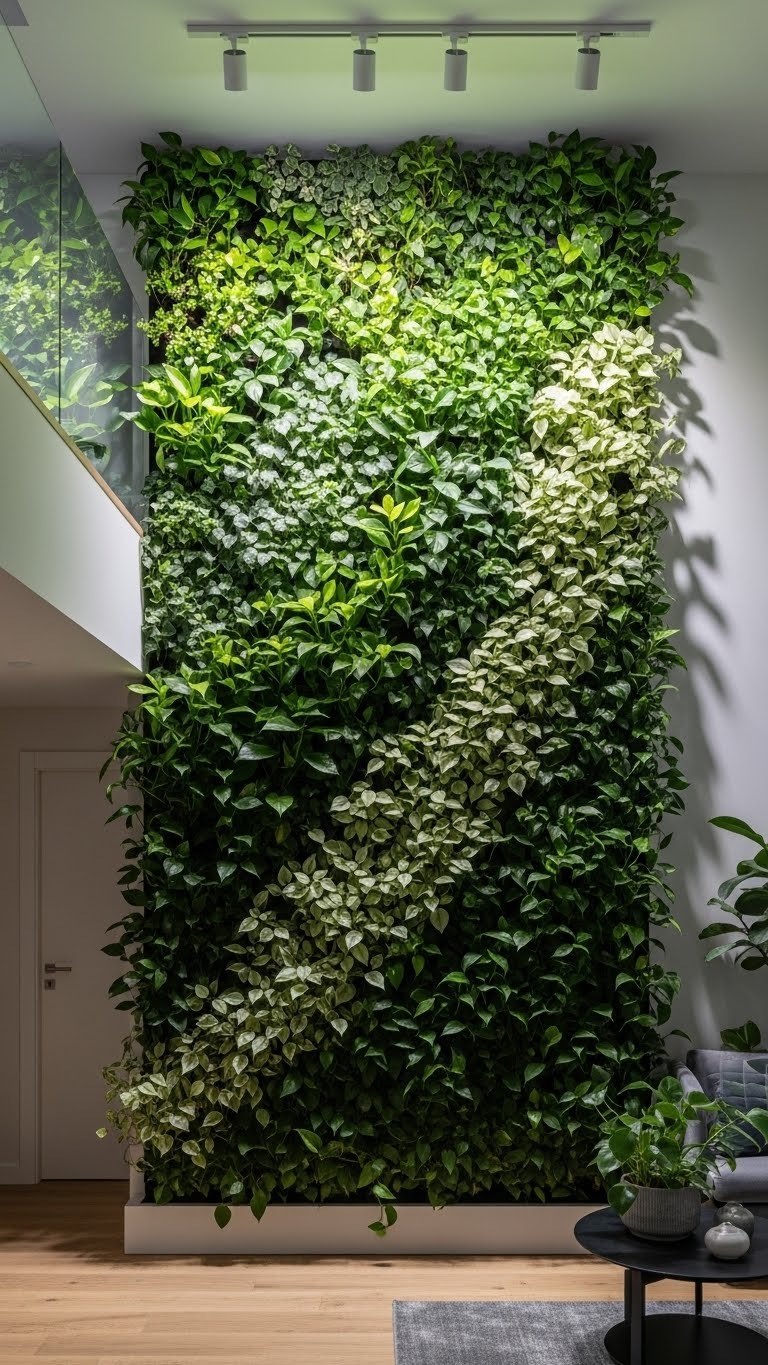
    Transform Walls Into Living, Breathing Gardens

    When homeowners seek transformative interior design solutions, vertical gardens emerge as a breathtaking strategy for reimagining interior walls.

    You’ll discover living walls aren’t just decorative; they’re biophilic design statements that breathe life into your spaces.

    These verdant installations purify air, reduce stress, and create stunning visual landscapes that connect you intimately with nature’s vibrant energy.

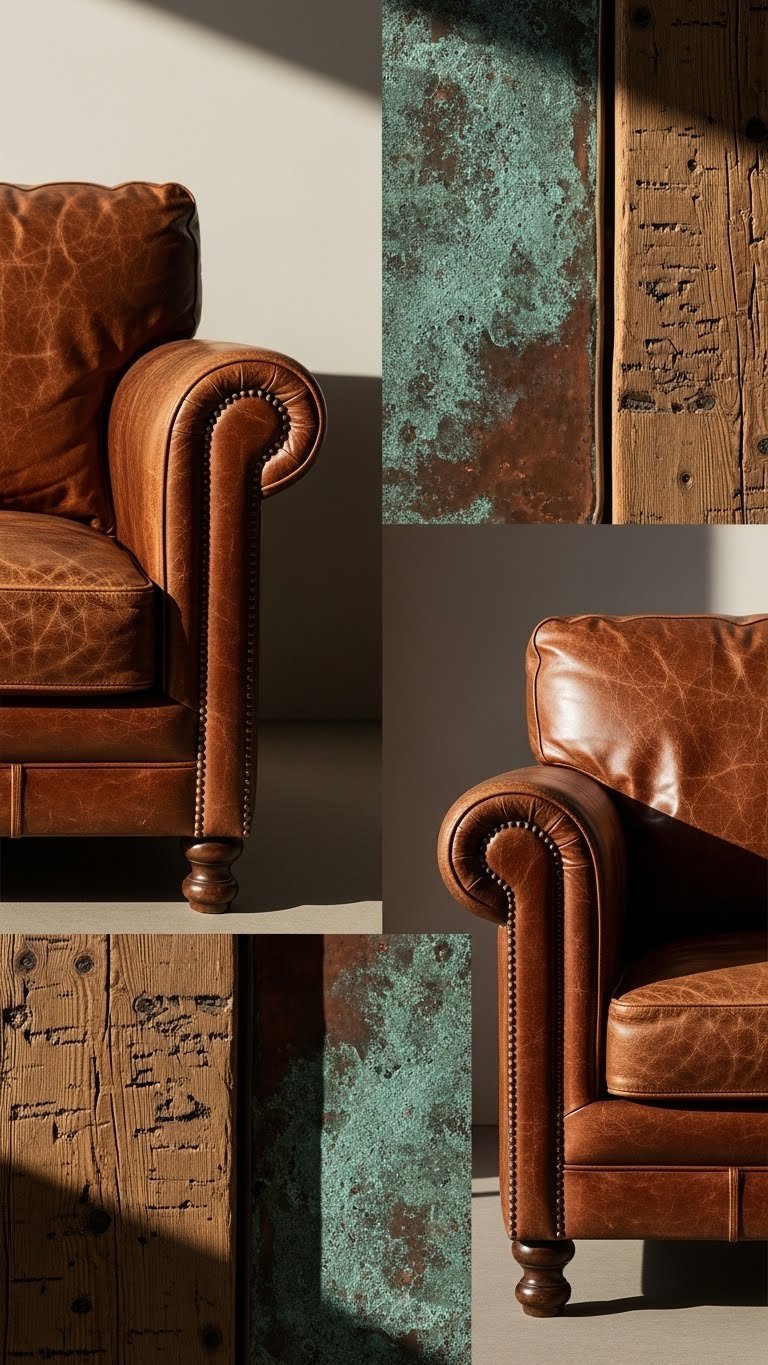
    Materials That Age Like Fine Wine

    Beyond living walls that pulse with botanical importance, interior design’s enduring magic lies in materials that gracefully evolve, developing rich patinas and character over time.

    You’ll love how aging materials like weathered leather, raw copper, and reclaimed wood transform spaces, creating timeless finishes that tell a story of subtle, sophisticated elegance and lived experience.

    Wellness-Centered Design: Your Sanctuary Matters

    Because our living spaces profoundly influence mental and physical well-being, wellness-centered design transforms homes from mere shelter into holistic sanctuaries of rejuvenation.

    Your mindful spaces should integrate natural elements like abundant greenery, soft organic textures, and clean air circulation.

    These intentional design choices help you create an environment that nurtures your body and soul, promoting genuine relaxation and inner peace.

    Technology That Understands Your Emotional Landscape

    Smart home technology has evolved from mere functional gadgetry to intuitive systems that read and respond to human emotional states.

    You’ll discover emotional intelligence embedded in design, creating spaces that dynamically adapt to your mood.

    Intuitive design transforms your environment, sensing stress levels and adjusting lighting, temperature, and ambient sounds for maximum comfort.

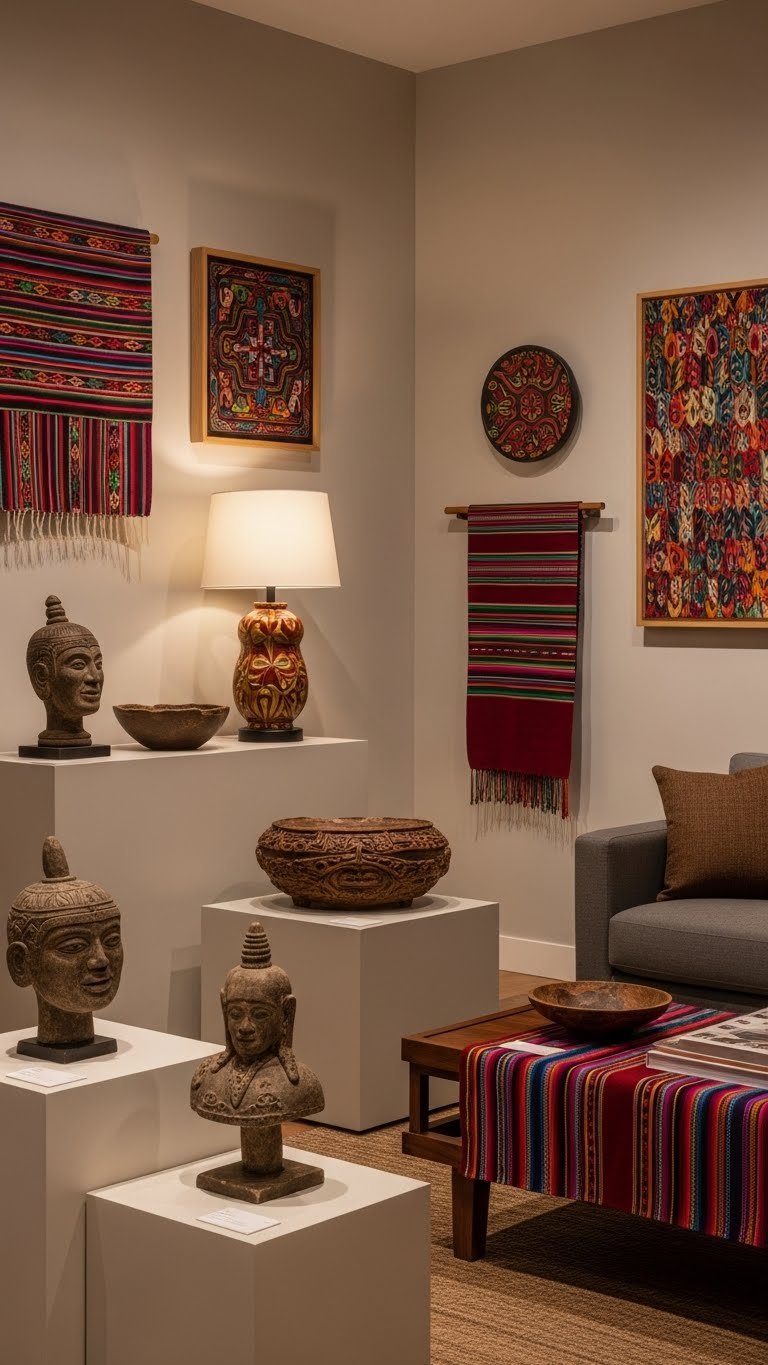
    Weave Personal Heritage Into Modern Interiors

    While contemporary design often embraces minimalism, your home can still tell a rich story of personal heritage through strategic, thoughtful integration. Incorporate cultural motifs, heritage textiles, and personal artifacts that reflect your ancestry. Blend historical influences with modern aesthetics, using ancestral colors and tradition-inspired elements to create a space that’s uniquely yours.

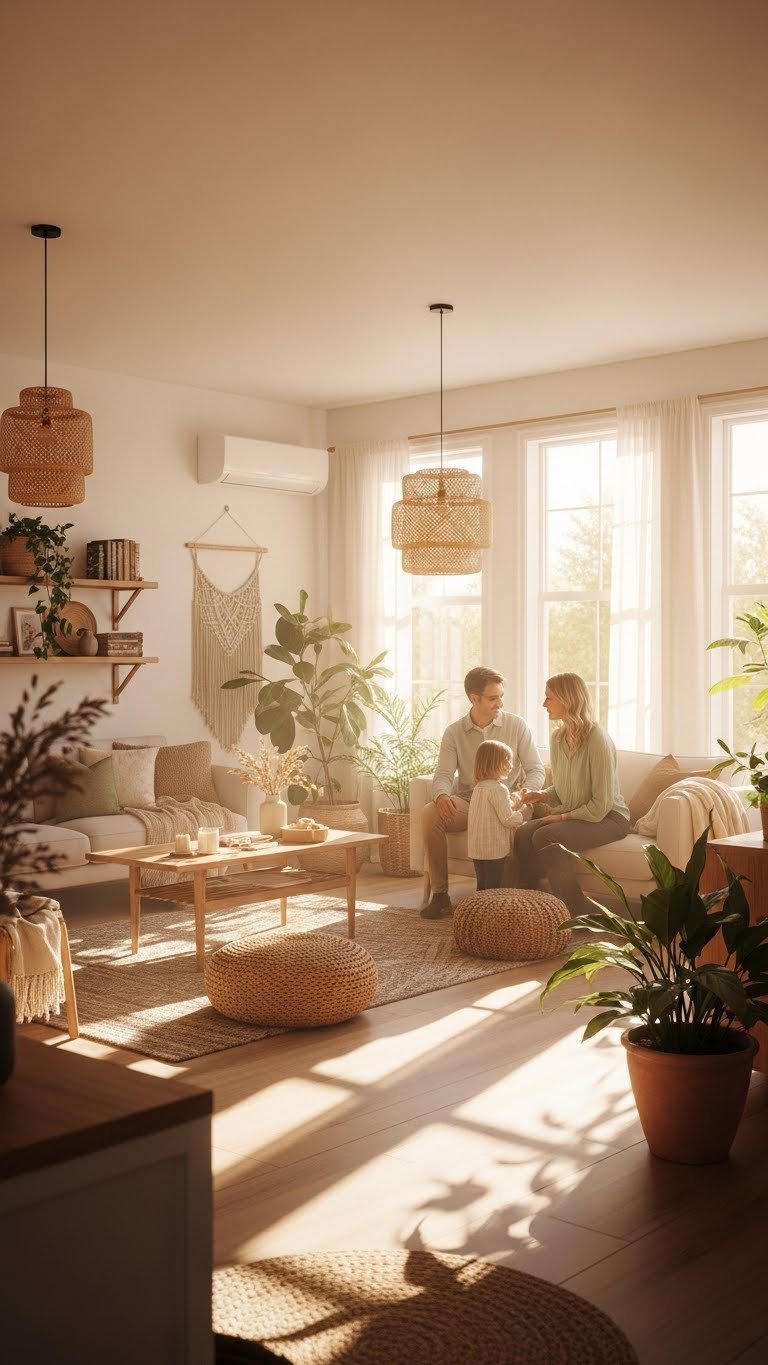
    Design Spaces That Heal, Inspire, and Connect

    When designing living spaces, your environment can profoundly impact emotional well-being and personal motivation.

    Create healing spaces that nurture your spirit through thoughtful color palettes, natural light, and organic textures.

    Strategic design can inspire connections between family members, fostering deeper relationships and transforming your home into a sanctuary of comfort and growth.

  • 29 Chic House Interior Decor Ideas That Upgrade Your Home

    29 Chic House Interior Decor Ideas That Upgrade Your Home

    Your home is more than walls and furniture—it’s a living canvas waiting to be transformed. In 2026, interior design isn’t just about aesthetics; it’s a profound expression of personal narrative and emotional intelligence. These 29 chic decor ideas aren’t mere suggestions, but revolutionary blueprints for spaces that breathe, adapt, and tell your unique story. Are you ready to reimagine every corner with intention and style?

    2026 Interior Design: A Transformative Landscape

    Although interior design has always been a dynamic field, today’s landscape is more transformative than ever before.

    You’ll discover decor principles that redefine spatial experiences, embracing design evolution through innovative techniques.

    Modern interiors now blur traditional boundaries, allowing you to curate personal environments that reflect individual style, creativity, and unrestrained self-expression.

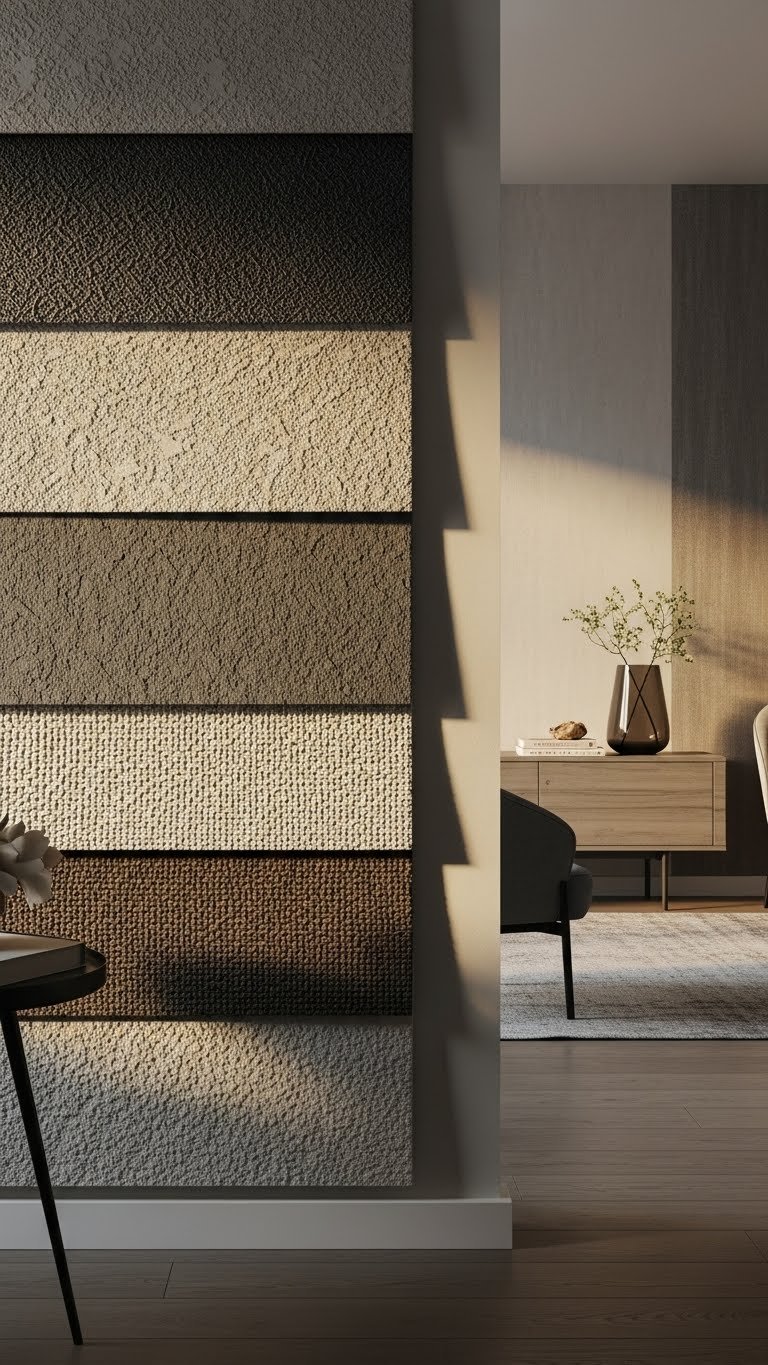
    Texture Revolution: Beyond Flat Wall Surfaces

    The evolution of interior design now extends beyond flat, uniform surfaces, propelling wall treatments into an immersive sensory experience.

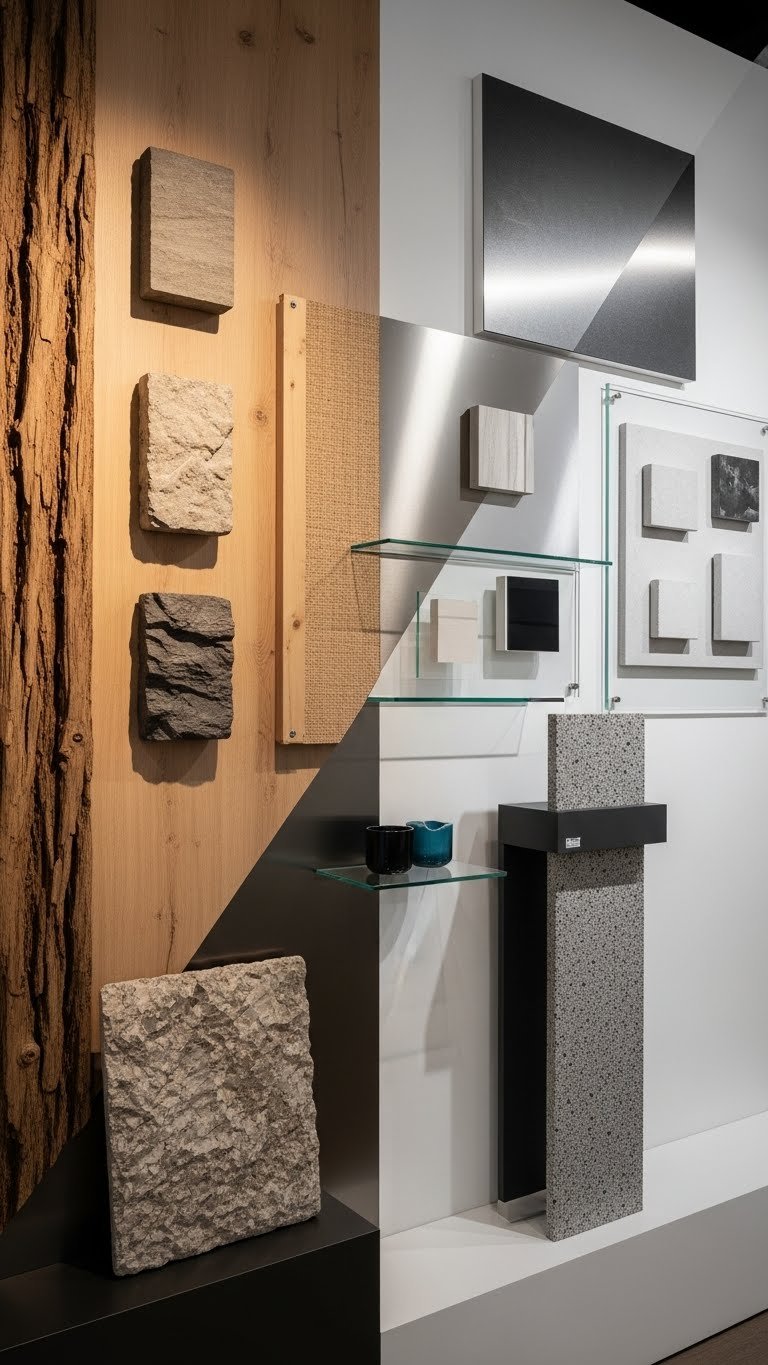
    You’ll discover pattern play transforms spaces through dimensional wall textures that invite touch and visual intrigue.

    Embrace tactile surfaces that challenge traditional design boundaries, creating dynamic environments that reflect your unique aesthetic vision.

    Color Psychology: Moody Palettes Redefined

    While contemporary design continues to evolve, color psychology has emerged as a transformative force in creating emotionally resonant interior spaces.

    You’ll discover moody hues aren’t just aesthetic choices—they’re strategic tools wielding profound psychological impact. Deep charcoals, rich plums, and midnight blues can dramatically shift your home’s emotional landscape, inviting introspection and sophisticated depth.

    Digital Detox: Designing Analog Living Spaces

    Sanctuary signals are transforming modern interiors as homeowners increasingly seek refuge from digital saturation.

    You’ll craft analog ambiance by intentionally minimizing digital connection points. Create tech-free zones with curated bookshelves, vintage furniture, and tactile textures that invite mindful interaction.

    Embrace spaces that prioritize human connection and sensory experiences over constant digital stimulation.

    Five sensory design trends are revolutionizing interior spaces, transforming materials from mere functional elements into storytelling mediums.

    You’ll discover material stories that engage touch, sight, and emotion through tactile textiles, organic textures, and immersive surfaces.

    These sensory experiences elevate your living environment, connecting you intimately with your home’s unique narrative.

    Color Depth: Earthy Tones and Emotional Spaces

    The sensory journey through interior design naturally unfolds into the emotional landscape of color, where earthy tones become powerful storytellers of space and mood.

    You’ll discover that earthy harmonies create emotional resonance, transforming rooms into deeply personal landscapes that reflect your inner world and design sensibilities.

    Tactile Wallcoverings: Arte’s Design Innovation

    While contemporary interior design continues to evolve, Arte’s wallcoverings represent a groundbreaking intersection of tactile innovation and aesthetic sophistication.

    You’ll discover sensory experiences that transform walls into expressive canvases.

    Explore textured materials that invite touch, creating depth and emotional resonance in your living spaces, elevating your home’s design narrative with refined, dynamic wallcoverings.

    Midcentury Modern: Aesthetic Revival Strategies

    Exploring textural wallcoverings naturally connects to midcentury modern’s celebrated design philosophy—an aesthetic that prioritizes clean lines, organic forms, and intentional material expression.

    You’ll revive midcentury aesthetics by curating vintage furniture, embracing minimalist color palettes, and selecting statement pieces that reflect design restoration principles of simplicity and functionality.

    Although metallic trends continuously evolve, silver accents are emerging as a transformative design element for 2026 interior spaces.

    You’ll discover silver statement pieces that create metallic harmony, elevating your home’s aesthetic with sleek, reflective surfaces.

    These sophisticated touches won’t just accent—they’ll redefine your living environment, blending contemporary elegance with bold, personal expression.

    Cluttercore: Curated Chaos as Design Philosophy

    A vintage suitcase overflowing with eclectic trinkets becomes the emblematic symbol of cluttercore, the 2026 design philosophy that celebrates intentional, personalized visual complexity.

    You’ll transform cluttered spaces into vibrant chaos through curated collections that embrace aesthetic chaos. Your eclectic mix of layered elements tells a unique story, turning personalized clutter into an organic, playful design statement.

    Art Deco Renaissance: Centennial Design Celebration

    Since the Art Deco movement turns 100 in 2026, design enthusiasts are witnessing a stunning revival of its iconic geometric glamour and luxurious aesthetic. You’ll want to embrace bold geometric patterns, metallic accents, and sleek architectural lines that define this Design Revival. Celebrate the Centennial with Glamorous Interiors that capture Art Deco’s timeless sophistication and bold elegance.

    Bedding Beyond Neutrals: Expressive Textile Stories

    Where traditional bedroom palettes once whispered in muted tones, today’s bedding design speaks volumes through vibrant textiles and bold narrative expressions.

    You’ll transform your sleeping space with cozy layers that showcase vibrant patterns, turning your bed into a canvas of personal style and artistic storytelling that breaks free from conventional design constraints.

    Kitchen Design: Subtle Cabinetry Evolutions

    While traditional kitchen cabinetry once demanded stark uniformity, contemporary design now embraces nuanced transformations that redefine spatial functionality and aesthetic expression.

    You’ll discover cabinet finishes that blur boundaries between form and function, offering sleek textures and innovative storage solutions that elevate your kitchen’s visual narrative while maintaining practical elegance.

    Bathroom Aesthetics: Understated Luxury Approach

    Though minimalist design principles have long influenced interior spaces, bathroom aesthetics are experiencing a sophisticated renaissance of understated luxury. You’ll elevate your space with spa-inspired elements and minimalist storage solutions that transform your bathroom into a serene sanctuary. Clean lines, neutral palettes, and strategic design choices create an atmosphere of refined tranquility.

    Tech-Free Zones: Intentional Living Spaces

    As modern living increasingly blurs digital boundaries, creating intentional tech-free zones has become a critical design philosophy for those seeking meaningful personal spaces.

    Your digital sanctuary transforms into a mindful space where analog experiences reign supreme.

    Curate areas that invite genuine connection, reflection, and respite from constant digital stimulation.

    Listening Rooms: Analog Entertainment Sanctuaries

    Because digital streaming has saturated modern entertainment, audiophiles and design enthusiasts are rediscovering the immersive art of analog listening rooms.

    You’ll transform spaces into nostalgic design havens with vintage vinyl displays, curated playlists, and cozy seating that invite social listening experiences across multifunctional, acoustic-rich environments.

    Personalized Art Curation: Storytelling Through Design

    [IMAGE PROMPT: A sophisticated interior space where carefully curated artworks are strategically displayed on gallery-white walls, each piece illuminated to highlight personal significance. The composition shows diverse art styles—abstract paintings, photographs, sculptures—arranged to tell an interconnected visual story. Warm, directional lighting creates emotional focal points around each artwork. The aesthetic is refined and intentional, with negative space emphasizing the narrative flow. Photorealistic style with a contemporary art gallery atmosphere, rich color variations across the displayed pieces, and a sense of intimate curation that transforms the space into a personal memoir.]

    Every curated art collection tells a profound narrative beyond mere visual aesthetics.

    You’ll transform spaces by selecting narrative artwork that reflects your unique journey.

    Custom displays become personal statements, where each piece choreographs emotional resonance.

    Your chosen art isn’t just decoration—it’s a deliberate expression of identity, memories, and aspiration.

    Material Selection: Intentional Finish Strategies

    Just as artwork narrates personal stories, material finishes communicate subtle design languages that transform interior spaces.

    You’ll want to prioritize sustainable materials with finish longevity that reflect your unique aesthetic.

    Thoughtful selections like polished concrete, brushed metals, and reclaimed wood elevate your home’s visual narrative while ensuring durability and environmental consciousness.
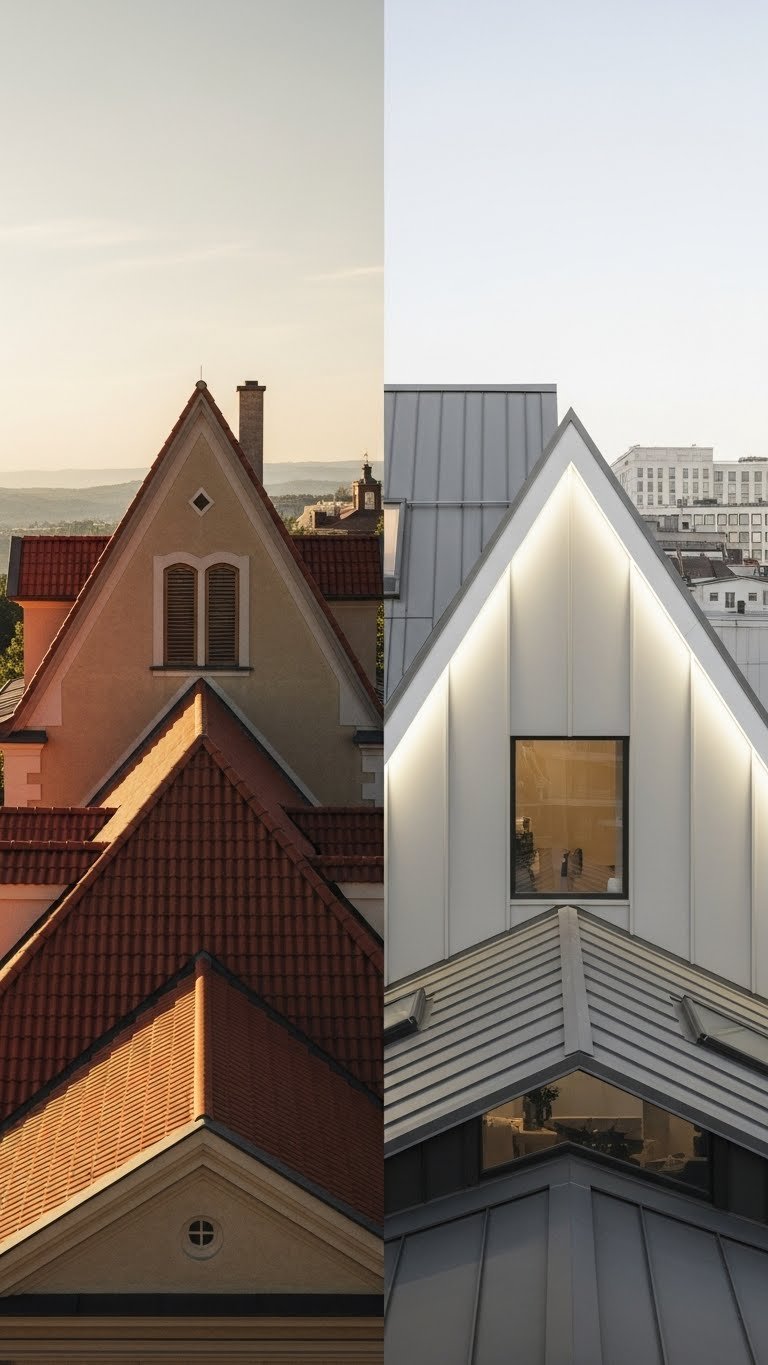
    Human-Centric Design: Connection Over Aesthetics

    When designing interior spaces, true sophistication transcends mere visual appeal and centers on creating environments that deeply resonate with human experience.

    Your home should prioritize user-centric spaces that foster meaningful connections, blending emotional comfort with intentional design.

    Choose elements that reflect your lifestyle and personal narrative, transforming rooms into authentic expressions of individual identity.

    Dining Spaces Reimagined: Beyond Formal Traditions

    Although traditional dining rooms often evoke images of stiff, rarely-used spaces with rigid formality, contemporary design challenges these outdated conventions by transforming dining areas into dynamic, multifunctional environments.

    You’ll discover vibrant aesthetics that embrace informal gatherings, eclectic styles, and communal dining experiences with playful elements that invite cultural influences and personalized touches.

    Wallpaper Renaissance: Depth and Character

    After decades of minimalist white walls, contemporary interior design is experiencing a wallpaper renaissance that transforms spaces with unprecedented depth and artistic expression.

    You’ll discover vintage aesthetics blending seamlessly with modern techniques, creating bold statement walls that reflect your unique personality and design sensibilities.

    Color Layering: Sophisticated Palette Development

    [IMAGE PROMPT: A sophisticated interior design composition showcasing a carefully curated color palette with layered complementary tones creating visual depth and emotional resonance. The scene features a modern room with multiple surfaces—walls, textiles, furniture, and accessories—each displaying harmonious color transitions that build from subtle to rich hues. Warm and cool tones interact intentionally throughout the space, with strategic lighting that emphasizes the balance and sophistication of the palette. The style is photorealistic with a contemporary editorial aesthetic, using soft, directional lighting that highlights how colors interact and create an emotionally evocative, refined atmosphere.]

    Since color psychology has revolutionized interior design, sophisticated palette development has emerged as a critical strategy for creating nuanced, emotionally resonant spaces.

    You’ll want to master color combinations that feel intentional and balanced. By layering complementary tones and understanding palette balance, you’ll transform rooms from basic to breathtaking, expressing your unique design vision with confidence.

    Minimalism Redefined: Warmth Over Sterility

    Where traditional minimalism once championed stark, cold aesthetics, contemporary design now embraces a warmer, more nuanced approach.

    You’ll transform spaces by introducing warm materials that soften minimalist aesthetics.

    Think organic textures, subtle earthy tones, and intentional comfort that doesn’t compromise clean lines.

    Your home becomes a sanctuary of refined simplicity and inviting warmth.

    Textural Comfort: Sensory Design Principles

    Building upon minimalism’s evolving narrative, sensory design elevates interior spaces through intentional textural experiences.

    You’ll create textural harmony by strategically layering soft throws, nubby cushions, and organic materials that invite touch.

    Sensory layering transforms rooms from visually sterile to emotionally rich, balancing sleek surfaces with warm, tactile elements that spark connection.

    Design Trend Integration: Timeless vs Temporary

    While steering through the complex landscape of interior design, you’ll find that distinguishing between timeless and temporary trends is essential for creating enduring, sophisticated spaces.

    Embrace timeless elegance with classic elements that transcend fleeting temporary trends, ensuring your home remains stylish and adaptable to evolving design aesthetics.

    Room Transformation: Holistic Design Approach

    Because successful interior design transcends mere aesthetic modifications, a holistic room transformation demands a thorough strategy that integrates functional requirements, personal style, and spatial dynamics.

    You’ll craft mindful aesthetics by balancing form and function, creating holistic harmony that reflects your unique identity while maximizing every square inch of living space.

    Design Psychology: Emotional Space Creation

    Beyond mere visual arrangement, interior design profoundly influences emotional landscapes, transforming spaces into powerful psychological environments that resonate with individual narratives.

    Your home’s emotional resonance emerges through intentional spatial harmony, crafting environments that reflect inner experiences, trigger positive emotions, and create deeply personal sanctuaries that nurture your psychological wellbeing.

    Trend Adaptation: Personalized Design Strategies

    The contemporary design landscape demands adaptive strategies that transform fleeting trends into personalized, enduring expressions of individual style.

    You’ll embrace sustainable materials, collaborate with local artisans, and curate spaces through adaptive reuse.

    Integrate cultural influences and personal memorabilia to craft spatial storytelling that reflects your unique narrative, using creative lighting and multifunctional furnishings.

    2026 Interior Design: Synthesis and Vision

    When interior design transcends mere aesthetic arrangement, it becomes a holistic synthesis of personal vision, technological innovation, and spatial intelligence.

    Your design philosophy isn’t just about decoration—it’s about creating aesthetic synergy that reflects your unique narrative.

  • 25 Chic Veneer Door Design Ideas That Upgrade Your Home

    25 Chic Veneer Door Design Ideas That Upgrade Your Home

    Your home’s entrance is more than just a passageway—it’s a statement of personal style. Veneer doors have emerged as a transformative design element, offering you sophisticated solutions that blend aesthetics with functionality. From sleek minimalist panels to rich, textured finishes, these door designs promise to elevate your living spaces. Want to know how a simple door upgrade can completely redefine your interior’s character? Keep reading to reveal design possibilities that will make your home truly extraordinary.

    Veneer Doors 101: Understanding the Basics

    Craftsmanship meets innovation in the world of veneer doors, offering homeowners a sophisticated and versatile design solution.

    These doors blend natural wood aesthetics with modern manufacturing processes, utilizing various veneer types like oak, walnut, and maple.

    You’ll appreciate how thin wood layers are skillfully bonded to create stunning, durable door surfaces that elevate your interior’s style.

    Traditional Teak: Timeless Elegance Defined

    Among the most distinguished veneer options, teak stands out as a symbol of timeless sophistication.

    You’ll love how teak finishes exude natural warmth and elegance, transforming ordinary doors into statement pieces.

    With rich grain patterns and deep, luxurious tones, these doors offer design inspiration that speaks to refined taste and architectural beauty.

    Minimalist Design: When Less Becomes More

    While minimalism transforms door design into an art form, it’s all about creating impact through strategic simplicity.

    You’ll discover how minimalist aesthetics elevate functional spaces, using clean lines and understated elegance.

    Your veneer door becomes a statement of refined taste, where every design choice speaks volumes without unnecessary complexity.

    Texture Matters: Creating Depth in Door Design

    Texture transforms veneer doors from flat surfaces into alluring design elements that engage the senses.

    By layering depth perception through subtle textural contrast, you’ll elevate your interior spaces.

    Explore dimensional wood grains, hand-scraped finishes, and tactile surfaces that invite touch and create visual intrigue in your home’s most essential architectural feature.

    Geometric Patterns: Art Meets Function

    Geometric precision transforms veneer doors from mere functional barriers into enchanting artistic statements.

    You’ll discover how geometric inspirations elevate door design, blending functional artistry with sleek architectural elements.

    Sharp angles, triangular motifs, and asymmetrical patterns create visual intrigue, turning your entryways into dynamic canvases that reflect contemporary design sensibilities.

    Color Strategy: Mastering Dual-Tone Designs

    Because dual-tone veneer doors represent a sophisticated design strategy, they offer architects and homeowners an opportunity to create striking visual statements that transcend traditional monochromatic approaches.

    Sustainable Solutions: Eco-Friendly Veneer Choices

    While sustainability has become a critical consideration in modern design, eco-friendly veneer choices now offer architects and homeowners innovative pathways to reduce environmental impact without compromising aesthetic excellence.

    You’ll find recycled materials and sustainable practices transforming door design, enabling you to select veneers that respect natural resources while delivering stunning visual statements that align with your environmental values.

    Vertical Grains: Expanding Your Space Visually

    When selecting veneer door designs, vertical grain patterns offer a sophisticated strategy for visually expanding interior spaces.

    You’ll leverage vertical expansion techniques that enhance visual perception, creating the illusion of heightened dimensions. The linear flow draws the eye upward, transforming narrow rooms into seemingly more expansive environments with architectural elegance.

    Luxury Touches: Metallic Accents That Wow

    Wondering how to elevate your veneer door design from ordinary to extraordinary?

    Metallic accents deliver contemporary elegance with stunning impact. Chrome handles, brass trim, or copper pulls transform your veneer door into a statement piece.

    These metallic sheens create visual drama, catching light and drawing eyes with sophisticated, dynamic touches that instantly upgrade your living space.

    Quarter-Cut Techniques: Subtle Sophistication

    Beyond metallic highlights, veneer door sophistication reaches new heights through quarter-cut techniques.

    You’ll discover how these precision slicing methods transform ordinary wood veneers into extraordinary design statements. Quarter-cut techniques reveal subtle grain patterns that enhance your door’s aesthetic, creating a sophisticated visual texture that speaks of refined taste and understated elegance.

    Glass Integration: Balancing Privacy and Style

    Although glass offers transformative potential for veneer door design, strategic integration demands careful consideration of privacy and aesthetic harmony.

    You’ll want to explore frosted glass, decorative films, and privacy screens that balance light diffusion with soundproofing solutions.

    Sliding partitions and decorative grilles provide stylish embellishments that enhance your color opacity balance.

    Shaker Style: Minimalism Meets Functionality

    Where glass panels offer sophisticated design possibilities, Shaker style veneer doors represent a masterful approach to minimalist functionality.

    You’ll appreciate how shaker aesthetics deliver functional elegance through clean lines, recessed panels, and uncluttered surfaces.

    These doors transform spaces with their timeless simplicity, embodying a design philosophy that prioritizes purpose without sacrificing visual appeal.

    Textured Panels: Adding Character Effortlessly

    Have you ever wondered how a simple texture can transform an ordinary veneer door into a stunning design statement?

    Textured panels offer unique panel variations that instantly elevate your space.

    High-Gloss Finishes: Creating Dramatic Entrances

    While textured panels offer subtle sophistication, high-gloss finishes take door design into a domain of bold dramatic statements.

    You’ll transform your entrance aesthetics with sleek, reflective surfaces that capture light and create visual drama.

    High-gloss textures elevate spaces, making your doorway a stunning focal point that commands attention and reflects your bold design sensibilities.

    Precision Cutting: CNC Design Innovations

    Computer Numerical Control (CNC) technology has revolutionized veneer door design, opening up unprecedented possibilities for intricate, precision-engineered architectural elements.

    You’ll discover how CNC technology transforms woodworking, enabling laser-sharp cutting and complex patterns that traditional methods can’t achieve.

    This precision craftsmanship allows you to customize doors with unprecedented detail and sophistication.

    Classic Wood Grains: Walnut and Oak Explored

    Where CNC precision engineering meets aesthetic design, classic wood grains like walnut and oak emerge as timeless champions in veneer door craftsmanship.

    You’ll discover walnut finishes offer rich, deep tones that transform spaces with sophistication.

    Oak variations bring versatile textures, presenting subtle grain patterns that elevate modern interior landscapes with understated elegance and refined charm.

    Geometric Creativity: Chevron and Triangle Designs

    The geometric renaissance in veneer door design transforms traditional woodworking into a bold architectural statement.

    You’ll discover zigzag patterns and angular accents that redefine interior spaces, offering dynamic visual movement through chevron and triangle designs.

    These innovative veneer techniques create striking door surfaces that capture modern aesthetic sensibilities with architectural precision.

    Metal Inlays: Sophisticated Door Detailing

    Three pioneering metal inlays can transform an ordinary veneer door into a stunning architectural centerpiece, elevating woodworking craftsmanship to an art form.

    Brass, copper, and stainless steel strips create bold design contrasts against rich wood surfaces. You’ll find these metal finishes add depth, texture, and a contemporary edge that speaks to your unique aesthetic vision.

    Flush Panels: Seamless Interior Transitions

    While metal inlays offer bold, striking details, flush panels represent a more understated approach to modern door design, creating clean lines that seamlessly connect interior spaces. These smart home-compatible panels provide superior acoustic insulation, transforming your entryways into sophisticated passages that enhance both aesthetic flow and functional performance.

    Wood Tone Harmony: Balancing Visual Elements

    Harmony emerges when veneer door designs thoughtfully integrate wood tones that complement surrounding interior elements.

    By strategically balancing color balance and material contrast, you’ll create visual cohesion that elevates your space.

    Select veneer tones that dialogue with existing flooring, furniture, and architectural details, ensuring a seamless, intentional aesthetic.

    Bedroom Doors: Comfort Meets Design

    Because bedroom doors serve as both functional barriers and design statements, they’re critical in creating a sanctuary that reflects personal style and comfort.

    Choose veneer doors that blend door comfort with sophisticated design aesthetics, transforming your bedroom’s entrance into an elegant passage between private and shared spaces, ensuring visual harmony and personal expression.

    Eco-Conscious Choices: Low-Emission Options

    As environmental consciousness grows, selecting low-emission veneer doors has become an essential consideration for eco-minded homeowners.

    You’ll want to prioritize sustainable materials with recognized eco certifications. Choose doors crafted from responsibly sourced wood, featuring low-VOC finishes that minimize environmental impact while delivering stylish, contemporary design solutions for your living spaces.

    Neutral Palettes: Versatile Design Strategies

    Designers are increasingly turning to neutral veneer door palettes to reveal remarkable design flexibility across interior spaces. You’ll discover soft tones create timeless appeal, allowing seamless shifts between rooms. These versatile options transform your environment, providing elegant backdrops that complement diverse design aesthetics while maintaining sophisticated visual harmony.

    Modern Grooves: Texture With Contemporary Flair

    While neutral palettes offer understated elegance, contemporary veneer door designs are pushing boundaries through innovative textural elements.

    You’ll love how groove patterns create dynamic visual interest, transforming standard doors into architectural statements.

    Contemporary textures invite sophistication, allowing your space to breathe with minimalist yet bold design sensibilities.

    Custom Design: Personalizing Your Door Solution

    Door artistry meets personal expression through bespoke veneer design solutions that transcend standard manufacturing limitations.

    You’ll transform ordinary entryways into personalized statements by selecting custom materials and unique finishes that reflect your aesthetic.

    Your door becomes a canvas, showcasing individual style through meticulously crafted veneer treatments tailored precisely to your vision.

  • 27 Modern Elegant Material Combinations Ideas That Feel Totally Inspiring

    27 Modern Elegant Material Combinations Ideas That Feel Totally Inspiring

    You’re about to discover a world where design isn’t just about looks, but about feeling. Material combinations aren’t random—they’re carefully orchestrated symphonies of texture, color, and emotion. Imagine spaces that breathe with intentionality, where wood whispers against stone, and metals dance with organic surfaces. These 27 ideas will challenge everything you thought you knew about design, promising to transform your understanding of how materials can speak without words.

    Transform Kitchens: Wood Tone Mixing Masterclass

    Although wood tone mixing might seem intimidating, it’s an essential design strategy for creating visually dynamic kitchen spaces.

    By thoughtfully layering cabinetry styles and finish varieties, you’ll craft harmonious layers that elevate rustic elegance.

    Eclectic combinations in kitchen woodwork reveal color stories that breathe modern simplicity into your culinary environment.

    Stone Countertops: Elegance Meets Functionality

    While stone countertops have long been a hallmark of luxury design, they’re not just about aesthetic appeal—they’re a practical investment that transforms your kitchen’s functionality.

    Marble aesthetics and quartz durability combine to deliver surfaces that aren’t merely beautiful, but resilient.

    You’ll appreciate how these materials elevate your space with sophisticated, low-maintenance elegance.

    Texture Play: Creating Depth in Design

    Since texture transforms ordinary spaces into extraordinary experiences, designers increasingly recognize its power to create visual and tactile intrigue.

    You’ll elevate your design through textural layering, combining rough stone with smooth metal or soft fabrics. Tactile contrast becomes your secret weapon, inviting touch and creating depth that captivates the senses.

    Color Palette Secrets for Sophisticated Spaces

    When crafting sophisticated interior spaces, color becomes your most powerful design language—transforming rooms from mundane to extraordinary through strategic chromatic choices.

    Wood and Stone: A Perfect Design Marriage

    Color’s nuanced language seamlessly flows into material selection, where wood and stone emerge as timeless design companions.

    You’ll find wood selection and stone finishes create a harmonious dialogue in sophisticated spaces.

    Contrasting textures and natural tones allow you to craft environments that feel both grounded and dynamic, expressing personal design freedom through carefully curated materials.

    Crafting Organic Luxury: Modern Wood Techniques

    While contemporary design increasingly embraces organic materiality, modern wood techniques have revolutionized how architects and interior designers transform natural elements into sophisticated, luxurious spaces.

    You’ll discover wooden artistry that elevates interiors through precision cutting, innovative treatments, and seamless integration, creating crafted elegance that speaks to your desire for refined, organic luxury.

    Geometric Design: Fusion of Materials

    Extending the artisan’s precision from wood techniques, geometric design introduces a dynamic interplay of materials that transforms architectural spaces into sculptural canvases.

    You’ll discover material synergy through bold geometric rhythm, where metal, glass, and stone intersect with purposeful elegance, creating visually striking compositions that challenge traditional design boundaries and invite innovative spatial narratives.

    Art Deco Revival: Timeless Material Pairings

    As Art Deco resurfaces in contemporary design, its iconic material combinations continue to captivate designers and architects seeking bold, sophisticated aesthetic statements.

    You’ll discover how metallic accents, luxurious marble, and geometric glass create vintage charm while embracing classic patterns.

    Timeless elegance emerges through dramatic material fusion that celebrates Art Deco’s glamorous textures and bold color palettes.

    White Oak: The Modern Neutral

    Versatility defines white oak’s rising prominence in modern design, transforming from a traditional wood species into a contemporary neutral that adapts effortlessly across architectural and interior styling contexts.

    Its white oak aesthetics offer clean lines and subtle grain patterns, while modern oak finishes provide designers unprecedented flexibility in creating minimalist, sophisticated spaces that feel both timeless and innovative.

    Bold Stone Backsplashes: Making a Statement

    When designers seek to inject dramatic visual impact into kitchen design, bold stone backsplashes emerge as a transformative solution that transcends conventional aesthetic boundaries.

    You’ll discover textured finishes that create striking contrasts, elevating your space from ordinary to extraordinary. These statement pieces capture attention, delivering sophisticated drama through natural stone’s inherent complexity.

    Multisensory Interiors: Texture and Touch

    Because modern interior design transcends visual aesthetics, multisensory experiences have become paramount in creating truly immersive living spaces. You’ll discover that sensory exploration transforms rooms through intentional texture layering. Tactile experiences invite touch, encouraging interaction with surfaces like rough stone, smooth glass, and soft textiles that challenge traditional design boundaries.

    Dramatic Stone: Architectural Design Elements

    Stone—a primordial architectural canvas—transforms spaces with its raw, elemental power and dramatic visual language.

    You’ll discover how stone textures create powerful architectural contrasts, breaking traditional design boundaries. Embrace granite’s bold veining, marble’s elegant swirls, or slate’s rugged surfaces to elevate your interior landscape with sophisticated, untamed natural statements.

    Upholstery Innovation: Beyond Traditional Fabrics

    Just as stone surfaces sculpt architectural narratives through texture and dimensionality, modern upholstery innovations are redefining interior comfort and aesthetic expression.

    You’ll discover multi-layered upholstery featuring synthetic innovations that blend textile sustainability with luxury performance, creating tactile experiences that challenge traditional fabric boundaries and embrace eco-friendly textile design paradigms.

    Seamless Material Transitions in Home Design

    While architectural fluidity demands sophisticated material strategies, contemporary home design increasingly embraces seamless shifts that blur traditional boundaries between surfaces, textures, and functional spaces.

    You’ll find visual continuity emerging through thoughtful material selection, where flooring elegantly flows into wall treatments, creating cohesive environments that feel expansive and harmoniously integrated.

    Color Psychology in Interior Spaces

    Colors aren’t merely aesthetic choices; they’re powerful psychological tools that shape human perception, emotion, and behavior within interior environments.

    You’ll discover how strategic color selection creates specific emotional responses, manipulating color warmth to transform spaces.

    Your design choices can influence mood, productivity, and psychological comfort through intentional chromatic language.

    Advanced Woodworking: Flowing Design Silhouettes

    When woodworking transcends traditional geometric constraints, designers reveal transformative possibilities that challenge conventional structural thinking.

    You’ll discover how curved edges and layered textures create fluid, dynamic silhouettes that break free from rigid design paradigms. Advanced techniques allow wood to become a canvas of movement, expressing organic forms that breathe life into contemporary spaces.

    Digital Design Meets Craftsmanship

    The sculptural fluidity of advanced woodworking now intersects with cutting-edge digital technologies, transforming design methodologies from conceptualization through fabrication.

    You’ll discover how digital craftsmanship empowers designers to translate complex geometries into tangible forms, bridging traditional techniques with innovative design integration that expands creative boundaries and redefines material expression.

    Surface Treatments: Beyond the Ordinary

    While traditional material surfaces often blend into the background, innovative surface treatments have emerged as powerful design languages that transform ordinary materials into extraordinary sensory experiences.

    You’ll discover textured finishes that challenge conventional perceptions, creating contemporary surfaces that invite tactile exploration and visual intrigue through unexpected material manipulations.

    Natural Meets Engineered: Material Harmony

    Increasingly, designers are pioneering transformative material combinations that bridge natural and engineered substrates, creating unprecedented aesthetic and functional experiences.

    Emotional Color: Design With Feeling

    Because color transcends mere visual perception, designers now recognize its profound psychological impact on human experience and spatial interactions. You’ll find that color emotions deeply influence design impact, transforming spaces from mundane to extraordinary. Strategic color selection can evoke specific feelings, creating environments that resonate with your innermost sensibilities and aspirations.

    Reimagining Traditional Materials

    As designers push beyond conventional material limitations, traditional substances like wood, metal, and stone are experiencing radical transformative reimaginings.

    You’ll discover innovative textures and redefined finishes that challenge historical perceptions. These material innovations liberate design from predictable constraints, offering unexpected combinations that spark creativity and redefine aesthetic possibilities with bold, expressive potential.

    Handcrafted Modern: A Design Approach

    When contemporary design meets artisanal craftsmanship, a compelling narrative of material authenticity emerges.

    You’ll discover how minimalist aesthetics can transform handcrafted elements into sophisticated design statements.

    Tile Patterns: Breaking the Mold

    While traditional tile layouts have long followed predictable grid patterns, contemporary design invites you to reimagine these surface coverings as dynamic artistic expressions. Mosaic experimentation and unconventional grids challenge standard installations, empowering you to transform spaces with bold, unexpected tile arrangements that break free from traditional constraints and reflect your unique creative vision.

    Subtle Material Transitions Explained

    Because material shifts can dramatically transform interior spaces, understanding their nuanced principles becomes essential for sophisticated design. You’ll discover that changing aesthetics rely on subtle material harmony, creating seamless connections between surfaces. Strategically blending textures and materials allows you to craft sophisticated spaces that feel organic and intentionally fluid.

    Sustainable Design Strategies

    Although sustainable design has emerged as a critical consideration in contemporary material selection, its principles extend far beyond mere environmental consciousness.
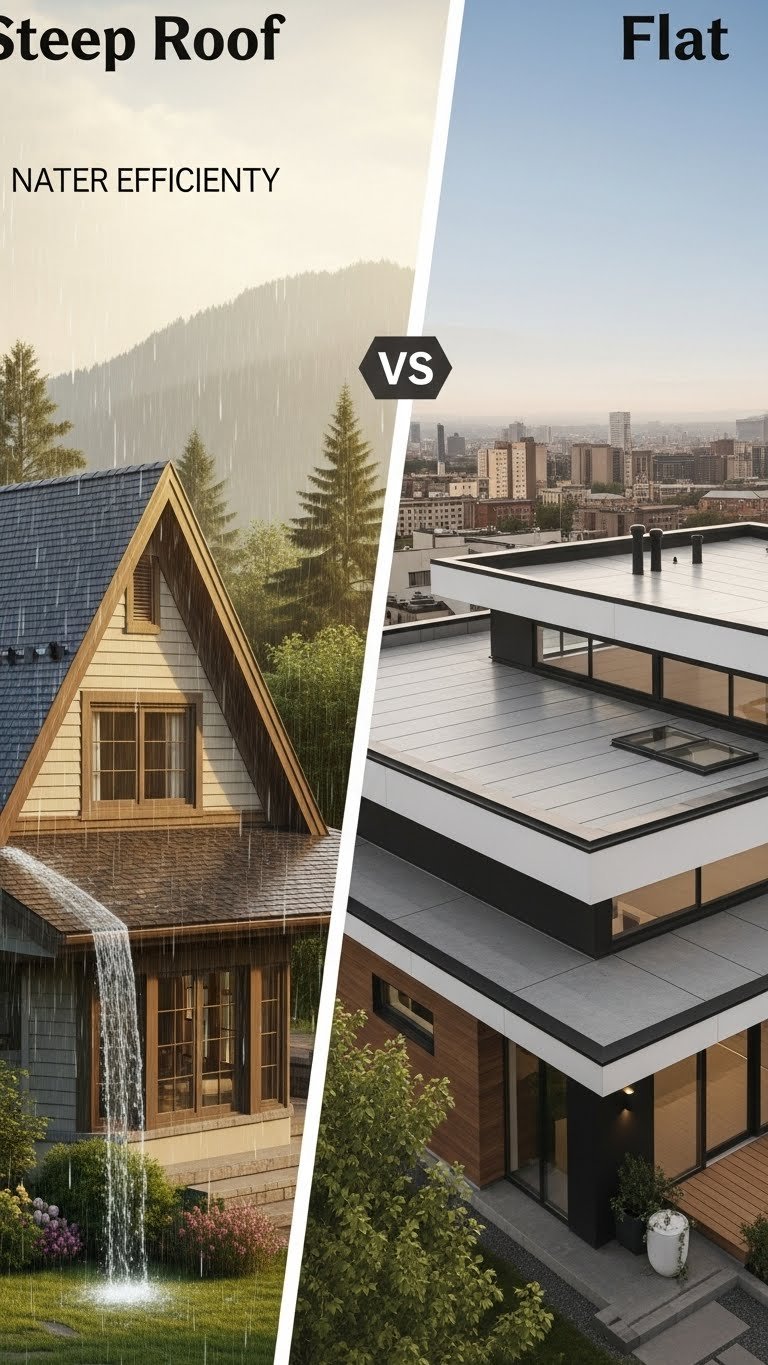
    You’ll discover eco friendly innovations that prioritize minimal impact, seamlessly integrating responsible choices into your design approach.

    Sculptural Details: Elevating Spaces

    Beyond sustainable material choices lies an equally compelling design dimension: sculptural details that transform spaces from functional to extraordinary.

    You’ll find sculptural lighting can redefine room dynamics, introducing modern art principles that elevate architectural narratives.

    These strategic design interventions create visual tension, turning ordinary environments into extraordinary statements of personal aesthetic vision.
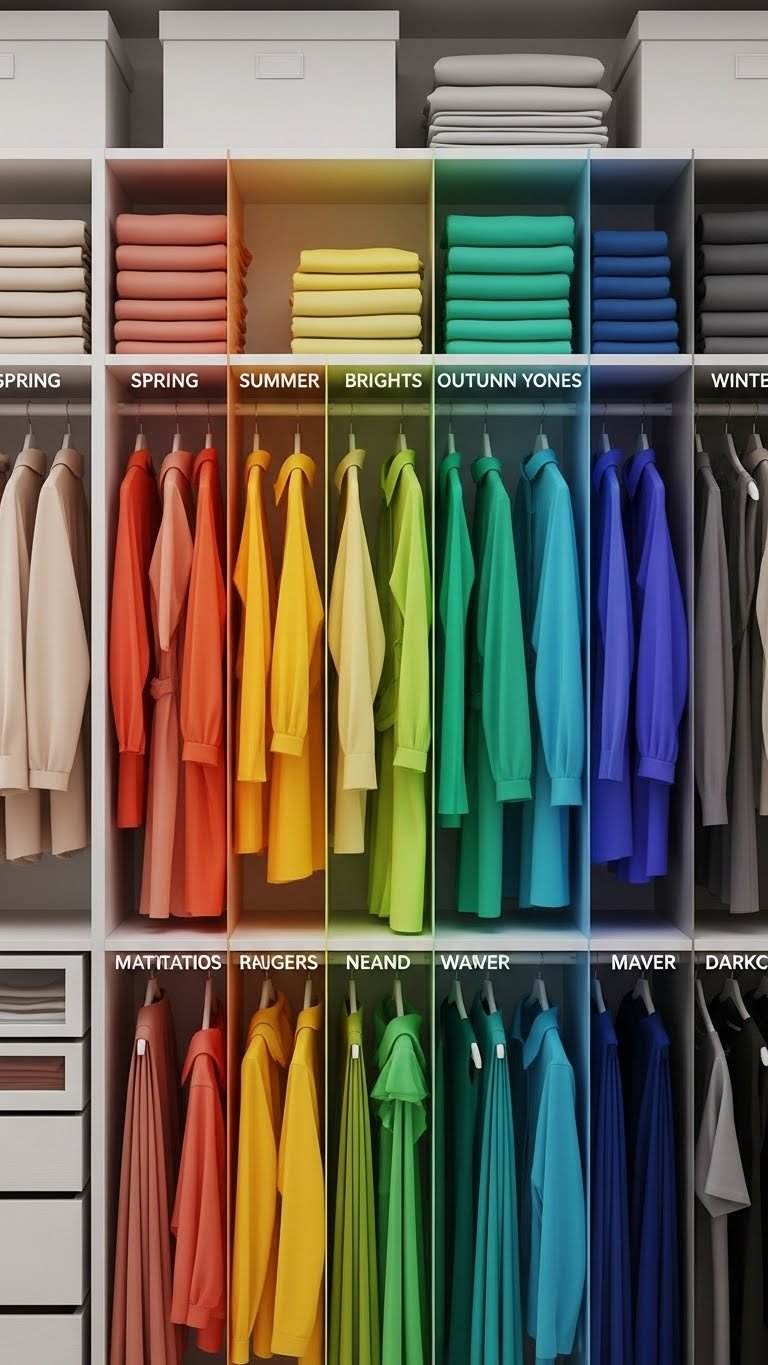
    Intelligent Material Combinations Decoded

    When designers strategically layer materials, they reveal transformative spatial experiences that transcend traditional aesthetic boundaries.
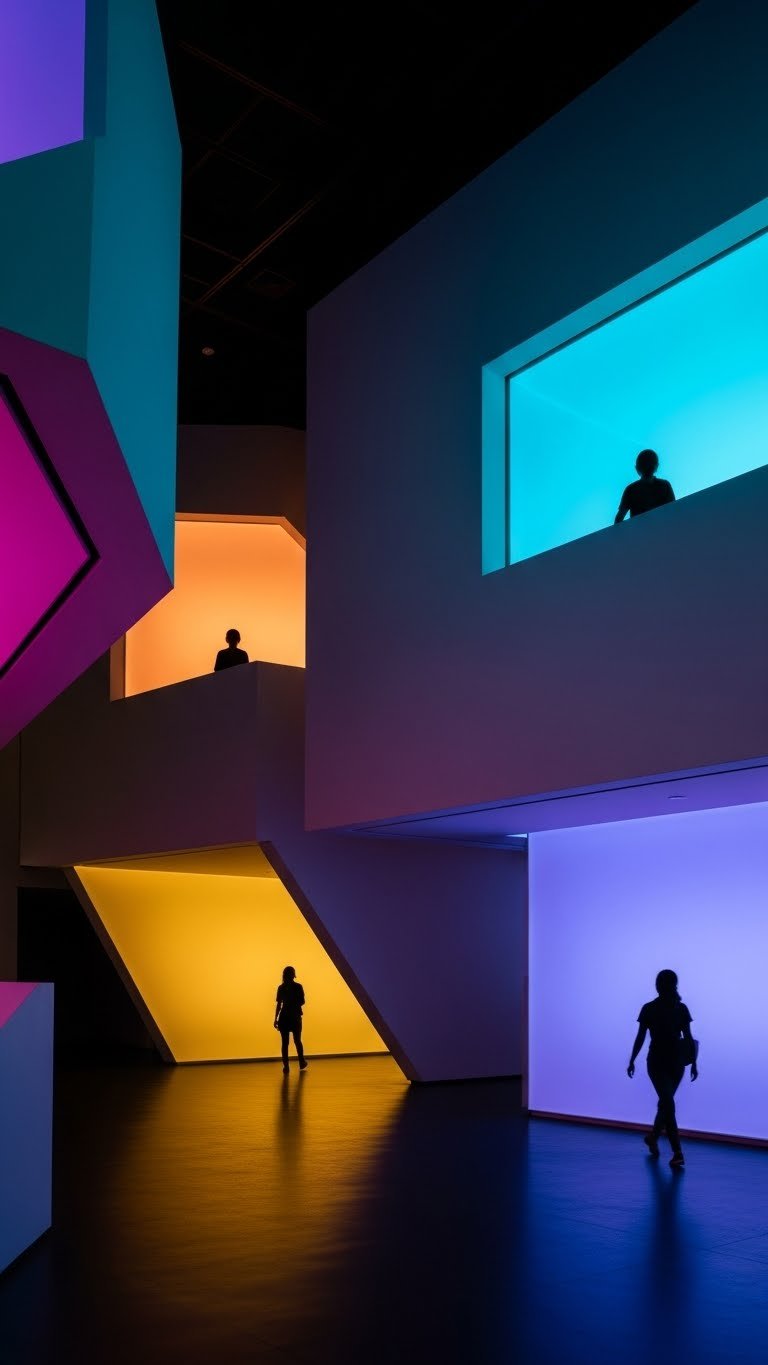
    You’ll discover material synergy occurs through intentional combinations that balance functional aesthetics. By understanding texture, durability, and visual contrast, you can create environments where materials communicate sophisticated design narratives beyond conventional expectations.

  • 28 Creative Interior Ideas Ideas That Upgrade Your Home

    28 Creative Interior Ideas Ideas That Upgrade Your Home

    You’re standing at the threshold of home transformation, where ordinary spaces become extraordinary canvases. Your interior isn’t just a backdrop—it’s a personal statement of style and creativity. From unexpected ceiling treatments to sculptural lighting, these 28 ideas will challenge everything you thought you knew about design. Each concept promises to revolutionize how you perceive and experience your living environment. Want to reveal the secrets of truly remarkable home styling?

    Understand Color Capping: Elevate Your Ceiling Design

    While often overlooked, your ceiling represents a powerful canvas for transformative design.

    By experimenting with color gradients and innovative ceiling textures, you’ll reveal a dynamic visual landscape.

    Don’t settle for white – bold hues can redefine your space, creating depth, drama, and unexpected architectural interest that elevates your interior’s entire aesthetic.

    The Art of Antique Sourcing: Curating Unique Interiors

    Though antique sourcing might seem challenging, it’s an art form that transforms ordinary interiors into extraordinary narratives of design and personal expression.

    Your sourcing journeys reveal vintage finds that tell stories through curated collections.

    Embrace historical pieces, blend eclectic mixes, and infuse timeless elegance into your living spaces with market treasures that reflect your unique design storytelling.

    Maximize Small Spaces: Design Functional Cozy Nooks

    When square footage feels limited, smart design can transform cramped quarters into intimate, functional retreats. Choose multi-purpose, space saving furniture like fold-down desks and wall-mounted shelves. Create cozy reading nooks with compact armchairs, plush throws, and strategic lighting that maximize vertical space while delivering maximum comfort and style.

    Neo Deco Revival: Modern Twists on Classic Glamour

    From compact studios to expansive living spaces, interior design continues to evolve with bold, reimagined aesthetics.

    You’ll love how Neo Deco revival blends Art Deco’s timeless elegance with contemporary chic.

    Think bold colorways, glamorous textures, and vintage patterns that transform your space into a sophisticated statement of personal style.

    Sculptural Elements: Transforming Spaces With Statement Pieces

    Because sculptural elements have become the cornerstone of contemporary interior design, they’re transforming living spaces from mundane to extraordinary.

    You’ll elevate your home with bold sculptural installations that break traditional boundaries. Curated collections aren’t just decor—they’re statements of artistic expression, creating dynamic visual narratives that reflect your unique aesthetic sensibilities and design freedom.

    Natural Textures: Bringing Organic Warmth Indoors

    As sculptural forms command artistic attention, natural textures invite sensory engagement through organic materiality.

    You’ll transform spaces by layering woven wallhangings and organic carpets that echo nature’s raw elegance. Tactile surfaces like raw linen, chunky wool, and handwoven textiles create depth, inviting touch and visual intrigue while grounding contemporary interiors with earthy warmth.

    Mural Wallpapers: Create Immersive Design Experiences

    Immersive mural wallpapers are transforming interior spaces into dynamic canvases that tell visual stories and create powerful emotional landscapes.

    You’ll reveal extraordinary design potential by selecting bold, expansive artworks that capture imagination.

    Explore mural inspiration techniques that seamlessly integrate immersive art applications, turning blank walls into enthralling narrative experiences that reflect your unique aesthetic vision.

    Mastering Pattern Layering: A Designer’s Guide

    Three essential principles define successful pattern layering in contemporary interior design: visual harmony, strategic contrast, and intentional composition. You’ll reveal bold contrasts by mixing geometric prints with organic textures, creating pattern harmony that transforms spaces. Your design intuition guides unexpected pairings, inviting visual dynamism and personal expression through intentional, layered aesthetic storytelling.

    Lighting Design: Sculpting Atmosphere and Mood

    While lighting transcends mere functionality, it’s the silent choreographer of interior atmosphere—transforming spaces through strategic illumination design. You’ll craft emotional spaces by layering ambient lighting, using fixture variety and color temperature to enhance mood. Natural light and strategic dimming sculpt space perception, revealing design intention with nuanced, intentional luminescence.

    Mix and Match: Creating Eclectic Metal Accents

    Since metal accents offer transformative potential in interior design, they’ve become a dynamic canvas for creative expression.

    You’ll love mixing rustic metals with polished finishes, blending vintage styles and contemporary designs.

    Combine mixed materials, curate artistic collections, and experiment with metallic hues to transform your space into functional art that reflects your unique aesthetic vision.

    Textiles With Character: Selecting Handwoven Treasures

    Every artisan textile tells a story of cultural heritage and craftsmanship, transforming ordinary spaces into rich, textural landscapes.

    You’ll want to choose handwoven textiles that breathe life into your rooms, selecting character fabrics with unique patterns and traditional techniques.

    These pieces aren’t just decorations—they’re conversations, connecting your home to global artisan traditions.

    Reinventing Wood Furniture: Beyond Traditional Forms

    Because contemporary design demands innovation, wood furniture is experiencing a radical transformation beyond conventional silhouettes and expected forms.

    You’ll discover upcycled pieces featuring minimalist design, multi-functional capabilities, and artistic finishes that blend vintage inspirations with bold contrasts.

    Mixed materials and modular concepts now redefine wood furniture’s potential, offering customizable shapes that celebrate nature motifs.

    Design Inspiring Reading Corners: Creativity at Home

    A reading corner transforms ordinary living spaces into personal sanctuaries of imagination and comfort.

    By curating reading nook essentials like plush cushions, soft throws, and strategic lighting, you’ll create an inviting retreat.

    Your cozy corner inspiration can blend minimalist design with personal touches, ensuring a space that reflects your unique style and invites literary exploration.

    Personalization Techniques: Monograms and Embroidery

    Personalization whispers elegance through monograms and embroidery, transforming home textiles into bespoke statements of individual style.

    You’ll elevate spaces with monogrammed pillows that reflect your personality and embroidered wall art that captures your unique essence.

    These custom touches add depth and sophistication, turning ordinary rooms into extraordinary personal sanctuaries.

    Playful Patterns: Circus-Inspired Design Elements

    Seven vibrant design trends are reimagining home interiors through whimsical circus-inspired elements, transforming living spaces into playful, nostalgic environments.

    You’ll love incorporating bold circus colors and playful whimsical motifs like striped patterns, carousel-inspired wallpapers, and dynamic geometric shapes that capture the joyful essence of vintage carnival aesthetics in unexpected, creative ways.

    Grounding Your Space: Mastering Earthy Color Palettes

    Nature’s palette whispers tranquility through earthy color schemes that transform living spaces into serene sanctuaries.

    You’ll discover how warm terracottas, muted sage greens, and rich browns create grounding earthy accents that breathe calm into your home.

    Incorporate calming textures like woven textiles and natural stone to amplify the organic aesthetic and invite peaceful energy.

    Scenic Design: Creating Immersive Interior Landscapes

    Every interior has the potential to become a transformative landscape that tells a story beyond mere functionality. You’ll craft immersive lighting and themed zones that transport you through visual narratives. Design becomes your canvas, where strategic placement and intentional details create environments that breathe with personality and depth, turning ordinary spaces into extraordinary experiences.

    Comfort Meets Style: Choosing the Perfect Slipcovered Sofa

    How do you transform a living space with one pivotal piece of furniture that seamlessly blends comfort and sophistication?

    A slipcovered sofa offers versatile fabric choices that let you refresh your aesthetic effortlessly.

    Select durable, washable materials that simplify maintenance tips while expressing your personal style.

    The right sofa becomes an adaptable canvas for your evolving design vision.

    Vintage Artwork: Adding Unique Character to Interiors

    Vintage artwork transforms interior spaces from mere rooms into curated personal galleries, infusing depth and narrative into your home’s design aesthetic.

    Carefully selected vintage frames and art history-inspired pieces can elevate your space, telling stories that reflect your unique personality while creating visual intrigue and sophisticated character.

    Geometric Design: Modern Patterns for Contemporary Spaces

    Can geometric design truly revolutionize contemporary interior spaces? Absolutely.

    By incorporating geometric textiles, bold contrasts, and minimalist shapes, you’ll transform your home. Patterned walls create visual depth, while clean lines define modern aesthetics.

    Embrace angular furniture and sharp-edged decor to craft a space that’s both dynamic and sophisticated, reflecting your personal style with cutting-edge design principles.

    Metallic Accents: Chrome and Brass for Instant Glamour

    While geometric designs establish a strong visual foundation, metallic accents elevate interior spaces with luxurious sophistication.

    You’ll love mixing chrome shine with brass elegance, creating contemporary chic vibes.

    Incorporate reflective surfaces and textured finishes to add industrial charm.

    Mixed metals transform rooms, infusing vintage style and modern energy into your living spaces.

    Designing Fluid Conversation Areas in Your Home

    Strategically designed conversation areas transform living spaces from mere rooms into dynamic social hubs that invite connection and comfort.

    You’ll want to craft fluid social zones with conversational seating that encourages interaction. Arrange furniture to create natural pathways, ensuring flexibility and intimacy while maintaining an open, inviting atmosphere that sparks meaningful dialogue.

    Conscious Color Theory: Psychological Impact of Design

    Although color represents far more than aesthetic decoration, it profoundly shapes human psychological and emotional experiences within interior spaces.

    Your chosen hue psychology directly influences mood enhancement, triggering specific color associations and emotional responses.

    Strategic color harmony can transform rooms, creating environments that resonate with personal freedom and psychological well-being through intentional color meanings.

    Floors as Art: Transformative Flooring Techniques

    One revolutionary design philosophy transforms floors from mere functional surfaces into mesmerizing artistic canvases that dramatically redefine interior spaces.

    You’ll discover transformative techniques like geometric designs, painted flooring, and textured surfaces that infuse eco-friendly materials with bold pattern contrasts.

    Artistic tiles and decorative laminates create dimension floors that become stunning visual narratives.

    Balancing Luxury and Lived-In Charm

    From artistic floor expressions that transform spaces, we now explore the nuanced art of creating interiors that whisper luxury while embracing genuine comfort. You’ll want to master luxury balance by blending high-end pieces with personal artifacts, integrating charm through curated collections that tell your story and invite warmth into sophisticated environments.

    Layered Wood Tones: Creating Depth and Dimension

    Where design meets texture, layered wood tones emerge as a sophisticated strategy for transforming interior spaces with rich, multidimensional character.

    By blending wood grain textures and contrasting finishes, you’ll create depth that elevates your home’s aesthetic.

    Mix light oak, walnut, and mahogany surfaces to craft a dynamic, visually engaging environment that reflects your unique style.

    Lighting as Sculpture: Functional Art for Interiors

    Contemporary lighting has transcended its purely functional role, emerging as a sculptural art form that transforms interior spaces with dramatic visual impact.

    You’ll find illuminated sculptures that aren’t just light sources, but statement pieces.

    Artistic lighting now blends form and function, allowing you to curate spaces that radiate personality and creative expression through strategically positioned, visually compelling luminaires.

    Hollywood Cottage: Blending Modern and Classic Aesthetics

    Just as sculptural lighting transforms spaces with artistic intent, the Hollywood Cottage design aesthetic weaves a narrative of architectural harmony between vintage charm and contemporary elegance.

    You’ll create a space where curated collections meet minimalist accents, blending eclectic furnishings with cozy charm and color harmony that celebrates whimsical touches and timeless architectural details.