Category: Bedroom Decor

  • 28 Creative DIY Bedroom Wall Art Ideas To Personalize Your Room

    28 Creative DIY Bedroom Wall Art Ideas To Personalize Your Room

    I used to leave walls bare because I didn’t know where to start. Then I began making art I actually loved—imperfect, personal, and within my budget. These ideas are things I’ve hung, re-hung, or returned until they felt right. You can do most of them in an afternoon.

    28 Creative DIY Bedroom Wall Art Ideas To Personalize Your Room

    These 28 ideas are hands-on, budget-friendly, and real—no showroom fluff. I include what worked, what I regret, and exactly what to buy. Use one or mix several; I’ll tell you how many pieces to start with and what tools made the process painless.

    1. Mixed-Frame Gallery Wall with Personal Photos

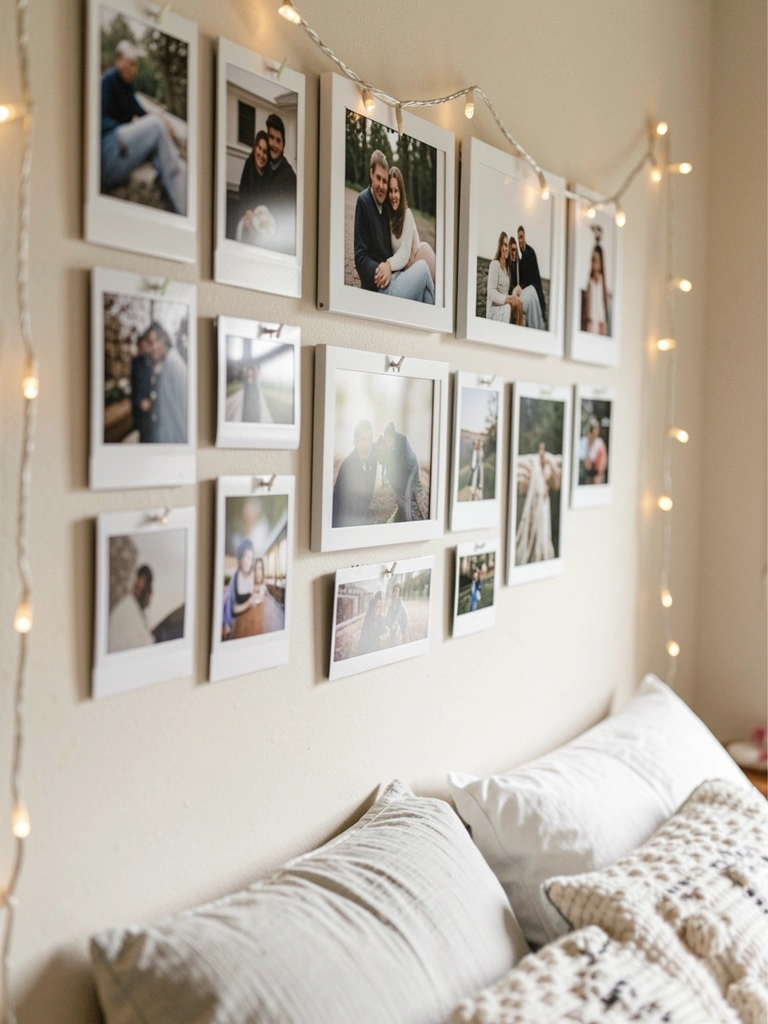
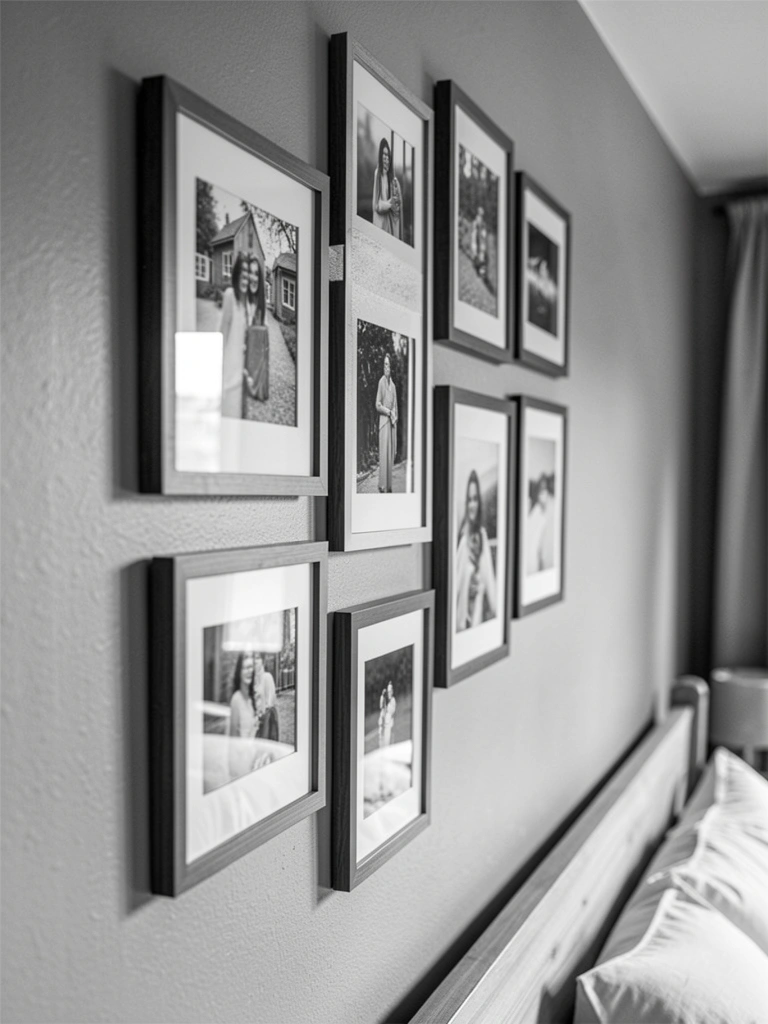
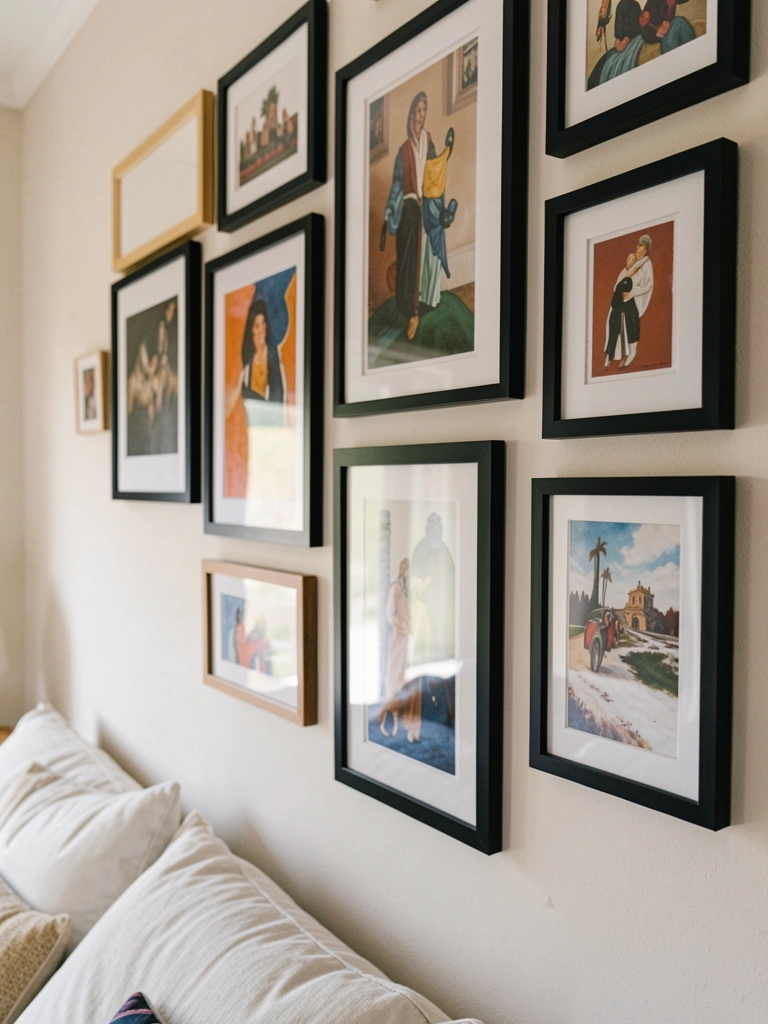
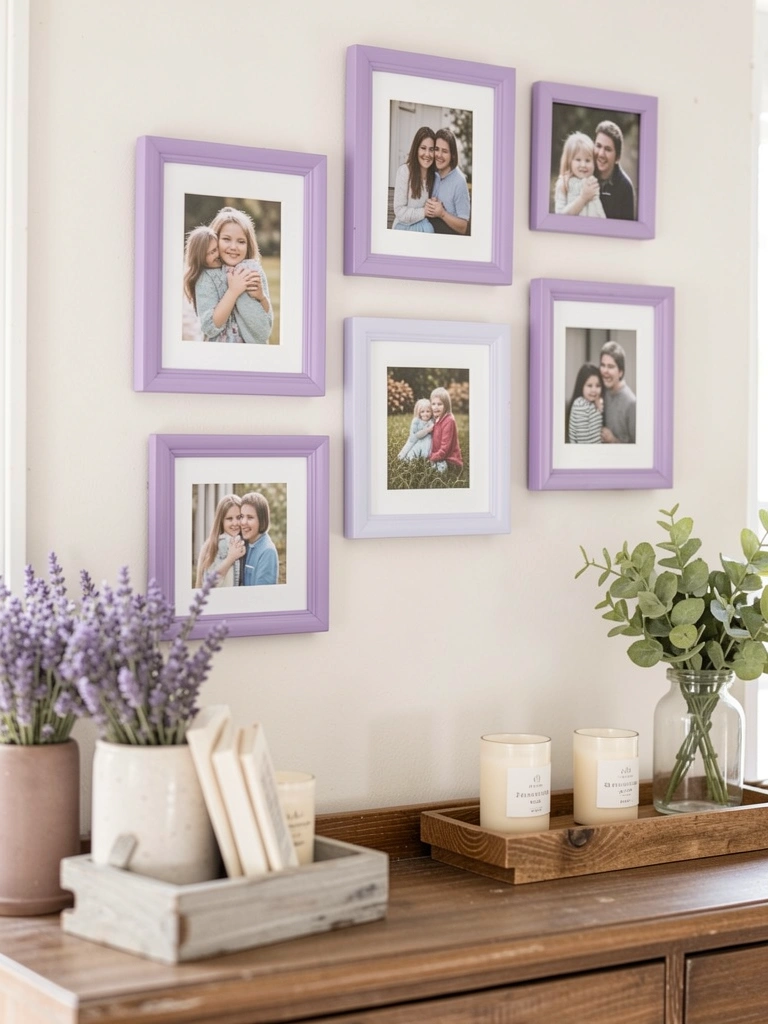
    I built my first gallery wall around photos from trips and messy candid shots. It instantly made the room feel like mine. I learned to start with a focal large frame, then layer smaller ones; I once hung everything symmetrically and it looked stiff. Now I mix frame textures and sizes for warmth.

    Visually it creates movement and personal history. I use scraps of kraft paper to map frames before hammering. Leave small gaps—crowding makes it feel busy.

    What You’ll Need for This Look

    2. Oversized Abstract Canvas Painted in Two Tones

    I painted my first large canvas because I couldn’t find the right size. I mixed two calming tones and dragged a dry brush to keep it airy. My early attempts were too busy; the trick was limiting the palette. Big scale makes a small room feel intentional.

    It becomes a statement without fuss. I leaned mine instead of hanging it the first month to see if the placement worked. That saved holes and stress.

    What You’ll Need for This Look

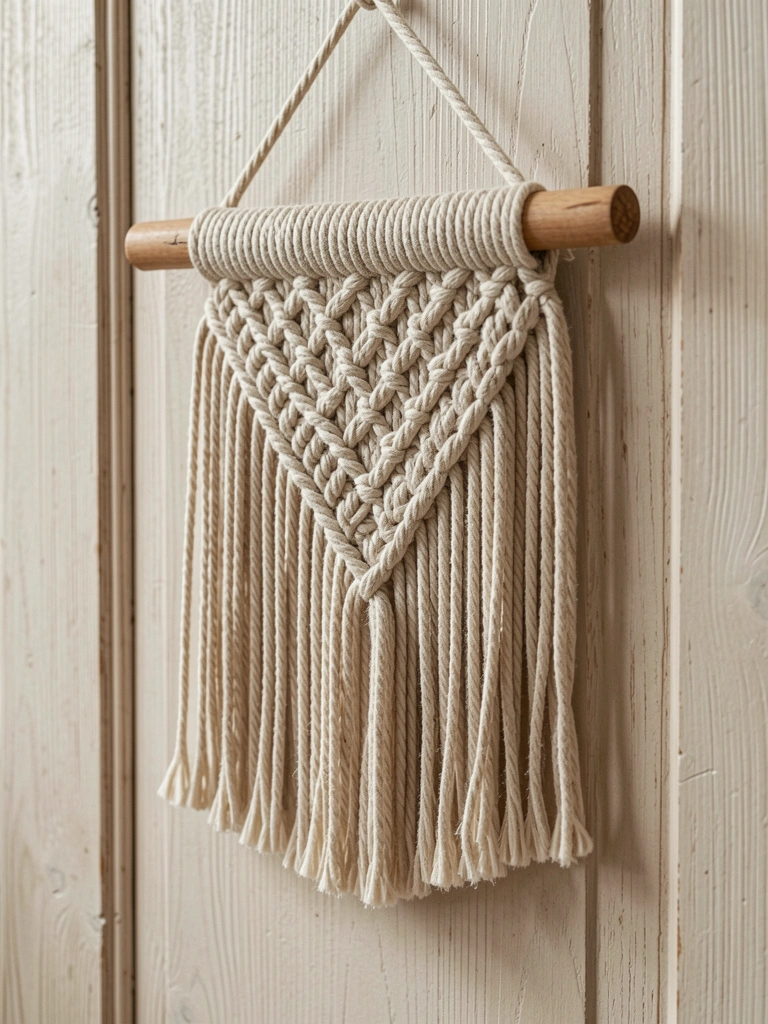
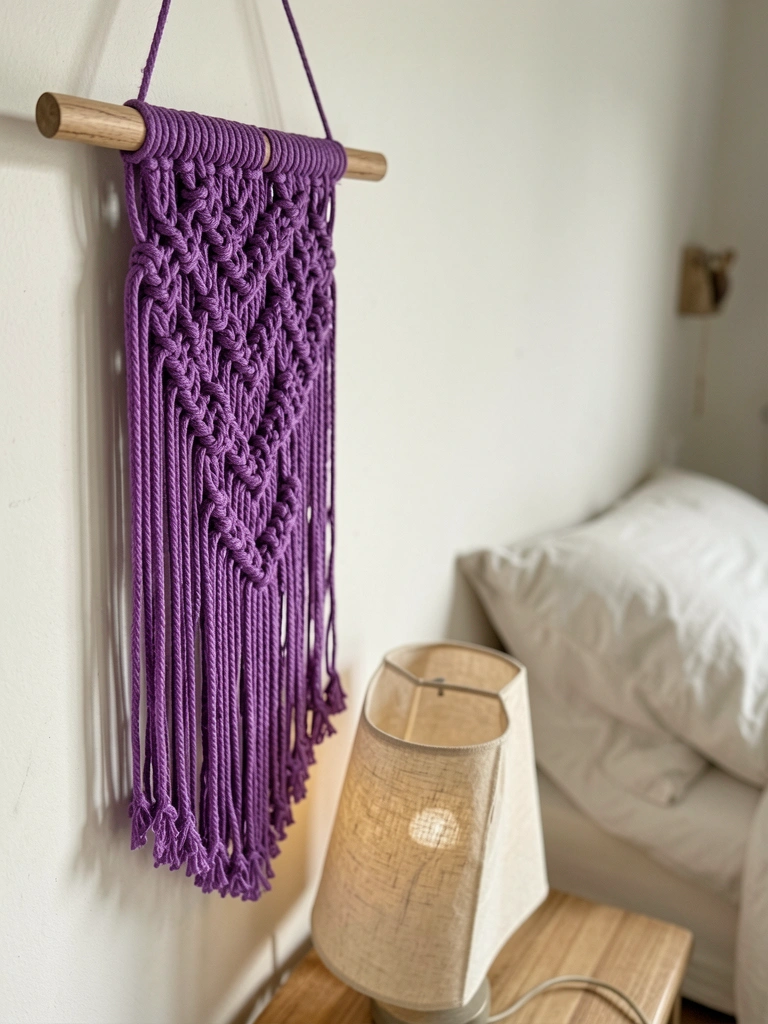
    3. Macramé Wall Hanging for Texture and Warmth

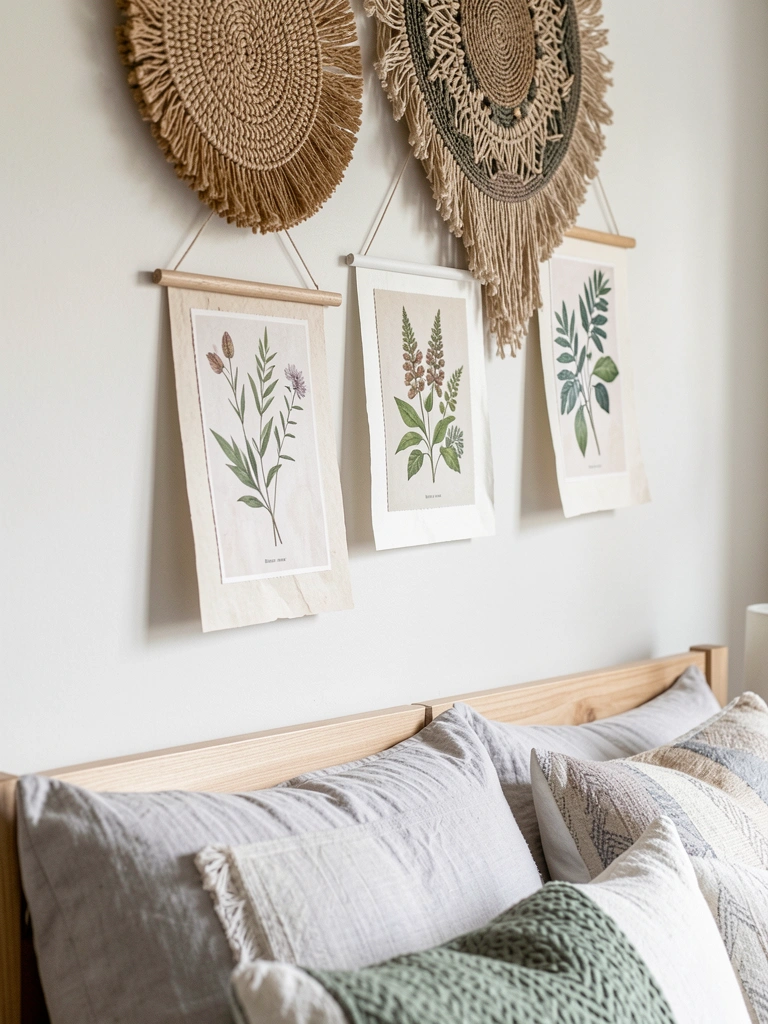
    I bought a macramé and then tried making one—handmade felt more personal. My first knots were uneven, so I kept it hanging on a lower wall until I learned tension. The texture softens plaster walls and pairs well with plants.

    It brings softness without color overload. I recommend a medium-sized piece above a bedside or dresser. If you’re new to knots, choose a simple pattern and chunky rope.

    What You’ll Need for This Look

    4. Framed Pressed Flowers for a Soft, Vintage Feel

    I pressed flowers from a bouquet and framed them; it felt like keeping a day. I learned the hard way that thick flowers need extra drying or they mold. Flat blooms between glass look delicate and add a vintage note.

    These are great near a window where light highlights the petals. Use archival paper to avoid yellowing. I swap blooms seasonally—it keeps the wall fresh.

    What You’ll Need for This Look

    5. Geometric Washi Tape Mural—Easy, Removable Pattern

    I decorated a rental wall with washi tape and loved how low-stakes it was. My first pattern used too many colors and looked busy. After that I stuck to two tones and simple angles. It reads modern and adds interest without paint.

    This is perfect for renters or indecisive makers. It peels off clean, so don’t stress about mistakes—just reposition.

    What You’ll Need for This Look

    6. Embroidery Hoop Gallery with Stitched Motifs

    I started stitching small motifs while watching a show. Framing them in hoops created a cozy, handmade wall that felt like me. I once used a bright thread that clashed with the room; now I pick threads that echo my textiles.

    These look great in clusters of three to five. Keep designs simple—small stitches look refined from a distance.

    What You’ll Need for This Look

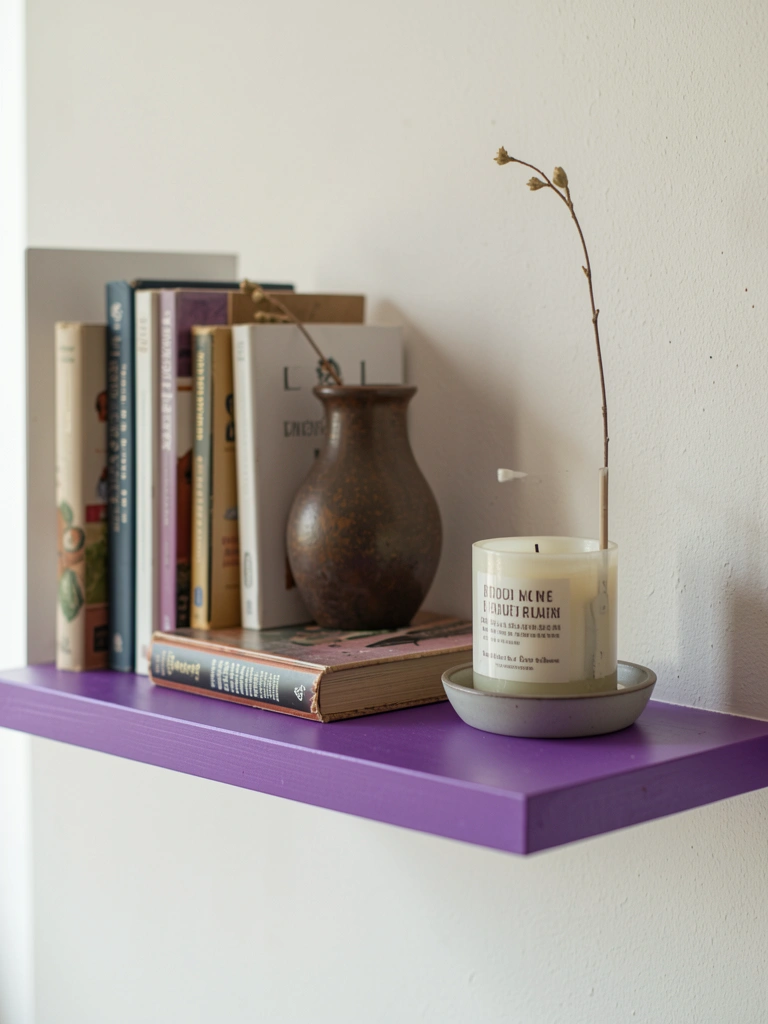
    7. Floating Shelves with Rotating Art and Plants

    I swapped a lone print for floating shelves and it changed everything. I can rotate art, add plants, or stash a candle. I initially overloaded one shelf and it looked cluttered—spacing matters.

    Shelves make layering easy and let you test compositions without committing. Start with two staggered shelves and edit often.

    What You’ll Need for This Look

    8. Yarn Wall Hanging with Ombre Color

    I made a yarn hanging with leftover skeins and learned ombre hides imperfect cuts. My first attempt had uneven lengths—trimming fixed it. The hanging added softness over my bed and introduced a subtle color shift.

    It’s forgiving and quick. Choose a gradient you love and knot yarn to a simple wooden rod. No weaving skill required.

    What You’ll Need for This Look

    9. Framed Textile or Vintage Scarf as Art

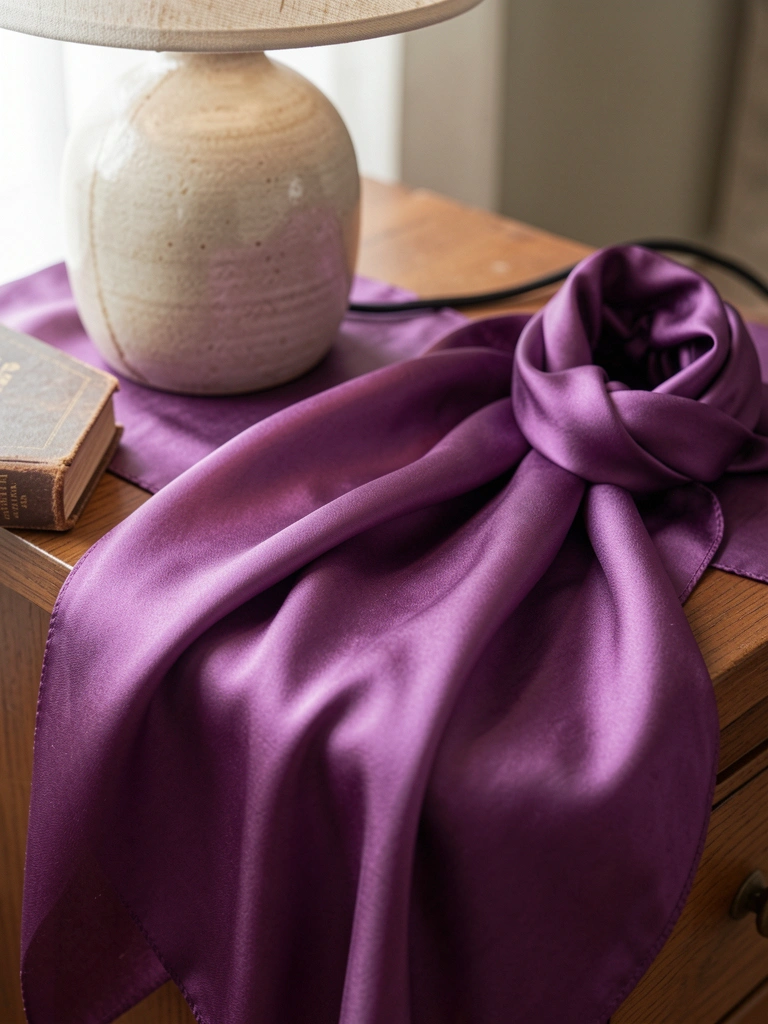
    I once framed a thrifted scarf and it became the room’s color story. I pinned it wrong and got creases—use acid-free backing to keep fabric flat. Fabric art adds pattern without loud prints.

    A single framed textile gives richness and ties in bedding colors. Try a slim frame so the fabric breathes.

    What You’ll Need for This Look

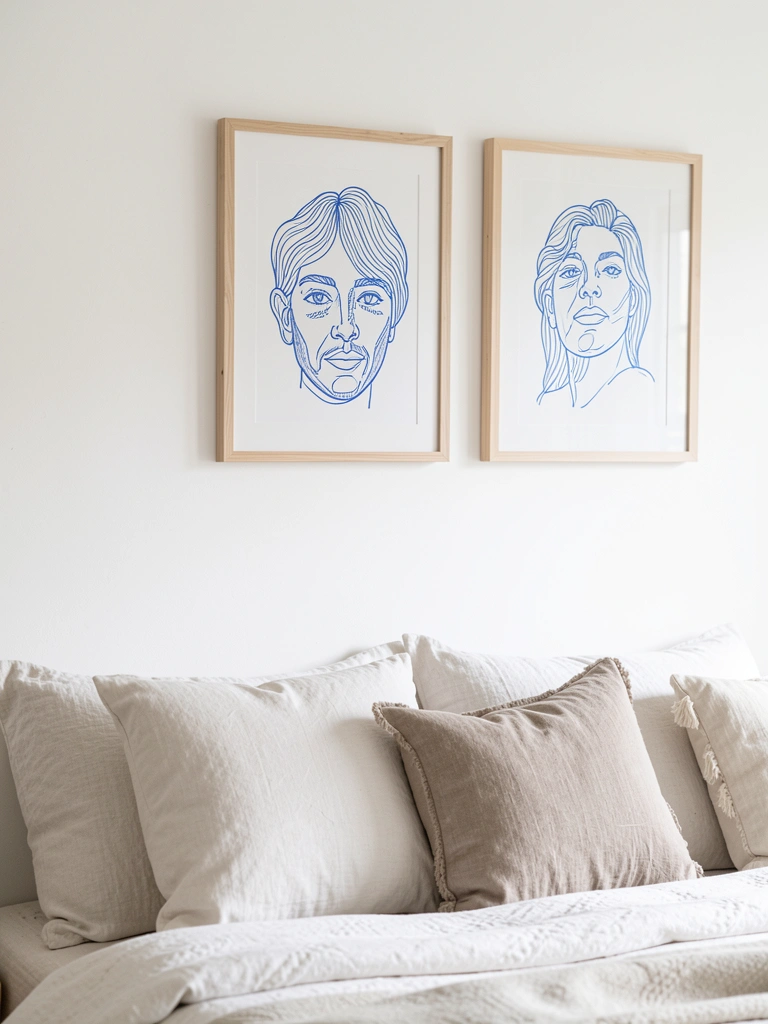
    10. Minimal Line Art Prints in Slim Frames

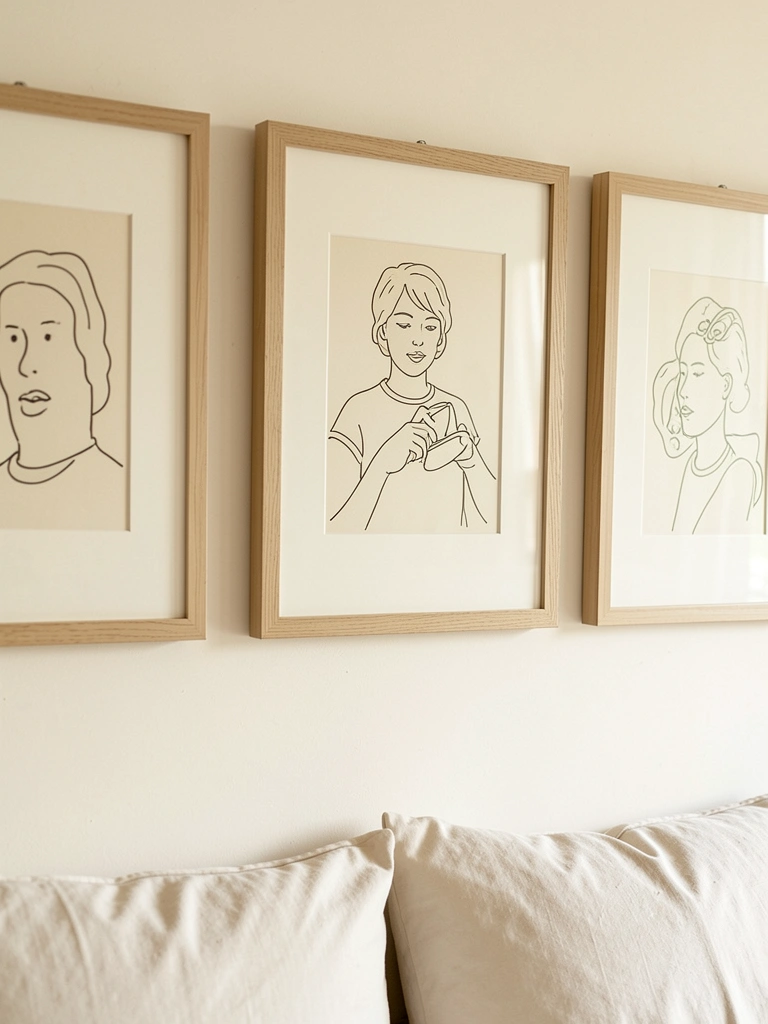
    I switched heavy art for three minimal line drawings—suddenly the room felt calmer. I had one print too big and it dominated; equal sizing keeps it balanced. These prints are easy to swap when taste changes.

    They work above a dresser or grouped at eye level. Choose frames that match your hardware for cohesion.

    What You’ll Need for This Look

    11. DIY Neon-Style LED Sign with Script

    I made a DIY neon-style sign using bendable LED rope for a subtle glow. My first wiring was messy; use battery-operated strips or a professional connector. The warm light reads cozy at night without being loud.

    Choose a short word that feels meaningful. Mount it on a painted backing to hide strips and create a clean look.

    What You’ll Need for This Look

    12. Layered Paper Collage in a Deep Frame

    I made a collage from magazine scraps and scrapbook paper. It felt chaotic at first until I edited to three dominant hues. I learned that layering adds depth—use foam spacers in a deep frame. It’s tactile and playful.

    Collage is forgiving and affordable. Frame it deeply so the layers don’t get squashed.

    What You’ll Need for This Look

    13. Driftwood Mobile with Hanging Prints and Charms

    I made a driftwood mobile from a beach trip and hung small prints and charms. It’s imperfect and breezy. I tried thin string at first and it tangled—switch to thicker jute for stability. The mobile adds organic lines and a calm movement when doors open.

    It works over a corner or above a reading chair. Keep the pieces light.

    What You’ll Need for This Look

    14. Painted Tape-Off Color Block Behind Bed

    I taped off a color block behind my bed and it felt like a built-in headboard. My first lines bled because I used old tape—fresh painter’s tape made the edges sharp. This is bold without taking much time.

    Pick two complementary shades and tape carefully. Use a lighter top and deeper bottom to anchor the bed.

    What You’ll Need for This Look

    15. Framed Map or City Print of a Meaningful Place

    I framed a map of a city I lived in and it made mornings feel nostalgic. I once bought a glossy print that reflected light—matte paper is better. The map is quiet but personal, and matches any style.

    Pick a simple frame and place it where you see it first thing. It’s a low-maintenance reminder of a favorite place.

    What You’ll Need for This Look

    16. DIY Plaster Relief Art for Subtle Dimension

    I tried a plaster relief panel and liked how it caught light. My first panel cracked because I applied it too thick—thin layers are key. The relief reads modern and calm, a tactile neutral statement.

    Mount one panel above a nightstand for sculptural interest without color. It’s more about shadow than paint.

    What You’ll Need for This Look

    17. Layered Shadowboxes with Small Keepsakes

    I used shadowboxes to hold tiny travel finds. I once packed too much into one and it read cluttered—spacing is important. The boxes let me tell mini-stories without needing big artwork.

    Group three in a row for cohesion. It’s a great way to keep sentimental items visible but tidy.

    What You’ll Need for This Look

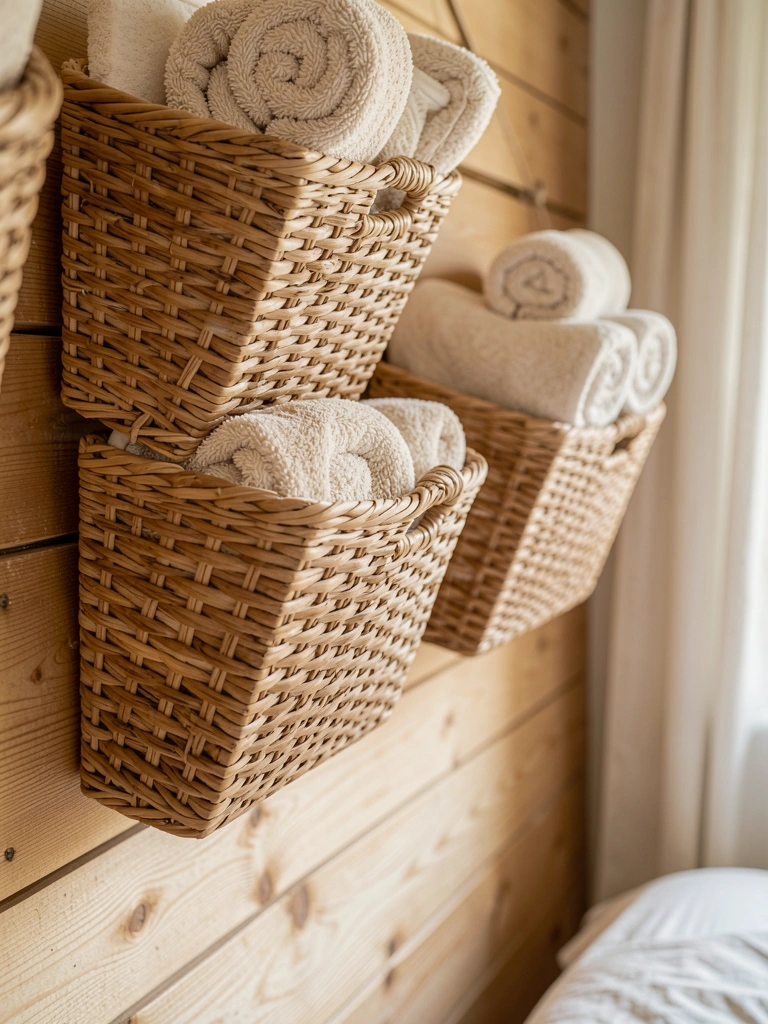
    18. Natural Fiber Basket Cluster for Organic Texture

    I hung a cluster of woven baskets and it felt unexpectedly cozy. I initially matched tones too closely; mixing light and dark weaves gave it depth. Baskets add pattern without color and feel collected.

    Arrange them off-center for a relaxed look. They’re light and easy to move if you rework the room.

    What You’ll Need for This Look

    19. Tape-Off Wall Quote Painted in a Simple Script

    I stenciled a short quote in my handwriting style. My first attempt wobbled—use a thin brush and steady hand. Keep the phrase short; long quotes overwhelm. It becomes a quiet, daily reminder without shouting.

    Practice on paper first, then transfer with light pencil before painting.

    What You’ll Need for This Look

    20. Floating Frame with Rotating Minimal Collage

    I rotate small collages in a floating frame seasonally. It’s a neat way to update the wall without rehanging. My first frame had glare—matte glass solved that. The frame looks curated and modern.

    Make a new mini-collage on heavy paper and swap it monthly for freshness.

    What You’ll Need for This Look

    21. DIY Painted Ombre Headboard on the Wall

    I painted an ombre headboard directly on the wall and it felt luxe without buying furniture. I rushed the blending at first and saw harsh lines—work in sections and blend while paint is wet. It anchors the bed and acts as art.

    It’s a bold choice that’s surprisingly forgiving if you test colors first.

    What You’ll Need for This Look

    22. Mounted Plant Wall with Small Planters

    I added mounted planters to a sunny wall and it brightened the space instantly. My first pots were too heavy and pulled hooks out—use lightweight ceramic or plastic and proper anchors. Living art makes the room breathe.

    Choose easy-care plants like pothos for low maintenance.

    What You’ll Need for This Look

    23. Layered Mirrors of Different Shapes

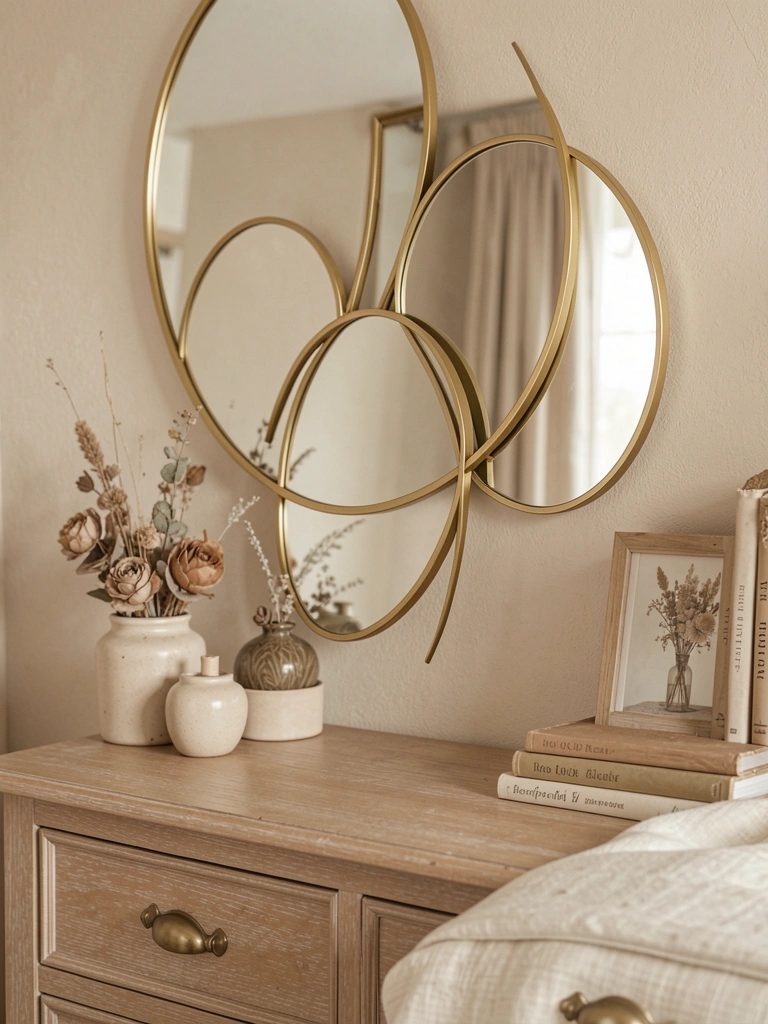
    I layered mirrors to bounce light around a dark room. My first placement showed awkward reflections—step back and check vantage points. Different shapes create visual interest and make the space feel bigger.

    Use one large mirror with two smaller companions for balance.

    What You’ll Need for This Look

    24. DIY Geode-Inspired Resin Art Panel

    I tried resin for the first time and loved how it mimicked stone. My mixing ratio was off initially and it bubbled—follow instructions closely and use a torch to remove bubbles. The glossy finish adds a luxe touch without heavy cost.

    A single panel above a dresser reads like a jewel.

    What You’ll Need for This Look

    25. Chalkboard Paint Accent with Monthly Doodles

    I painted a small chalkboard square and started writing monthly intentions. I scratched it with nails once—use proper chalkboard paint. I enjoy changing the doodle each week; it keeps the wall alive without commitment.

    It’s playful and functional—add a tiny shelf for chalk.

    What You’ll Need for This Look

    26. Tape-and-Thread Photo Display for an Airy Look

    I strung photos on twine using tiny clips. It’s light, changeable, and inexpensive. I once clipped heavy frames and the twine sagged—use small prints. The display reads casual and personal, great over a desk.

    It’s an effortless way to show rotating memories.

    What You’ll Need for This Look

    27. DIY Tile Mosaic on a Small Panel

    I made a small mosaic panel to hang above a bedside lamp. I was impatient with grout and it stained the edges—clean as you go. The tactile tiles add craftsmanship and subtle pattern without color overload.
    Work small and pick tiles that complement your palette.
    What You’ll Need for This Look

    28. Shadowed Silhouette Portraits from Family Photos

    I cut silhouette portraits from photos and framed them. My first cuts were clumsy—use a printed profile guide. The silhouettes read classic and quiet, and they capture personality without detail.

    Try one large silhouette as a focal point or a small trio for rhythm.

    What You’ll Need for This Look

    Final Thoughts

    You don’t need to try all 28 ideas. Pick one that fits your time and the mood you want. I still return to a few favorites when a wall feels blank.

    Start small, live with it, and tweak. That’s how a bedroom becomes truly yours.

  • 25 Stunning Bedroom Wall Decor Ideas To Transform Your Space

    25 Stunning Bedroom Wall Decor Ideas To Transform Your Space

    I used to stare at the blank wall behind my bed and feel stuck. Then I started trying small, lived-in fixes instead of waiting for “the right piece.” These ideas are things I actually did, returned, or lived with. They’re practical, cozy, and intentional—25 ways to refresh your bedroom wall without overthinking it.

    25 Stunning Bedroom Wall Decor Ideas To Transform Your Space

    These 25 ideas are things I’ve used in real homes—small tweaks and bolder moves. Each idea includes what I learned, what to watch for, and the exact items that worked for me. You’ll get 25 concrete, buyable looks.

    1. Layered Neutral Textiles That Make a Room Feel Finished

    I mounted two linen panels above the bed and added a small macramé below. It softened the wall and made the bed feel grounded. I initially chose panels too narrow; they looked fussy until I swapped to wider ones. The room felt cozier overnight.

    Pay attention to scale. Bigger panels read calm; small ones look cluttered. I keep the palette neutral so the textures do the work.

    What You’ll Need for This Look
    Wide linen wall panels
    Small macramé wall hanging

    2. A Low Gallery Ledge for Swapping Prints

    I installed a 4-inch picture ledge above my dresser. It’s great because I swap art seasonally and never stress about holes. For months I leaned too many frames and it looked sloppy; trimming the number fixed it.

    This is perfect if you like change. Lean a large print and add a small plant for life. Height matters—keep it reachable so rotating art stays fun.

    What You’ll Need for This Look
    Wooden picture ledge (4-inch)
    Small ceramic vase

    3. Mismatched Frames in a Relaxed Grid

    I built a grid using frames in slightly different finishes. It looks intentional, not precious. My mistake was using frames that were all too shiny at first—switching to mixed matte finishes calmed it down.

    I measured one column and used a level for spacing. The slight variation keeps it human and unstyled, which I love.

    What You’ll Need for This Look
    Mixed 8×10 picture frames
    Neutral 8×10 art prints

    4. Floating Shelves with Curated Objects

    Floating shelves saved me when I needed decor and storage. I mixed books, a candle, and a framed polaroid. At first I overloaded them and the wall looked heavy; paring back fixed that.

    Shelves give depth without taking floor space. Keep odd numbers of objects and vary heights. They make the wall feel curated, not staged.

    What You’ll Need for This Look
    24-inch floating shelf
    Small pothos plant

    5. Layered Mirrors to Bounce Light

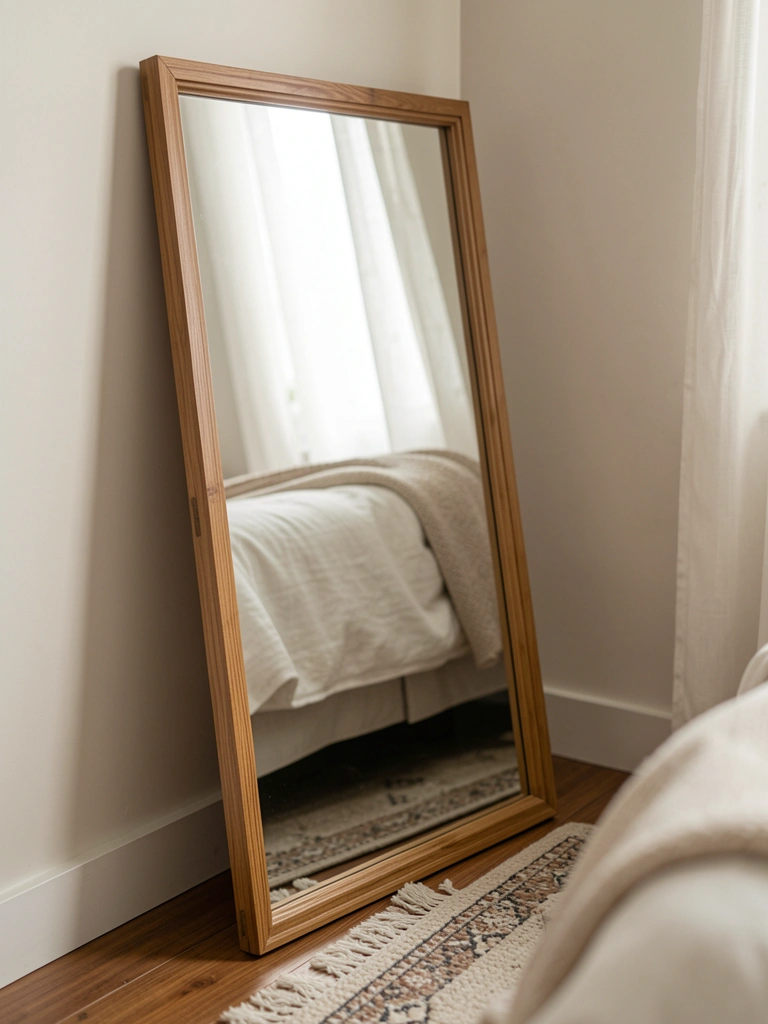
    I leaned a round mirror over a rectangular one to double the reflected light. I once picked mirrors that were both too ornate—too busy. Swapping one for a simple wood frame calmed it.

    Mirrors make a small bedroom feel bigger. Lean them for an effortless look, or anchor with screws if you want secure hanging.

    What You’ll Need for This Look
    Round leaning mirror (30-inch)
    Rectangular simple mirror (40-inch)

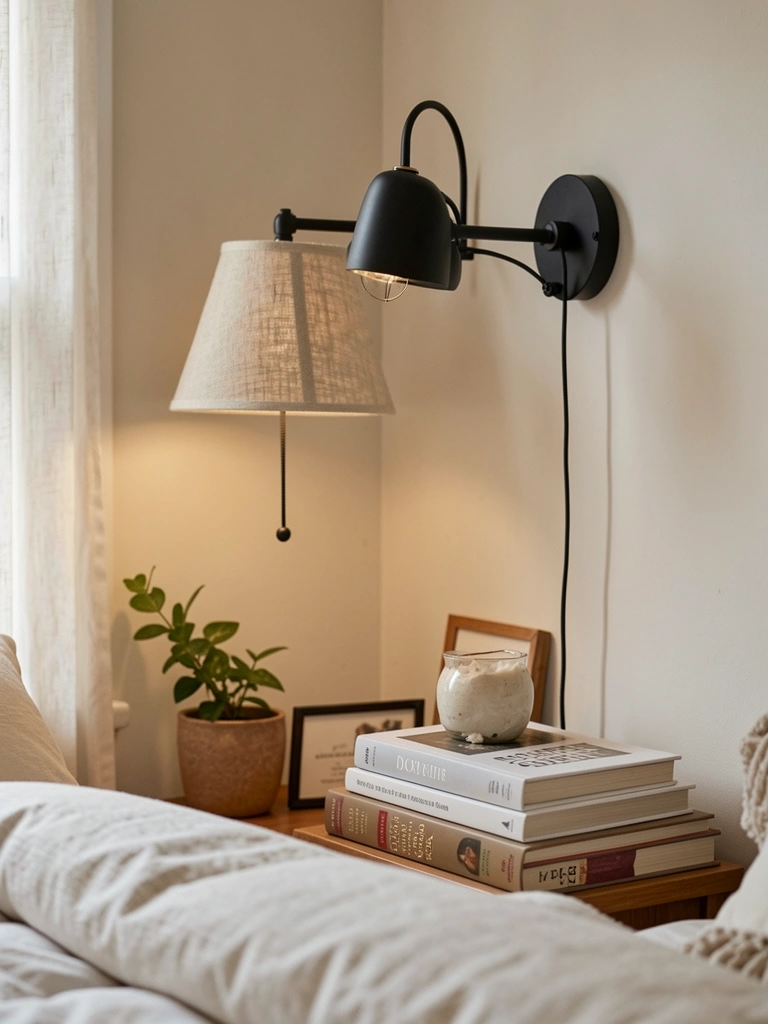
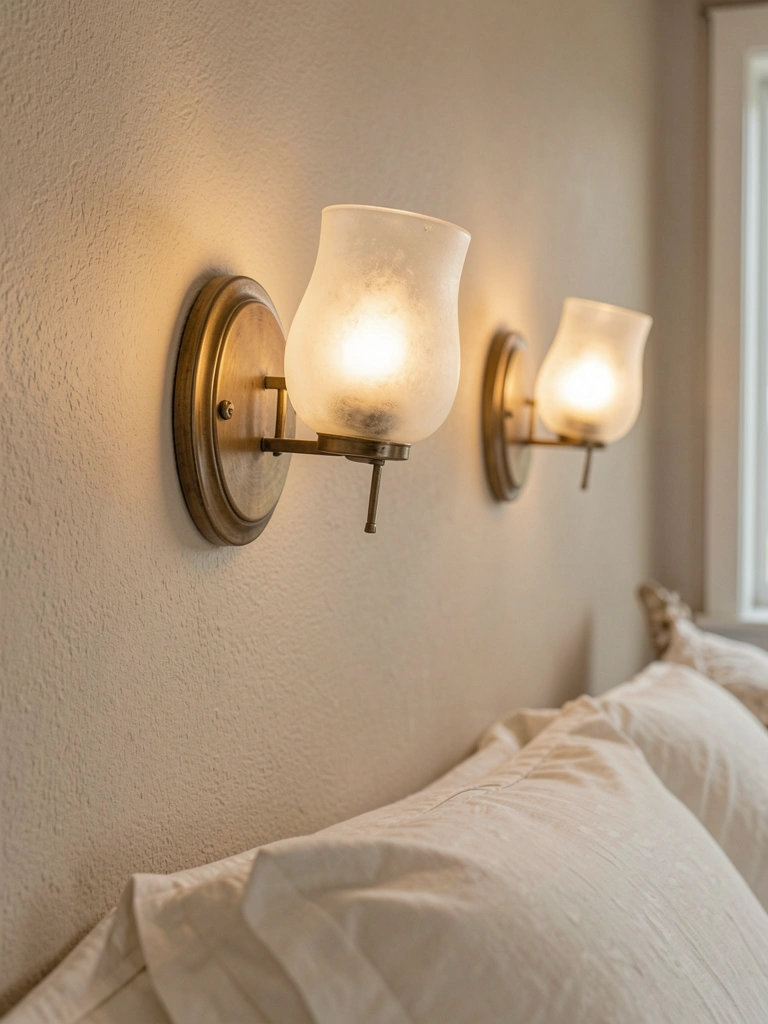
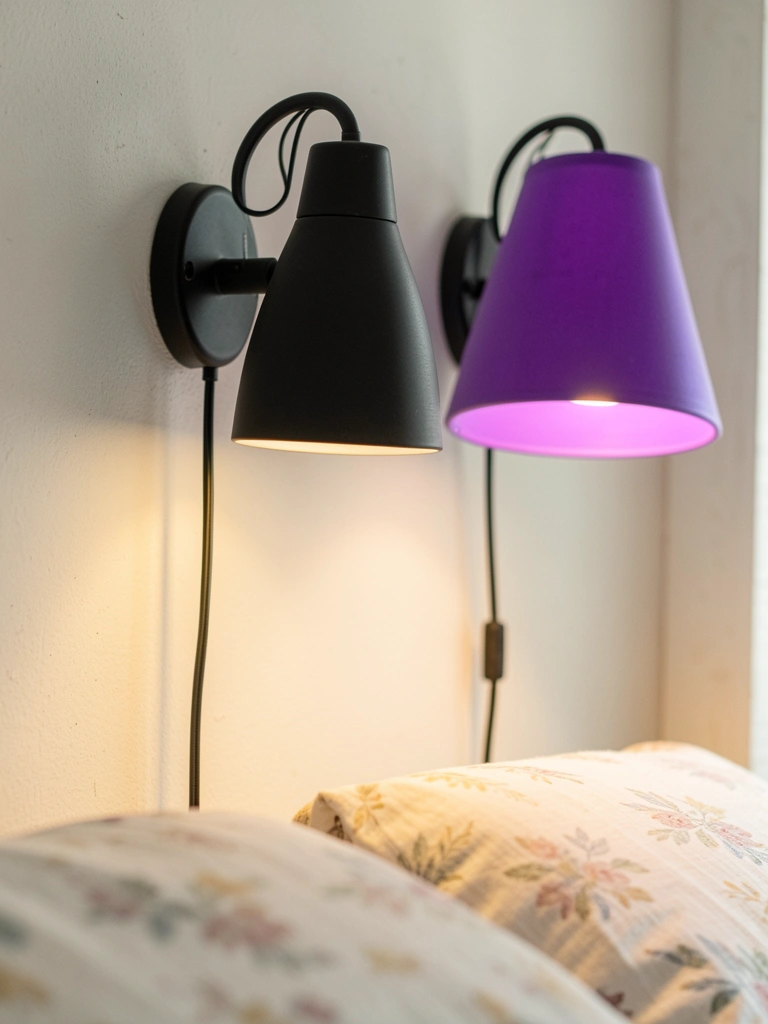
    6. Simple Sconces for Bedside Symmetry

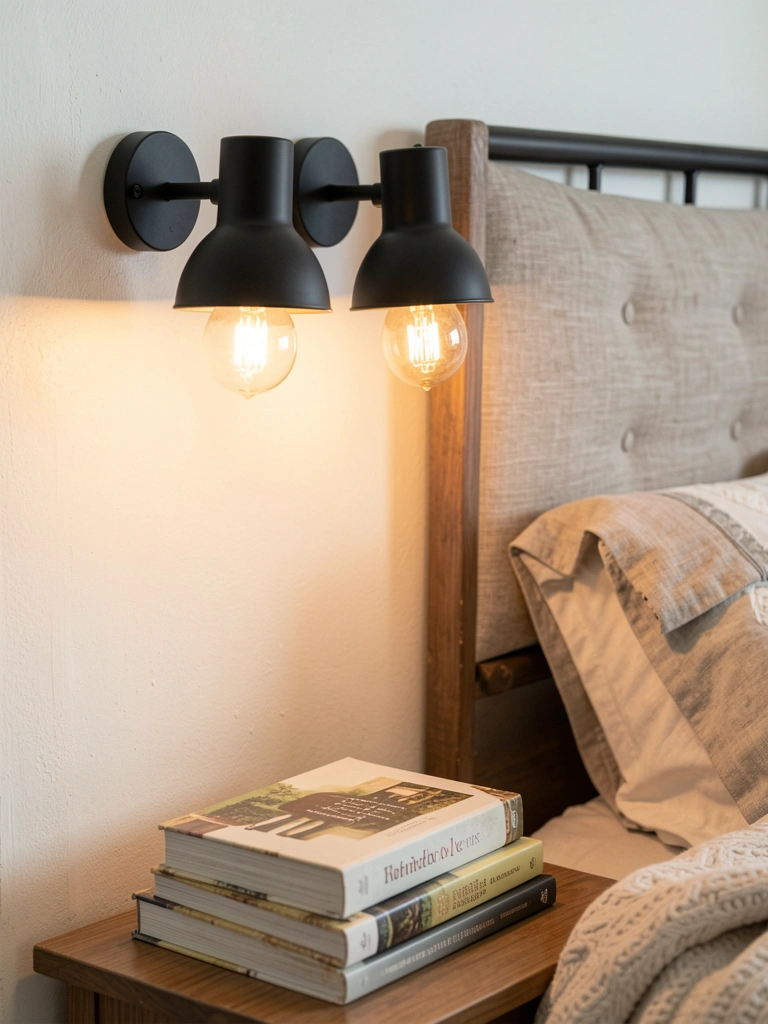
    I swapped table lamps for wall sconces. The room felt instantly tidier. My first pair hung unevenly; lesson learned—use a template and a level.

    Sconces free up nightstand space and add a soft glow. Choose an adjustable arm for reading. I use warm bulbs to keep the light cozy.

    What You’ll Need for This Look
    Matte black adjustable wall sconce
    Warm LED bulbs (soft white)

    7. Oversized Fabric Headboard Panel

    I made a tall fabric panel for my bed wall. It created a soft focal point and hid an imperfect wall. My first fabric was too shiny—swapping to matte linen made it look much better.

    A headboard panel adds quiet luxury without heavy furniture. Pick a washable fabric and anchor it securely.

    What You’ll Need for This Look
    Linen upholstery fabric by the yard
    Headboard mount brackets

    8. Wallpapered Accent Strip Behind Bed

    I put wallpaper in a vertical strip centered behind the bed instead of covering the whole wall. It felt less commitment and added character. I once picked a busy pattern and regretted it—now I stick to small-scale prints.

    A strip gives visual interest while keeping the room calm. Use removable paste if you rent.

    What You’ll Need for This Look
    Removable wallpaper (small pattern)
    Wallpaper paste brush

    9. Statement Rattan Panel for Warmth

    I hung a single rattan panel to add texture and warmth. It made the room feel more relaxed. My mistake was hanging it too high—bring it lower to connect to the bed.

    Rattan is forgiving and adds an organic touch. It’s great in both modern and boho spaces.

    What You’ll Need for This Look
    Rattan wall panel

    10. Neutral Tapestry with a Personal Pinboard

    I draped a neutral tapestry and pinned postcards and photos on one corner. It kept the look soft but personal. Initially I pinned too many items; fewer pieces read as intentional.

    Tapestry adds softness and a place to display memories without frames. Keep the color palette restrained for a restful vibe.

    What You’ll Need for This Look
    Neutral woven tapestry
    Mini photo clips

    11. Painted Molding to Create Faux Panels

    I painted simple molding in the same color as the wall to give depth without clutter. I over-lined my first attempt and it read busy—less was better.

    This trick makes any wall look custom. Use matte paint to keep it soft. It’s a small project with a big visual payoff.

    What You’ll Need for This Look
    Decorative wall molding (8ft)
    Matte wall paint (sample)

    12. Dry Bouquet Wall Vase Cluster

    I hung a trio of wall vases and filled them with dried stems. It feels fresh without maintenance. At first I used fresh flowers and ended up with dripping water—dried stems are the answer.

    This adds life and texture without floor space. Keep stems simple and varied in height.

    What You’ll Need for This Look
    Glass wall vase set
    Dried wheat stems

    13. Oversized Textile Art for a Soft Statement

    I bought an oversized textile and let it be the focal point. It made the room feel calm and collected. My first pick was too bright; choosing muted tones made it restful.

    Large textiles read as art and soften echoes in the room. Hang low enough to feel connected to the bed.

    What You’ll Need for This Look
    Oversized textile wall art

    14. Minimal Floating Desk with Wall Lamp

    I made a tiny floating desk for my phone and a notebook. Adding a slim wall lamp turned it into a useful nook. I once used a bulky chair that overwhelmed the space—now I keep a simple stool.

    It’s great for people who work light from bed. Keep cords tidy and choose a small lamp.

    What You’ll Need for This Look
    24-inch floating wall desk
    Slim LED wall lamp

    15. Half-Wall Paint in a Soft Tone

    I painted the lower half of my wall in a soft color to add interest without commitment. My first color was too dark and made the room feel smaller—lighter tones work best.

    This gives a cozy, grounded feel. Use painter’s tape for a crisp line. It’s low-cost but feels intentional.

    What You’ll Need for This Look
    Sample wall paint (muted blue)
    Painter’s tape (1.5 inch)

    16. Clustered Woven Baskets as Art

    I hung a mix of woven baskets in a loose cluster. It adds texture and a casual, collected vibe. I once bought identical sizes—mixing diameters is what gives it life.

    Baskets are lightweight and renter-friendly. Keep the color range natural for cohesion.

    What You’ll Need for This Look
    Woven basket set (varied sizes)

    17. Gallery Wall with a Mix of Photos and Object Art

    I made a gallery wall mixing photos, a small wooden sculpture, and a textile square. It feels personal. My mistake was trying to plan every frame—letting pieces breathe made it much better.

    Include a few non-frame elements for interest. It reads like a story, not a store display.

    What You’ll Need for This Look
    Small wooden sculpture
    Textile wall square

    18. Slim Pegboard for Nightstand Essentials

    I mounted a slim pegboard as a bedside organizer. It holds a lamp, a small shelf, and my glasses. I tried a complicated layout at first—simple hooks work best.

    A pegboard is functional and stylish. Choose neutral finishes to blend with bedroom decor.

    What You’ll Need for This Look
    Slim pegboard (12×24)
    Pegboard shelf kit

    19. Framed Textile Swatches for Color and Texture

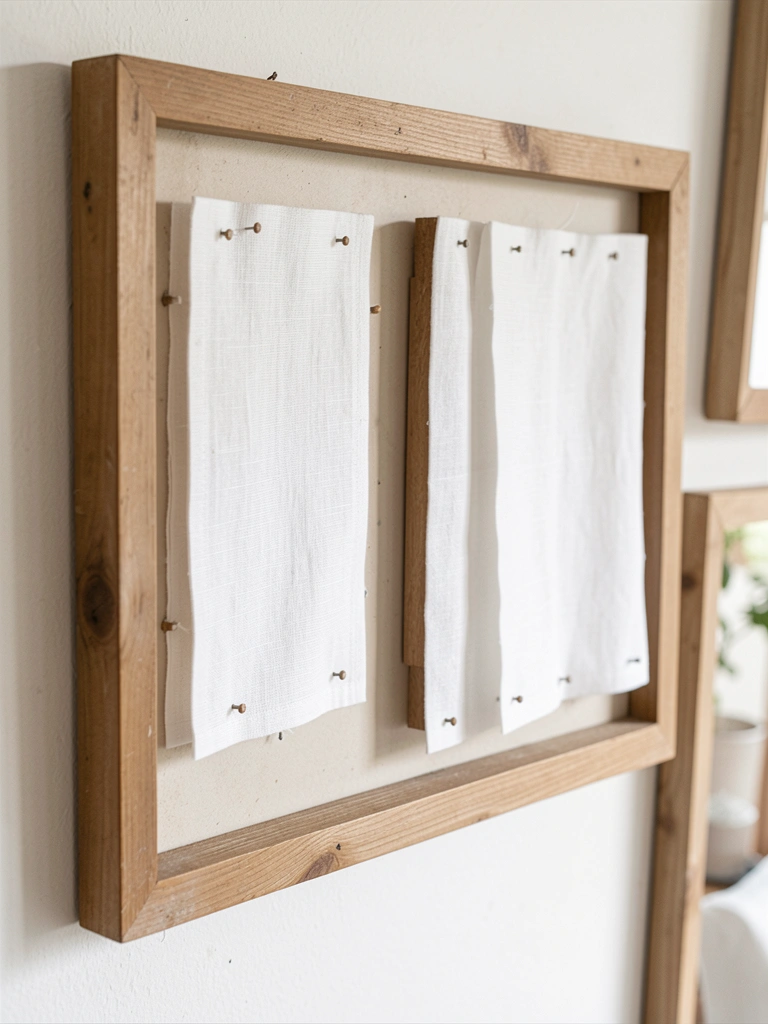
    I framed small textile swatches from fabrics I loved. It’s an easy way to add texture and test colors. I once used tiny frames and they disappeared—larger mats made them readable.

    This is a good way to preserve fabric remnants and make them feel deliberate.

    What You’ll Need for This Look
    Large mat frames (11×14)
    Textile swatches pack

    20. Brass Picture Rail for an Old-House Look

    I installed a brass picture rail and hung art with cord. It gave the room an old-house charm without drilling many holes. I originally used cord that stretched—switching to waxed cord solved it.

    Picture rails let you adjust art easily and look quietly elegant.

    What You’ll Need for This Look
    Brass picture rail (48-inch)
    Waxed picture cord

    21. Mounted Plant Shelf for Lush Vertical Greenery

    I added a narrow plant shelf and filled it with trailing plants. It made the wall feel alive. My first plants were too thirsty for my schedule—switching to low-maintenance pothos and succulents helped.

    Plants soften the room and improve air. Keep the shelf reachable for watering.

    What You’ll Need for This Look
    Narrow wood plant shelf
    Pothos plant

    22. A Large Statement Print Hung Off-Center

    I hung a large print slightly off-center and it felt surprising and relaxed. I used to center everything; this broke the stiffness. Make sure the print size relates to the bed width.

    Off-center placement adds energy without chaos. Keep the frame simple.

    What You’ll Need for This Look
    Large framed abstract print

    23. Painted Accent Circle for Modern Interest

    I painted a single circle on the wall behind my bed. It’s playful but calm in a neutral tone. My first attempt had a wobbly edge—use a stencil for a crisp rim.

    A painted shape is low-commitment and adds a modern note. Use matte paint so it reads subtle.

    What You’ll Need for This Look
    Circle stencil for wall
    Matte sample paint (taupe)

    24. Layered Lighting with String Lights and a Table Lamp

    I layered string lights with a table lamp for soft, layered glow. At first the lights were too bright—using warm bulbs and dimmer fairy lights fixed it.

    Layered lighting changes the mood. Keep the string lights subtle and pair with a lamp you like to touch.

    What You’ll Need for This Look
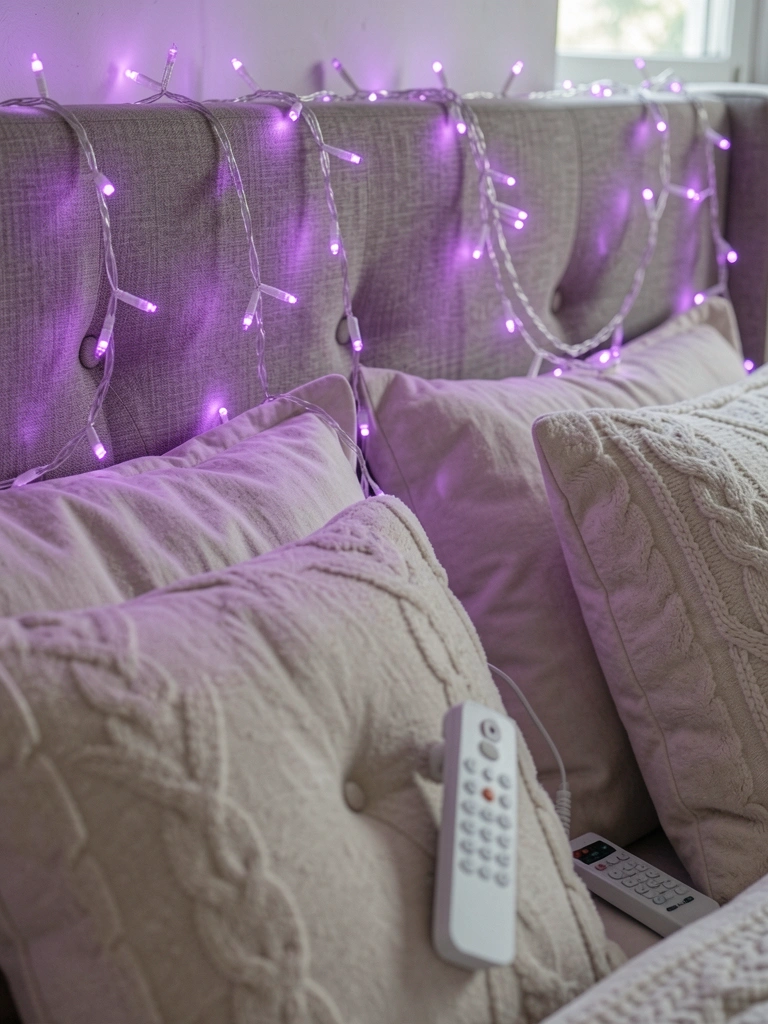
    Warm LED string lights
    Matte ceramic table lamp

    25. Simple Cork Strip for Notes and Inspiration

    I mounted a cork strip and use it for tickets, small photos, and notes. It’s surprisingly satisfying. I once filled it so much it became messy—now I rotate items monthly.

    Cork strips are low-profile and useful. They help a wall feel personal without permanent holes.

    What You’ll Need for This Look
    Thin cork strip (3 ft)
    Mini push pins

    Final Thoughts

    You don’t need to do all of these. I tried many and kept what felt right for my life. Pick one or two ideas, try them, and live with them for a month.

    Small changes add up. Make it comfortable, not perfect.

  • 24 Magical Aesthetic Bedroom Walls Ideas To Inspire Your Style

    24 Magical Aesthetic Bedroom Walls Ideas To Inspire Your Style

    I used to think walls were just background. Then I spent months swapping paint, returning frames, and finally learning what actually makes a bedroom feel like mine. These ideas are simple, honest, and tested in real rooms — not showrooms.

    They helped me sleep easier and made guests pause. Try one or mix a few.

    24 Magical Aesthetic Bedroom Walls Ideas To Inspire Your Style

    These 24 ideas are hands-on, budget-friendly, and very doable. I include materials I actually bought and small mistakes I made so you won’t repeat them. Use these to pick one look or combine a few to match your vibe.

    1. Soft Painted Accent Wall in a Muted Tone

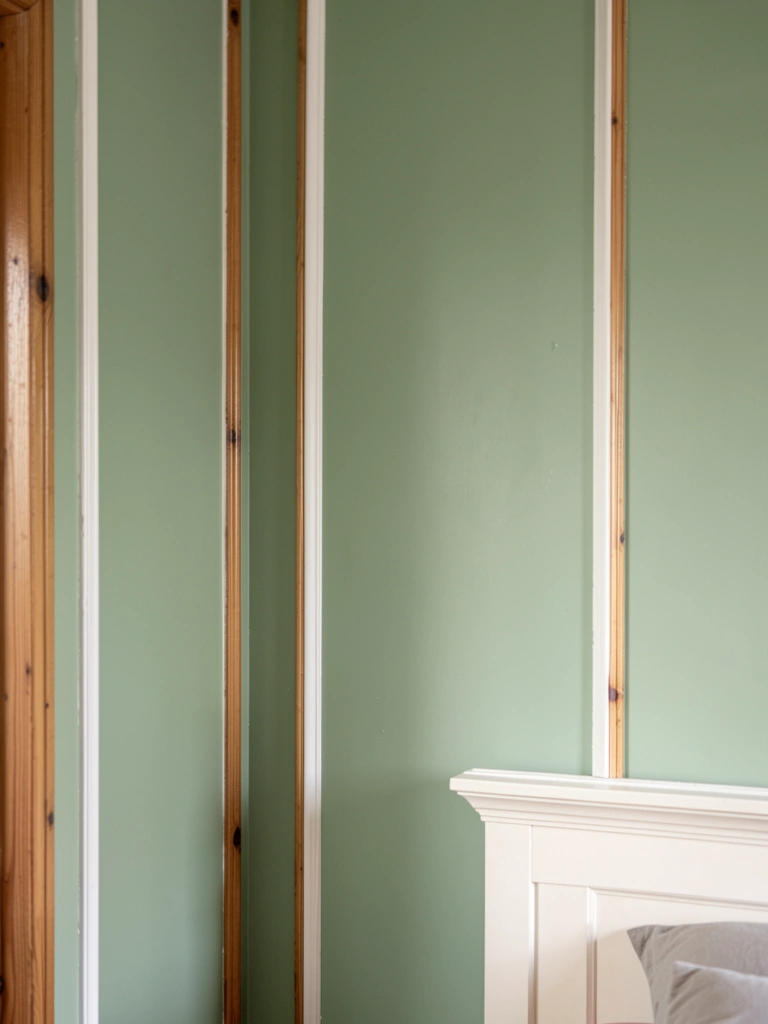
    I painted one wall in my bedroom a muted sage and it changed the whole mood. I used a matte finish and avoided glossy streaks. At first I over-sampled paint colors and returned two cans—lesson learned: view samples at different times of day.

    A single colored wall is calm and anchors the bed without feeling heavy. Keep trim and ceiling a soft white for contrast.

    What You’ll Need for This Look

    2. Mismatched Vintage Frame Gallery Wall

    I collected frames from thrift stores and mixed prints, photos, and a pressed flower. It looked chaotic at first until I kept the color palette consistent—cream, black, and muted gold. I mismeasured spacing and had to patch two holes. Measure twice.

    I taped paper templates to the wall to preview the layout. The result feels collected and personal, not staged.

    What You’ll Need for This Look

    3. Floating Shelves Styled with Books and Plants

    I installed two floating shelves and filled them with books, a candle, and a trailing plant. It’s an easy way to add depth without nails covering every inch. I learned the hard way that cheap brackets sag—upgrade the hardware.

    Rotate items seasonally and leave negative space so it never looks cluttered. This makes the wall functional and cozy.

    What You’ll Need for This Look

    4. Textured Wallpaper on One Accent Wall

    I put up grasscloth wallpaper to add warmth. It was forgiving of small wall flaws but hard to line up if you rush. I ordered an extra roll because seams can be picky. One wall is enough to feel luxe without overwhelming the room.

    Pick a natural tone to keep the look calm. It adds texture that paint can’t replicate.

    What You’ll Need for This Look

    5. Oversized Fabric Tapestry as a Headboard

    When I couldn’t decide on art, I hung a large linen tapestry. It softened echoes and created a focal point. I initially used tiny nails and the fabric drooped—switch to proper poster hangers or a hidden rod.

    A tapestry is washable and easy to swap. It’s a cozy way to get color and pattern without commitment.

    What You’ll Need for This Look

    6. Warm LED Strip Lighting Behind the Headboard

    I ran warm LED strips behind my headboard. It created a soft halo that made the room feel calmer at night. I bought cheap strips once and they flickered—spend a bit more for a dimmer function.

    Use warm white (2700–3000K) for bedroom coziness. It’s subtle but changes evening light dramatically.

    What You’ll Need for This Look

    7. Painted Geometric Tape Accent

    I used painter’s tape to create a geometric accent in terracotta and cream. My first attempt bled under the tape. I pressed the tape edge hard and did thin coats after that. Small shapes add interest without dominating the room.

    Keep the palette to two or three colors for cohesion. It’s a weekend project that feels custom.

    What You’ll Need for This Look

    8. Tall Wainscoting for Subtle Structure

    I added tall wainscoting to anchor low ceilings. It made the wall feel intentional. I miscalculated panel height once and had to trim boards—measure carefully. Painted it soft white and left the upper wall a warm beige.

    Wainscoting adds architectural interest without busy patterns. It’s classic and calming.

    What You’ll Need for This Look

    9. Layered Neutral Textiles That Make a Room Feel Finished

    I draped neutral textiles on a simple rod above the bed. The layers hid small wall imperfections and made nights feel softer. I initially bought a too-thin fabric and it looked cheap—choose weightier linen or wool.

    This approach is forgiving, cozy, and easy to change. It’s less commitment than wallpaper.

    What You’ll Need for This Look

    10. Minimal Floating Nightstand and Wall Lamp Combo

    I swapped bulky nightstands for a small floating shelf and a wall lamp. The wall looks cleaner and the floor is easier to keep tidy. I once bought a lamp with the wrong cord length—check wiring before you buy.

    This is a modern, airy look that keeps the wall useful and uncluttered.

    What You’ll Need for This Look

    11. Gallery Ledge for Rotate-able Art

    A gallery ledge changed how often I rotate art. I can swap prints seasonally without new holes. I once overloaded a thin ledge and it sagged—choose a sturdy, wider shelf.

    Leave negative space between pieces for breathing room. It’s flexible and feels intentionally layered.

    What You’ll Need for This Look

    12. Mirror Cluster to Bounce Light and Make Space Feel Bigger

    I hung a cluster of small mirrors opposite the window. The room feels brighter and larger. I initially used cheap mirrors that warped—opt for flat, quality glass.

    Mix frame styles but keep a shared tone like black or brass. Mirrors are functional and decorative at once.

    What You’ll Need for This Look

    13. Vertical Wood Slat Accent for Warmth

    I installed vertical wood slats on one wall. It adds warmth and rhythm without being busy. My first slats had uneven spacing—use a spacer guide to keep lines straight.

    This look works with neutral bedding and a few plants. It feels modern and cozy.

    What You’ll Need for This Look

    14. Tape-On Fabric Panels for a Quieter Room

    I used adhesive fabric panels to dampen sound and add softness. They’re light to install and made evenings feel quieter. I once chose a pattern that competed with curtains—stick to solids or subtle textures.

    They’re great if you rent or don’t want heavy construction.

    What You’ll Need for This Look

    15. Botanical Prints in Thin Frames for a Calm Look

    I hung botanical prints in slim black frames and it read calm and curated. I once used too-large mats and the frames looked off—match mat size to frame scale.

    Botanical art pairs with plants for cohesion. It’s simple but personal if you choose prints you like.

    What You’ll Need for This Look

    16. Subtle Ombre Paint for a Soft Gradient

    I tried an ombre wall and it felt like a wake-up call for the room. My first gradient was too abrupt. I blended thin layers with a damp sponge to soften transitions. The effect is dreamy without being loud.

    Keep colors in the same family for a serene feel.

    What You’ll Need for This Look

    17. Large-Scale Wallpaper Mural for Personality

    I used a mural on one wall to add personality. It felt bold but not juvenile because I balanced it with simple textiles. I underestimated pattern scale and had to cut panels—measure carefully.

    Mural = instant character. Pair it with calm decor so the wall remains the star.

    What You’ll Need for This Look

    18. Chalkboard or Painted Memo Wall for Notes and Doodles

    I painted a slim chalkboard strip beside my desk wall for lists and doodles. It’s useful and playful. My chalkboard paint bumped into textured plaster badly—make sure your wall is smooth first.

    Use it small to avoid feeling cluttered. It’s practical and personable.

    What You’ll Need for This Look

    19. Macramé Wall Hanging for Boho Texture

    I bought a handmade macramé and it instantly softened the room. The texture makes everything feel more tactile. I initially hung it too low and it crowded the bed—raise it so it breathes.

    Macramé adds a touch of craft without feeling fussy. It’s great if you like natural materials.

    What You’ll Need for This Look

    20. Layered Rugs Hung on the Wall for Color

    I hung a vintage rug on the wall for color and pattern. It felt authentic and added warmth. I once used thin nails that didn’t hold—use proper anchors or a rail.

    This is a bold move but it grounds the bed and tells a story.

    What You’ll Need for This Look

    21. Simple Neon or LED Word Sign for Personality

    I tried a small LED word sign and it adds quiet personality in the evening. Avoid bright colors that compete with your lighting—I returned a neon-pink one for a warm white version.

    Choose a word that feels honest to you. It’s modern without being flashy.

    What You’ll Need for This Look

    22. Corkboard Strip for Functional Styling

    I added a narrow cork strip to pin tickets and small photos. It keeps memories visible and is easy to update. I once used a full cork tile that overwhelmed the space—scale down.

    It’s practical and decorative when styled with curated items.

    What You’ll Need for This Look

    23. Framed Textile Swatches for a Soft Collage

    I framed textile swatches from old throws to create a soft collage. It’s a tactile way to show texture without heavy decor. I initially stretched them too tight and lost texture—leave some natural drape.

    It’s budget-friendly and feels very personal.

    What You’ll Need for This Look

    24. Green Wall Corner with Hanging Plants

    I created a small plant corner with hanging planters and a macramé hanger. The living green against the wall feels alive and calming. I learned to pick low-light plants for that corner; fussy plants died on me.

    Use trailing plants like pothos for easy care and soft lines.

    What You’ll Need for This Look

    Final Thoughts

    You don’t need all 24 looks. Pick one that suits your daily life and try it out. I’ve kept the ones that felt right and tossed the rest.

    Start small. Swap one wall, one shelf, or one light. Little changes add up and make your room feel like home.

  • 22 Cozy Small Bedroom Wall Decor Ideas For Maximum Impact

    22 Cozy Small Bedroom Wall Decor Ideas For Maximum Impact

    I used to ignore wall space in tiny bedrooms. Then I learned that one well-chosen touch can make the whole room feel intentional.

    These 22 ideas are things I’ve actually used, tested, and returned when they didn’t work. They’re small-bedroom friendly and easy to shop for.

    22 Cozy Small Bedroom Wall Decor Ideas For Maximum Impact

    These 22 ideas are practical, lived-in fixes that won’t crowd your room. I give you what worked, what I’d skip, and exactly what to buy for each look. Each idea is small-space tested and ready to try.

    1. Layered Neutral Textiles That Make a Room Feel Finished

    I hung a narrow linen panel above my headboard and it instantly grounded the bed. The fabric softens the wall without taking visual space the way a big shelf would. I learned the hard way that cheap panels sag—get one with a rod pocket or linen blend.

    This adds warmth and a quiet focal point. It’s especially good if you have low ceilings and want softness, not height. Keep the colors muted for a calm look.

    What You’ll Need for This Look

    2. Slim Floating Shelves for Books and Plants

    I swapped a bulky bookcase for two slim floating shelves and the room breathed. Shelves let me layer books vertically and add a trailing plant that softens sharp edges. My mistake was spacing them too close—leave 10–12 inches between shelves for a curated look.

    They’re great for showing things you actually use: a bedtime book, an alarm clock, a small lamp. Go shallow (6–8 inches) so they don’t stick into the walking space.

    What You’ll Need for This Look

    3. Gallery Rail with Leaned Art for Easy Swaps

    I installed a narrow picture ledge and started leaning art instead of hanging everything. It’s much easier to swap pieces and keeps holes to a minimum. I once hung a heavy frame directly into drywall and it pulled out—use anchors or a rail.

    Leaning art creates layered depth without crowding the room. Keep frame colors consistent for calm and vary art sizes for interest.

    What You’ll Need for This Look

    4. Vertical Mirror to Stretch a Small Room

    A slim vertical mirror was the best budget trick I used to make my narrow room feel taller. I placed it opposite the window and it bounced light without taking floor space. I learned not to pick an ornate frame—clean, slim frames read less visually heavy.

    Mirrors also double as art when you choose an interesting shape. Mount securely; when it fell once I re-anchored it and felt silly for not using the right hardware.

    What You’ll Need for This Look

    5. Woven Basket Cluster for Warmth and Texture

    I hung a cluster of woven baskets above my dresser and it felt like the room had finally settled. The texture brings warmth without color, which is handy in small spaces. Early on I spaced them randomly and it looked messy—plan the layout on the floor first.

    Baskets are light and easy to hang, and they add a cozy, handmade vibe. Mix sizes and shapes, but stick to a cohesive color family so the wall reads calm.

    What You’ll Need for This Look

    6. Small-Scale Gallery Wall with Consistent Frames

    I curated a tiny gallery wall using the same frame in different sizes. It felt orderly and intentional—exactly what clutter-prone walls need. My first attempt used mismatched frames and looked chaotic, so I returned half the frames and simplified.

    Arrange the frames on the floor first, then transfer to the wall. Keeping mats the same color makes the display read as one piece and keeps the room feeling calm.

    What You’ll Need for This Look

    7. Simple Sconce Lighting Flanking the Bed

    I removed bedside lamps to free up cramped nightstands and installed two small sconces. It gave the room a cleaner silhouette and saved surface clutter. I made the mistake of buying hardwired-only sconces once; choose plug-in if you can’t rewire.

    Sconces create layers of light and make even a tiny wall feel finished. Pick a slim profile so they don’t intrude on headspace.

    What You’ll Need for This Look

    8. Peel-and-Stick Removable Wallpaper Accent Strip

    I used a thin vertical strip of removable wallpaper behind my bed instead of painting a whole wall. It added personality without commitment. My early attempt used a busy print and made the room feel smaller—go subtle for tiny spaces.

    Peel-and-stick is forgiving and easy to reposition. Use a level and squeegee to avoid bubbles. This is a great renter-friendly way to add pattern.

    What You’ll Need for This Look

    9. Hanging Plant Corner to Soften Edges

    I added a trio of hanging plants in the corner and it softened the room’s angles instantly. Plants add life without taking floor space—crucial in a small bedroom. I once overwatered a hanging pothos and made a mess on the floor; use drip-tray liners or low-water plants.

    Choose lightweight pots and secure hooks into studs if possible. The greenery feels cozy and lived-in without shouting for attention.

    What You’ll Need for This Look

    10. Framed Fabric or Scarf as Affordable Wall Art

    I framed a scarf and now it’s one of my favorite inexpensive art pieces. It adds color and pattern without needing a lot of wall space. My early attempt used a standard frame without acid-free matting; the fabric wrinkled. Use a deep frame or archival mat for a flat finish.

    Framed textiles feel personal and are easy to swap seasonally. Pick a fabric with some body so it doesn’t sag inside the frame.

    What You’ll Need for This Look

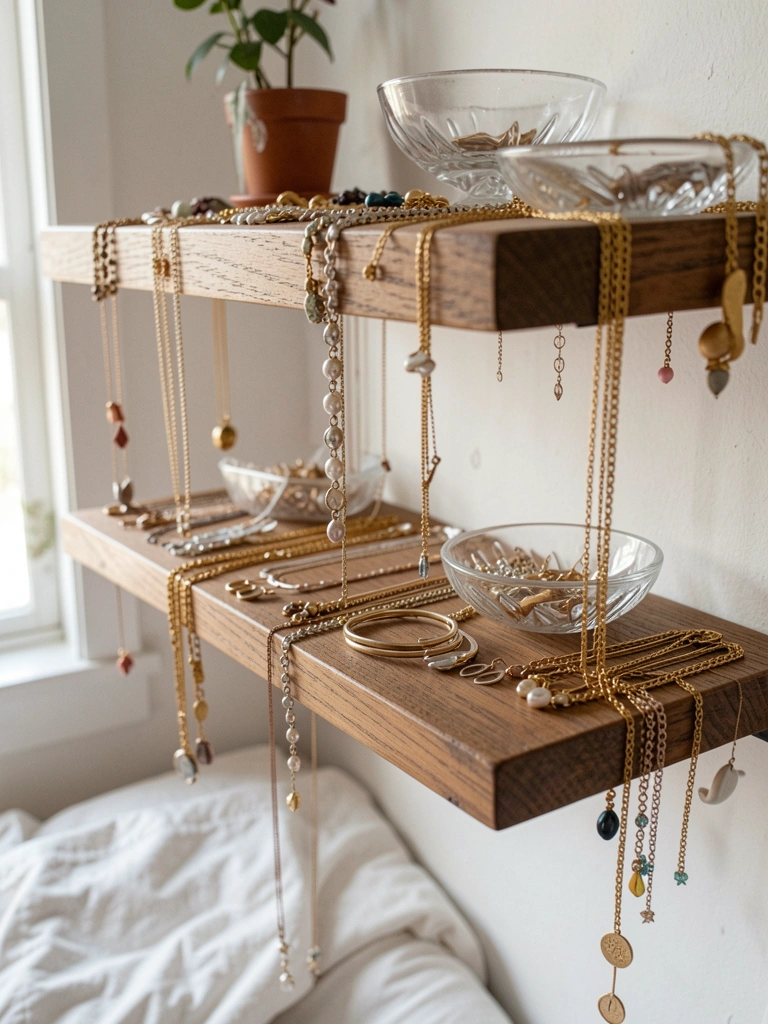
    11. Pegboard Jewelry and Accessory Display

    I installed a painted pegboard and it’s the neatest way I’ve organized jewelry. Everything is visible and feels like part of the decor. At first I drilled holes in the wrong spot—measure twice when you plan the layout.

    Pegboards are surprisingly decorative when painted a soft color. Use a mix of hooks and small shelves to hold earrings, watches, and perfume without clutter.

    What You’ll Need for This Look

    12. Narrow Reclaimed Wood Headboard Panel

    I mounted a slim reclaimed wood panel as my headboard and it gave the bed presence without overwhelming the room. The wood adds texture and feels deliberate. I once bought wood with rough splinters—sand and seal reclaimed pieces before installing.

    A narrow headboard like this keeps the bed cozy and adds a tactile focal point. It’s low-profile but immediately feels intentional and warm.

    What You’ll Need for This Look

    13. Minimal Floating Nightstand Mounted to Wall

    I swapped my bulky nightstand for a slim floating shelf and gained walking space. It’s perfect for a book, phone, and small lamp. I made the mistake of choosing one too shallow—make sure it fits your bedtime essentials.

    Floating nightstands read modern but feel lived-in when you style them with a small tray and lamp. Anchor them well, they’ll hold more than you expect.

    What You’ll Need for This Look

    14. LED Picture Lights to Make Art Pop

    I added a slim LED picture light to a small print and suddenly it read like intentional decor. The focused light makes a small piece feel important without adding bulk. I once purchased a harsh, cool-toned LED that looked clinical—choose warm LEDs.

    These lights are plug-in or battery-operated, so they work in rentals. They make artwork feel like the centerpiece, even if it’s a small frame.

    What You’ll Need for This Look

    15. Painted Trim or Molding to Add Depth

    I painted a simple trim outline on my wall and it read like a built-in detail. It’s subtle but makes the wall feel layered. I did a crooked line once because I rushed—use painter’s tape and take your time.

    This is an affordable way to add architectural interest without construction. Choose a slightly darker or lighter shade than the wall for a quiet effect.

    What You’ll Need for This Look

    16. Vertical Photo Strip Using Washi Tape

    I started a vertical photo strip of weekend snapshots and it became my favorite low-key wall. It creates a personal timeline without needing big frames. My first tape choice left sticky residue—choose low-tack washi tape for photos.

    A vertical column saves horizontal space and draws the eye up. Swap photos often for a fresh look without extra holes in the wall.

    What You’ll Need for This Look

    17. Wall-Mounted Magnetic Nightstand for Small Items

    I attached a magnetic wall pocket beside my bed to hold keys, my phone, and a spare change bowl. It’s minimal and keeps surfaces clear. I once bought weak magnets and things slid off—get one with strong magnets or screws.

    This solution is perfect if you want a landing spot for small items without a nightstand. It’s a small detail that makes evenings easier.

    What You’ll Need for This Look

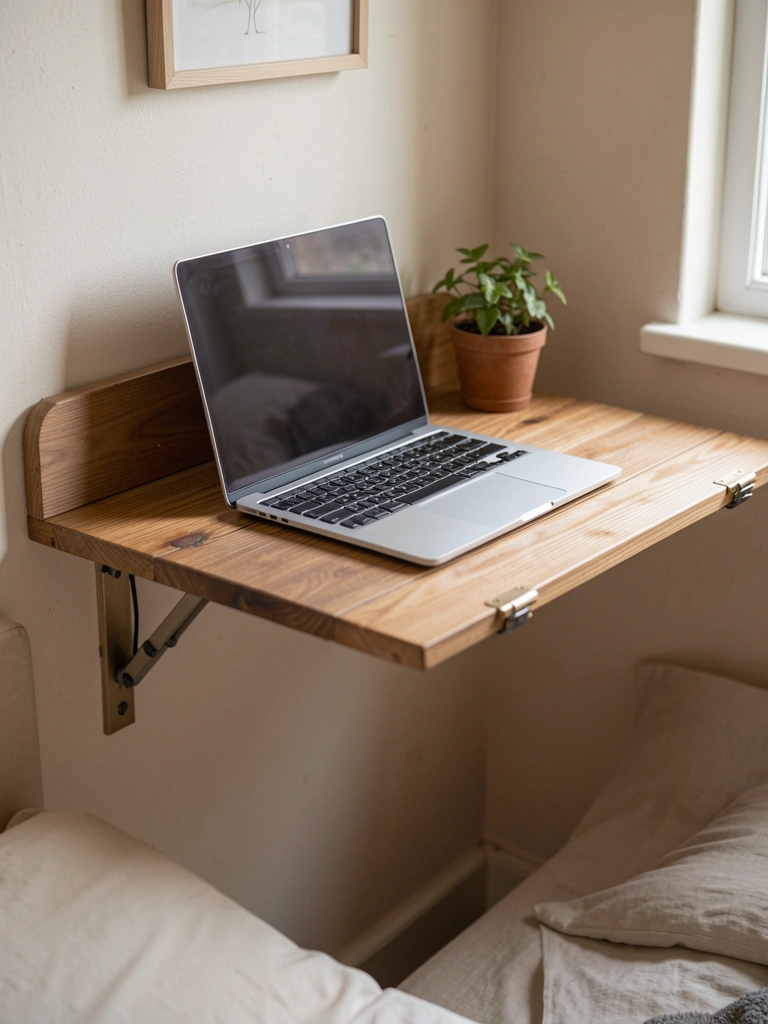
    18. Mounted Fold-Down Desk That Doubles As Wall Art

    I installed a narrow fold-down desk that looks like a panel when closed. It gives me a tiny workspace that disappears at night. I learned to measure clearance so it doesn’t block the walk path when open.

    It’s a practical way to add function without losing wall real estate. Use it as a nightstand alternative or a small vanity.

    What You’ll Need for This Look

    19. Warming Color Accent Band Instead of a Full Wall

    I painted a slim horizontal color band across my wall instead of the whole room and it felt intentional. It adds warmth without making the room feel boxed in. I once painted the band too high and it cut the window awkwardly—test tape placement first.

    A low, horizontal band keeps the eye moving and can visually widen a room. Stick to one warm, muted tone for cozy results.

    What You’ll Need for This Look

    20. Textile Tassel or Macramé Fringe as a Headboard

    I hung a macramé fringe as a headboard and the room felt softer immediately. The texture reads bigger than the piece actually is. I made the mistake of picking a heavy piece that sagged—choose lighter cotton or a well-supported rod.

    It’s cozy and bohemian without being busy. This is a great way to add pattern and softness while keeping the wall visually light.

    What You’ll Need for This Look

    21. Slim Corner Shelving Unit for Layered Styling

    I added a slim corner shelf and it used awkward space that was otherwise wasted. It’s perfect for layering small decor and a bedside book. My first corner shelf was too deep and crowded the walkway—choose a shallow profile.

    Corner shelving makes the room feel finished and intentionally styled without stealing floor space. Keep styling minimal so it doesn’t feel cluttered.

    What You’ll Need for This Look

    22. Statement Mirror Gallery with Mixed Shapes

    I grouped a few small mirrors in different shapes and it became a lively focal point. Mirrors reflect light and make tight spaces feel more open. I once balanced too many shiny frames and it felt chaotic—limit the cluster to 3–5 pieces.

    Mix metal and wood frames for contrast and keep overall scale small so the wall breathes. It’s decorative and doubles as a functional mirror.

    What You’ll Need for This Look

    Final Thoughts

    You don’t need to try everything. Pick one or two ideas that fit your life and start small.

    I promise small changes can make your tiny bedroom feel calm and used-in. Have fun tweaking until it feels like yours.

  • 22 Beautiful Bed Back Wall Ideas For a Fresh New Look

    22 Beautiful Bed Back Wall Ideas For a Fresh New Look

    Your bedroom’s back wall isn’t just a backdrop—it’s a canvas for personal expression and design innovation. Whether you’re craving a minimalist sanctuary or a bold statement space, the right wall treatment can completely transform your sleeping environment. From textured wallpapers to strategic color choices, these 22 bed back wall ideas promise to elevate your room’s aesthetic and functionality. Curious how a single wall can redefine your personal retreat? Let’s explore the possibilities that await.

    Transform Your Bedroom: A Complete Wall Design Guide

    Your bedroom’s back wall isn’t just a backdrop—it’s a canvas for personal expression and design innovation.

    Through strategic wall framing and thoughtful color blending, you’ll transform a mundane space into a personalized sanctuary.

    Embrace creative techniques that reflect your unique style, turning your bed’s back wall into a statement piece that breathes life into your bedroom’s aesthetic.

    Understanding Modern Bedroom Wall Aesthetics

    Five key principles define modern bedroom wall aesthetics, transforming blank surfaces into dynamic design experiences.

    You’ll discover how wall color psychology and texture trends collaborate to create intimate, expressive spaces.

    Contemporary design emphasizes minimalism, emotional resonance, and personal narrative through strategic wall treatments that reflect individual style and sensibility.

    Minimalist Wall Designs for Small Spaces

    In the sphere of compact bedrooms, minimalist wall designs emerge as transformative solutions that expand visual perception and maximize limited square footage.

    You’ll discover how strategic minimalist art and clean lines can visually enlarge small spaces, creating an illusion of openness and sophistication that liberates your bedroom’s aesthetic potential.

    Bold Black Walls: Creating Dramatic Bedroom Statements

    While black walls might seem intimidating, they can transform a bedroom into a sophisticated, high-impact sanctuary that radiates dramatic elegance. Create bold statement pieces against deep black backdrops, allowing your furniture and accents to pop with dramatic contrast. The key is balancing darkness with strategic lighting and complementary textures that breathe life into your space.

    Sky Blue Accent Walls: Brightening Your Personal Space

    Countless interior designers recognize sky blue as a transformative accent wall color that instantly brightens and expands bedroom spaces.

    You’ll discover sky blue hues create a serene personal retreat, offering visual breathing room and a sense of calm. This tranquil shade invites relaxation while making your bedroom feel more spacious and refreshed.

    Industrial Chic: Metal and Concrete Wall Techniques

    From the soft, airy expanses of sky blue, bedroom wall design shifts dramatically to embrace industrial chic’s raw, textural aesthetic. You’ll love metal accents and concrete finishes that transform your back wall into a bold statement. Exposed steel panels, weathered copper sheets, and polished cement surfaces create an edgy, sophisticated backdrop that speaks to modern design sensibilities.

    Bohemian Wall Styles: Texture and Color Exploration

    Because bohemian design celebrates individualistic expression, your bedroom’s back wall becomes an artistic canvas for rich, eclectic textures and vibrant color stories.

    Blend bohemian textiles, vibrant wallhangings, and nature-inspired designs to create layered aesthetics. Incorporate eclectic patterns, natural materials, and bold colorways that reflect your free-spirited personality through whimsical accents.

    Mid-Century Modern Wall Design Principles

    When exploring mid-century modern wall design, you’ll discover a design philosophy that embraces clean lines, functional minimalism, and organic geometric forms.

    You’ll want to incorporate mid-century materials like teak wood, sleek metal accents, and retro color palettes featuring mustard yellow, burnt orange, and muted greens to create an authentic, timeless aesthetic.

    Budget-Friendly Wall Transformation Strategies

    Though transforming your walls doesn’t require an extensive budget, strategic design choices can dramatically elevate your space’s aesthetic appeal.

    Consider budget wallpaper with bold patterns or affordable art pieces that make a statement. You’ll create visual interest without breaking the bank, using creativity and smart shopping to reimagine your bedroom’s backdrop.

    Choosing the Right Texture for Your Bedroom Walls?

    How do you transform a bedroom wall from flat and forgettable to rich and enchanting? Explore texture variety that elevates your space’s aesthetic. Consider functional materials like textured wallpapers, embossed panels, or decorative plasters that add depth and character. Your wall’s texture can dramatically reshape your bedroom’s ambiance, creating a personalized sanctuary that reflects your unique style and design sensibilities.

    Color Psychology in Bedroom Wall Design

    Color carries profound psychological impact, transforming bedroom walls from mere background surfaces into emotional landscapes that influence mood, relaxation, and personal well-being.

    You’ll find that strategic color selections can create design harmony, with blues promoting tranquility, greens encouraging balance, and soft neutrals supporting restful environments that reflect your emotional needs and aesthetic preferences.

    Integrating Wall Panels for Visual Impact

    Wall panels have emerged as a transformative design element that can elevate your bedroom’s aesthetic from ordinary to extraordinary.

    By exploring diverse panel materials and wall textures, you’ll create design contrasts that enhance spatial dynamics.

    Strategic color combinations and modular designs enable aesthetic layering, ensuring visual harmony in your personal sanctuary.

    DIY Wall Treatment Techniques

    While DIY wall treatments offer an accessible pathway to personalized bedroom design, they require strategic planning and careful execution.

    You’ll find numerous techniques like faux finishes, stenciling, and removable decals that can transform your bed’s back wall.

    Wood paneling, fabric applications, and textured surfaces provide creative opportunities to craft a unique, expressive space that reflects your individual style.

    Professional Installation vs. Home Customization

    Although bedroom accent walls can dramatically enhance interior design, homeowners face a critical decision between professional installation and personalized DIY projects.

    You’ll need to weigh cost comparison, skill assessment, and design complexity.

    Custom contractors offer precision, while DIY approaches provide creative freedom.

    Your choice depends on budget, technical expertise, and desired aesthetic outcome.

    Matching Wall Design With Existing Furniture

    Because your bedroom’s visual harmony depends on strategic design choices, carefully coordinating your back wall’s aesthetic with existing furniture becomes essential. Consider your furniture styles and color harmonization to create a cohesive look. Select wall treatments that complement your current pieces, ensuring a balanced and intentional design that reflects your personal aesthetic and maintains visual flow.

    Maximizing Small Bedrooms With Strategic Wall Choices

    When space feels confined, strategic wall design becomes your secret weapon for transforming small bedrooms into visually expansive sanctuaries.

    You’ll release space optimization through vertical storage solutions like floating shelves, wall-mounted cabinets, and multi-functional headboard designs that maximize every inch without cluttering your precious square footage.

    Sustainable and Eco-Friendly Wall Design Options

    If sustainability drives your bedroom design choices, eco-friendly wall treatments offer a compelling intersection of environmental consciousness and aesthetic innovation. Consider reclaimed wood panels, bamboo accents, or hemp wallpaper to transform your back wall with sustainable materials that reflect your commitment to mindful living and design excellence.

    Lighting Considerations for Wall Treatments

    While lighting can dramatically transform the aesthetic impact of your bedroom’s back wall, strategic illumination goes far beyond mere functionality.

    Consider layering ambient lighting with accent illumination to create depth and visual interest. Soft wall sconces, LED strip lighting, or artfully positioned pendant lights can elevate your back wall’s design, offering both dramatic flair and personalized ambiance.

    Seasonal Wall Design Updates

    Because design trends evolve with seasonal shifts, your bedroom’s back wall can become a dynamic canvas for periodic transformations. Experiment with seasonal colors and texture shifts that reflect each quarter’s mood. Swap out wall hangings, introduce warmer textiles in winter, or lighten your palette during summer to create an ever-changing, personalized sanctuary.

    Common Wall Design Mistakes to Avoid

    When designing your bedroom’s back wall, designers and homeowners often stumble into common pitfalls that can undermine the entire aesthetic appeal of the space.

    These wall design blunders include overcrowding the wall, ignoring proportions, and mismatching textures.

    Professional Designer Tips for Wall Transformation

    If you’re seeking to elevate your bedroom’s back wall from mundane to magnificent, professional designers recommend a strategic approach to wall transformation.

    They suggest experimenting with bold wallpaper trends, integrating unique wall art, and layering texture combinations that reflect your personality through accent pieces and framing techniques.

    As design technologies and aesthetic preferences evolve, bedroom wall design is rapidly transforming into a dynamic canvas of personal expression and innovative materials.

    You’ll see futuristic designs integrating smart wall technology, enabling personalized color shifts, interactive surfaces, and seamless digital integration that reflects your unique style and mood.

  • 24 Unique Bedroom Design Styles Ideas That Upgrade Your Home

    24 Unique Bedroom Design Styles Ideas That Upgrade Your Home

    Your bedroom is more than just a space—it’s a personal sanctuary that reflects your unique style and supports your well-being. Imagine transforming this intimate area from a simple sleeping quarters into a stunning retreat that energizes and inspires you daily. With 24 innovative design styles waiting to be explored, you’ll discover how strategic choices in color, texture, and layout can completely revolutionize your most personal living space. Are you ready to reveal your bedroom’s hidden potential?

    Create Your Bedroom Tech Detox Zone

    While technology has become an integral part of modern life, your bedroom should be a sanctuary from digital distractions.

    Create a screen-free sanctuary by removing televisions, smartphones, and laptops.

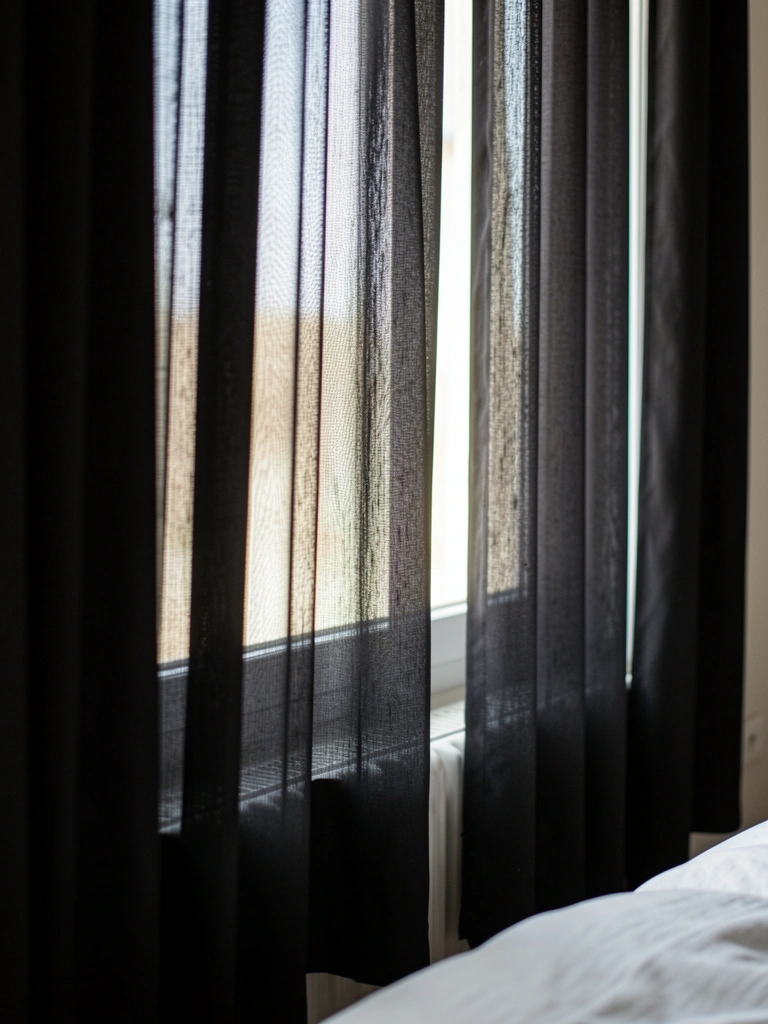
    Designate charging stations outside your bedroom, use analog alarm clocks, and invest in blackout curtains to minimize electronic temptations and promote restful, uninterrupted sleep.

    Design a Cozy Textile Sanctuary

    After banishing digital distractions, transform your bedroom into a tactile haven of comfort and warmth through strategic textile selections.

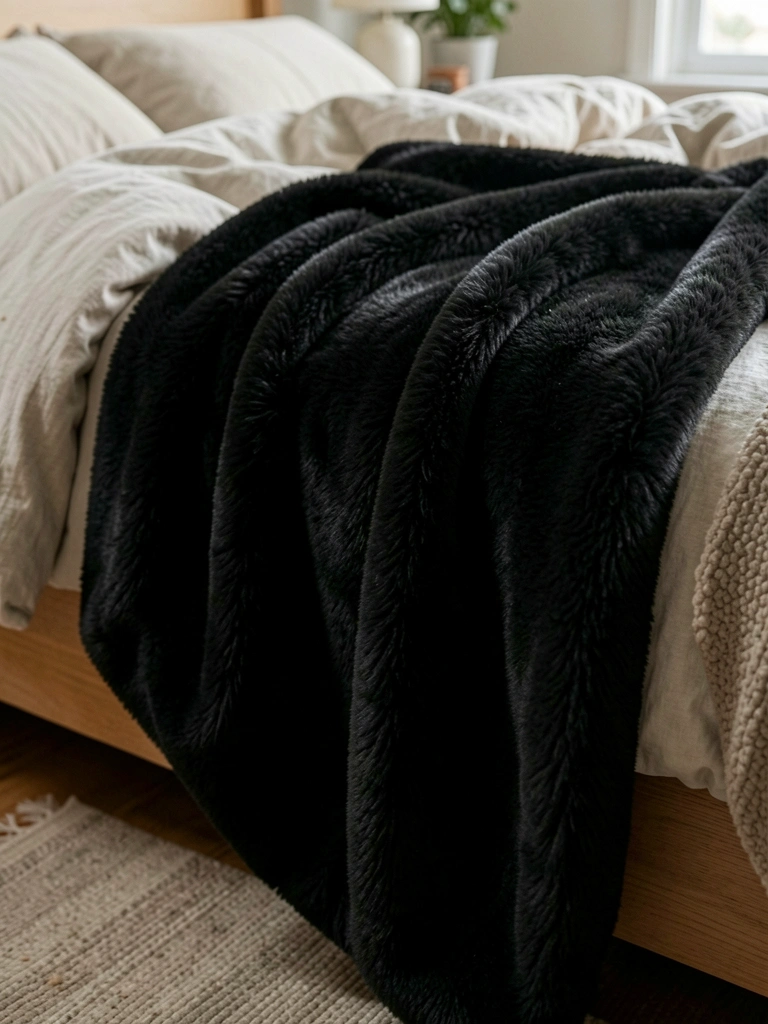
    Layer plush throws, soft area rugs, and richly textured accent fabric choices that invite touch and relaxation.

    Choose textile color combinations that harmonize with your personal sanctuary, creating a sensory landscape of tranquility and personal freedom.

    Embrace Bold European Design Patterns

    As European design boldly reimagines bedroom aesthetics, intricate patterns and dynamic geometric motifs transform ordinary spaces into enchanting visual narratives. You’ll discover bold European textiles that weave vintage elegance with artisan craftsmanship, creating eclectic accents that celebrate cultural influences through vibrant, unapologetic design choices that liberate your personal sanctuary.

    Craft a Warm, Modern Bedroom Aesthetic

    Building on the bold European design principles, modern bedroom aesthetics now embrace warmth through intentional, minimalist approaches that balance sophisticated comfort with clean architectural lines. You’ll want to focus on modern color schemes that evoke serenity and use ambient lighting to create depth, transforming your space into a sanctuary that feels both contemporary and inviting.

    Choose Sculptural Bed Frames That Transform

    In the domain of modern bedroom design, sculptural bed frames aren’t just furniture—they’re architectural statements that redefine your personal sanctuary.

    Choose artistic headboards with bold geometric lines and stylish leg designs that elevate your space.

    These transformative pieces create visual drama, turning your bedroom into a curated expression of contemporary aesthetic and individual freedom.

    Build a Multi-Sensory Sleep Retreat

    While modern bedrooms transcend mere sleeping spaces, they’re evolving into holistic wellness environments that engage multiple sensory dimensions. Create your sanctuary by integrating calming textures, strategic lighting, and soothing soundscapes. Select sensory elements that transform your sleep atmosphere, allowing intuitive design to nurture relaxation and elevate your personal rest experience.

    Select Grounding Earthy Color Palettes

    Anchoring your bedroom’s sensory experience requires a thoughtful color palette that grounds and calms.

    Choose warm tones like terracotta, sage green, and deep ochre to create natural earthiness.

    These colors’ll transform your space into a serene sanctuary, connecting you with organic elements and providing a tranquil backdrop for restorative sleep and personal freedom.

    Add Drama With Strategic Red Accents

    Though subtle earth tones provide a calming foundation, strategic red accents can electrify your bedroom’s design with dramatic energy.

    You’ll transform spaces by incorporating bold red throw pillows, artwork, or an accent chair that creates visual tension.

    These red accent ideas breathe life into dramatic color schemes, ensuring your bedroom feels both sophisticated and energetically alive.

    Incorporate Natural Materials Beautifully

    After infusing dramatic red accents, consider grounding your bedroom’s aesthetic with natural materials that evoke warmth and organic sophistication. Integrate natural wood headboards, stone accents, and reclaimed materials to create an eco-friendly sanctuary. Soft organic textiles and botanical elements transform your space, while natural finishes and earthy scents complete the harmonious, liberating environment.

    Transform Walls With Moody Designs

    While transforming your bedroom walls can dramatically shift the room’s emotional landscape, moody design offers a nuanced approach to creating atmospheric depth and visual intrigue.

    Experiment with dark color palettes, textured wallpaper, and painted murals to establish a sophisticated contrast.

    Layer wall art, decals, and strategic accent lighting to enhance shadow play and cultivate a mesmerizing moody ambiance.

    Seamlessly Integrate Smart Home Tech

    As smart home technology continues to evolve, your bedroom can become a cutting-edge sanctuary of convenience and connectivity.

    Integrate smart lighting, voice control, and automated blinds to transform your space.

    Leverage health monitoring devices, energy-efficient systems, and interactive displays that enhance comfort while providing seamless wireless charging and mood-setting capabilities.

    Blend Vintage and Modern Styles

    Though design trends often push toward stark minimalism, blending vintage and modern styles can create a bedroom that’s both timeless and sophisticated.

    Mix vintage accents like antique mirrors or mid-century lamps with sleek, modern furnishings.

    This approach allows you to curate a space that tells a story while maintaining a clean, contemporary aesthetic that reflects your personal style.

    Create Custom Lighting Experiences

    Because lighting can transform a bedroom from merely functional to extraordinarily personal, custom lighting experiences offer designers and homeowners powerful opportunities for spatial storytelling.

    You’ll want to explore ambient lighting strategies that integrate customizable fixtures, allowing you to craft mood-responsive environments that reflect your unique aesthetic and emotional landscape.

    Achieve Minimalist Bedroom Elegance

    When pursuing minimalist bedroom elegance, you’ll discover that less truly becomes more—a design philosophy that transforms sparse spaces into sophisticated sanctuaries.

    Embrace clutter-free living through strategic minimalist decor choices that amplify spatial serenity.

    Select clean-lined furniture, neutral color palettes, and purposeful accessories that elevate your personal sanctuary without overwhelming its core aesthetic.

    Design Your Four-Poster Dream Haven

    If you’ve ever dreamed of transforming your bedroom into a regal retreat, a four-poster bed might be the perfect centerpiece for your design vision.

    Embrace the four-poster appeal by selecting a frame that complements your aesthetic—whether ornate wooden craftsmanship or sleek modern lines.

    Experience regal comfort with luxurious drapes and premium bedding that elevate your personal sanctuary.

    Master Bedroom Textile Layering

    The art of textile layering transforms a master bedroom from merely functional to sensationally inviting.

    You’ll elevate your space by mixing layered linens with strategic textile textures—think plush throws, crisp cotton sheets, and richly textured quilts.

    Your bed becomes a tactile masterpiece that invites relaxation and personal expression.

    Build Intelligent Storage Solutions

    Beyond luxurious textiles, master bedroom design demands smart spatial planning—particularly through intelligent storage solutions that maximize functionality without sacrificing aesthetic appeal.

    You’ll want to integrate hidden compartments, modular furniture, and multifunctional bedside elements.

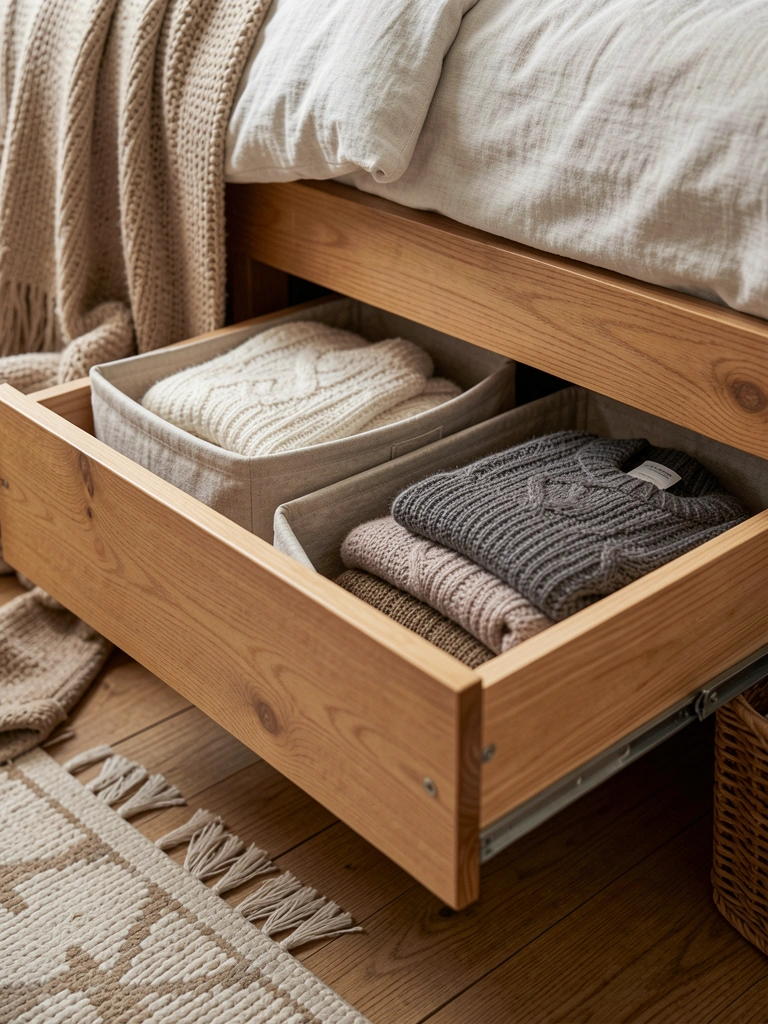
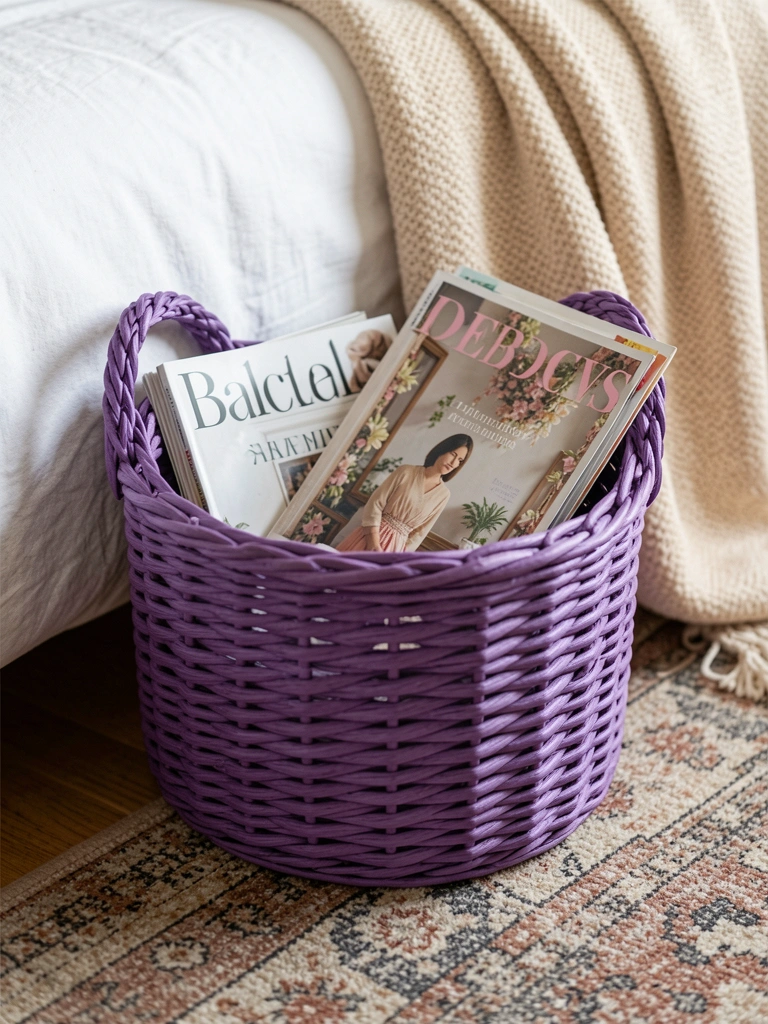
    Leverage under bed storage, vertical shelving, decorative baskets, and creative drawer solutions to transform your closet organization into a streamlined, personalized space.

    Bring Nature Into Your Bedroom

    While contemporary bedroom design increasingly embraces biophilic principles, incorporating natural elements transforms your personal sanctuary into a restorative, harmonious environment.

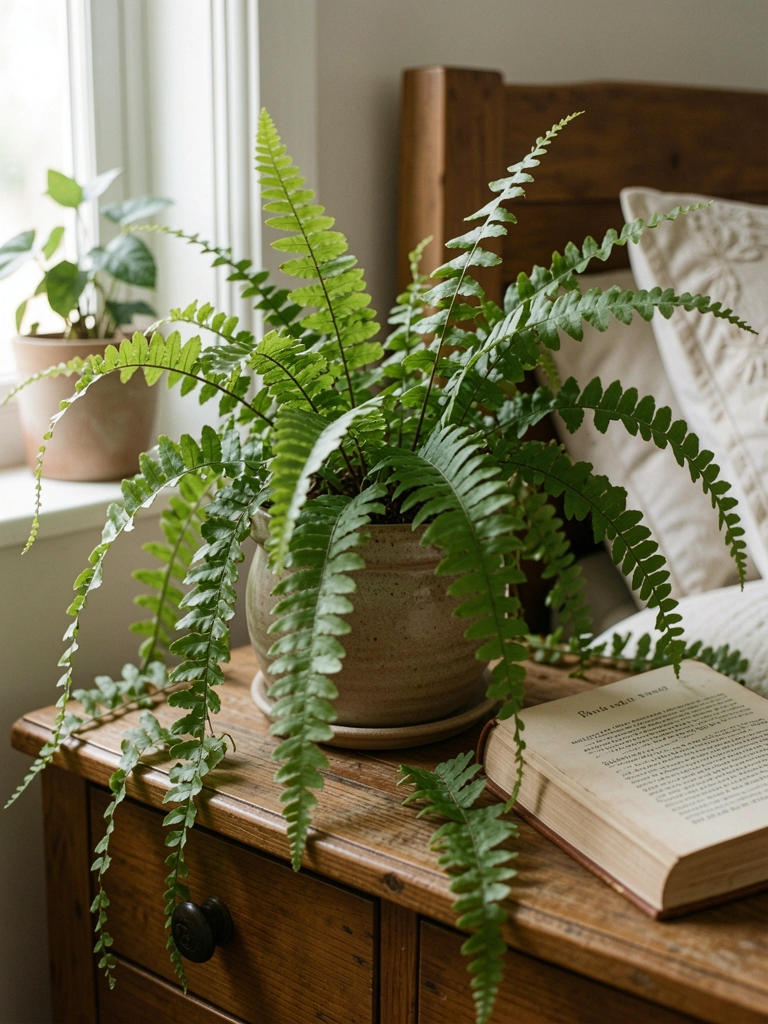
    Strategically place indoor plants near windows to maximize natural light and create a sense of organic tranquility. Choose plants like snake plants or pothos that thrive indoors and purify your air, enhancing your bedroom’s wellness aesthetic.

    Maximize Style in Small Spaces

    When square footage feels limited, strategic design can transform compact bedrooms into stylish, functional retreats.

    Embrace vertical storage solutions that maximize every inch. Wall-mounted shelves, floating nightstands, and multi-functional furniture can help you reclaim precious space while maintaining a sleek, uncluttered aesthetic that reflects your personal style and creativity.

    Choose Sustainable Design Materials

    As you explore innovative bedroom design, consider the environmental impact of your material choices.

    Opt for recycled materials like reclaimed wood furniture or bamboo flooring. Choose eco-friendly paints with low VOC content to reduce harmful emissions.

    Your sustainable selections won’t just create a stunning space—they’ll also contribute to a healthier planet.

    Design for Holistic Sleep Wellness

    Because quality sleep is foundational to overall health, your bedroom design should prioritize holistic wellness strategies that support restorative rest.

    Create a mindful ambiance with calming color palettes, soft textures, and minimal clutter. Integrate restorative rituals through intentional lighting, sound-dampening elements, and ergonomic furnishings that promote deep, rejuvenating sleep.

    Draw Global Design Inspirations

    Global bedroom design offers a rich tapestry of cultural influences that can transform your personal sanctuary into an international haven of style and comfort. By embracing global textile influences and international decor trends, you’ll curate a space that reflects worldly sophistication. Explore Moroccan textiles, Japanese minimalism, and Scandinavian elegance to elevate your bedroom’s aesthetic narrative.

    Personalize Your Perfect Bedroom

    Drawing inspiration from international design landscapes opens a world of possibilities for crafting a bedroom that’s uniquely yours.

    Your bedroom layout should reflect your personality, blending global influences with personal decor that speaks to your individual style.

    Choose elements that resonate with your aesthetic, creating a space that feels authentically you.

    Transform Your Space on a Budget

    While transforming your bedroom doesn’t require an extravagant budget, strategic design choices can dramatically elevate your space without breaking the bank.

    Focus on budget-friendly decor like secondhand furniture, DIY art, and thrifty organization techniques.

    Repurpose existing pieces, hunt for sales, and prioritize impactful updates that maximize visual appeal with minimal investment.

  • 22 Gorgeous Luxury Bed Styling Tips Ideas You’ll Love

    22 Gorgeous Luxury Bed Styling Tips Ideas You’ll Love

    Your bedroom is more than just a sleeping space—it’s a personal sanctuary where luxury meets comfort. Transforming your bed into a stunning focal point requires strategic styling that balances aesthetic appeal with personal tranquility. Professional designers understand that every layer, texture, and color choice communicates a narrative of elegance and sophistication. Are you ready to reveal the secrets of creating a bed that’s not just visually breathtaking, but also a true reflection of your refined taste?

    As we approach 2026, bedroom design trends are embracing a transformative blend of comfort, technology, and sustainable luxury. You’ll see minimalist bedroom concepts featuring clean lines and vintage accents that tell a story. Expect smart textiles, eco-friendly materials, and integrated tech that elevates your personal sanctuary while maintaining a sophisticated, uncluttered aesthetic.

    The Psychology of Color in Personal Spaces

    Beyond the sleek lines and smart technologies of modern bedroom design, color emerges as a powerful psychological tool that can transform your personal space into an emotional sanctuary.

    Your color choices create a visual narrative, influencing mood through carefully curated palettes that balance warm tones, soothing neutrals, and vibrant accents to enhance spatial perception and emotional well-being.

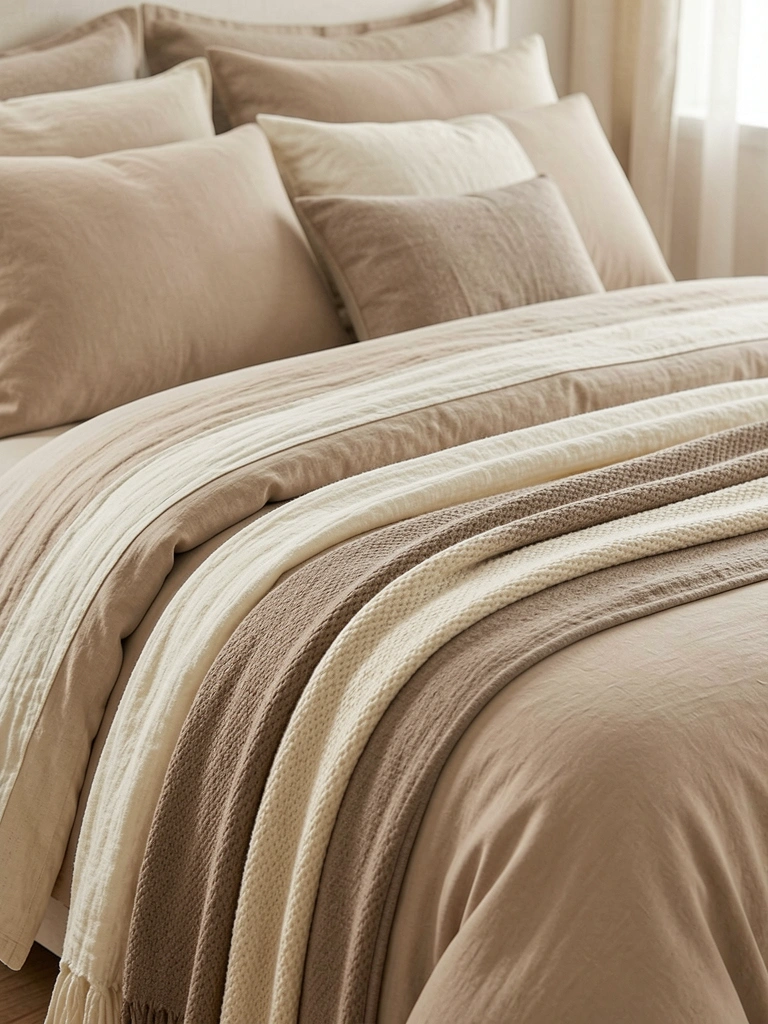
    Craft Your Warm Neutral Color Palette

    While color psychology provides the theoretical foundation, implementing a warm neutral color palette requires strategic, intentional design choices.

    You’ll want to blend soft taupe, creamy ivory, and gentle camel tones that create depth and sophistication. These neutral color palettes invite serenity while offering versatile styling possibilities that reflect your personal aesthetic freedom.

    Professional Bedding Layering Techniques

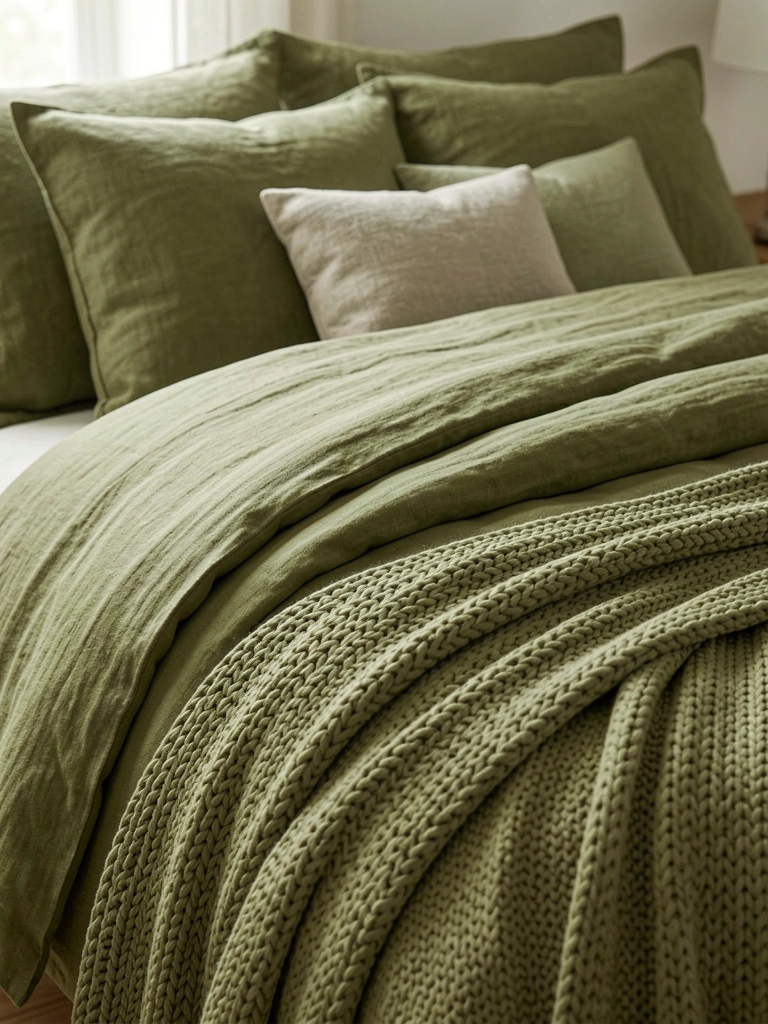
    Once your warm neutral palette sets the stage, professional bedding layering becomes the artistic expression that transforms a simple bed into a luxurious sanctuary. Master bedding textures by combining lightweight linens with plush duvets, strategically arranging throws and adding dimensional visual interest through varied layering styles that invite tactile exploration.

    Mix Textures Like a Design Pro

    The art of mixing textures transforms an ordinary bed into a sophisticated design statement, elevating your bedroom’s visual and tactile experience.

    Create Luxe Depth With Oversized Pillows

    Layering luxurious textures sets the stage for another key styling element: oversized pillows.

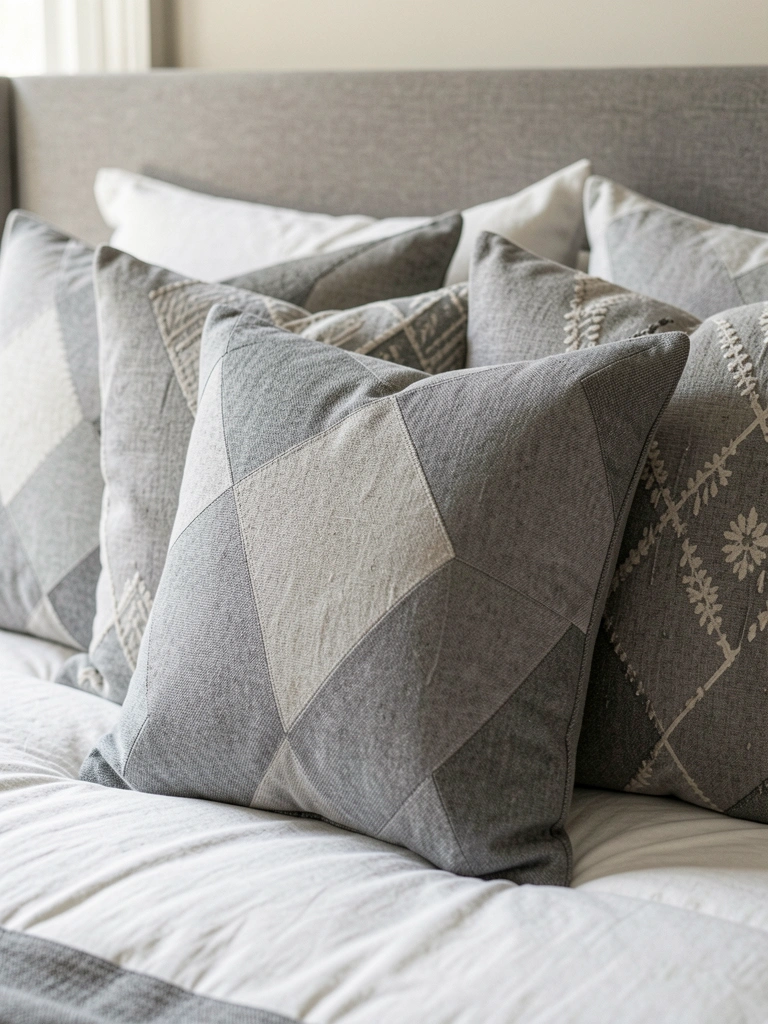
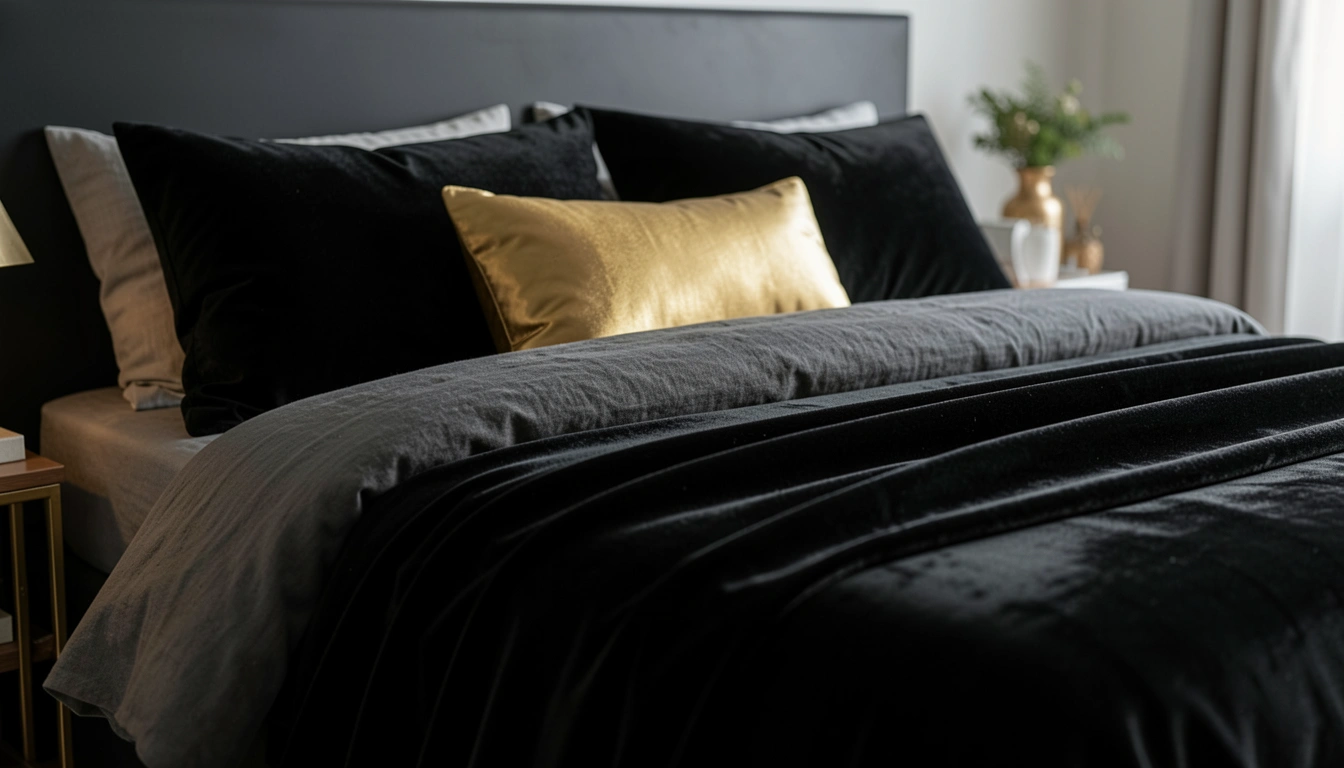
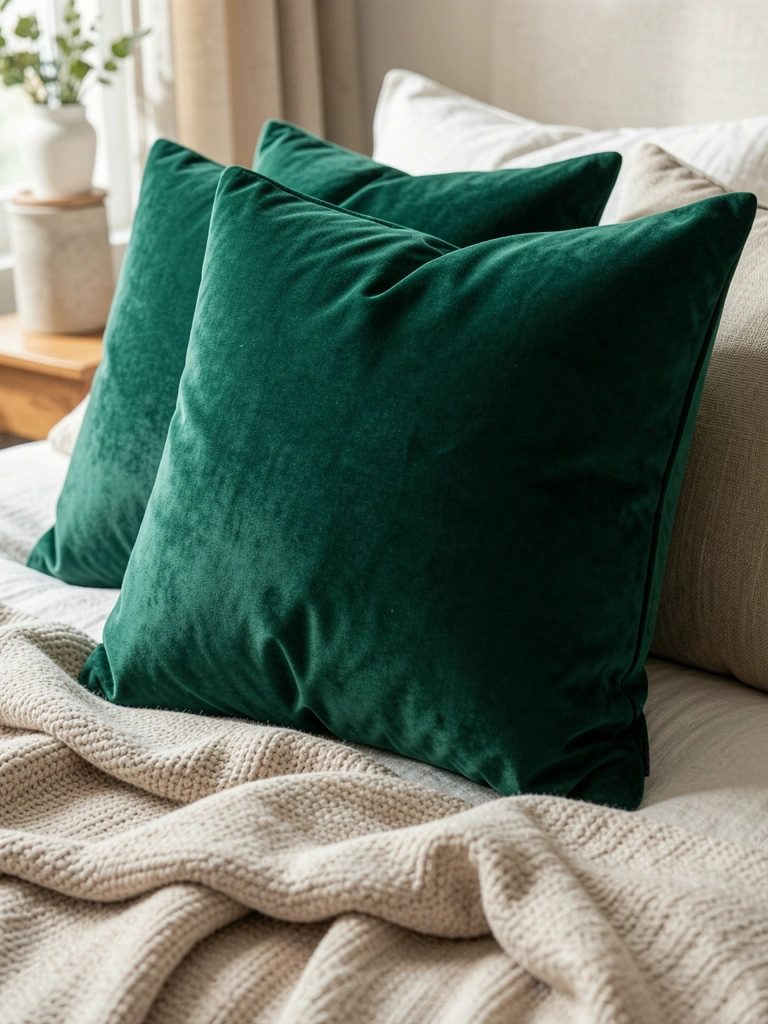
    You’ll elevate your bed’s aesthetic by strategically using oversized cushion styling techniques. Mix plush velvet, silk, and chunky knit pillows to create luxe pillow combinations that add depth and visual intrigue to your sleeping sanctuary.

    Choose Your Ultimate Sculptural Bed Frame

    Every luxurious bedroom hinges on selecting a sculptural bed frame that transcends mere functionality and becomes a true design statement.

    Whether you’re drawn to minimalist bed frames with clean lines or ornate bed designs with intricate details, your choice reflects your personal aesthetic.

    Choose a frame that elevates your space and expresses your unique style.

    Embrace Organic Bedroom Shapes

    Once your sculptural bed frame sets the foundational design language, consider how organic shapes can soften and harmonize your bedroom’s architectural elements. Choose curved furniture with fluid lines that create visual movement. Select organic fabrics like linen and wool to introduce natural textures, transforming rigid spaces into serene, flowing environments that invite relaxation and freedom.

    Design a Personal Wellness Retreat

    Your bedroom can transform into a personalized wellness sanctuary by intentionally curating design elements that promote holistic relaxation and rejuvenation.

    Integrate tranquil lighting with soft dimmer switches and layered illumination. Select soothing scents like lavender or chamomile through essential oil diffusers, creating a serene atmosphere that invites deep relaxation and mindful restoration.

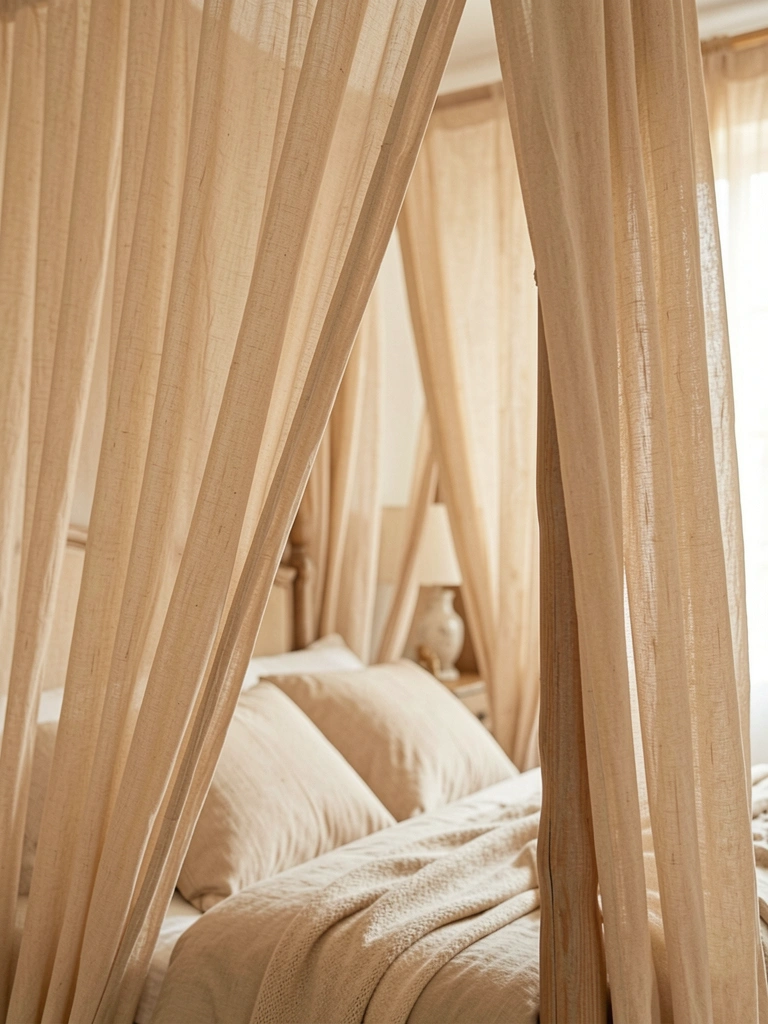
    Transform Canopy Beds Into Cozy Sanctuaries

    When designed thoughtfully, canopy beds can elevate bedroom aesthetics from mere sleeping spaces to intimate, luxurious retreats that cocoon you in comfort and style.

    Master canopy draping techniques using soft, billowing fabrics that cascade elegantly.

    Select cozy accessory choices like plush throws, textured pillows, and ambient lighting to transform your canopy bed into a personal sanctuary of relaxation and sophistication.

    Though maximalist patterns might initially seem overwhelming, strategic styling can transform bold designs into sophisticated bedroom statements.

    You’ll want to embrace bold pattern combinations that showcase your personality.

    Mix scale and texture, playing with playful color clashes that create visual depth. Your bedroom becomes a canvas where fearless design meets refined elegance.

    Style Statement Headboards That Wow

    A striking headboard can elevate your bedroom from mundane to magnificent, transforming the entire aesthetic with one bold design choice.

    Choose statement textures like velvet or leather, and embrace bold patterns that reflect your personality. Your headboard isn’t just a backdrop—it’s a powerful design element that anchors your luxury sleeping sanctuary with unparalleled style.

    Tactile Accents for Sensory Luxury

    Luxurious bedding transcends visual appeal, inviting touch through meticulously curated tactile experiences that transform your sleeping space into a sensory haven.

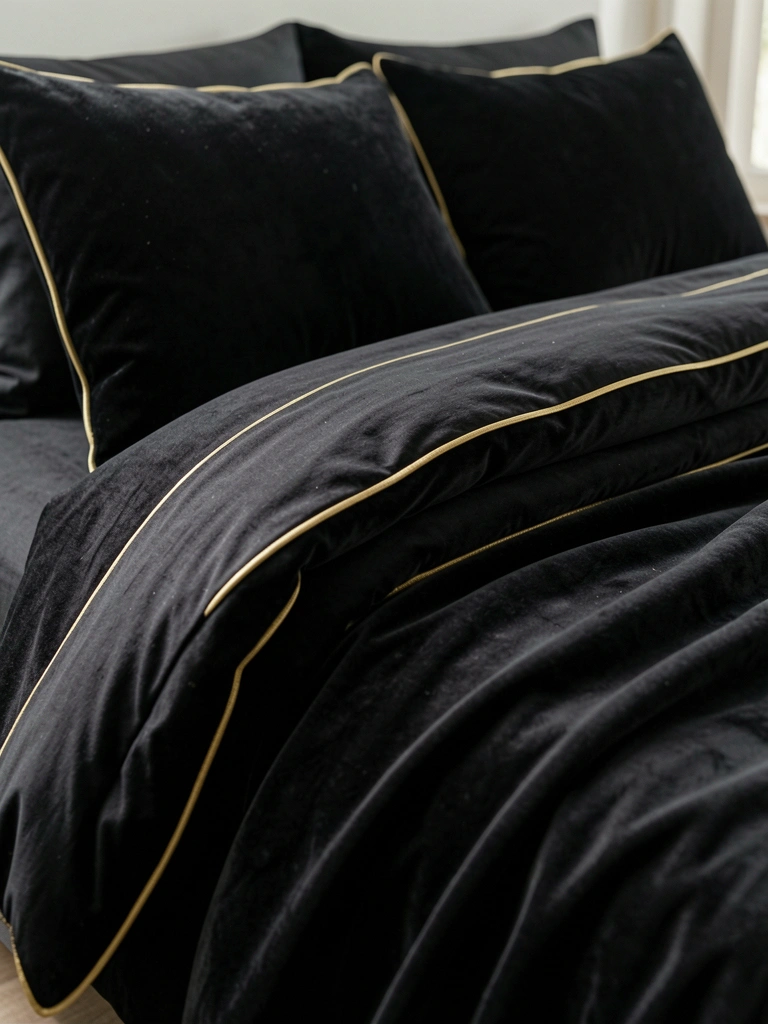
    Layer textural variety with plush velvet throws, chunky knit blankets, and silk-trimmed coverlets that beckon you to explore their intricate tactile details, creating a rich, multi-dimensional sensory landscape.

    Select Sophisticated Bedroom Materials

    When curating a sophisticated bedroom environment, material selection becomes a critical design strategy that elevates both aesthetic refinement and sensory comfort.

    You’ll want to prioritize luxury textiles like Egyptian cotton, silk, and cashmere that offer unparalleled softness.

    Choose sophisticated finishes such as high-thread-count linens and delicate jacquard weaves that transform your sleeping space into an elegant sanctuary.

    Build Your Bedroom Relaxation Zone

    Because transforming your bedroom into a personalized relaxation sanctuary requires intentional design, you’ll want to approach this space as a holistic wellness environment.

    Integrate ambient lighting with soft, layered fixtures and incorporate soothing scents through carefully selected candles or essential oil diffusers.

    Your relaxation zone should feel like a peaceful retreat that nurtures tranquility and comfort.

    Hide Clutter, Boost Style

    After cultivating a serene bedroom sanctuary, maintaining its aesthetic appeal requires strategic organization and clever storage solutions.

    You’ll want stylish, clutter-free solutions that preserve your space’s elegance. Invest in sleek under-bed storage, minimalist nightstands with hidden compartments, and streamlined furniture that keeps personal items discreetly tucked away, ensuring your luxury bedroom remains both functional and visually stunning.

    Choose High-Impact Textural Rugs

    As your bedroom’s foundational design element, a luxurious, high-impact textural rug can instantly elevate your space from ordinary to extraordinary.

    Select rugs with rich textures that create textural contrast, ensuring high-impact layering beneath your bed. Choose materials like plush wool, chunky jute, or silk for depth and visual intrigue that transforms your sleeping sanctuary.

    Blend Modern and Classic Design

    When crafting a luxurious bedroom aesthetic, blending modern and classic design elements creates a sophisticated, timeless space that transcends fleeting trends.

    You’ll want to mix sleek contemporary lines with vintage-inspired pieces, achieving modern vintage elegance. Select statement furniture that balances clean silhouettes with ornate detailing, allowing each piece to complement the other in a harmonious, curated composition.

    Create Dynamic Bedroom Layouts

    Because spatial dynamics transform bedrooms from mere sleeping quarters into personalized sanctuaries, strategic layout design becomes essential for creating an inviting and functional space.

    You’ll want to prioritize bedroom arrangement that enhances spatial flow, positioning furniture to create natural movement pathways and visual balance that reflects your unique aesthetic sensibilities and lifestyle needs.

    Invest in Premium Bedding Fabrics

    Though luxury begins with tactile sensation, elevating your bedding requires strategic fabric selection that transforms ordinary sleep spaces into extraordinary retreats. You’ll want premium threadcounts in luxury linens like Egyptian cotton, silk, and high-grade linen that promise unparalleled softness, breathability, and elegance—ensuring your bedroom exudes sophisticated comfort and refined personal style.

    Design Tech-Free Relaxation Spaces

    In today’s hyper-connected world, transforming your bedroom into a tech-free sanctuary becomes essential for genuine relaxation and mental restoration.

    Create a serene ambiance by banishing smartphones, tablets, and laptops from your sleeping space. Your digital detox begins with establishing clear boundaries, strategically placing charging stations outside the bedroom, and prioritizing tranquil, uninterrupted rest.

    Personalize Your Intimate Retreat

    Stripping away digital distractions sets the stage for a bedroom that truly reflects your personal aesthetic and emotional landscape. Infuse your intimate retreat with personal touches that resonate with your soul. Choose themed decor that tells your unique story—artwork, photographs, cherished mementos—transforming your space into a sanctuary that whispers your deepest self.

  • 25 Modern Minimal Joinery Bed Concepts Ideas For a Fresh New Look

    25 Modern Minimal Joinery Bed Concepts Ideas For a Fresh New Look

    You’re about to revolutionize your sleeping space with bed designs that blend sophistication and functionality. Imagine transforming your bedroom into a sanctuary of minimalist elegance, where every joint and curve tells a story of craftsmanship. These 25 innovative concepts aren’t just furniture—they’re architectural statements that challenge traditional bedroom aesthetics. Curious how a simple bed frame can redefine your personal living environment? Keep reading to uncover design secrets that will inspire your next home transformation.

    Understanding Minimalist Bed Frame Fundamentals

    Minimalist bed frames represent a striking evolution in contemporary furniture design, stripping away ornate details to reveal pure, functional elegance.

    You’ll discover these frames embrace minimalist aesthetics through clean lines, essential materials like solid wood or sleek metal, and a purposeful reduction of visual complexity that celebrates form and simplicity in bedroom spaces.

    The Rise of Japanese-Inspired Bed Design

    How have Japanese design principles elegantly transformed contemporary bed aesthetics?

    Tatami mat traditions and zen principles now inspire minimalist bed designs that embrace organic textures and sustainable sourcing. Shoji screens influence clean lines, while futon beds offer multipurpose flexibility.

    You’ll discover warm aesthetics rooted in nature’s simplicity ethos, reimagining bedroom spaces with elegant, purposeful freedom.

    Bamboo: The Revolutionary Material in Modern Bedrooms

    While sustainability transforms interior design, bamboo emerges as a game-changing material revolutionizing modern bedroom aesthetics.

    You’ll love how bamboo’s sustainable benefits create stunning bed frames that blend ecological consciousness with sleek minimalism. Its natural strength, lightweight composition, and renewable qualities make it the ultimate choice for design-forward, environmentally aware spaces.

    Minimalist Bed Frame Design Principles Explained

    Because contemporary design demands both functionality and aesthetic refinement, minimalist bed frame principles prioritize clean lines, purposeful geometry, and essential structural integrity.

    You’ll discover that simplicity aesthetics drive minimal joinery, where each element serves a specific purpose.

    Functionality balance emerges through streamlined forms that celebrate uncluttered spatial relationships.

    How Joinery Techniques Transform Bed Construction?

    When precision engineering meets design innovation, joinery techniques revolutionize bed construction by transforming traditional woodworking methods into sophisticated, seamless structural solutions.

    You’ll discover how innovative joinery elevates timeless craftsmanship, creating bed frames that aren’t just functional, but architectural statements of minimalist design and structural integrity.

    Selecting the Perfect Minimalist Bed Frame

    How do you transform your bedroom into a sanctuary of modern design? Choose a minimalist bed frame that embodies functional design and clean lines. Prioritize sleek silhouettes with precision joinery, emphasizing simplicity and elegance. Your ideal frame won’t compromise comfort—it’ll blend minimalist aesthetics with structural integrity, creating a space that reflects your contemporary lifestyle.

    While selecting the perfect minimalist bed frame, dimensions become your strategic design cornerstone.

    You’ll want to balance dimension ratios carefully, considering size considerations that maximize both aesthetic and functional space.

    Your room’s proportions dictate your choices, ensuring your bed isn’t overwhelming or underwhelming, but precisely right for your minimalist sanctuary.

    Wooden Joints: Engineering Elegance Without Fasteners

    Beyond precise dimensional planning, your minimalist bed’s structural integrity lies in sophisticated wooden joinery techniques that eliminate visible hardware. By mastering classic techniques like dovetail, mortise-and-tenon, and finger joints, you’ll create a frame that’s not just structurally sound, but a showcase of design aesthetics that celebrate craftsmanship and visual simplicity.

    Platform Bed Heights: Ergonomic Considerations

    When designing a modern minimal platform bed, your chosen height isn’t just an aesthetic decision—it’s a critical ergonomic consideration that directly impacts sleep quality and daily functionality.

    Ideal height adjustments guarantee ergonomic support, allowing smooth shifts between sitting, lying, and rising, maximizing comfort and personal freedom in your sleep sanctuary.

    Storage Solutions in Minimalist Bed Designs

    Because minimalist design champions both form and function, strategic storage solutions have become integral to contemporary platform bed concepts.

    You’ll love hidden compartments and multifunctional designs that maximize space without compromising sleek aesthetics.

    Integrated drawers and under-bed storage offer clean lines while providing practical organizational solutions for your personal sanctuary.

    Color and Texture: Styling Your Bed Frame

    While minimalist design celebrates restraint, your bed frame’s color and texture can dramatically elevate your bedroom’s aesthetic.

    Choose a color palette that reflects your personality—soft neutrals or bold statements—and prioritize texture harmony.

    Experiment with matte finishes, natural wood grains, or sleek metallic accents that communicate your unique design sensibility and personal freedom.

    Matching Bed Frames With Contemporary Interiors

    After exploring color and texture dynamics, selecting a bed frame that harmonizes with contemporary interior design becomes an artful statement of personal style.

    Your choice should emphasize modern aesthetics and sustainable materials, creating a seamless visual narrative that reflects minimalist design principles and individual freedom of expression.

    Understanding Material Quality in Bed Construction

    Quality defines the soul of modern minimal joinery bed construction, transforming raw materials into functional art.

    You’ll want to prioritize material durability and advanced construction techniques that elevate your sleeping space. High-grade hardwoods, precision-engineered metals, and sustainable composites aren’t just materials—they’re statements of design integrity and personal expression.

    Customization Options for Personalized Frames

    Because personalization transforms a mere bed frame into a deeply intimate living space, modern minimal joinery design now offers unprecedented customization possibilities.

    You’ll discover frame finishes ranging from raw timber to sleek lacquers, bespoke sizes tailored to your unique dimensions, modular designs allowing fluid reconfiguration, and unique patterns that reflect your individual aesthetic vision.

    Weight Capacity and Structural Integrity

    While minimal joinery bed designs prioritize aesthetic elegance, they must simultaneously deliver uncompromising structural performance.

    You’ll want a frame that’s engineered for ideal weight distribution, capable of withstanding rigorous load testing.

    The best designs balance sleek minimalism with robust engineering, ensuring your bed isn’t just a visual statement but a reliable foundation for rest and rejuvenation.

    The Art of Invisible Woodworking Connections

    Where structural integrity meets artistic precision, invisible woodworking connections represent the pinnacle of modern bed design engineering.

    You’ll discover hidden joints that transform wood synergy into minimalist artistry, revealing craftsmanship secrets through seamless designs.

    These innovative methods elevate structural aesthetics, allowing your bed to speak volumes through its elegant, understated presence.

    Comparing Traditional vs. Modern Joinery

    Since woodworking techniques have evolved dramatically, traditional and modern joinery methods represent fundamentally different approaches to bed frame construction.

    You’ll notice modern craftsmanship emphasizes minimalist connections and clean lines, while traditional techniques rely on complex, visible joints.

    The design evolution reflects a growing desire for simplicity, functionality, and aesthetic freedom in contemporary furniture making.

    Headboard Designs for Minimalist Frames

    As minimalist bed frame design continues to push aesthetic boundaries, headboard concepts have transformed from traditional bulky constructs to sleek, innovative statements of architectural intent.

    You’ll find that strategic headboard materials like tempered glass, brushed aluminum, and sustainably sourced wood create aesthetic balance, offering clean lines that speak to your desire for uncluttered, purposeful spaces.

    Bamboo Furniture’s Environmental Impact

    Because sustainability has become a critical consideration in modern furniture design, bamboo emerges as a game-changing material that’s revolutionizing eco-conscious manufacturing.

    You’ll appreciate its sustainable sourcing and remarkable bamboo durability. It grows rapidly, requires minimal resources, and transforms your space with a lightweight, renewable material that doesn’t compromise on strength or aesthetic appeal.

    Budget-Friendly Minimalist Bed Strategies

    When budget constraints meet minimalist design aspirations, innovative bed strategies can transform your bedroom without breaking the bank.

    Explore affordable designs that emphasize clean lines and functional simplicity.

    DIY projects like platform bed frames and custom headboards let you craft a sleek sleeping space while keeping costs low and personal style high.

    Maintenance Tips for Natural Wood Frames

    Wood frames that breathe natural elegance demand thoughtful care to preserve their pristine aesthetic and structural integrity.

    You’ll want to implement regular wood preservation techniques like gentle dusting, using soft microfiber cloths, and avoiding harsh chemical cleaners.

    Periodic light oiling and strategic cleaning techniques will maintain your minimalist wood frame’s timeless beauty and durability.

    As bedroom furniture design evolves, minimalist joinery techniques are pushing innovative boundaries beyond traditional wood preservation methods.

    You’ll see futuristic materials and sustainable designs transforming multifunctional spaces. Modular furniture with integrated technology and ergonomic innovations will redefine comfort, while color psychology influences sleek, adaptable bedroom environments that reflect personal freedom and contemporary aesthetics.

    Creating a Zen-Inspired Sleeping Space

    How can you transform your bedroom into a sanctuary of tranquility and mindful design? Embrace zen decor with minimal accessories, focusing on natural elements that create a serene ambiance. Soft lighting and calming colors will anchor your space, allowing you to curate a bedroom that breathes peace and minimalist elegance, inviting restful transformation.

    Making Your Final Bed Frame Selection

    Elevating your zen-inspired sanctuary requires selecting the perfect bed frame that harmonizes form and function.

    Consider bed frame materials like solid wood, steel, or bamboo that offer design versatility. Your choice should reflect minimalist aesthetics, structural integrity, and personal style—transforming your sleeping space into a refined, intentional retreat that breathes tranquility and modern sophistication.

    Installation and First-Year Care Guide

    While precision matters during bed frame installation, your approach will determine long-term performance and aesthetic integrity.

    Master minimal joinery installation techniques by aligning components meticulously and using specialized tools.

    Your first-year maintenance should focus on periodic checks, slight tightening of joints, and protecting wood surfaces from moisture and direct sunlight exposure.